
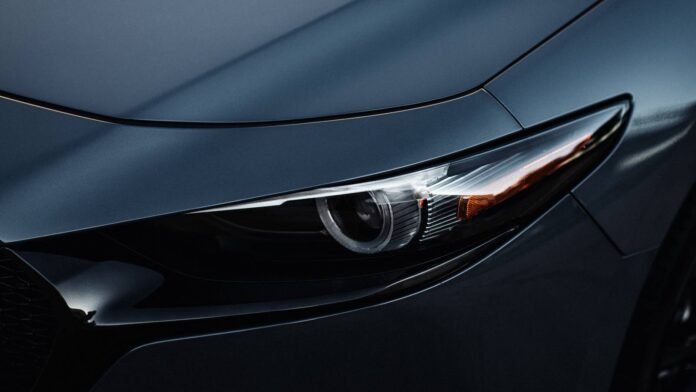
The allure of luxury cars is clear: beautiful designs combined with high performance and refinement. Yet, must you always spend a luxury-badge premium to get a luxury-grade experience? Not always, but if you were to walk into any dealership, the dealer’s goal is to ensure you leave with the product that provides the highest returns.
What if there was a car that looks and feels just as premium as a base-model German sedan that is twice its price? The best-looking cars are not always the most expensive ones, and there are cars that get constant second glances and cost less than $30,000. We often conflate cost with quality, but design provides the perfect gap to be exploited.
The Details That Actually Make A Car Look Expensive
There are specific design strategies that make certain cars look better than others. There is also a distinct design language that makes a car look premium and not just expensive. Understanding what creates that difference in perception is important to dissect where true design value lives in our current market.
Ornamentation Was Never The Right Approach
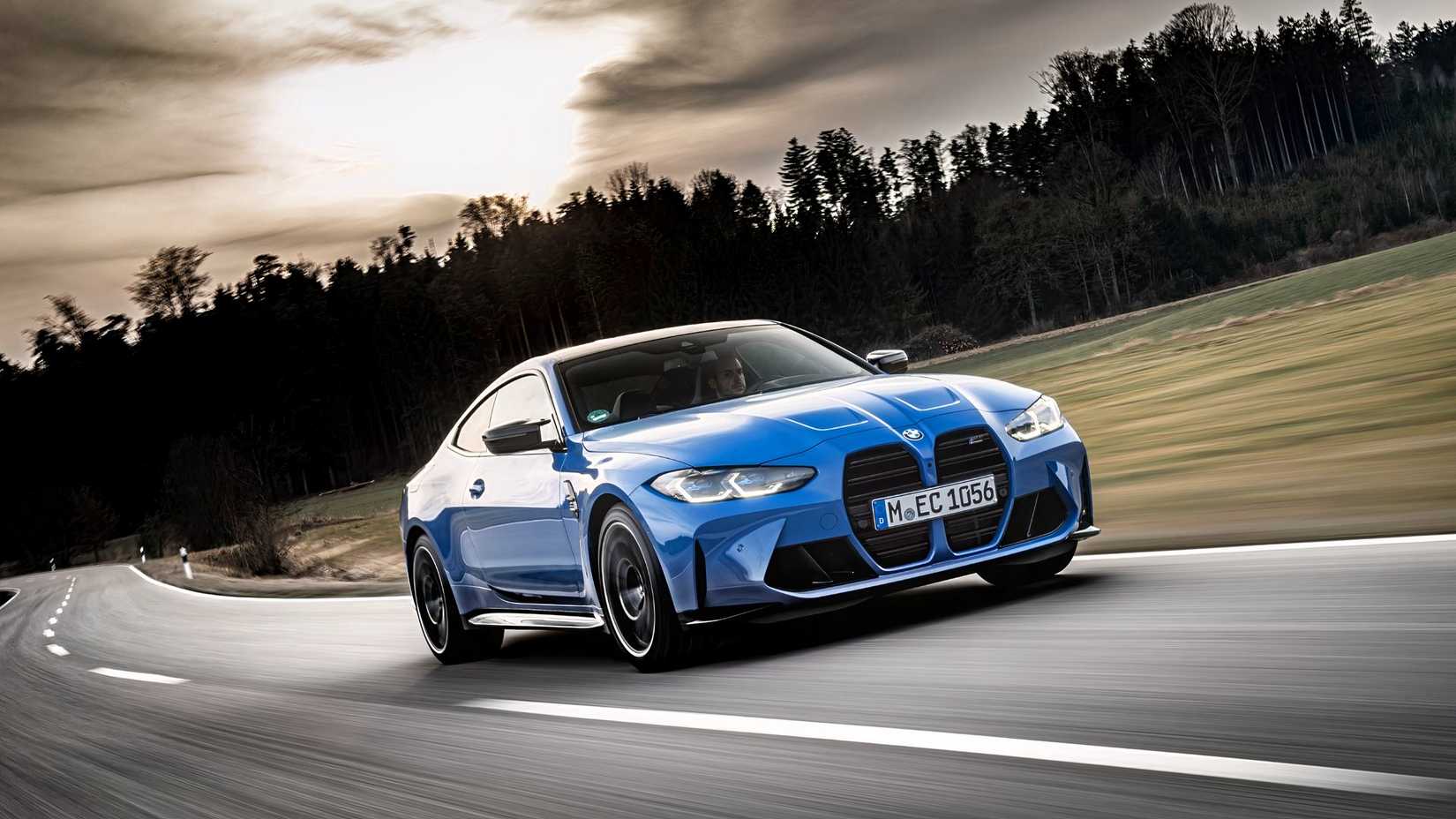
What a lot of modern automotive designers fail to understand is that restraint has more value than decoration. So often, the default process is to create the most outlandish and extreme design possible with the hope of standing out among the competition. Never before have designs looked so angular and busy, and the result is often just visual noise to attract quick attention rather than a genuinely interesting idea. It’s almost like automakers are having a battle over who can show off the tolerance levels of their manufacturing and tooling rather than creating a timeless product. The fact is that genuinely expensive-looking cars do the exact opposite.
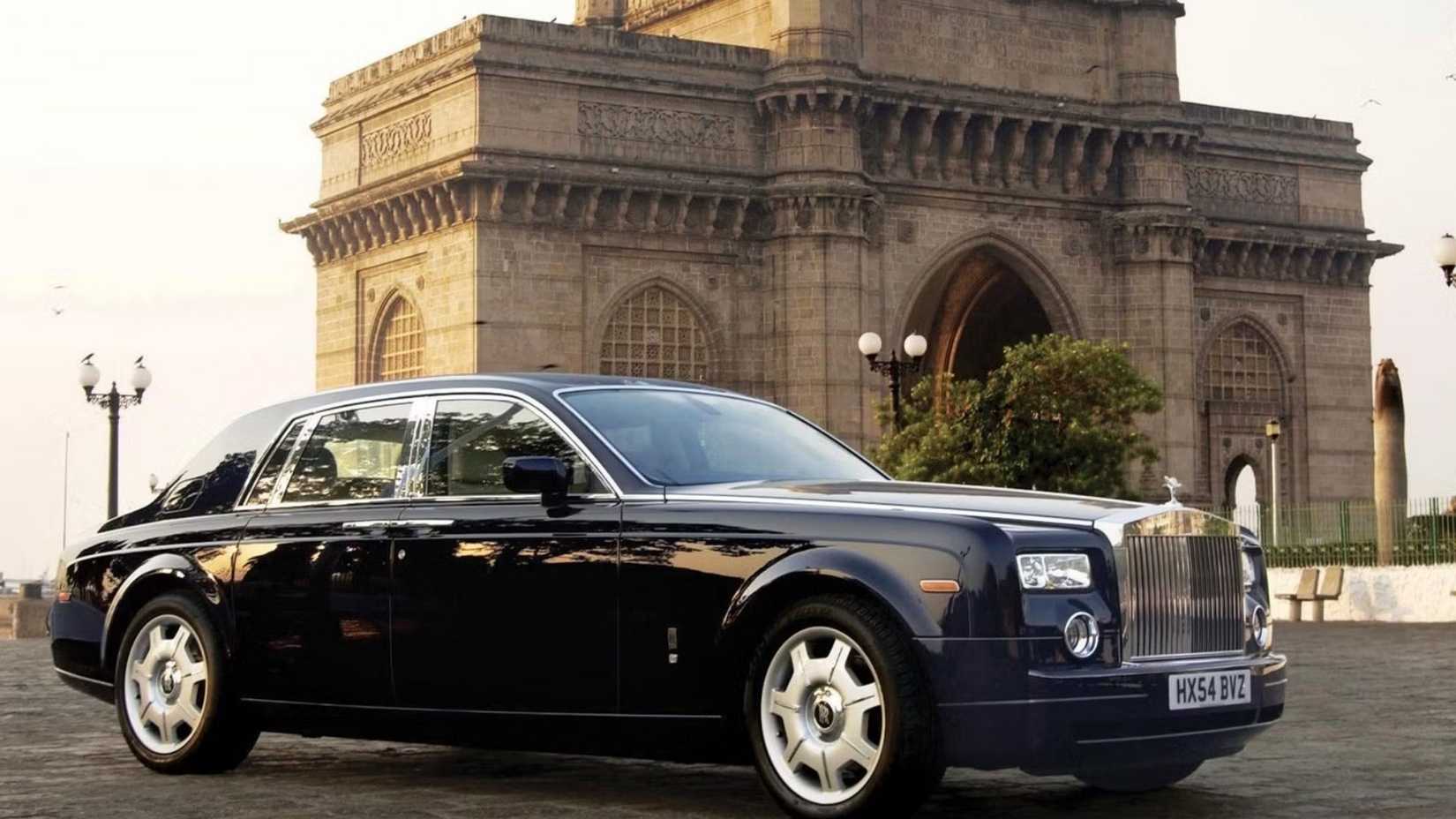
There is no clearer example of this than the Rolls-Royce Phantom, which debuted in 2003. It famously established its identity through subtle and clean body lines that are immediately identifiable. The Phantom has been in production for over 20 years now, and its overall shape and look have never changed. Somehow, it still imposes the same authoritative road presence it did for the first time, all those years ago, and its undeniable design is at the heart of this. When a car uses excess visual complexity to justify its price, it shows that the underlying foundation wasn’t strong enough to stand alone.
Material Quality And Interior Presence
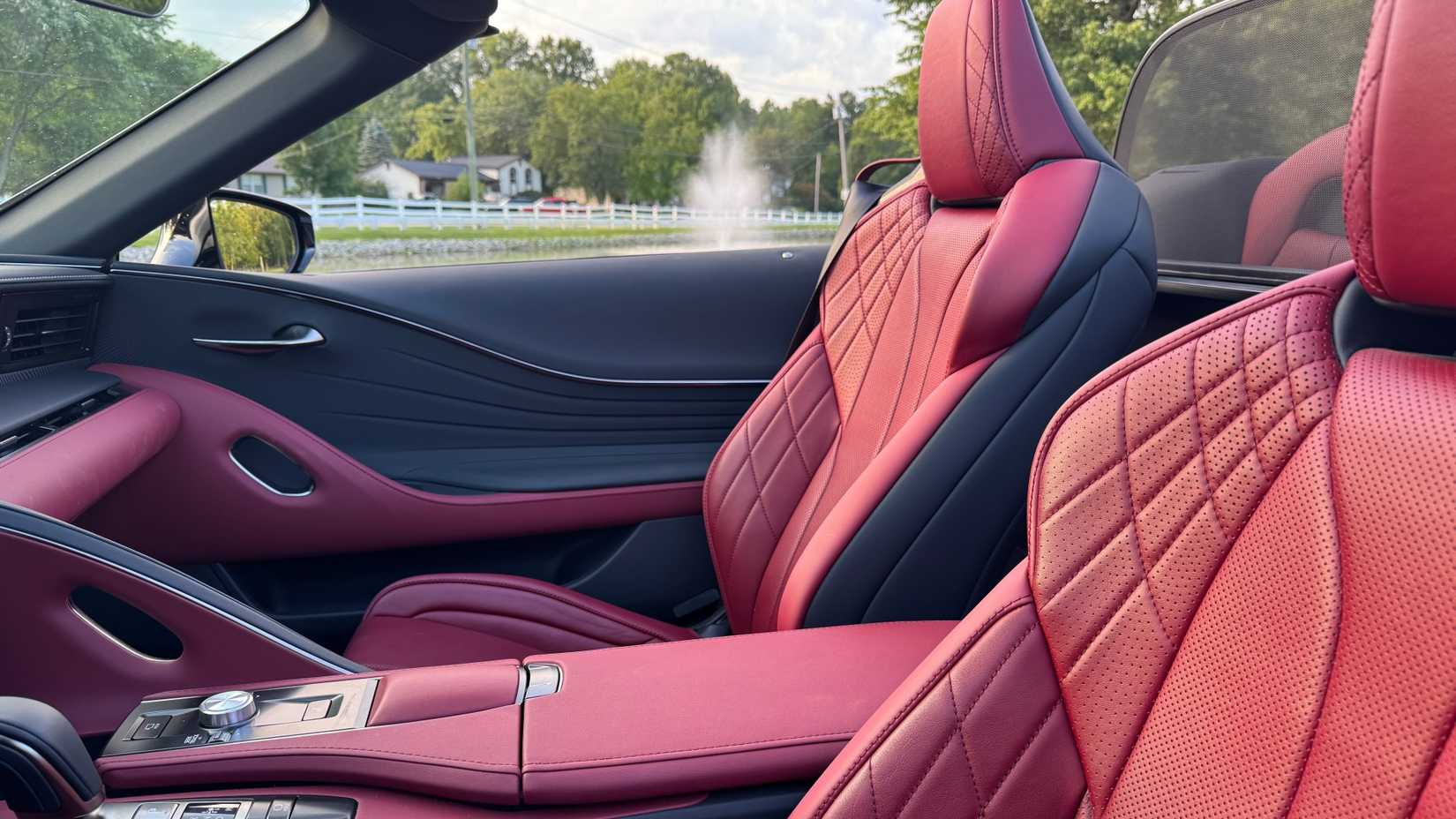
While it is the exterior of a luxury vehicle that will draw you in, the cabin is what determines whether you truly feel a premium experience or not. A keen and experienced eye might be able to tell the difference between a $30,000 car and a $50,000 car from far away, but interior quality is something everyone notices the second the doors open. Soft-touch surfaces provide a premium feel, metal accents on knobs and buttons provide real tactile bounce, and stitching patterns show attention to detail. A lot of the time, we don’t pay attention to these details individually, but subconsciously, you understand how each crafts a part of the experience.
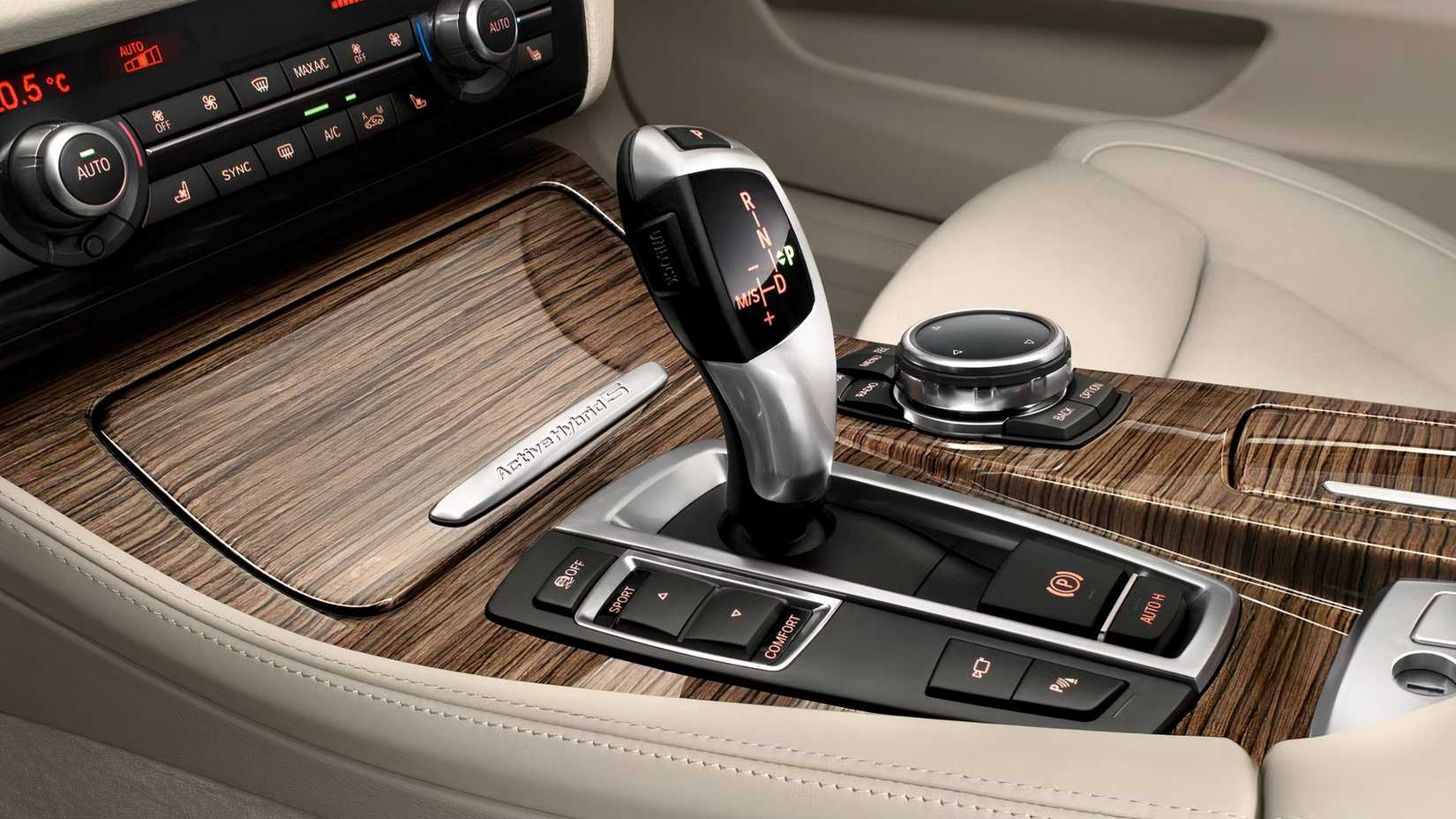
According to J.D. Power’s 2024 Vehicle Dependability Study, interior material quality ranked as the second-highest factor of perceived vehicle value, only behind powertrain smoothness. The cars that scored the highest in perceived luxury per dollar almost always prioritized interior tactility as a defining factor of their luxury experience.
Luxury Cars That Won’t Break The Bank On Maintenance
These premium vehicles defy the high-maintenance stereotype, offering luxury without the long-term financial sting.
How Badge Inflation Has Become Rampant
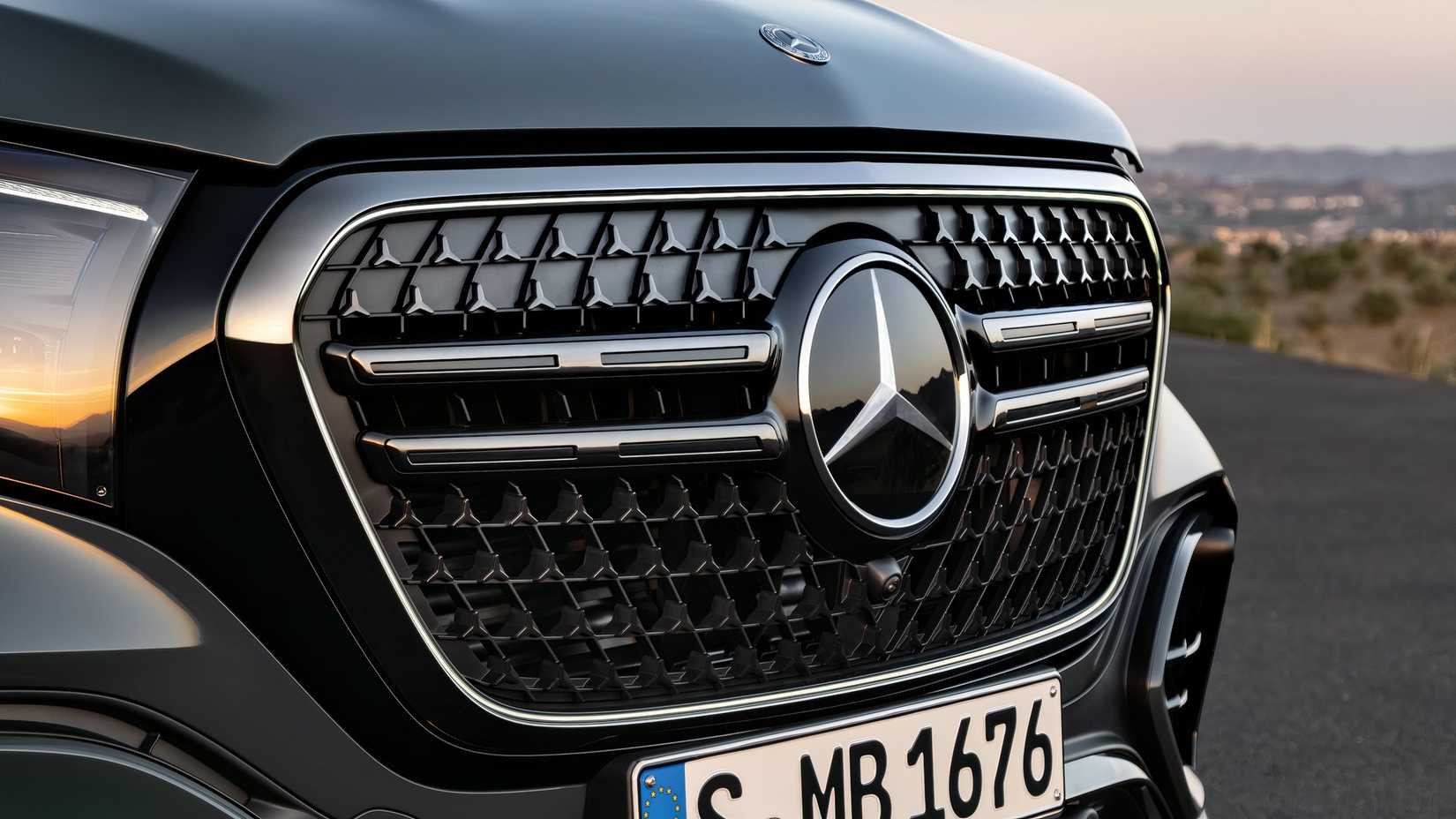
The luxury segment over the last ten years or so has built up some new bad habits, including leaning on brand prestige rather than product quality. As a result, the value of a specific badge has diminished because the nameplate alone is no longer a guarantee of quality.
Entry-Level Luxury Is A Clever Marketing Trend
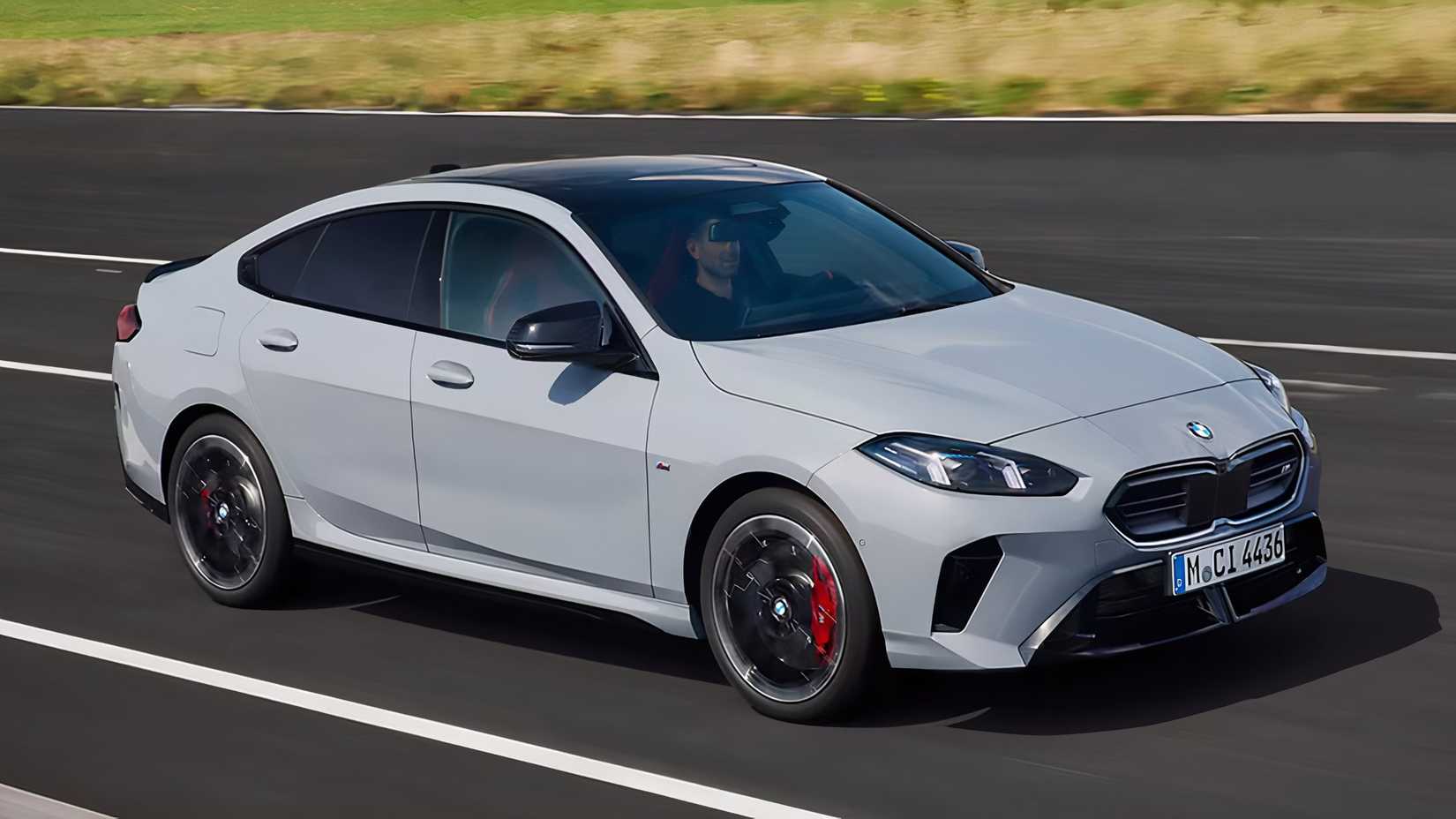
Once you start looking at the entry-level luxury tier, the gap between perception and reality becomes the widest. For example, what is the most affordable new BMW on the market? The $40,000 2026 BMW 228 Gran Coupe. Mercedes also tracks BMW’s pricing and prices its own entry-level $42,750 CLA accordingly. Audi does the same based on its strategy, pricing its entry-level 2026 Audi A3 at $40,100. Because the three German automakers all price relative to one another, the consumer is implicitly told the badge justifies whatever price they decide is right. Strip away the badges, however, and the picture becomes more complicated.
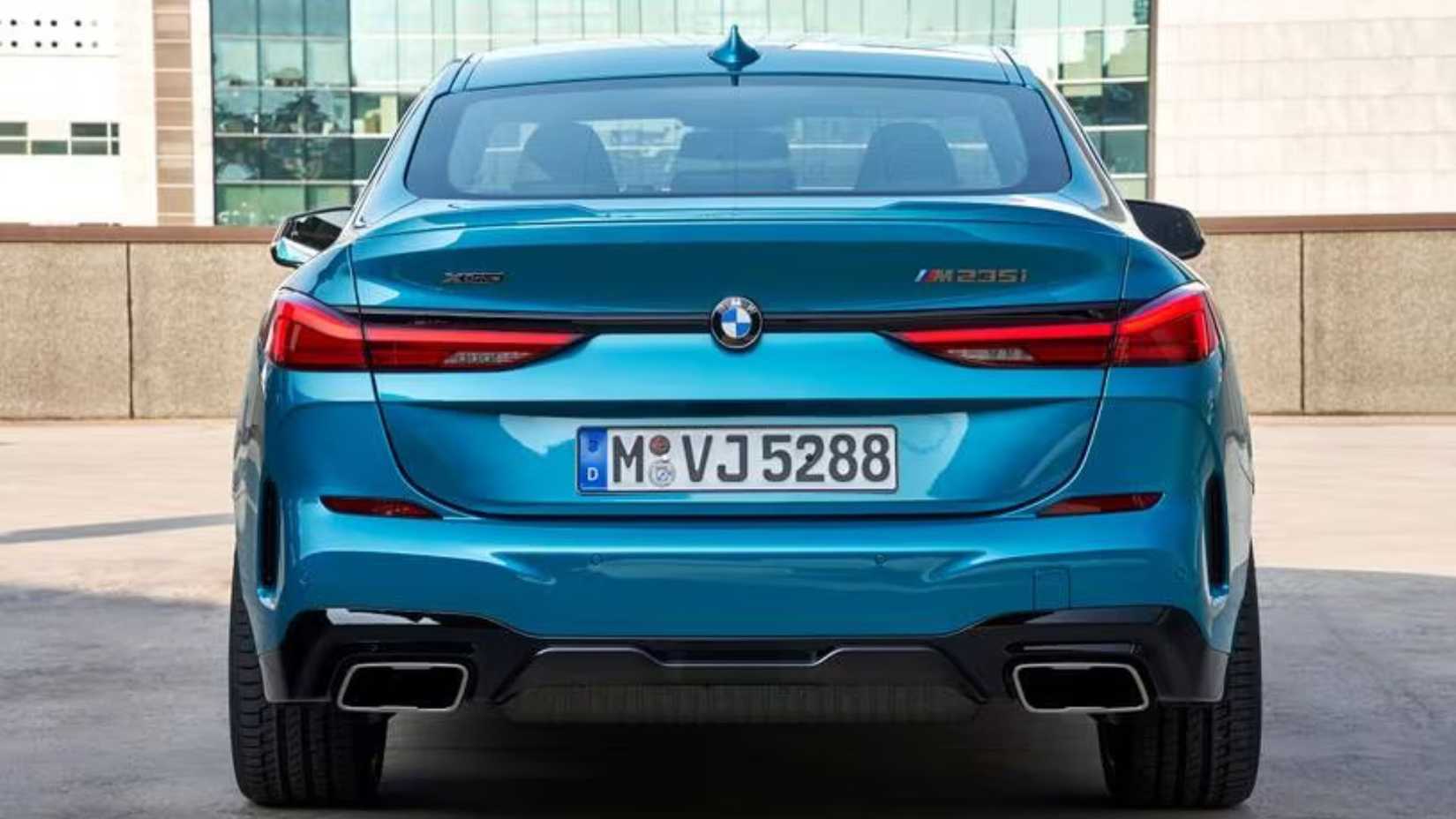
The BMW 2 Series Gran Coupe and the Mercedes CLA Coupe are luxury cars with FWD architecture that share significant components and design elements with economy models. The driving dynamics that these brands built their legacy on no longer exist in these models, yet they advertise them like they are direct descendants of the greats of old. This alone doesn’t invalidate these vehicles entirely, but it does illustrate a core issue with putting too much trust in the badge. You are often paying a markup because of clever marketing rather than material execution.
What Depreciation Exposes About Perceived Value
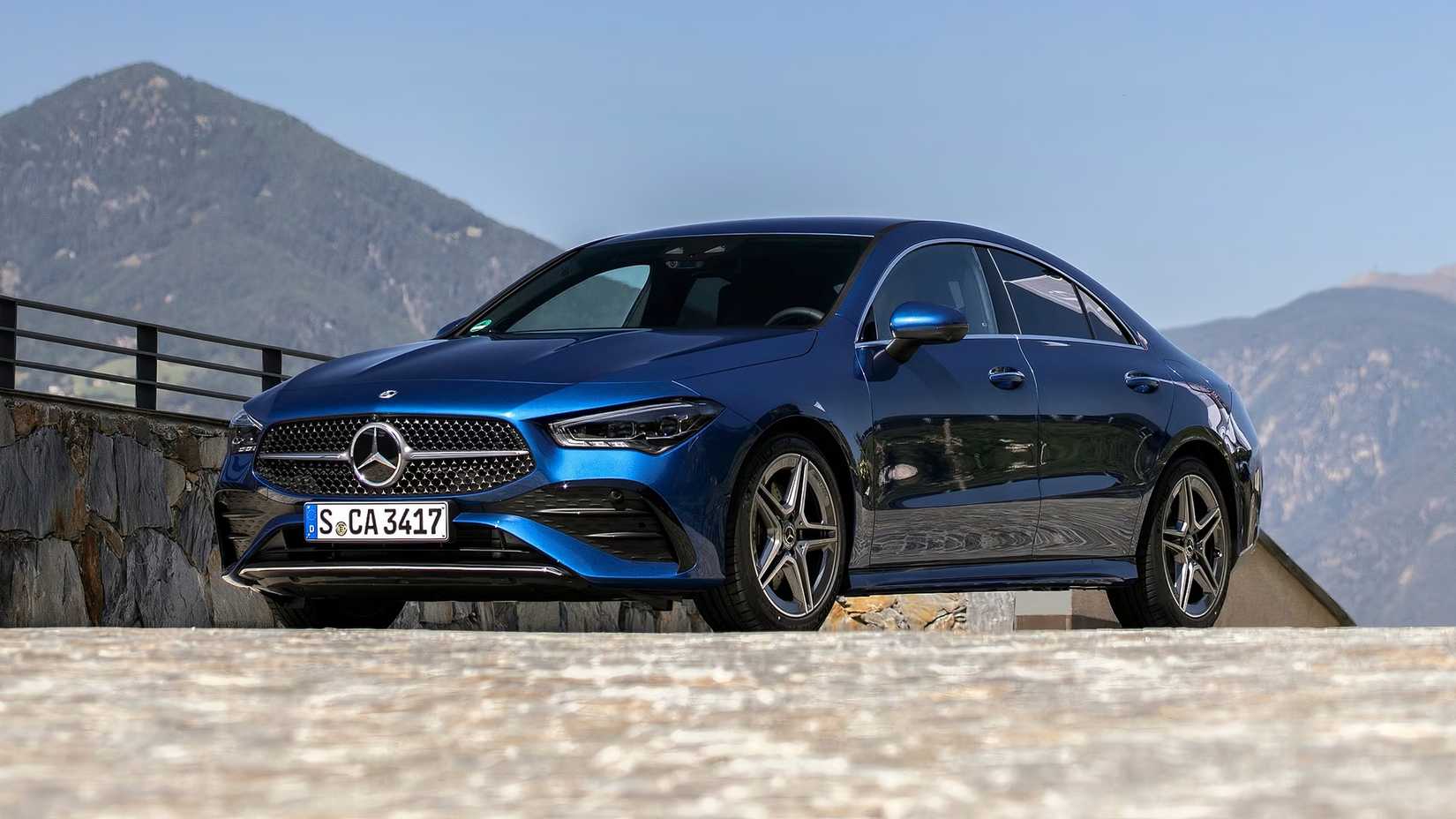
If these entry-level luxury models delivered genuine quality, they would hold their value better than the average luxury vehicle. The reality is they do not. According to Kelley Blue Book, the 2025 Mercedes CLA Coupe only retains about 39 percent of its value after five years, while the 2025 BMW 2 Series retains about 41 percent over the same period. These two examples are not outliers, but rather, the standard.
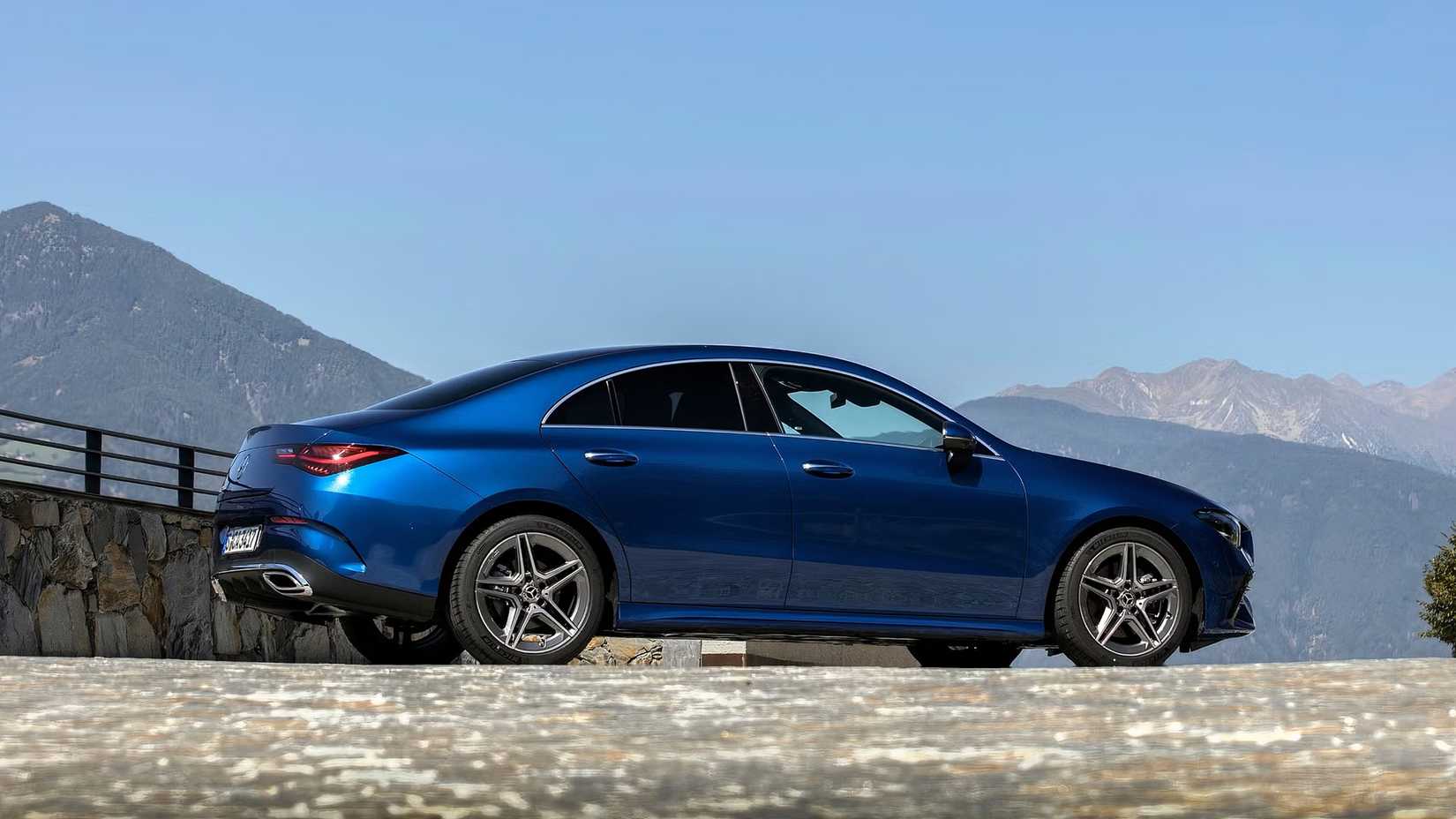
The fact is, the market’s long-term verdict on what these cars actually are becomes clear once the lease period ends. True long-term value comes from design quality and material substance, and this only becomes clearer as the vehicle ages. The used market will make it clear which models deliver on those foundations and which don’t. That is why one car from a Japanese brand offers a compelling value proposition that most of its rivals can’t compete with. That car is a Mazda hatchback that is often overlooked by luxury shoppers.
All Mazda SUV Models By Size And Price
Join us to find out a little more about every one of Mazda’s SUV models.
The Mazda3 Hatchback Looks And Feels Like A Luxury Car
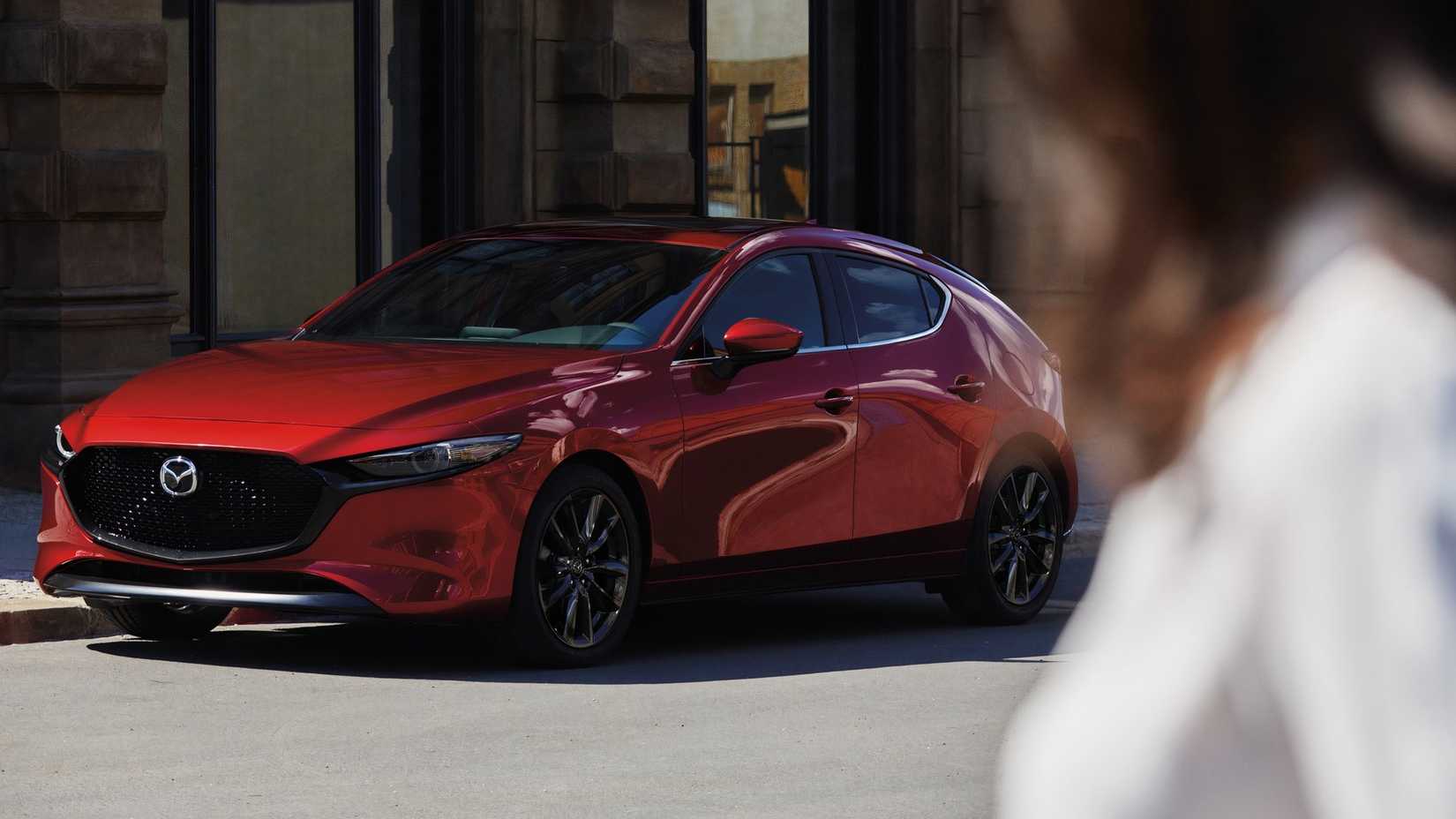
The 2026 Mazda3 Hatchback starts at $25,550 and is one of the best-looking cars available at any price point. You might think that looks are subjective, but Mazda’s Kodo design language has matured into one of the most identifiable stylistic philosophies on the market.
The Exterior That Looks Twice The Price
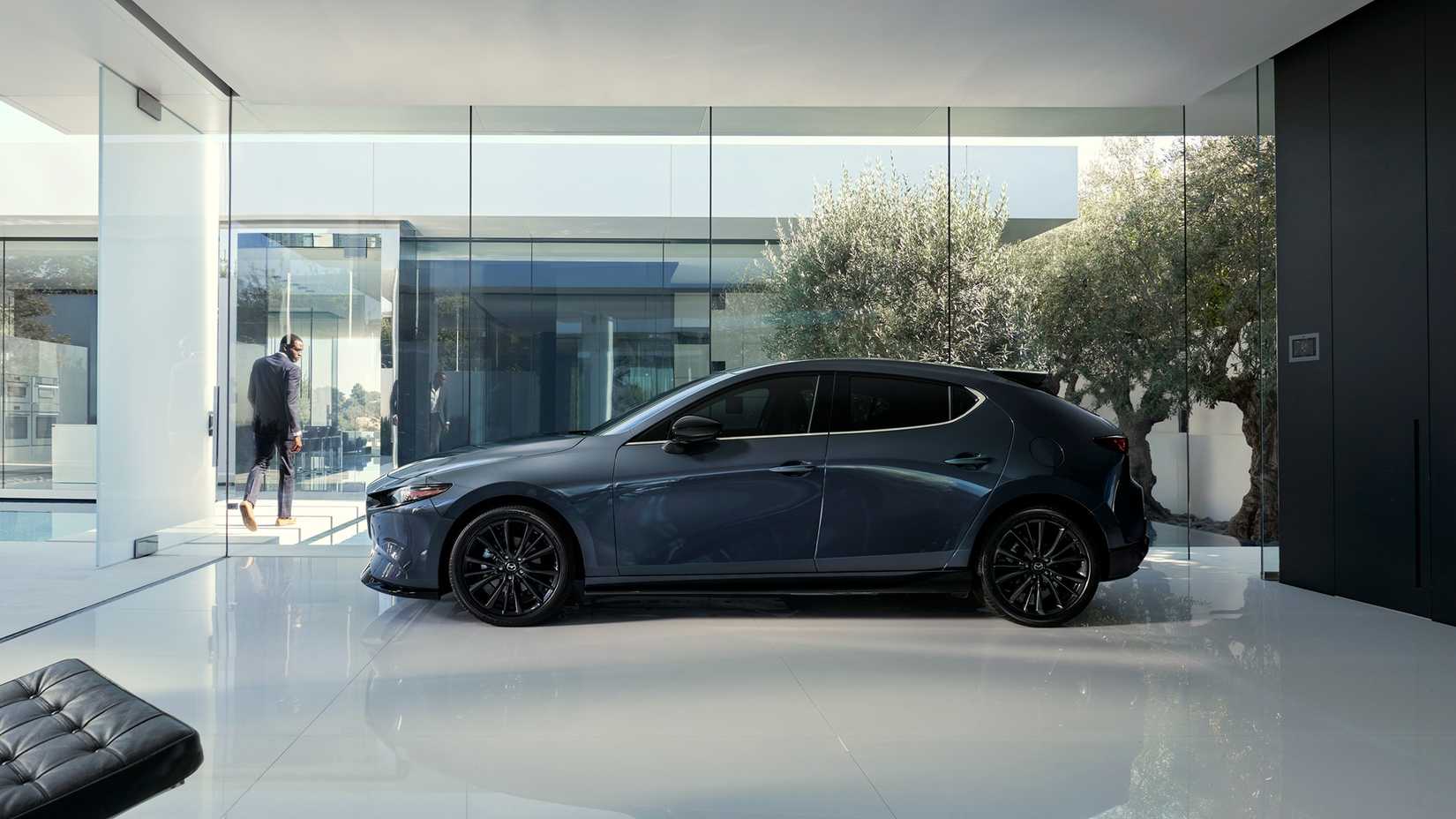
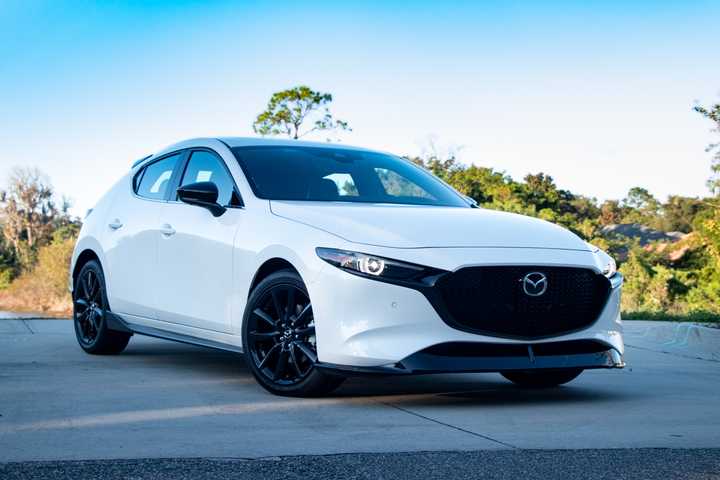
From the moment you see the Mazda3 Hatch for the first time, it looks expensive. Why? Because it carefully follows every principle that defines premium automotive design. The body of the car has a consistent and deliberate theme that uses long, uninterrupted design cues to cleanly transition across the body panels. The greenhouse has an aggressive taper that gives this hatchback proportions that are often only found in cars twice its price.
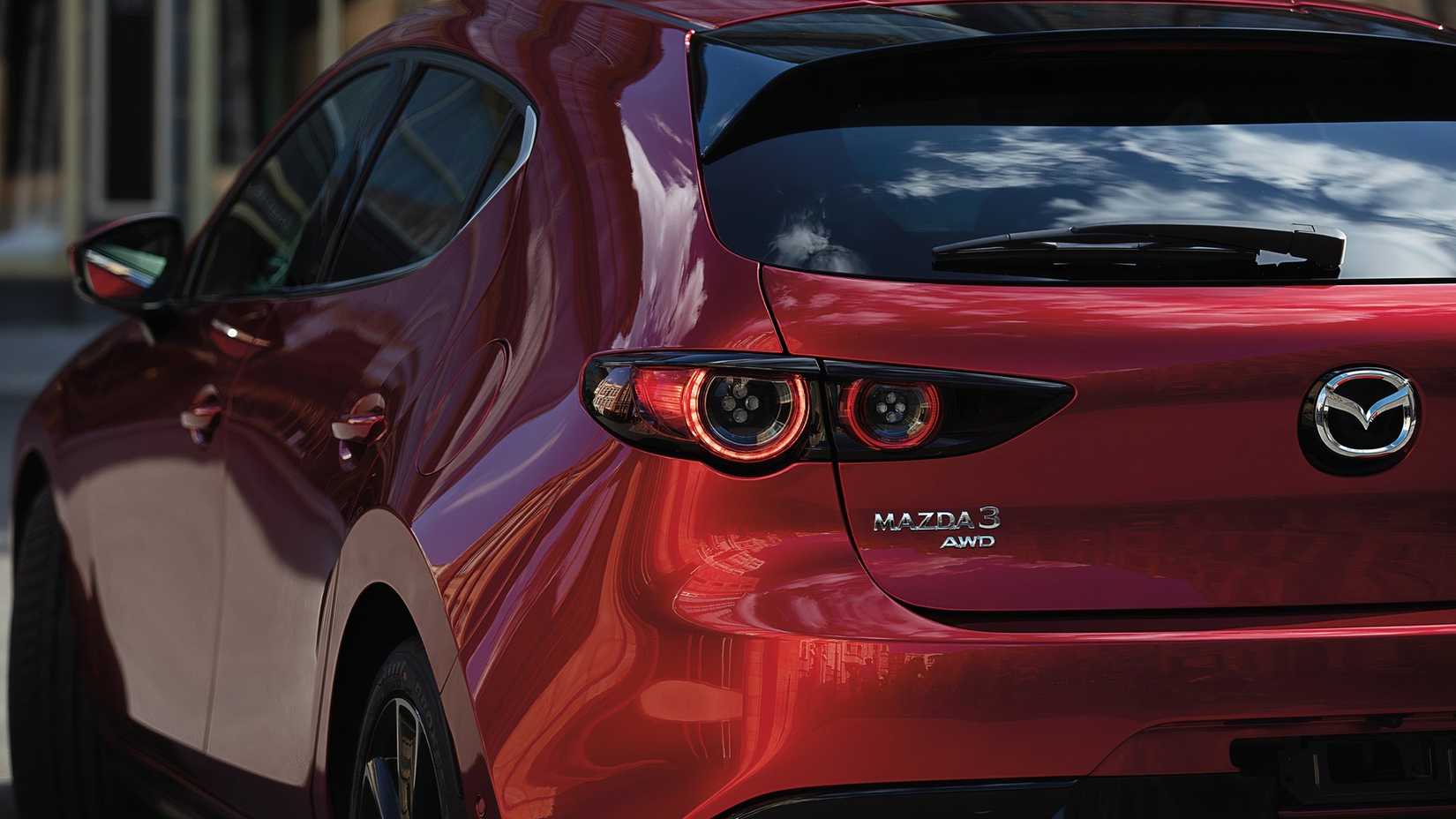
There is no need for ultra-aggressive angular bumpers to give it character or unnecessary flair to make it pop. The Mazda3 Hatch’s simple elegance is a design motif that many luxury automakers wish they could achieve. When specifically paired with Mazda’s now emblematic Soul Red Crystal Metallic paint, you are receiving a vehicle with the exterior design standards that BMW or Audi would price at $45,000.
An Interior Built To Impress
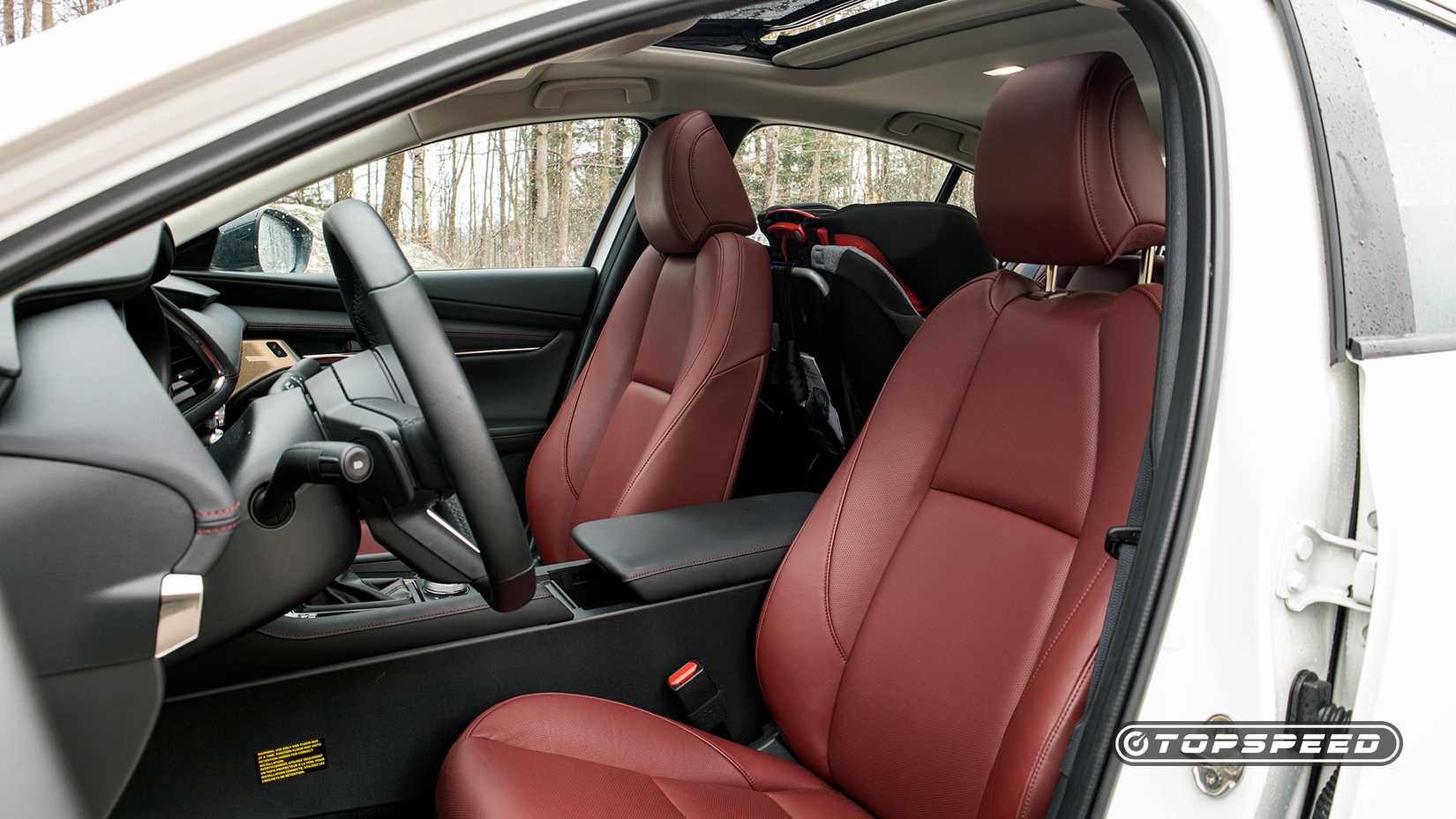
If the exterior wasn’t enough, the value proposition provided by the interior of the Mazda3 Hatch will close the deal. Red leather-trimmed seats are standard on the 2.5 S Carbon Edition trim, which starts just north of $30,000. Just about every primary contact surface uses soft-touch materials, and the dashboard design is clean and sophisticated without introducing any unnecessary drama.
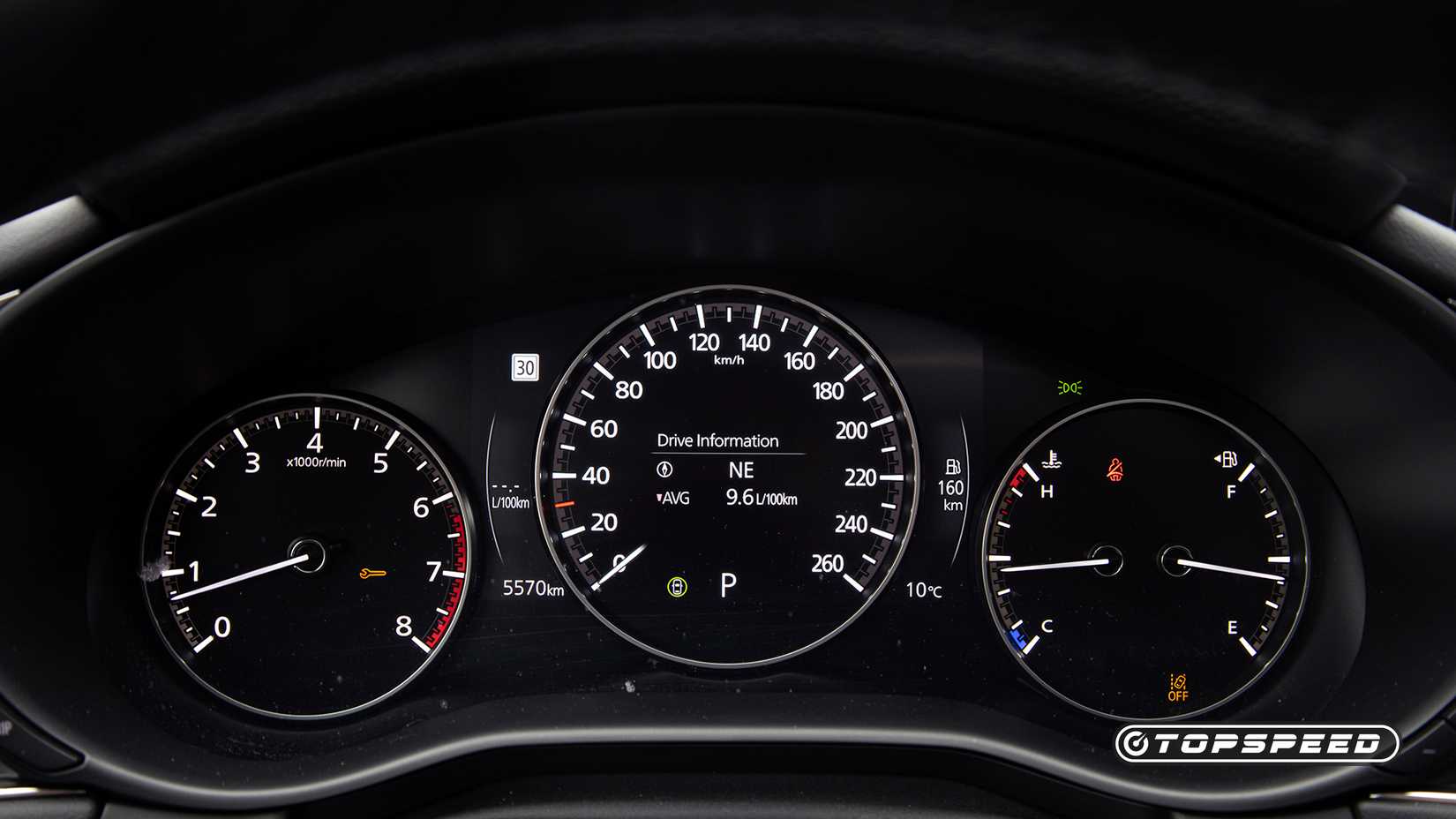
It’s not cost-cutting—it’s restraint. The instrument cluster design utilizes a well-balanced blend of analog and digital gauges that look a step above your standard mainstream brands. This is why in J.D. Power’s 2024 Initial Quality Study, Mazda ranked second overall among mainstream brands in interior quality, outperforming expectations relative to some luxury peers in select metrics.
2026 Mazda CX-5 First Drive: Bigger, Better, And More Tech-Savvy
The CX-5 is all-new this year with a new look, more room, and a vastly improved infotainment system.
The Mazda3 Provides More Value And Quality Than Most Entry-Level Luxury Cars
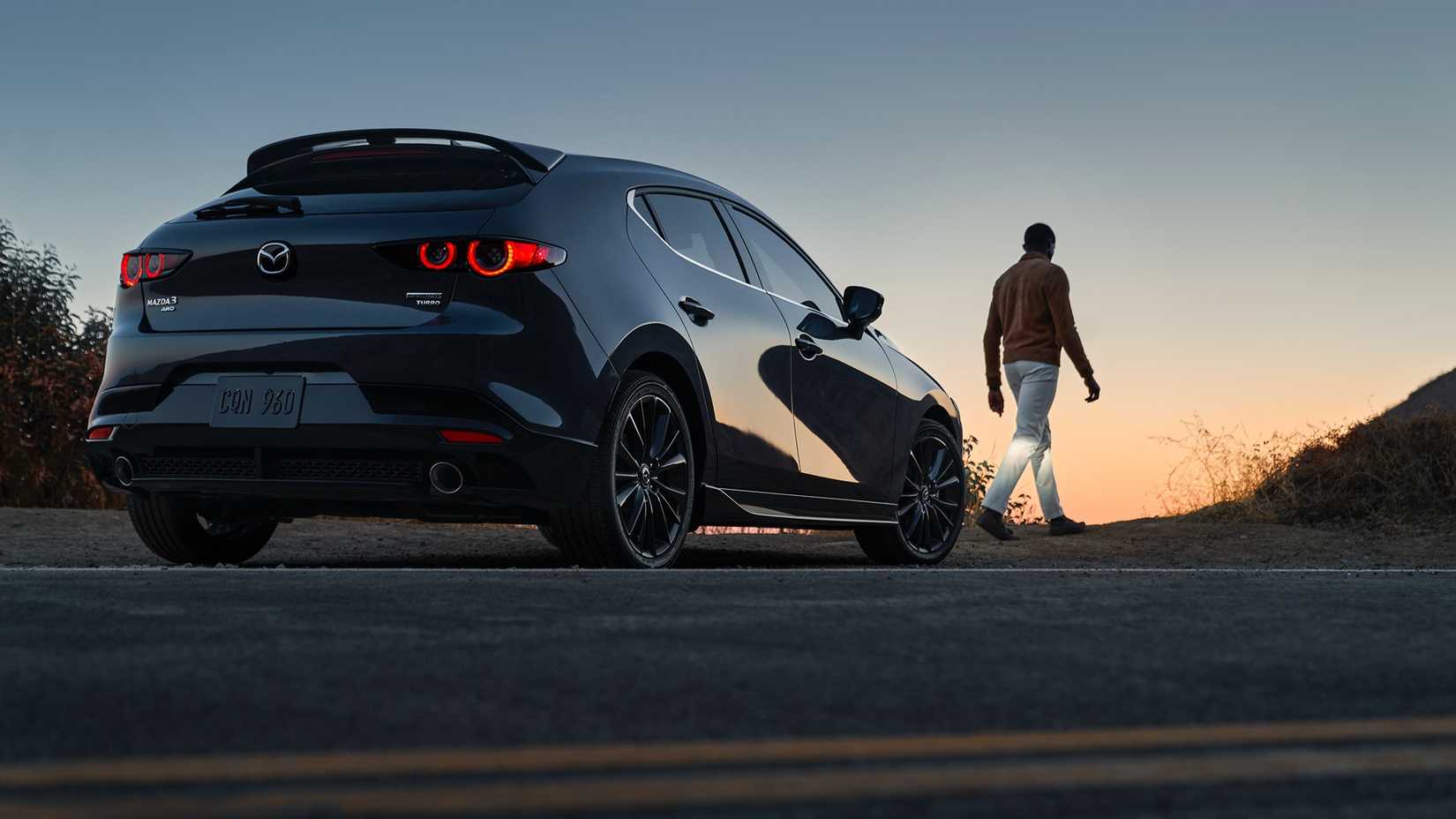
The 2026 Mazda3 Hatchback is a luxury-grade experience without the luxury price because of its consistent excellence. It is not a compromise, but rather it questions what value really means within the luxury segment.

- Base Trim Engine
-
2.5L SKYACTIV-G I4 ICE
- Base Trim Transmission
-
SKYACTIV-Drive 6-speed automatic
- Base Trim Drivetrain
-
Front-Wheel Drive
- Base Trim Horsepower
-
186 HP @6000 RPM
- Base Trim Torque
-
186 lb.-ft. @ 4000 RPM
- Base Trim Fuel Economy (city/highway/combined)
-
26/34/29 MPG
- Make
-
Mazda
- Model
-
Mazda 3 Hatchback
- Segment
-
Compact Hatchback
The Relative Total Cost Of Ownership
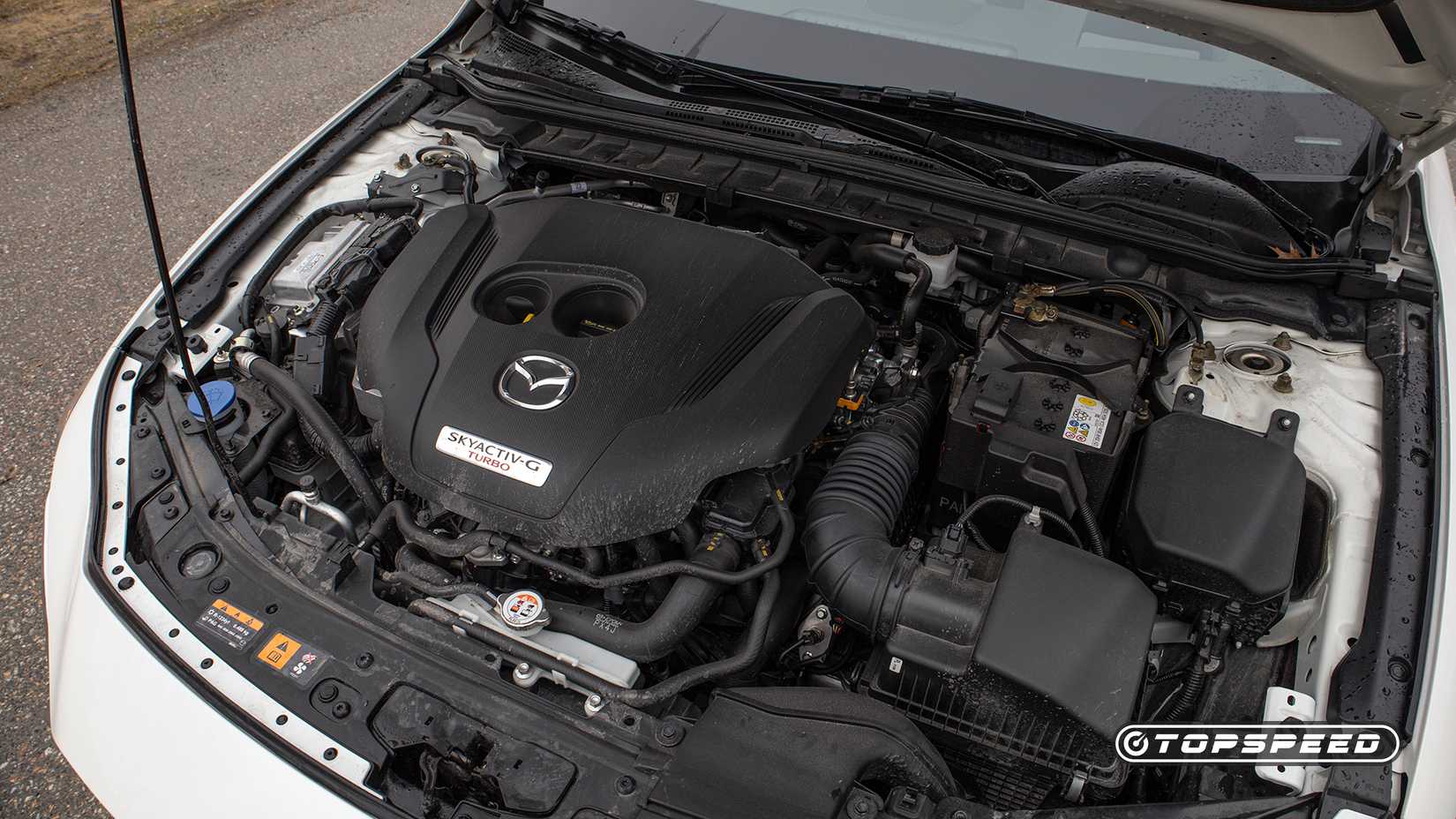
According to Kelley Blue Book, the five-year projected total ownership cost for a 2025 Mazda3 Hatch is $35,000. That includes depreciation, insurance, fuel, maintenance, and repairs. For comparison, the 2025 Mercedes CLA’s total cost of ownership is about $52,000 during the same time frame.
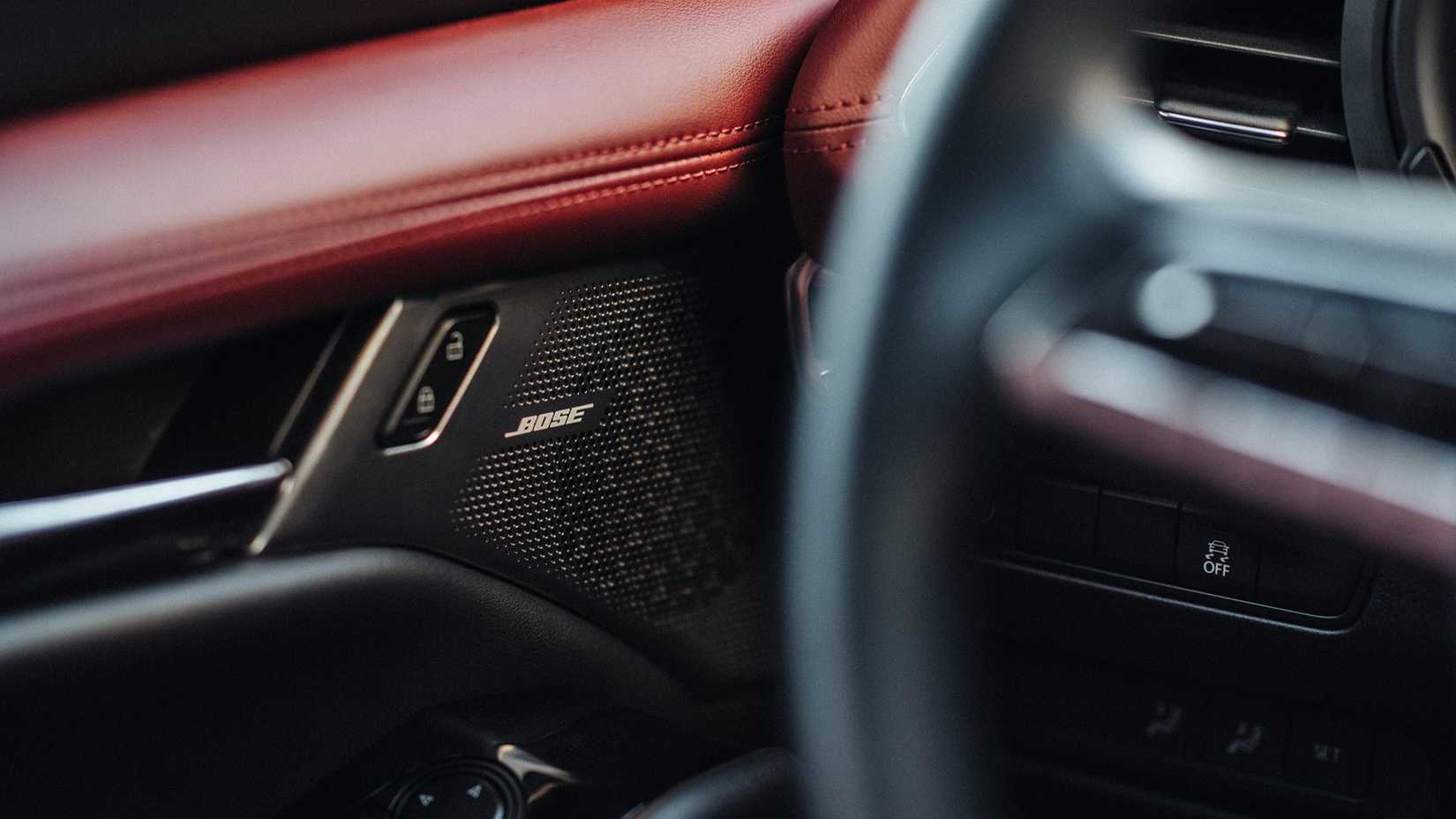
That is a $17,000 difference between the two cars, despite the fact that the Mercedes does not necessarily look better, score higher on interior quality, or deliver more engaging driving dynamics. The Mazda3 offers better value retention over time than most of its entry-level luxury rivals, reinforcing that its design communicates quality rather than clever marketing.
The Optimal Choice For The Design-Conscious Shopper
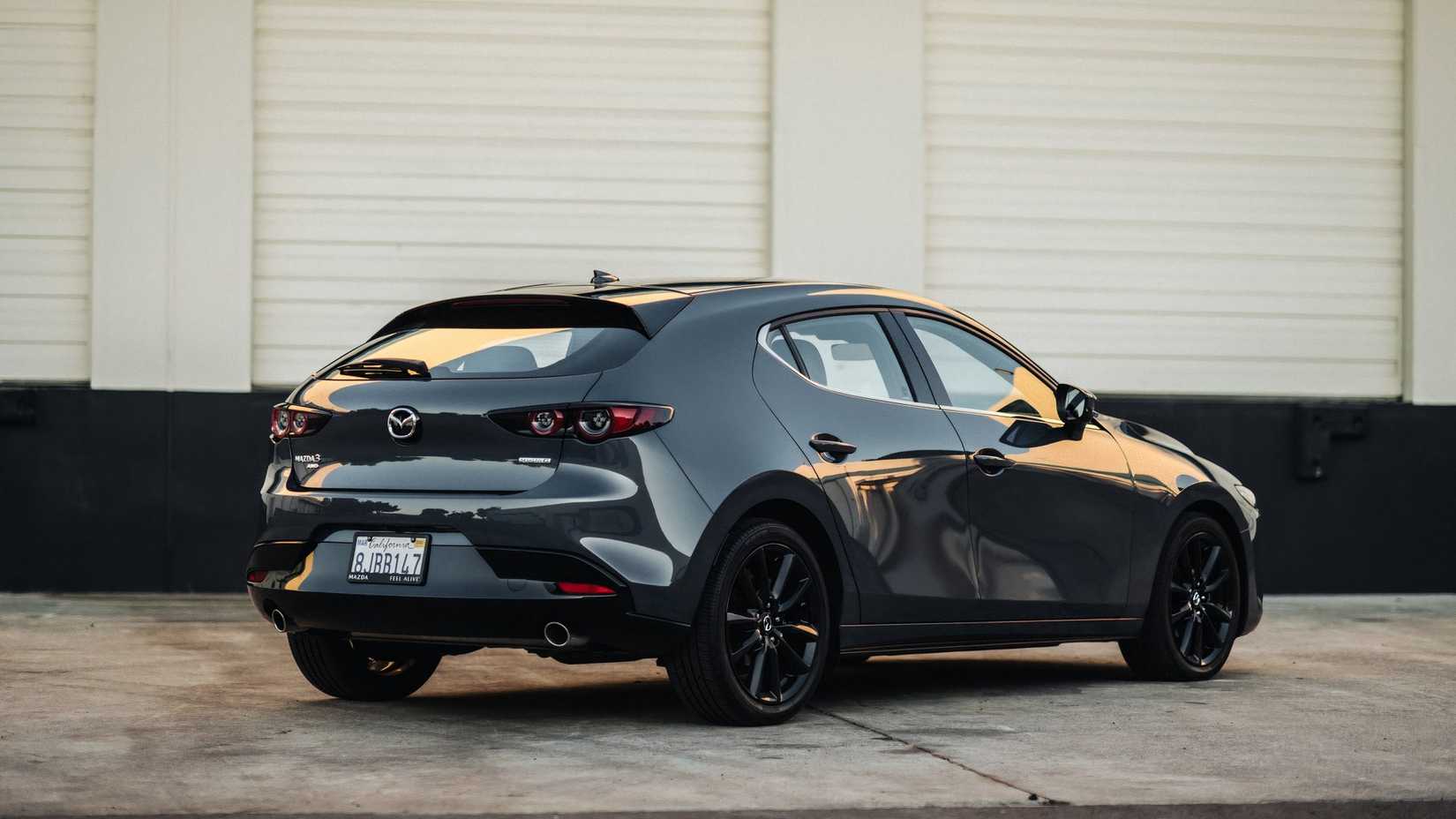
If you want a car that is designed to exceed expectations, the Mazda3 Hatch is an undeniable leader in the current market. It looks more expensive than it is, drives better than its price suggests, and holds its value over time better than you’d anticipate. The fact is, the Mazda3 Hatch offers the same level of design execution as rivals priced $20,000 higher.
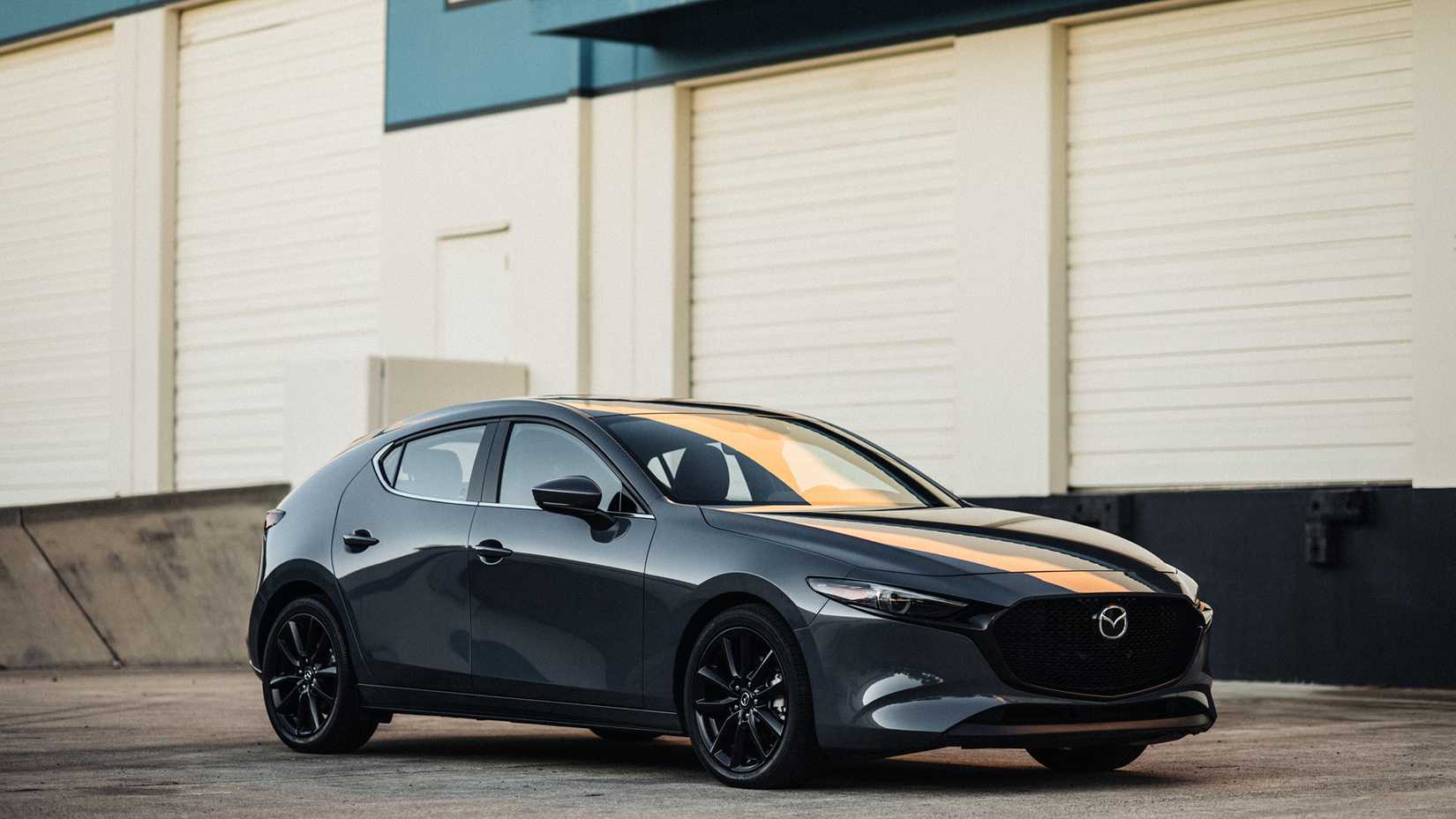
The entry-level luxury segment exists because a lot of shoppers are willing to pay for the idea of quality rather than the actual substance. The Mazda3 Hatch does the opposite—it is a car that delivers substance without any of the fluff, and the only consideration you have to emotionally overcome is living with a Mazda badge instead of a German one.
Sources: Mazda, Mercedes, BMW, Audi, J.D. Power, RepairPal, Kelley Blue Book