

For all the progress modern crossovers have made in fuel economy, interior packaging, and daily drivability, there is still one area where traditional full-size SUVs continue to dominate, and that’s durability. While many unibody crossovers are engineered primarily for suburban commuting and lease-cycle ownership, old-school body-on-frame SUVs were built with an entirely different mission in mind. They were designed to tow heavy trailers, haul large families, survive rough roads, and endure hundreds of thousands of miles with minimal mechanical drama.
As vehicle prices continue climbing and buyers keep their vehicles longer, long-term reliability has become one of the most important purchasing factors in the market. This is where large American SUVs continue to earn their reputation. Their oversized engines are often under-stressed, their chassis are engineered for abuse, and many of their components are shared with heavy-duty pickup trucks designed for commercial use.
Among all of them, one model has established itself as the benchmark for longevity. From airport fleets and police departments to large families and cross-country travelers, this SUV has quietly become one of the most trusted long-distance machines America has ever produced.
Why Full-Size SUVs Built For Work Still Outlast Most Modern Crossovers
There is a fundamental engineering difference between traditional full-size SUVs and modern crossovers, and it largely explains why some vehicles seem capable of effortlessly crossing the 200,000-mile mark while others begin showing their age far earlier. Most crossovers use unibody construction, where the body and chassis form a single structure. This approach improves ride comfort, reduces weight, and increases fuel efficiency. However, it also means the entire structure absorbs long-term stress from towing, rough roads, heavy payloads, and repeated high-mileage use.
Body-on-frame SUVs take a different approach. Their bodies sit on top of a separate ladder-frame chassis similar to a pickup truck. This design is heavier and less efficient, but it dramatically improves durability under load. Twisting forces, towing stress, and road impacts are handled by the frame rather than the body structure itself.
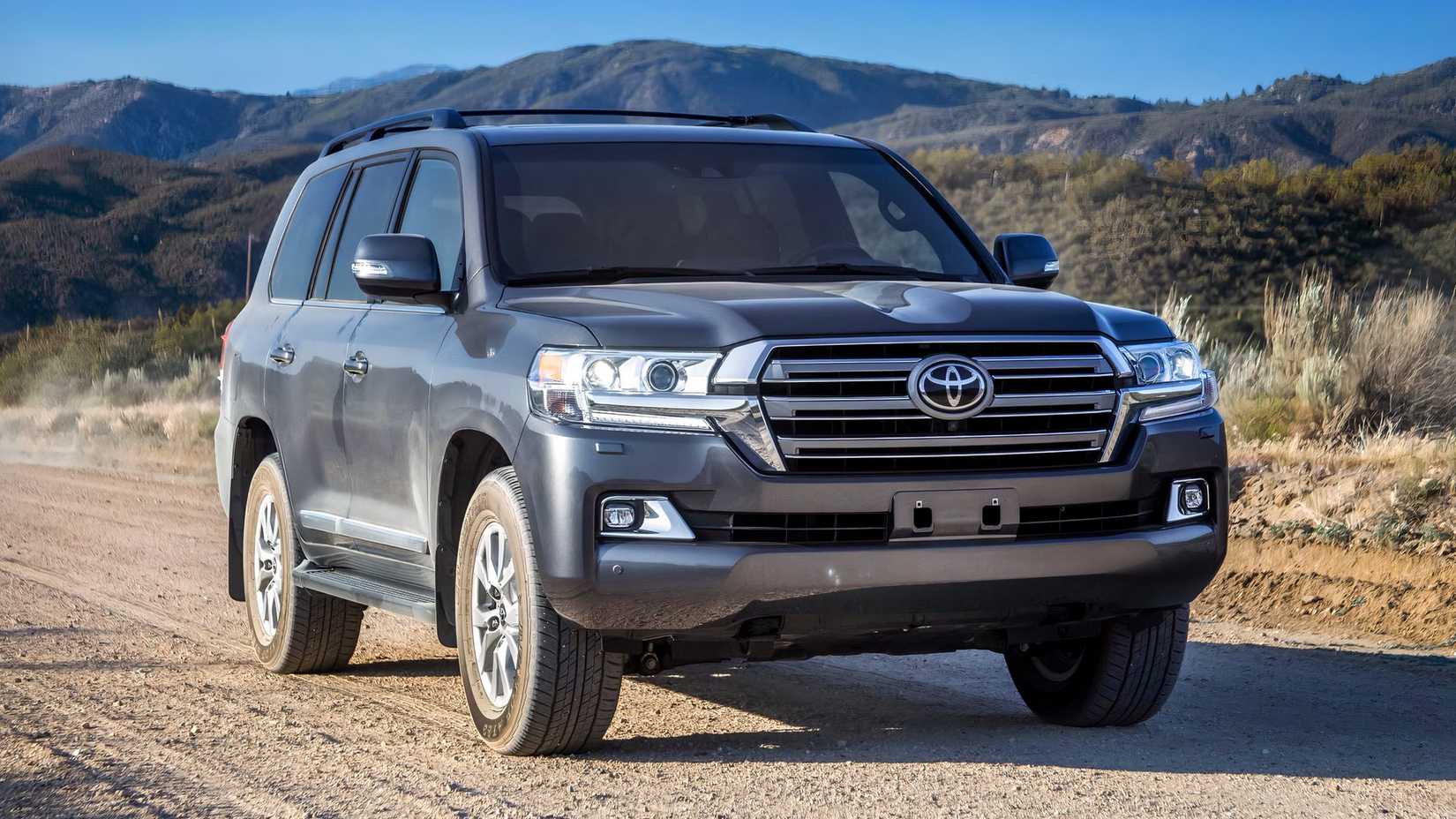
These vehicles also tend to use larger-displacement engines that are not heavily stressed during normal driving. A naturally aspirated V8 producing 355 horsepower from over 5.0 liters of displacement often works less aggressively than a small turbocharged four-cylinder producing similar output. Lower stress levels generally translate into longer engine life when maintenance is performed consistently. Suspension components are usually larger and stronger as well. Full-size SUVs frequently use truck-derived control arms, differentials, cooling systems, transmissions, and braking hardware. These components are engineered for towing capacities exceeding 7,000 pounds, meaning normal commuting places relatively little strain on the mechanical package.
Another major factor is cooling capacity. Vehicles designed for towing often feature oversized radiators, transmission coolers, oil coolers, and larger airflow management systems. Heat is the enemy of long-term reliability, particularly for transmissions. Keeping operating temperatures under control significantly increases component lifespan. The result is a type of vehicle that may not excel in efficiency or nimble urban handling but often proves remarkably resilient over time. While many modern crossovers are optimized around five-to-eight-year ownership cycles, traditional truck-based SUVs were engineered with commercial-grade expectations from the beginning.
Toyota’s Most Reliable Truck That Regularly Hits 400,000 Miles
Toyota’s unconventional approach to truck engineering has created a vehicle that lasts for decades.
How The Chevrolet Suburban Became America’s 200,000-Mile Family Hauler
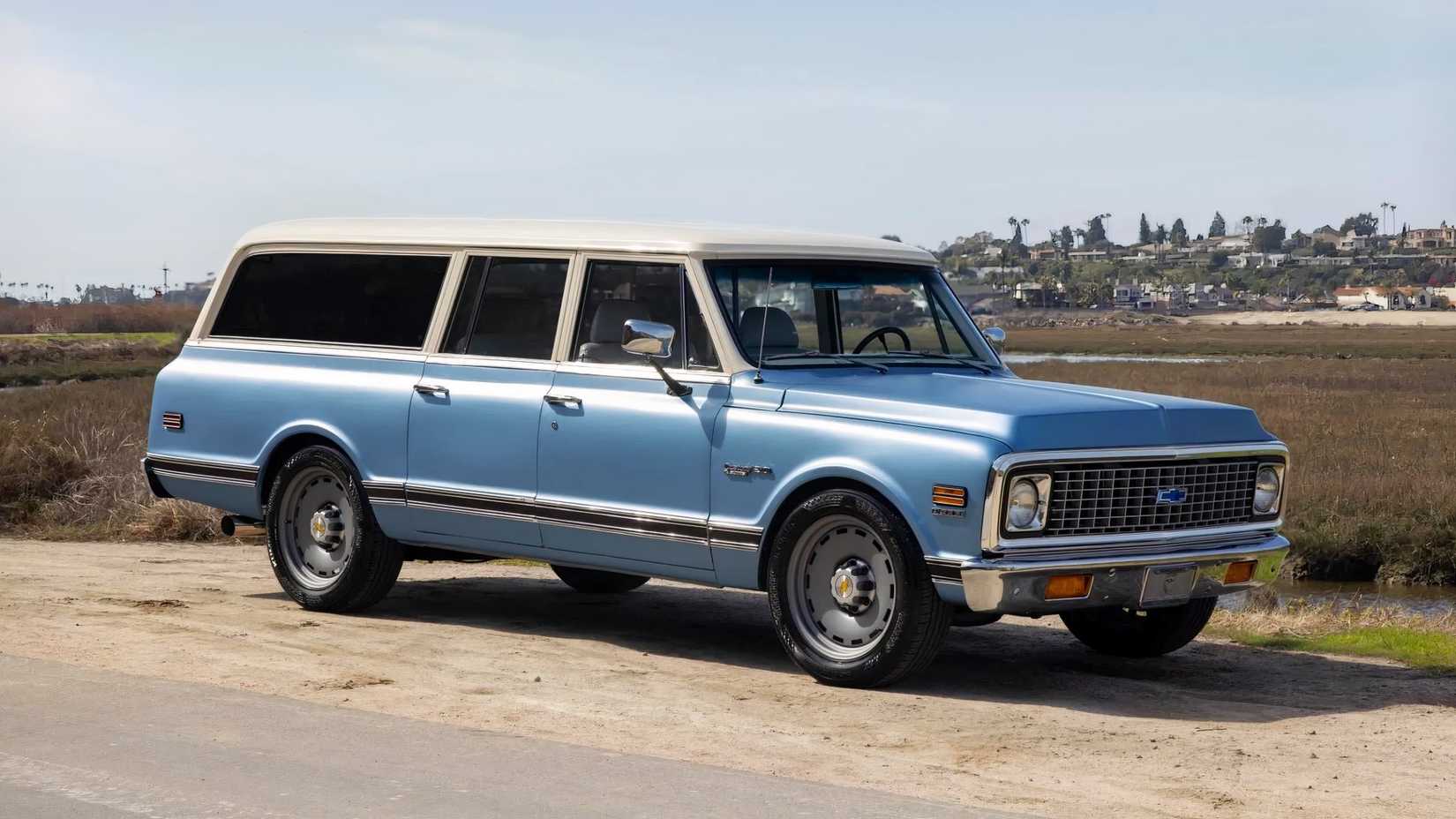
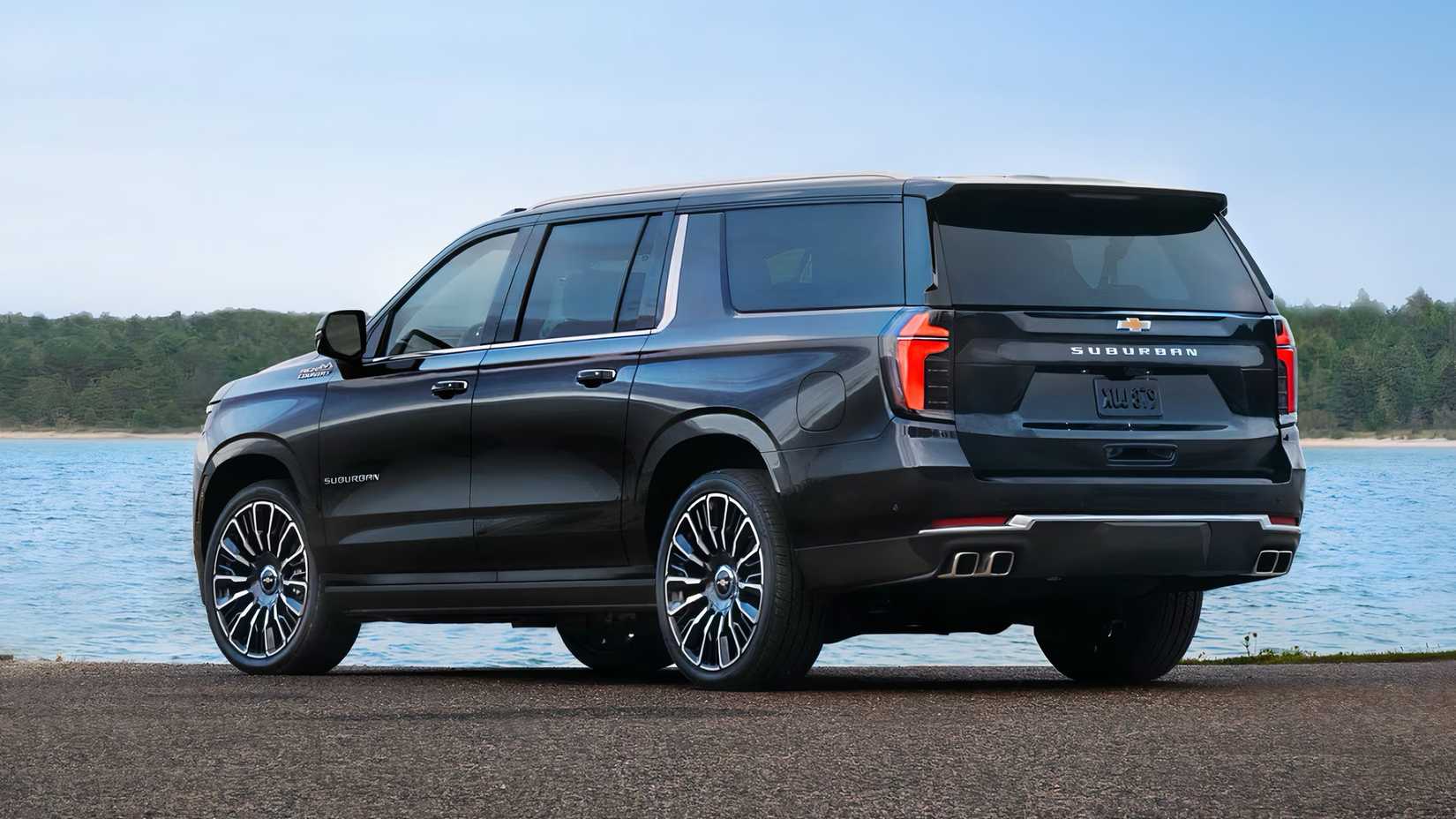
The Chevrolet Suburban’s reputation for longevity did not appear overnight. It was earned over decades of continuous evolution dating back to the 1930s, making it one of the longest-running vehicle nameplates in automotive history. What separated the Suburban from many competitors was its consistency. General Motors rarely reinvented the formula entirely. Instead, it gradually refined a platform built around simplicity, proven powertrains, and truck-grade durability. Modern examples continue that tradition. The current generation rides on GM’s T1XX body-on-frame architecture, shared with full-size pickup trucks.
Wheelbases stretch to roughly 134 inches, while overall length exceeds 225 inches. Those massive dimensions are not just about interior space; they contribute to stability, towing capability, and reduced mechanical strain at highway speeds. One of the key reasons these SUVs survive enormous mileage totals is their engine lineup. The standard 5.3-liter EcoTec3 V8 produces 355 horsepower and 383 pound-feet of torque, while the available 6.2-liter V8 delivers 420 horsepower and 460 pound-feet. Both engines use relatively relaxed tuning compared to high-strung, turbocharged alternatives.

Official Giveaway
🔥 Limited Time
Enter The Weekly Giveaway
Win Car Guy Gear
Sign up to our newsletter to enter. Follow on socials for more entries.
New giveaways every 2 weeks
No purchase necessary. Open to US residents 18+. Full giveaway details on the page.
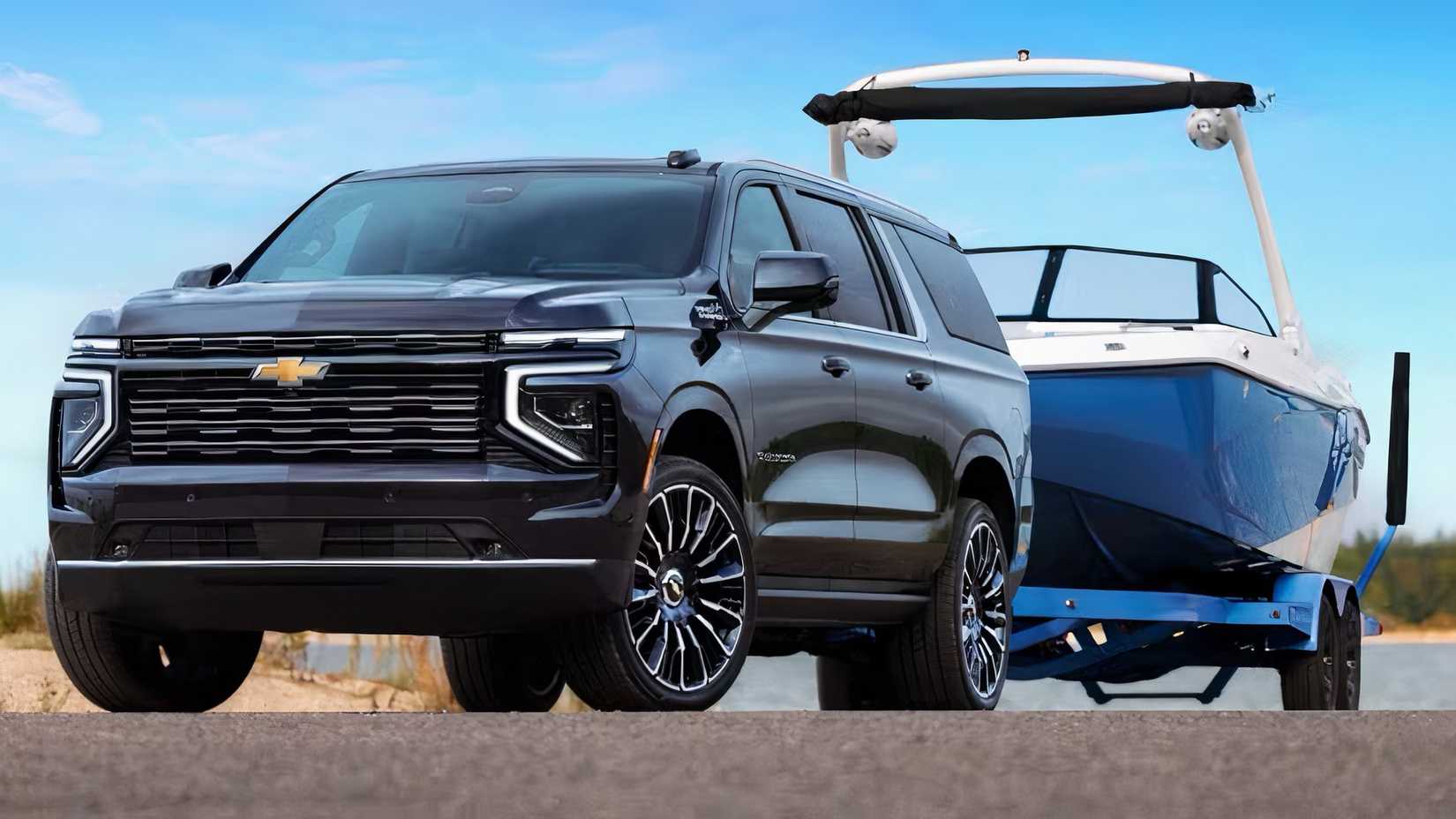
The 5.3-liter V8 in particular has developed a reputation for durability because it rarely operates near its performance limits during daily use. At highway cruising speeds, the engine remains unstressed, particularly when paired with GM’s 10-speed automatic transmission that keeps revs low. The available 3.0-liter Duramax inline-six diesel further strengthened the Suburban’s long-distance credentials. Producing around 495 pound-feet of torque, the diesel offers exceptional highway efficiency while maintaining strong towing capability. More importantly, diesel engines traditionally thrive under high-mileage conditions because of their robust internal construction and lower operating RPM.
Interior practicality also played a major role in the vehicle’s popularity. Families discovered they could transport seven or eight passengers while still carrying substantial cargo. With all rear seats folded, cargo capacity exceeds 140 cubic feet in current models. That kind of versatility helped cement the SUV as a road-trip favorite.
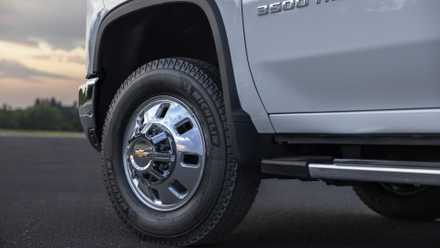
The Diesel V8 Engine Is So Reliable It’s Still In Production After 25 Years
This hard-working mill has managed to stay relevant in a rapidly changing automotive landscape.
Proven V8 Powertrains And Body-On-Frame Toughness
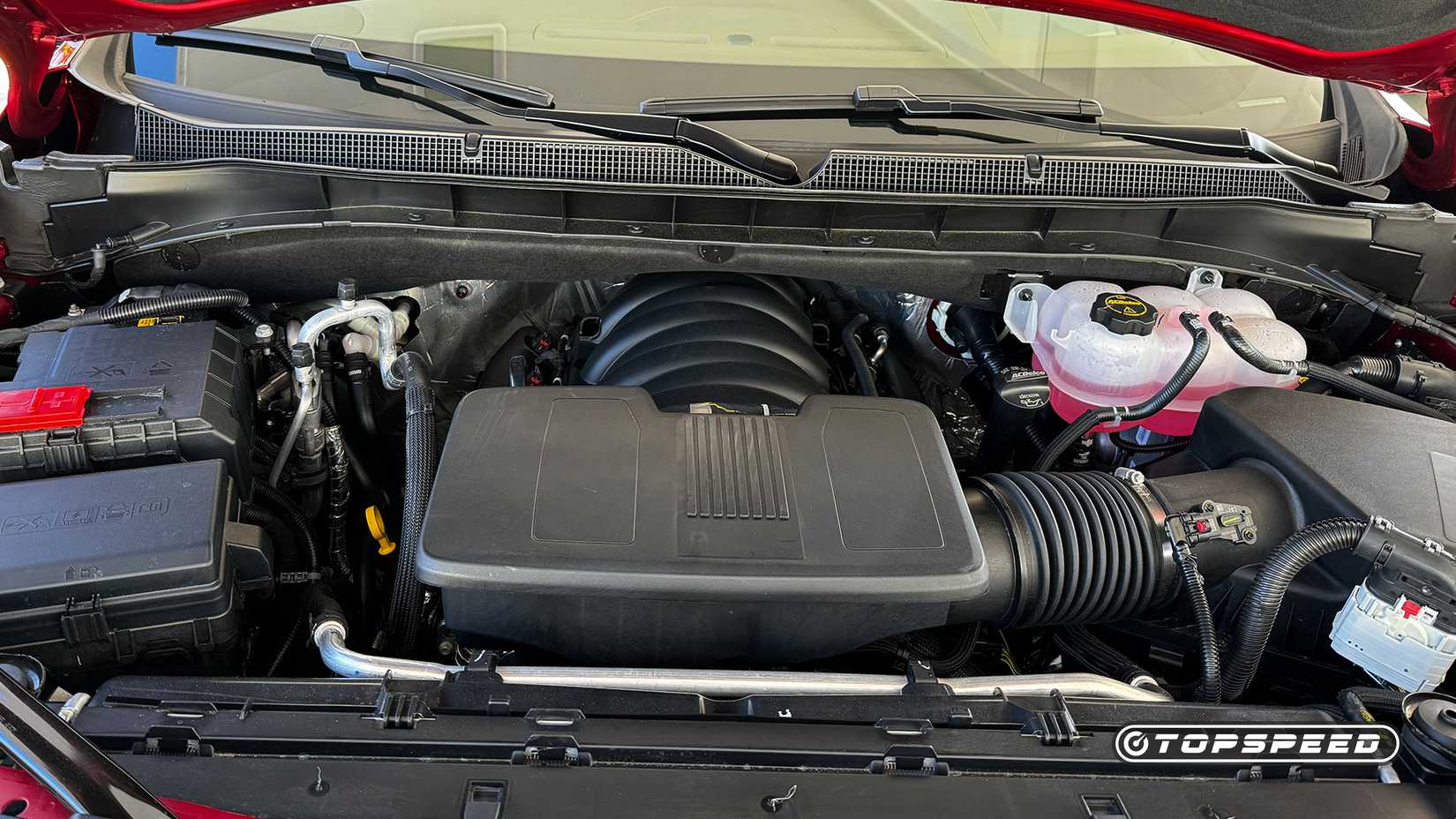
Large-displacement naturally aspirated V8 engines have historically proven durable because they produce substantial torque without relying on extreme turbocharger boost pressures or highly stressed internals. In everyday driving, these engines operate comfortably within their limits. GM’s small-block V8 architecture has been refined for decades, and that maturity matters. By the time an engine family reaches widespread production across millions of vehicles, engineers have already identified and addressed countless durability concerns.
The 5.3-liter V8 uses an overhead valve pushrod design, which remains simpler and more compact than many overhead-cam alternatives. Fewer moving components can contribute to long-term durability and reduced maintenance complexity. Despite its old-school layout, the engine still incorporates modern technology like direct injection, variable valve timing, and cylinder deactivation. The larger 6.2-liter V8 offers impressive performance for a vehicle of this size. A full-size SUV capable of reaching 60 mph in under six seconds sounds excessive, but the advantage is that effortless power reduces drivetrain strain during towing and highway merging.
Transmission durability has also improved dramatically in recent years. GM’s 10-speed automatic gearbox provides closely spaced ratios that improve both fuel economy and towing performance. More importantly, lower cruising RPM helps reduce engine wear over extended highway mileage.
Suspension components are similarly oversized. Independent rear suspension setups in newer models improved ride quality without sacrificing strength, while adaptive dampers and air suspension options enhance long-distance comfort. Towing capability remains another important indicator of engineering robustness. Properly equipped models can tow up to 8,100 pounds, depending on configuration. Vehicles engineered for that level of workload generally experience relatively low strain during ordinary commuting.
When maintained correctly with regular oil changes, transmission servicing, coolant replacement, and suspension upkeep, these powertrains have repeatedly demonstrated the ability to surpass 200,000 miles while remaining mechanically healthy.
The Long-Lasting Japanese SUV That Rarely Needs Repairs
A new update successfully brings this outdated but rock-solid SUV into the world of modern design and advanced technology.
Massive Cargo Space, Towing Muscle, And Long-Distance Comfort
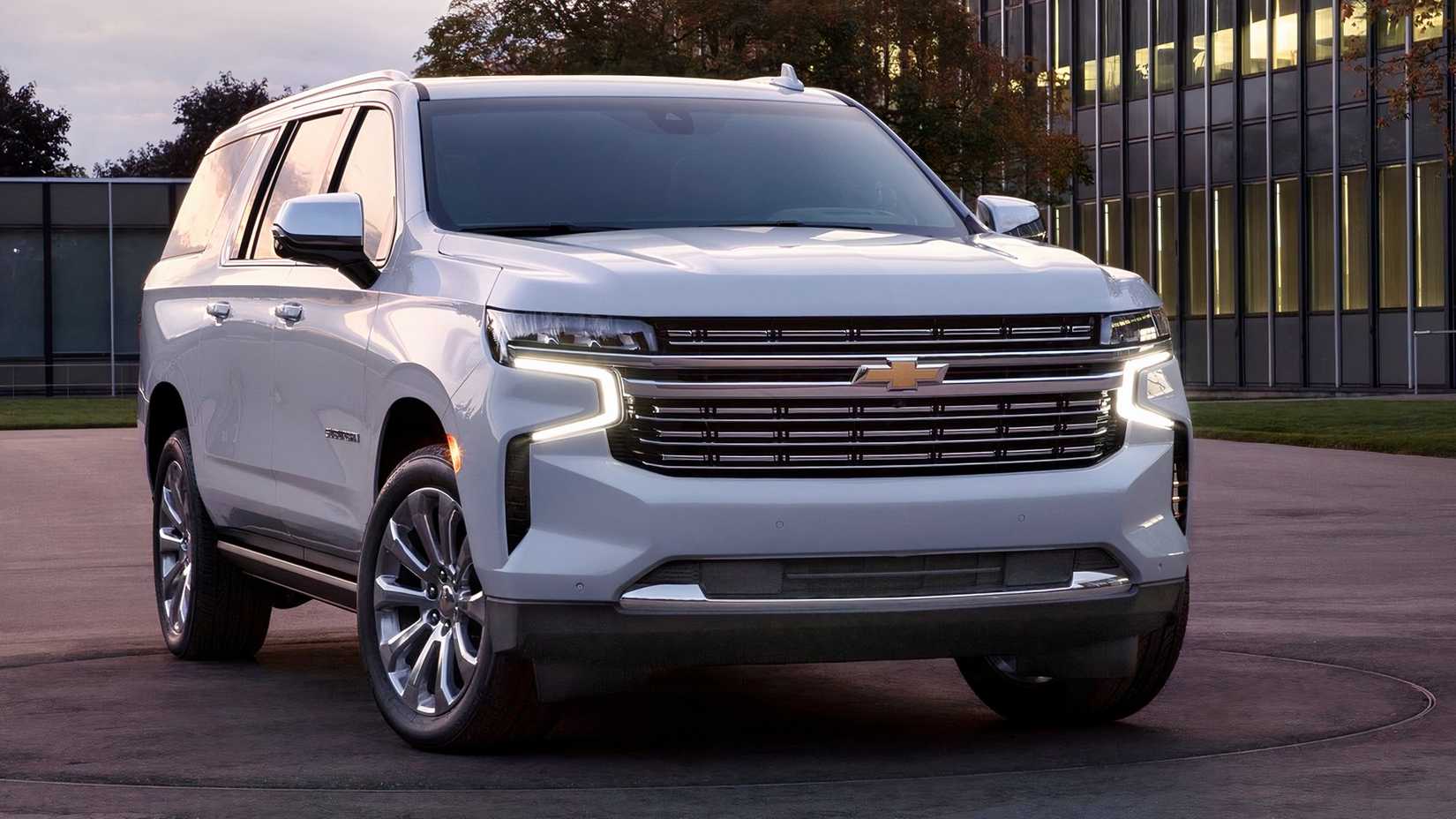
Durability alone does not explain why these SUVs remain popular. They also excel at the exact tasks many families and long-distance drivers still need. Interior space is perhaps the biggest advantage. Three-row crossovers have improved substantially over the past decade, but few genuinely offer adult-friendly third-row seating combined with meaningful cargo room behind it. Full-size SUVs continue to dominate in this area. The long wheelbase provides exceptional passenger comfort, particularly on extended highway trips. Rear-seat passengers benefit from generous legroom, while wide cabin dimensions create a more relaxed seating environment than narrower crossovers.
Cargo versatility is another major strength. Even with all seats occupied, there is still enough room for luggage, sports equipment, or travel gear. Fold the second and third rows flat, and the vehicle transforms into something approaching a cargo van. Towing performance further separates these SUVs from most crossovers. Large boats, horse trailers, campers, and enclosed utility trailers remain well within their capabilities. More importantly, the long wheelbase and substantial curb weight improve towing stability at highway speeds.
Ride quality has evolved significantly as well. Earlier generations could feel truck-like and cumbersome, but modern examples prioritize highway comfort. Magnetic ride control systems, adaptive dampers, and improved chassis tuning create a surprisingly refined driving experience for such a large vehicle.

Noise insulation also plays a critical role in long-distance usability. Modern full-size SUVs feature extensive sound-deadening materials, acoustic glass, and advanced suspension tuning that reduce fatigue during cross-country travel. Fuel economy remains the primary compromise. Gasoline V8 variants typically return combined figures in the mid-to-high teens, depending on configuration. However, the diesel option can achieve highway fuel economy approaching 27 mpg, making long-distance travel considerably more affordable.
Decades Of Fleet Duty, Police Service, And Road-Trip Abuse Prove Its Durability
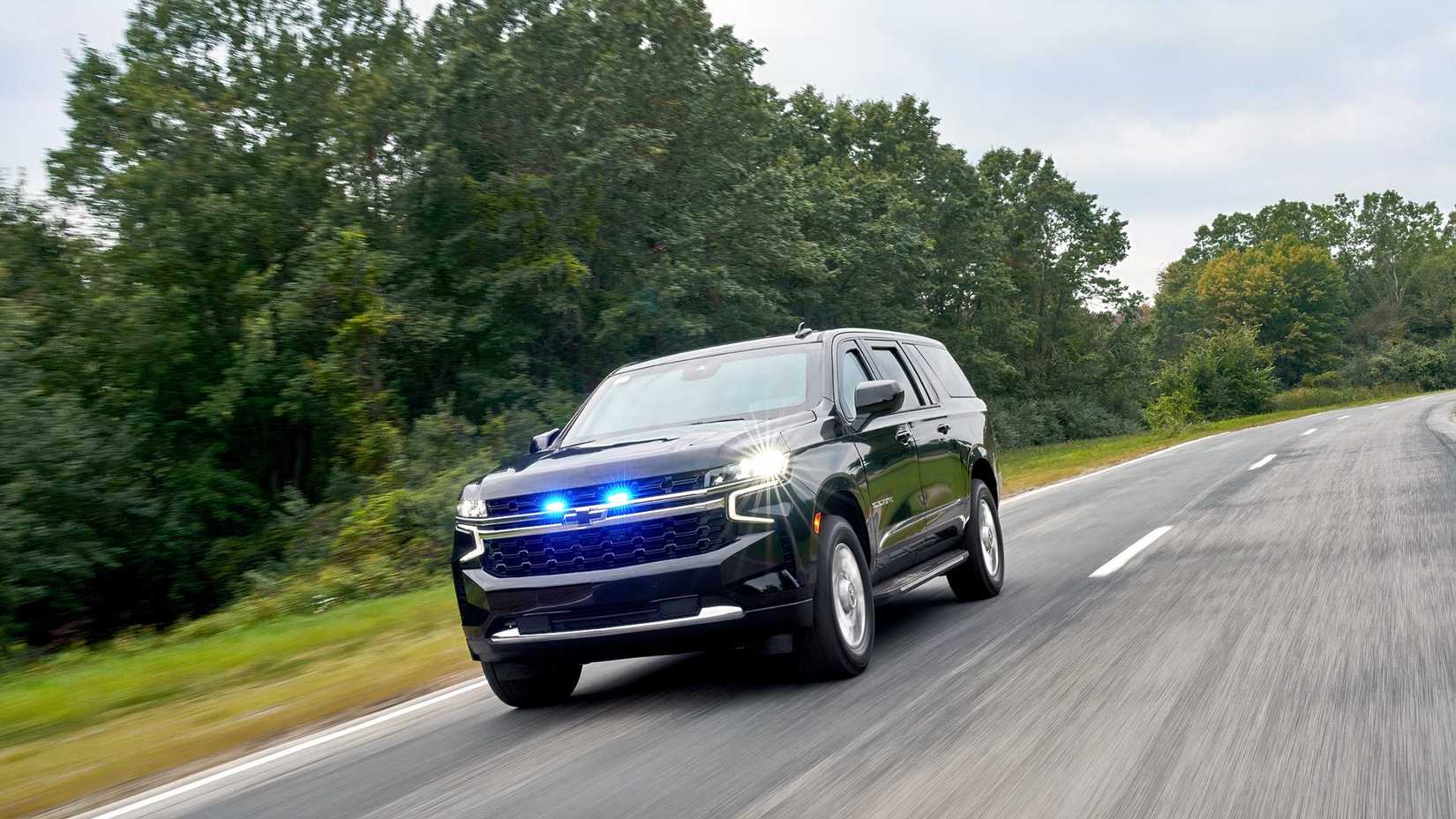
The strongest evidence of any vehicle’s durability comes from real-world fleet use, and few SUVs have faced harsher conditions over the years than the Chevrolet Suburban. Airport shuttle fleets routinely accumulate hundreds of thousands of miles while operating nearly nonstop. These vehicles endure constant idling, heavy passenger loads, stop-and-go driving, and endless highway use. Yet full-size American SUVs continue appearing in commercial service because operators trust their durability.
Law enforcement agencies have also relied heavily on them. Police-duty use is particularly punishing because vehicles experience aggressive acceleration, prolonged idling, curb impacts, and demanding pursuit conditions. Few vehicles survive that environment without major structural or drivetrain issues. Government agencies and utility companies similarly favor body-on-frame SUVs for their ability to handle rough roads, equipment loads, and extended operating hours.
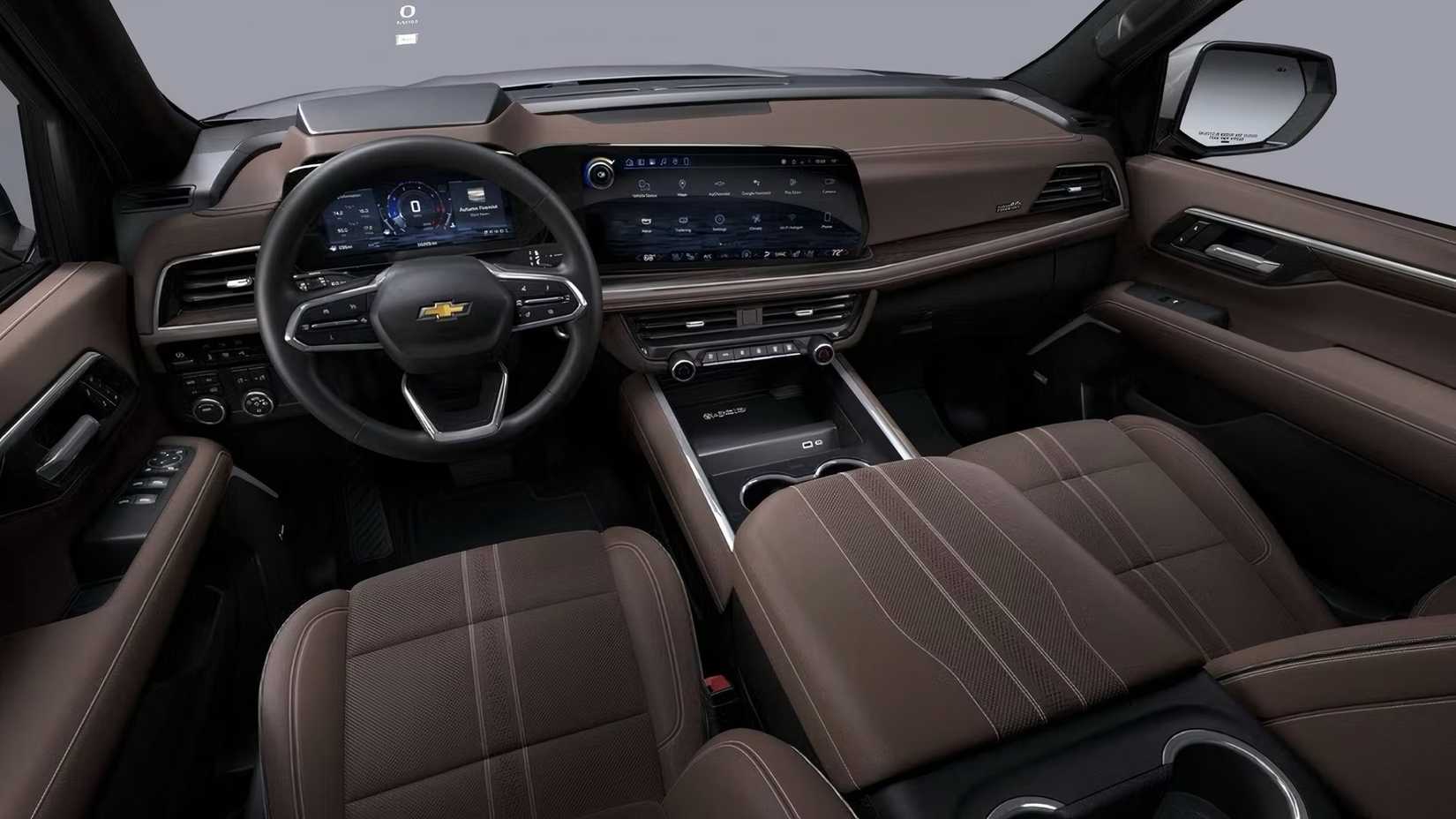
Perhaps the most telling sign of durability is how commonly older examples remain on the road. It is not unusual to encounter 15- or 20-year-old Suburbans still functioning as daily transportation. That kind of longevity has become increasingly rare in the modern automotive landscape. Part of this comes down to repairability. Truck-based SUVs often use widely available components shared across GM’s full-size truck lineup. Parts availability remains strong, repair knowledge is widespread, and independent mechanics are familiar with the platforms.
There is also a psychological element. Owners tend to maintain vehicles longer when they trust them. That confidence creates a cycle where properly maintained examples continue surviving long after many competitors have been scrapped. In an era increasingly dominated by downsized turbo engines, complex hybrid systems, and crossover-focused engineering, traditional full-size SUVs remain stubbornly old-school in the best possible way. They are large, heavy, thirsty, and unapologetically built for hard use. And when the goal is reaching 200,000 miles without turning ownership into a constant repair project, that old-school formula still works remarkably well.
Sources: Chevrolet U.S. and MotorTrend