
The rise of hybrid vehicles in the U.S. market continues unabated. Powered by rising fuel prices stemming from the U.S.-Israel-Iran war and rising purchase prices of electric vehicles (EVs) in the post-tax credit era, hybrids are being considered by a much wider set of audience than before. While there was already a certain degree of momentum in the past few years, the pace of sales has only increased in more recent times. Because SUVs are now more popular than any other body type in the US, hybrid SUVs are in the spotlight.
Did you know? Hybrid vehicle sales in the US have climbed 37 percent in the nearly three months since the conflict in the Middle East region began towards the end of February. This is according to data from research firm Motor Intelligence. In this time period, the overall car market grew by a more moderate 15 percent. This alone shows the dominance hybrids now enjoy. Specifically, SUV hybrid models like the Toyota RAV4 and Highlander, and the Honda CR-V, are most in demand.
But there’s one family hybrid SUV in particular that usually misses recognition, often even a mention, when the mid-size hybrid SUV segment is assessed. And for no real fault of its own. Overshadowed by its own siblings and by rivals from the Japanese camp, here’s a dark horse that quietly delivers on almost every parameter that tests a hybrid SUV. It has the looks, it has the technology, it has the features, and it has a fair bit of cabin space. It just doesn’t have the spotlight. It should. Here’s why.
The family hybrid segment has become increasingly crowded over the past few years. Buyers now have more options than ever before, ranging from compact crossovers to full-size three-row SUVs, all promising better fuel economy without sacrificing practicality. Yet despite the rapid growth of the segment, a handful of models continue to dominate the conversation while several equally compelling alternatives remain largely overlooked.
Part of the reason is branding. Many shoppers gravitate toward the same familiar nameplates they’ve heard about for years, often overlooking newer entrants that quietly deliver comparable — and sometimes superior — value. In today’s market, a great family hybrid isn’t just about fuel savings. It needs to offer enough passenger space for daily life, modern technology, strong safety credentials, and the versatility to handle everything from school runs to road trips.
That’s why some of the most impressive hybrid SUVs aren’t necessarily the ones making headlines. Instead, they’re the vehicles that blend efficiency, comfort, practicality, and affordability into a package that simply works. They may not receive the same attention as the segment’s best-selling stars, but for many families, they arguably represent the smarter purchase.
The Most Affordable Hybrid SUV To Offer Three-Row Seats As Standard
This South Korean hybrid SUV offers three-row seating at a competitive price.
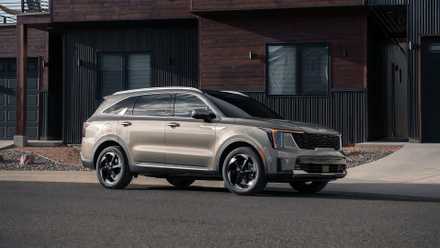
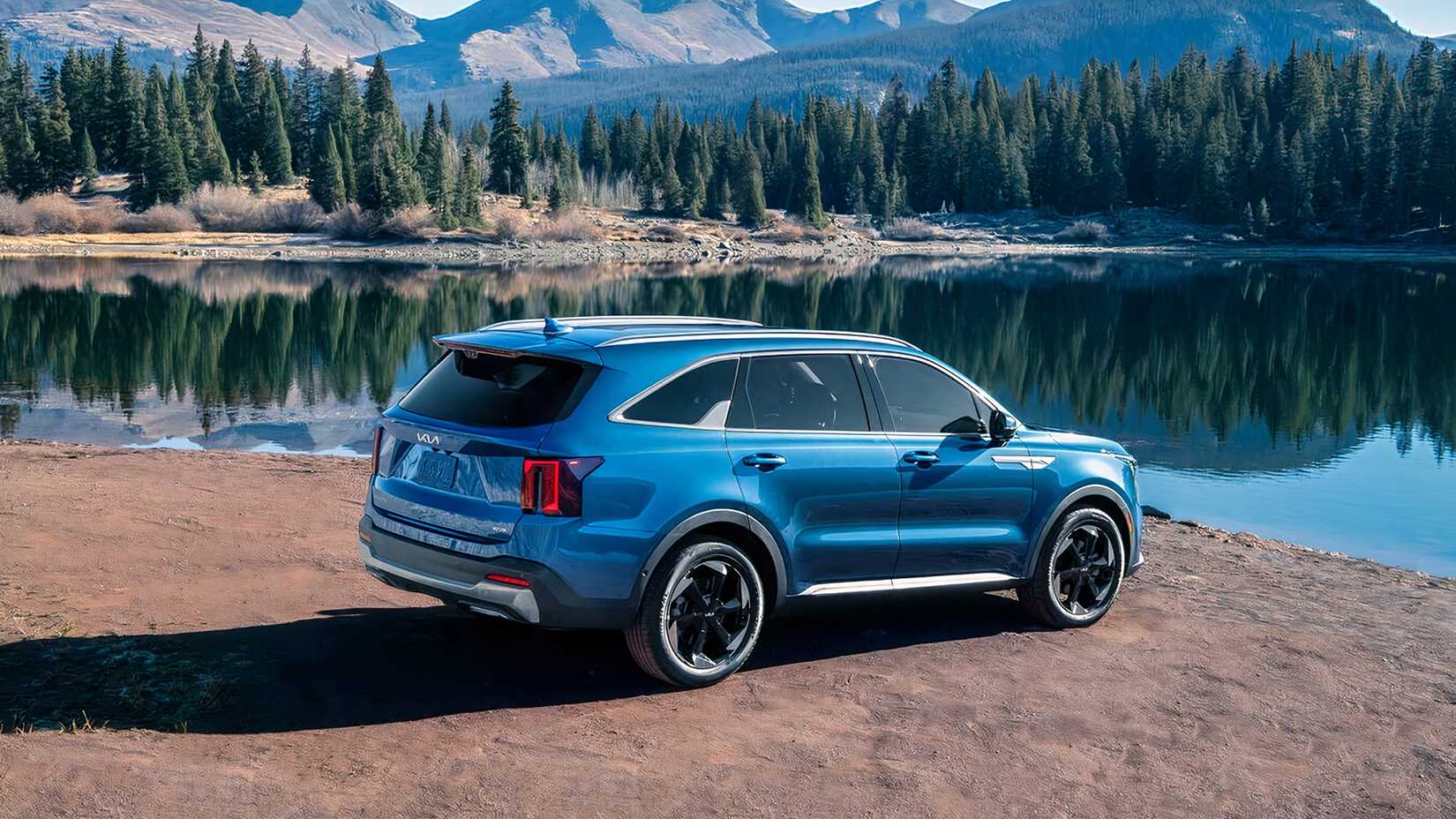
The Kia Sorento Hybrid: The Under-Rated Hero In The Korean Family
For an SUV that has been around on American roads for over two decades, the Kia Sorento still isn’t a common sight here. Launched in 2003 with the promise of a rugged chassis and solid towing and off-roading capabilities, the first-generation Sorento was powered by a Hyundai-made V6 engine and was made to compete in a field dominated by Toyota and Ford heavyweights.
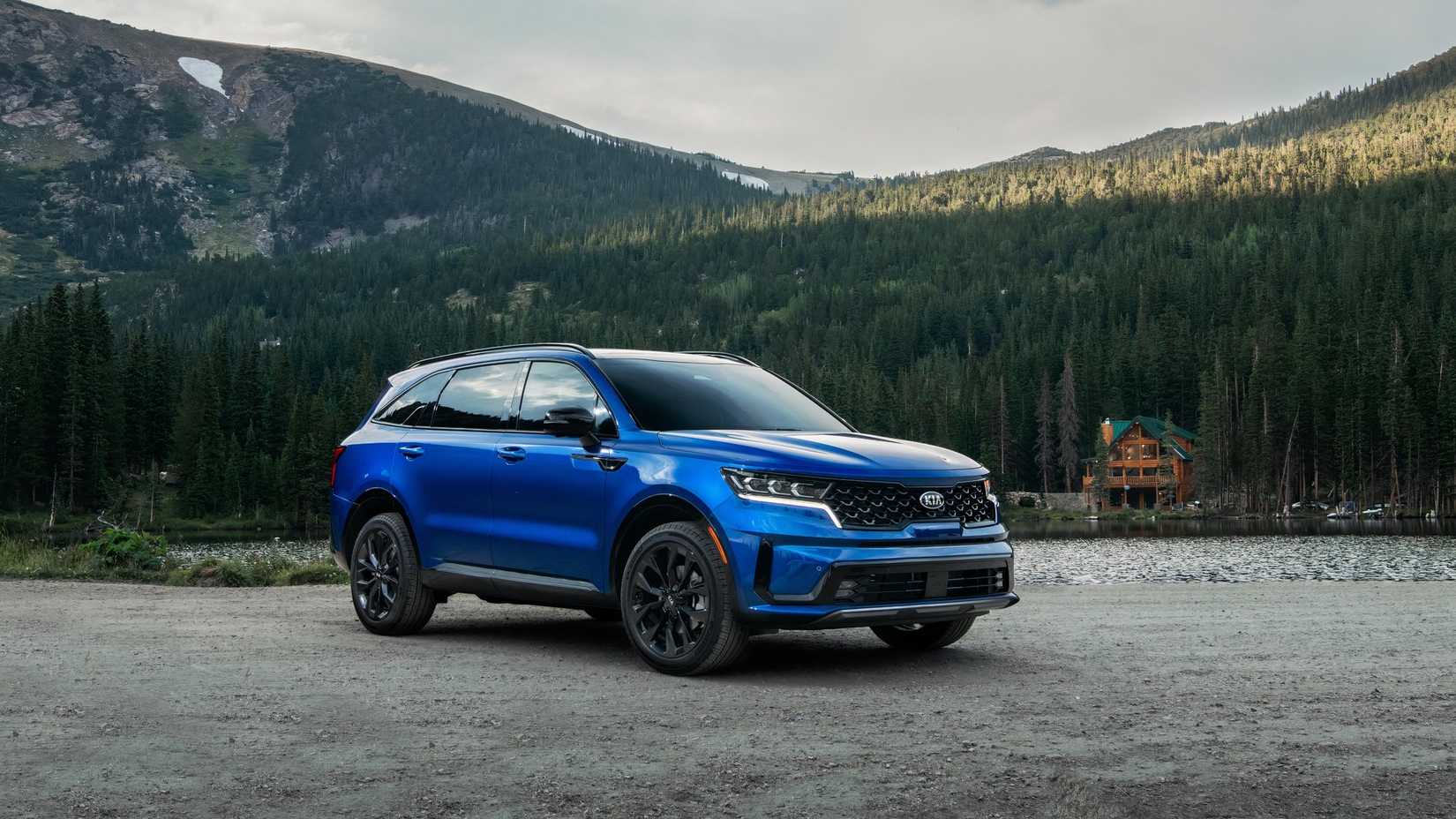
A shift in strategy, one more aligned towards comfort (the second generation was based on a unibody platform) and space for families (third generation introduced three rows of seating) followed. This showed just how serious Kia was about persisting with the Sorento despite no remarkable highlights in sales charts. And with the fourth generation coming in, in 2021, the option of hybrid and plug-in hybrid (PHEV) was added to meet the needs of changing times.
The Mid-Size Sweet Spot
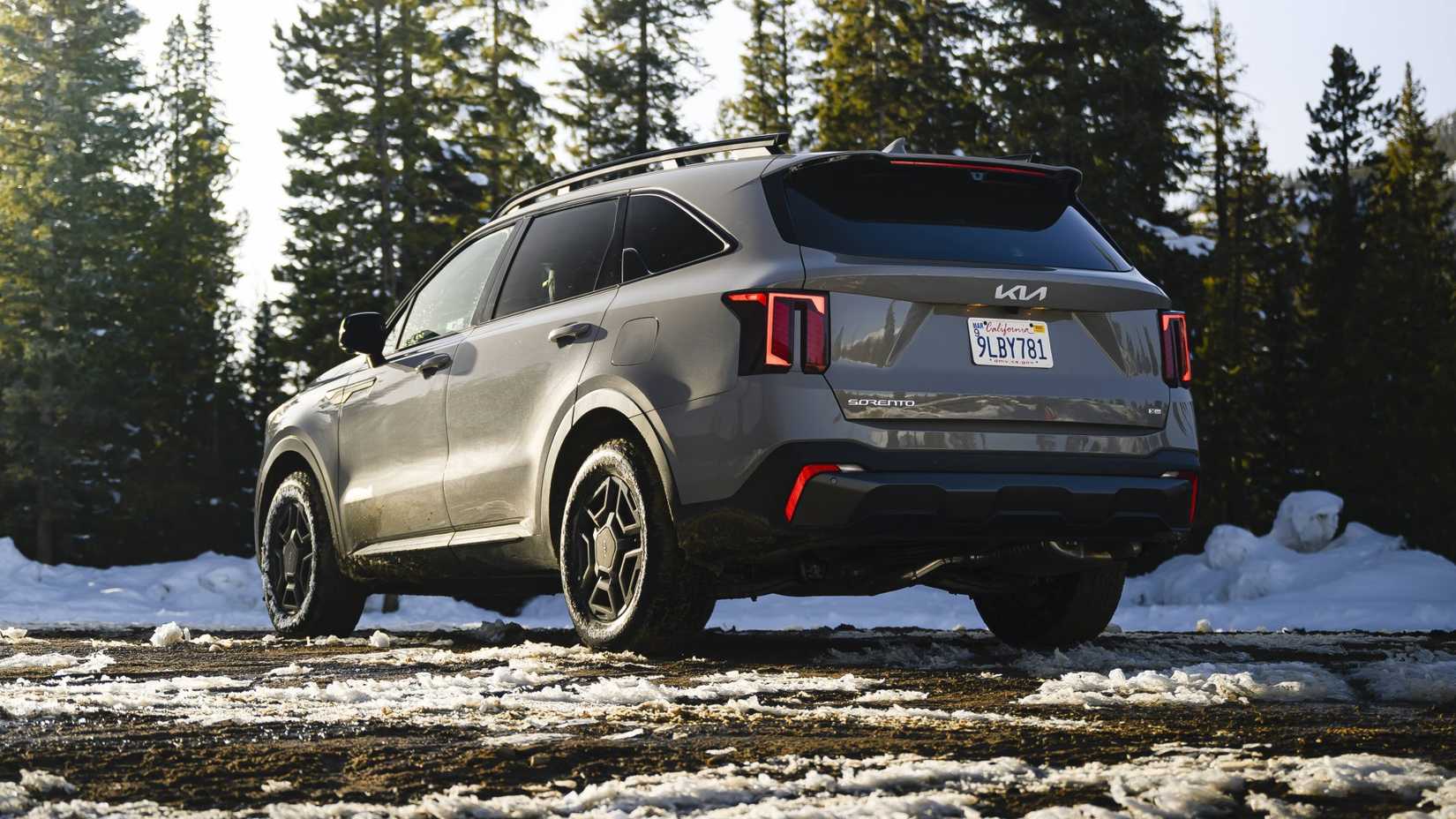
In many ways, the Sorento sits right in the middle of the Kia SUV family tree. Bigger but more expensive than the Seltos and Sportage, smaller but less expensive than the Telluride. And yet, its biggest strength could well be that it is the most spacious hybrid SUV south of $50,000. There are 143.8 cubic feet of passenger volume and a cargo-carrying ability of up to 75.5 cubic feet. While these figures are far more generous than what one gets inside a CR-V or the RAV4, the Sorento isn’t massive in its exterior proportions, at least not when pitted against the Telluride or even the Highlander. This essentially means that the SUV hits the perfect sweet spot between generous cabin space and a footprint that’s not ungainly within congested city limits.
Sorento Vs Telluride Vs Highlander Vs RAV4 Vs CR-V: Exterior Dimensions And Cabin Space Compared
|
Sorento |
Telluride |
Highlander |
RAV4 |
CR-V |
|
|---|---|---|---|---|---|
|
Overall Length |
189.6 inches |
196.9 inches |
194.9 inches |
181.1 inches |
184.8 inches |
|
Overall Width |
74.8 inches |
78.3 inches |
76 inches |
73 inches |
73.5 inches |
|
Overall Height |
66.9 inches (with roof rails) |
68.9 inches |
68.1 inches |
67 inches |
66.5 inches |
|
Wheelbase |
110.8 inches |
114.2 inches |
112.2 inches |
105.9 inches |
104.7 inches |
|
Passenger Volume |
143.8 cubic feet |
158.3 cubic feet |
153.3 cubic feet |
98.9 cubic feet |
102.9 cubic feet |
Clever From Within
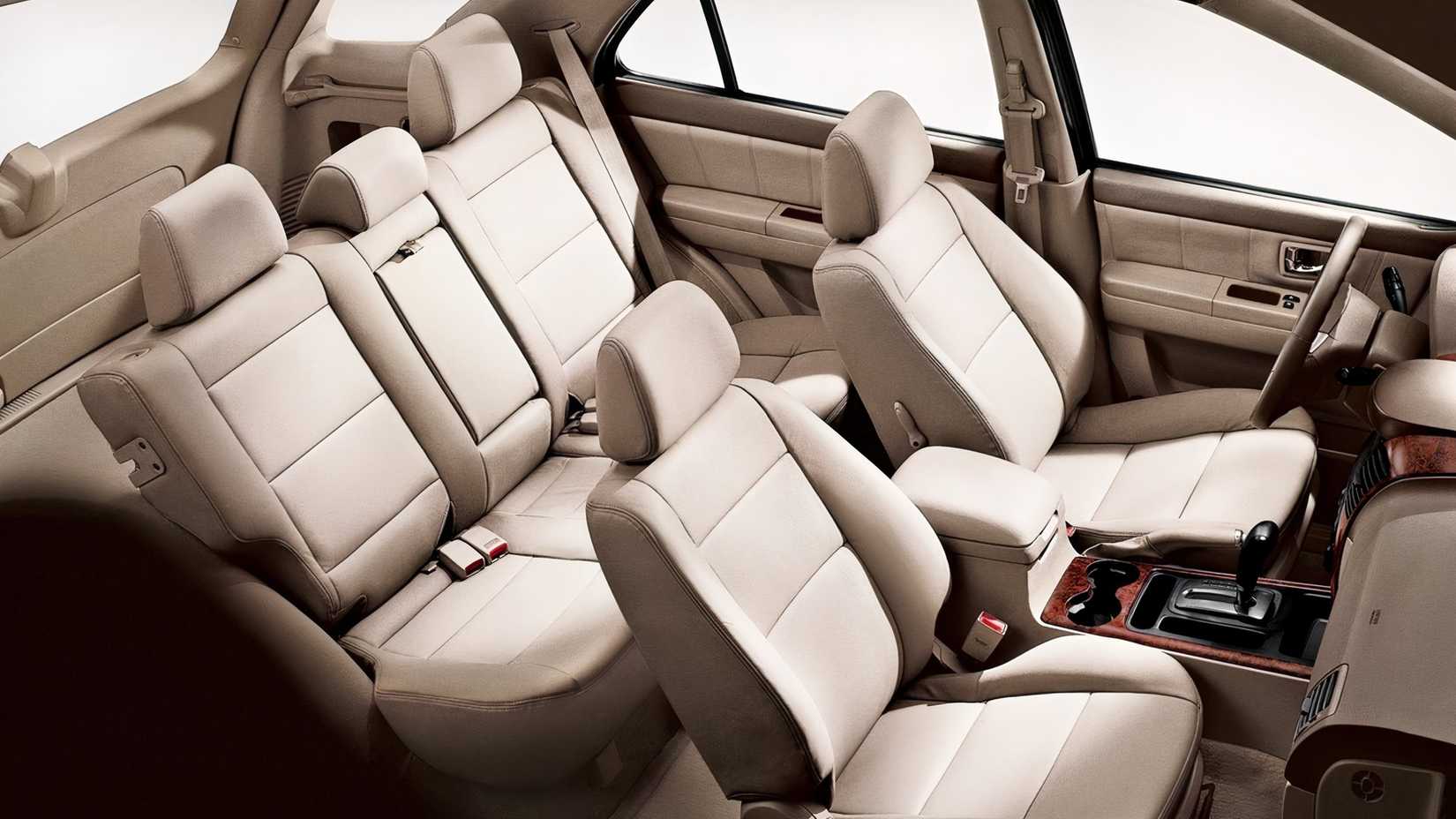
The Kia Sorento does indeed have generous cabin space for a mid-size SUV, but it is about how it utilizes the space that makes it stand out. The PHEV version offers seating for six, while the conventional variants can seat up to seven people. While it is obvious that adults in the third row won’t be stretching their legs until they actually get out, easy sliding and folding seats make entry and exit from the vehicle fairly easy.
Whether the Sorento is charged to fulfill daily office and school runs or taken out on long road trips, the cabin is well-appointed to offer comfort and versatility as well. With all seats occupied, the cargo space is rather limited at 12.6 cubic feet. With only two in the front row, however, there’s a mammoth 75.5 cubic feet of cargo area that opens up. In practical terms, five passengers can get all their bags and gear packed inside this SUV for a weekend getaway and be comfortable too.
Hybrid Tech That Doesn’t Sacrifice Performance
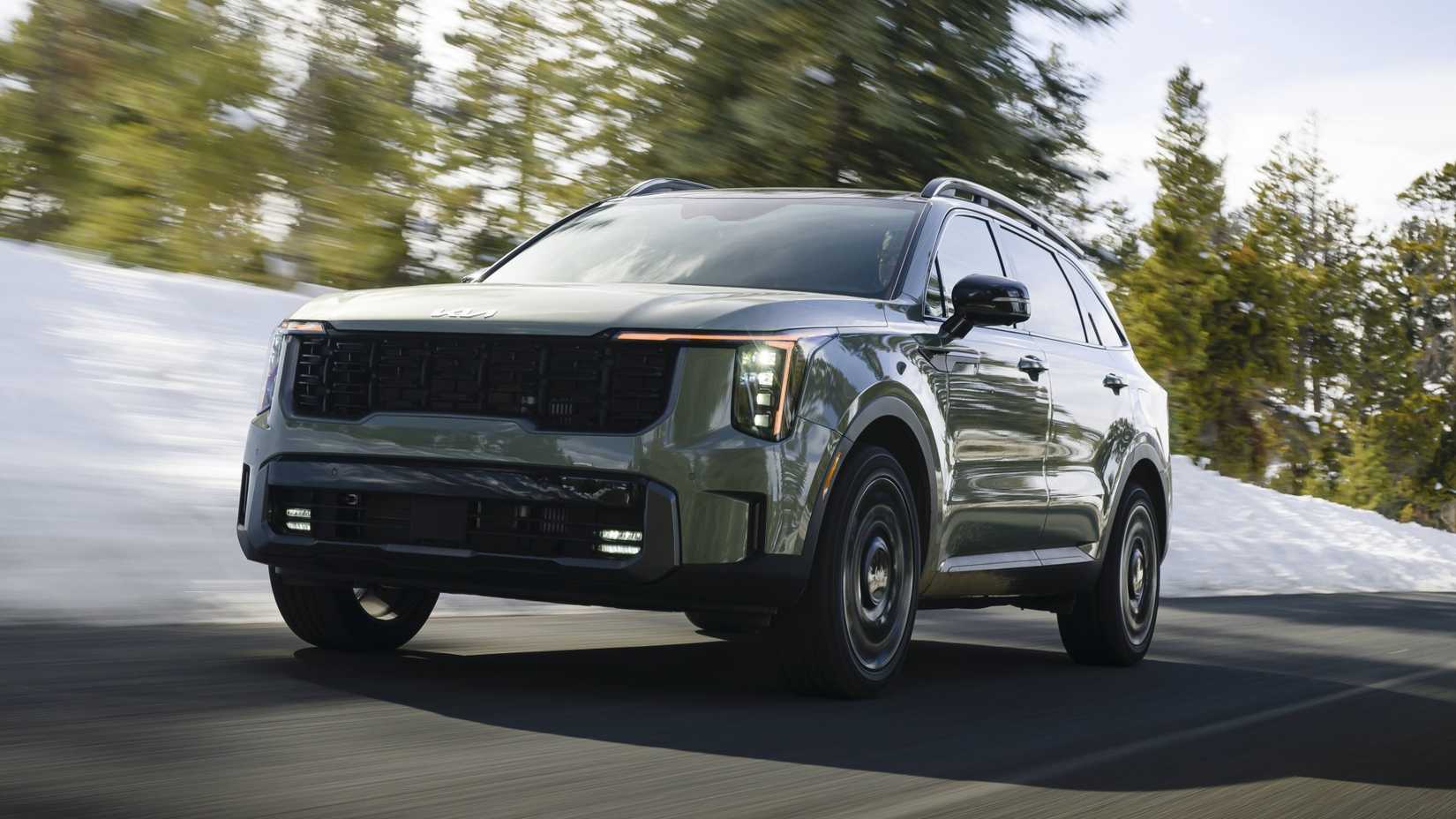
Hybrid cars are often regarded as machines that are compelled to ignore driving pleasure in order to maximize fuel economy. And there’s some degree of truth to this. But Sorento begs to differ. Offered in gas-only, hybrid, and PHEV versions, the SUV ensures performance doesn’t take a hit even when battery assistance is taken to improve fuel efficiency, which, by the way, is a combined figure of 34 mpg (EPA estimate for the AWD version).

- Base Trim Engine
-
1.6L I4 Hybrid
- Base Trim Transmission
-
6-speed automatic
- Base Trim Drivetrain
-
Front-Wheel Drive
- Base Trim Horsepower
-
177 HP @5500 RPM
- Base Trim Torque
-
195 lb.-ft. @ 1500 RPM
- Base Trim Fuel Economy (city/highway/combined)
-
37/36/37 MPG
- Base Trim Battery Type
-
Lithium ion (Li-ion)
- Make
-
Kia
- Model
-
Sorento Hybrid
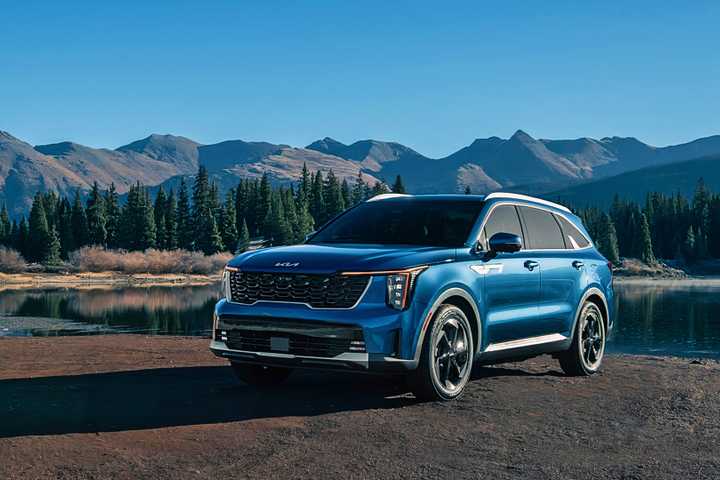
Under the hood is a 1.6-liter turbocharged four-cylinder gasoline engine that is paired with an electric motor to offer a combined power output of 227 horsepower and 258 pound-feet of torque. Going from stationary to 60 mph takes the Sorento a shade over seven seconds, which, frankly, is nifty enough considering it is a family SUV after all. And while the six-speed automatic transmission unit isn’t buttery smooth, the option to choose an All-Wheel Drive (AWD) version ensures that one is not restricted by terrain challenges when planning a trip.
10 Hybrid SUVs That Hold Their Value Best
Here are 10 hybrid SUVs that not only save you money in fuel costs, but will pay you back well when you go to sell them.
Why The Sorento Gets Less Love Than It Deserves
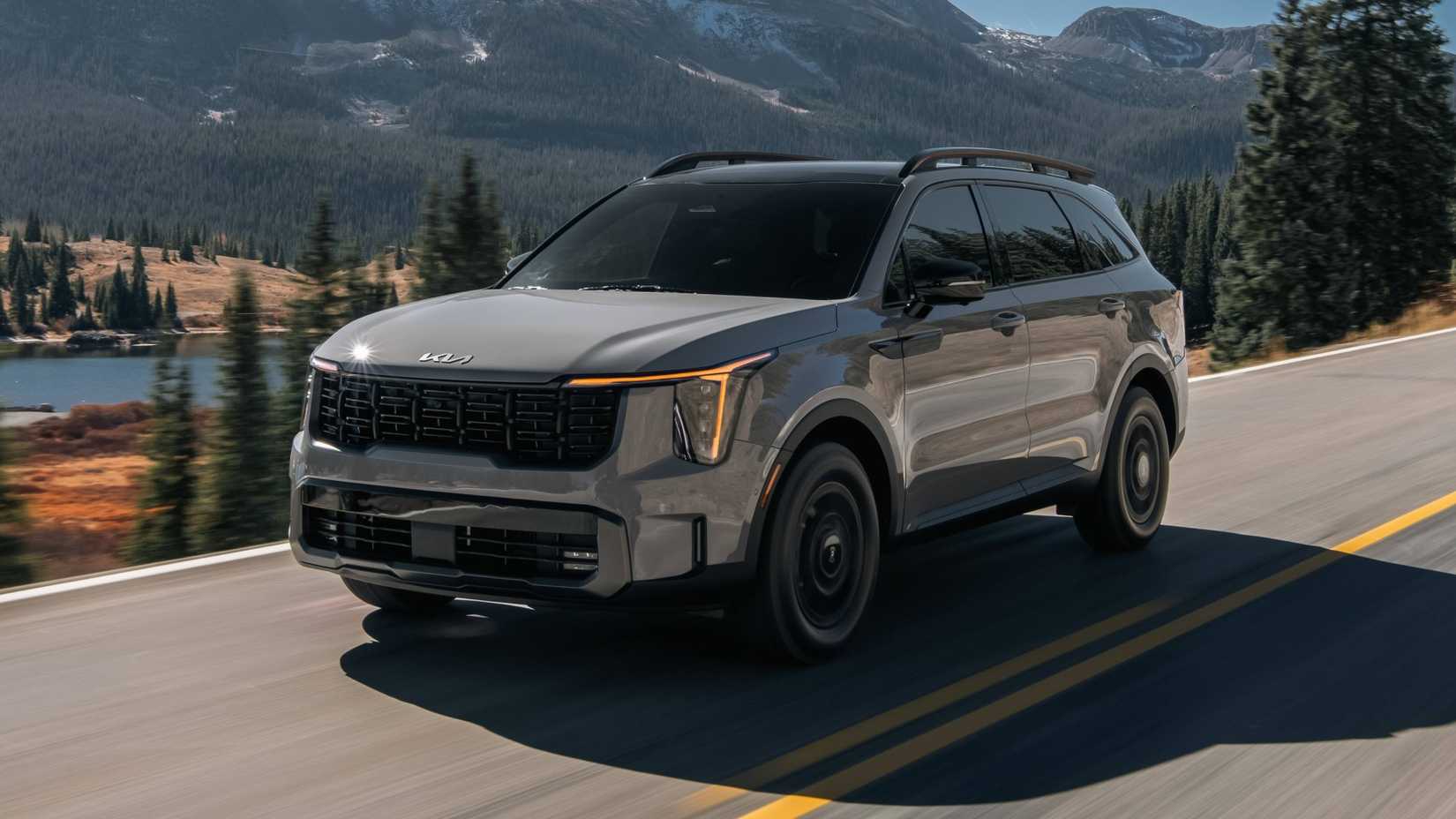
To clear the air, the Sorento is fairly popular when seen as a standalone Kia offering. The company sold 94,772 units of the SUV in the U.S. last year, a very respectable figure to put in its resume. But when pitted against most other SUVs within the Kia family itself, the number begins to appear rather ordinary. This is because Kia sold twice as many Sportage units (182,823) in the U.S. last year, while even Telluride sales were far more robust, with 123,281 units finding takers.
Official Kia U.S. Sales Figures
|
2025 |
2024 |
|
|---|---|---|
|
Seltos |
56,798 |
59,958 |
|
Sportage |
182,823 |
161,917 |
|
Sorento |
94,772 |
95,154 |
|
Telluride |
123,281 |
115,504 |
Kia isn’t perturbed. And it should not be either, as long as sales momentum shifts remain within the family. But the fact also is that intense sibling rivalry means Sorento’s potential isn’t realized to its maximum. The table above shows how, between 2024 and 2025, sales figures for Sportage and Telluride grew, but it was a bit of a cooling-down period for the Sorento and Seltos. This could possibly be because of factors like the Sorento waiting for its fifth-generation update, Telluride being seen as offering more at only a slightly higher price point, and Kia potentially getting better margins on it.
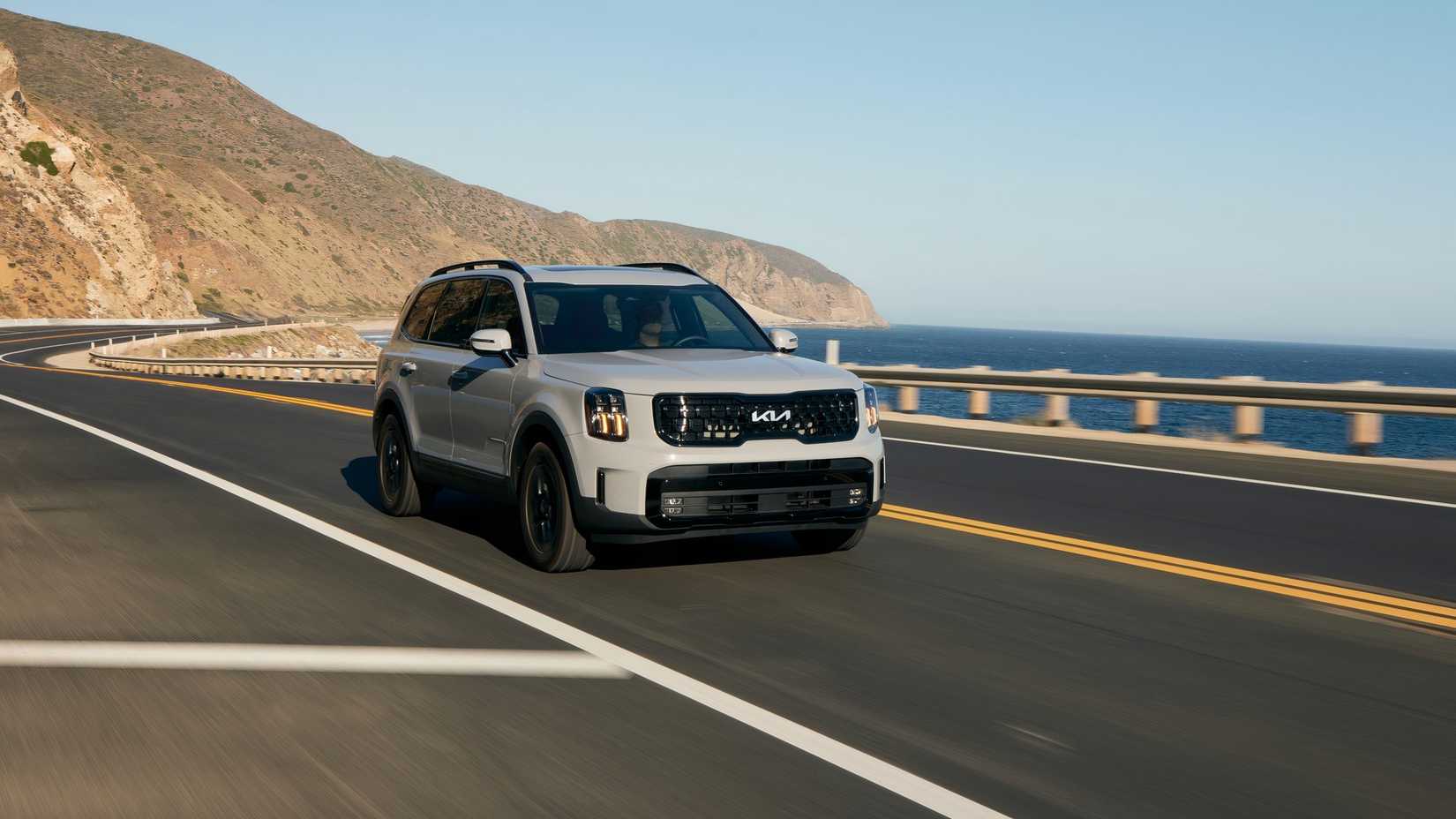
But the competition in the mid-size SUV space is also ferociously intense. Step outside the Kia family tree, and one sees models that are excelling in certain specific counts. The Hyundai Santa Fe Hybrid, for instance, shares its platform and powertrain with the Sorento but offers much more cabin space. The Toyota Highlander Hybrid is the best in its segment when it comes to fuel economy and is backed by the company’s robust reputation for reliability. So while the Sorento does manage to hold its ground in a field littered with worthy warriors, every inch of space is contested fiercely.
The Silent Samurai With Korean Genes
Sorento Sparkles More Than It Shines
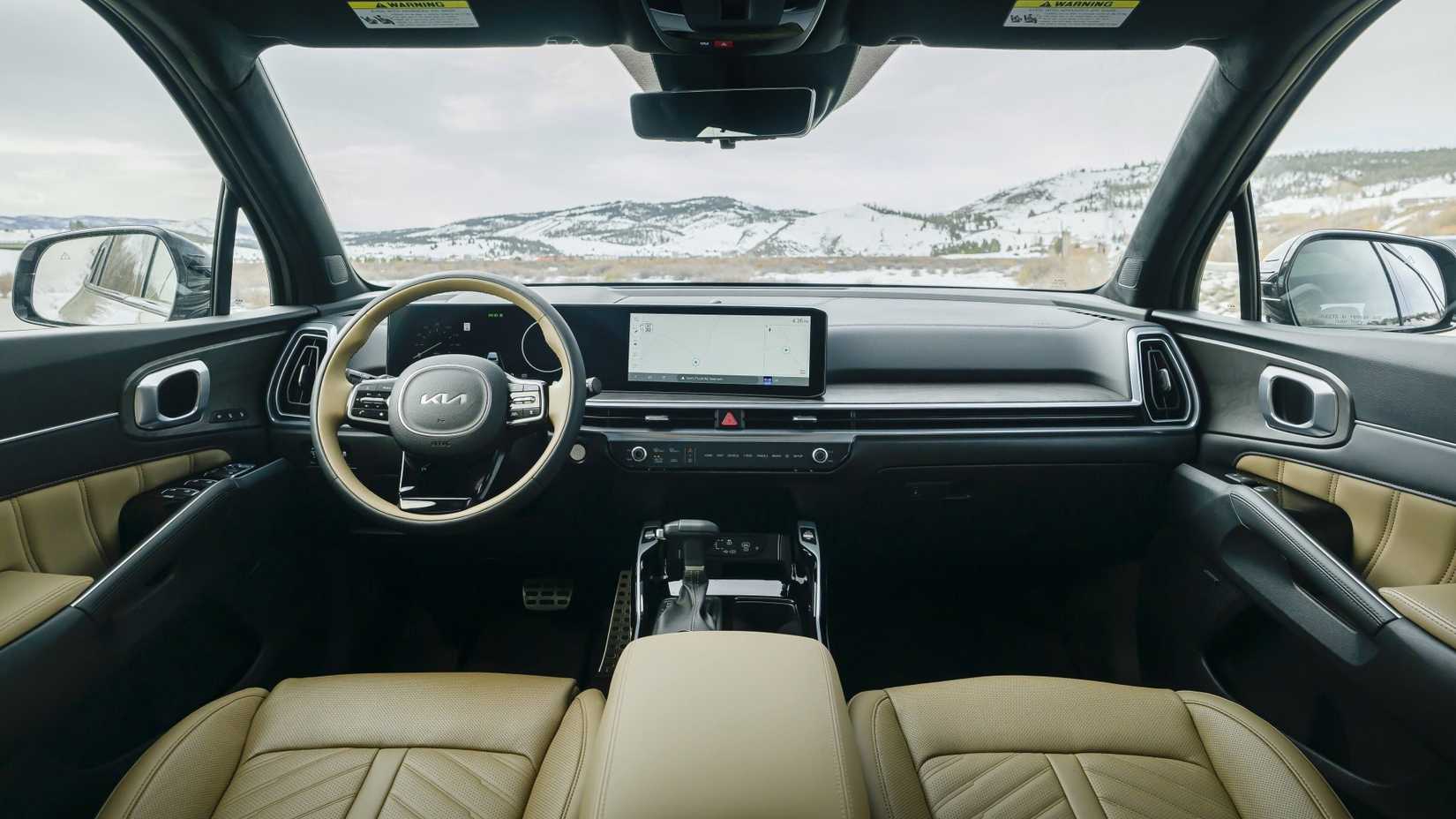
The Sorento is a great option to consider in its segment, but is it compelling enough? As a family hybrid, the Sorento does everything it is expected to — great mileage, a fairly spacious cabin, and decent power figures. Being a Kia, it also comes with a bag full of standard and available tech and comfort features like a 12.3-inch main touchscreen unit, 12.3-inch driver display, Bose audio system, wireless device charger, 14-way power driver seat adjustment with four-way lumbar support control, heated and ventilated front seats, heated outboard second-row seats, heated steering wheel, panoramic sunroof, and sound-absorbing windshield glass, among many more. Add to this a slew of driver-assistance and passive and active safety features as well.
Additionally, Sorento’s exterior styling is smartly conventional and nowhere as polarizing as, say, the boxy shape of the newest Santa Fe. Nor is the Sorento as plain-looking as the Highlander.
Is the Sorento perfect then? Not quite. The 2026 Sorento gets an ‘Average’ rating in the ‘Quality & Reliability’ category from J.D. Power and secures four out of five points in the Kelley Blue Book reliability report. Its annual estimated repair cost is also higher than that of rivals. According to RepairPal, the predicted annual maintenance cost of a Sorento is $533 compared to $515 for the Santa Fe and $488 for the Highlander.
But Kia does offer one of the most comprehensive warranties on the Sorento to sweeten the deal — a bumper-to-bumper warranty valid for five years/60,000 miles and 10 years/100,000 miles warranty on the powertrain. As such, reasons to drive a Sorento home are many. And reasons not to lie more in what is available elsewhere. On its own merit, this particular Kia SUV fares well, even if it can fare even better. Will the fifth-generation update prove to be a potent shot in the arm? Time will tell.
Source: Kia, MotorIntelligence, J.D. Power, KBB, RepairPal