
Modern large family SUVs promise everything: cutting-edge technology, thrilling performance, and luxury-level comfort wrapped in bold, attention-grabbing designs. But for many buyers, the reality rarely matches the marketing. Beneath the glossy brochures and oversized infotainment screens, compromises often emerge, such as tight third rows, disappointing real-world efficiency, or complex powertrains that raise long-term ownership concerns. In a segment defined by overpromising, genuinely well-rounded vehicles are surprisingly rare.
What families actually need isn’t complicated. They want space that works in the real world, powertrains that don’t become liabilities at 100,000 miles, and comfort that holds up on long road trips rather than just short test drives. Efficiency matters, but so does predictability. And above all, value isn’t about the lowest price; it’s about what a vehicle delivers over years of ownership.
That’s where a select few SUVs separate themselves from the crowd. They don’t rely on gimmicks or exaggerated claims. Instead, they focus on fundamentals that include usable space, proven engineering, and a driving experience that feels effortless rather than impressive for the sake of it. Quietly, consistently, and without drama, they get the job done, and that’s exactly why they matter.
Why Most Family SUVs Overpromise But Rarely Deliver Where It Counts
There’s a pattern in today’s three-row SUV segment. Automakers chase headlines with horsepower figures, massive touchscreens, and bold styling, but often neglect the fundamentals that define daily usability. Take powertrains, for example. Many rivals now rely on small turbocharged engines paired with complex hybrid systems designed primarily to hit regulatory targets. While these setups can deliver impressive on-paper figures, they frequently introduce long-term concerns, heat management, battery degradation, and increased maintenance complexity. A 2.0-liter turbo pushing a large three-row SUV may look efficient on paper, but when loaded with passengers and cargo, real-world strain becomes evident.
Then There’s Packaging
Third rows are often advertised as “adult-friendly,” yet legroom and headroom rarely support that claim. Cargo space shrinks dramatically once all seats are in use, undermining the very purpose of a family SUV. Even when manufacturers quote large total cargo capacities, those figures usually require folding seats — hardly practical during school runs or airport trips.
Ride quality is another area where many SUVs miss the mark. Stiff suspensions tuned for “sportiness” may feel impressive during a short drive but quickly become tiring over long distances. Add in oversized wheels and low-profile tires, and comfort suffers further. Many SUVs are engineered to impress in brief encounters rather than withstand years of real-world use. The result is a segment full of vehicles that look good on paper but fall short when it comes to real-world family duties.
The Toyota Hybrid That Makes Lexus Feel Harder To Justify
This refined hybrid sedan delivers luxury comfort and tech at a surprisingly accessible price point.
How The Toyota Grand Highlander Quietly Excels In Everyday Usability
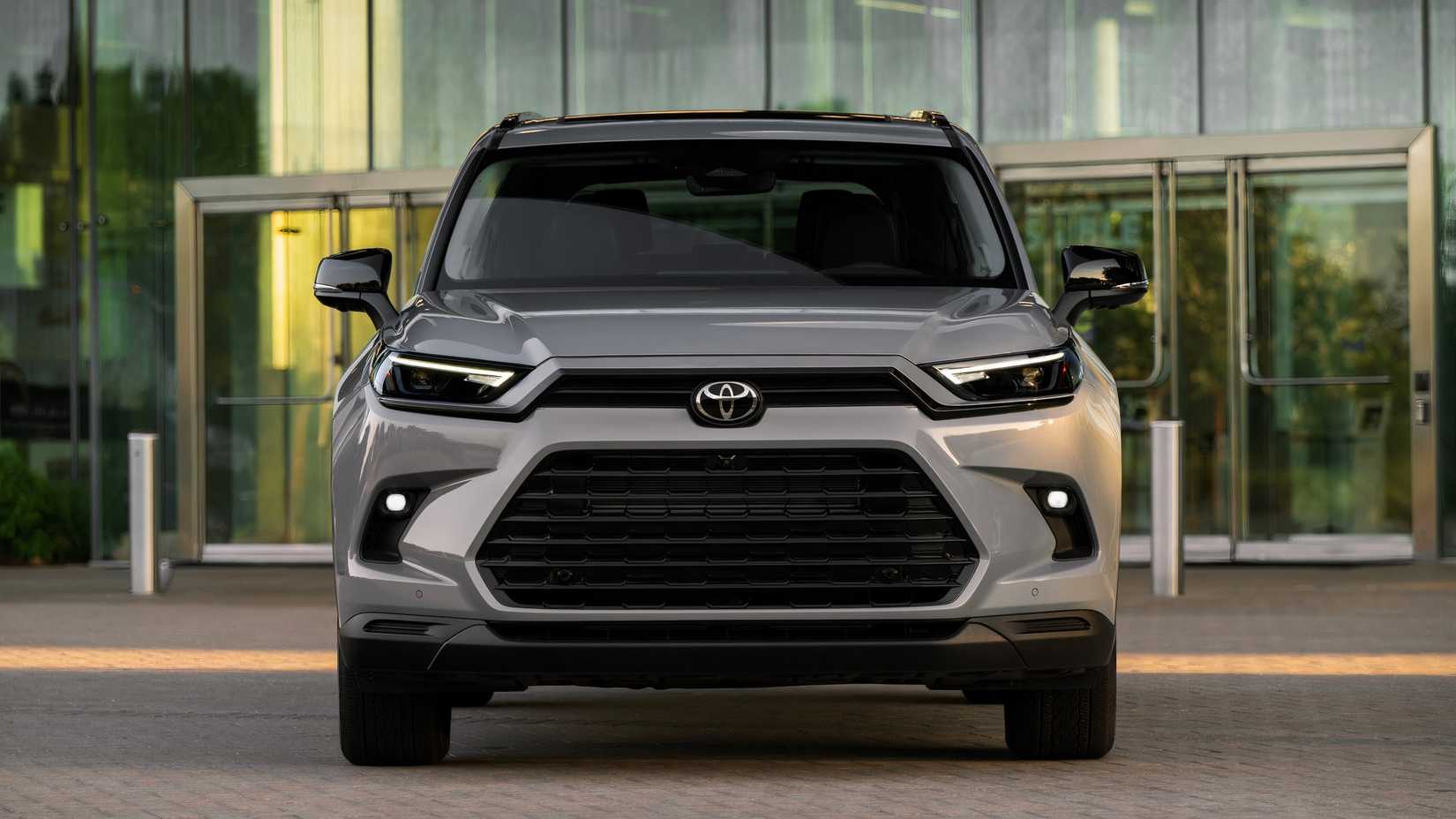
Where many competitors chase trends, the 2026 Toyota Grand Highlander takes a more deliberate approach, one rooted in usability. Start with its size and proportions. Measuring approximately 201.4 inches in length with a 116.1-inch wheelbase, it’s physically larger than a typical midsize SUV, and that translates directly into usable interior space. Unlike many rivals, the third row isn’t an afterthought. Adults can sit comfortably, making it genuinely practical for families who regularly carry more than five passengers.
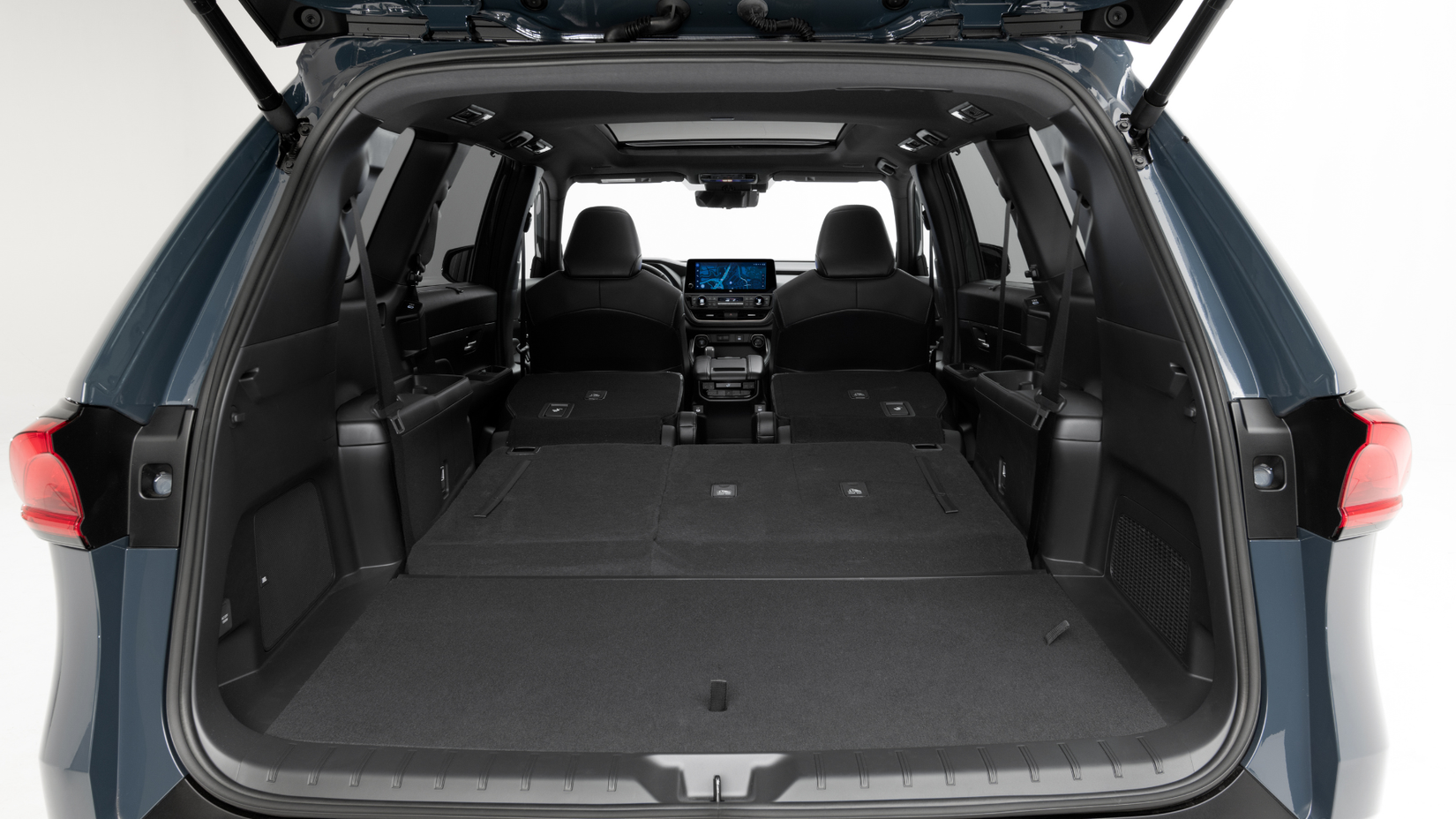
Cargo capacity is another standout strength. With up to 97.5 cubic feet available when the rear seats are folded, it offers the kind of flexibility that families actually need for road trips, sports gear, or bulk shopping. More importantly, the space behind the third row remains usable even with all seats occupied, a critical distinction often overlooked in the segment.
Toyota’s Approach To Powertrain Variety Also Plays A Role In Usability
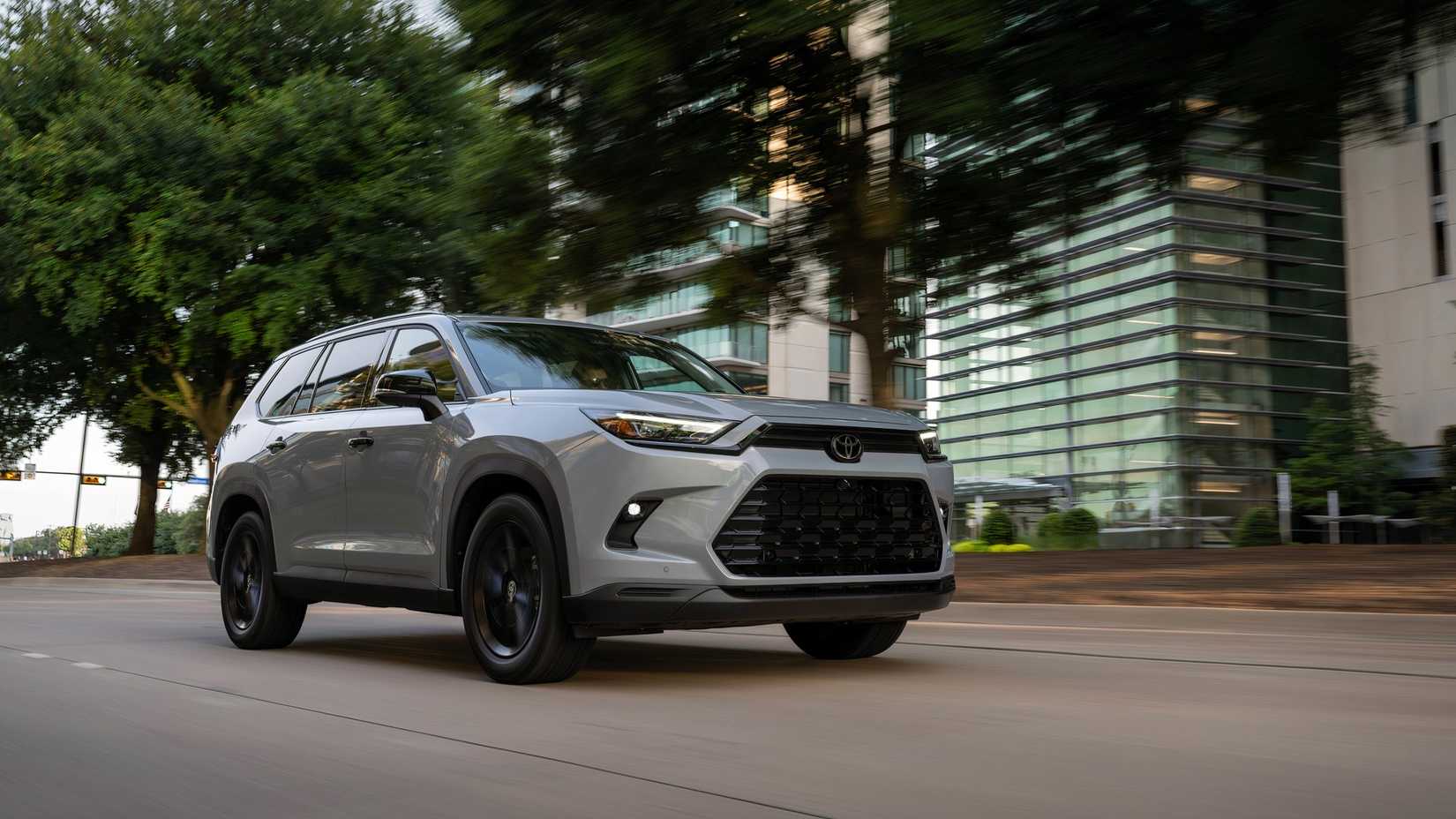
Buyers can choose between a 2.4-liter turbocharged gasoline engine producing 265 horsepower and 310 pound-feet of torque, or hybrid setups tailored for efficiency or performance. This range allows families to prioritize what matters most, whether that’s fuel economy, towing capability, or smoother daily driving.
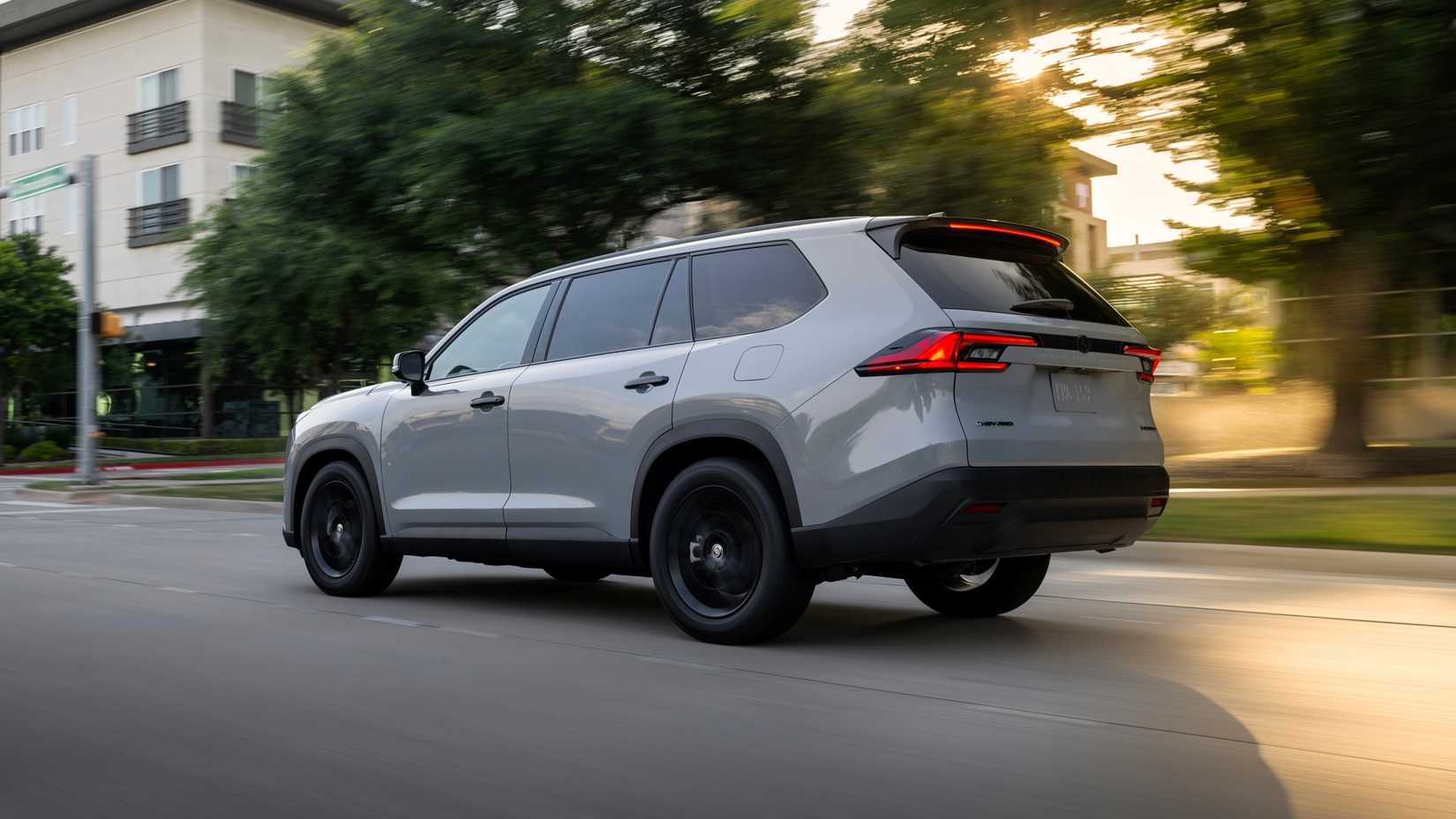
On the road, the focus is clearly on refinement. The suspension setup, strut front and multi-link rear, prioritizes stability and comfort rather than aggressive handling. The result is a composed, predictable driving experience that suits long-distance travel far better than artificially sporty alternatives. It’s not flashy, and that’s precisely the point. Every aspect of its design feels intentional, aimed at making daily life easier rather than more complicated.
Proven Powertrains And Bulletproof Reliability
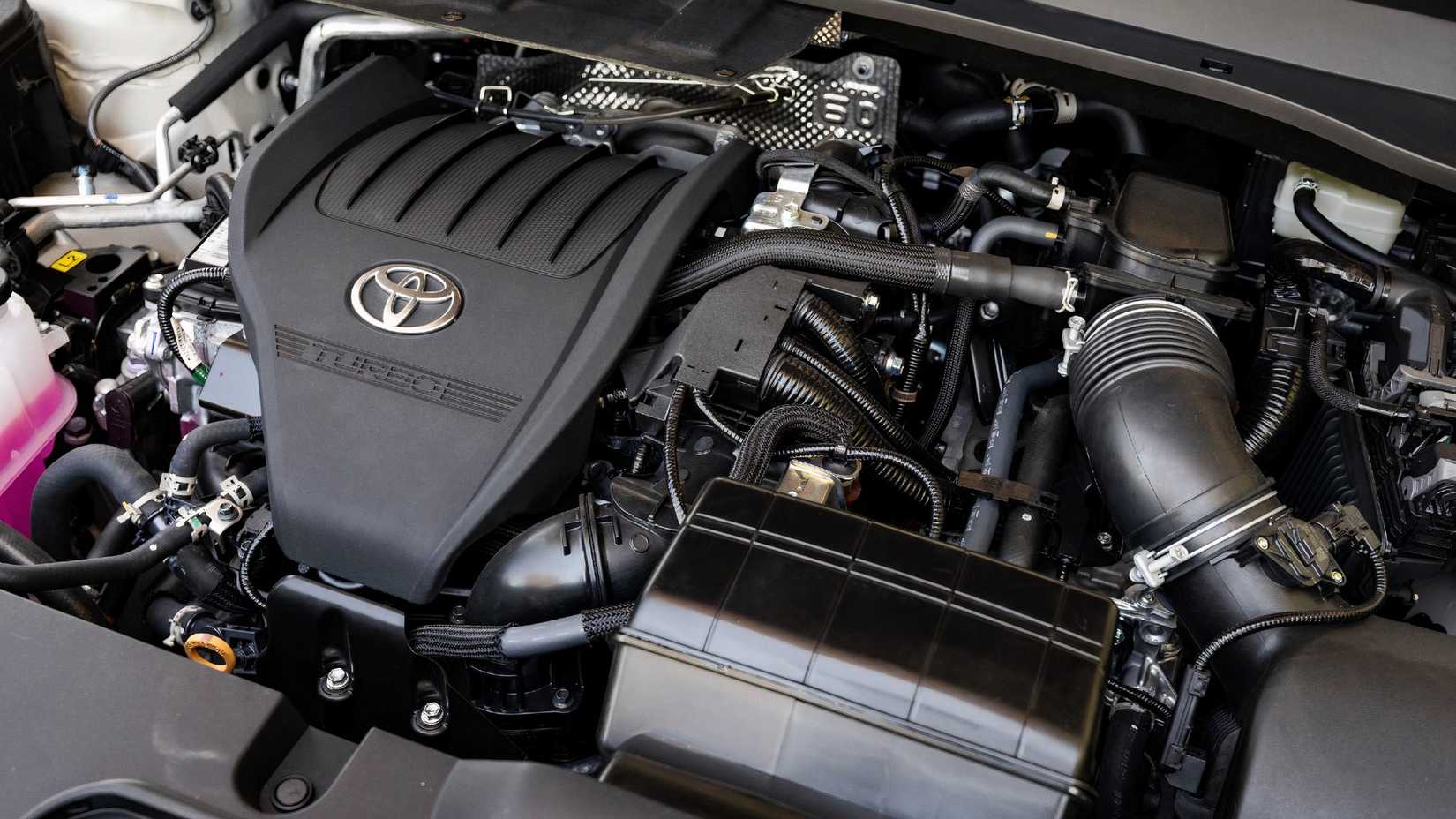
Toyota’s reliability isn’t just a marketing term; it’s the foundation of long-term value. And this is where the engineering philosophy stands out. At its core is a choice of well-understood, relatively low-stress powertrains. The base 2.4-liter turbocharged inline-four delivers 265 horsepower and 310 pound-feet of torque through an eight-speed automatic transmission. While turbocharged, it’s tuned for broad torque delivery rather than peak output, with maximum torque arriving as low as 1,700 rpm. That translates into less strain during everyday driving, particularly when carrying passengers or climbing gradients.
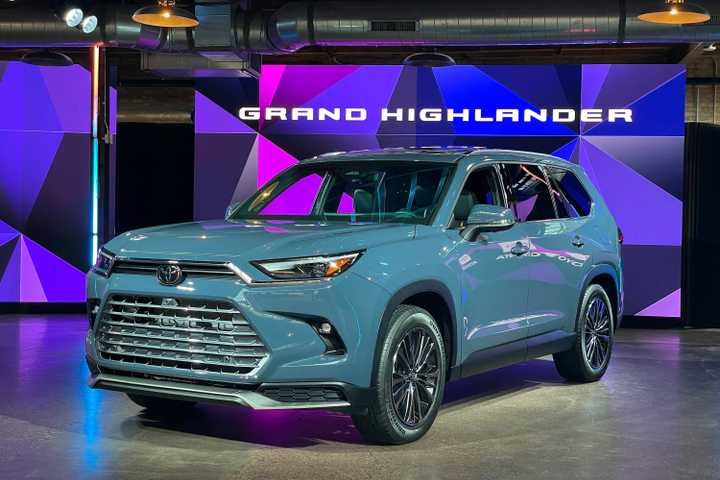
- Base Trim Engine
-
2.4L I-4 ICE
- Base Trim Transmission
-
8-speed automatic
- Base Trim Drivetrain
-
Front-Wheel Drive
- Base Trim Horsepower
-
265 HP @6000 RPM
- Base Trim Torque
-
310 lb.-ft. @ 1700 RPM
- Base Trim Fuel Economy (city/highway/combined)
-
21/28/24 MPG
- Base Trim Battery Type
-
Lead acid battery
- Make
-
Toyota
- Model
-
Grand Highlander
The Hybrid Option Takes A Different Approach
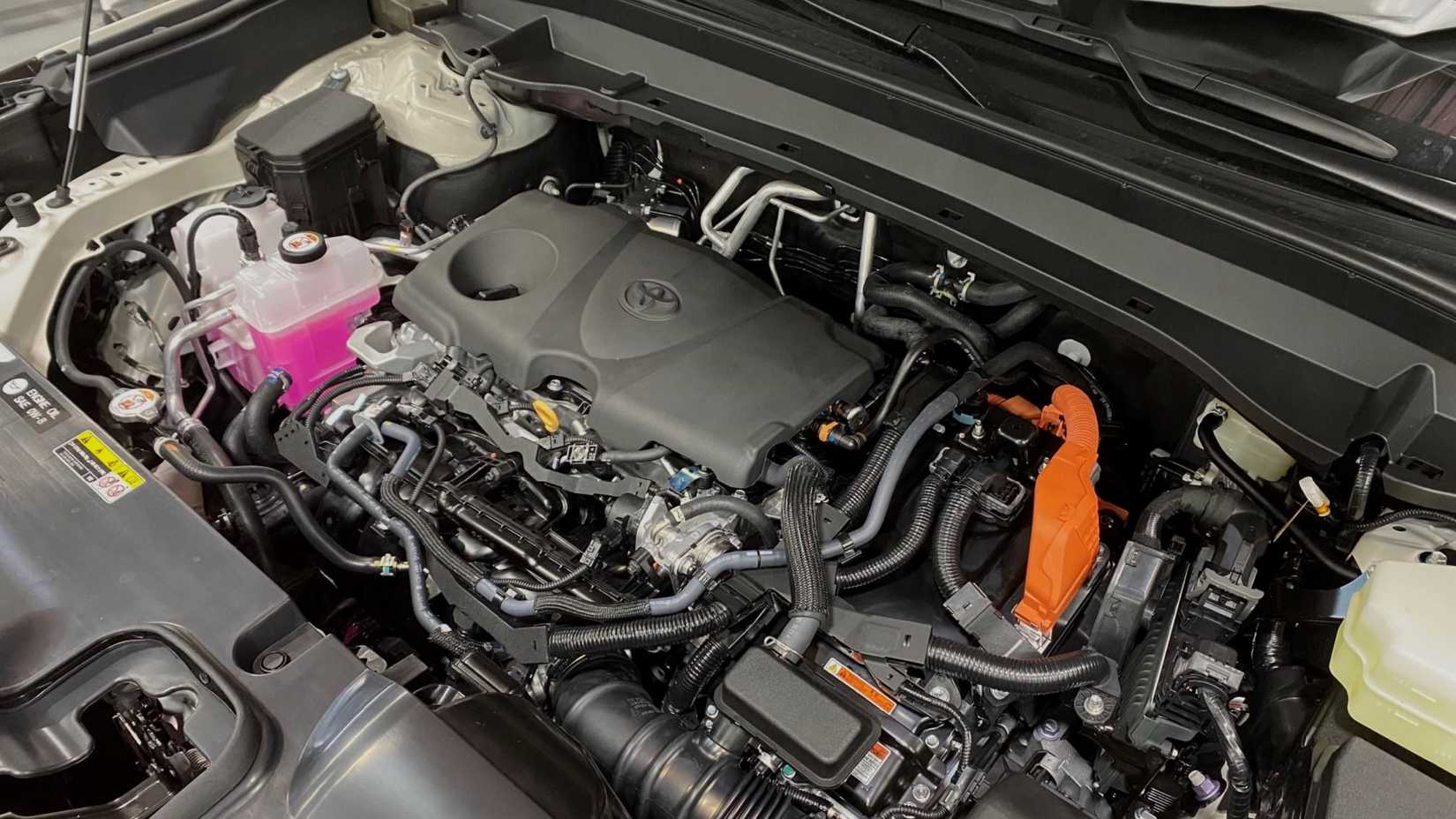
Pairing a 2.5-liter naturally aspirated engine with electric motors, it produces a combined 245 horsepower while achieving up to an EPA-estimated 36 mpg combined. This setup prioritizes efficiency and longevity, using a continuously variable transmission that minimizes mechanical complexity.
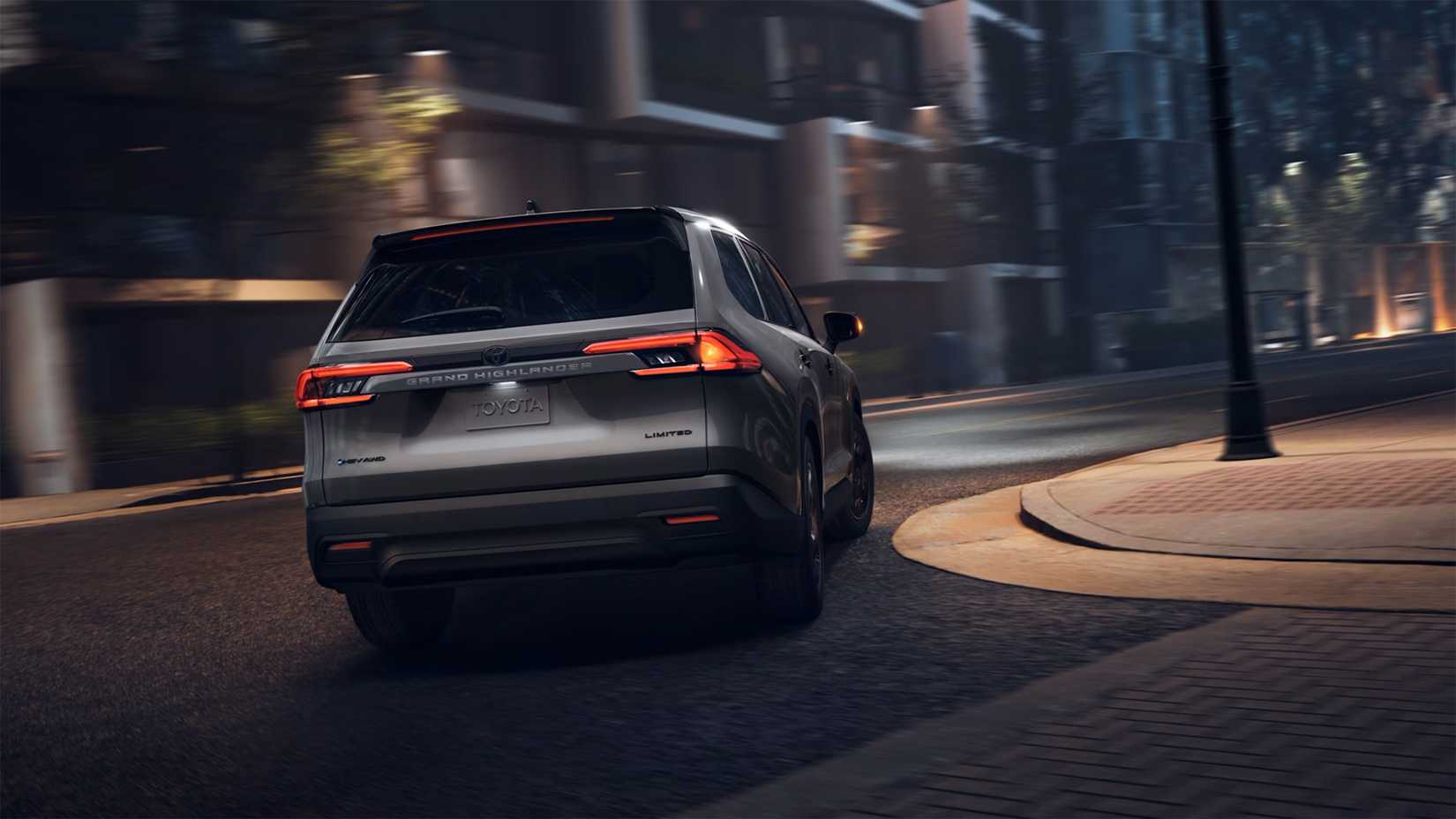
For those who want more performance without sacrificing efficiency entirely, the Hybrid MAX variant delivers up to 362 horsepower and significantly quicker acceleration, with 0-60 mph times around 6.3 seconds. Despite the added power, it still returns an estimated 27 mpg combined, which is impressive for a vehicle of this size and capability.
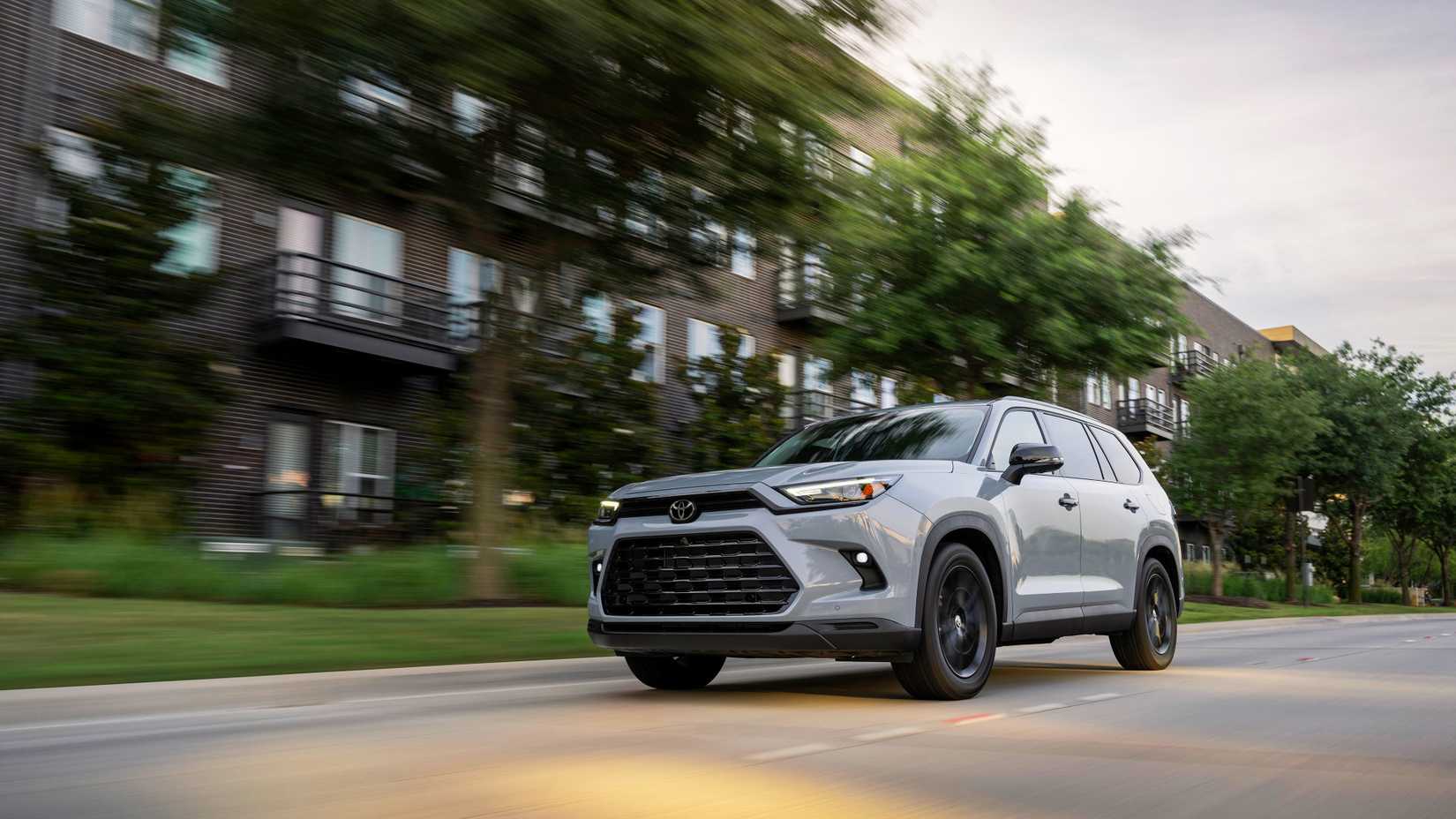
Crucially, these systems are evolutions of existing architectures rather than entirely new, unproven designs. That matters. Proven components tend to age better, require less maintenance, and deliver more predictable ownership costs. In a segment increasingly dominated by complexity, this measured approach to engineering is a major advantage.
The Rugged Toyota SUV Built For Owners Who Plan To Keep It Forever… And It’s Not The Land Cruiser
This SUV delivers reliability, body-on-frame toughness, and off-road power, making it a top pick for long-term SUV ownership.
Comfort, Space, And Efficiency That Make Long-Term Sense
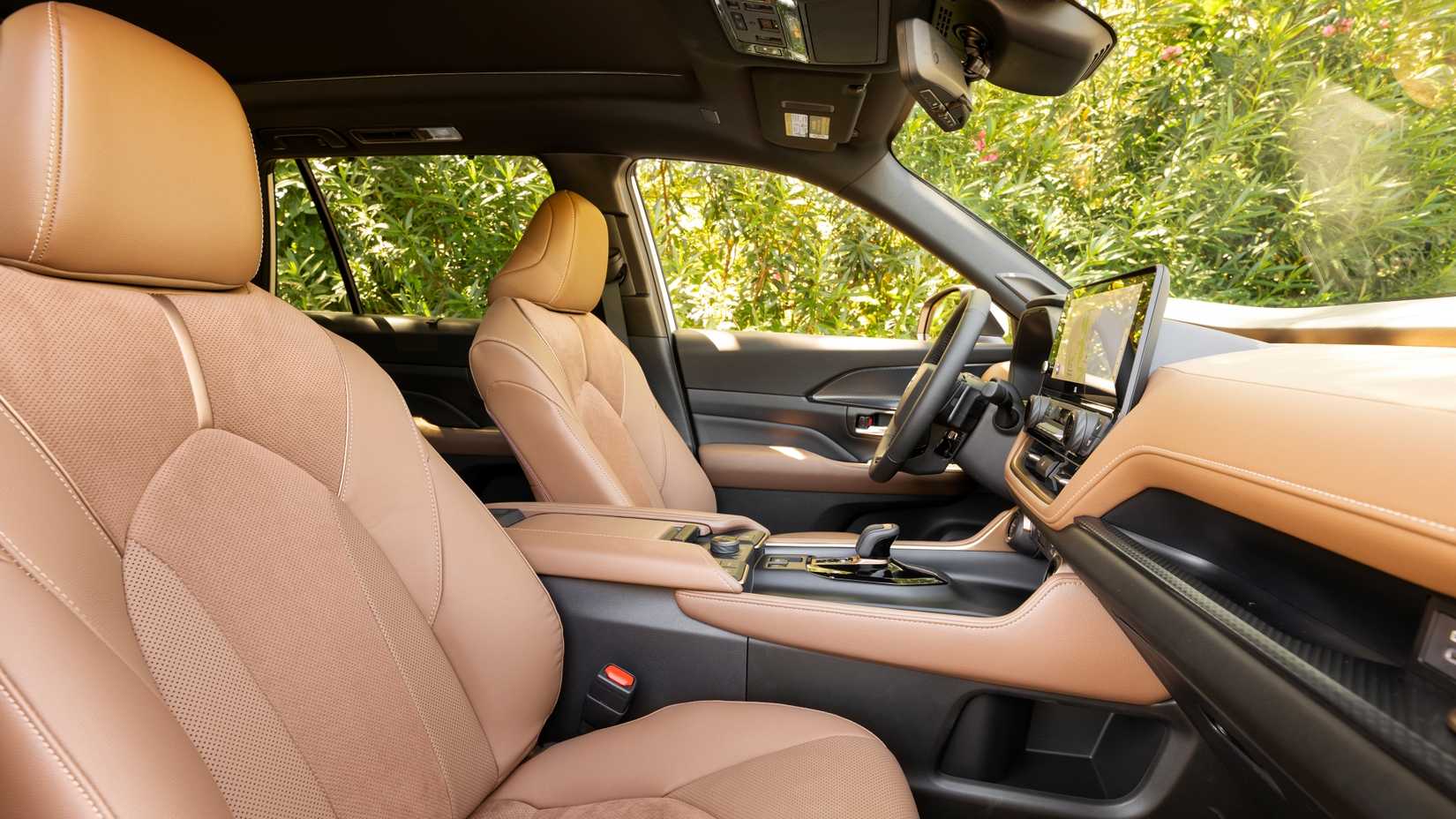
Comfort in a family SUV isn’t just about soft seats or ambient lighting; it’s about how a vehicle feels after hours on the road. This is where it truly delivers. The cabin is designed with real-world use in mind. Seating for up to eight passengers is complemented by genuinely adult-friendly dimensions in all three rows, a rarity in the segment. Legroom and headroom are sufficient to avoid the cramped feeling that plagues many competitors, making long journeys far less fatiguing.
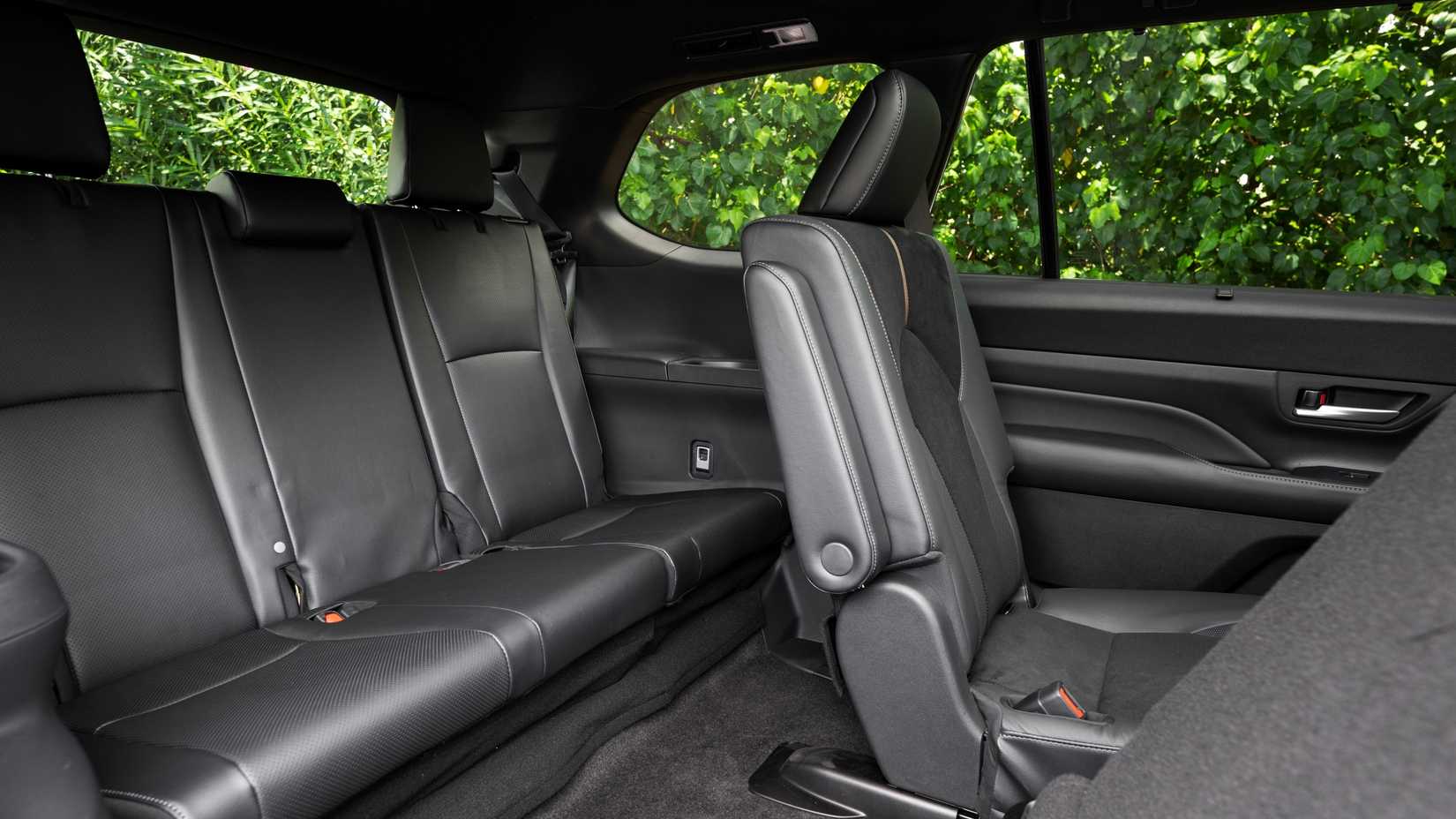
Interior practicality is equally impressive. Storage solutions are thoughtfully integrated, from large door bins to flexible cargo configurations. Whether it’s school bags, groceries, or travel luggage, the vehicle adapts without requiring compromises. Importantly, none of this comes at the expense of ease of use. Controls remain intuitive, visibility is strong, and the overall driving experience feels natural rather than overwhelming.
Ride Quality Is Another Highlight
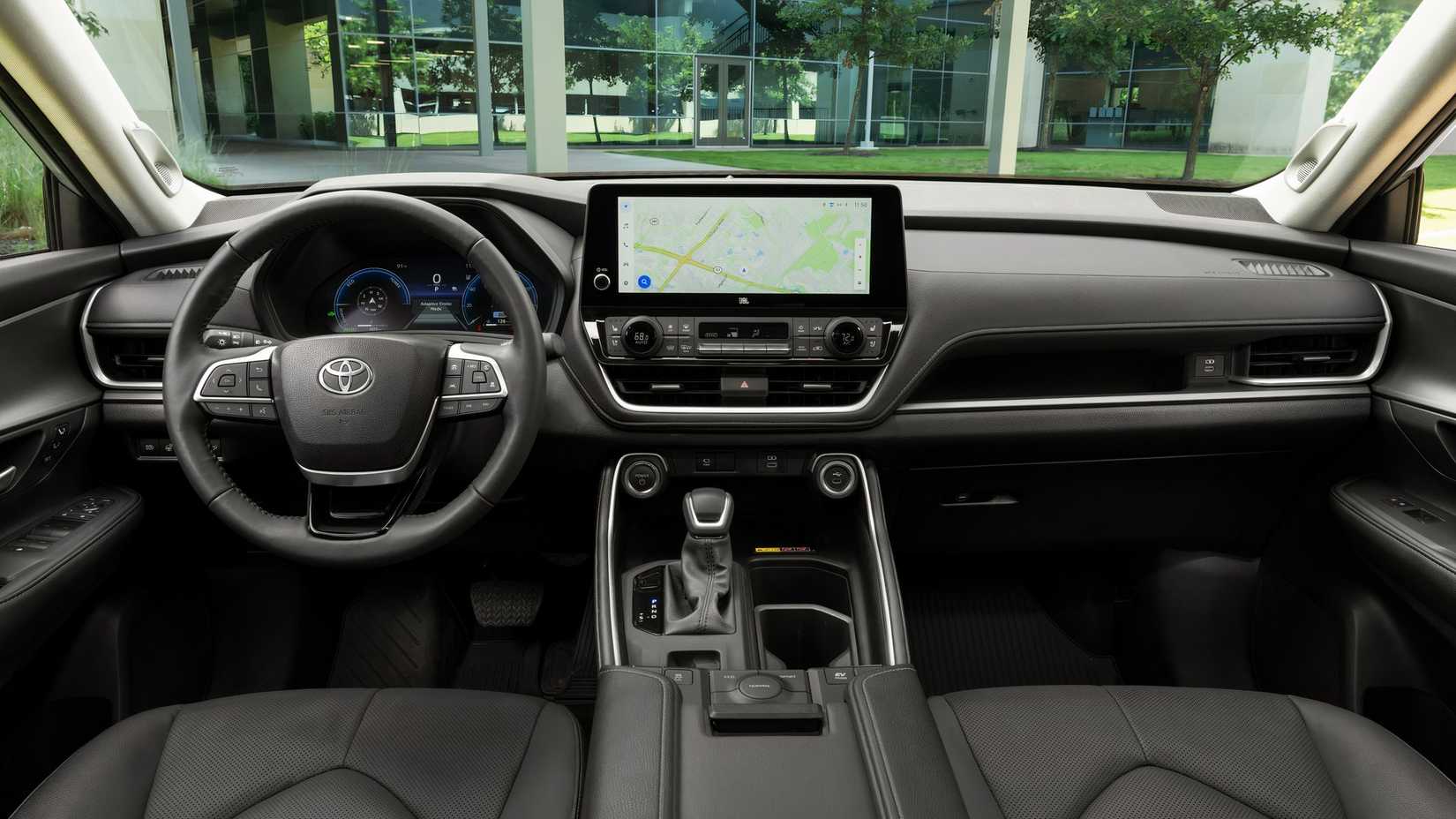
The suspension tuning leans toward compliance, absorbing road imperfections rather than transmitting them into the cabin. Combined with a relatively long wheelbase, this results in a smooth, stable ride that’s particularly well-suited to highway driving.
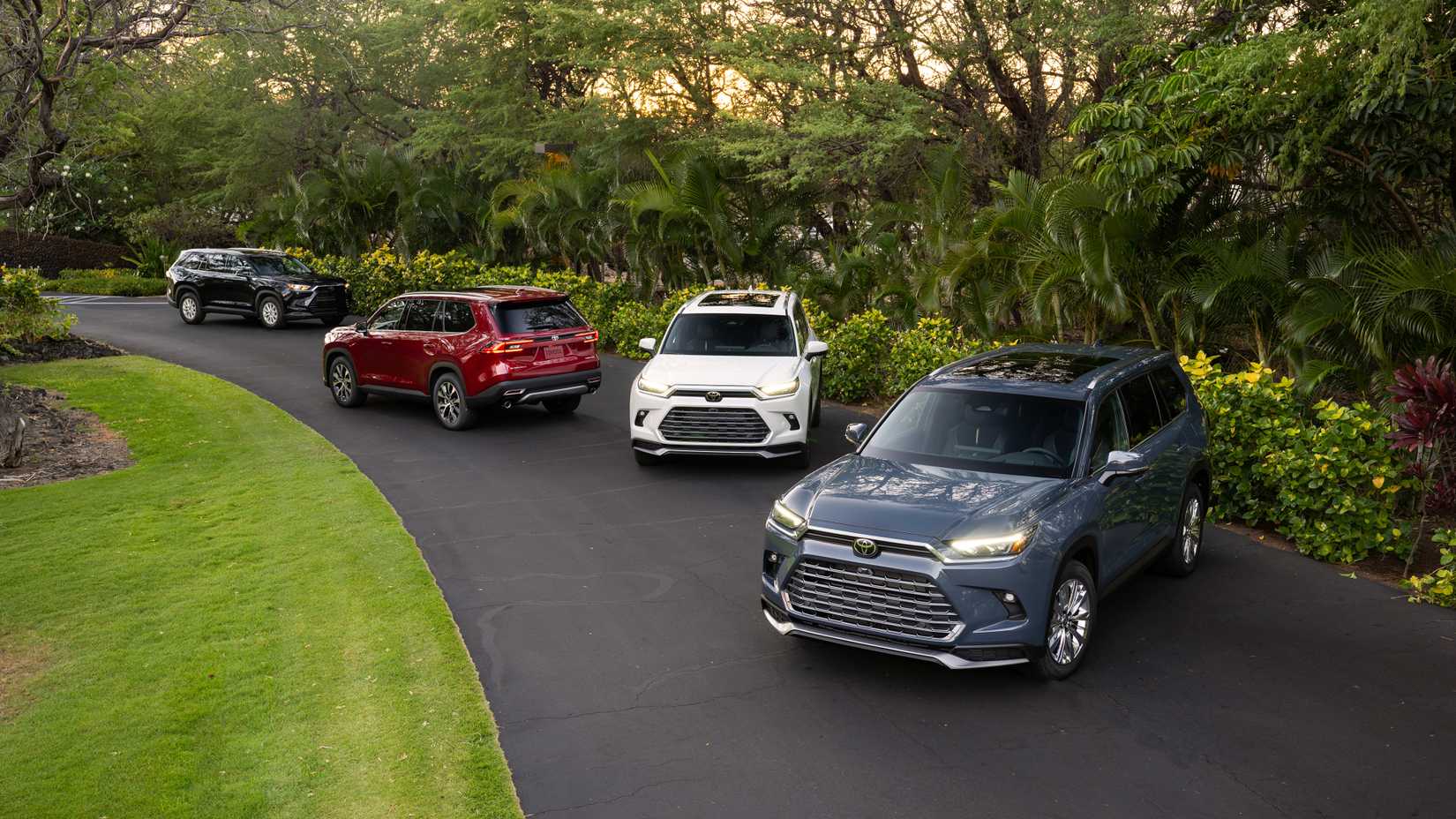
Efficiency further enhances long-term comfort by reducing the frequency of fuel stops. Hybrid models can exceed 500 miles of range on a single tank under favorable conditions, making them ideal for extended trips. Even the gasoline variant delivers around 24 mpg combined, which is competitive for a three-row SUV of this size.
The Three-Row Hybrid SUV That Offers The Best Cargo Space
This class-leading ute offers much more than just ample cargo space, though that is one of its key qualities.
The Smart, Sensible SUV Choice That Gets Better The Longer You Own It
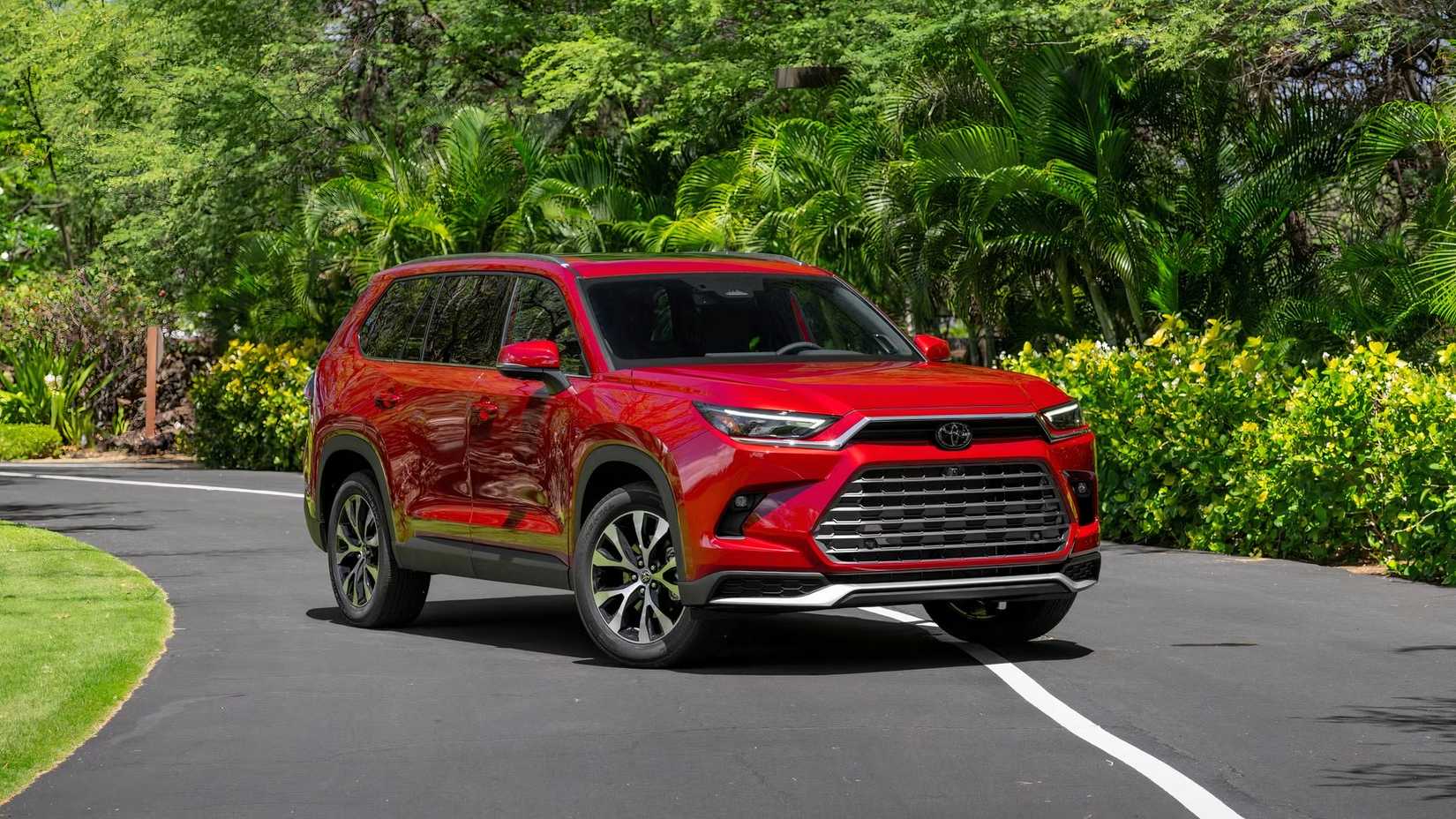
The true measure of a family SUV isn’t how it performs on day one; it’s how it holds up over years of ownership. This is where Grand Highlander’s strengths become even more apparent. Depreciation, maintenance costs, and long-term reliability all play a role in determining real value. Vehicles built on proven platforms with conservative engineering tend to perform better in all three areas. They’re less likely to develop costly issues, easier to service, and more predictable in their ownership experience.
Fuel Efficiency Also Compounds Over Time
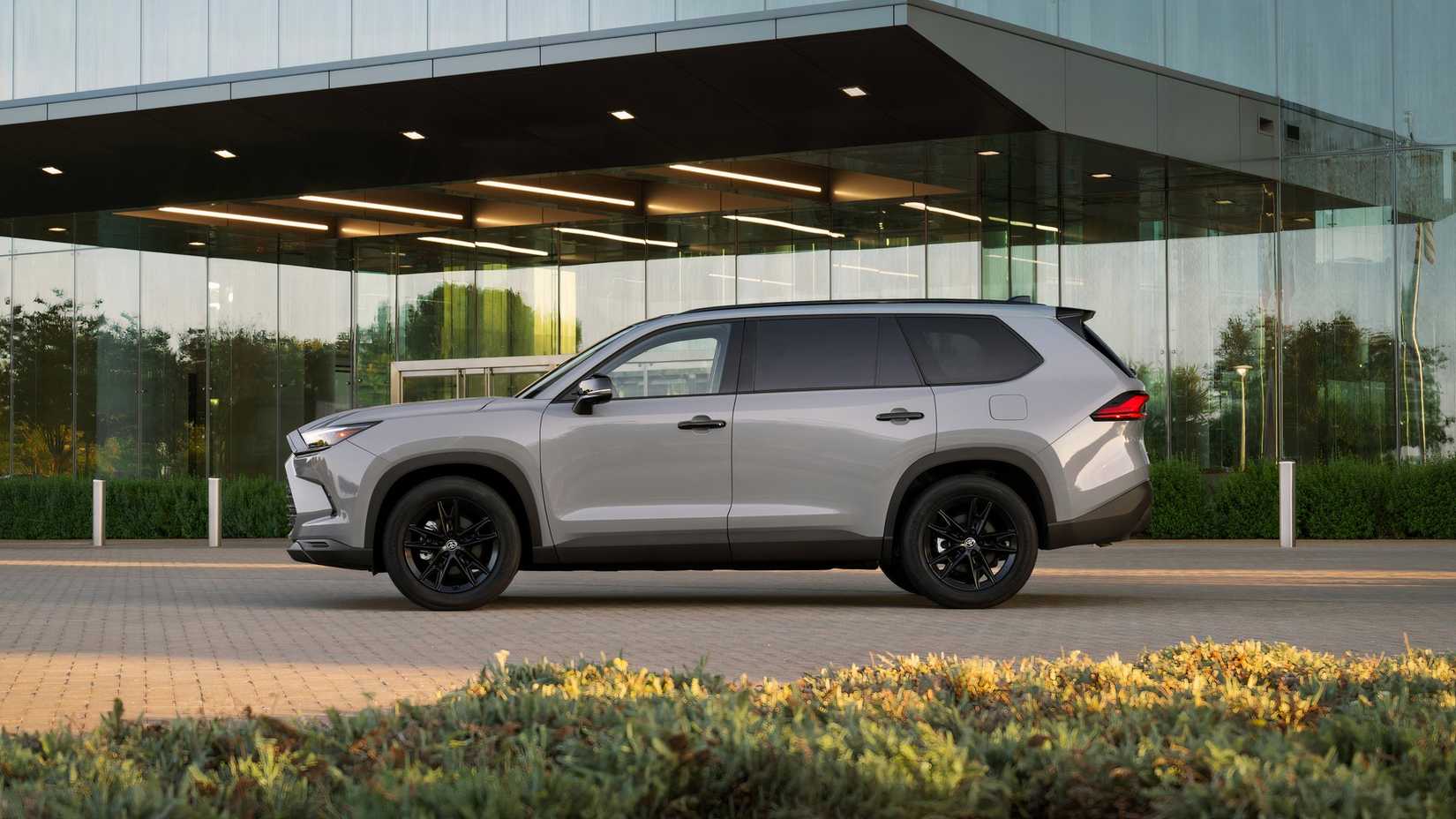
A difference of even a few mpg can translate into meaningful savings over tens of thousands of miles. Hybrid models, in particular, offer a compelling balance between upfront cost and long-term savings. Resale value is another factor. Vehicles known for reliability and practicality tend to retain their worth better, especially in the family SUV segment, where demand remains strong. Buyers aren’t just looking for features; they’re looking for dependability.
In a market full of compromises, this Toyota SUV stands out by avoiding them. It doesn’t try to be the sportiest, the most luxurious, or the most technologically advanced. Instead, it focuses on what families actually need, and executes it with precision. And that’s exactly why it gets better the longer you own it.