
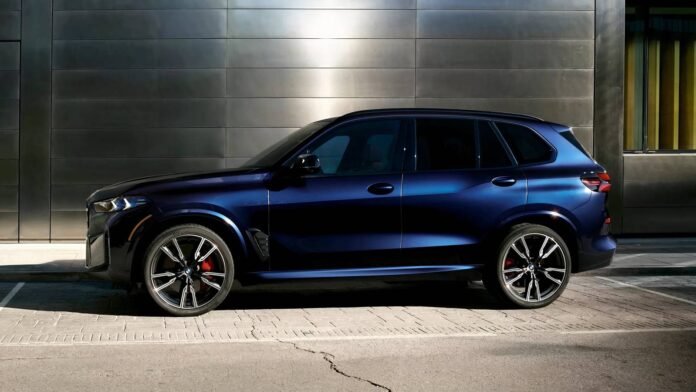
For some time now, SUVs have been a far cry from what they originally were. What were once machines built to get muddy, tow, drag, and get across the work site have become a staple in the mainstream market for everyone from soft roaders to families. Most automakers now produce at least one model, and some of our favorite brands have all but ditched anything but SUVs.
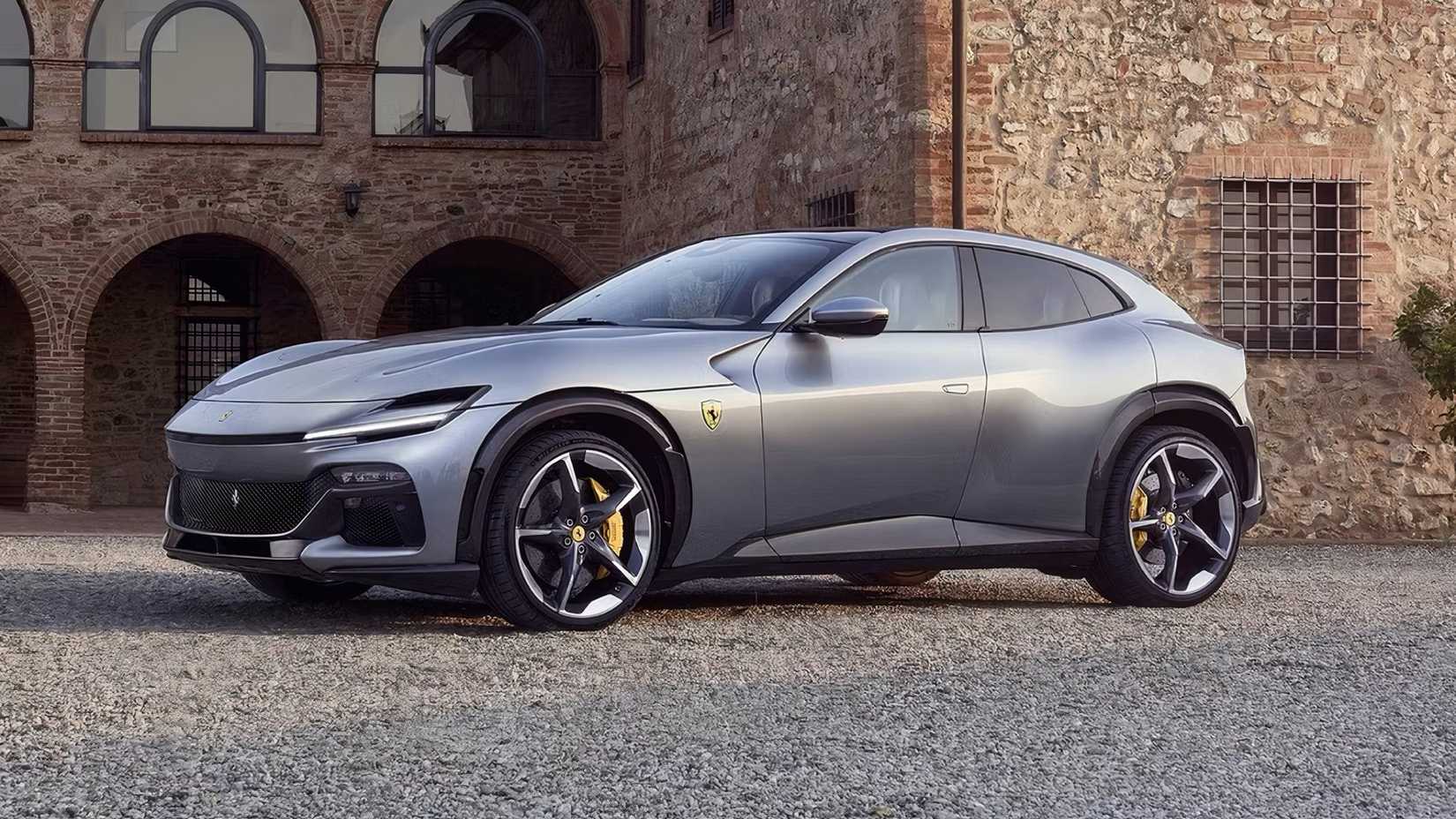
As part of the evolution of SUVs, there has been a fair amount of crossover into other segments, namely, the sports car segment. Think the original Land Cruiser; it was built for nothing but tackling tough terrain. Now think of the models we have today, like the Aston Martin DBX, the Ferrari Purosangue, and the Audi SQ8; they have become one-stop models for luxury, athleticism, and ferrying people around.
Family SUVs Have Crossed Over With Sports Cars
The modern performance SUV exists because we stopped accepting the idea that practicality had to be boring. A couple of decades ago, if you wanted genuine driving excitement, you bought something low, stiff, and probably impractical. Family SUVs were soft, not very fast, and designed almost entirely around comfort features. Today, some of the quickest vehicles on the market sit higher off the ground and have enough room in the back for child seats and a week’s worth of luggage.
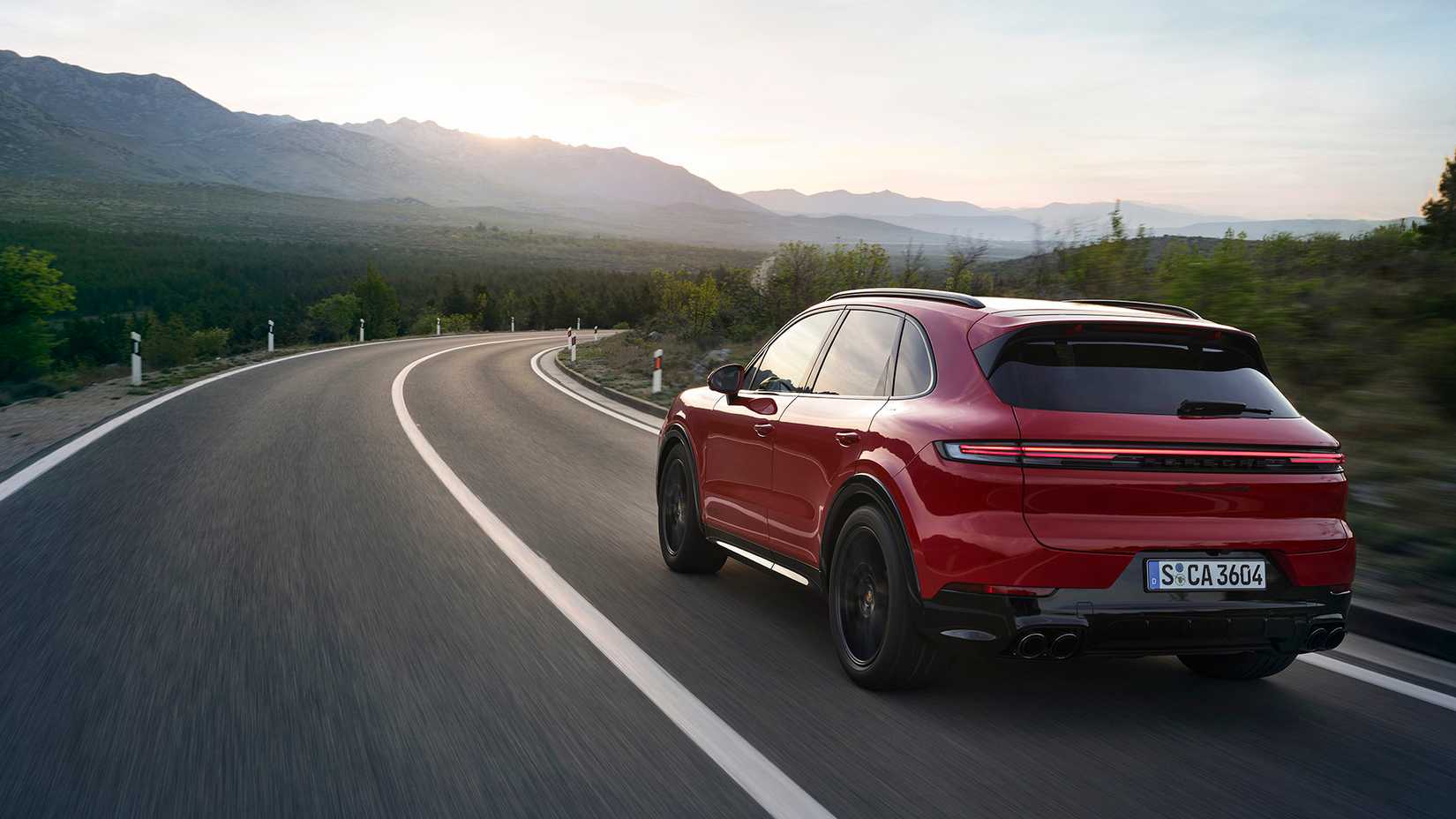
Think models like the Porsche Cayenne Turbo GT; they prove that SUVs can handle with precision, while models like the Lamborghini Urus and Aston Martin DBX707 can hit 60 mph in 3.1 to 3.6 seconds while still carrying a respectable amount. Today, super SUVs are not a rarity, but they can be pricey.
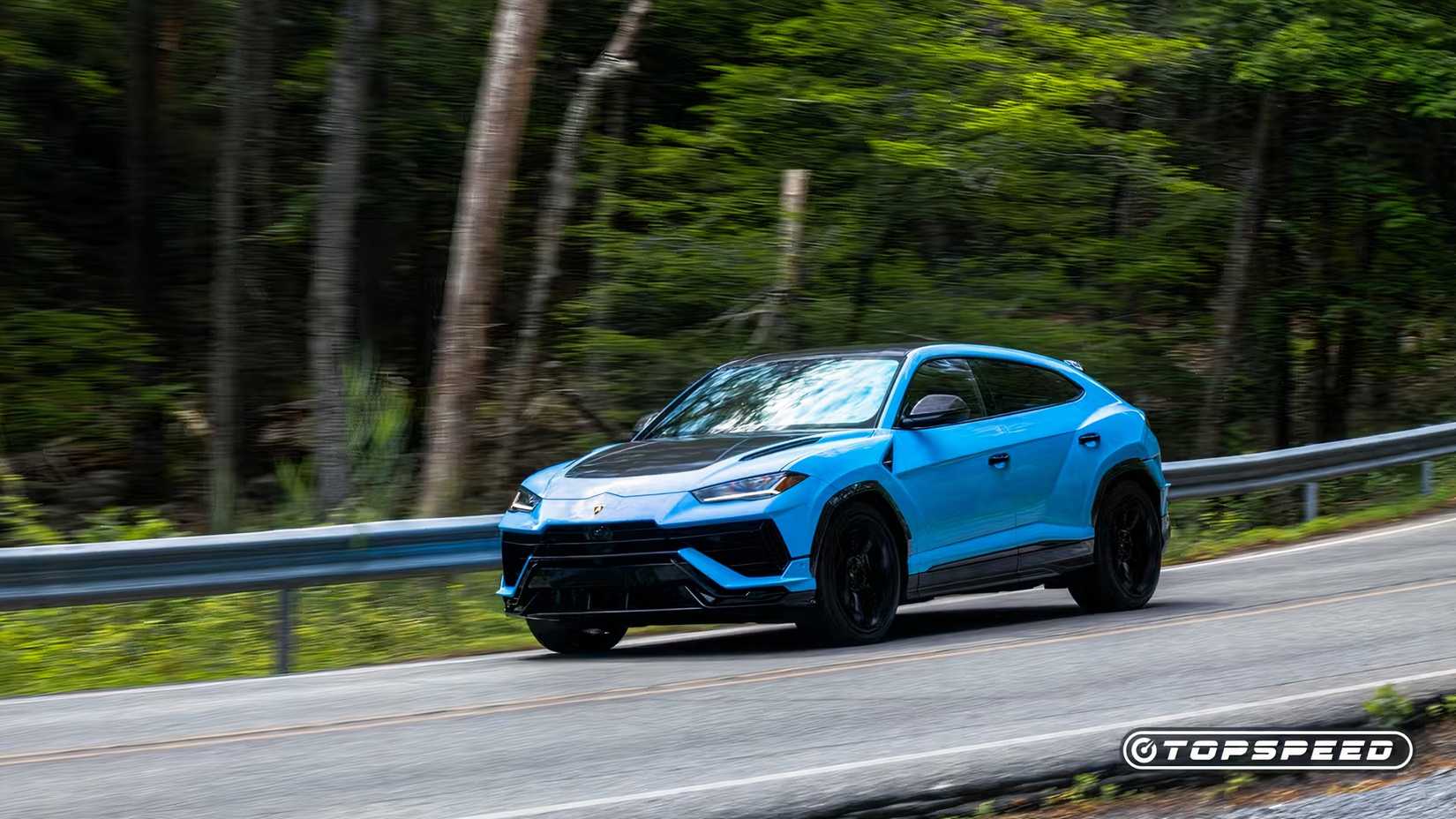
What has sped up the shift from cozy family hauler to seat-gripping speed demons is how seriously a lot of brands now take the formula and how well we have all taken to them. Performance SUVs aren’t just regular SUVs with bigger wheels and a louder exhaust; they borrow very heavily from the sports car market. You get anti-roll systems, rear-wheel steering, adaptive suspension, and all-wheel-drive systems that send power exactly where you need it, fast.
Many of the best sports SUVs weigh well over two tons and still launch to 60 mph in less than four seconds. That would’ve been genuine exotic-car territory not so long ago.
Why We Want Sports Car Fun In A Practical Package
Because why not? If you can have the best of both worlds while keeping it within a budget, it is an obvious choice for many. This also comes back to not wanting to compromise on what you get; the word is out now that you can have a vehicle that is comfortable, large, and can act like a sports car. So, of course, they are going to be popular.
SUVs have somewhat taken over the U.S. market in the last two decades, and now, a lot of us want a commanding road position, interior space, everyday usability, and somewhere to stow camping gear. However, we also want something that feels exciting on an empty highway or driving winding back roads.
Models like the Audi RS Q8 have created a sweet spot where you can comfortably drive across the country in luxury, then blast it around a back road with more confidence than something its size should allow. It is this dual personality of sporty family SUVs that is why there are so many around now; it is the idea that one vehicle can be a luxury cruiser, family ferry, and sports car depending on what you are doing on the day.
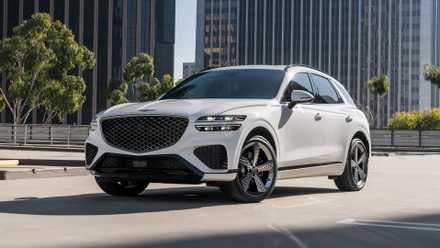
10 Family SUVs That Are Surprisingly Fun To Drive
Driving a family SUV doesn’t have to mean resigning yourself to a dull experience – these models offer excitement and power along with practicality.
The 2026 BMW X5 M Brings Supercar Power To Family SUVs
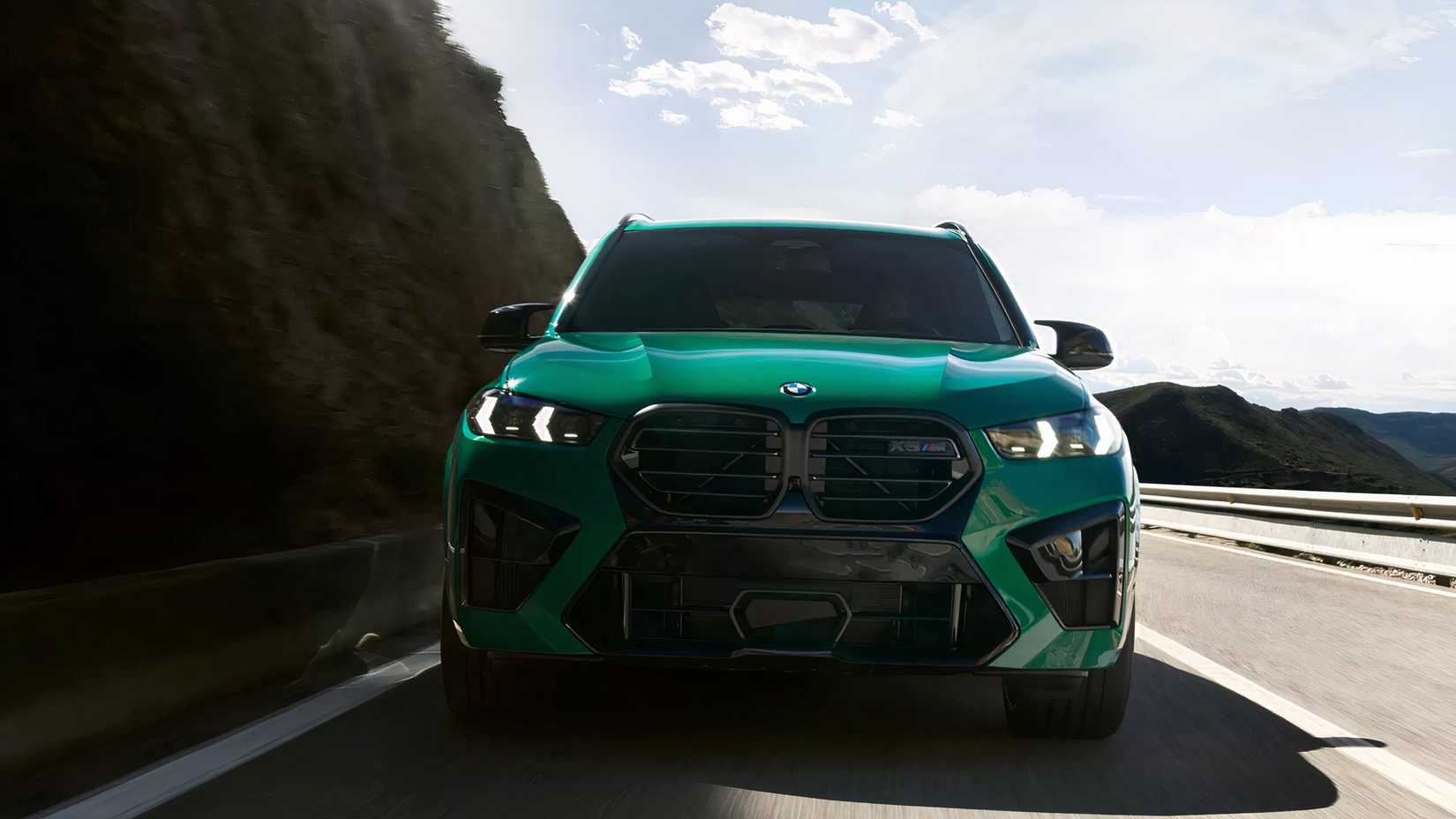
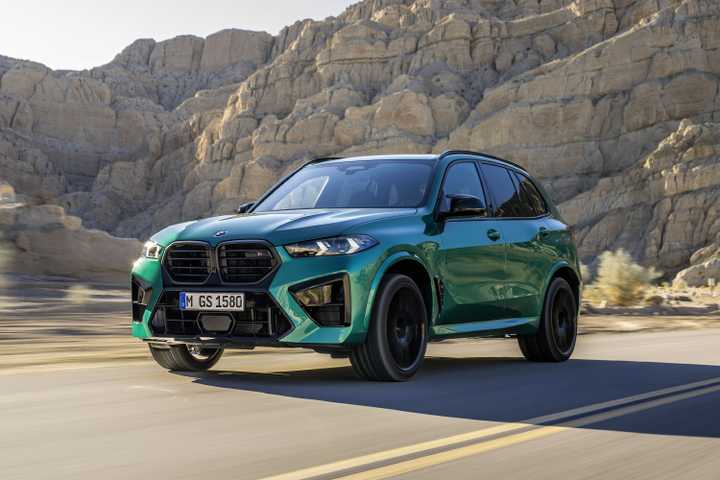
If there is a sporty, family-friendly SUV that epitomizes the modern performance SUV, it is the 2026 BMW X5 M. Based on the X5 mid-sized SUV, BMW’s M Division has gone to work on making the reliable and comfortable X5 into an aggressive beast that can still be used every day for family errands.
There is just one model: the X5 M Competition, and it is not the most affordable family SUV on the market, but it does offer a huge amount of everything that a performance SUV should. The starting price, before any extras, is $131,000.
To put that into perspective, the new Audi SQ8 has prices ranging from $99,700 to $107,200; the 2026 AMG GLE 63 S costs $133,150; the 2026 RS Q8 costs just under $140,000, and the new Porsche Cayenne Turbo GT costs $217,000. So, it sits in the low-to-mid-range for other comparable performance SUVs this year.
Twin-Turbo V8 Performance Defines The X5 M
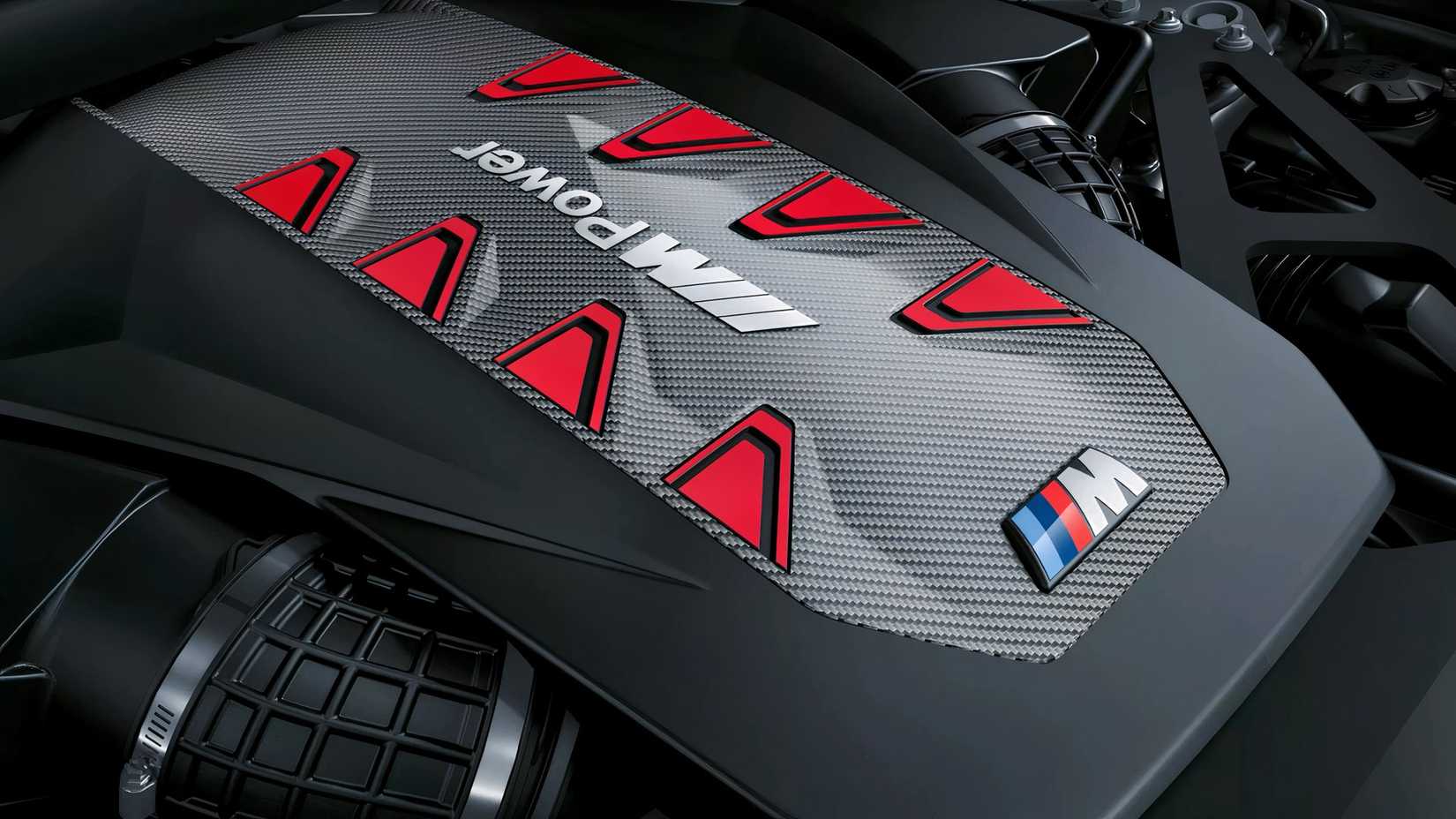
While it does cost a lot of money, you won’t be wanting for more power from a large vehicle. There is just one engine option: a 4.4-liter twin-turbocharged V8. The X5 M Competition has the following engine specifications.

- Base Trim Engine
-
4.4L V8 Hybrid
- Base Trim Transmission
-
8-speed automatic
- Base Trim Drivetrain
-
All-Wheel Drive
- Base Trim Horsepower
-
617 HP @6000 RPM
- Base Trim Torque
-
553 lb.-ft. @ 1800 RPM
- Base Trim Fuel Economy (city/highway/combined)
-
13/18/15 MPG
- Base Trim Battery Type
-
Lead acid battery
- Make
-
BMW
- Model
-
X5 M
The TwinPower V8 is designed like a motorsport engine rather than what you’d usually find in most SUVs. The twin-scroll turbos sit within the hot-V between the cylinder banks, which helps them boost with far less lag. BMW has also fitted a cross-bank exhaust manifold, revised intake routing, and an oil supply system designed to keep the engine lubricated in high-load corners.
The equipped eight-speed M Steptronic transmission has Drivelogic software included, allowing it to switch between relaxed automatic shifts and aggressive, near-dual-clutch gear changes, and you also get a 48-volt mild-hybrid system integrated into the transmission housing to help with smoother stop-starts in traffic and sharp low-end responses.
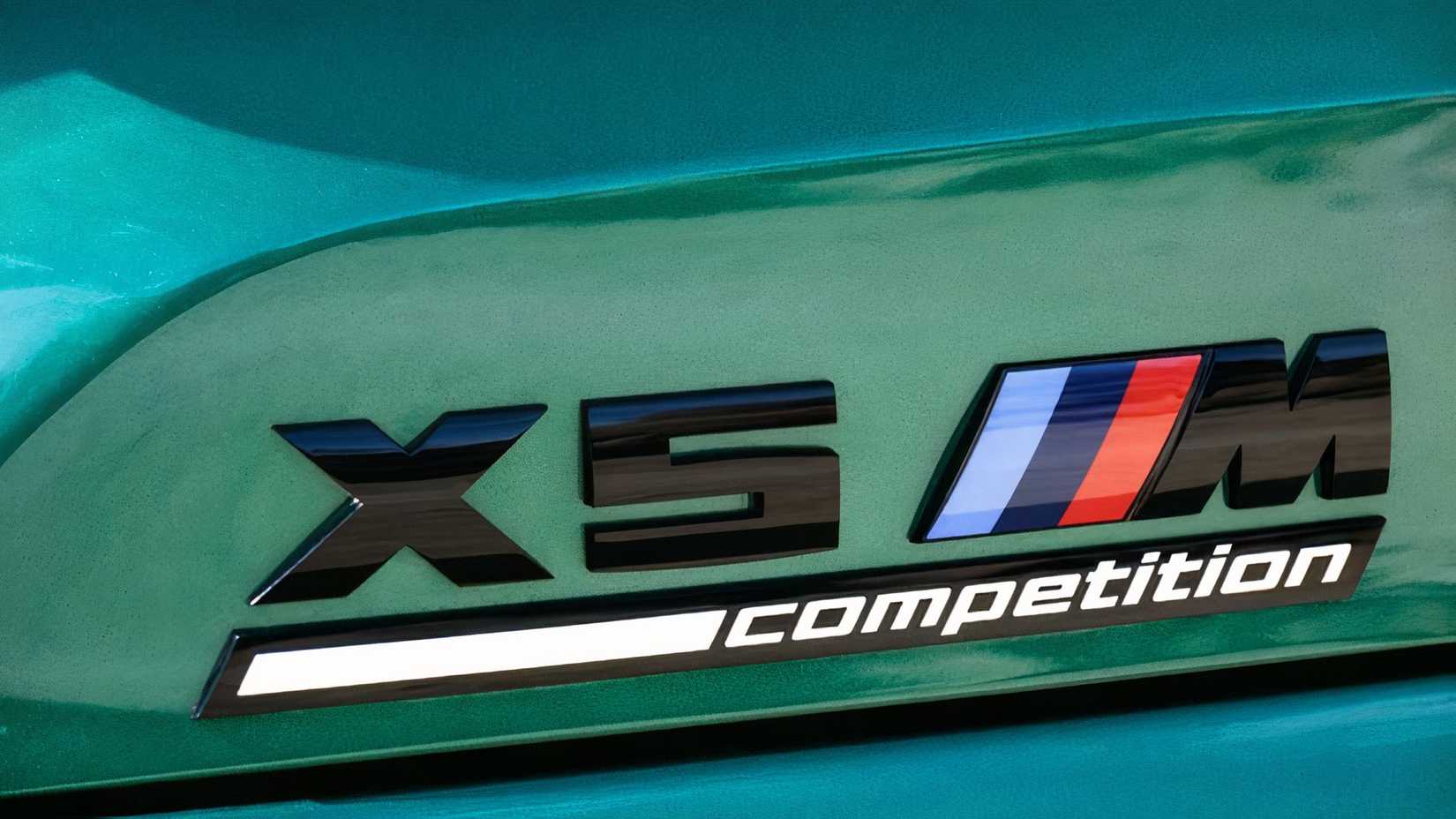
The Cayenne Turbo GT may have 650 horsepower on tap and 0–60 mph sprint times of 3.1 seconds, but the new X5 M can still get to 60 in as little as 3.7 seconds and is a lot less expensive. The X5 M also has a top speed of 177 mph (when the M Driver’s Package is equipped), so enough oomph, really.
Luxury And Everyday Comfort Haven’t Been Forgotten
It can reach 60 mph quicker than a 2024 Nissan Z NISMO (3.9 seconds), and while the NISMO looks like fun, you don’t get anywhere near the comfort or luxury as you do in the new X5 M. Its speed and power may be headline-grabbing, but BMW has not neglected the comfort side of the family SUV here.
Front and rear headroom and legroom are spacious at 40.7 inches of headroom in the front, 39.4 inches of headroom in the rear, 39.8 inches of legroom in the front, and 37.4 inches of legroom in the back; three-stage heated front seats are standard fare, and dual-zone climate control is equipped as standard.
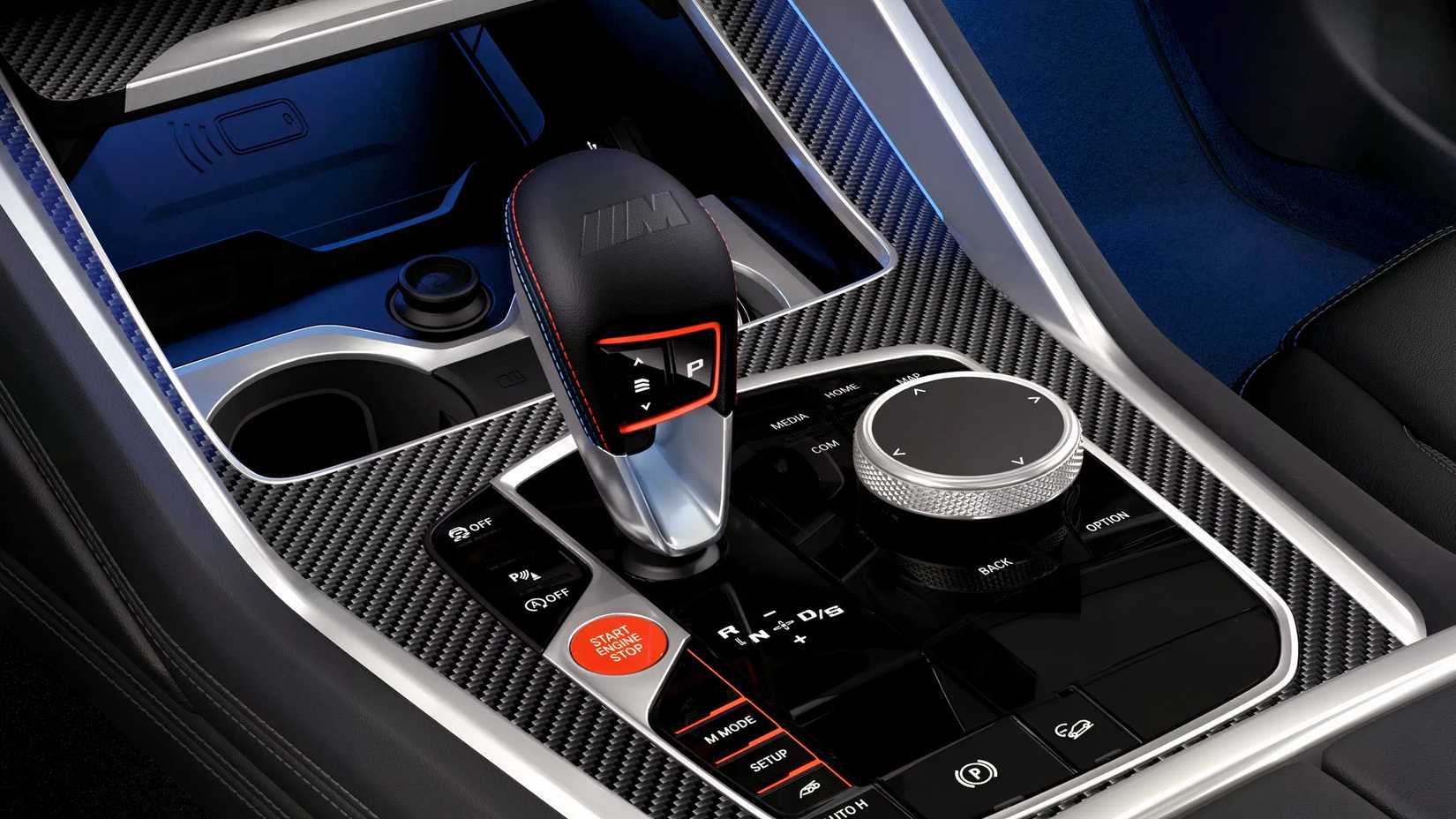
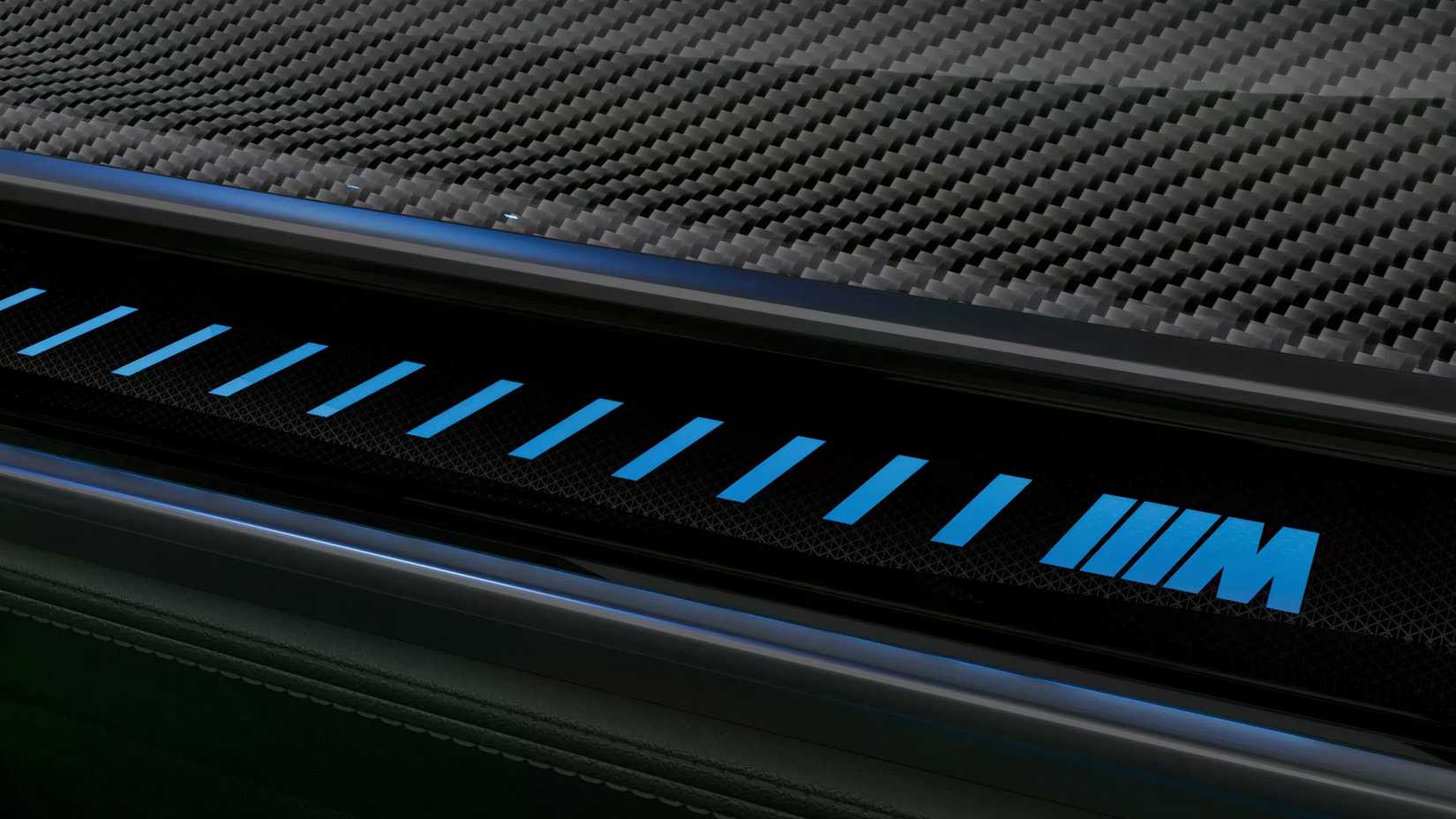
BMW also blends real M-car aggression with genuine luxury, rather than making us choose between the two. Full Merino leather is used for the seats, dashboard, and door panels, while available carbon fiber and open-pore wood trims still make the cabin feel luxurious as well as sporty. The M multifunction seats are heavily bolstered but still comfortable enough for long-distance drives, and the tech included in the cabin is as high-end as you’d expect from a $130,000 SUV.
BMW’s curved display combines a 12.3-inch digital instrument cluster with a massive 14.9-inch central touchscreen under one glass panel, which gives the cabin a modern, almost concept-car feel to it. Plus, you get ambient lighting, configurable drive displays, wireless phone integration, and an available Bowers & Wilkins Diamond surround sound system, making it feel like a high-end luxury family cruiser rather than a 600+ horsepower performance SUV.
Why SUVs with Captain’s Seats Are Perfect for Families
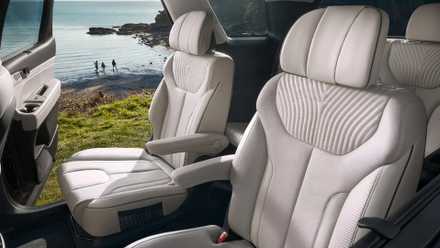
Should your family drive an SUV with captain’s chairs? If you want an easier time loading and unloading the rear, the answer will be “yes.”
What Makes The 2026 X5 M Different
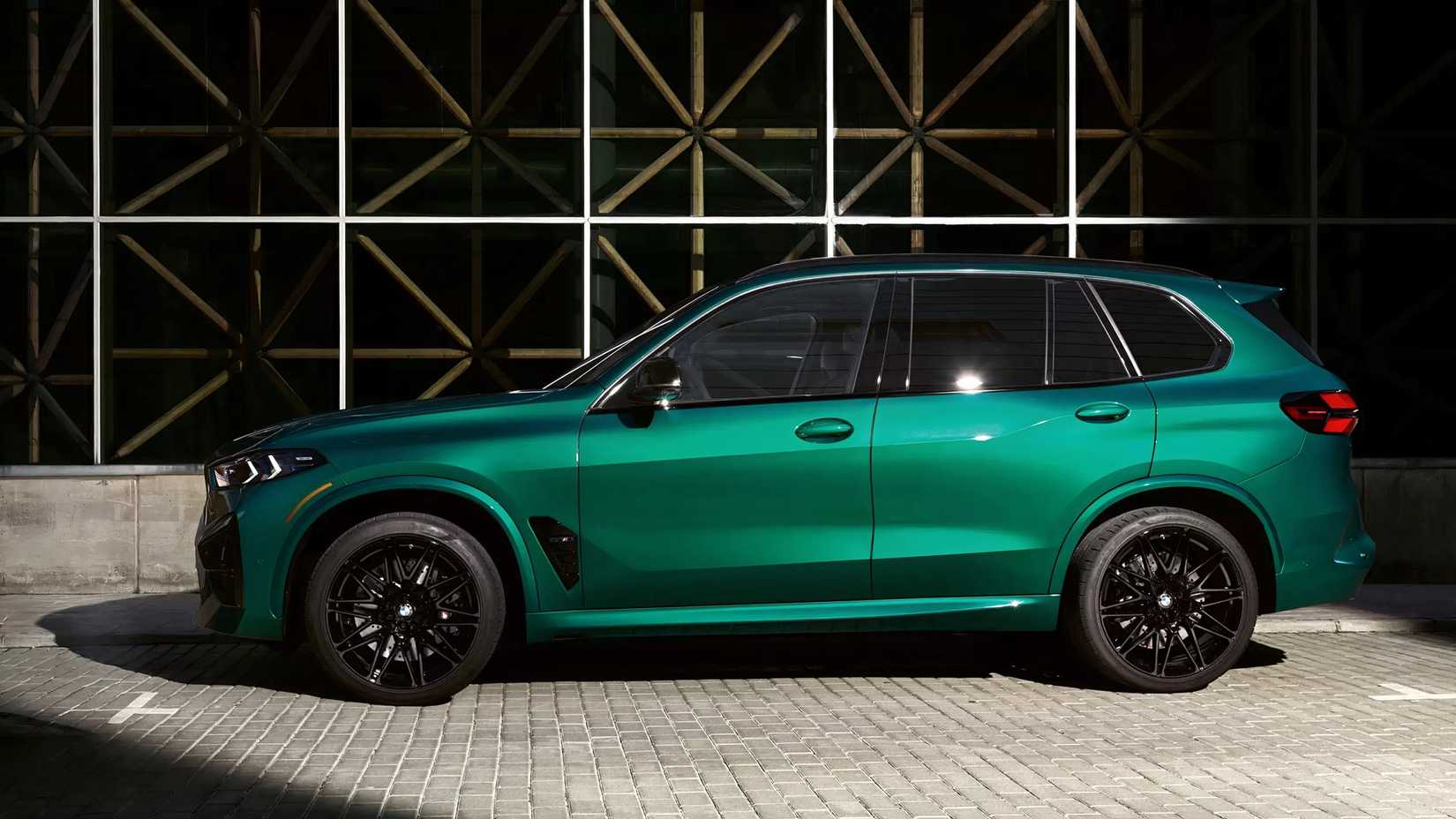
That’s what makes the new X5 M the ideal high-performance family SUV. It feels like a sports car when you want it to, but it can also handle the more mundane and comfortable side of family life. For those of you wanting space and comfort, it has things well covered; for those of you looking for raucous BMW M engineering and driving guts, it has things really well covered.
Sharp Handling And Precise Steering
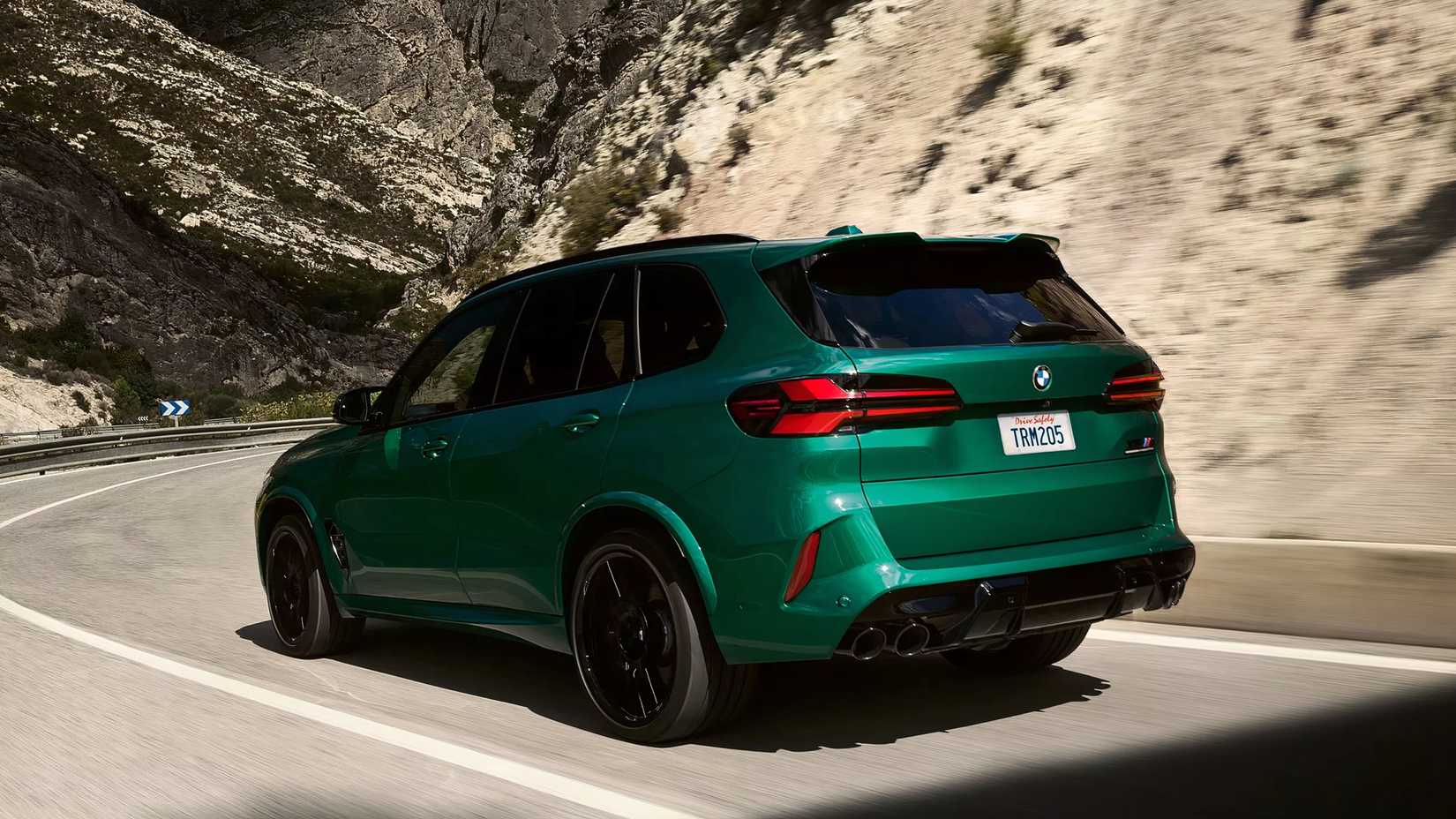
You may not expect a 5,500-pound BMW SUV to be able to carve up the corners as well as some sports cars, but this is an M, and it is not just the V8 under the hood that makes it a real contender up against smaller, “nimbler” models. BMW and M have completely overhauled the chassis setup compared to the standard 2026 X5.
Adaptive M Suspension Professional comes standard; this system uses electronically-controlled dampers to continuously adjust damping at each wheel in milliseconds, allowing your drive to be smooth when it needs to be, and tight when you are pushing it. Active roll stabilization is paired with electric motors within the anti-roll bars to counter body lean, and the steering is just as supercar DNA-esque for everyday use as the rest of the rig.
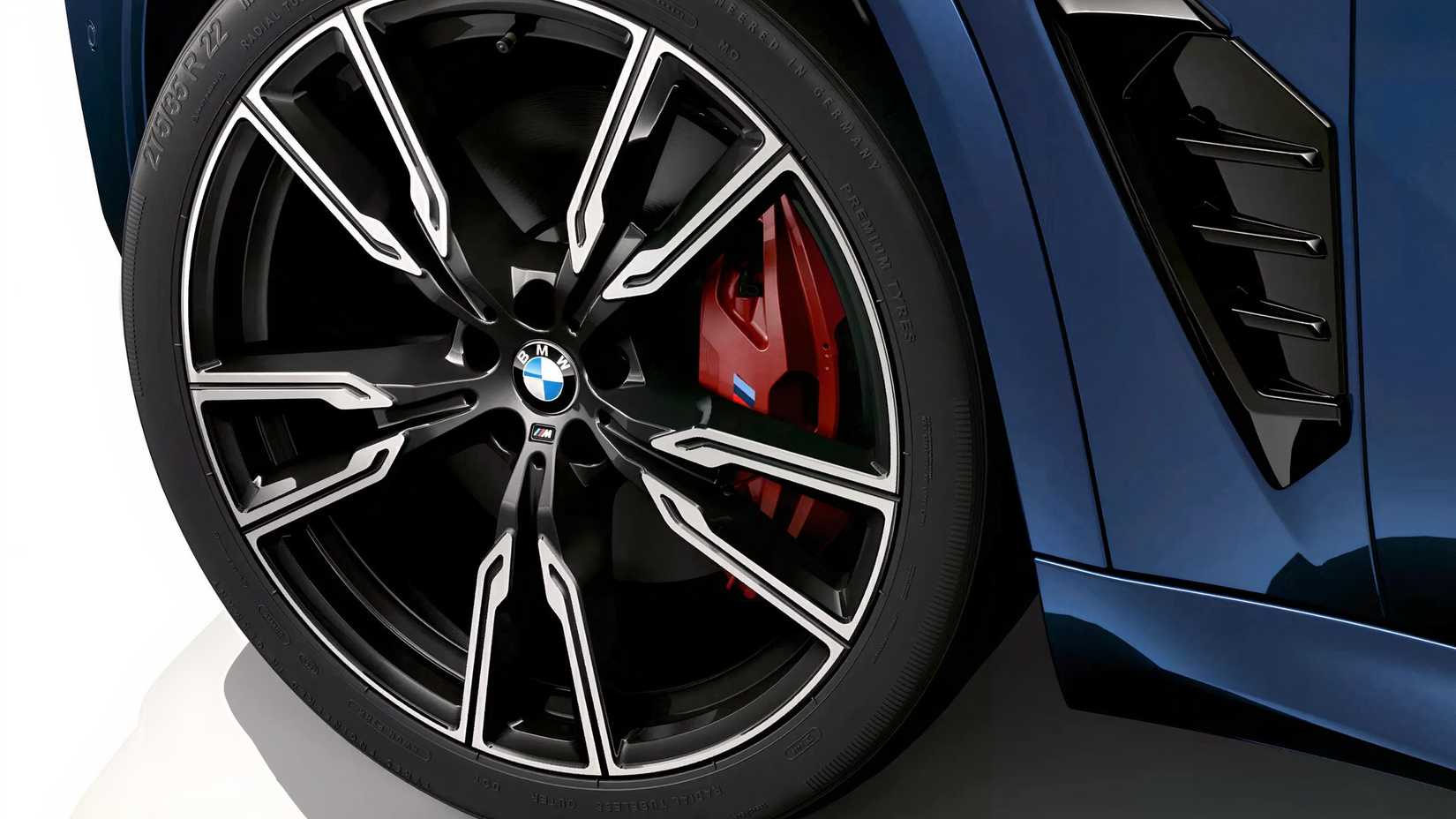
The X5 M is fitted with BMW’s M Servotronic variable steering system that changes both weighting and responses depending on how you are driving, what driving mode you are in, and how fast you are going. This gives this lump of an SUV a maybe surprisingly direct front end. Turn-ins feel sharp and immediate, while the rigid front axle mounting and chassis bracing provide good feedback through the wheel.
Even under load changes mid-corner, the X5 M stays planted and predictable rather than floating around as many big SUVs do at speed. A Top Speed test drive of the BMW X5 M sums up the driving feel nicely.
Fed into a corner, the BMW takes a set, bites into the pavement and rips through the bend like a sports car half its weight and size, all while exhibiting abject neutrality.
BMW’s M Division Gives The X5 M Real Sports Car Tech
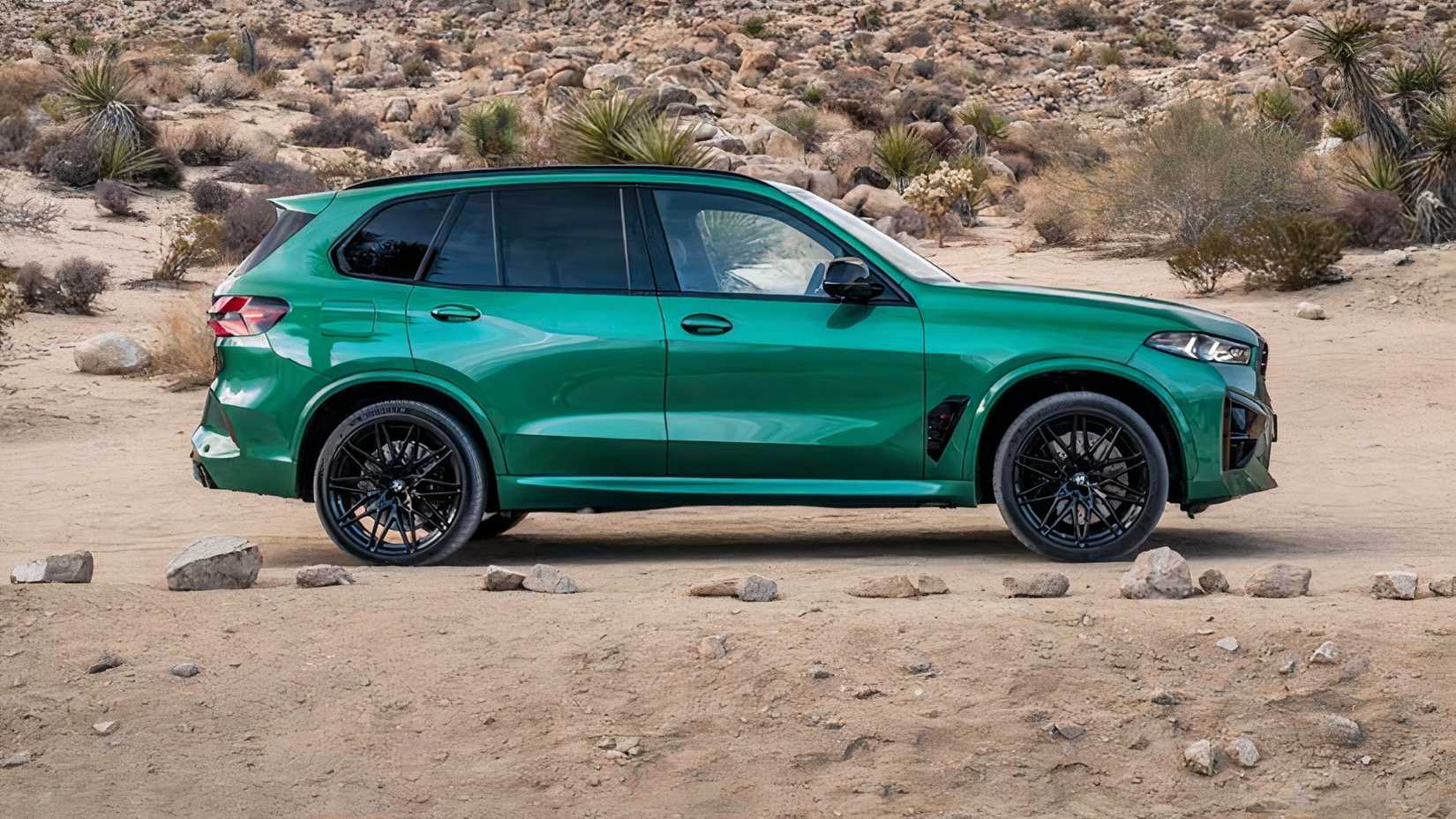
The X5 M has been designed to feel like a genuine M model underneath the bodywork, not just a badged-up X5. The M xDrive system is one of the biggest reasons why the X5 M is more dynamic than something of its size realistically should be. Unlike traditional all-wheel-drive systems that prioritize front-end stability, M xDrive is tuned with a strong rear-wheel bias.
An electronically-controlled multi-plate clutch within the transfer case constantly adjusts torque between the front and rear axles, depending on how you are driving. When you want to stretch what the X5 M can do, the system pushes far more torque rearward, helping it stay neutral and adjustable through corners.
You also get Active M Differential, which is capable of varying locking effect side-to-side at the rear, depending on where you need the traction most. That means you can rotate into corners under throttle while also staying gripped when exiting. Instead of preventing wheel spin as a singular main role, this system helps to maintain composure on twisty bits of road.
Through M Setup, you can configure engine responses, transmission behavior, chassis damping calibration, steering weight, and brake feel. You also get M Compound brakes with large ventilated discs and multi-piston calipers that are designed to resist fade after lots of high-speed stops, and BMW says that the braking system can bring the X5 M to a stop from 70 mph in as little as 157 feet.
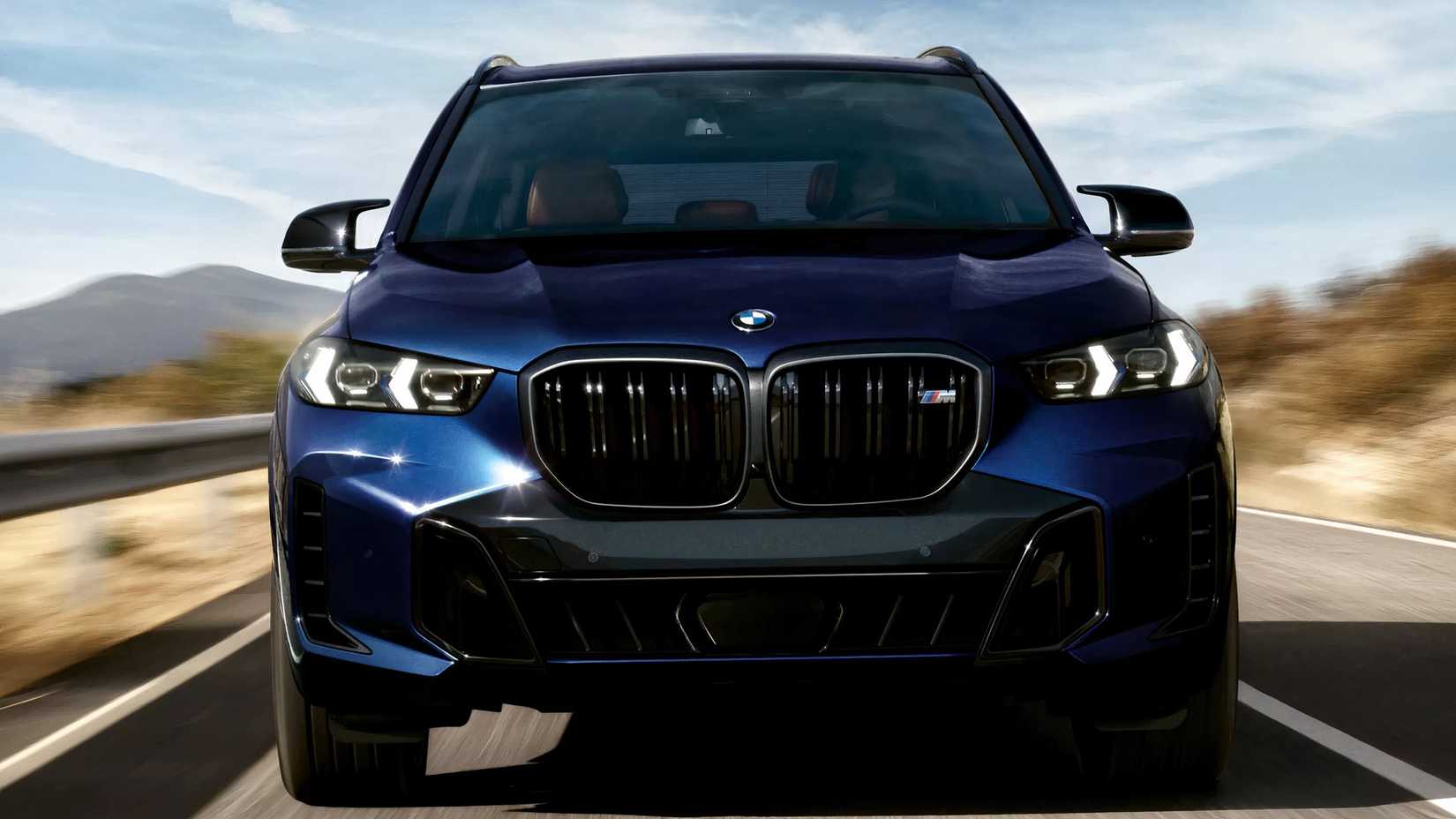
This, paired with an integrated brake-by-wire setup, allows you to switch between different pedal feels, with tighter responses when you are in the sportiest modes, and a more relaxed feel when you are in Road Mode. In the most BMW M way possible, most things can be adjusted to suit how you want the X5 M to drive.
Everyday Practicality With Performance That Works
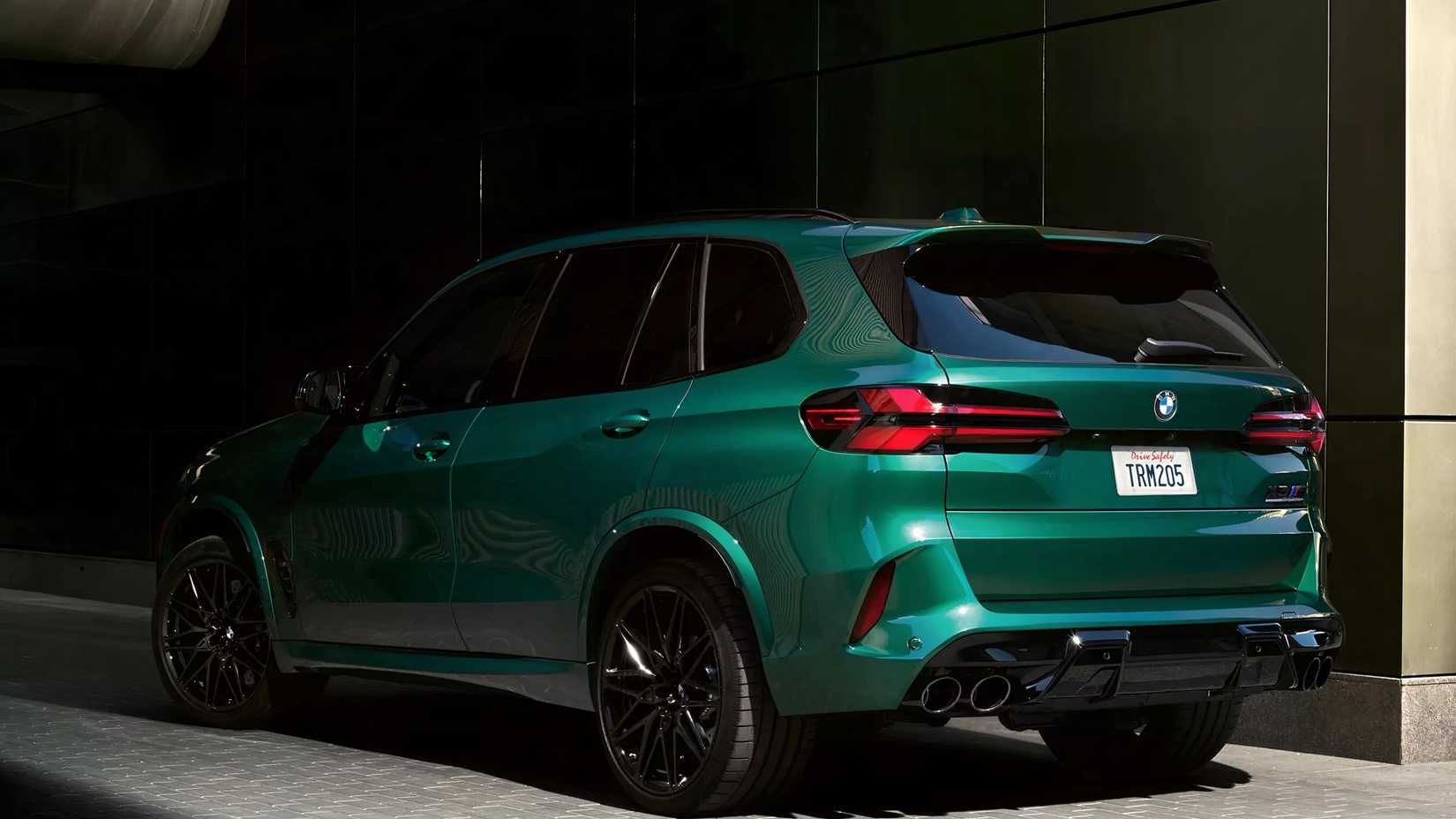
It is very clear that you get a lot of performance grit, but what makes the X5 M still a good family SUV is how you can use it every day. It is a large mid-sized SUV, with dimensions of 195 inches in length by 79.3 inches in width, so admittedly, it may be a little challenging for some on tight roads. Also, FuelEconomy.gov says that you can only achieve 15 combined mpg (13 mpg city/19 mpg highway), which will cost you $4,600 a year for gas. So, nothing about it is cheap.
However, you do get a power split tailgate, 40:20:40 split-folding seats, a 360-degree camera with 3D View to help you park, Active Blind Spot Assistance, a 7,200-pound tow rating, and a reasonable amount of cargo room, so you can still use the X5 M as a family hauler. The 2026 X5 M has the following cargo capacities.
|
Cargo Space Behind Second Row |
Maximum Cargo Capacity |
|---|---|
|
33.9 Cubic Feet |
72.3 Cubic Feet |
The Top 10 Family SUVs With Unexpectedly Fast Acceleration
With great power comes great towing power and acceleration. Check out these SUVs that will push you back in your seat with a stab of the gas pedal.
The BMW X5 M As The Ultimate Performance Family SUV
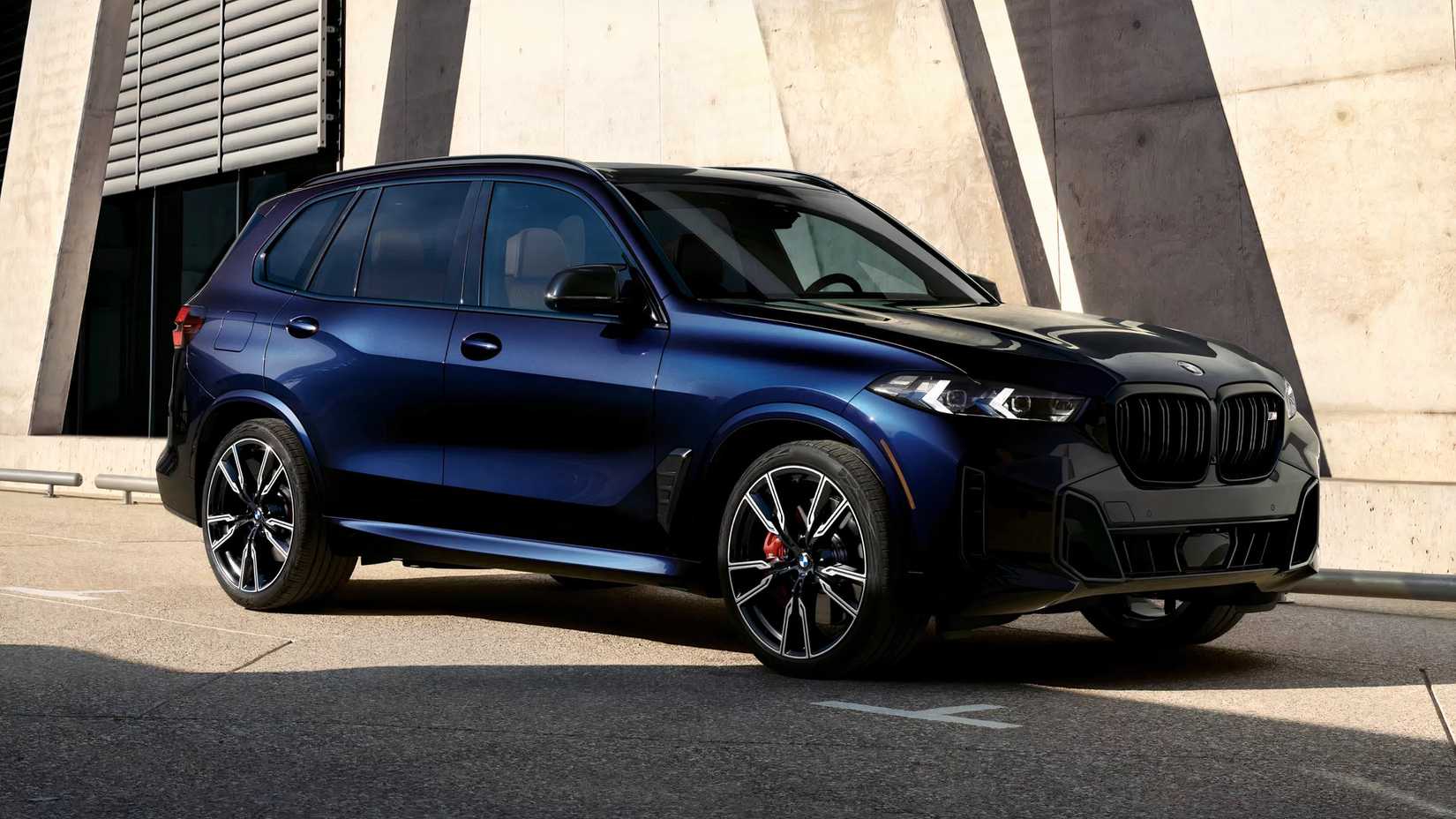
It may well be expensive to buy and run, but the new X5 M Competition is a no-compromise kind of family SUV. This is where BMW M has been very clever; instead of turning an SUV into a half-baked sports car, it builds something that still works as a proper family machine but behaves like something far smaller and performance-only-focused. Everything is engineered around the split personality of performance SUVs, and it just works exceptionally well.
There has been a lot of talk about the design of the X5 M, with a lot of discussion around its chunky look, the kidney grille, the move away from the sleeker look of other M models, and the general lack of decorum. However, this is the kind of SUV that makes a very clear and immediate statement.
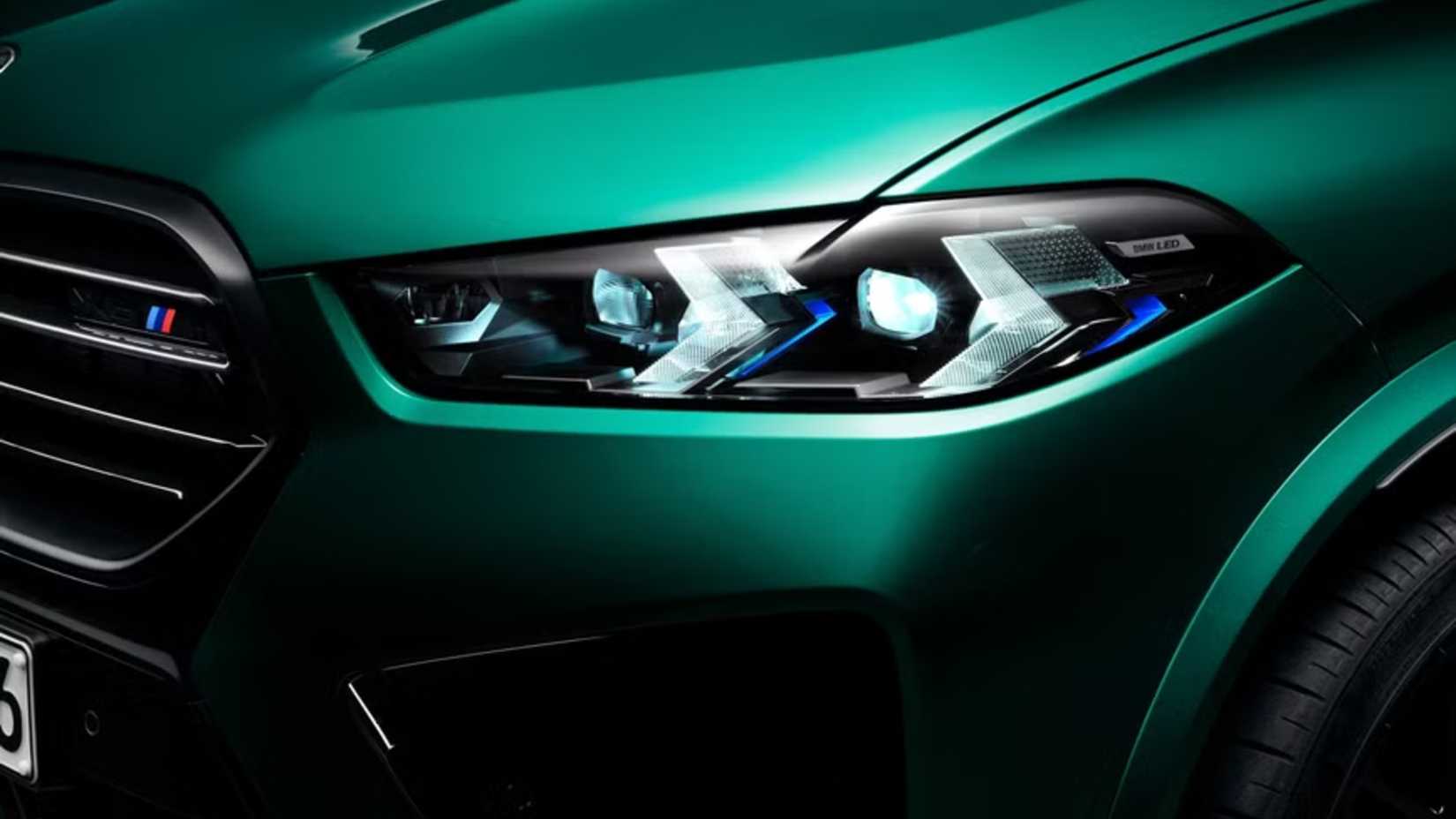
Everything about how it delivers power, how it acts on the road, what it can carry comfortably, its cruising ability, and how much it can tow behind it makes the new X5 M a very good all-around luxury performance family SUV that is difficult to compete with in its price bracket.
Sources: BMW and FuelEconomy.gov