
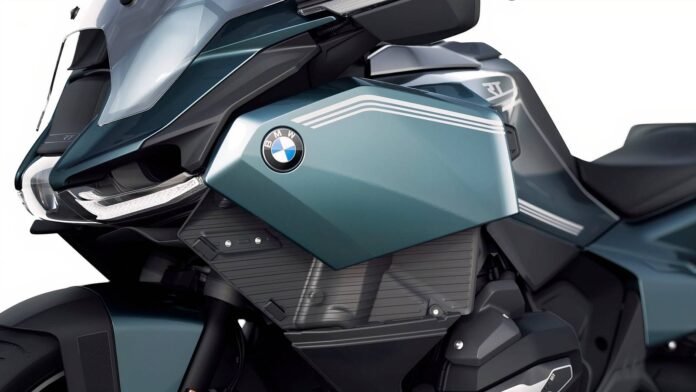
Among luxury touring motorcycles, the Gold Wing is an easy recommendation because it strikes a balance between luxury, comfort, and usability. Also, it packs enough features to justify its premium price tag. However, there’s a new player in town that makes more sense than the already potent Honda. It balances sporty dynamics with luxury and daily riding comfort well, while also being lighter and more compact than the Gold Wing. With its lower price tag, this less-popular BMW motorcycle proves to be the best alternative to the Honda Gold Wing for a broader range of riders.
Here’s What Makes The Honda Gold Wing So Great
The Honda Gold Wing occupies a niche space in the luxury touring bike space. Its $25,500 price tag showcases its premium appeal well. Despite being such an expensive affair, the Gold Wing justifies it well. Its unique packaging pairs a flat-six engine with a twin-spar aluminum frame, similar to that of sportbikes. While base trims have a six-speed manual transmission, top-spec models offer Honda’s unique seven-speed DCT automatic transmission.
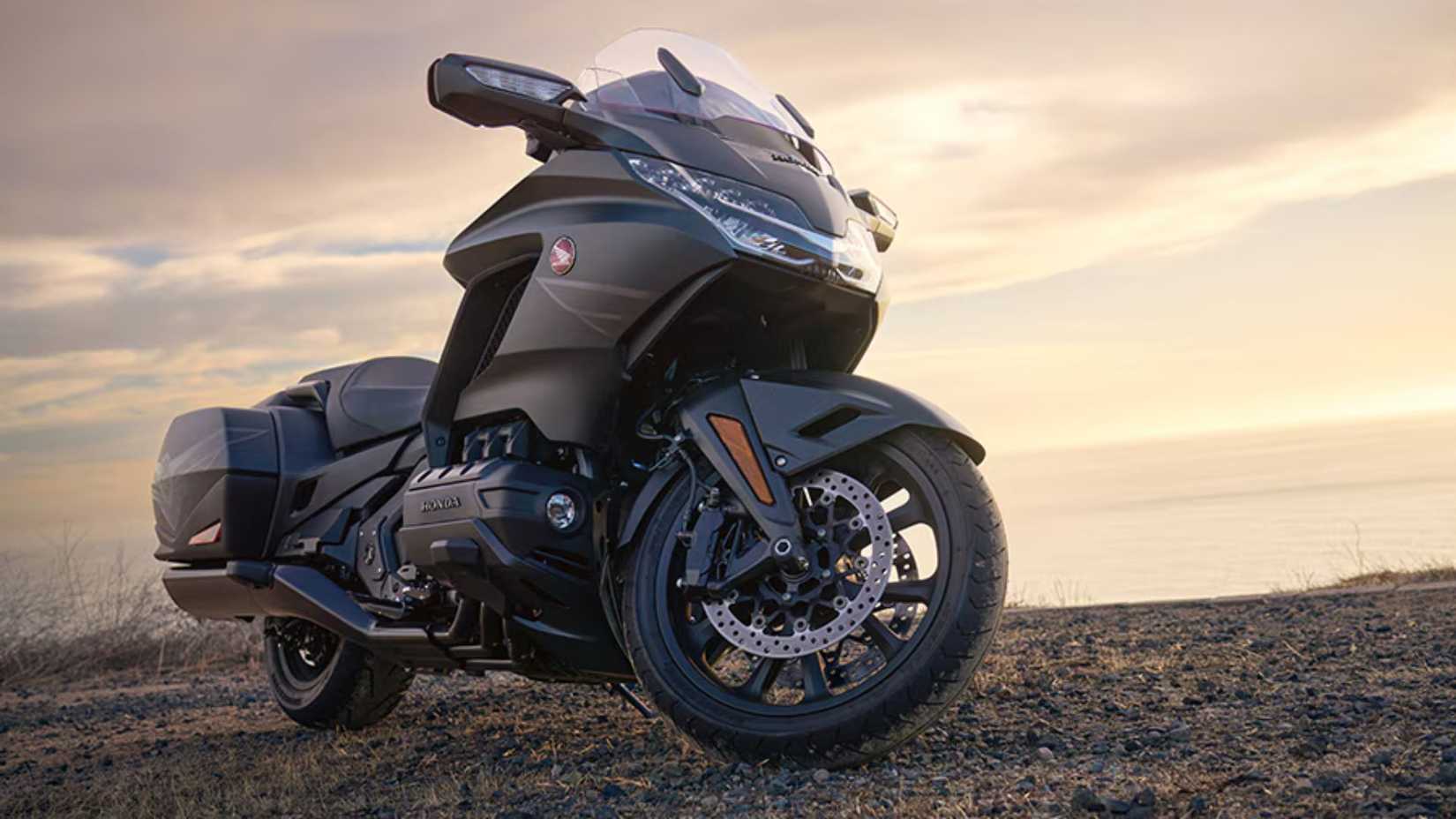
Then there’s a sophisticated yet durable suspension setup that consists of a double wishbone setup up front. This aids in better weight distribution and a shorter wheelbase, thanks to the engine being pushed further into the chassis. Despite weighing over 800 pounds, Honda has used a single-sided swingarm on this luxury tourer, which is equipped with a Pro-Link monoshock connection.
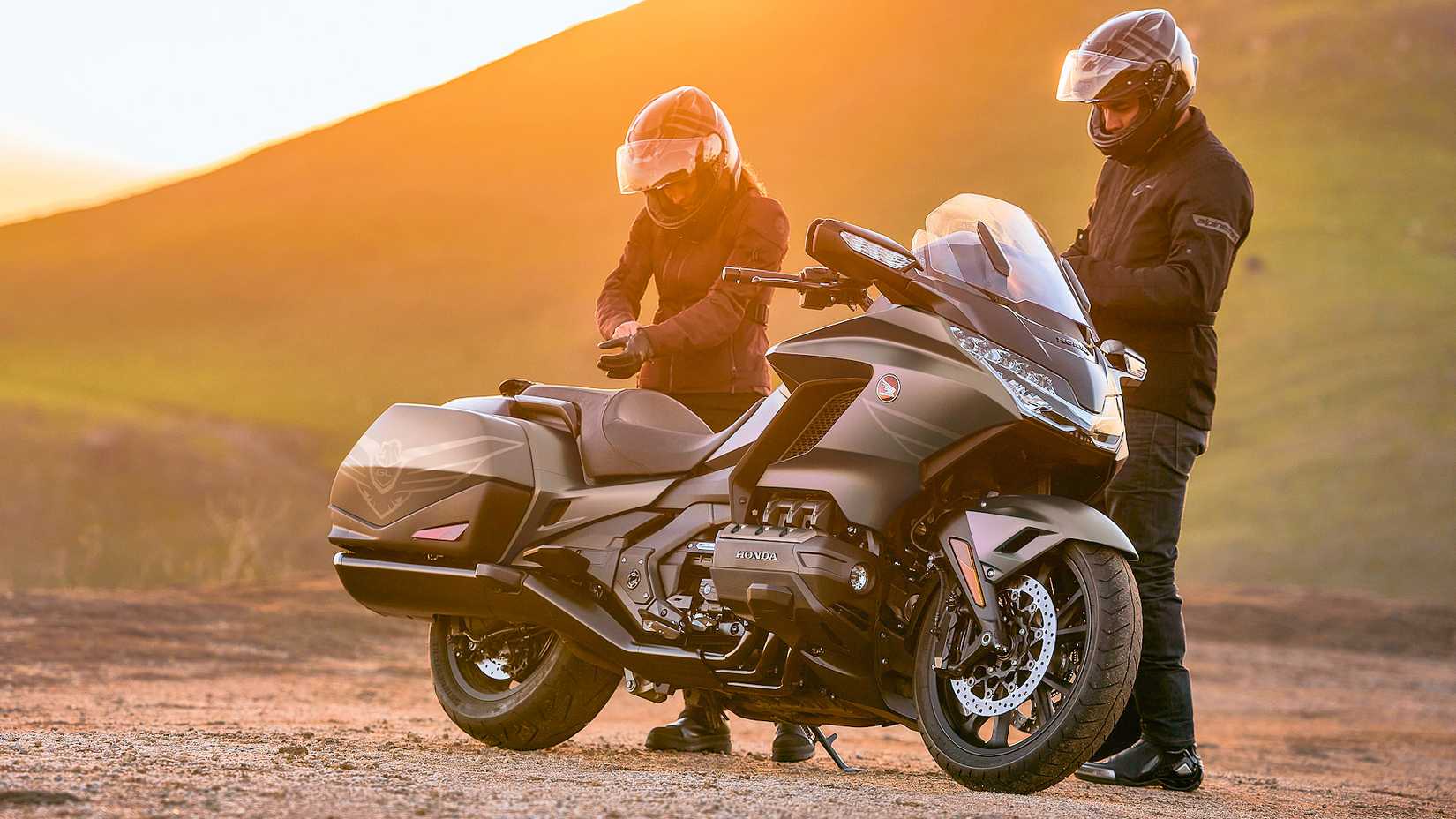
This Honda has a loaded list of technology features. The connectivity and entertainment suite includes a 7-inch TFT with navigation, Bluetooth, and even wireless Android Auto and Apple CarPlay. Notable riding-assist features include cornering traction control, ABS, cruise control, and a six-axis IMU. The DCT-equipped trims even get reverse gear and a “Walk” mode that makes it easier to exit tight spaces. Now, most rivals fail to match the Honda Gold Wing’s all-around appeal and, more importantly, the balance of sportiness, luxury, and comfort it offers.
Honda Gold Wing Alternatives
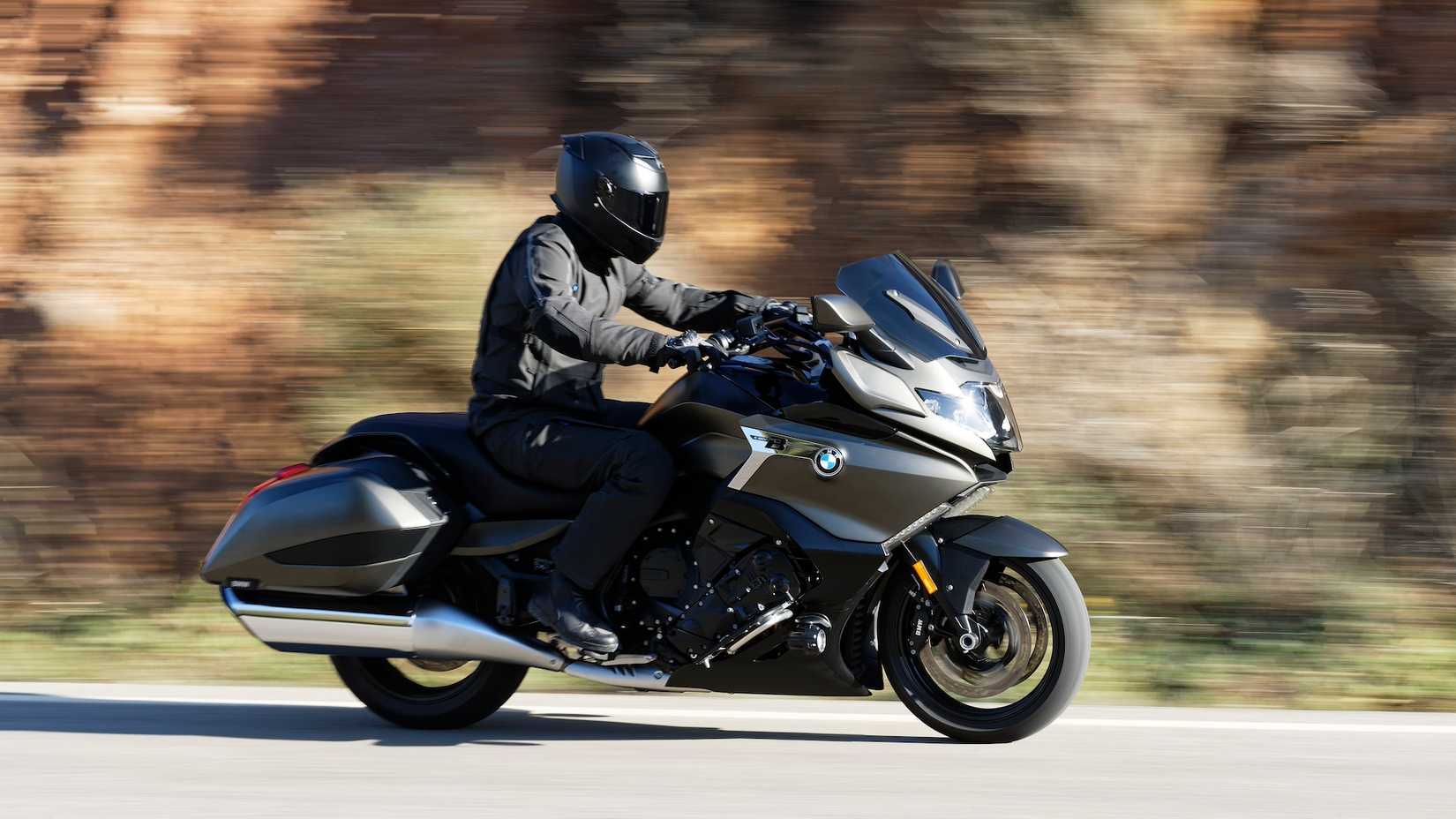
The BMW K 1600 B is a solid alternative that feels like the Gold Wing without the price tag. However, there is a more enticing, new BMW touring bike that balances sportiness, luxury, and daily riding capabilities even better. The BMW R 1300 RT is a futuristic tourer that is nearly $3,000 more affordable than the Gold Wing.
This affordable price tag does come with a few sacrifices, especially in terms of technology. But making it worthwhile is a more daily-rideable approach (both the Honda Gold Wing and the BMW K 1600 B are comparatively weaker in this regard) that offers greater practicality and nimbleness. This Beamer is a logical, luxury tourer.

The Touring Bike Veteran Riders Buy Once And Trust For Life
From all‑day saddle comfort to rock‑solid stability, this touring rig proves why seasoned riders settle down with it for the long haul.
The 2026 BMW R 1300 RT Makes More Sense For Most Riders
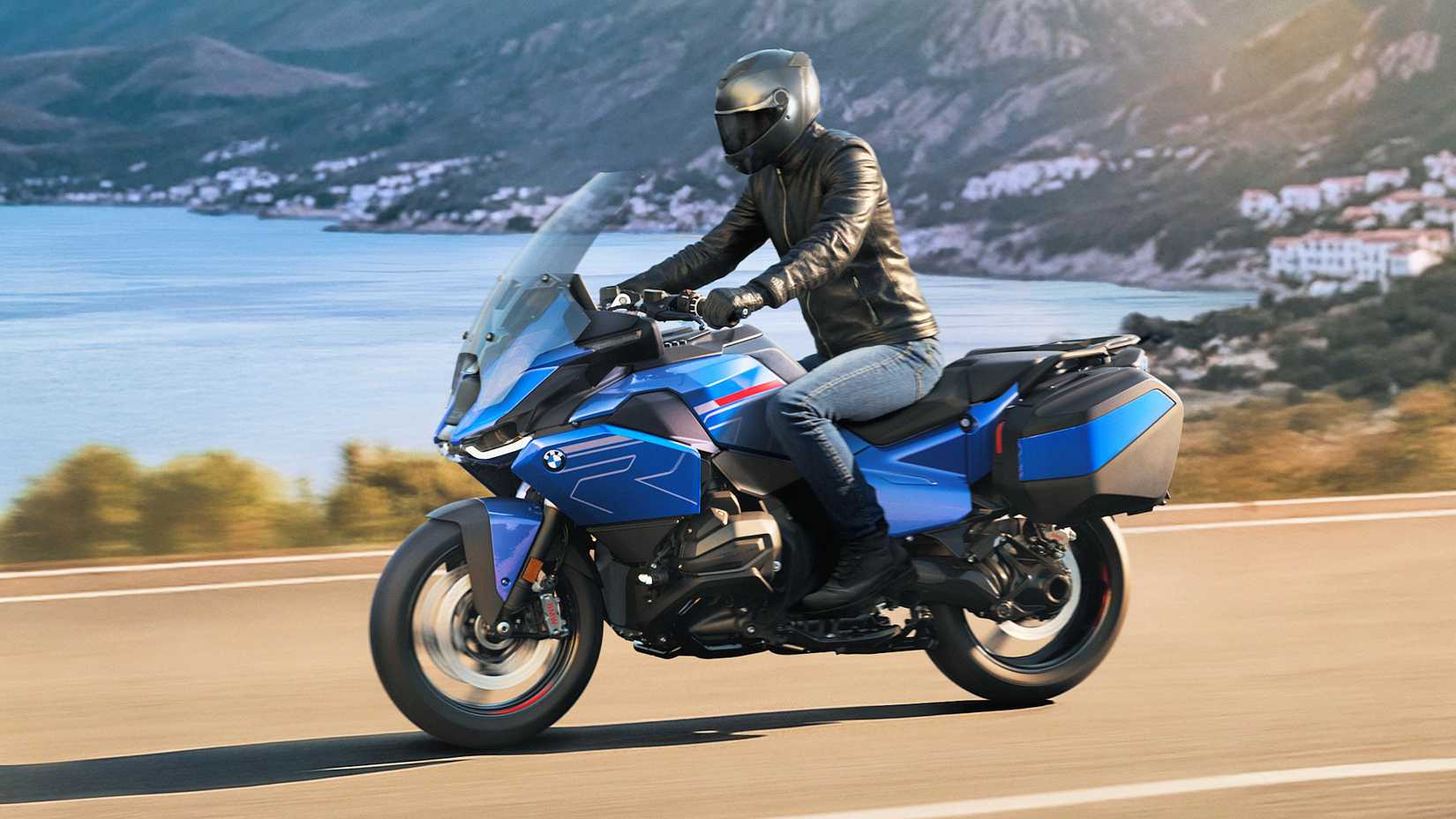
The BMW R 1250 RT was already a very fine sport-touring bike that perfectly balances effortless long-distance comfort, sportbike-grade agility, and cutting-edge technology. Its replacement, the BMW R 1300 RT, builds upon this strong foundation to make the package even more desirable. What makes the R 1300 RT so good is how BMW blends the right ingredients to deliver sporty dynamics, relaxed ergonomics, luxury features, and tractable performance.
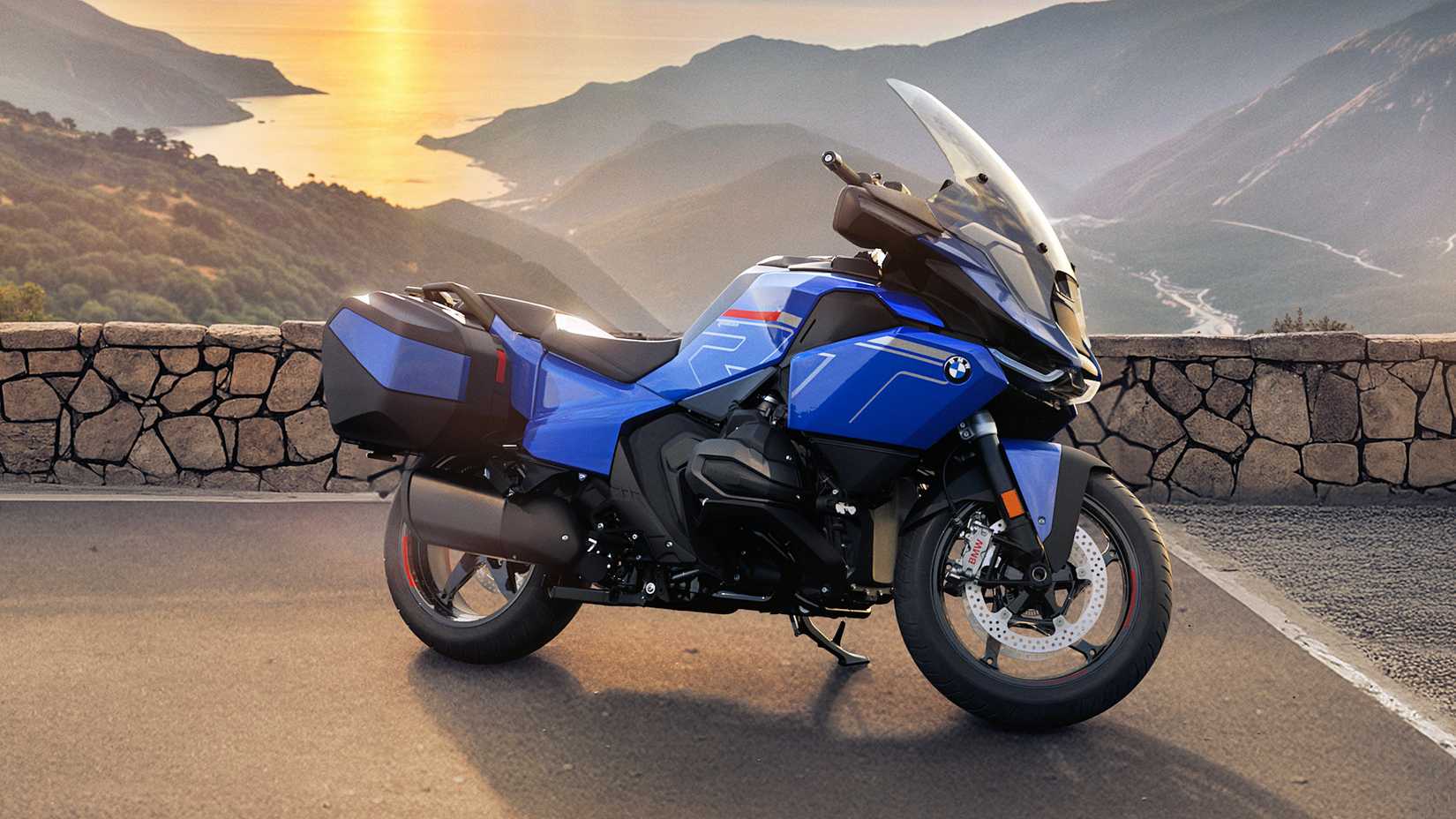
The design is bold and futuristic—not everyone’s cup of tea—but it emphasizes practical visual cues. The large front fairings deflect wind away from the torso and legs. The use of a boxer engine helps keep the center of gravity low.
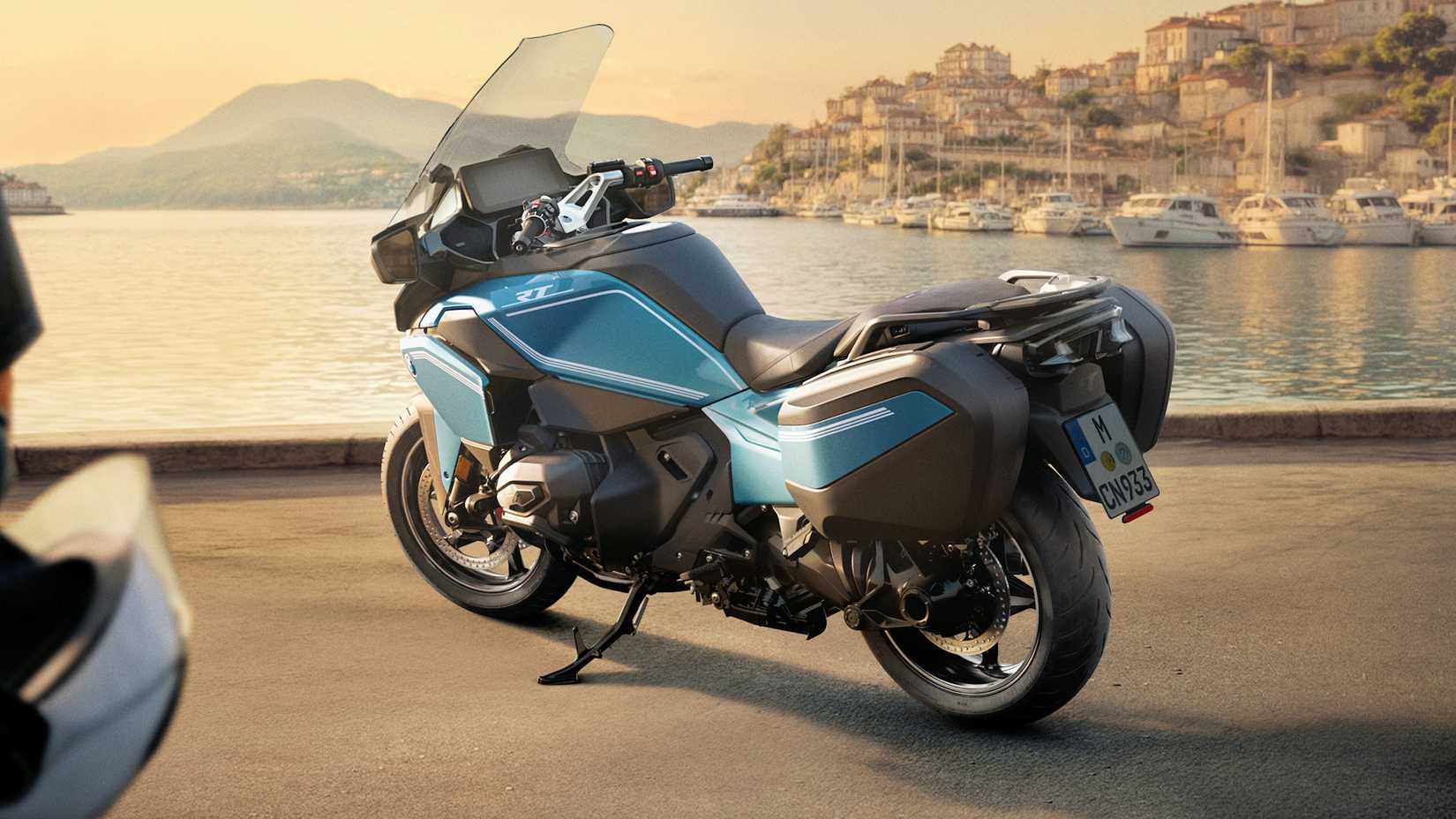
Combined with its road-biased wheel-and-tire combination, the R 1300 RT translates into a very nimble, cornering-friendly touring bike with standard side cases. Hence, practicality, fun, and wholesome technology make the BMW R 1300 RT one of the best touring motorcycles for all-day real-world riding. And with a starting price of $22,645, it is also a value-for-money proposition in the luxury touring bike segment.
Balances Dynamic, Sportbike-Grade Handling And Plush, Touring Comfort
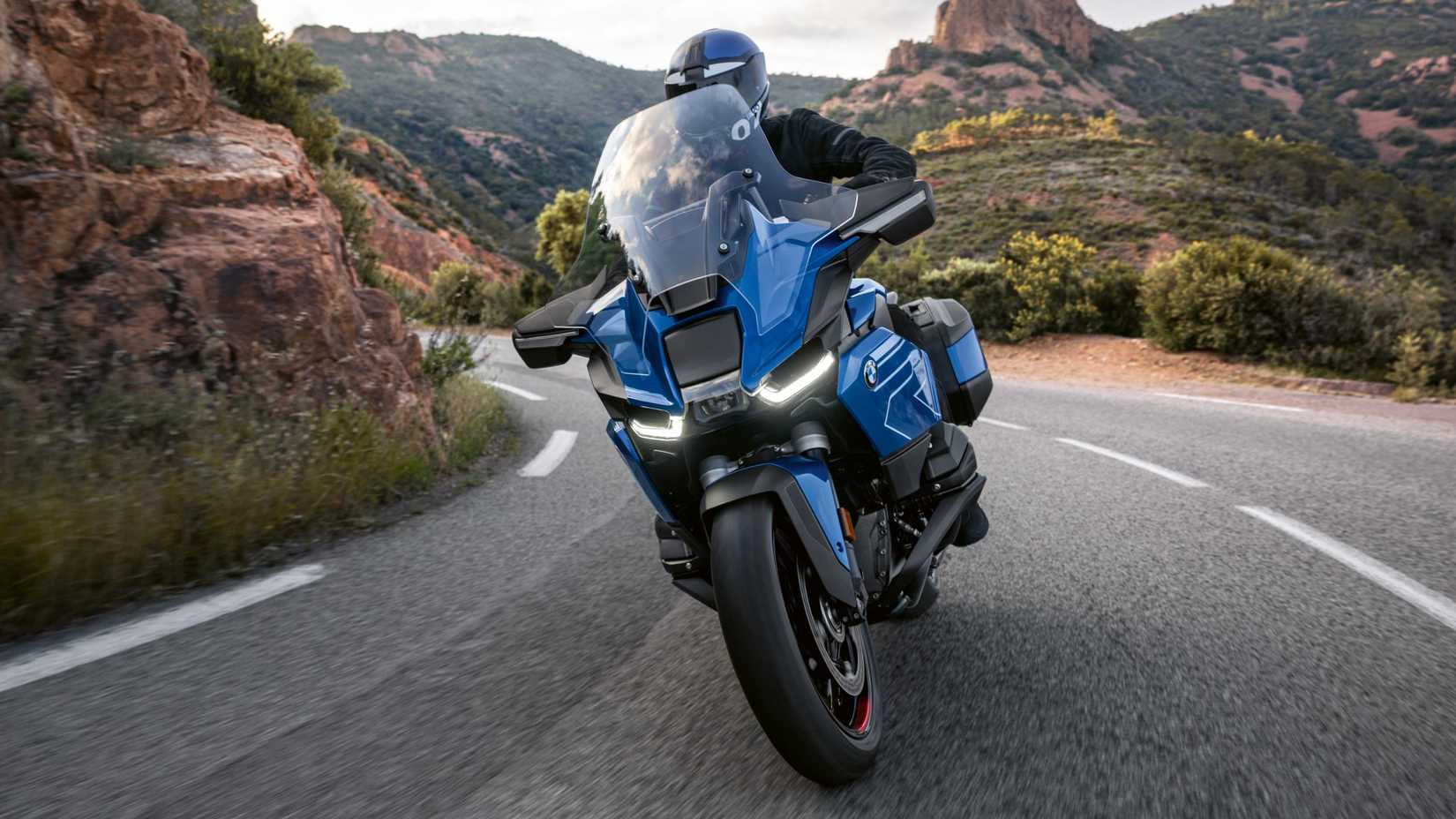
A major reason the BMW R 1300 RT is a more sensible alternative to the Honda Gold Wing is its breezy handling, which keeps fatigue low, even during busy urban runs. This is thanks to a new frame that introduces a major chassis redesign over the outgoing R 1250 RT. It has a twin-spar design and uses the engine as a stressed member. The rear sub-frame is also bolted on. This combination helps keep the weight in check, shortens the wheelbase, and upholds rigidity for stability.
The suspension duties are handled by BMW’s famed EVO Telelever and EVO Paralever systems. This includes a double-wishbone setup at the front and a link-type monoshock attached to a single-sided swingarm at the rear. This setup offers 5.9 inches of travel up front and 6.3 inches at the rear.
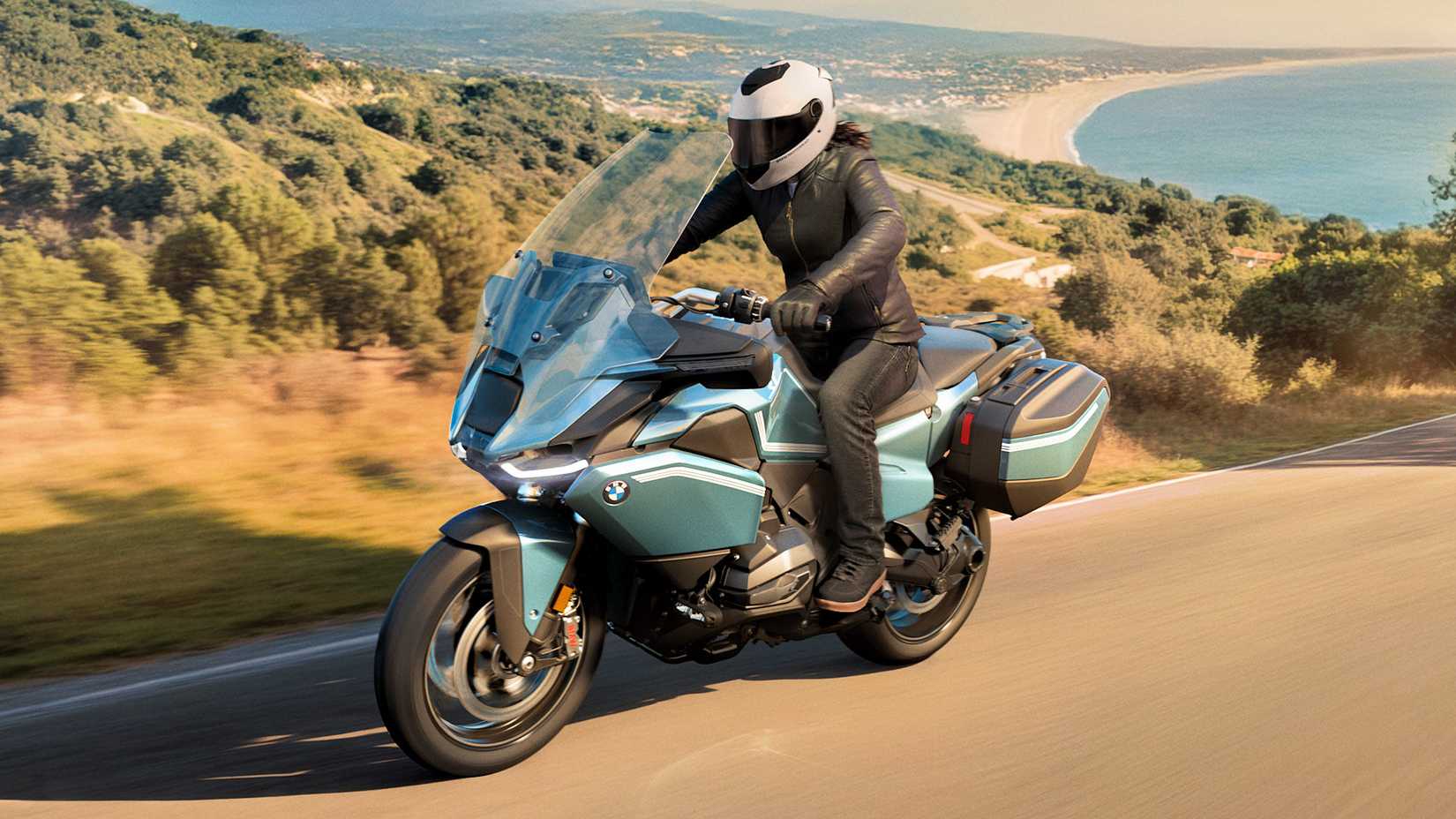
Grip duties are handled by lightweight 17-inch alloy wheels shod with fairly chunky radial tubeless tires, with 120-section front and 190-section rear sizing. These underpinnings help this Beamer offer sportbike-grade handling characteristics. Braking duties are taken care of by dual 310 mm discs coupled to radial four-piston fixed calipers up front. The rear gets a 285 mm disc coupled to a two-piston floating caliper.
Ergonomics That Can Adapt To Changing Riding Scenarios
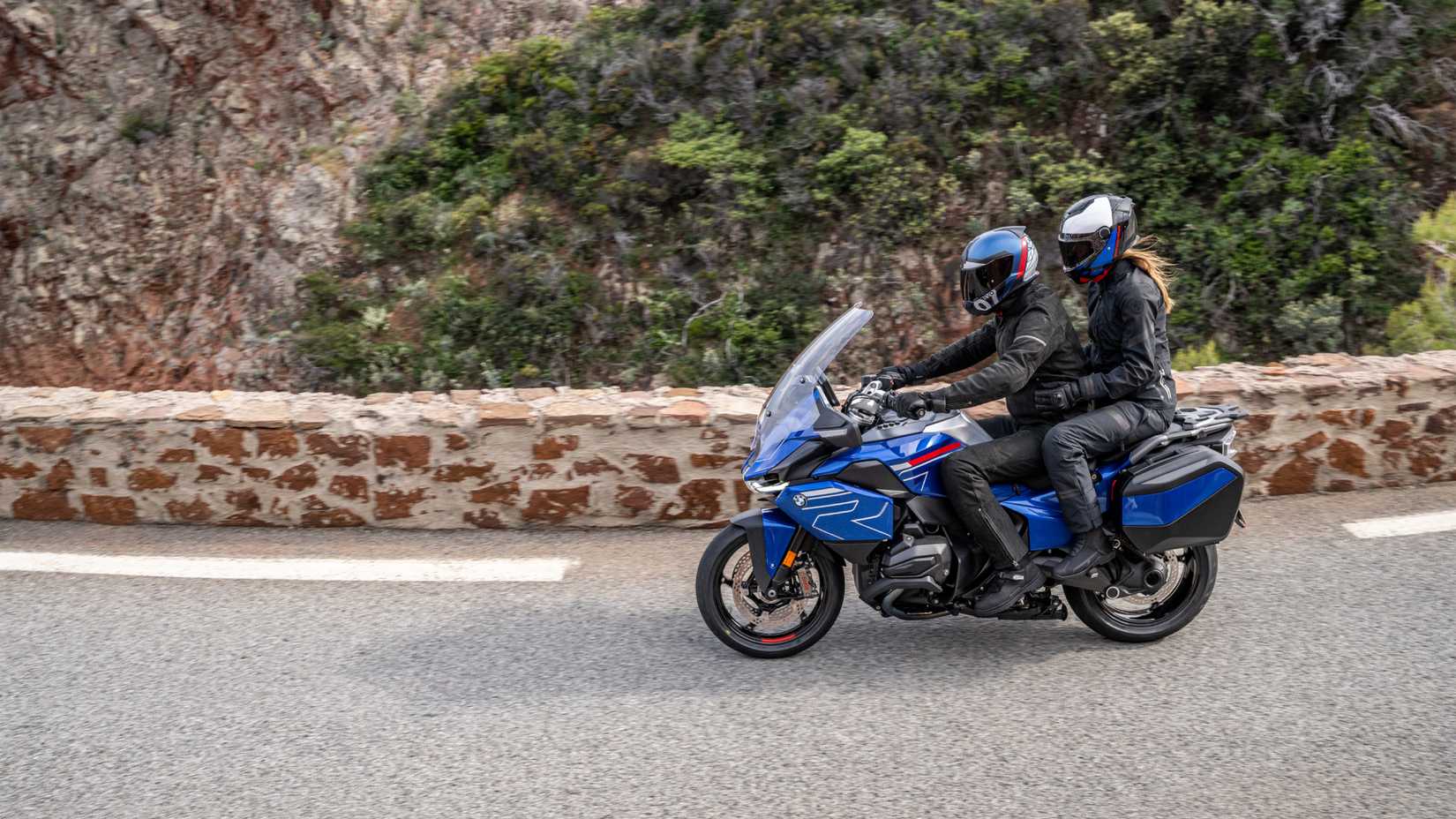
The ergonomics are friendly for two-up riding too, and suit various riding conditions. BMW says the R 1300 RT’s riding style is slightly sporty yet relaxed, making it suitable for both commuting and touring. The add-on Comfort Passenger package also dials things up for the pillion, with a backrest-equipped top box that elevates comfort.
This package also adds comfort seats, seat grips, and larger footpegs. The standard seat height ranges from 32.2 to 33.0 inches; an optional comfort seat expands the range to 30.7–33.8 inches. Other features elevating the ergonomic comfort include its large windscreen and chunky side panels that help deflect wind around the rider.
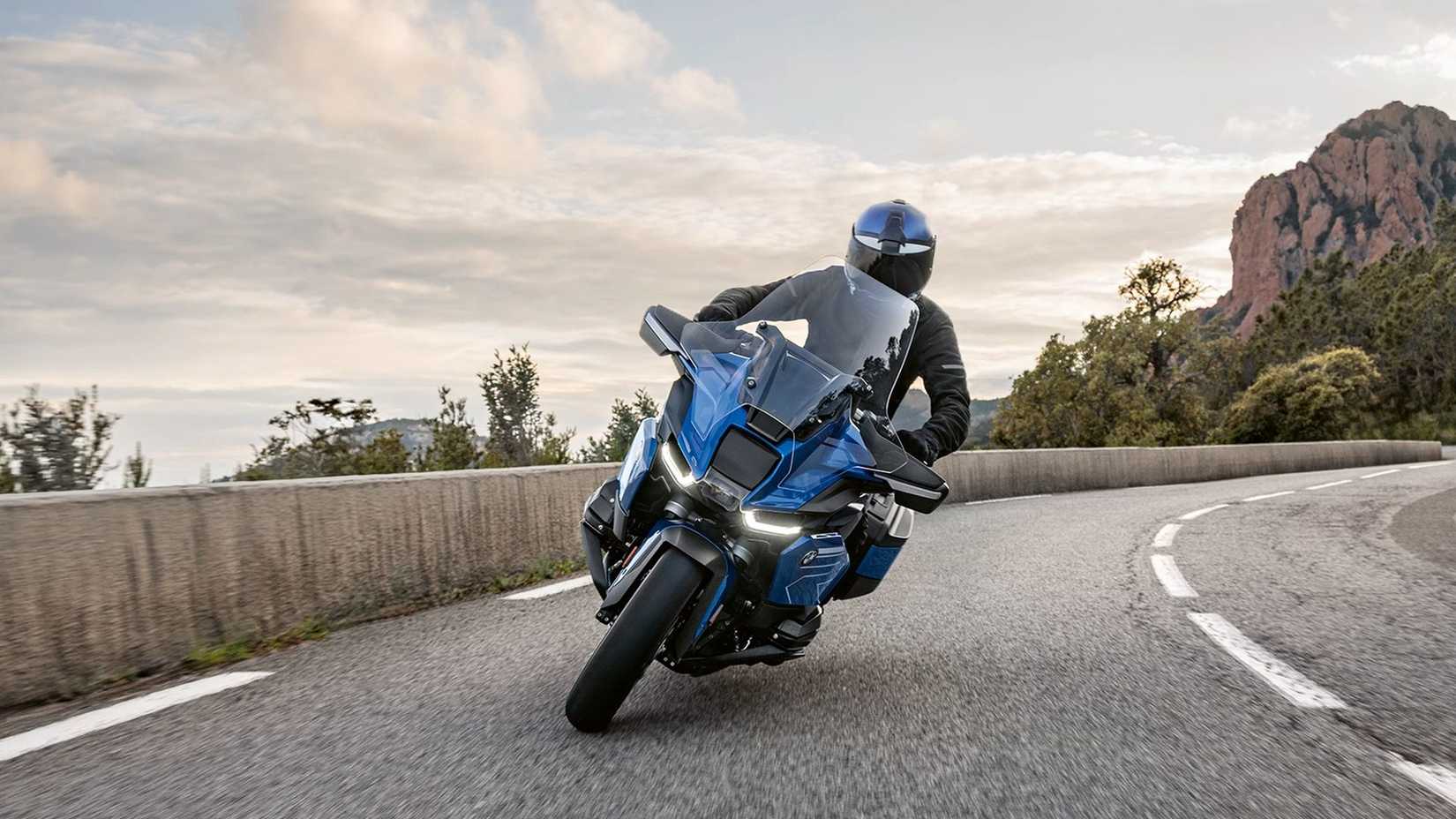
Helping further with adaptive dynamics is a one-of-a-kind Dynamic Chassis Adaptation (DCA). This optional feature includes a variable spring rate setting, two adjustable damping modes, and two independent riding postures. This essentially enables the R 1300 RT to showcase two different motorcycle characteristics to suit varying riding scenarios.
10 Alternatives To The Cheapest BMW Touring Motorcycle
The most affordable alternative to the BMW R 1250 RT packs over 100 horses and is over $8,000 cheaper.
A Boxer Twin Offers Oodles Of Power And Torque
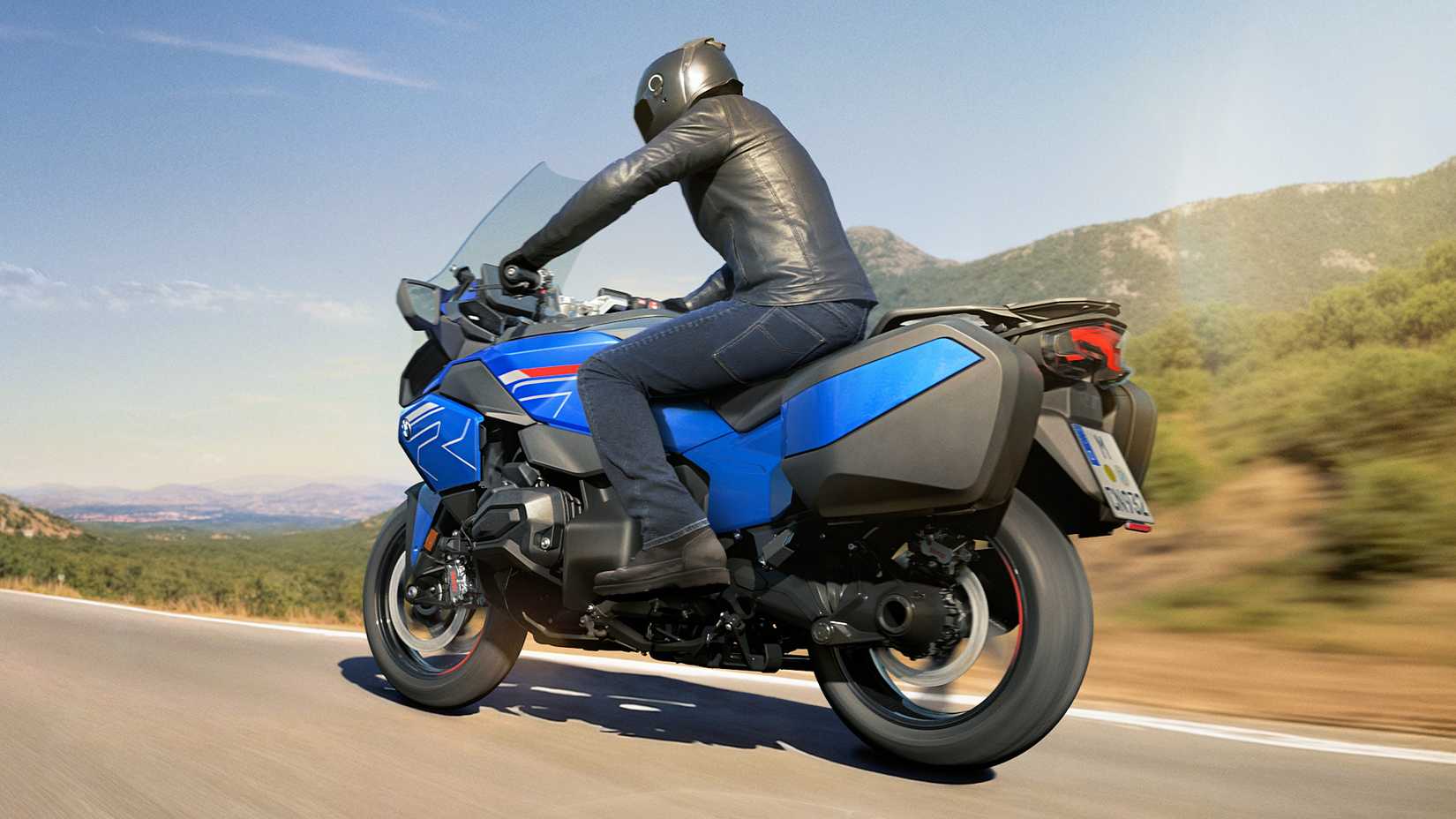
Powering the 2026 BMW R 1300 RT is an upsized version of an already-seasoned boxer twin. Shared with the famed R 1300 GS ADV, the 1,300 cc longitudinally mounted mill uses a DOHC head, liquid cooling, and even gets Variable Valve Timing (VVT) on the intake valves. Its compression ratio is 13.3:1, higher than that of the Honda Gold Wing. It delivers 145 horsepower at 7,750 RPM and 110 pound-feet of torque at 6,500 RPM.
The mid-range is meaty, which adds to its practicality, while it’s also swift in acceleration runs and hits a top speed of over 120 mph, highlighting its sporty side. For reference, the 2026 Honda Gold Wing’s top speed is governed at 112 mph. Power is sent to the rear wheel via a six-speed manual as standard, coupled to a Cardan shaft final drive. A slipper clutch is standard here with the option to add a two-way quickshifter.
The Optional Automated Shift Assist Makes Daily Riding A Lot More Comfortable
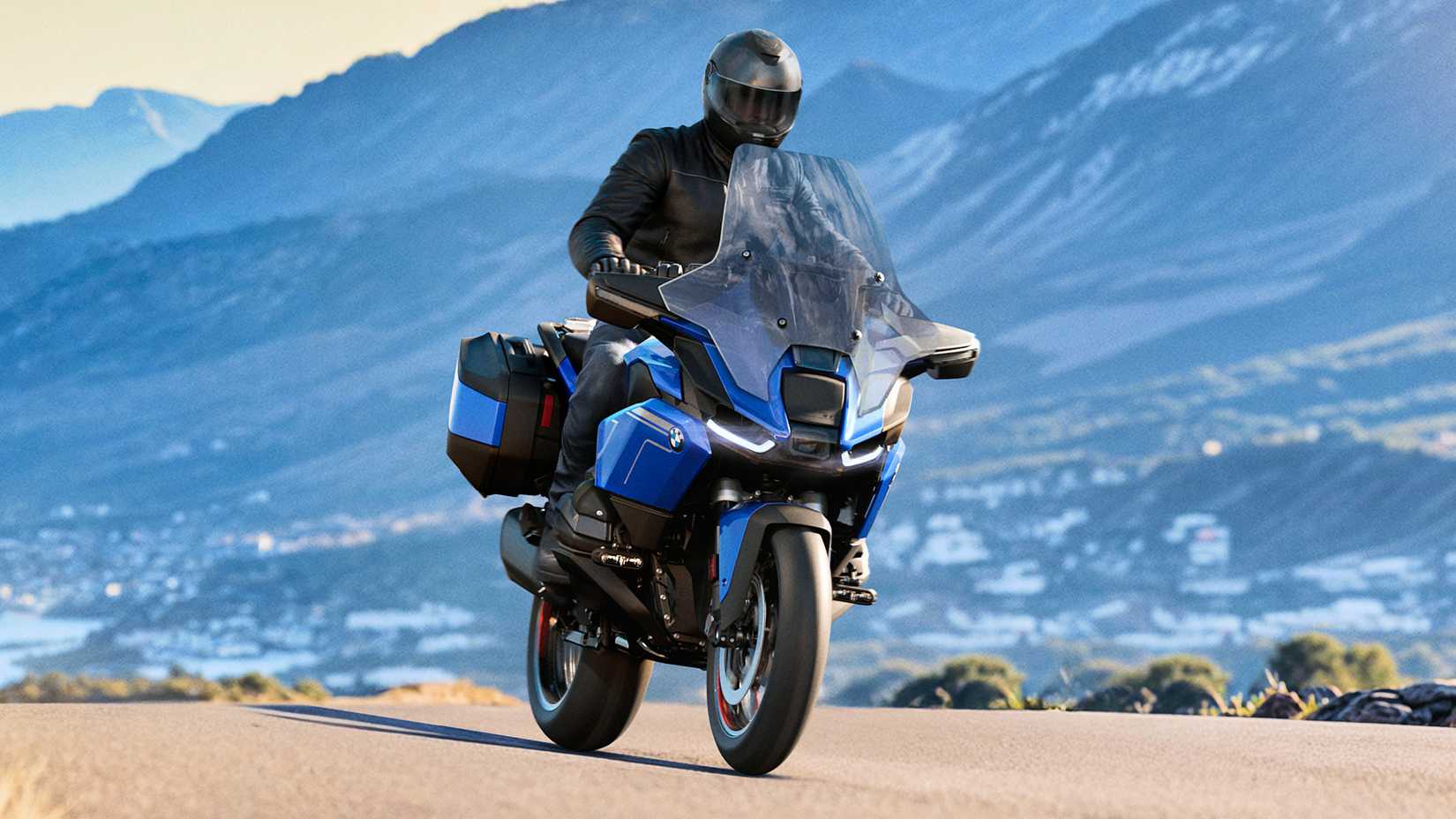
BMW offers a very practical, ride-enhancing add-on in the optional automated manual transmission. This system eliminates the clutch lever and provides a simpler riding experience. Even coming to a standstill and riding off from a stationary position doesn’t require manual clutch lever engagement.
But There’s A Pricey Catch
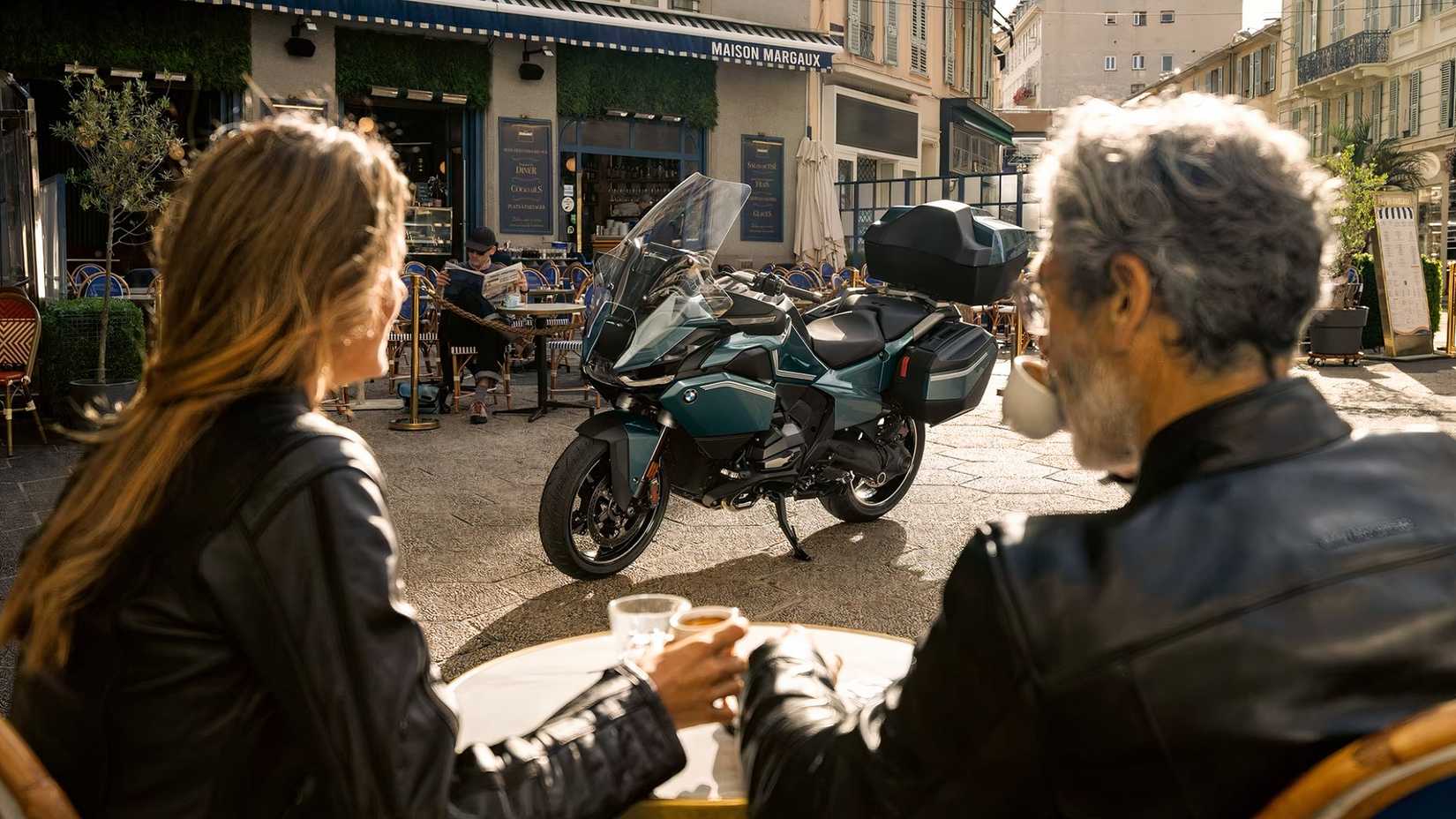
BMW also claims that the rider can activate automatic gear shifting if desired for a truly automatic riding experience. While the Automated Shift Assistant costs an additional $935, BMW doesn’t sell it as a solo add-on. It is bundled with a $750 Top Case Prep Package and a $6,000 Alpina White Package, steeply increasing the final price to over $30,000.
The Kawasaki Tourer That Makes Gold Wing Owners Look Twice
This motorcycle offers 80 percent of the Gold Wing’s comfort, yet allows you to enjoy your corners to the fullest
Impressive Electronic Suite Makes This Tourer More Desirable
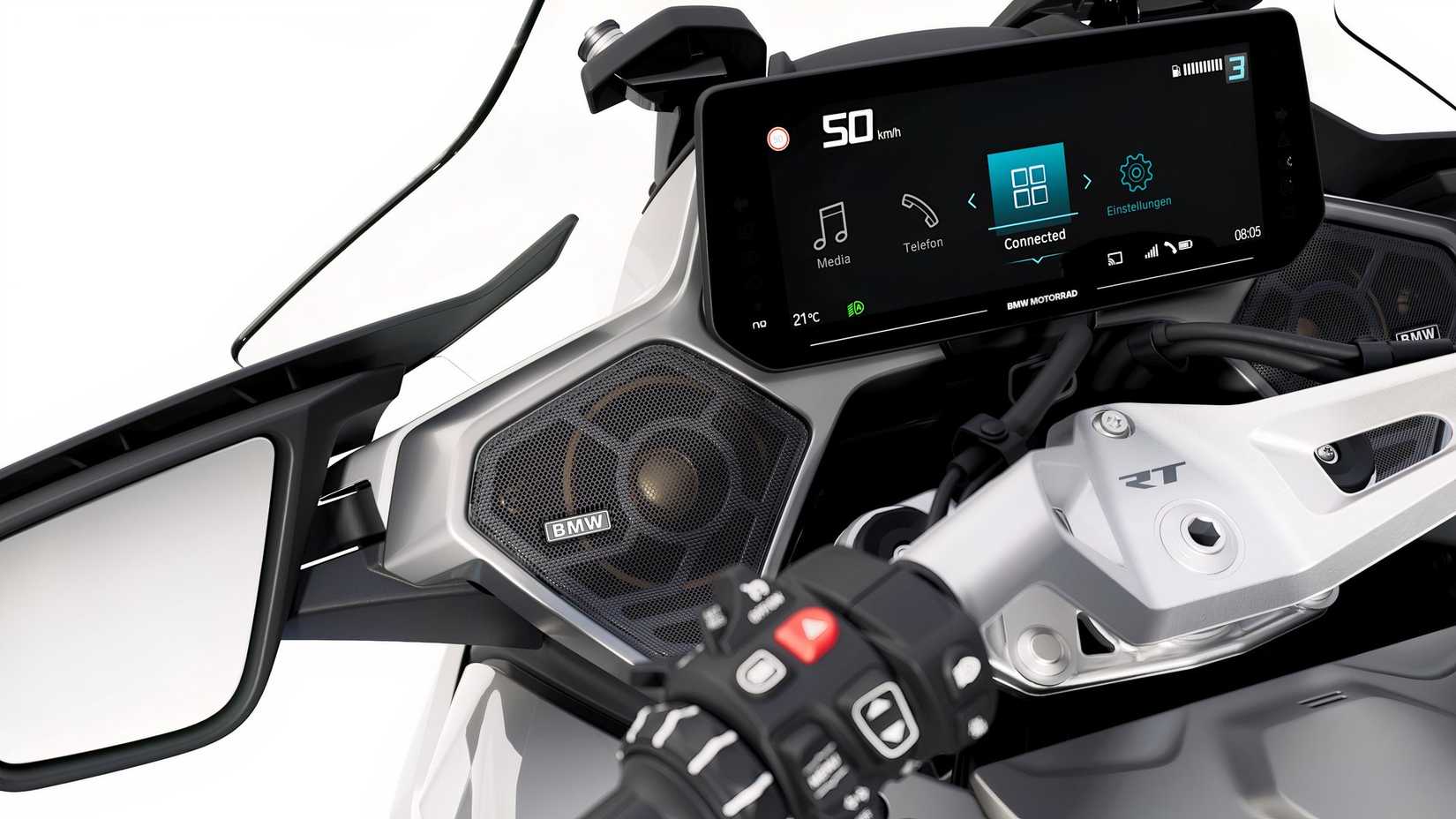
The feature list is impressive for the price. The cockpit gets a huge 10.25-inch TFT screen with Bluetooth, navigation, and smartphone connectivity as standard. Other ride-enhancing features include keyless ignition, tire pressure monitoring system, electronic suspension, adaptive cruise control, a charging port, and even heated grips as standard equipment.
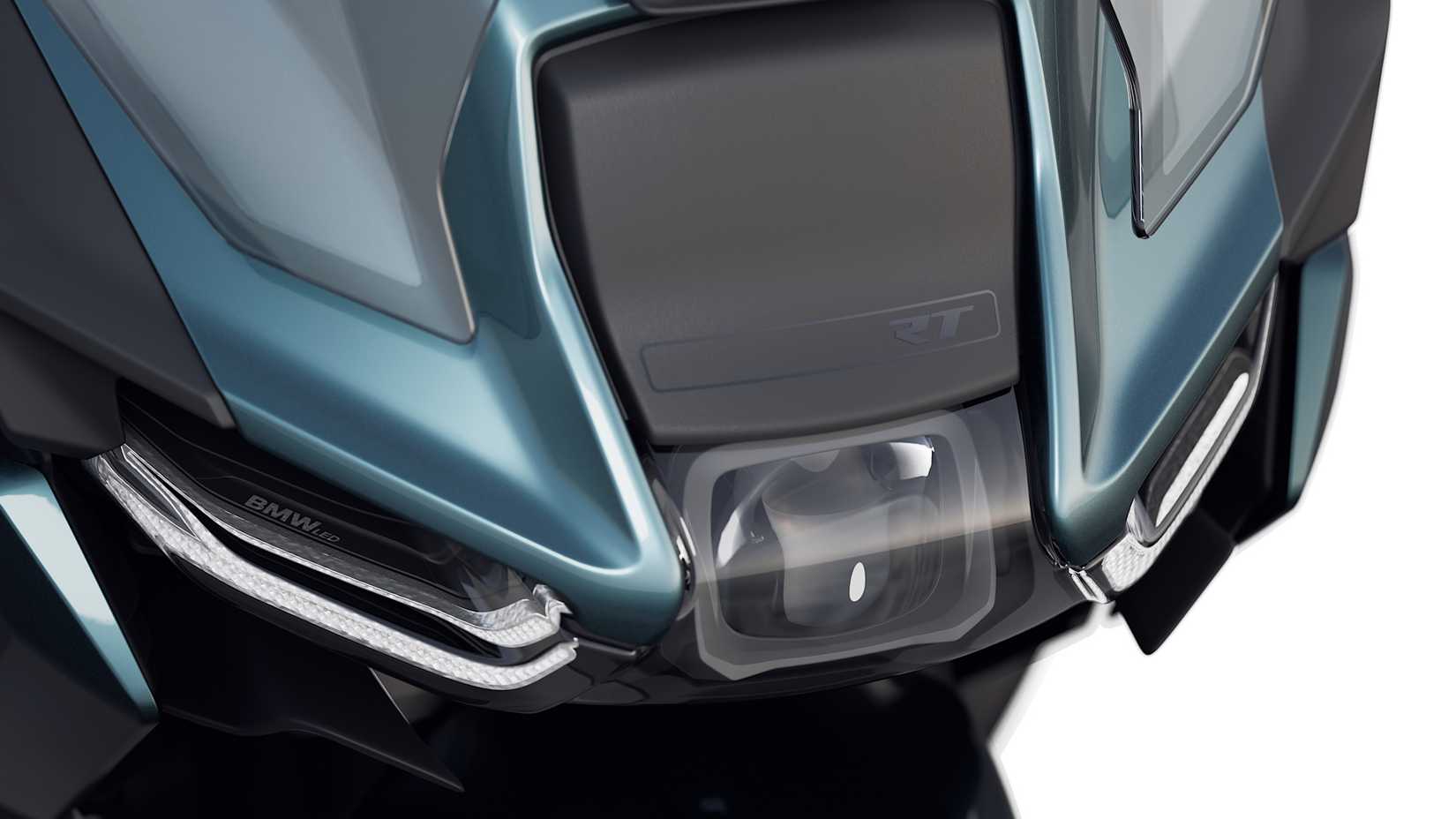
The assistive features are solid, too. It has a by-wire throttle, cornering ABS, cornering traction control, and cornering brake control that work seamlessly together with changing riding scenarios thanks to a six-axis IMU. BMW also offers optional adaptive cruise control, enabled by a forward-facing radar system.
It Quietly Sets The Benchmark Among Luxury Touring Bikes
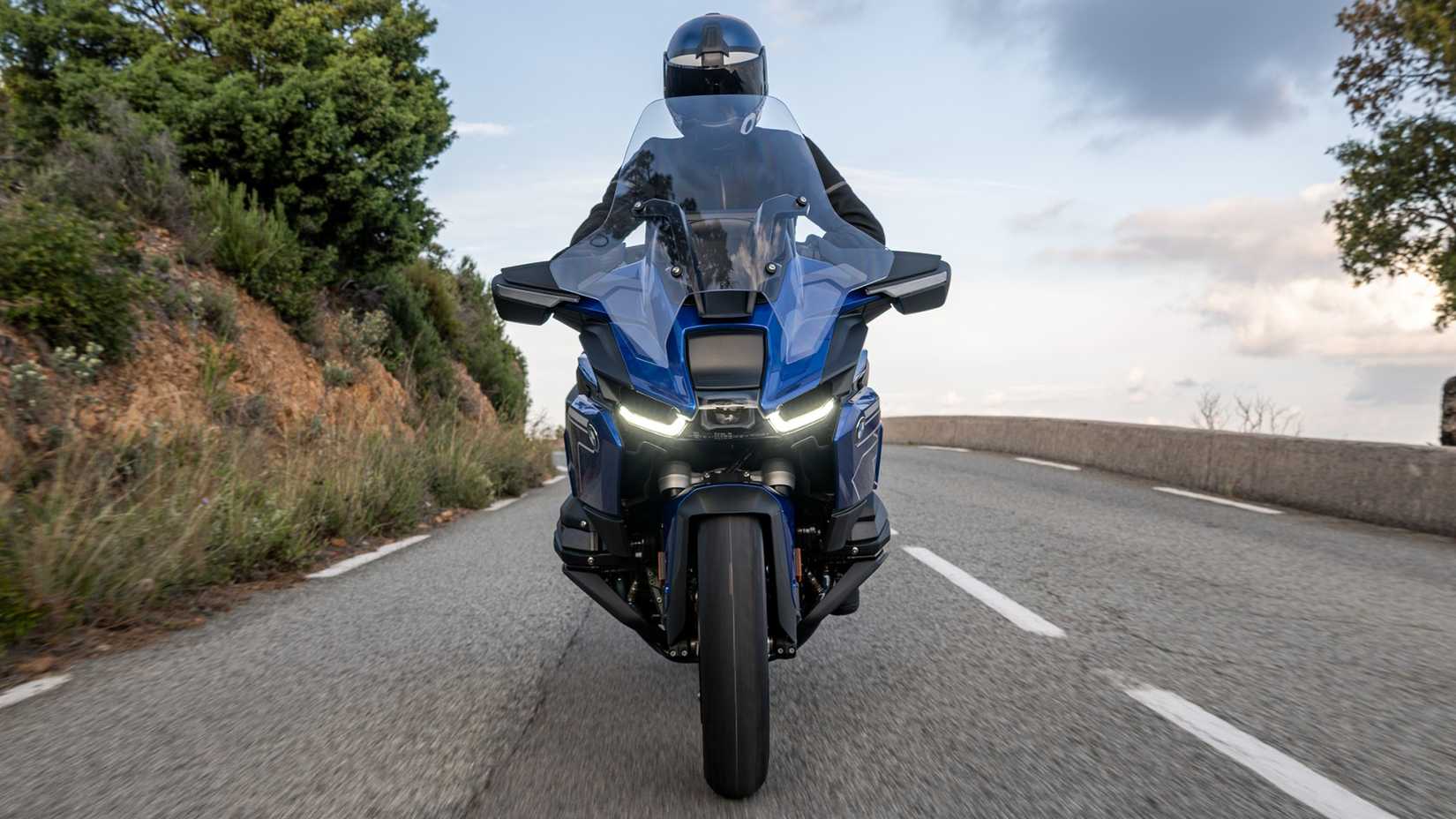
The BMW R 1300 RT quietly sets the benchmark by balancing bleeding-edge technology with refined fundamentals in performance, handling, and comfort. It doesn’t rely on hype—despite being a much more enticing package than the mighty Gold Wing, the R 1300 RT hasn’t yet achieved the fame it deserves. Instead, this Beamer actually spoils you by doing every subtle thing right.
In fact, after looking into the R 1300 RT, we delve deeper into the subtle annoyances of its rivals, such as lackluster wind protection, engine buzz at speed, and cluttered electronic controls. Practicality, at the forefront of its balance of breezy daily rideability, sporty curve-taking skills, and comfortable triple-digit highway runs, helps the new BMW R 1300 RT take the spotlight from the Honda Gold Wing.
Sources: BMW Motorrad and Honda Powersports