
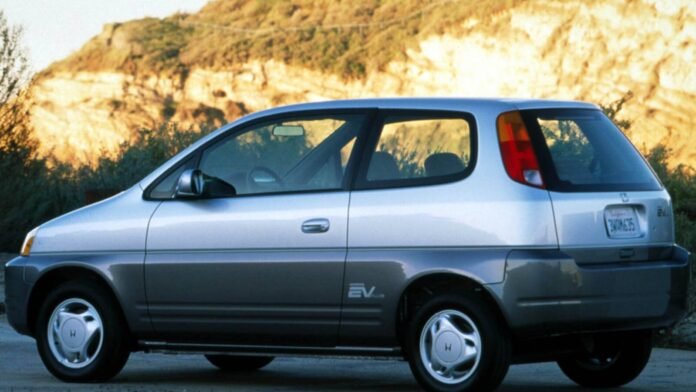
The advancement of electric vehicles over the past decade has been staggering, when you consider that just 25 years ago, EVs were being proposed as localized transportation, basically for people who didn’t really need a vehicle. Yet here we are with electric vehicles that are more powerful than many other vehicles at any time in history, available in all sizes and shapes, and harboring the capability to go hundreds of miles and even beyond, given the charging infrastructure that has been built up around them.
That transition happened quickly, but the development that has brought the modern EV to this moment started with basically two cars before the dawn of the new millennium. To put it succinctly, it took more than 25 years for EVs to become overnight successes. From the time that GM decided to string together a series of lead-acid batteries to make a car that didn’t require an engine, the race to develop an EV that could go farther, be stronger, and reach greater heights was a struggle of Olympic proportions. And Honda was leading on the top step of the podium.
Finally! EVs Are Being Priced At Parity With Gas Models
Hyundai, Kia, Ford and GM are all dropping prices—As Nissan, Toyota, and Subaru are racing in with new, affordable EVs for 2026.
Explosive EV Progress Of The Past Decade Began Before 2000
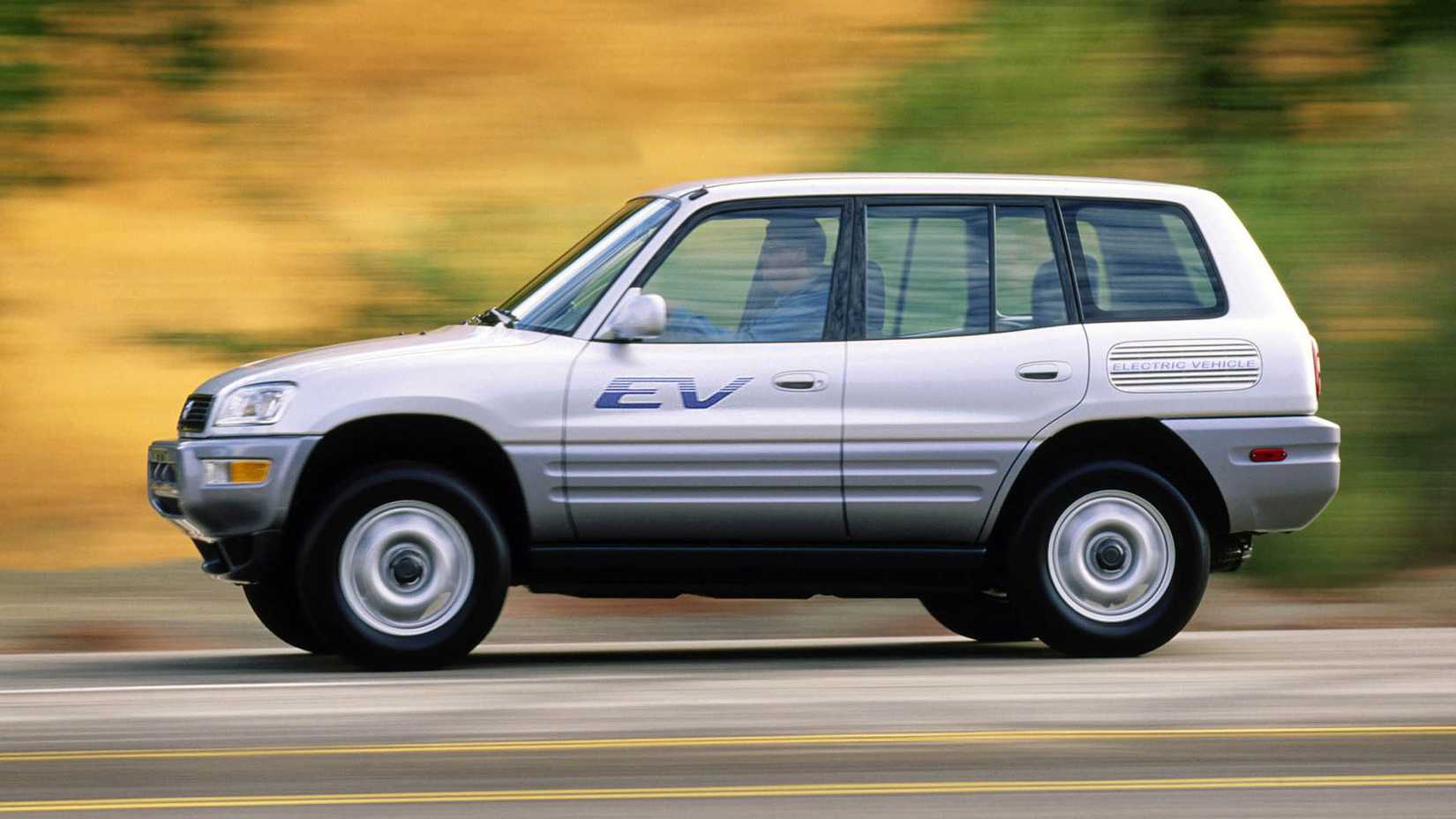
Modern electric vehicles have advanced dramatically since the early 2010s, when most EVs were limited-range vehicles intended primarily for short urban trips or gated community mobility. Today’s EVs offer usable ranges for most driving tasks, and some rival or exceed the distances drivers typically travel between fuel stops in ICE cars. And highly efficient electric motors deliver instant torque to power some EVs to rival 0–60-mph times of some internal combustion engine performance models—a vast change from the leisurely acceleration of early electric city cars.
And unlike their tiny ancestors, today’s electric vehicles come in all sizes and shapes, from the tiniest two-seat sports cars to the largest three-row SUVs, with clever battery and motor packaging limited only by designer imaginations. And adding to the increased practicality of modern EVs are widely available high-powered charging stations that can add hundreds of miles of driving range in less than half an hour. The advances have eased the EV transition into the automotive mainstream, and they all started with one vehicle’s forethought.
Battery Development Kept The EV Heart Ticking
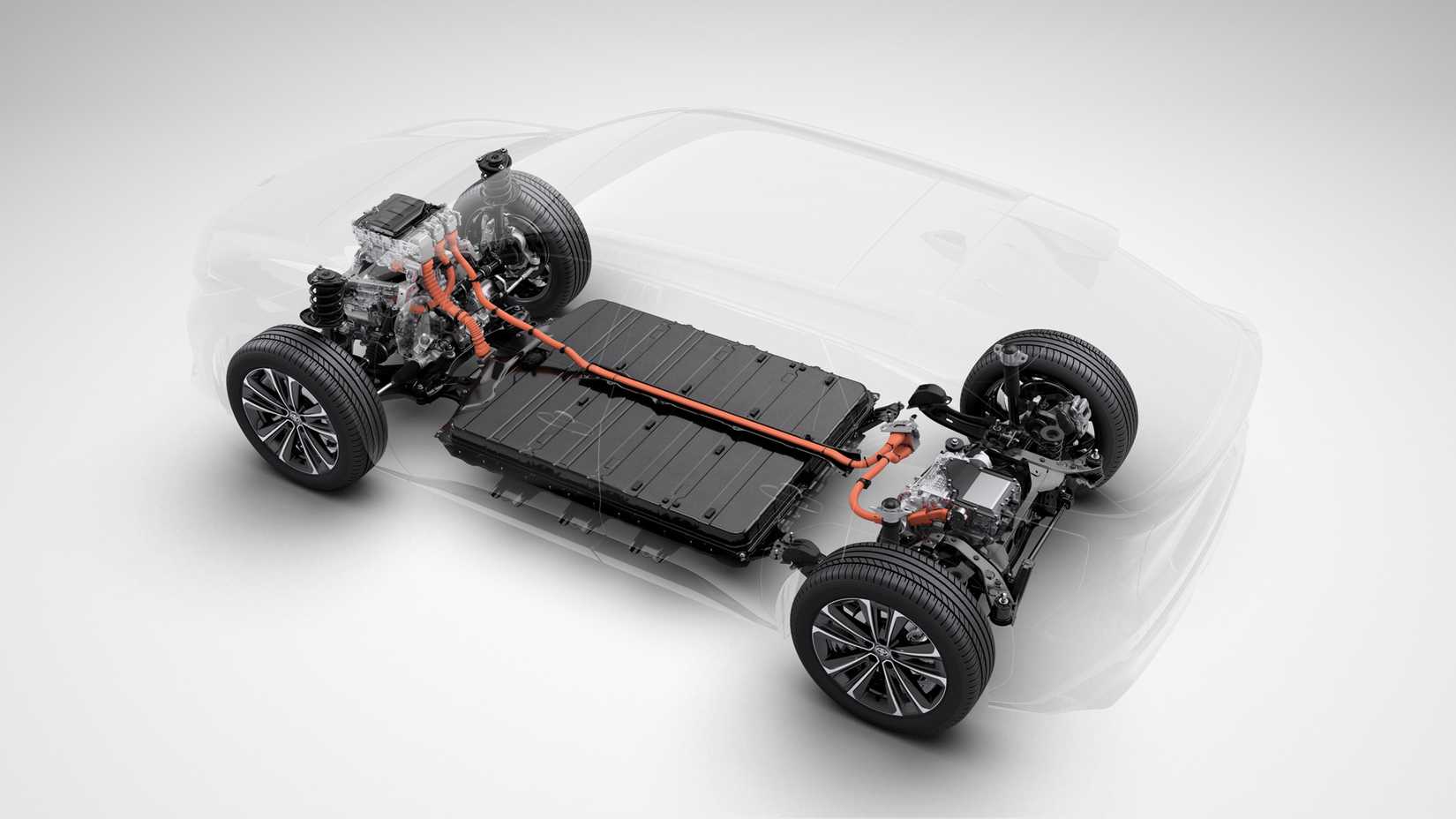
Battery technology has played the definitive role in the rapid development of EVs, with today’s EV batteries totally unrecognizable from those of the market’s pioneers. Since the turn of the century, batteries have lost bulk while gaining energy density; they’ve improved driving range, while reducing charging times; and though it’s still an unproven forecast, they’re a lot more durable than they were 25 years ago.
Modern lithium-ion batteries currently dominate the EV industry—a big step forward from the lead-acid batteries that started the EV ball rolling and helped engineers learn how to manage electric propulsion. Their high energy density allows lighter vehicles to travel hundreds of miles farther between charges, while thermal management systems help preserve battery life over many years, and economies of scale and improved manufacturing have brought prices downward.
From Limited-Range Compliance Cars, EVs Have Come A Long Way
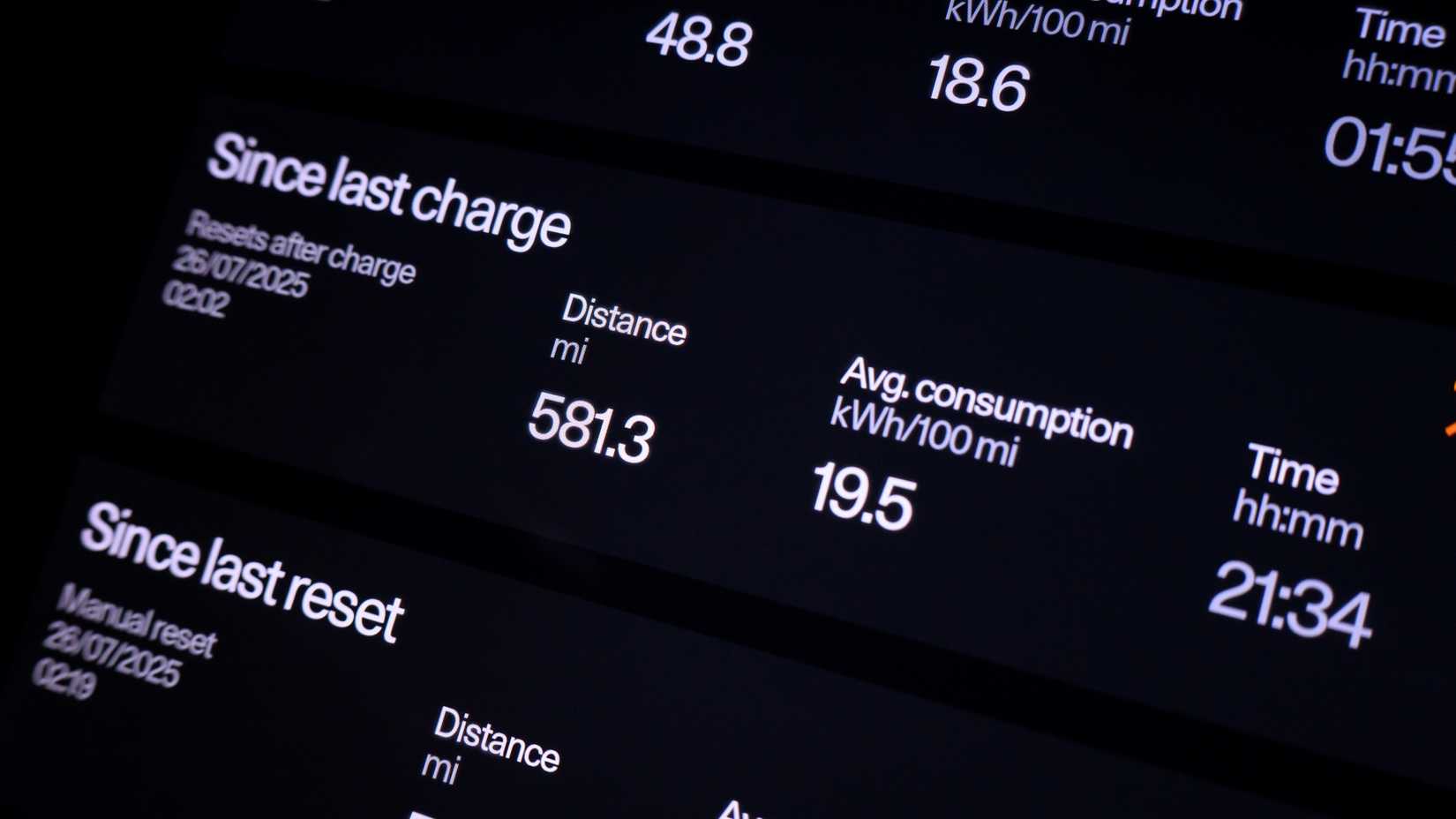
Electric car pioneers faced several major challenges. Battery packs were heavy, expensive, and limited in energy storage capacity. Charging infrastructure was almost nonexistent, with early adopters having to either plug the EV into a standard home outlet or take advantage of fleet “fast charging” depots, which weren’t at all fast by today’s norms. Both combined to limit driving range, which was further hampered by cold weather.
In all fairness, before the turn of the century, the EV wasn’t really looked at as a mainstream alternative. It was primarily a compliance vehicle to meet regulatory requirements for selling vehicles in the biggest market in the country—California. Even so, those early EVs played a crucial role in refining electric powertrain systems for everyday mobility, and one of the early pioneers (now widely overlooked in the rapid pace set by EV development) came from a company known for its rich internal combustion engine heritage.
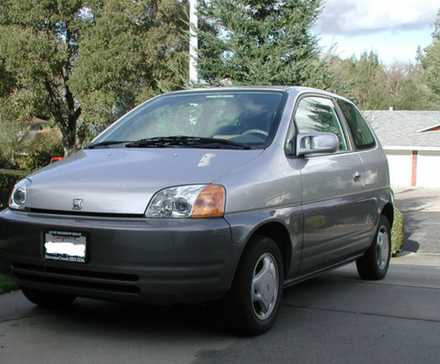
Story Of The Honda EV Plus And How It Led To The First All-Electric Honda Type R
Honda created an experimental EV Plus in a world where electric vehicle technology was in its infancy, but it’s now forgotten.
Honda Had A Vision When It Created The Honda EV Plus
The Purpose-Built EV Went Beyond The Threshold Of Compliance
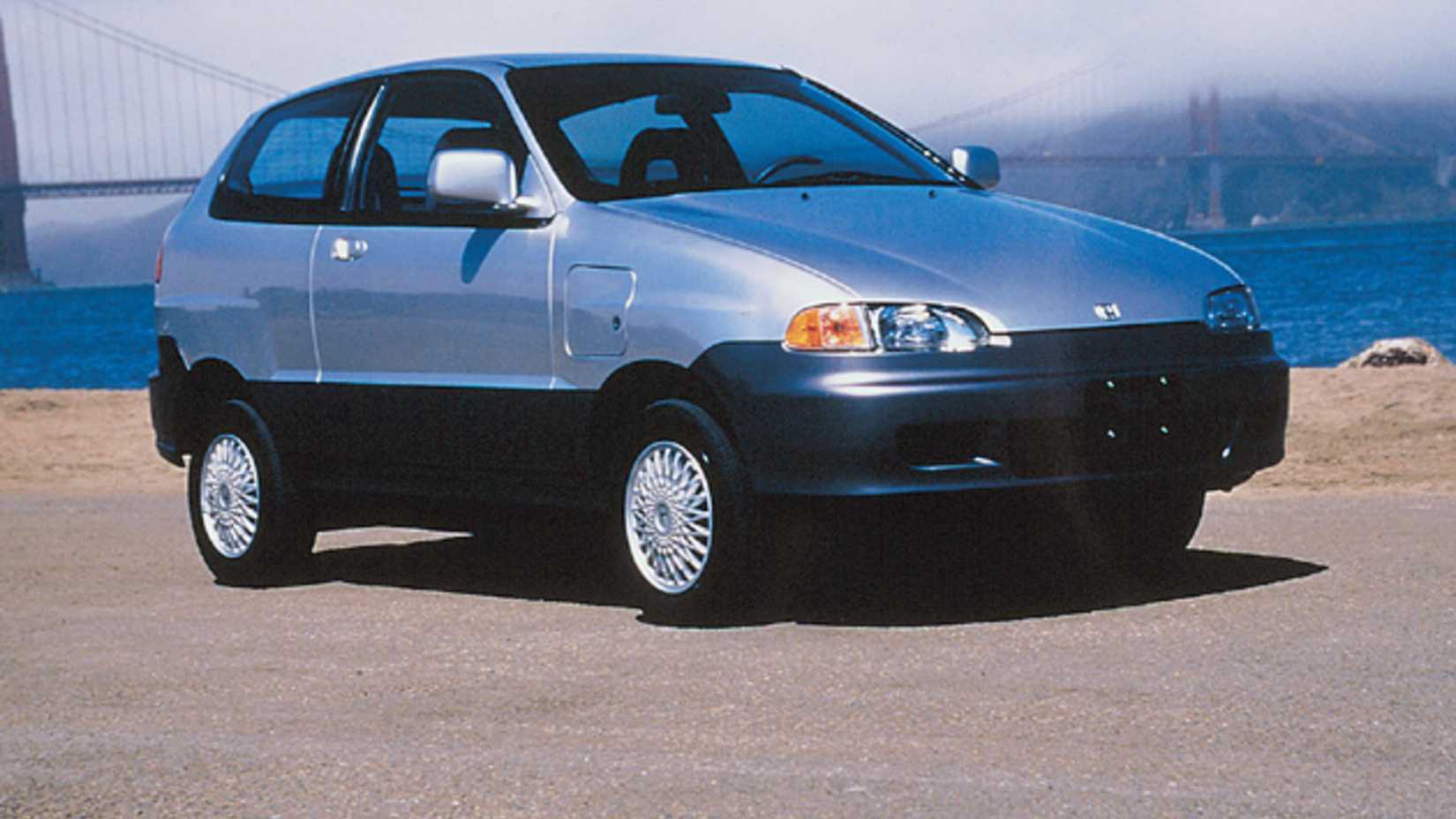
Unlike some competitors that converted existing gasoline vehicles into electric prototypes that complied with California’s early zero-emissions mandates of the late 1990s, Honda developed the 1997 Honda EV Plus as a purpose-built electric car, with an aluminum body structure, a different type of battery, and a dedicated electric powertrain designed specifically for everyday zero-emission driving.
There were several EVs at the time, each diminutive in stature to offset the weight of the battery pack required to allow 25–50 miles of driving (what was deemed “acceptable” at the time). But Honda was interested in exploring how electric vehicles would function in real-world conditions, creating the standalone EV Plus and offering it as a limited EV lease program in California to environmentally conscious early adopters, as well as fleet operators interested in testing emerging technology to become environmental stewards.
How It Differed From EV Technology of the Time
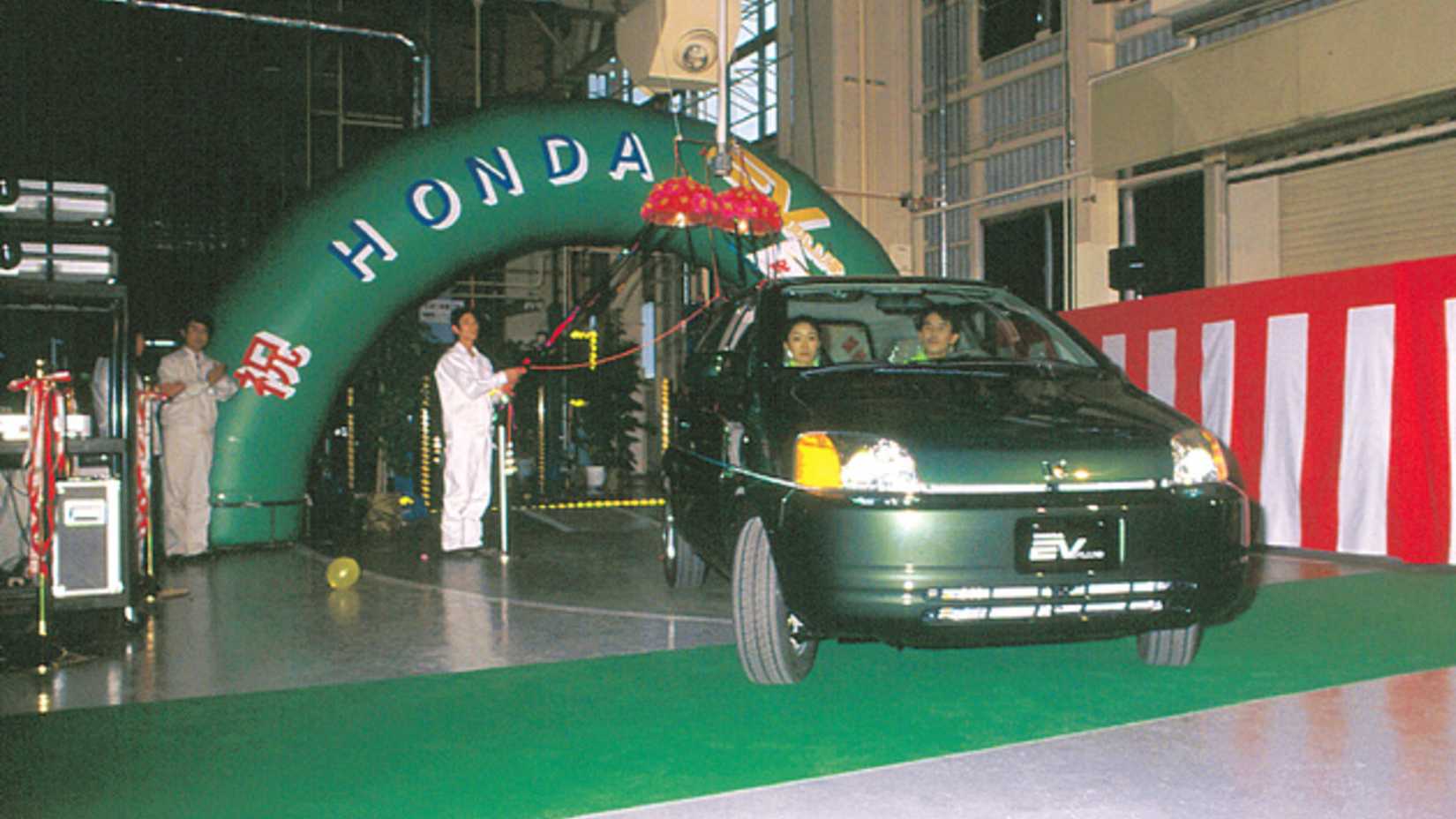
Most early electric vehicles relied on the industry-standard lead-acid batteries that performed yeoman’s work at supplying a vehicle’s electric demands, but left little capacity for anything outside the on-board electrical system, which meant adding more lead-acid batteries to power electric motors. The Honda EV Plus kept the single 12-volt battery for that purpose and used advanced nickel-metal hydride (NiMH) batteries to store significantly more energy while maintaining better durability and charging performance.
The car’s battery pack delivered 28.7 kilowatt-hours (kWh) of energy storage, giving it the equivalent of 29 or more lead-acid batteries (whose capacity is about 1 kWh) and an EPA-rated driving range of 81 miles—an impressive figure compared to other early EVs like the Ford Ranger EV (56 miles) and GM EV1 (55 miles). The location of the battery pack (under an elevated cabin floor) also pioneered the modern “skateboard” EV architecture.
The Honda EV Plus Helped Get The EV Wheel Rolling
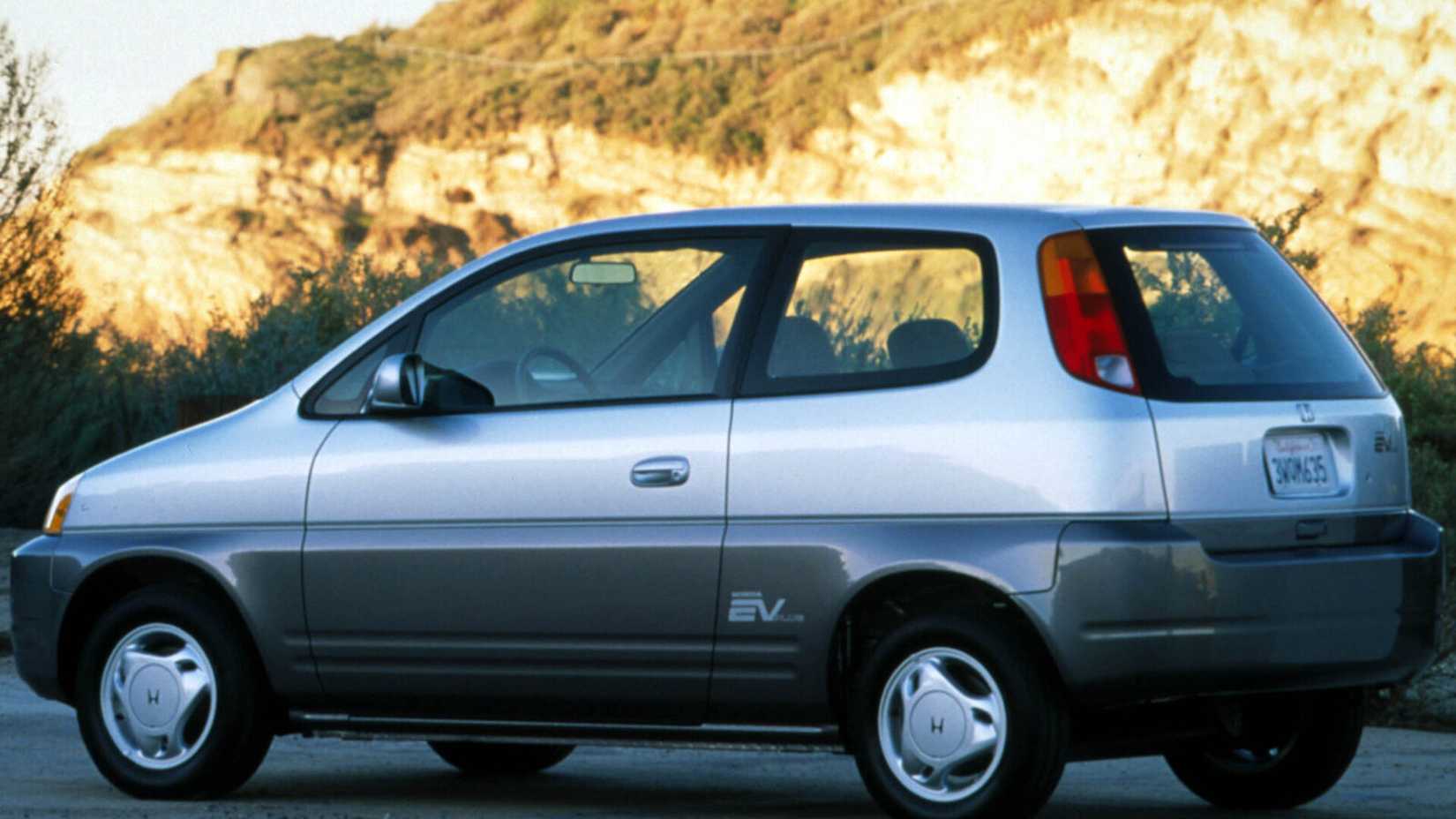
Toward the end of the 20th Century, the modern EV movement began to take shape under pressure from environmental regulations, most notably California’s Zero Emission Vehicle (ZEV) mandate, which required major automakers selling cars in the state to offer vehicles that produced no tailpipe emissions. It forced the industry to experiment with electric propulsion long before the technology was commercially viable.
Several manufacturers responded with short-run compliance cars, but Honda responded to the challenge with a full engineering program focused on real-world usability, advanced battery systems, and a dedicated electric platform. The Honda EV Plus set early technical benchmarks for electric vehicles—particularly in battery management and electric motor design—that led to mainstream EVs like the Nissan Leaf, and highway-capable EVs like the Mitsubishi i-MiEV, as well as furthering Honda’s hybrid (Insight) and fuel-cell programs (FCX Clarity).
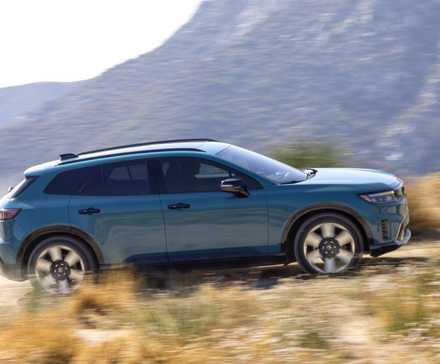
Here’s How Much It Costs To Replace A Honda EV Battery In 2025
The Honda Prologue’s replacement battery pack is almost a quarter of the car’s MSRP.
The Technology That Helped Shape Modern Electrification
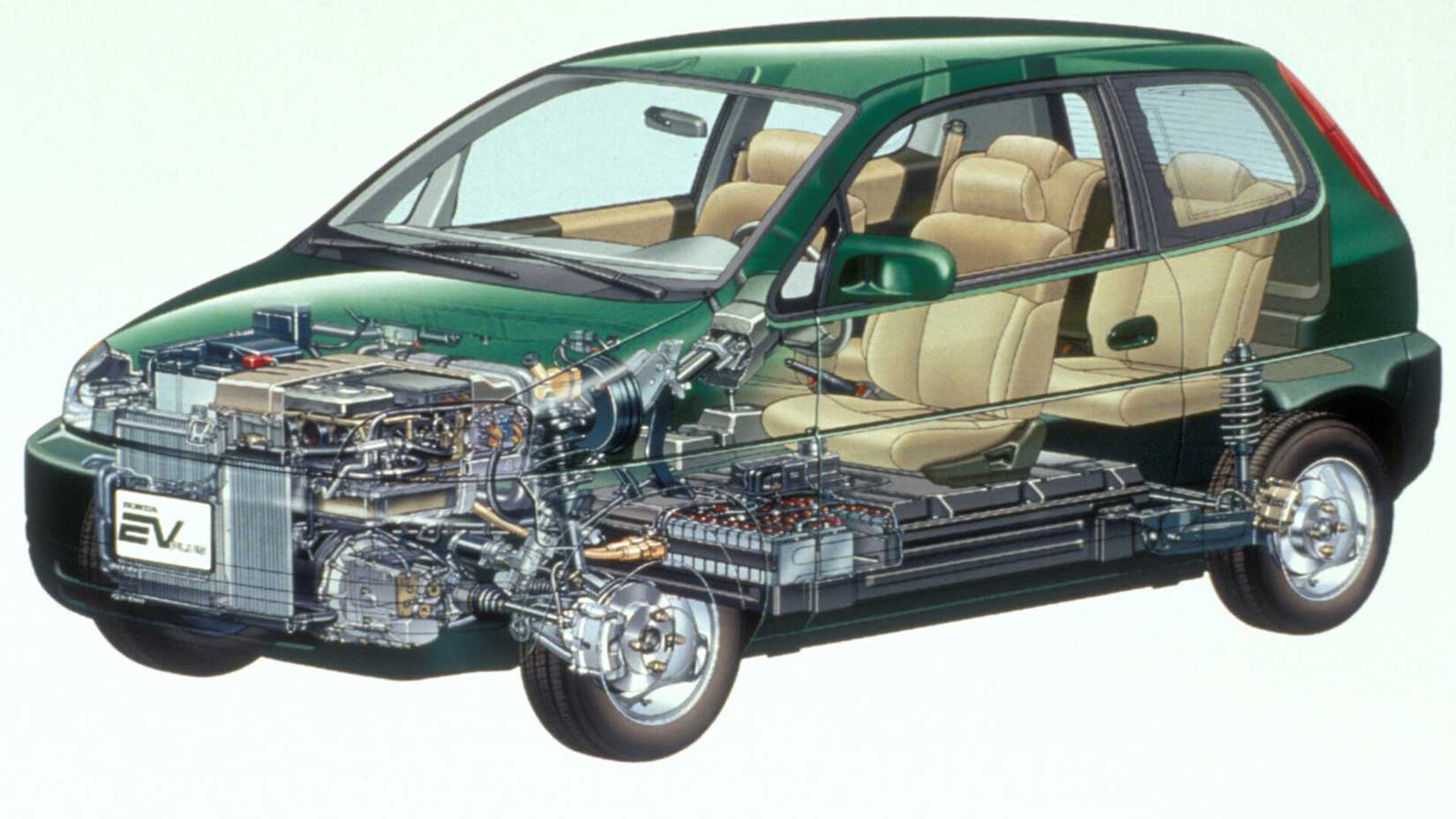
Although the Honda EV Plus program remained small in scale (only about 300 cars were produced between 1997 and 1999) and never reached mass production, it gave Honda valuable experience with electrified propulsion systems, which would place the company in good standing as it worked on hybrid and hydrogen fuel-cell vehicles. The EV Plus helped engineers gain insights into battery technology, power management, and regenerative braking—technologies that are central to electrified powertrains.
The Honda EV Plus Fast-Forwarded Battery Development
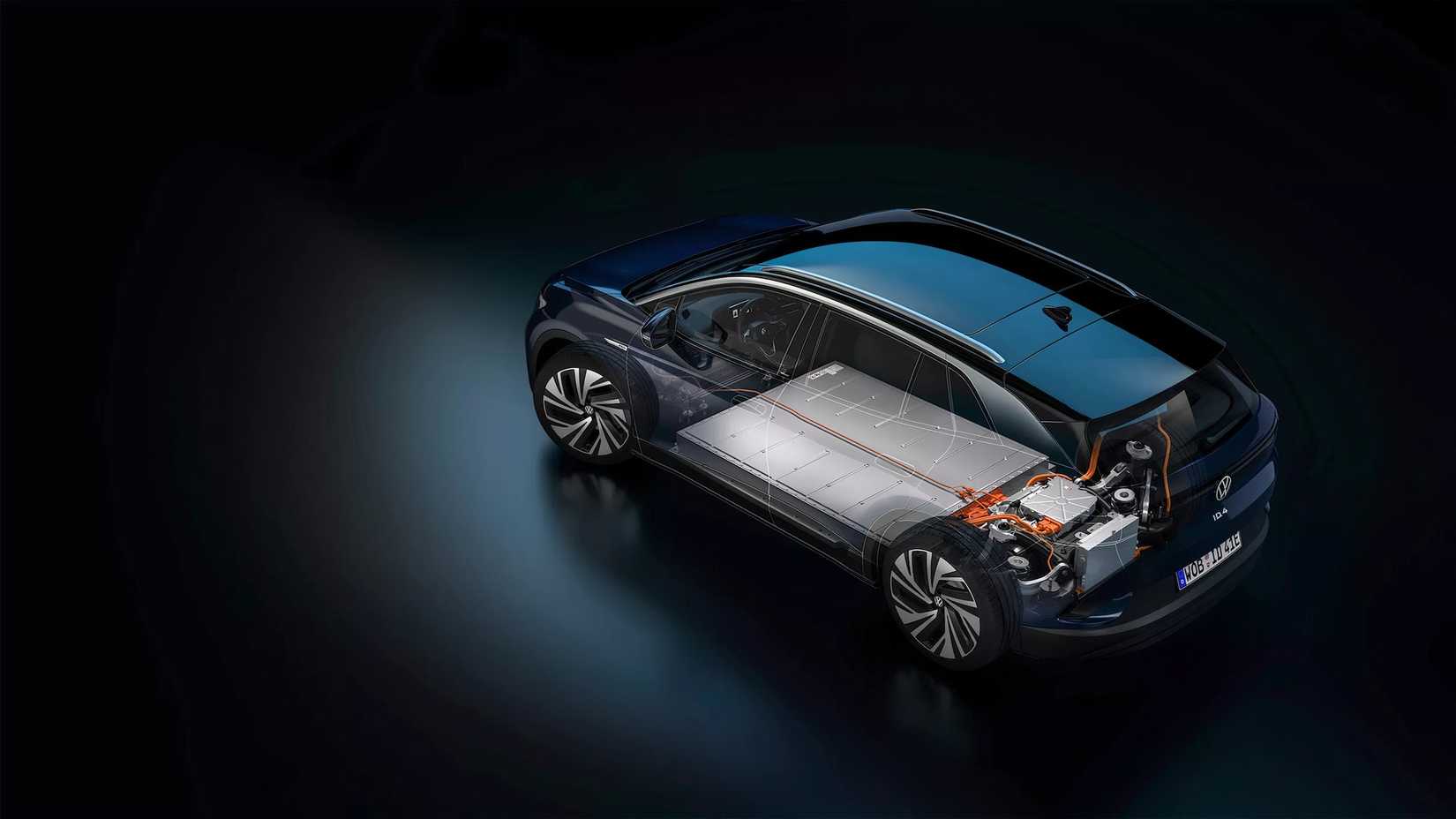
Volkswagen
Perhaps the most significant technological development put forth by the Honda EV Plus was its use of nickel-metal hydride (NiMH) batteries to replace the lead acid batteries that had been the onboard auto mainstay since the dawn of the industry in the 1920s. The NiMH battery offered higher energy density, longer lifespan, and improved reliability, allowing engineers to build electric vehicles with more practical range and durability. Lithium-based batteries (both ion and polymer) would eventually replace NiMH, for weight and cost reductions.
Battery Charging Uniformity Began With The AVCON Connector
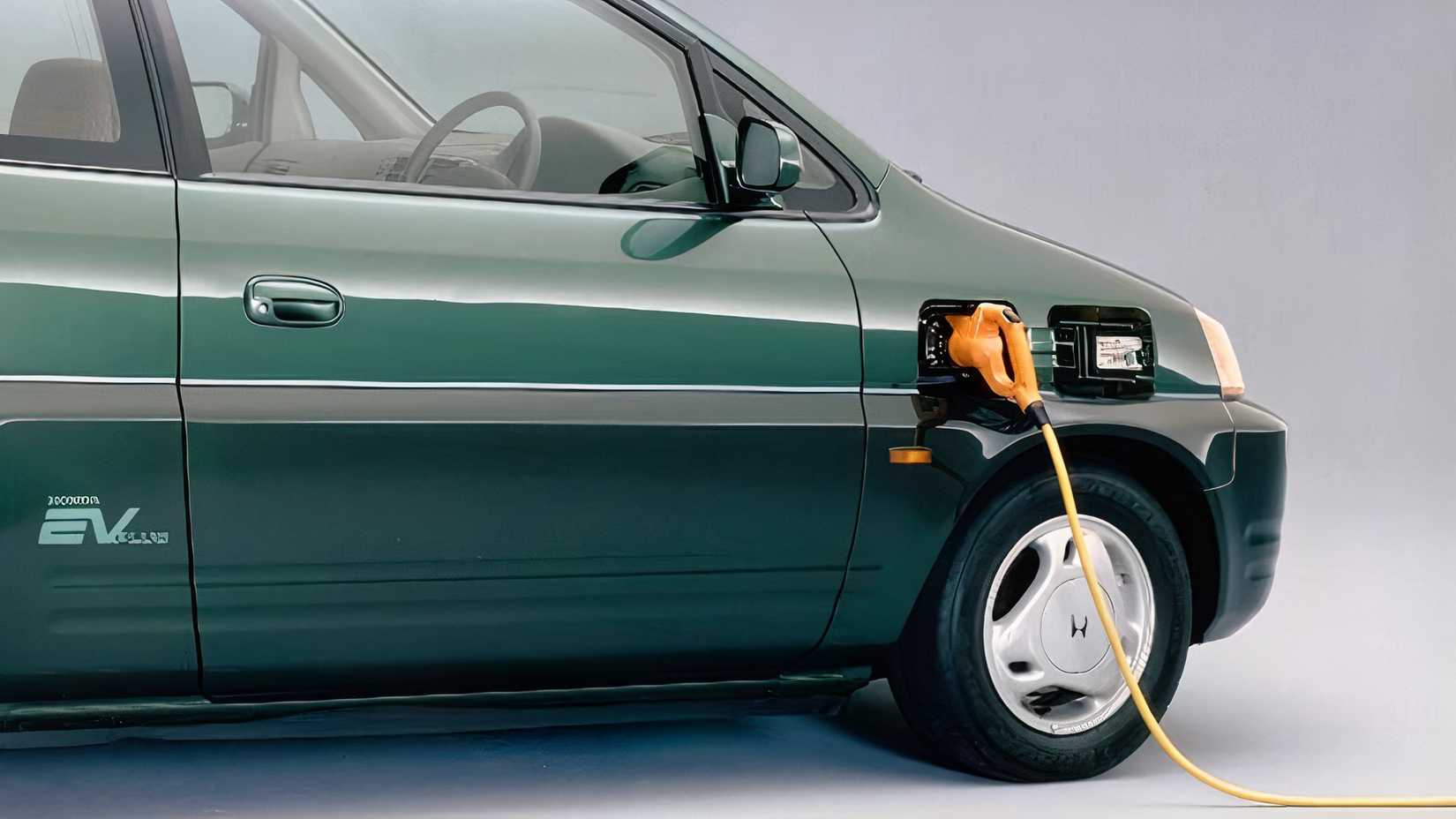
Charging technology was another area where the Honda EV Plus helped establish early standards. The car used the AVCON conductive charging connector, one of the first standardized charging interfaces designed for electric vehicles. Developed for California’s early EV infrastructure by the Avcon Corporation, the “bull and pin” rectangular connector became the standard for alternating current (AC) 240V chargers, and was adopted as the SAE J1772 standard. It eventually added a direct current (DC) adapter for fast charging, evolving into the CCS1 adapter and Tesla’s NACS, which will become the new SAE (J3400) standard.
The Honda EV Plus Electrified EV Propulsion With Brushless Motors
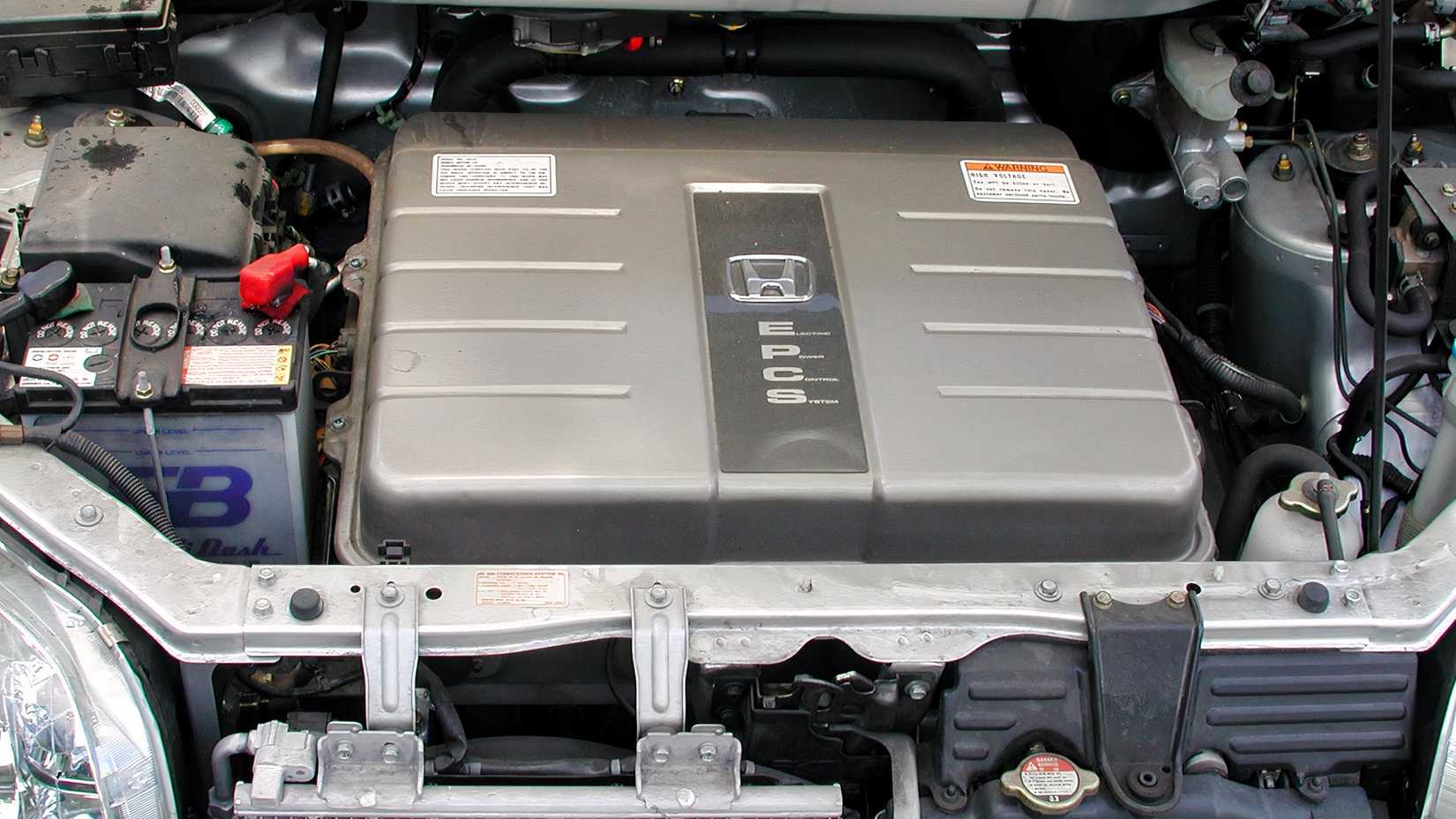
Unlike earlier electric motors that relied on mechanical brushes to transfer current, the Honda EV Plus relied on a brushless electric motor design that used electronic controllers to manage power delivery. This approach significantly improved efficiency, with more precise control over power output and reliability, while reducing maintenance requirements. Over the subsequent decade, electric motor technology evolved into the permanent magnet synchronous motors and advanced induction motors that are used in modern EVs.
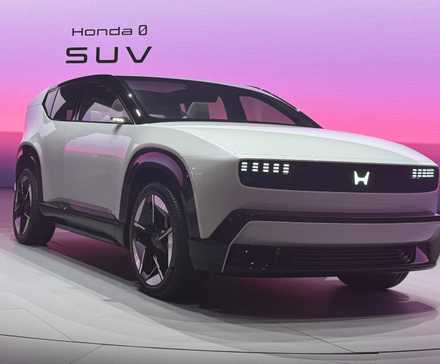
Honda Unveils 0 Series Prototypes For 2026 Launch At CES
The Saloon and new 0 Series SUV will get to know you through A.I., and hit the market next year.
The Honda EV Plus Helped Guide A Company, A Market, And An Industry
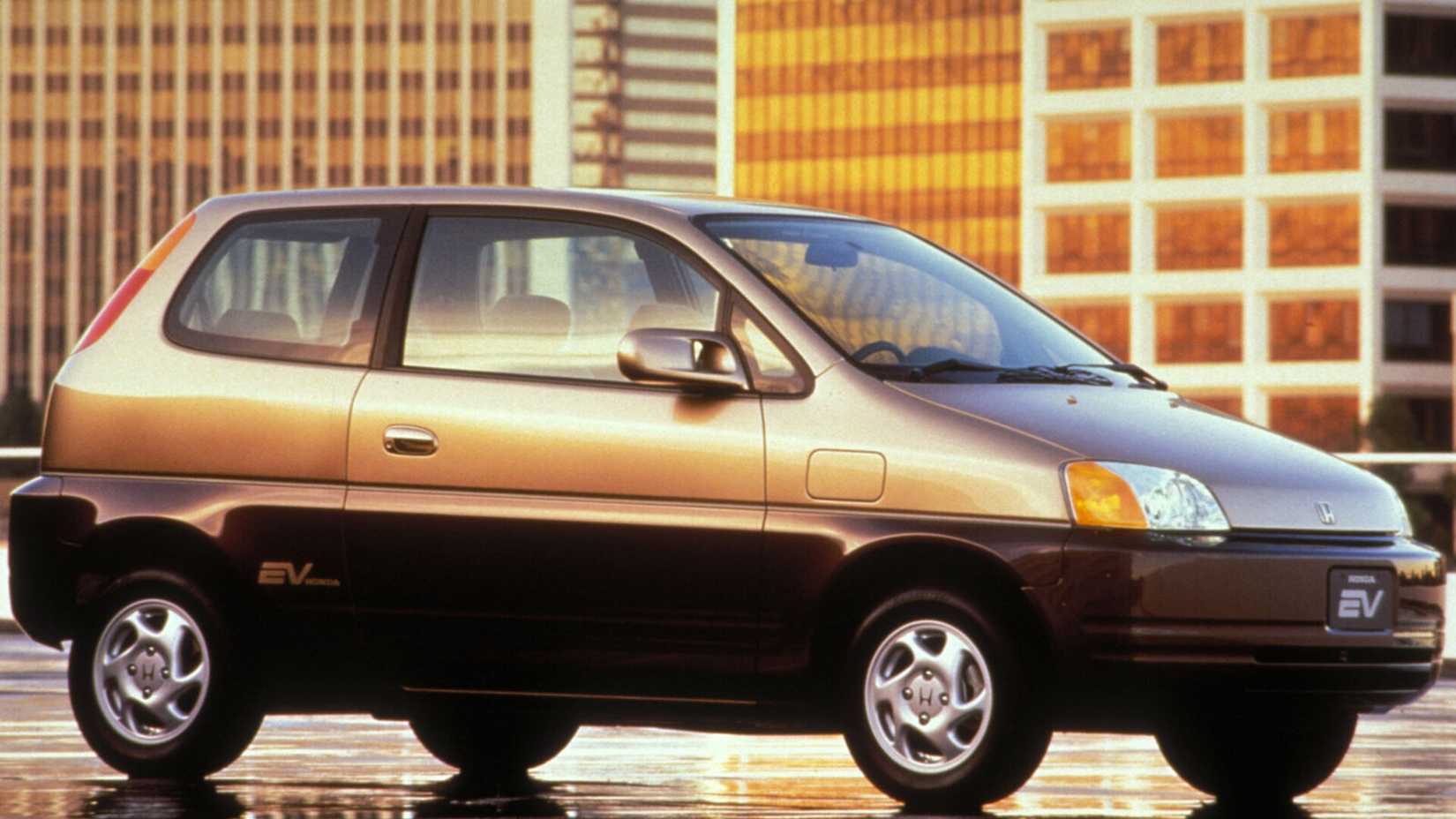
The Honda EV Plus was not intended to be a mass-market vehicle, and most of its on-road models were retired after their lease programs ended, but its importance lives on in the technologies it helped explore. Through innovations in battery technology, charging infrastructure, and electric motor design, the EV Plus showed that practical electric vehicles were possible a decade before the Nissan LEAF came along as the first mass-market EV, and the Tesla Model S set records in EV range and acceleration.
Two decades after the Honda EV Plus quietly appeared on California roads, the electric future it hinted at became reality, and even the vehicles that benefited from its pioneering spirit will soon be regarded as just stepping stones toward more powerful and stable batteries, faster charging that will result in less long-trip downtime, and motors that will further increase efficiency and power. Once regarded as an experimental curiosity, the Honda EV Plus changed the market, as well as its company’s future.
The Honda EV Plus Paved The Road For Future Honda FCEVs, PHEVs, And EVs
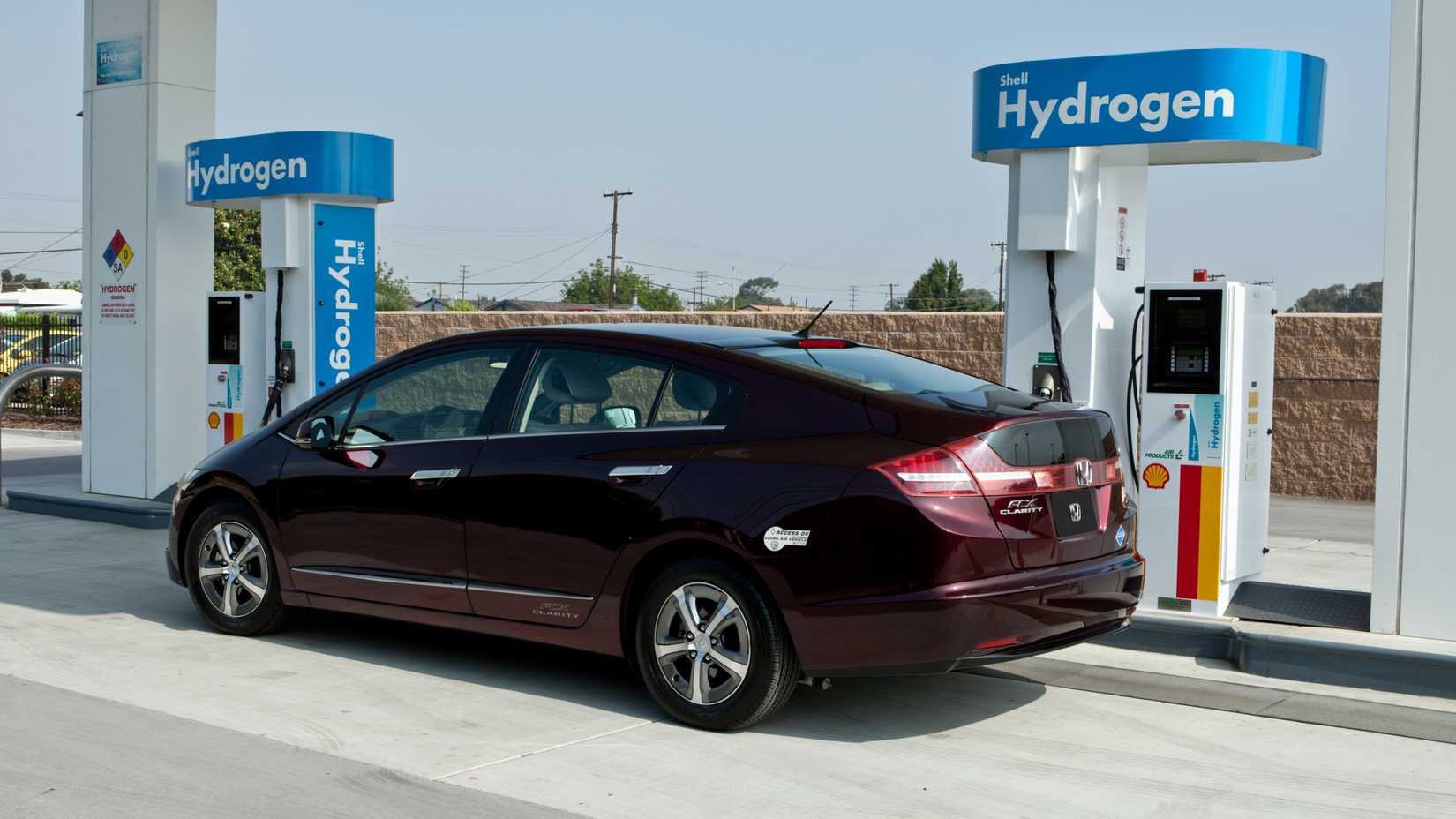
When Honda introduced the Honda FCX Clarity a decade later, the fuel-cell car relied heavily on lessons learned from the Honda EV Plus. Although hydrogen fuel cells generate electricity for propulsion as needed, rather than storing it in battery packs, the vehicle relied on the electric motor powertrain, advanced power electronics, and sophisticated energy management pioneered by the EV Plus. And subsequent Honda Clarity EV and PHEV models took full advantage of the SAE J1772 charging innovations.
The Honda EV Plus Influenced The Development And Presentation Of The Honda 0
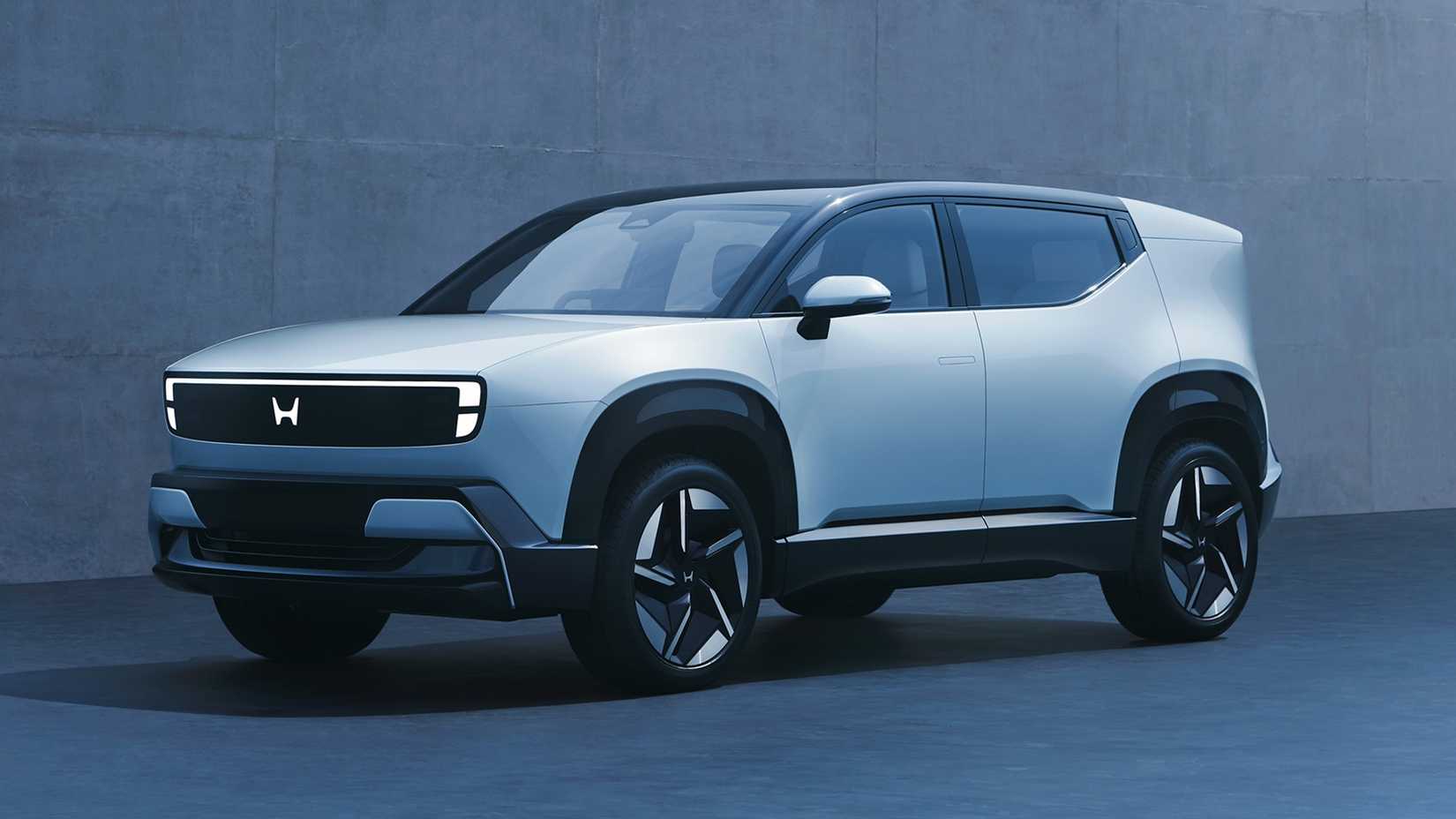
Three decades later, the lessons learned from the Honda EV Plus will help usher in a new Honda EV lineup—the Honda 0 Series, consisting of a sedan and an SUV—with the same underlying philosophy of a dedicated electric vehicle (now presented as “Thin, Light and Wise”) packaged for efficiency, usability, and reliability. The vehicles push automated driving technology, and rely on the battery, system, and charging replacements for features pioneered in the EV Plus.