
Range seems to be the new currency for efficiency, probably because it represents a less theoretical approach to how often you have to fuel up. Whereas mpg represents a broad idea of how far your vehicle will go on a gallon of gas, range actually factors in how much fuel you’re carrying. In the lab where MPG is measured, a hybrid vehicle could register an impressive 50 MPG, but if its gas tank only holds 11 gallons, you’ll travel 74 fewer miles than a car that gets just 48 MPG with a 13-gallon tank.
For sedan drivers, that might be more important because they are typically long-distance travelers, whether that’s for daily commutes to the downtown office or leisurely weekend jaunts into the countryside. Those buyers are doing the math according to how far they’re traveling each week, so range makes it easier to calculate how often they’re likely to stop by the pump. Range is often the small print on an EPA window sticker, beneath the bold MPG and Annual Fuel Cost numbers, but for some buyers, it’s the important figure.
Understanding Driving Range As An Efficiency Metric
Driving range is the product of two variables: EPA-rated fuel efficiency (arrived at on a dynamometer, according to a computer program of how often drivers stop and at what speeds they drive) and fuel tank capacity. By themselves, neither of the variables guarantees long driving ranges. The longest-range vehicles balance the two through powertrain calibration, aerodynamic design, and weight management. Hybrids put more emphasis on powertrain calibration, in a good way, because electrification helps mpg and also enables the vehicle to carry less fuel.
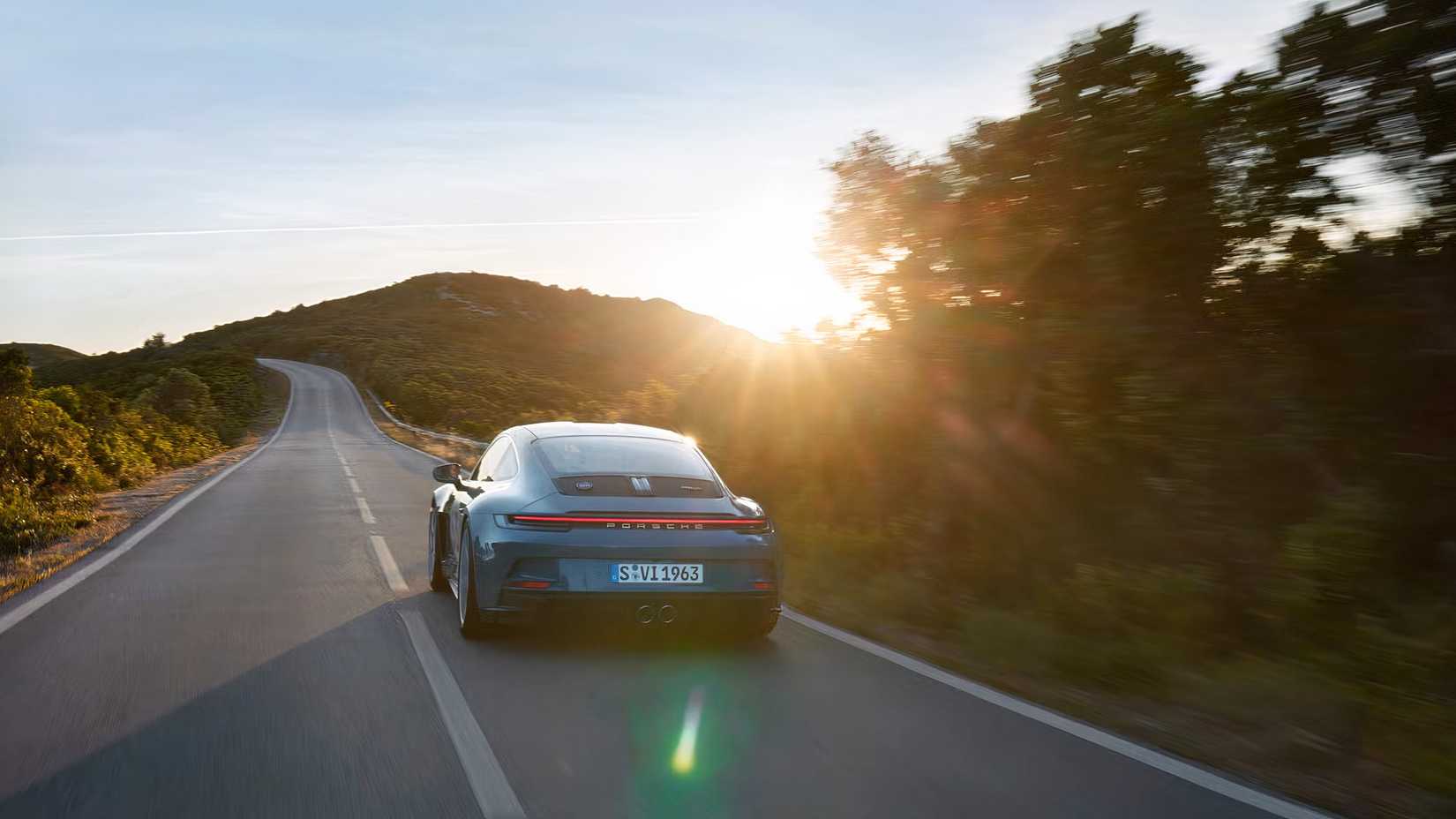
Hybrid sedans, in this case, can start off with a smaller gas tank, which helps reduce the bulk they have to move (improving mpg), without impacting cargo or passenger space. Conversely, they can use a larger tank and expand the driving range, with a slight change to weight (and perhaps altering the design of the trunk or cabin seating) and minimal impact on mpg. The end result is that the balance of mpg and fuel tank capacity is perhaps more crucial in a sedan because it can’t as easily gloss over the impacts of carrying a larger tank as an SUV can.
Sedans And The Long Trip
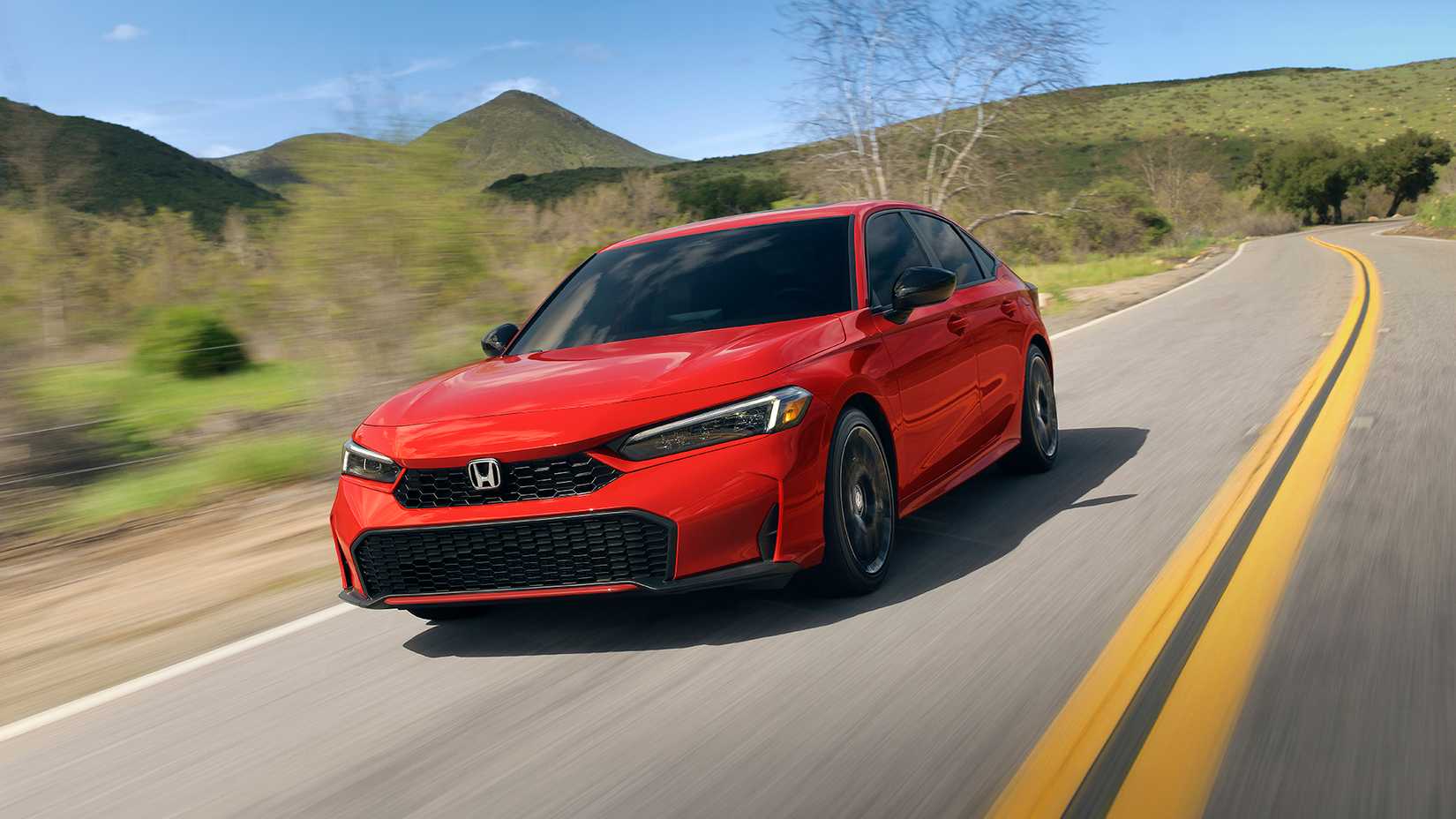
Long range in an affordable car was often viewed as a luxury, but has become increasingly important as an efficiency marker. Longer range means fewer fuel stops and, hence, fewer trip interruptions. For drivers who regularly cover highway distances, that means not having to plan as many stops. For commuters, it translates into fewer weekly fill-ups. In both those instances, the vehicle of choice is often a sedan because the bodystyle has become more of a personal choice, abdicating its once-upon-a-time family crown to crossovers and SUVs.
Around 2010, hybrid powertrains began to infiltrate more mainstream market segments, and there was nothing more mainstream at the time than midsize sedans. They were the workhorses of the suburbs, getting kids off to school each day, then hitting the highway for a lengthy commute to the city core, and on weekends filling up the trunk with garden supplies or recreational equipment. They needed to go long distances on little fuel, and providing an option for the ubiquitous midsize sedan’s V-6 became important.
The Shrinking Hybrid Sedan Segment
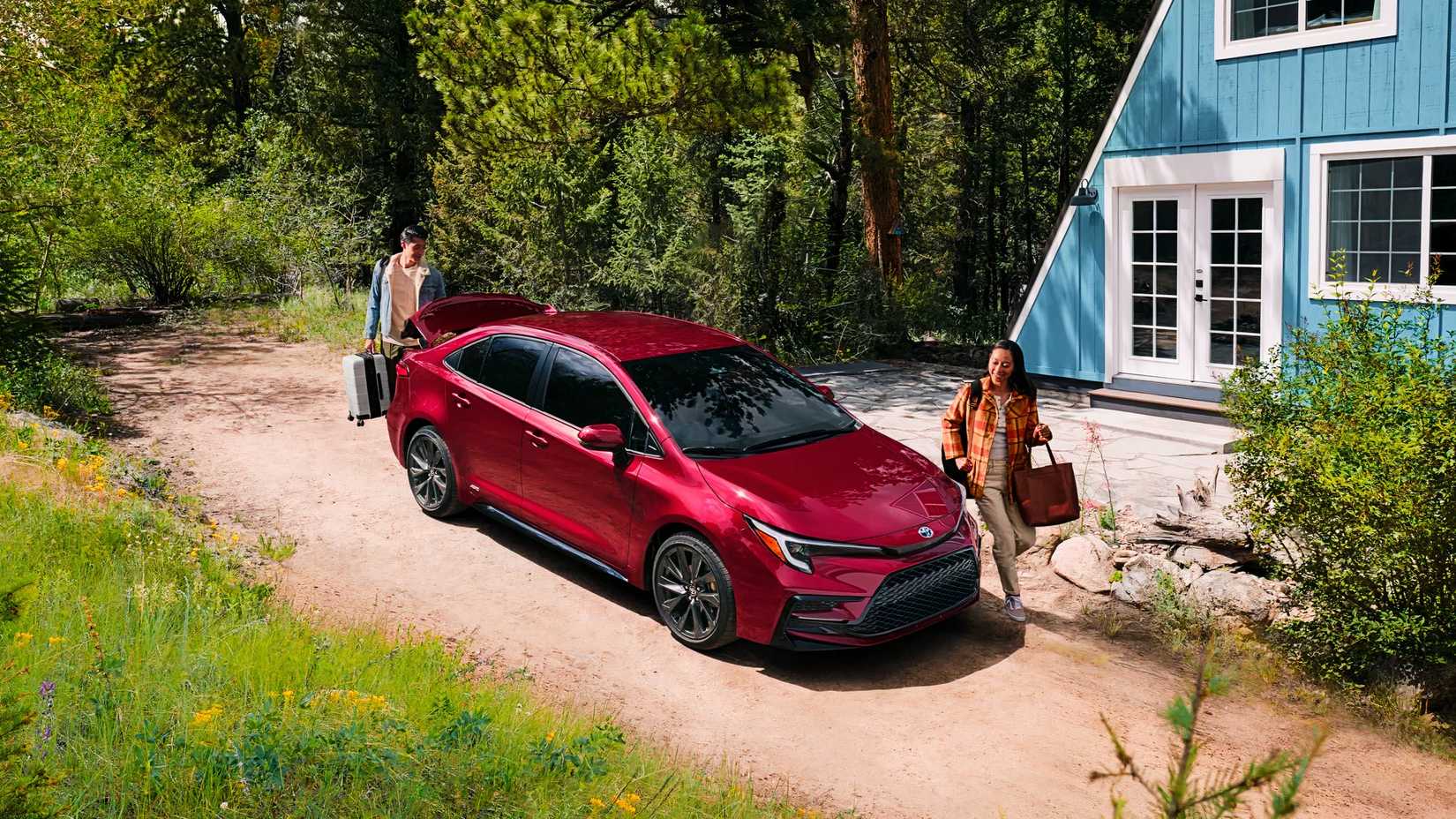
By the mid-2010s, pretty much every midsize sedan had a hybrid powertrain option, but family needs and tastes were wandering, and the midsize sedan lost its grip on the family-vehicle segment to crossovers and SUVs. Hybrid sedans that once looked like the inevitable future of mainstream efficiency increasingly became one-person vehicles, and, as such, there was less need for them to attain outstanding fuel efficiency at city speeds.
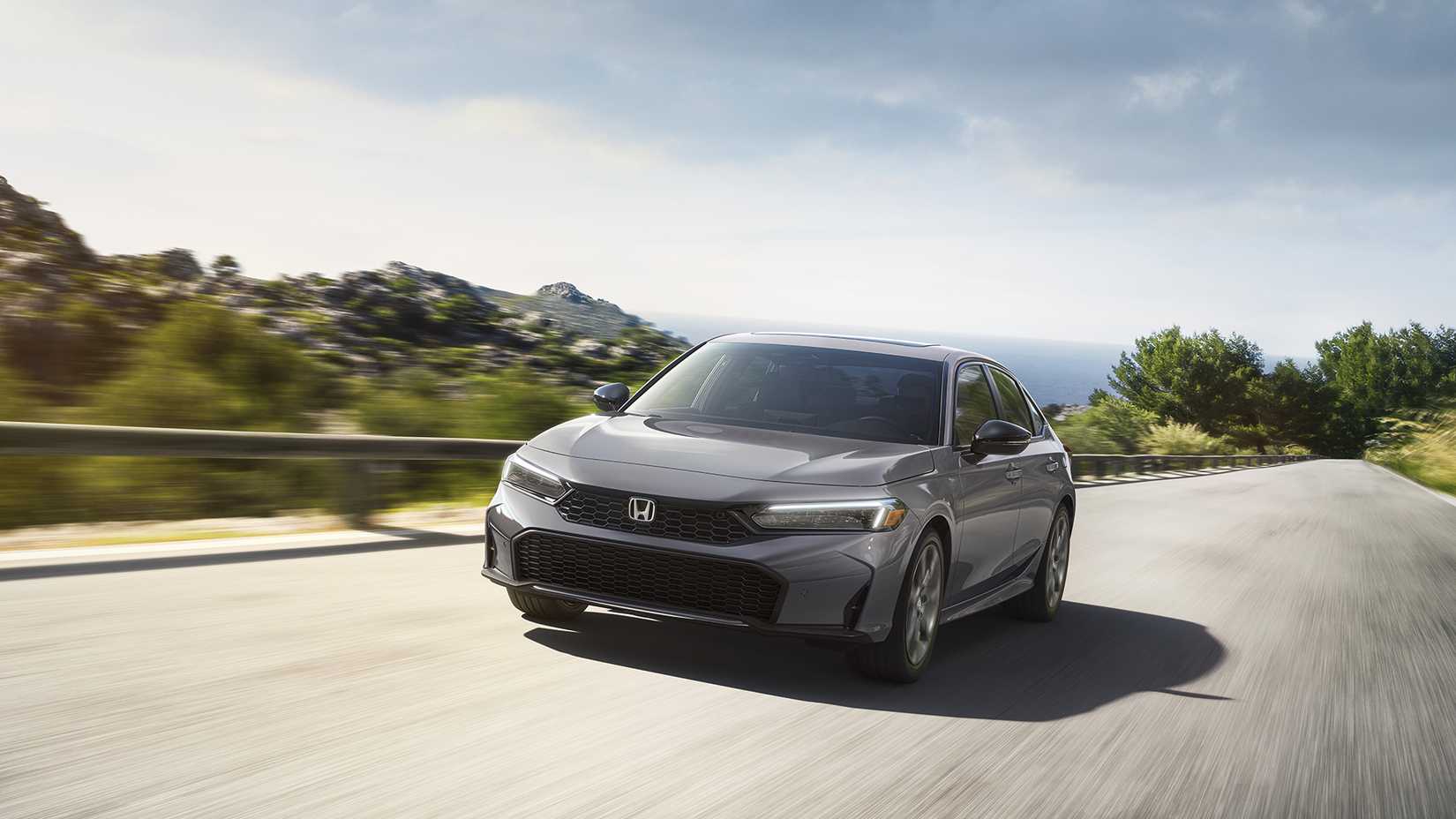
The result was not only a smaller group of hybrid midsize sedans, but also one that provides remarkably long ranges, thanks to their ability to carry larger fuel tanks (offset by the reality that they often carry only the driver, reducing driving weight by hundreds of pounds). Today, there are basically three segment competitors, and all return impressive ranges, but neither of the others can out-distance this one persistently efficient hybrid midsize sedan.
The Japanese Hybrid SUV With The Highest Driving Range In 2026
As SUV owners seek to put off gas pump visits as long as possible, this Japanese hybrid shines for its ability to go 600+ miles between fill-ups.
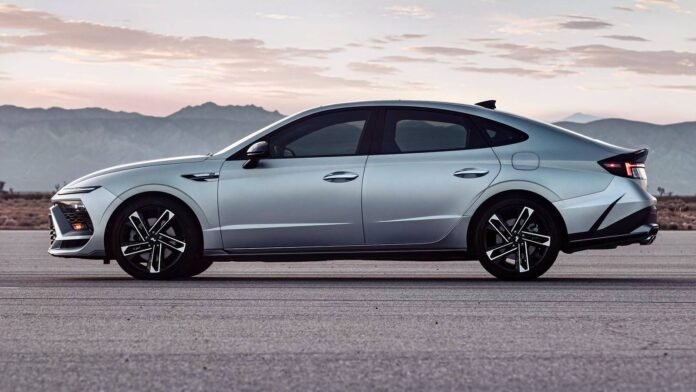
The 2026 Hyundai Sonata Blue Hybrid Is The Range Leader Among Hybrid Sedans
Rated 673 Miles By The EPA
- Base Trim Engine
-
2L Smartstream I4 Hybrid
- Base Trim Transmission
-
6-speed automatic
- Base Trim Drivetrain
-
Front-Wheel Drive
- Base Trim Horsepower
-
150 HP @6000 RPM
- Base Trim Torque
-
139 lb.-ft. @ 5000 RPM
- Base Trim Fuel Economy (city/highway/combined)
-
44/51/47 MPG
- Base Trim Battery Type
-
Lithium polymer (LiPo)
- Make
-
Hyundai
- Model
-
Sonata Hybrid
The 2026 Hyundai Sonata Blue Hybrid leads the hybrid sedan segment where it counts: total driving distance achieved on a full tank of gas. As outlined above, it achieves that lofty goal through a combination of factors we’ll delve into later, but primarily it reflects a deliberate engineering target that positions the Sonata Blue Hybrid as a long-distance tool. It’s not too far removed from its prime competitors on efficiency and design, but it’s tuned to go the distance on a tank of fuel.
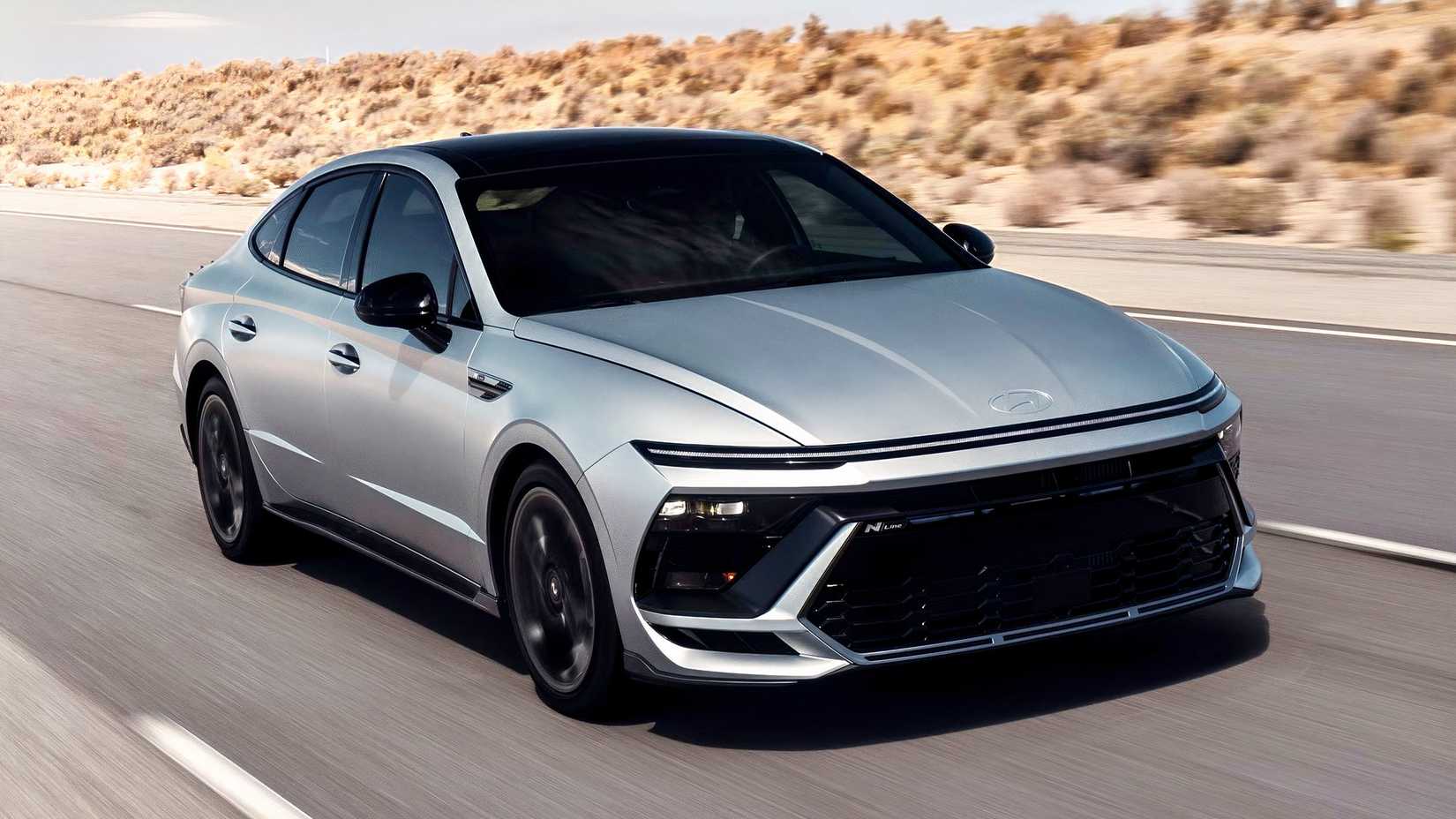
In a segment where smaller hybrid sedans reach for the 600-mile golden ring (and many fall short), the mid-sized Hyundai Sonata Blue Hybrid easily surpasses that lofty threshold and comes within 30 miles of surpassing 700 miles of range. That’s the driving distance from Boston to Detroit, Denver to Oklahoma City, and Atlanta to Miami. Looking at it another way, you could drive coast-to-coast from NYC to LA on four fuel stops.
How The 2026 Hyundai Sonata Blue Hybrid Beats Its Rivals
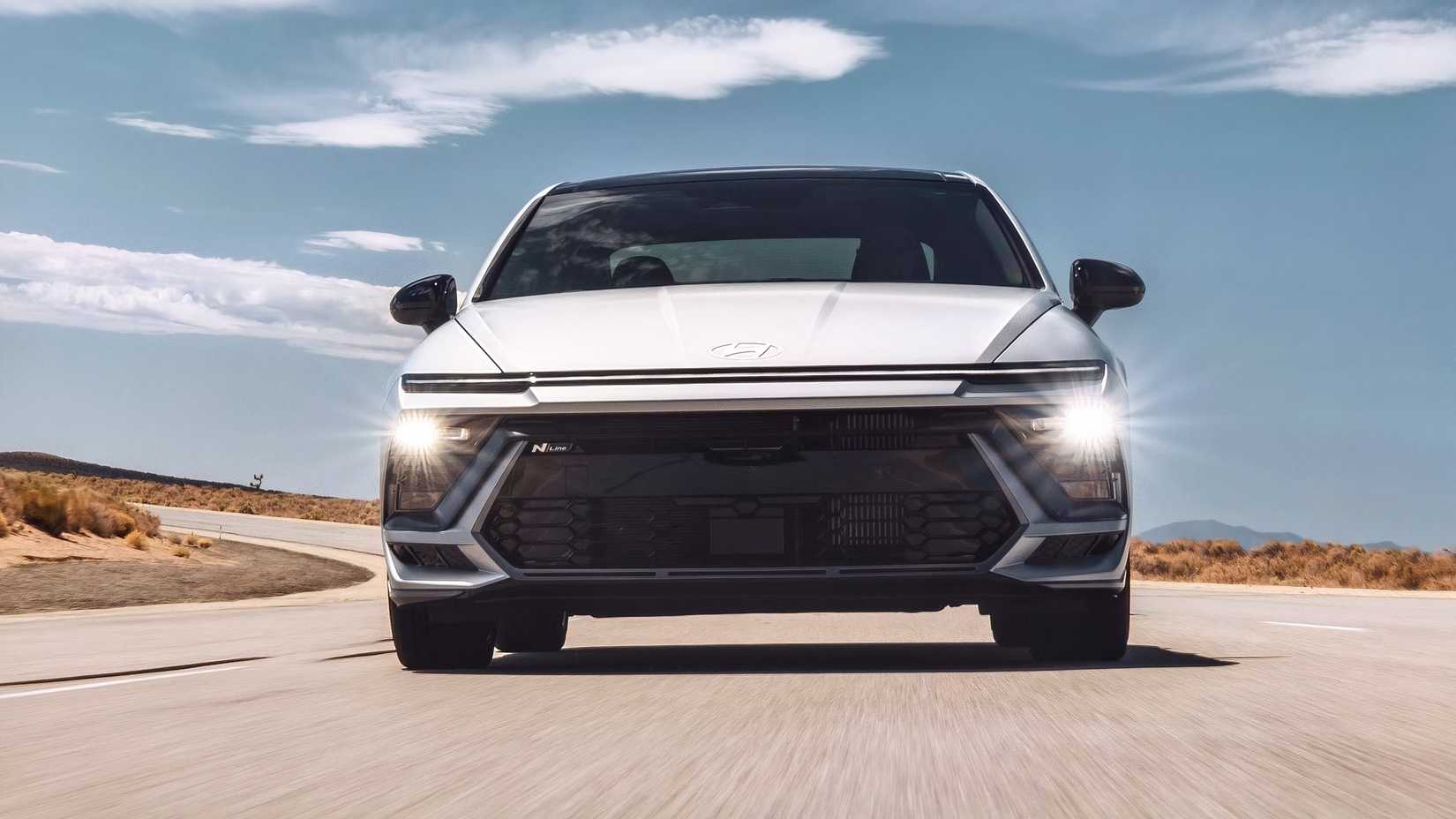
The 2026 Hyundai Sonata Blue Hybrid’s combined fuel economy tops 50 mpg, but it’s far removed from the segment-leading Toyota Prius (57 mpg, combined). It’s also even with the 2026 Toyota Camry you’ll read about later, but Sonata’s powertrain tuning, aerodynamics, and slightly larger fuel tank give it a range that surpasses its prime competitor by 10 miles and puts it almost within 25 miles of the 700-mile threshold.
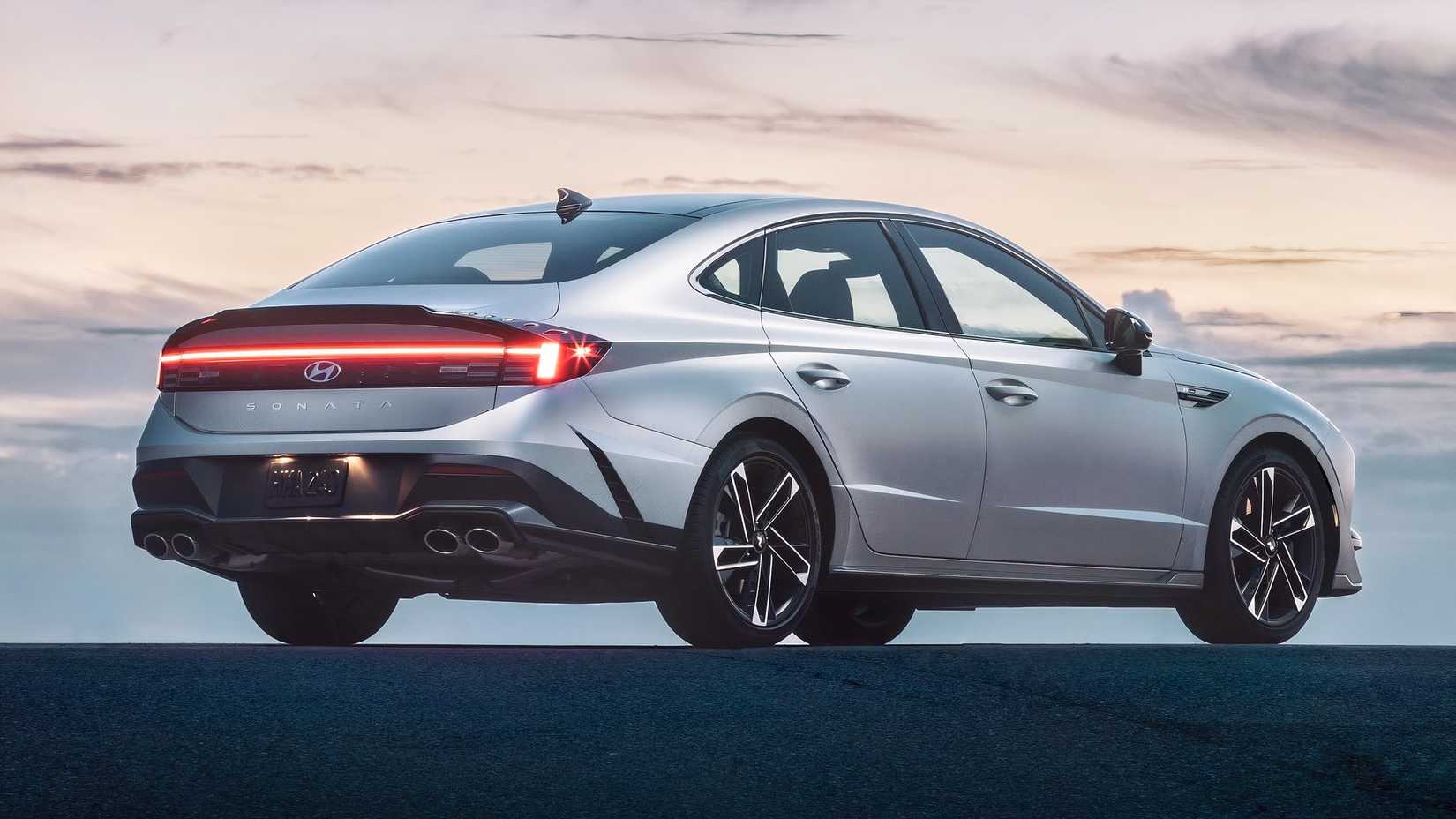
The powertrain, and specifically its tuning, is probably the most important factor in its out-distancing the Camry. The 2026 Camry uses a larger four-cylinder engine, and its EPA ratings indicate it is almost dead-level between city and highway mpg, but the Sonata Blue is biased toward higher-speed efficiency (i.e., highway miles), making up for its deficiency in city driving. This is significant in what we pointed out earlier—sedans are mostly personal cars employed by drivers who travel longer distances daily (usually on the highway).
Real-World Advantages
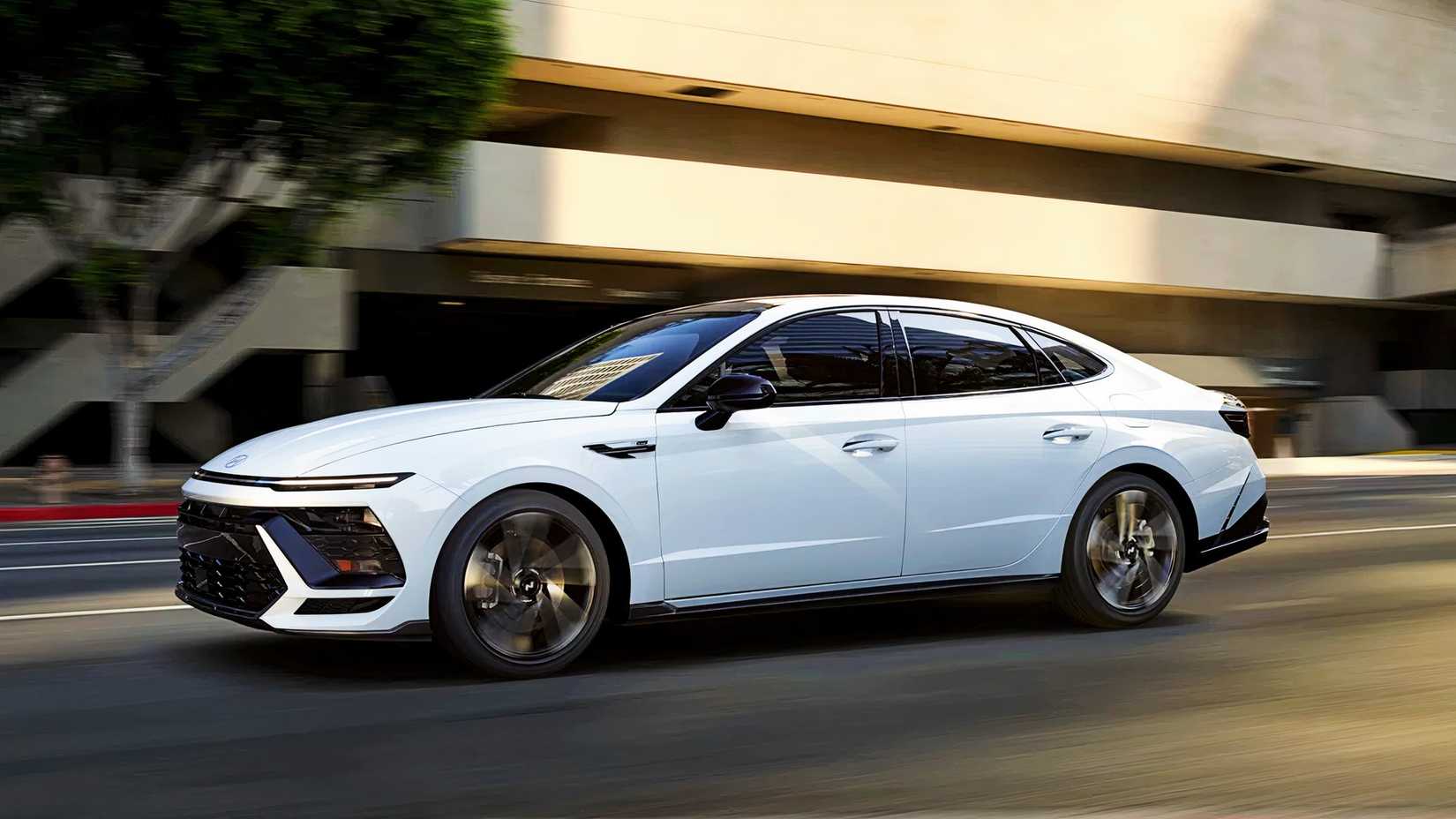
The Hyundai Sonata Blue Hybrid’s range advantage shows up directly in daily use. If you normally commute from the suburbs into the city core along highway routes or higher-speed streets, it can stretch a tank across multiple commutes and still have a good gas level to handle extended weekend road-trips. That translated directly into convenience, in terms of time saved, because fewer fuel stops mean more time moving.
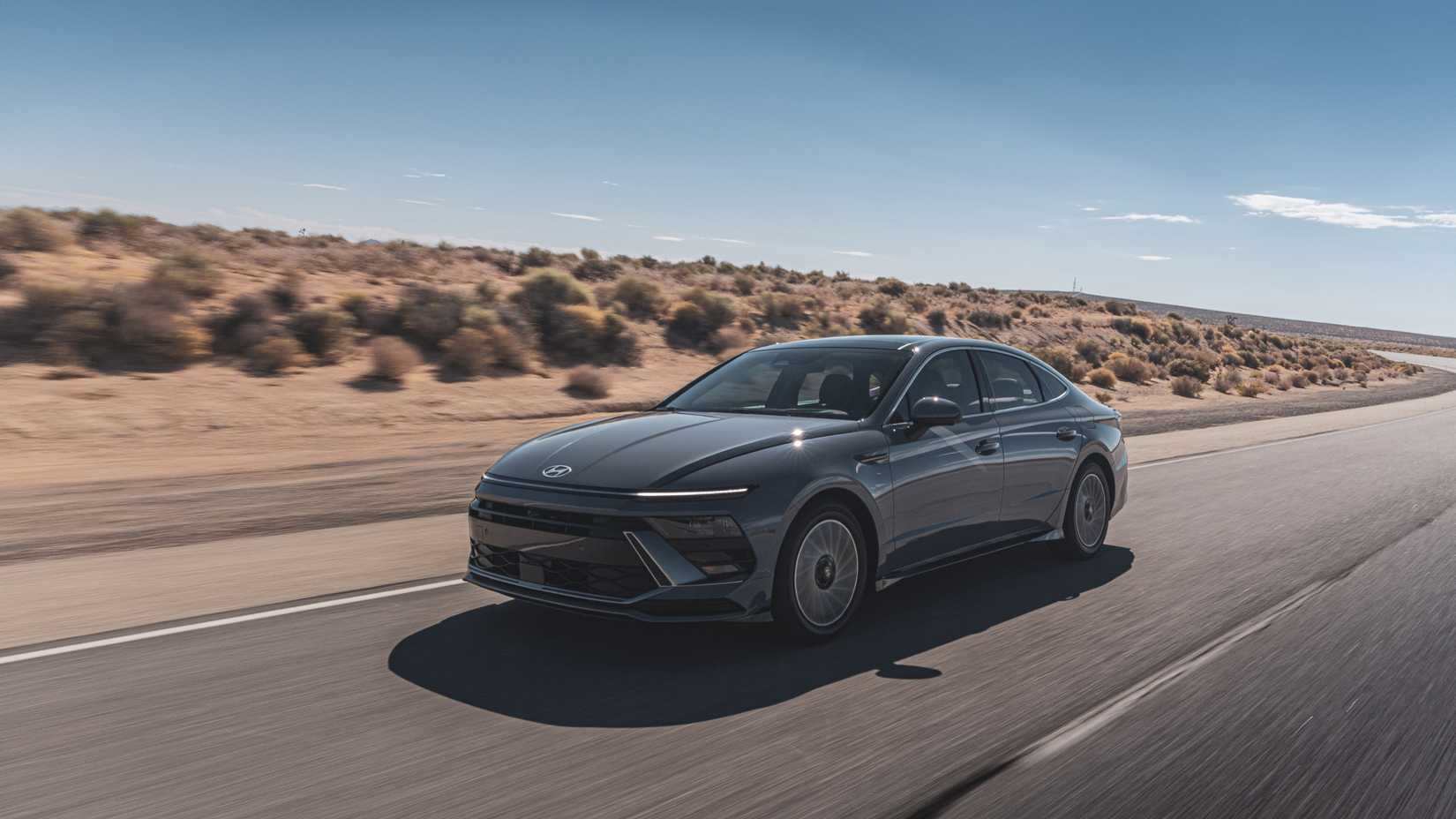
The Department of Transportation’s Federal Highway Administration (FHWA) pegs the average American commute at 37–40 miles per day, meaning that with the 2026 Hyundai Sonata Blue Hybrid’s estimated 673-mile range, you could theoretically commute to the office every day without filling up and still have your fuel tank two-thirds full for your weekend getaway. And that compounds over weeks and months to potentially save significant bucks annually.
The Korean Hybrid That’s Quietly Defying The SUV Takeover
One Korean hybrid car is proving that you don’t have to drive an SUV to be satisfied and comfortable on the road while enjoying modern driving tech.
Teamwork Grants The 2026 Hyundai Sonata Blue Hybrid Its Long Range
Hyundai
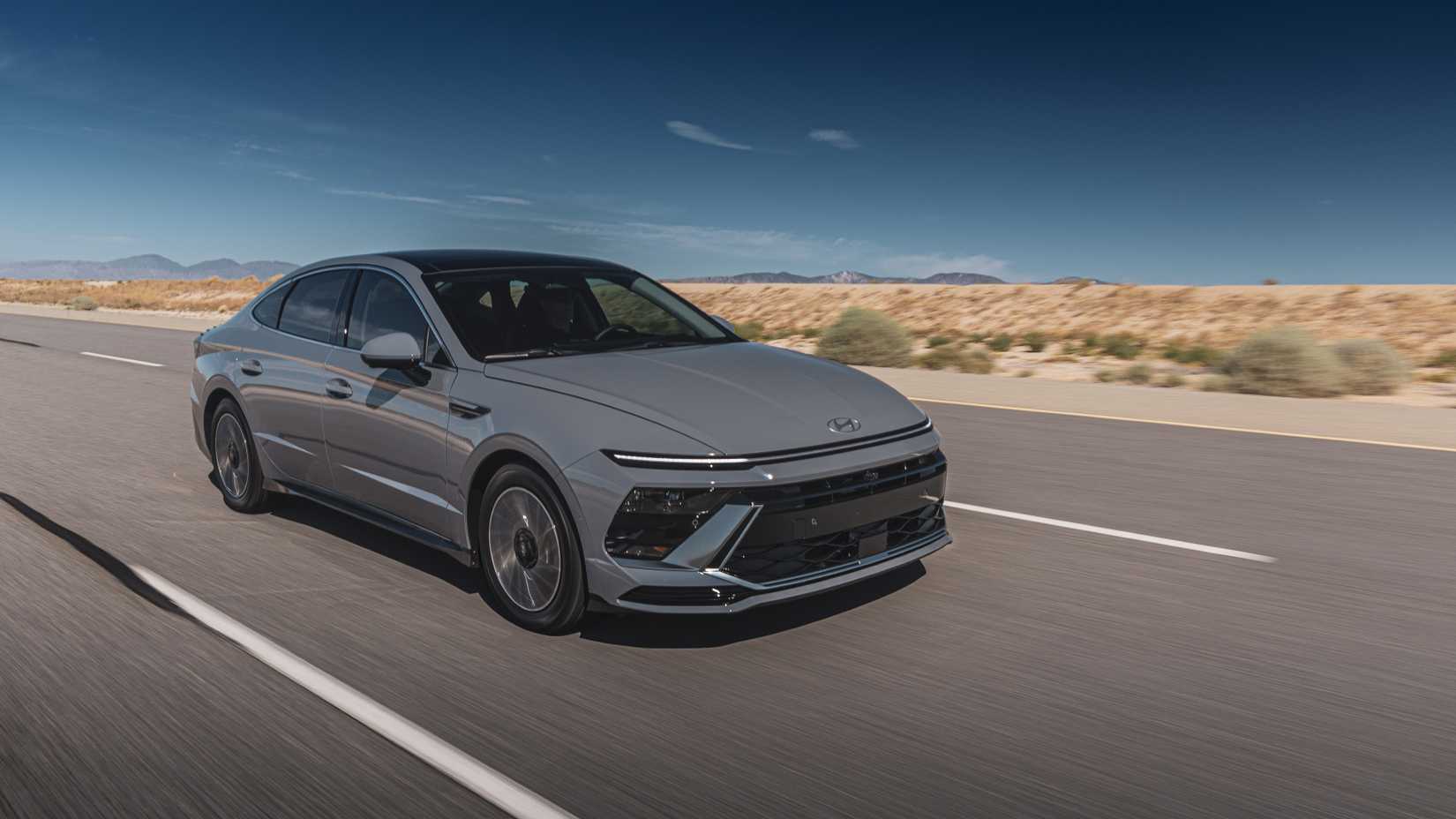
The 2026 Hyundai Sonata Blue Hybrid is the ultra-efficient base Sonata Hybrid, achieving its different efficiency ratings primarily through smaller wheels and reduced equipment levels that reduce weight, but it would be superficial to attribute its range achievement to just that. Its segment-leading range is the result of a tightly integrated tag-team of hardware, software, design and technology working toward the same goal.
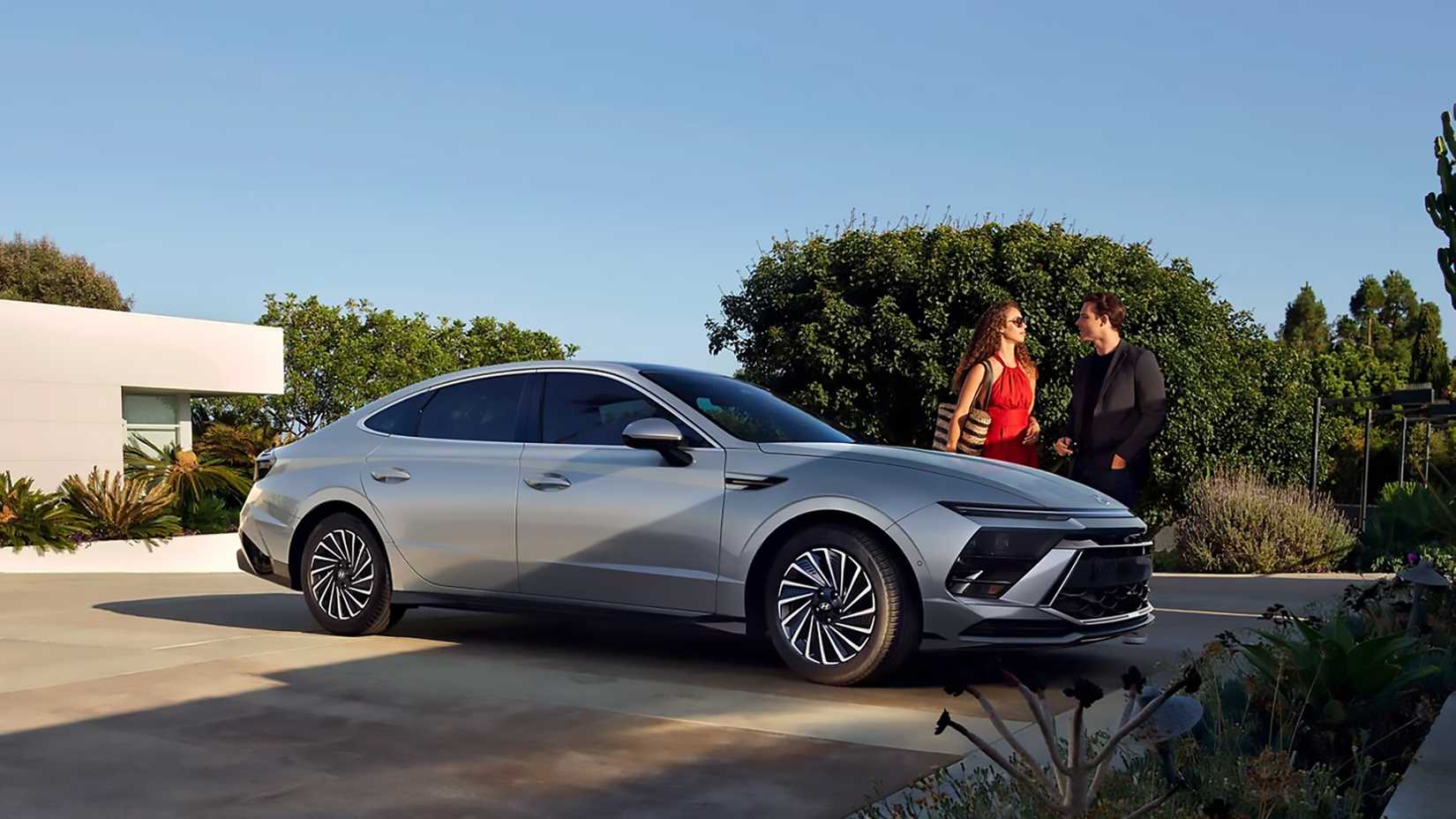
The smaller Atkinson-cycle engine is naturally more efficient than its rivals; the transmission delivers steady power between engine and motor; the control module manages how and when power is delivered where it’s needed; the brakes keep energy storage at a level for sustained performance; and aerodynamics keep the whole package moving effortlessly through the rush of air. For comparison, here’s how the 2026 Hyundai Sonata Blue Hybrid compares to the most efficient 2026 Toyota Prius, a name synonymous with hybrid efficiency.
|
2026 |
Hyundai Sonata Blue Hybrid |
Toyota Prius LE |
|---|---|---|
|
Market Segment |
Midsize |
Compact |
|
Starting Price |
$29,200 |
$28,550 |
|
Powertrain |
2.0-liter inline-4 + 1 motor |
2.0-liter inline-4 + 2 motors |
|
Transmission |
6-speed automatic |
Continuously variable |
|
Power |
192 hp |
194 hp |
|
Torque |
139 lb-ft |
139 lb-ft |
|
Driveline |
Front-wheel drive |
Front-wheel drive |
|
Fuel Tank Capacity |
13.2 gallons |
11.3 gallons |
|
Battery Capacity |
1.62 kWh |
0.91 kWh |
|
Range |
673 miles |
644 miles |
|
Efficiency City |
47 mpg |
57 mpg |
|
Efficiency Highway |
56 mpg |
56 mpg |
|
Efficiency Combined |
51 mpg |
57 mpg |
|
Wheel Size |
16 inches |
17 inches |
|
Curb Weight |
3,439 pounds |
3,097 pounds |
|
Coefficient Of Drag |
0.24 Cd |
0.27 Cd |
|
0–60 MPH |
8.6 seconds |
7.2 seconds |
The 2026 Hyundai Sonata Blue Hybrid Powertrain Is Optimized For Sustained Output
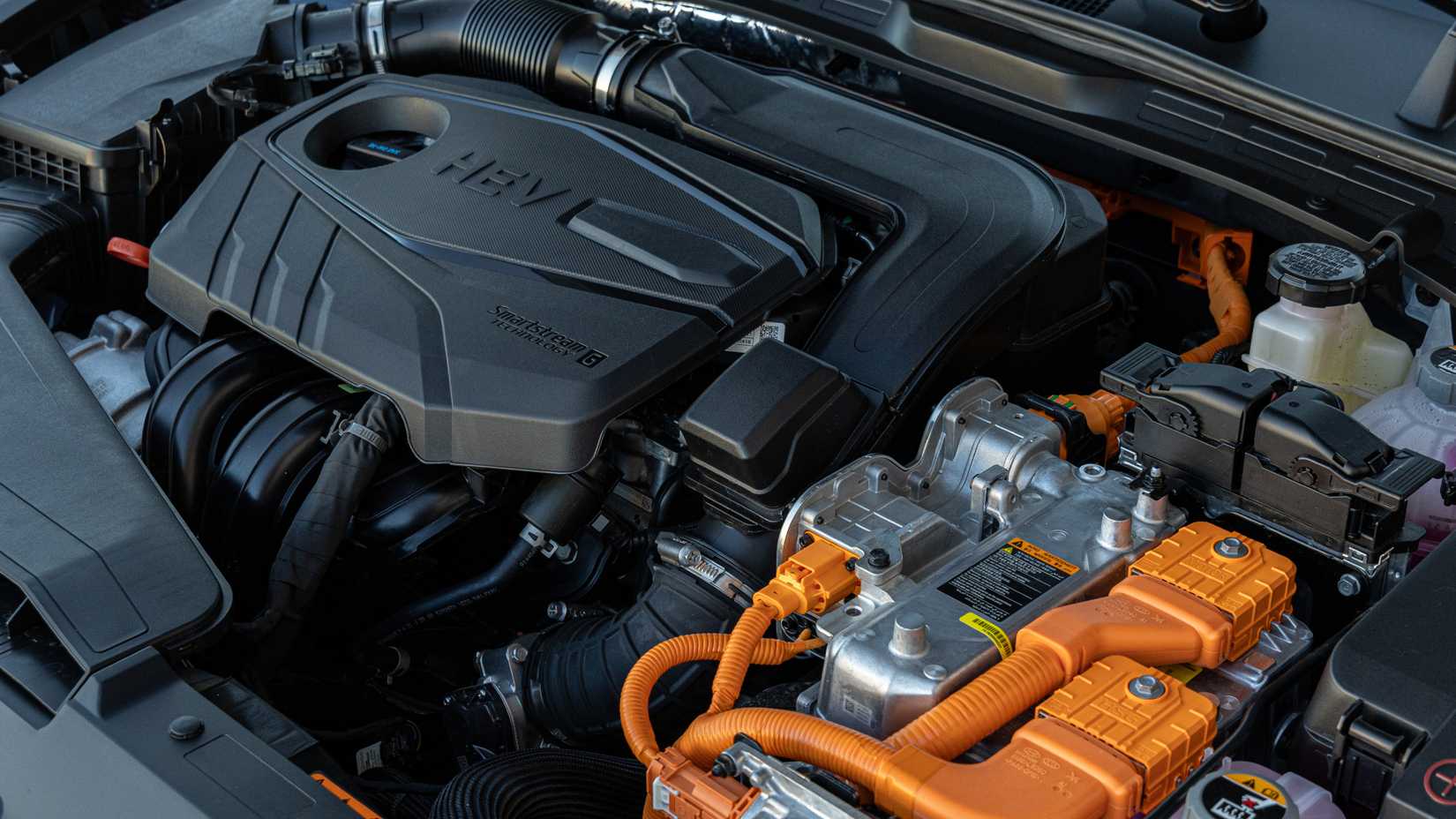
The core of the 2026 Hyundai Sonata Hybrid system is a proprietary 2.0-liter Atkinson-cycle engine that is very similar to the equally proprietary Prius. Neither car has substantial electric-only capabilities outside of parking-lot speeds (up to about 30 mph)—systems are tuned for sustained electric enhancement, not bursts of acceleration—though the Sonata’s larger battery may enable it to go farther (perhaps up to a mile). The Prius uses two motors, which helps improve its 0–60 times.
Aerodynamics And Weight Management Contribute To The Longer Range
Hyundai
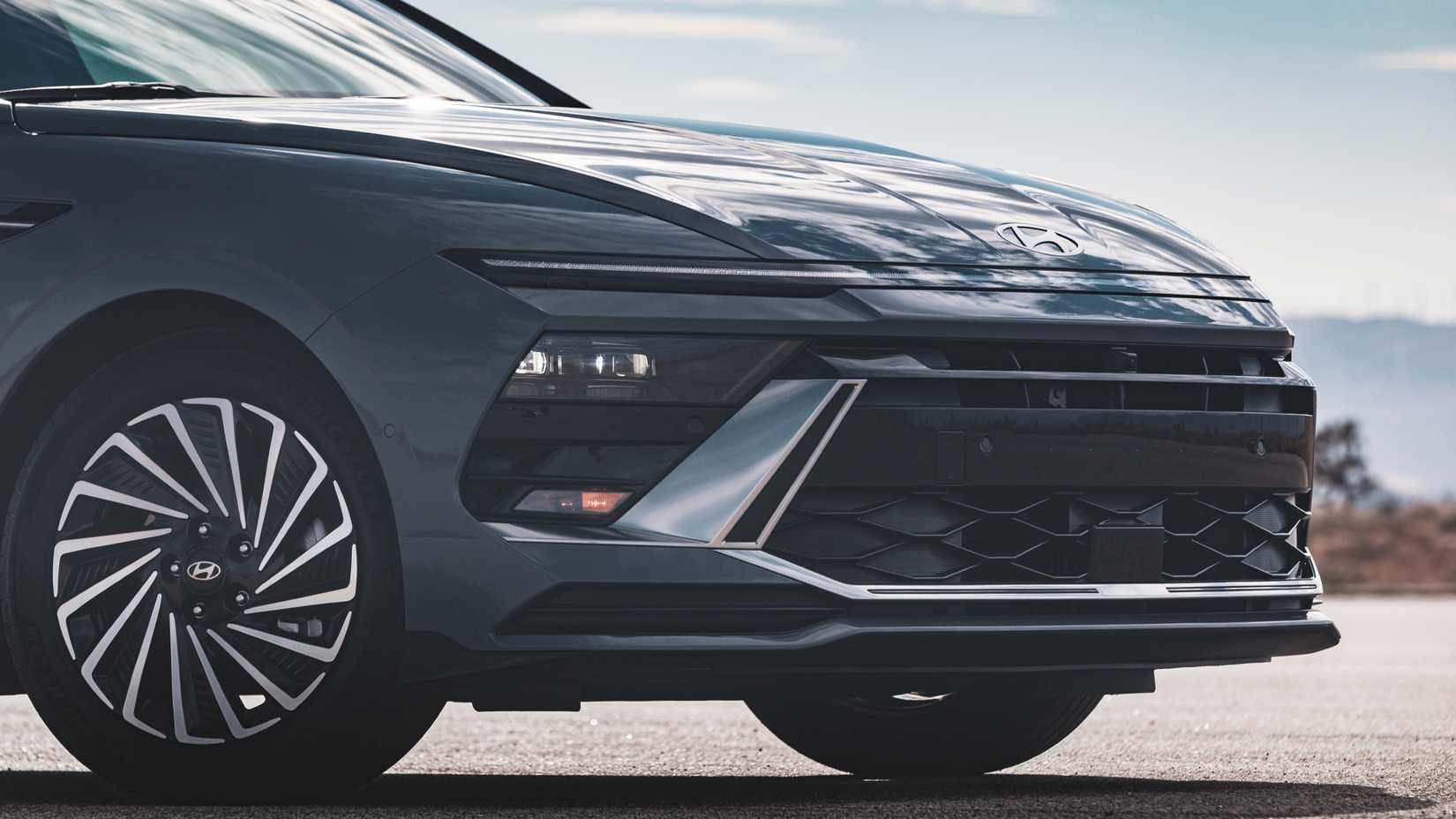
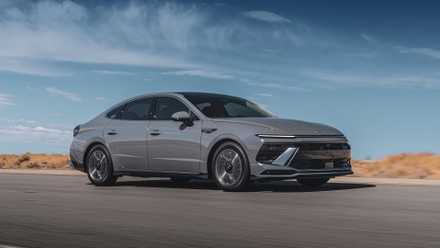
Aerodynamics, weight management, and packaging all contribute incremental gains that aid in increasing driving distance. In the 2026 Hyundai Sonata Hybrid, it starts with a body shell that is one of the slipperiest on the market, at 0.24 Cd, making it about 10% better than the Prius’s 0.27, given that the two share a similar front shape (although the Sonata employs active aerodynamic flaps in the grille). Both use underbody panels to aid the flow of air, which is especially needed at highway speeds.
The Sedan With Premium Features That’s An Affordable Alternative To A Lexus Hybrid
If you’re on a budget, there aren’t many options for premium vehicles, but that doesn’t mean to lose all hope.
The 2026 Hyundai Sonata Blue Hybrid Has The Longest Range Of Any Hybrid Sedan
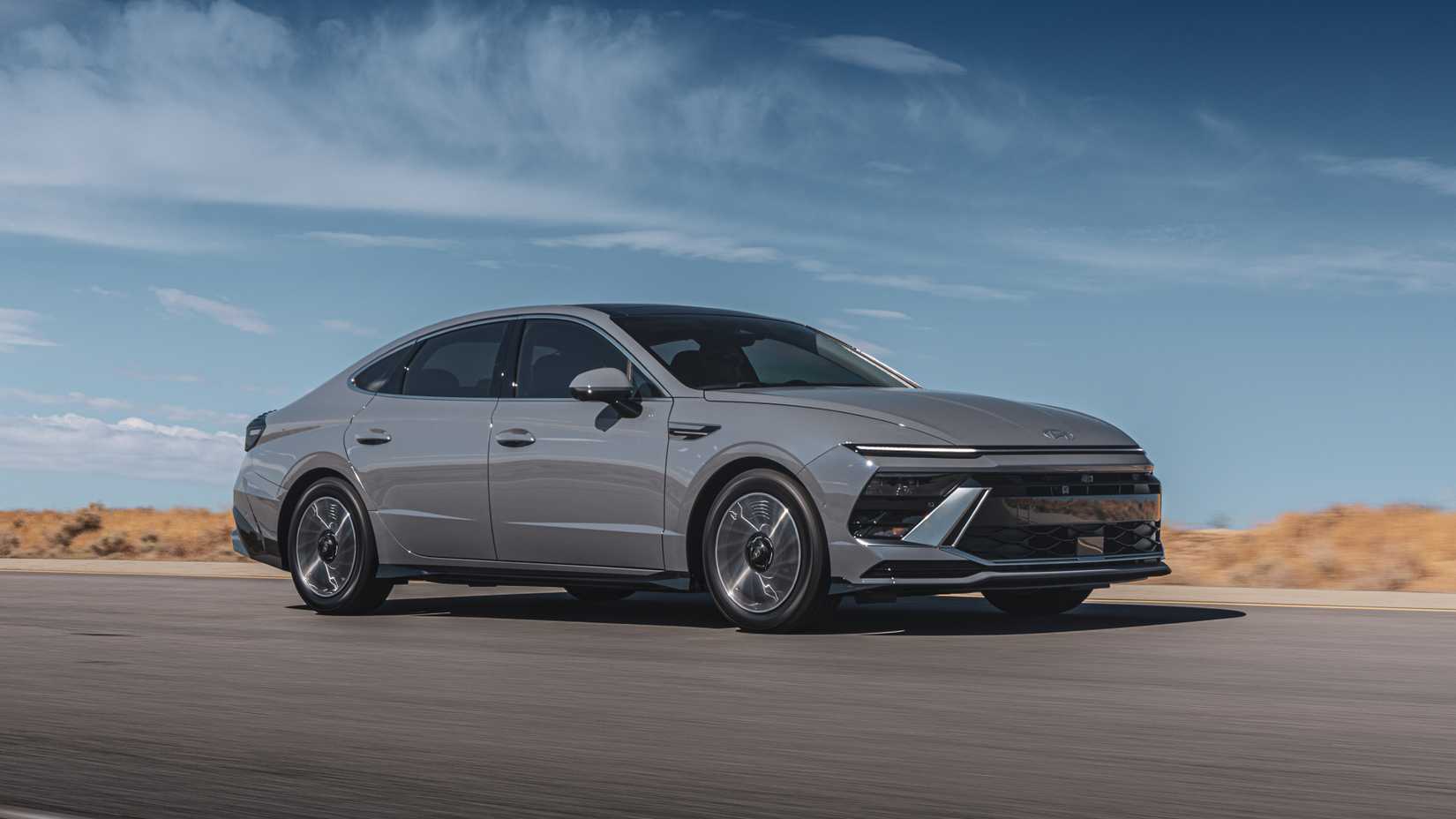
The 2026 Hyundai Sonata Blue Hybrid excels at going farther on a tank of gasoline—the efficiency metric that matters most for real-world driving. It doesn’t rely on a single standout feature, but instead combines an efficient powertrain, on-board fuel and electricity capacity, and a design strategy to distance itself from all hybrid sedan competitors, including those of the brand that for a quarter century has championed hybrid development: Toyota.
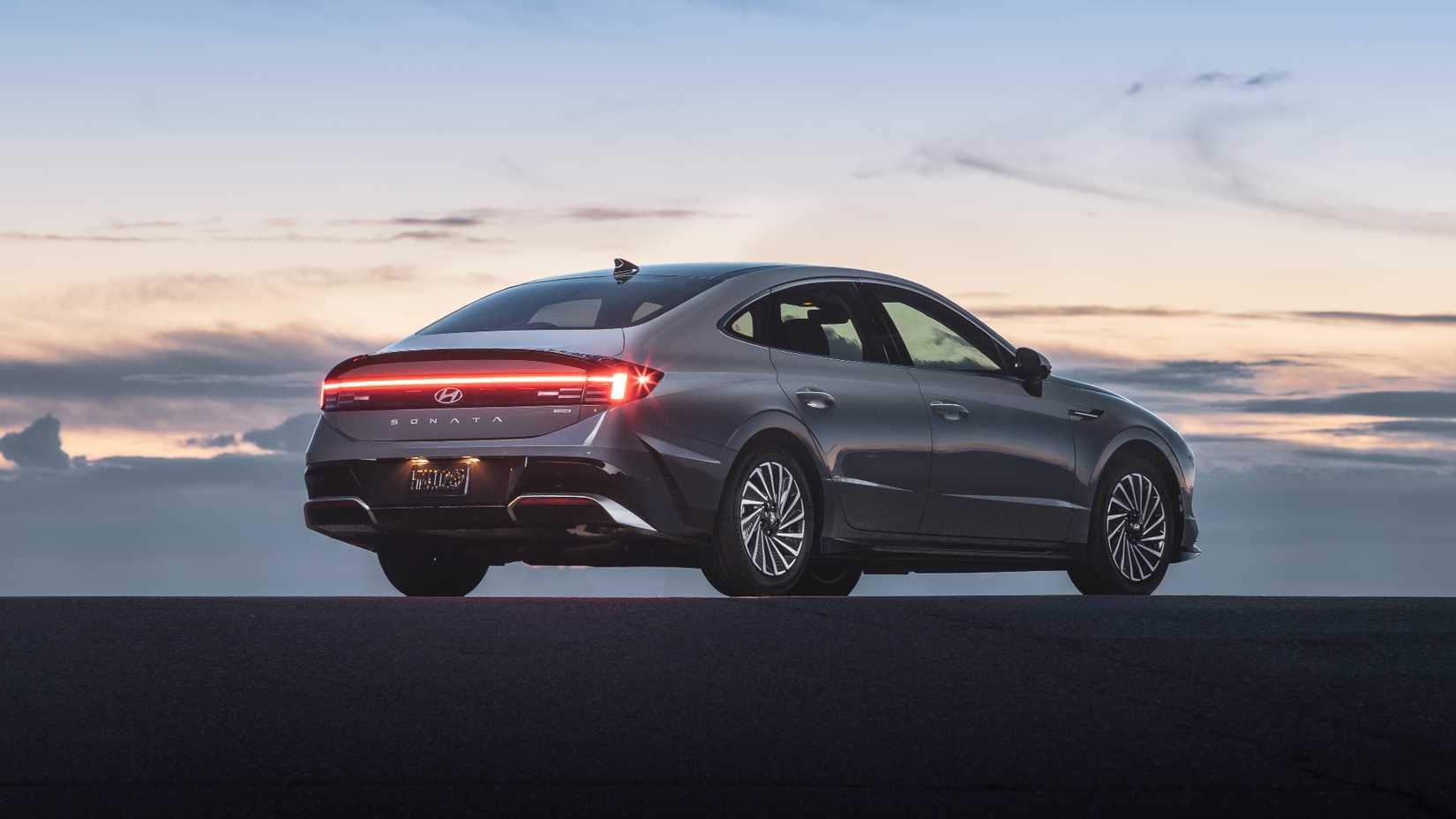
The Sonata Hybrid does not have pioneering technology or even a standout one. Its engine is equal in makeup and efficiency to others, its motor and battery are matched and even bested by others, its exterior design is unique, but so are the designs of other hybrid sedans, and the overall package is about what you’d expect from a midsize sedan. Hyundai just makes it all work together better to enable the Sonata Blue Hybrid to go farther than the rest of the hybrid sedan class, big or small.
|
2026 |
Toyota Camry LE |
Honda Accord EX-L Hybrid |
|---|---|---|
|
Powertrain |
2.5-liter inline-4 + 2 motors |
2.0-liter inline-4 + 2 motors |
|
Transmission |
Continuously variable |
Direct drive |
|
Power |
225 hp |
204 hp |
|
Torque |
163 lb-ft |
134 lb-ft |
|
Driveline |
Front-wheel drive |
Front-wheel drive |
|
Fuel Tank Capacity |
13 gallons |
12.8 gallons |
|
Range |
663 miles |
614 miles |
|
Efficiency City |
52 mpg |
51 mpg |
|
Efficiency Highway |
49 mpg |
44 mpg |
|
Efficiency Combined |
51 mpg |
48 mpg |
|
Curb Weight |
3,450 pounds |
3,468 pounds |
|
Coefficient Of Drag |
Not published |
0.27 Cd |
The 2026 Toyota Camry Balances Efficiency Across All Driving Situations
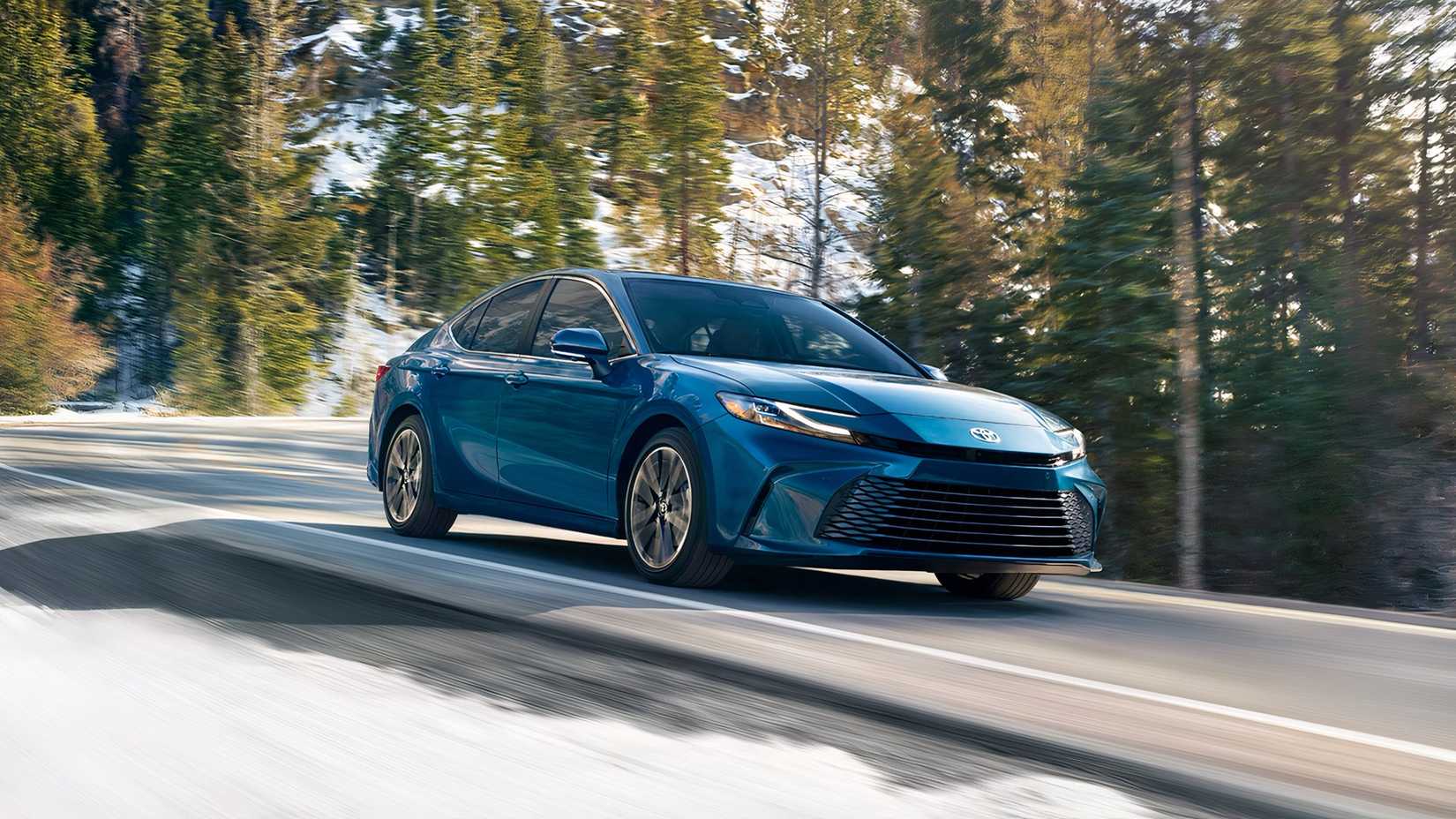
The midsize hybrid sedan field is not a crowded one, with these alternatives rounding out the three-car conversation. The 2026 Toyota Camry remains the Hyundai Sonata Hybrid’s closest competitor, and getting down to the nitty-gritty, it’s equal. It comes within 10 miles of matching the Hyundai, with the difference likely evident in the tuning—the Camry balances its efficiency for all driving, whereas the Sonata leans toward highway driving, where long-distance driving is essential.
The 2026 Honda Accord Hybrid Balances Driving Engagement With Efficiency
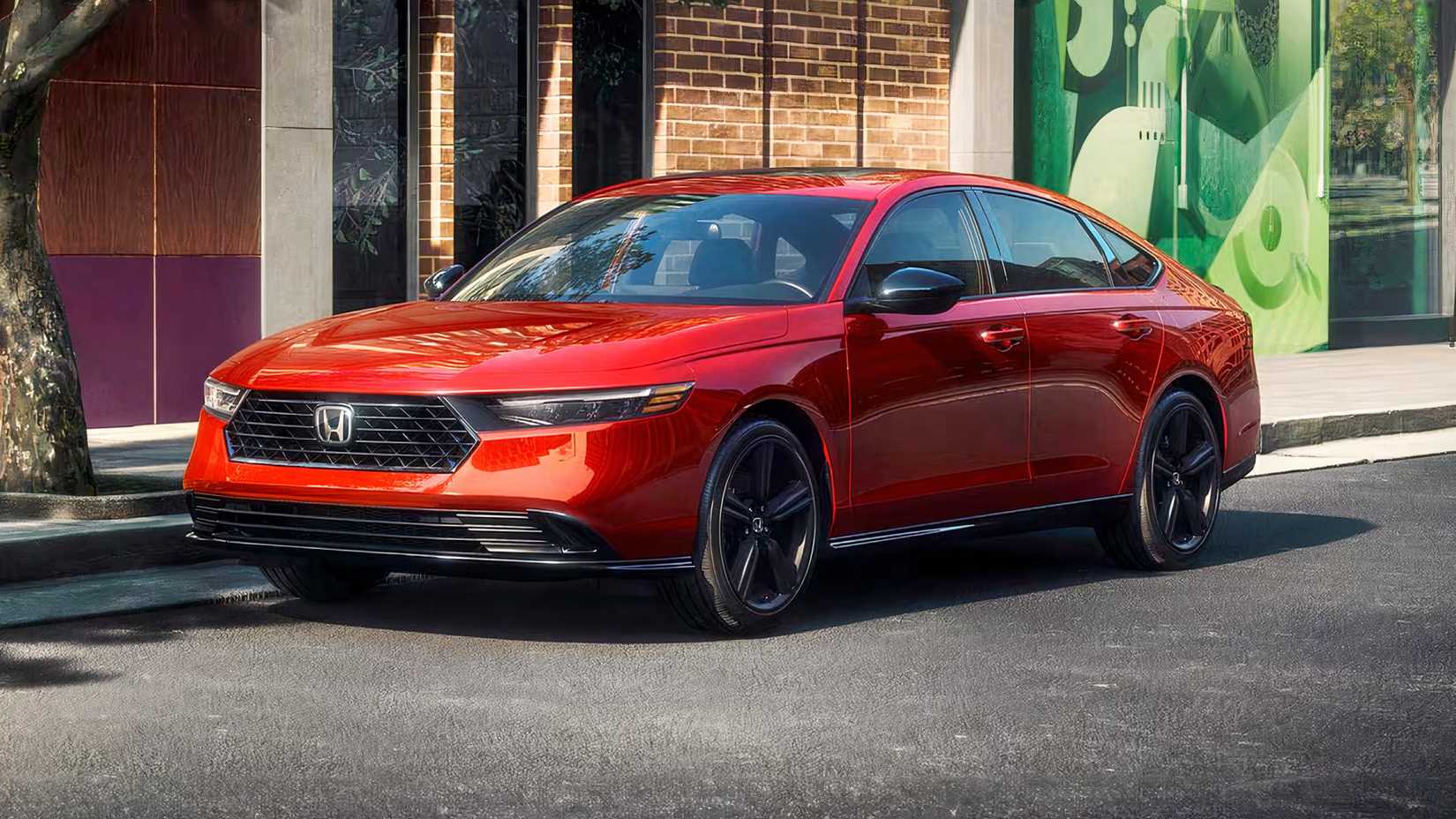
Outside of Toyota (Camry and Prius), no other manufacturer currently builds a hybrid sedan that matches the long-distance capability of the Hyundai Sonata Hybrid, and it’s a steep drop-off to the next challenger, the Honda Accord Hybrid. The main reason is that Honda still works performance into the equation, delivering a more engaging experience than the Accord’s two rivals. Factor in a fuel tank that is almost a half-gallon smaller than the Hyundai, and the results are understandable.
Sources: the EPA, FHWA, Edmunds, Motor Trend