
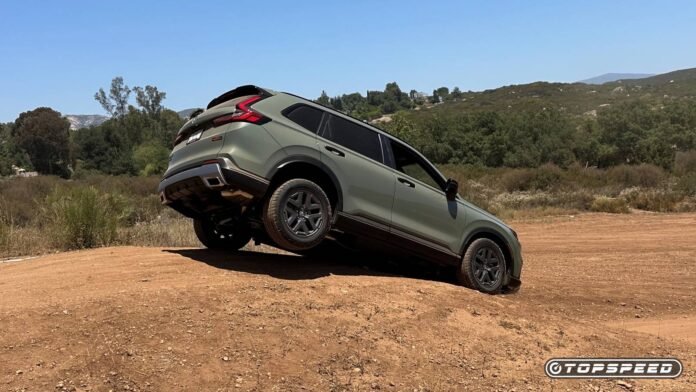
The SUV is no longer a niche vehicle. It has grown to bite off the biggest chunk of the global marketplace and arguably the most important in the global auto industry. It accounts for about 60 percent of new vehicle sales in America, and is nearly half of the global new car market. And after more than two decades of explosive growth, it steps into 2026 as the primary choice for the family vehicle. Consumers now approach SUV purchases with well-defined priorities that go beyond a bigger cabin that rises above surrounding traffic.
Primary among them is an awareness of the long-term costs of ownership, and the biggest contributor to those costs is fuel. Electrification has played a major role in making SUVs more attractive in the suburban landscape, and that has led to a proliferation of hybrid SUVs (as well as a growing number of dedicated-electric SUVs). Once a compromise for SUV ownership, gas costs are now stacked alongside interior room, cargo handling versatility, and purchase price for buying consideration.
The Traits That Define A Sensible SUV In 2026
Family Space, Cargo Versatility, Efficiency, Sure-Footedness, Reliability And Affordability
The most sensible SUVs strike a balance between accessibility and capability, with the former encompassing everything from purchase price to an extensive network of dealer support, and the latter relating to everyday things like cabin space, cargo versatility, all-wheel drive, and fuel efficiency. Starting price remains a critical filter, particularly in the SUV market, where transaction prices have climbed rapidly.
Once you have the vehicle you want, it has to work for you every day, whether that means dropping the kids off at school and spending the rest of the day running errands, or taking the SUV for an extended commute to the office. On weekends, it might be needed to transport a combination of people and their gear, or perhaps just take an extended highway run without stopping too many times to refuel. Meanwhile, an extensive dealership network means you’re never too far from quick and effective repairs, should the need arise.
A Sensible SUV Handles A Variety Of Duties With Little Compromise

The bigger-is-better mindset is often the key selling factor of an SUV, in that the abundance of cabin space is often the reason buyers shy away from compact hatchbacks, midsize sedans, and full-size pickups. Interior space is one of the most scrutinized aspects of any SUV purchase, but buyers are growing more sophisticated in how they evaluate it. Raw cubic-foot numbers are relative to the SUV’s intended use, and the age-old philosophy of getting more space “because we may need it sometimes,” has begun to wane in the face of usability.
Large SUVs are harder to maneuver on parking-narrowed city streets and in crowded mall parking lots, and split folding middle and rear seats have made it easier to carry oversized items in smaller cabins, and loading and unloading them is considerably less back-breaking with cargo floors that sit closer to the ground. Inside, sliding and tilting rear seats can carry passengers much more comfortably than the cavernous bolted-in benches of old. Today’s sensible SUV must handle a variety of duties without too much compromise.
The Balance Of Power And Fuel Efficiency Is A Sensible SUV Trait
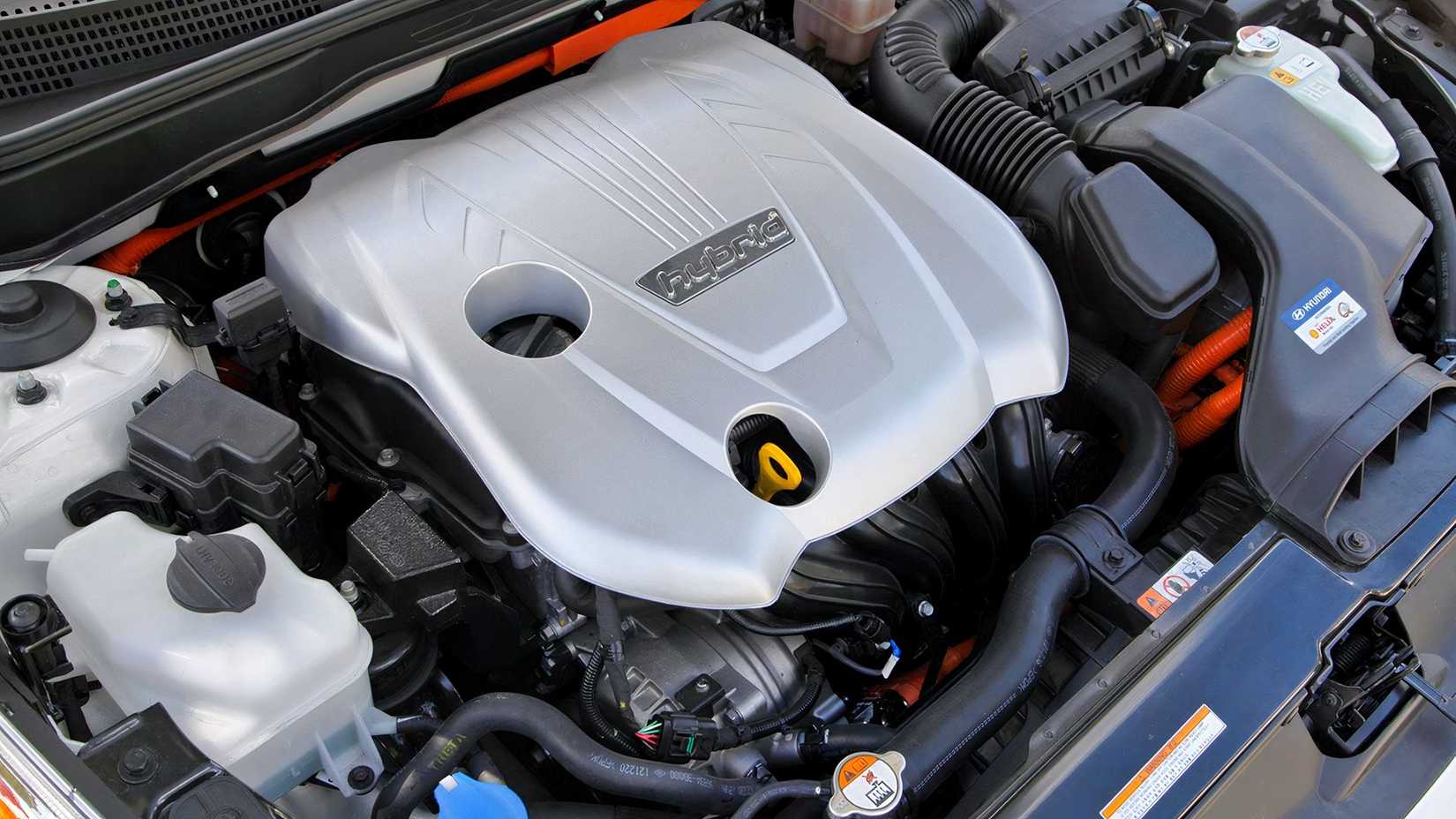
One of the biggest SUV compromises in the days of old was the powertrain. To many, deciding to move up to a traditionally large SUV meant accepting a big engine that could supply the power to move the extra bulk. Those engines used a lot of fuel to make the extra power, and went through that fuel pretty quickly. When the compact SUV came along at the turn of the century, with their smaller engines, fuel usage dropped significantly. But so did the power to move the full cabin or to tow a small trailer.
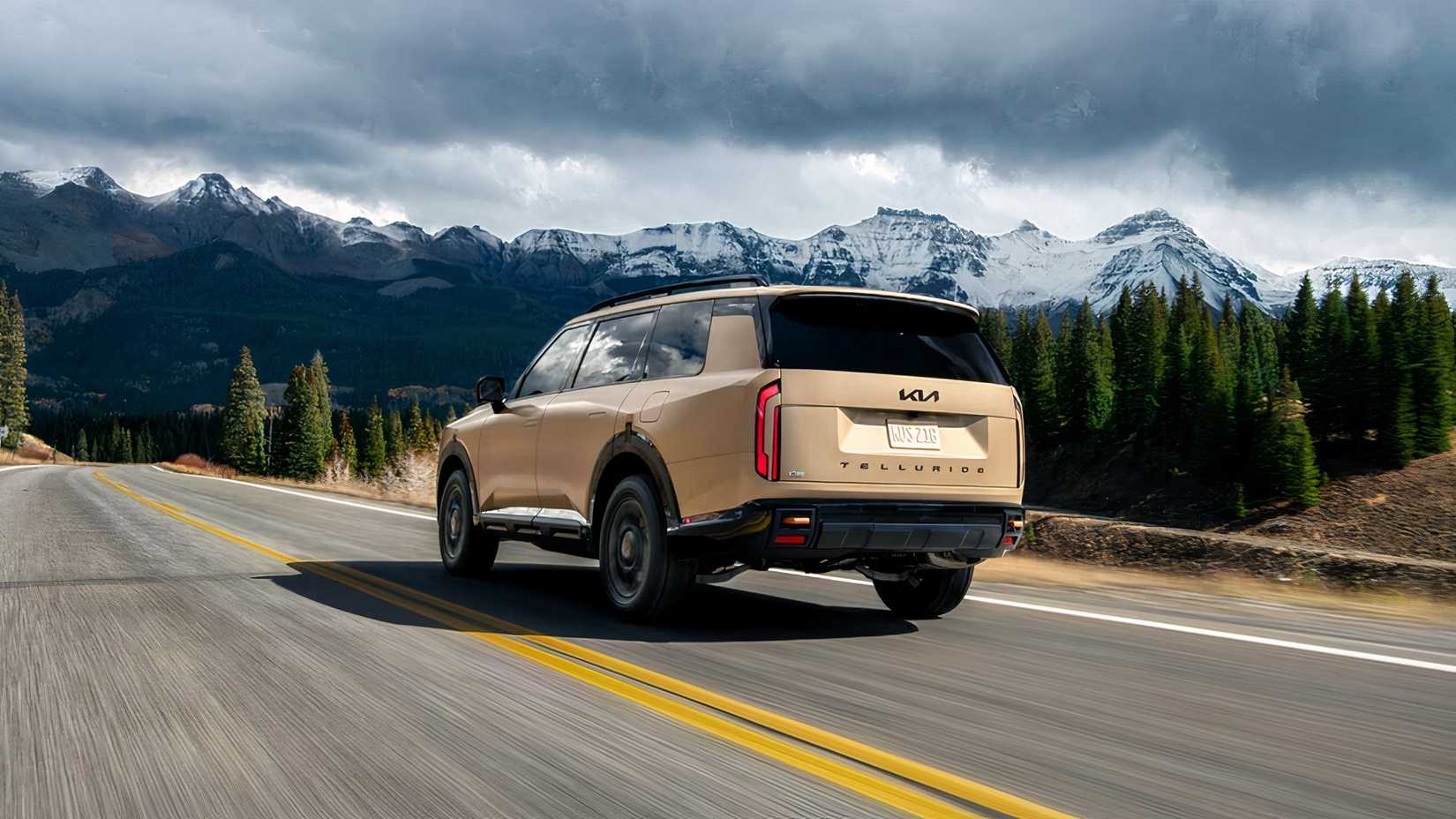
Forced induction addressed the power requirements but not fuel economy. The recent trend towards electrification not only provides the low-end torque to get up to speed, but also enhances economy over the long haul. And in larger vehicles, the improvement in power with smaller displacement engines matches that of older, larger engines, while their fuel economy is equal to or better than the original engines of compact SUVs. Efficiency in SUVs has become the baseline, rather than a bonus.
Balancing Space, Efficiency, And Affordability Gets You The Most Sensible Hybrid SUV
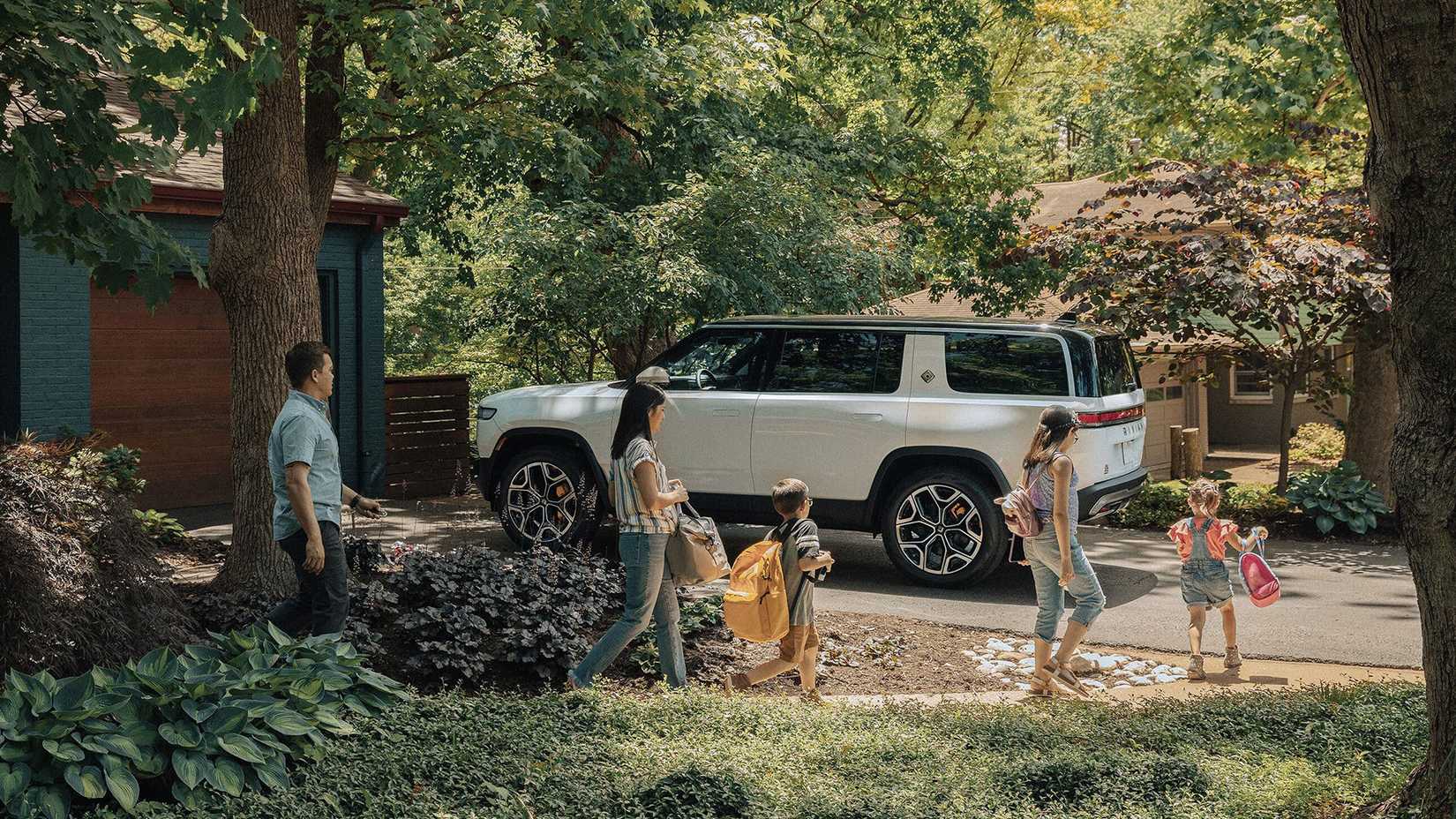
Once you have the reasonable cabin space you need to serve the family, and can use it every day without breaking the monthly budget, you want to make sure your hybrid SUV is dependable. Warranty coverage has become a key differentiator, offering buyers peace of mind in an era of increasing vehicle complexity. It also helps if your chosen vehicle comes from a company with a record of safety and reliability, and the SUV itself has a reputation for reliability.
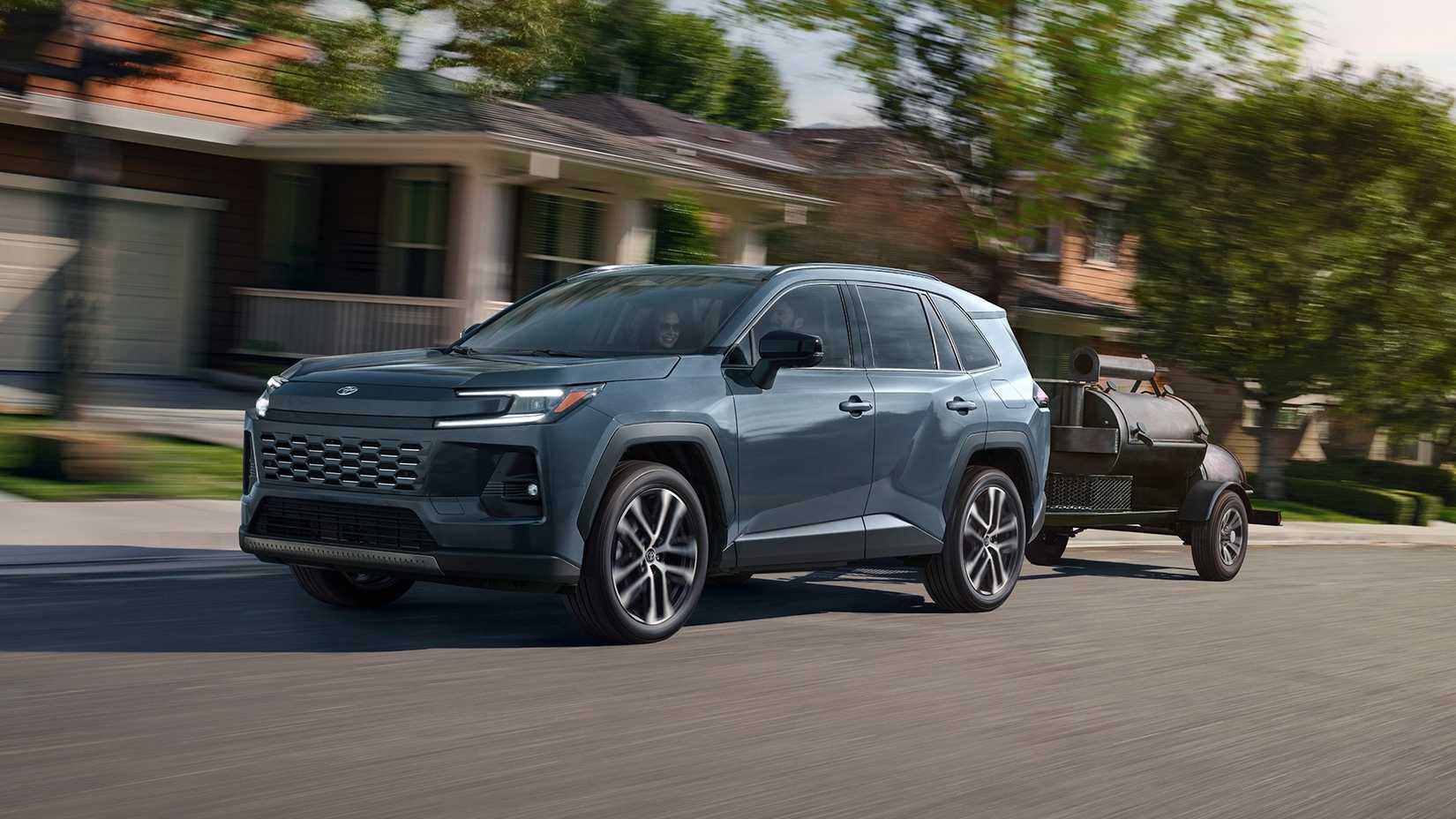
As with most purchases, spending a bit more on the purchase price often translates into better service as the item ages, though that is sometimes not the case. Still saving $1,000s at purchase time that you may end up spending or even surpassing over the next five years, leaves you no further ahead, and maybe even behind. So, with all of the above variables in play, we offer what we believe is the most sensible hybrid SUV to purchase in 2026.
5 Great Ways To Configure The 2026 Honda CR-V Hybrid
These five configurations highlight how versatile the CR-V Hybrid can be.
The Honda CR-V Hybrid Is The Most Sensible Hybrid SUV You Can Buy In 2026
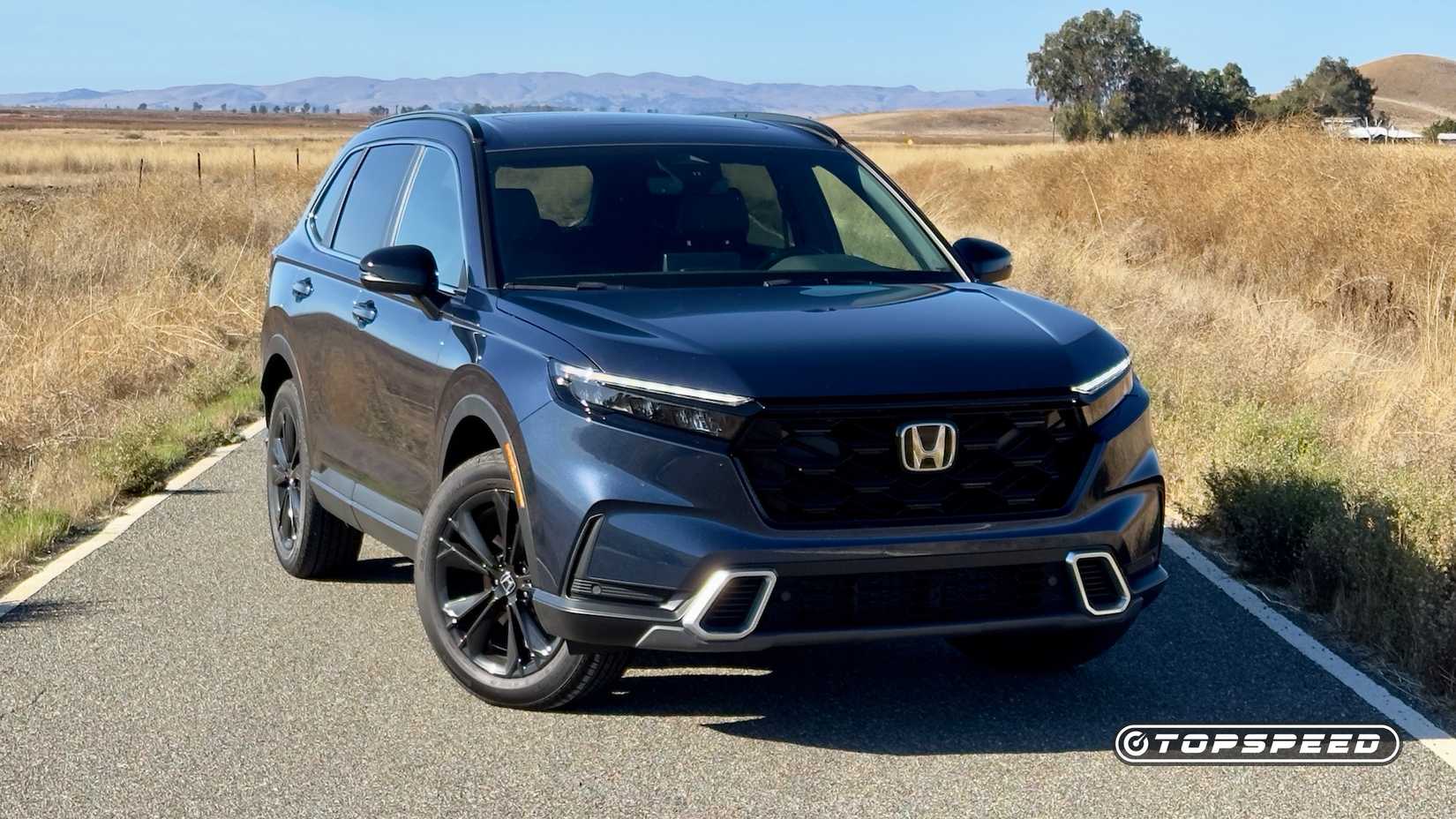
The 2026 Honda CR-V Hybrid stands out as a sensible purchase not because it dominates in any one characteristic, but because it blends all the attributes SUV buyers are looking for and avoids substantial compromise, meaning you don’t forsake quality to shave a few dollars off the purchase price, or give up efficiency so you can tow a larger trailer. It delivers generous passenger space and cargo versatility in an easy-to-park footprint, making it practical for daily commuting and weekend hauling.
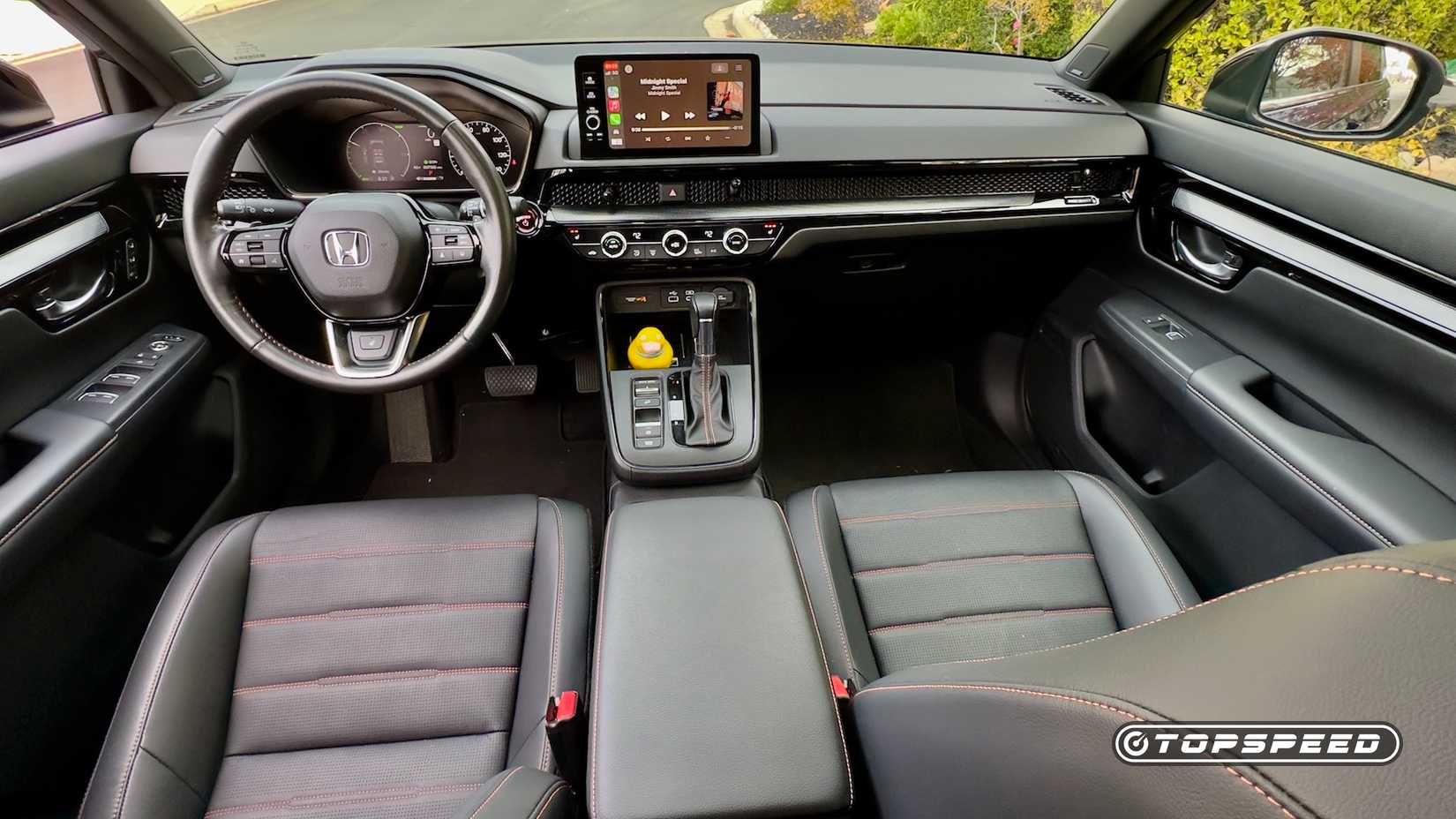
Available in FWD and AWD, its two-motor hybrid system provides smooth, responsive power while returning EPA fuel-economy figures near the top of the compact SUV segment, without requiring the planning of plug-in charging. It’s supported by strong IIHS and NHTSA crash test performance and offers a comprehensive suite of driver-assistance technologies. Pricing is competitive within its segment and undercuts larger hybrid SUVs, and Honda’s reputation for reliability and strong resale value reinforces long-term ownership confidence.
The Compact 2026 Honda CR-V Hybrid Does Not Feel Small
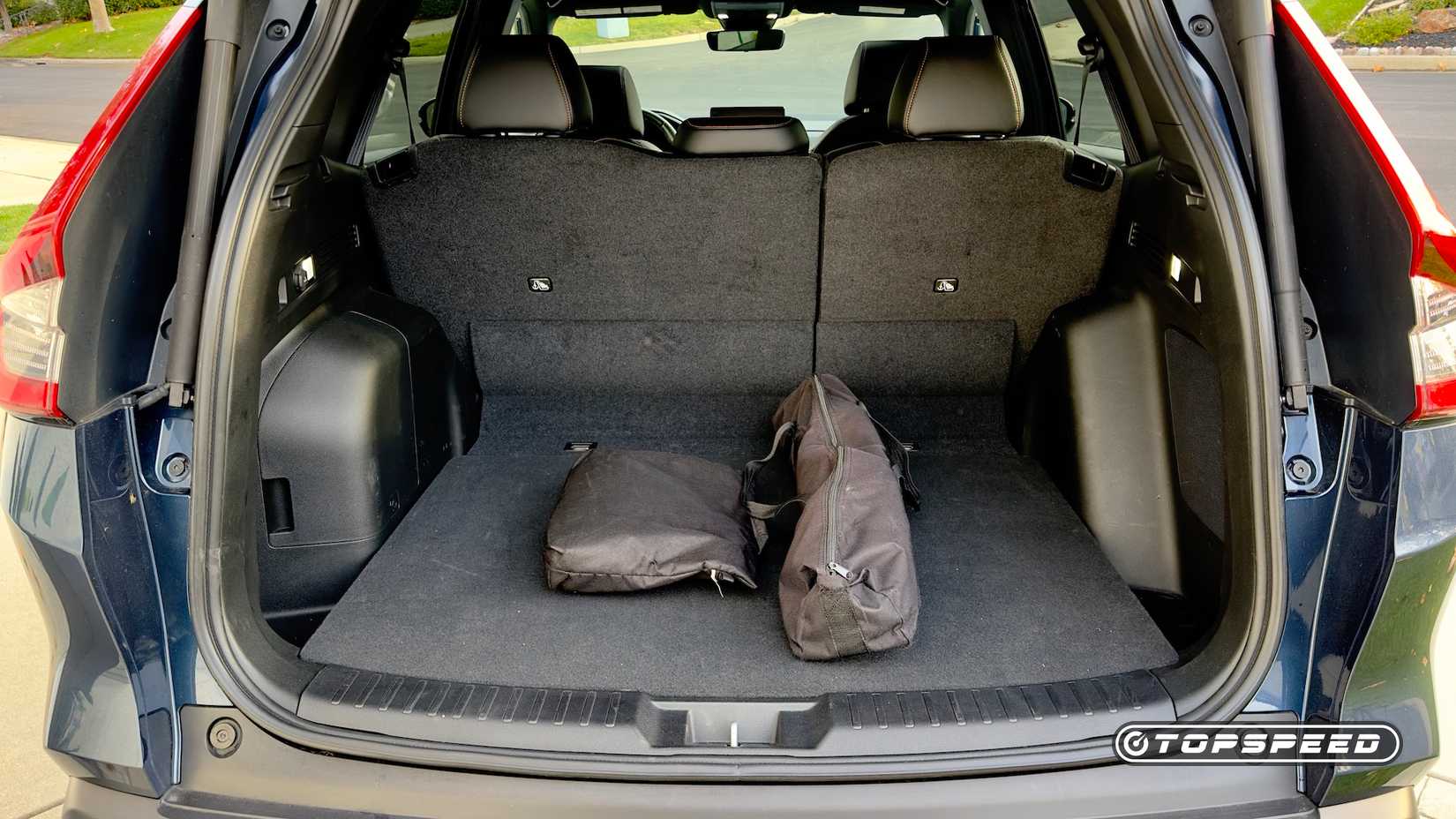
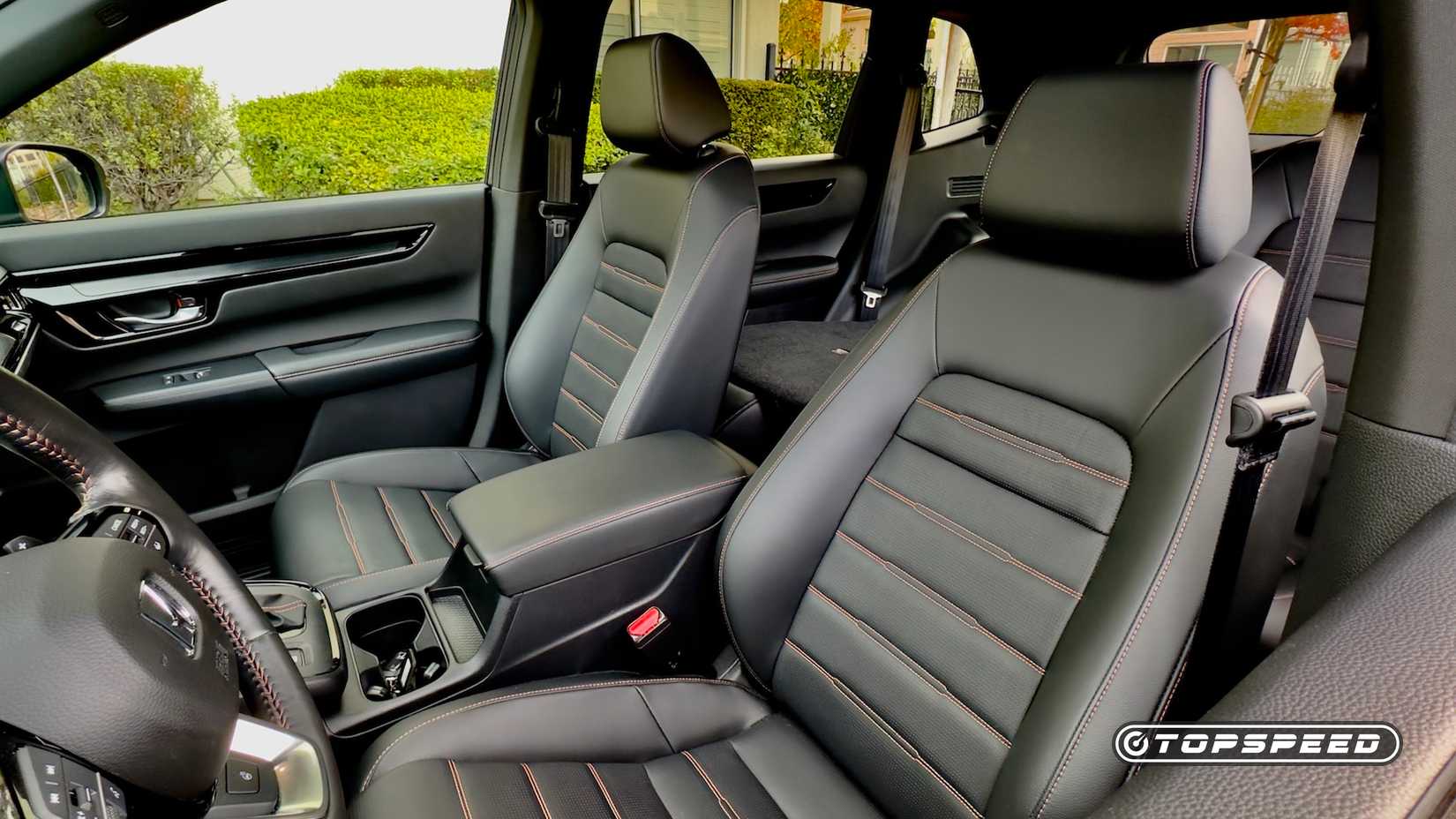
Despite its compact designation, the Honda CR-V offers a cabin that feels open and accommodating for both front and rear passengers. It may not have the convenience of a third row of seating, but its rear-seat comfort is generous for adults, while providing plenty of cargo area behind the rear seatbacks, and transforming into a flat, wide load floor that makes occasional hauling easy. The result is an interior that is purpose-built to fit the vehicle’s compact footprint.
2026 Honda CR-V Dimensions
|
Length |
184.8 inches |
|
Wheelbase |
106.3 inches |
|
Width |
73.5 inches |
|
Track (Front/Rear) |
63.3–63.4/63.9–64.1 inches |
|
Height |
66.2–66.5 inches |
|
Ground Clearance |
7.8–8.2 inches |
|
Seating |
Five |
|
Headroom (Front/Rear) |
38.2/38.2 inches |
|
Shoulder Room (Front/Rear) |
57.9/55.9 inches |
|
Hiproom (Front/Rear) |
55.6/52.6 inches |
|
Legroom (Front/Rear) |
41.3/41 inches |
|
Passenger Volume |
103.5 cubic feet |
|
Cargo Volume Behind Rear Seats |
36.3 cubic feet |
|
Cargo Volume Behind Front Seats |
76.5 cubic feet |
The 2026 Honda CR-V Hybrid Powertrain Focuses On Usable Performance And Efficiency
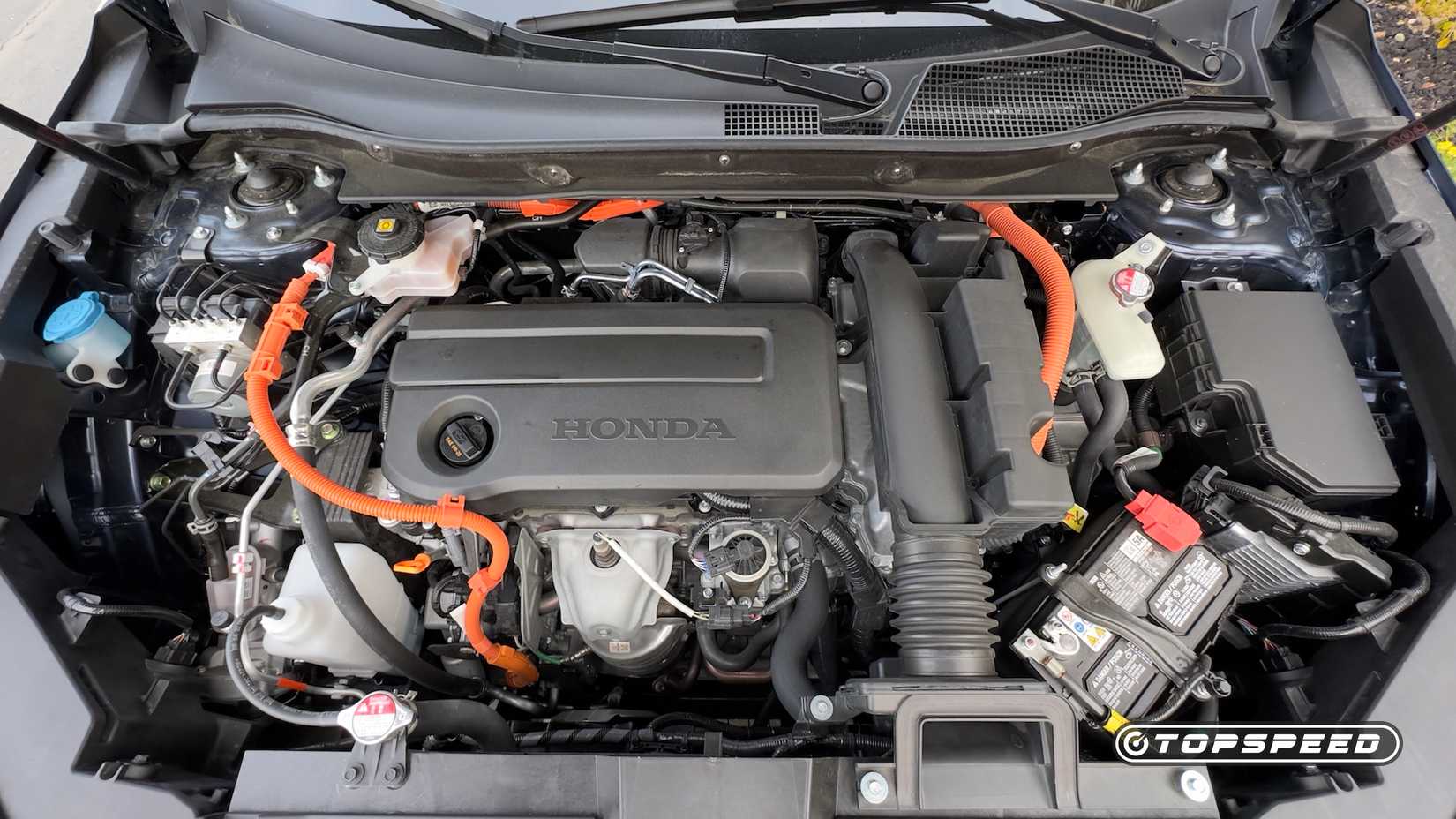
The Honda CR-V Hybrid uses a two-motor hybrid system that may be new to the vehicle but has racked up plenty of development miles in other Honda hybrids. It’s engineered for smoothness and consistency rather than power, delivering electric torque at low speeds for immediate response in city driving, while seamlessly blending in gasoline power at highway speeds. Total output is competitive for the segment, as is fuel efficiency, which places the CR-V Hybrid near the top in its segment.
2026 Honda CR-V Hybrid Specs
|
Powertrain |
2.0-liter inline-4 + 2 motors |
|
Transmission |
Continuously variable |
|
Power |
204 hp |
|
Torque |
247 lb-ft |
|
Driveline |
Front- or all-wheel drive |
|
Range |
518–560 miles |
|
Fuel Tank Capacity |
14 gallons |
|
Efficiency City |
40–43 mpg |
|
Efficiency Highway |
34–36 mpg |
|
Efficiency Combined |
37–40 mpg |
The 2026 Honda CR-V Is Relatively Affordable To Buy And Operate
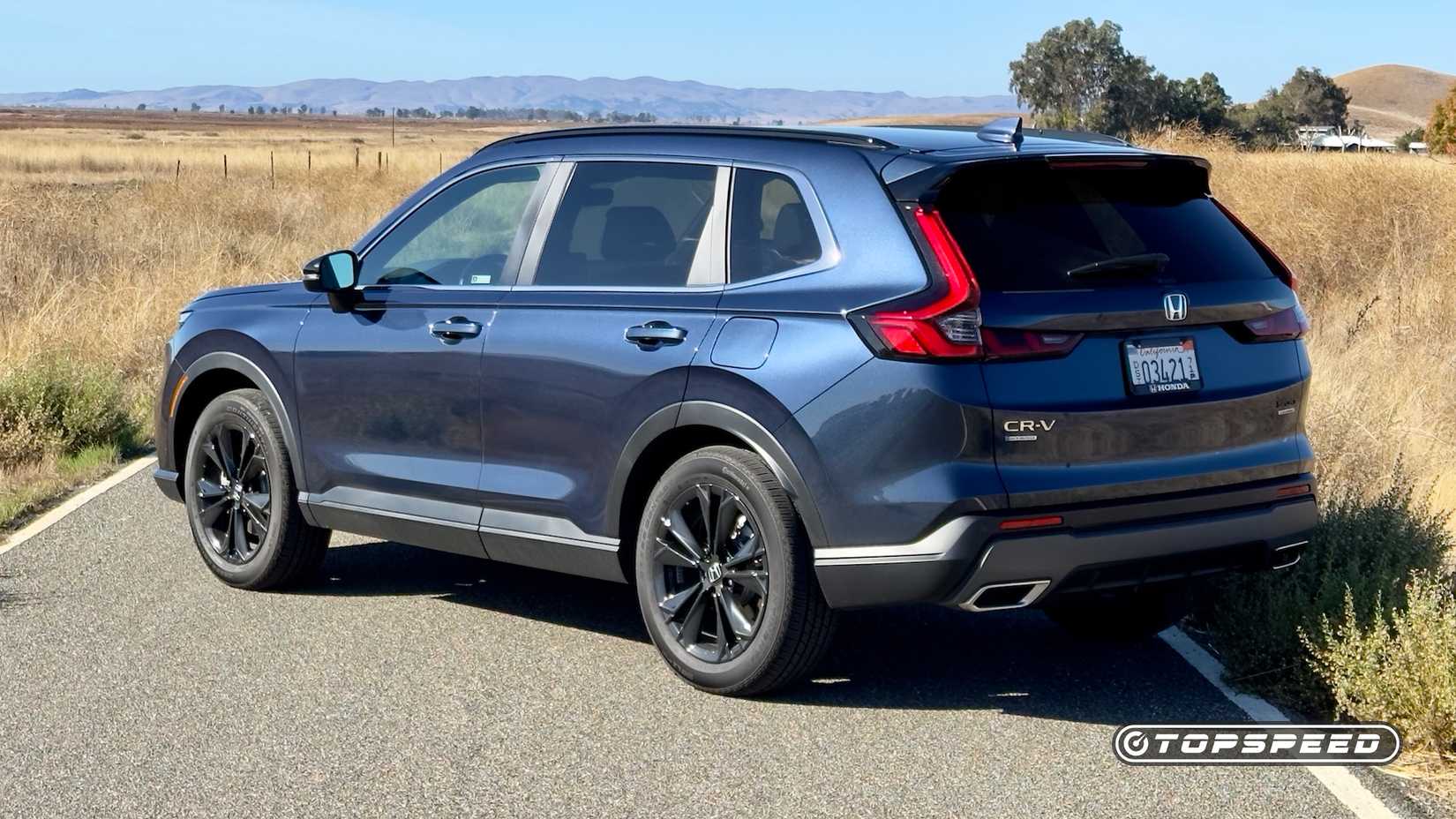
MSRPs for the 2026 Honda CR-V Hybrid hover around the $40,000 mark, depending on trim and equipment levels, which is quite reasonable, considering the starting prices of its competitors. Once the purchase is out of the way, ownership costs for the Honda CR-V Hybrid are also reasonable, with RepairPal estimating the average Honda CR-V annual repair bill at $407. CarEdge projects maintenance and repair costs of $7,636 over 10 years, with a 21.7 percent chance of major repairs in that span.
2026 Honda CR-V Cost Breakdown
|
MSRP Range |
$35,630–$42,550 |
|
Trim Levels |
Sport, Trailsport, Sport-L, Sport Touring, |
|
Annual Fuel Costs |
$1,050–$1,150 |
|
Cost To Drive 25 Miles |
$1.76–$1.90 |
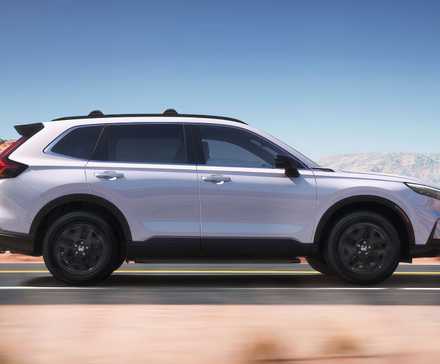
The Most Sensible Hybrid SUV Choice Today
This Japanese hybrid SUV marks off all the boxes. Whether you’re looking for efficiency, safety, features, or design, it has you covered.
The 2026 Honda CR-V Hybrid Asks For Fewer Compromises Than Segment Rivals
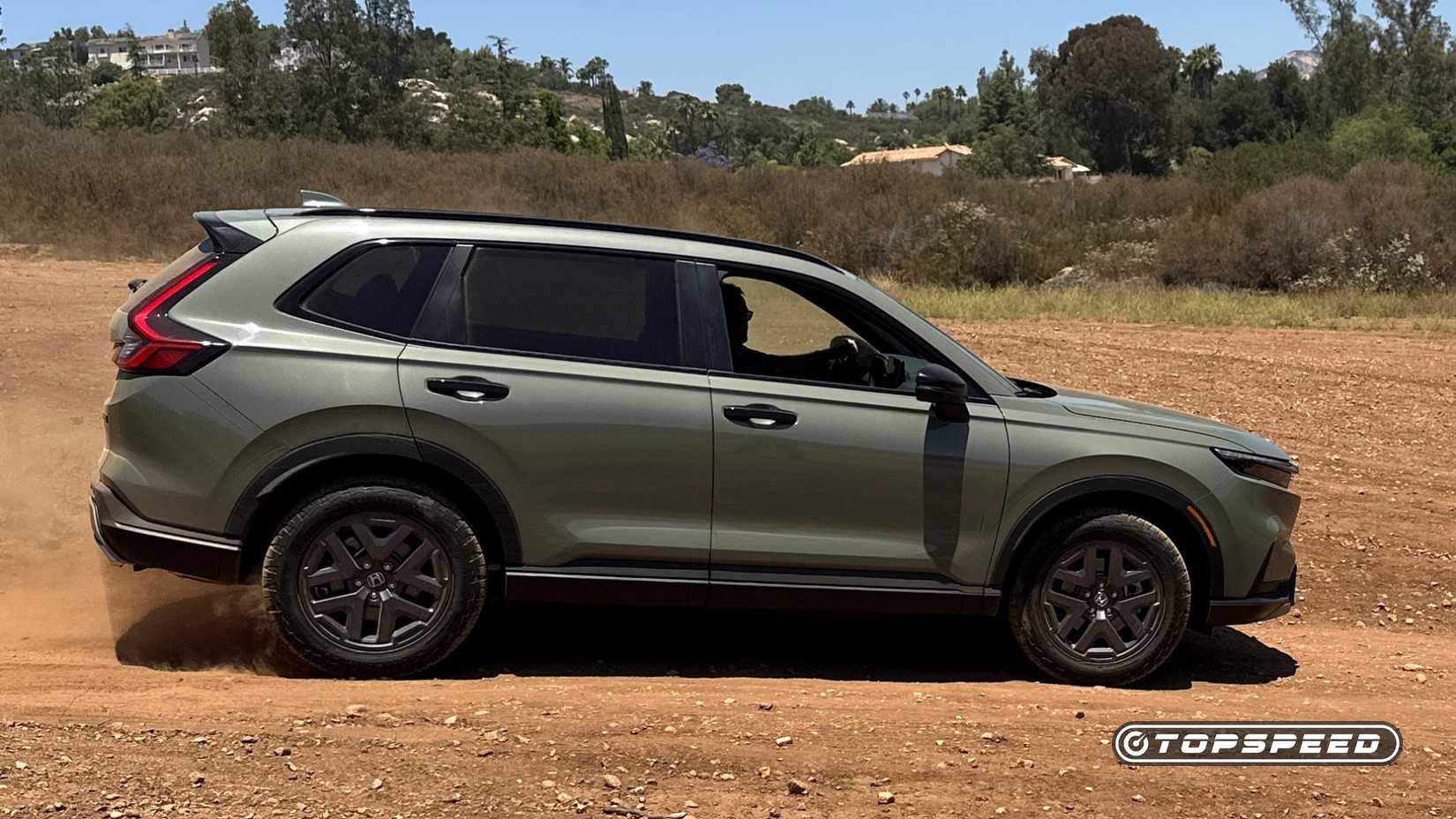
The 2026 Honda CR-V Hybrid emerges as one of the better-balanced SUVs in the market, and certainly has the edge in its segment, with its main rivals—the Hyundai Tucson Hybrid and Toyota RAV4 Hybrid—having a tighter or less versatile cabin, or offering reduced driving range. All force their buyers to choose some personal preferences related to how the SUV will be used, but beyond that, the CR-V doesn’t require wholesale compromises, such as the choice between ample power and rewarding efficiency.
2026 Hybrid SUV Specs Comparison
|
2026 Hybrids |
Honda CR-V |
Hyundai Tucson |
Toyota RAV4 |
|
Starting Price |
$35,630 |
$32,450 |
$31,900 |
|
Powertrain |
2.0-liter inline-4 + 2 motors |
1.6-liter turbo inline-4 + 1 motor |
2.5-liter inline-4 + 2 or 3 motors |
|
Transmission |
Continuously variable |
6-speed automatic |
Continuously variable |
|
Power |
204 hp |
231 hp |
226–236 hp |
|
Torque |
247 lb-ft |
271 lb-ft |
163 lb-ft |
|
Driveline |
Front- or all-wheel drive |
All-wheel drive |
Front- or all-wheel drive |
|
Range |
518–560 miles |
493–521 miles |
Est. 565–638 miles |
|
Efficiency City |
40–43 mpg |
36–38 mpg |
41–48 mpg |
|
Efficiency Highway |
34–36 mpg |
37–38 mpg |
36–42 mpg |
|
Efficiency Combined |
37–40 mpg |
36–38 mpg |
39–44 mpg |
|
Annual Fuel Costs |
$1,050–$1,150 |
$1,100–$1,150 |
Not yet rated |
|
Headroom (Front/Rear) |
38.2/38.2 inches |
40.1/39.5 inches |
37.9/39.5 inches |
|
Shoulder Room (Front/Rear) |
57.9/55.9 inches |
57.6/56 inches |
57/56.4 inches |
|
Legroom (Front/Rear) |
41.3/41 inches |
41.4/41.3 inches |
41/37.8 inches |
|
Cargo Volume (Min/Max) |
36.3–76.5 cubic feet |
38.7–74.5 cubic feet |
37.8–70.4 cubic feet |
The 2026 Honda CR-V Hybrid And 2026 Toyota RAV4 Are Almost Equals
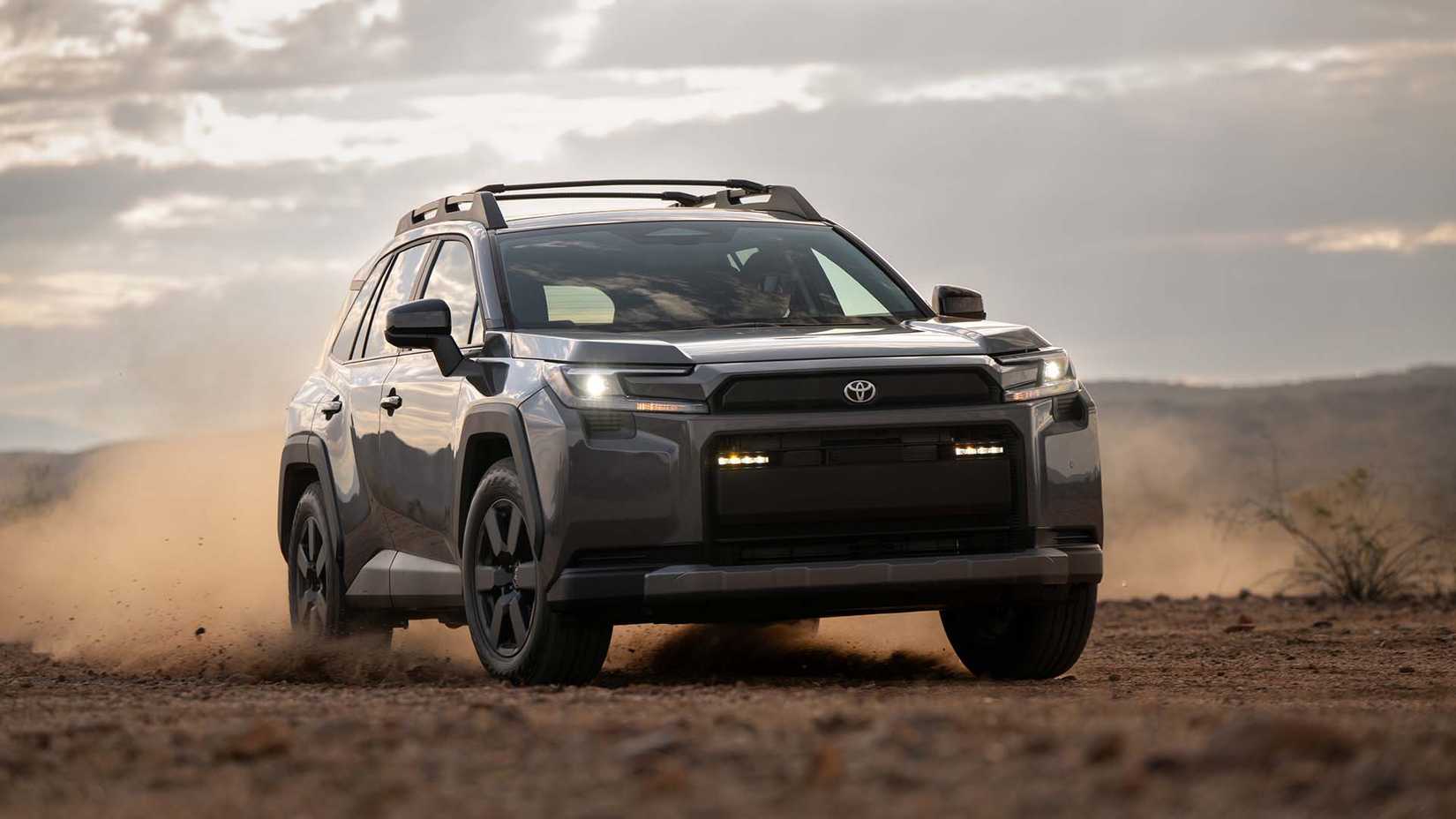
The Toyota RAV4 and Honda CR-V grew up together, though their respective hybrids are about five years apart. The hybrid-only 2026 Toyota RAV4 leans heavily into rugged styling cues and offers slightly higher ground clearance to appeal to buyers who prioritize image and outdoor branding. The CR-V counters with a more refined ride, quieter cabin, and superior interior comfort and convenience. Both hybrid systems are reliable and efficient, and overall, they really are two peas in a pod.
The 2026 Hyundai Tucson Hybrid Nearly Squares Up To The 2026 Honda CR-V Hybrid
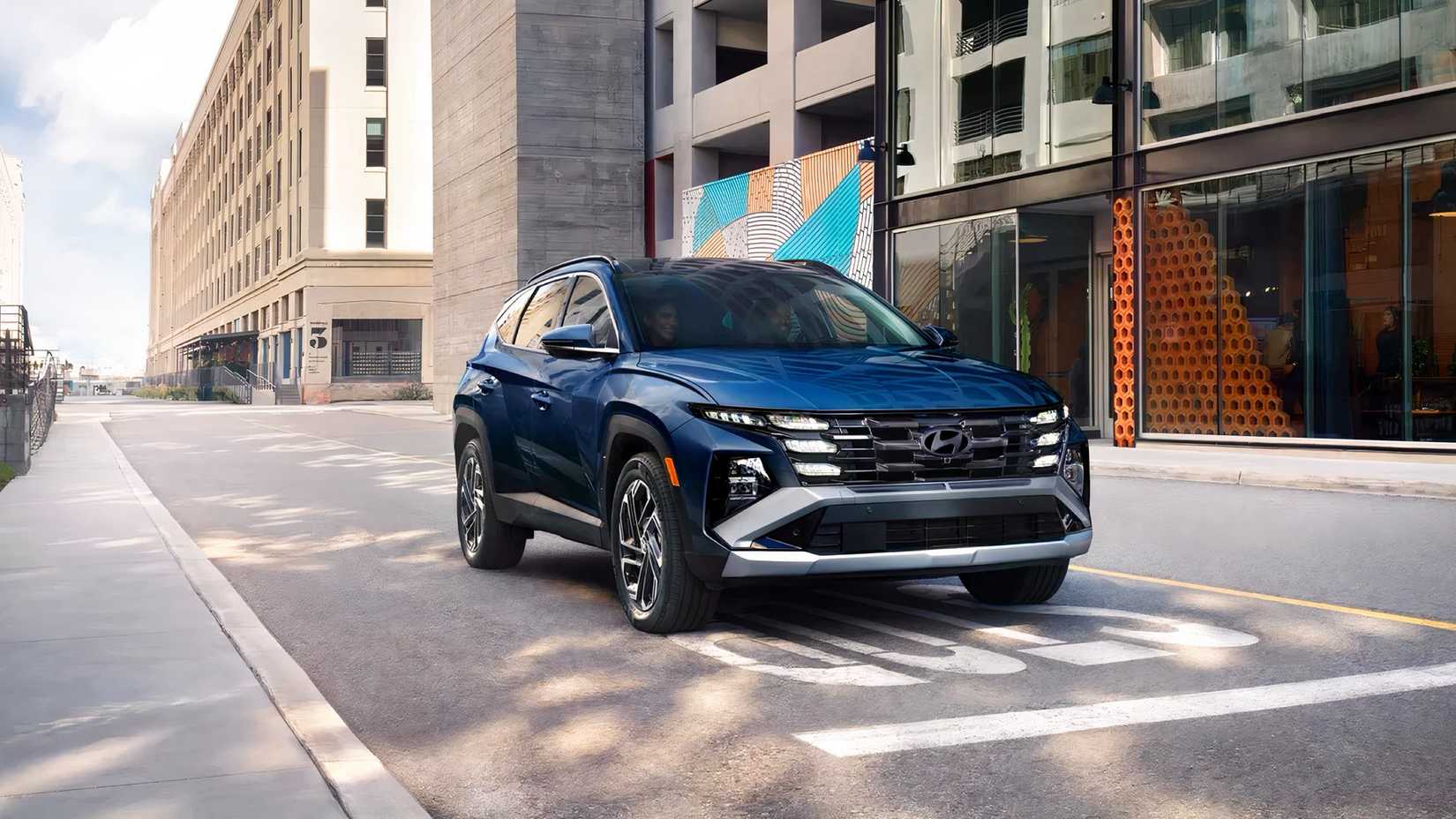
The Hyundai Tucson Hybrid reacted to the others’ hybrid introductions, much in the same way the original Tucson followed the Honda and Toyota compact SUVs to market. The 2026 Hyundai Tucson Hybrid takes a strong stance with technology intensity and warranty coverage. Its infotainment presentation is bold, and its standard equipment list is lengthy and thorough. However, the CR-V Hybrid distinguishes itself with simpler controls, better cabin visibility, and a more comfortable driving experience over long distances.
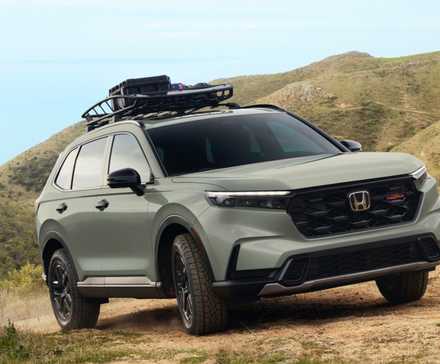
Why The Honda CR-V Hybrid Is The Perfect Blend Of Comfort And Value
The Honda CR-V Hybrid proves that a family SUV can be comfortable, efficient, and smartly engineered without forcing buyers to overspend.
Plenty Of Fish In The Sea, But The CR-V Hybrid Is A Catch
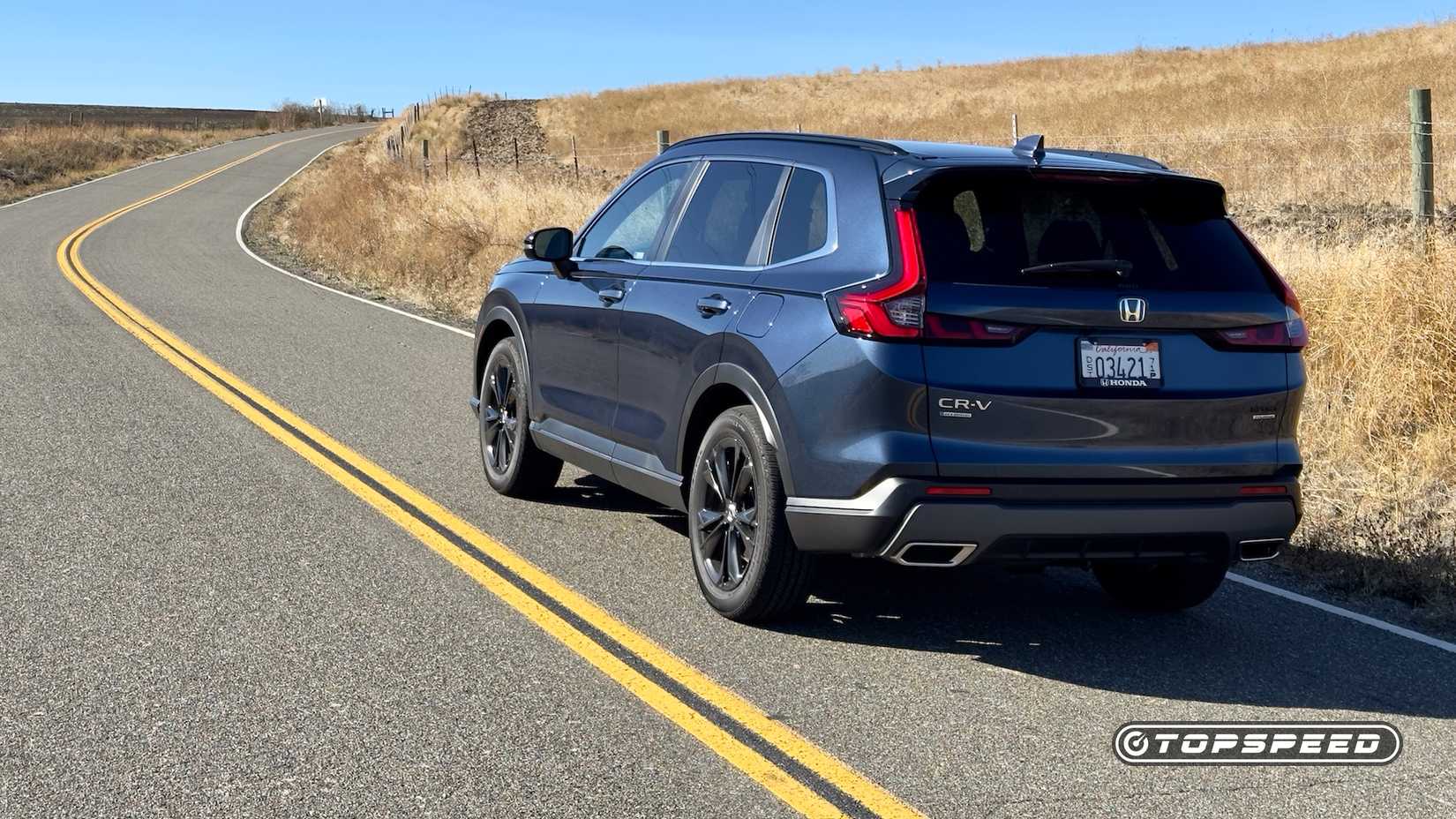
The most sensible hybrid SUV is not always the most powerful, the most technologically ambitious, or the most visually aggressive. It is the one that minimizes purchase compromises, fits seamlessly into everyday life, and delivers value over time. In 2026, that definition aligns most closely with the Honda CR-V Hybrid, a vehicle that achieves equilibrium—cabin space, cargo versatility, safety, performance, efficiency, affordability, and ownership confidence. However, there are other sensible choices if you are looking for something bigger, smaller, or more rugged (outside the CR-V Hybrid’s direct competitors, you’ve just read about).
2026 Hybrid SUV Spec Comparison
|
Hyundai Palisade |
Subaru Crosstrek |
|
|
Starting Price |
$44,160 |
$33,995 |
|
Powertrain |
2.5-liter turbo I-4 + 2 motors |
2.5-liter H-4 + 2 motors |
|
Transmission |
6-speed automatic |
Continuously variable |
|
Power |
329 hp |
194 hp |
|
Torque |
339 lb-ft |
154 lb-ft |
|
Driveline |
Front- or all-wheel drive |
All-wheel drive |
|
Range |
528–619 miles |
598 miles |
|
Efficiency City |
29–33 mpg |
36 mpg |
|
Efficiency Highway |
30–35 mpg |
36 mpg |
|
Efficiency Combined |
29–34 mpg |
36 mpg |
|
Annual Fuel Costs |
$1,250–$1,450 |
$1,150 |
|
Headroom (Front/Middle/Rear) |
40.1/40/37.7 inches |
38.7/37.6/– inches |
|
Shoulder Room (Front/Rear) |
61.4/60.6/55.6 inches |
56.8/55.3/– inches |
|
Legroom (Front/Rear) |
44.2/41.4/32.1 inches |
42.9/36.7/– inches |
|
Cargo Volume (Min/Max) |
19.1–86.7 cubic feet |
18.6–50.6 cubic feet |
The 2026 Hyundai Palisade Hybrid Is A Whole Different World Of Sensibility
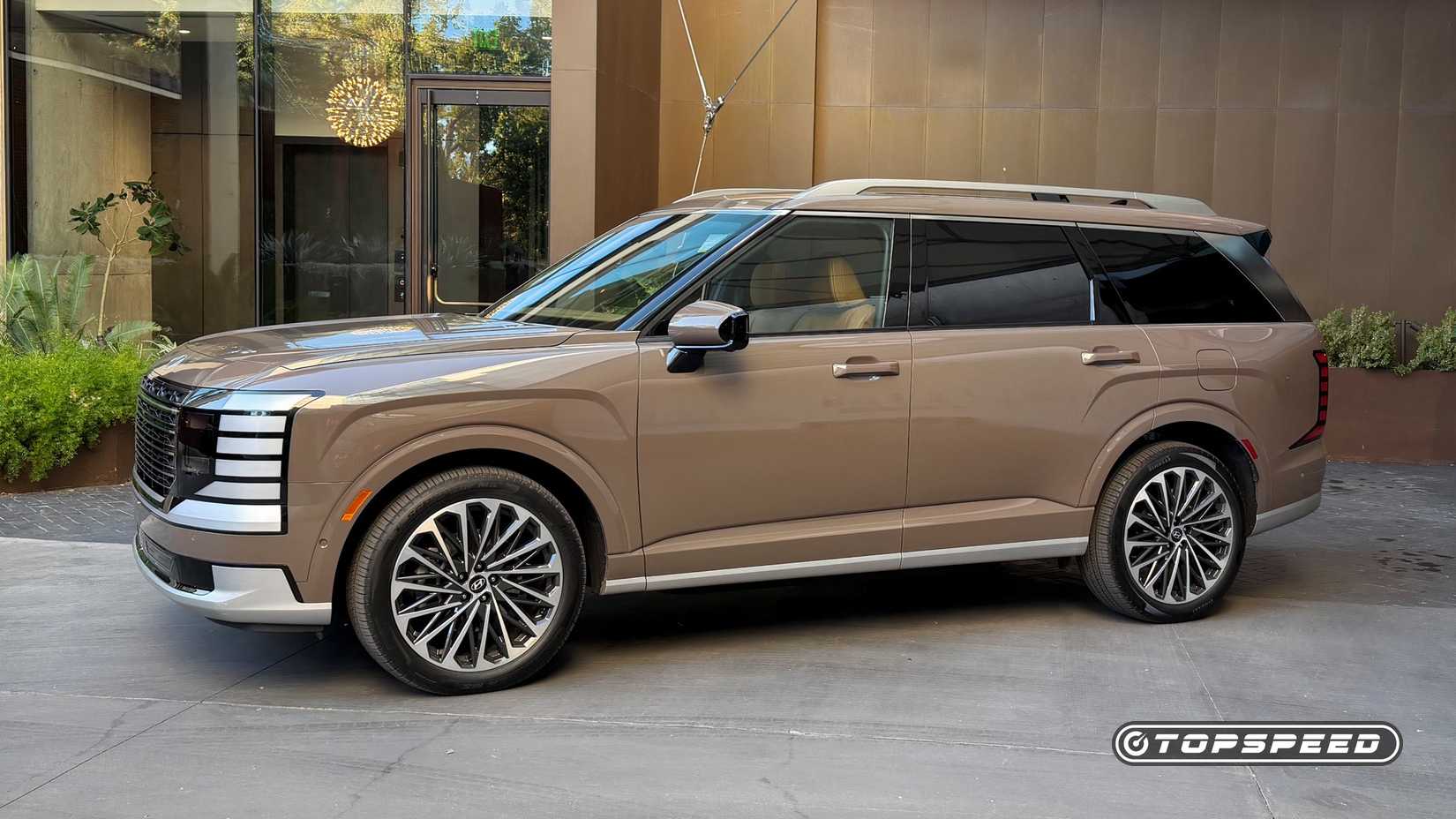
For buyers whose priorities extend beyond compact dimensions, the 2026 Hyundai Palisade Hybrid is one of the more sensible SUVs currently on the market. Its three-row layout, expansive cargo capacity, and industry-leading warranty make it an appealing option for families who need more than five seats, even on a limited basis, and wish to maintain occupant comfort on long-distance drives. While it sacrifices some efficiency and affordability, simply by its size, it compensates with sheer interior flexibility and long-term company support.
The 2026 Subaru Crosstrek Hybrid Makes Sense To A Niche Demographic
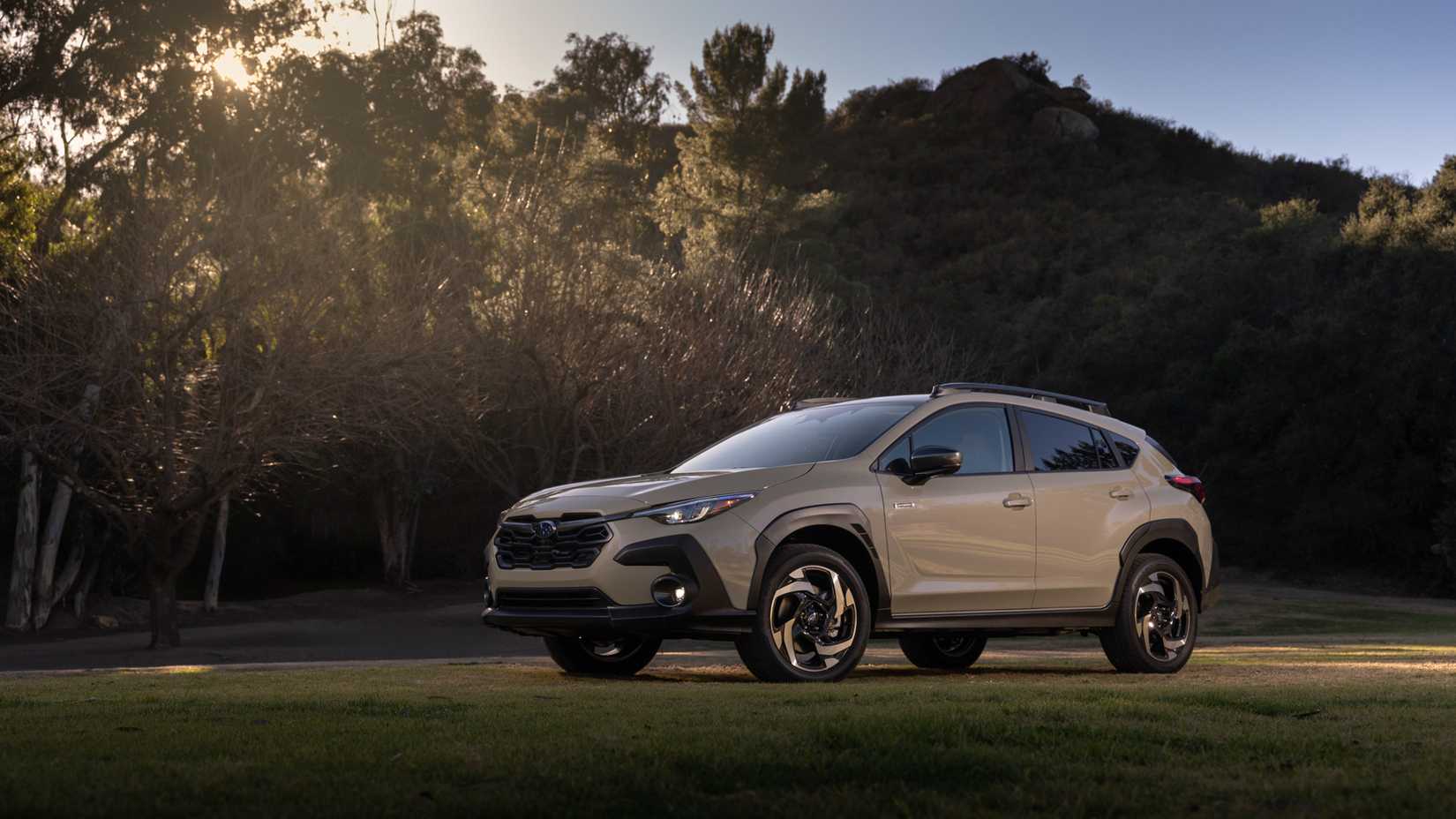
At the opposite end of the hybrid SUV spectrum, the new for 2026 Subaru Crosstrek Hybrid caters to buyers who dream of off-road adventures without investing in costly large SUVs, with its standard and proven all-wheel drive, and go-almost-anywhere capability, all wrapped up in a smaller footprint that will feel right at home in the urban jungle. On sheer size, it lacks the interior volume and comfort of the CR-V, but its rugged orientation and winter-ready demeanor make it a sensible choice for specific lifestyles.
Sources: Various Manufacturers, the EPA, Edmunds, CarEdge, RepairPal