
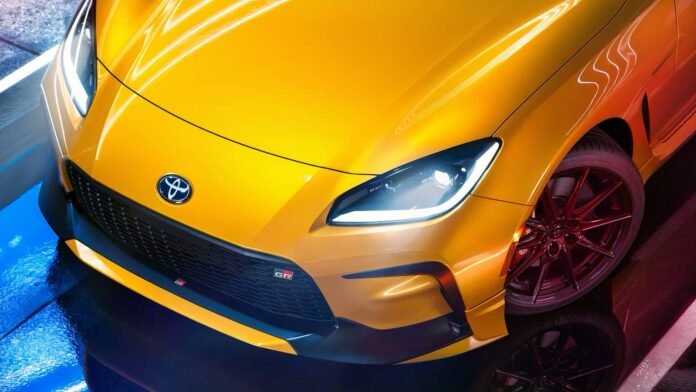
As the rate of tech used in the sports car market has increased over the years, we have seen more models that can sprint fast, handle corners like they’re on a rail, and provide exceptional traction. We get it; it is the general point of the sports car market to show off the latest toys and tricks.
However, when every sports car starts to get the same kind of technology and setup, it is impressive, but it can feel a bit same-y. If every new sports car has torque vectoring, a turbocharged engine, AI-powered reflexes, and digital shifts, where is the individualism and “real” driving experience? Thankfully, there is a Japanese sports car we can buy this year that hasn’t bowed to the pressure of trends.
What The 2026 Performance Car Market Offers
The modern performance car market has become a full-blown technology arms race. There are more tech and features in a lot of modern models than we know what to do with.
The Nissan Z Nismo, for example, is equipped with a twin-turbo 3.0-liter V6 that sends out 420 horsepower and an electronically managed chassis rig to maximize grip in nearly every situation. Then we have models like the VW Golf R; it is equipped with a 315-horsepower turbo-four and a torque-vectoring rear diff, while the Elantra N is set up with electronically controlled suspension and is exceptionally fast.
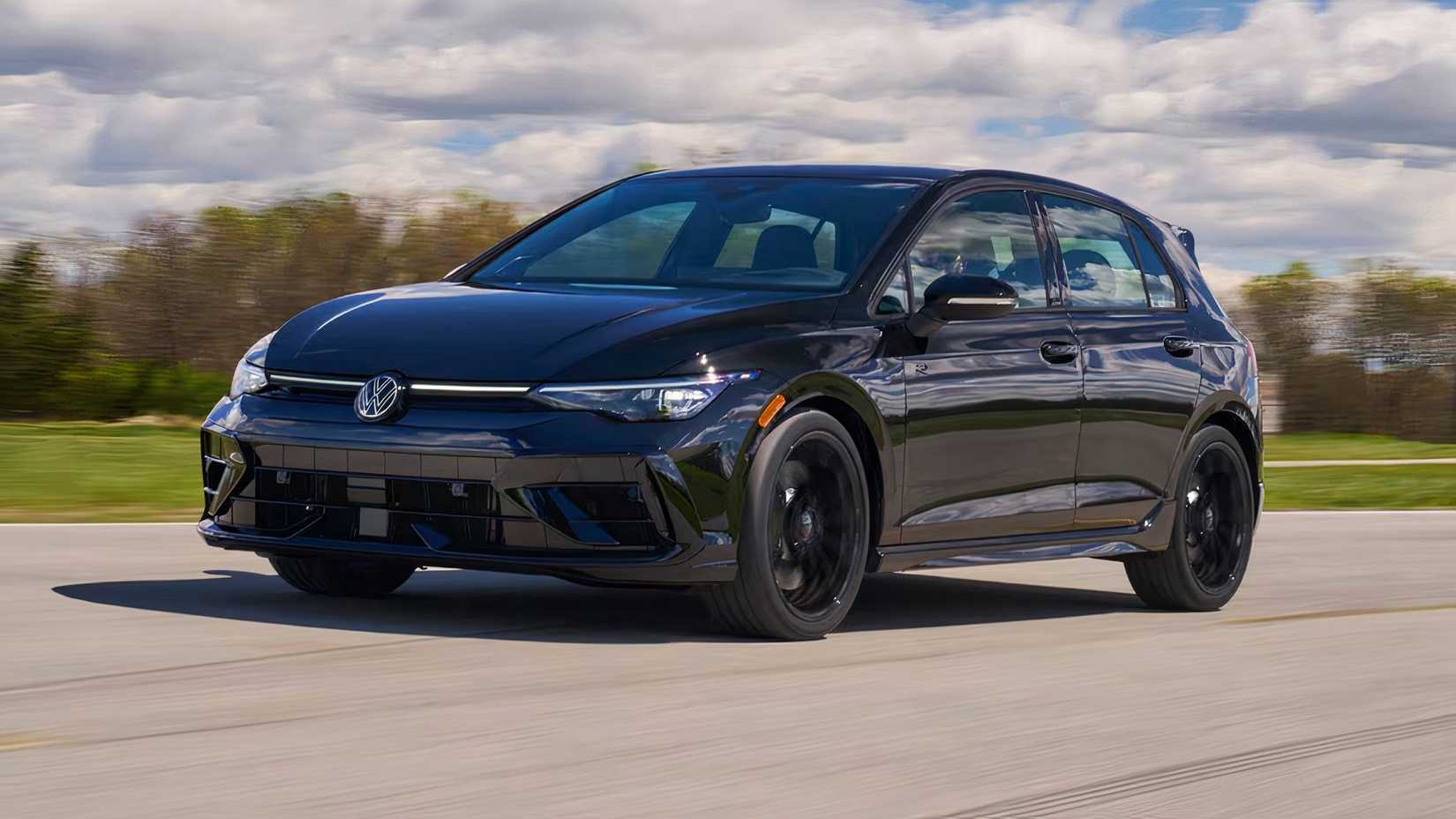
This is all great, but the issue is when all performance cars become engineered to do the same thing. The headline-grabbing fast, planted, and techy claims now overshadow pure feel for the most part.
While we all love being able to brag about driving one of the fastest sports cars, or driving something that never feels nervy, some argue that the endless drive modes, heavy curb weights, synthetic engine noise, and digital inputs are removing distinction from the segment.
The Rise Of Turbo Tech
The evolution of turbo technology over the years has changed the face of the sports car market for good, and we don’t see it ever turning back. It is becoming exceptionally difficult to find a sports car or performance car fitted with a naturally aspirated engine.
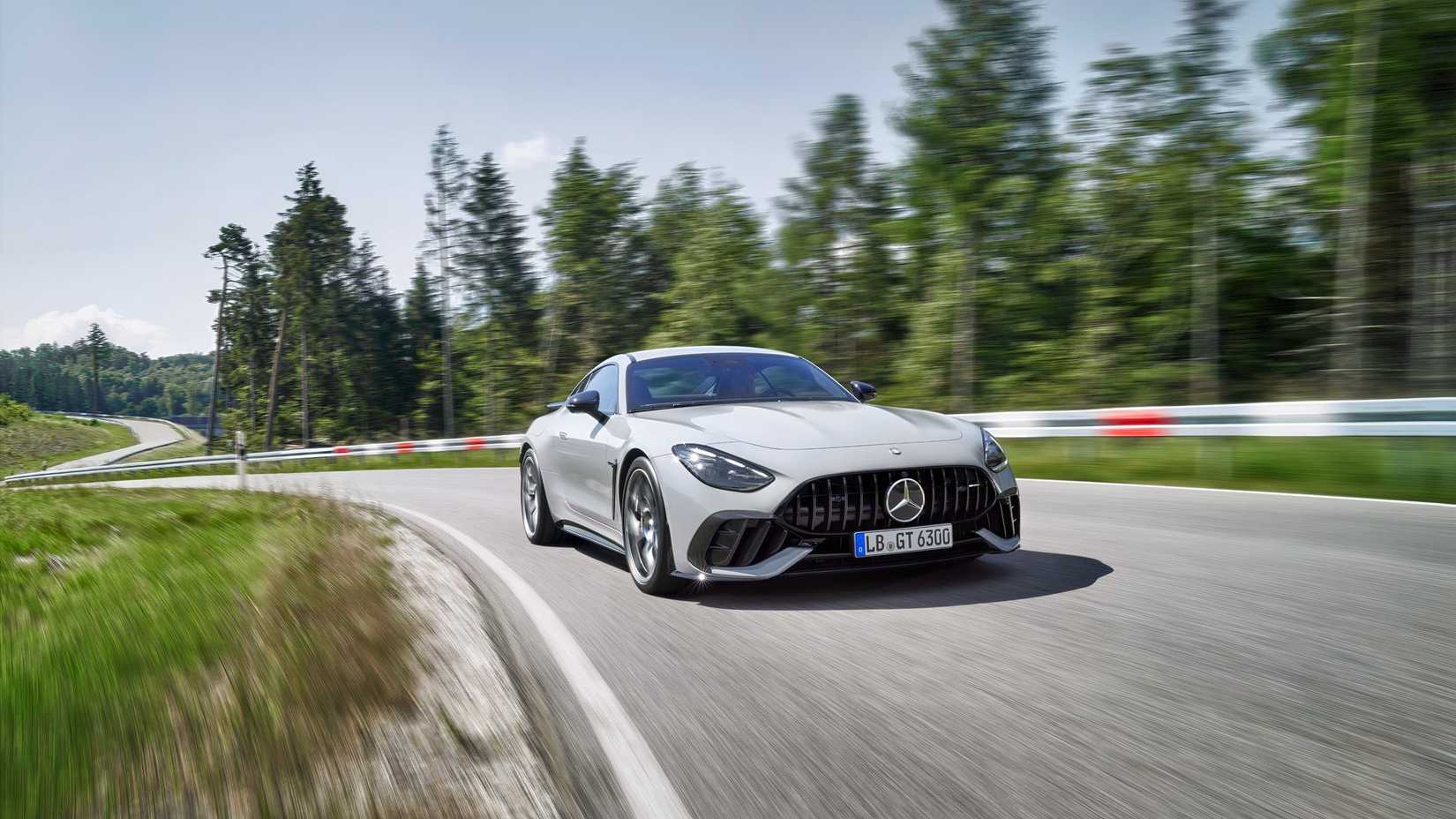
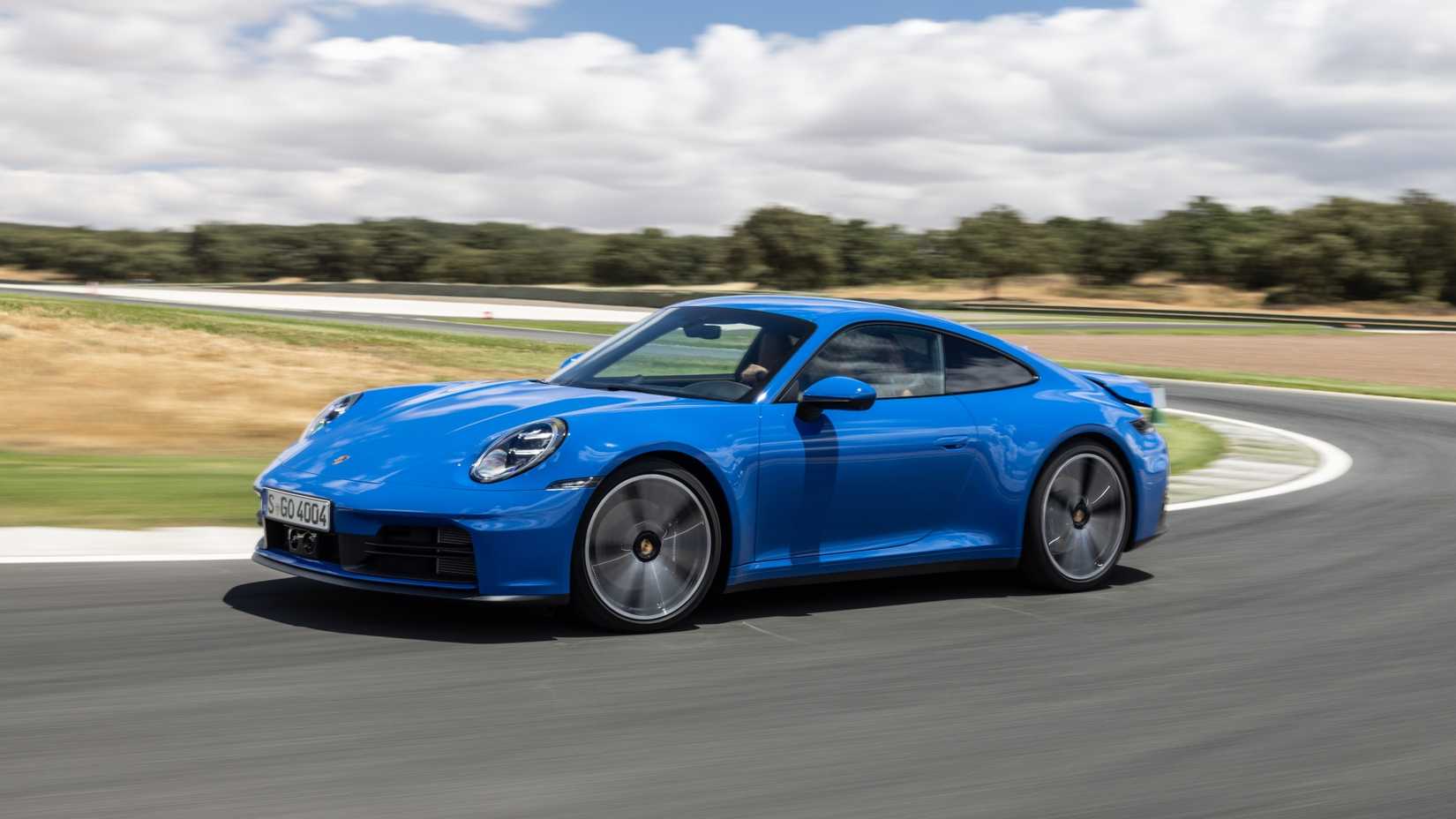
Models like the Honda Civic Type R now get a 315-horsepower and 310-pound-foot 2.0-liter turbo-four; the new Porsche 911 Carrera base model gets a twin-turbocharged flat-six that puts out 388 horsepower, and even marques like AMG have dropped their legendary NA V8 philosophy, with the latest GT 63 equipped with a twin-turbo V8.
Some of us still yearn for un-turbocharged fun, but it is difficult to deny the prowess of the turbo. The 3.0-liter TwinPower inline-six in the new BMW M240i winds out 369 pound-feet of torque from just 1,900 rpm, giving it an explosive feel underfoot. The same can be said about the Nissan Z; you get up to 384 pound-feet of torque at just 1,600 rpm and 0–60 mph times of 4.5 to five seconds.
Increasingly, though, a lot of turbocharged sports cars deliver power in a similar way: massive low-end grunt, short power bands, and effortless speed. Older naturally aspirated performance cars demand a lot more commitment and are arguably more rewarding for chasing the redline. Speed and efficiency have become the order of the day.
More Electric Features And Driver Assistance
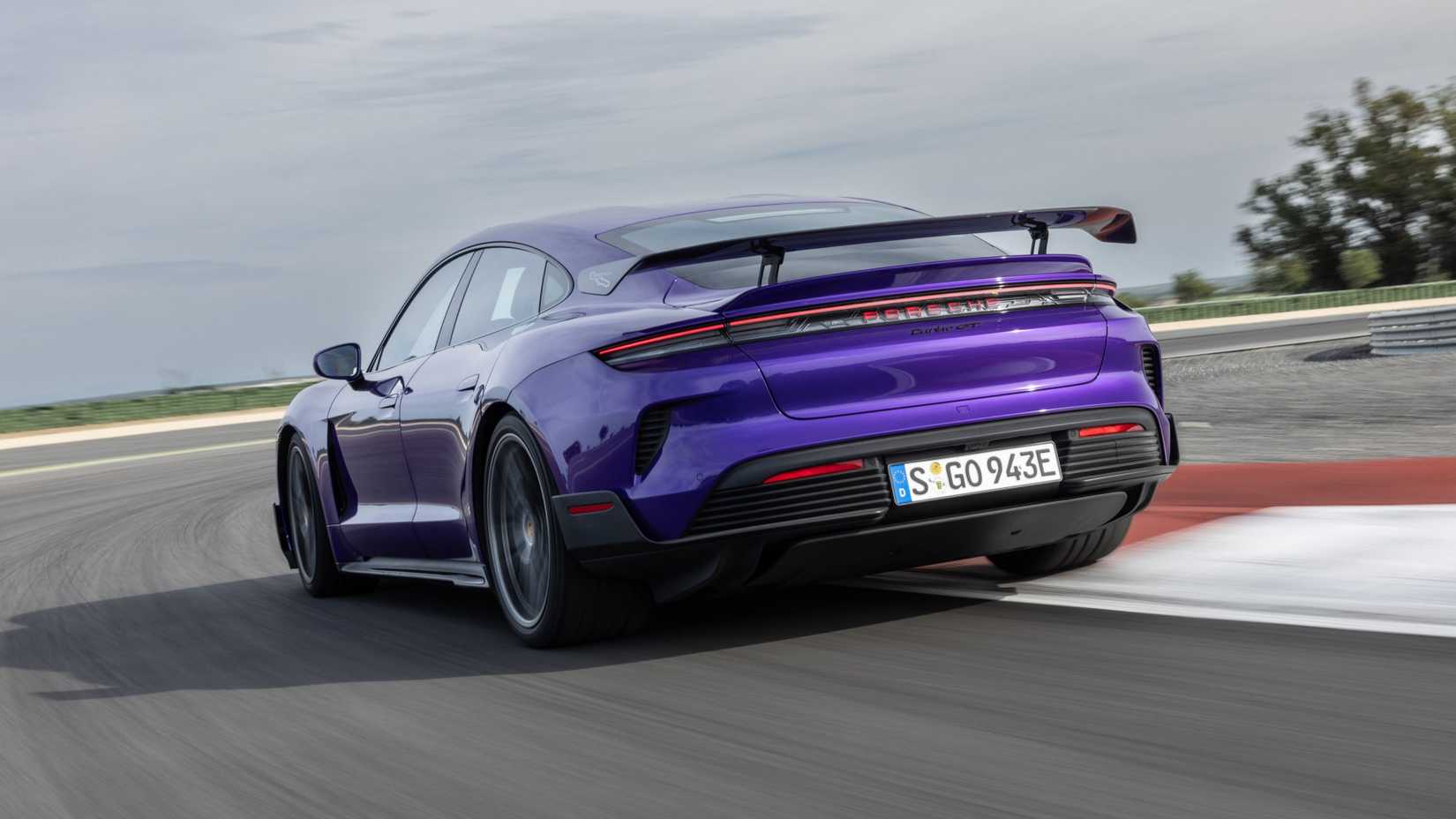
The biggest shift in the modern performance market is how quickly electrification and electronic assistance systems have risen. Performance is no longer just about engine and chassis tuning; now it is equally about software calibration, battery output, and driver aids working in the background.
Performance cars are becoming faster and more F1-feeling all the time because computers are doing a lot of the driving for us. Take the 2026 Porsche Taycan Turbo GT as an example; it has the following specifications.
|
Porsche Taycan Turbo GT |
|
|---|---|
|
Powertrain |
Dual-Motor Electric AWD |
|
Horsepower |
1,019 hp |
|
Torque |
914 lb-ft |
|
0–60 MPH |
2.1 Seconds |
The numbers are insane on their own, but the real point is how much tech is underneath to actually make them usable. The Taycan Turbo GT is equipped with Porsche Active Ride suspension; Porsche’s torque vectoring system constantly shifts power between the front and rear motors based on grip, angle, and throttle input; rear-wheel steering sharpens handling, and regenerative braking is always adjusting braking force.
This trend isn’t just limited to electric sports cars either. The new BMW M4 Competition xDrive gets a 523-horsepower twin-turbo inline-six paired with intelligent xDrive all-wheel drive that can shift from rear-bias to full AWD in milliseconds. Add in an electronically controlled M differential, adaptive dampers, and multiple drive modes that alter steering and throttle, and the personality of it can change at the press of a button.
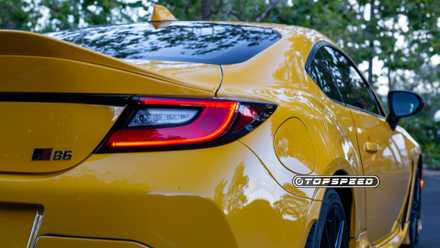
The Japanese Sports Car That Drives Like A Porsche – Without The Ownership Anxiety
Satisfying ownership costs with driving dynamics on-par with Porsche.
The New Toyota GR86 Still Plays By Its Own Rules
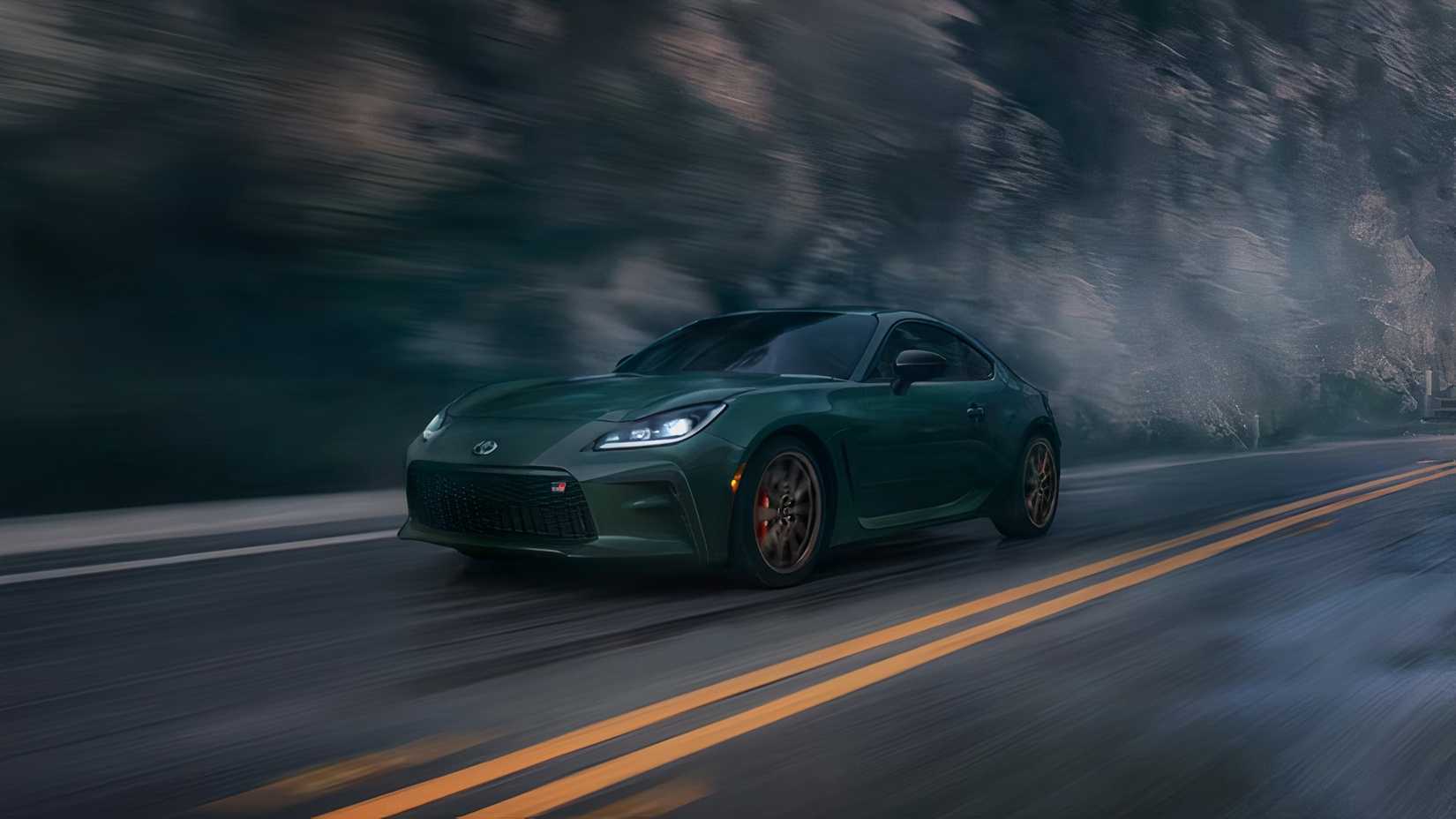
We can’t argue that models like the M4 Competition make for great sports cars for all occasions, because tech can change how it drives very easily, but if you want a proper driver’s car that has largely not followed the market, there are only a few options left. As one of the best new sports cars not to follow the pack, the 2026 Toyota GR86 is a model to look at if you want a sports car that still embraces some old-school goods.
There are just three grades available for the 2026 model: the GR86, the GR86 Premium, and the GR86 Yuzu Edition. The lineup has the following starting prices.
|
2026 GR86 |
2026 GR86 Premium |
2026 GR86 Yuzu Edition |
|
|---|---|---|---|
|
MSRP |
$31,400 |
$34,000 |
$36,365 |
High-Revving Naturally Aspirated Engine Under The Hood
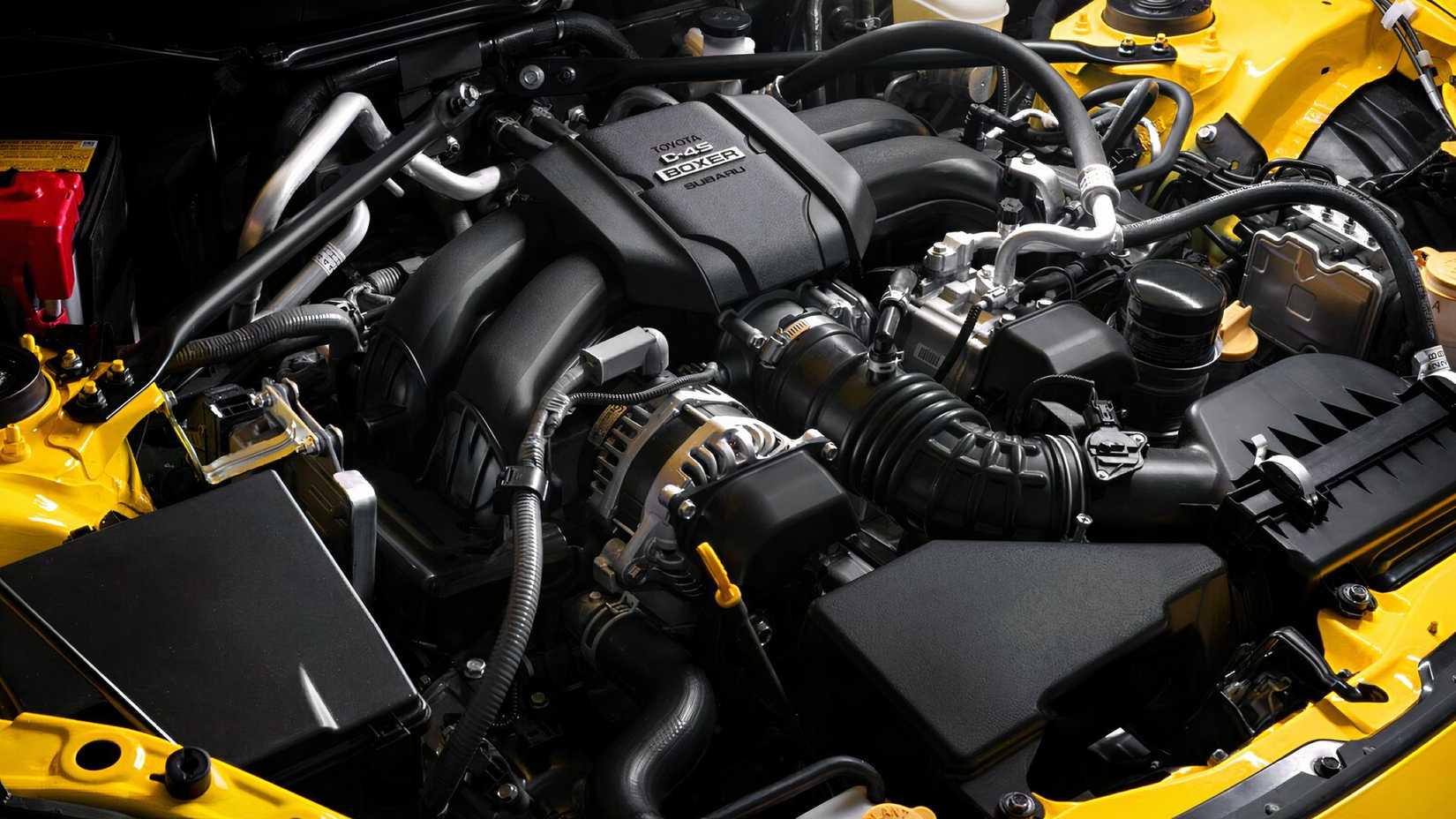
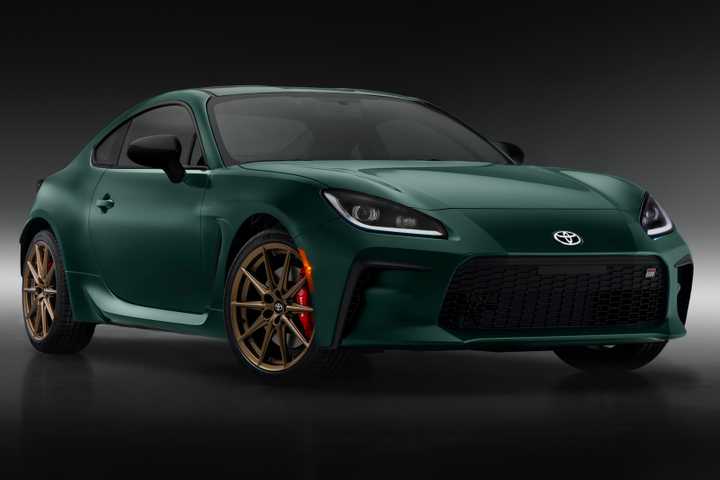
Unlike a lot of sports car lineups in 2026, the new GR86 is available with just one engine option. It is naturally aspirated; it is high-revving, and it is packed full of character underfoot. The Subaru-designed Boxer engine under the hood sits low in the chassis and has a DOHC, 16-valve setup paired with Toyota’s D-4S injection system, which pairs direct and port fuel injection for sharp throttle response. Dual variable valve timing (VVT-i) on both intake and exhaust also helps it breathe properly through the rev range, and you don’t get a single surge of power as you do from a lot of turbo engines.

- Base Trim Engine
-
2.4L H4 ICE
- Base Trim Transmission
-
6-speed manual
- Base Trim Drivetrain
-
Rear-Wheel Drive
- Base Trim Horsepower
-
228 HP @7000 RPM
- Base Trim Torque
-
184 lb.-ft. @ 3700 RPM
- Base Trim Fuel Economy (city/highway/combined)
-
20/26/22 MPG
- Make
-
Toyota
- Model
-
GR86
- Segment
-
Sports Car
Peak power arrives at around 7,000 rpm, and the engine spins up to around a 7,500-rpm redline, which should make you want to lean on it instead of short shifting. Reports say that there is a noticeable swell in power from 3,000 rpm, but the real sweet spot is high in the rev range.
The Segment’s Rare Transmission: It Has A Manual
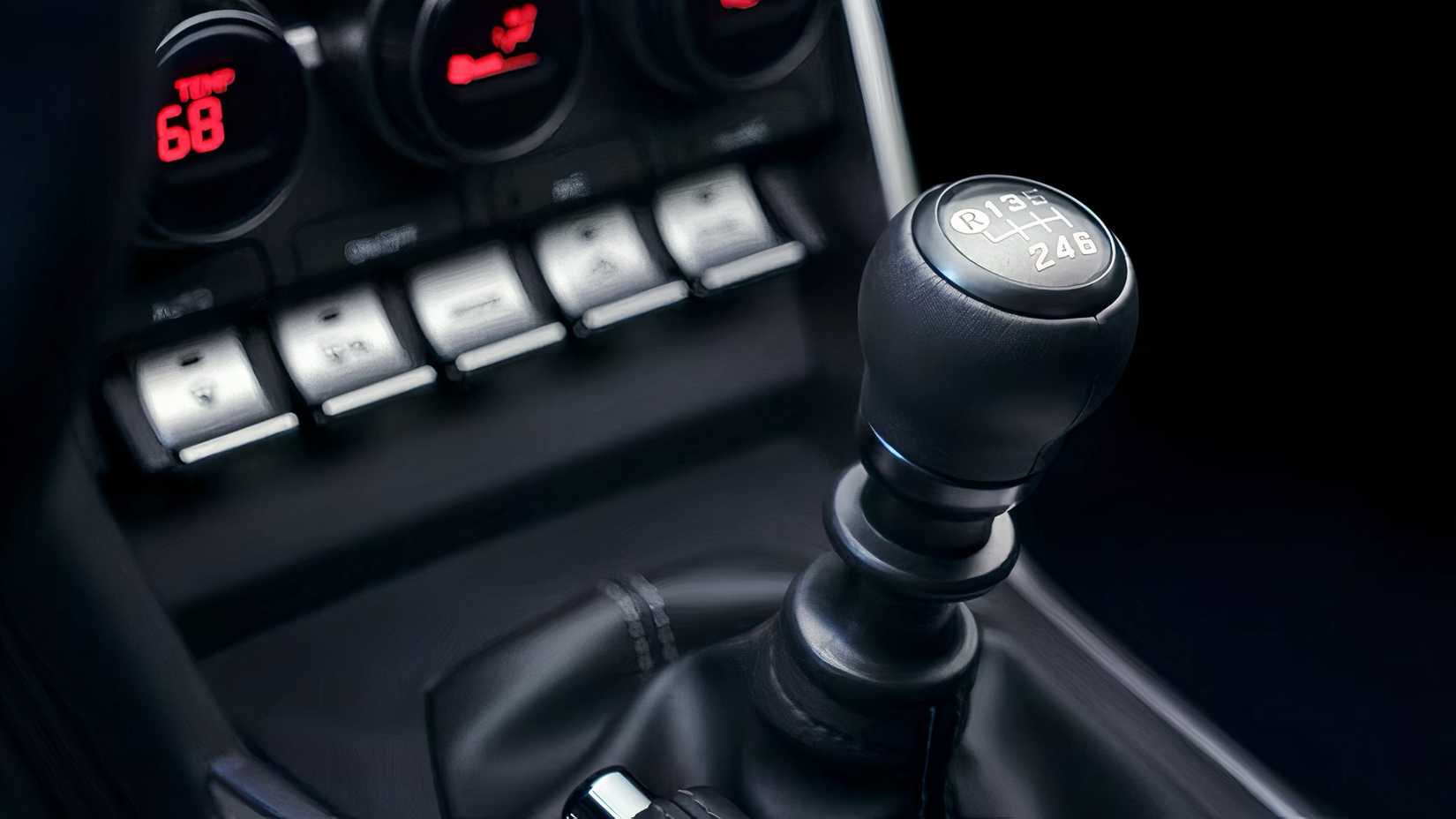
Many brands have also dropped the manual transmission, with the likes of Mercedes dropping it back in 2015, and today, it is also becoming increasingly hard to find a manual-transmission car, let alone a manual sports car. For convenience and comfort, the new GR86 is available with a six-speed auto box across the range, which also brings paddle shifters, rev-matching logic, and sporty calibration that holds gears under load.
However, the six-speed manual is the purer choice. The shift gate is tight and deliberate, with short, mechanical throws, while a sense of connection through the lever as you slot between ratios and land with a defined click is a million miles away from letting an electronic system do the work for you.
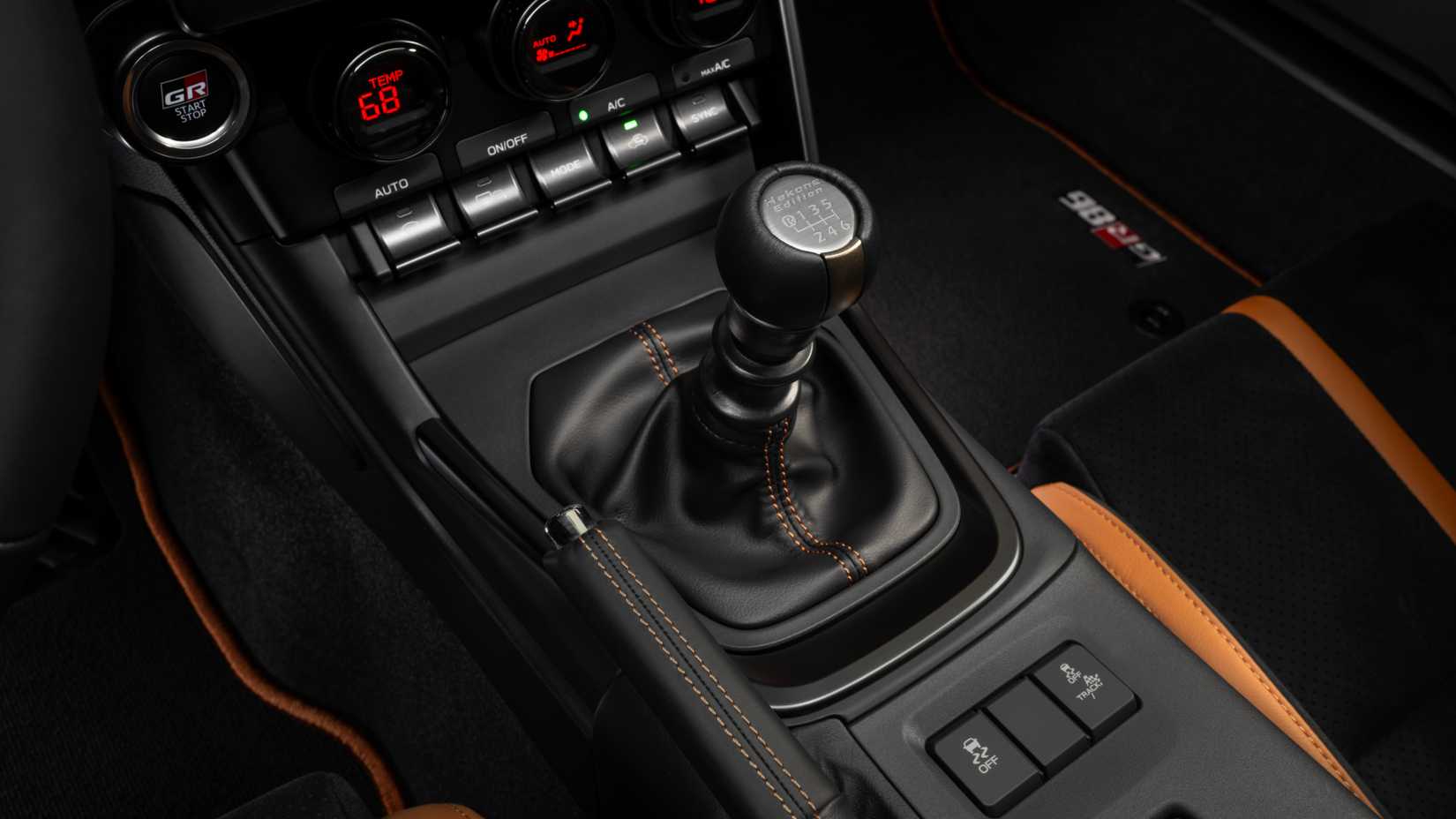
The clutch is designed to be light enough for everyday use, but it still gives you a proper bite point to work with. That means you are rewarded for clean timing, and there is no masking sloppy inputs.
Gear spacing is close enough to keep the engine sitting nicely in the lively mid-to-upper rev band, meaning you have to row between gears to keep things on the boil instead of relying on low-end grunt. Forward gear ratios for the manual-transmission GR86 are as follows.
|
First Gear |
Second Gear |
Third Gear |
Fourth Gear |
Fifth Gear |
Sixth Gear |
|---|---|---|---|---|---|
|
3.626 |
2.189 |
1.541 |
1.213 |
1.000 |
0.767 |
The Japanese Sports Car That Earns Respect From The BMW Crowd
A sports car that proves the formula still works. Engagement still matters—and this car gets it right.
How The Toyota GR86 Compares With The Latest Sports Cars
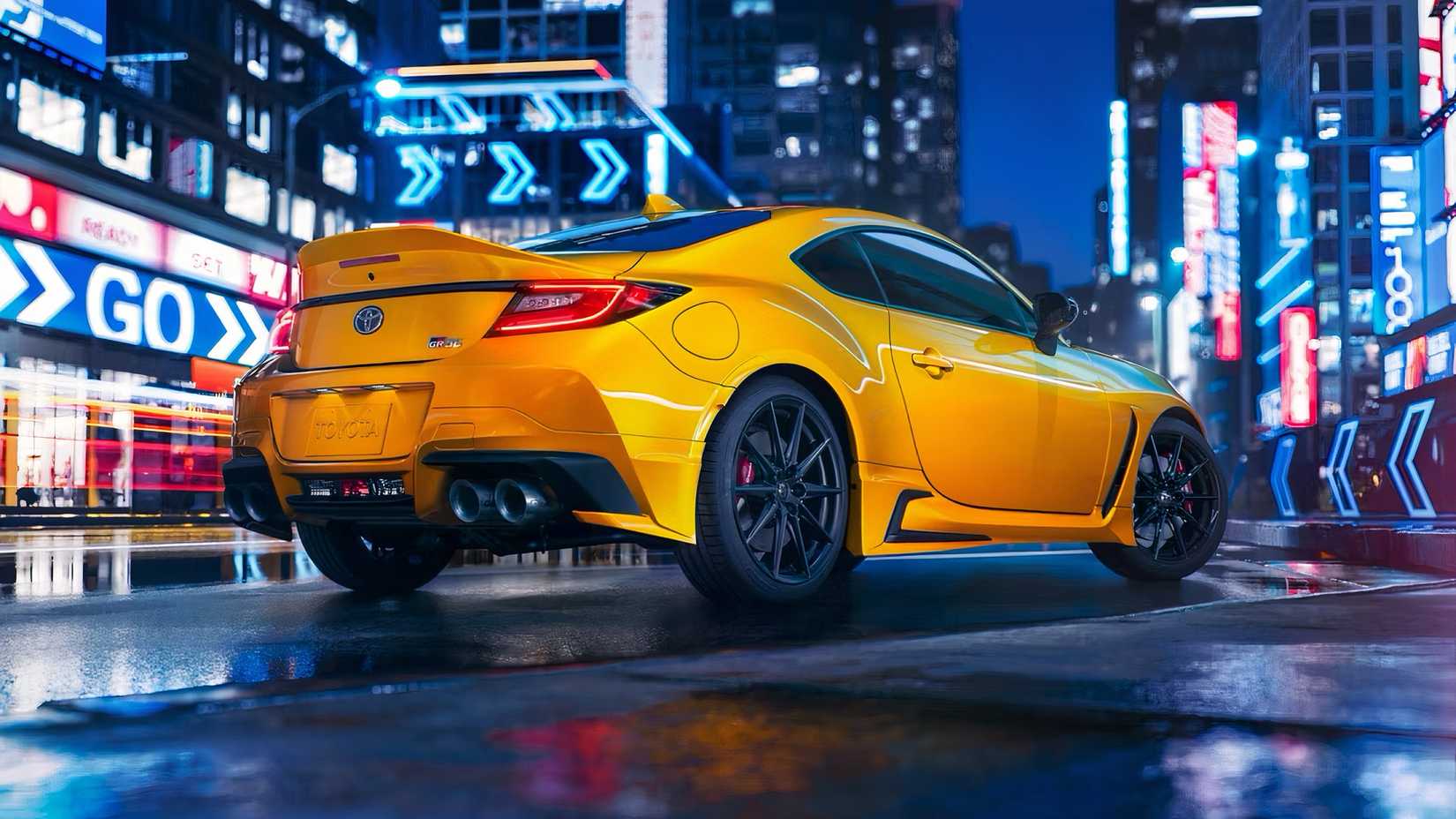
Compared to a lot of the modern market, the GR86 can be seen as a little old hat, and even outdated by those who like the software and feel of electrical systems. However, this is why the GR86 is such a standout sports car in 2026; it doesn’t need all the nannies to make a good drive, just a well-designed chassis and proper input from you.
Where Trend-Chasing Performance Cars Win
Speed is probably the defining thing that separates the new GR86 from some of the other most prolific sports cars this year. 0–60 mph times for the automatic-transmission GR86 have been clocked at 6.1 to 6.6 seconds, while manual-transmission GR86 models can hit 60 in 5.4 to 6.1 seconds. To put that into perspective, the 2026 Kia K5 GT can get to 60 in 5.2 seconds.
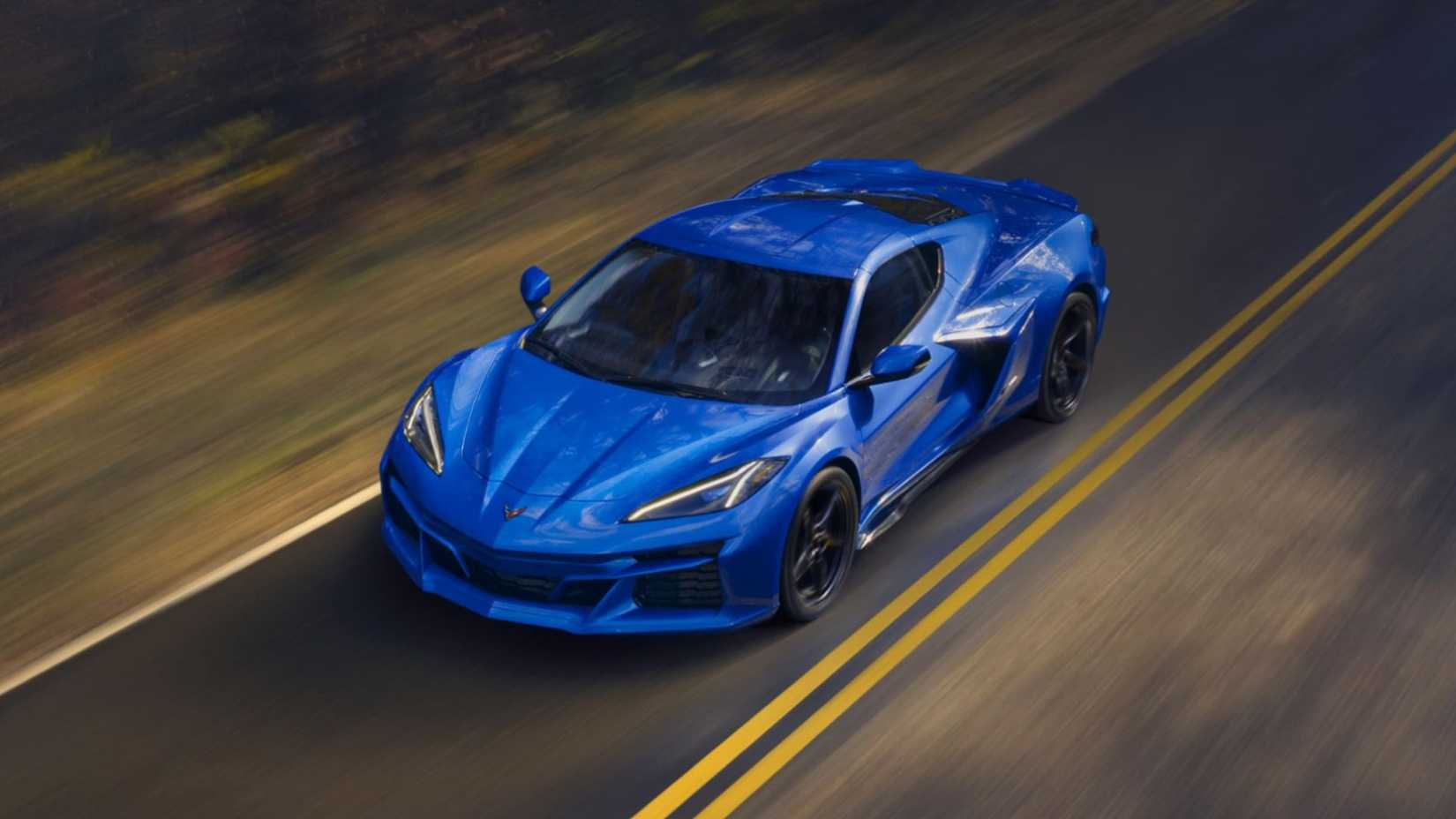
Models like the new Chevrolet Corvette E-Ray get a 6.2-liter LT2 V8 good for 495 horsepower and 470 pound-feet of torque on its own. However, the LT2 is also paired with an electric motor that raises combined output to 655 horsepower and 595 pound-feet. This translates to 0–60 mph times of 2.5 seconds.
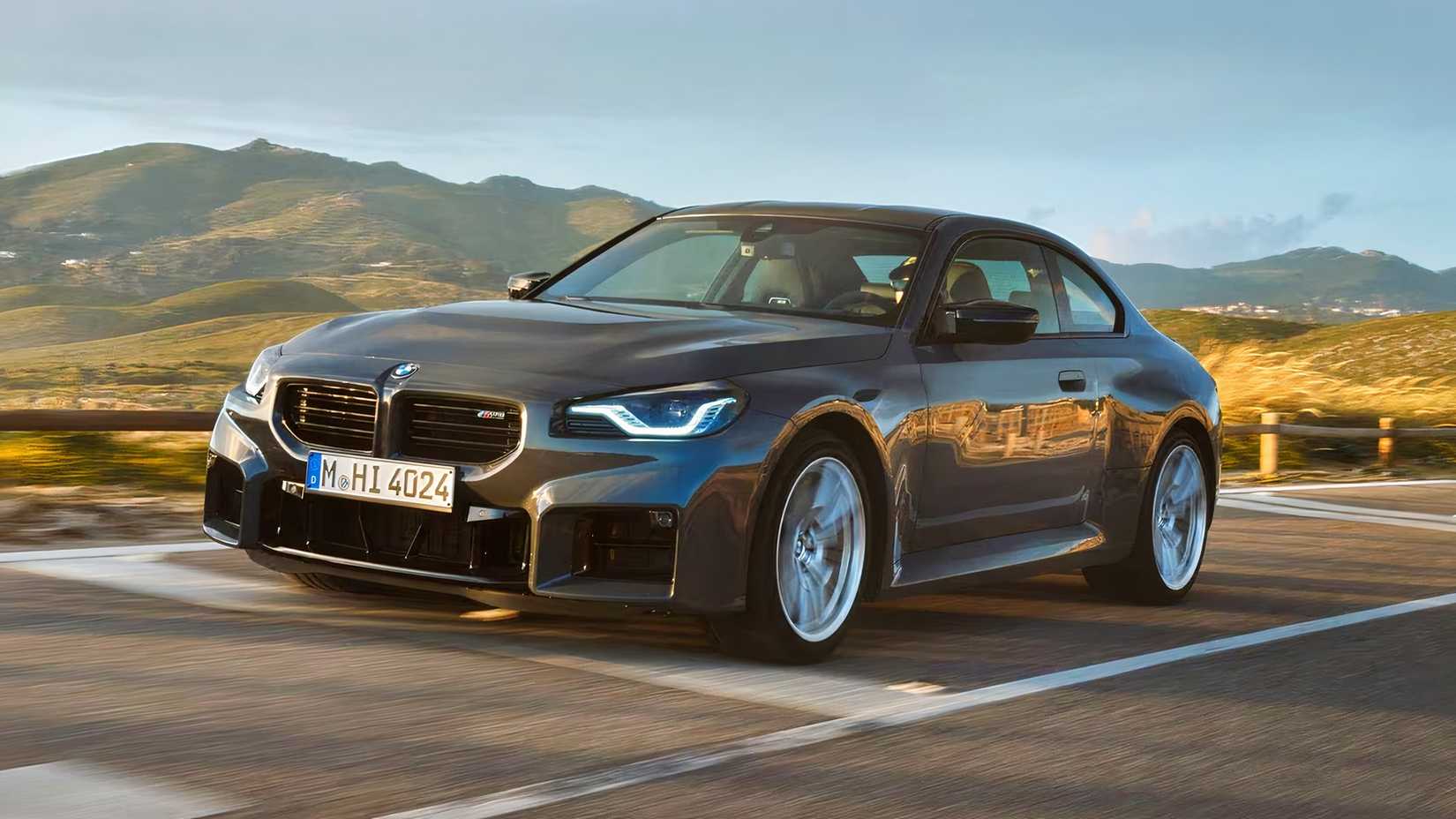
Other performance cars this year can also be calibrated a lot more for different kinds of driving. The engine under the hood of the 2026 M2 puts out 473 horsepower, and the eight-speed auto can change gears quicker than any human, but it also brings a lot of everyday usability to the market. You can leave it in automatic mode, roll through traffic without having to think, and still have instant punch ready when you push the throttle. It is very quick when you want it to be and very docile when you want that too.
Horsepower and torque outputs can be seen as meager, especially up against some of the most powerful turbocharged monsters and EV sports cars out there, but again, it is not needed. A lot of the best Japanese sports cars are famous for not chasing huge output, but rather ample power that can be used properly.
Why The Purist GR86 Still Hits Home
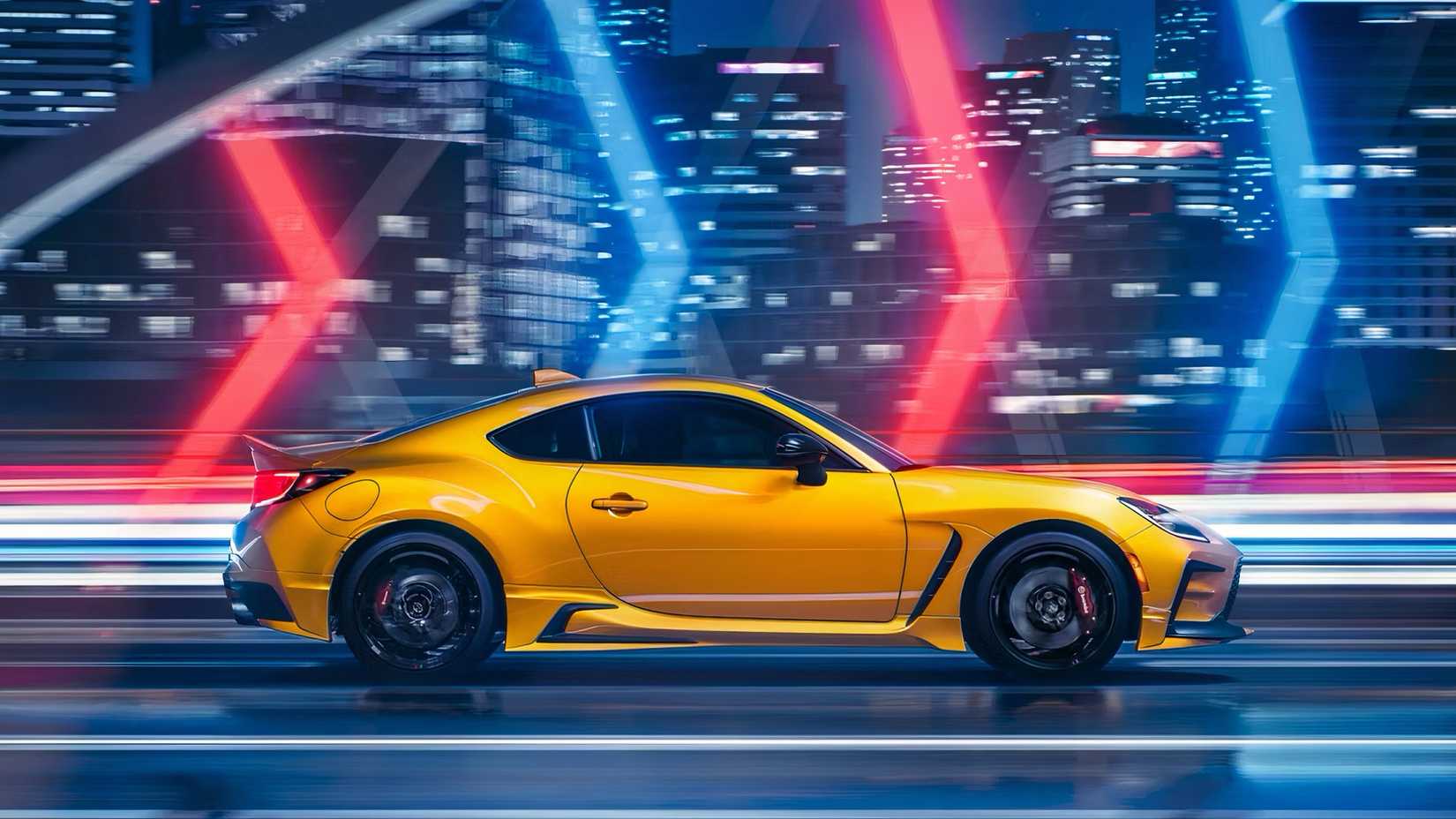
The flat-four used in the new GR86 sits at the front and low and deep in the chassis, which helps it stay close to a near-perfect 53:47 front-to-rear weight distribution. This shows when you are putting it through a corner and how it rotates; it is designed so it doesn’t feel like it’s dragging its nose or relying on electronics to fake agility. Turn-ins are clean and predictable, and like most of the build, it hasn’t been made for a specs sheet but for real-world use.
The chassis is simple but properly tuned, with a front MacPherson strut and a rear multi-link layout. There is also no AWD option; just rear-wheel drive across the range. Here, Toyota has focused more on communication rather than outright stiffness. The chassis and suspension aren’t overly rigid or track-only harsh, and the GR86 loads progressively, which means you actually feel grip building rather than being told about it through software.
Electronics are still used, in the shape of stability control and traction systems, but they don’t dominate the driving experience, with their calibrations set up to intervene late enough that you still feel in control. The steering is hydraulic-free but tuned for weight and feedback through your hands rather than “quick” artificial sharpness, and even the way it looks is reminiscent of sports cars from yesteryear.
With short overhangs, a wide stance, a long hood, and a short rear deck, the new GR86 retains classic sports car proportions, while a low roofline and wide rear haunches give it a planted stance. The front bumper is aggressive with purpose; it channels airflow to functional cooling ducts, while sculpted side skirts help manage airflow along the body. At the rear, you also get a ducktail spoiler that adds stability at speed without turning it into something that looks track-obsessed.
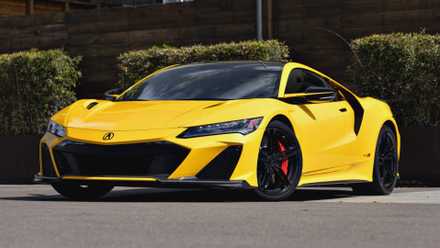
The Fastest Honda Sports Cars Ever Made
What names come to mind when you think of the fastest Honda sports cars ever made? Here are ten that stand out and top the list.
Owning A 2026 Toyota GR86 Today
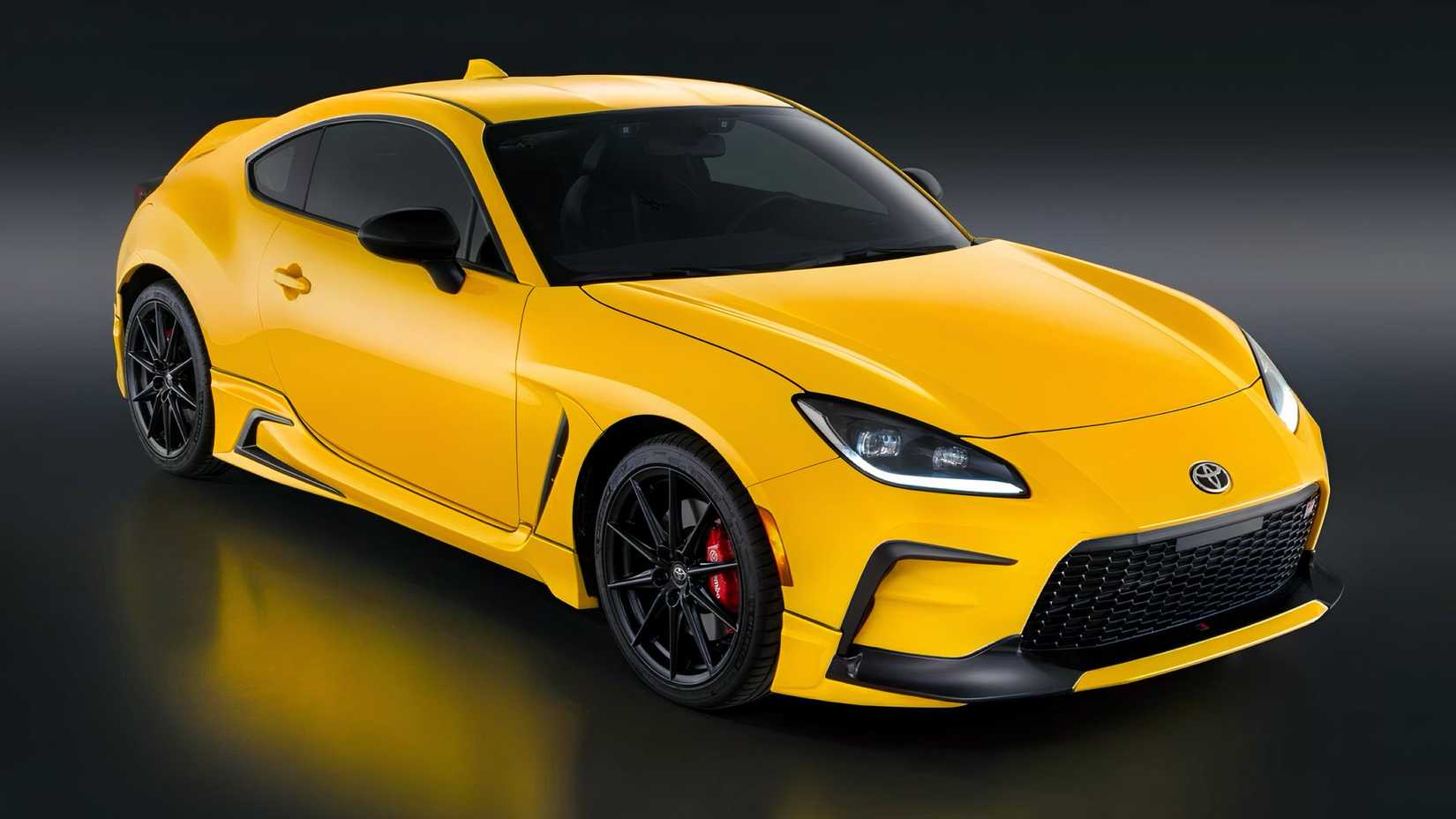
Owner reviews on Kelley Blue Book rate the new GR86 4.1 out of 5 overall, with ratings of 3.6 out of 5 for comfort, 3.7 out of 5 for performance, 3.8 out of 5 for quality, and 4 out of 5 for value, styling, and reliability. 70 percent of owners who have left a review said they’d recommend it.
You get a well-appointed cabin that climbs in luxury and features as you go up the trims. The base model is equipped with a simple layout and an eight-inch touchscreen; the Premium adds heated seats, leather upholstery, and an upgraded eight-speaker audio rig, and the Yuzu Edition builds on the Premium’s layout with exclusive accents, unique badging, 18-inch matte alloys, and a low production run of 860 models.
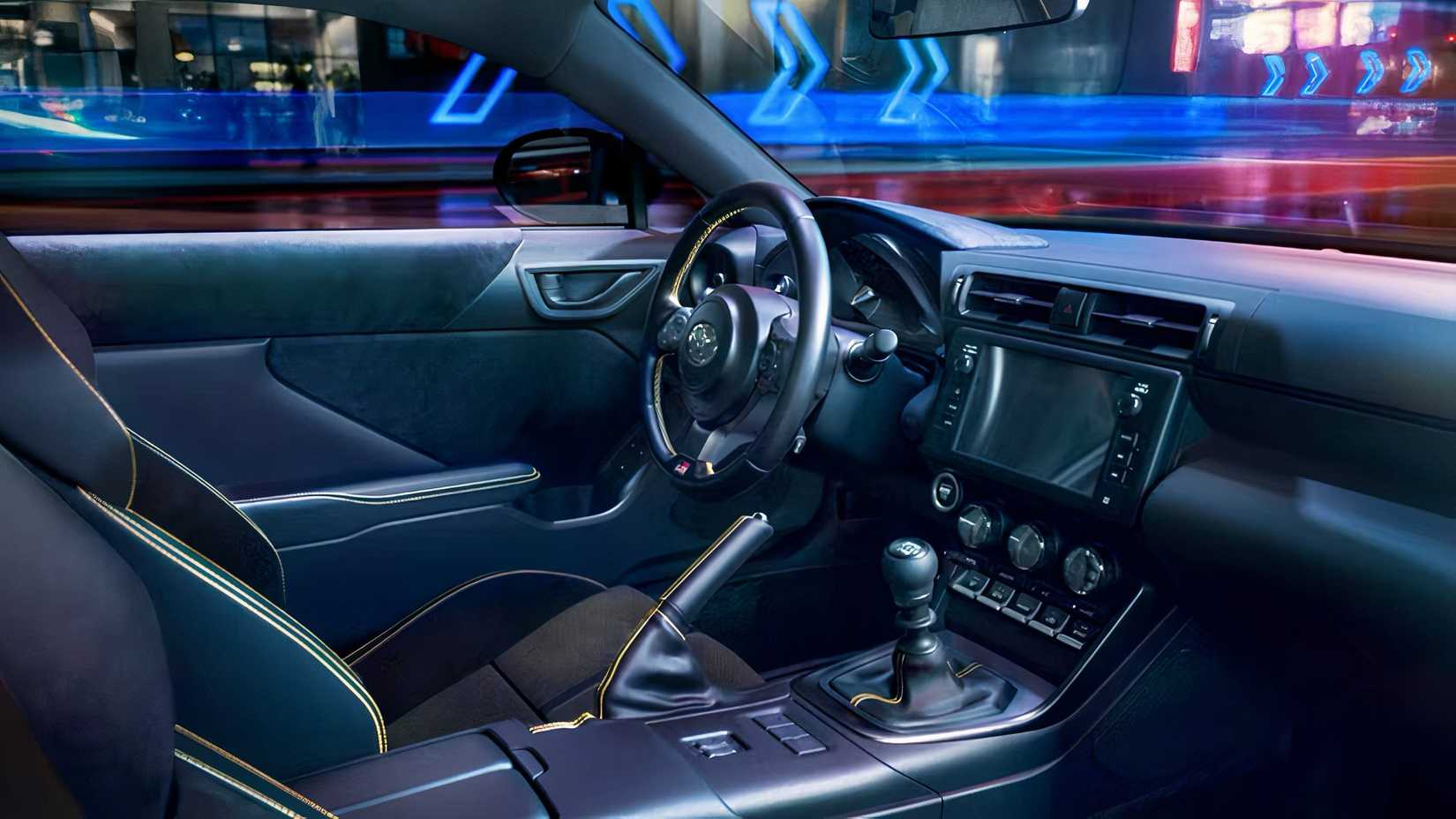
You also benefit from a decent amount of space in the front, with 41.5 inches of legroom and 37 inches of headroom. The GR86 is a 2+2 coupe, but the rear is a little cramped with only 29.9 inches of legroom. Fuel economy is also not as bad as you might expect, with current estimates saying that the GR86 can achieve up to 24 combined mpg if you go for the manual. It’s not mainstream-hybrid-car levels of efficiency, but for a car that is a lot of fun to drive and doesn’t have to follow the trends of the modern sports car market to prove a point, it is not bad.
Starting prices are also accessible, and while some may argue that you are not getting half as much as you do from a more expensive sports car, that stuff isn’t needed here. That is the point of the 2026 Toyota GR86 sports coupe; it does everything it should without being overloaded with kit, electronics, turbos, and nannies. A recent CarBuzz test drive of the 2026 Toyota GR86 sums it up nicely.
Not only is the 86 the most rewarding track machine, but it’s easy to get in, both literally and financially. The cabin is rather spacious, and visibility is superb. Plus, the GR86 is the most affordable of the line with a base MSRP of $31,400. Toyota, and its partner Subaru, created something truly special with the GR86, and we wouldn’t hesitate to recommend it to anyone looking for a top-tier sports car.
Sources: Toyota, Kelley Blue Book, The EPA
FAQ
Q: How much more is the manual transmission versus the automatic version?
The manual transmission actually reduces the MSRP by $1,100. Opting for the automatic transmission will increase the price by $1,100.
Q: How reliable is the 2026 Toyota GR86?
The 2026 GR86 gets a 79/100 for quality and reliability from JD Power, which is competitive with segment rivals. CarEdge reports lower-than-average maintenance costs and repair probability as well.
Q: What can I expect in terms of resale value?
The Toyota GR86 excels in holding its value, with CarEdge reporting it will retain 76.9% of its original value after five years and 58.1% after 10 years.