
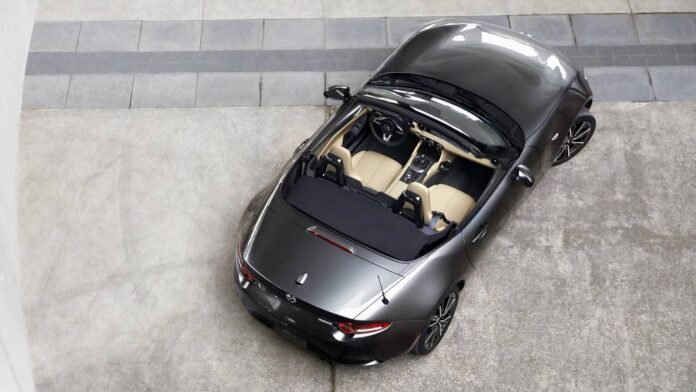
Cheap, fun, and reliable are often words bandied about to describe Japanese sports cars. As they say, there’s no smoke without fire. But, out of all the Toyota, Subaru, Honda, Mazda, and Nissan sports cars on the new and used market, we think there is a timeless classic that brings fun, reliability, cheap running costs, and cheap used prices better than all of them.
This JDM sports car has been in the U.S.A. since the end of the 20th century and, ever since, has been the go-to Japanese sports car for low-cost driving mixed with a heck of a lot of fun. It has got many gearheads into driving and sports cars, and throughout its multiple generations, it has stuck to its core principles: weight balance, usable power, and affordable thrills.
There’s No Doubt, All Mazda MX-5 Miata Models Are Fun To Drive
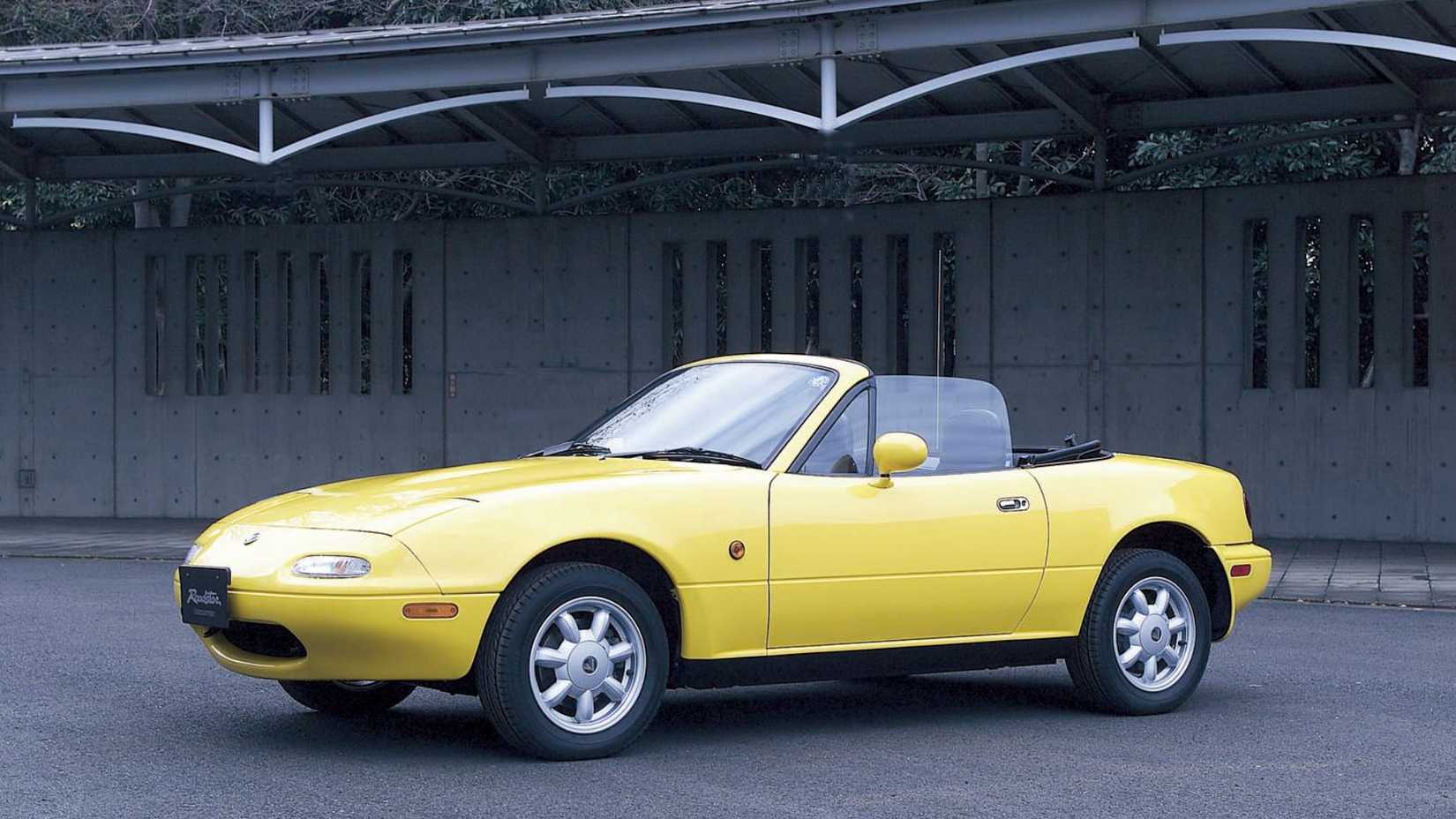
If you are looking for a sports car but don’t have tens or hundreds of thousands of dollars to break into the market or keep a high-powered sports car running, there is little doubt that the Mazda MX-5 Miata is the go-to. Debuting in 1990 to plug the gap caused by the demise of the Triumph Spitfire and the OG Fiat Spider, and to rival the more expensive European sports car market, the MX-5 has seen four lightweight, fun-to-drive, and iconic generations.
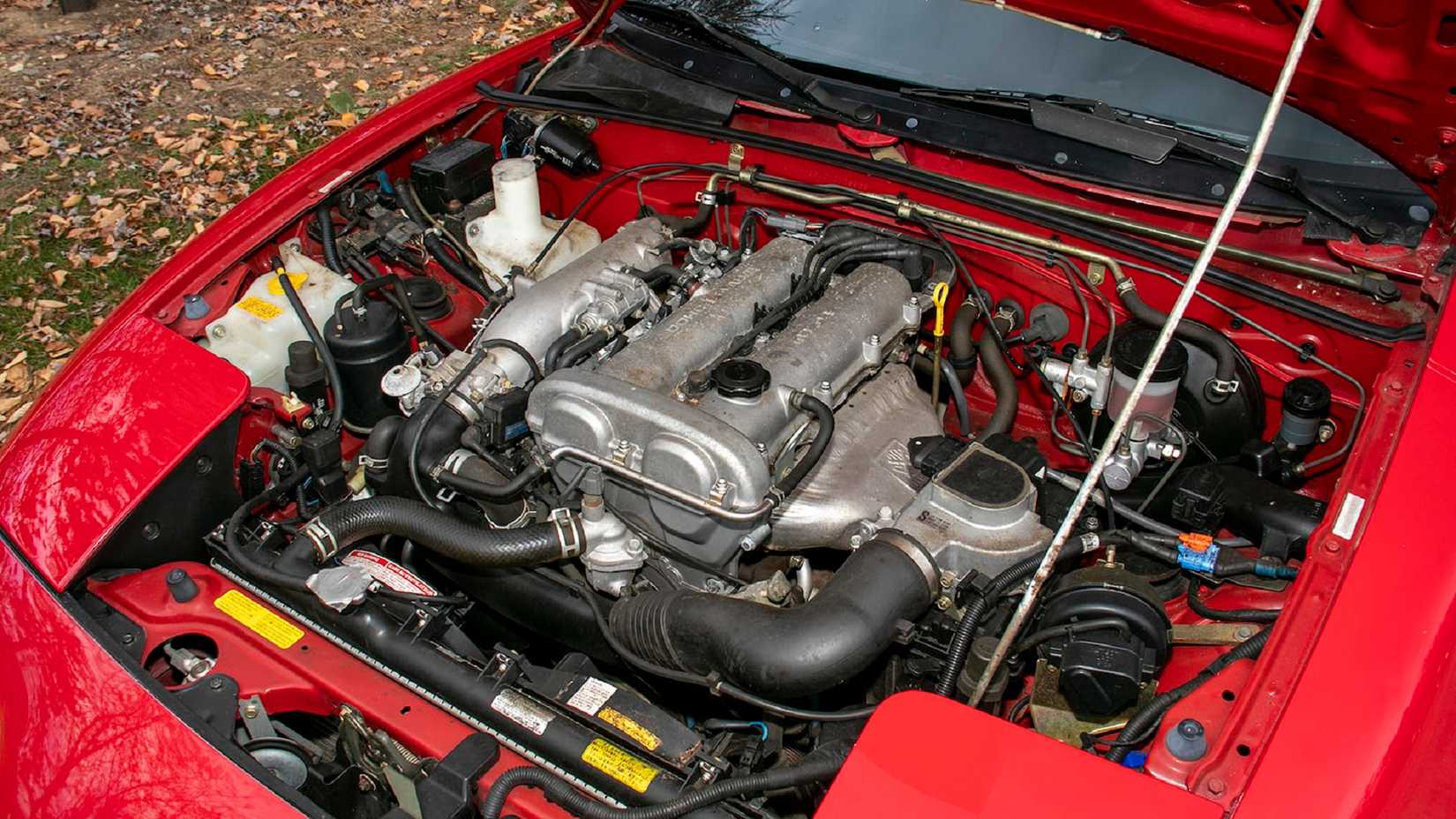
- 1990–1997 Mazda MX-5 Miata. First Generation (NA).
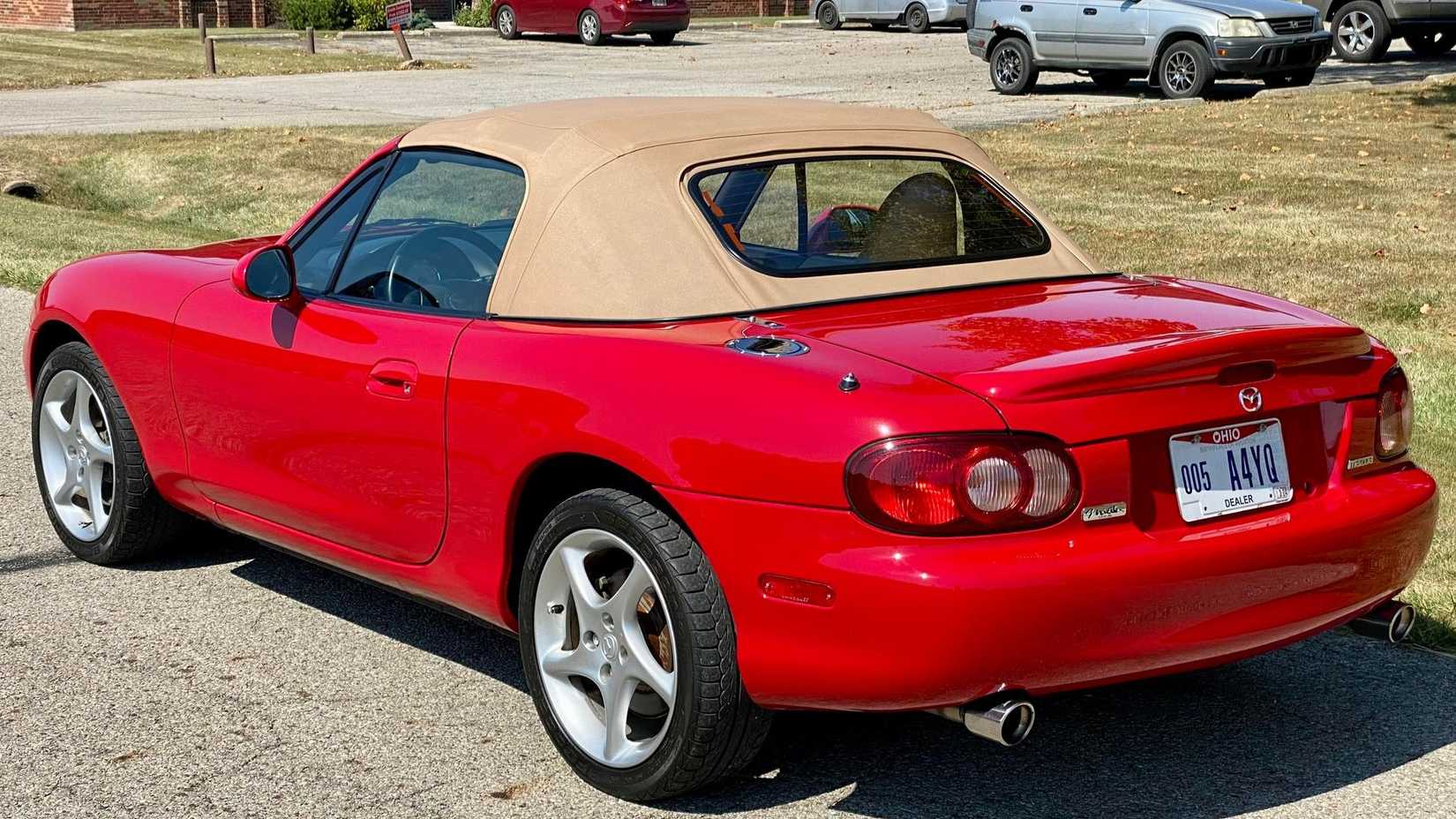
- 1998–2005 Mazda MX-5 Miata. Second Generation (NB).
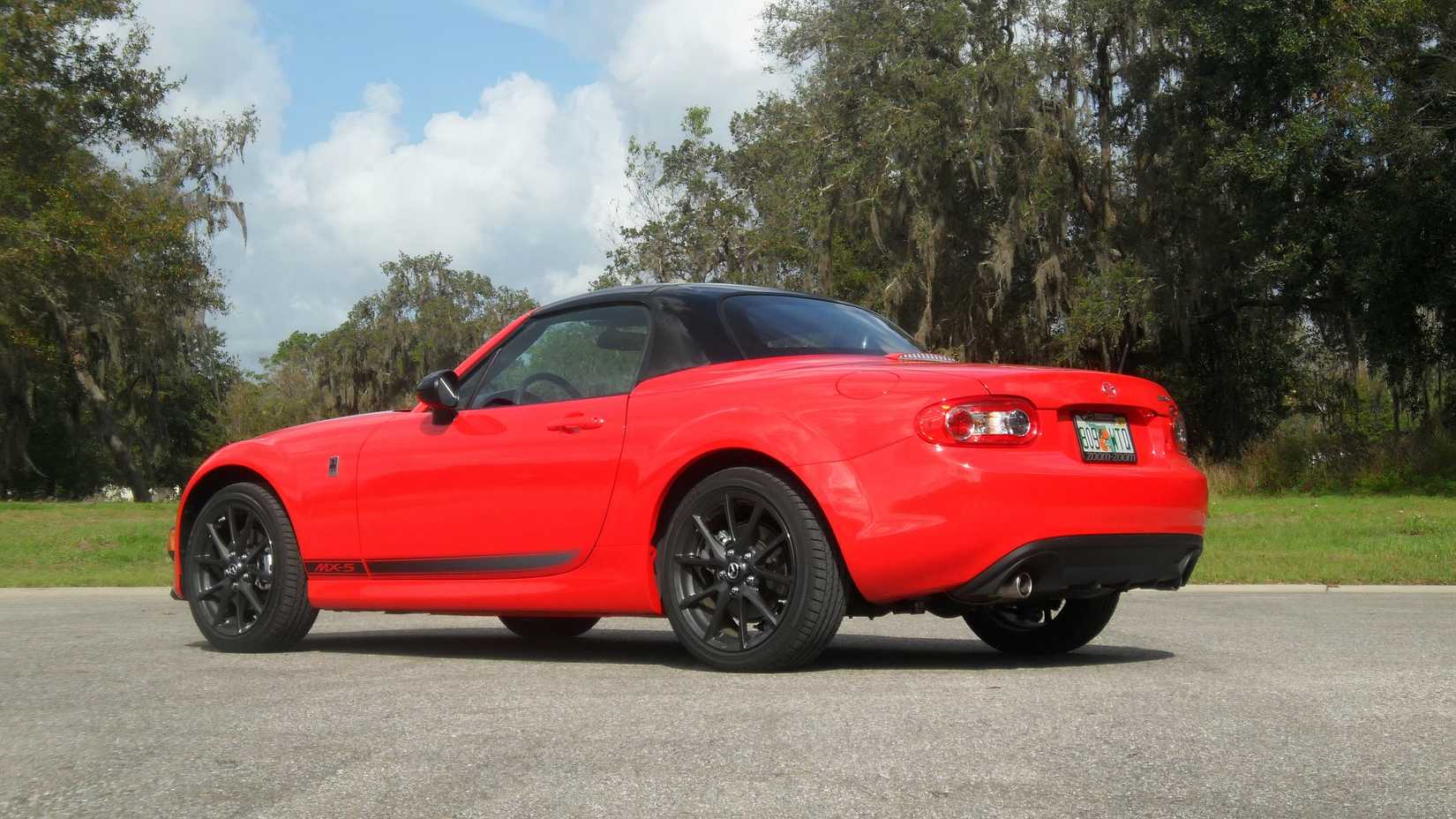
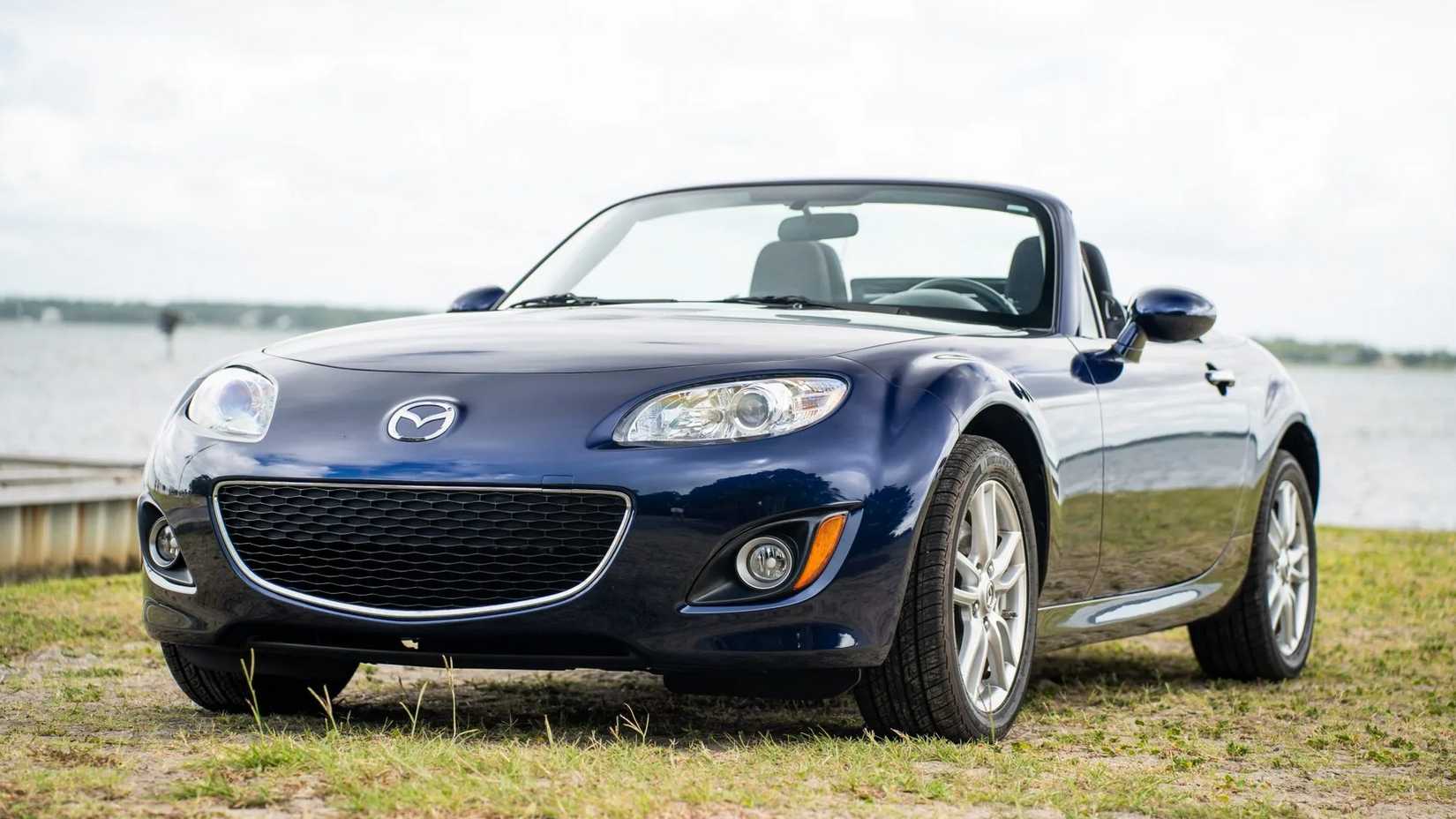
- 2005–2015 Mazda MX-5 Miata. Third Generation (NC).
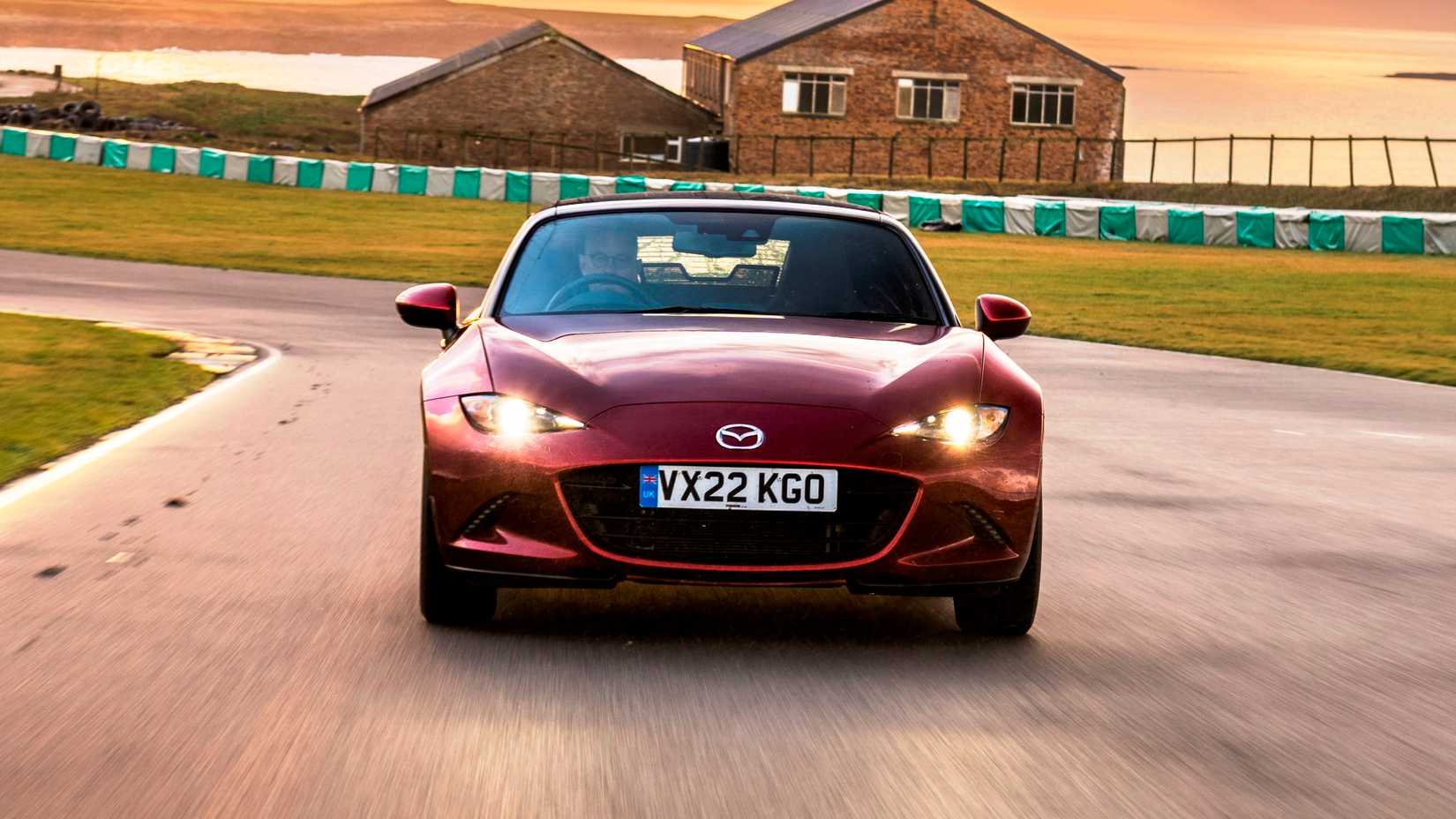
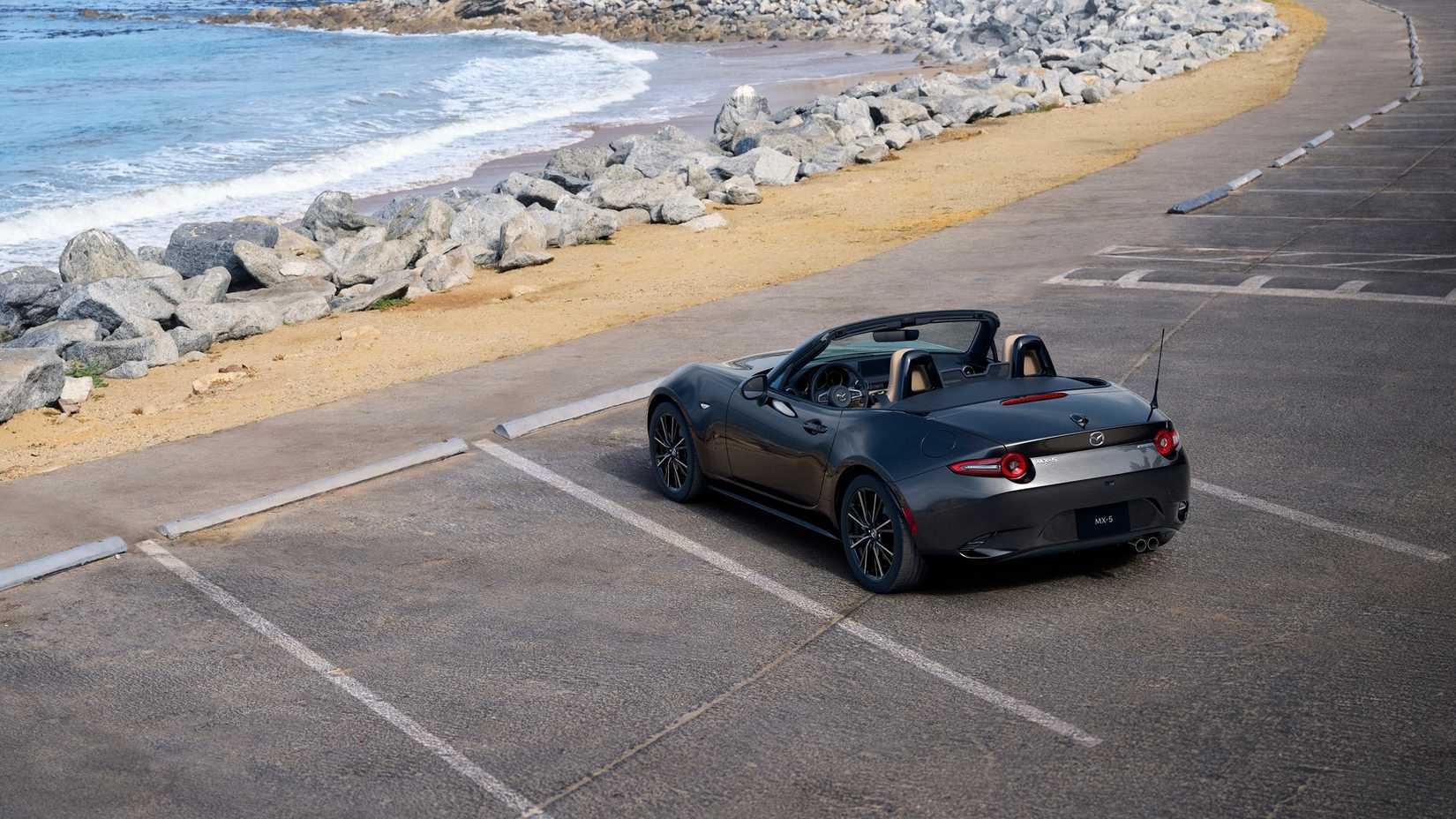
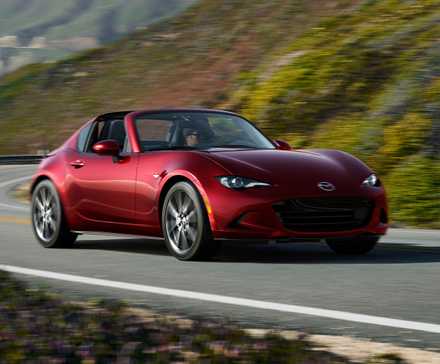
- 2016–Present Mazda MX-5 Miata. Fourth Generation (ND).
All generations, though they differ greatly, are low to the ground, boast a long nose and short deck, are near-perfect for weight distribution, and have relatively small, easy-to-care-for engines that make driving one very fun and rewarding. There isn’t much more you could ask of an iconic roadster.
Engine Options For 1990–Present U.S. Market Mazda MX-5 Miatas
Looking to buy an MX-5 is not looking to buy a powerful sports car; that is not its purpose. The point of buying an MX-5 is the balanced, easy-to-pin power that makes them real fun to use. Over the years, the MX-5 has exclusively been powered by front-mounted DOHC inline-four engines. Of course, though, horsepower and torque have crept up over the years to keep the MX-5 competitive up against models like the MR2, Z3, and Z4, but you won’t find a factory-installed mill good for over 197 horsepower.
First-Gen Mazda MX-5 Engines
|
1990–1993 |
1994–1995 |
1996–1997 |
|
|
Engine |
1.6-Liter B6-ZE Inline-Four |
1.8-Liter BP-ZE Inline-Four |
2.0-Liter BP-ZE Inline-Four |
|
Horsepower |
116 Horsepower |
128 Horsepower |
133 Horsepower |
|
Torque |
100 LB-FT |
110 LB-FT |
114 LB-FT |
|
0–60 MPH |
8 Seconds – 9 Seconds |
8 Seconds |
7.6–7.8 Seconds |
Then we have the second-gen models, which again get an increase in horsepower, and near the start of the second-gen (in 2001), the introduction of VVT, which gives the 1.8-liter engines a bit more mid-range torque.
Second-Gen Mazda MX-5 Engines
|
1998–2000 |
2001 |
2002–2005 |
|
|
Engine |
1.8-Liter BP Inline-Four |
1.8-Liter BP Inline-Four |
1.8-Liter BP Inline-Four |
|
Horsepower |
140 Horsepower |
142 Horsepower |
142 Horsepower |
|
Torque |
119 LB-FT |
123 LB-FT |
125 LB-FT |
|
0–60 MPH |
7.6 Seconds – 7.9 Seconds |
7.7 Seconds |
7.2–7.5 Seconds |
When the NC-gen MX-5 was released in 2005, Mazda changed the way the engine behaves compared to the first two generations. It was a turning point for the iconic JDM sports car. Mazda went from the iron block and aluminum head design of the early designs (which were rooted in 1980’s Mazda/Ford designs), to a lighter-weight aluminum block and head design. Plus, of course, a larger displacement, more horsepower, and more torque.
Third-Gen Mazda MX-5 Engines
|
2006–2008 |
2009–2012 |
2013–2015 |
|
|
Engine |
2.0-Liter MZR Inline-Four |
2.0-Liter MZR Inline-Four |
2.0-Liter MZR Inline-Four |
|
Horsepower |
170 Horsepower |
167 Horsepower |
167 Horsepower |
|
Torque |
140 LB-FT |
140 LB-FT |
140 LB-FT |
|
0–60 MPH |
6.5 Seconds – 6.7 Seconds |
6.6 Seconds |
6.5 Seconds |
Now we have the most modern iterations of the Mazda MX-5 with the most modern engines. The engines now boast lighter internals and higher compression ratios, and while horsepower output may not be as high at the start of the fourth gen, the emissions are more in check, and sprint times have not been affected.
Fourth-Gen Mazda MX-5 Engines
|
2016–2018 |
2019–Present |
|
|
Engine |
2.0-Liter Skyactive-G Inline-Four |
2.0-Liter Skyactiv-G Inline-Four (revised) |
|
Horsepower |
155 Horsepower |
181 Horsepower |
|
Torque |
148 LB-FT |
151 LB-FT |
|
0–60 MPH |
6.5 Seconds |
5.5 Seconds – 5.7 Seconds |
The Setup That Makes The MX-5 A Timeless Sports Car To Drive
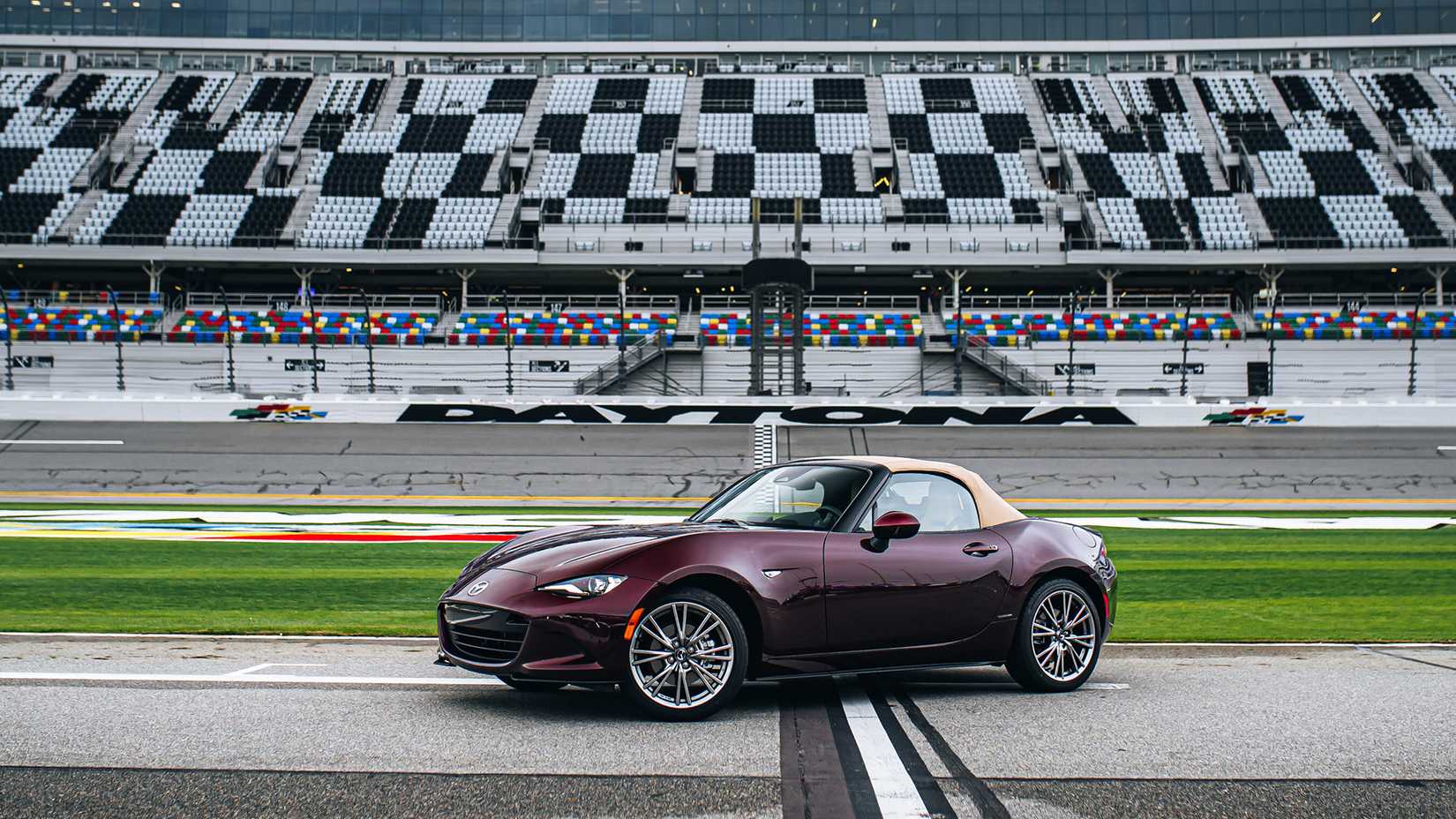
Yes, the Mazda MX-5 has changed face, and different materials have been used over the last 36 years, but at heart, the MX-5 has remained a lightweight, rear-wheel-drive, two-seater, well-balanced, front-engine-mounted sports car. This is what makes it such a fun sports car to own; the engine power isn’t too much, so you get sent off in a corner, and you can keep control of it with your foot down.
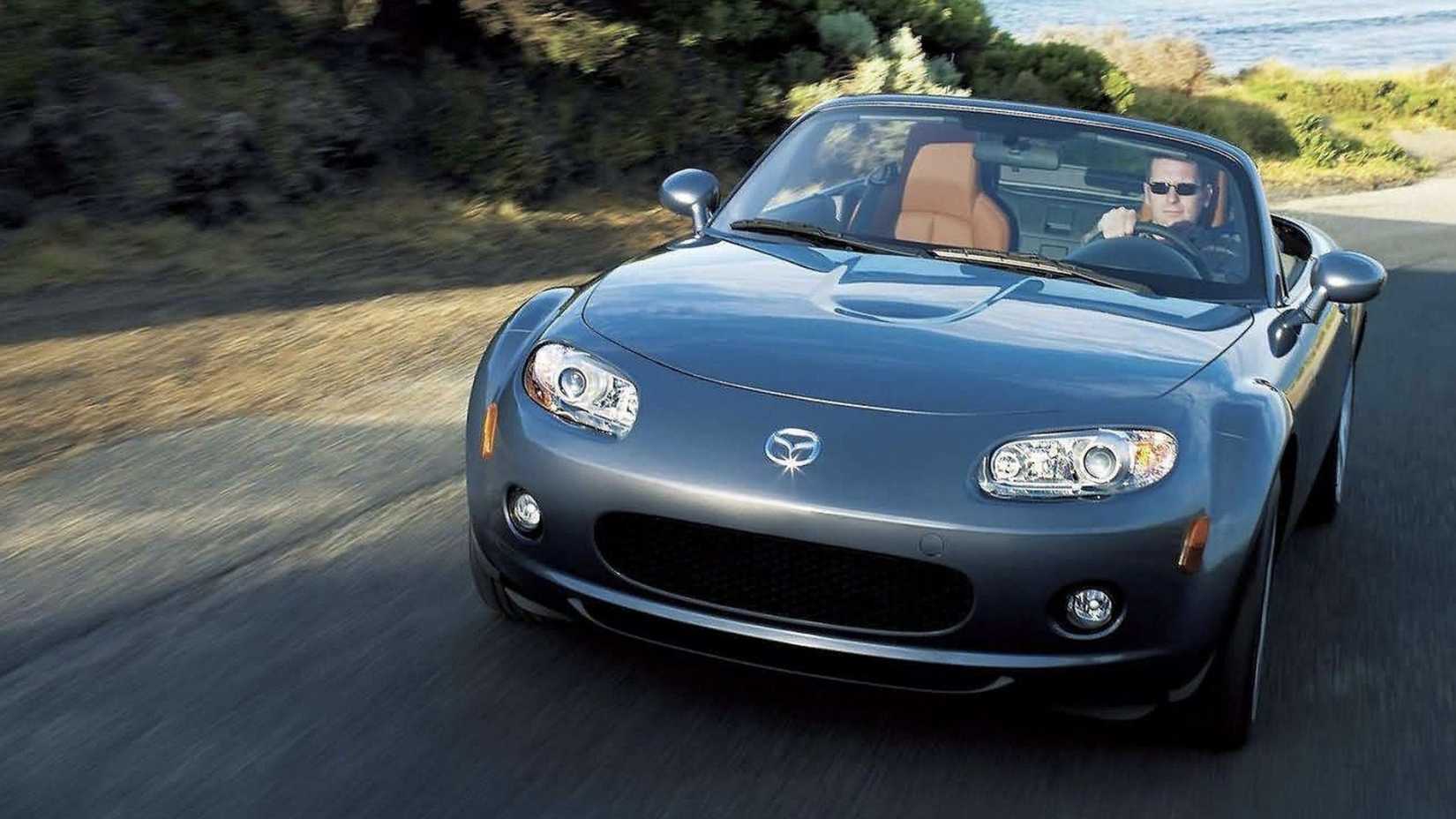
Weight has always been kept down, and while the MX-5 has grown larger and heavier over the generations, it is still well-balanced and boasts near 50:50 weight distribution. The first-gen MX-5 models boasting a 1.6-liter engine tip the scales at 2,116 pounds, while the 1.8-liter models only weigh in at 2,299 pounds; both measure in at 155.5 inches by 65.9 inches, and both sit just 4.6 inches above the ground.
Mazda MX-5 Dimensions
|
Second-Generation MX-5 |
Third-Generation MX-5 |
Fourth-Generation MX-5 |
|
|
Length |
156.6 Inches |
157.5 Inches |
154.1 Inches |
|
Width |
66.1 Inches |
67.7 Inches |
68.3 Inches |
|
Ground Clearance |
5.4 Inches |
5.4 Inches |
5.5 Inches |
|
Curb Weight |
2,205 LBS – 2,348 LBS |
2,450 LBS – 2,579 LBS |
2,366 LBS – 2,635 LBS |
Then we have the steering and suspension setups; direct is the most apt word for it. The first-gen models boast hydraulic power rack-and-pinion steering, a rigid chassis, a double wishbone suspension, and tuned coilover suspension. In essence, old-school performance configurations done right. The second-gen models follow the same configuration but boast a stiffer chassis, a more refined suspension setup, a more aggressive hydraulic steering setup, and heftier sway bars.
As for me, driving the MX-5 always feels like a therapy session. It’s that escape I need after a stressful week at work, an argument with my spouse, or the sometimes energy-draining responsibility of being a parent. It’s the sort of carefree experience that has me quickly forgetting my problems, simply enjoying life at its fullest.
– William Clavey for TopSpeed
Once again, the NC generation boasts a rear-wheel drive setup, double wishbone front suspension, a multi-link rear rig, thick 23 mm sway bars, and an ever stiffer chassis to ensure you can use what the engine can give at full tilt in the corners. The most recent generation has the bones of the three previous generations, but it also comes equipped with electric power-assisted steering instead of hydraulically powered. From 2022 onward, Kinematic Posture Control is available, which applies some braking at higher Gs to keep things stable, and sharper body features help to cut through the air.
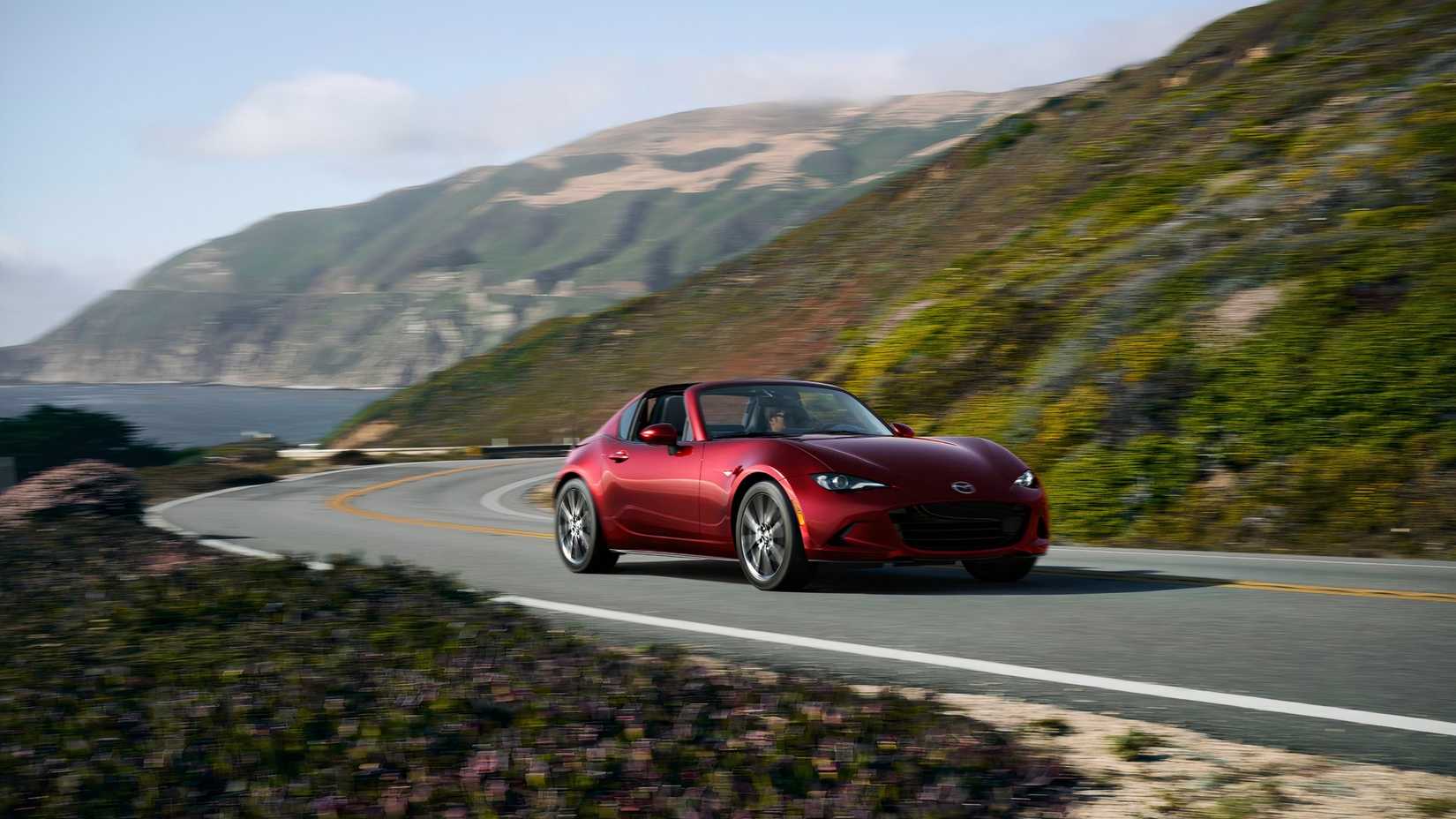
However, there is one thing that hasn’t been mentioned yet: manual transmission. Every generation of the Mazda MX-5 Miata is available with a manual transmission. Brands like Mercedes dropped the manual box back in 2015; Audi doesn’t offer a manual anymore, and even Aston Martin has dropped it, but Mazda has ensured that purists who want to feel the gear shift and throw a stick into gear still can.
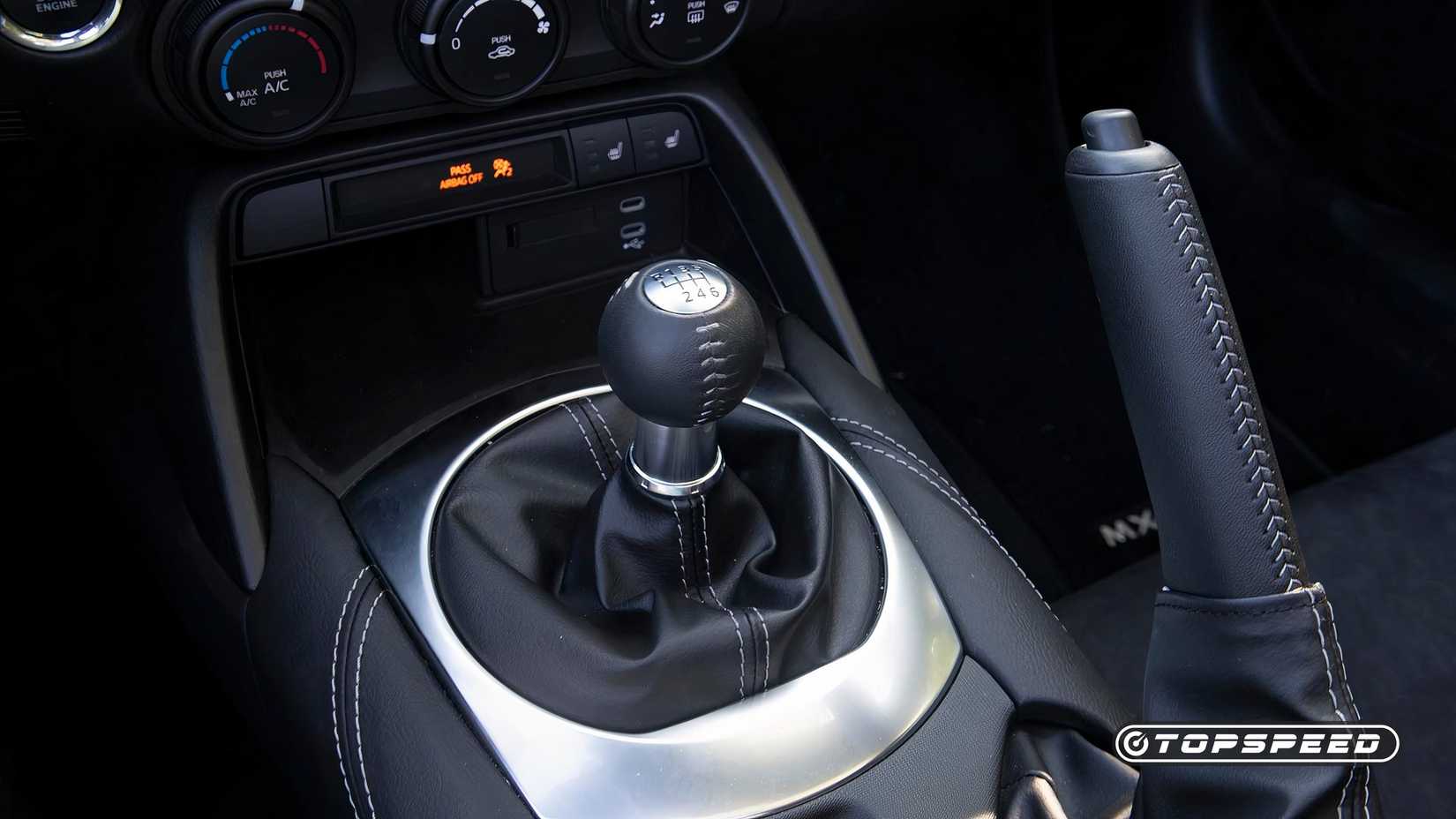
The first-gen models come equipped with a short-throw five-speed stick; the second-gen get a five-speed or a six-speed box in special editions; the third-gen models come equipped with either a five or six-speed manual, and even the latest models, in a world of disappearing manual transmissions, come equipped with a six-speed SKYACTIV-MT manual setup. Mazda knows what sports car drivers want, and the MX-5 delivers.
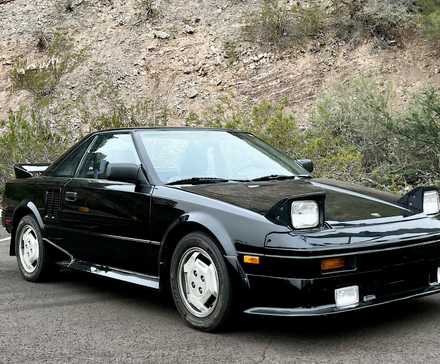
10 Forgotten JDM Icons That Deserve A Comeback
These ten forgotten JDM icons represent some of the most innovative and exciting cars to come out of Japan.
The Mazda MX-5 Is Reliable, But Not All Are Created Equal
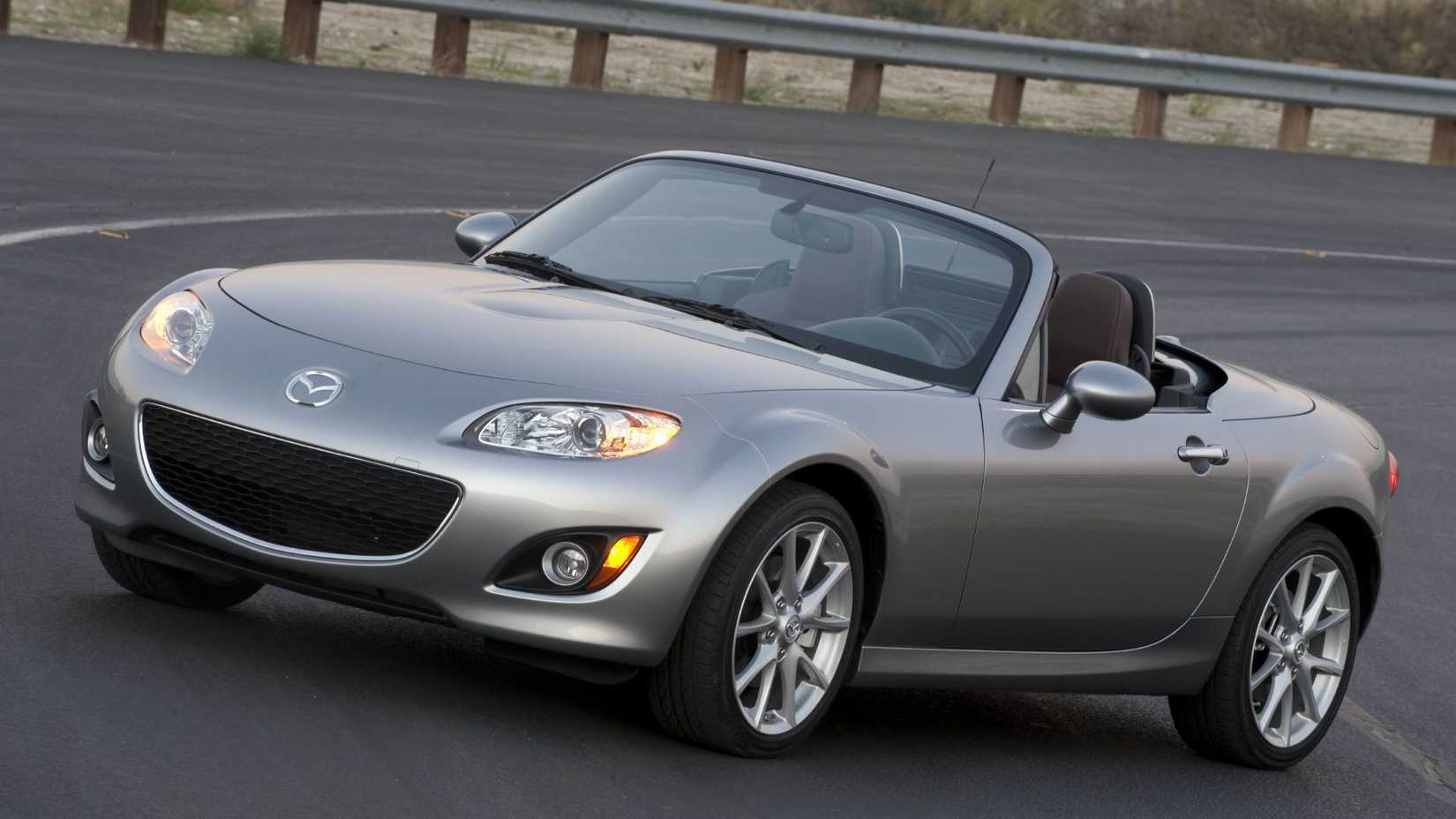
So, if you are looking for a sports car with three pedals, usable power, pinpoint weight distribution, direct feedback behind the wheel, a cutesy-yet-sporty look, and stiff springs, then most models of the Mazda MX-5 Miata are worth a go with. Of course, the older models feel a little more hands-on compared to the newer ones, but they are all set up to be driven. But how about reliability? Sports cars don’t always have the best relationship with dependability. Are Mazda MX-5s actually reliable?
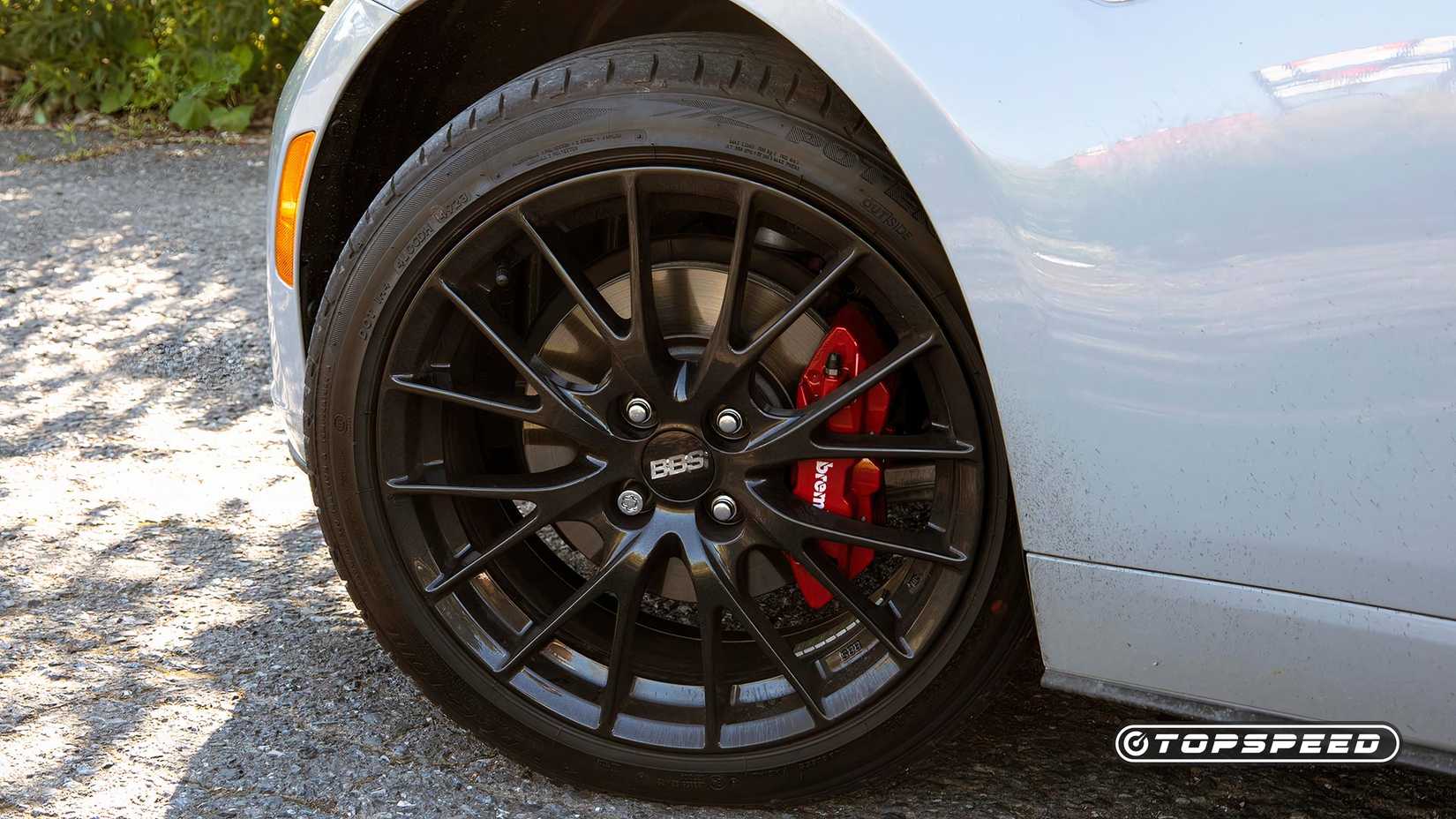
On the whole, yes. They are. According to RepairPal, the whole MX-5 model line gets a 4 out of 5 reliability rating. RepairPal says that, on average, MX-5 owners have to bring their models into the garage 0.3 times a year for unscheduled maintenance, which is lower than the market average of 0.4 times a year. They have also said that with the high reliability rating of the whole model line, the MX-5 is the eighth most reliable subcompact car they monitor; so, for something that is fun in the twisties, there isn’t much better.
The Most Reliable Mazda MX-5 Generations
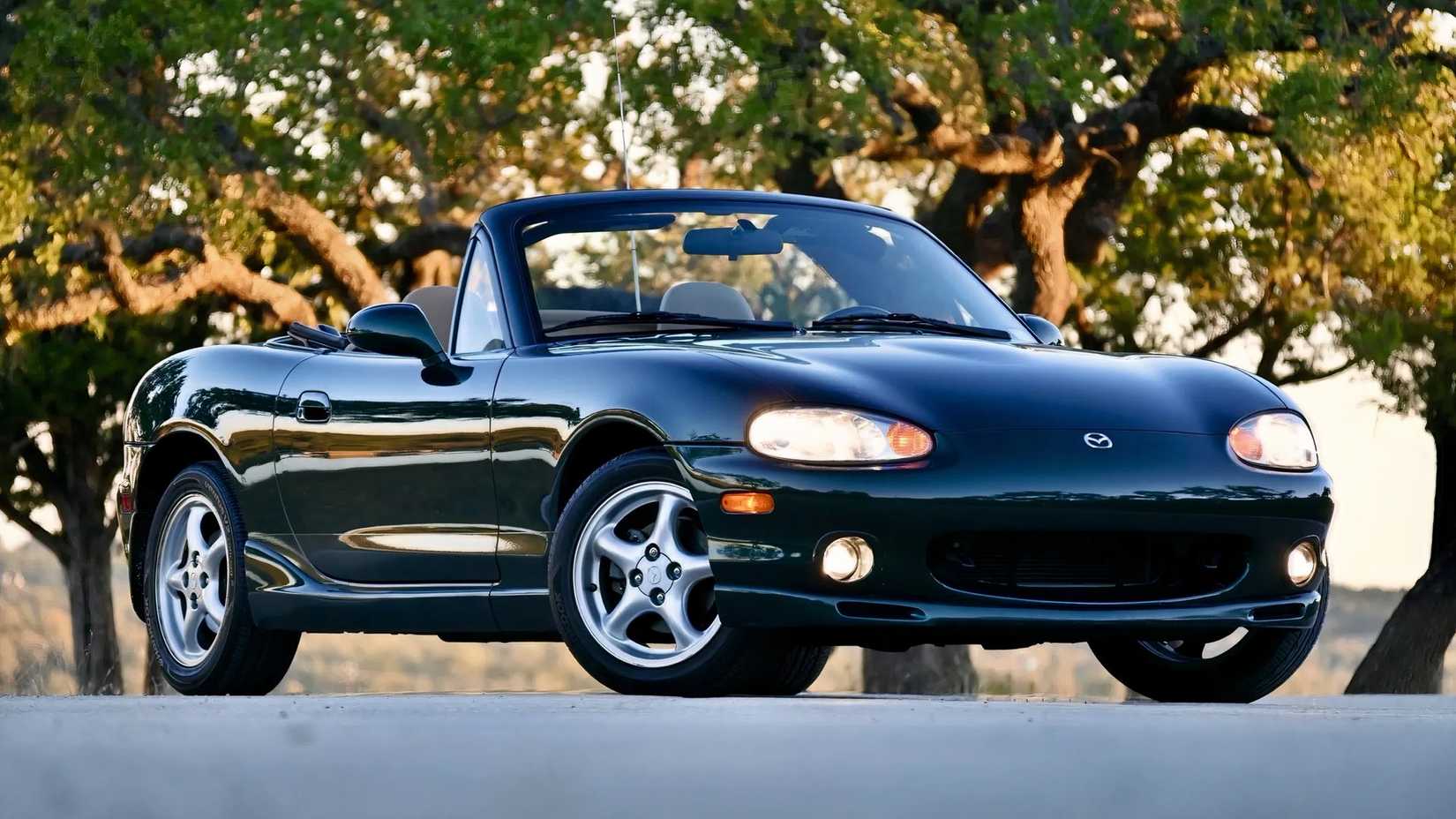
In terms of being the simplest and being simply the most bulletproof, it has to be the first-gen models. The engines utilized aren’t too powerful, and there are minimal electronics in the cabin to hamper your driving. While more people either praise or complain about reliability online more today than they would have in the 1990s, the NA-gen MX-5 has still received a lot of reviews on Kelley Blue Book. There are 199 reviews of the 1992 MY, and out of them, 98 percent of owners would recommend buying one, and have given it a reliability rating of 4.9 out of 5.
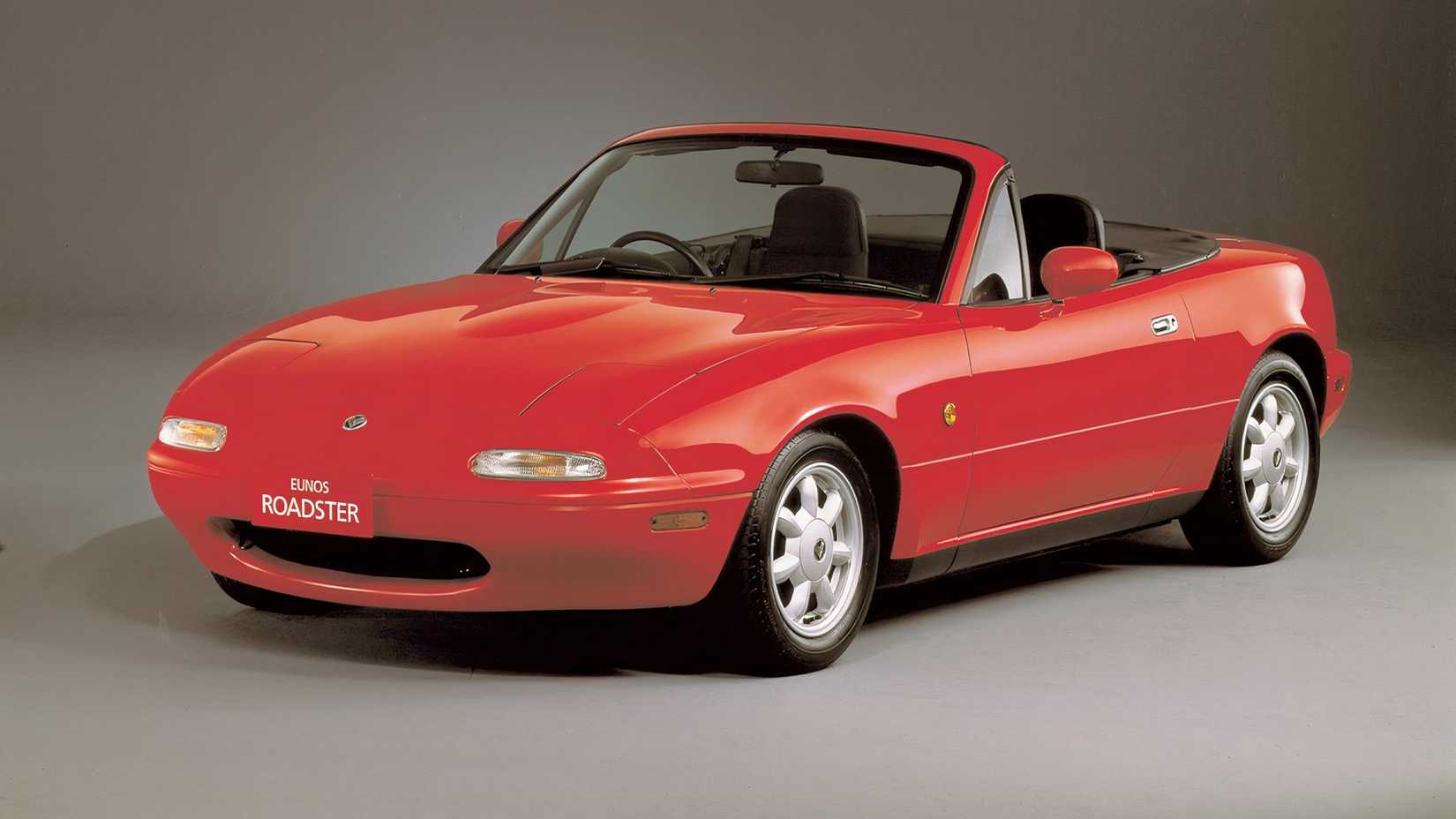
Another generation that can be considered as one of the most bulletproof is the NB generation (98–05). On KBB, models like the 2004 MY have received 319 owner reviews and have still garnered a reliability rating of 4.9 out of 5, with 98 percent of owners again recommending it. Again, there is a lack of complex electronics anywhere; they are simple and well-built, and the engines utilized are non-interference engines. So, if there is a timing belt snap, there is likely to be a catastrophic failure. Some owners have claimed to have put over 200,000 miles on their NB-gen MX-5s, and they are still going strong.
The Least Reliable Mazda MX-5 Generations
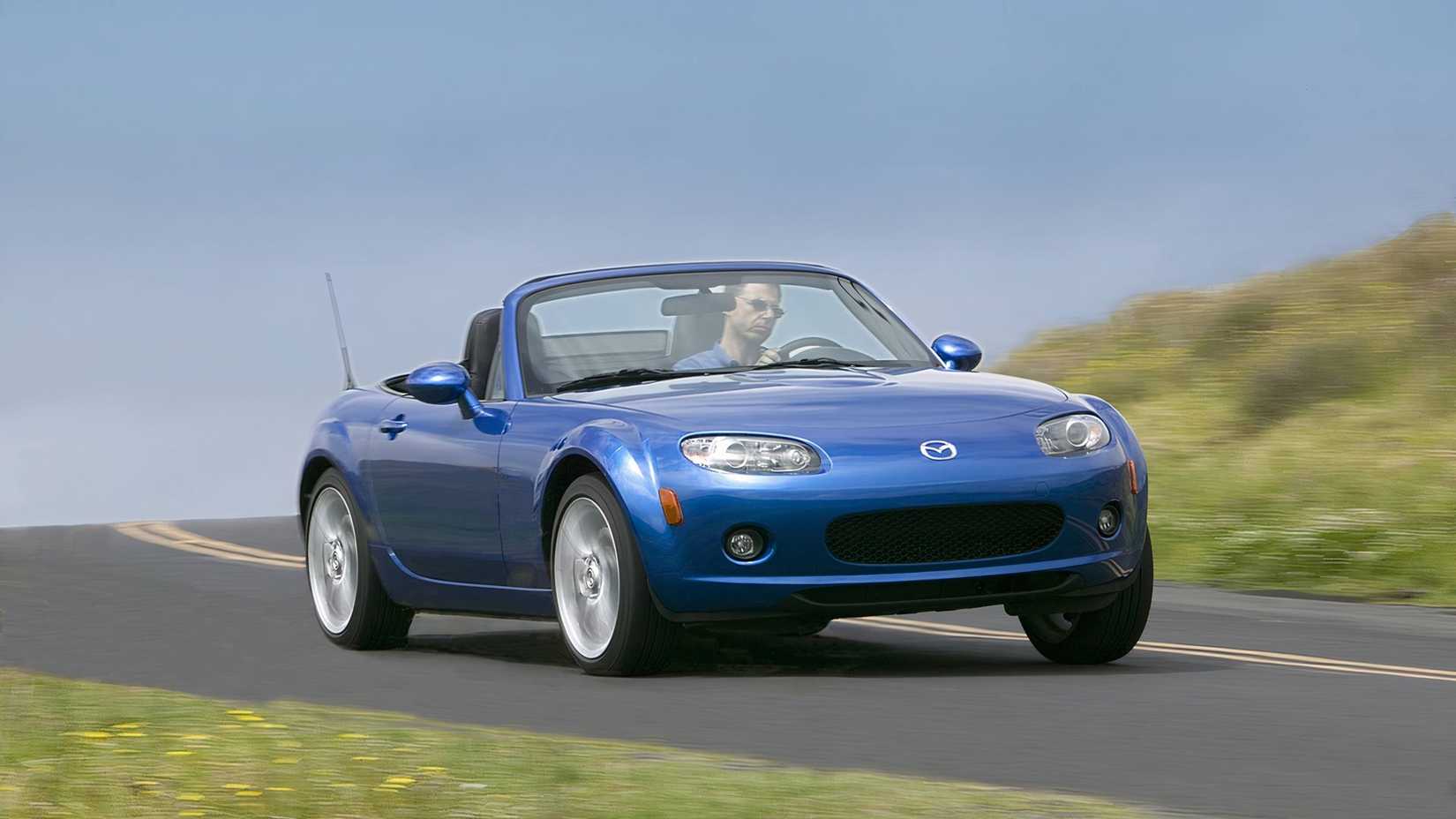
When we say ‘least reliable MX-5,’ it is relative. All model years have gained a very strong reputation for dependability. However, there are some niggles in both the NC and ND generation models that make them slightly less reliable. For example, the retractable roof mechanism used for some of the roadsters is prone to failure. No generation before had this electronic feature, so it couldn’t go wrong. Also, the plastic coolant tank is renowned for over-expanding and cracking, which, of course, is not good news at any time of day. Despite this, even models like the 2010 MX-5 get a 4.9 out of 5 reliability rating on KBB. There is just a bit more to go wrong.
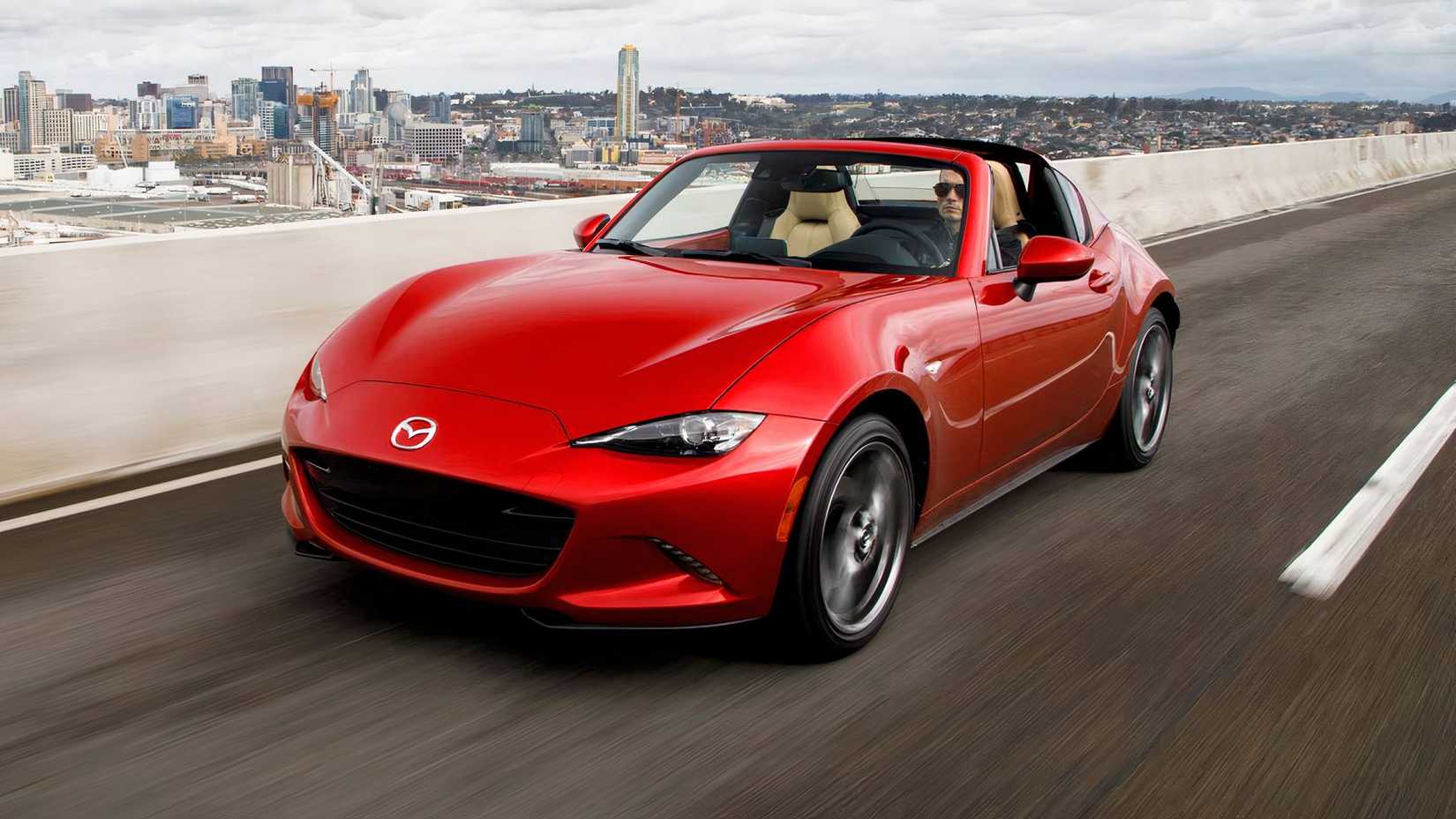
The same can be said about the most recent models. The engines are still renowned for being solid, but the 2016 and 2017 MYs were prone to a weak manual transmission; in particular, some owners have reported total transmission failure, while the automatic transmission models were recalled for a faulty bracket in the transmission tunnel.
Also, because there are more electronics in the cabin (infotainment system, air conditioning, etc.), there have been reports of lots of rattling behind the plastics and glitches in some of the infotainment systems. However, once again, the MX-5 is reliable, and models like the 2024 Mazda MX-5 get a reliability score of 4.8 out of 5 from 72 reviews on KBB.

10 JDM Legends You Can Import And Daily Drive In 2025
Enthusiasts rejoice! These JDM icons can now be legally imported in the U.S. Just remember that the driver’s seat is on the other side.
How Much It Costs To Own An MX-5: Cheap Ownership Costs For The Iconic JDM Model
Owning a sports car doesn’t have to be an expensive hobby, and that is the real beauty of the Mazda MX-5. According to Classic.com, you can buy a first-gen MX-5 for the average auction price of $11,790. The second-gen MX-5 only has an average auction price of $12,758; the NC-gen models have an average auction price of $15,787, and the newest generation will cost you between $13,600 for the entry-level 2015 MY to $35,700 for the top-tier 2026 Mazda MX-5 Grand Touring. That’s not where it ends, either; they are relatively cheap to run as well.


Find 2025 Mazda MX-5 Miata and more cars for sale on our Marketplace
Mazda MX-5 Fuel Costs
The MX-5 isn’t what you would call the most fuel-efficient car on the market, but for a sports car that is cheap to buy and is a lot of fun, it is really not too bad. The 1990 MX-5, boasting the 1.6-liter engine, can muster a combined mpg rating of 24 mpg, costing you just $1,850 a year for gas. The 1995 1.8-liter-equipped model does predictably worse, but can still return 23 combined mpg, costing you $1,900 a year for gas.
The most fuel-efficient early MY from the NB generation is the 1999 model featuring the five-speed manual box, which can return 24 combined mpg, costing you $1,850 a year for gas. The 2005 MY (NC-gen) boasting a five-speed manual does slightly worse, at 23 combined mpg, but you have to run it on premium gas, so it will cost you around $2,550 a year to fill up.
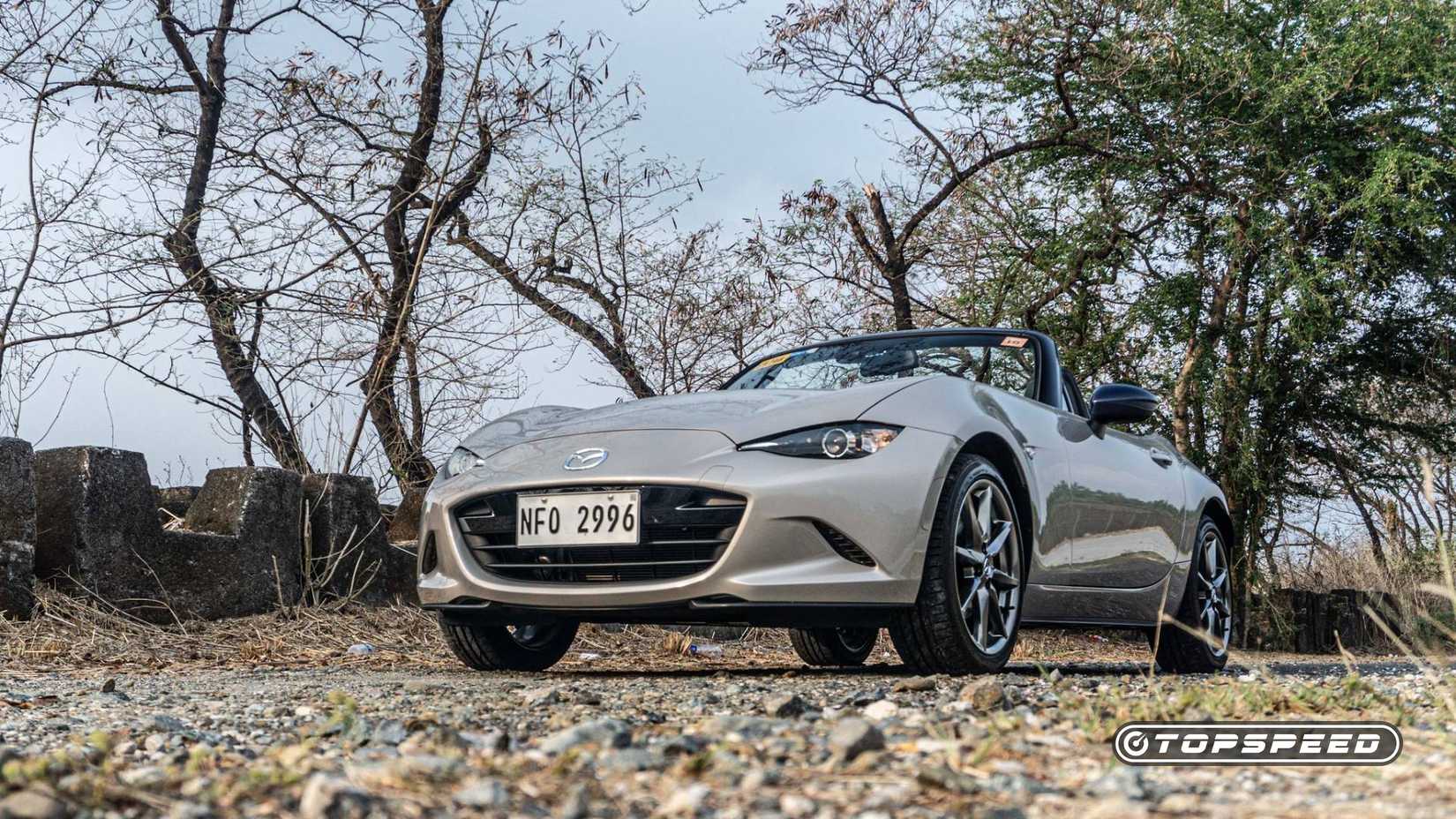
The new engine for the ND-gen MX-5s looks to have paid off in more ways than one. According to FuelEconomy.gov, the 2016 Mazda MX-5, boasting a six-speed manual, can achieve 30 combined mpg, and will cost you $1,950 a year for gas. Even the 2025 model (the most recent that FuelEconomy.gov has), boasting a manual box, can return 29 combined mpg, and will cost you $2,000 a year for gas.
Mazda MX-5 Maintenance And Ownership Costs
Another big aspect of owning a sports car that likes to take its share of your income is maintenance, but alongside high reliability ratings, the MX-5 also has low maintenance and parts costs. The ideal combination. According to RepairPal, the average annual maintenance bill for a Mazda MX-5 is just $429. That makes it a long way cheaper than the average maintenance cost for the rest of the market of $659. Echoing this, iSeeCars has given the MX-5 a reliability rating of 8.9 out of 10, and votes it the best sports car you can buy at the moment (largely based on costs and the high reliability rating).
CarEdge also says that, if you buy a new MX-5 Miata, it will only cost you $41,918 to own over five years. This includes a 35-percent value depreciation, just shy of $10,000 for insurance, $9,200 for gas, $5,800 on interest, and $2,500 for maintenance. Compared to something like the BMW Z4, which will cost you $68,331 over the same time, the MX-5 looks like an economy car.
America’s Least Driven Car Is One Of The Best To Drive
It’s ideal for canyon carving. But poorly suited to just about everything else.
The MX-5 Is Famously Fun And Cheap, But Should You Buy One?
No, you shouldn’t. You shouldn’t buy a Mazda MX-5 Miata if you are looking for face-melting sprint times, though you can strap a turbo to a good number of models to improve things. No, you shouldn’t buy an MX-5 if you are looking to carry a load in the trunk, and no, an MX-5 isn’t for you if you want oodles of fancy racing tech.
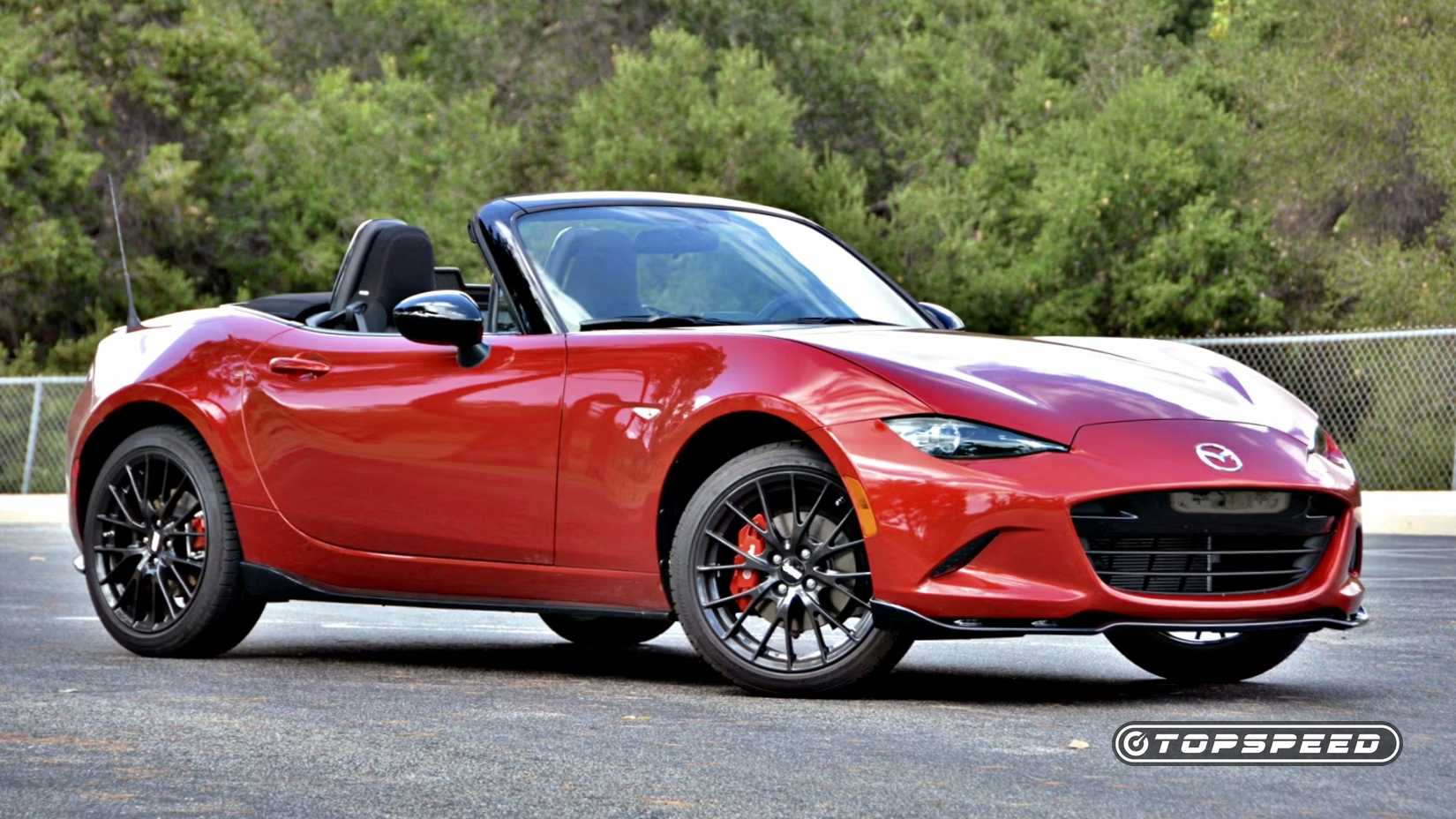
However, the Mazda MX-5 Miata is a timeless sports car which we can’t see going out of fashion any time soon, new or used. If you want honest feedback from the steering wheel and rail-like handling, then yes, the MX-5 is something you should buy. If you want generally hassle-free driving and low costs, then it is also for you. New and used prices are very low across the board; there is a huge amount of scope to boost things; parts are easy to find, and they are instantly recognizable on the road.
It’s obvious when sitting inside a Mazda MX-5 Miata that this car exists for a single purpose: driving. If you’re complaining because you don’t fit inside it or because it won’t allow you to stuff a family’s worth of groceries in its trunk, then you’re missing the point. If the Miata has survived this long, it’s precisely because Mazda hasn’t tried to please everyone. Instead, it has stayed true to its promise of delivering a simple, reliable, lightweight roadster that brings a smile to its driver’s face.
– William Clavey for TopSpeed
Yes, it isn’t worth a fortune, it doesn’t have all the bells and whistles, and it won’t set any speed records, but what the Mazda MX-5 Miata has done over 36 years is stay true to hands-on driving. Driving is meant to be fun, not just slogging it through traffic, and this is the reliable and cheap Japanese sports car that can offer it.
Sources: iSeeCars, Mazda, J.D. Power, RepairPal, Kelley Blue Book, Classic.com, and CarEdge.