
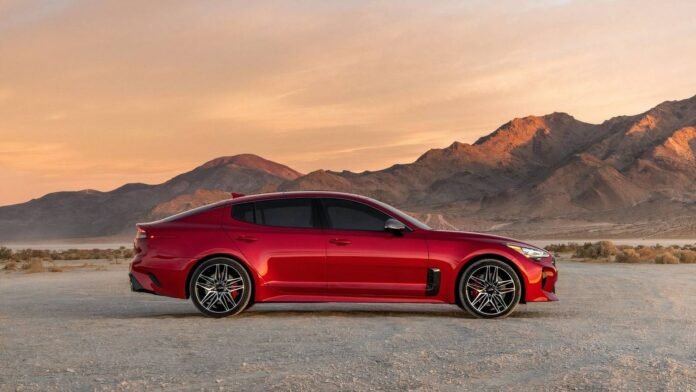
There’s a widening gap in today’s car market between what buyers expect from a new vehicle and what they can actually get for their money. Mainstream sedans have grown more expensive, more technology-heavy, and more efficient, but not necessarily more exciting. The result is a segment filled with competent, well-rounded cars that rarely stir emotion. At the same time, the used market is quietly becoming a haven for enthusiasts and savvy buyers. Cars that were once engineered to challenge premium European rivals are now depreciating into price brackets occupied by everyday commuter vehicles. And that shift is creating a compelling opportunity.
Because when a lightly used performance-focused grand tourer costs the same as a brand-new midsize sedan, the buying decision becomes far more interesting than it first appears. The Kia Stinger GT2 sits right at the center of that conversation. It’s a car that blends twin-turbocharged performance, rear-wheel-drive dynamics, and long-distance comfort, yet now trades hands for the same money as a new Toyota Camry. The question isn’t just which car is better; it’s which philosophy makes more sense for your money.
Grand Touring Performance Without The Luxury Price
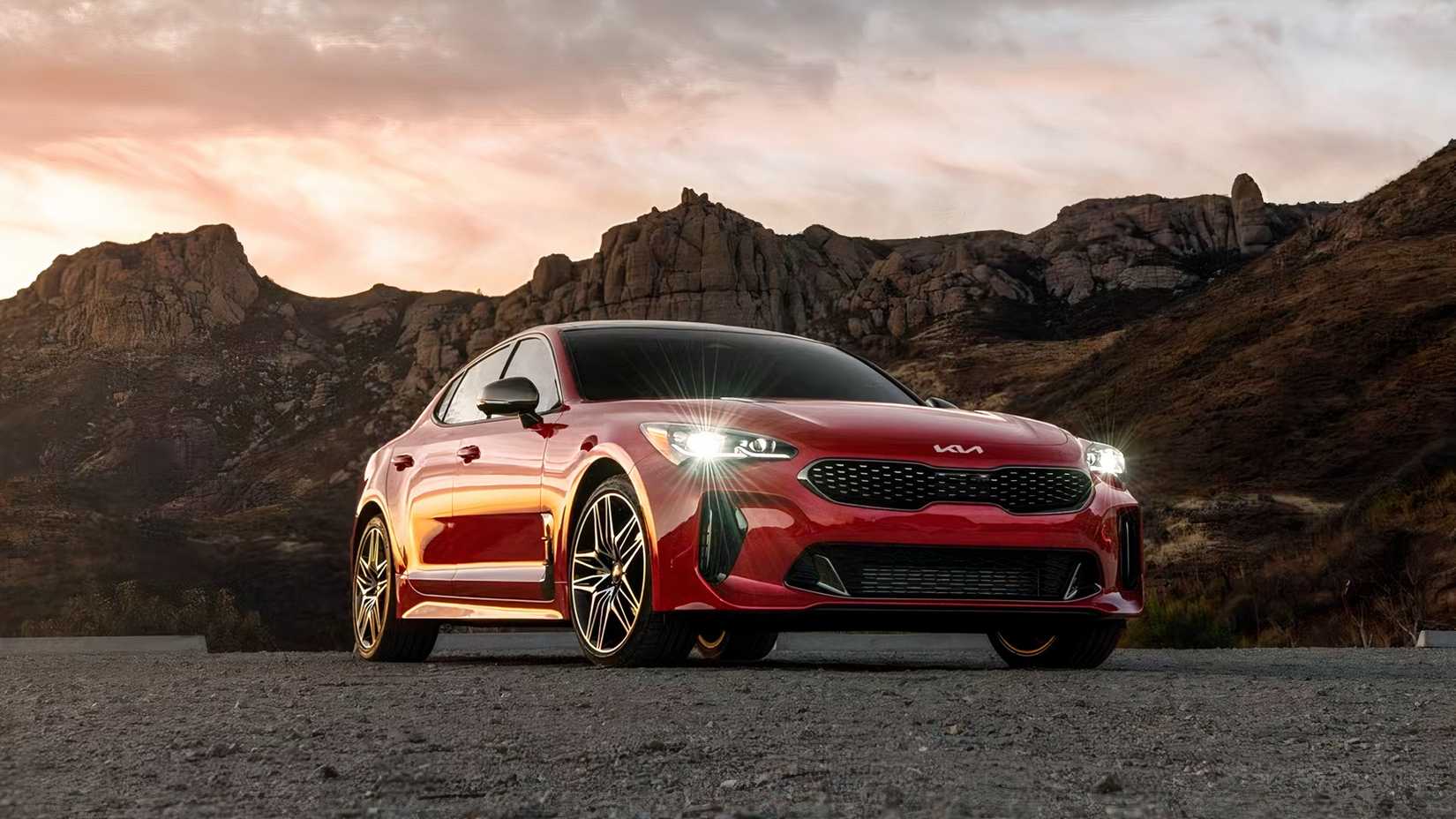
The Kia Stinger GT2 was engineered from the outset as a true grand tourer rather than a traditional family sedan with added performance. Its foundation is built around a longitudinal engine layout and a rear-wheel-drive architecture, which immediately places it in a different category from most mainstream sedans. At the heart of the Stinger GT2 is a 3.3-liter twin-turbocharged Lambda II V6 engine, internally coded as the G6DP. This powerplant produces 368 horsepower and 376 pound-feet of torque. The engine utilizes twin water-cooled turbochargers, direct fuel injection, and an integrated exhaust manifold that helps improve both thermal efficiency and throttle response. What stands out most is how early the torque arrives, with peak output available from around 1,300 rpm and sustained across a wide band, giving the car effortless acceleration.
That power is delivered through Kia’s in-house eight-speed automatic transmission, known as the A8TR1, which is engineered to balance responsiveness with smoothness. Buyers can choose between rear-wheel drive or a rear-biased all-wheel-drive system capable of sending the majority of torque to the rear axle under normal driving conditions. This preserves the dynamic characteristics expected of a performance-oriented sedan while adding traction when needed.
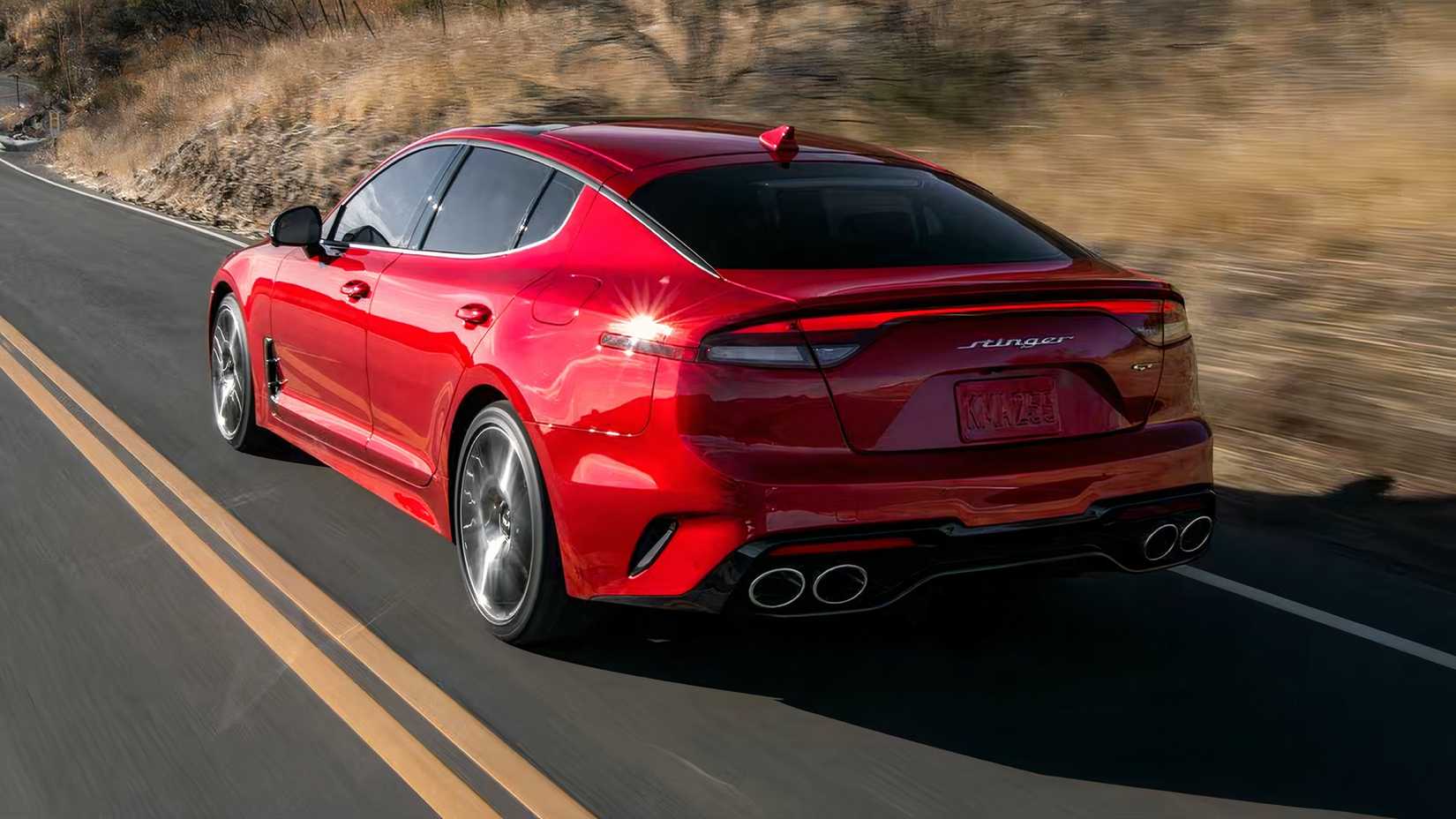
The chassis itself reflects serious engineering intent. A long 114.4-inch wheelbase contributes to high-speed stability, while the suspension setup combines MacPherson struts at the front with a sophisticated multi-link arrangement at the rear. Electronically controlled dampers continuously adapt to road conditions, allowing the Stinger to shift from a compliant highway cruiser to a composed cornering machine. Braking performance is equally robust, with Brembo four-piston front calipers clamping down on large ventilated discs to provide consistent stopping power. Taken as a whole, the Stinger GT2 delivers the kind of balanced, confidence-inspiring performance that defines a proper grand touring car, yet it does so without the price tag typically associated with premium European alternatives.
The Affordable Sports Car That Delivers More Drama Than A Porsche
This British sports car may not have the same level of clout as the equivalent Porsche, but the way it drives will steal your heart.
Stinger GT2 vs. Toyota Camry: Same Price, Different League
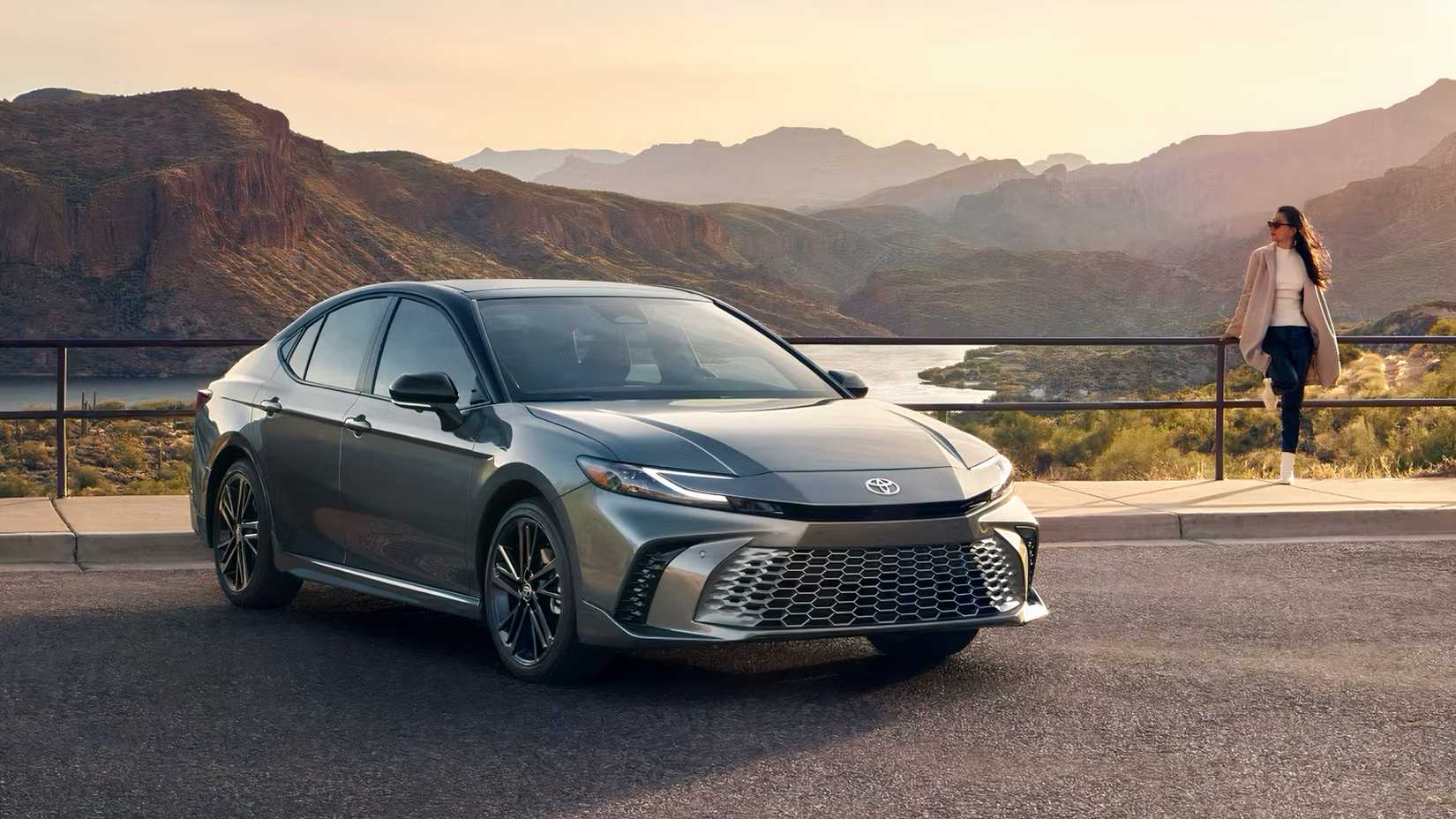
From a pricing perspective, the overlap between a new Toyota Camry and a used Kia Stinger GT2 is impossible to ignore. A well-equipped Camry, particularly in XSE V6 form, can easily climb into the upper thirty-thousand-dollar range and even approach the low forties depending on options. At the same time, used examples of the Stinger GT2, often only a few years old and relatively low in mileage, now occupy that exact same price band. Technically, however, the differences between the two cars are profound. The Camry’s most powerful configuration relies on a naturally aspirated 3.5-liter V6 engine, known as the 2GR-FKS, producing 301 horsepower and 267 pound-feet of torque. While this engine is smooth, reliable, and responsive, it lacks the forced-induction punch and low-end torque delivery that define the Stinger’s twin-turbo setup.
The drivetrain layout further separates the two. The Camry is built on Toyota’s TNGA-K platform and uses a front-wheel-drive configuration, which prioritizes stability, efficiency, and predictable handling. However, this layout inherently limits dynamic balance, particularly when accelerating hard or navigating corners at speed. In contrast, the Stinger’s rear-wheel-drive architecture allows for a more balanced weight distribution of roughly 55:45, improving turn-in response and reducing understeer.
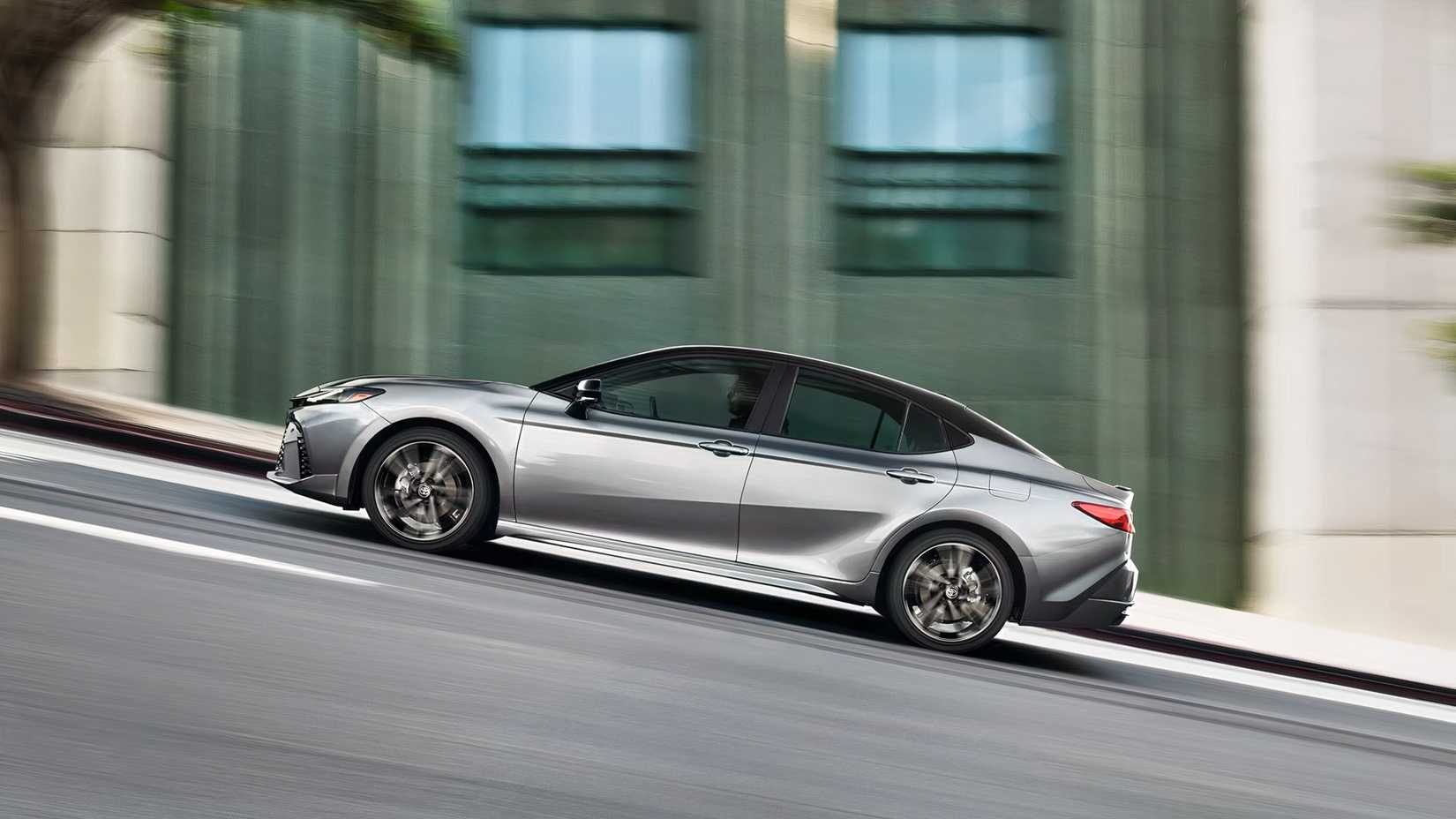
Performance figures tell the story clearly. The Stinger GT2 accelerates from zero to sixty miles per hour in approximately 4.6 seconds, compared to around 5.6 seconds for the V6 Camry. Over the quarter mile, the gap widens further, with the Stinger completing the run in 13.1 seconds while the Camry trails in the mid-fourteen-second range. Even top speed reflects their differing purposes, with the Stinger electronically limited at around 167 miles per hour, well above the Camry’s approximate 135 mph cap.
Aerodynamics and design also play a role. The Stinger’s fastback silhouette and longer body contribute to improved high-speed stability, while the Camry’s design is more focused on efficiency and practicality. Ultimately, while the two cars may share a similar price point, they operate in entirely different leagues when it comes to engineering philosophy and driving experience.
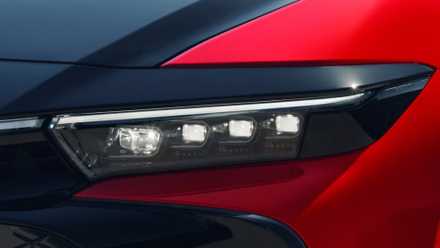
The Toyota Hybrid That Makes Lexus Feel Harder To Justify
This refined hybrid sedan delivers luxury comfort and tech at a surprisingly accessible price point.
Twin-Turbo Power Meets Long-Distance Comfort
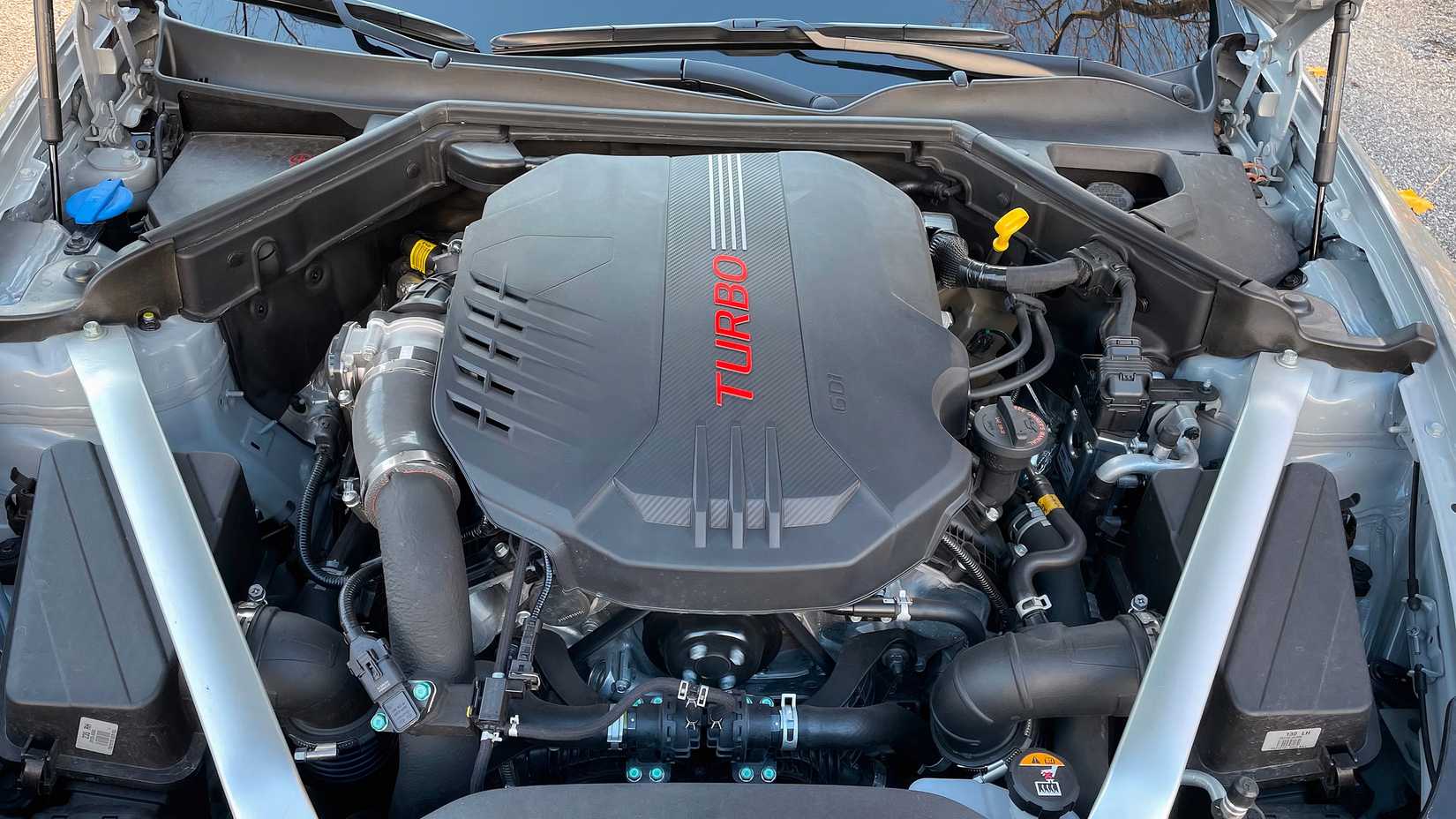
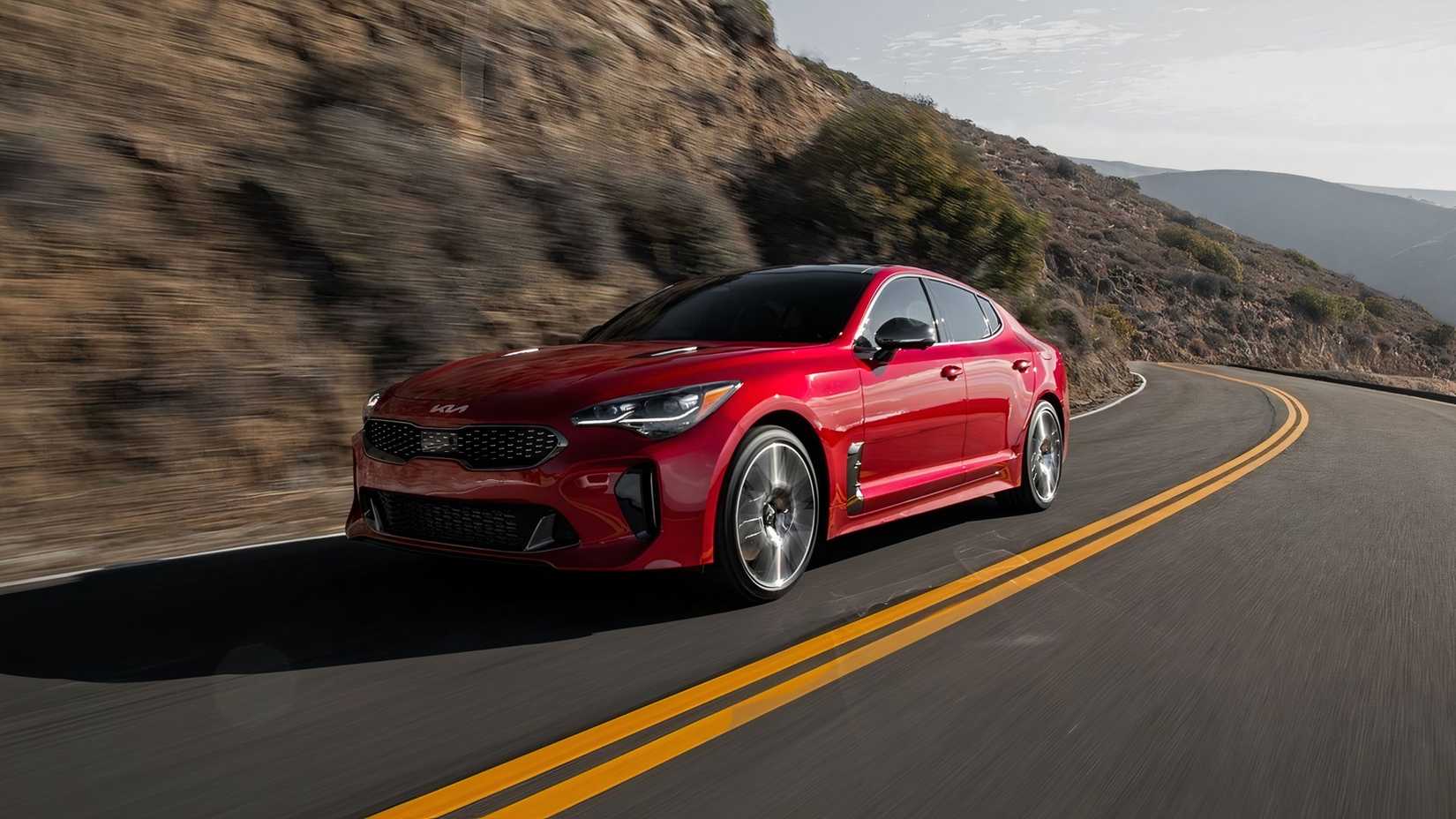
What truly elevates the 2023 Kia Stinger GT2 is its ability to combine high levels of performance with genuine long-distance comfort. This balance is central to the grand touring concept, and it is something the Stinger executes exceptionally well. The twin-turbocharged V6 engine is a major contributor to this dual character. Because peak torque is available from very low in the rev range, the engine rarely needs to be pushed hard to deliver strong acceleration. This results in a relaxed driving experience during highway cruising, where overtaking maneuvers can be completed effortlessly without aggressive throttle inputs or frequent downshifts.
The eight-speed automatic transmission complements this behavior with smooth, almost imperceptible gear changes in its default driving mode. It prioritizes efficiency and refinement by shifting early and keeping engine speeds low. When switched into a more aggressive driving mode, however, the transmission recalibrates to hold gears longer and respond more quickly to driver inputs, enhancing the car’s sporty character.
CarBuzz
Ride quality is another area where the Stinger excels. The adaptive suspension system continuously monitors variables such as wheel movement, steering input, and vehicle speed, adjusting damping forces in real time. On long highway journeys, this results in a composed and comfortable ride that absorbs imperfections without introducing excessive body movement.
Noise, vibration, and harshness are also well controlled. The cabin benefits from acoustic glass, extensive insulation, and a rigid chassis structure that minimizes unwanted vibrations. Even at higher speeds, the interior remains quiet and composed, reinforcing the Stinger’s credentials as a long-distance cruiser. Combined with a fuel tank capacity of 15.9 gallons and respectable highway efficiency for a performance sedan, the Stinger GT2 offers the kind of range and comfort that make it ideally suited to extended journeys.
The Japanese Car That Quietly Beats Luxury Brands At Their Own Game
A luxury sedan that shuns the spotlight, yet outshines its rivals in the areas that truly matter.
A Truly Fully Loaded Cabin
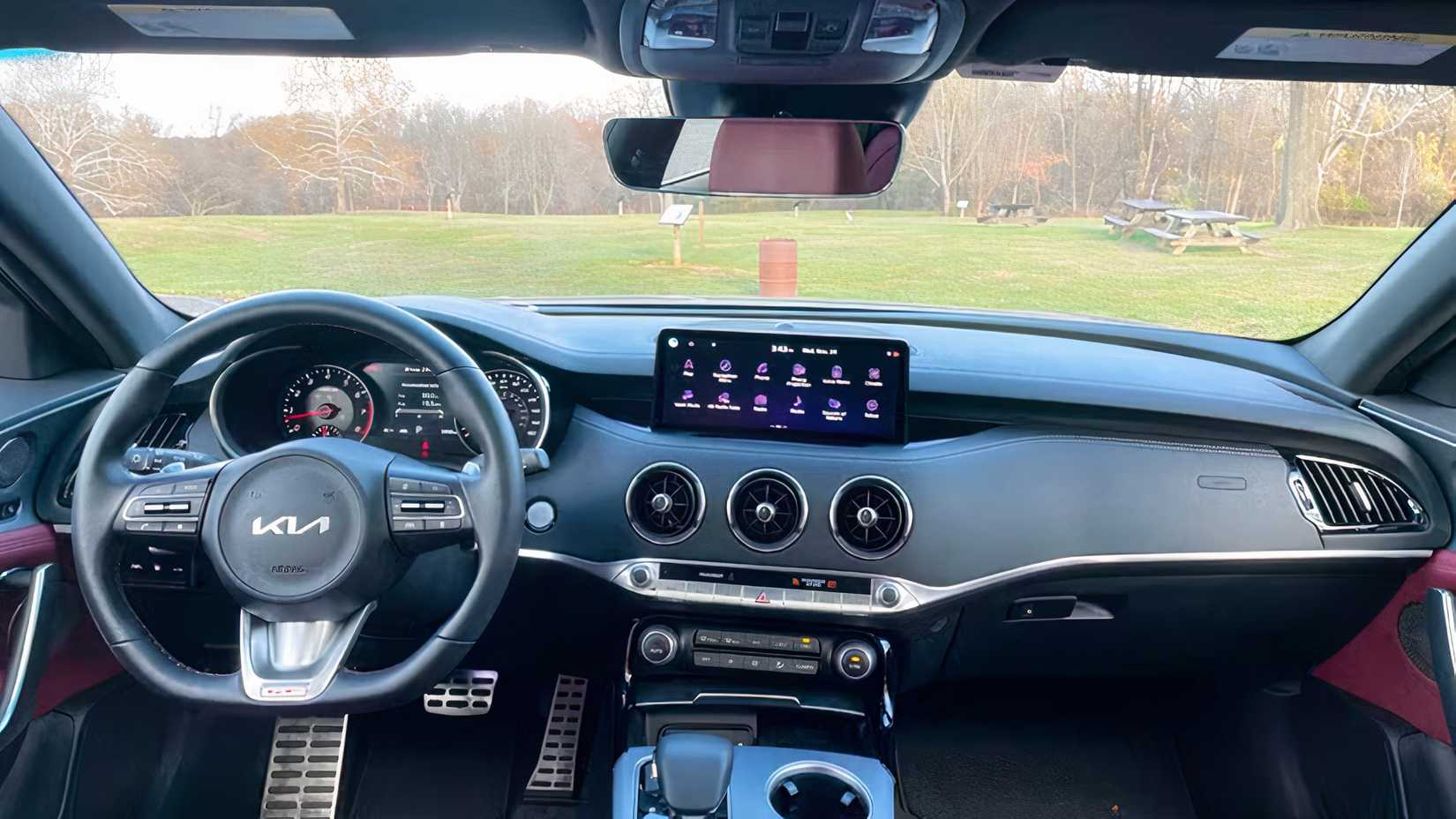
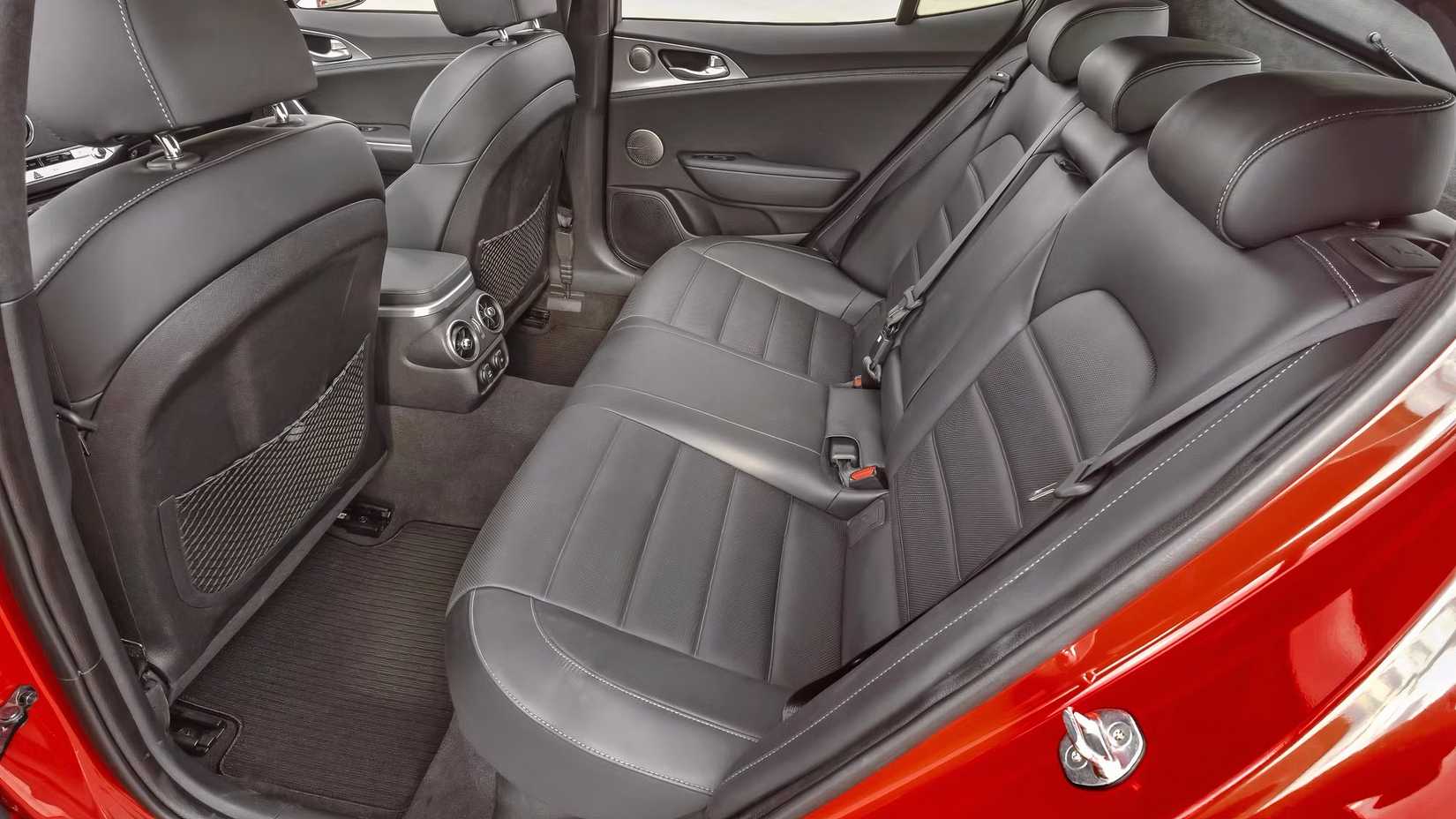
Inside, the Kia Stinger GT2 delivers an experience that feels far closer to a luxury sedan than its price point would suggest. This is especially evident in the level of standard equipment, which leaves little in the way of optional extras. The cabin is trimmed in high-quality materials, including Nappa leather upholstery and soft-touch surfaces throughout. Aluminum accents add a sense of refinement, while the overall design remains clean and driver-focused. The front seats are highly adjustable, offering multiple power settings along with heating and ventilation functions, ensuring comfort in a wide range of climates and driving conditions.
Technology is integrated in a way that enhances usability rather than overwhelming the driver. A large central infotainment display provides navigation and connectivity features, while a premium Harman Kardon audio system delivers impressive sound quality throughout the cabin. A head-up display projects key driving information onto the windshield, allowing the driver to keep their eyes on the road.
The Stinger also incorporates a comprehensive suite of driver assistance systems, including adaptive cruise control, forward collision avoidance, blind-spot monitoring, and lane-keeping assistance. These features work together to improve both safety and convenience during everyday driving. One of the Stinger’s more practical advantages comes from its liftback design. Unlike traditional sedans, it offers a significantly larger and more versatile cargo area, making it better suited to carrying luggage or bulky items. This added practicality enhances its appeal as a grand touring vehicle. Compared to the Toyota Camry, which offers a well-built but more utilitarian interior even in its higher trims, the Stinger GT2 provides a noticeably more premium and feature-rich environment.
Big Performance, Smart Used-Car Value
Kia Media
The Kia Stinger GT2’s strongest argument may ultimately come down to value, particularly in the used market. When new, the GT2 commanded a price well above fifty thousand dollars, placing it firmly in premium territory. However, like many performance-oriented sedans outside of established luxury brands, it experienced significant depreciation over time. After just a few years, many examples have lost between thirty-five and forty-five percent of their original value. This places them squarely in the same price range as a new midsize sedan like the Toyota Camry. While depreciation is often viewed as a negative, it becomes a major advantage for second owners.
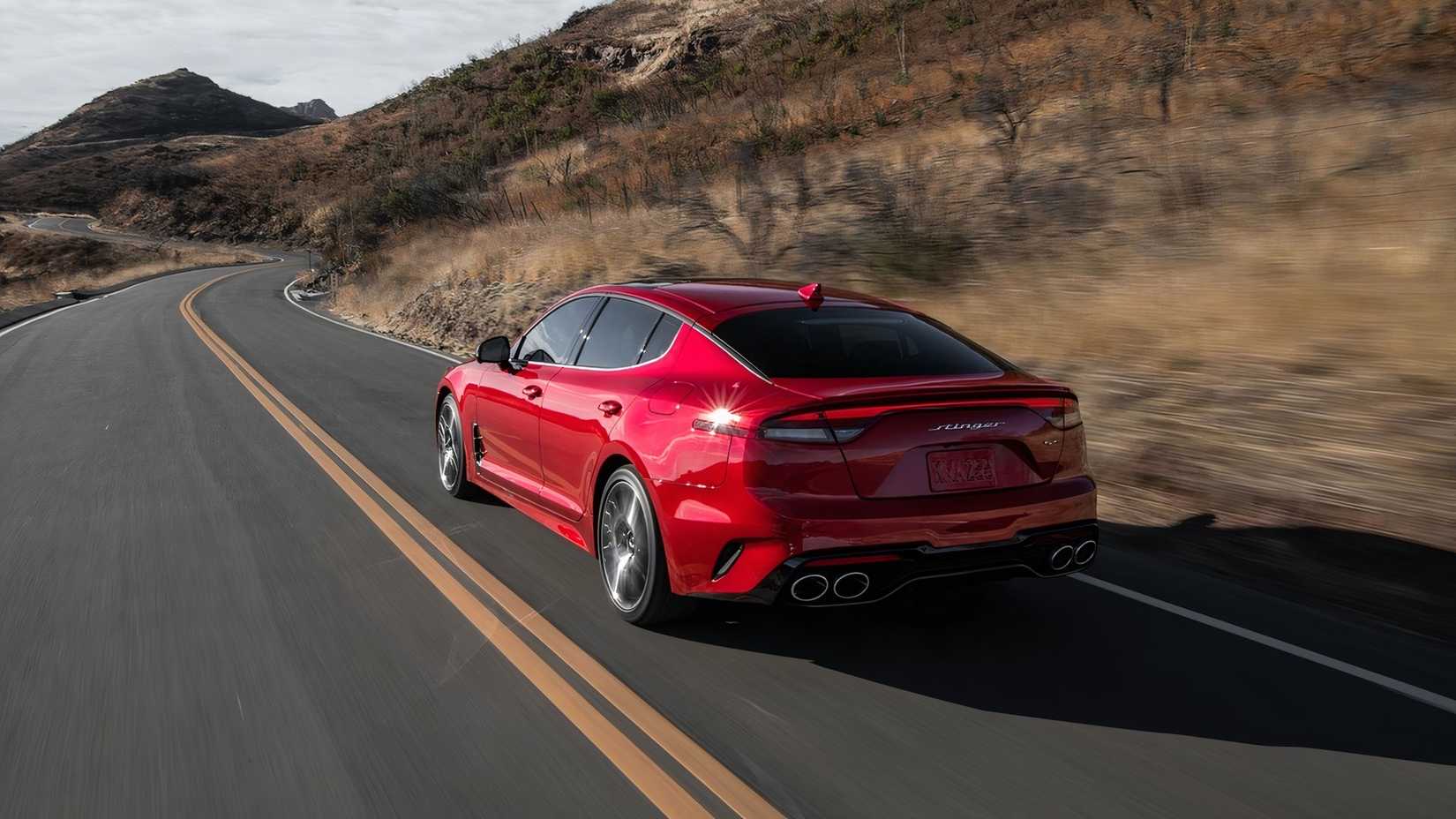
What this means in practical terms is that buyers can access a car with significantly higher levels of engineering sophistication, performance capability, and luxury features for the same financial outlay as a new, more conventional vehicle. The Stinger effectively allows buyers to step into a different class of car without stretching their budget. Ownership costs also remain relatively manageable. Maintenance requirements are straightforward, parts are widely available, and insurance costs tend to be lower than those associated with European luxury competitors. Additionally, Kia’s reputation for strong warranty coverage provides an added layer of confidence, particularly for buyers who find examples still covered under the original powertrain warranty.
In contrast, the Toyota Camry’s reputation for reliability helps it retain value more effectively, which benefits buyers looking for long-term resale stability. However, that same strength limits the potential for value-driven purchases in the used market. The Stinger GT2 turns depreciation into an opportunity, offering a level of performance and refinement that far exceeds its current market price.
Sources: Kia U.S.