
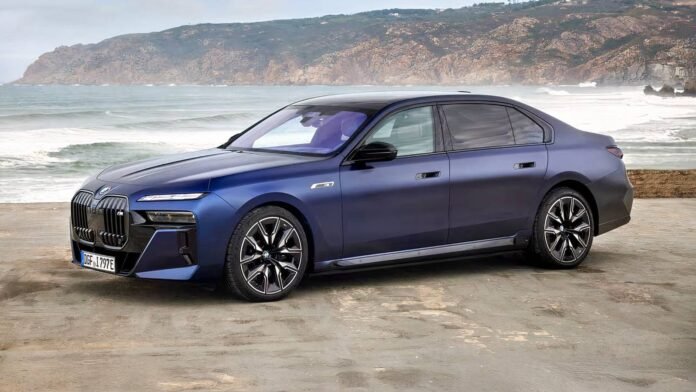
Luxury EV sedans have quickly become one of the automotive industry’s most competitive battlegrounds. Nearly every major manufacturer now offers an electric flagship focused on futuristic technology, massive performance, and ultra-modern luxury. But while several brands arrived first, the BMW i7 arguably understood the assignment better than most.
Rather than reinventing the luxury-sedan formula entirely, BMW focused on building something that still felt unmistakably like a proper flagship luxury car — one that simply happened to be electric. In many ways, that decision may be exactly why the i7 quietly became one of the best luxury EV sedans currently on sale.
Luxury EV Sedans Were Already Established
Tesla, Mercedes-Benz, And Lucid Entered First
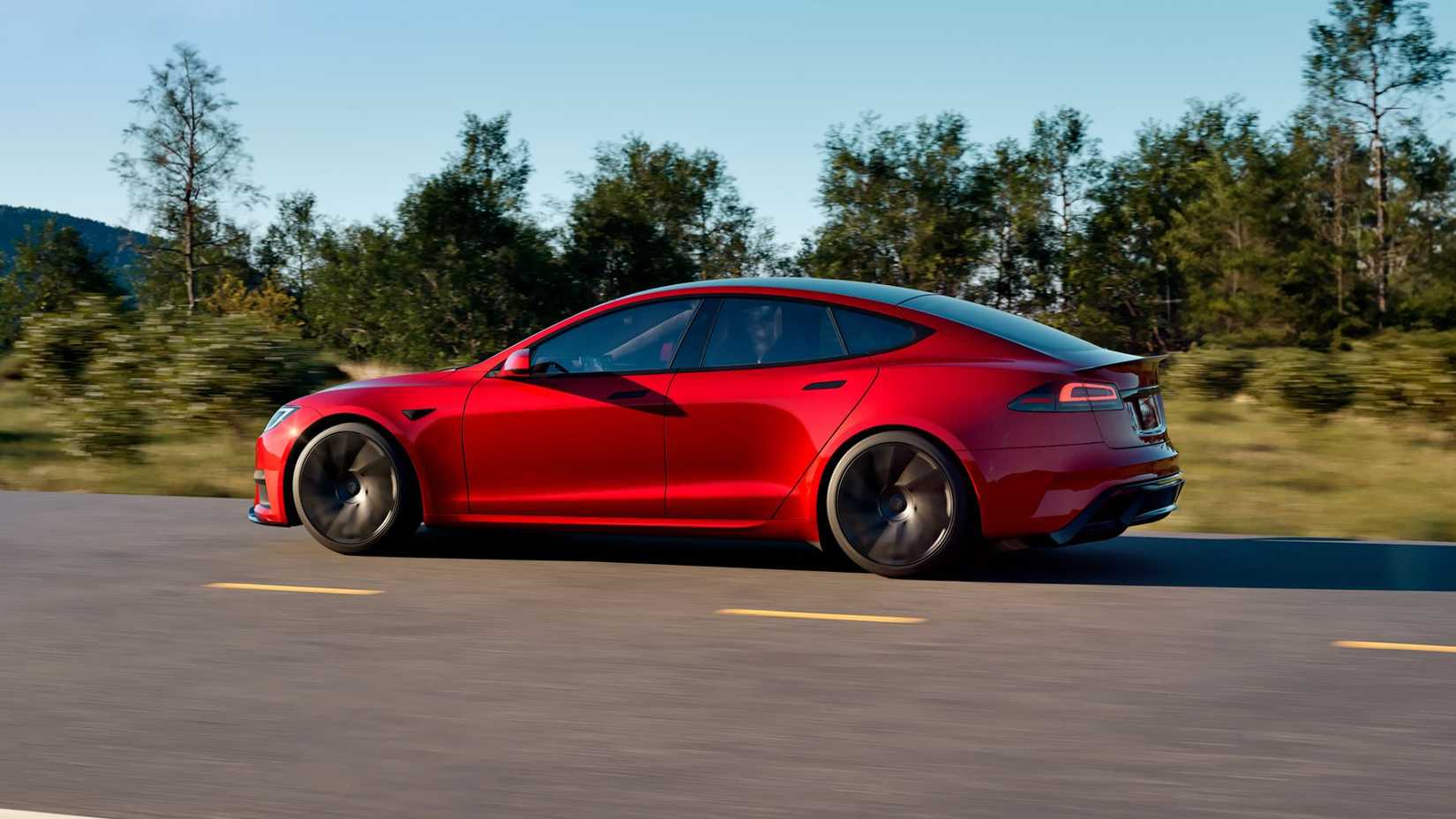
Long before the BMW i7 arrived, the luxury EV sedan market had already started taking shape. The Tesla Model S arguably changed global perceptions around electric vehicles entirely. It proved EVs could be fast, desirable, technologically advanced, and capable of competing with established luxury sedans. With blistering acceleration and impressive range figures, Tesla pushed the industry into an entirely new era.
Mercedes-Benz then entered the space with the EQS, taking a very different approach. Rather than mimicking traditional luxury sedans, the EQS leaned heavily into futuristic styling, massive digital displays, aerodynamic efficiency, and experimental design.
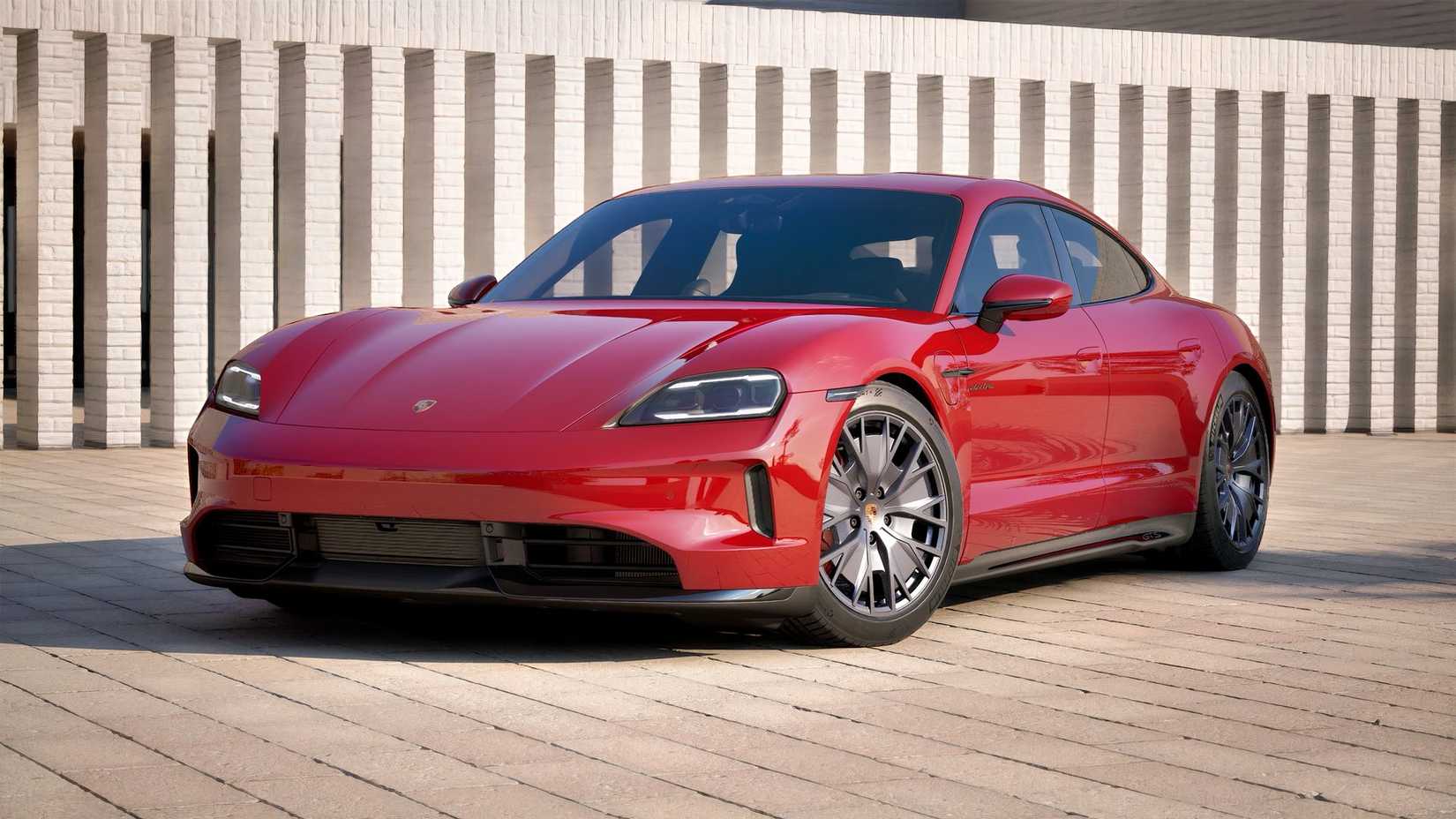
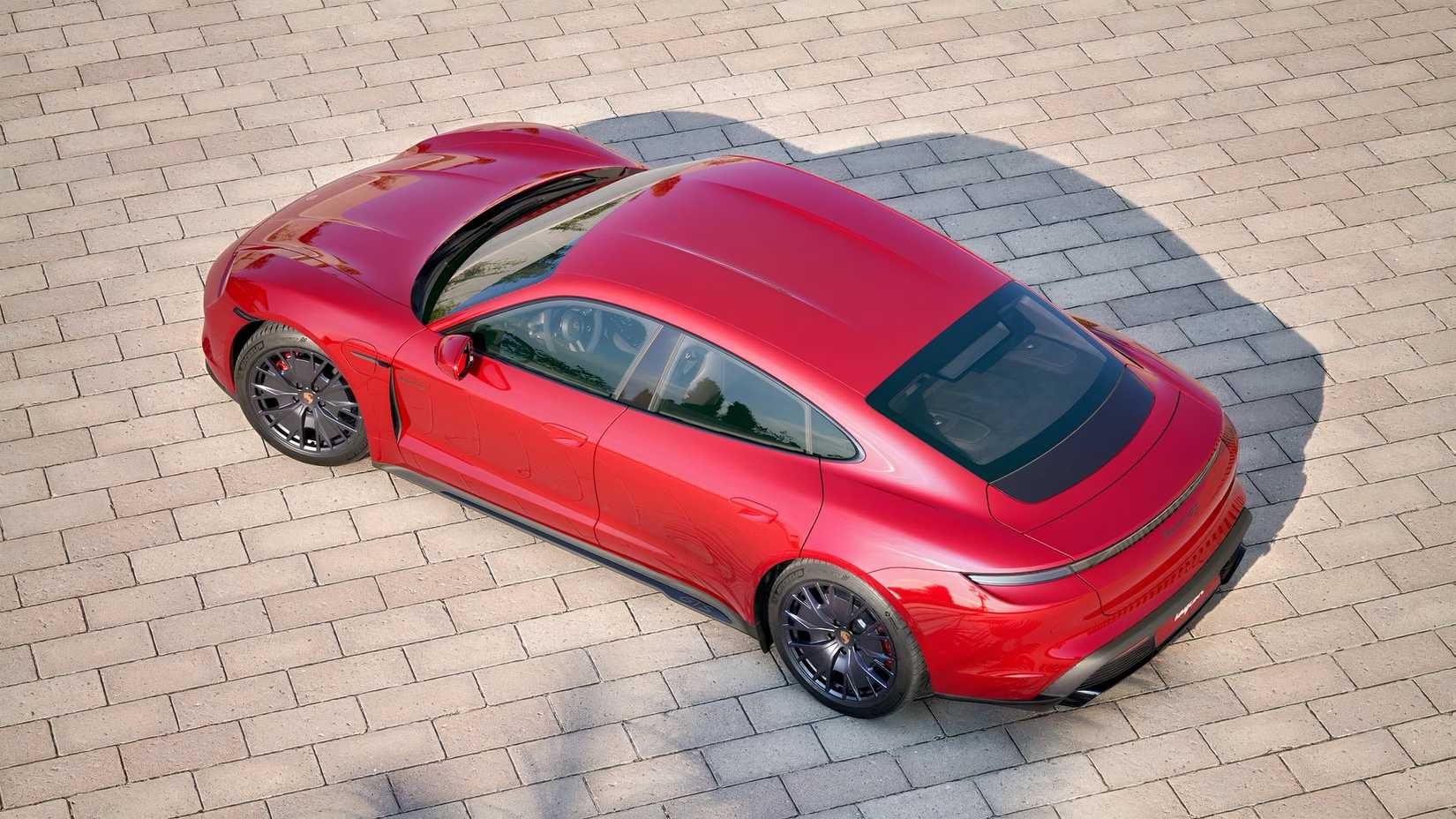
Porsche also joined the segment with the Taycan, although its focus leaned far more toward driving engagement and performance. Mercedes, meanwhile, wanted the EQS to feel like a dramatic vision of the future.
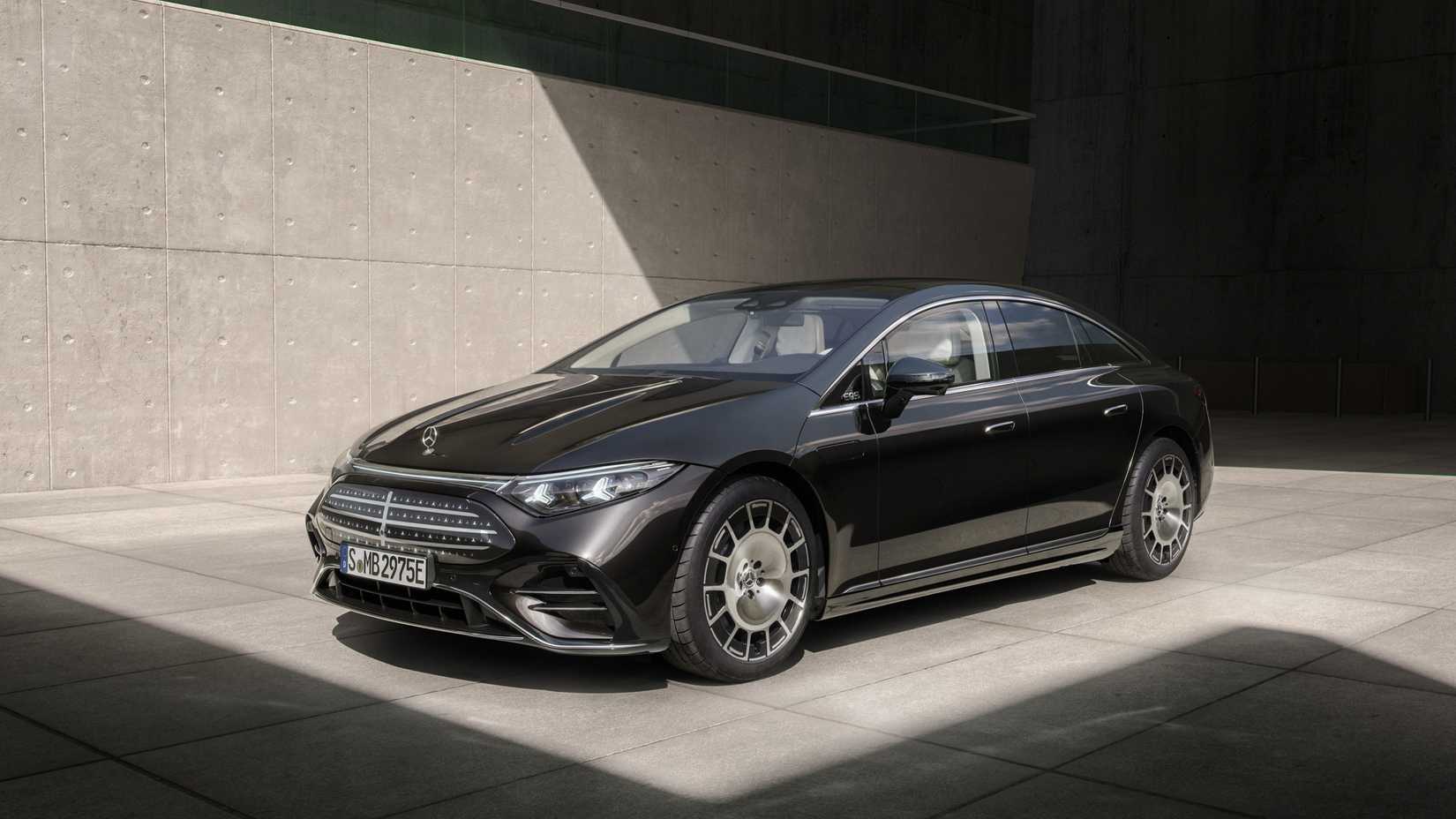
Mercedes-Benz
Lucid Motors also quickly established itself as a serious player with the Lucid Air. The California-based EV startup focused intensely on efficiency, ultra-long-range capability, advanced battery technology, and exceptional straight-line performance. In many ways, the Lucid Air became the technology showcase of the luxury EV segment. Honestly, all three cars succeeded in different ways. The Tesla impressed buyers with speed and charging infrastructure. The EQS delivered futuristic luxury and impressive comfort. The Lucid Air stunned the industry with its range and engineering capabilities.
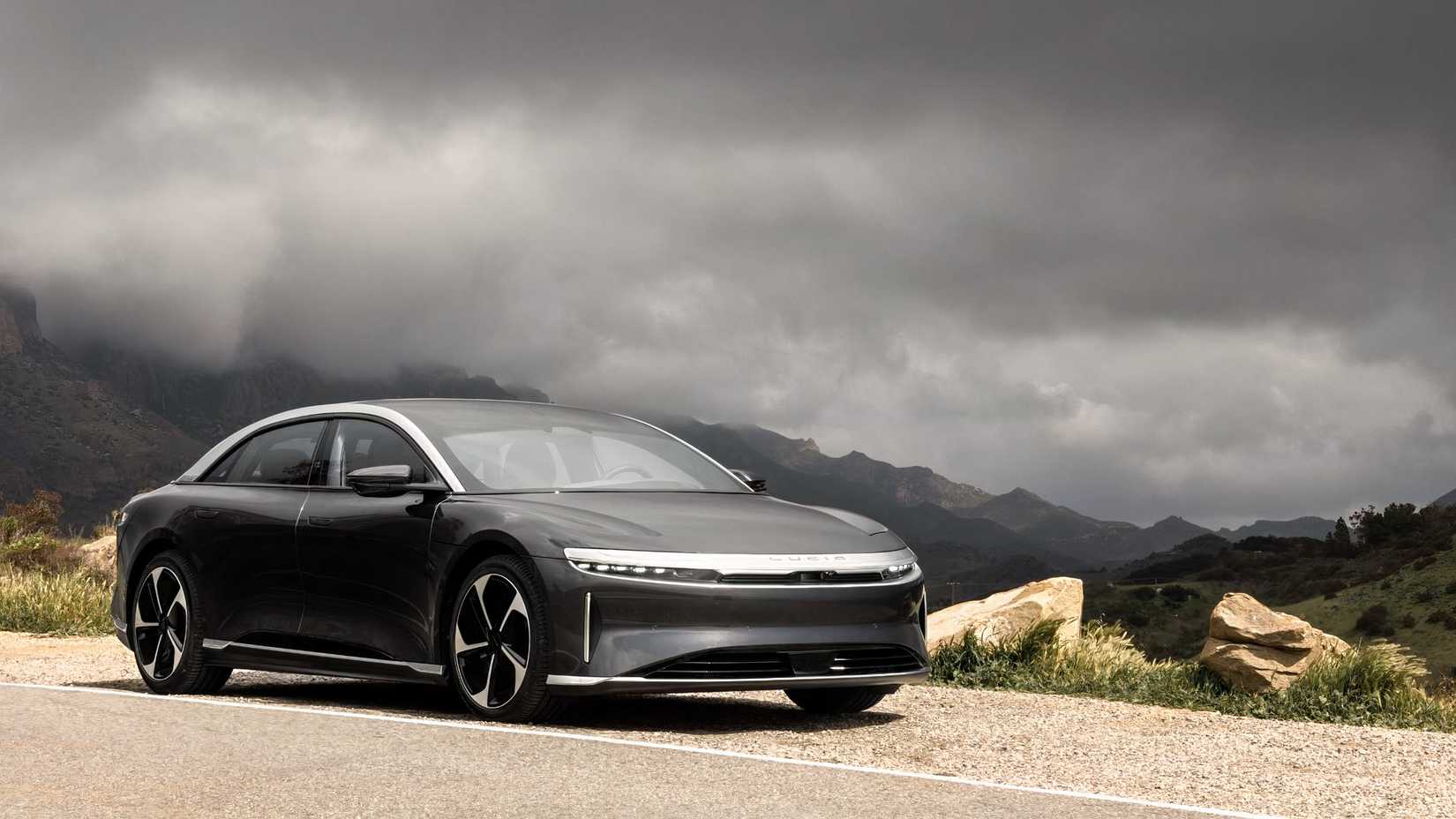
But BMW seemed to notice something interesting happening within the segment. The BMW i7 stands out because it approaches luxury EVs differently from rivals like the Tesla Model S, Mercedes-Benz EQS, and Lucid Air. Rather than feeling overly futuristic or experimental, the i7 focuses heavily on preserving the traditional luxury-sedan experience.Many luxury EVs were becoming so focused on proving how futuristic they were that they occasionally forgot what made traditional flagship luxury sedans appealing in the first place. That’s where the BMW i7 entered the conversation.
Why The BMW i7 Feels Different From Its Rivals
BMW Focused On Making A Great Luxury Car First
BMW
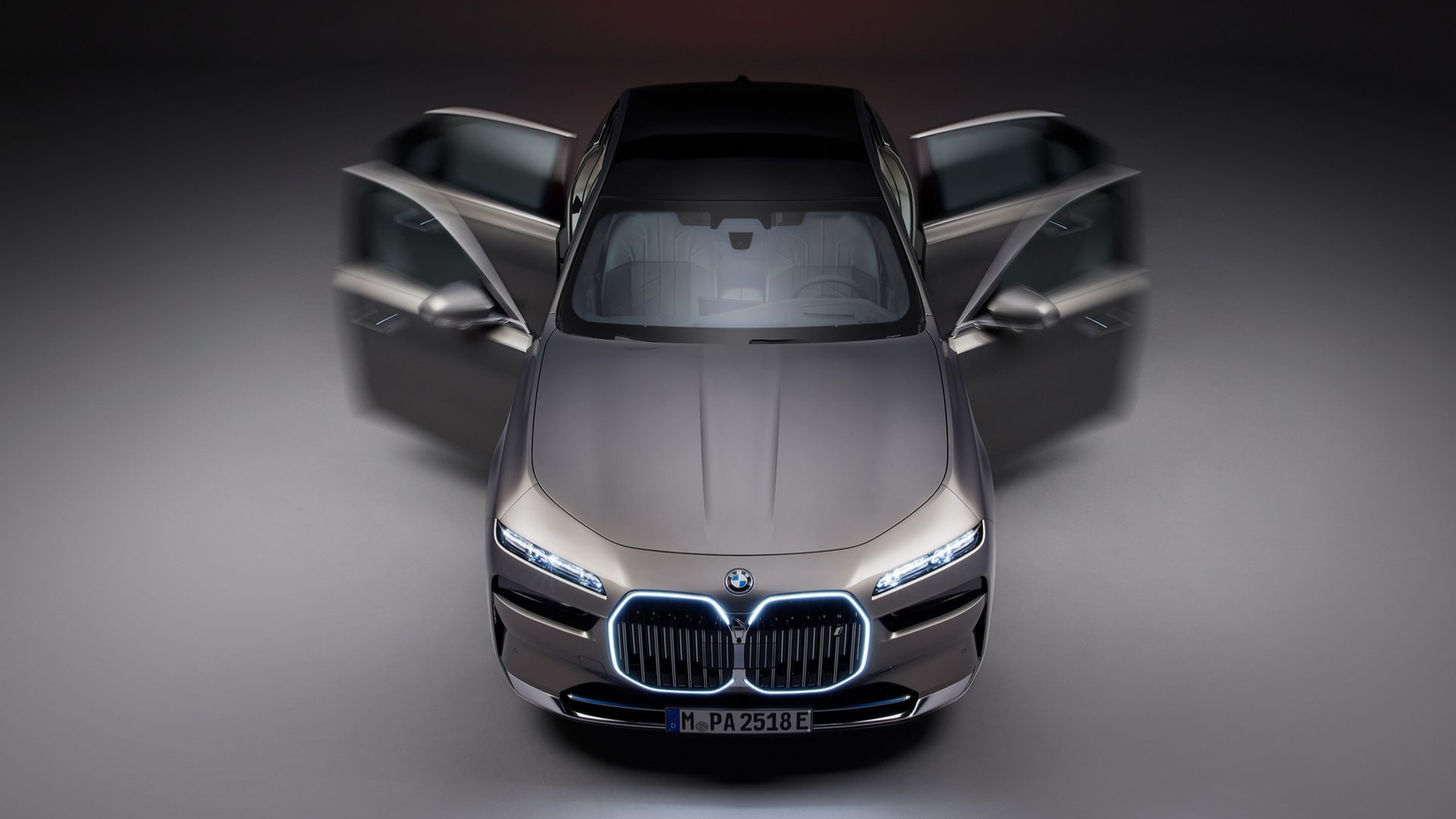
One of the i7’s biggest strengths is that it never feels like BMW abandoned its traditional luxury-sedan identity simply because the car became electric.
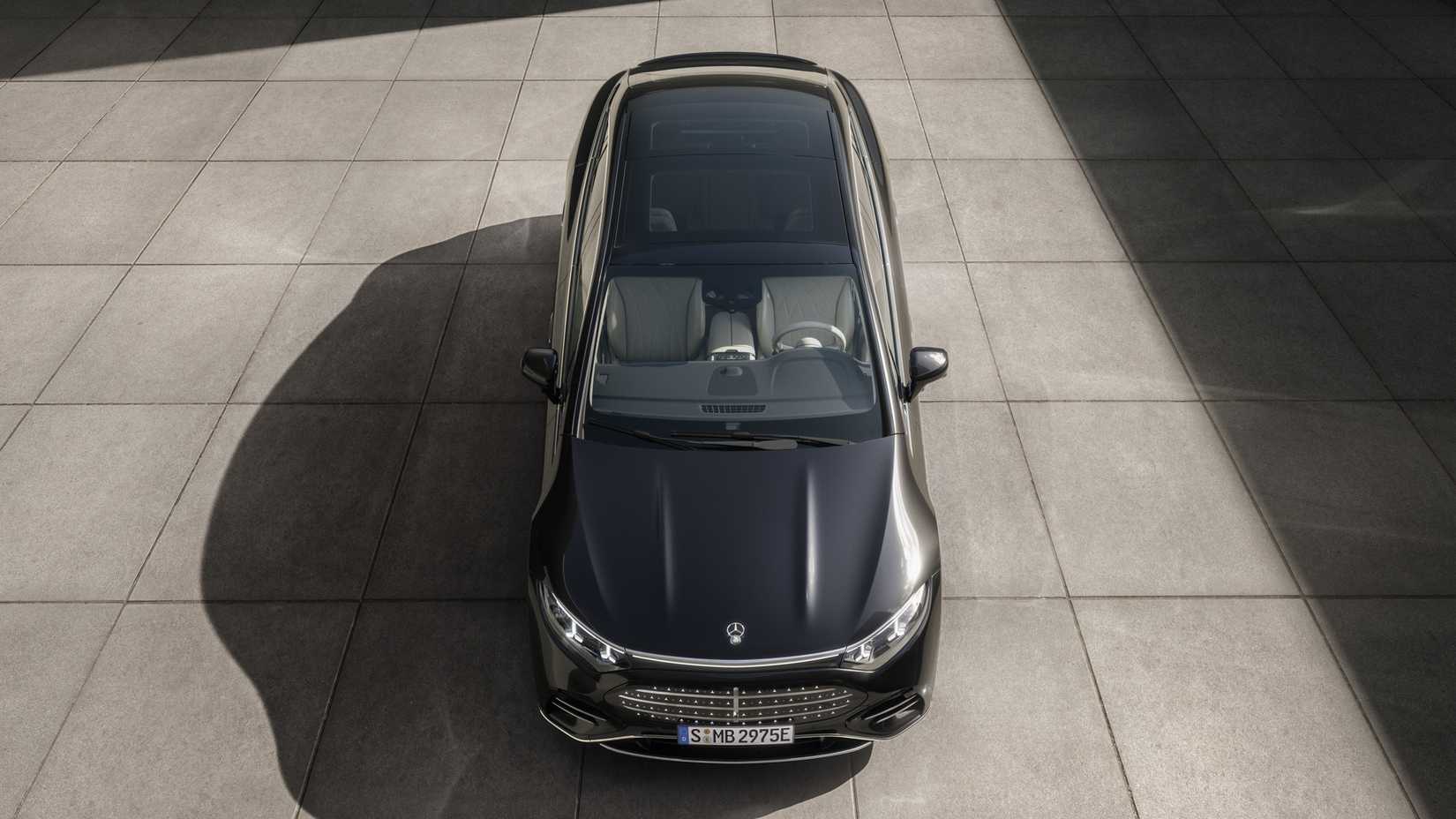
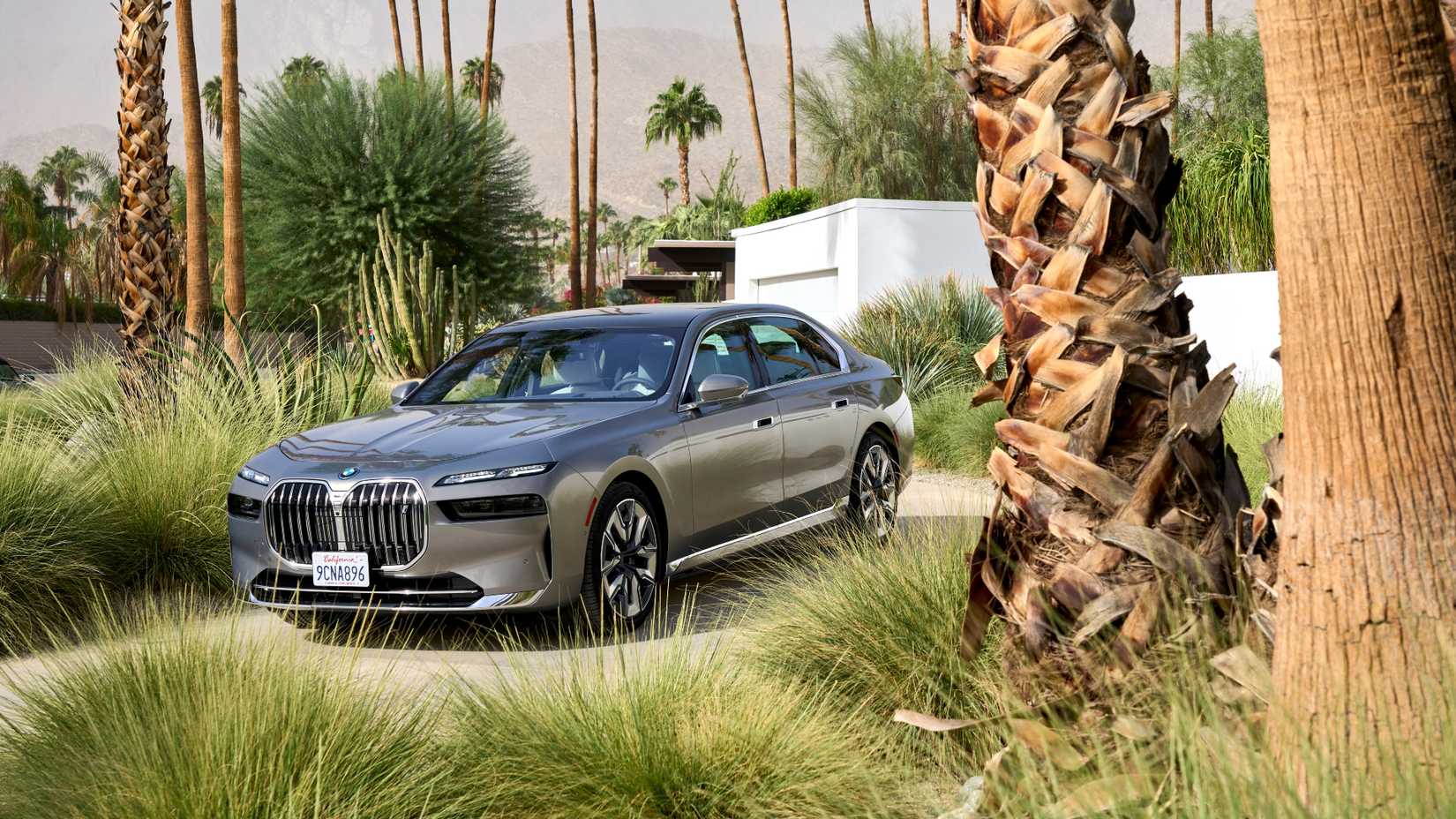
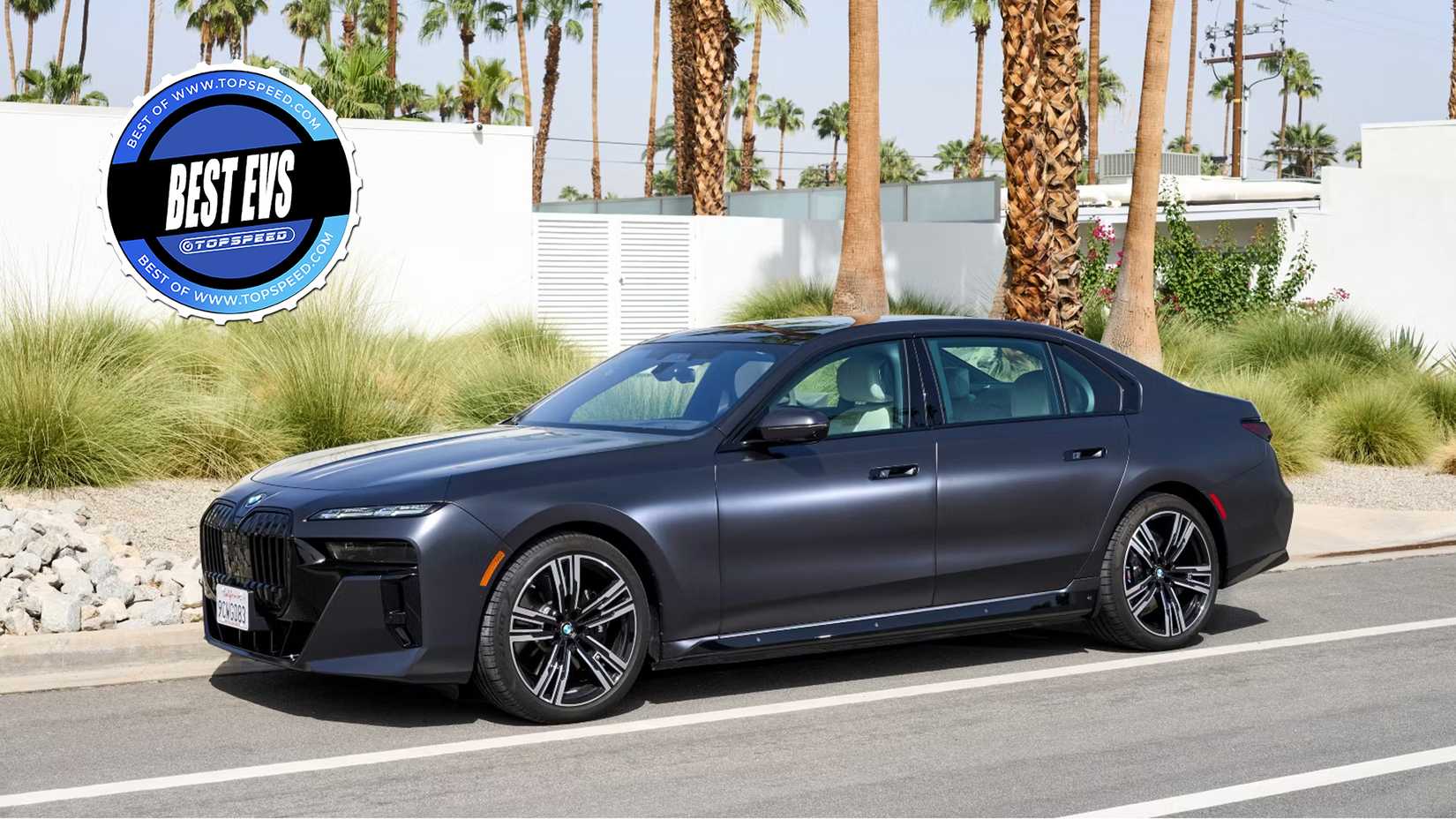
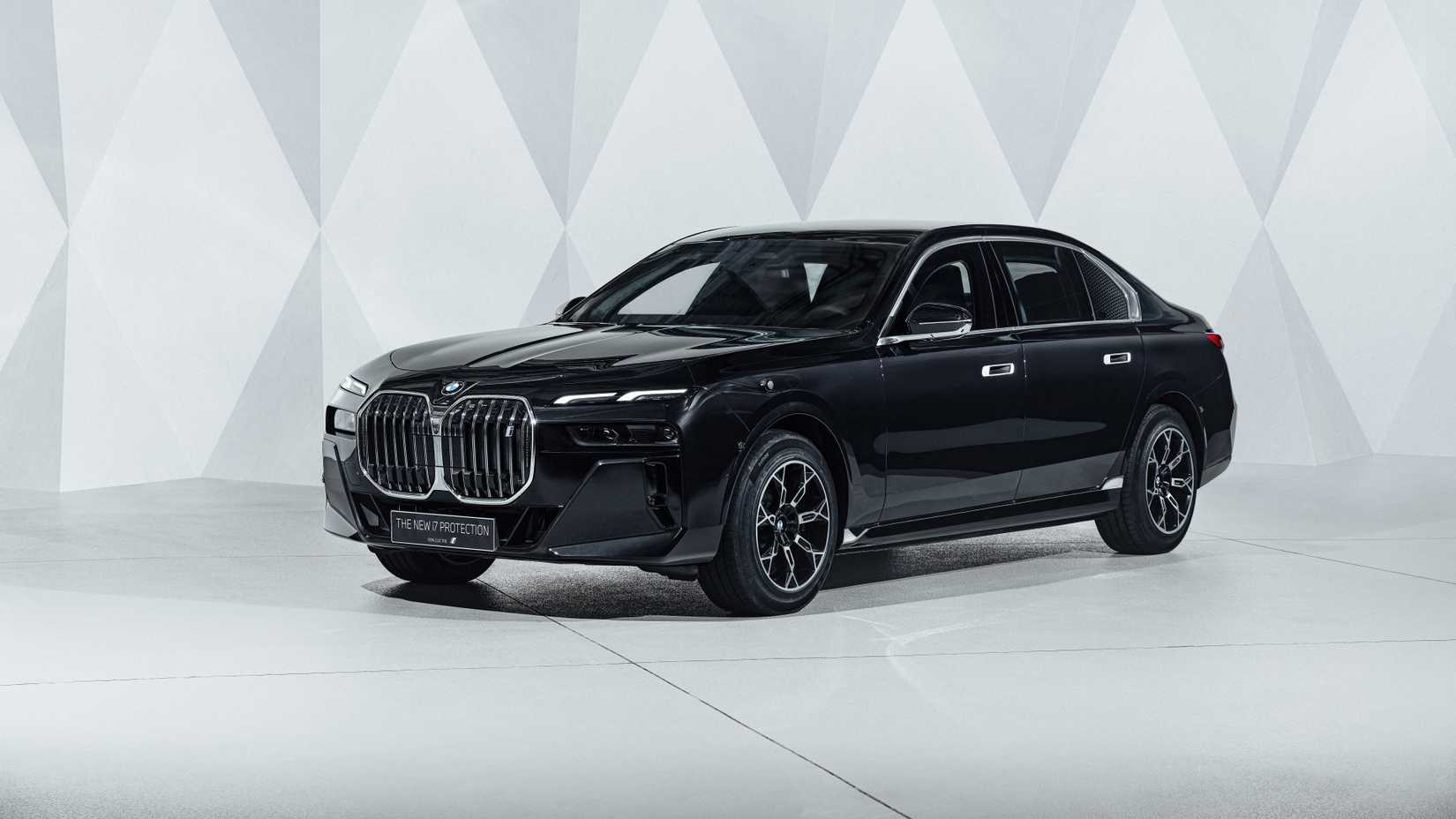
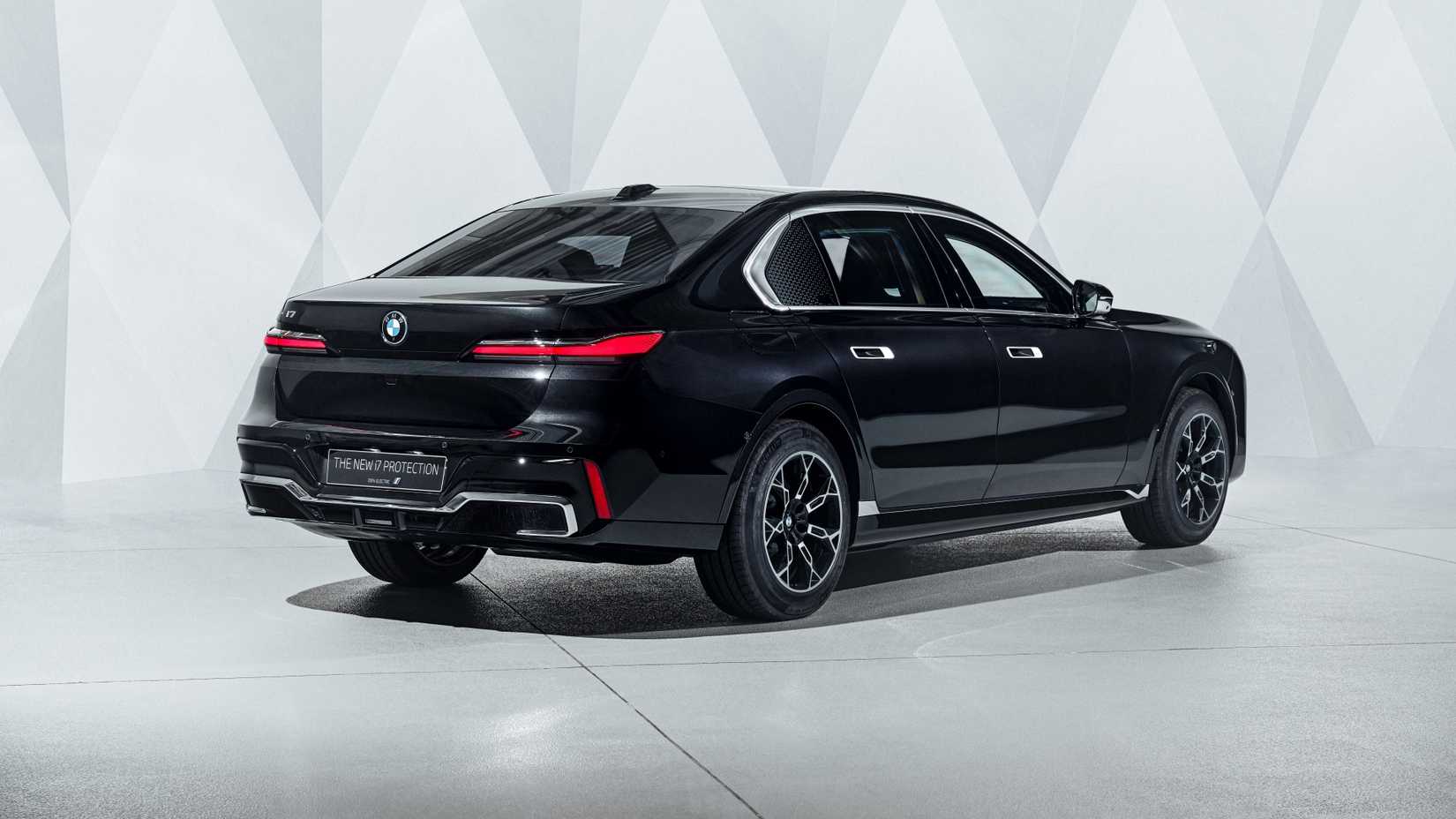
Unlike the Mercedes-Benz EQS, which uses a dramatically aerodynamic “one-bow” shape, the BMW i7 retains more traditional flagship-sedan proportions. The design embodies muscle-car-like proportions, giving it a more substantial and familiar road presence than many EV rivals.
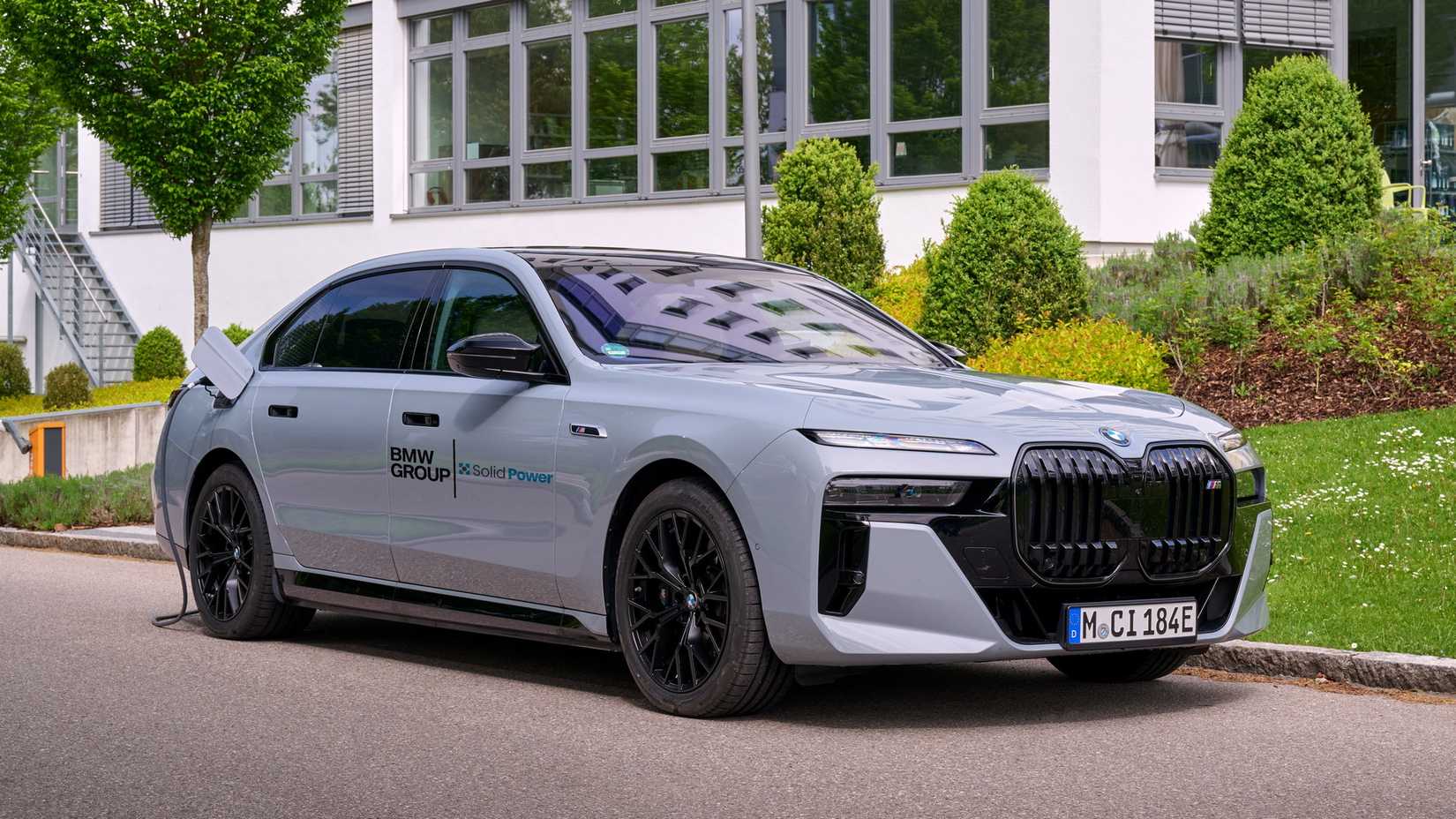
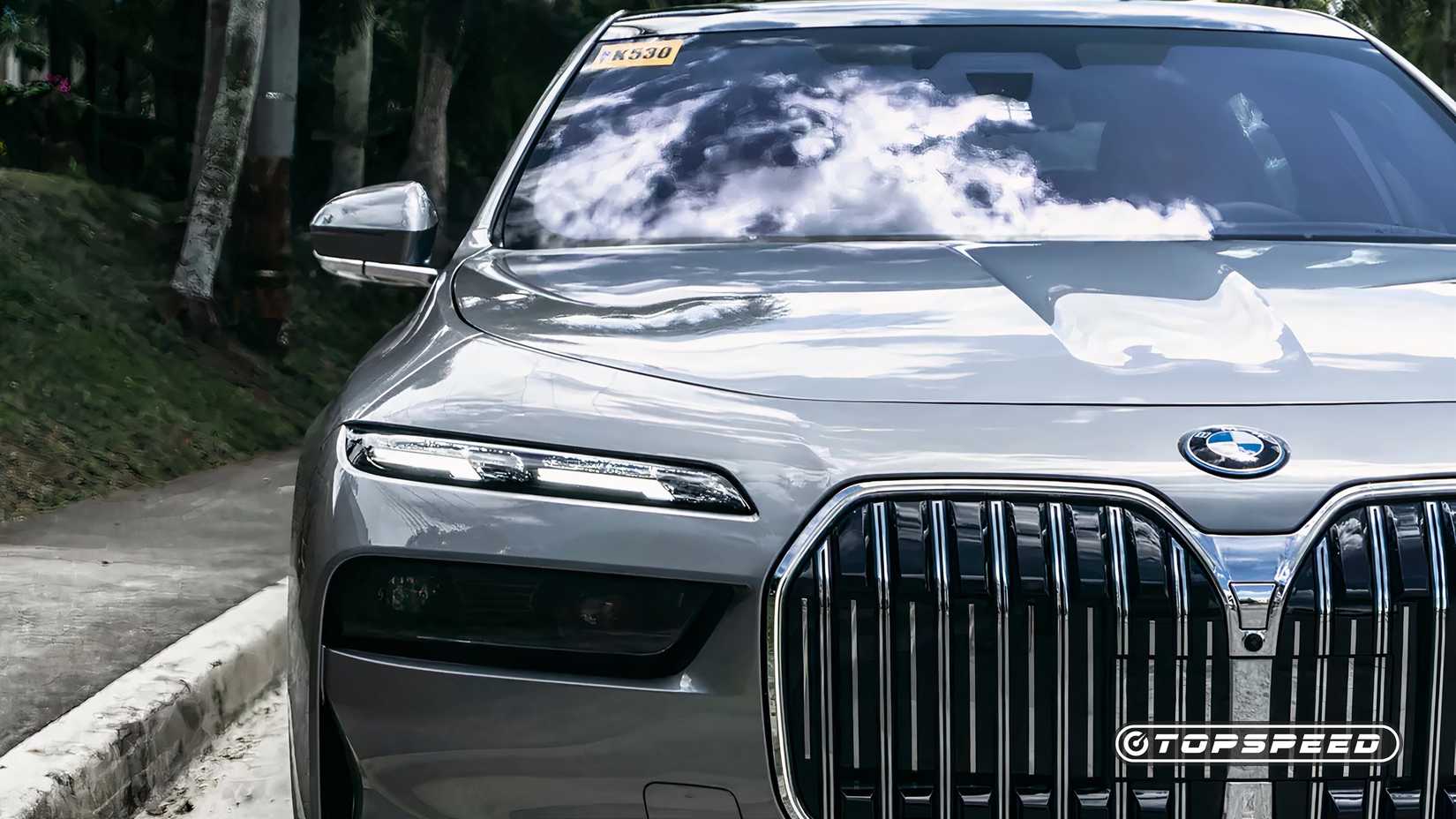
The front-end styling remains one of the i7’s most controversial elements. The illuminated oversized kidney grille, split-level headlights, and optional crystal lighting details create a bold appearance that has divided opinion among enthusiasts and reviewers. Despite its futuristic technology, the i7 still shares its platform with the standard combustion-powered and plug-in hybrid BMW 7 Series models rather than using a bespoke EV-only architecture. This helps the i7 retain the comfort, seating position, and flagship-sedan character buyers traditionally expect.
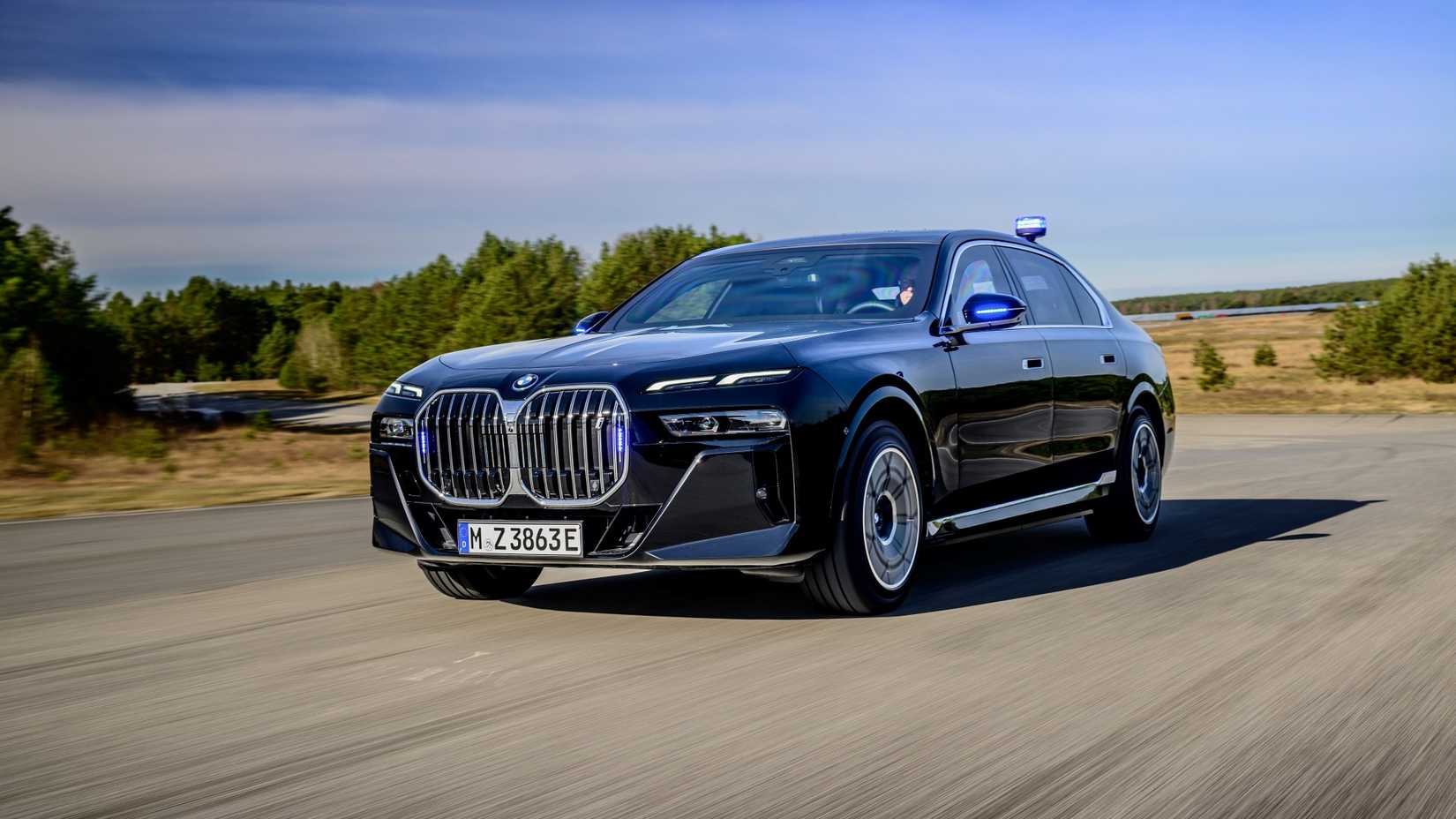
Publications like Car and Driver even noted that the i7 “nails the luxury brief,” praising its ability to blend traditional flagship comfort with modern EV performance. In many ways, the i7 feels less like an experiment and more like the natural evolution of a luxury sedan.
BMW i7 Model Lineup And Rival Comparison
|
Model |
Powertrain |
Horsepower |
Torque |
Driveline |
0-60 MPH |
Range (EPA est.) |
Topspeed |
Curb Weight |
Starting Price (U.S) |
|
BMW i7 eDrive50 |
Single electric motor |
449 hp |
479 lb-ft |
RWD |
5.3 sec |
314 miles |
127 MPH |
5,917 lbs |
$106,875 |
|
BMW i7 xDrive60 |
Dual electric motors |
536 hp |
549 lb-ft |
AWD |
4.5 sec |
318 miles |
149 MPH |
5,985 lbs |
$125,375 |
|
BMW i7 M70 xDrive |
Dual electric motors |
650 hp |
749 lb-ft |
AWD |
3.5 sec |
285 miles |
155 MPH |
6,017 lbs |
$169,675 |
|
Mercedes-Benz EQS 580 4MATIC |
Dual electric motors |
536 hp |
633 lb-ft |
AWD |
4.1 sec |
340 miles |
130 MPH |
5,900 lbs |
$128,550 |
|
Lucid Air Touring |
Dual electric motors |
620 hp |
885 lb-ft |
AWD |
3.4 sec |
406 miles |
140 MPH |
5,000 lbs |
$79,900 |
|
Lucid Air Grand Touring |
Dual electric motors |
819 hp |
885 lb-ft |
AWD |
3.0 sec |
512 miles |
168 MPH |
5,200 lbs |
$111,400 |
|
Porsche Taycan 4S |
Dual electric motors |
590 hp (overboost) |
479 lb-ft |
AWD |
3.8 sec |
295 miles |
155 MPH |
5,000 lbs |
$118,500 |
|
Porsche Taycan Turbo |
Dual electric motors |
871 hp (overboost) |
649 lb-ft |
AWD |
2.5 sec |
292 miles |
161 MPH |
5,100 lbs |
$175,000 |
|
Tesla Model S Plaid |
Tri-motor electric setup |
1,020 hp |
1,050 lb-ft (est.) |
AWD |
1.99 sec |
348 miles |
200 MPH |
4,800 lbs |
$94,990 |
What Powers The BMW i7
Performance, Range, And Refinement Working Together
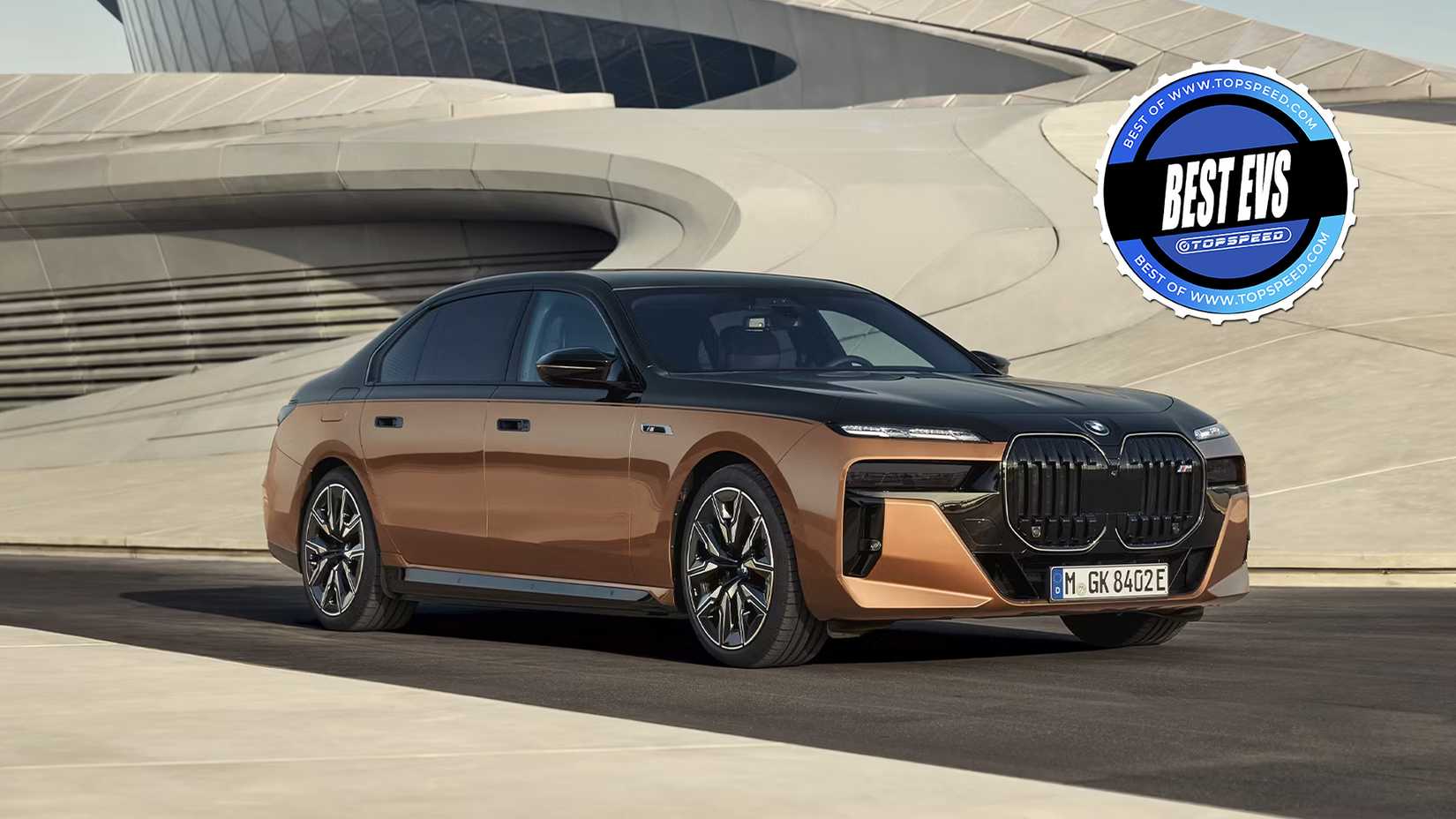
Most i7 variants use a dual-motor all-wheel-drive setup with one electric motor positioned at the front axle and another at the rear. The i7 xDrive60 produces 536 horsepower and 549 lb-ft of torque, allowing the large sedan to accelerate from 0 to 60 mph in roughly 4.5 seconds. Higher-performance variants like the BMW i7 M70 push output even further to around 650 horsepower, delivering genuinely staggering acceleration for a vehicle of this size. Car and Driver recorded the i7 M70 sprinting to 60 mph in just 3.5 seconds, highlighting just how much performance BMW has managed to extract from its flagship luxury EV.
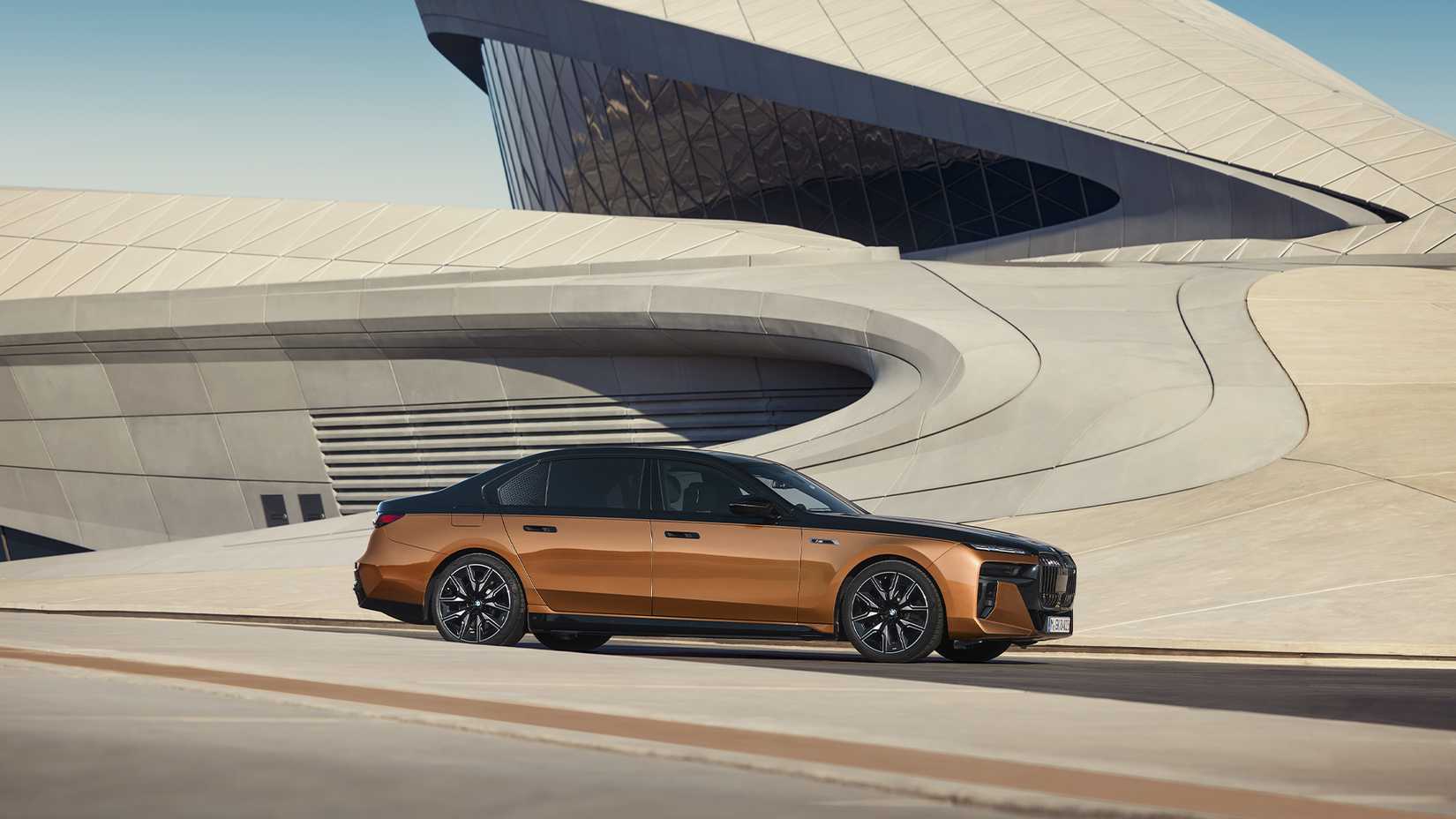
Honestly, the speed almost seems absurd considering how large and luxurious the i7 is, especially when certain variants weigh well over 5,900 pounds. Unlike some EVs that seem obsessed with brutal straight-line speed alone, the i7 continues to prioritize composure, ride comfort, and everyday usability like a traditional flagship luxury sedan. The standard air suspension setup, adaptive dampers, rear-wheel steering, and advanced chassis systems work together to disguise the vehicle’s immense size and weight remarkably well.
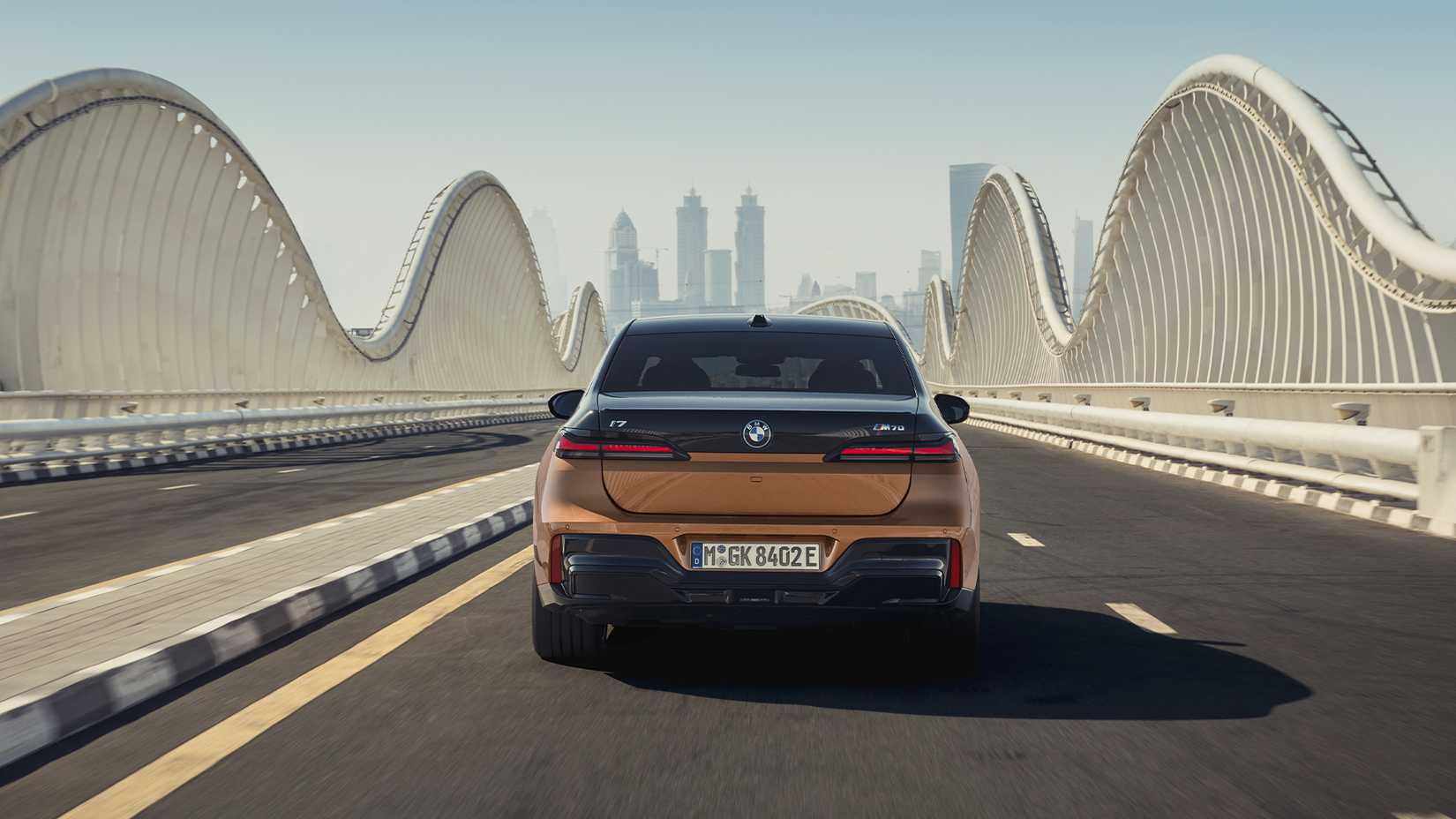
BMW also adds a sense of theater through features like Sport Boost, which can be utilized via a paddle on the steering wheel, which unlocks full power for ten seconds, and the Hans Zimmer-developed IconicSounds Electric system. Together, they give the flagship EV a more distinctive personality with customizable soundscapes tied to its My Modes and driving dynamics.
BMW
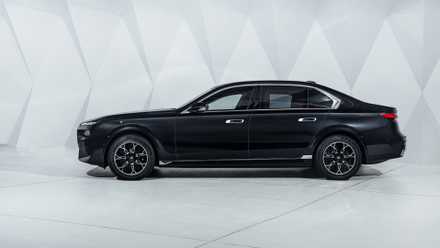
Despite stretching over 212 inches long and being heavy, reviewers consistently praised how remarkably manageable the i7 feels from behind the wheel. MotorTrend even described the BMW as feeling like a “small car in a big body.” Range figures also remain highly competitive within the segment. Depending on specification and testing standards, certain i7 variants are capable of delivering close to 380 miles of range, while the i7 xDrive60 carries an EPA-estimated range of up to roughly 318 miles, depending on wheel configuration.
Fast-charging capability further helps position the BMW competitively against rivals like the Lucid Air and Mercedes-Benz EQS. The i7 supports DC fast charging at up to 195 kW, allowing the battery to charge from 10 to 80 percent in approximately 34 minutes according to BMW, making long-distance travel significantly more manageable. But perhaps more importantly, the i7 never appears to compromise traditional luxury sedan comfort simply to maximize EV efficiency or performance figures. That balance may sound simple, but it’s something several luxury EV rivals still struggle to execute naturally.
The Most Spacious Electric Sedan That You Can Buy
Passenger space has been the tipping factor in the balance of four-door purchases, and this electric sedan is bigger and better than all other EVs.
Inside The BMW i7’s Ultra-Luxury Cabin
A Rolling Executive Lounge With EV Silence
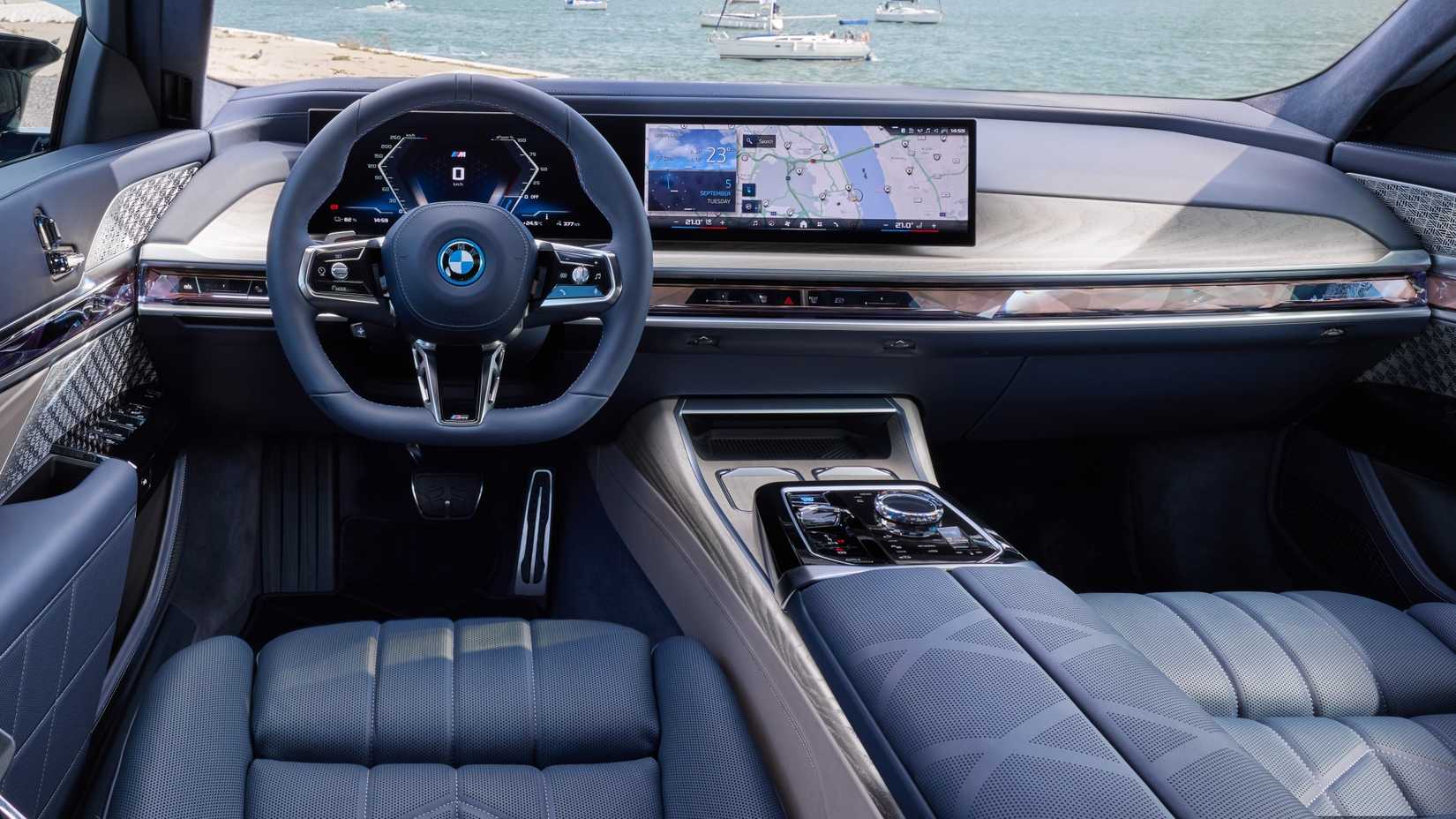
But inside is where the BMW i7 truly reveals what it is trying to be. The cabin combines soft leather upholstery, open-pore wood trim, crystal-inspired controls, ambient lighting, premium metallic finishes, and massive digital displays to create an atmosphere that feels both modern and unmistakably traditional at the same time. MotorTrend praised the interior for feeling “genuinely handcrafted,” while reviewer William Walker compared the rear-seat comfort and isolation to a Rolls-Royce.
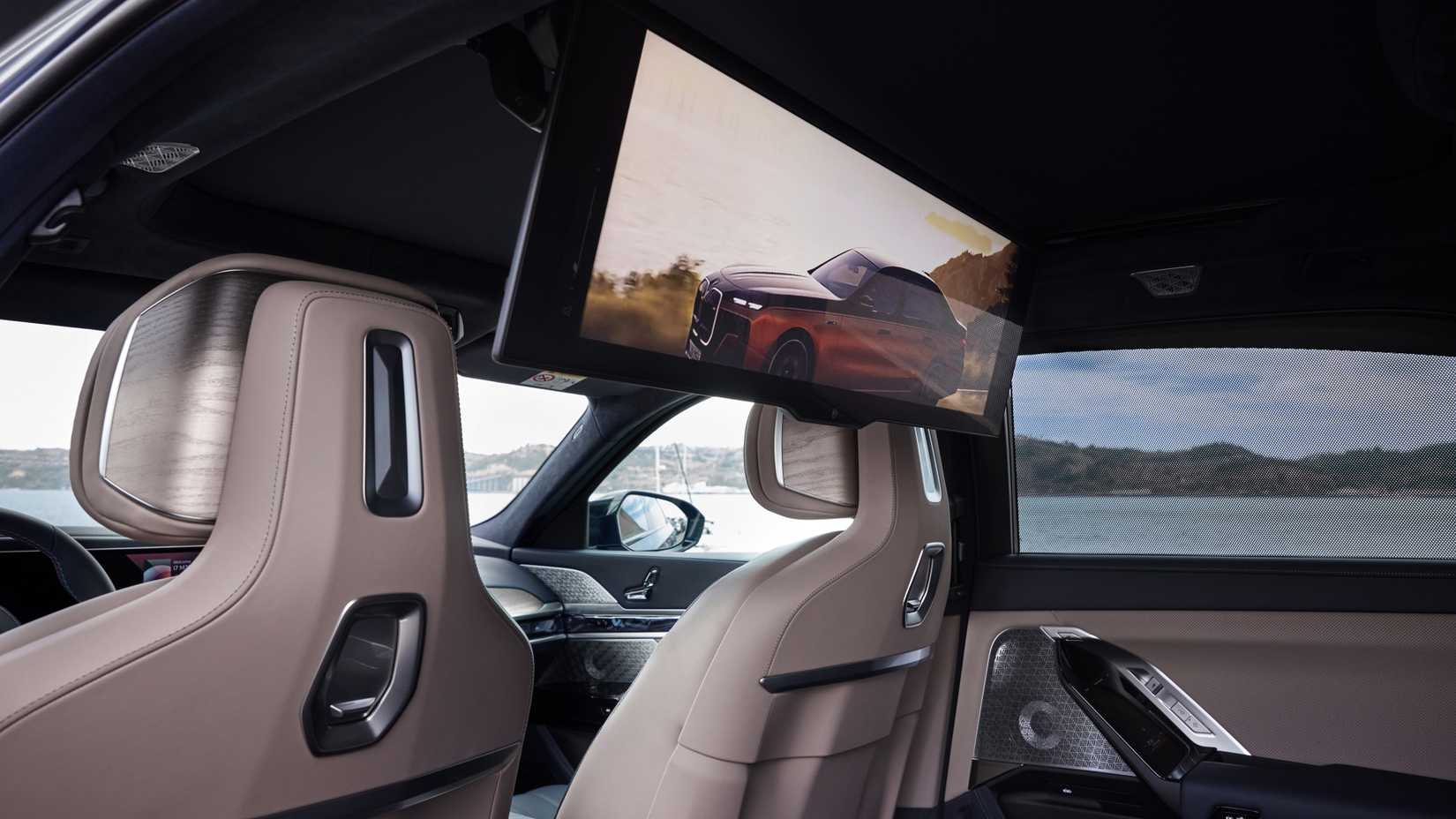
Unlike some rivals leaning heavily into futuristic minimalism, the i7 is still like a proper traditional flagship luxury sedan underneath all the technology. Stretching across the dashboard is BMW’s illuminated Interaction Bar, while the optional 31-inch Theater Screen transforms the rear cabin into a full executive-style entertainment lounge complete with streaming capability and onboard connectivity.
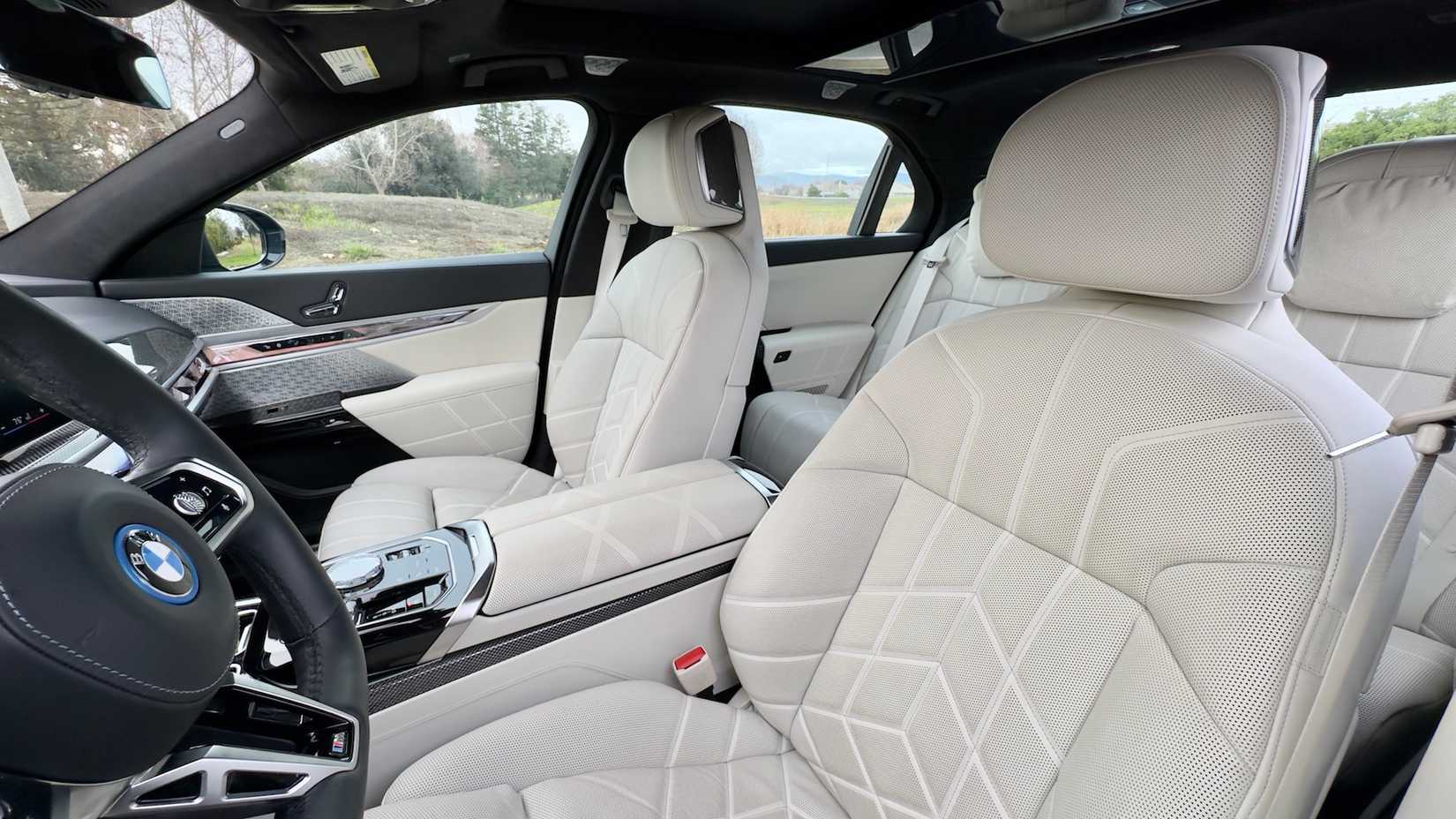
Car and Driver also praised the BMW’s “vaultlike interior,” noting that road and wind noise remain impressively subdued during long-distance cruising. The seats are widely regarded as one of the i7’s standout luxury features, while available Executive Lounge seating adds reclining seats, massage functions, powered blinds, rear touchscreen controls, and exceptional rear legroom.
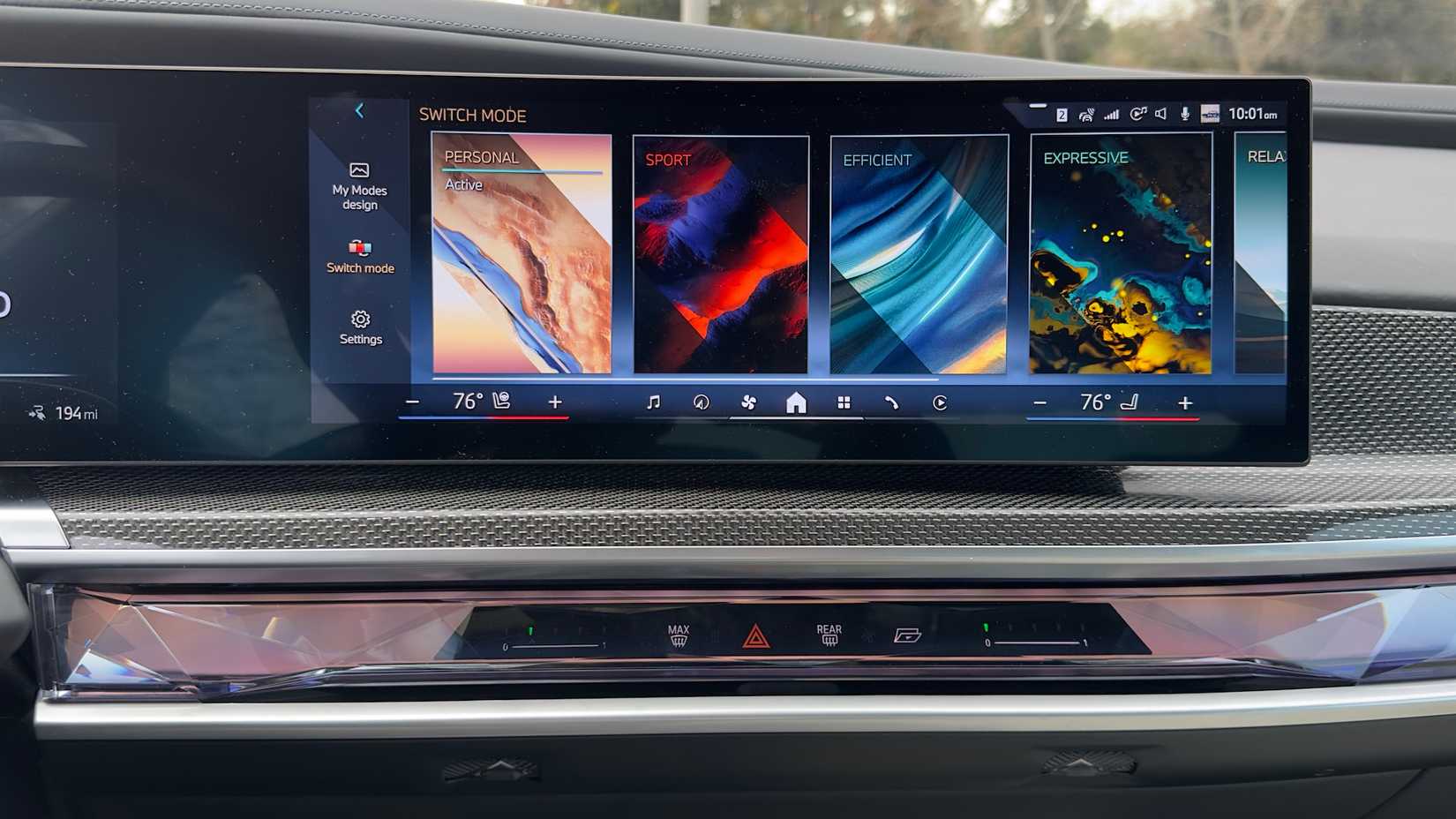
Importantly, though, BMW integrates the technology naturally into the luxury experience rather than making it feel overly experimental. Still, Car and Driver noted that the heavy reliance on touchscreen functionality — particularly for climate controls — may require a learning curve for some users. Even so, the overall package has been widely praised.

The Last BMW 7 Series To Offer A Manual Transmission Is Now A Luxury Bargain
The E38 BMW 7 Series was highly regarded as one of the best generations, mainly due to its slick-shifting transmission.
Why The BMW i7 Quietly Became The Benchmark
It Understands Luxury Better Than Most EVs
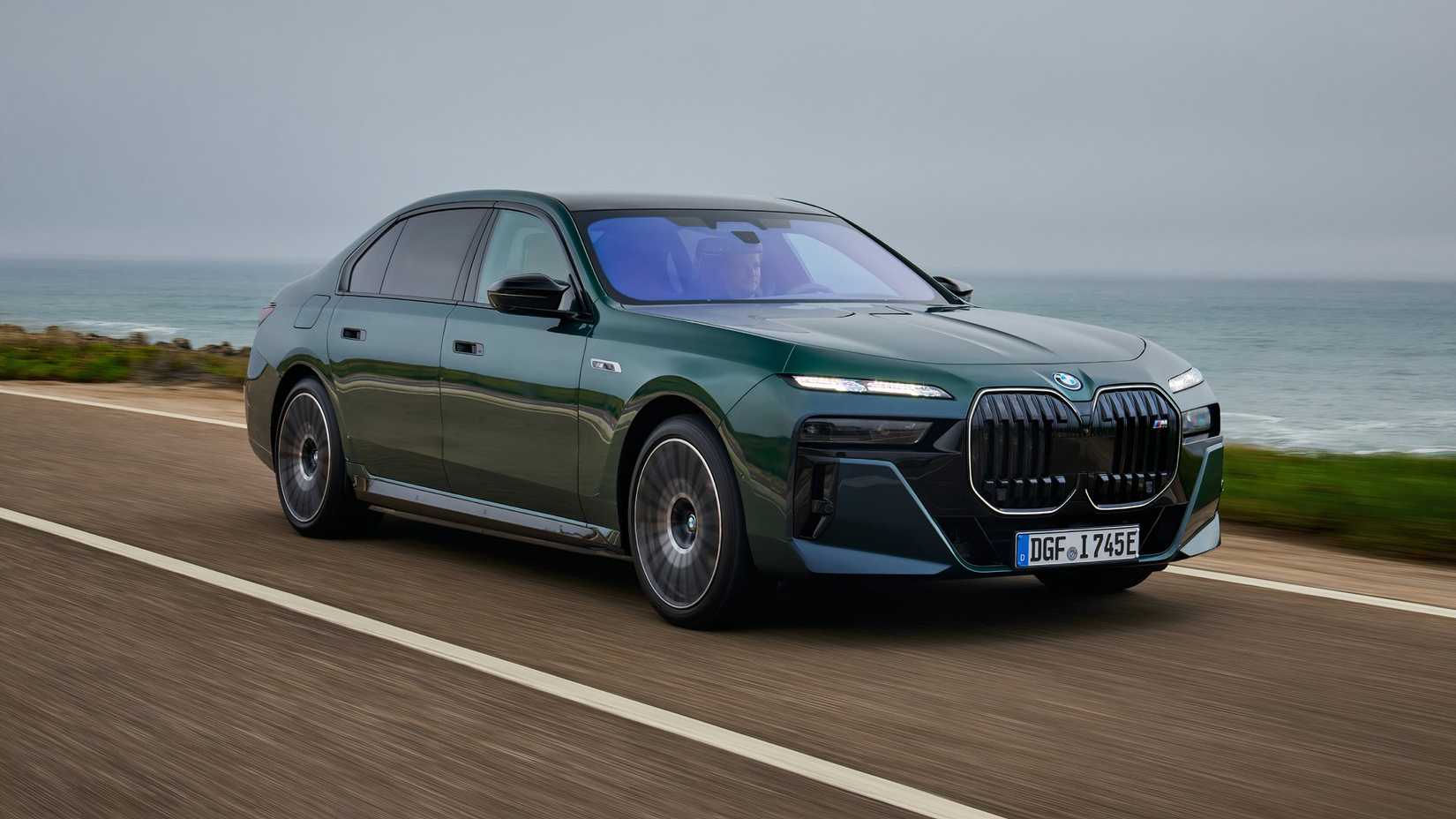
The BMW i7 may not have been the first luxury EV sedan to arrive, but it arguably became one of the first to fully understand what many flagship luxury buyers actually wanted from an electric car. Against rivals like the Mercedes-Benz EQS, Lucid Air, and Porsche Taycan, the BMW takes a noticeably more traditional approach to luxury. The EQS leans heavily into futuristic technology, the Lucid Air prioritizes range and engineering innovation, while the Taycan remains the sharper driver’s car of the group.
The i7, meanwhile, quietly balances nearly everything exceptionally well. It combines strong EV performance, competitive range, outstanding ride comfort, flagship-level luxury, and traditional executive-sedan character into one remarkably cohesive package. Honestly, that cohesiveness matters.
Instead, BMW focused on integrating EV technology into an already established flagship formula. Several reviewers noted that while the Mercedes-Benz EQS excels in futuristic technology and efficiency, the BMW i7 feels more special, more occasion-focused, and more traditional in its luxury approach.
BMW
Car and Driver and MotorTrend also pointed out that the EQS’ unusual styling and less conventional driving position may not appeal to every luxury buyer, whereas the i7 feels far more familiar and approachable without sacrificing modernity.Still, the i7 isn’t perfect. The front-end styling remains deeply polarizing, particularly the split-headlight design and oversized illuminated kidney grille. The i7 is also extremely heavy, weighing well over 5,900 pounds in certain configurations, while pricing quickly climbs deep into six-figure territory once options are added.
And although the technology is highly advanced, some systems may initially feel overly complicated due to the heavy reliance on touchscreen functionality. Still, despite those drawbacks, the BMW i7 has quietly positioned itself as one of the most complete luxury EV sedans currently available. Because, unlike some rivals seemingly obsessed with reinventing the automobile entirely, the i7 remembers something important: Luxury buyers still want a luxury car.
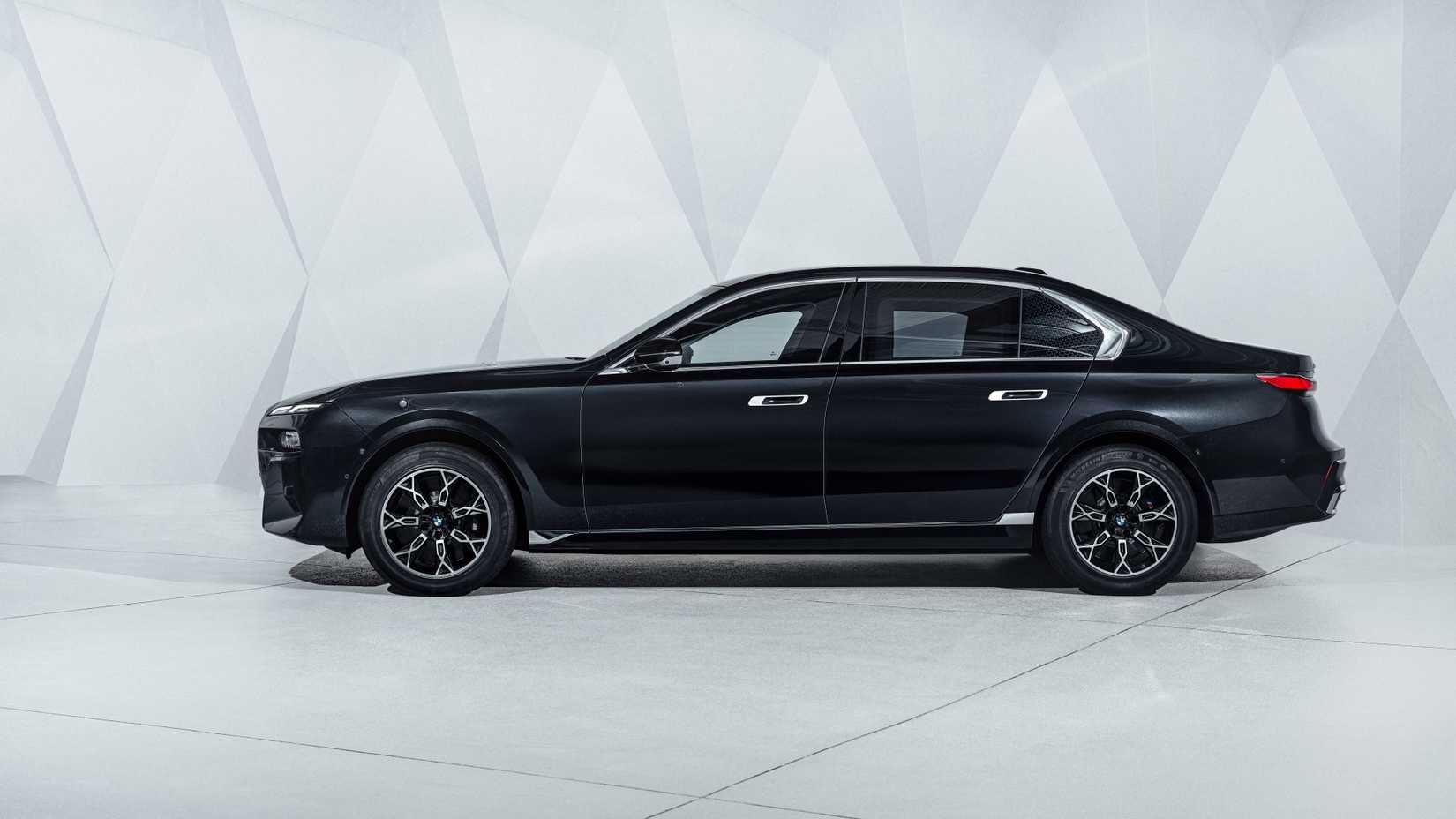
The fact that it happens to be electric simply becomes part of the experience rather than the vehicle’s entire personality. In many ways, that raises a very interesting question: Is BMW currently building the best all-around luxury EV sedan on the market?
Sources: BMW USA