
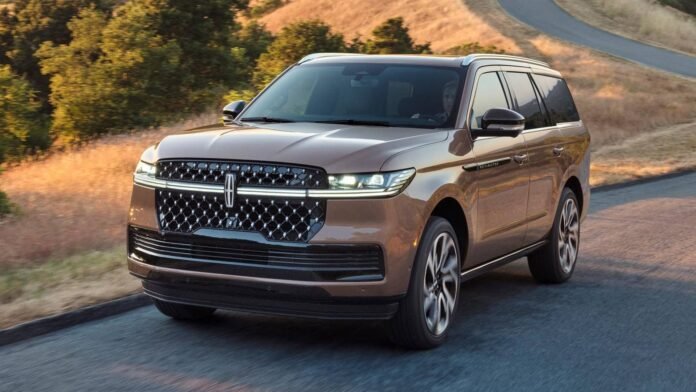
If ever there was a perfect SUV segment, the full-size luxury SUV may be it, for several reasons. First, luxury buyers have traditionally gravitated toward larger things, primarily because they don’t want to feel cramped—think large houses, expansive estates, etc.—so they want room in which to stretch out, and second, they don’t really think about the high costs associated with large things, such as higher property taxes or, in the case of vehicles, ownership costs, such as fuel and insurance.
Although a younger generation of luxury buyers has gravitated toward smaller vehicles, the traditionalist still likes the big, burly SUV that is more about commanding the road, floating down the highway, and being able to tow the horse trailer, than it is about raucous acceleration, precise handling, and chest-thumping bass. And though there are electrified, battened-down SUVs that can chase down sports cars on a twisty road, the traditionalist will be more than pleased with this large ICE that flashes chrome like a badge of honor.
Traditional Luxury Isn’t Simply Your Grandfather’s Luxury Land Yacht
The traditional luxury SUV—built to isolate rather than engage, to soothe rather than stimulate—has become increasingly rare in a world where futuristic SUVs chase acceleration times and lateral G-forces that rival sports cars, and present interiors that resemble high-end home theaters. Not that there’s anything wrong with that—technology in vehicles enhances control, response and comfort, but it also engages and stimulates (contrary to two of the core beliefs of traditional luxury). Traditional luxury isn’t complicated; it’s relaxing.
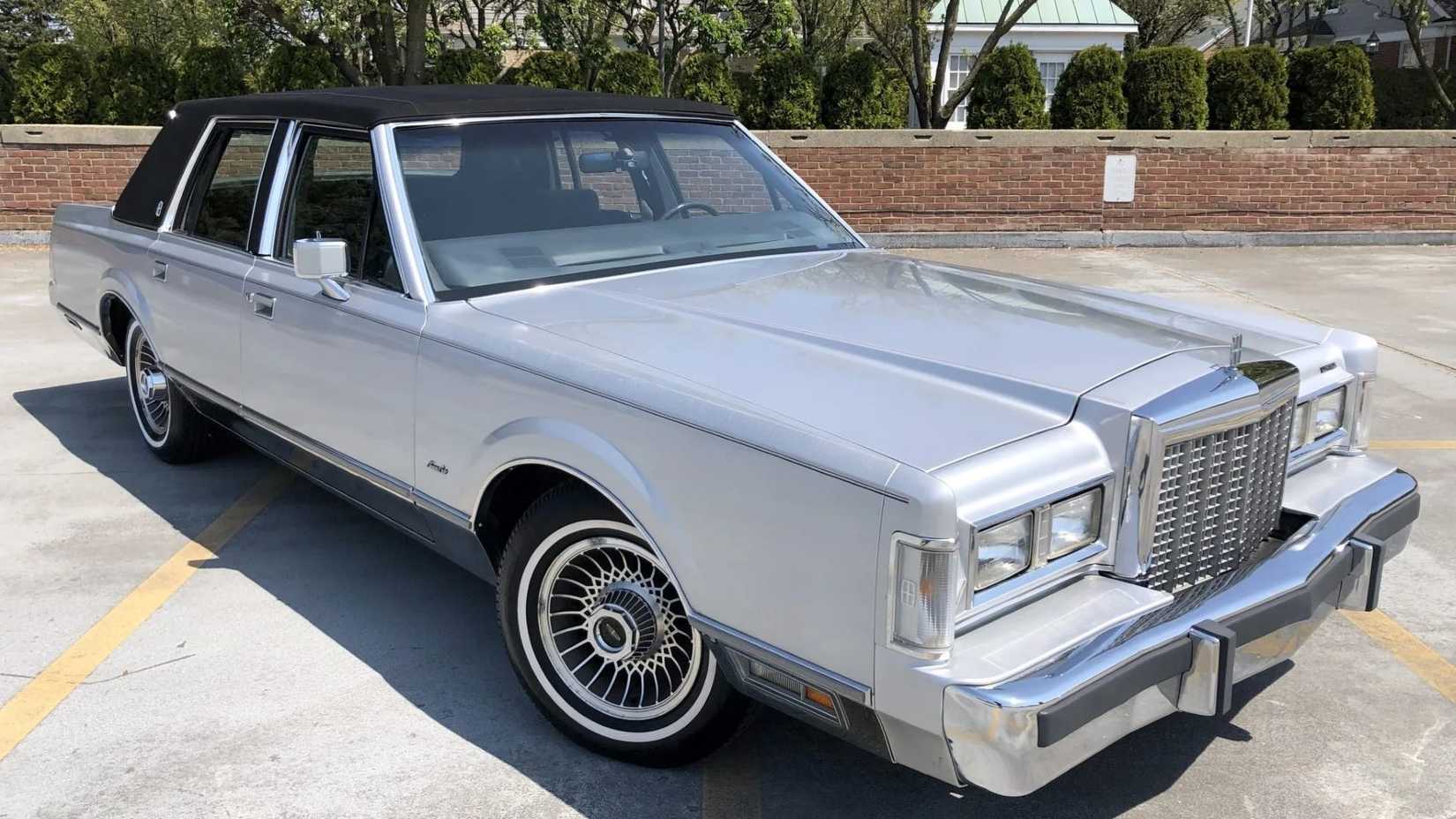
Simplistically regarded as “grampa’s luxury,” traditional luxury isn’t about pillowy leather and wallowy ride (though those are certainly important considerations), it’s about how it isolates its occupants and reduces the stress of traveling. Traditional luxury vehicles are about effortless mobility, and luxury SUVs are expected to deliver elevated seating for visibility and confidence, stable ride through long wheelbases and compliant suspensions, and serenity through interior silence and set-and-forget controls.
The Traditional Luxury Experience
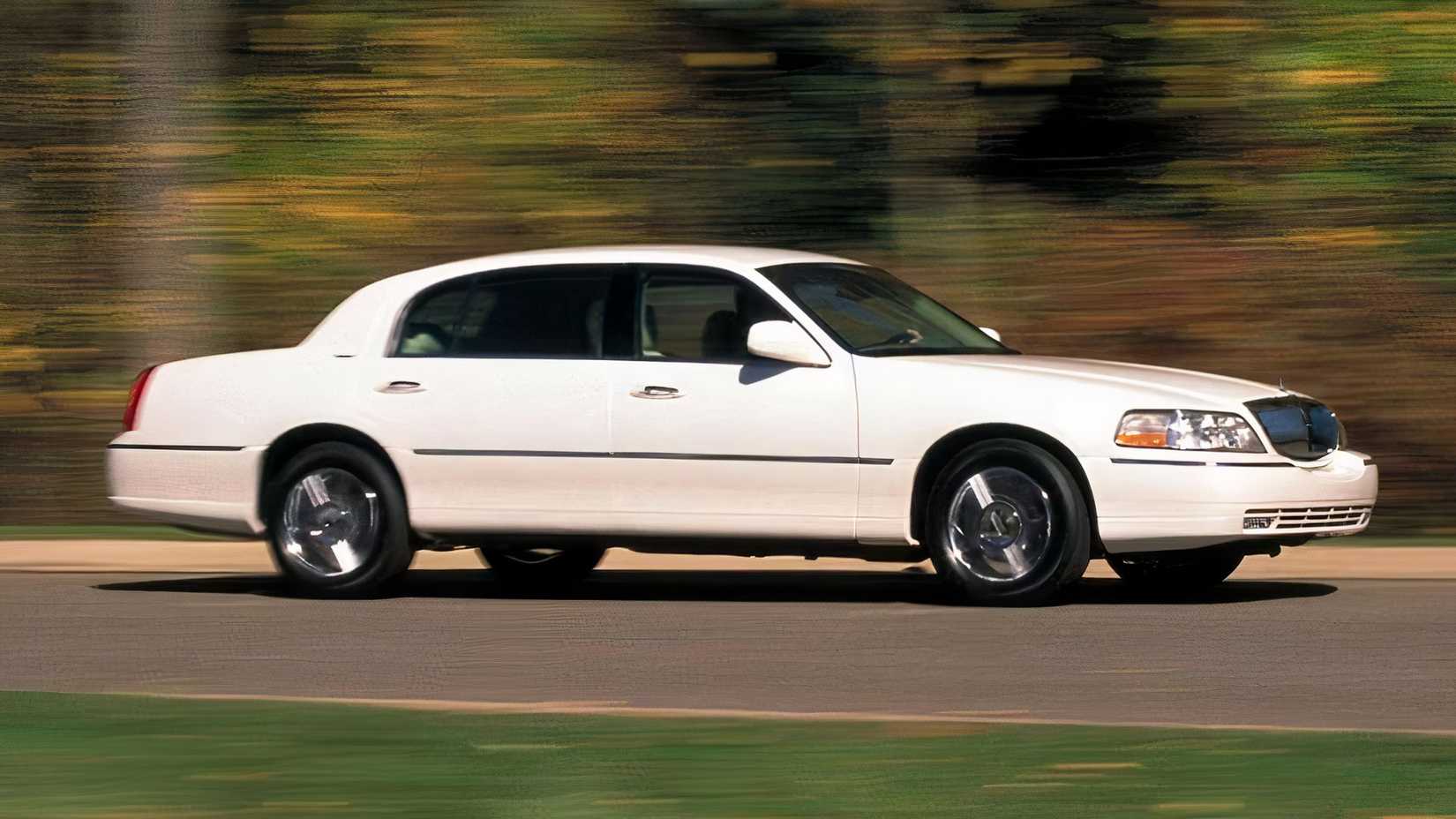
Size and presence aren’t liabilities to the luxury traditionalist; they’re assets, which is what makes the SUV a prime consideration for a luxury vehicle. To the luxury traditionalist, an SUV doesn’t command attention; it reduces friction. Everything should feel effortless—acceleration is smooth and progressive, steering is light and predictable, the suspension absorbs road imperfections, and the cabin filters out ambient noise and provides authentic comfort.
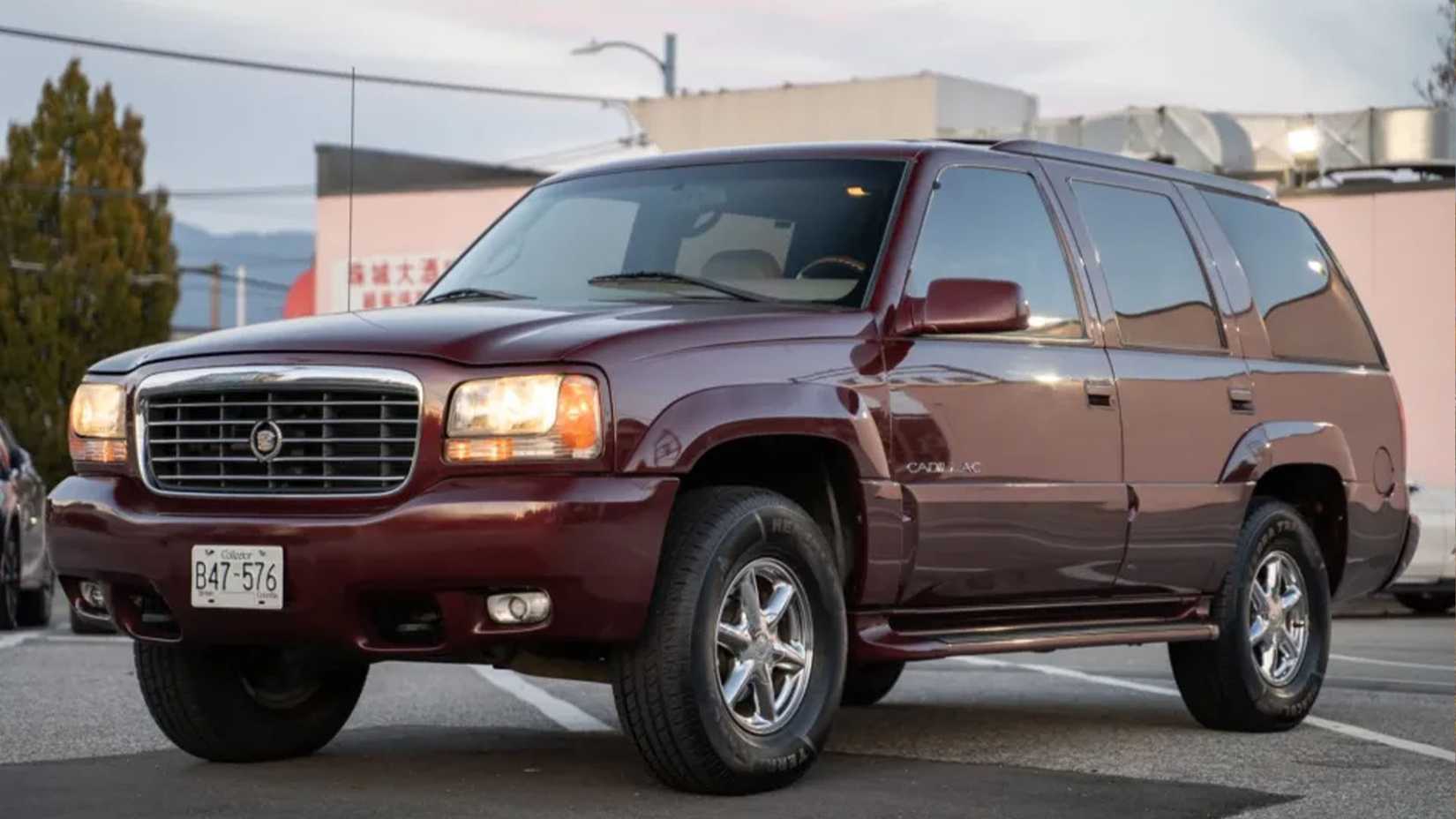
The traditional luxury SUV brims with inevitable power without being aggressive, and steering requires little constant input from the driver to enable it to track true. The suspension is firm enough to promote stability without highlighting pavement texture, and seating is supportive without being constrictive, wide without appearing loose, and plush without feeling fluffy.
Traditional Luxury Embraces Old-School Values With Modern Presentation
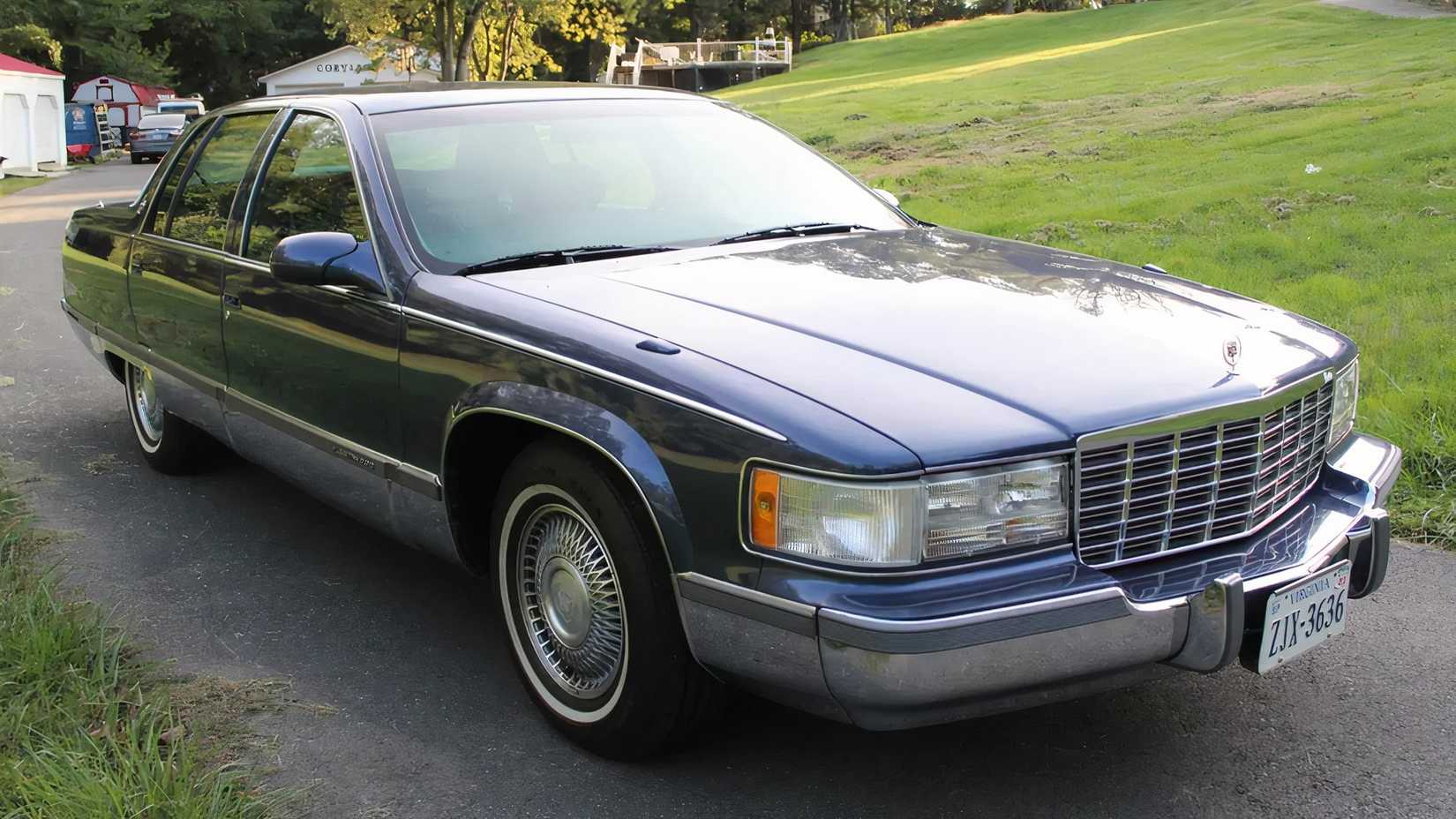
Traditionalist luxury distances itself from both the old North American vision of luxury—the long-hood, long trunk land yachts of old—and modern luxury that takes a sports-car-like platform and gussies it up with leather and bright accents (or blacked-out accents), then attracts attention with big touchscreens, which nowadays sometimes don’t even need to be touched. In a sense, traditional luxury is the middle ground between premium mainstream and sports luxury.
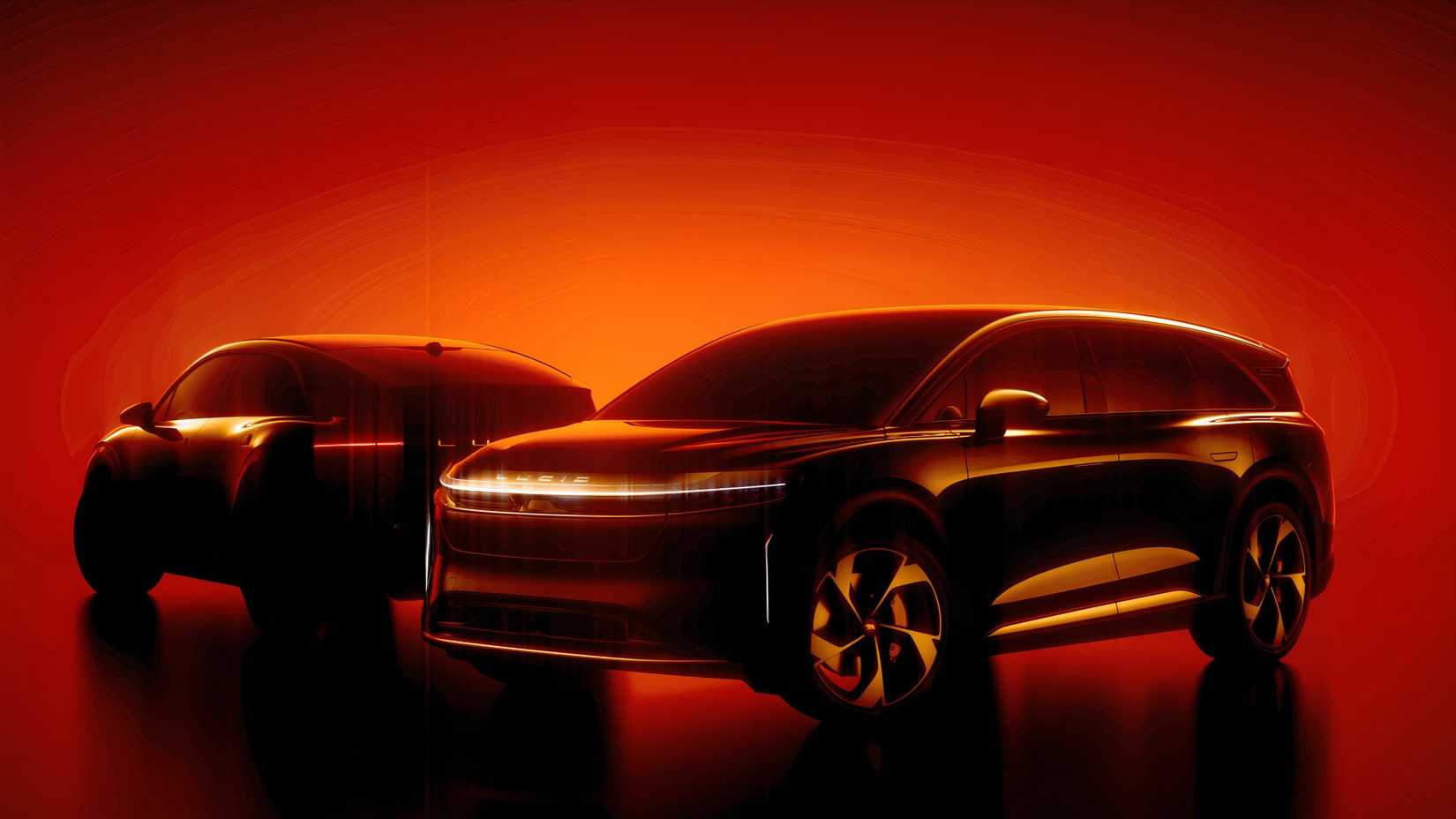
Lucid
Modern luxury SUVs prioritize design to attract attention—coupe-like rooflines, large wheels with lower-profile tires, firm suspensions, performance-driven trims, and minimal switchgear in interiors dominated by display screens. Traditional luxury SUVs have upright proportions that exude dominance but not aggression, rich layered materials, and torque-rich power. In fact, this SUV proudly embraces its traditional traits but swaps out some of the modern, tech-trendy trappings as enhancements.
The Luxury SUV Nobody Talks About That’s As Reliable As A Lexus
This luxury SUV delivers Lexus-level reliability while offering superior sportiness and practicality at a similar price point.
The Lincoln Navigator Is The Luxury SUV For Traditionalists
Offers The Size, Drive And Opulence Of Old-School Luxury SUVs

- Base Trim Engine
-
3.5L V6 ICE
- Base Trim Transmission
-
10-speed automatic
- Base Trim Drivetrain
-
Four-Wheel Drive
- Base Trim Horsepower
-
440 HP @5400 RPM
- Base Trim Torque
-
510 lb.-ft. @ 3300 RPM
- Base Trim Fuel Economy (city/highway/combined)
-
16/22/18 MPG
- Make
-
Lincoln
- Model
-
Navigator
- Segment
-
Full-Size Luxury SUV
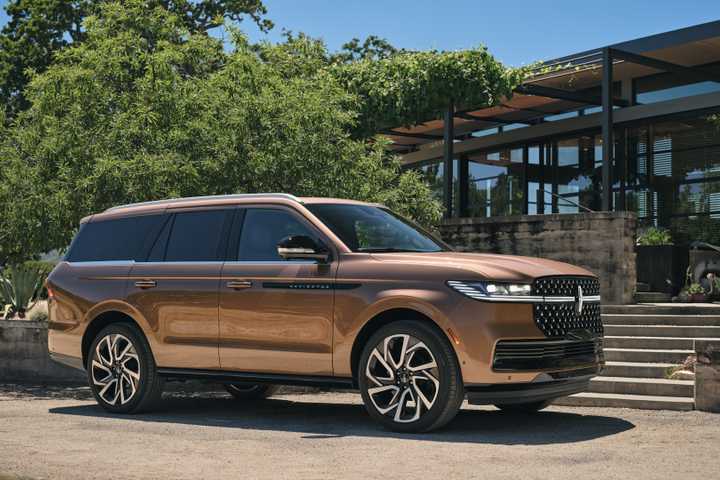
As one of the senior members of the SUV class, the Lincoln Navigator firmly preserves the old-school luxury theme, rather than trying to reinterpret luxury. In a segment increasingly balancing comfort and performance, the Navigator chooses comfort. It doesn’t try to feel smaller and more agile than it really is, or even attempt to be the dancing elephant on the track. The Navigator just embraces its big and bold “love me as I am” persona.
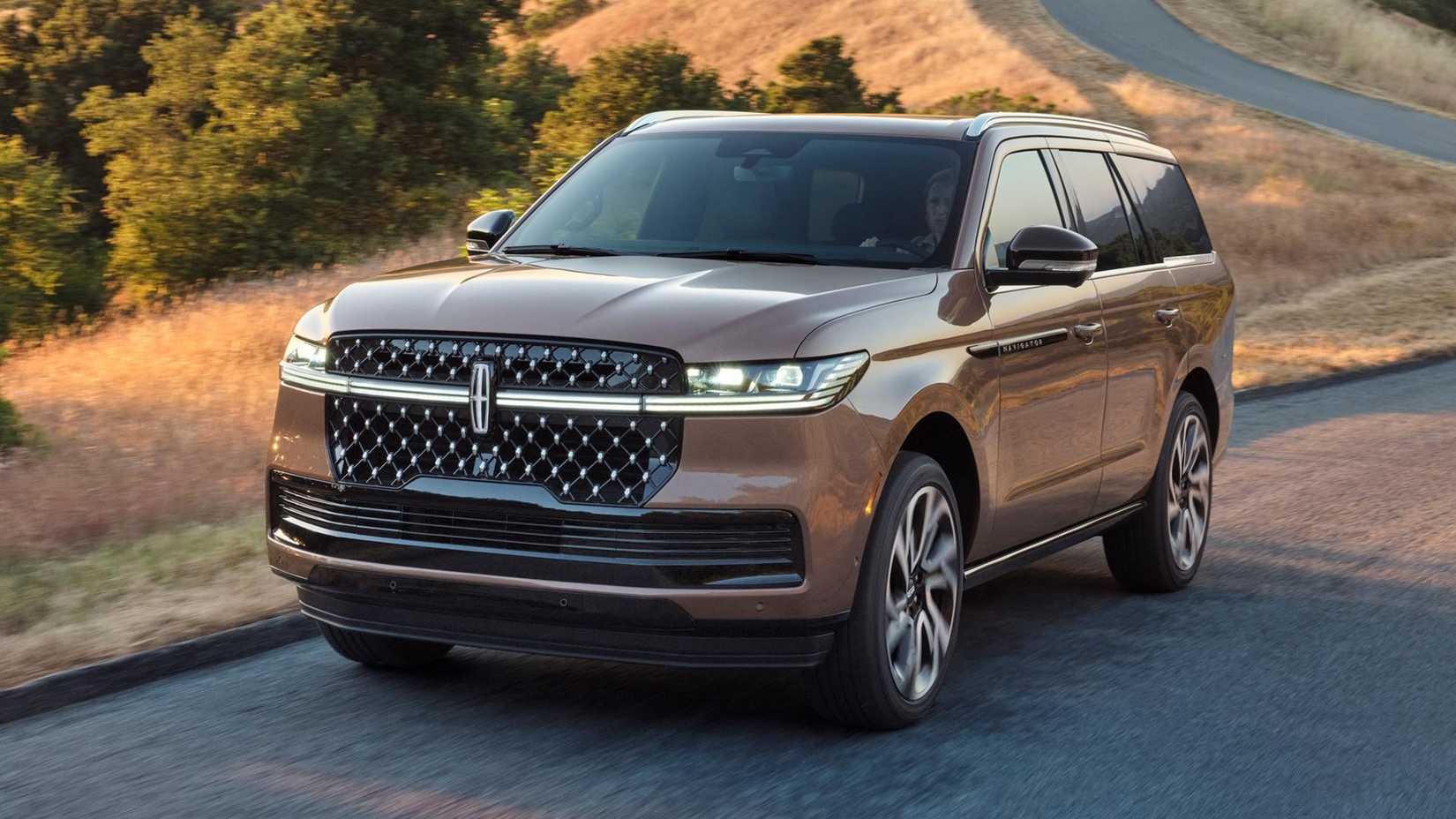
Since its debut before the turn of the century, the Lincoln Navigator has been a big truck, built on a big truck platform, powered by a big truck engine. The 2026 Navigator embraces not only its heritage, but also its size, weight, and purpose, and delivers a luxury experience that is consistent, predictable, and aligned closely with traditional luxury values.
The Cabin As The Hub Of Traditional Luxury
Lincoln
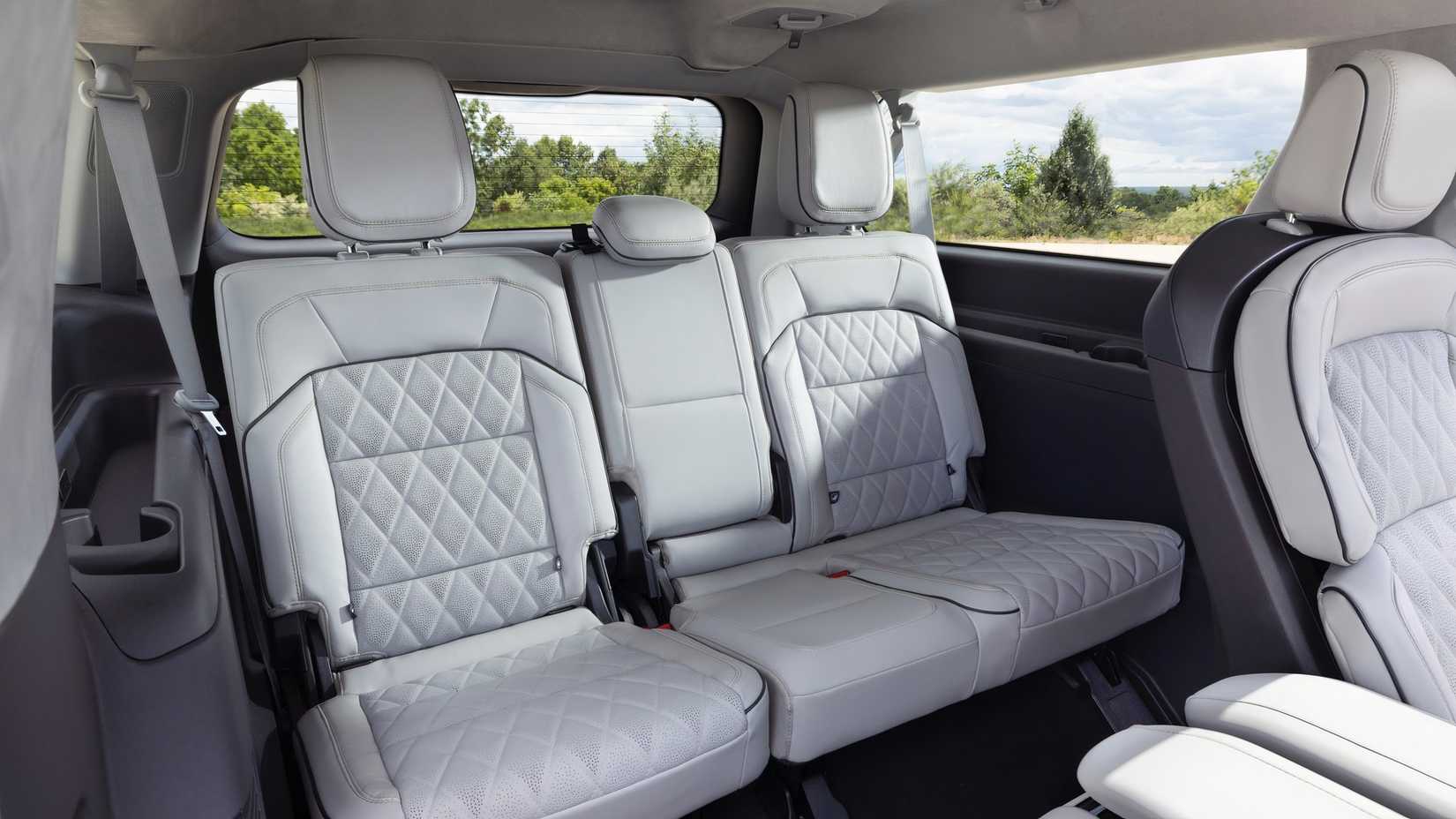
Inside, the 2026 Lincoln Navigator leans heavily into warmth and material presence—areas where many modern SUVs often fall short. The design avoids stark minimalism, layering materials to present a cohesive contrast between leather surfaces, wood trim and metallic accents. As the core of traditional luxury, seating is a standout feature. Chairs are large and well-cushioned for long-distance comfort. They don’t attempt to hold occupants in place during aggressive driving. They don’t have to.
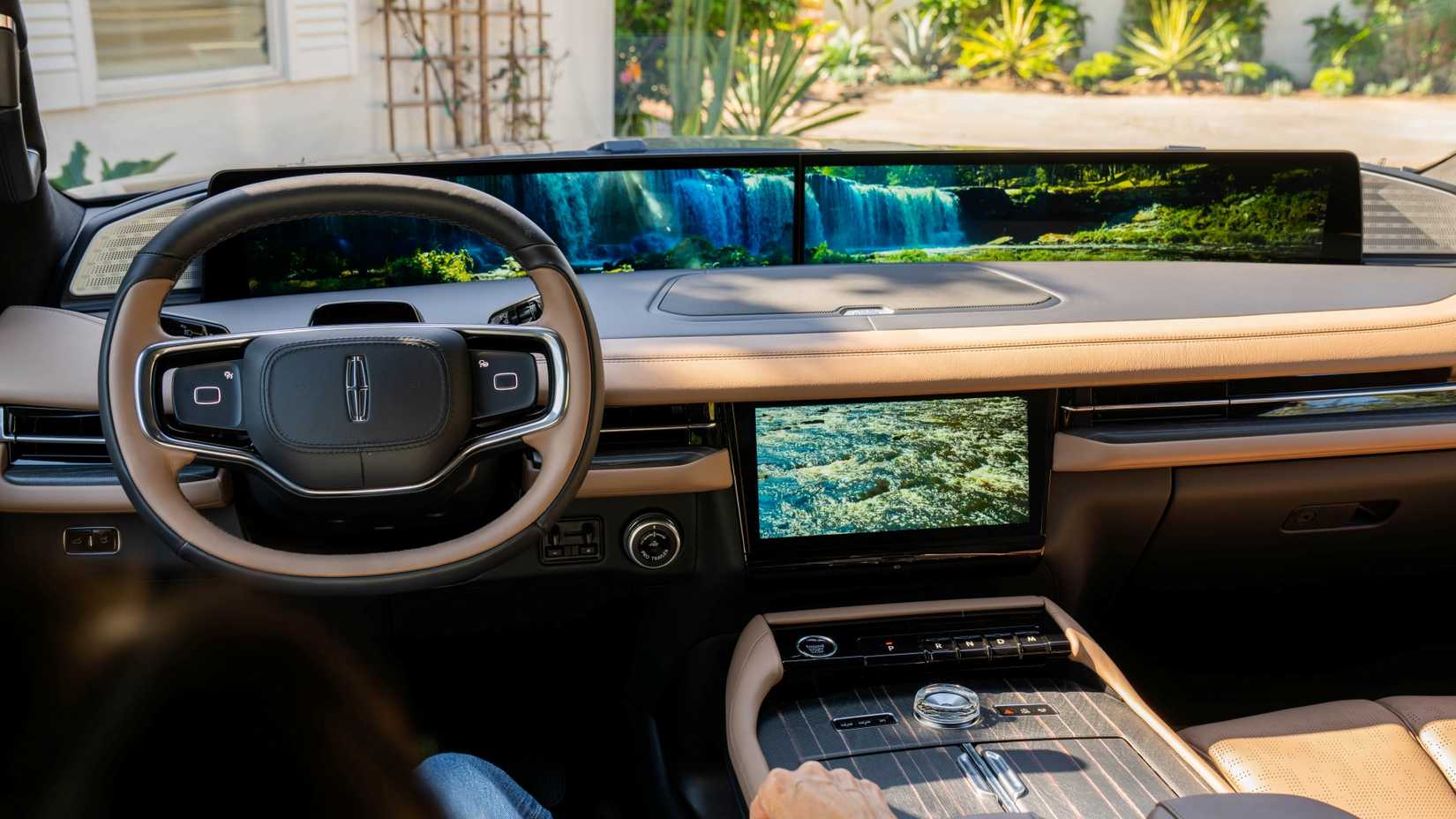
Technology is naturally present (it’s a necessity in today’s vehicles), but it doesn’t overwhelm. Displays are actually some of the best in today’s luxury landscape—large and clear—but they don’t do everything. Physical controls remain accessible to reinforce that usability supersedes novelty. Perhaps most importantly, it’s quiet. Road and wind noise are effectively suppressed to create a calm environment.
Size Matters In The Pursuit Of Luxury
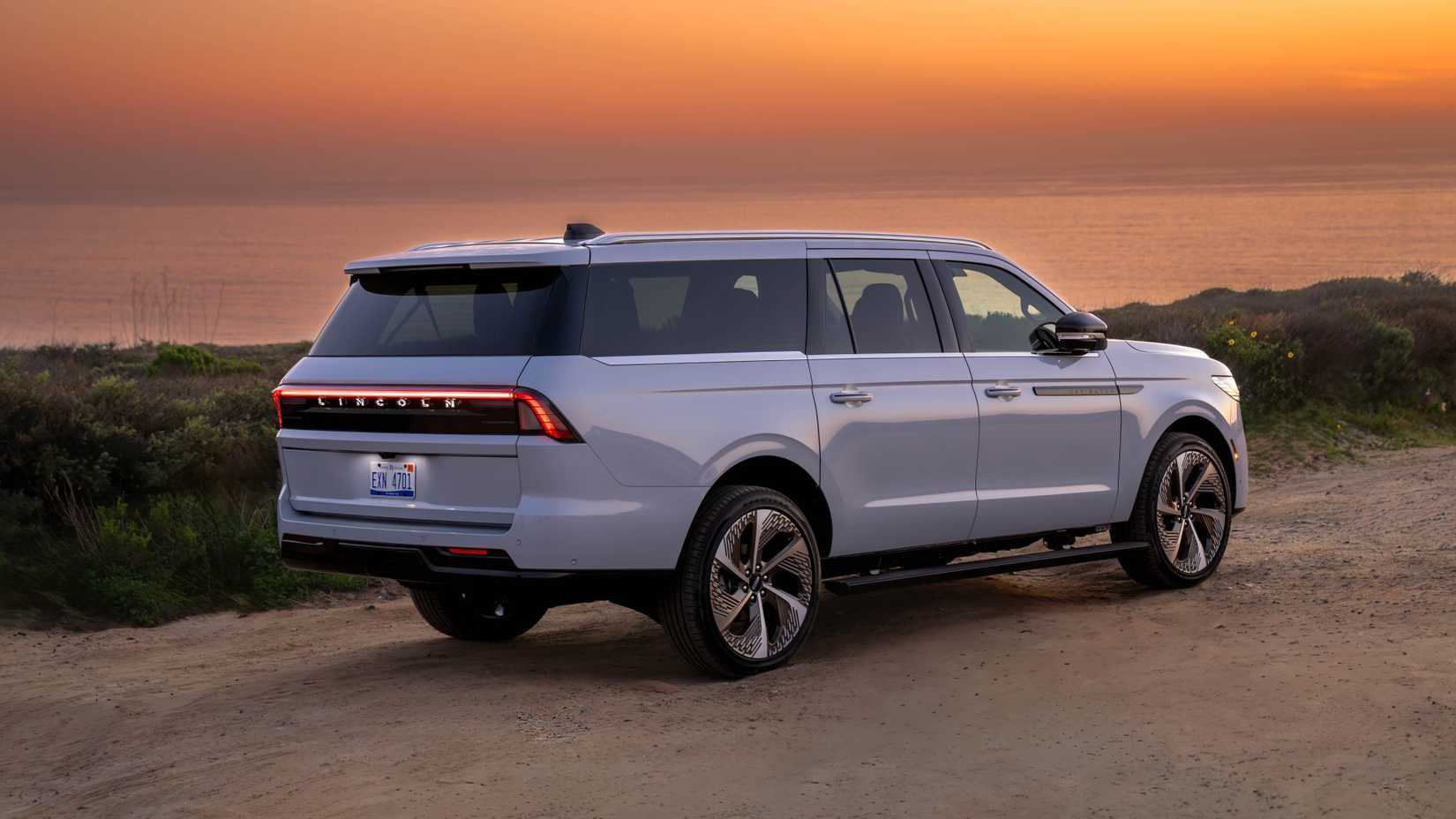
At the structural level, the 2026 Lincoln Navigator’s body-on-frame construction sets the tone. While much of the SUV world has moved to unibody platforms for improved handling, the Navigator maintains its composure with a layout that favors strength and stability. Despite its image of luxury softness, it’s a big, brawny brute at heart. Its size exerts on-road dominance without aggression, and its stature enables it to easily move what some rivals drive around.
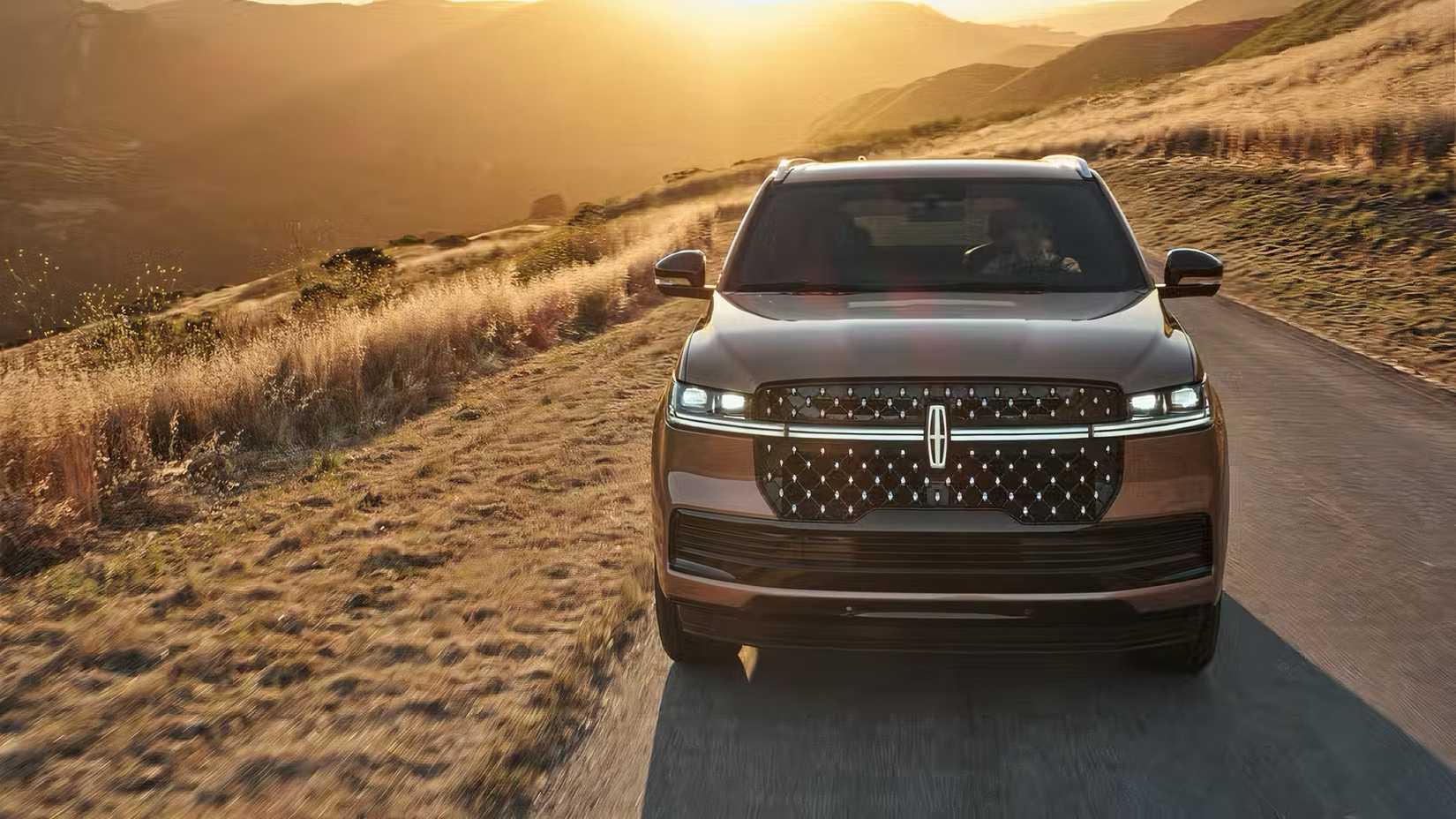
Historically, luxury SUVs weren’t created to show that their owners had abandoned their blue-collar recreational pursuits of camping, boating, or weekend racing; they were created to add flair and comfort to the pursuit of those activities.
Big SUVs Demand Big Power And Predictable Handling
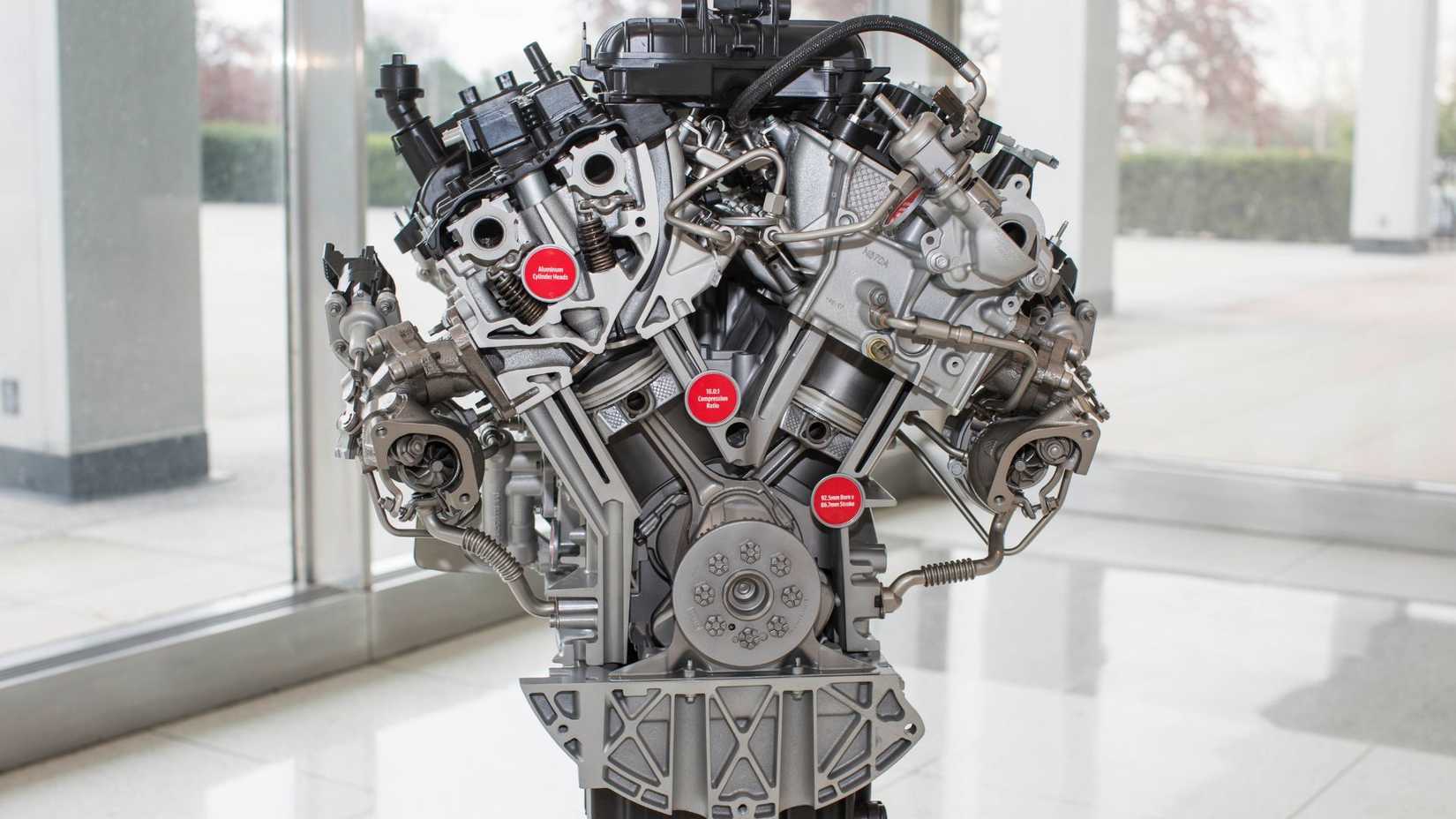
Traditional luxury demands big power to move big bodies. Historically, that meant big V-8s, and though luxury buyers were prepared to shell out big bucks to use their big rigs, the environment warranted a bit of consideration. As such, today’s Lincoln Navigator uses a smaller, more powerful V-6, using turbocharging to maintain its strength while using less fuel, and, as a side benefit, helping to promote calmness in the cabin.
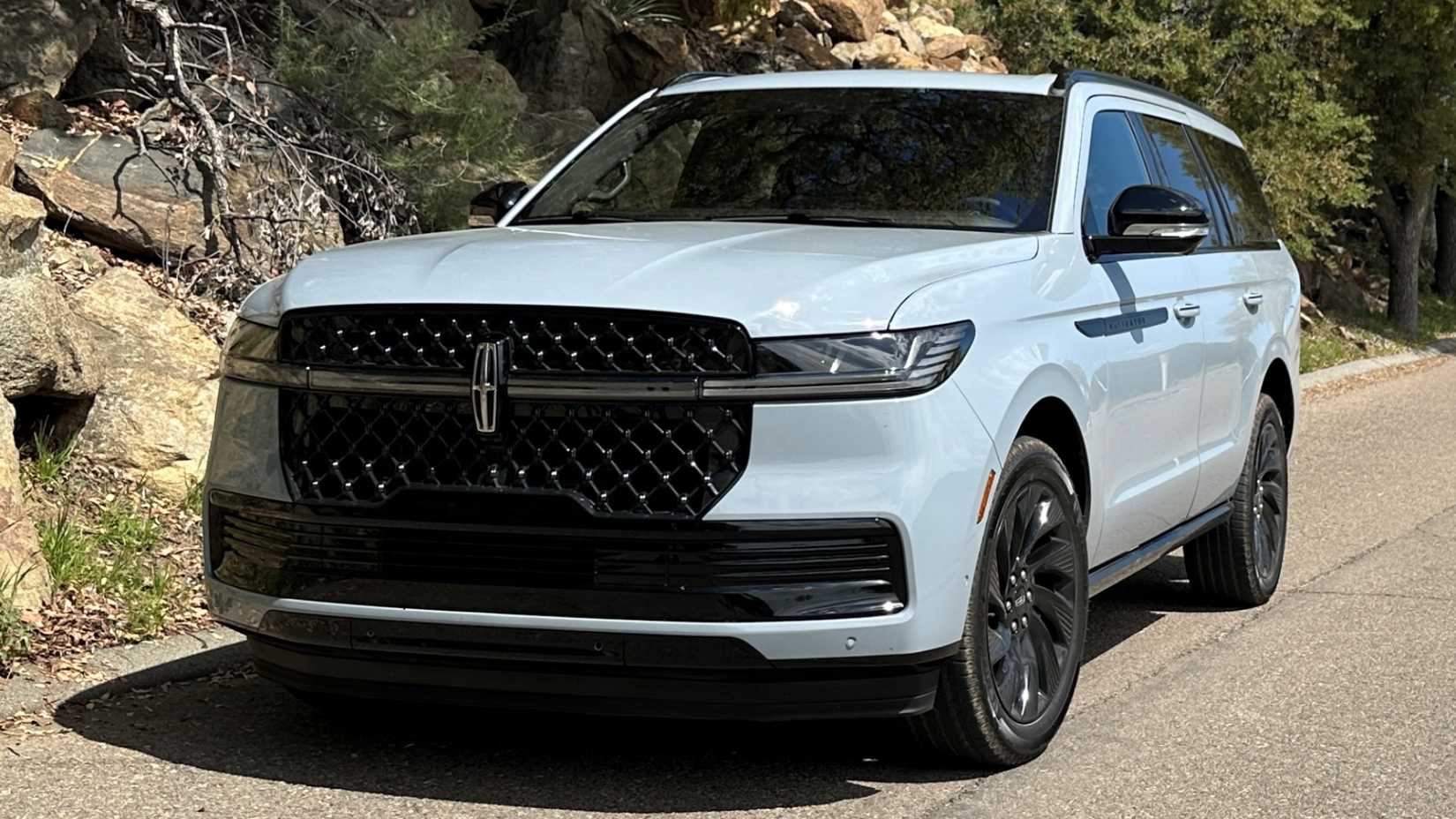
Nicole Wakelin |Top Speed
Similarly, suspension tuning is calibrated to absorb what’s thrown in front of the luxury SUV, not to maintain its flatness as it swerves around it. Over broken pavement, the Navigator remains smooth and controlled, not rigid with the constant micro-adjustments inherent in sport-tuned SUVs. During emergency maneuvers, there’s body movement, but it’s predictable, and it settles quickly, so it doesn’t toss cabin occupants like an anchored boat in a wake.
The Lincoln Navigator 2025 Could Be The Luxury SUV Deal Buyers Need In 2026
This full-size luxury SUV may not be the first that comes to mind, but once you understand what it offers, its value is undeniable.
The 2026 Lincoln Navigator Is Not Alone In Embracing Traditional Luxury
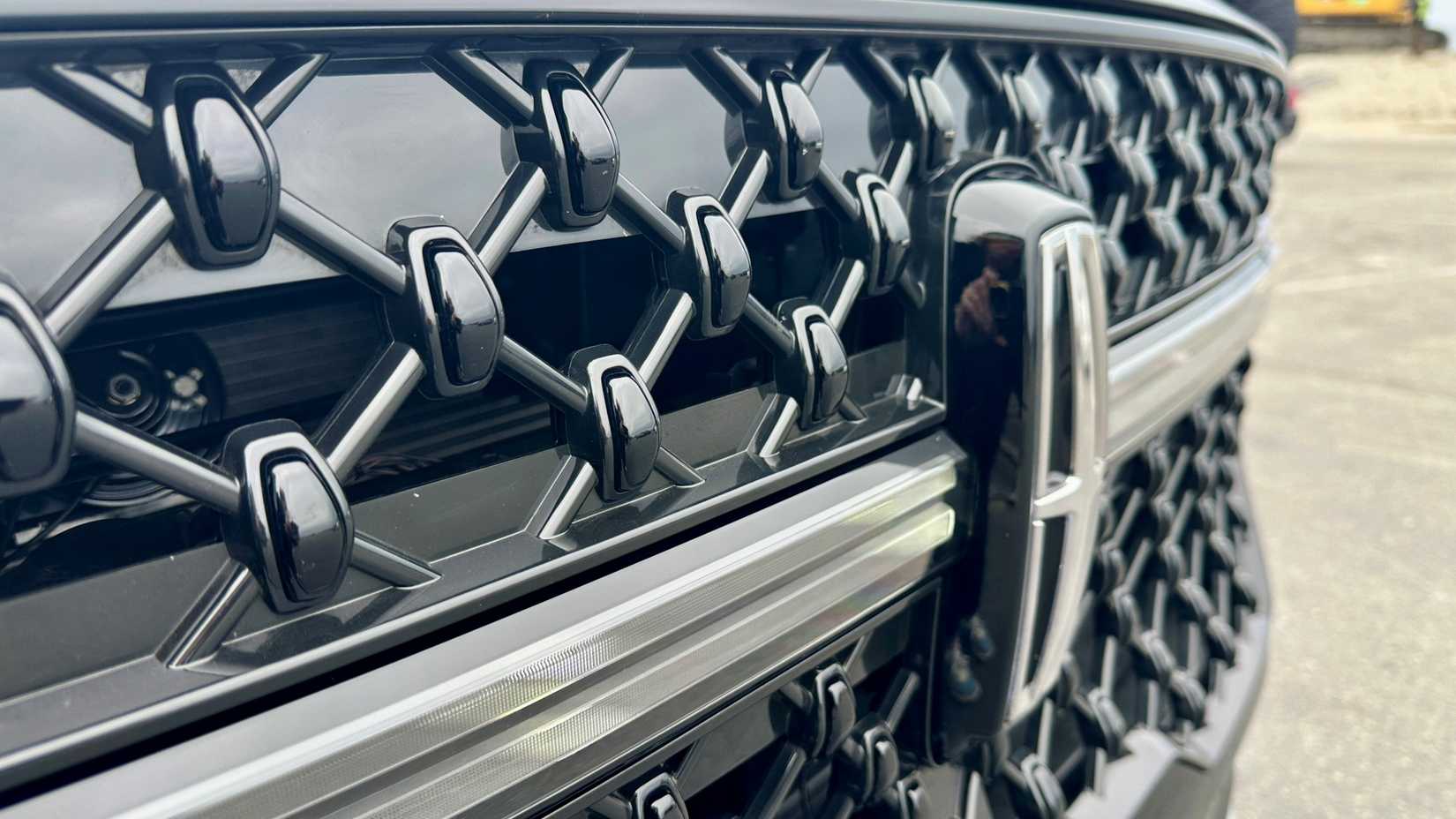
Nicole Wakelin | Top Speed
The 2026 Lincoln Navigator doesn’t try to outsilence, outbulk, or outgun its rivals, but rather puts together a package that deliberately targets the best that competitors offer, then puts it all together to effectively compete with, and even better, its contemporaries. It matches the interior opulence of a Range Rover, the size of a Cadillac Escalade, and the ride of a Mercedes-Benz GLS, resulting in a luxury SUV that differentiates itself by delivering capability in a more controlled, less demanding way than many of its rivals.
The Luxury Experience
|
Lincoln Navigator Black Label |
Range Rover SE |
|
|
Starting Price |
$122,420 |
$113,300 |
|
Seating |
Seven |
Five |
|
Heated Seats |
Standard front, middle, rear |
Standard front, rear |
|
Ventilated Seats |
Standard front, middle |
Standard front, rear |
|
Massaging Seats |
Standard front, optional middle |
Optional front, rear |
|
Rear-Seat Touchscreen |
Standard |
Optional |
|
Surround Sound System |
28-speaker Revel Ultima |
14-speaker Meridian |
The Range Rover is a global benchmark for traditional luxury, particularly in ride quality and material execution. By comparison, the 2026 Lincoln Navigator is more expansive and tactile, and less minimalist, with the Range Rover leaning more into refinement and restraint. Material quality is similar, with the Range Rover excelling at attention to detail and the Navigator getting the edge on usability. Overall, the Lincoln Navigator amplifies comfort, whereas the Range Rover deals in refinement.
The Size Experience
|
2026 |
Lincoln Navigator |
Cadillac Escalade |
|---|---|---|
|
Starting Price |
$94,890 |
$91,100 |
|
Powertrain |
3.5-liter turbocharged V-6 |
6.2-liter V-8 |
|
Wheelbase |
122.5 inches |
120.9 inches |
|
Length |
210 inches |
211.9 inches |
|
Width |
84.6 inches |
85 inches |
|
Height |
78 inches |
76.3 inches |
|
Ground Clearance |
8.9 inches |
8 inches |
|
Curb Weight |
5,929 pounds |
5,807 pounds |
|
Towing Capacity |
8,700 pounds |
8,100 pounds |
Proving that you shouldn’t go by appearances alone, the overall larger 2026 Lincoln Navigator appears smaller than its prime rival, the 2026 Cadillac Escalade, through softer contours and balanced proportions. The Navigator is marginally shorter but rides on a longer wheelbase. It sits higher off the road, which translates almost directly into a higher cabin (though it has an extra inch of headspace inside). Weighing about 120 pounds more than the Escalade, the Navigator translates that into a 600-pound improvement in towing capacity.
The Driving Experience
|
2026 |
Lincoln Navigator |
Mercedes-Benz GLS 450 |
|---|---|---|
|
Powertrain |
3.5-liter turbo V-6 |
3.0-liter turbo inline-6 mild hybrid |
|
Transmission |
10-speed automatic |
9-speed automatic |
|
Power |
440 hp |
375 hp |
|
Torque |
510 lb-ft |
369 lb-ft |
|
Driveline |
Four-wheel drive |
Four-wheel drive |
|
Fuel Tank Capacity |
23.6 gallons |
23.8 gallons |
|
Range |
401 miles |
500 miles |
|
Efficiency City |
15 mpg |
19 mpg |
|
Efficiency Highway |
22 mpg |
24 mpg |
|
Efficiency Combined |
17 mpg |
21 mpg |
|
0–60 MPH |
5.3 seconds |
5.8 seconds |
The 2026 Mercedes-Benz GLS represents a modern-ish interpretation of luxury, though it still has obvious traditional luxury traits. The differences are mostly felt in the GLS 450’s chassis, which is more precisely tuned for dynamic performance—steering is tighter, inputs are more finite, responses are quicker, and composure is less soft. The Navigator doesn’t invite engagement the way the Merc does, but it’s also considerably more laid back in its cruising. The Mercedes blends performance with luxury; the Lincoln prioritizes comfort and adds luxury.
10 Big Changes Coming To The 2025 Lincoln Navigator
Here are ten reasons why the upgraded 2025 Lincoln Navigator is worth your consideration.
The Lincoln Navigator Is One Of The Last Traditional Luxury SUVs
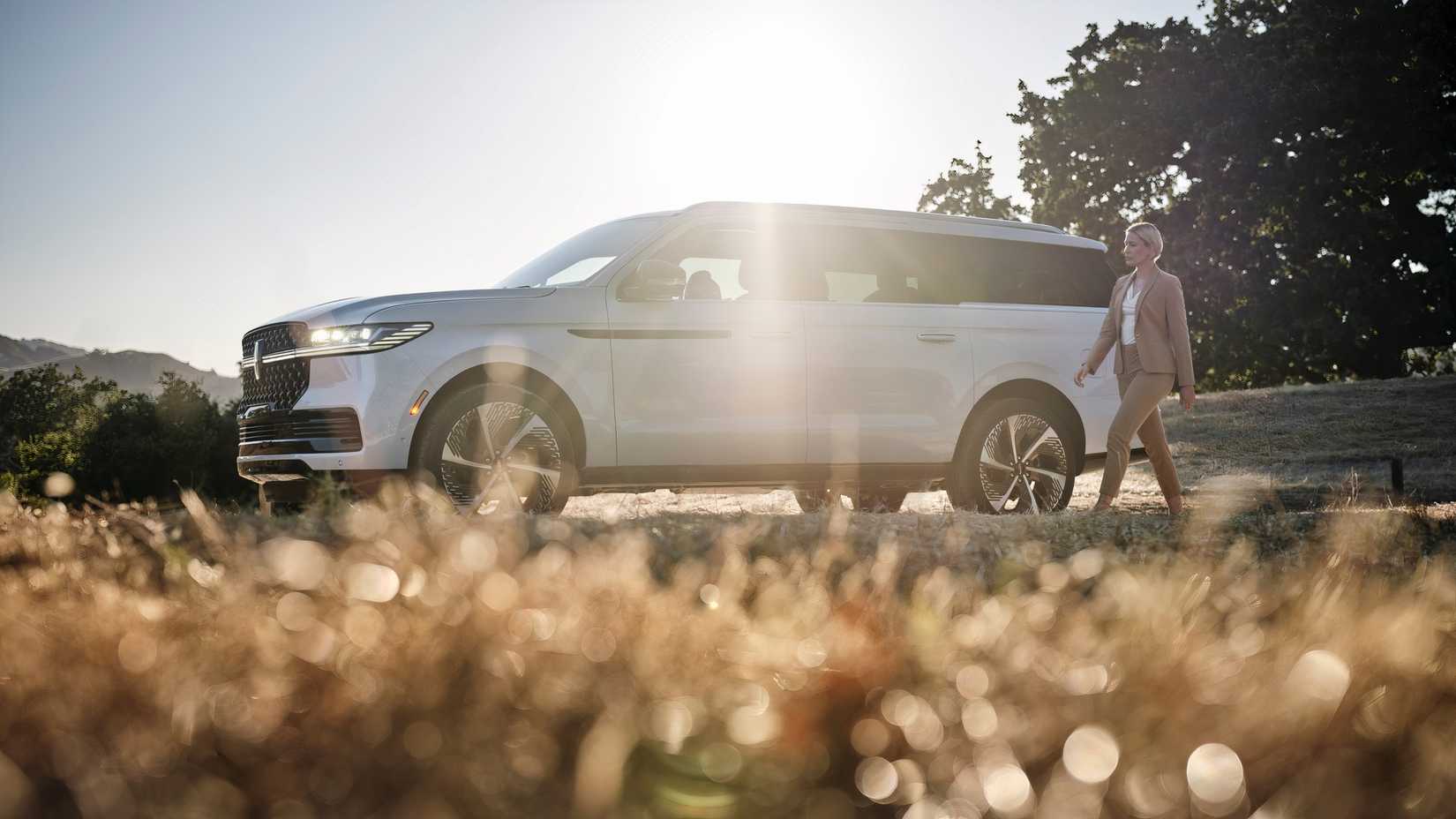
Lincoln
The 2026 Lincoln Navigator is still going after 28 years because it refuses to dilute its purpose. In a segment increasingly defined by flash and compromise, it makes clear choices—substance over spectacle, comfort over performance, and calmness over engagement—and adheres to the consistent core elements of traditional luxury: a smooth and controlled ride, a quiet and spacious cabin, and smooth and predictable power delivery.
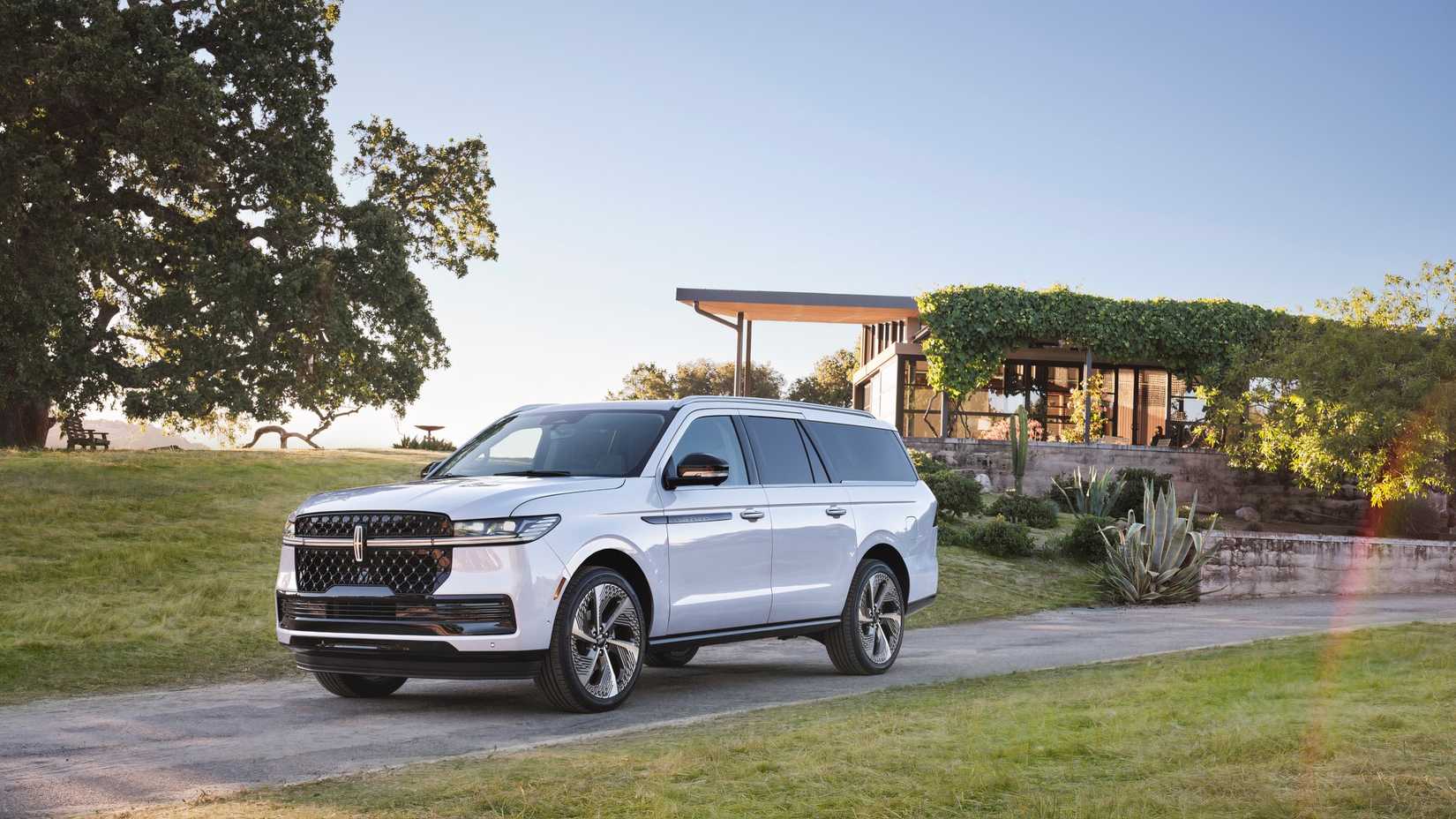
Lincoln
That positions the Navigator as one of the best expressions of traditional luxury SUV design, and it’s satisfied with that. It doesn’t pretend to appeal to every buyer, but rather focuses on potential buyers who still value the foundations of luxury. But the segment has been shifting over the past decade, and will likely continue to do so for the foreseeable future, and the traditional luxury SUV must adapt. Other traditionalist SUVs have already done so. We’ll call them new traditionalists.
The Cadillac Escalade IQ Is A Traditional Luxury SUV For A Future Generation
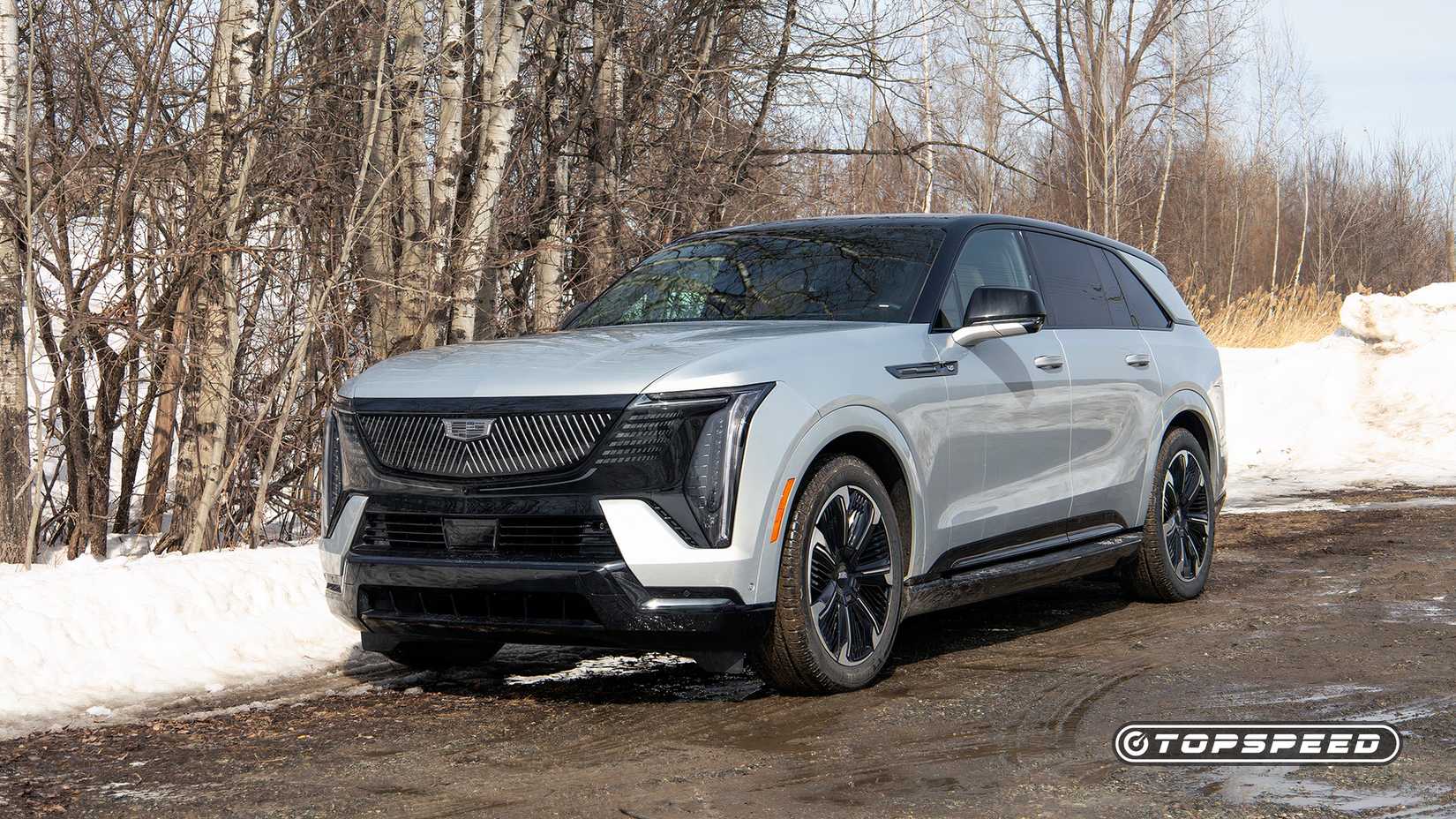
The Cadillac Escalade is large, composed, and tuned for comfort, like any other current traditional luxury SUV. The Escalade was created in reply to the 1998 Lincoln Navigator, rushed through design as pretty much a GMC Yukon Denali, and the fully electric Escalade IQ was introduced in 2021 as the future replacement for the ICE Escalade. The Escalade IQ carries on with traditional traits of size, compliant ride, and interior comfort, but it’s every bit the modern luxury SUV in embracing technology and driver engagement.
The 2026 Lexus LX 700h Is A Sensitive Modern Traditionalist
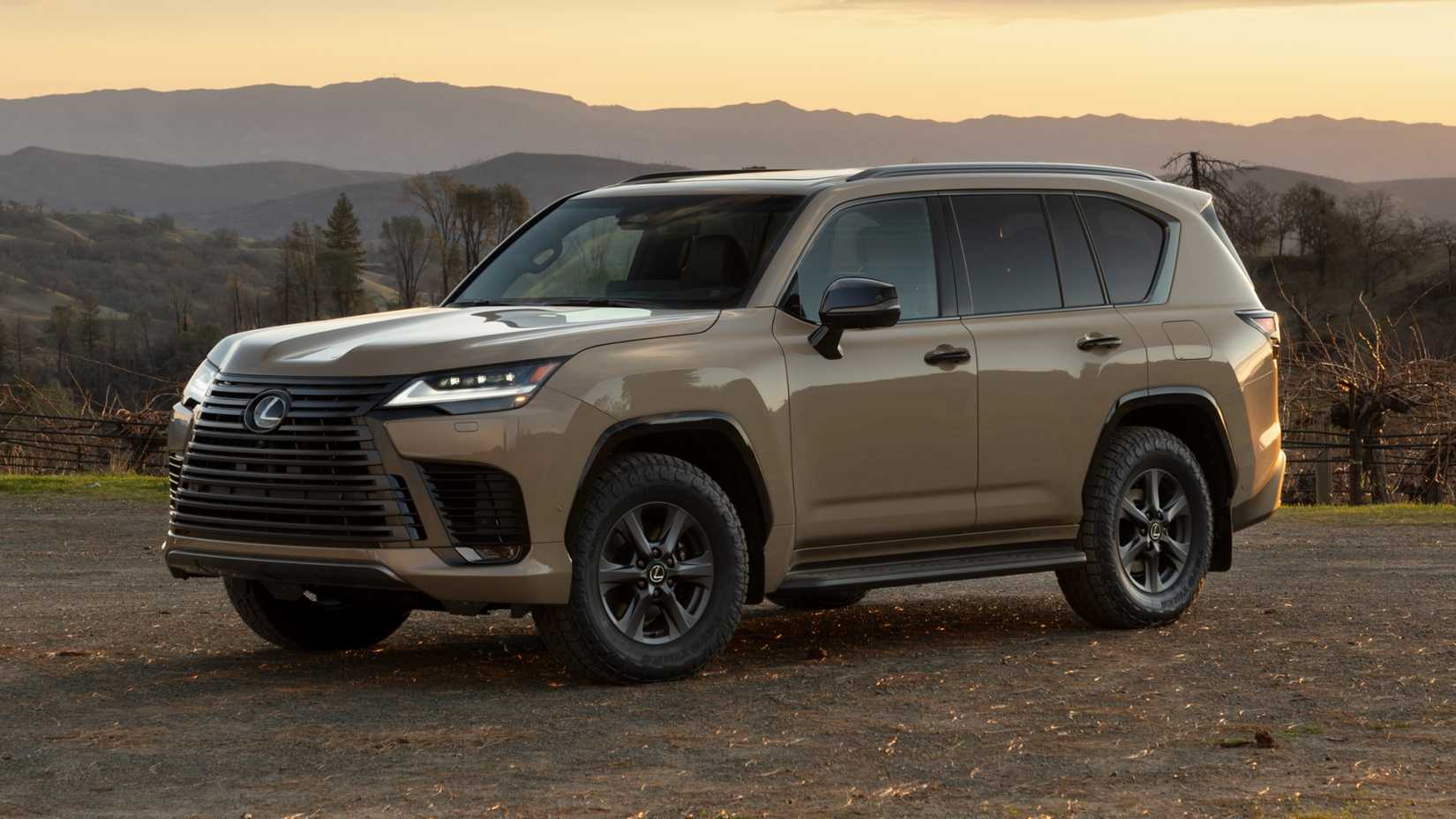
As with any market segment, it sets its sights on. Lexus aims for the top, and in the traditional luxury SUV field, that’s with the Lexus LX. A traditional body-on-frame SUV, the Lexus LX 700h forges a path into the future with a torque-rich hybrid powertrain that also leans into traditional SUV towing capacity, while also calming down the cabin, with help from a sophisticated suspension. The serene interior is true to the Lexus ethos, with modern technology that supports human-centered ergonomics, rather than dominating.
Sources: Lincoln, EPA, Edmunds, iSeeCars