
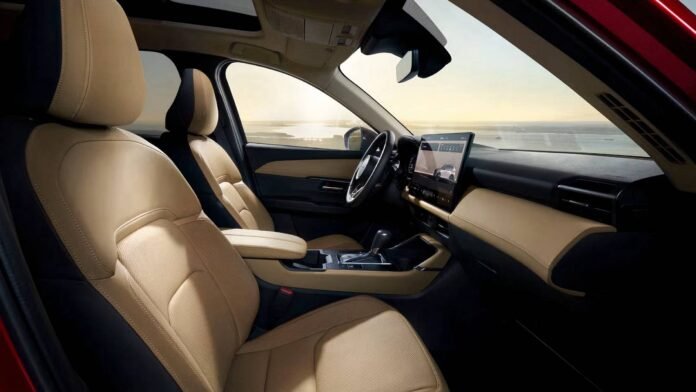
Why Luxury SUV Buyers Are Growing Tired Of Complexity And Expensive Repairs
Luxury SUVs used to represent aspiration. Today, for many owners, they increasingly represent anxiety. The modern premium crossover market has become obsessed with technological escalation, where every new generation adds another layer of complexity in pursuit of marginal performance gains or regulatory compliance. Mild-hybrid systems, turbocharged four-cylinders pushed to their limits, adaptive air suspensions, electronically controlled everything, and software-heavy interfaces have become standard fare.
On paper, these features sound impressive. In the real world, they often become expensive liabilities once warranty coverage disappears. This growing frustration explains why more buyers are quietly abandoning traditional luxury brands in favor of vehicles that prioritize long-term ownership satisfaction over headline-grabbing specifications. Online owner forums and testimonials increasingly tell the same story: drivers who once proudly owned German luxury SUVs are becoming exhausted by repair bills, unreliable electronics, and rising maintenance costs.
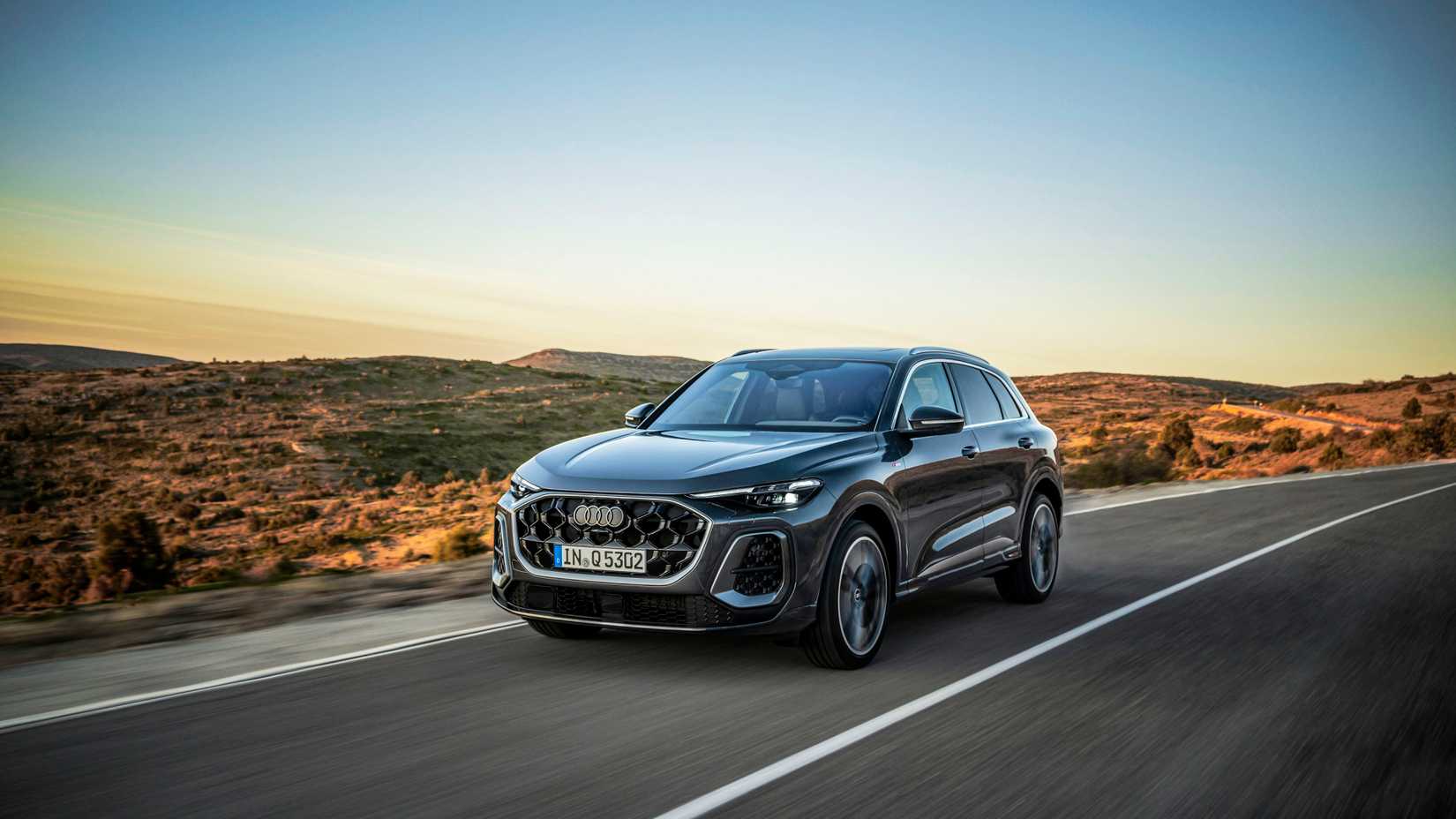
One of the clearest examples comes from owner stories surrounding former BMW X3 drivers who switched to Mazda products after repeated frustrations with expensive upkeep. What makes these stories significant is that many of these owners are not sacrificing comfort or perceived quality in the process. Instead, they are discovering that modern Mazda products deliver much of the upscale experience they actually use every day, without the punishing ownership costs. This shift also reflects broader industry realities.
European automakers are under enormous pressure to simultaneously electrify their lineups, meet tightening emissions regulations, and preserve performance credentials. That pressure has created increasingly complicated drivetrains and supply chains. In many cases, the engineering solutions are brilliant. But brilliance does not always translate into durability over 100,000 miles.
Luxury buyers are beginning to recognize that there is a difference between innovation that improves ownership and innovation that simply increases complexity. The crossover segment has reached a point where simplicity itself is starting to feel premium again.

The Long-Lasting Japanese Luxury SUV That Rarely Needs Repairs
The Acura MDX isn’t just another luxury SUV, it’s proof that sophistication and dependability can coexist.
How The Mazda CX-5 Quietly Became The Smart Alternative To German Luxury Crossovers
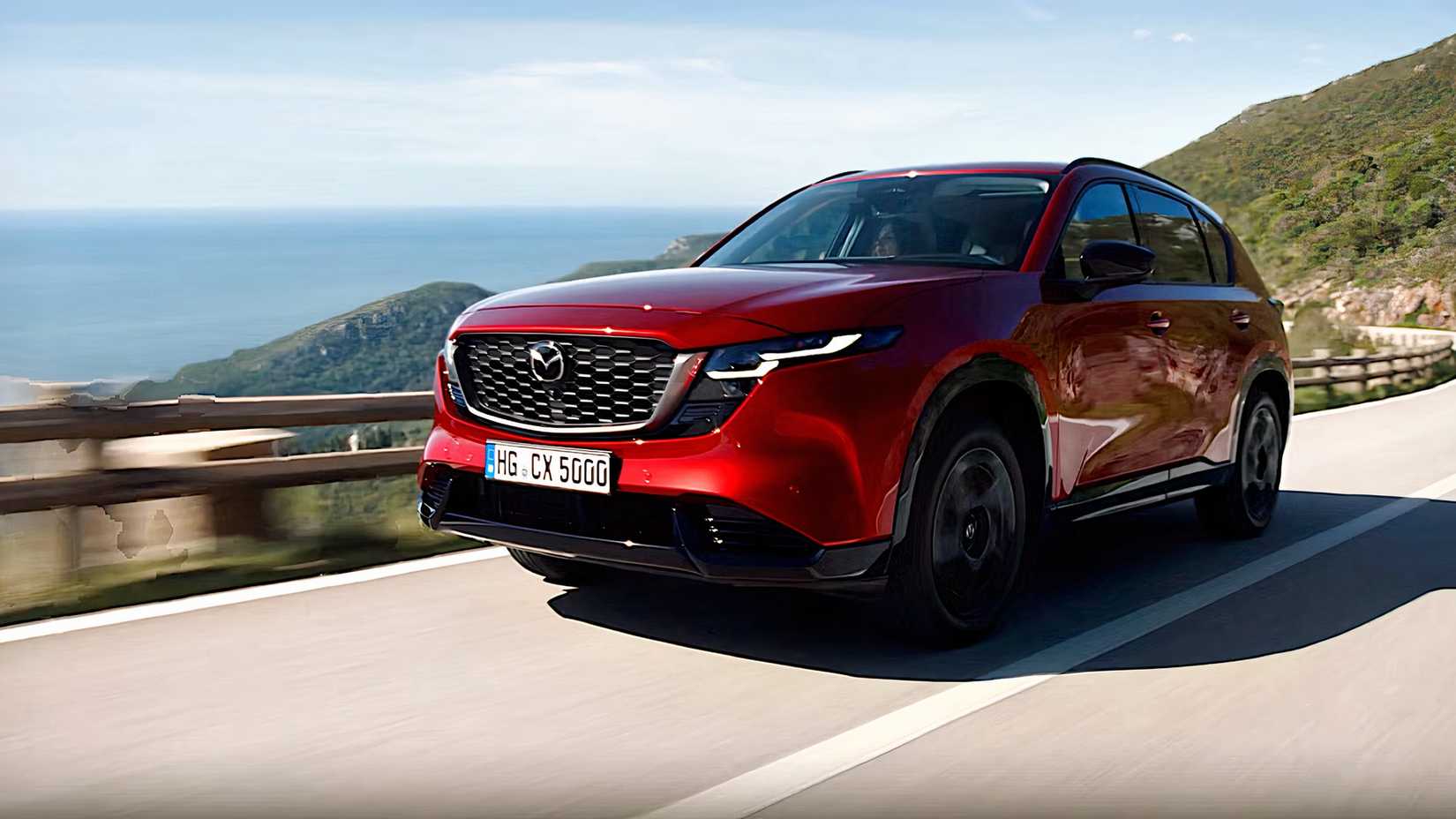
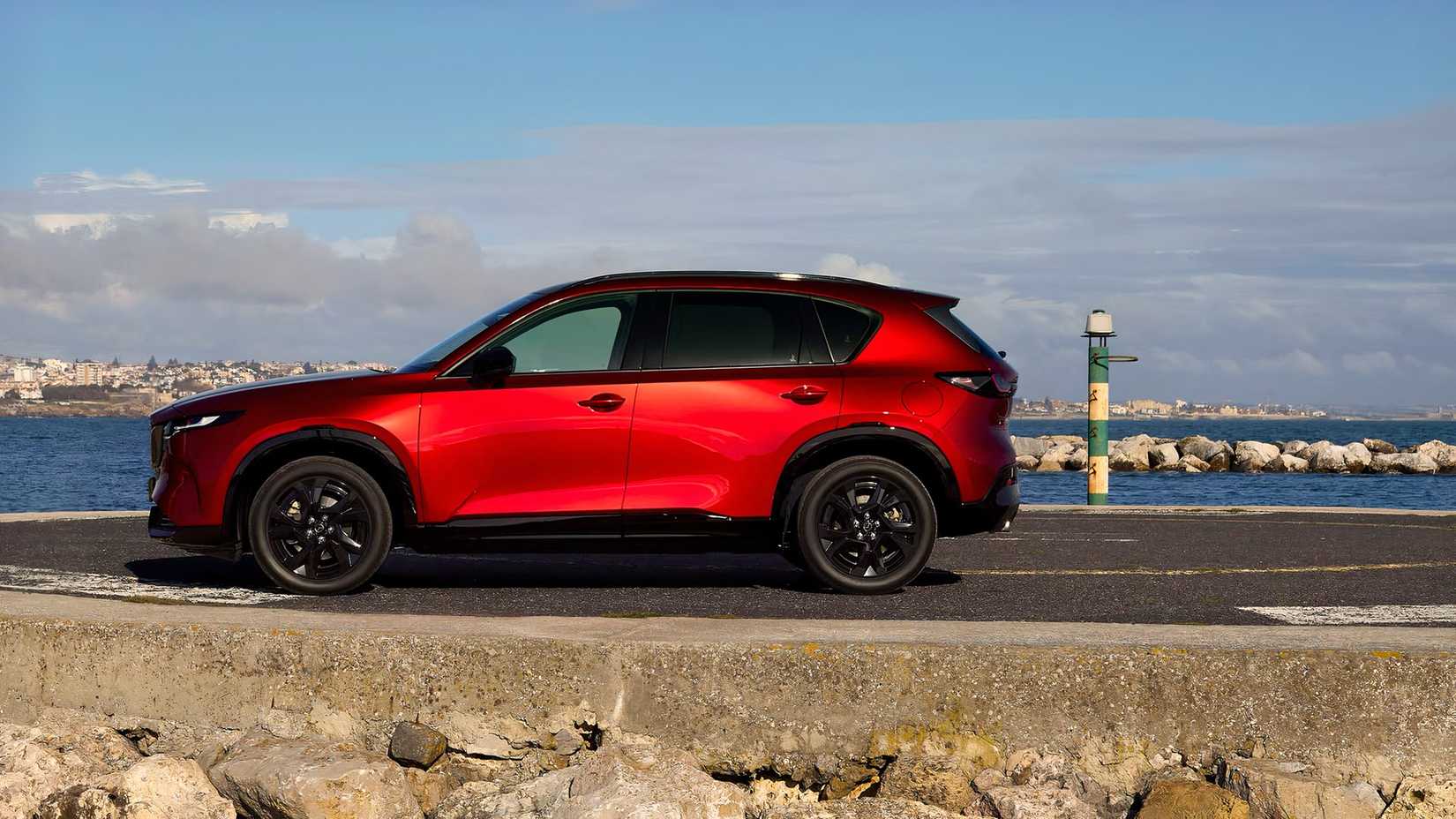
The 2026 Mazda CX-5 did not become a legitimate luxury alternative by accident. Mazda has spent years refining the SUV into something that deliberately targets buyers who value a premium feel over badge prestige. The 2026 model pushes that strategy even further. Rather than radically reinventing the formula, Mazda focused on solving the vehicle’s only persistent weakness: interior space. The new model gains roughly 4.5 inches in wheelbase and overall length, which translates into approximately 2.5 inches of additional rear legroom. Cargo capacity also grows to more than 71 cubic feet with the rear seats folded down.
That matters because cramped rear seating was often the one rational argument luxury crossover shoppers could make against the CX-5. Buyers who otherwise appreciated Mazda’s design, driving dynamics, and value proposition frequently ended up choosing a BMW X3 or Mercedes-Benz GLC simply because they needed more usable family space.
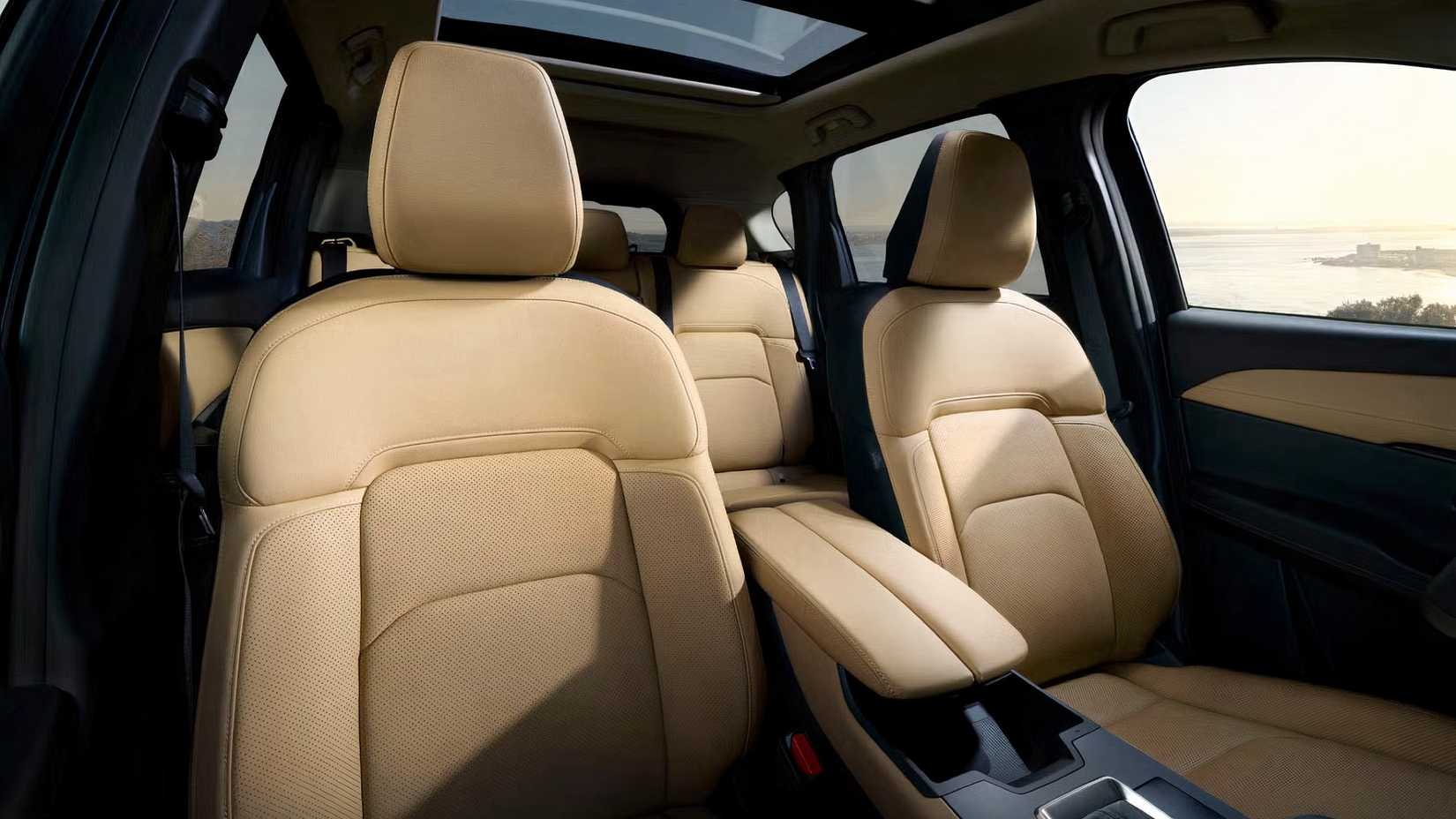
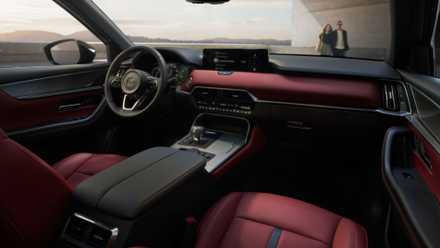
The redesigned CX-5 effectively neutralizes that objection. Mazda also gave the interior a substantial technology overhaul. The cabin now features a massive 15.6-inch touchscreen with Google built-in, replacing the older rotary-dial-focused setup that divided opinion among buyers. The new interface modernizes the experience while preserving the upscale atmosphere Mazda interiors have become known for. More importantly, the CX-5 continues to undercut luxury rivals on pricing by a substantial margin. With pricing ranging from roughly $31,485 to $40,485, the SUV occupies a sweet spot where buyers can access near-luxury refinement without stepping into the financial burden associated with premium European brands.
The value proposition becomes even more compelling when reliability and depreciation are factored into the equation. According to iSeeCars data, the CX-5 earns an 8.1/10 reliability rating compared to the BMW X5’s 7.8/10. Even more revealing is the depreciation gap. The CX-5 loses approximately 42.4% of its value over five years, while the BMW X5 depreciates by roughly 56.1%. Those numbers expose an uncomfortable truth for luxury brands. A premium badge means very little if the vehicle rapidly becomes an expensive liability.
Mazda understands that today’s buyers are increasingly making decisions based on total ownership experience rather than pure prestige. The CX-5 succeeds because it delivers enough luxury to satisfy former premium buyers while dramatically reducing the financial stress attached to ownership.
The Mazda SUV That Feels More Luxurious Than A BMW X3
As it builds up its SUV roster, Mazda has steadily elevated quality and engineering, and one of its new SUVs has the goods to rival one of BMW’s best.
The Contrarian Engineering Decision That Turned Simplicity Into A Long-Term Ownership Advantage
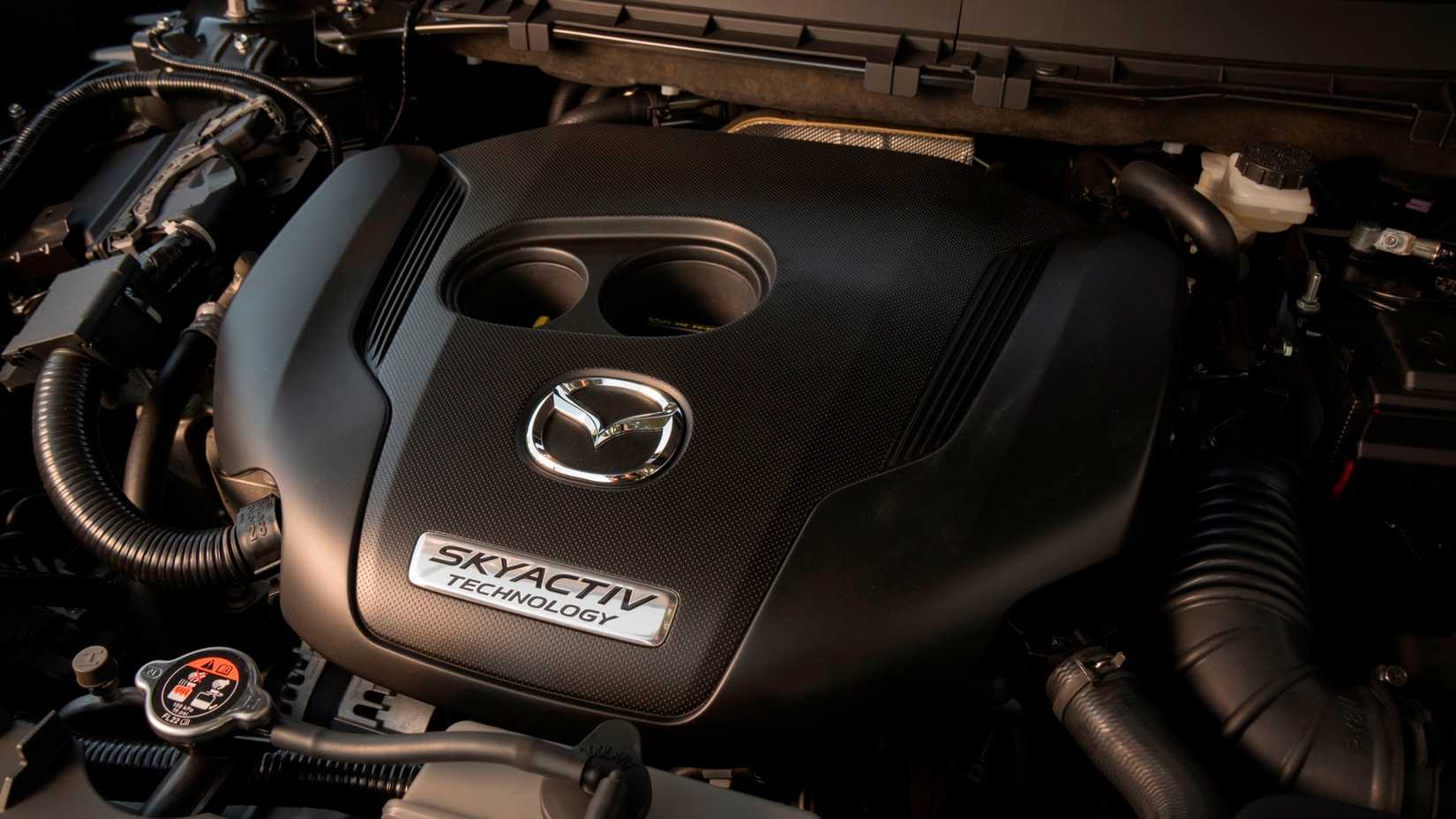
The single most important thing Mazda did with the 2026 CX-5 may also be the most controversial. It removed the turbocharged option entirely. In an industry obsessed with adding complexity, Mazda deliberately simplified the powertrain. The 2026 CX-5 retains a naturally aspirated 2.5-liter four-cylinder engine producing 187 horsepower and 186 pound-feet of torque. It remains paired with a traditional six-speed automatic transmission and standard all-wheel drive. On paper, those specifications look almost conservative compared to the turbocharged and electrified competitors dominating the segment. But that is exactly the point.
Mazda recognized something many automakers seem unwilling to admit. Most luxury crossover buyers rarely use the massive performance figures modern SUVs advertise. Few owners are regularly exploiting 350 horsepower or launching their crossover from traffic lights. What they actually want is smoothness, predictability, refinement, and confidence that the vehicle will not become financially catastrophic outside warranty coverage.
By sticking with a naturally aspirated engine and a conventional six-speed automatic, Mazda avoided many of the long-term concerns associated with highly boosted small-displacement turbo engines and increasingly complicated hybrid systems. Turbocharged engines generate tremendous heat and pressure. Modern hybrid-assisted drivetrains add another layer of complexity involving batteries, software integration, regenerative systems, and cooling requirements. These technologies can absolutely work well when new, but they also create more potential failure points over time.
Mazda’s decision to remove the turbo option sends a clear message: durability matters more than specification-sheet bragging rights.This philosophy feels increasingly refreshing in today’s market. While competitors chase Nürburgring-style performance numbers in family crossovers, Mazda focused on engineering restraint. The naturally aspirated engine delivers linear power delivery, proven reliability, and lower maintenance complexity. The six-speed automatic avoids the questionable long-term durability concerns that sometimes accompany CVTs or more complicated multi-clutch transmissions.
Even fuel economy remains competitive, with the CX-5 delivering approximately 24 mpg city, and 30 mpg highway. There is also an emotional component to this engineering strategy. Simpler vehicles tend to age more gracefully. Owners develop trust in them. That trust becomes especially valuable as repair costs throughout the automotive industry continue climbing dramatically. Mazda’s approach may seem old-fashioned, but it increasingly looks intelligent rather than outdated, albeit at the expense of improved power and performance.
The SUV That Delivers Mercedes-Level Luxury Without The Price Tag
This Japanese SUV is an underrated premium deal.
Why Lower Depreciation And Better Reliability Matter More Than Extra Horsepower
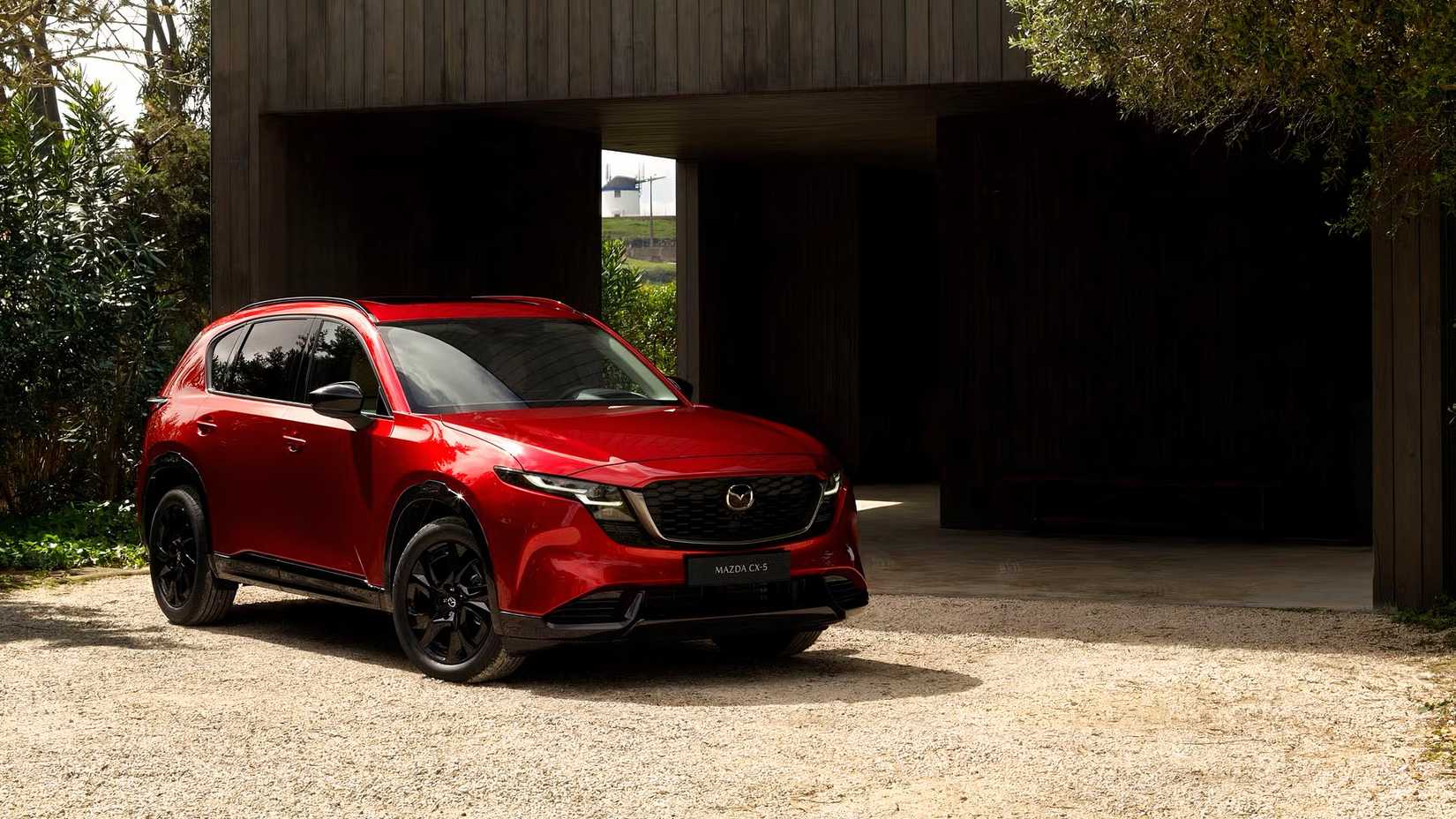
The luxury SUV market has spent years convincing buyers that more horsepower automatically equals a better vehicle. Yet the ownership realities tell a different story. Depreciation and reliability ultimately determine whether a vehicle feels rewarding or financially painful over time. This is where the Mazda CX-5 becomes especially compelling against traditional luxury crossovers. Vehicles like the BMW X3 and X5 unquestionably offer impressive engineering sophistication and stronger acceleration figures. But those advantages often come paired with steeper depreciation curves and higher long-term maintenance costs.
The numbers surrounding the CX-5 reveal why more buyers are reconsidering what actually matters. A five-year depreciation rate of 42.4% is remarkably strong for an SUV competing near the luxury segment. By comparison, the BMW X5’s 56.1% depreciation means owners lose dramatically more money simply through ownership. That difference can translate into tens of thousands of dollars over the life of the vehicle. Reliability compounds that advantage further.
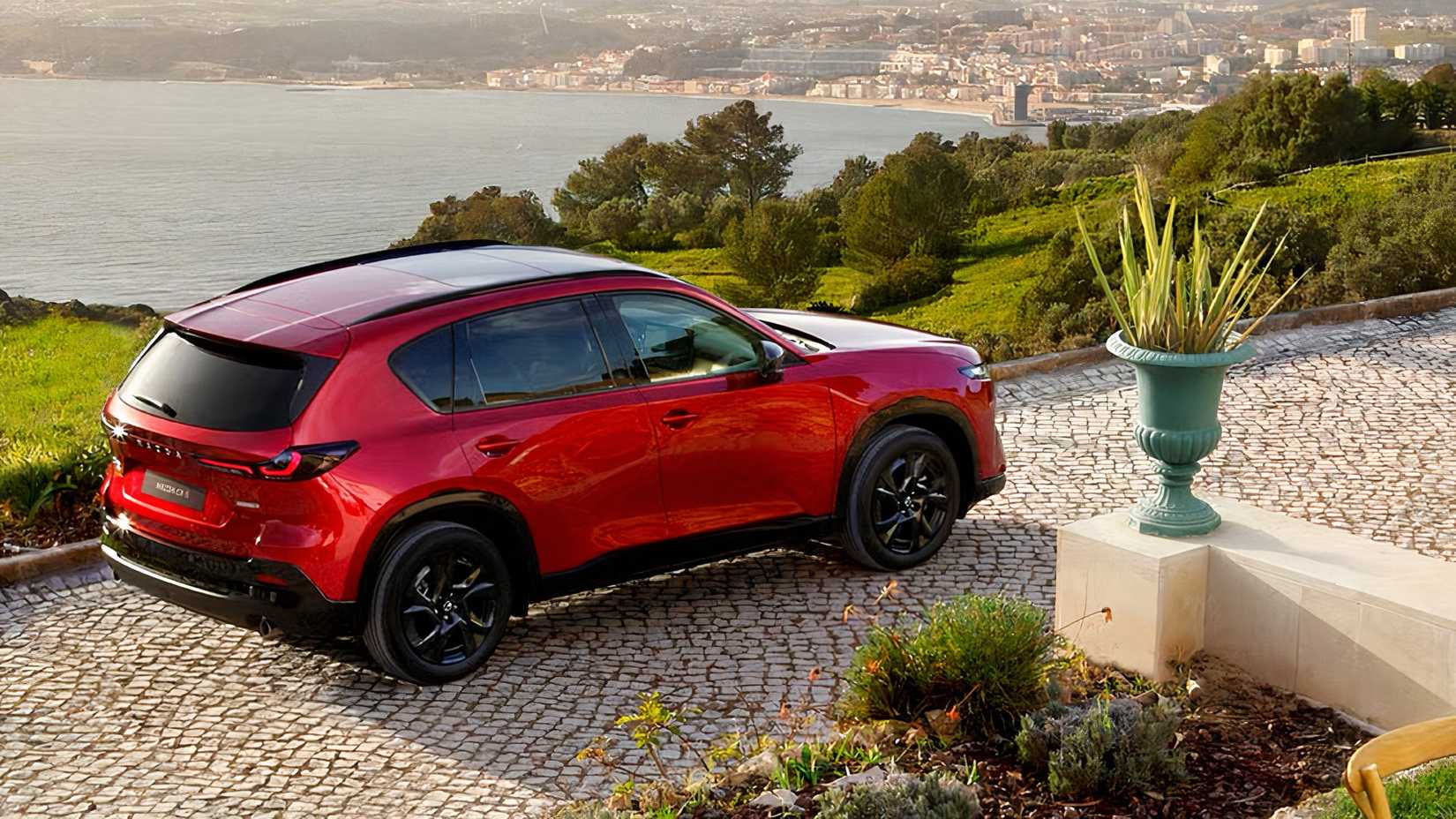
An SUV with fewer major repairs not only costs less to maintain, but also retains value more effectively because used buyers trust it. Reputation matters enormously in the secondary market, and Mazda has steadily built credibility by prioritizing dependable engineering rather than chasing increasingly complicated technological trends. This is particularly important as luxury vehicle repair costs continue escalating. Even relatively minor electronic or drivetrain issues on modern European SUVs can result in four-figure repair bills. Once these vehicles age outside warranty periods, ownership economics often become difficult to justify.
The CX-5 attacks this problem from the opposite direction. It’s simpler engineering that reduces risk exposure while still delivering a premium ownership experience. That combination appeals strongly to buyers who are becoming more financially pragmatic. There is also a broader cultural shift happening among consumers. Status symbols are evolving. Increasingly, smart purchasing decisions carry more social value than simply owning an expensive badge. Buyers are becoming more comfortable admitting they would rather own a reliable, well-designed vehicle for ten years than lease a technologically overloaded luxury SUV that becomes a headache after three.
Mazda’s strategy aligns perfectly with that mentality.
The Redesigned Interior And Added Space Eliminate Another Reason To Buy European
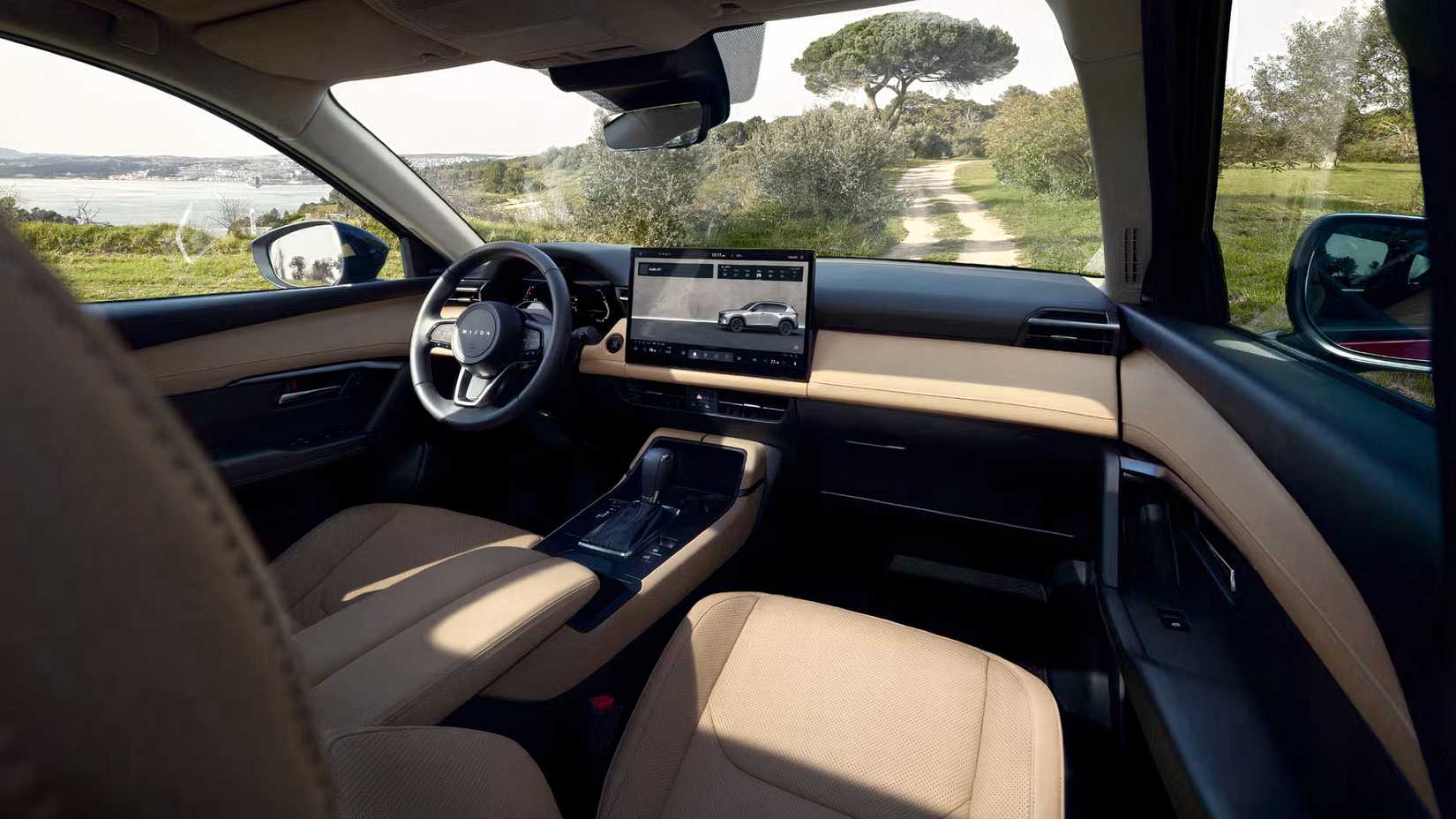
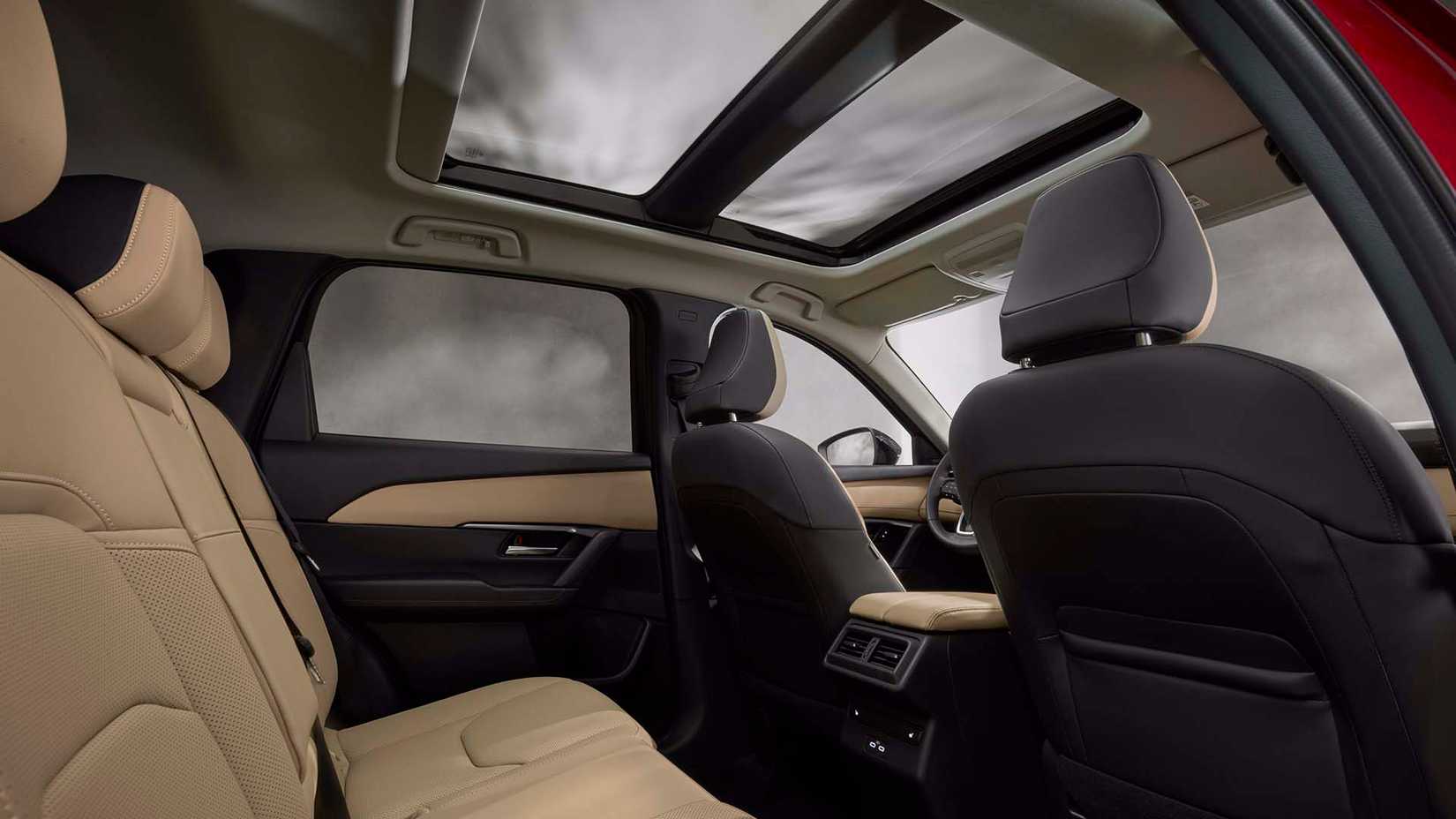
For years, critics of the CX-5 generally agreed on one thing. It felt premium, but it lacked the interior roominess expected from the segment. The 2026 redesign directly addresses that concern. The longer wheelbase dramatically improves rear passenger comfort, making the CX-5 far more practical for families and adult passengers. That additional 2.5 inches of rear legroom may not sound transformational on paper, but in real-world usability, it significantly changes the vehicle’s character. Cargo capacity improvements matter just as much. Expanding space to over 71 cubic feet makes the CX-5 substantially more competitive against larger and more expensive rivals. Buyers no longer need to sacrifice practicality to gain Mazda’s lower ownership costs and superior reliability.
The redesigned interior also elevates the vehicle’s premium credentials. Mazda interiors have long punched above their price point in terms of material quality and design sophistication, but the updated cabin finally integrates the large-screen technology experience many luxury buyers now expect. The 15.6-inch touchscreen with Google built in modernizes the user experience without abandoning the clean, elegant aesthetic that distinguishes Mazda cabins from the sometimes overwhelming designs found elsewhere in the segment.
What makes the CX-5 especially interesting is how cohesive the overall package has become. The SUV no longer feels like a compromise purchase. Previous generations sometimes required buyers to accept tighter rear seating or slightly less practicality in exchange for superior value and reliability. The 2026 model removes much of that compromise entirely.
That leaves European luxury brands facing a difficult question: if buyers can obtain upscale design, strong reliability, lower depreciation, modern technology, generous space, and dramatically lower ownership costs in a Mazda, what exactly justifies paying significantly more for a German badge?
Sources: Mazda U.S., Car and Driver & iSeeCars