
The SUV market is not like it used to be. Today, we have moved on from the truck-based heavy-hitting mud truckers for the most part, and now have a market that blends luxury, comfort, true usability, and in some of the most impressive examples, exceptional performance guts. Whether it be performance SUVs or undercover SUVs that have all sorts of athletic DNA, the choice today is almost endless.
Some of the most obvious performance SUVs this year are the Aston Martin DBX, the AMG GLE 63 S, the Lamborghini Urus, and the Audi RS Q8; they are all exceptionally powerful, can handle like sports cars, and put a lot of exotic cars to shame. But do you always want to be noticed when you fly off the line?
Performance SUVs Are Getting Seriously Fast
Sports cars and SUVs have crossed over in some way today; we now don’t have to choose between a vehicle that can hit 60 mph in less than 4 seconds and something that can still carry a respectable amount. We can now have both if you’ve got a healthy budget.
Ferrari has released its first SUV, the Purosangue. It costs over $400,000 to buy, but it comes equipped with a naturally aspirated 725-horsepower V12 that gets it to 60 mph in 3.3 seconds; you get an active suspension system, top speeds have been clocked at 193 mph, and the build is made of aluminum and carbon fiber, making it lightweight yet still rigid.
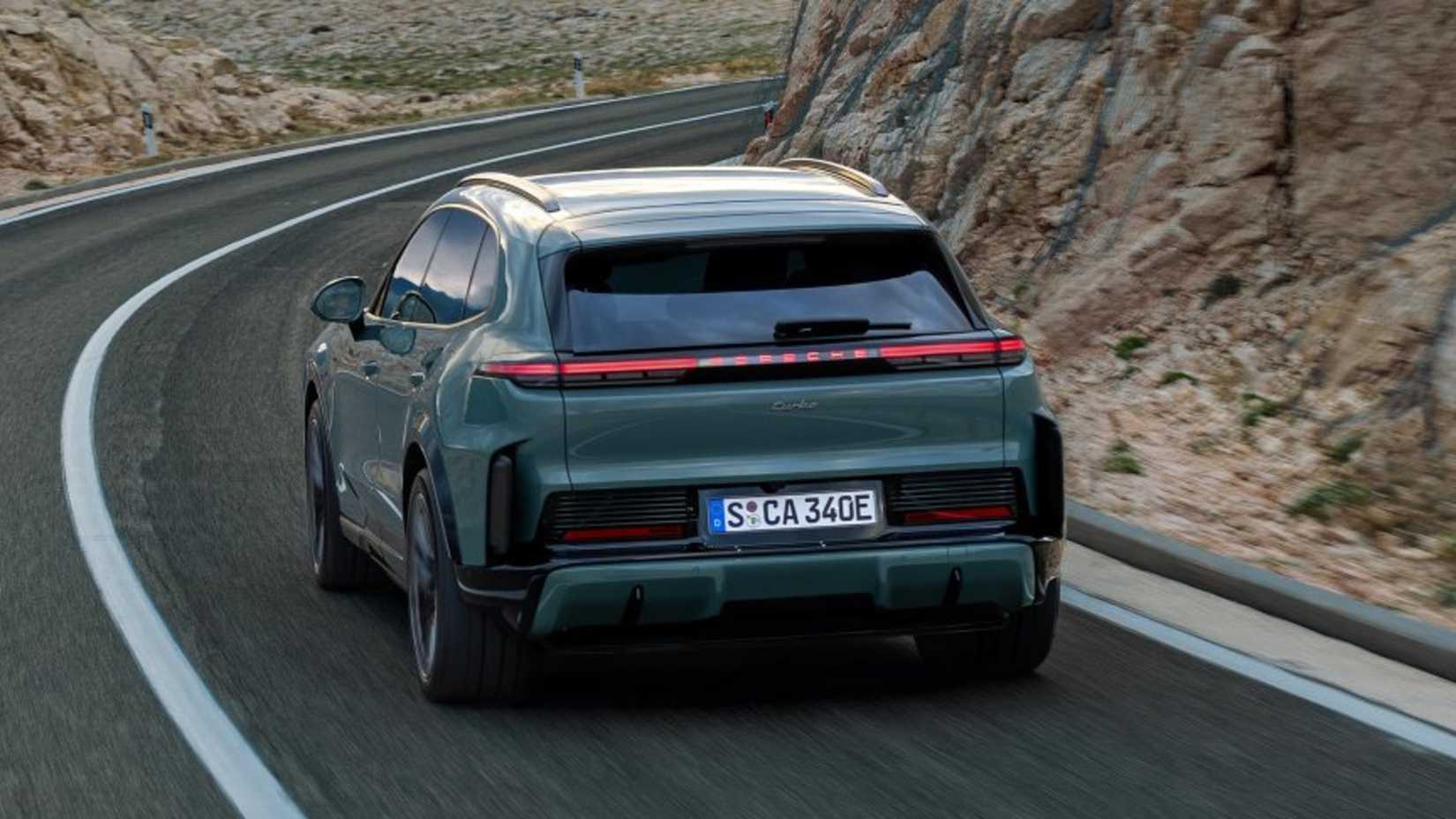
Then we have the 2026 Lamborghini Urus; it can hit 60 mph in between 3.1 and 3.4 seconds. The new Porsche Cayenne Turbo E-Hybrid can sprint to 60 mph in 2.4 seconds and tops out at 190 mph; the Aston Martin DBX707 gets you up to speed in 3.1 seconds, and the AMG GLE 63 S in 3.7 seconds.
The SUVs we can get our hands on today are a long way from the mud-hunting body-on-frame SUVs that were once the only option a couple of decades ago.
Three-Row Family SUVs Can Now Have Real Performance Credentials
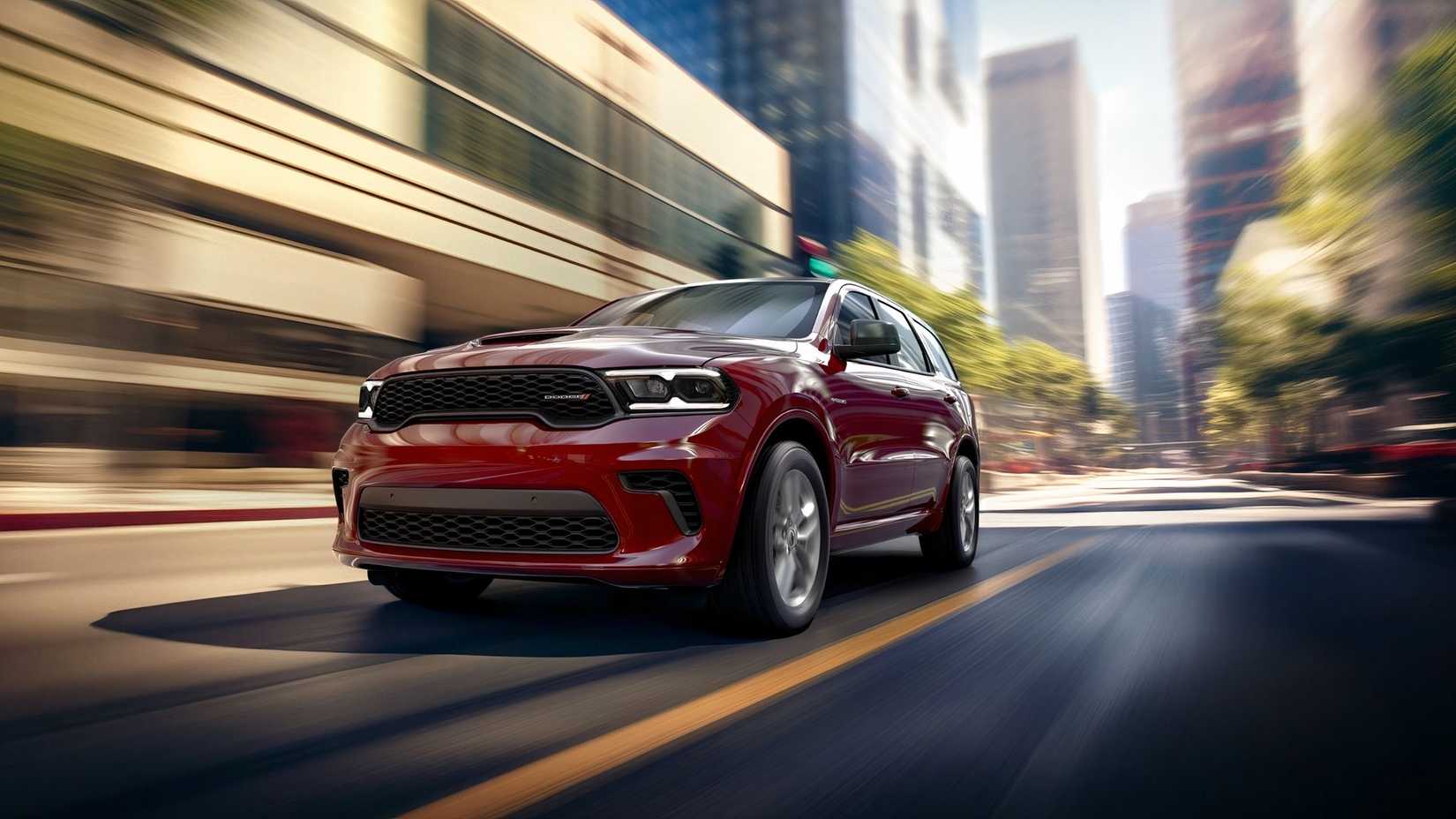
It isn’t just the obviously sporty SUVs that are made for far more than just lugging people around, though; even three-row family SUVs are capable of more now than anyone probably thought was possible a decade back. The 2026 Dodge Durango SRT Hellcat has three rows of seating and can carry 85.1 cubic feet of stuff around, but more importantly, it boasts a 6.2-liter supercharged Hemi V8 that pumps out 710 horsepower.
That translates to 0–60 mph times of 3.5 seconds and top speeds of 180 mph. Models like the Cadillac Escalade-V have an active exhaust system, a supercharged 6.2-liter V8, and can hit 60 mph in 4.4 seconds. The three-row Audi SQ7 does it in 3.8 seconds and is equipped with sport adaptive air suspension, and the Alpina XB7 can sprint to speed in 3.9 seconds and comes equipped with two-axle air suspension, huge Brembo performance brakes, and Active Roll Stabilization. In short, family-friendly vehicles do not have to be boring today.
Performance SUVs That Can Outrun Most Sports Cars
These performance SUVs are faster than some of the sports cars made by the very same brands.
Why the Ford Explorer ST SUV Hits Different
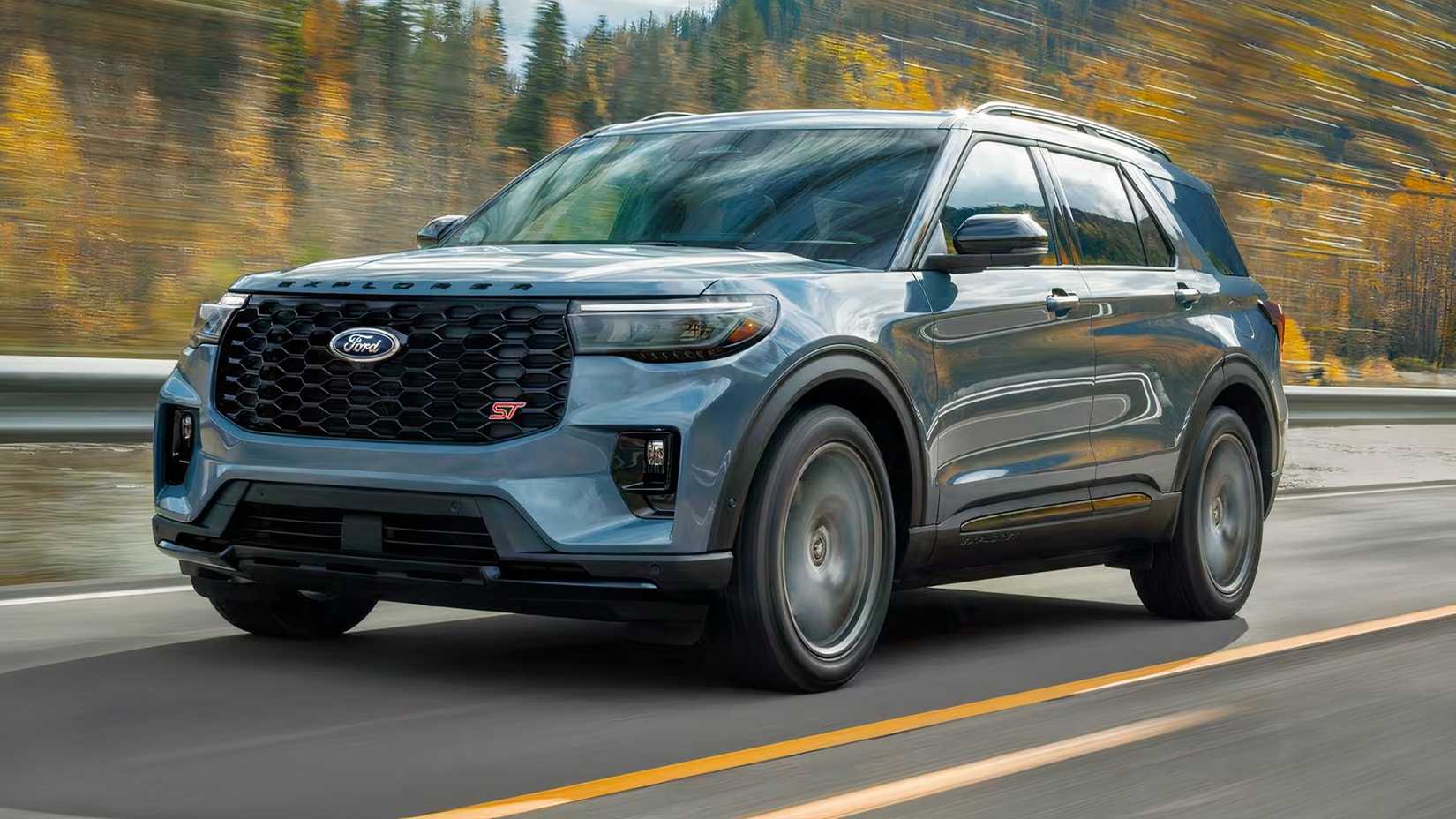
If you are looking for something a bit more covert, though, the 2026 Ford Explorer ST is the place to look. The Explorer has been on the U.S. market for over 35 years, and it has always been a staple family choice for SUV buyers, but not necessarily the go-to choice for on-road fun.
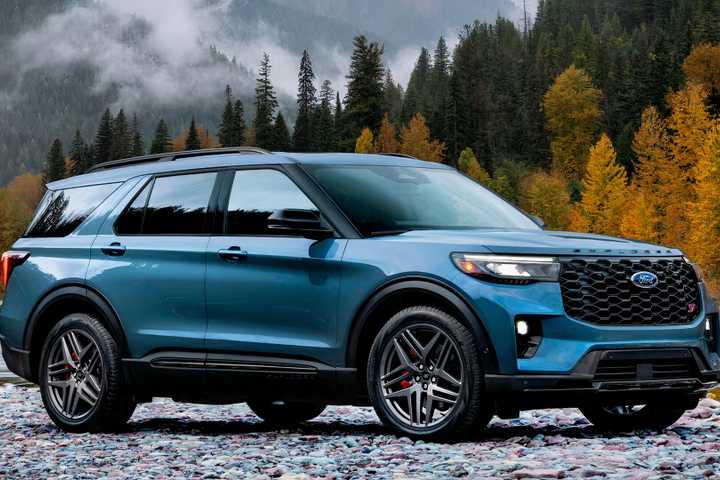
Starting prices for the new Explorer are within the affordable bracket, at $38,465 for the entry-level Active 100A. You get a 2.3-liter EcoBoost inline-four under the hood that can achieve up to 24 mpg combined, three rows of seating, 85.8 cubic feet of cargo capacity, and a 13.2-inch LCD touchscreen. So, everything you need for a useful family SUV.

- Base Trim Engine
-
2.3L EcoBoost I4 ICE
- Base Trim Transmission
-
10-speed automatic
- Base Trim Drivetrain
-
Rear-Wheel Drive
- Base Trim Horsepower
-
300 HP @5500 RPM
- Base Trim Torque
-
310 lb.-ft. @ 3500 RPM
- Base Trim Fuel Economy (city/highway/combined)
-
20/29/24 MPG
- Make
-
Ford
- Model
-
Explorer
- Segment
-
Midsize SUV
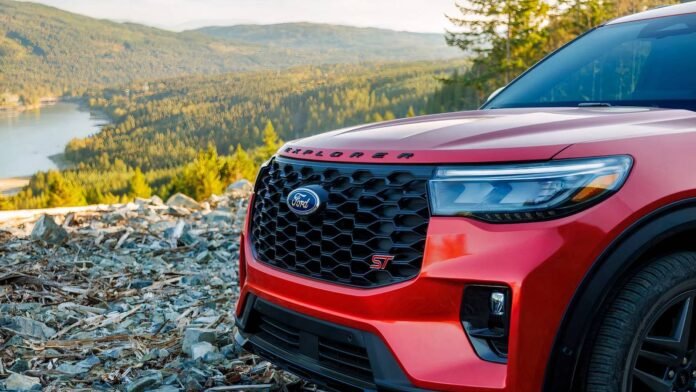
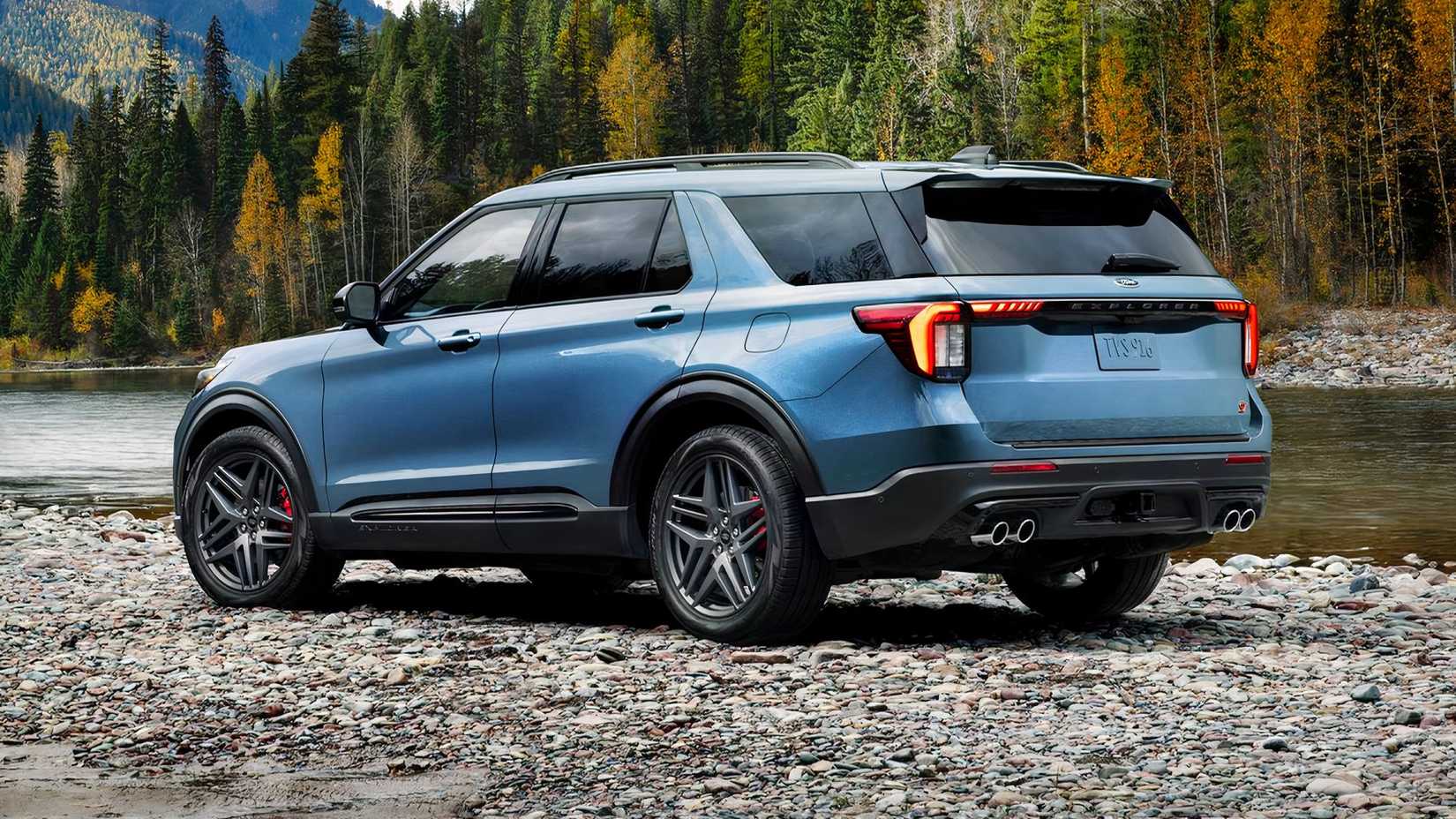
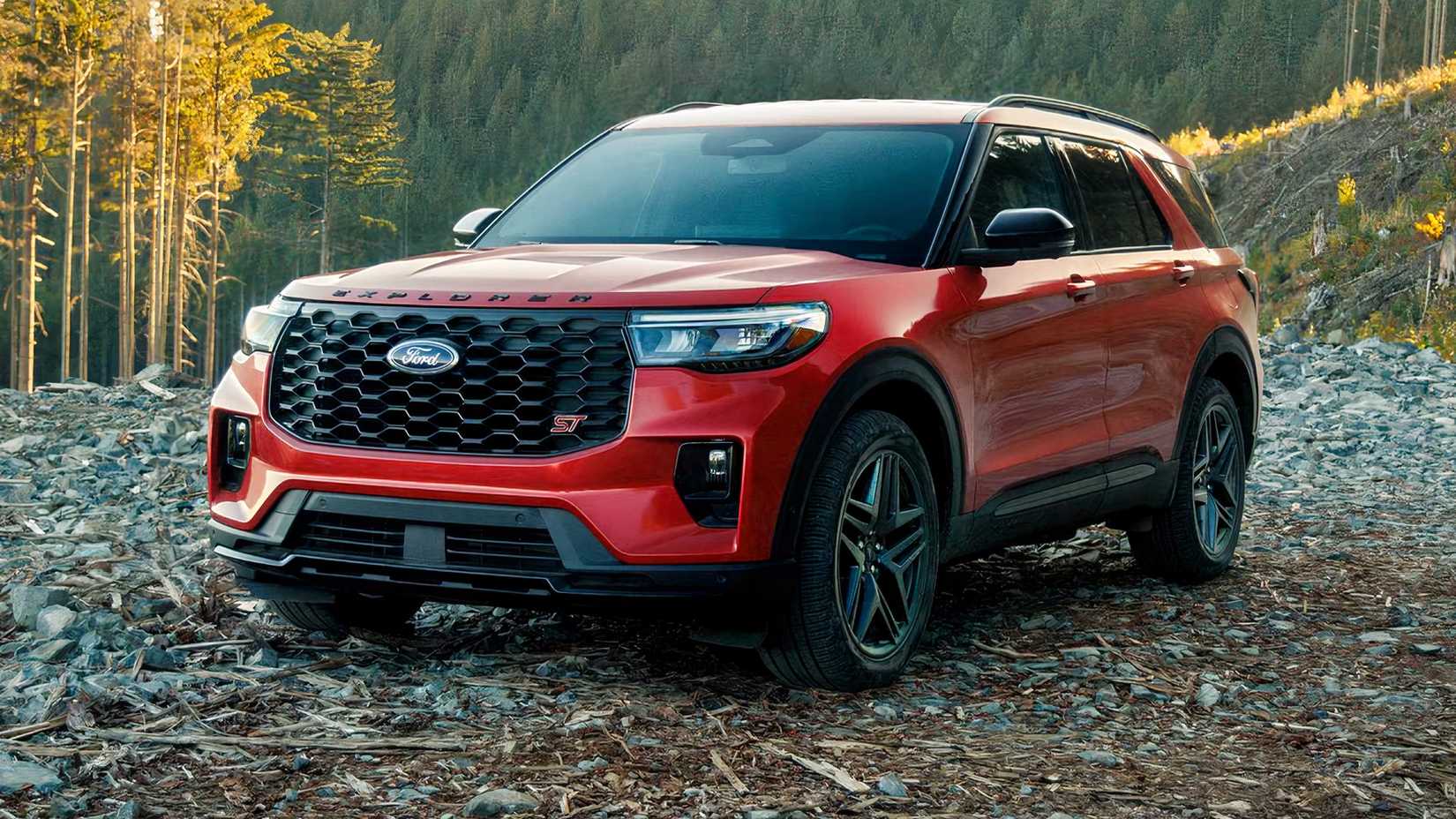
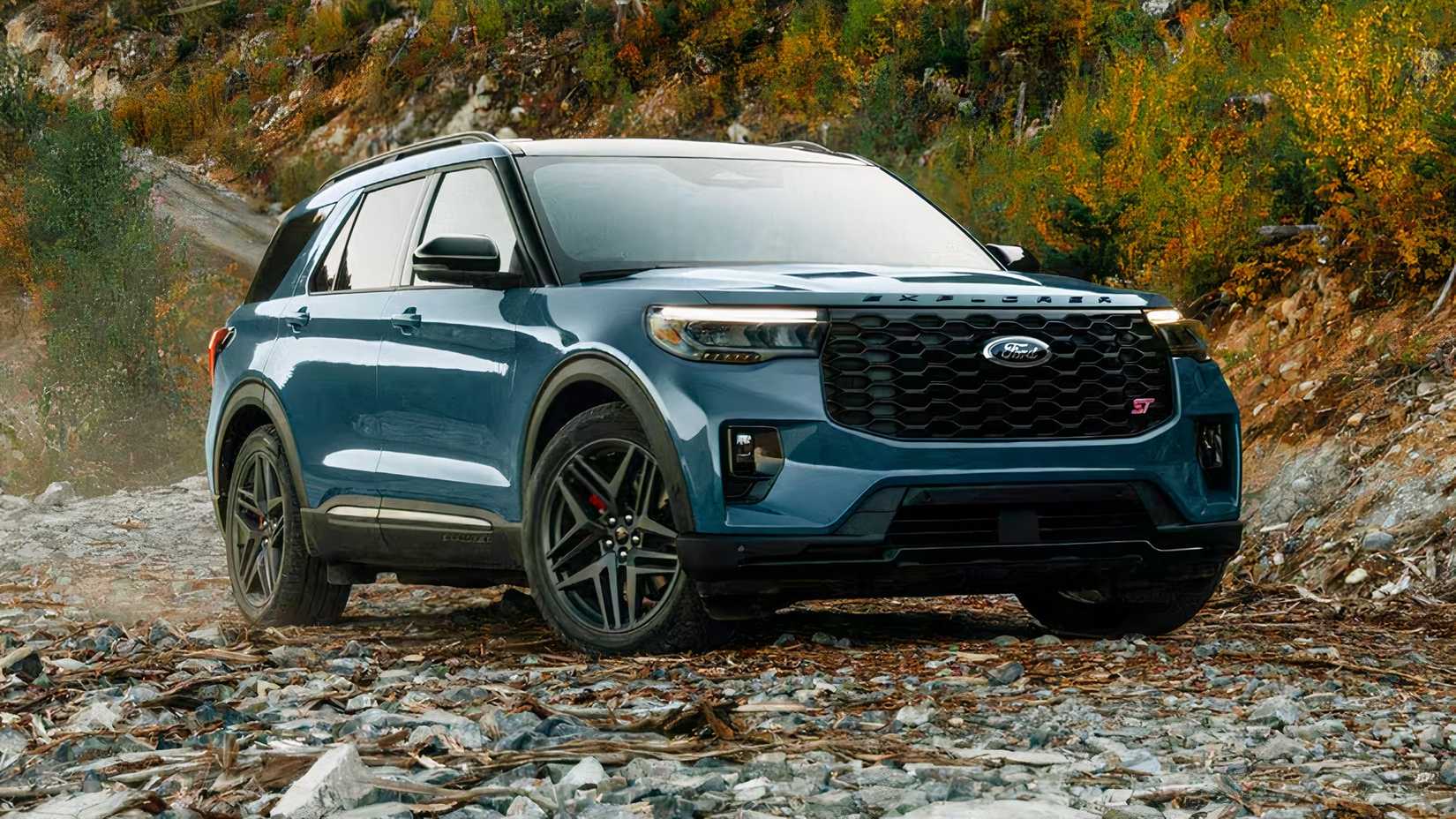
Then there’s the Explorer ST. Apart from the ST badge on the grille, the slightly beefier build, and painted red brakes, on the surface, it looks like a three-row Ford Explorer.
It is the top trim of the 2026 Explorer lineup and is priced accordingly, with an MSRP of $54,905. It looks mostly like an Explorer, but it doesn’t act like one.
Twin-Turbo V6 Power Gives It Proper Sleeper Attitude
At the center of why the Explorer ST is the unexpected sleeper SUV of 2026 is the engine under the hood. It is far more powerful than the 300 horsepower and 310 pound-feet of torque that the 100A’s engine can muster, and it is a V6. It has the following specifications.
|
Spec |
2026 Ford Explorer ST |
|---|---|
|
Engine |
3.0-Liter Twin-Turbocharged V6 |
|
Transmission |
Ten-Speed Automatic |
|
Horsepower |
400 hp |
|
Torque |
415 lb-ft |
Zero-to-60 mph times have been clocked at 5.2 seconds, and it has a limited top speed of 143 mph. It isn’t as fast to 60 mph as the far more premium sports SUVs available today, but thanks to its price point and truly undercover looks, the Explorer ST is a relatively affordable true sleeper SUV.
Sporty DNA Makes It Far Sharper Than Most SUVs Its Size
The Explorer ST is noticeably more serious underneath than the average three-row SUV because Ford didn’t stop at simply adding a powerful V6 under the hood and a few cosmetic touches. The ST gets its own sport-tuned suspension calibration, a nicely weighted and quick steering rack with a ratio of 27.1:1, and a reworked chassis setup with firm dampers, thick anti-roll bars, independent multi-link rear coil suspension, and a MacPherson front strut.
The ST rides on the rear-wheel-drive-based CD6 platform, which gives it a more balanced feel than front-wheel-drive rivals, but the ST is sharpened up with Ford’s intelligent performance-tuned all-wheel-drive. It constantly adjusts torque distribution between the front and rear axles, so you get decent traction and stability through the corners and when it is a bit wet out.
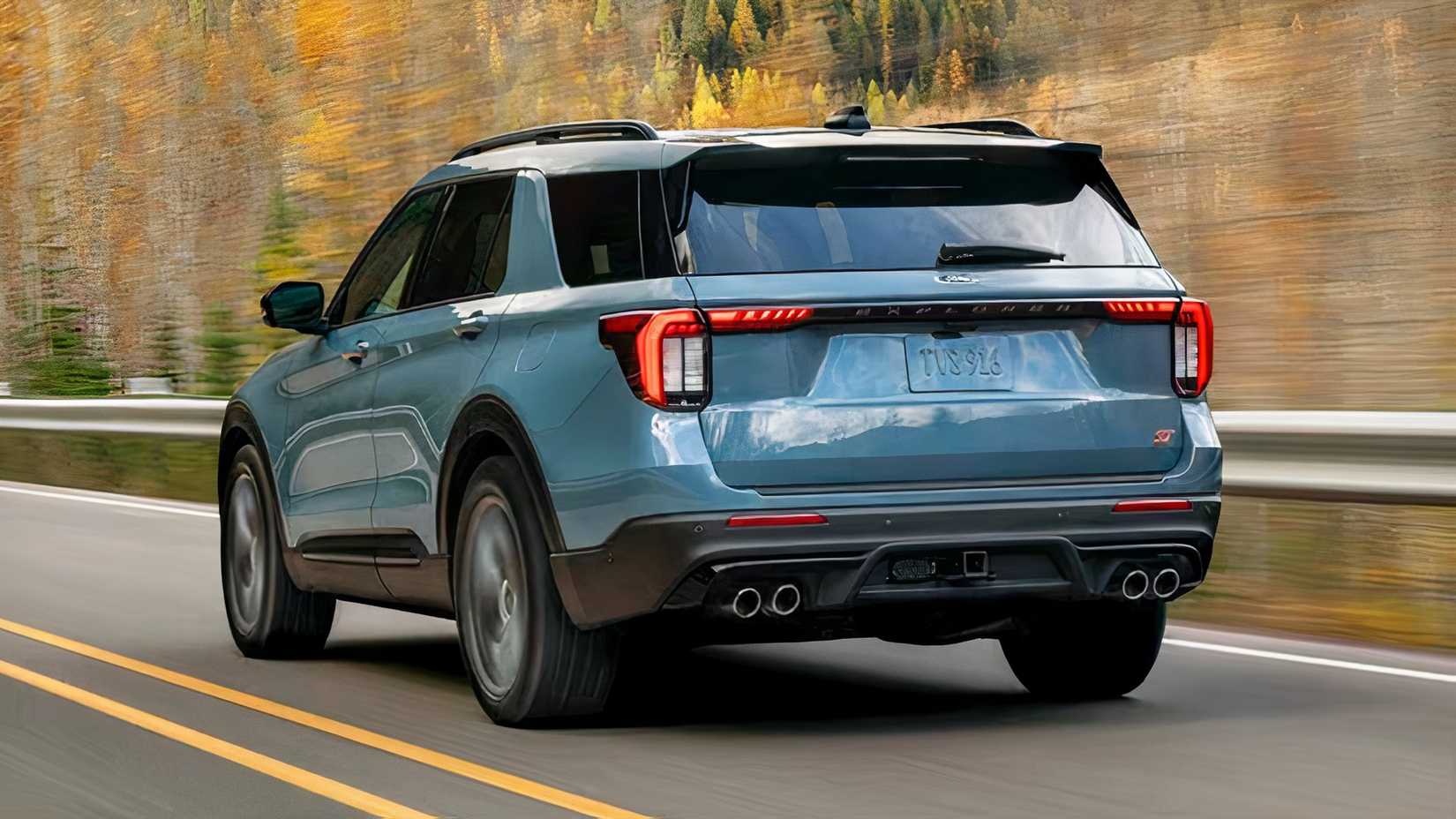
The ST also gets a quick-shifting ten-speed automatic transmission that behaves far differently from the softer calibrations found in the lower Explorer trims. In Sport mode, you get aggressive shifting; downshifts arrive faster, and the transmission holds gears longer.
Paddle shifters mounted behind the steering wheel also provide a bit more hands-on engagement, while selectable drive modes alter steering weight, throttle response, transmission mapping, and AWD behavior depending on how you are driving. Add in large vented brakes, and you’ve got a three-row SUV that feels a lot more composed and responsive than an SUV weighing over two tons should.
Aggressive Styling Hides One Of The Most Practical Cabins
The Explorer ST quietly does a good job of distinguishing itself from the standard Explorer without going over the top. The front fascia is noticeably more aggressive, with large lower air intakes, a gloss-black mesh grille, and darker trim elements replacing the chrome found on lower trims.
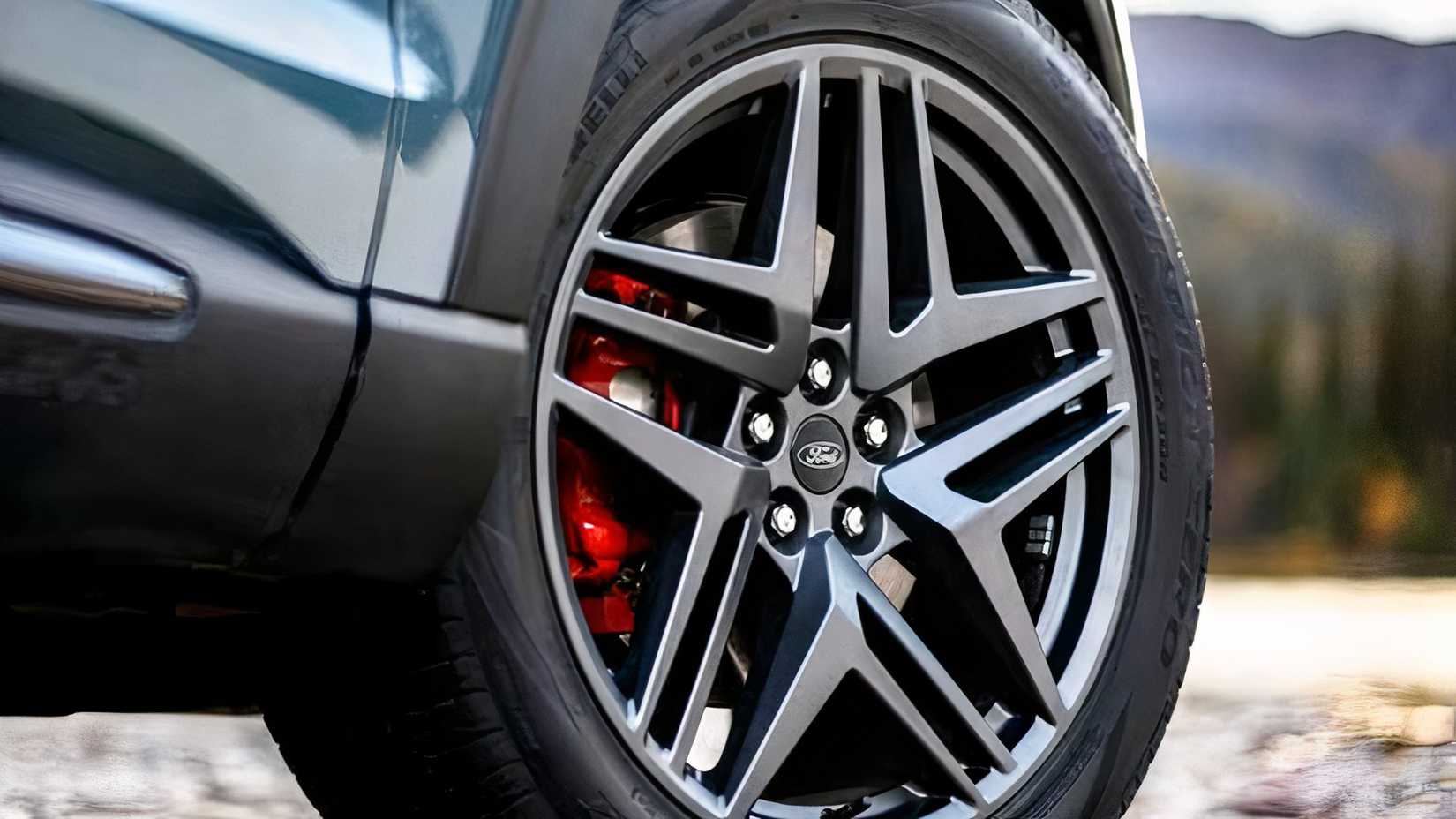
The blacked-out treatment continues along the window surrounds, roof rails, and rear badging, giving something for the red-painted brake calipers to bounce off. Large 21-inch alloys fill up the muscular arches, and quad exhaust outlets and a revised rear diffuser add a genuine performance SUV attitude.
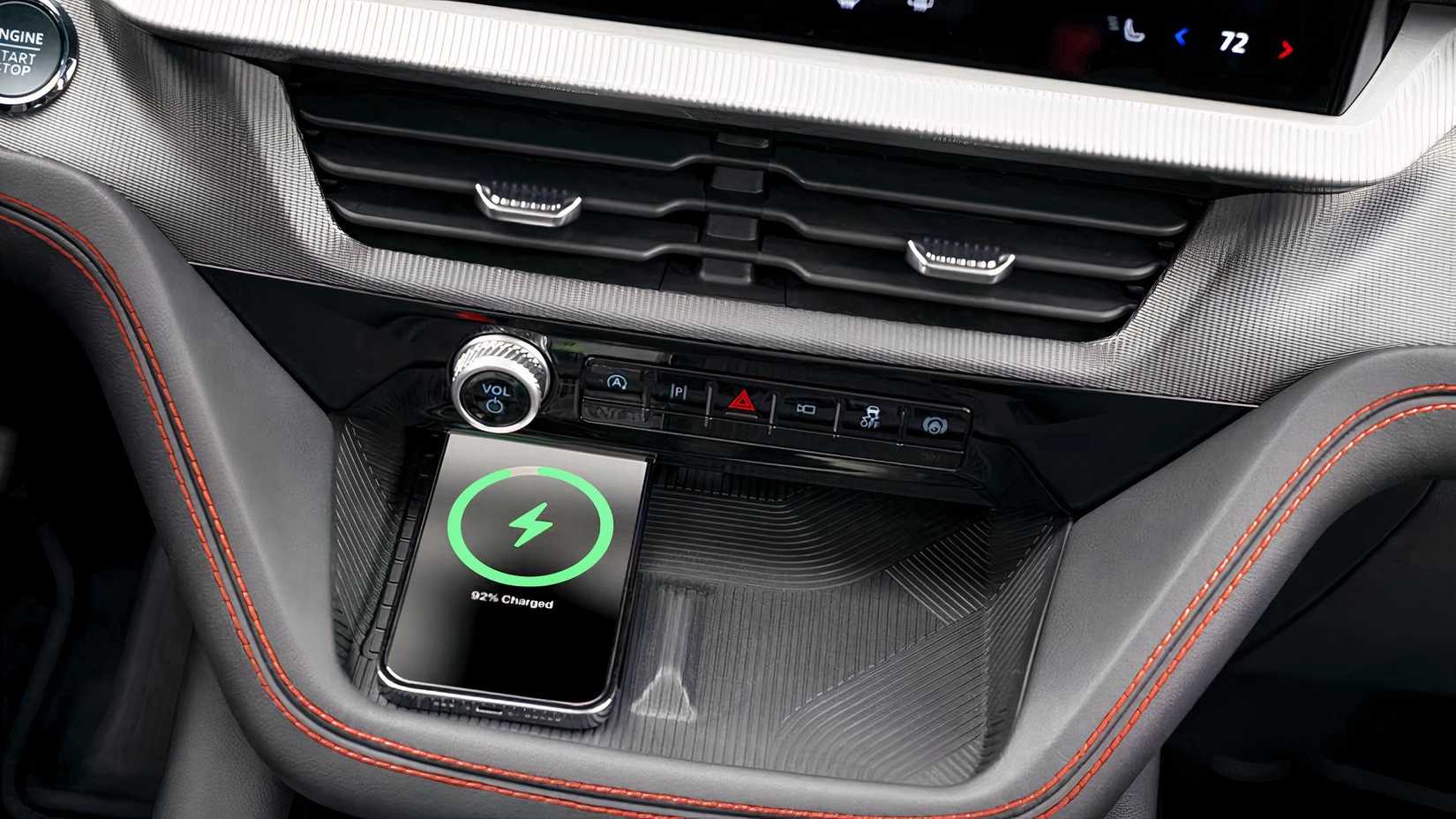
Despite its looks, the ST’s interior is still as practical as the lower trim levels; again, though, with a sporty difference. The ST-specific front seats have deeper bolstering and suede-style inserts, so you get good support when you are pushing it. A 13.2-inch SYNC infotainment screen is paired with a 12.3-inch digital gauge cluster; you get a wireless charging pad and wireless smartphone connectivity, while a Bang & Olufsen audio system and BlueCruise hands-free driving tech help keep you entertained and relaxed on the highway.
You also get three rows of seating with an impressive amount of room for you and your passengers, especially in the front two rows. It has the following interior dimensions.
|
2026 Ford Explorer ST |
Headroom |
Shoulder Room |
Hip Room |
Legroom |
|---|---|---|---|---|
|
Front Row |
40.7 Inches |
62.1 Inches |
59.2 Inches |
43 Inches |
|
Second Row |
40.5 Inches |
61.9 Inches |
59.1 Inches |
39 Inches |
|
Third Row |
38.9 Inches3 |
54.6 Inches |
40.9 Inches |
32.2 Inches |
These Family SUVs Hide Supercar Speed Beneath The Surface
These ultra-high performance SUVs combine everyday practicality with jaw-dropping supercar speed.
Where the Explorer ST Outsmarts Its Rivals
According to J.D. Power, the 2026 Ford Explorer is rated 79 out of 100 overall, with a 77 out of 100 reliability rating and a 78 out of 100 driving experience rating.
Compared to other similarly priced three-row SUVs from 2025 and 2026, it is beaten by the 2025 Kia Palisade and the 2026 Hyundai Telluride in overall ratings, but is rated higher than the 2026 Mazda CX-90. They have the following J.D. Power ratings.
|
2026 Mazda CX-90 |
2026 Hyundai Palisade |
2025 Kia Telluride |
|
|---|---|---|---|
|
Overall J.D. Power Rating |
76/100 |
82/100 |
83/100 |
However, it is arguably the CX-90 that is more closely positioned to the Explorer ST than the other two, thanks to its slightly more specialized feel about it.
The 2026 CX-90 has a price range of $40,830 to $59,100, six available trims: the Select, the Preferred, the Premium Sport, the Premium Plus, the S Premium Sport, and the S Premium Plus, and comes with three rows of relatively spacious legroom. Interior dimensions are as follows.
|
Front Legroom |
Second-Row Legroom |
Third-Row Legroom |
|---|---|---|
|
41.7 Inches |
39.4 Inches |
30.4 Inches |
The engine choice that gives it the best sprint times is an available 2.5-liter plug-in hybrid inline-four good for 323 horsepower and 369 pound-feet of torque. That translates to 0–60 mph times of 5.9 seconds, which is not that much slower than the ST. However, things are done very differently.
The Mazda Three-Row CX-90 Feels More Premium
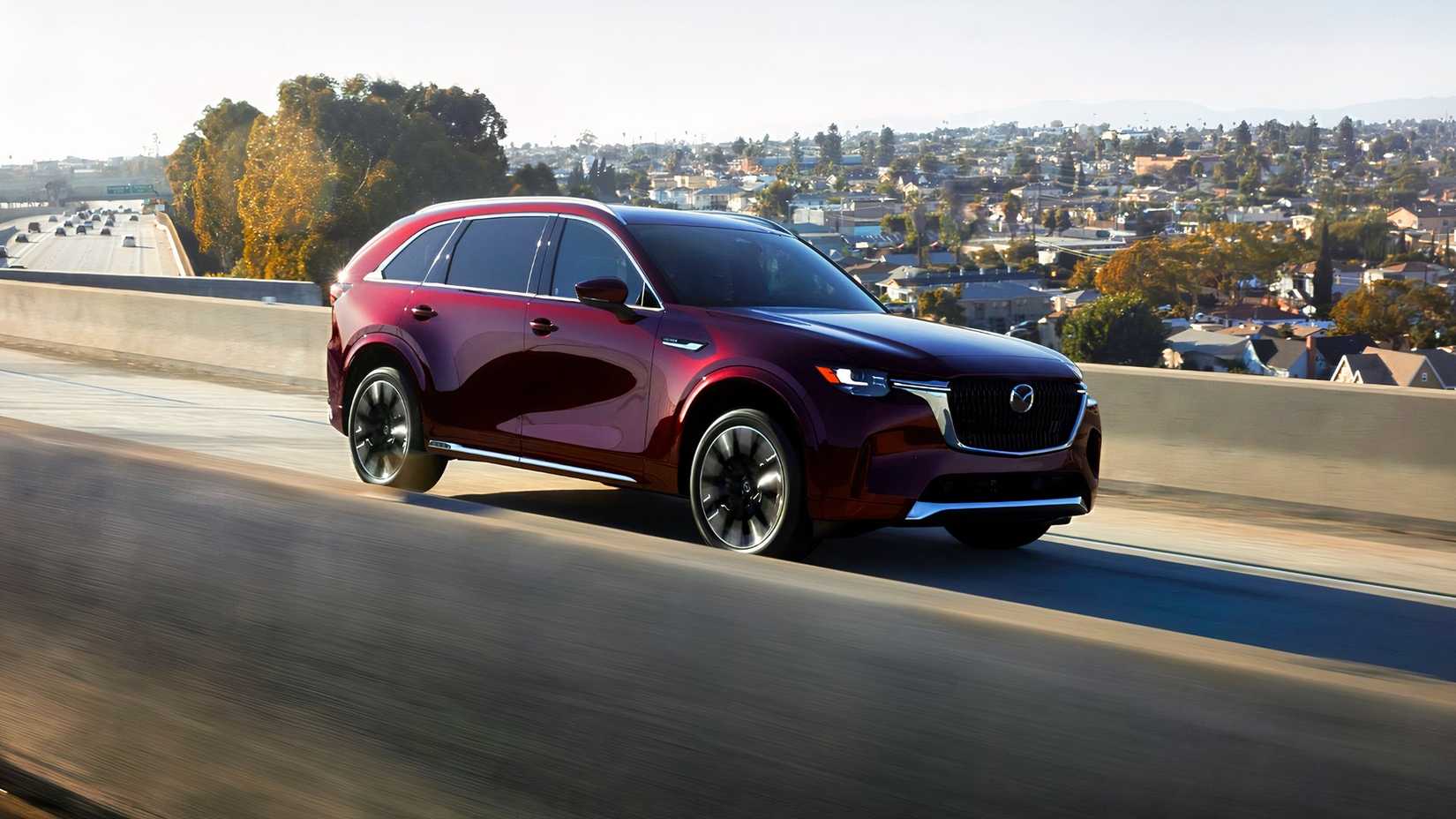
The Explorer ST does a good job of making you feel like you are in a sporty SUV as you push the gas and take it into a corner, and while the CX-90 does come equipped with the rear-biased i-Activ AWD system, a perky mill, selectable driving modes, and a decent 5,000-pound towing capacity, it delivers a far more plush driving experience.
Higher trims get genuine Nappa leather in black or white, contrast stitching, suede-style dashboard inserts, soft-touch door panels, and satin-metal trim pieces. You also get a 12.3-inch digital instrument cluster paired with a 12.3-inch infotainment system with wireless Apple CarPlay and Android Auto, Alexa integration, a Bose 12-speaker audio rig, and a wireless charging pad. So, a huge amount of luxury for comparable prices to the ST.
The Explorer ST Blends Straight-Line Speed With Practicality
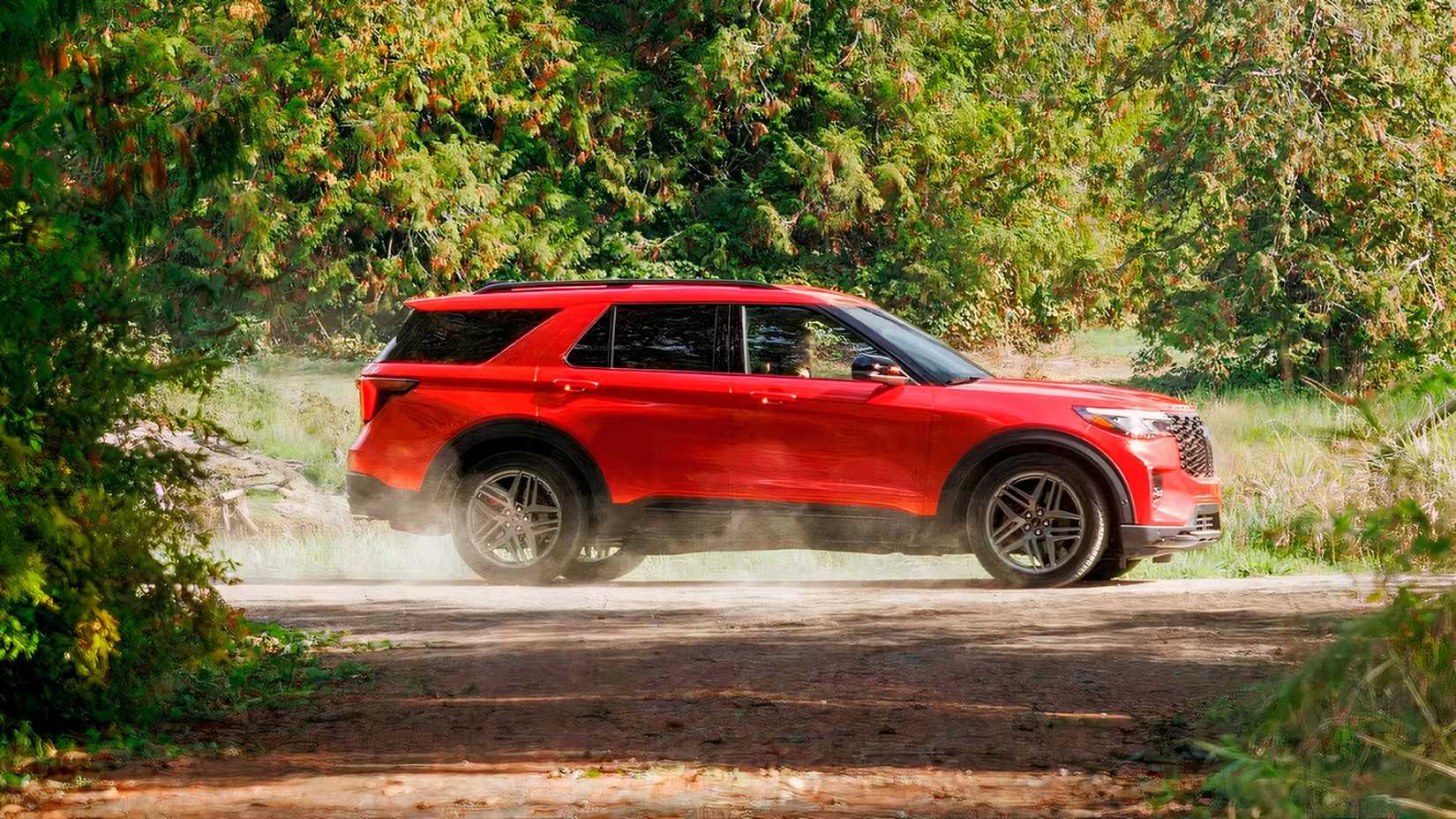
However, the ST not only delivers more sprinting prowess than the CX-90, but it also carries more. Even with its sportier breeding, the Explorer ST carries the same amount as the non-sporty Explorer models (85.8 cubic feet), and it can tow up to 5,600 pounds when properly equipped.
The new CX-90 may be plush and look the part of a luxurious three-row family SUV, but it has less third-row legroom than the ST and can only carry up to 75.2 cubic feet of stuff in it. Both the CX-90 and the Explorer ST come equipped with a power liftgate, and both are relatively specialized three-row SUVs in their respective classes, but it is clear that Ford hasn’t ditched the reason why a lot of people still buy an SUV.
10 Sleeper SUVs And Trucks You Didn’t See Coming
These sleeper SUVs and trucks prove that in 2026, the most shocking performance often comes from vehicles you’d least expect to be fast.
The Explorer ST Might Be The Smartest Performance SUV Today
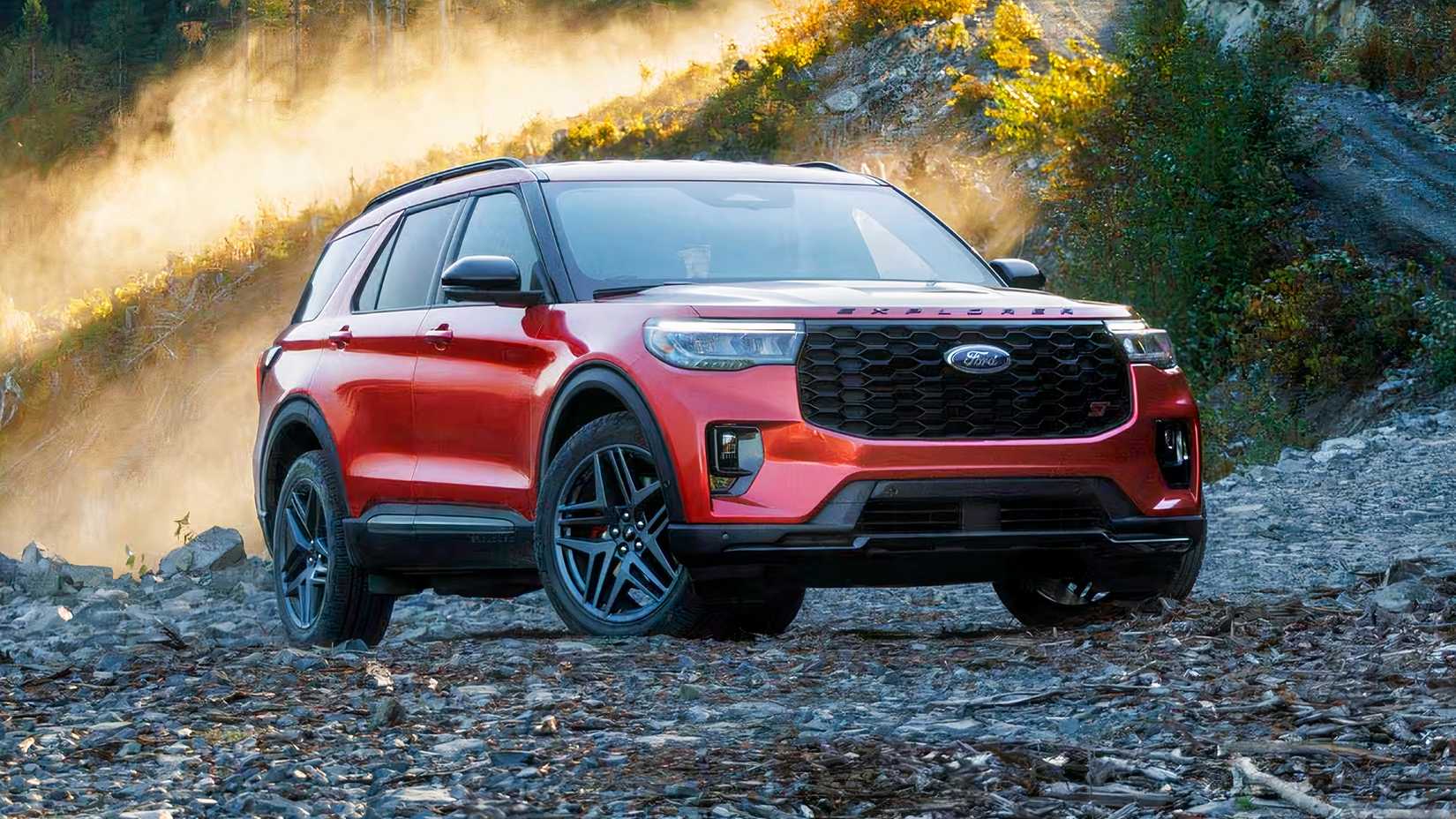
According to FuelEconomy.gov, the 2026 Explorer ST can achieve 20 combined mpg (18 mpg city/25 mpg highway), which will cost you an estimated $3,000 a year for gas. So, it is not the cheapest three-row SUV to keep on the road each year, but it is comparable to others in the segment, and things are slightly made up for in terms of reliability.
RepairPal says that the Explorer has a 3.5 out of 5 reliability rating, and will cost $732 a year for maintenance. Again, while this is fairly pricey, it is still cheaper per year than the Escalade ($1,007 a year) and the BMW X7 ($968 a year), while costing less to buy and still offering a huge amount of sporty luxury and sleeper SUV moves.
There is no escaping the fact that the new Explorer ST is not the cheapest three-row sleeper SUV to keep on the road a year, but it does get a huge amount right. It has enough punch and chassis sharpness for real entertainment on the open road, but unlike a lot of performance SUVs today, it doesn’t forget that it is still meant to be a very functional and practical machine, and it is comfortable on the back roads and long slogs.
This balance is what makes the Explorer ST the modern sleeper SUV that no one saw coming. We are used to Explorer models providing sensible driving, but not so used to them being fun to drive (unless you count the Tremor out in the boonies). It is quick without screaming about it, looks just about sporty enough to distinguish itself from the other models, well-equipped without being overly flashy, and capable in the corners without costing exotic money or leaning heavily into excess.
Sources: Ford, Mazda, J.D. Power, and FuelEconomy.gov.