

Vehicles that last the longest rarely present themselves as such. They often don’t lead in performance data, don’t promote the largest display screens, and don’t usually offer the trendiest features. Vehicles that last longest often don’t even present themselves, choosing to go about their business the old-fashioned way—through timeless design, consistency, and durable engineering. Constant reinvention is often the downfall of progress, which is why the SUV has survived … basically unchanged for half a century.
That kind of runs counter to how most buyers shop—new technology attracts, and flashy designs sell—but durability evolves, rather than erodes. SUVs that consistently earn high marks from owners and critics tend to rely on proven components rather than untested systems. Within the hybrid space, that becomes even more relevant because electrification often welcomes complexity, and complexity breeds uncertainty. It therefore becomes difficult to find a time-tested hybrid SUV, until you dig deeper.
10 Affordable Cars Known To Last Over 300,000 Miles
Longevity and reliability don’t have to cost extra. These ten affordable cars are known to last more than 300,000 miles, giving you years of driving.
How Is A Vehicle Judged To Be Reliable
At its most basic, reliability is about trusting a vehicle to start every time and get where it needs to go. We’ve probably at some time all had a car that maybe wasn’t in tip-top shape, but it got through each task it was asked to perform. That’s reliability. And when you add up all the voices of all the people whose vehicles stepped up for them every day, that earns a reputation for reliability. Organizations like J.D. Power, Consumer Reports, and RepairPal tally up all the real-world reports and present them as measurable metrics.
Some of those analyses are initial quality feedback, usually within the first three months of ownership, which tells potential buyers how well a vehicle is built—panel fit, squeaks and groans, seat padding, things like that, which make a first impression. Although it’s not a guarantee for long-term reliability, well-built vehicles tend to age gracefully. Other analysts track reported problems over years of service, reporting on the frequency of repairs and recurring issues, which tells potential buyers how a vehicle endures.
Consistency Is The Key Factor Of Durability
Consistency is the key reliability factor—a vehicle may have a high initial quality score and then degrade quickly, and one that has low initial quality may recover quickly and become reliable family members. Durability reveals itself over time, through repeated performance across multiple production cycles, with different powertrains, and positive ownership experiences. The shine of a new vehicle tends to dullen, but a solid foundation endures.
Durable vehicles tend to share a few common traits. They are generally built on mature platforms (defined as those that have resolved early issues, usually in a variety of other models). They use proven powertrains (maybe used in other vehicles or carried over with incremental changes to sort through known issues). And they exercise engineering restraint, avoiding unnecessary complexity. The latter two characteristics are especially important to the longevity of hybrid vehicles.
Quiet Performers Outlast Flash And Bluster In The Hybrid SUV World
Many of the most reliable SUVs rarely dominate headlines because they don’t aim to impress on a test circuit (either pavement track or rocky trail) or be the centerpiece in a showroom. Instead, they impress with their excellence over years—getting down and dirty, being hosed down and doing it again—with consistent performance, low failure rates, and predictable maintenance costs.
Further, the longest-lasting hybrid vehicles are those owners rarely think about—they’re sufficiently quick, fill up on fuel, and keep on driving—with longer runs between fill-ups and noticeably lower fuel bills. These overlooked vehicles are often the ones that age best because their job is to keep going, without drama. And this hybrid SUV in particular embodies that philosophy by blending two of the industry’s most reliable and durable engineering approaches.
- Base Trim Engine
-
2.5L I4 Hybrid
- Base Trim Transmission
-
CVT
- Base Trim Drivetrain
-
All-Wheel Drive
- Base Trim Horsepower
-
176 HP @5700 RPM
- Base Trim Torque
-
163 lb.-ft. @ 3600 RPM
- Base Trim Fuel Economy (city/highway/combined)
-
39/37/38 MPG
- Base Trim Battery Type
-
Nickel metal hydride (NiMH)
- Make
-
Mazda
- Model
-
CX-50 Hybrid
The Mazda CX-50 Hybrid Is An Overlooked SUV Built From Proven Elements
Proven Hybrid System On A Solid Platform In A Package That Isn’t Flashy
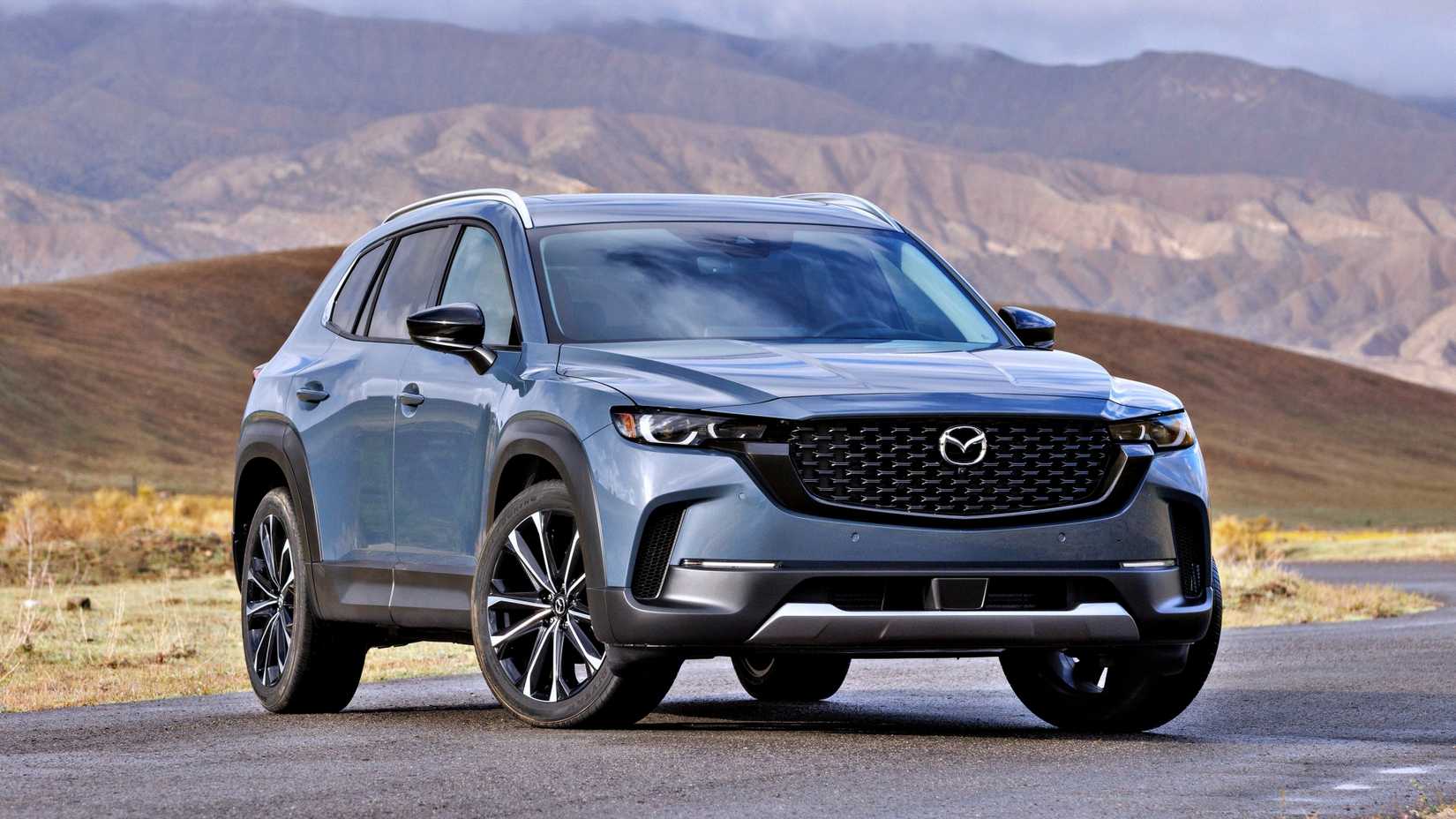
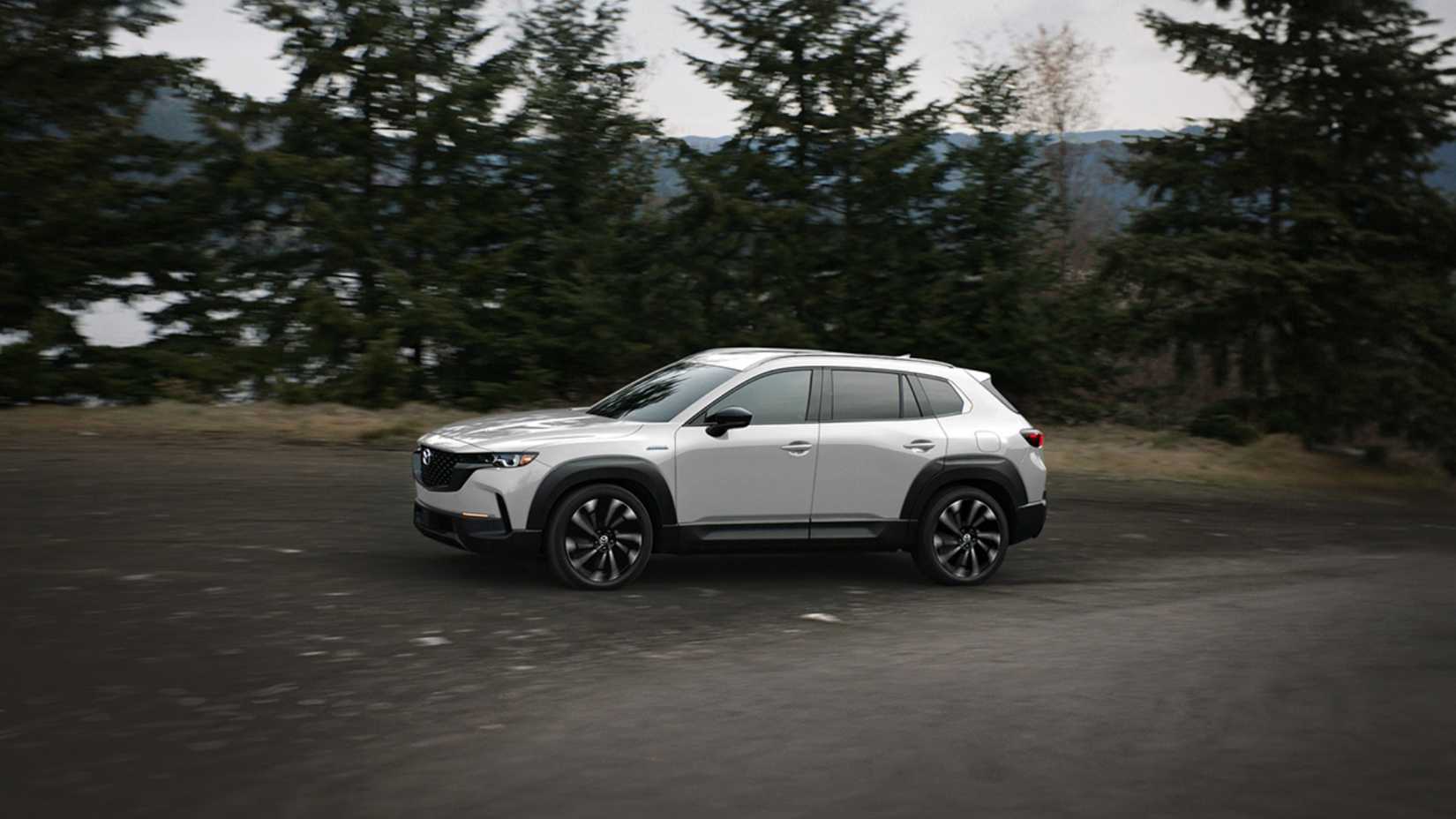
The Mazda CX-50 Hybrid doesn’t receive as much attention as it warrants probably because it doesn’t attempt to reinvent the SUV or hybrid formulas. It draws on currently available experience to create an SUV that could be a competitor, with more buyer attention, but isn’t a game changer. It uses Mazda’s established vehicle architecture and engineering reputation that focuses on structural integrity and mechanical simplicity, and drives it with a hybrid system derived from Toyota‘s hybrid synergy drive (HSD), proven over decades.
What sets the Mazda CX-50 Hybrid apart from other new hybrids is that the two elements aren’t experimental. The platform has already been validated across multiple Mazda products, while the hybrid system draws from a lineage that has seen millions of units deployed globally from Toyota, Lexus, and Ford, and will soon expand further. Bringing those two approaches together creates a vehicle with split pedigrees—like a fine wine blended from complementing varietals, not a mongrel of questionable parentage.
Reliability By Design And Association
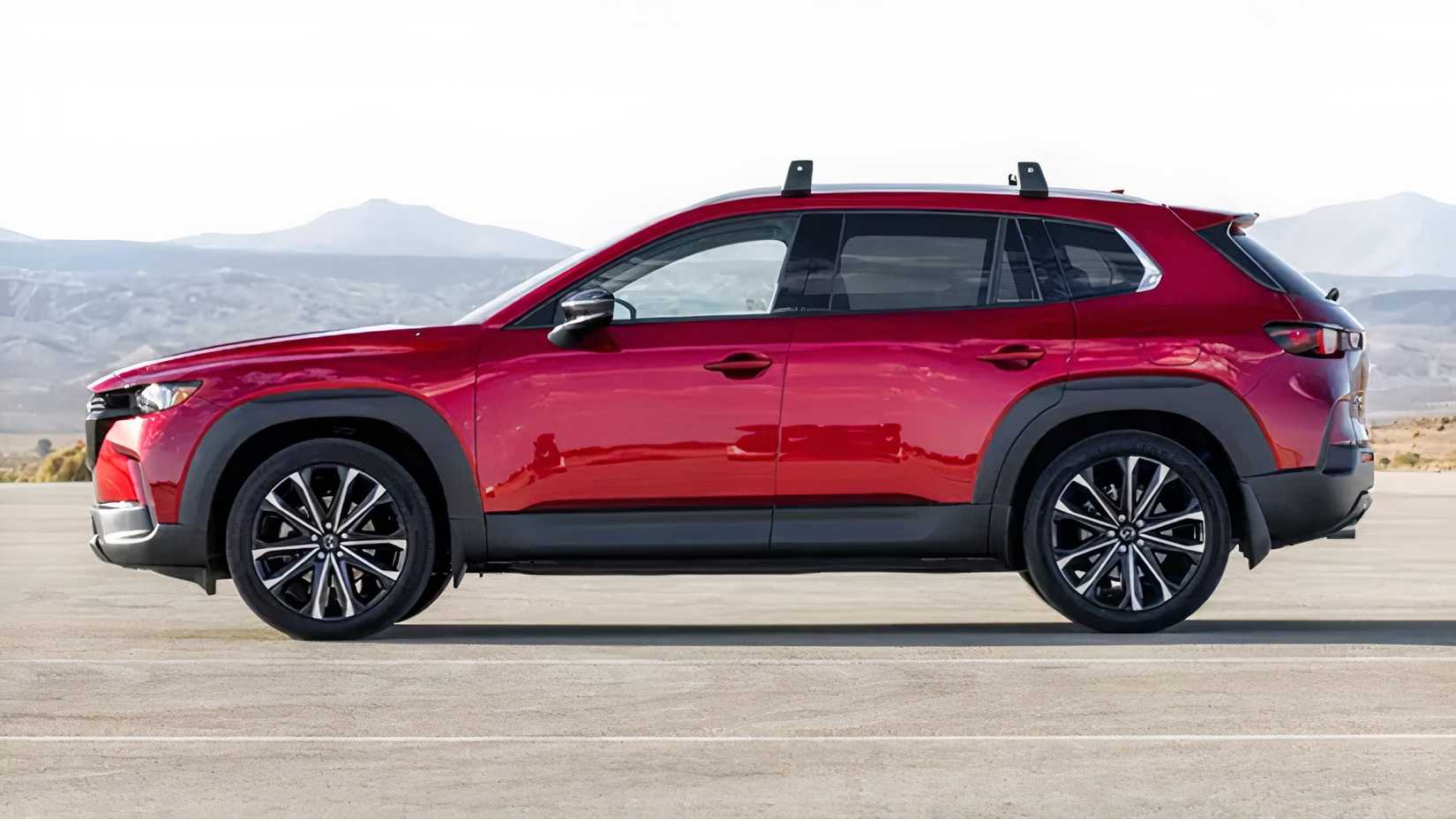
Despite being in just its third model year, the Mazda CX-50 has decades of experience under its belt, with its base being the latest Mazda3, which itself evolved from the Skyactiv chassis that first hit the road on the 2014 Mazda3. The main takeaway is a chassis that avoids the complexity of overly intricate drive layouts, and a straightforward, naturally aspirated engine that makes a solid subject for electrification.
That electrification comes from Toyota, which developed one of the first hybrid systems at the turn of the century and has developed it in a variety of vehicles in the ensuing 25 years. Toyota and Lexus hybrids are considered some of the most reliable in the industry, and constantly rank high for their dependability in owners’ surveys from respected consumer organizations.
Why A Mazda Hybrid SUV Goes Mostly Unnoticed
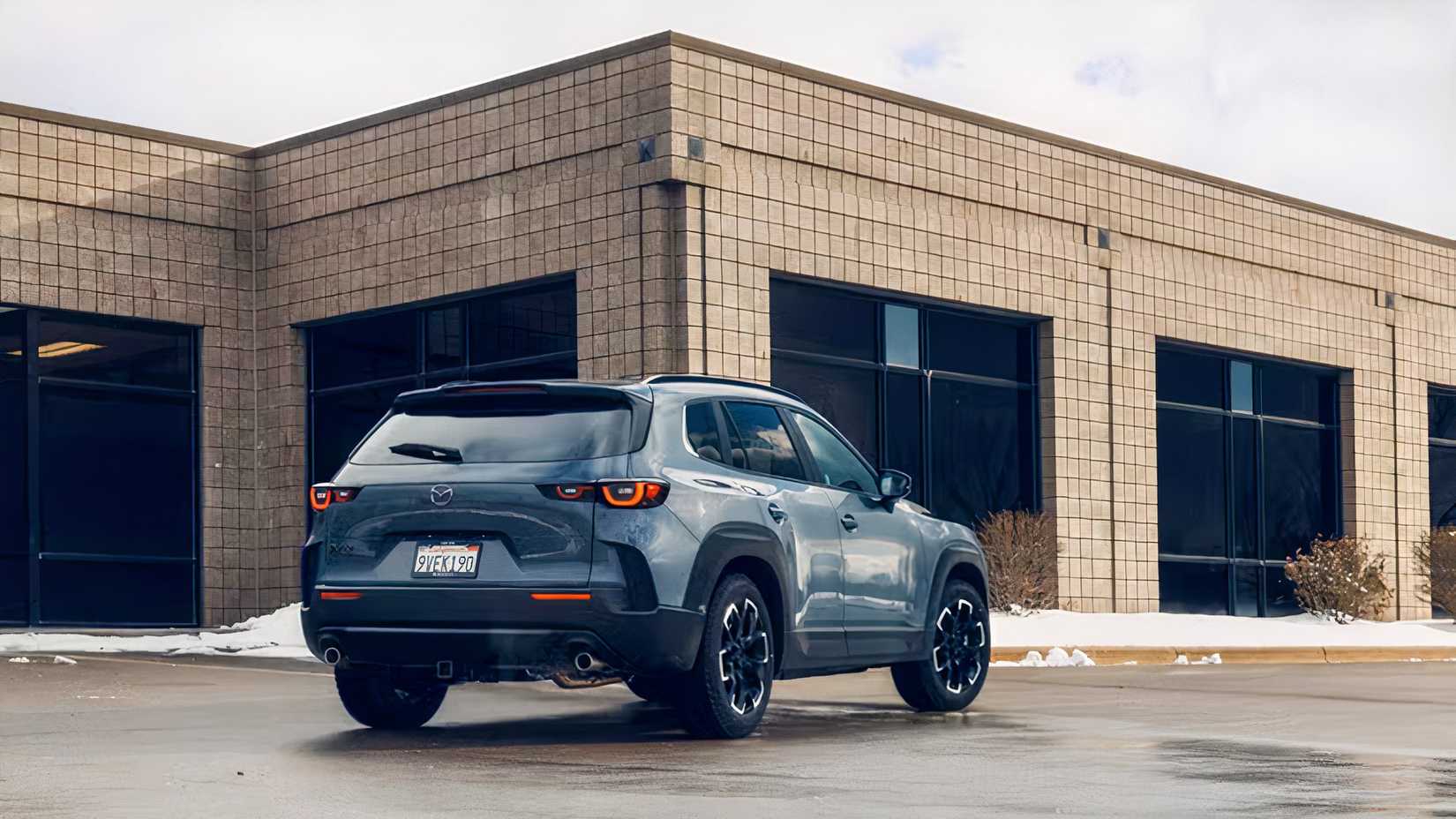
Yet despite its underlying strengths, the Mazda CX-50 Hybrid still drives in the shadows of more established hybrid SUVs, mostly due to a buyer’s world that rewards name recognition for either the make or the model. Buyers looking for hybrids automatically default to Toyota for its longstanding reputation, even though the Ford Escape has long used the same technology, and those looking for compact SUVs think of Honda, Hyundai, as well as Toyota.
Then there’s brand perception. Despite a long history of building very good compact and midsize cars, Mazda is primarily dismissed as a builder of … well … compact and midsize cars, since its history of hybrids and SUVs has noticeable gaps. The Mazda Tribute (based on the Ford Escape) had a hybrid variant (based on the Escape Hybrid) as a California compliance vehicle in 2008–2009, and then Mazda didn’t offer a hybrid until the 2024 Mazda CX-90 PHEV.
The Alternative SUV Choice If You Don’t Want A Honda Or Toyota
If you’re tired of Hond and Toyota SUVs, but you want to drive an SUV that offers similar qualities, this is the SUV that could be exactly right.
How The Mazda CX-50 Hybrid Is Put Together For Success
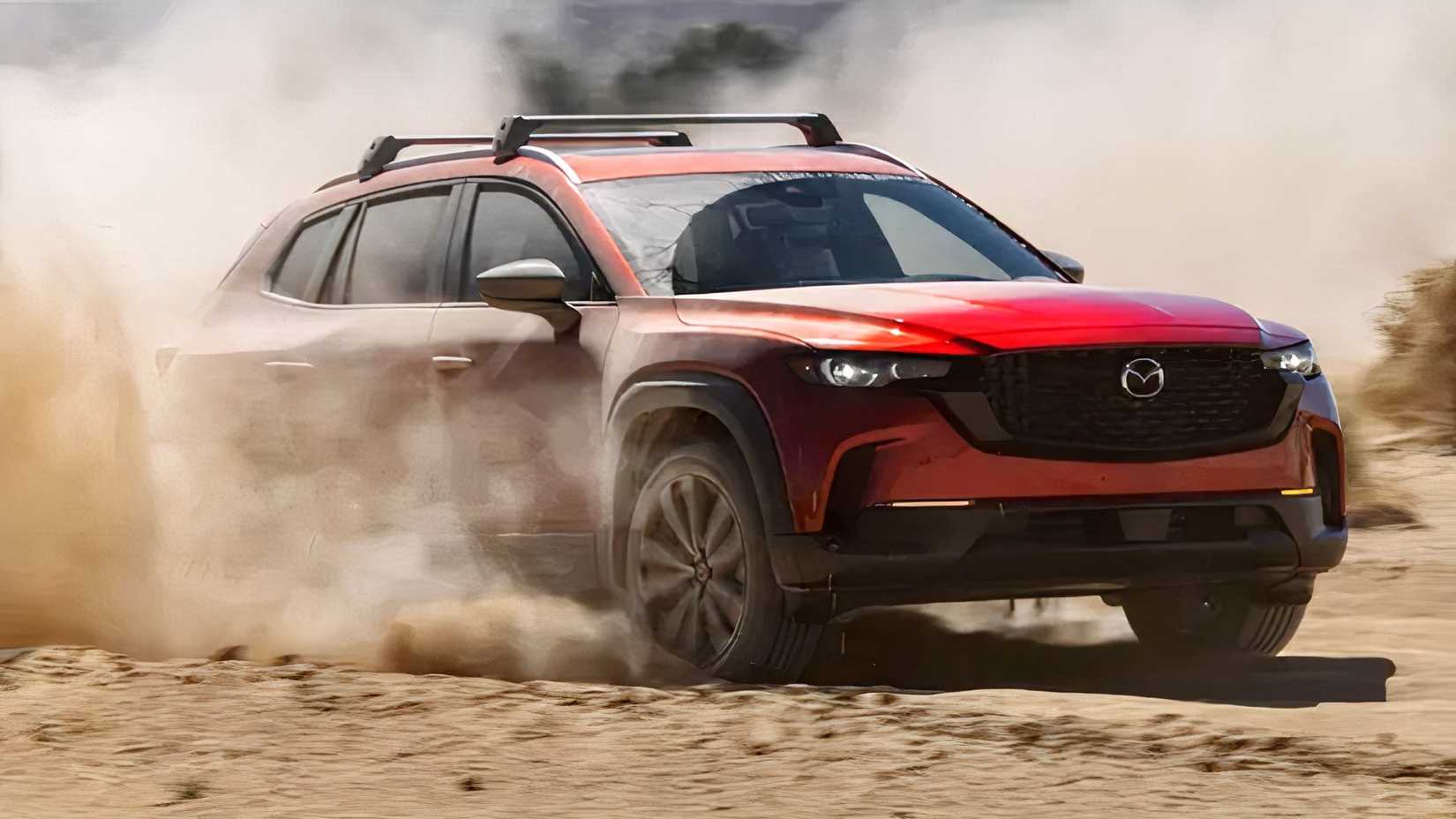
As mentioned earlier, the Mazda CX-50 may not have a long history, but it has a lot of experience in just about every facet of its being and that matters. Mature platforms tend to exhibit fewer structural or integration issues over time, so that’s important when you’re dealing with one of the newest hybrids on the market. A rigid chassis reduces stress on suspension components and improves overall structural integrity. Over time, that means fewer wear-related issues and better stability on the road.
Then there’s the hybrid system. Hybrids are now mature enough to predictably and consistently handle everyday driving, and nobody has more experience than Toyota, which currently fields 21 models (not counting PHEVs) with Toyota and Lexus badges, and has had scores of models in the 25 years since it launched the pioneering Prius. The company is now making dedicated hybrids, due to their superior efficiency, reduced engine loads, seamless acceleration and stop/start systems, and efficient energy capture through braking.
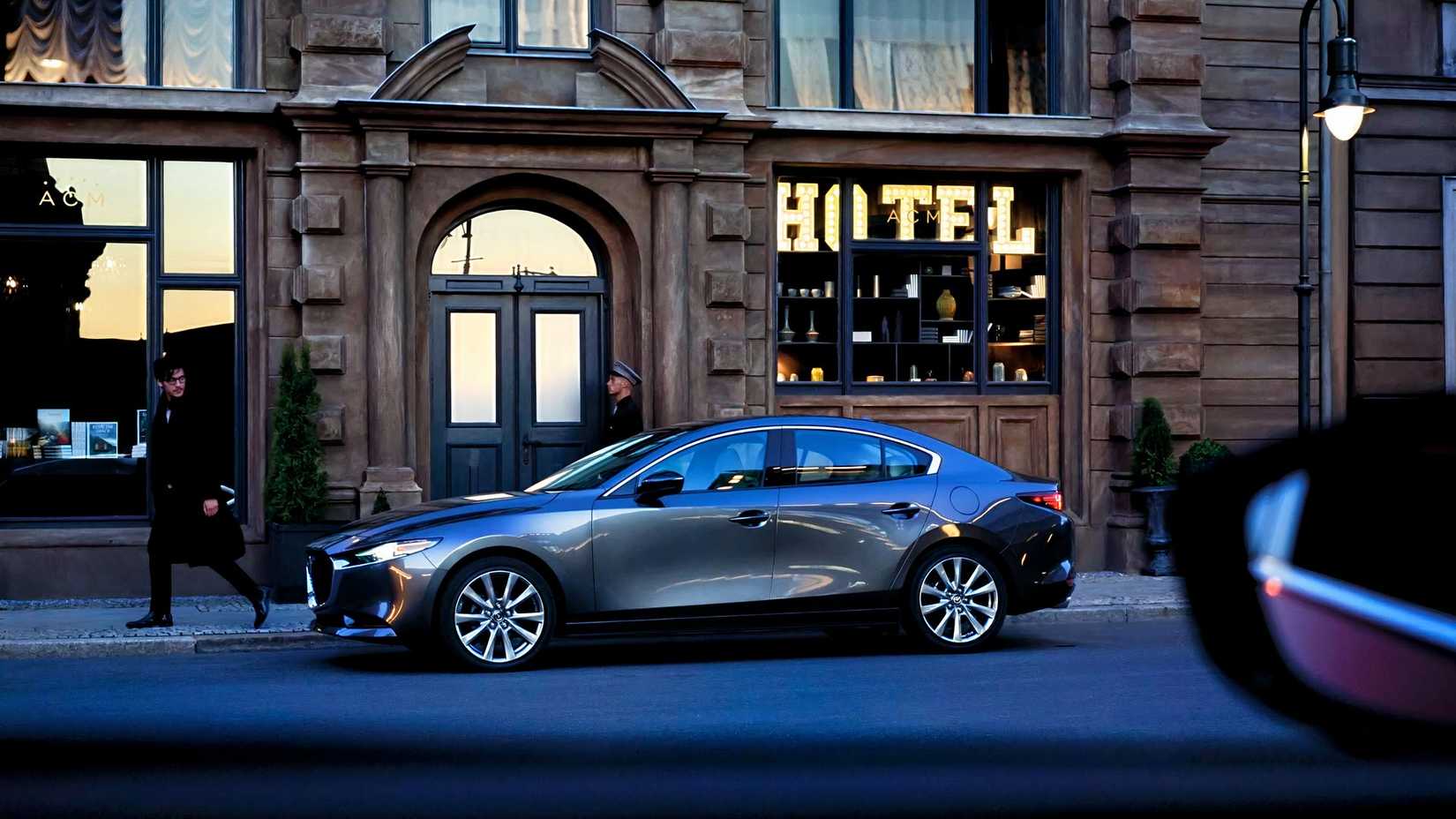
Mazda3 Provides A Time-Tested Foundation For The Mazda CX-50
|
Mazda |
2026 CX-50 |
2025 Mazda3 Hatchback |
|---|---|---|
|
Length |
186.1 inches |
175.6 inches |
|
Width |
75.6 inches |
70.7 inches |
|
Wheelbase |
110.8 inches |
107.3 inches |
|
Front Track |
65.3 inches |
61.7 inches |
|
Rear Track |
65.4 inches |
62.2 inches |
At its core, the Mazda CX-50 uses architecture derived from the Mazda3, a platform that has been in continuous refinement since 2003, and one that launched the Skyactiv technology in 2012. Through its existence, it has benefited from the incremental improvements that count toward longevity, rather than the wholesale redesigns that don’t always sustain model momentum and often lead to more wholesale redesigns.
What Skyactiv Means To Overall Vehicle Performance
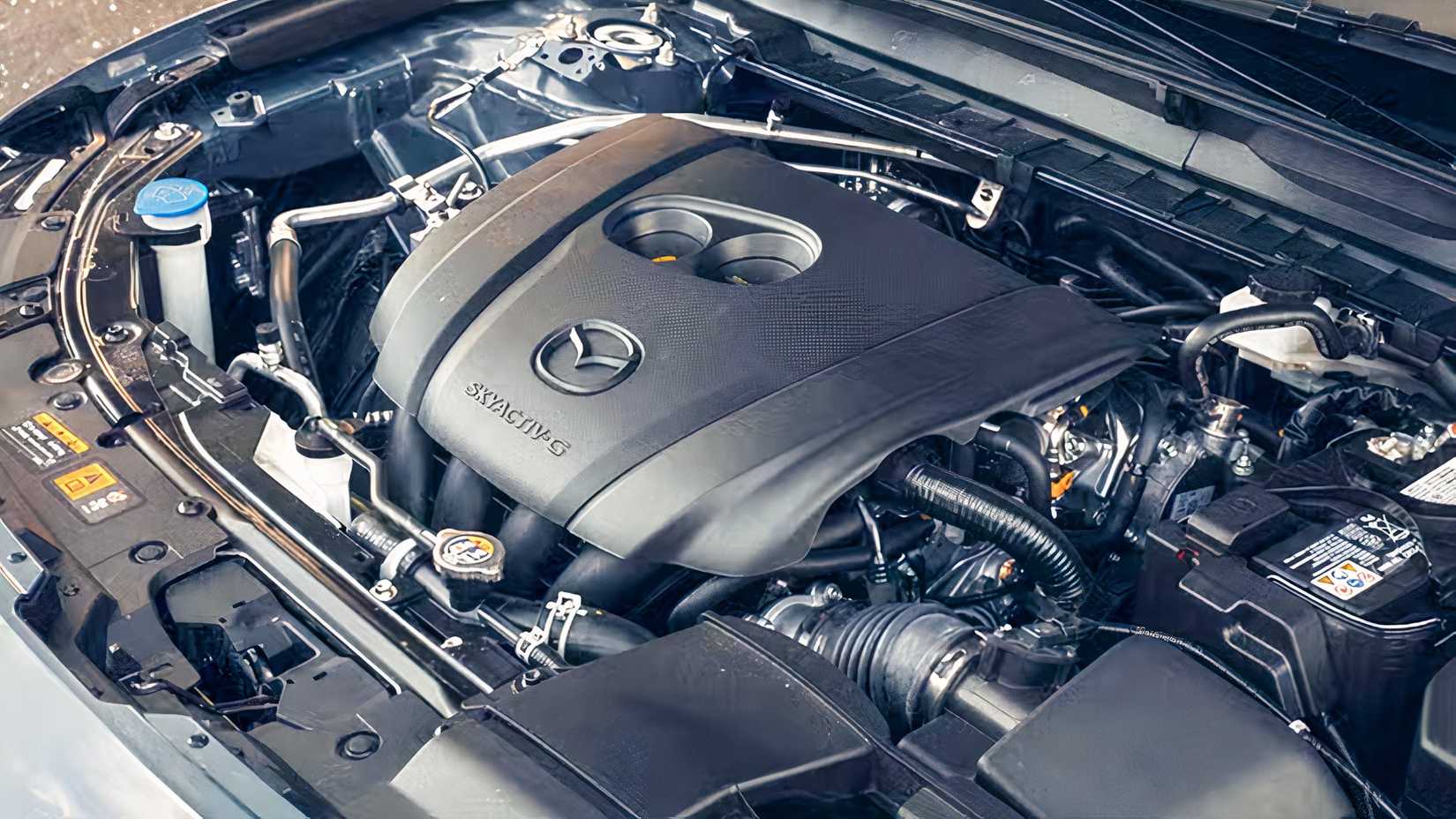
Mazda’s Skyactiv designation is often thought of as just an engine technology, but it underpins much of a Mazda model’s design. It’s more of a whole vehicle synergy that works to maximize efficiency, rather than chasing peak output figures. Thus, it incorporates the engine (with higher compression ratios), transmission (shift feel), body (high-tensile and more linear), chassis (lighter components), and dynamics (sophisticated software) for a complete, integrated experience.
The Mazda CX-50 Hybrid Borrows A Page From Toyota, Literally
|
2026 |
Mazda CX-50 Hybrid |
Toyota RAV4 AWD |
|---|---|---|
|
Powertrain |
2.5-liter inline-4 + 3 motors |
2.5-liter inline-4 + 3 motors |
|
Transmission |
Continuously variable |
Continuously variable |
|
Power |
219 hp |
219 hp |
|
Torque |
176 lb-ft |
163 lb-ft |
|
Range |
551 miles |
594 miles |
|
Efficiency City |
39 mpg |
45 mpg |
|
Efficiency Highway |
37 mpg |
38 mpg |
|
Efficiency Combined |
38 mpg |
41 mpg |
The hybrid system may be the Mazda CX-50 Hybrid’s strongest advantage. Instead of spending the time and energy into developing an in-house system, which would leave it trailing its direct competition by years, the CX-50 utilizes a Toyota-derived setup, in the process benefiting from decades of real-world validation. However, it is kind of proprietary because it incorporates a lot of the Skyactiv thinking we mentioned above to electrical enhancement and regenerative braking.
10 Affordable Cars That Can Last 300,000 Miles Or More
Longevity and reliability don’t have to cost extra. These ten affordable cars are known to last more than 300,000 miles, giving you years of driving.
The Mazda CX-50 Is An Overlooked Hybrid SUV Destined To Last A Lifetime
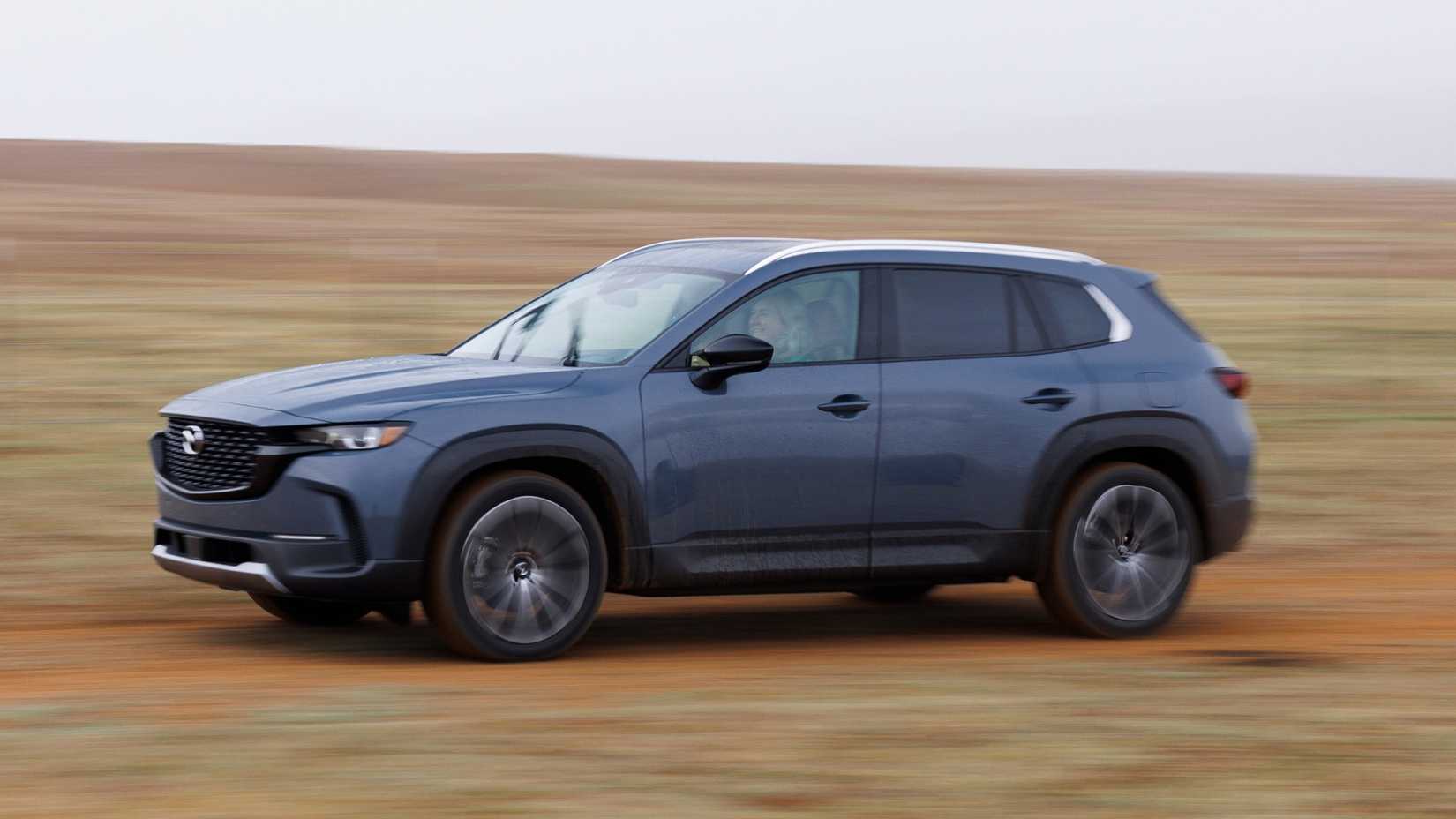
Overshadowed by compact SUVs that have built up iron-clad desirability, the new-to-market Mazda CX-50 Hybrid won’t succeed by exploring beyond time-tested boundaries. It is more likely to succeed by sticking to well-tested principles and avoiding unnecessary risks. Its platform is proven, its hybrid system is well-established, and its engineering philosophy prioritizes durability over novelty.
The combination of the three is bound to bring success because it’s a formula on which durable vehicles ride; it’s just that the CX-50 hasn’t spent 25 years perfecting its persona—it borrowed from some of the best in the business and integrated them to create a vehicle with a quarter-century of experience under its three-year-old belt.
And it’s not alone in following that philosophy. There are a couple other new hybrid SUVs that have been put together using the experiences of others.
|
2026 |
Subaru Forester Hybrid |
Hyundai Palisade Hybrid AWD |
|---|---|---|
|
Powertrain |
2.5-liter boxer-4 + 2 motors |
2.5-liter turbo inline-4 + 2 motors |
|
Transmission |
Continuously variable |
6-speed automatic |
|
Power |
194 hp |
329 hp |
|
Torque |
199 lb-ft |
339 lb-ft |
|
Driveline |
All-wheel drive |
All-wheel drive |
|
Range |
581 miles |
528 miles |
|
Efficiency City |
35 mpg |
29 mpg |
|
Efficiency Highway |
34 mpg |
30 mpg |
|
Efficiency Combined |
35 mpg |
29 mpg |
The New Subaru Forester Hybrid Blends 28 Years Of AWD Experience With Toyota Hybrid
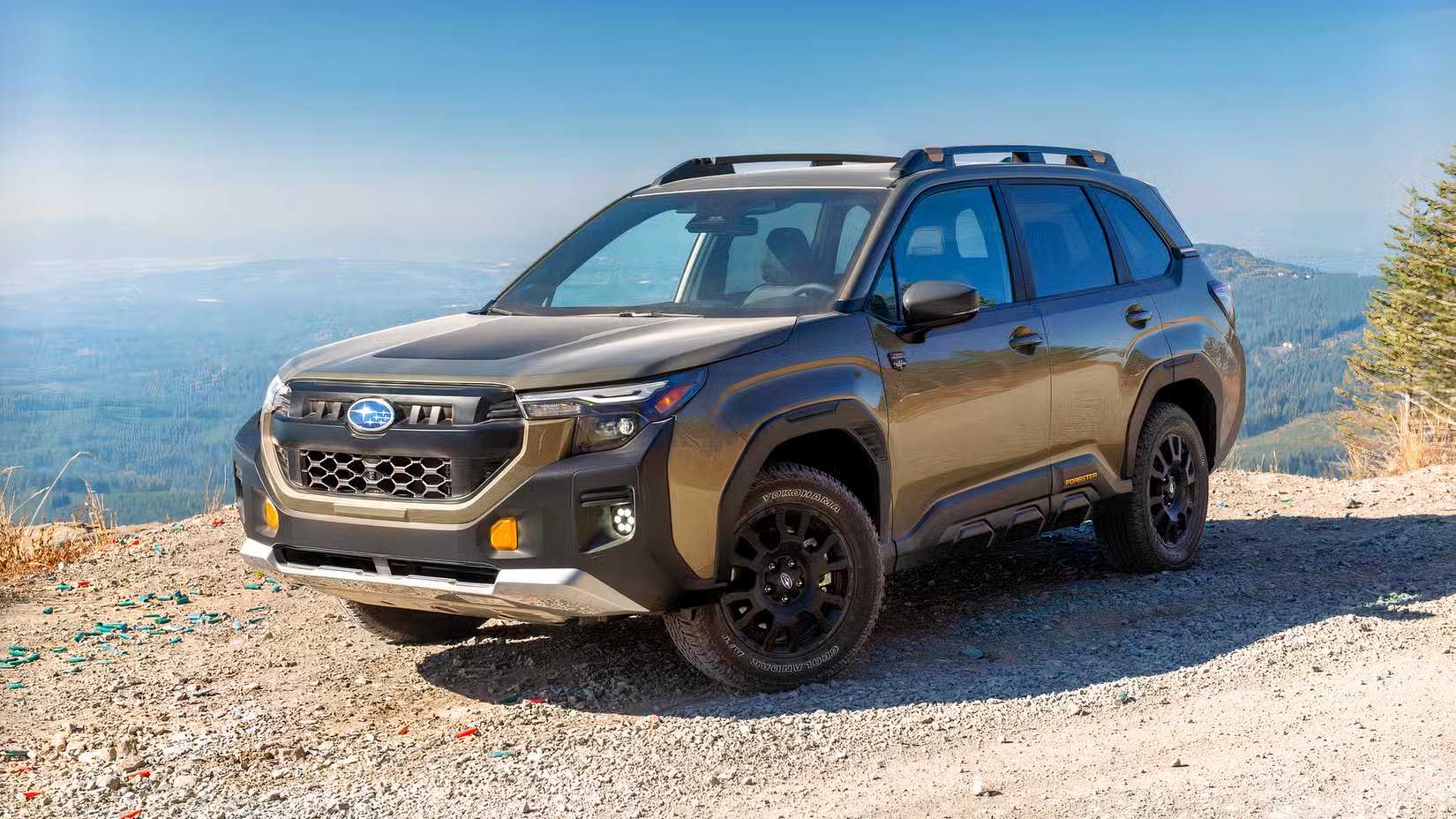
The Subaru Forester Hybrid is new for 2026 (and some will say long overdue) and follows a similar philosophy, having established its Forester name as a study in durability starting in 1998. Like the Mazda3, the Forester has developed the structural integrity, proven engine and drivetrain capability, and now just needed to work in the hybrid powertrain. Like the Mazda CX-50, it turned to Toyota to provide the know-how to successfully integrate electrification with the Subaru boxer-four.
The Hyundai Palisade Draws On 25 Years Of Hyundai SUV And Hybrid Experience
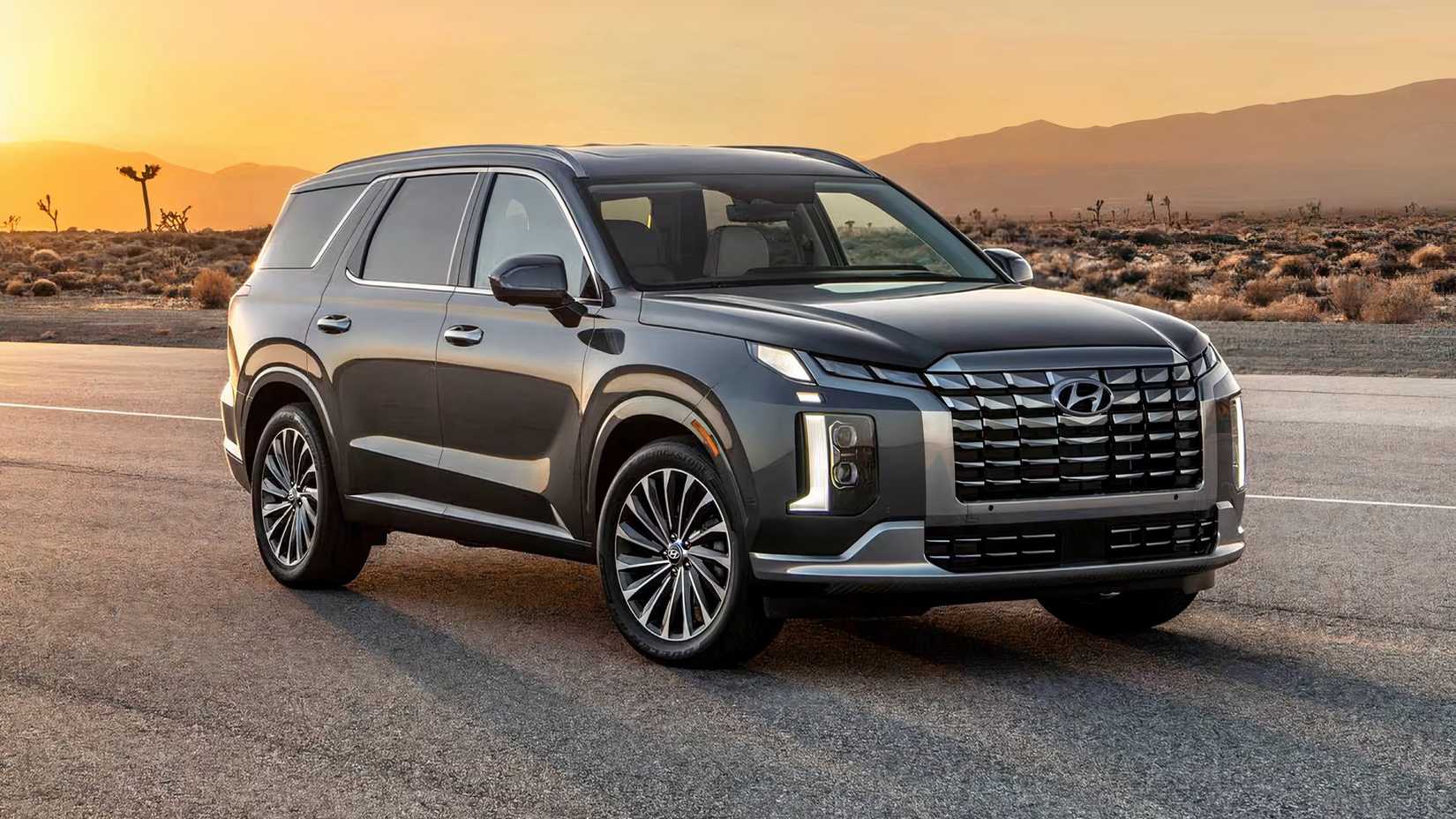
Hyundai has come a long way since its subcompacts first landed on American soil 40 years ago, and it improved every step of the way to make cars more attractive and more durable. Today, it’s arguably one of the style leaders in the industry, and the Hyundai Palisade is the newest SUV in the stable (introduced in 2020), drawing on durability lessons learned from the Santa Fe and Tucson. The hybrid was introduced in 2024, but draws on Hyundai’s hybrid experience dating back to Hyundai’s first hybrid, the 2011 Sonata Hybrid.
Sources: J.D. Power, the EPA, Edmunds