
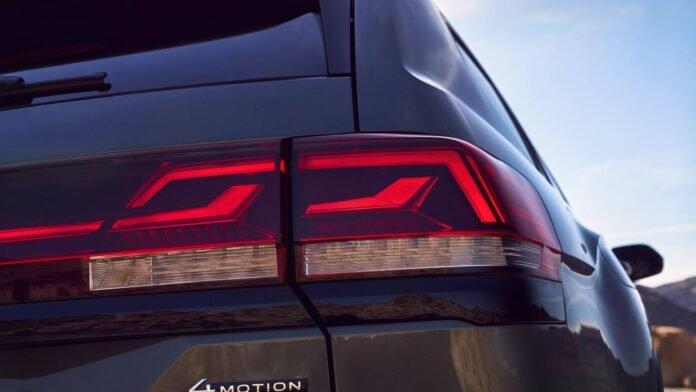
There’s a clear difference between a car that feels average and one that feels effortless—you notice it over time. On long drives, in traffic, or over rough roads, true refinement shows in how smoothly it absorbs imperfections, how quiet the cabin stays, and how intuitive everything feels. It’s not about standout features, but how seamlessly everything works together.
That level of polish was once the domain of luxury brands, while mainstream SUVs focused on practicality and value. Today, expectations have shifted. Buyers want space, yes—but also comfort, quietness, and ease of use. The gap between mainstream and premium has narrowed, and in Volkswagen’s lineup, one model strikes that balance particularly well.
Why Refinement Matters More Than Ever In Modern SUVs
Comfort, Quietness, And Everyday Driving Experience
For most buyers, SUVs serve multiple roles. They handle commuting, school runs, weekend errands, and long-distance travel. That means comfort and usability often matter more than outright performance. A well-refined SUV reduces fatigue on long drives. It isolates occupants from road and wind noise.
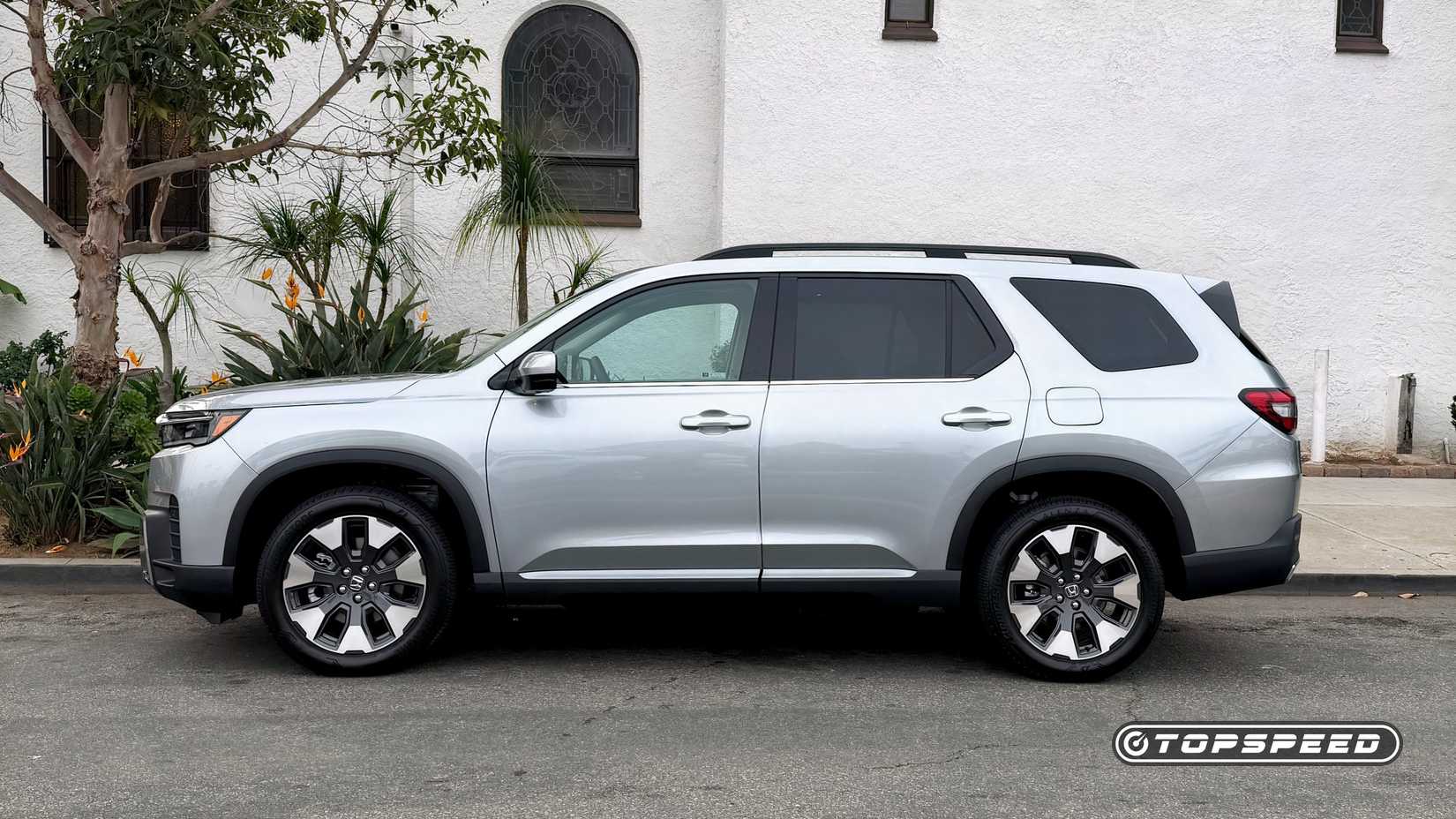
It delivers a smoother, less demanding driving experience that becomes more noticeable the longer you spend behind the wheel. But not every SUV gets this balance right. Some models lean heavily toward sportiness, resulting in firmer suspension setups that can feel tiring over time. Others focus on technology, packing in screens and features while overlooking ride quality and cabin isolation.
The Smoothest Riding SUVs Under $40,000 In 2025
Some of the smoothest riding SUVs are luxury SUVs with big price tags – not these; these are all under $40,000.
The 2026 Volkswagen Atlas Is The Most Refined VW You Can Buy Today
A Family SUV Built Around Comfort And Usability
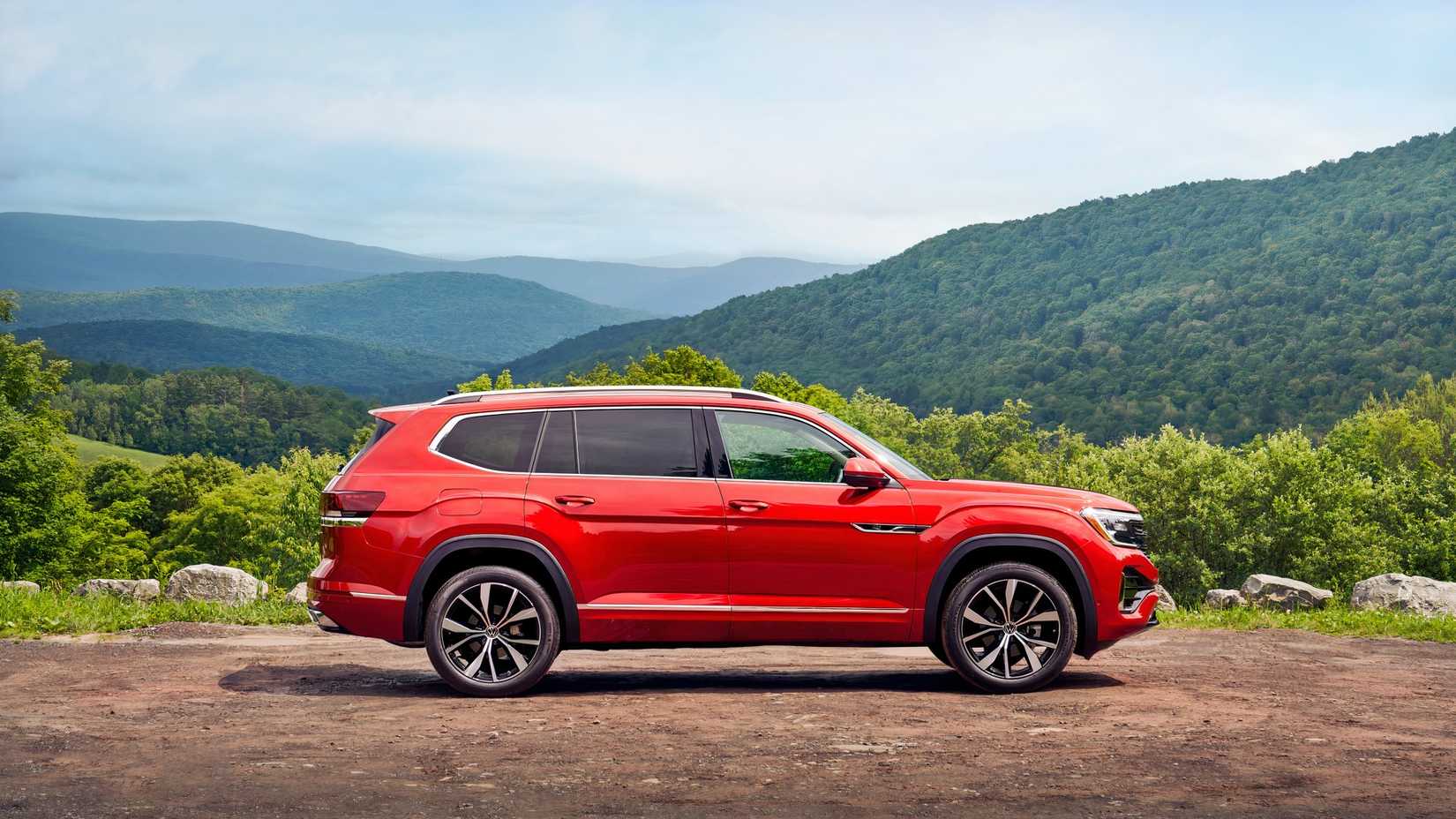
The Atlas was designed specifically for the U.S. market, and that focus is immediately clear. This is a three-row SUV built to prioritize space, usability, and comfort over outright sportiness. Everything about it—from its size to its layout—reflects that intention.
This Stylish Three-Row SUV Has Ample Room
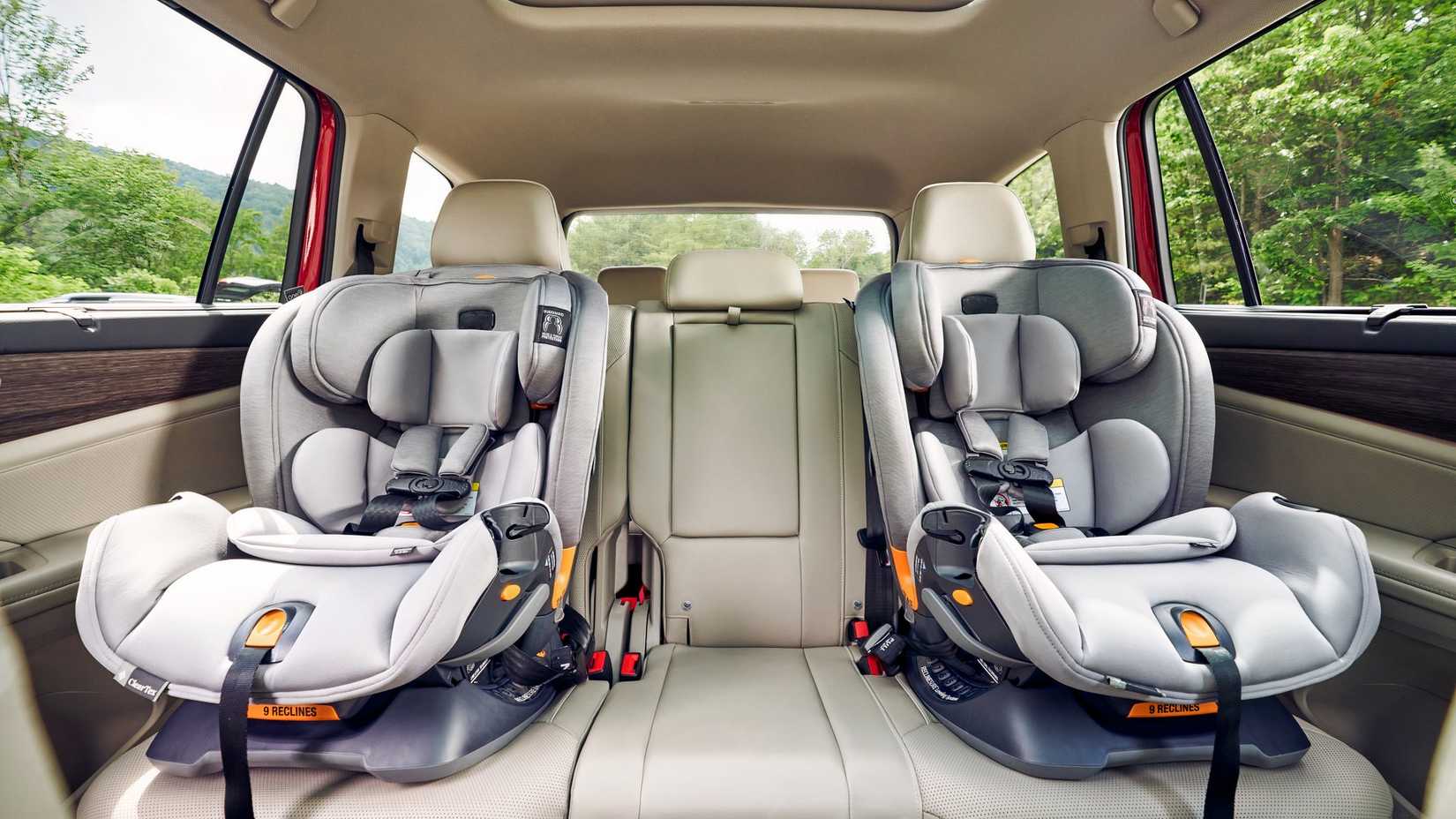
Cargo space sits at 20.6 cubic feet of space with both rear rows in place. Stow the third row, and the cargo space opens up to 55.5 cubic feet, with up to 96.6 cubic feet available when both rear rows are down. Reports suggest that it is also accommodating for adults on short trips. Cargo flexibility is indeed a strength for the Atlas, positioning it as the most versatile option in the segment, particularly for families.
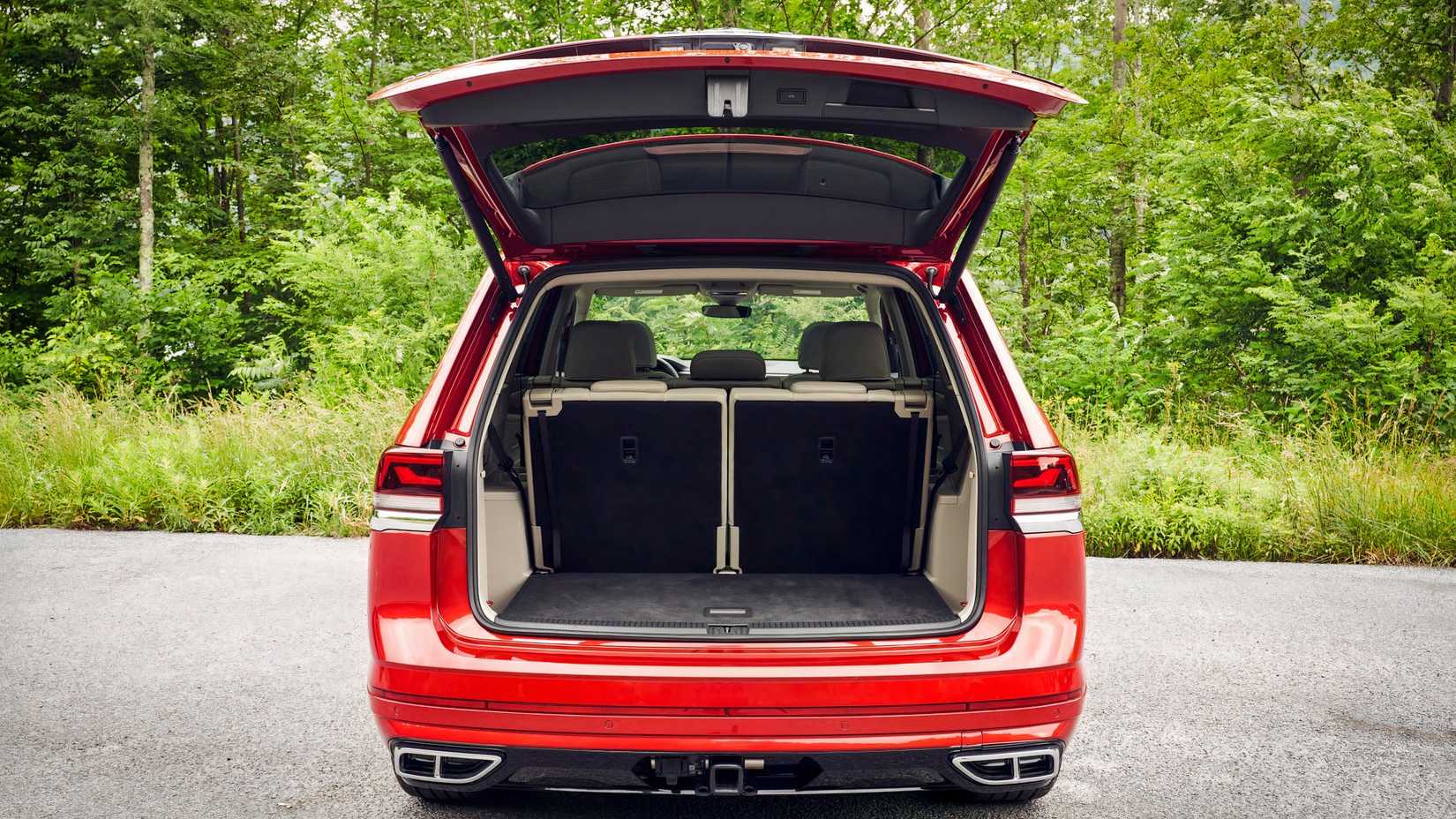
Compared to rivals like the Toyota Highlander and Honda Pilot, the Atlas offers more usable space behind the third row, making it more practical when all seats are in use. Even against strong competitors like the Kia Telluride and Hyundai Palisade, it remains highly competitive in overall cargo capacity.
2025 Volkswagen Taos First Drive: More Power, Updated Looks, Same Great Recipe
Mid-cycle revisions for VW’s smallest CUV all add up to perfect its recipe.
Clean Layout And Everyday Usability
Interior And Technology
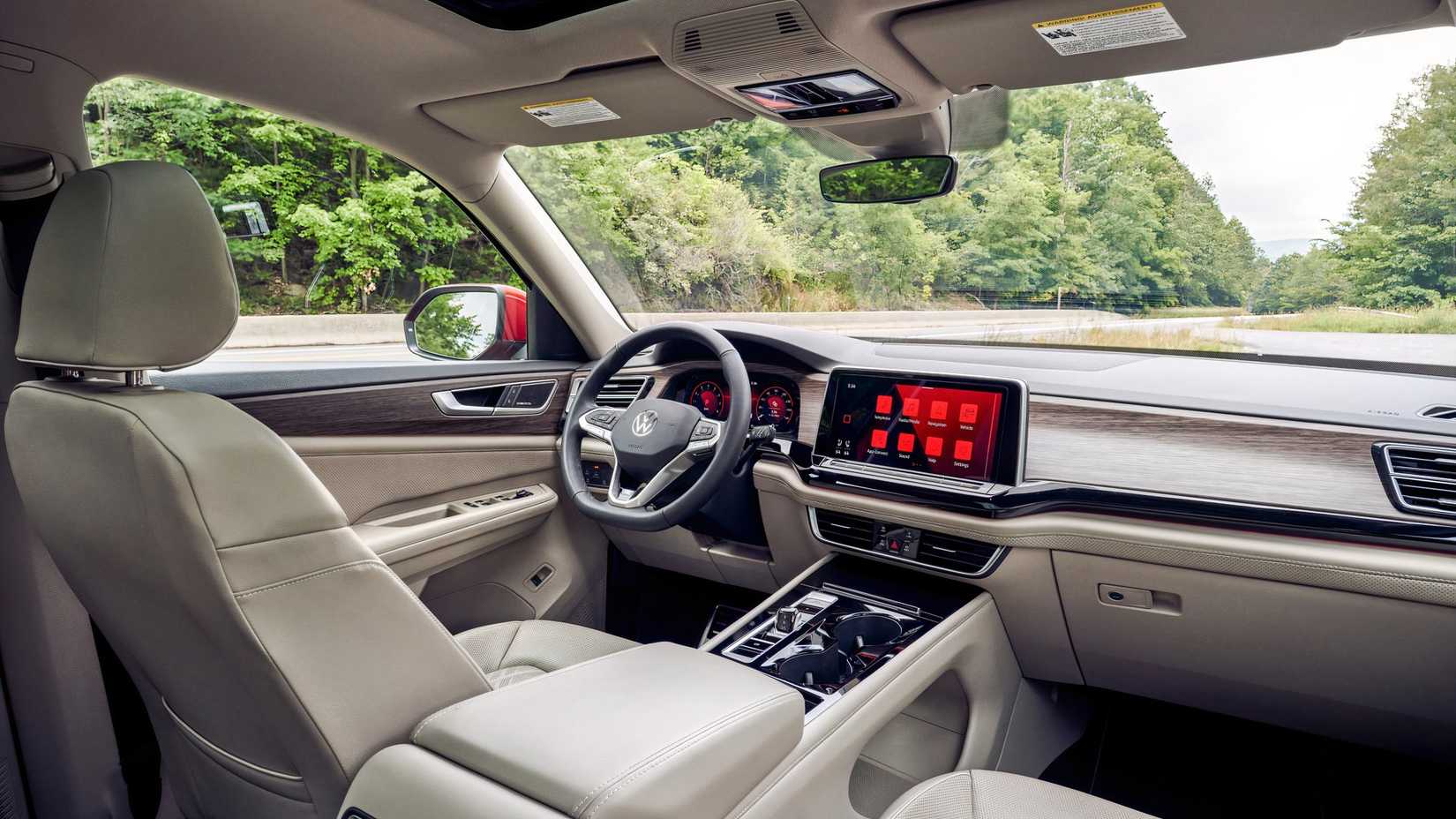
Volkswagen’s understated design philosophy carries through to the cabin. The layout is clean, logical, and focused on usability rather than visual overload. A large central touchscreen, digital instrument cluster, and wireless Apple CarPlay and Android Auto provide modern functionality without complicating things. However, I believe it may be slightly boring; while minimalism is currently popular, it can sometimes lead to a lack of excitement.
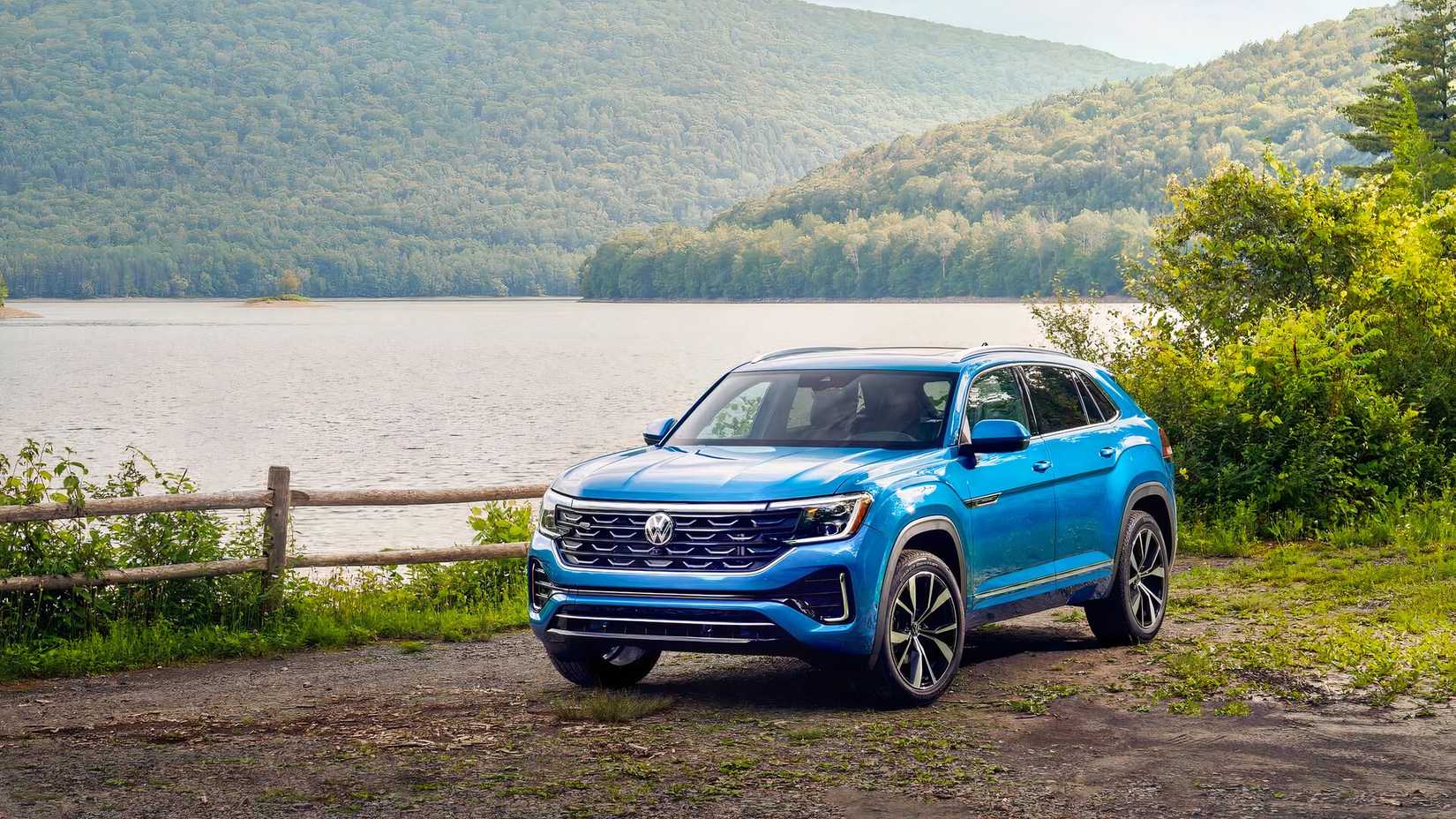
Talking about safety, the Atlas also comes equipped with Volkswagen’s IQ.DRIVE suite of driver assistance systems as standard. This includes adaptive cruise control, lane-keeping assist, blind-spot monitoring, rear traffic alert, and forward collision warning with automatic braking. Higher trims add features like a 360-degree camera system, park assist, and traffic sign recognition. Importantly, these systems are integrated in a way that supports the driver rather than overwhelming them. The goal isn’t to showcase technology—it’s to make everyday driving easier.
Trim Levels And Features
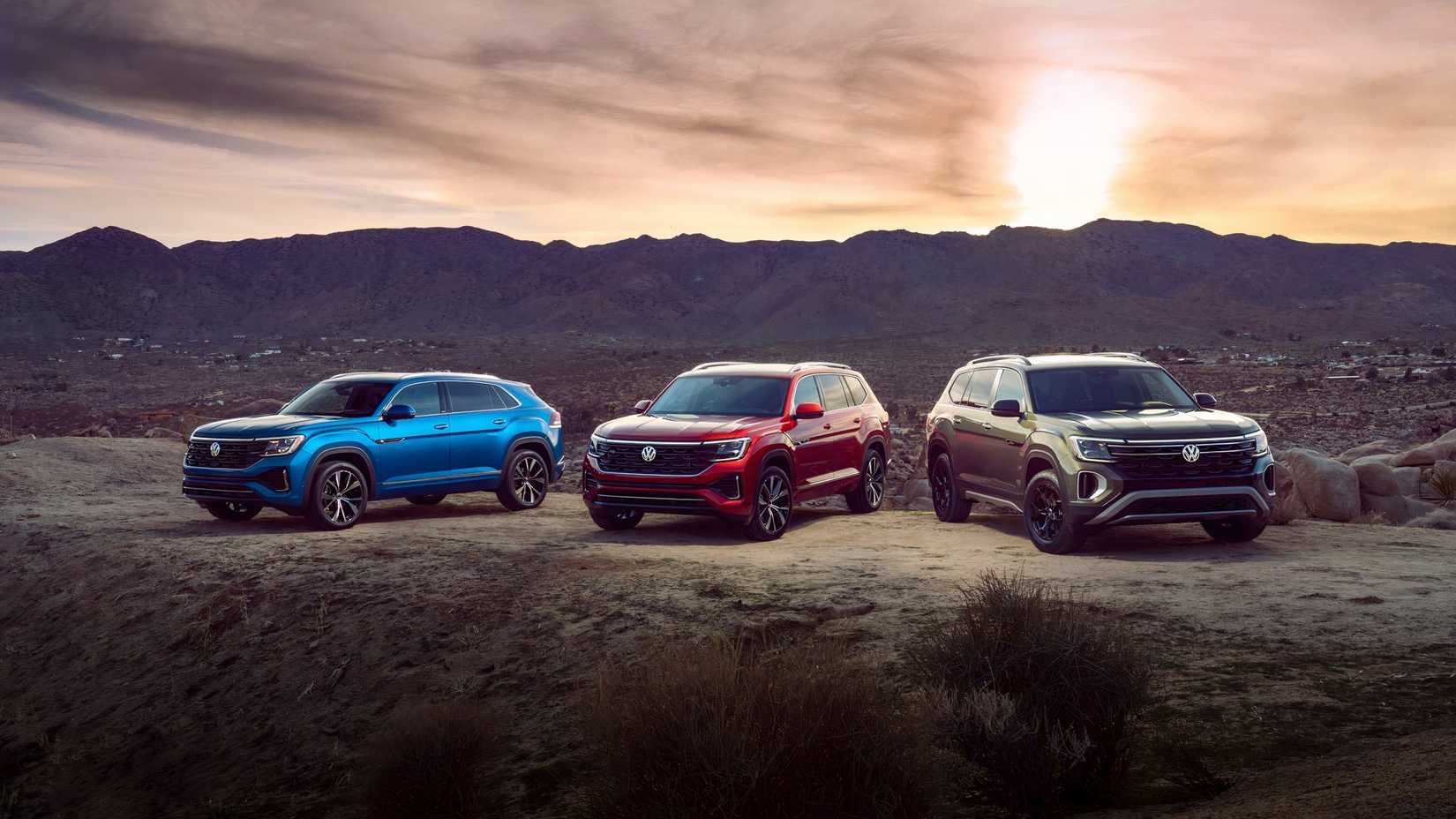
The 2026 Atlas is offered in several trims, including SE, SE with Technology, SEL, and SEL Premium R-Line. The base SE model is well-equipped, offering key safety features, tri-zone climate control, and a modern infotainment system. Moving up to SE with Technology adds convenience features like a hands-free power tailgate, remote start, and additional driver assistance systems.
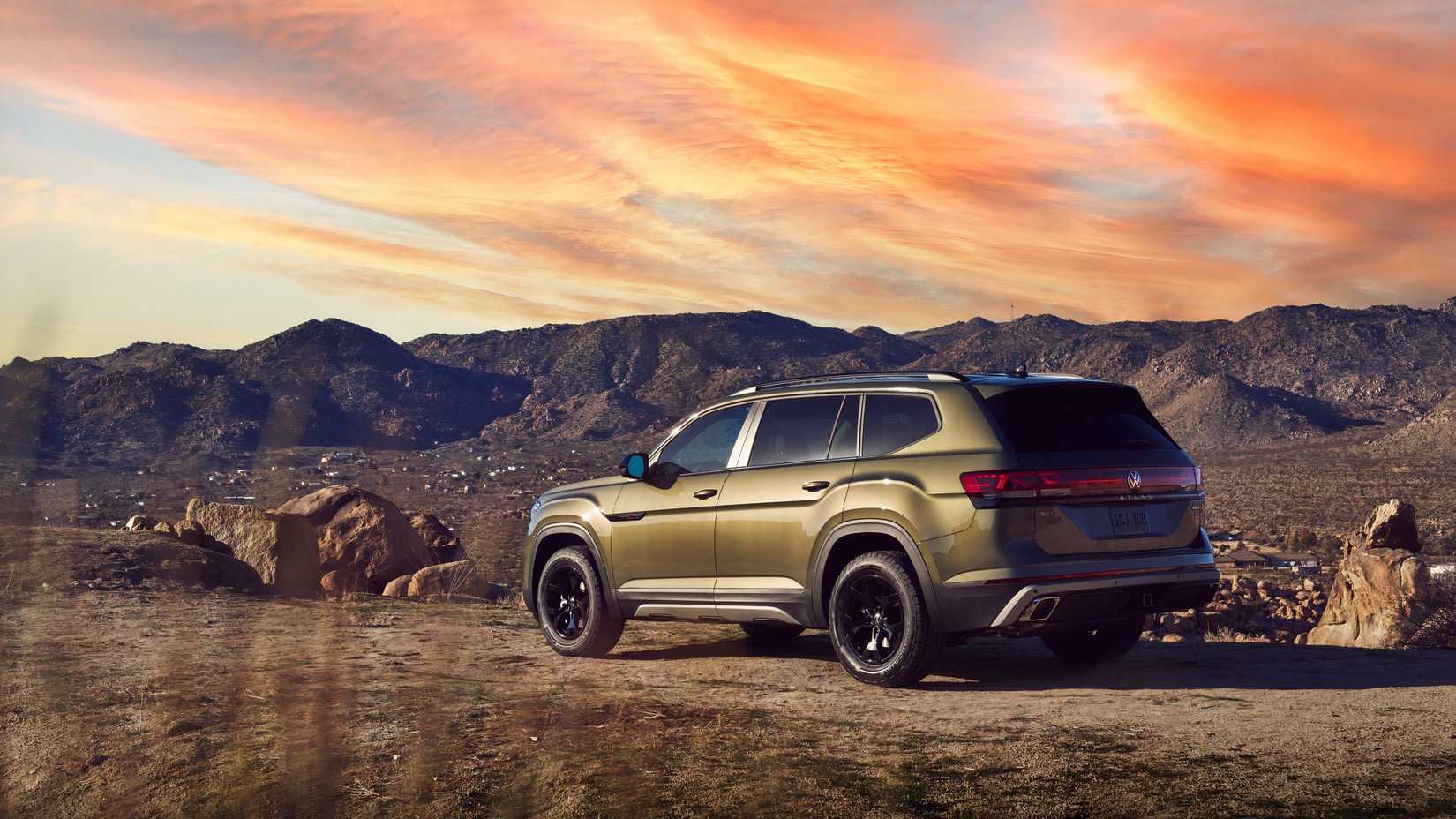
The SEL trim introduces more premium touches, including navigation, upgraded interior materials, and a larger digital display. At the top of the range, the SEL Premium R-Line adds features like ventilated front seats, premium audio, and enhanced driver assistance capabilities. Across all trims, the Atlas maintains a consistent focus on usability.
2026 Volkswagen Atlas Trims And Price
|
SE |
$39,310 |
|
SE w/ Technology |
$43,730 |
|
Peak Edition |
$48,060 |
|
SEL |
$49,620 |
|
SEL Premium R-Line |
$54,630 |
10 Used Naturally Aspirated Six-Cylinder SUVs Ranked By Fuel Efficiency
These six SUVs on the second-hand market still use old-fashioned tactics to get from point to point, but do it efficiently and economically.
What Makes The Atlas So Comfortable On The Road
Smooth Ride, Turbocharged Power, And Cabin Isolation
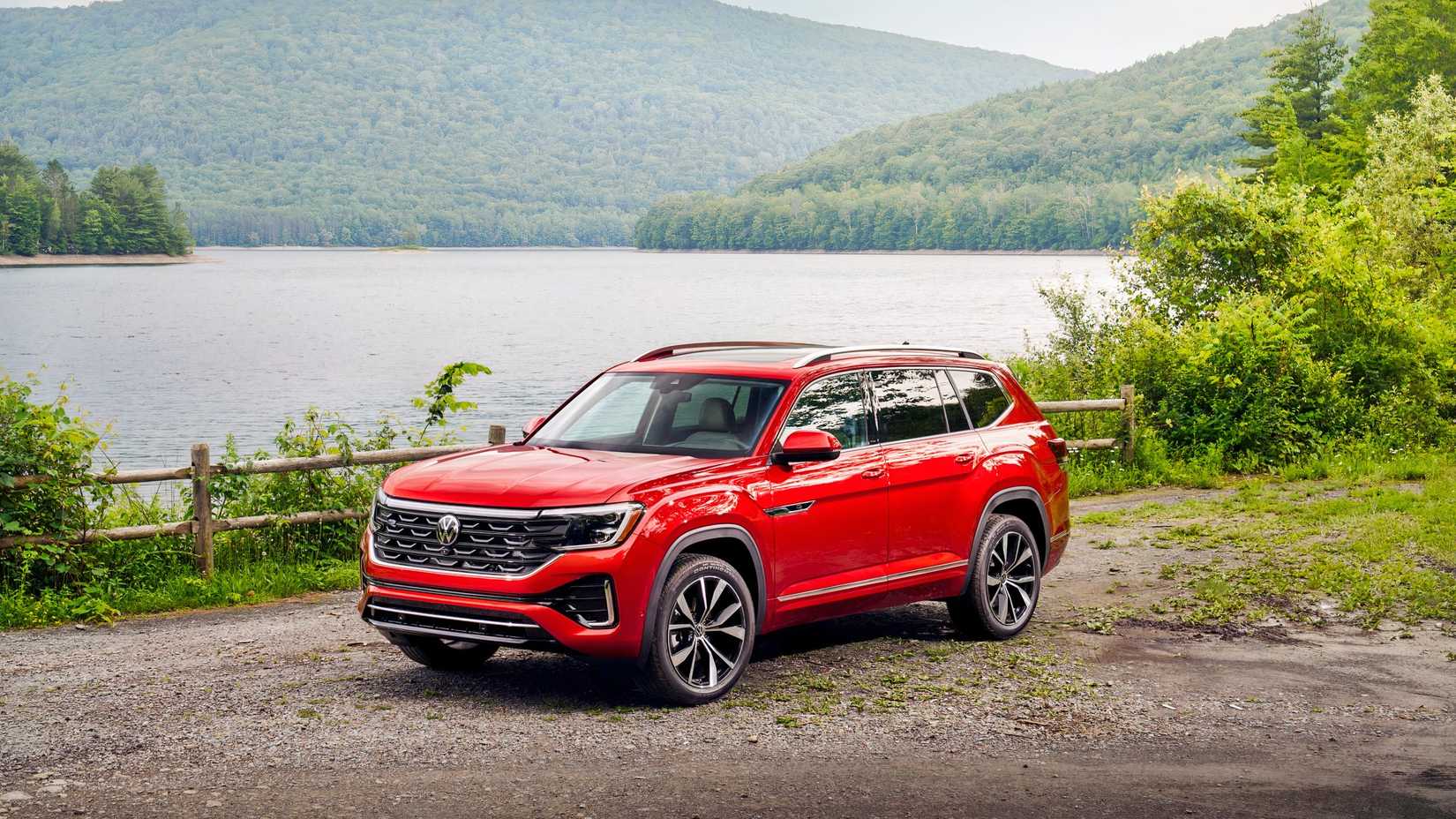
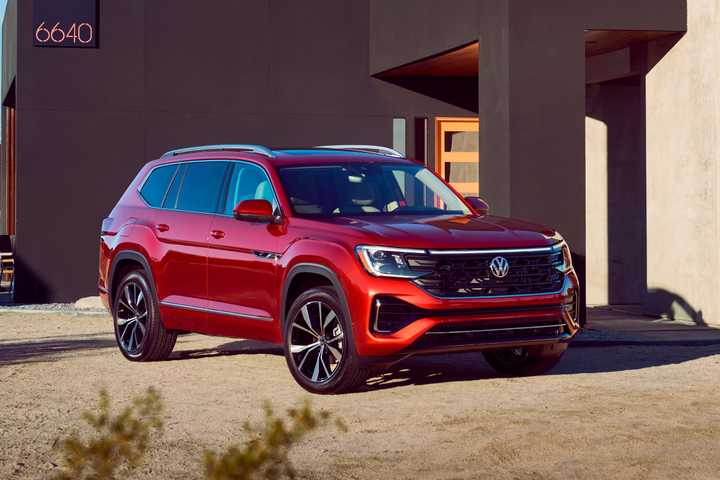
Under the hood, the 2026 Atlas uses a turbocharged 2.0-liter four-cylinder engine producing 269 horsepower and 273 pound-feet of torque, paired with an eight-speed automatic transmission and available with either front-wheel drive or Volkswagen’s 4Motion all-wheel-drive system. On paper, those figures are modest compared to some competitors—but outright performance isn’t the goal.

- Base Trim Engine
-
2L I4 ICE
- Base Trim Transmission
-
8-speed Tiptronic automatic
- Base Trim Drivetrain
-
All-Wheel Drive
- Base Trim Horsepower
-
269 HP @5500 RPM
- Base Trim Torque
-
273 lb.-ft. @ 1600 RPM
- Base Trim Fuel Economy (city/highway/combined)
-
18/25/20 MPG
- Make
-
Volkswagen
- Model
-
Atlas
- Segment
-
Midsize SUV
Reviews often highlight the linear power delivery, steady acceleration, and clean, unobtrusive gear changes. You could argue that this setup is intentional—prioritizing refinement over aggression—but it feels like Volkswagen has missed the mark slightly here. Unfortunately, the absence of a V6 derivative further dulls its pulling power, leaving the overall performance leaning towards being underpowered.
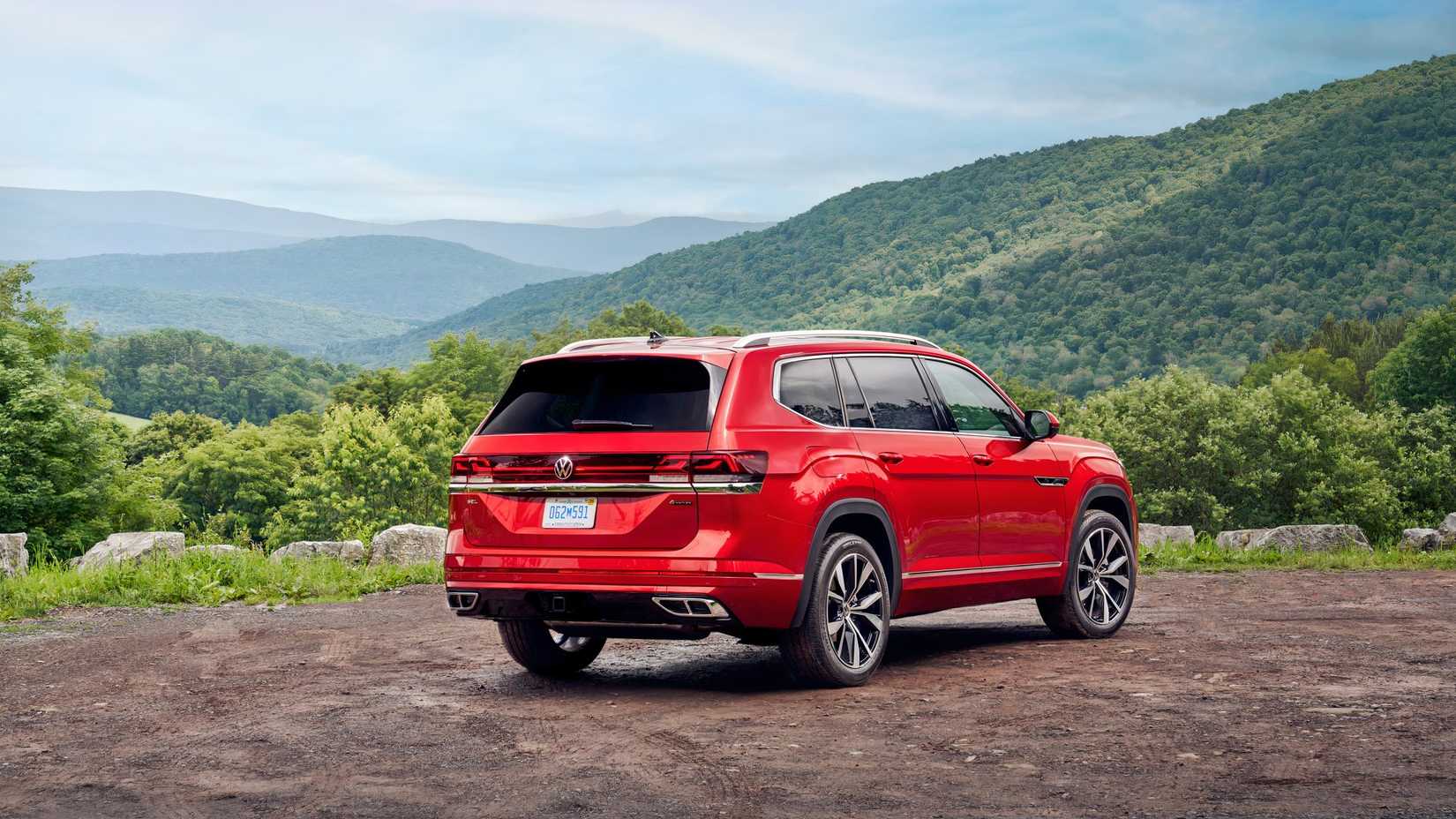
While it may not offer the highest level of power, you can rely on Volkswagen’s MQB platform; it’s a solid base. Fuel economy is also reasonable for a three-row SUV, with EPA estimates of around 20 mpg city and 27 mpg highway for front-wheel-drive models. Taken together, these elements define the Atlas.
The Most Comfortable SUVs For Long Road Trips In 2026
These select SUVs are built to make extended weekends as easy as possible.
How The Atlas Compares Within Volkswagen And Against Its Rivals
Why It Feels More Premium Than The Tiguan And Taos

Within Volkswagen’s SUV lineup, the Atlas sits at the top in both size and refinement. The Tiguan, while practical, is smaller; there’s no space at all for a bigger family. The Taos, positioned as an entry-level SUV, prioritizes affordability.
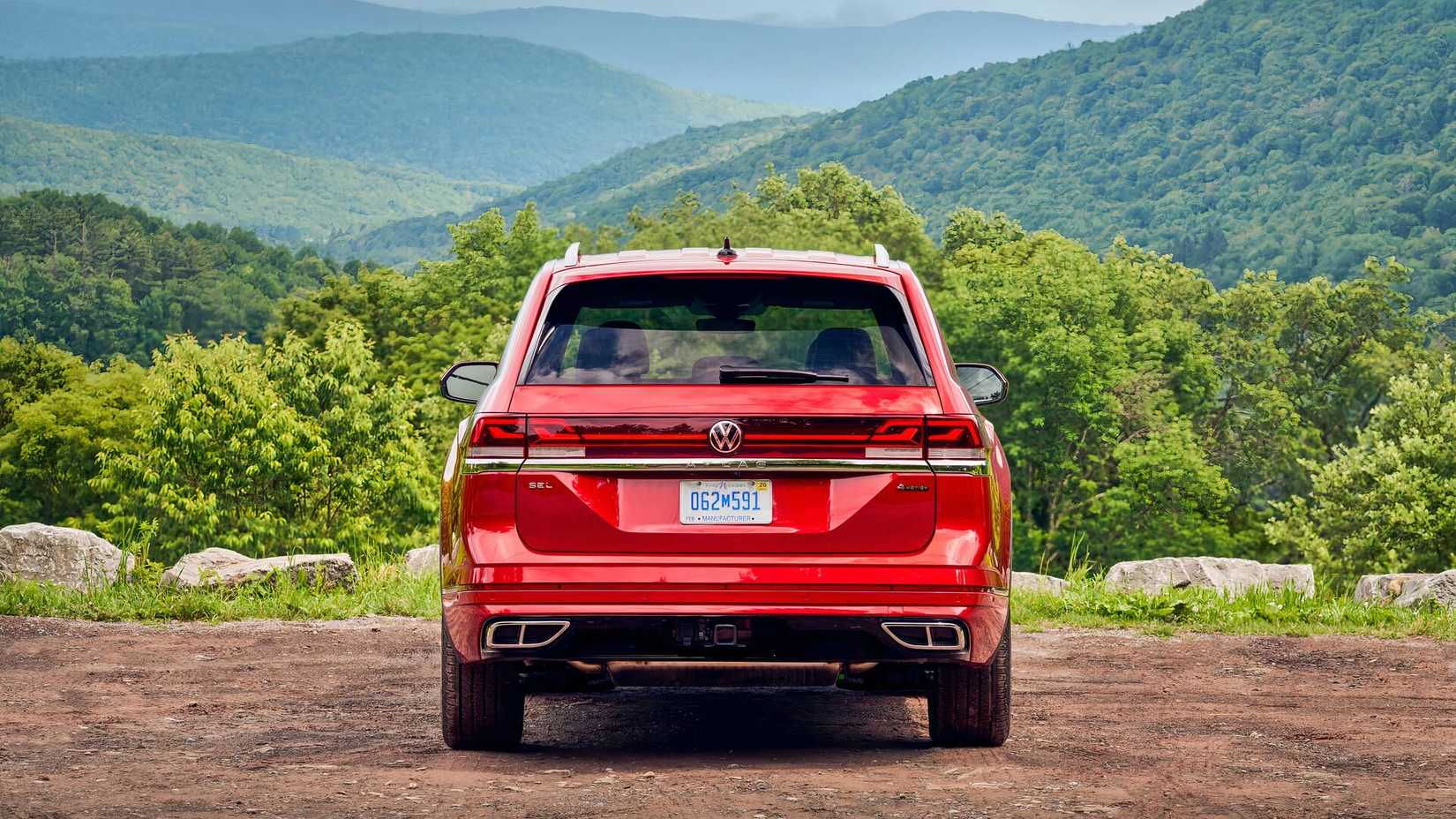
While it serves its purpose well, it isn’t designed to deliver a premium or highly refined experience, which may be a drawback for families seeking more comfort and luxury in their vehicle. It’s more of a budget-beater SUV. The Atlas benefits from its size and purpose. Its longer wheelbase and larger cabin enhance comfort, and its overall design prioritizes usability over cost-cutting.
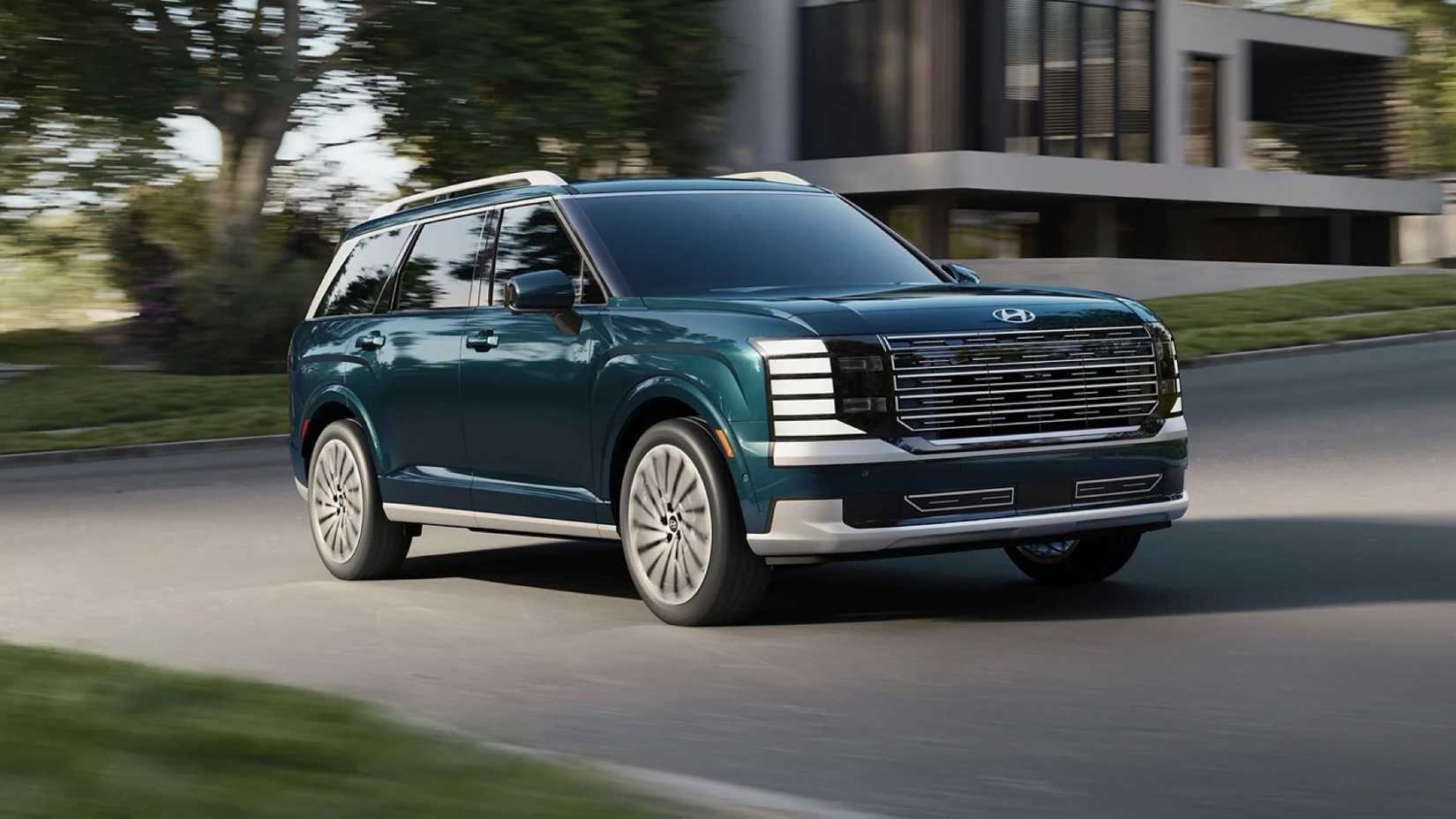
The Volkswagen Atlas comes in at around $39,300, undercutting most of its rivals, with the 2027 Kia Telluride starting at $39,190, the 2026 Hyundai Palisade at $39,435, and both the 2026 Honda Pilot and 2026 Toyota Grand Highlander higher at roughly $42,195 and $41,860, respectively. While all of them end up similarly priced when fully loaded, the Atlas stands out as a value-for-space option at the entry level rather than being the most expensive choice.
10 German SUVs With The Lowest Maintenance Costs In 2025
German SUVs aren’t renowned for being cheap to maintain, but these 10 German SUVs have the lowest maintenance costs out of all of the 2025 models.
What The 2027 Volkswagen Atlas Will Change
More Technology, A New Direction, And A Bigger Shift
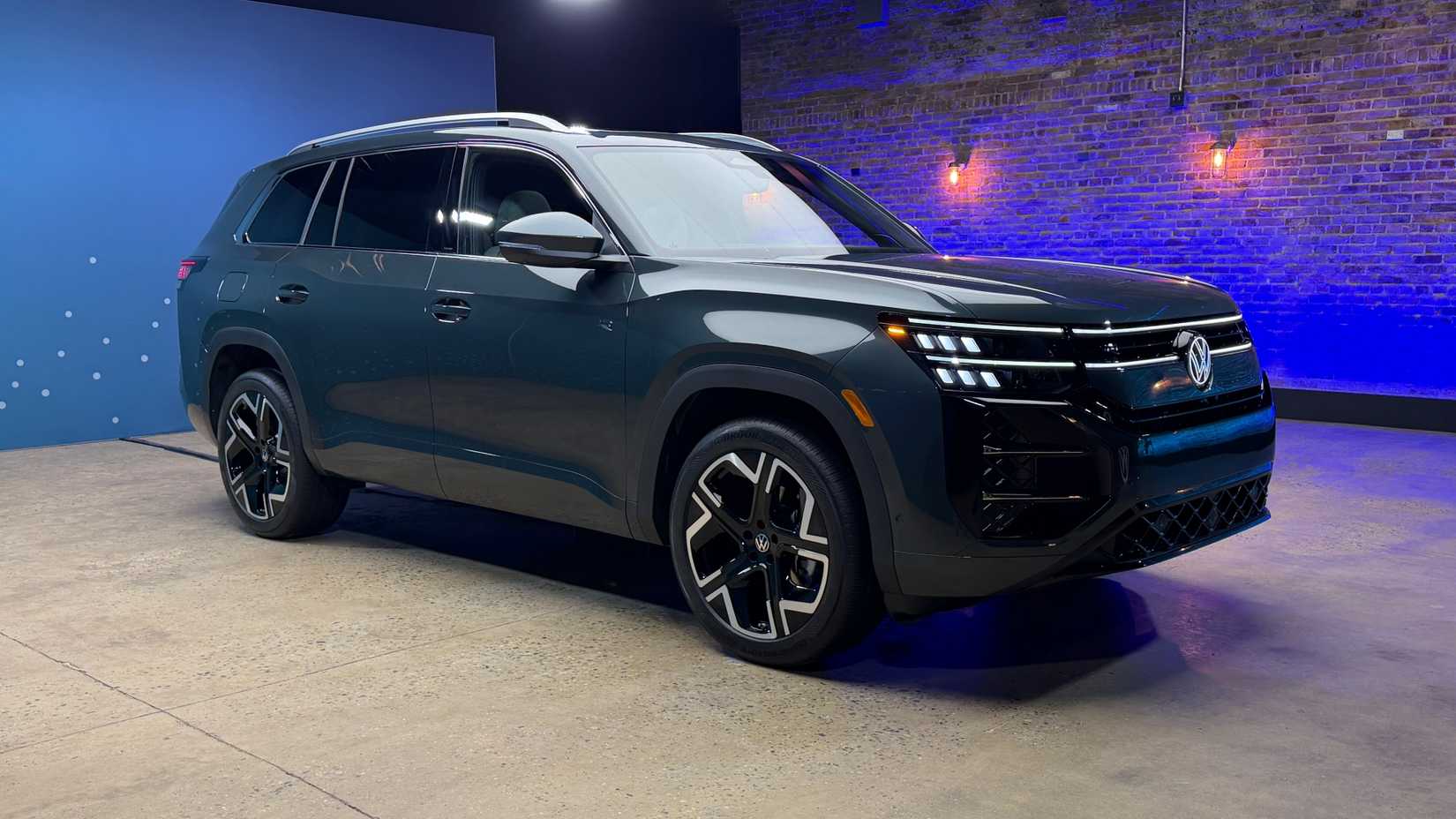
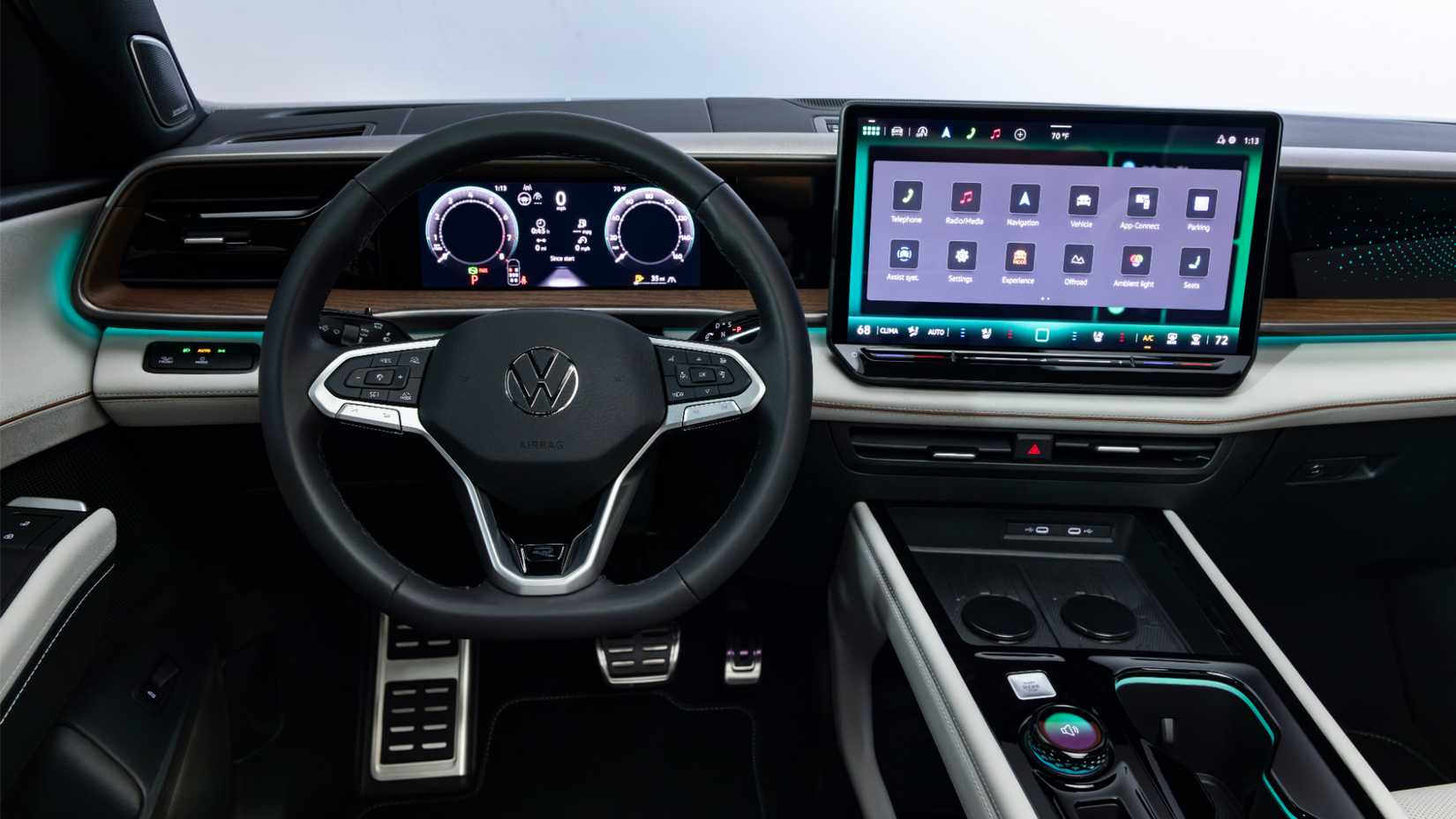
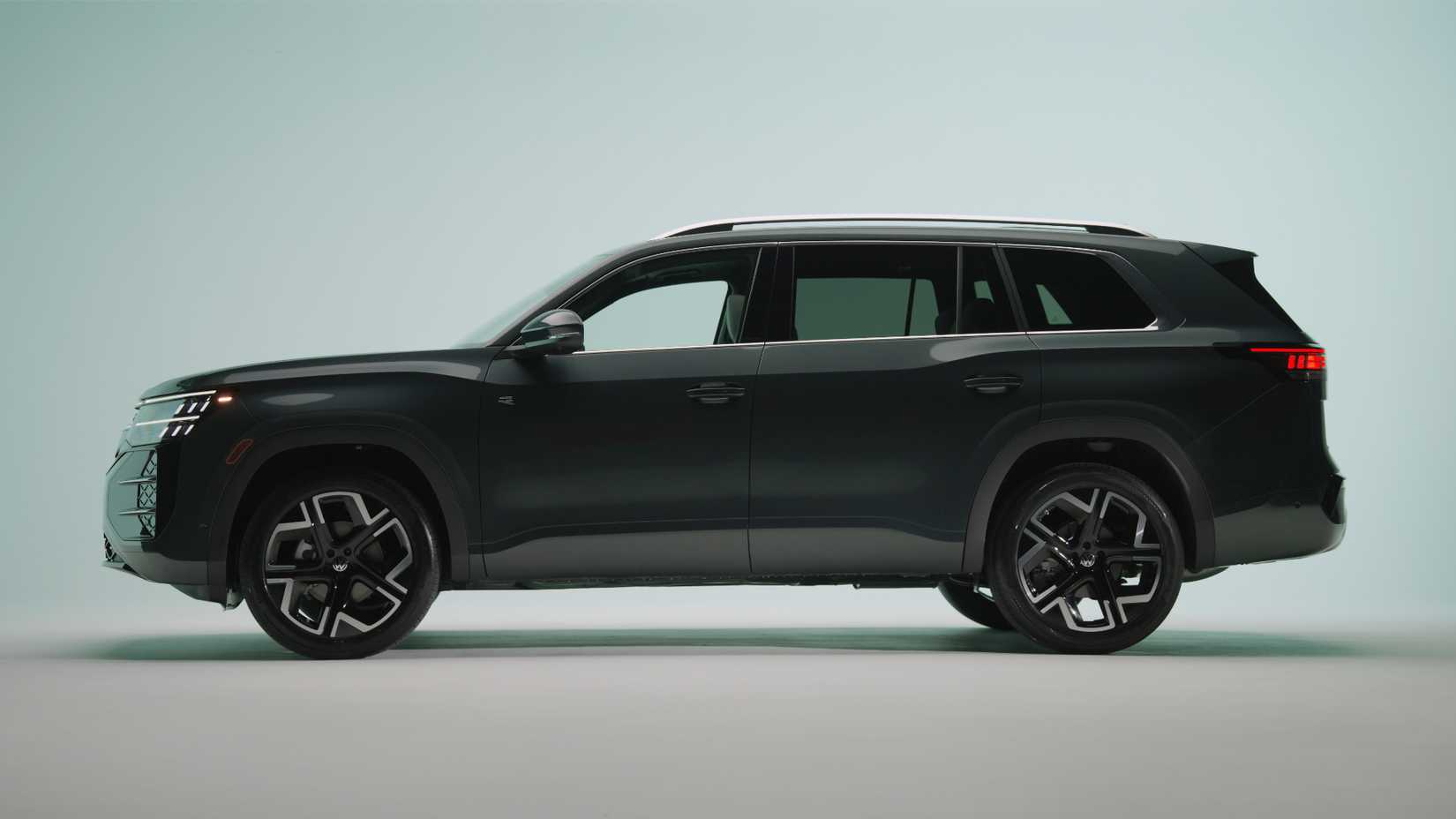
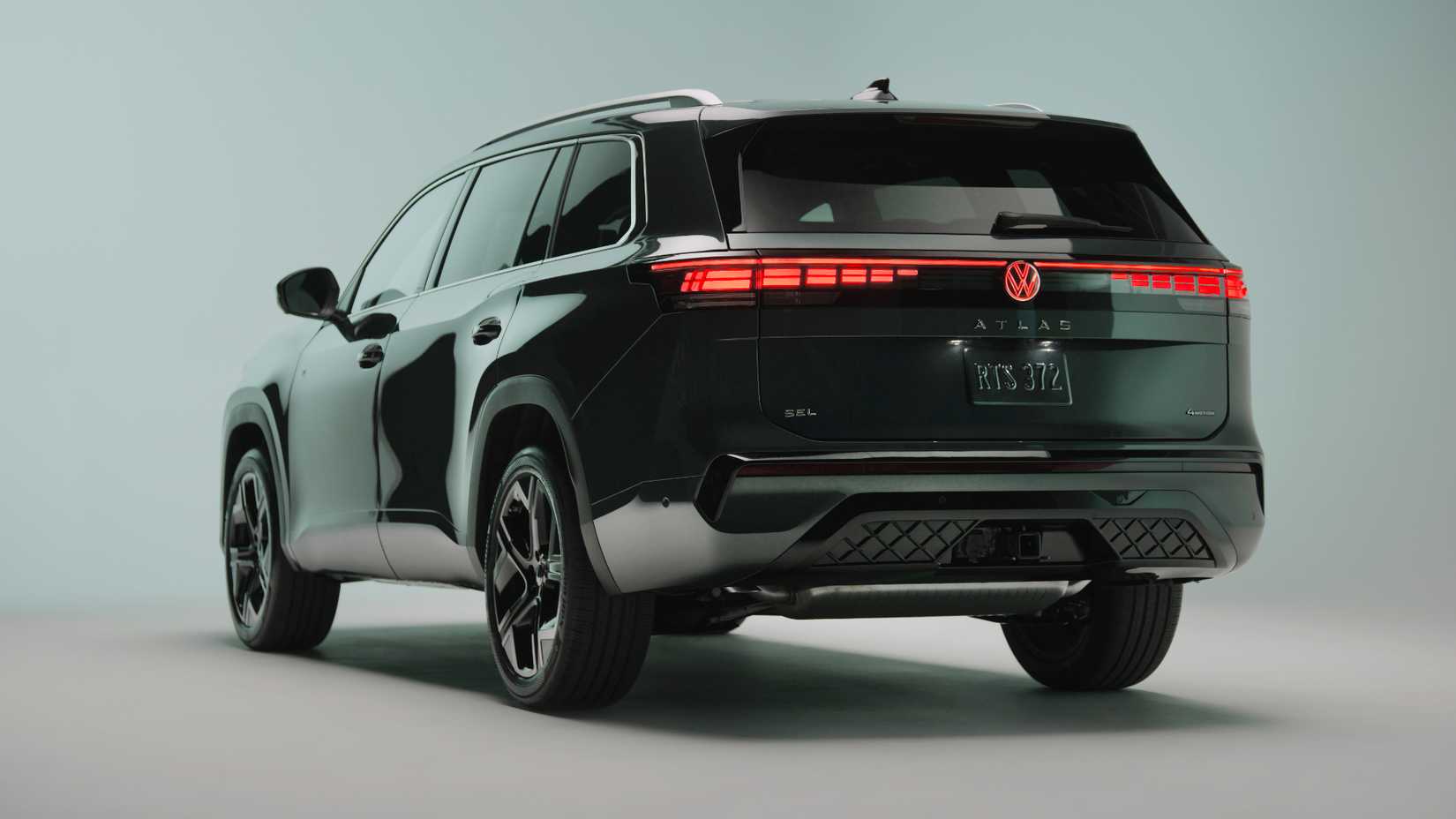
Volkswagen is taking the Atlas in a noticeably more modern direction for 2027. The next generation introduces sharper styling, a more digital cabin, and a clear shift toward a tech-led user experience. Larger displays, fewer physical controls, and deeper software integration all point to an SUV that’s trying to feel more premium and connected than before.
Volkswagen
Inside, the transformation is especially clear. The new interface leans heavily on touchscreens and digital menus, aligning the Atlas with Volkswagen’s latest global products. It’s cleaner and more contemporary, but also less tactile—something that may divide opinion among buyers who value straightforward usability over layered menus and touch inputs.
Under The Bonnet, The Approach Is More Conservative
Volkswagen
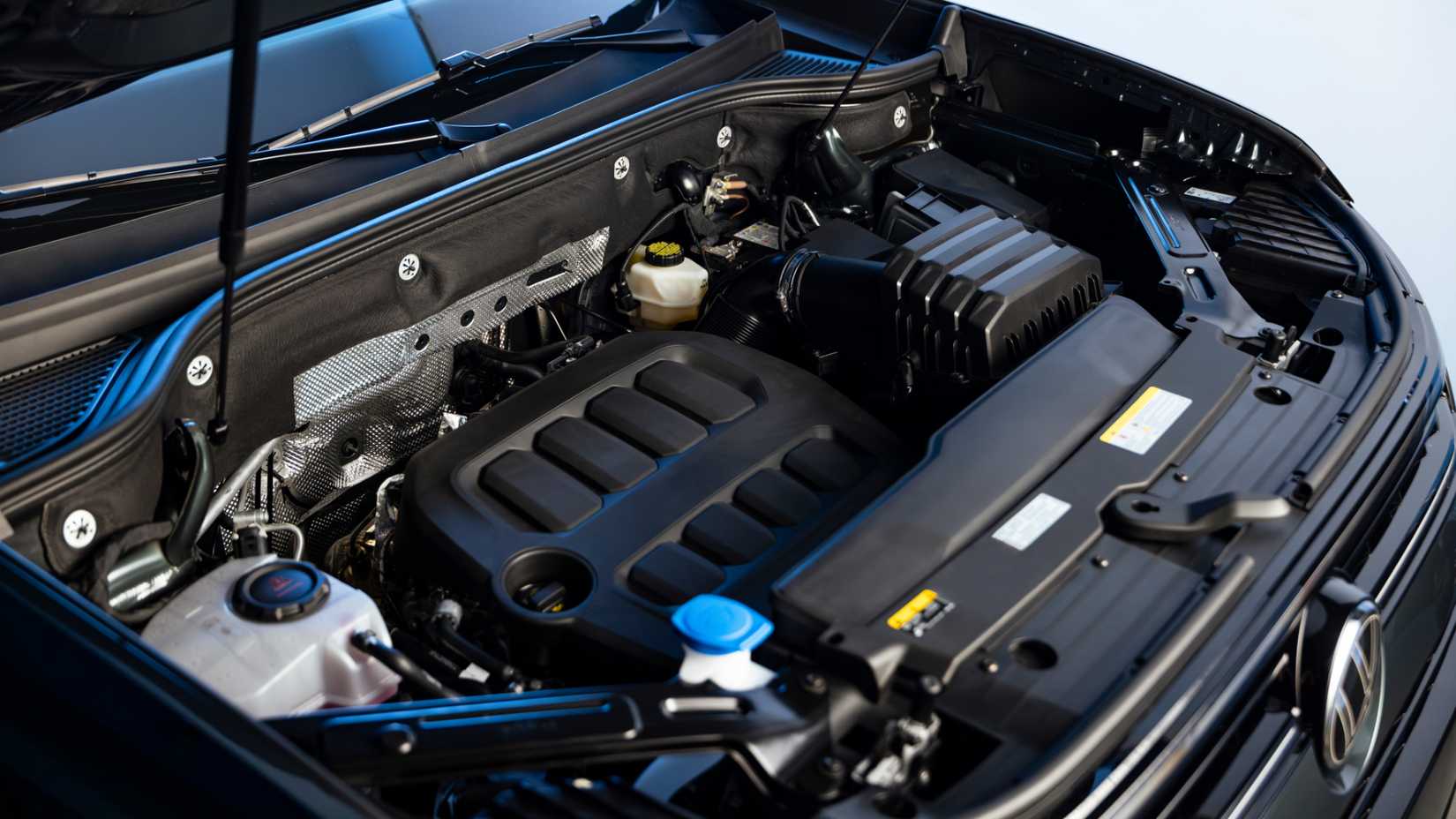
The familiar turbocharged engine carries over with modest improvements in power and efficiency. It’s smoother and slightly more refined but still prioritizes comfort over outright performance. That core character doesn’t change.
Crucially, there’s no hybrid option at launch. Volkswagen has confirmed that electrification is part of the Atlas roadmap, but a hybrid variant is expected to arrive later in the model cycle rather than from day one. When it does, it should address two of the Atlas’s long-standing weaknesses—fuel efficiency and low-end response—but for now, buyers are limited to the traditional petrol setup. The SUV continues to ride on the Volkswagen Group MQB platform, which remains one of its strongest assets.
Where Things Get More Complicated Is Pricing
Volkswagen
With more technology and a push toward a more premium feel, the Atlas is expected to move further upmarket. And that’s where the trade-off becomes harder to ignore. A higher price point may start to deter buyers who were originally drawn to its simplicity and value.
Volkswagen
With the 2027 Atlas on the horizon, buyers face a simple choice. Wait for more technology—or choose something that already works. The next Atlas may be more advanced. But the current one might just be the better everyday SUV.
Sources: Volkswagen, Edmunds, The EPA