
If you want an unadulterated driving experience, nothing is quite as rewarding as a naturally aspirated sports car. Turbos and hybrids are cool, but these technological advancements often dilute the driving experience. Sports cars should naturally get faster over time, but why must the purity of driving come as a sacrifice? Over many decades now, we have learned that slapping on a turbo setup doesn’t explicitly make a sports car more rewarding. Performance is important, but it is not as meaningful as driving engagement.
Throughout history, naturally aspirated machines have been the standard for driving excellence. A true sports car values driving engagement as its primary focus without the aid of electrification or turbocharging. This is unquestionably hardcore considering current market trends in the performance segment. Whether you hit the track regularly or not, naturally aspirated sports cars provide that one-to-one feeling that makes every drive feel like a special occasion. Let’s discuss why naturally aspirated sports cars still feel special in today’s market.
Why Naturally Aspirated Sports Cars Matter
Legends aren’t built overnight, and naturally aspirated sports cars are no exception. Over the last few decades, many of the greatest sports cars produced have all been naturally aspirated models.
The Heritage Of Naturally Aspirated Sports Cars
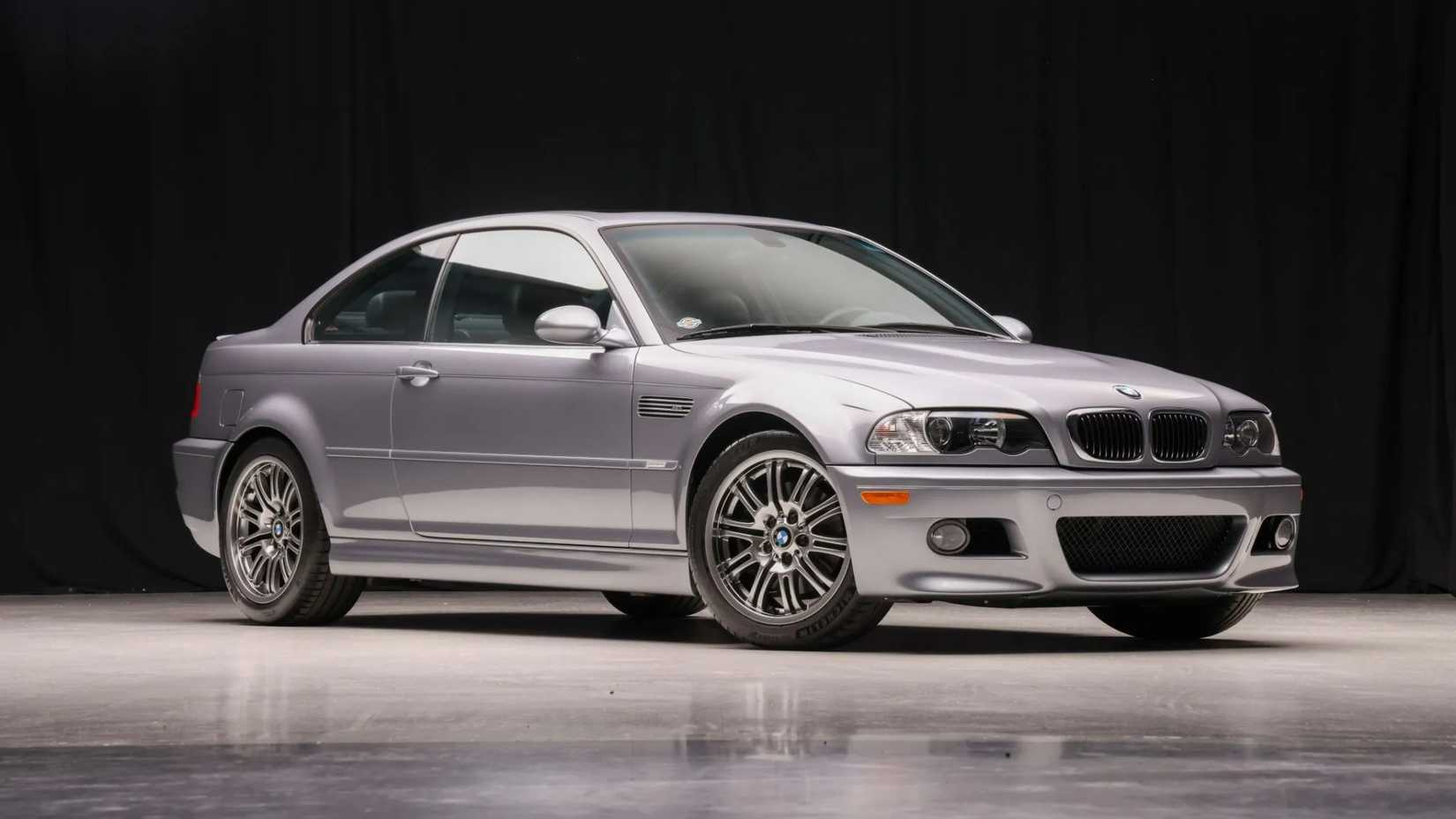
Many naturally aspirated sports cars often find their origins in motorsport, like the iconic BMW E46 M3. Though performance is critical in racing, durability is also just as important. Though turbocharging provides many performance benefits, the increased heat and complexity of turbocharging mean it is often more expensive and less reliable compared to a naturally aspirated system. It doesn’t matter how fast you are going if you don’t finish the race. That’s why the beauty of naturally aspirated engines is their simplicity.
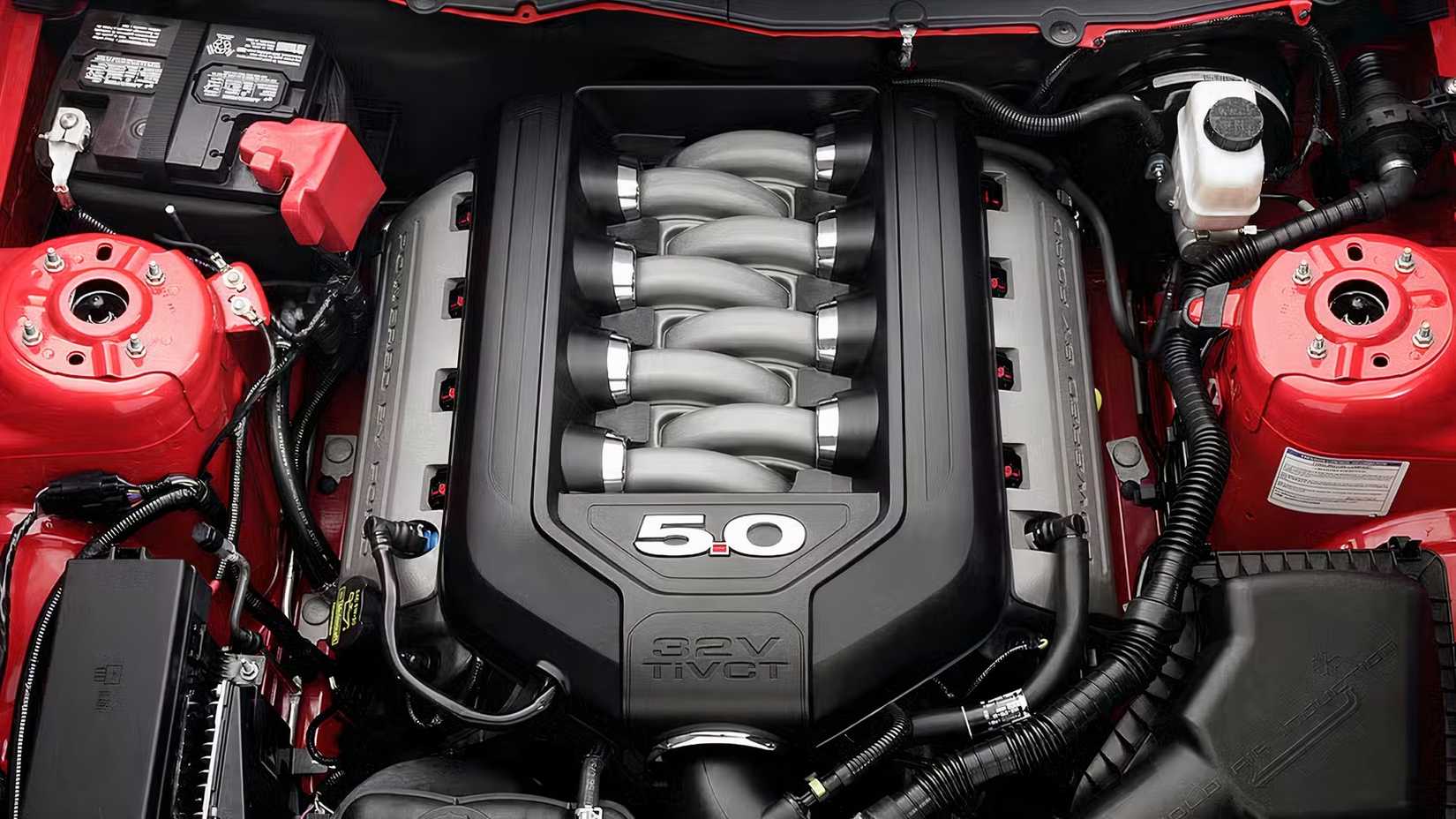
This simplicity means that race cars equipped with naturally aspirated engines can be converted for road use with minor modifications. The result is that naturally aspirated sports cars have a raw and analog feeling, a highly sought-after trait by enthusiasts. Most naturally aspirated sports cars are not built by suits and marketers in a corporate office, but rather are direct descendants of competition machinery.
More Technology Doesn’t Make Sports Cars Better
Another factor that affects the purity of the driving experience is weight. Weight savings are a primary focus for race cars because weight affects all aspects of performance. Turbocharging means adding more weight, and if the power gains don’t overcome the weight penalty, you have effectively built a slower car by adding more components. This is exponentialized with technologies like AWD and hybrid systems.
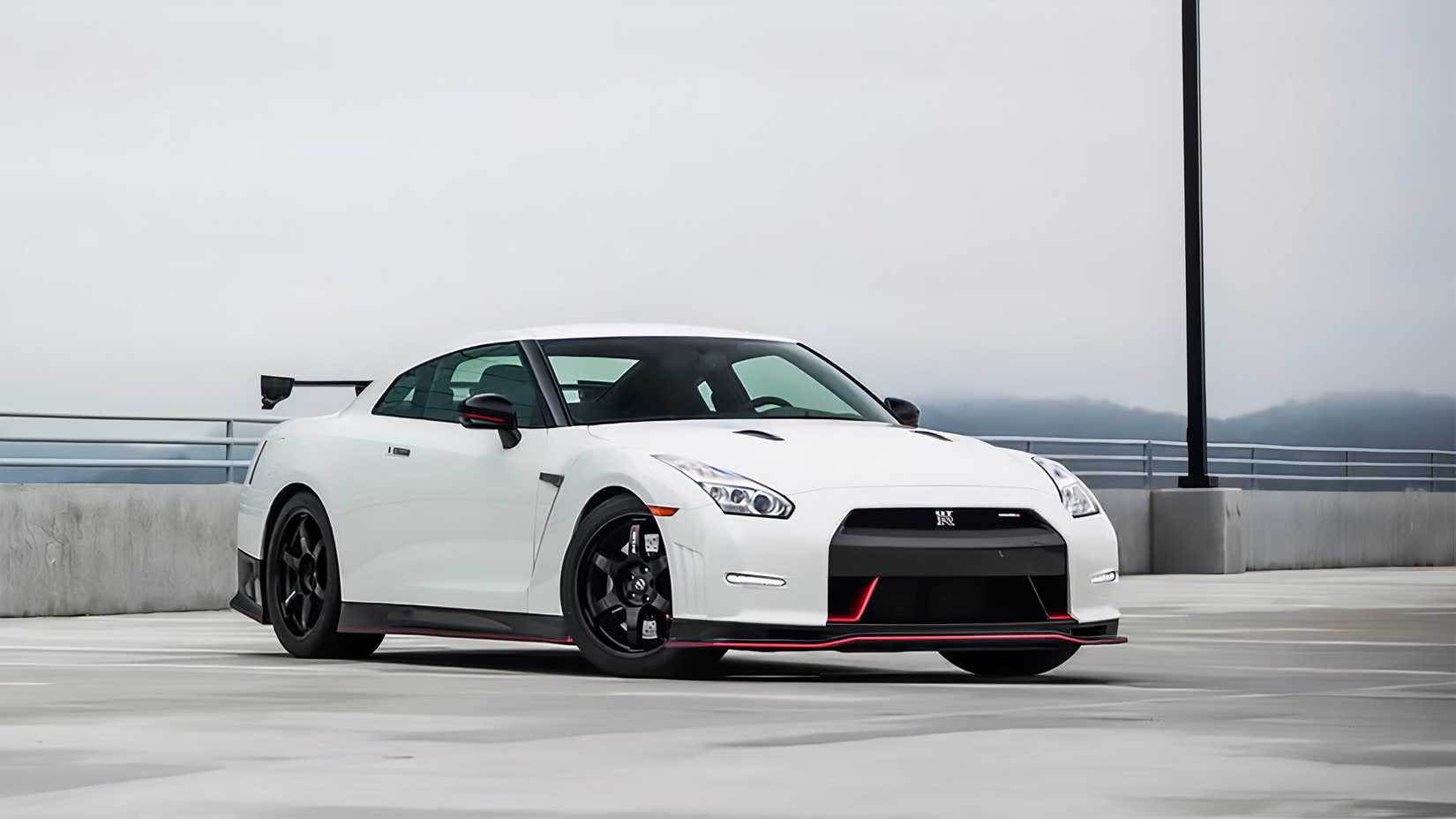
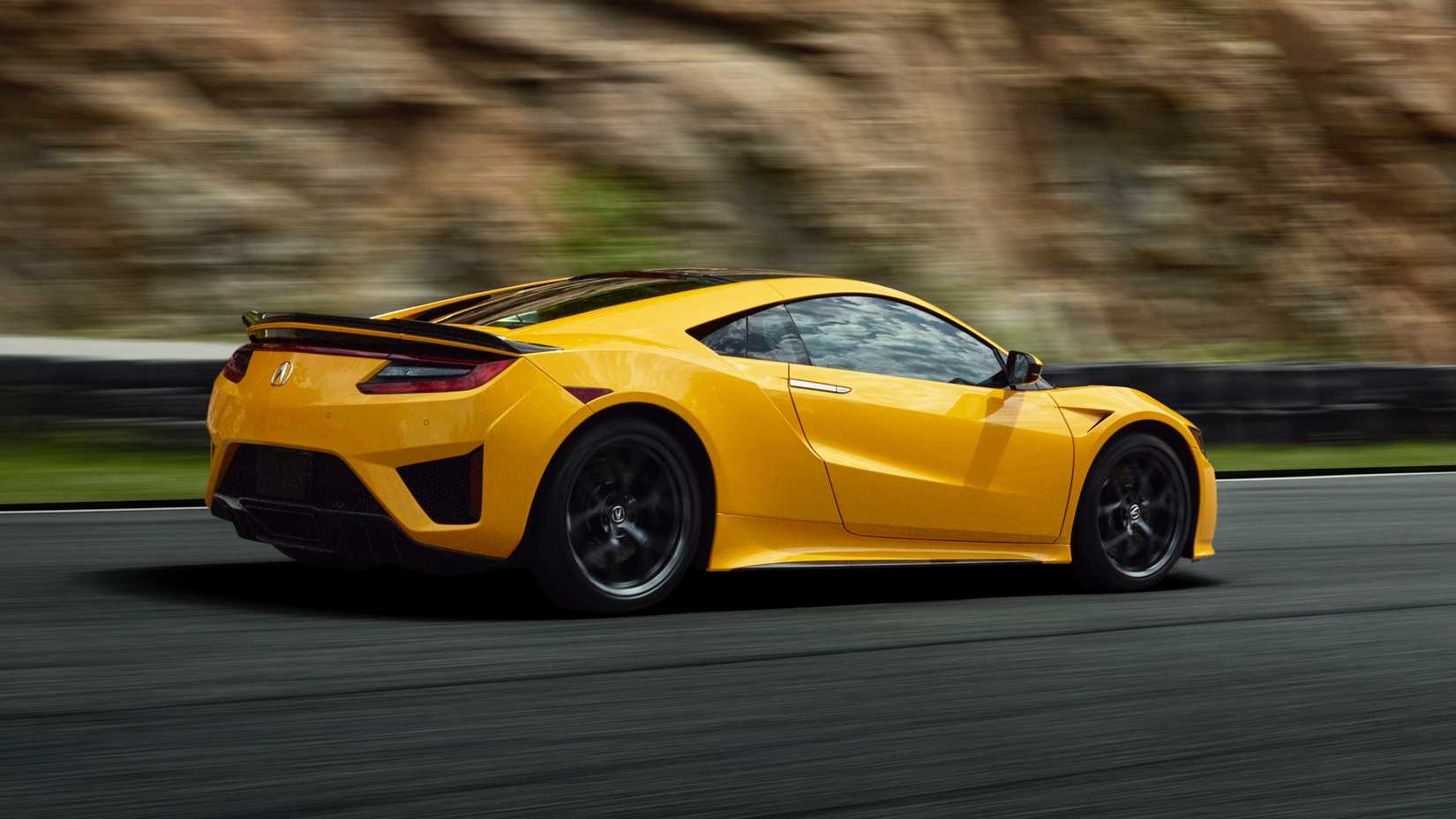
That’s why cars like the Nissan R35 GT-R and second-generation Acura NSX were so heavily criticized by enthusiasts. They added weight and driving aids for the sake of increased performance figures — a big no-no if you actually care about how driving feels. Sure, these cars may be more powerful and efficient than their predecessors, but was losing their soul a requirement? When you consider how turbocharging kills the sound of an engine as well, look at the 2026 BMW M5; the downsides of adding complex performance fluff only become more apparent.
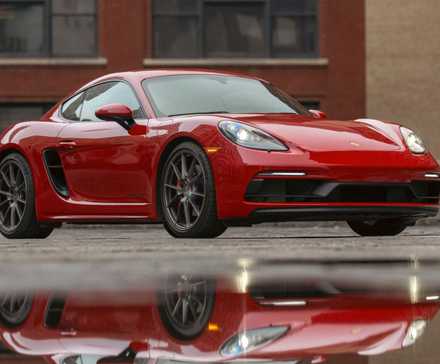
The Sports Car With Everyday Comfort And Weekend Track Talent
The Porsche 718 Cayman GTS 4.0 proves that a true sports car can deliver everyday comfort and uncompromising track performance.
The Porsche 911 GT3 Is The Ultimate N/A Sports Car
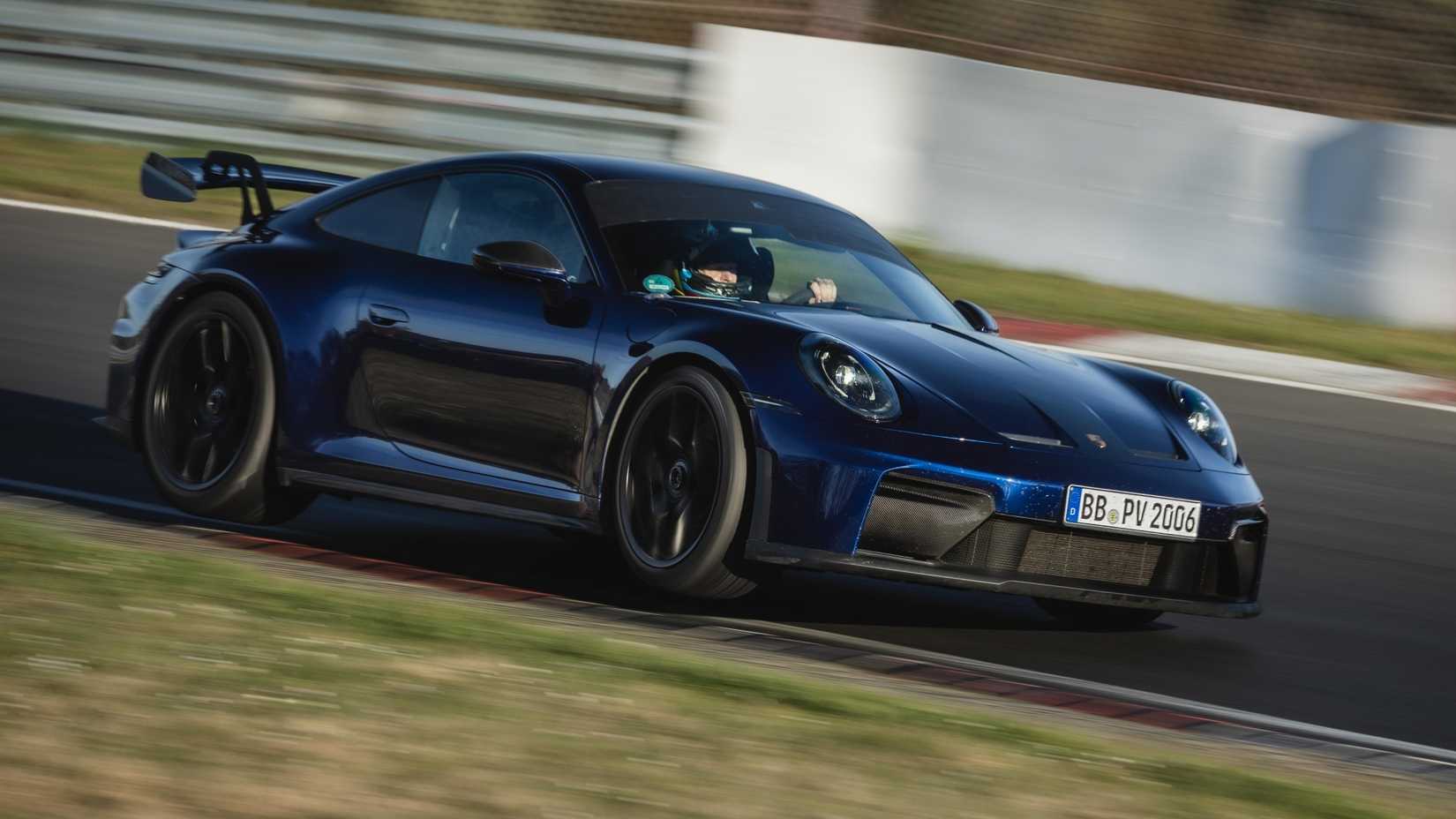
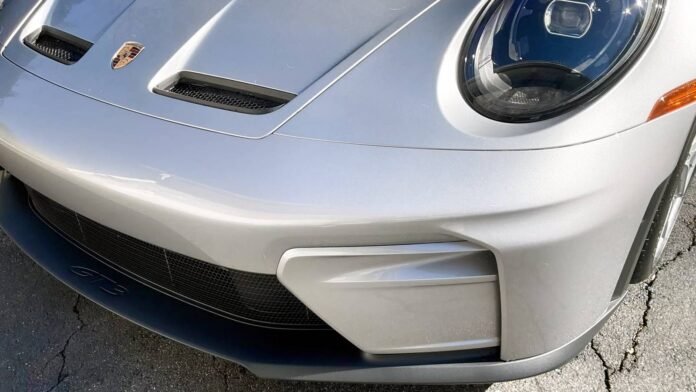
If you want an unadulterated driving experience devoid of hybrid systems and turbos, few cars fit the bill better than the 2026 Porsche 911 GT3. The Porsche 911 is the standard for driving excellence, and the GT3 model is the ultimate modern and analog Porsche 911 experience.
Engine, Gearbox, And Driving Dynamics
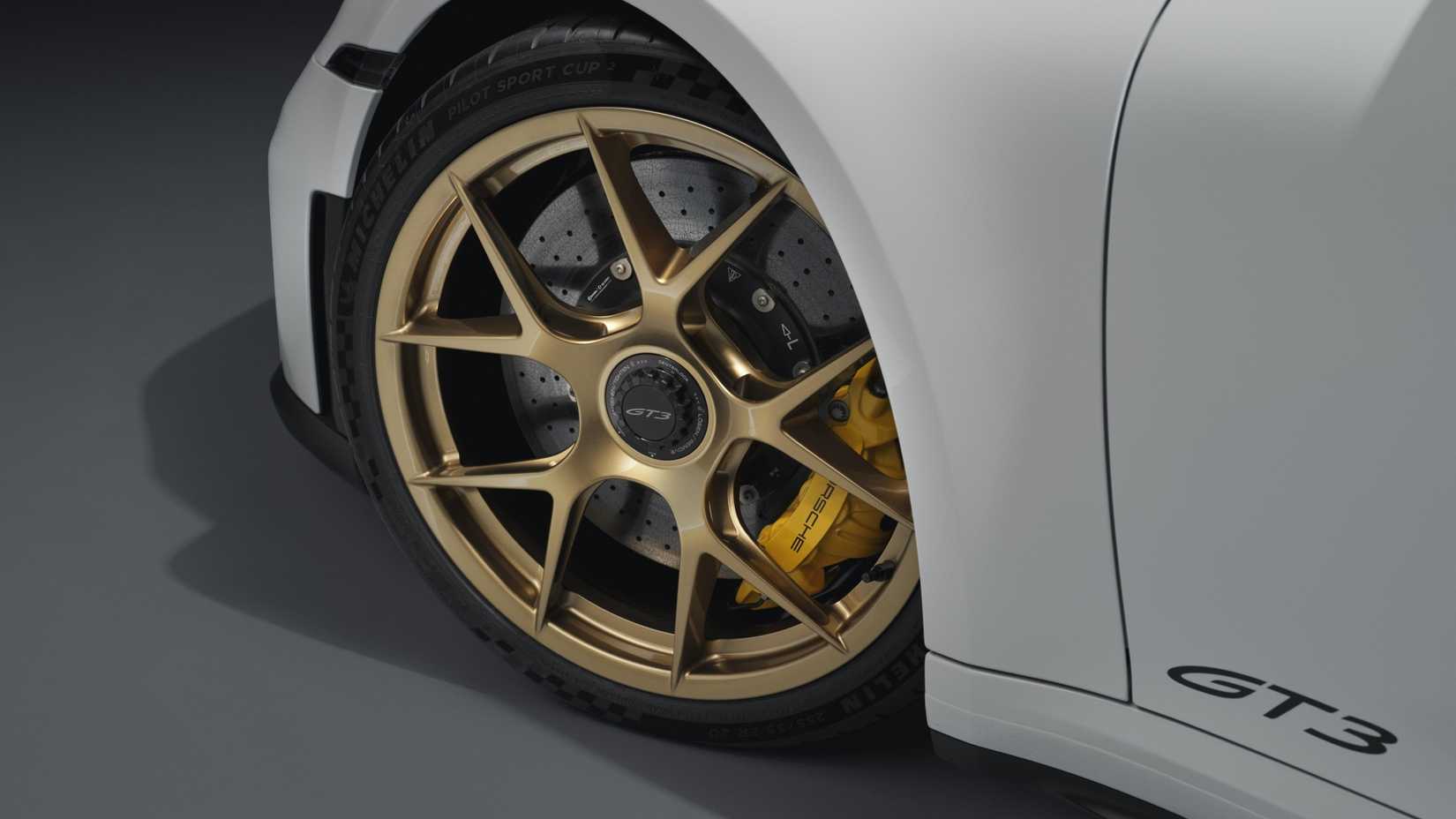
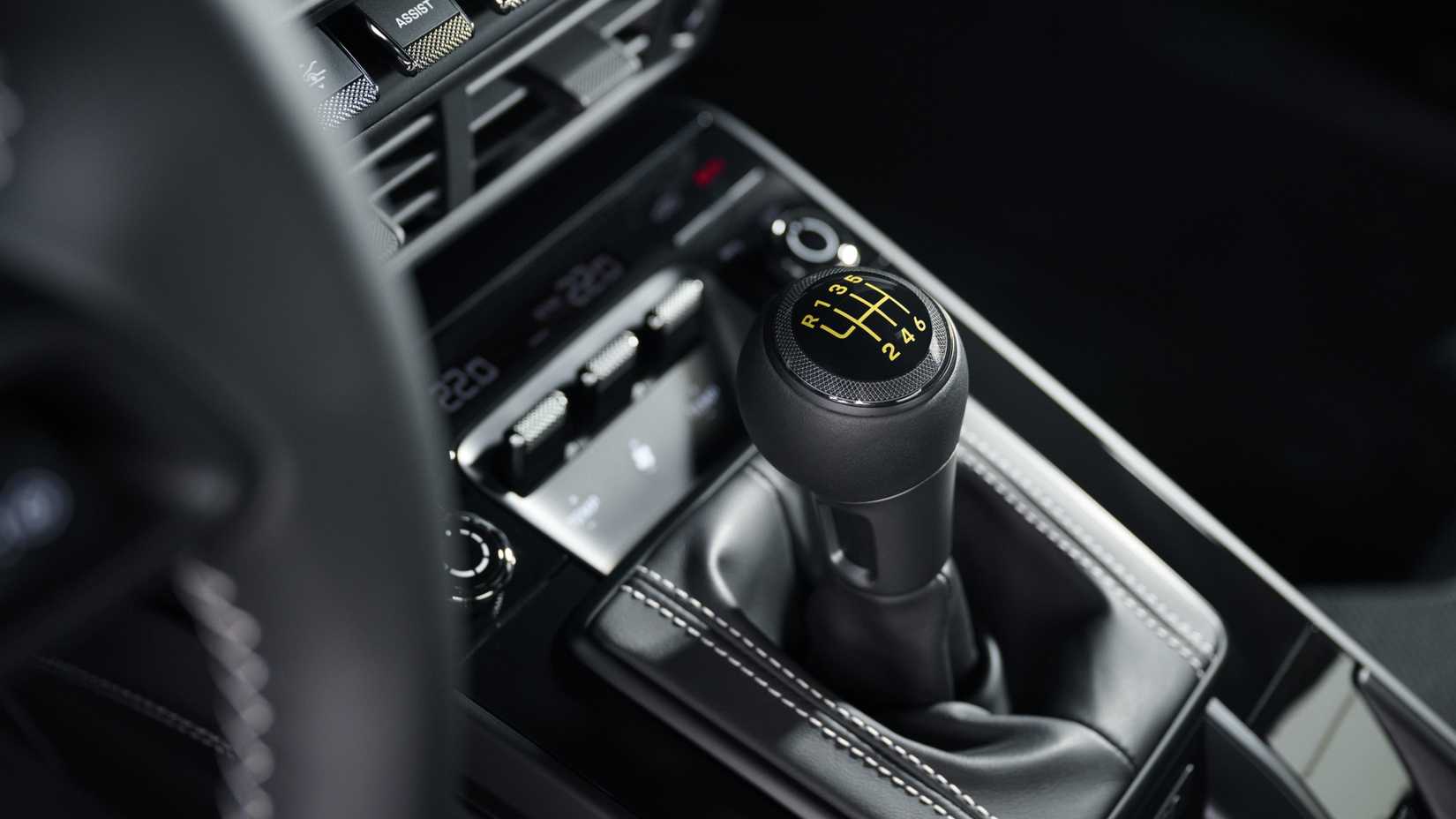
The 992 911 GT3 offers a 4.0-liter naturally-aspirated flat-six with 502 horsepower and 331 pound-feet of torque, capable of taking this Porsche to a 193 MPH top speed. The RWD-only GT3 has incredible standstill traction and can reach 60 MPH in 3.2 seconds. The six-speed manual transmission is the clear winner for drivers who want the ultimate responsiveness, but the optional seven-speed PDK is lightning quick. We are firm believers that if you are buying a GT3, it has to be a manual. If you want a PDK, you may as well opt for the Porsche 911 GT3 RS.
The aerodynamic efficiency of the 911 GT3 is also one of its greatest strengths, with several GT3 RS-derived technologies utilized. The mechanical grip of a 911 GT3 is a sight to behold, providing high-speed confidence in even the most daunting corners. The rear-engine rear-wheel drive layout provides a playful and direct sensation to the driver, but it never feels unbalanced or unpredictable. The setup of the 911 GT3 just feels so right once behind the wheel because each of these dynamic elements functions in unison in order to craft a perfect driving experience.
A Chassis Built For Responsiveness
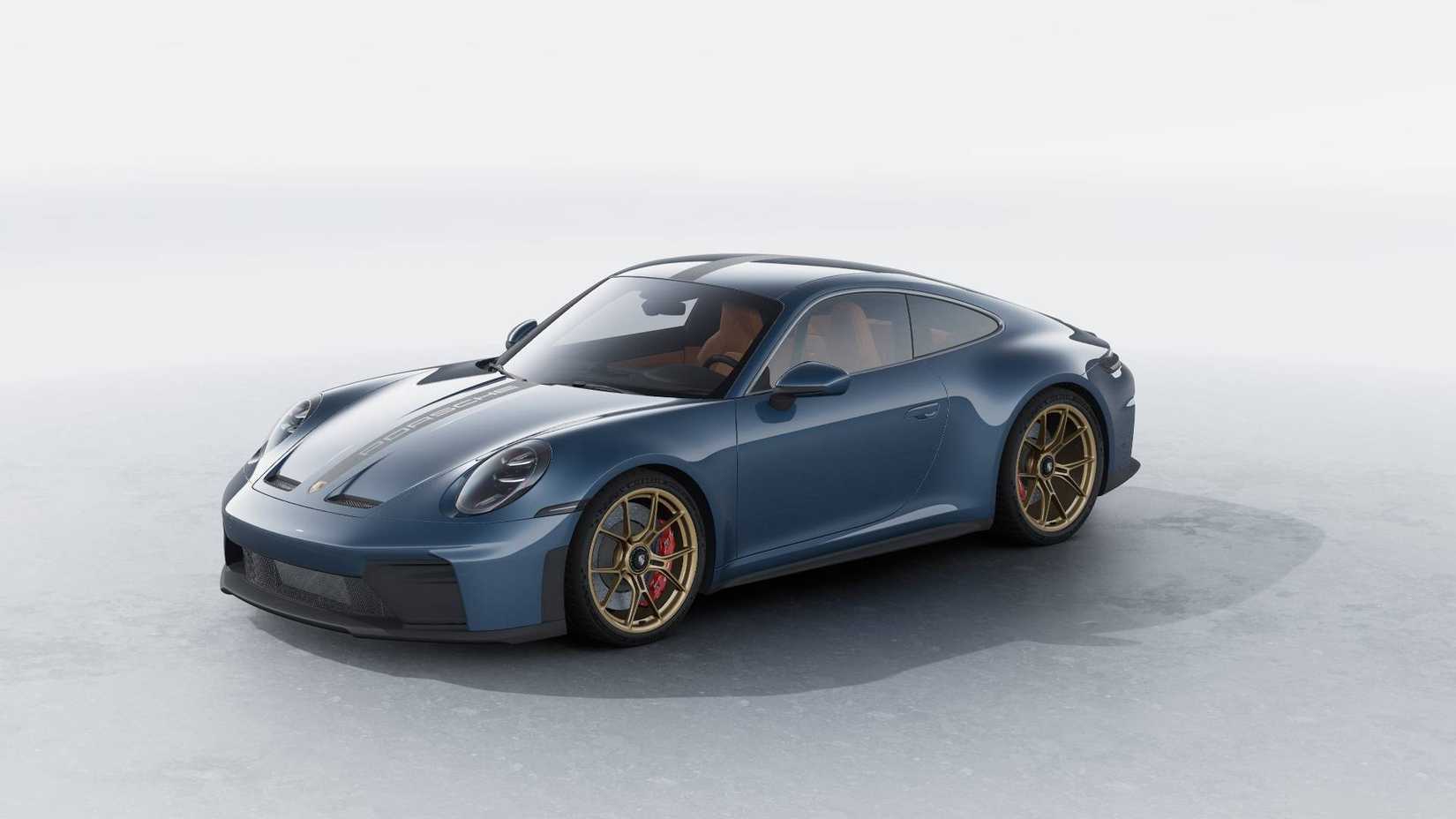
Maybe just as important as the 911 GT3’s iconic naturally-aspirated engine is its superbly balanced chassis. Being the descendant of pure racing technology, the 911 GT3 is set up stiff, but compliant. Further balance can be adjusted on the fly via driving modes (normal, sport, and track), along with an individual mode that lets you mix and match settings. The PASM (Porsche Active Suspension Management)-equipped suspension system is 20 millimeters lower than a standard Porsche 911’s, providing additional grip.
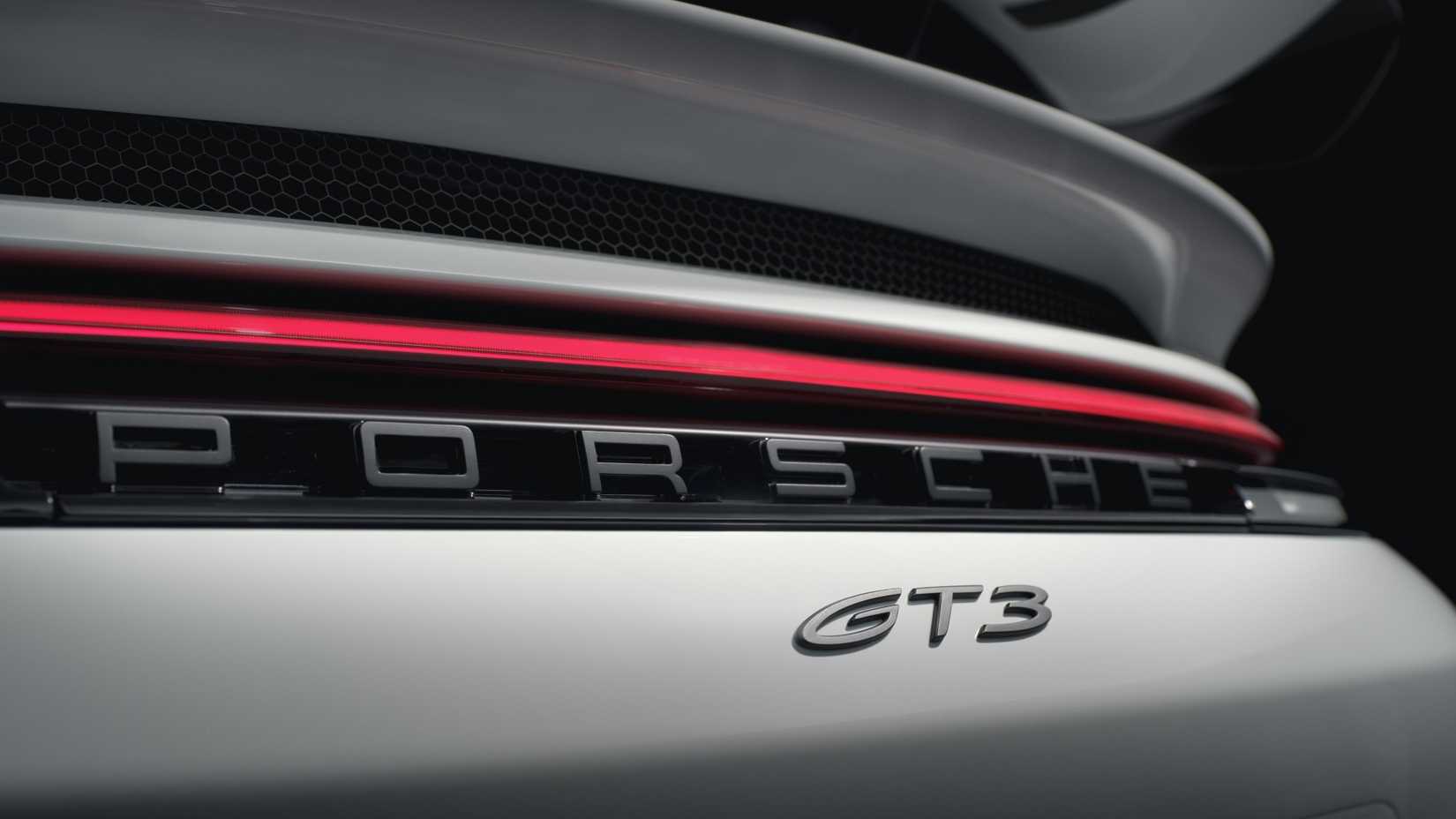
The 911 GT3 features massive 408mm front rotors with six-piston calipers, along with 380mm rear rotors with four-piston calipers. The result is a rock-hard and unwavering pedal feel that can only be bested by the optional Porsche Ceramic Composite Brake (PCCB) system. Pirelli has even developed a bespoke tire package specifically for the 911 GT3: the P Zero R for all-weather conditions and the semi-slick Trofeo RS.
10 Classic Sports Cars Still Worth Considering Over The Porsche 911 In 2025
These are the ten cars that will feel more special for the same price.
Why The Porsche 911 GT3 Is So Special
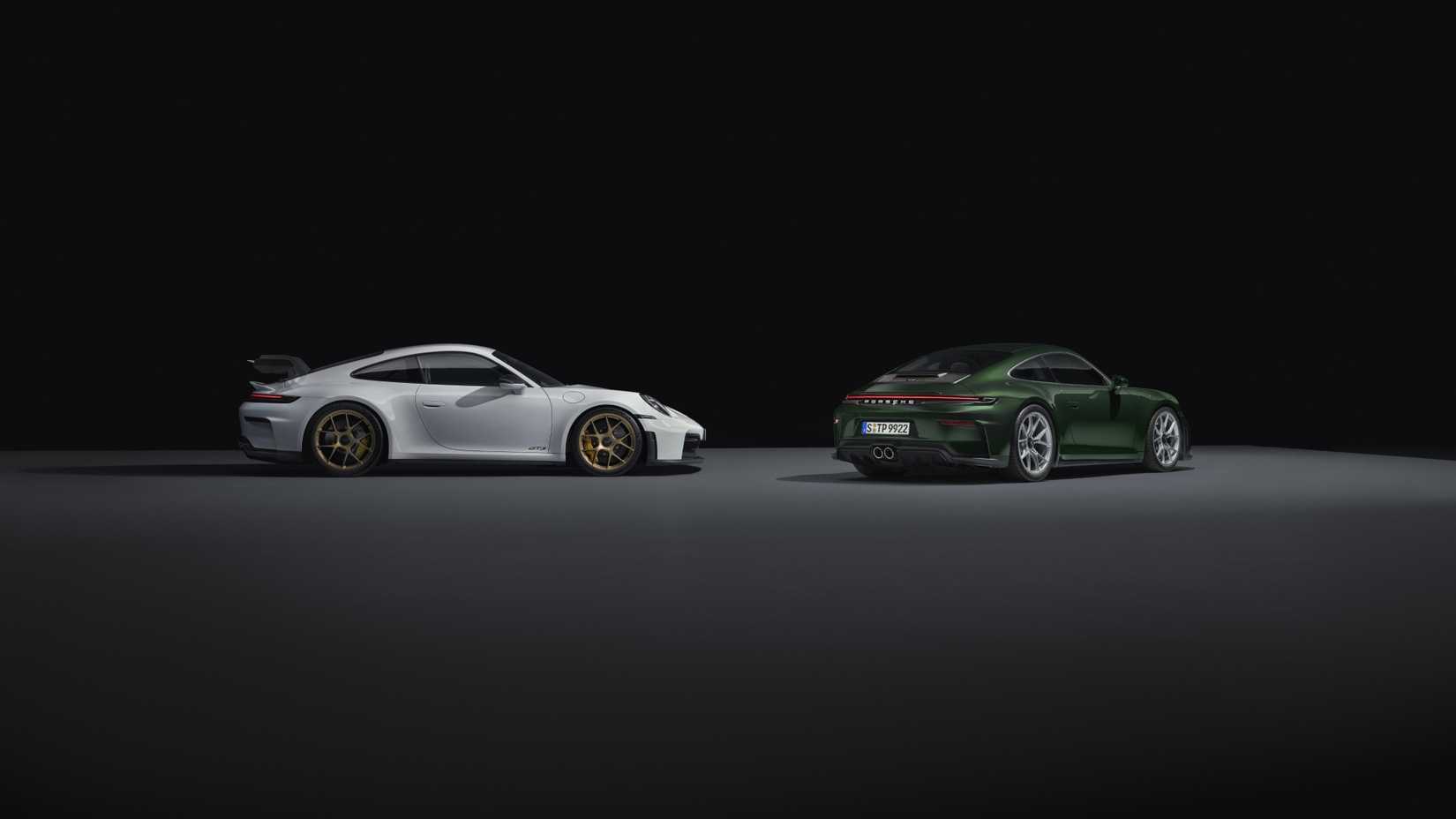
The 2026 Porsche 911 GT3 remains special today because it never lost sight of its core values. The 911 GT3 prioritizes the direct connection to the driver by providing excellent feedback, predictability, and an unforgettable soundtrack.
Why Engaging Sports Cars Matter
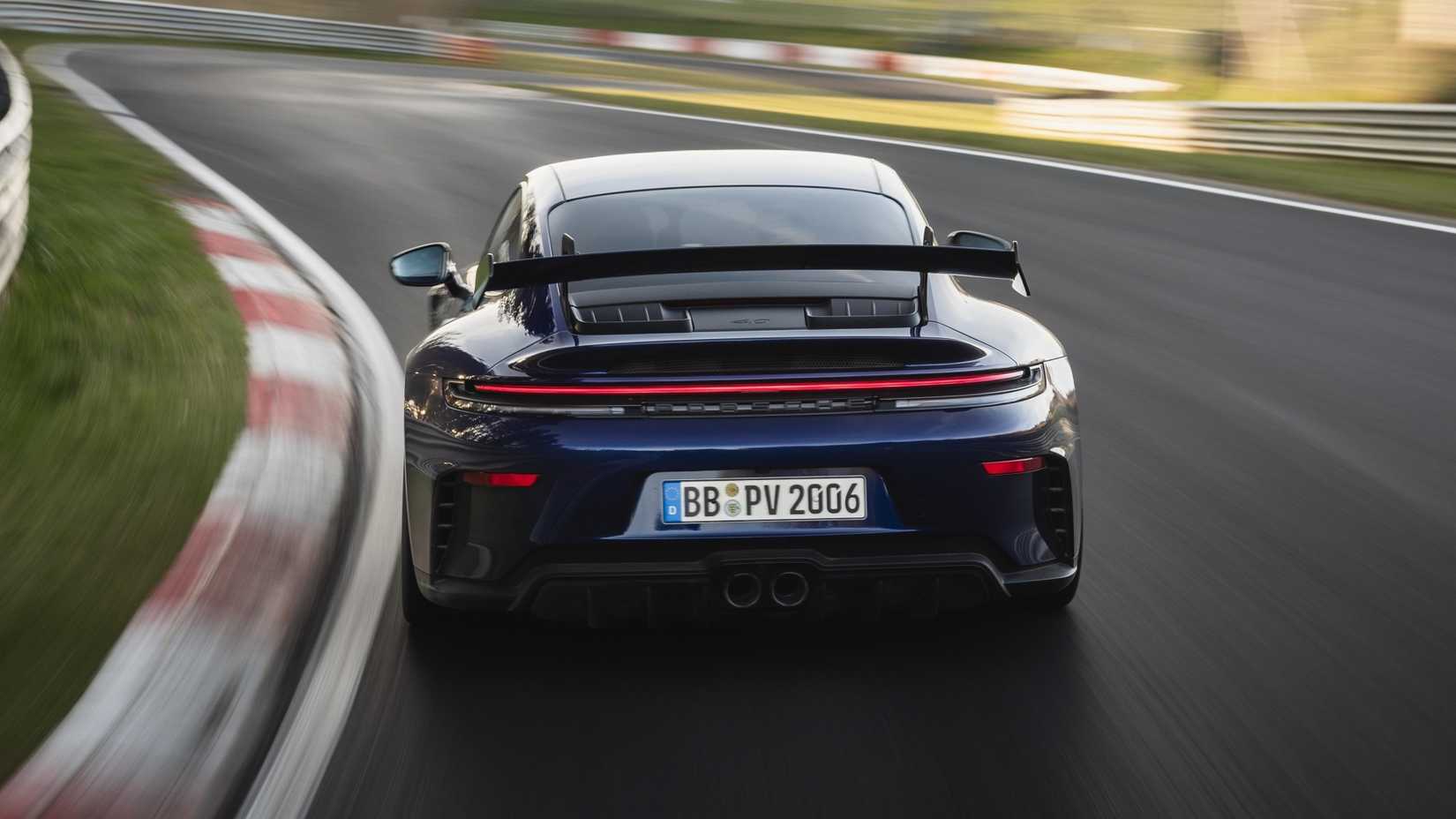
If there is anything that the last two decades of automotive engineering have taught us, it’s that performance figures only tell part of the story. Anybody can stick a 1,000-horsepower engine in a car with some big tires and good suspension and say they have the best driving sports car ever. The reality is that the end product is often diluted and numbed for the sake of performance. The Porsche 911 GT3, conversely, is anti-obfuscation.
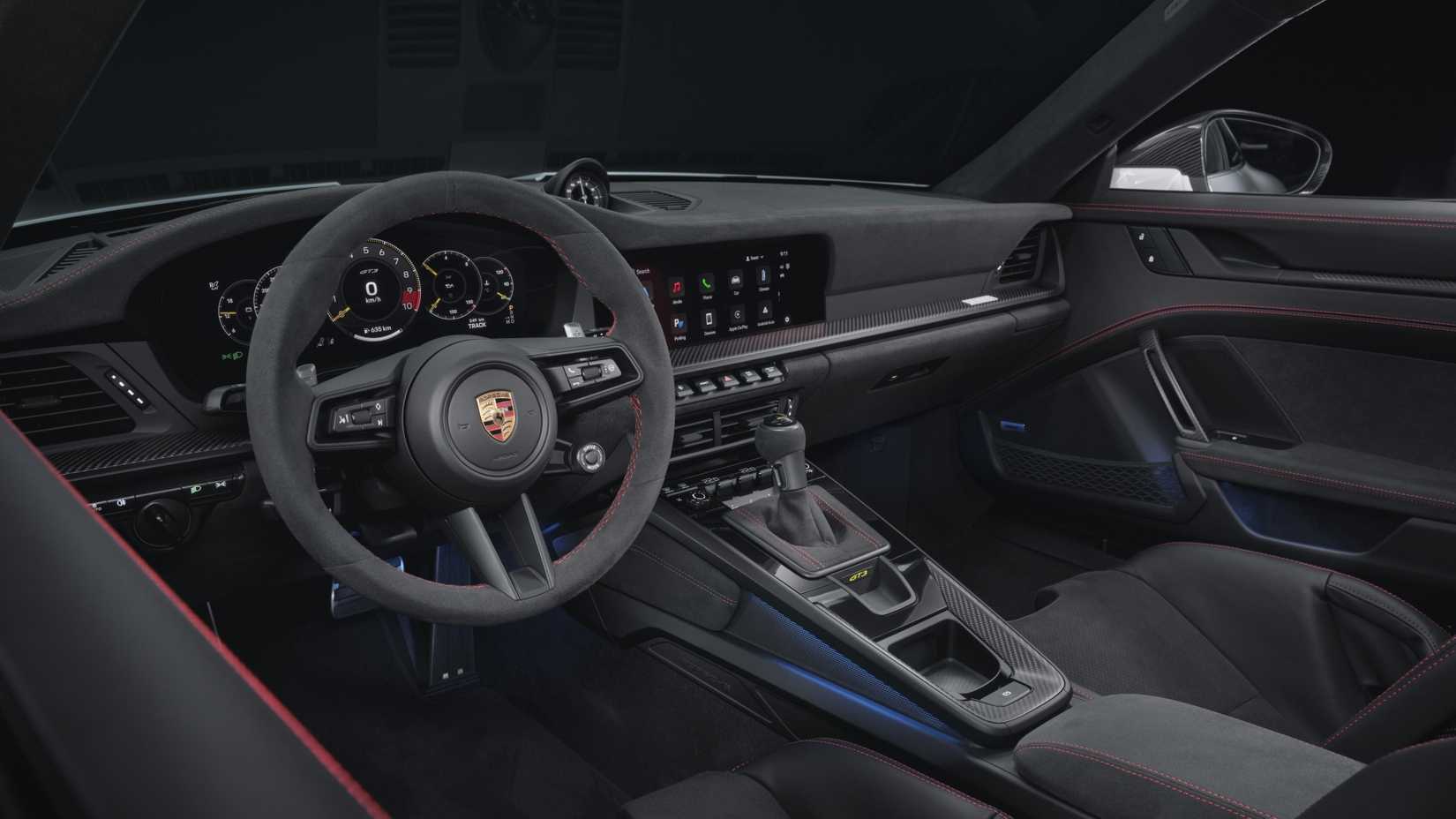
The 911 GT3’s intention and focus are clear: feeling is everything. It doesn’t need 1,000 horsepower to feel special. It feels special because the unique tone of its 9,000 RPM exhaust note will tell you so. It doesn’t need fancy electronic aids or heavy hybrid systems to perform well. It performs well because of the sublime balance of its chassis combined with near-endless mechanical grip. The Porsche 911 GT3 finds the perfect balance between extreme and approachable.
An Everyday Race Car
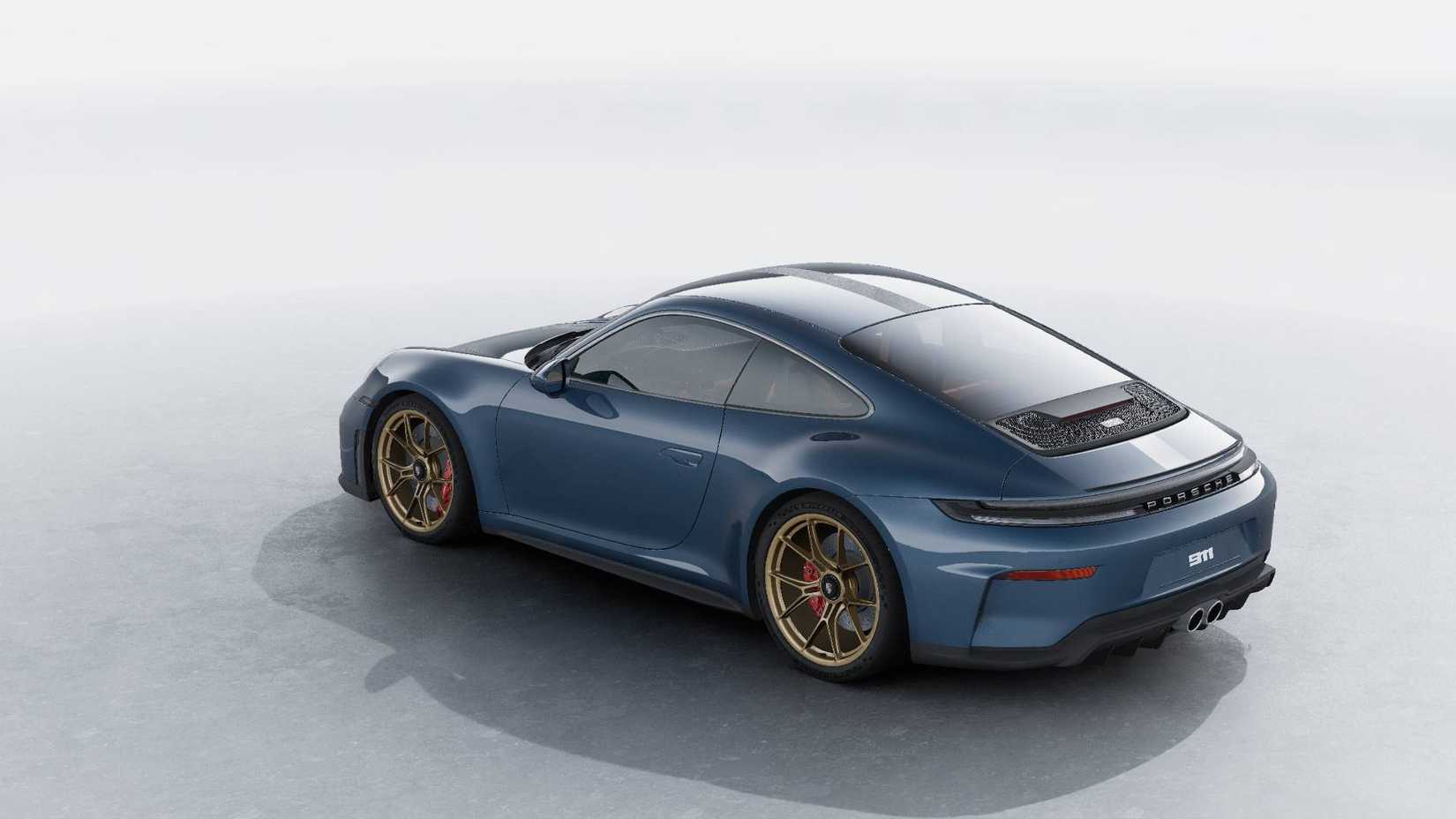
Even with the integration of some of the most advanced motorsport technology available, the 911 GT3 can still be civilized on the road. That’s the beauty of the 911 GT3. It is totally usable on the street for daily driving, but ready and willing to humble exotic foes at a moment’s notice. Though many of us dream of owning a plethora of sports cars, each for a specific purpose, that is likely to remain a fantasy. Yet, if you could only own one, the 911 GT3 fits the bill as the ultimate everyday race car.
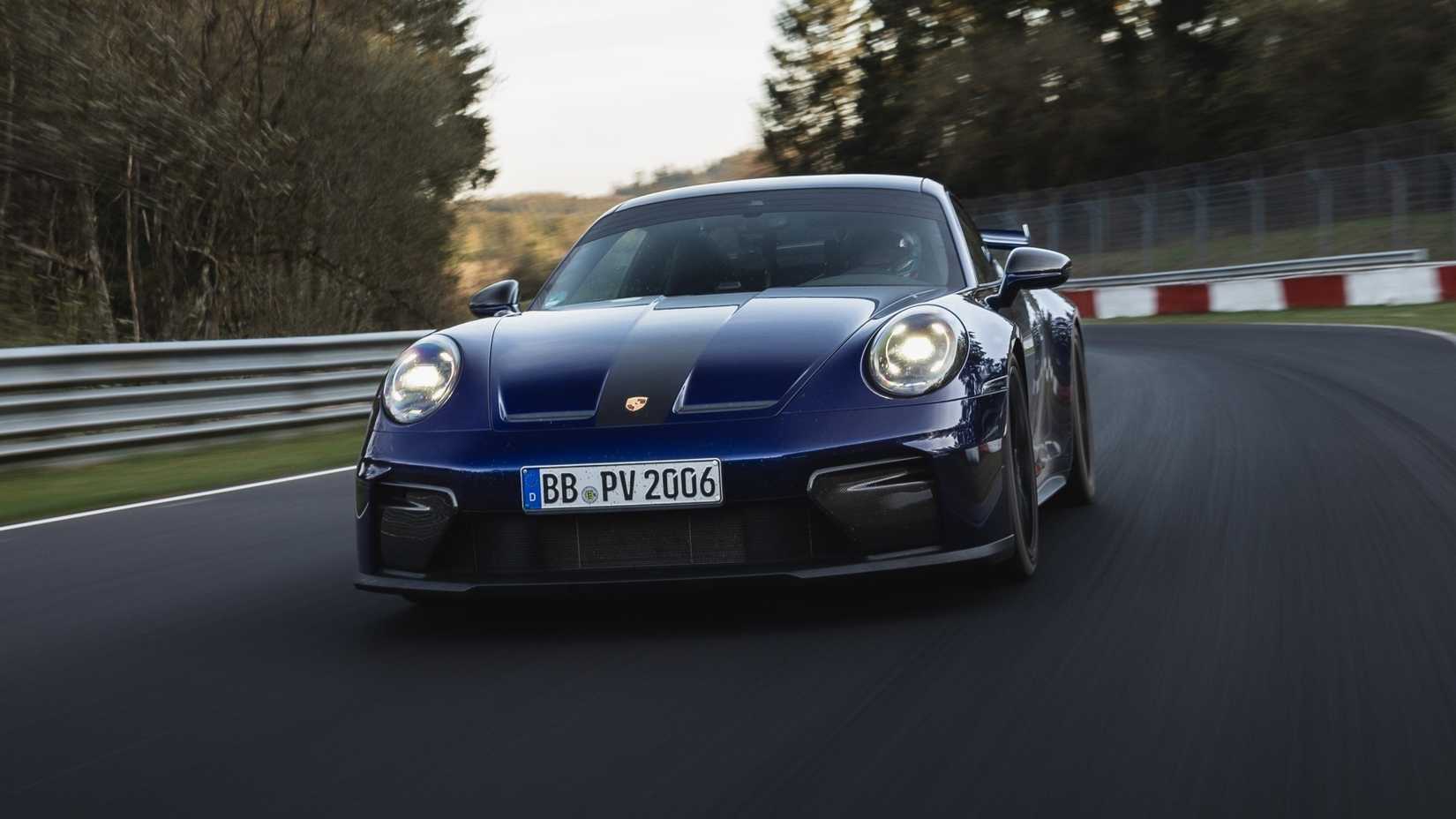
If you buy a 911 GT3 and you treat it like a garage queen or only care for it as an appreciating asset, first, that would be a shame. Second, you bought the wrong car. The 911 GT3 is not built for show. If you just want to flex, might we suggest something more Italian in nature? For drivers who want a car that can both be a friend and a teacher, the 911 GT3 is the perfect match. It rewards you for mastering the intricacies of its dynamics while asking for nothing in return but 91 octane fuel and biannual tire replacements.
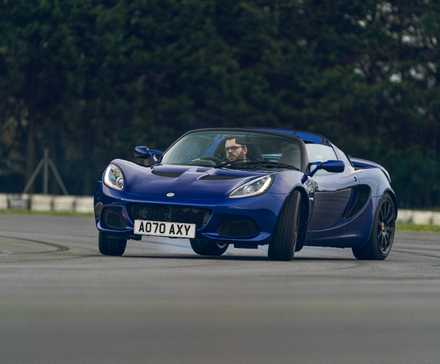
Top Driver’s Cars From The Analog Era
Back in the analog era these machines offered some of the best driver experiences around, before cars became clinical and bogged down by electronics.
The Next Best Thing After A 911 GT3
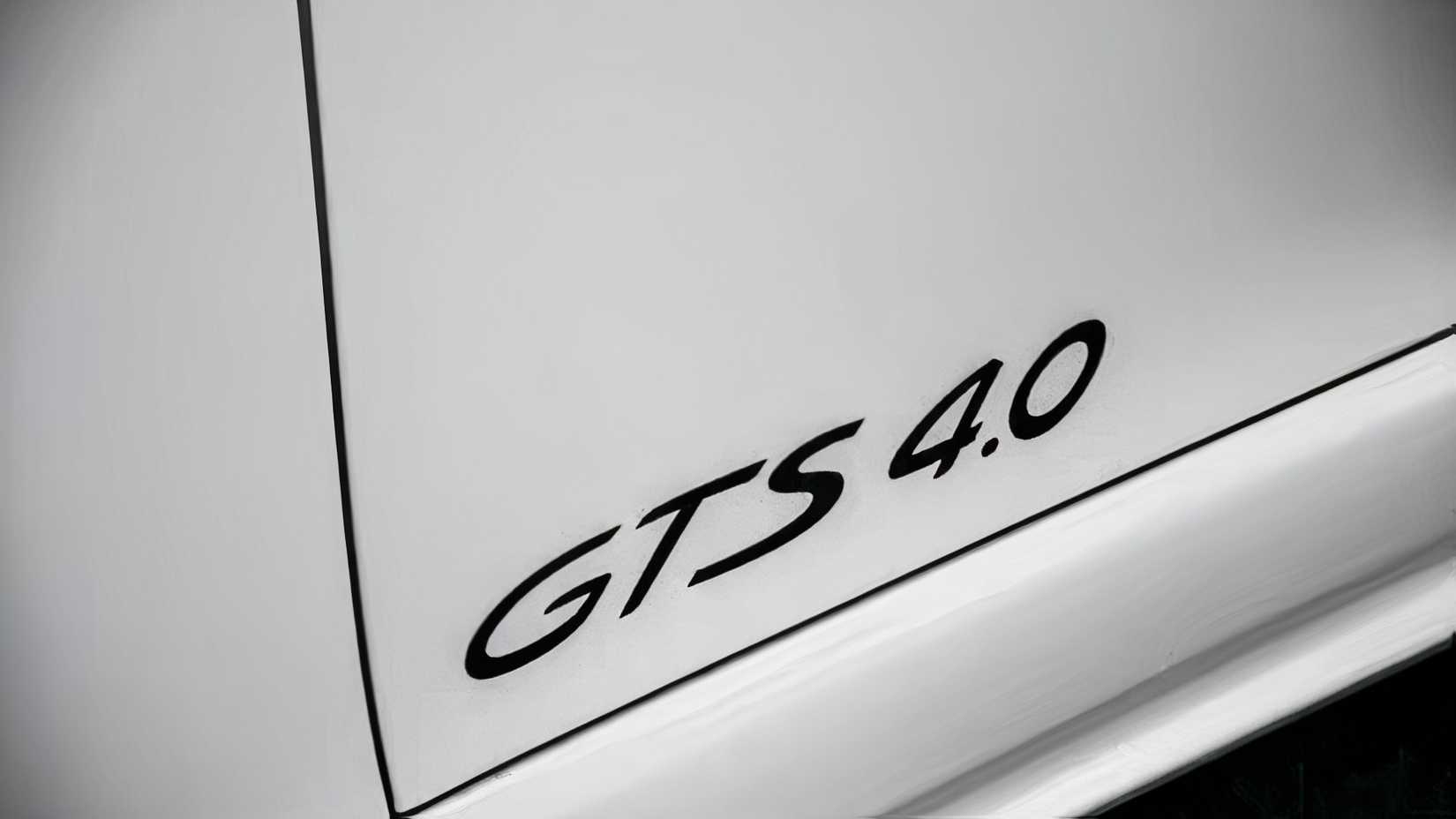
Okay, we get it. Very few people will ever drive a 2026 Porsche 911 GT3, let alone own one. With its Porsche exclusivity and quarter-million-dollar prices, owning a GT3 is at most a distant fantasy for most. Our solution to this conundrum? The 2025 Porsche 718 Cayman GTS 4.0: a car with a remarkably similar spirit for a lot less money.
Why The Cayman GTS 4.0 Is A Baby 911 GT3
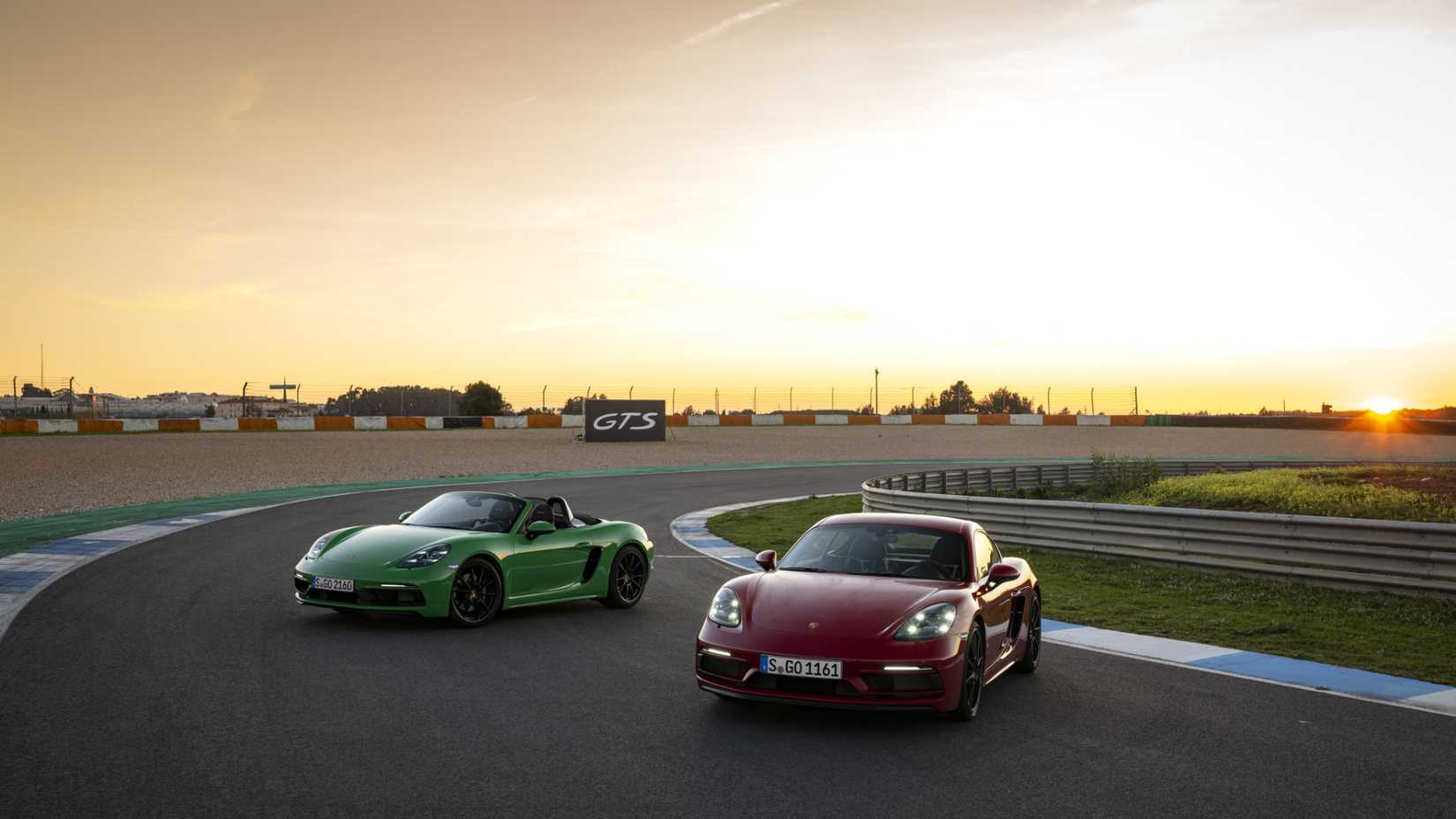
A high-revving naturally aspirated flat-six engine and a manual transmission are the non-negotiable factors that make a Porsche 911 GT3 a standout sports car. The Cayman GTS 4.0 is one of the few Porsche models available that can also provide this exact recipe for driving excellence. Indeed, the Cayman GTS 4.0 is the only flat-six-equipped 718 Cayman available new, other than the ultra-limited track-focused 718 Cayman GT4 RS model.
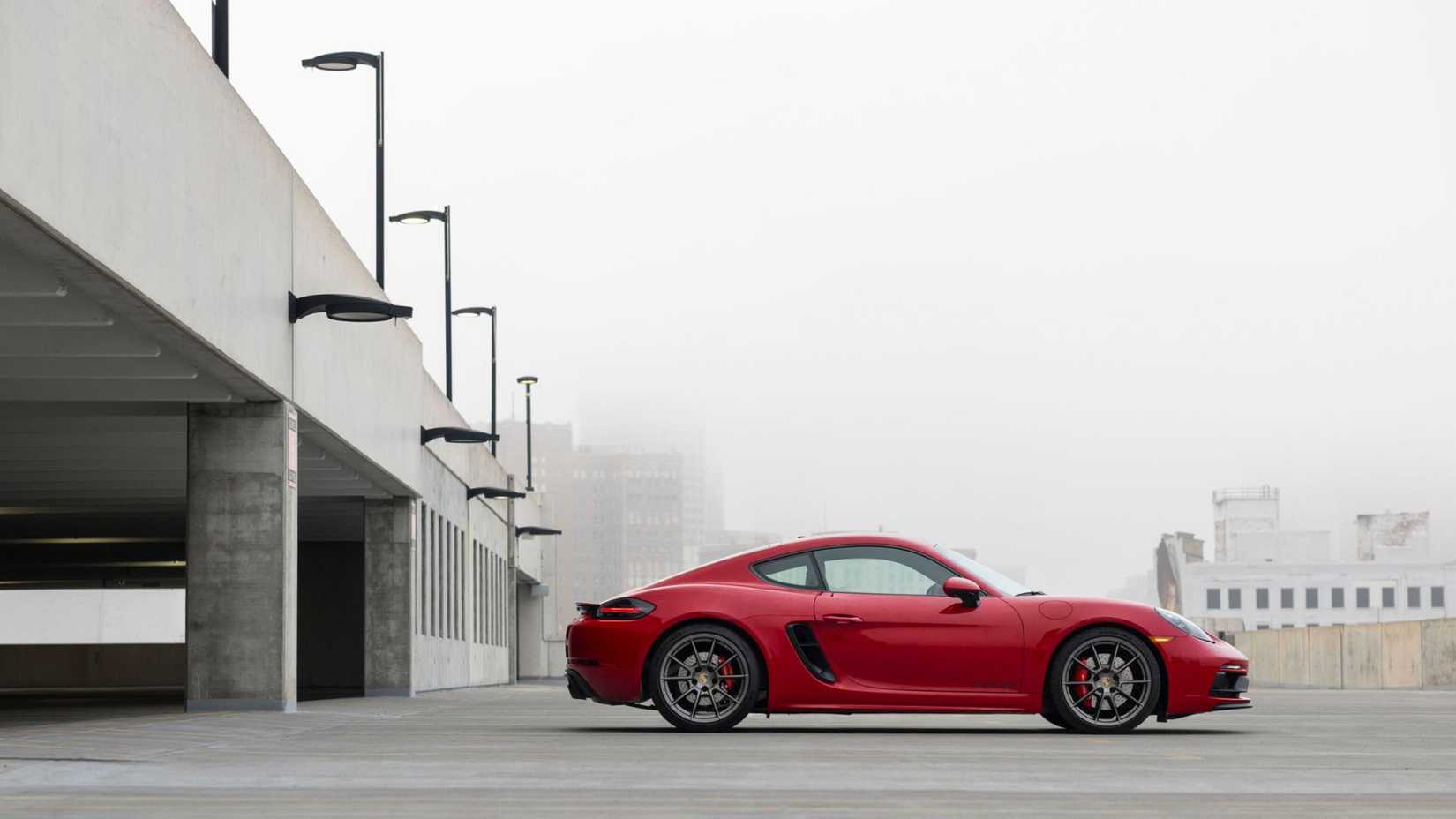
The Cayman GTS 4.0’s flat-six is not the same 4.0-liter unit found in the 992 GT3, but rather, a stroked and modified version of the 3.0-liter twin-turbocharged flat-six unit found in the 992 911 Carrera. The Cayman GTS 4.0 combines this 4.0-liter flat-six with its stellar mid-engine dynamics to provide a similar rewarding feeling to the GT3. It also has the benefit of being lighter and simpler than the race-derived GT3, which translates to lower ownership costs.
Trade-Offs And Expectations
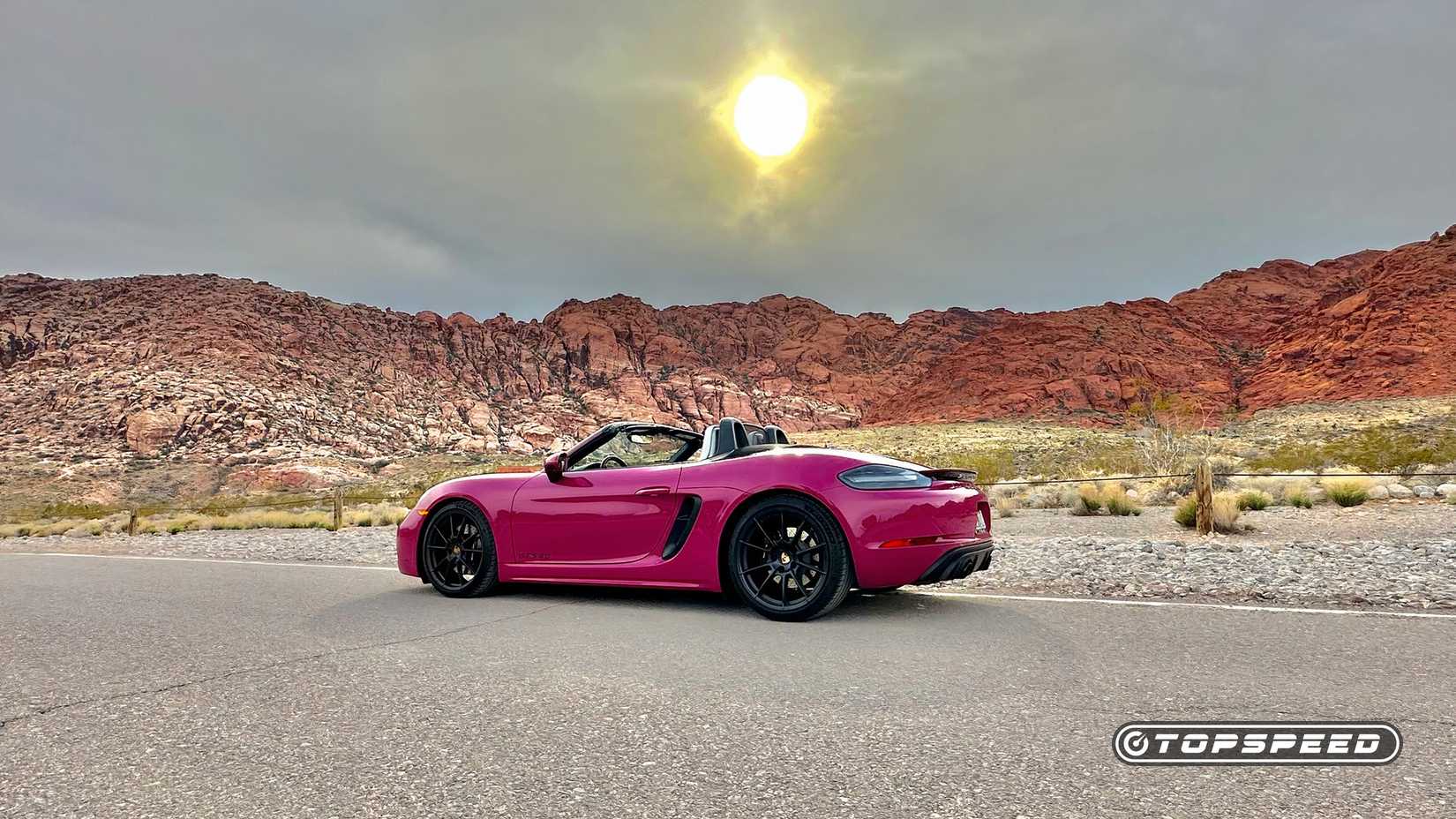
The Porsche 718 Cayman GTS 4.0 is a hell of a car, but it is not quite as extreme or alluring as the Porsche 911 GT3. The 911 GT3 remains a true race-derived engineering solution for the road, while the GTS 4.0 is more of a fun, engaging sports car for everyday driving. The reality is that for most drivers, the GTS 4.0 provides more than enough performance and excitement, both on and off the racetrack. As a pragmatic option, the GTS 4.0 is the clear winner.
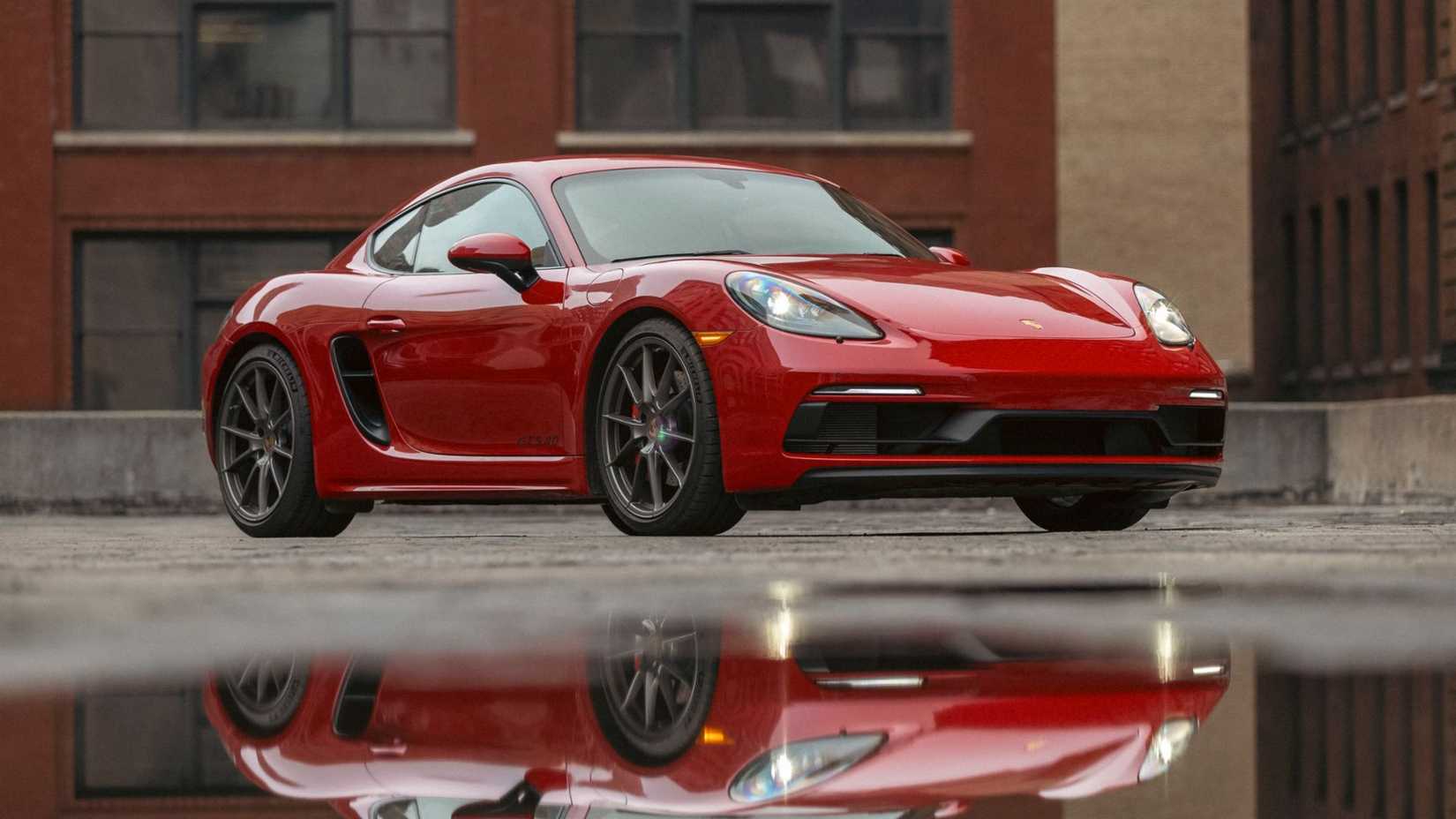
Sadly, as of February 2026, order books for the GTS 4.0 have officially closed as the current 718 Cayman generation is discontinued. We took a look at what used inventory is currently available, and if you want a near-new GTS 4.0 right now, expect to pay more than its $100,000 MSRP. No matter which of these highly coveted Porsche models you choose, you can’t go wrong.
Sources: Porsche, CarGurus