

Most motorcycle enthusiasts assume the oldest Harley-Davidson still on the road would be one of the company’s earliest machines. The legendary Serial Number One or a priceless 1908 Strap Tank comes to mind. But the reality is more complicated. Surviving, running, and actively riding on public roads are three very different things, especially when the motorcycles in question are more than a century old. Some of Harley-Davidson’s oldest creations now live in museums or private collections. Others remain mechanically capable of operation but rarely leave storage.
To find the oldest Harley still on the road today, the search requires more than identifying the oldest surviving motorcycle. It means finding a machine that can be documented as legally registered, actively ridden, and still doing what Harley-Davidson built it to do more than 100 years ago: covering public miles under its own power.
The Difference Between Surviving And Still Riding
The Oldest Harley Isn’t Necessarily The One Still On The Road
When trying to identify the oldest Harley-Davidson still on the road, the first challenge is defining exactly what that means. The oldest Harley in existence is not necessarily the oldest Harley that is still being ridden, and those are two very different distinctions.
The Oldest Harley Isn’t On The Road
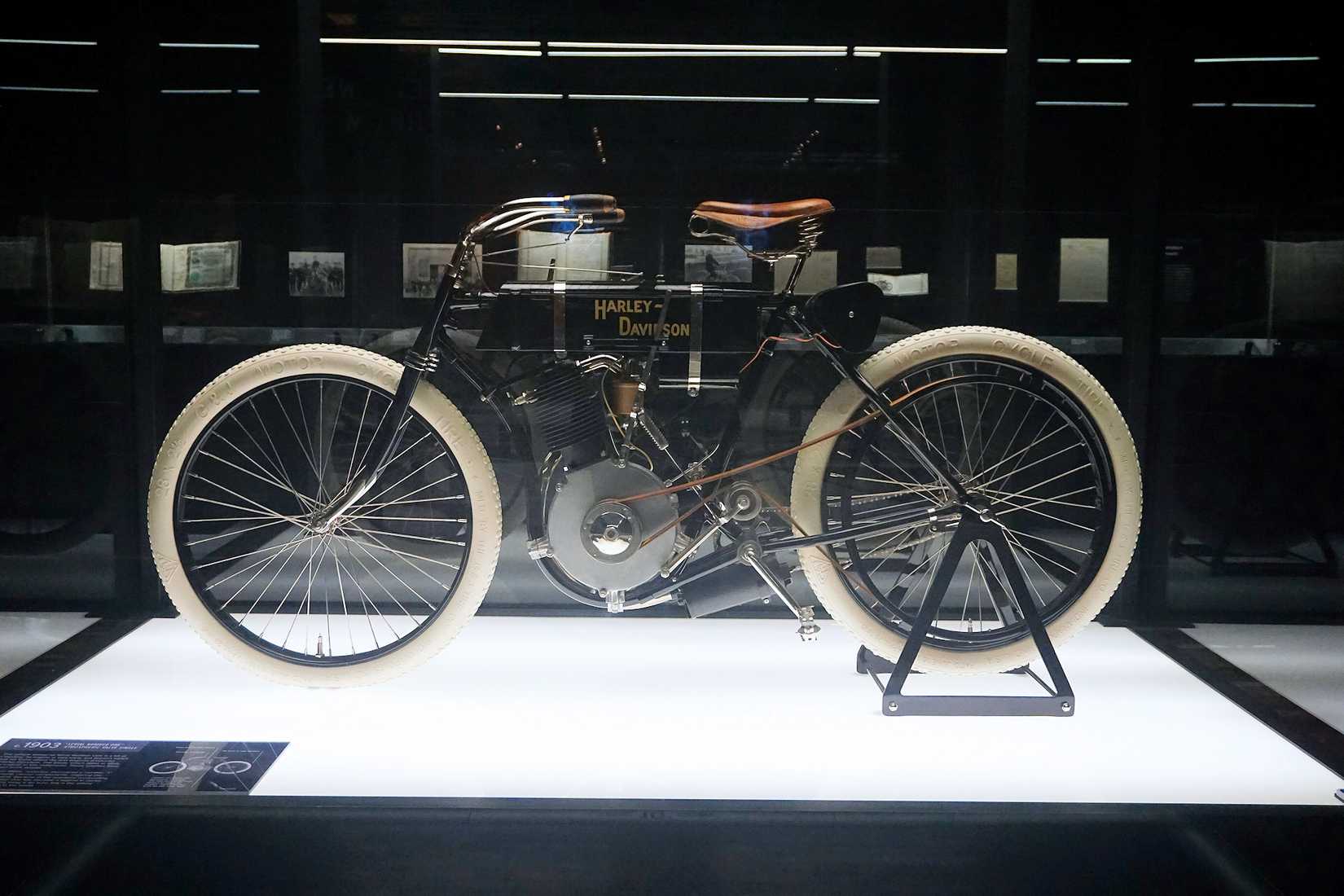
For example, Harley-Davidson’s famous Serial Number One is generally regarded as the oldest surviving Harley-Davidson. Preserved as a priceless historical artifact at the Harley-Davidson Museum in Milwaukee, it represents the company’s earliest years and is among the most important motorcycles in the MoCo’s history. But while it survives, it is not a motorcycle that regularly ventures onto public roads.
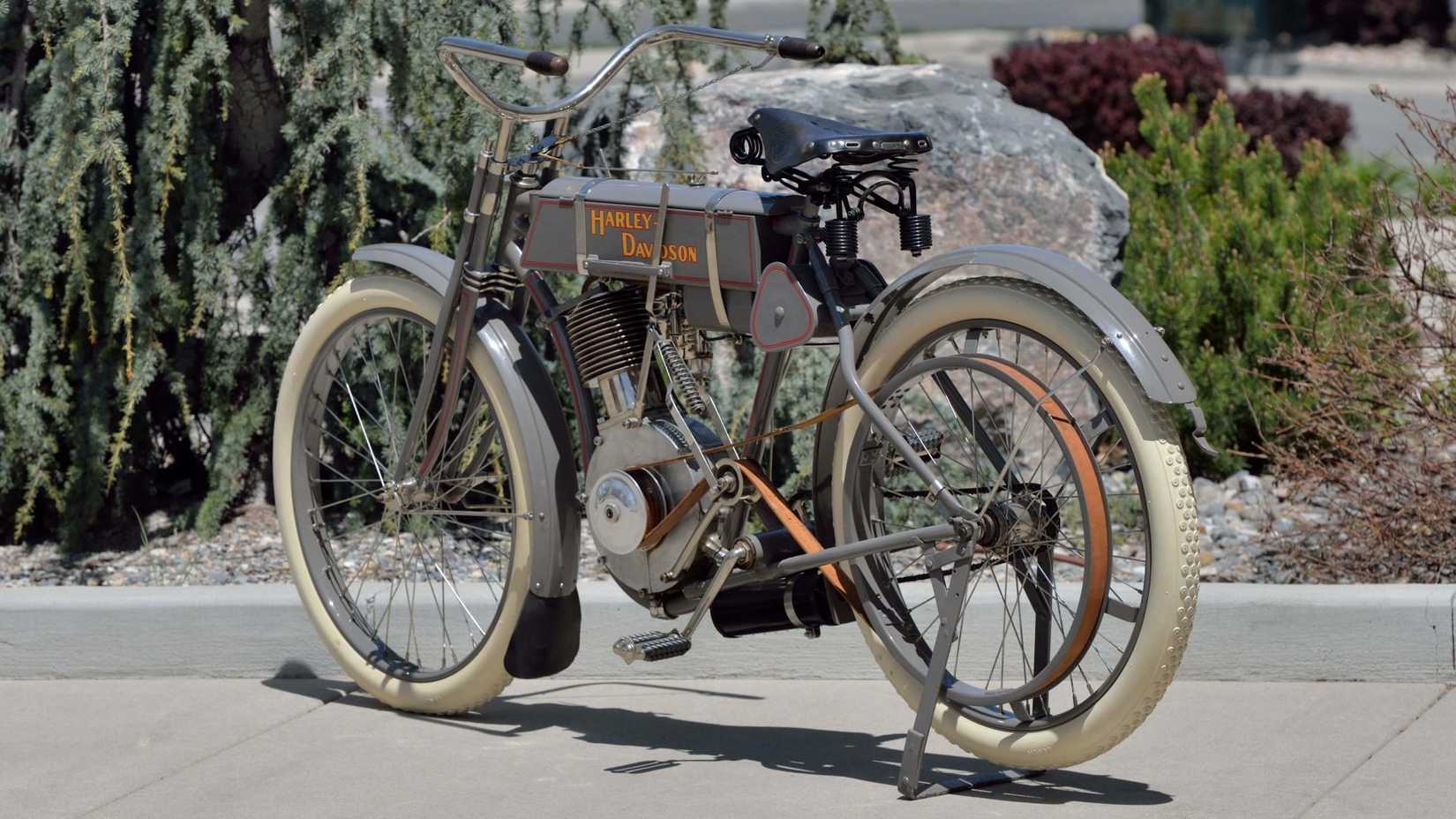
The same problem applies to other extremely early Harleys. The 1908 Strap Tank, one of the most coveted motorcycles ever built by the company, is still represented by a handful of surviving examples in private collections and museums. Yet these machines are now worth enormous sums of money and are typically treated as rolling museum pieces rather than practical motorcycles. One recently sold at auction for almost one million dollars. Even when they remain mechanically capable of running, owners rarely ride them outside of demonstrations, exhibitions, or special events.
When Vintage Becomes Rideable
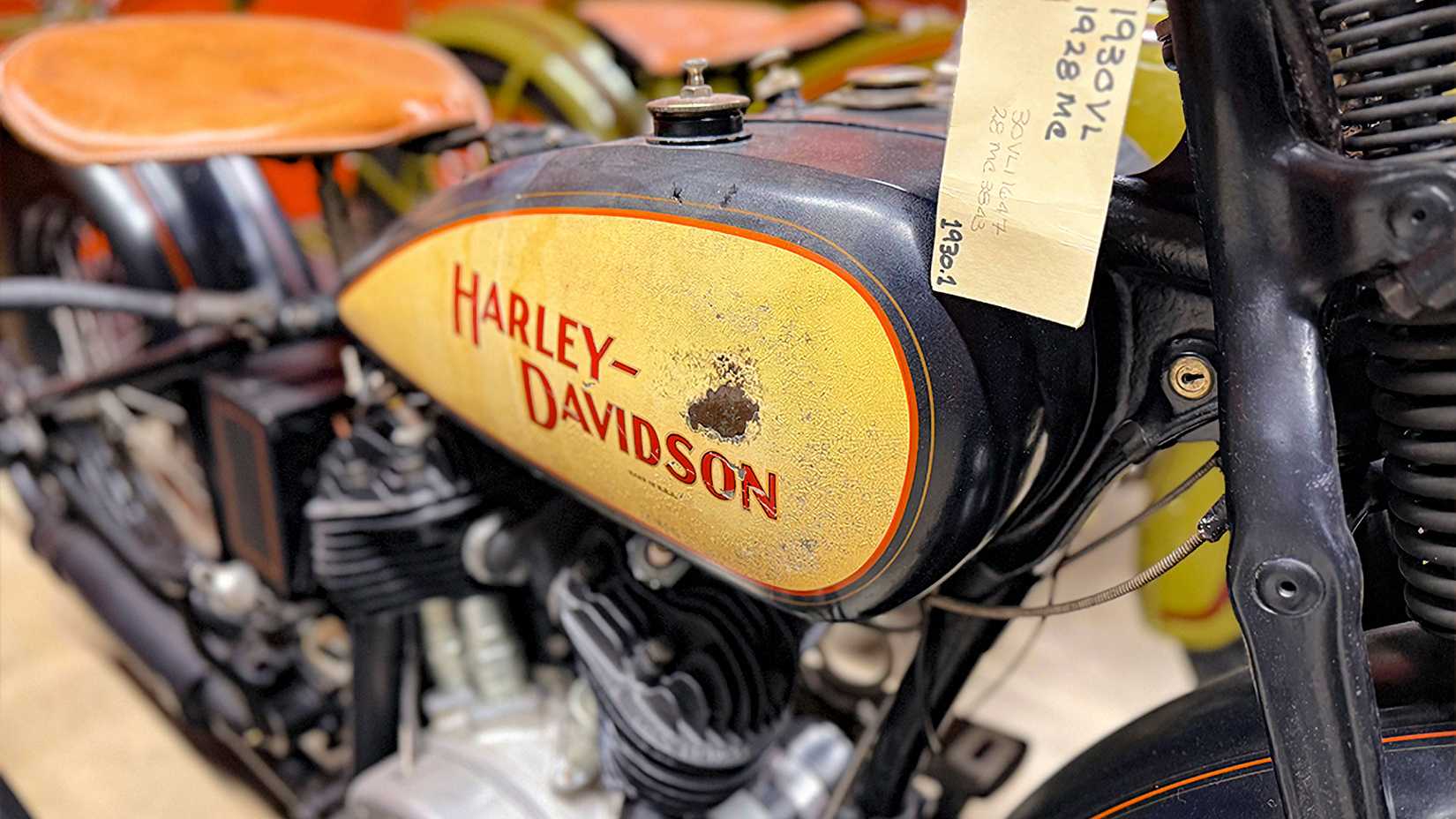
That reality pushes the search a few years later into Harley-Davidson’s history. The oldest Harleys still regularly ridden on public roads tend to come from the 1911 to 1915 period rather than the ultra-rare motorcycles built before 1910. By that point, production numbers had increased, parts availability improved, and the motorcycles themselves had become more durable and usable.
Collectors still maintain operational examples from this era, including surviving 1911 single-cylinder machines and early V-twins from 1912 and 1913. But proving that a motorcycle is capable of running is one thing. Proving that it is still legally registered, insured, and actively ridden on public roads is something else entirely.
Running Isn’t The Same As Riding
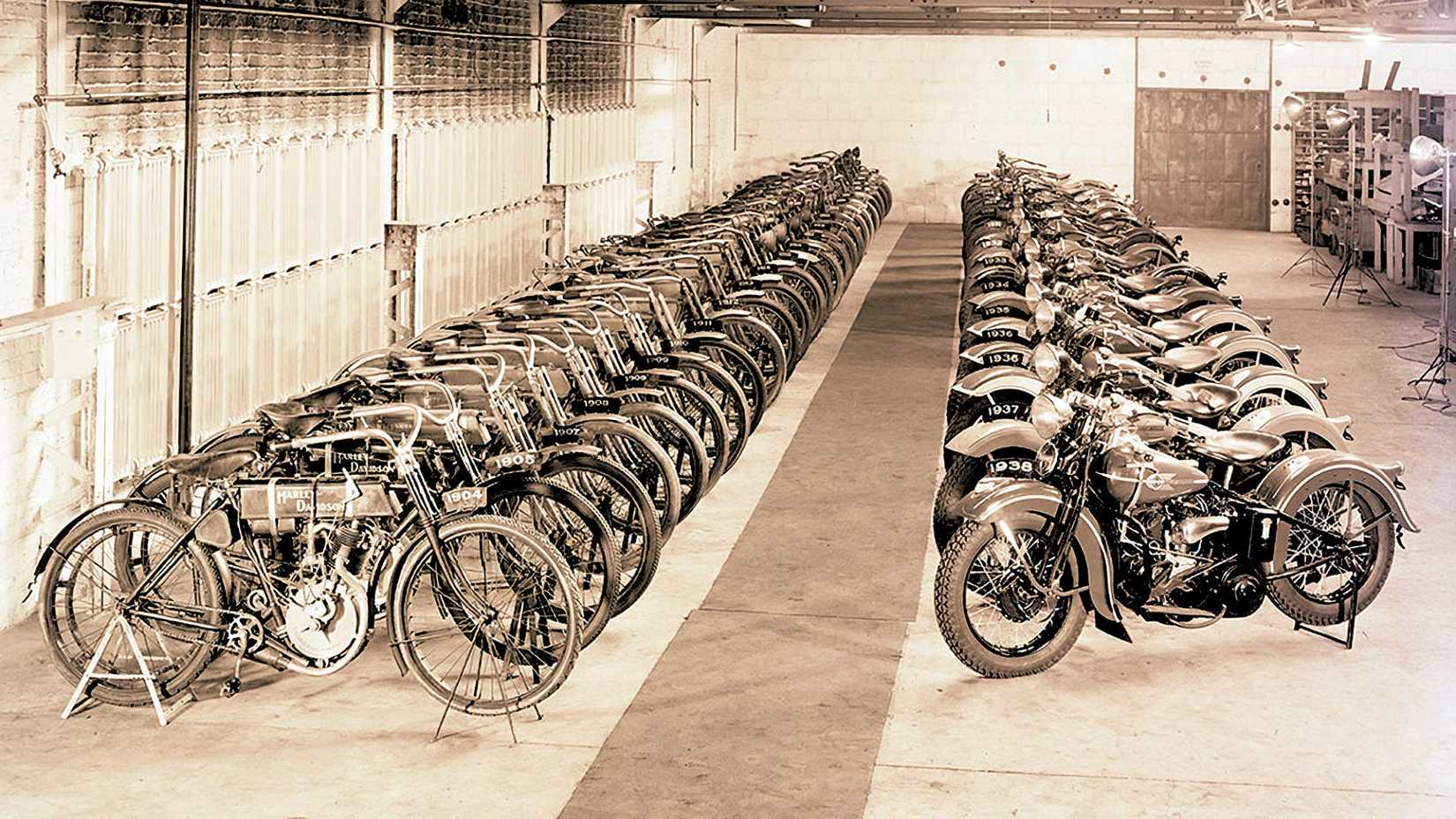
That distinction turns out to be surprisingly important. There is no national registry tracking the oldest motorcycles still in use, and state DMV records are generally inaccessible to the public. As a result, identifying the oldest Harley-Davidson still on the road requires looking beyond museums, auctions, and private collections.
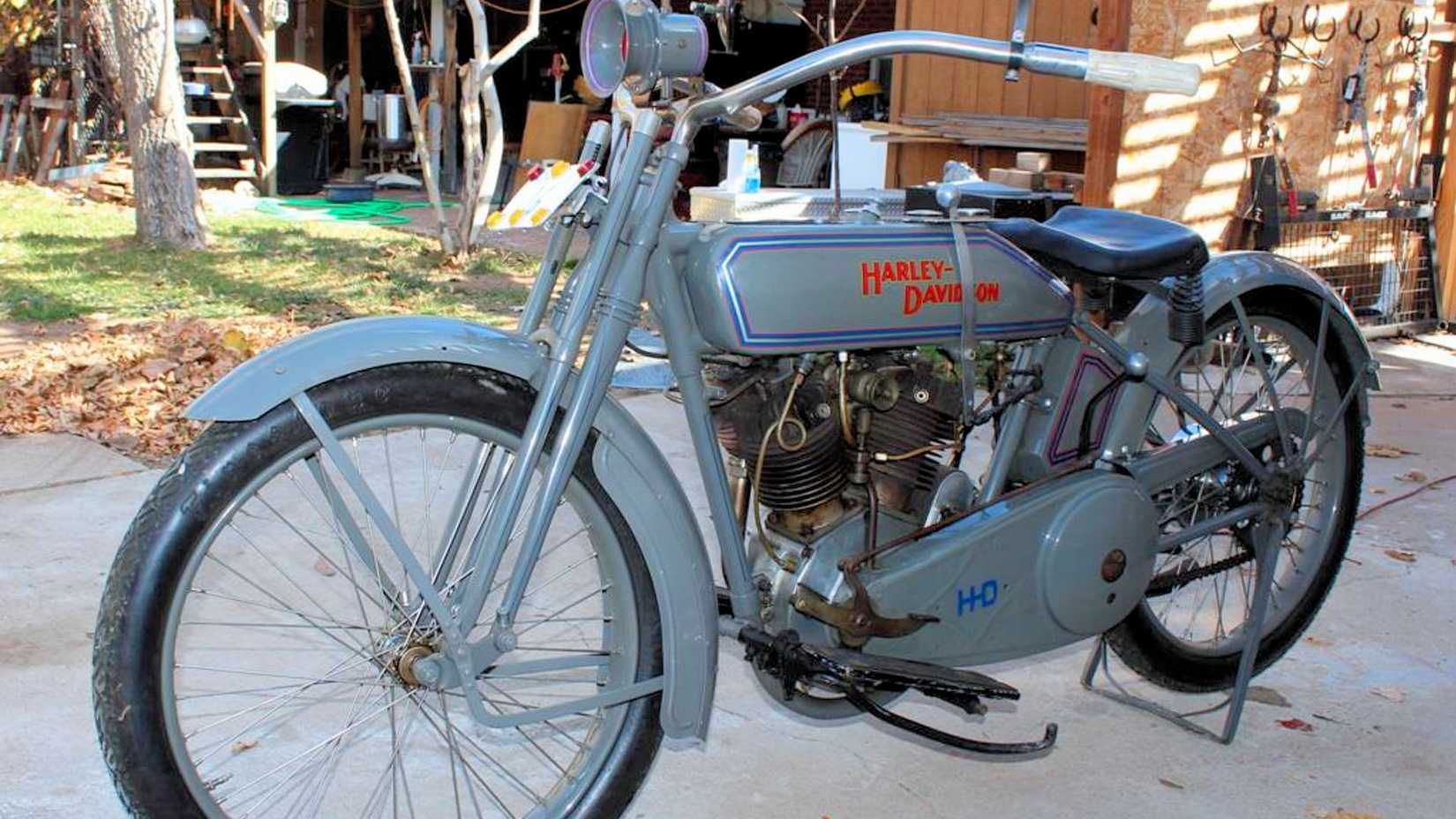
Instead, the best evidence comes from a small group of riders who regularly subject century-old motorcycles to one of the most demanding endurance tests in the world. If a Harley-Davidson built before World War I could still carry a rider thousands of miles across public highways, it leaves little doubt that the motorcycle remains very much on the road.
10 Legendary Harley-Davidson Engines That Refuse To Die
Harley-Davidson has made a few engines that can keep going forever with the right amount of TLC. Here are 10 of them
The Motorcycle Cannonball Offers The Strongest Proof
Where History Meets The Highway
For all the attention paid to museum pieces and private collections, finding the oldest Harley-Davidson still on the road requires a different kind of evidence. A motorcycle that starts and idles for a crowd is one thing. A motorcycle that can legally travel thousands of miles on public highways more than a century after it was built is something else entirely.
A Century-Old Motorcycle Has To Earn Its Miles
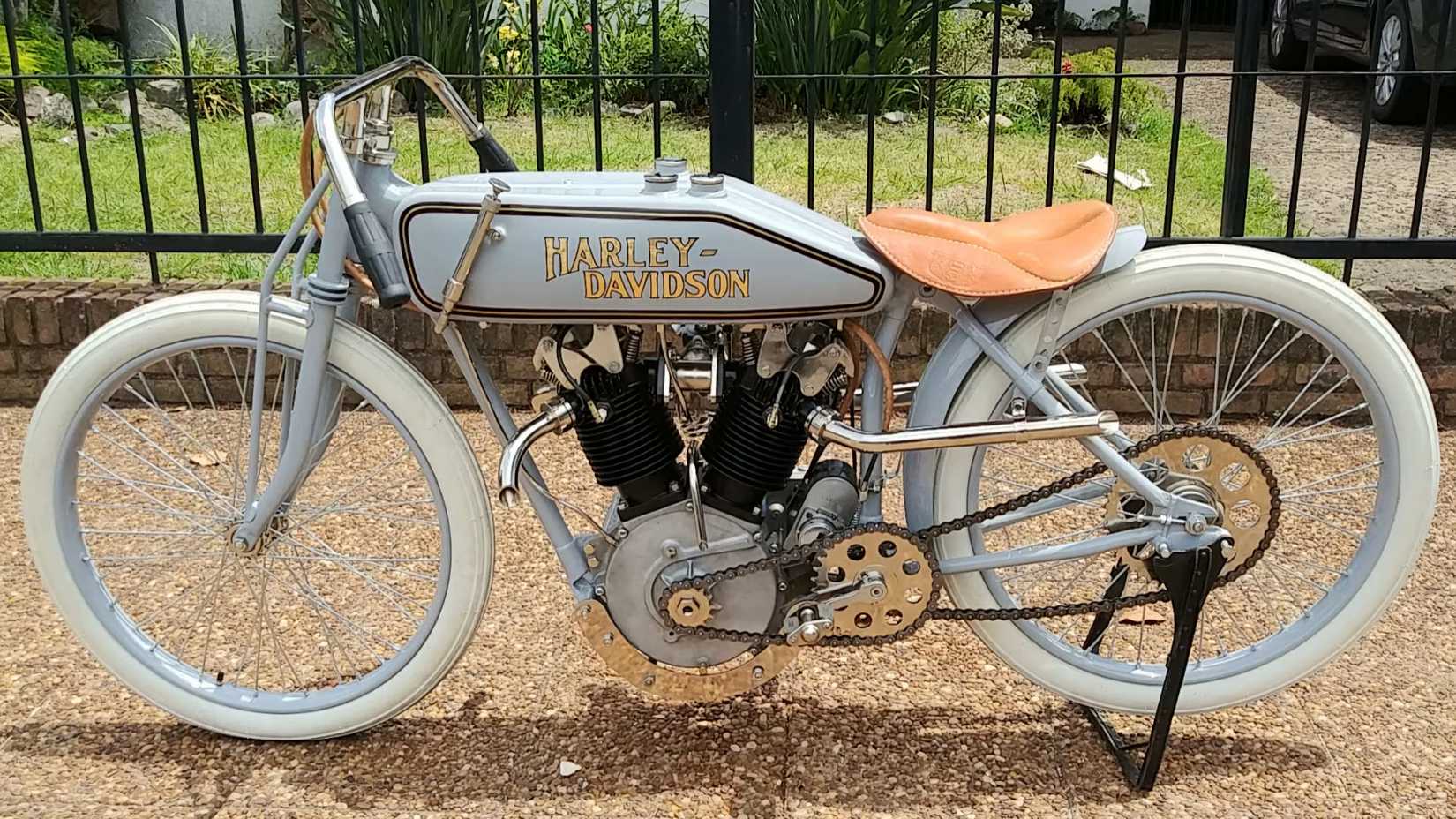
That is what makes the Motorcycle Cannonball so important. Held every two years, the endurance event sends riders across thousands of miles of public roads on motorcycles built decades before modern transportation standards existed. Participants routinely face changing weather, mechanical breakdowns, steep grades, and long days in the saddle, all while navigating the same highways and secondary roads used by modern traffic.
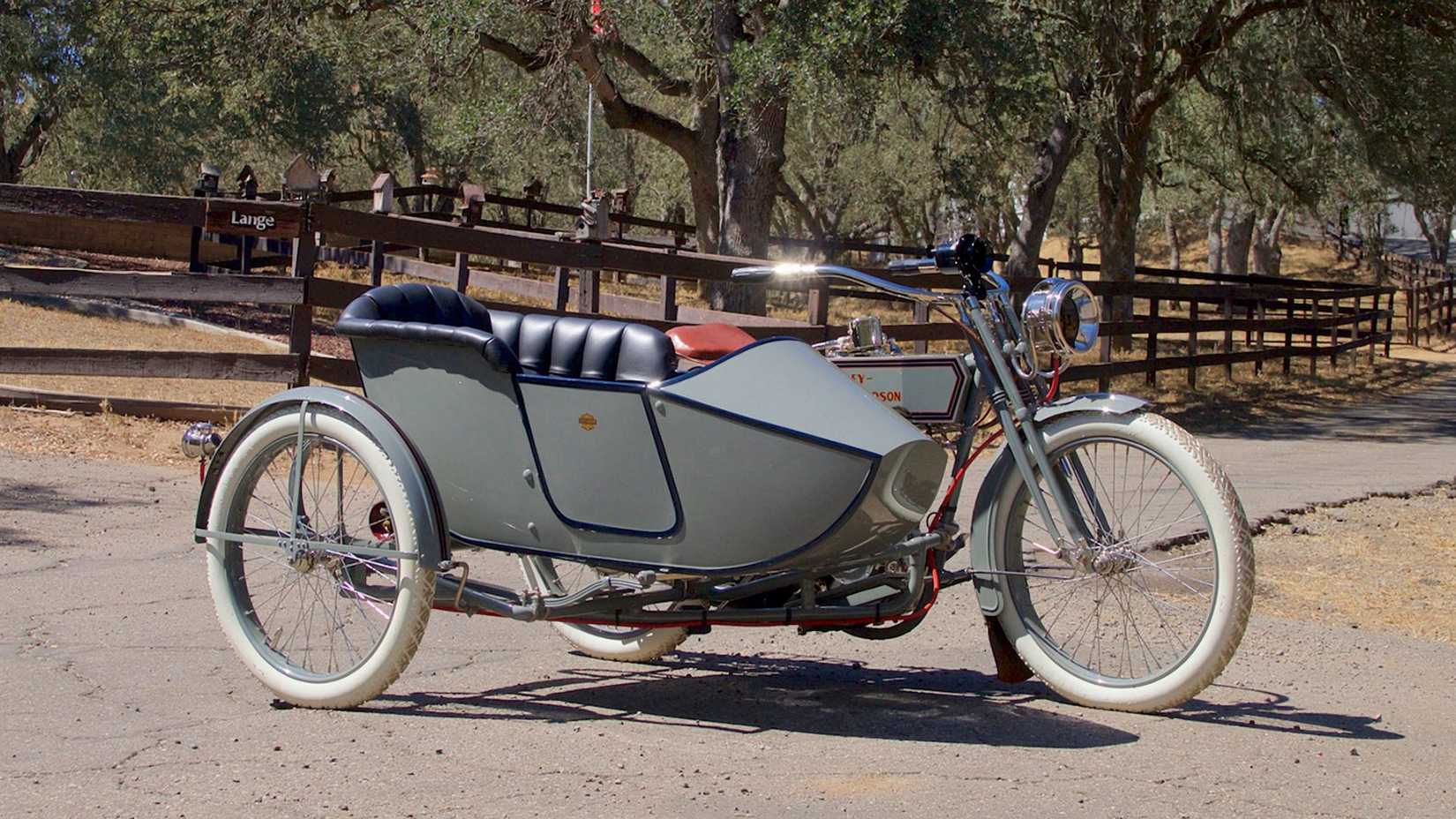
Unlike a museum demonstration or a short exhibition ride, the Cannonball places extraordinary demands on both rider and machine. To finish the event, a motorcycle must prove that it is more than a preserved artifact. It must remain a functioning vehicle capable of handling real-world road conditions day after day.
Not Just Running, But Road Legal
The event also provides something that is surprisingly difficult to find elsewhere: proof that these motorcycles are legally operating on public roads. Every machine entered in the Cannonball must meet the legal requirements necessary to travel across multiple states, including registration, licensing, and insurance where required. In other words, these are not static display pieces being pushed onto a trailer between appearances. They are motorcycles actively covering hundreds of miles at a time under their own power.
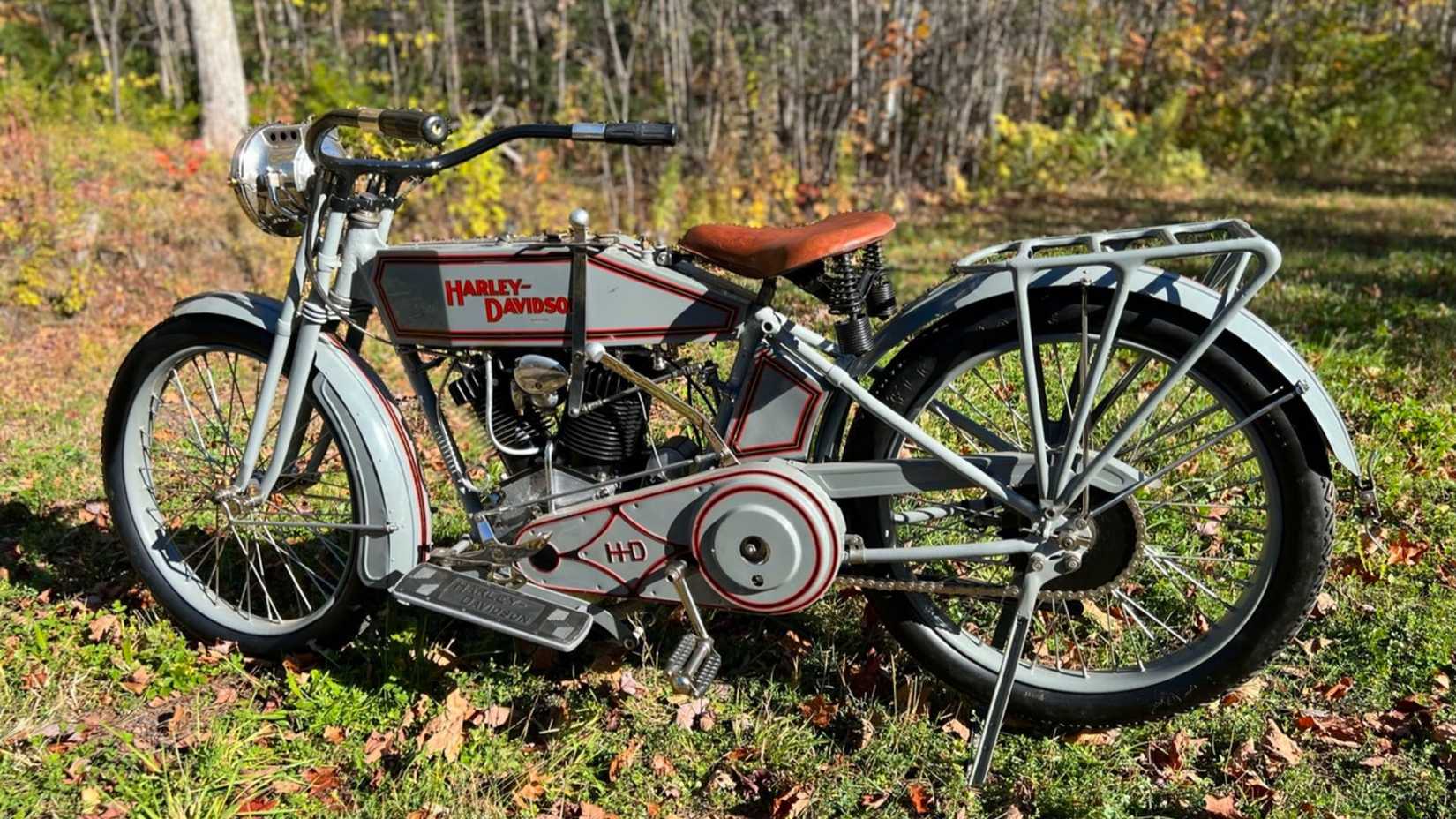
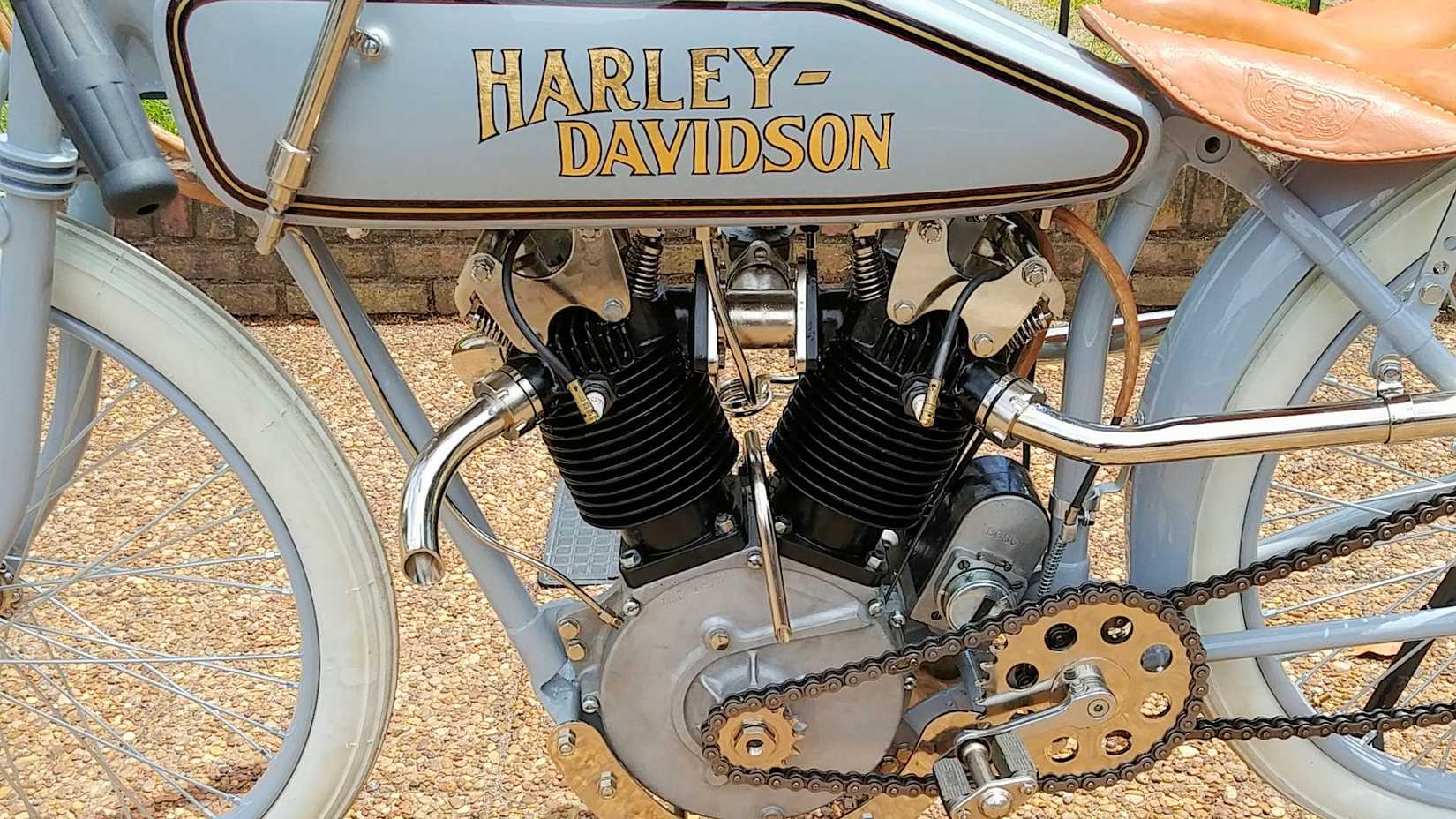
That standard narrows the field considerably. While pre-1910 Harleys occasionally appear in museums and private collections, the oldest Harley-Davidsons regularly documented riding substantial distances on public roads tend to be later machines. Among the most notable are 1914 Harley-Davidson Twins, 1915 Harley-Davidson 11F models, and 1916 Harley-Davidson Model Js, all of which have appeared in endurance events and vintage riding circles.
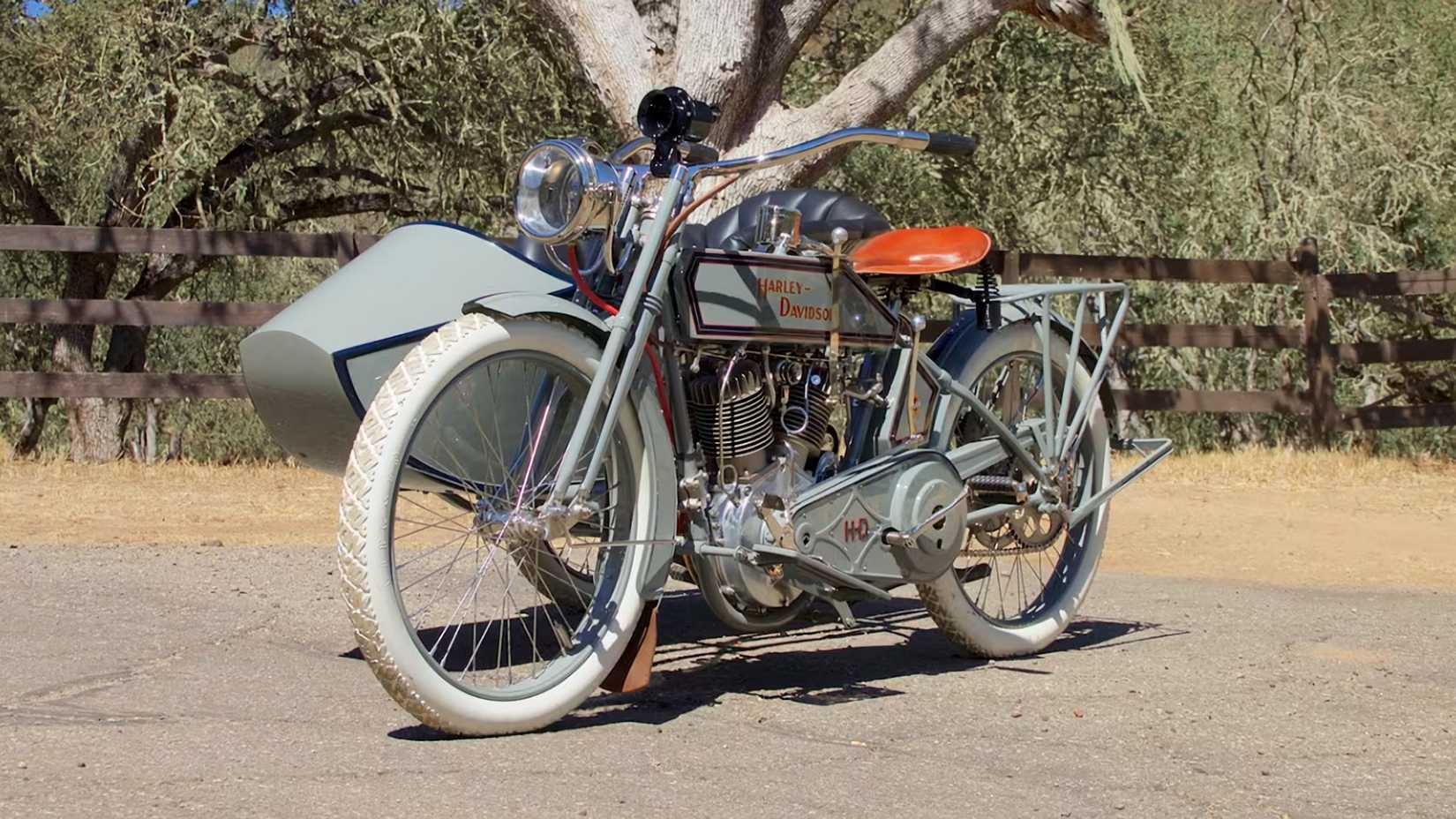
Their continued participation raises an intriguing question. If several Harley-Davidsons built before America’s entry into World War I are still capable of crossing the country under their own power, which one can legitimately claim to be the oldest Harley-Davidson still on the road today?
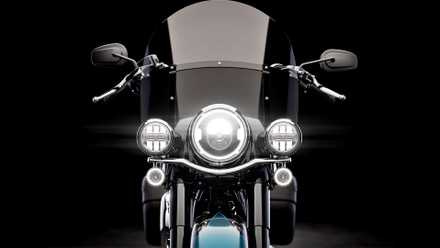
The American Heritage Bike Built For Old-School Souls
A rare, authentic, and satisfying balance that’s hard to find these days.
The Oldest Harley-Davidsons Still On The Road Are 1914 Models
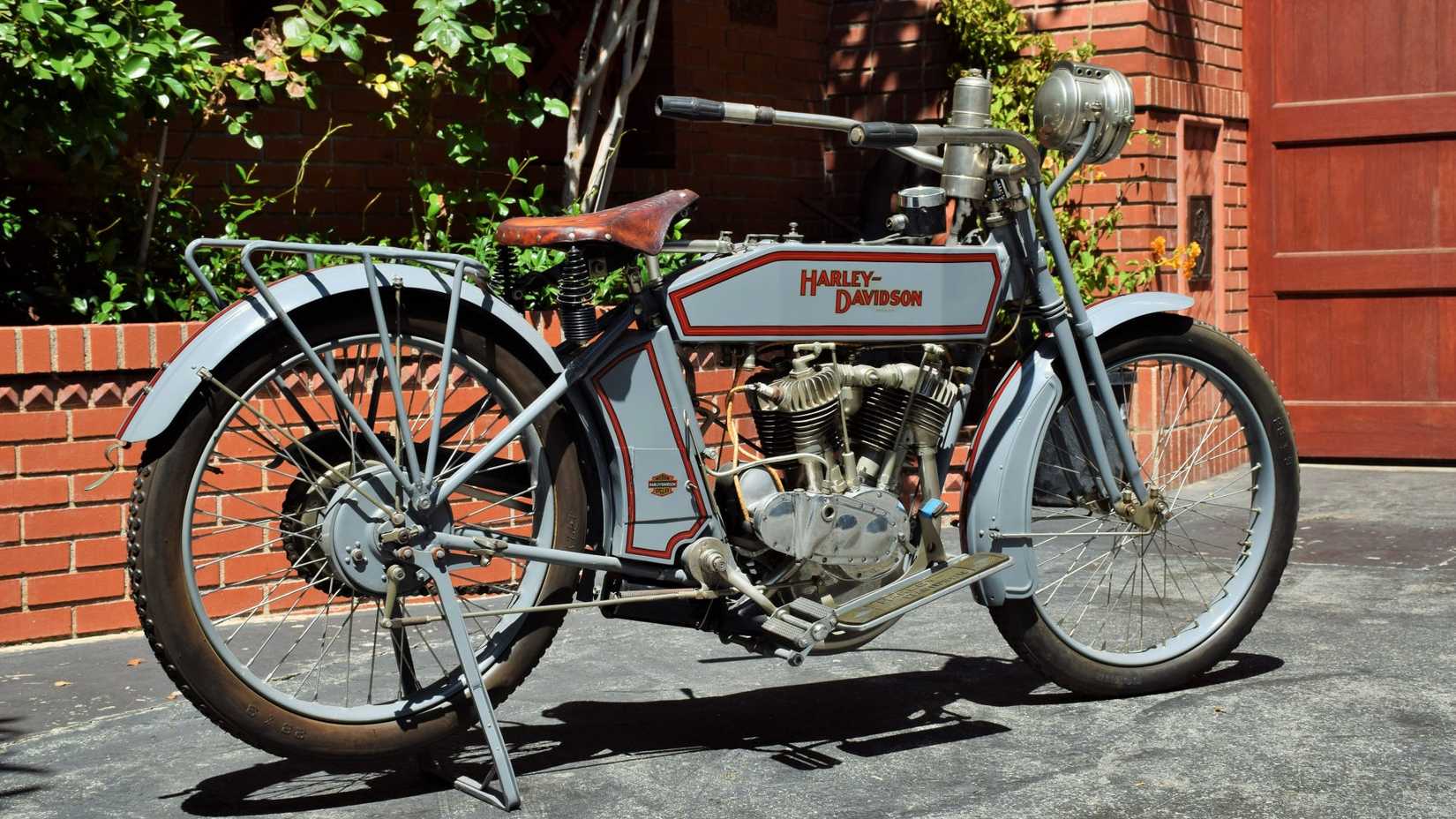
After separating surviving motorcycles from running motorcycles, and running motorcycles from those that are still actively ridden on public roads, the search leads to a surprisingly clear conclusion. Based on publicly documented evidence, the oldest Harley-Davidsons that can be reliably shown operating on public roads today are 1914 Harley-Davidson Twins.
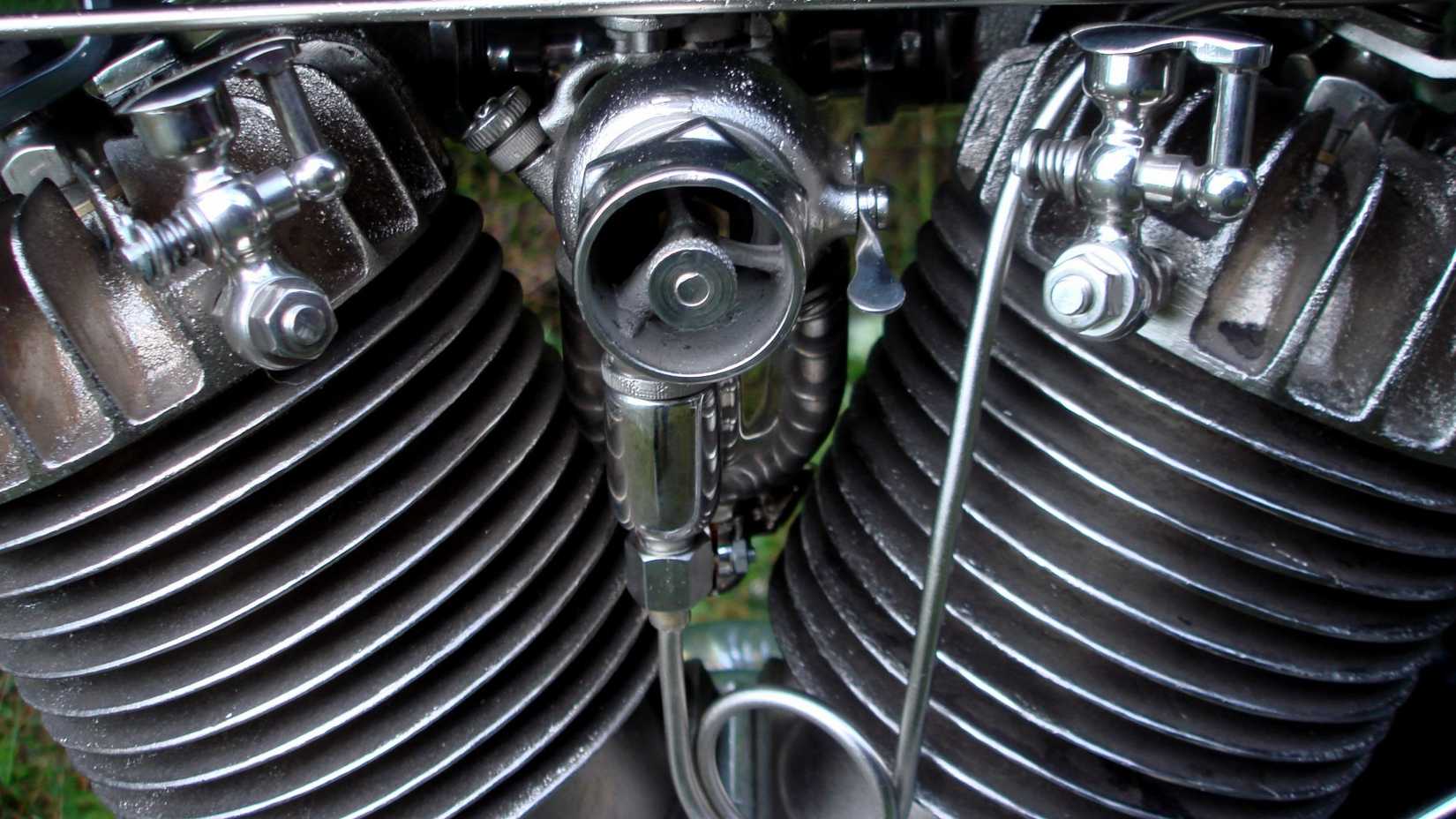
That answer may disappoint enthusiasts hoping for a 1908 Strap Tank or one of the company’s earliest single-cylinder machines. Those motorcycles certainly survive, and some remain mechanically capable of running. The challenge is documentation. There is little public evidence showing pre-1914 Harleys regularly covering meaningful distances on public roads in recent years. By contrast, 1914 Harley-Davidsons have repeatedly demonstrated exactly that.
The strongest evidence comes from endurance riding events such as the Motorcycle Cannonball. Unlike a museum display or a short demonstration ride, the Cannonball requires motorcycles to cover thousands of miles on public roads under real-world conditions. Riders face weather, traffic, mechanical issues, and long days in the saddle, all while piloting machines that were built before the First World War.
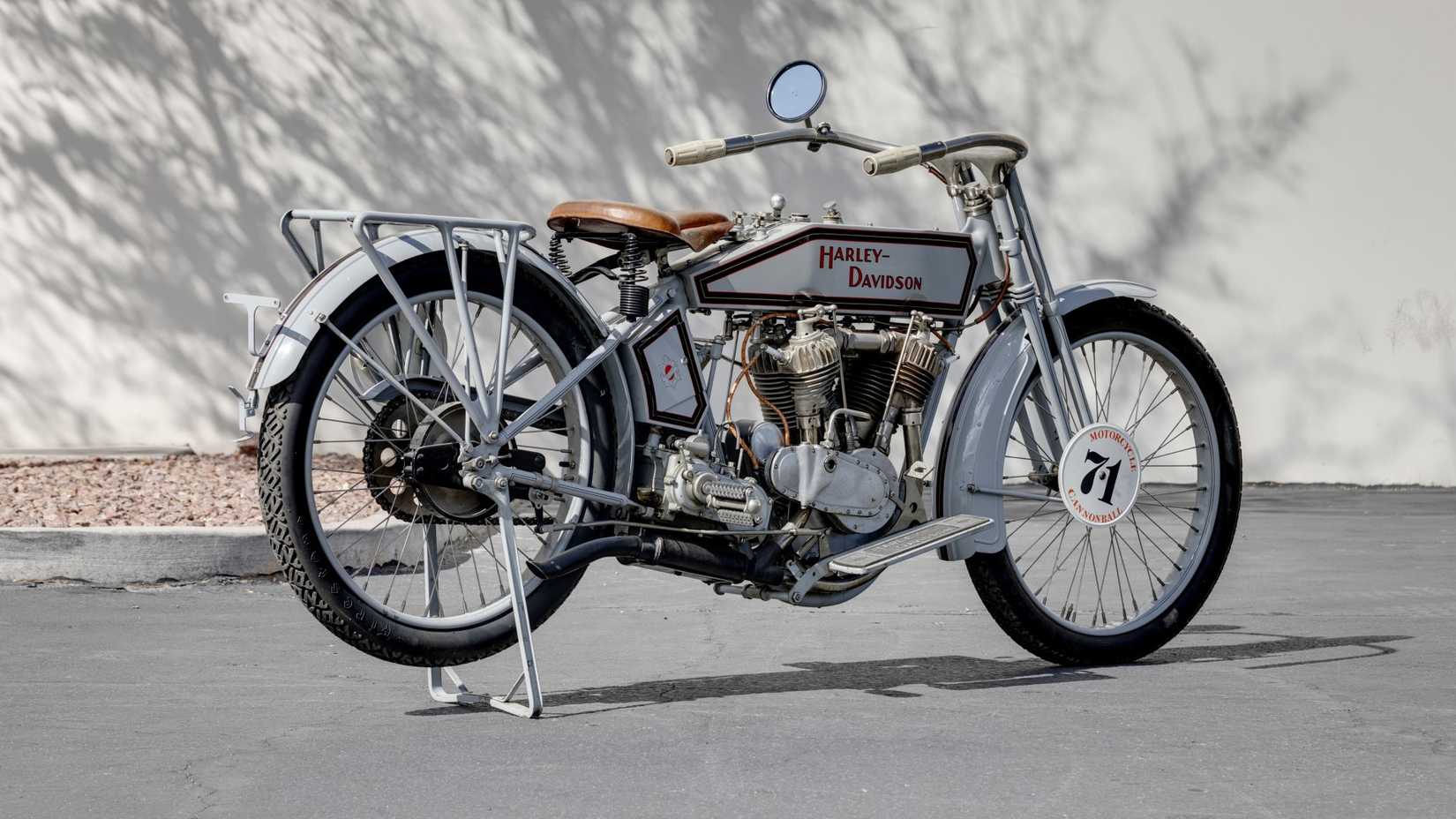
One 1914 Harley-Davidson Twin completed more than 3,400 miles to win a Motorcycle Cannonball endurance run, proving not only that the motorcycle could still run, but that it could still perform at a remarkably high level more than a century after leaving the factory. Other Harley-Davidsons from 1915 and 1916 have also completed Cannonball events.
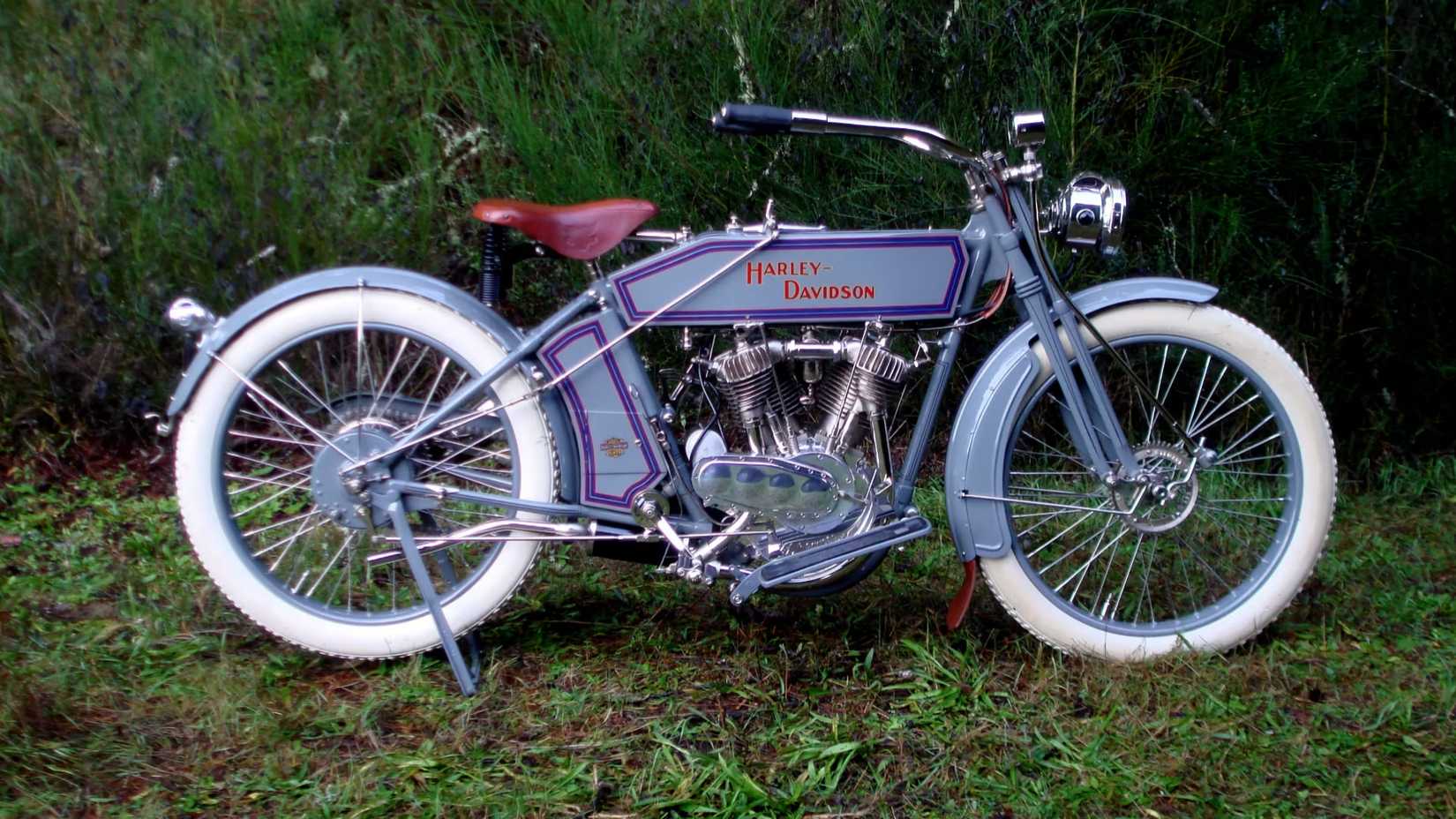
But the 1914 machines hold a unique distinction: they are the oldest Harleys for which there is strong public documentation of sustained road use. That makes them far more than historical curiosities. They remain functioning motorcycles capable of doing exactly what Harley-Davidson originally built them to do: carry riders across long distances under their own power.
A Century Of Repairs And Preservation
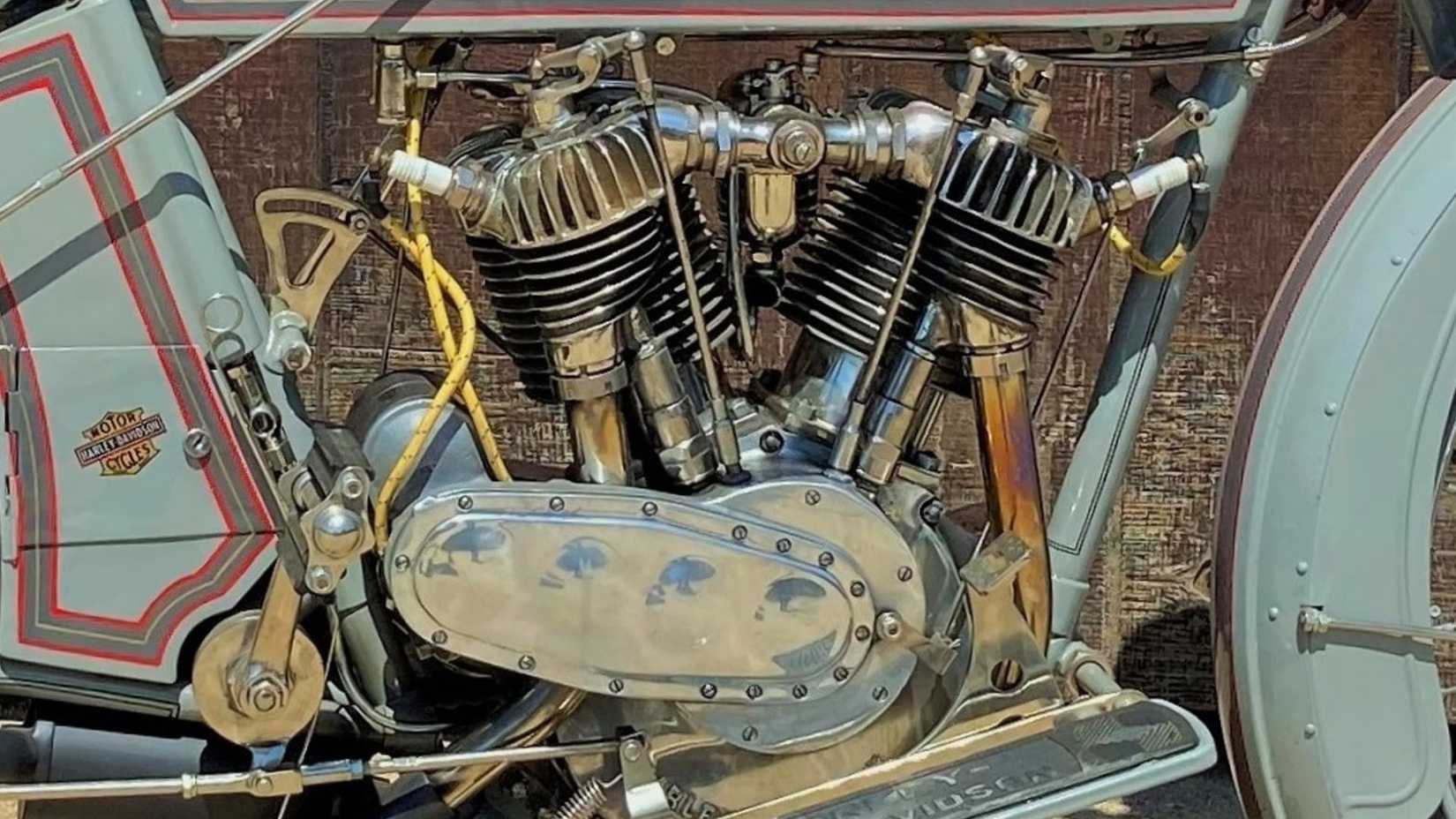
Like virtually every motorcycle more than a century old, the Harley-Davidsons competing in events such as the Motorcycle Cannonball have been restored and maintained over decades of use. While many contain replacement and reproduction components, they remain recognized by collectors and historians as authentic examples of their original models. In fact, that ongoing maintenance is part of what makes their continued existence so remarkable.
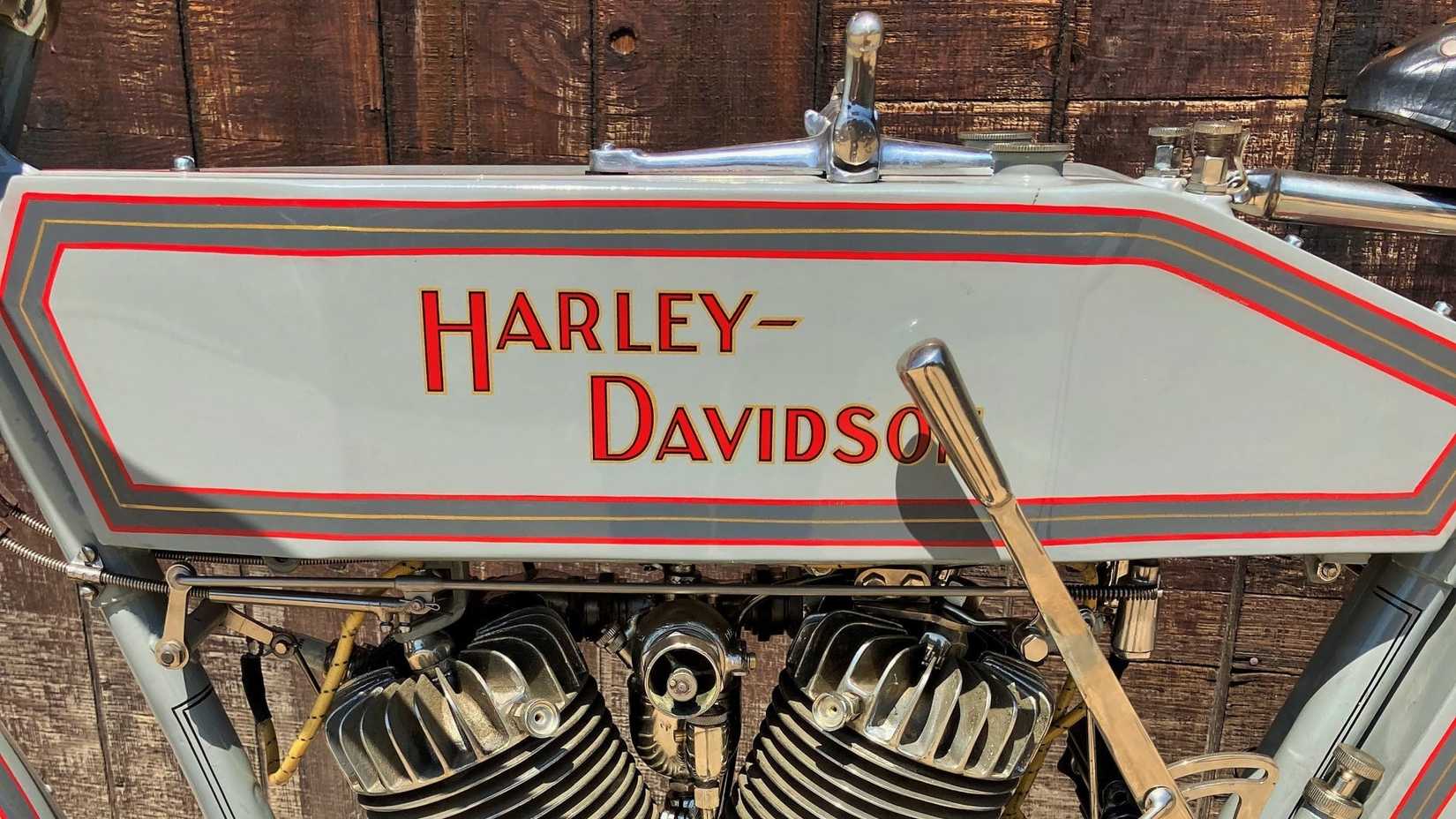
These motorcycles have survived changing technologies, world wars, economic downturns, and generations of ownership. Every rebuilt engine, replaced bearing, and repaired component represents another effort to keep a piece of Harley-Davidson history alive and operational. More importantly, those efforts have kept these machines on the road rather than behind velvet ropes. When the goal is identifying the oldest Harley-Davidson still being ridden on public roads, that distinction matters more than absolute originality.
1914 Harley-Davidson Twin Engine And Performance Specifications
|
Engine |
Displacement |
Power |
Torque |
Transmission |
Top Speed |
|
Air-cooled 45° V-twin, IOE (Inlet Over Exhaust) |
989 cc |
8 hp |
n/a |
2-speed rear-hub transmission |
~60 mph |
10 Harley Motorcycles That Last Practically Forever
From touring models to cruisers, all of these Harley-Davidson bikes are built to last.
The Answer Depends On When You Ask
The Case For A 1914 Harley
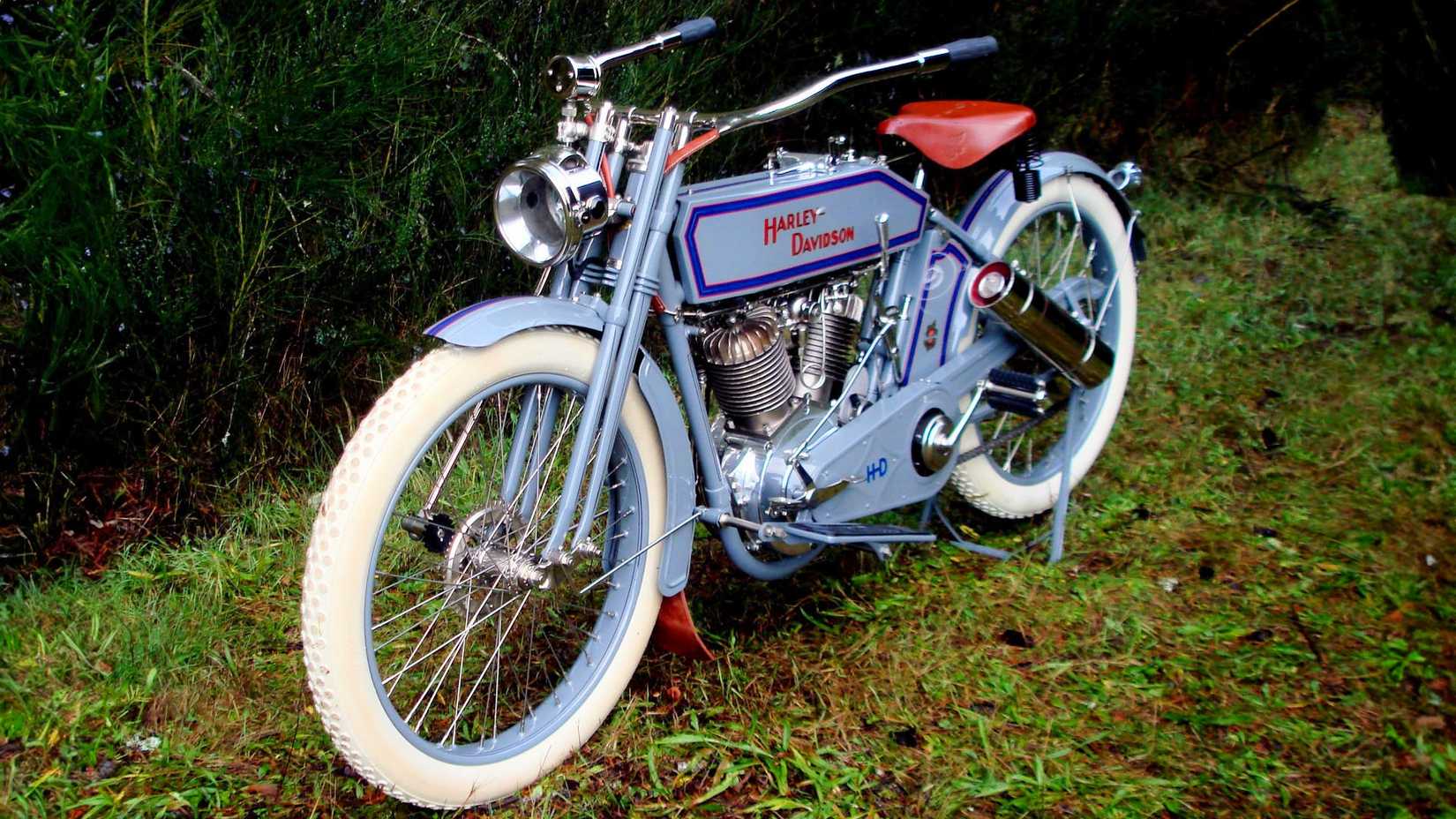
Identifying the oldest Harley-Davidson still on the road turns out to be far more complicated than simply finding the oldest surviving motorcycle. Machines such as Serial Number One and the legendary 1908 Strap Tank remain among the most important motorcycles in Harley-Davidson history, but surviving, running, and actively riding on public roads are three very different standards.
Some enthusiasts may point to Bob Laidlaw’s famous 1911 Harley-Davidson as a possible answer. For years, the motorcycle was one of the oldest publicly documented Harleys still being ridden. However, a conversation with Matt Laidlaw, Bob’s grandson, confirmed that the motorcycle was sold following the elder Laidlaw’s passing, and it now resides with a collector in China. While the bike survives, it can no longer be considered one of the oldest Harley-Davidsons currently riding on American roads.
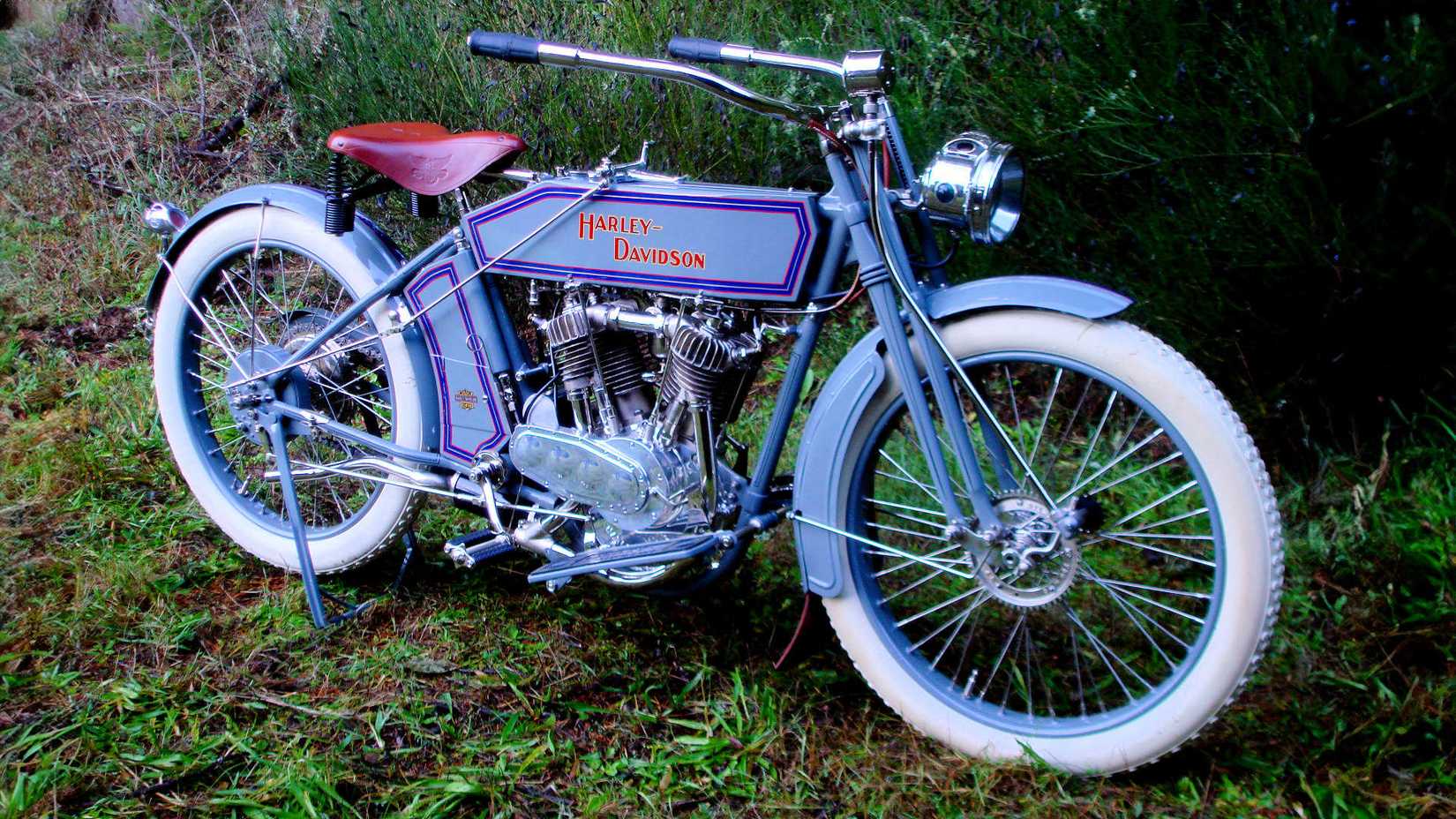
That distinction helps explain why the 1914 Harley-Davidson Twins emerge as the strongest documented candidates today. Unlike many earlier motorcycles that spend most of their time in museums or private collections, these machines continue to demonstrate their roadworthiness through events such as the Motorcycle Cannonball, covering thousands of miles on public highways more than a century after they were built.
Tomorrow’s Answer Could Be Different
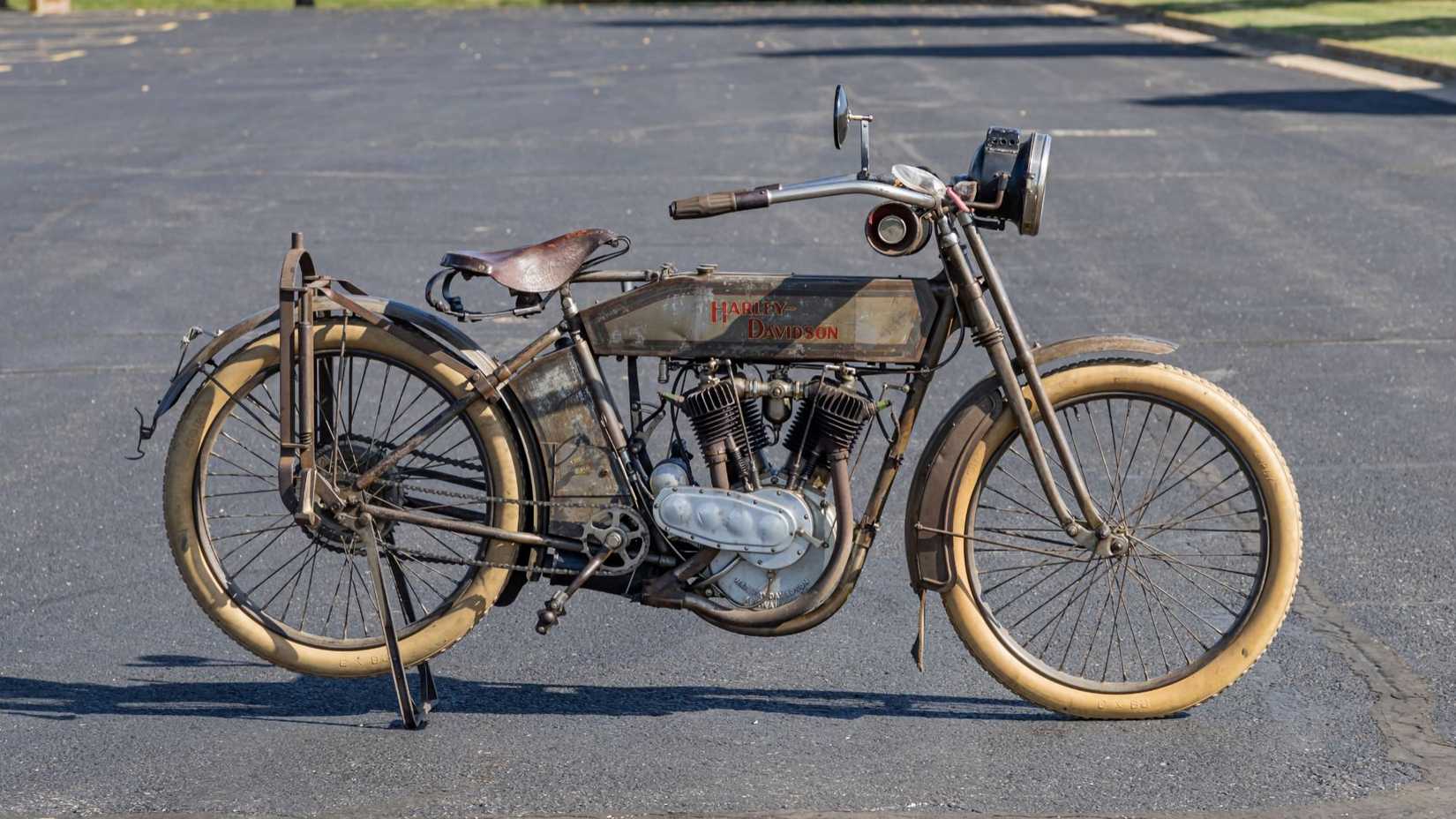
Even then, the answer remains temporary. Every year, another historic motorcycle is restored, another collector decides to put an old machine back into service, and another long-forgotten Harley-Davidson emerges from a barn or private collection. The oldest Harley still on the road today may not be the oldest Harley still on the road tomorrow.
For now, however, the evidence points to the 1914 Harley-Davidson Twin as the earliest Harley that can be publicly documented earning new miles on public roads. The answer is less about a specific motorcycle and more about the oldest Harley that can be proven to still earn miles. More than 110 years after it left the factory, that is a remarkable achievement, and proof that some pieces of Harley-Davidson history are still being written one mile at a time.
Sources: Harley-Davidson Museum, National Motorcycle Museum, Harley-Davidson, and Matt Laidlaw of Laidlaw’s Harley-Davidson (personal communication)