
Here’s the thing about performance cars: they’re not supposed to make sense. That’s kind of the point. You buy one, knowing full well that the insurance will sting, the rear tires will wear faster than you’d like, and your partner will look at the fuel station receipt with quiet disappointment. The deal has always been that the driving experience makes all of that worth it.
Most performance cars play by those rules without apology. They ask for your money, your patience, and your time at the dealership, and they repay you in the only currency that matters on a twisty road. For the right kind of driver, that trade has always been worth it. But it has also always been a trade. Until something comes along that refuses to make it one.
Performance Cars’ Running Costs Are Not Nice
The long-term ownership picture for performance cars, as a category, is rarely pretty. Turbocharged engines running hard on track days, suspension components stressed beyond road car tolerances, and specialized parts that cost three times what they would on a mainstream model: these are not anomalies. They are the norm.
RepairPal data shows that sports cars average $652 per year in maintenance costs, compared to $456 for the industry average. That gap widens significantly for European performance machinery, where labor rates for specialist technicians and the cost of proprietary components push annual bills well beyond four figures for many owners.
How Formula 1 Tech Makes This Japanese Hot Hatchback A Track Monster
The Honda Civic Type R may seem like a Civic on steroids, but there’s a method behind its aerodynamic and engineering madness.
The Honda Civic Type R Is The Performance Car That Makes Long-Term Sense
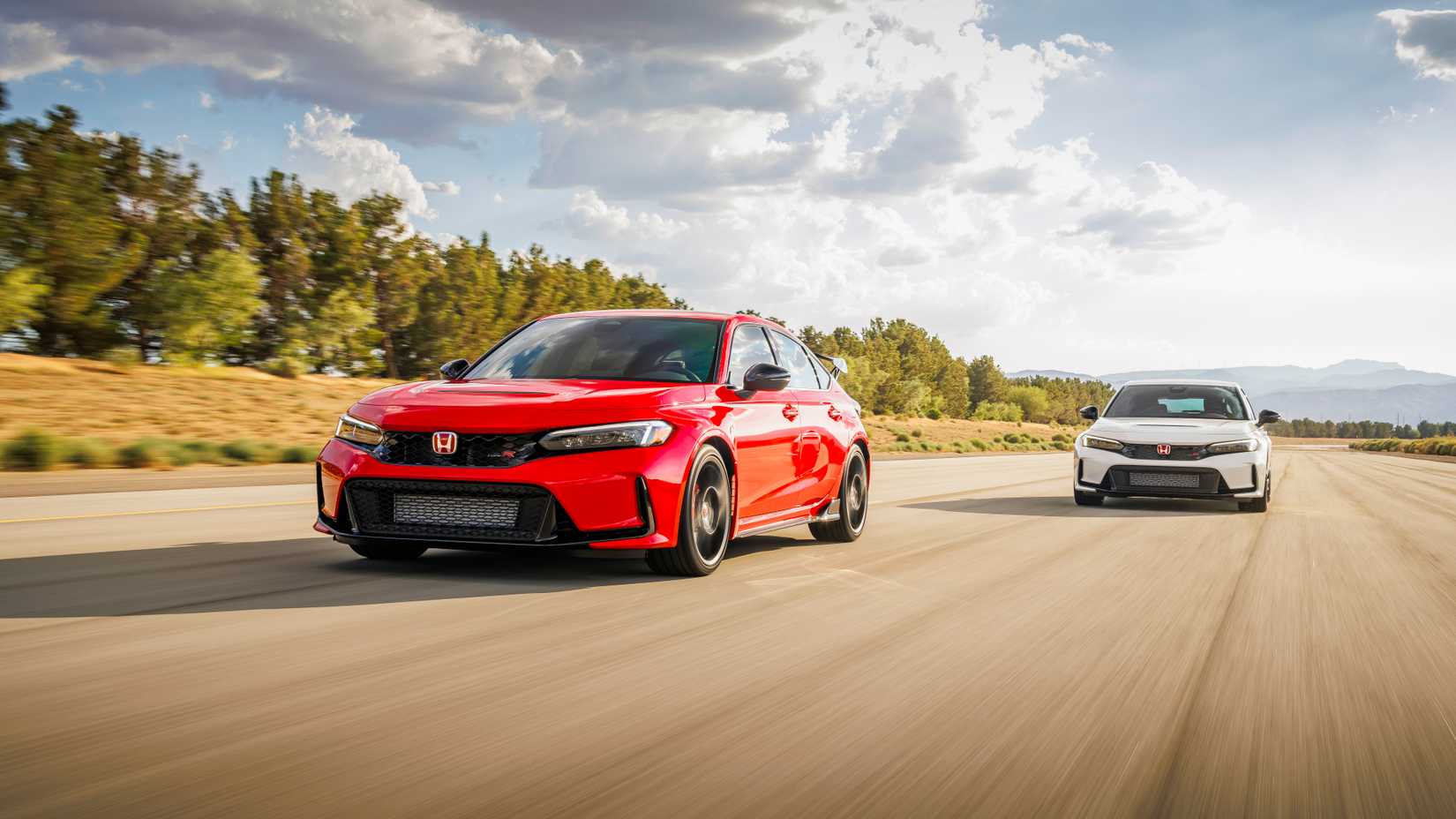
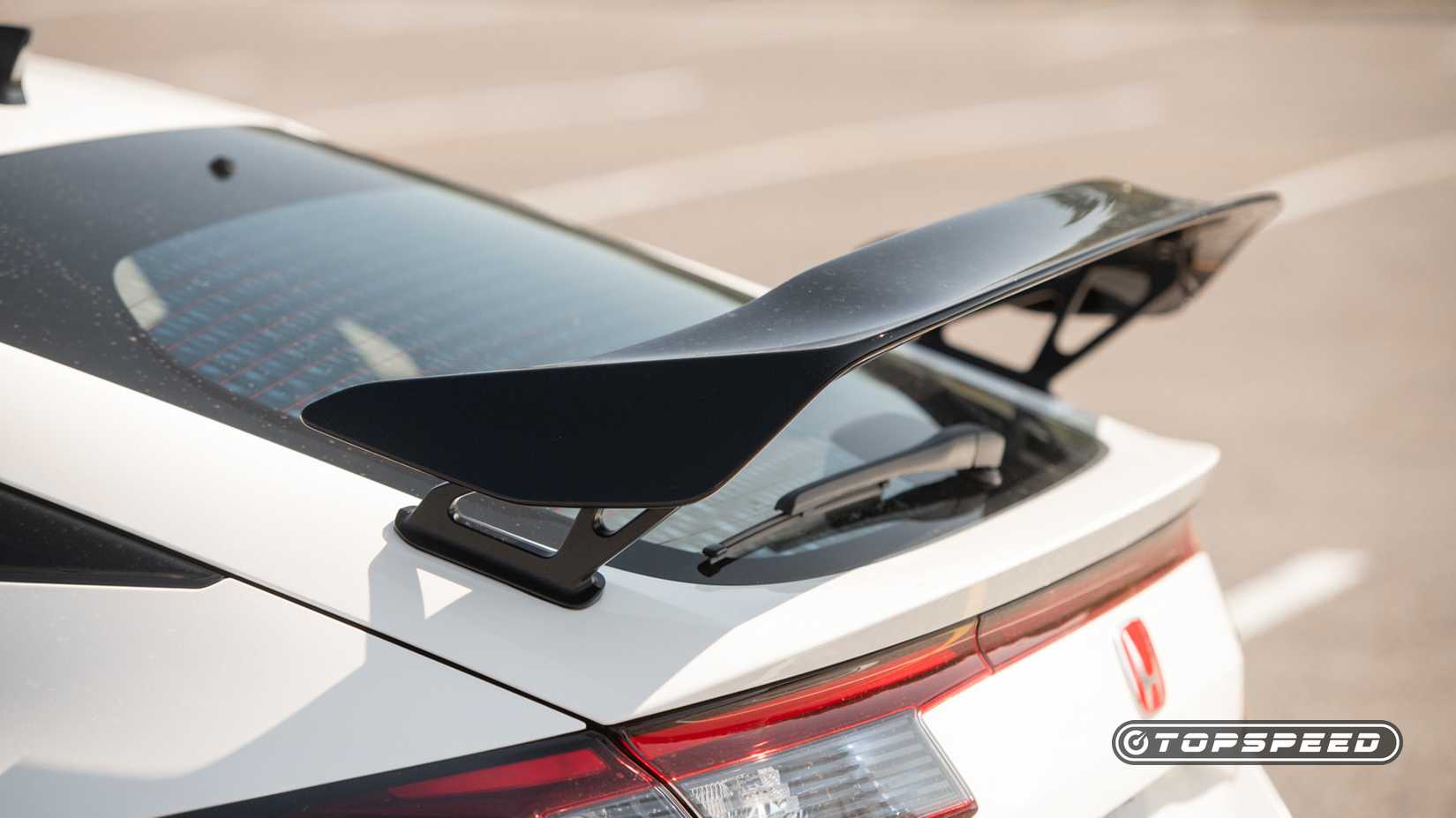
The enormous rear wing, the triple-pipe exhaust, the wide-body stance: none of it is subtle, and none of it is trying to be. The Honda Civic Type R does not want to sneak past you. It announces itself. And yet, underneath all that aggression, Honda has quietly built something that turns the performance car’s usual trade-offs on their head. This is a car that rewards you for keeping it. Not just on a Sunday morning, but every single day.
Built To Thrill, Engineered To Last
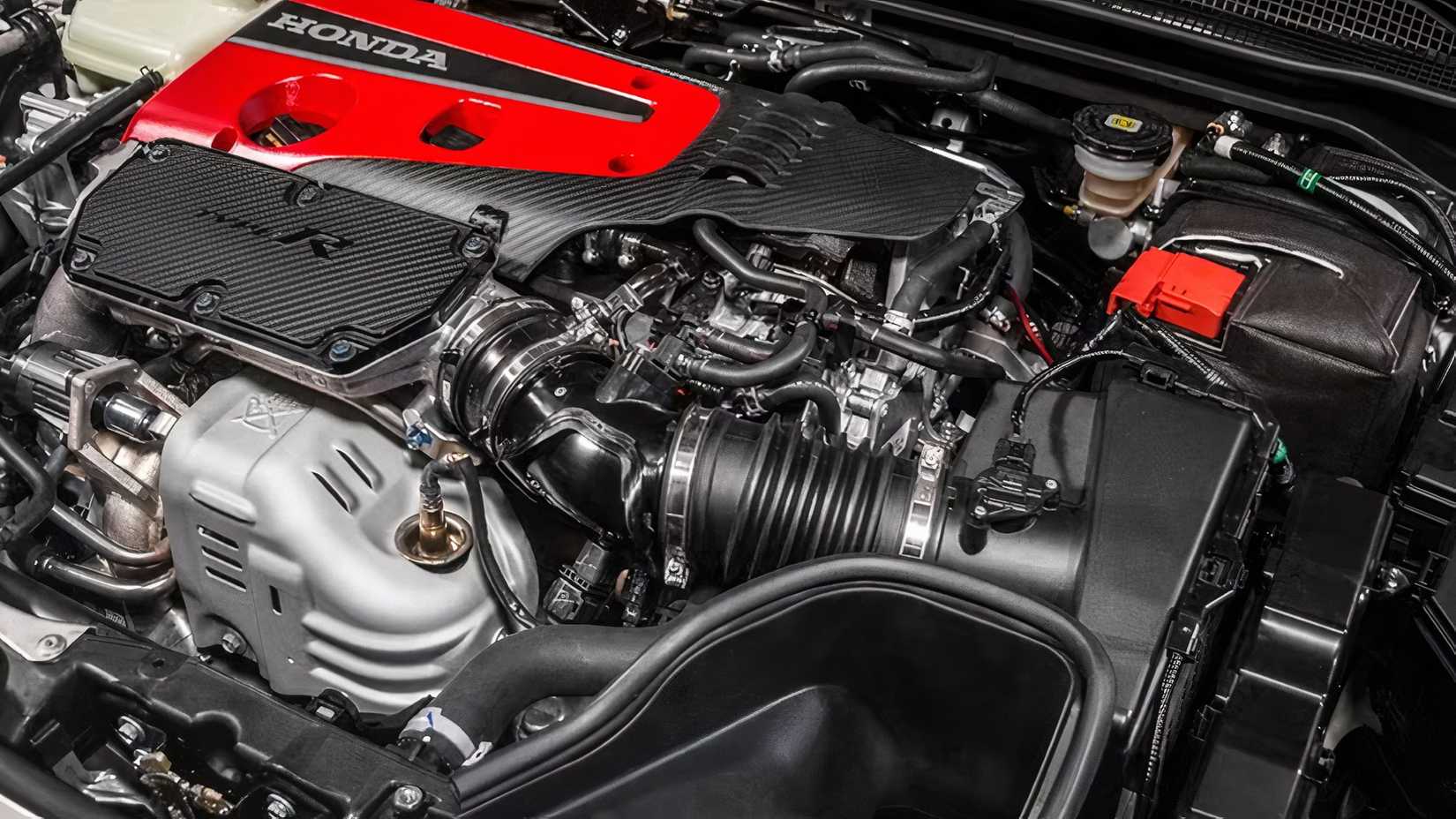
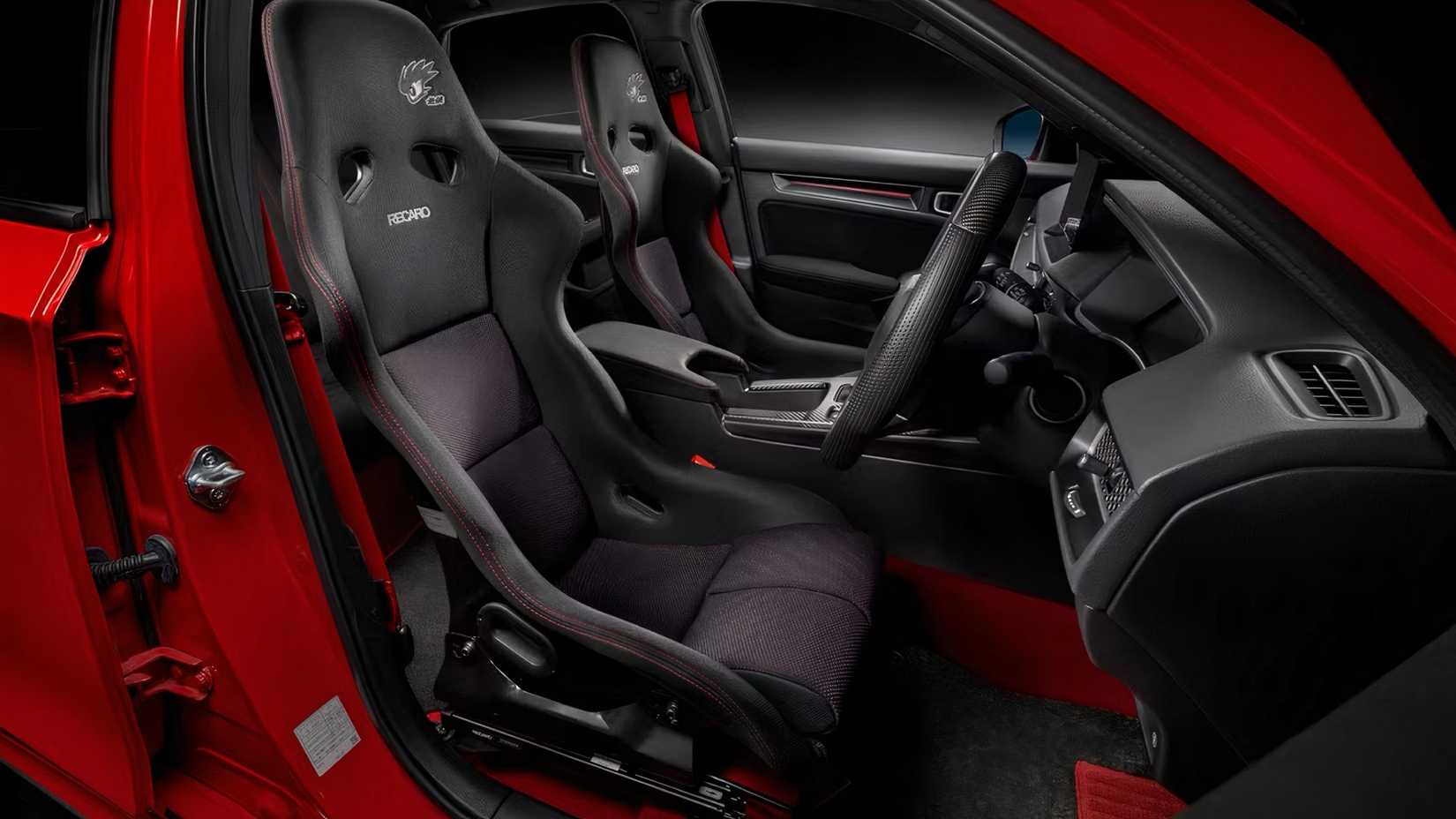
The engine at the heart of the Type R is Honda’s K20C1, a 2.0-liter turbocharged four-cylinder that produces 315 horsepower and 310 pound-feet of torque. Those numbers are impressive on their own, but what matters more is the lineage behind them. The K-series has been a cornerstone of Honda’s performance DNA for over two decades. It isn’t an exotic, hand-assembled unit from a small-batch facility that requires a specialist to so much as look at it. It’s a Honda engine: over-engineered, proven, and thoroughly unsurprising in the best possible sense. You service it at any Honda dealer, you source parts without drama, and you drive it without the low-level anxiety that tends to follow boutique performance hardware around.
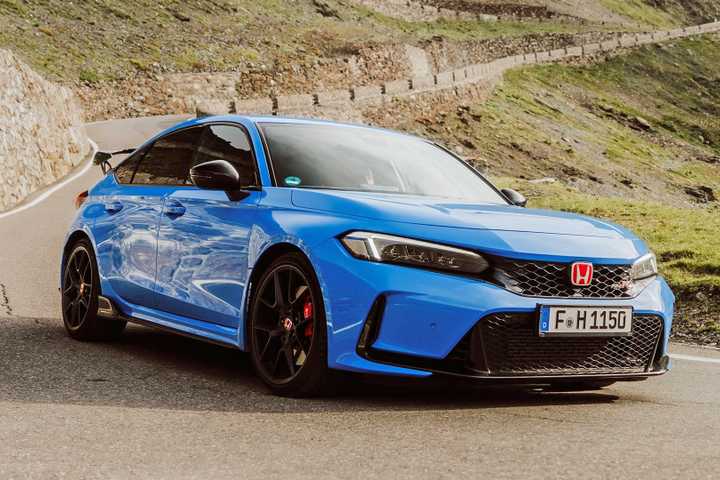

- Base Trim Engine
-
2L inline-4 Turbo
- Base Trim Transmission
-
6-speed manual
- Base Trim Drivetrain
-
Front-Wheel Drive
- Base Trim Horsepower
-
315 HP @6500 RPM
- Base Trim Torque
-
310 lb.-ft. @ 2600 RPM
- Base Trim Fuel Economy (city/highway/combined)
-
22/28/24 MPG
- Make
-
Honda
- Model
-
Civic Type R
- Segment
-
Compact Hatchback
Honda’s reliability record in the compact segment is not up for debate. The Civic has ranked in the top ten among all car models for value retention in the US market. The Type R inherits all of that engineering discipline and layers a serious performance brief on top of it. That combination is rarer than it sounds.
One Trim. No Nonsense.
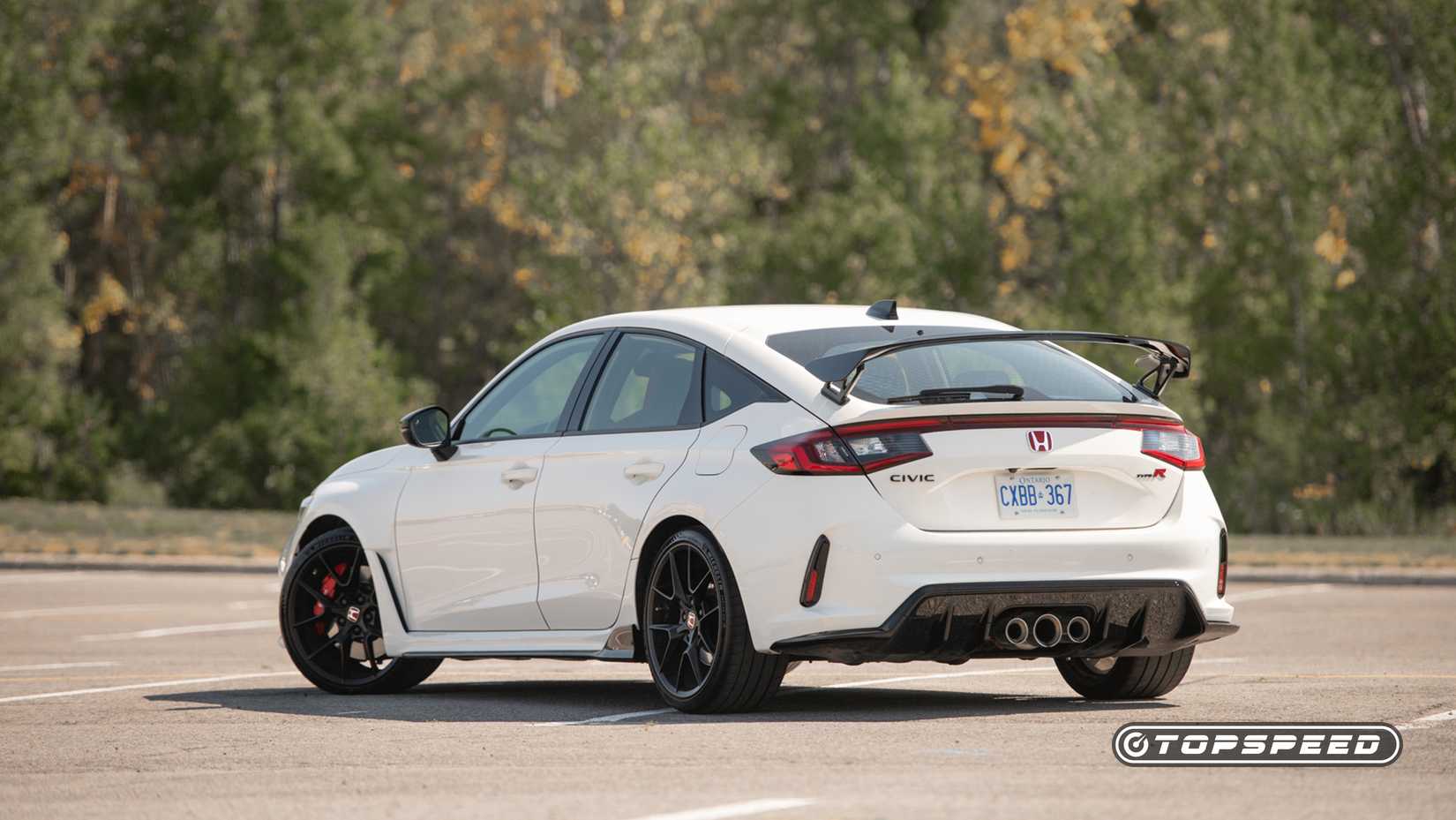
Honda sells the Civic Type R in exactly one configuration. One trim. One transmission, a six-speed manual with no exceptions. One drivetrain. There is no automatic option for the impatient, no AWD variant for the fence-sitter, no detuned entry version to widen the funnel. You either want the Type R or you don’t.
That decisiveness might read as a limitation. It isn’t. It means every Type R that leaves the factory is built to the same specification, which keeps the ownership community tight, the parts ecosystem consistent, and the used market clean. There is no base model diluting the lineage. When you buy one, you’re buying the whole thing.
Civic Showdown: How The Type R And Si Serve Two Different Drivers
Honda’s two fastest Civics are for very different buyers, and we’re dissecting what makes each special in this comparison.
The Numbers That Make The Case
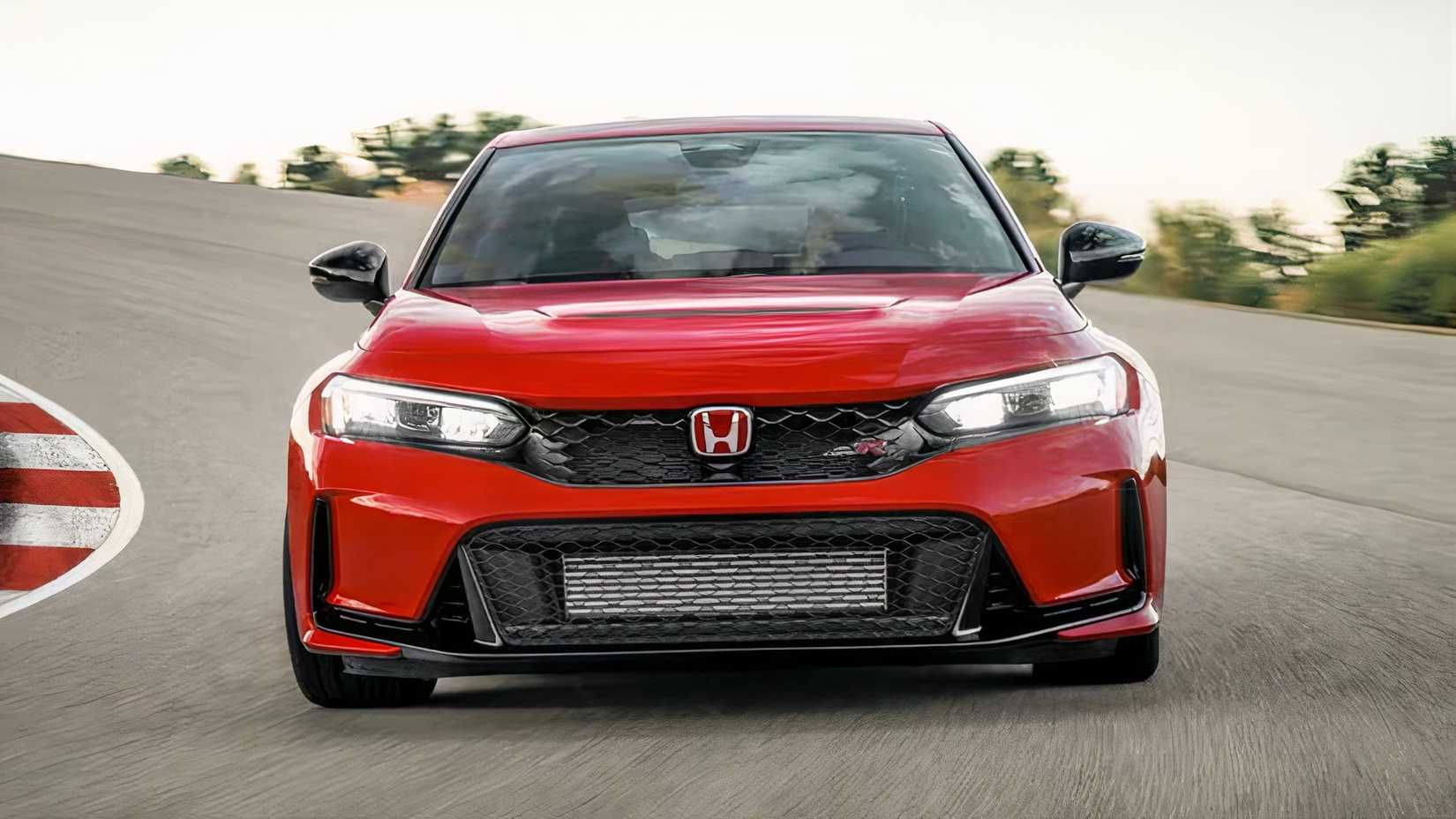
Emotion is the easy sell on a car like this. The rational argument is the more interesting one. At its 2026 MSRP of $47,395 before destination, the Type R sits in a segment where the competition is legitimate, and the pricing gaps tell their own story.
Value In Context
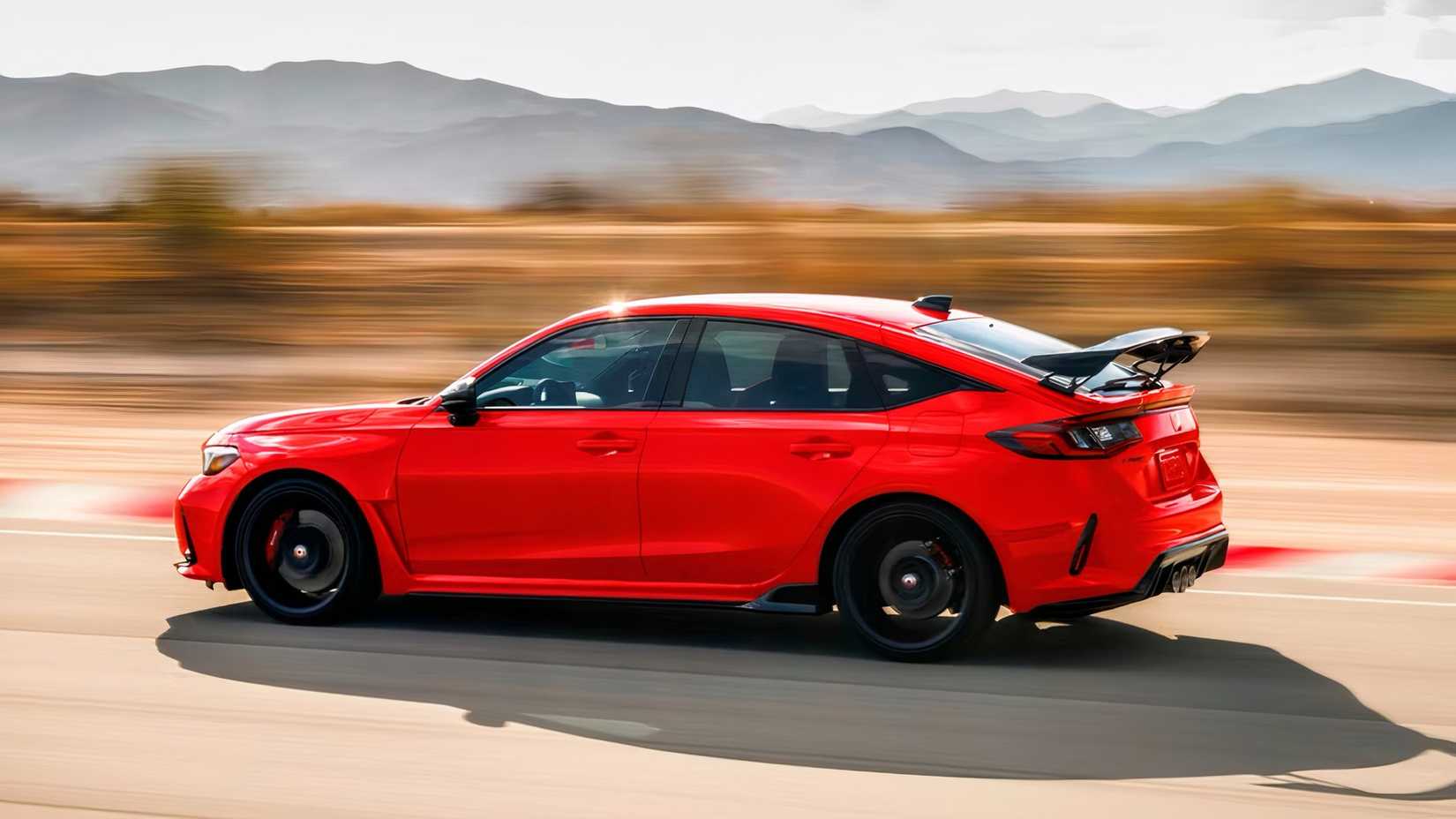
Run the spec sheet against the class, and the Type R’s value proposition becomes hard to argue against. For $47,395, you get 315 horsepower, 310 pound-feet of torque, a limited-slip differential, Brembo brakes, adaptive dampers, and a chassis that holds the FWD lap record at both the Nürburgring Nordschleife and Suzuka. The Golf R starts at $49,455, more than $2,000 more, and it dropped its manual transmission entirely for 2025, leaving buyers with a DSG-only lineup.
The GR Corolla, the Type R’s most natural rival on the enthusiast scale, starts at $40,120 in base form but climbs to $46,165 for the Premium Plus trim, and its cabin quality reflects its economy car roots in a way the Type R’s does not. The Type R sits right in the middle of that range and punches above it in almost every meaningful metric. The Brembos, the adaptive suspension, the mechanical LSD: that hardware would cost significantly more on any other badge.
The Cost Of The Alternative
The alternative performance cars at this price point reveal just how disciplined the Type R’s ownership math is. A base 2026 Toyota GR Supra comes in at around $58,300, but annual maintenance costs are considerably higher, parts aren’t sourced at any dealership on the corner, and the turbocharged BMW engine requires premium everything. The BMW M2 is a genuinely brilliant driver’s car, but it starts at over $69,000. Entry-level Porsche territory begins at roughly $73,000 for a base 718 Cayman. The Type R does not match those cars in prestige or outright performance, but it doesn’t need to. What it does is deliver the overwhelming majority of the experience for a fraction of the long-term cost.
Repair costs on the Type R, per KBB’s five-year cost-to-own analysis, average around $1,667 over five years. That is not a typo. That’s the number you get when Honda reliability meets a performance platform that isn’t trying to impress anyone with complexity. Ask anyone who owns a performance car whether they’d daily it, and you’ll usually get a carefully hedged answer. With the Type R, the answer is considerably simpler: yes.
More Car Than You’d Expect
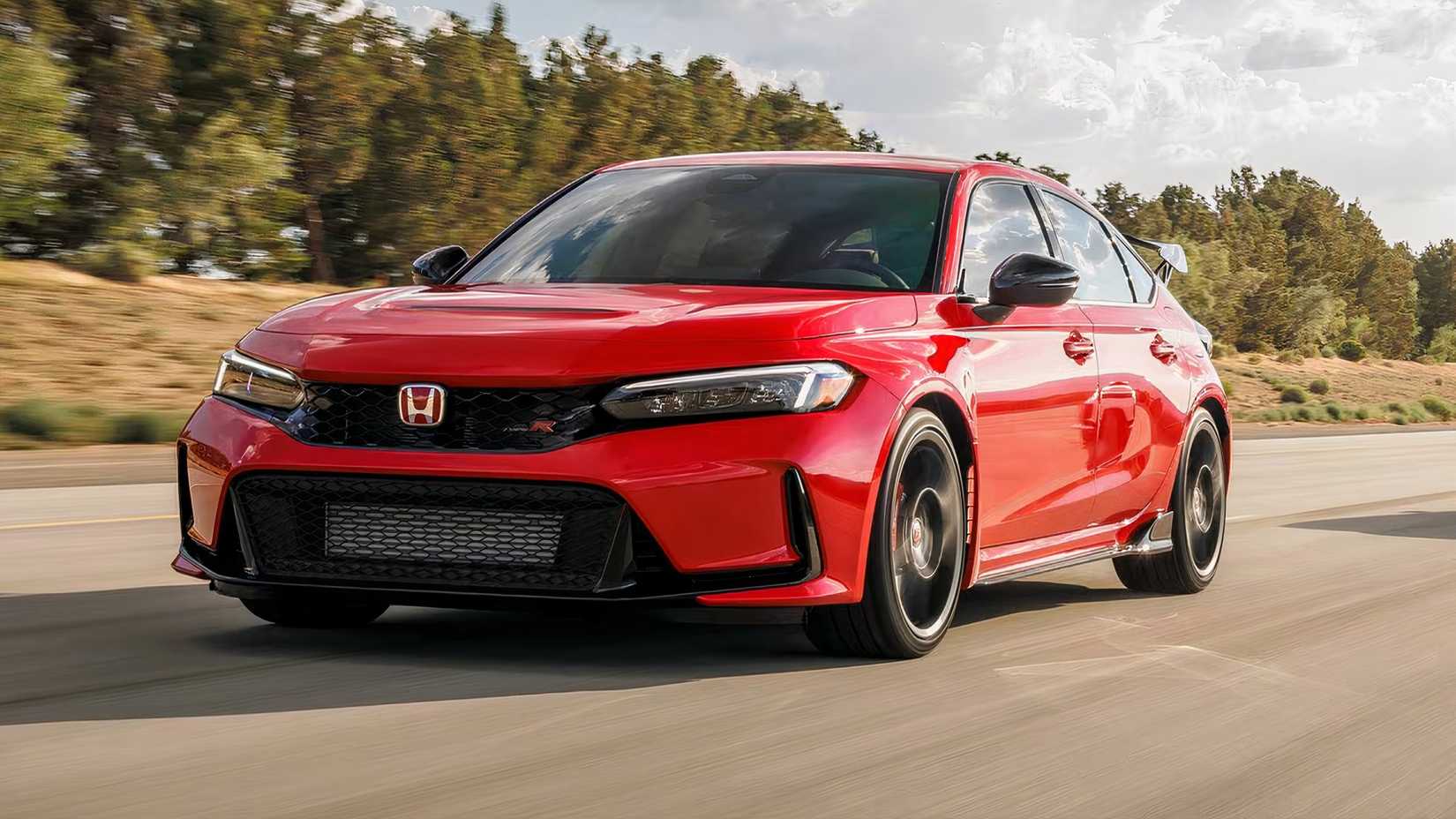
The Type R is a five-door hatchback. That sounds obvious, but it’s worth sitting with for a moment. You get 24.5 cubic feet of cargo space, more than most rivals in the hot hatch segment. The rear seats are functional for adults. The EPA-rated fuel economy of 22 mpg city and 28 mpg highway is not going to bankrupt you on the commute. And while the suspension is firmer than a standard Civic, Honda tuned the adaptive dampers to actually work in Comfort mode rather than just offering it as a checkbox.
This is a car you can take to the airport, fill with luggage, drive back, and still feel the urge to take the long way home. The packaging is genuinely impressive. None of the performance hardware has been grafted on at the expense of the things you need a daily driver to do.
Four Modes, One Car
The Type R runs four driving modes: Comfort, Sport, +R, and Individual. The gap between Comfort and +R is not trivial. In Comfort, the dampers soften meaningfully, the throttle response calms down, and the car settles into something you could genuinely live with through traffic without grinding your teeth. Flip to +R and the same car sharpens into something considerably more focused. Steering weights up, throttle sharpens, the dampers firm up across all four corners.
Individual mode lets you mix and match, which means you can have a sharp throttle and a softer suspension simultaneously if that’s what your road calls for. It is a remarkably wide bandwidth for a single car. The fact that Honda packaged all of this without raising the price into the next tax bracket is the kind of restraint that deserves more credit than it gets.
The Honda Civic You Forgot About That Paved The Way For The Type R
This was the first-ever Honda Civic to come with the famed B16A VTEC engine.
The Long Game
The residual value conversation is where the rational case for the Type R either wins or falls apart. Most performance cars depreciate hard and fast. The enthusiast premium evaporates, the mileage catches up, and the specialist servicing costs begin to compound. The Type R doesn’t follow that script.
What Residuals Actually Look Like
The numbers here are sourced, not assumed. According to KBB’s depreciation data, a 2024 Civic Type R bought new at $45,945 currently holds a private party resale value of $40,500 after approximately two years. That’s a depreciation of roughly 11 percent over 24 months. For a performance car, that is an unusually shallow curve. The 2025 model tells a similar story: one year into ownership, KBB’s data shows an 11 percent depreciation to a current resale value of around $41,600.
Why does it hold? A few converging reasons. Honda’s new-car pricing has moved up steadily, with the 2026 model running $1,000 more than the 2025, which was $800 more than the 2024. Rising new prices lift the floor on used values. The manual-only spec keeps supply constrained because a meaningful chunk of the market won’t engage with a clutch pedal. And Honda’s reliability reputation means buyers actively seek out Type Rs on the used market rather than treating them as a gamble. Jalopnik noted in late 2025 that soaring new-car prices have “strengthened values” on used Type Rs, making lightly used examples increasingly attractive to buyers who missed the window on new.
The Collectibility Curve
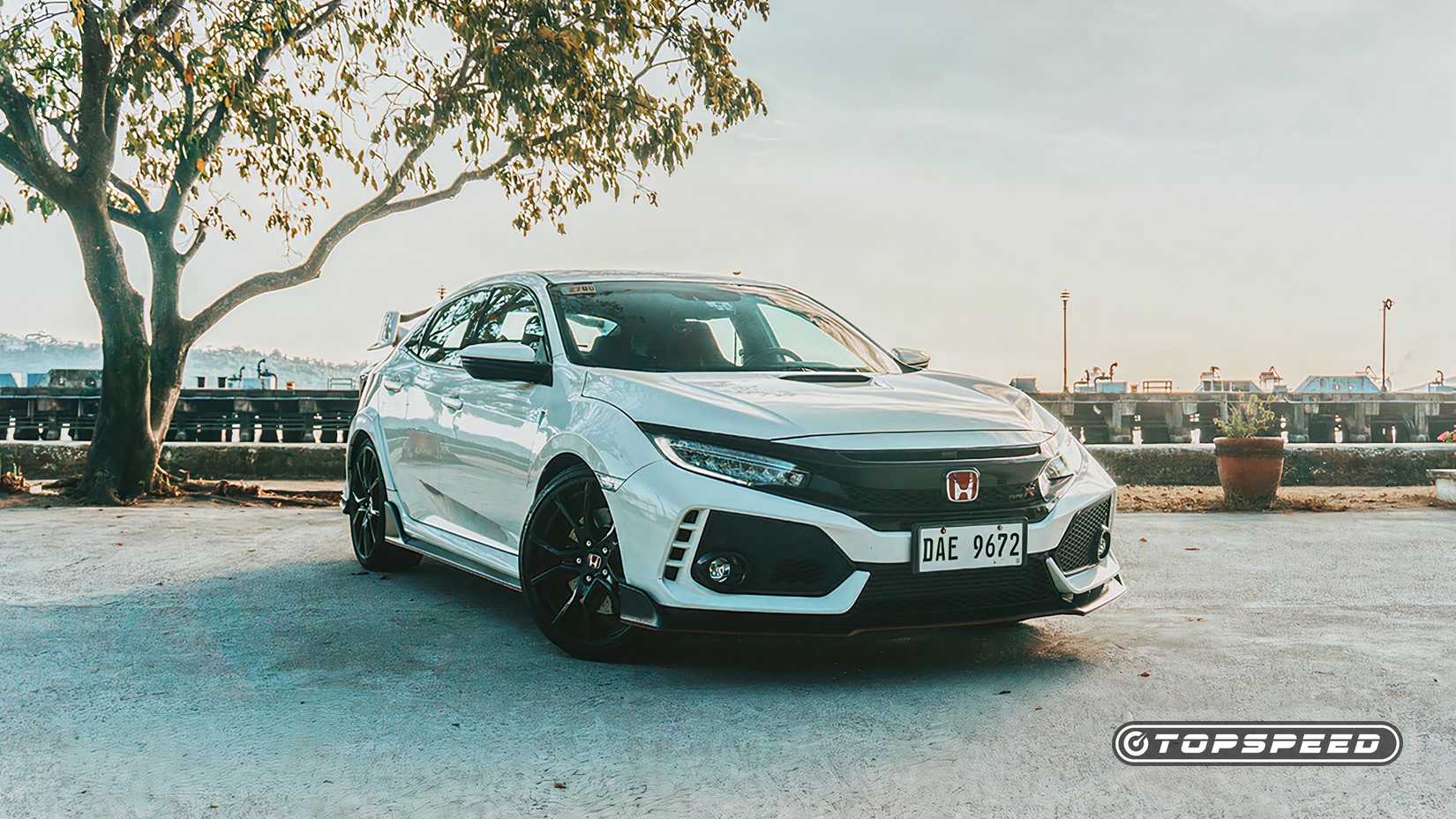
Every generation of the Civic Type R eventually becomes a collector’s piece. The FK8, the previous generation, is already trading at a premium among enthusiasts who missed it the first time around. The FL5, the current generation, has a stronger case than any of its predecessors.
The evidence isn’t anecdotal. Before even going on sale, the FL5 lapped Suzuka’s 3.6-mile figure-eight in two minutes 23.120 seconds, a new FWD production car record that beat the previous Type R Limited Edition by nearly a full second. Honda then went to the Nürburgring and did it again: seven minutes 44.881 seconds, a new FWD lap record around a 20.8-kilometer circuit considered the most demanding road course on earth. Car and Driver has named it to consecutive 10 Best lists. Edmunds called it, flatly, the best hot hatchback on sale right now. These aren’t enthusiast forum opinions. They are the consensus of the serious automotive press.
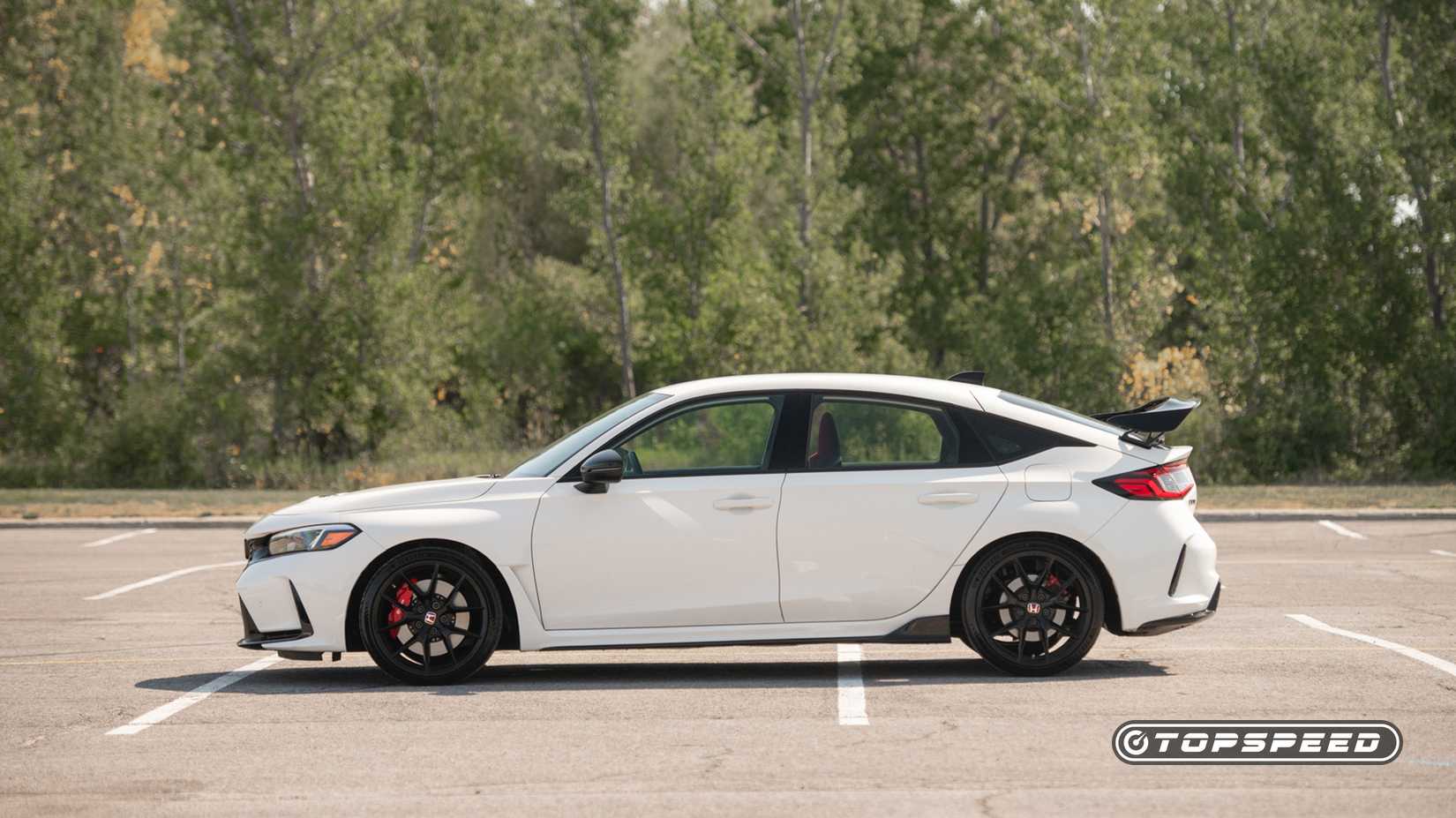
The FL5 is also, almost certainly, the last of its kind. Honda has not confirmed what comes next, and the regulatory direction of travel points away from naturally evolved performance compacts like this one. Buying the FL5 now is not just sensible. It is, quietly, excellent timing.
Here’s What Makes This Honda Civic Type R The Greatest Ever Built
Produced between 2001 and 2005, the EP3 Civic Type R marked a pivotal evolution in Honda’s hot hatch legacy.
TopSpeed’s Take
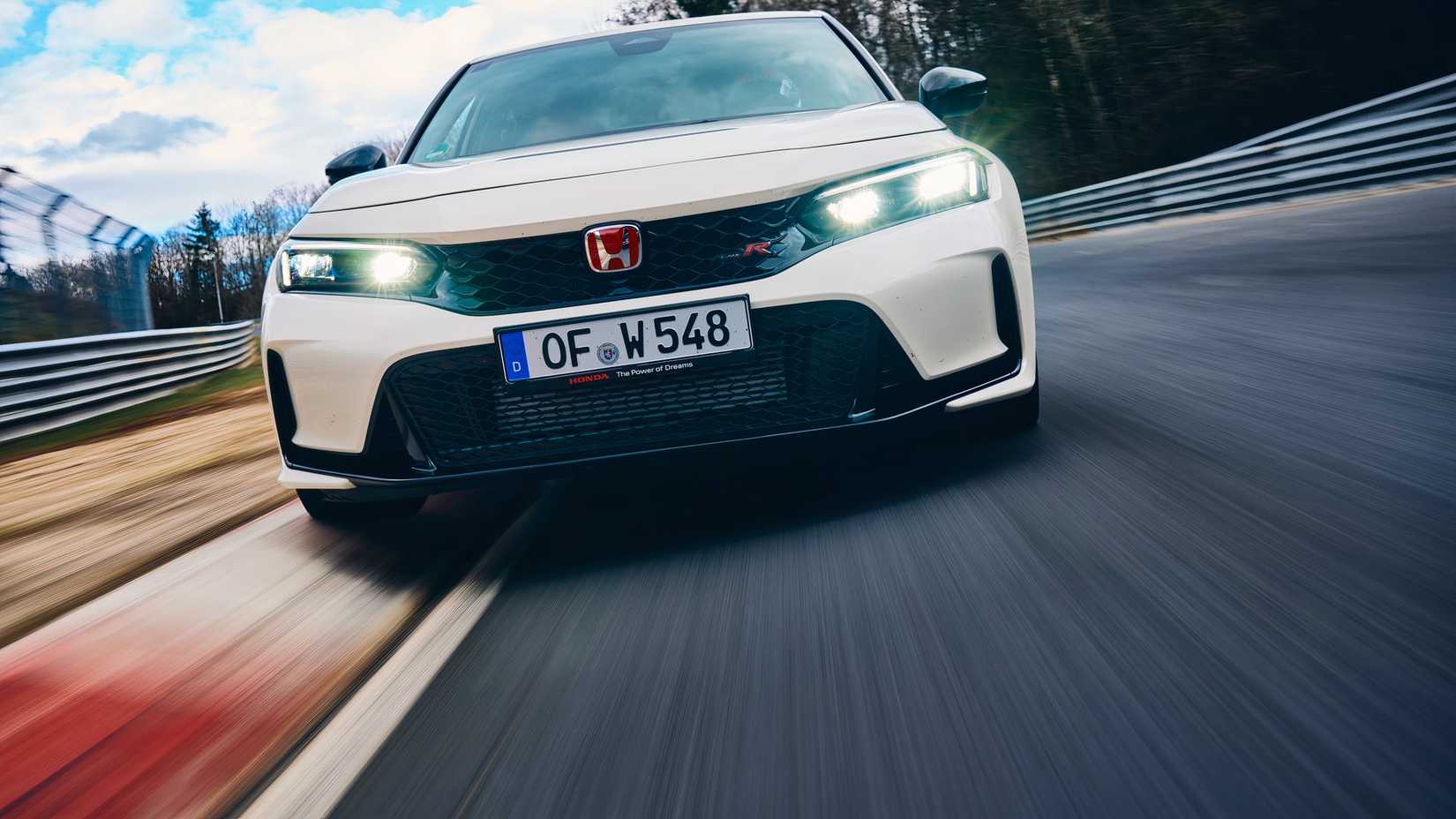
The performance car that makes long-term sense was never supposed to exist. The category has always been built on the premise that you pay a premium for the experience and absorb the running costs as the price of admission. The Civic Type R didn’t get the memo. At $47,395 before destination, it delivers a spec sheet that embarrasses more expensive rivals, a reliability record that takes servicing anxiety off the table, and residual values that hold in a segment where depreciation usually hits hard and fast.
The driving experience, records at Suzuka and the Nordschleife, four modes that actually work, a manual gearbox that Honda refuses to apologize for, is the headline. The financial case is the surprise. Most performance cars ask you to choose between driving joy and long-term sense. The Type R makes the argument that you don’t have to. It is difficult to disagree.
Source: Honda, Edmunds, KBB, RepairPal