
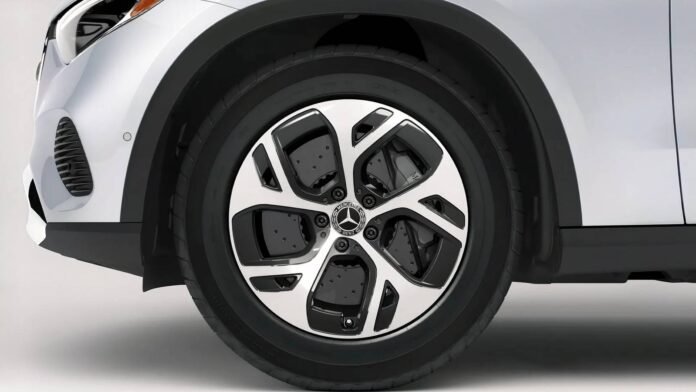
Plug-in hybrid vehicles have evolved dramatically over the past decade, maturing from a niche technology designed primarily to reduce fuel consumption into a finely-tuned bridge between ICE vehicles and dedicated EVs. The most important step PHEVs took toward mainstream consideration was the expansion of their electric-only range—the distance a plug-in vehicle can travel before its engine flips on.
Pioneering plug-in models rarely traveled far without using their engines. Early PHEVs like the 2012 Toyota Prius Plug-In barely managed a dozen miles, the Ford C-Max Energi never breached 20 miles, and even extended-range EVs like the ground-breaking Chevrolet Volt managed just 35 miles before deciding a bigger engine was the way to extend range. In contrast, modern PHEVs are capable of covering a day’s worth of errands or a daily commute using electricity alone.
How Does A Plug-In Hybrid Address Driving Needs?
When plug-in hybrids first appeared in the early 2010s, their electric driving abilities ranged from 10 to 20 miles, which at the time was deemed good enough for getting the kids to school and running some errands, but it often resulted in gasoline engines still handling probably half of everyday travel (and more, if you were using the PHEV for commuting purposes). The 2012 Toyota Prius, for example, was rated at 48 mpg combined, which was only marginally worse than that year’s Toyota Prius Plug-In (50 mpg).
Battery technology advancement has steadily improved electric-range numbers, with many modern PHEVs now offering electric ranges in the 30–40-mile range, though some specific-performance models get ranges in the 20s and lower. The interesting part is that, just as the early PHEV electric ranges reportedly aligned with urban and suburban use at the time, today’s ranges are in line with current average daily driving distances.
How Battery Performance Affects Overall Driving Range
The deciding factor in a PHEV purchase is consistently how far the vehicle can go on electric power alone, which primarily addresses budgetary needs—charging batteries at home is cheaper than refueling at a gas station (exponentially cheaper at today’s gas prices), which means a significant reduction in monthly fuel costs. The weighting factor is how far the driver travels every day—can the vehicle be plugged in overnight for a day’s worth of driving?
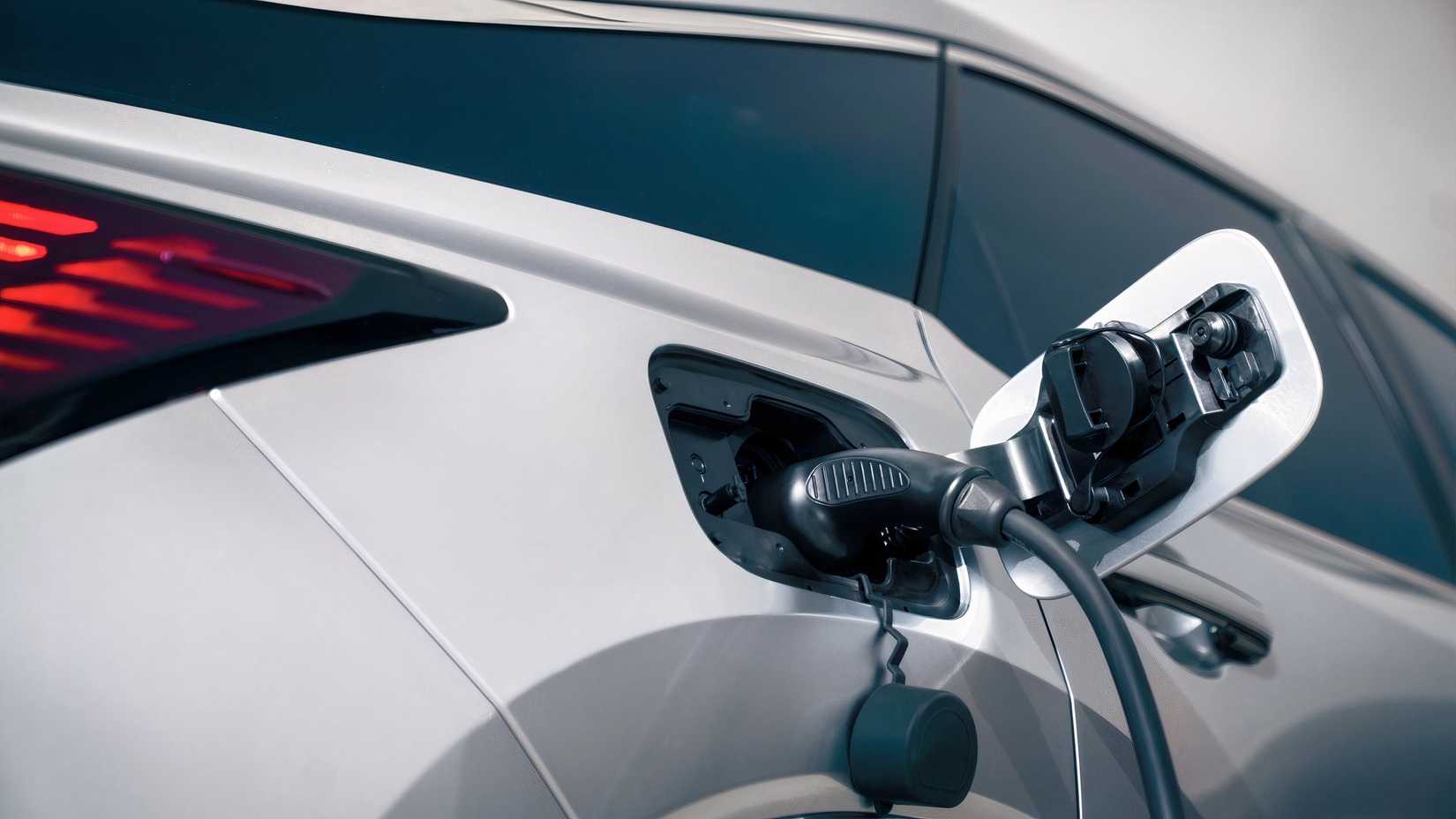
The electric range can vary depending on conditions, such as driver behavior, climate conditions, and terrain. Cold weather reduces battery efficiency, aggressive acceleration drains energy faster, which is only partially compensated for through the required braking that comes with faster speeds; cold weather reduces battery efficiency, and uneven terrain tends to require more power. It’s also important to note that the electric boost has also improved the overall driving range (electric and gas combined).
System Synergy Is The Key To Longer Electric Range
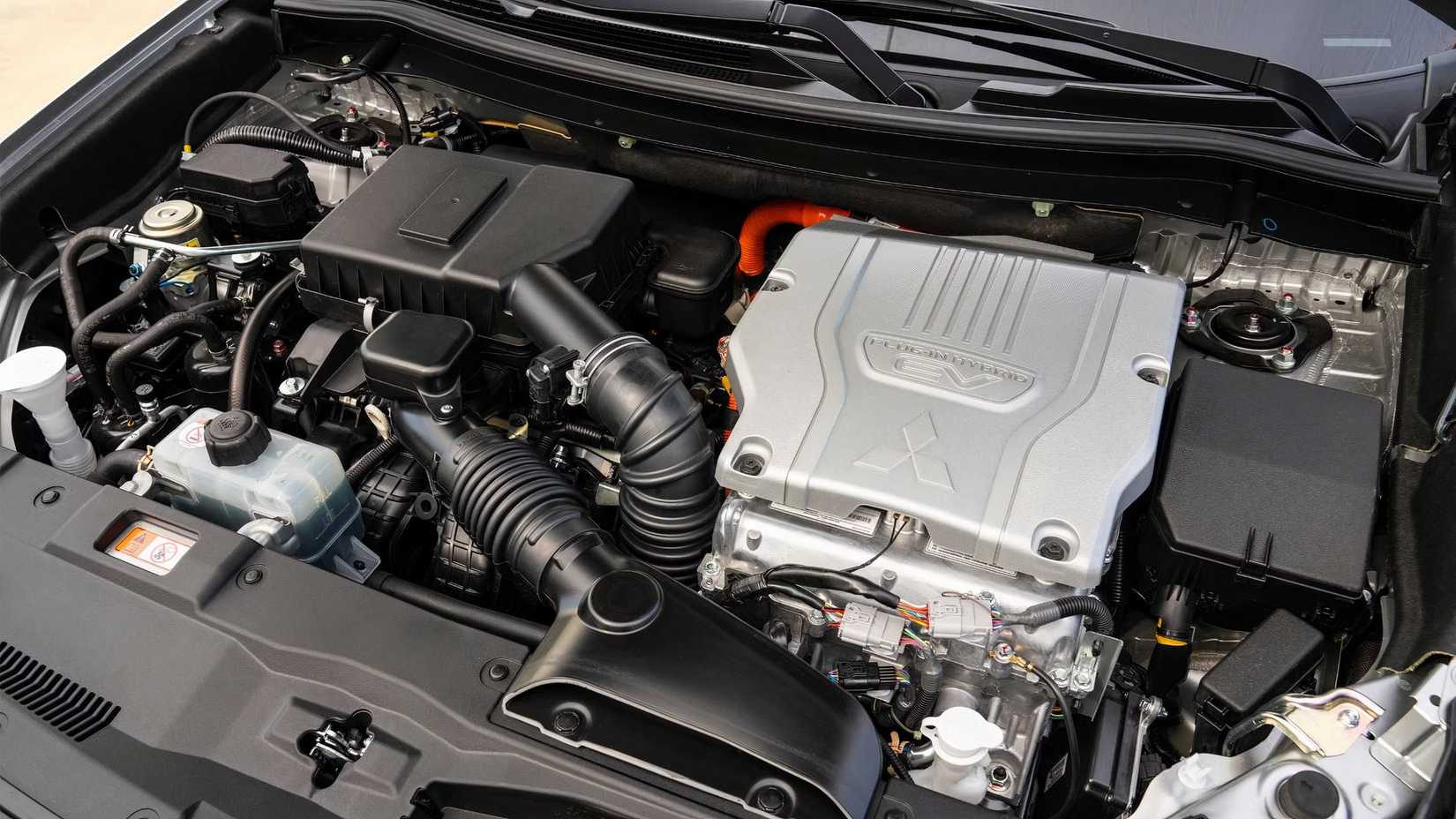
Achieving a longer electric range is not simply a matter of using a larger battery, which would add weight to a vehicle, impact its overall cabin volume, and be more costly to the bottom line. Engineers have to consider those factors and see how incremental changes can be beneficial or detrimental, resulting in a balance that is acceptable to the potential buyer from practicality and budgetary standpoints.
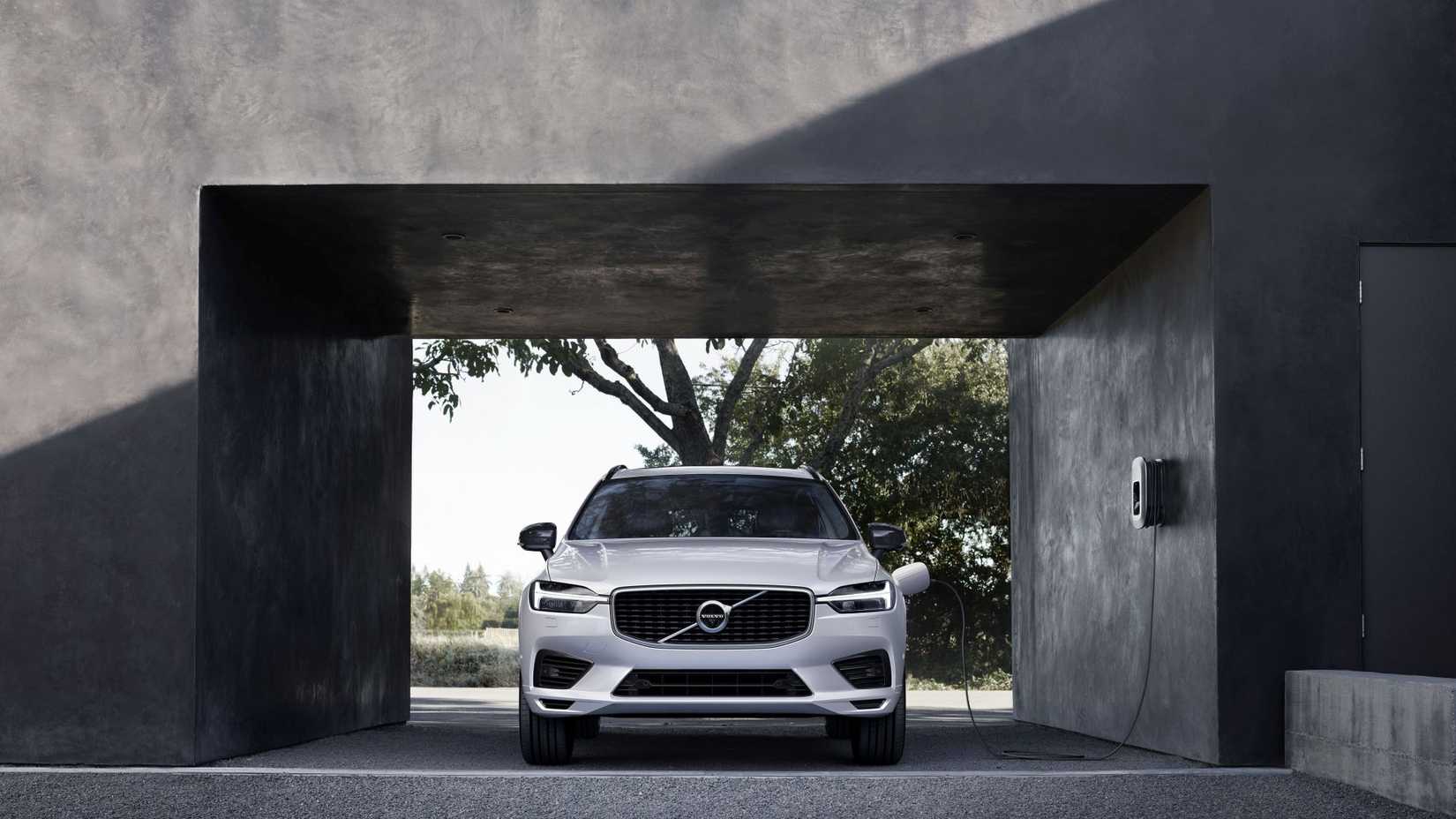
Adding more battery capacity can improve electric driving capability with the proper management software, but it also increases vehicle mass, which can reduce efficiency when the vehicle is using gasoline. Increasing electric range depends on all the hybrid components working together. Battery capacity, thermal management, charging capability, and regenerative braking systems all contribute to longer electric range, and none of today’s cars do it as effectively as this compact SUV.
Reasons To Buy A Plug-in Hybrid Vehicle Over An EV You Shouldn’t Overlook
Discover how plug-in hybrid vehicles offer a seamless blend of modern electric and traditional gasoline power across these key factors.
The 2026 Mercedes-Benz GLC 350e 4Matic Has The Longest Electric Range Of Any PHEV
54 Miles Of EPA-Rated Electric-Only Range
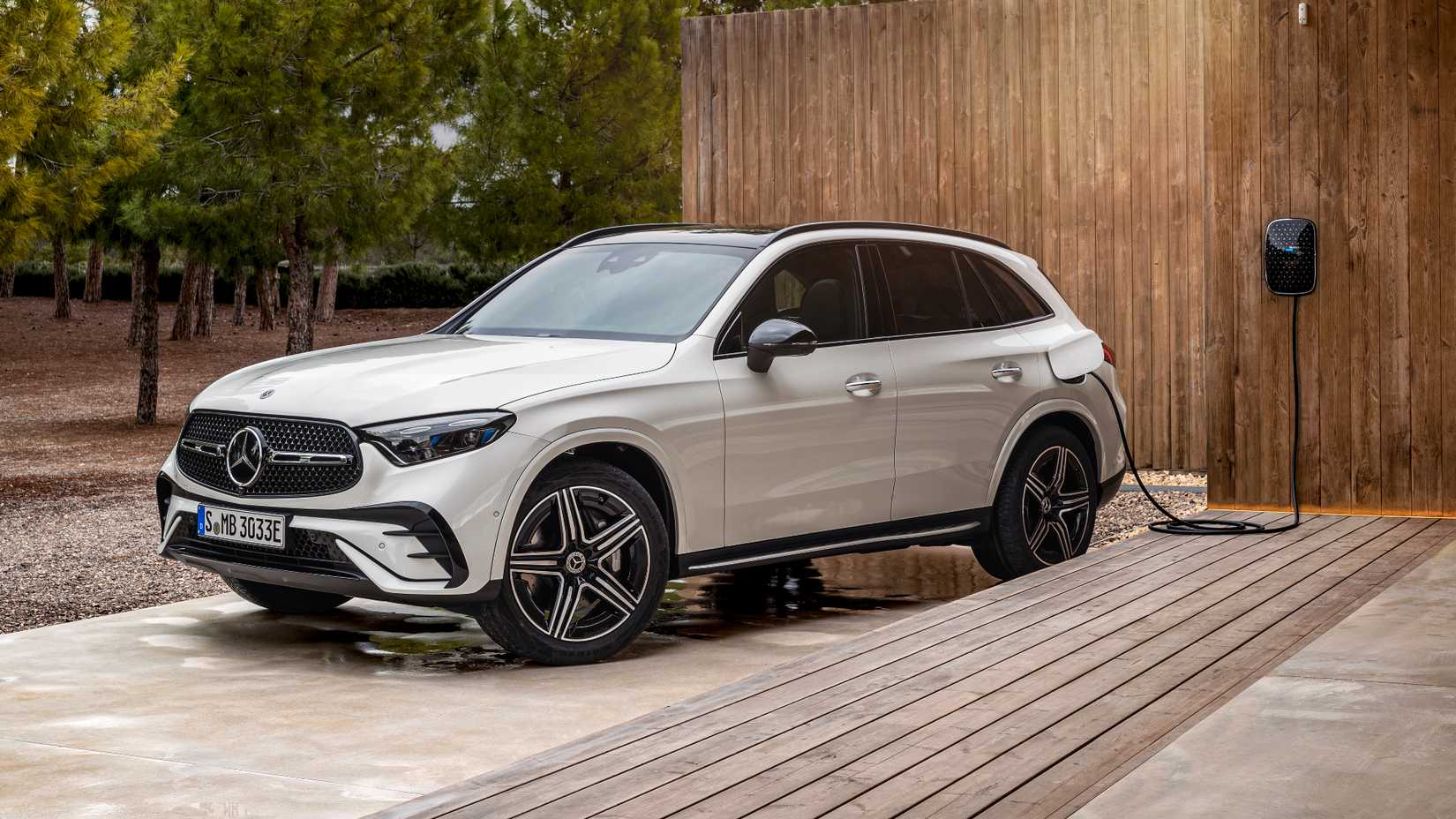
On the widening playing field of plug-in hybrids, the Mercedes-Benz GLC 350e 4MATIC has the best game when it comes to electric-range, leading all other current contestants with an EPA-rated 54 miles of electric-only driving. That gives it the best rating in the U.S., though it is surpassed by a couple of PHEVs in China and Germany, and puts it on a level with much smaller past plug-in vehicles.
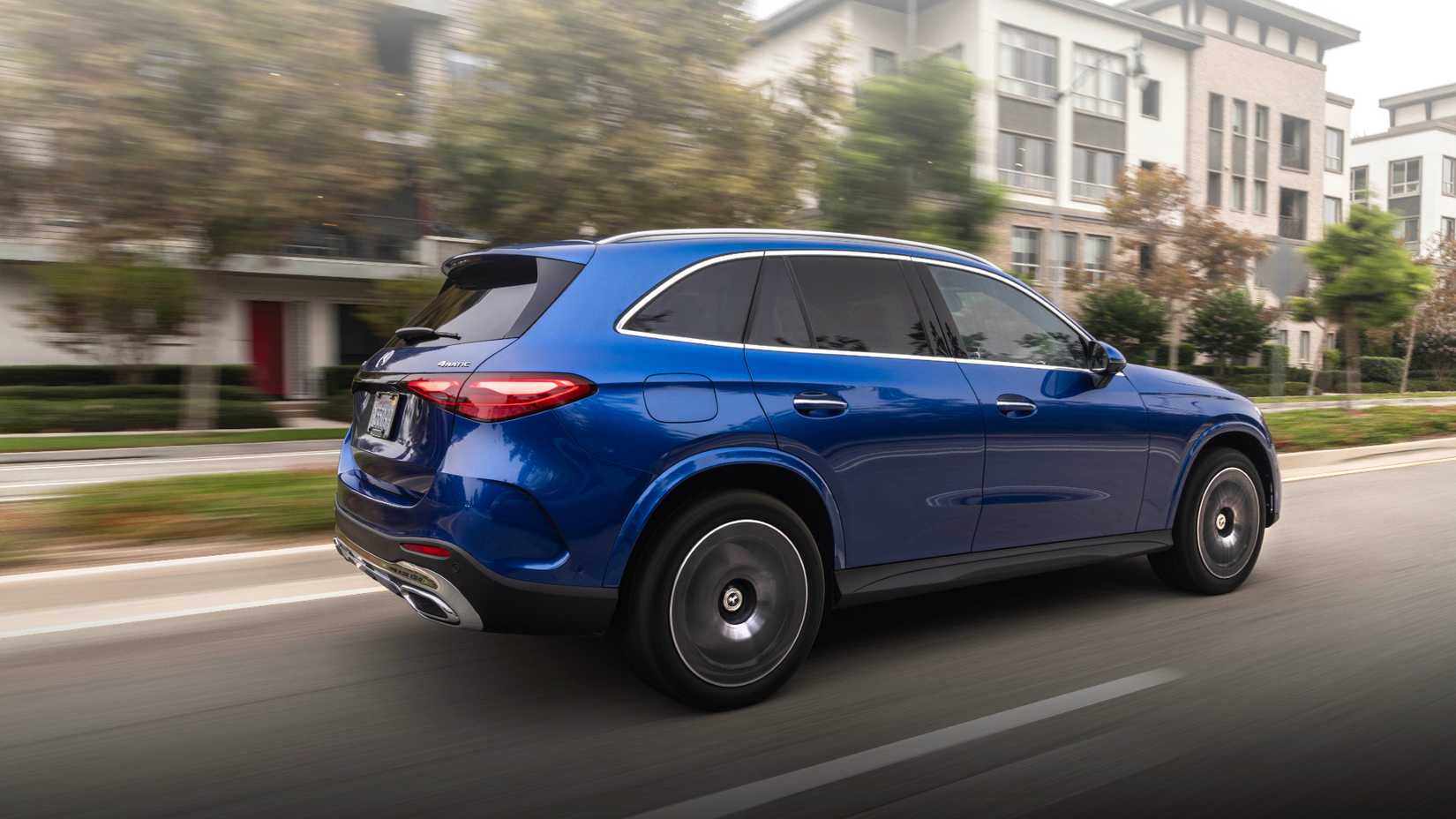
And the 2026 Mercedes-Benz GLC 350e is in that desirable segment for families—right-sized to navigate crowded shopping malls or school drop-offs, room for up to five, and usable cargo space. For many households, 54 miles is more than enough to cover some or all of those routines without using gasoline. That’s significant in that gasoline becomes a long-distance backup, and daily errands can be accomplished without mid-trip recharging (which experts are now promoting).
The PHEV Advantage Of Staying Close To Home
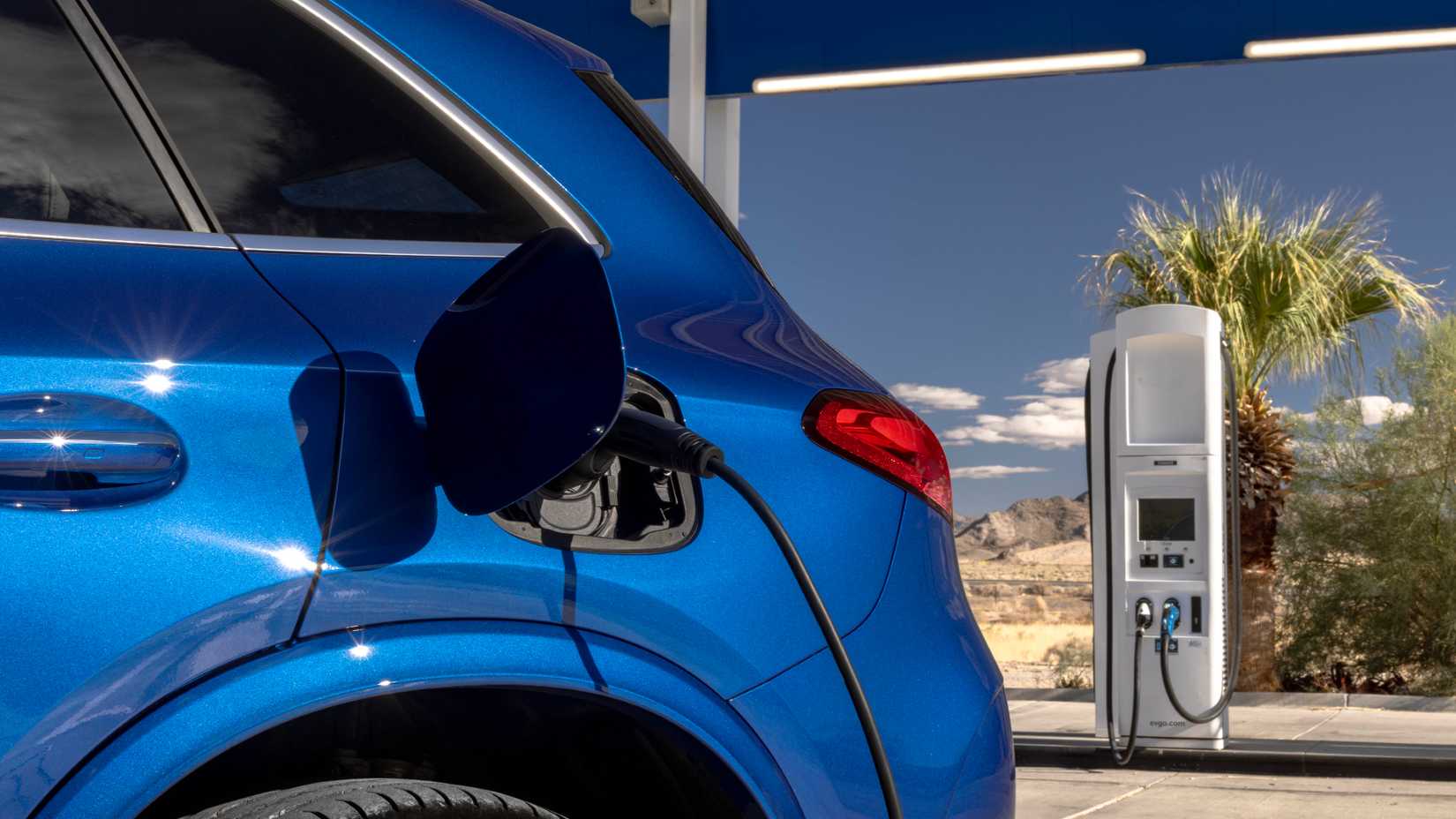
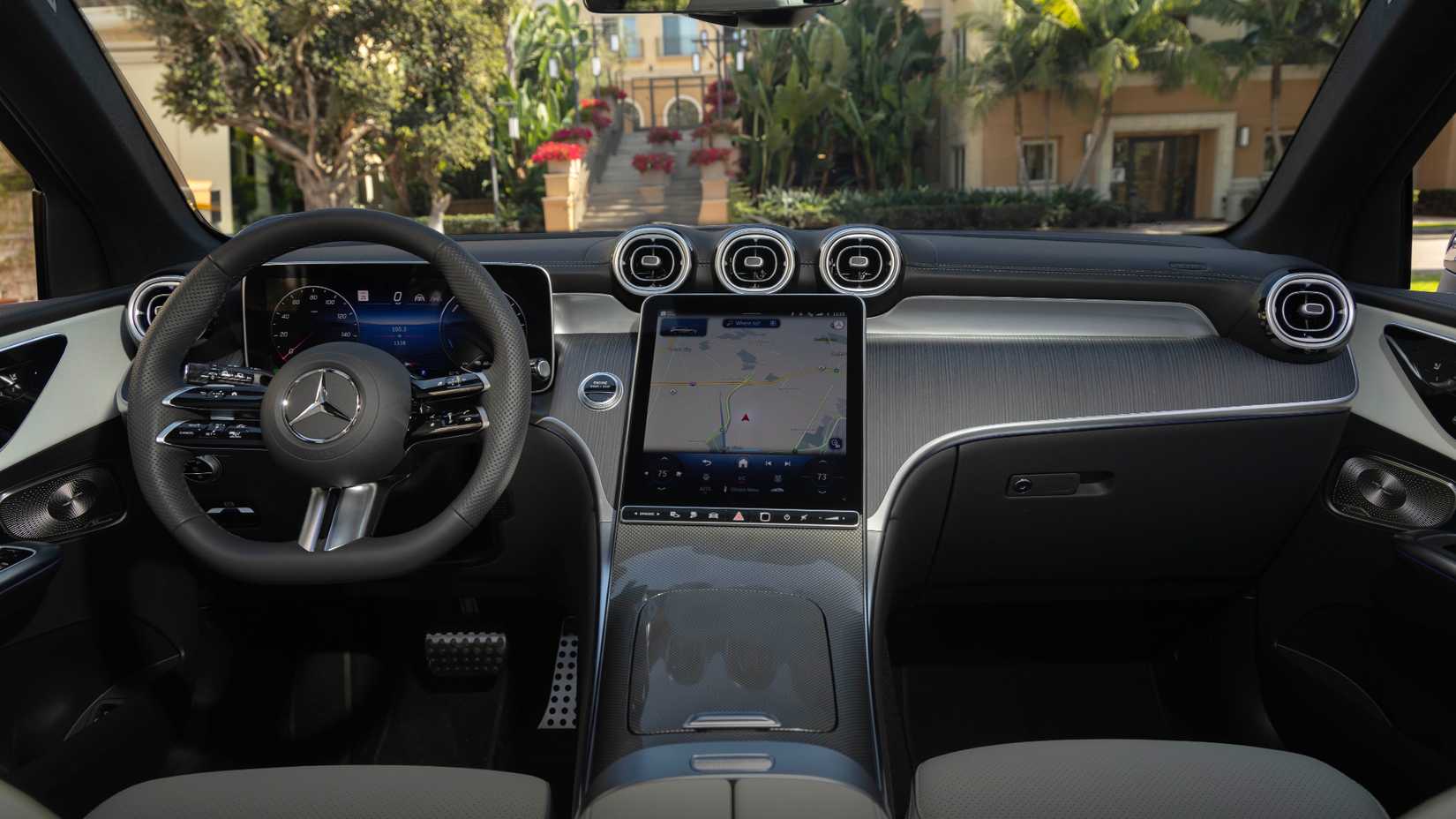
The 2026 Mercedes-Benz GLC 350e 4Matic uses a turbocharged 2.0-liter four-cylinder engine with a 100 kW electric motor (134 horsepower) integrated into the nine-speed automatic transmission. The system produces a combined 313 horsepower and 406 pound-feet of torque. Mercedes’ 4Matic all-wheel drive is standard, which means instant and continued use of power in all driving instances, from straight-line acceleration, through switchback curves, and mild off-roading terrain.
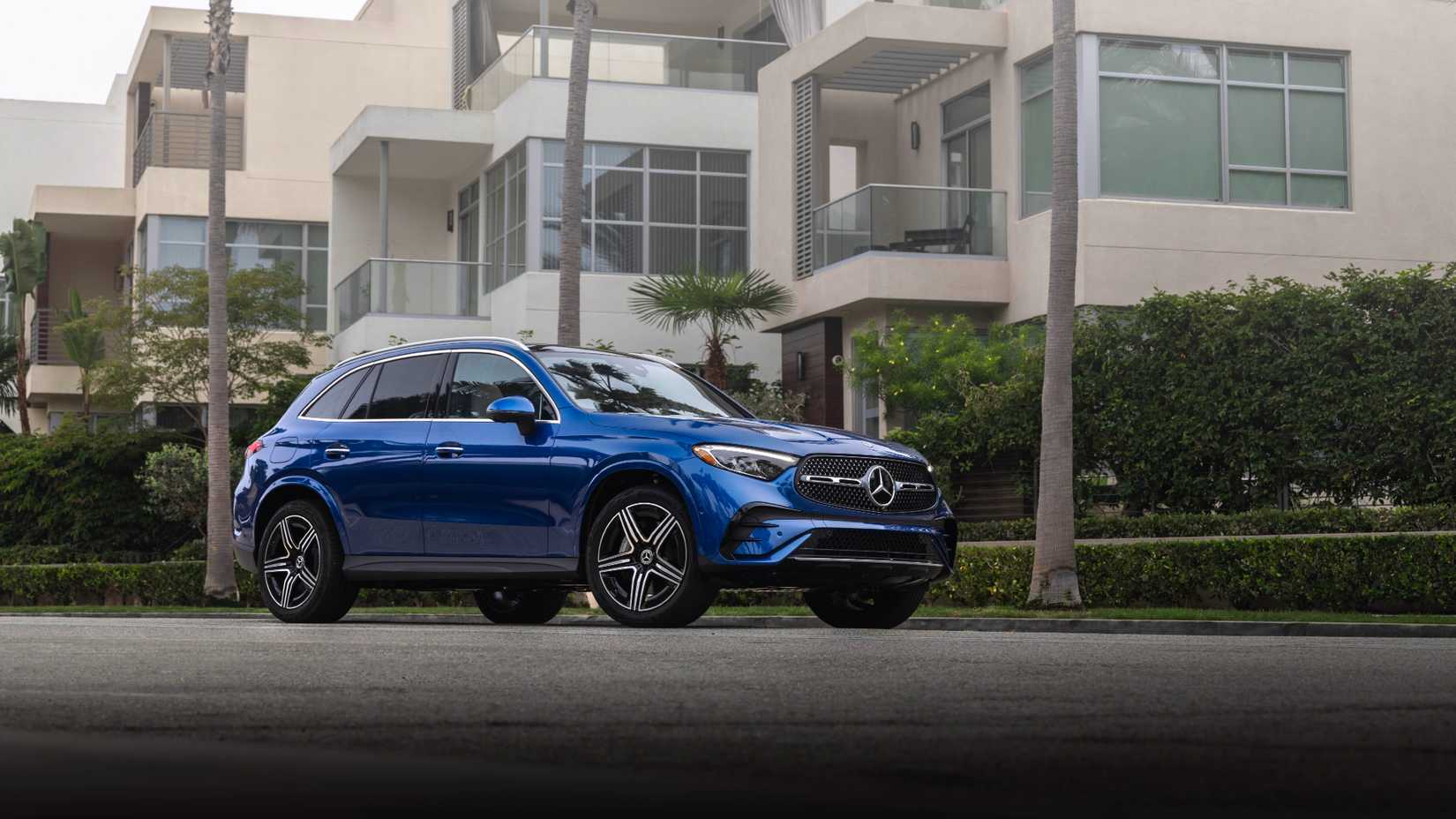
With electricity provided from a 24.8-kWh battery, the powerful electric motor alone is capable of propelling the compact SUV through city traffic or suburban streets without engaging the gasoline engine, which is fed from a 13-gallon tank. Regenerative braking recaptures energy during braking or coasting, helping to further extend range depending on the driver’s aggressiveness.
From Electric Runabout To Long-Distance Explorer
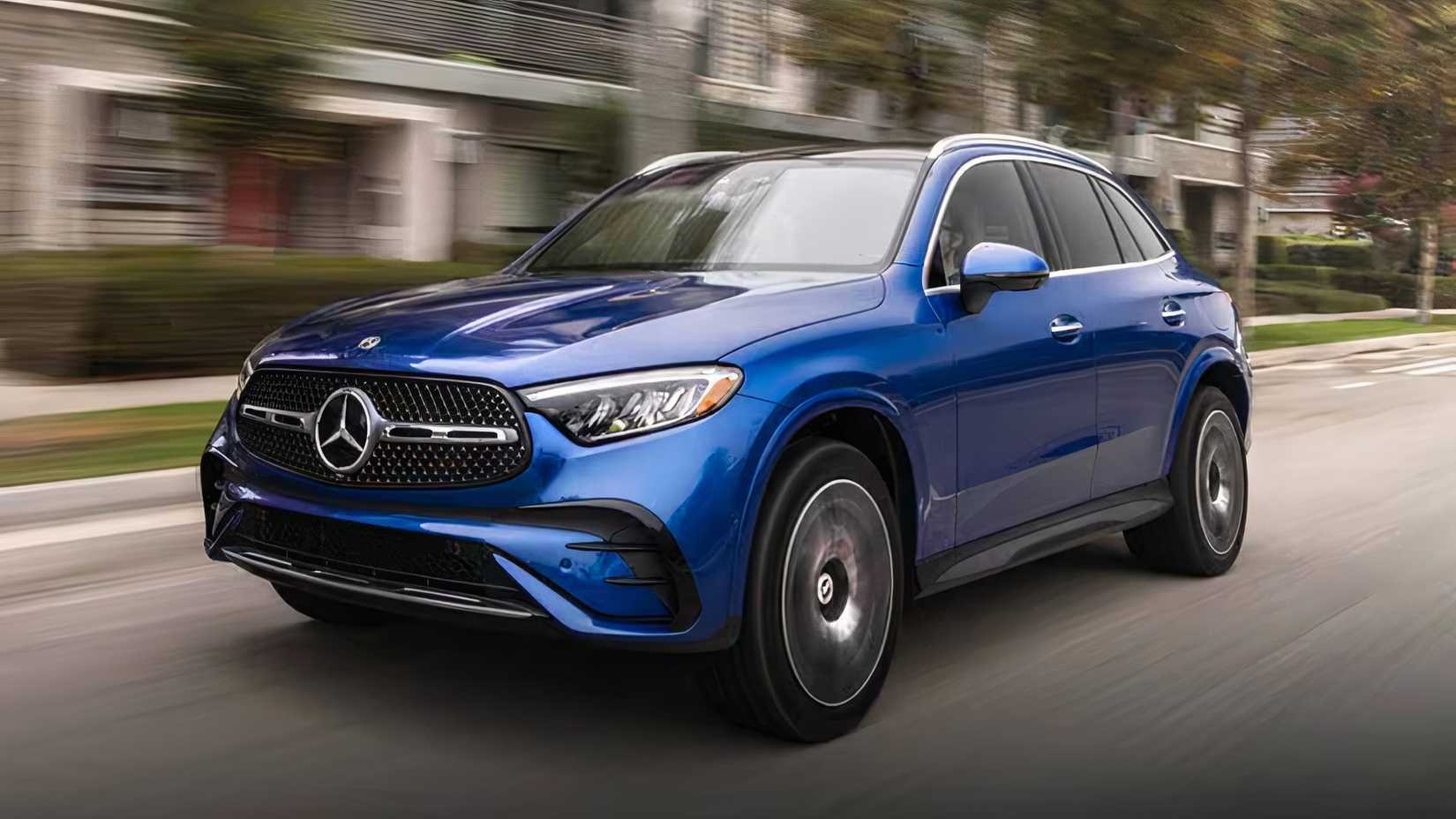
The 2026 Mercedes-Benz GLC 350e is engineered to start everyday like an electric SUV, with a gasoline engine slotting in relatively seamlessly in specific, predictable situations. For the first 45–55 miles (the EPA rating is 54 miles) in mixed urban driving, it works on battery power alone, thriving in stop-and-go traffic. If the transition to highway driving is smooth and leisurely, it can draw on stores from the battery, provided it’s sufficiently charged. When power is demanded, the turbocharged engine steps in.
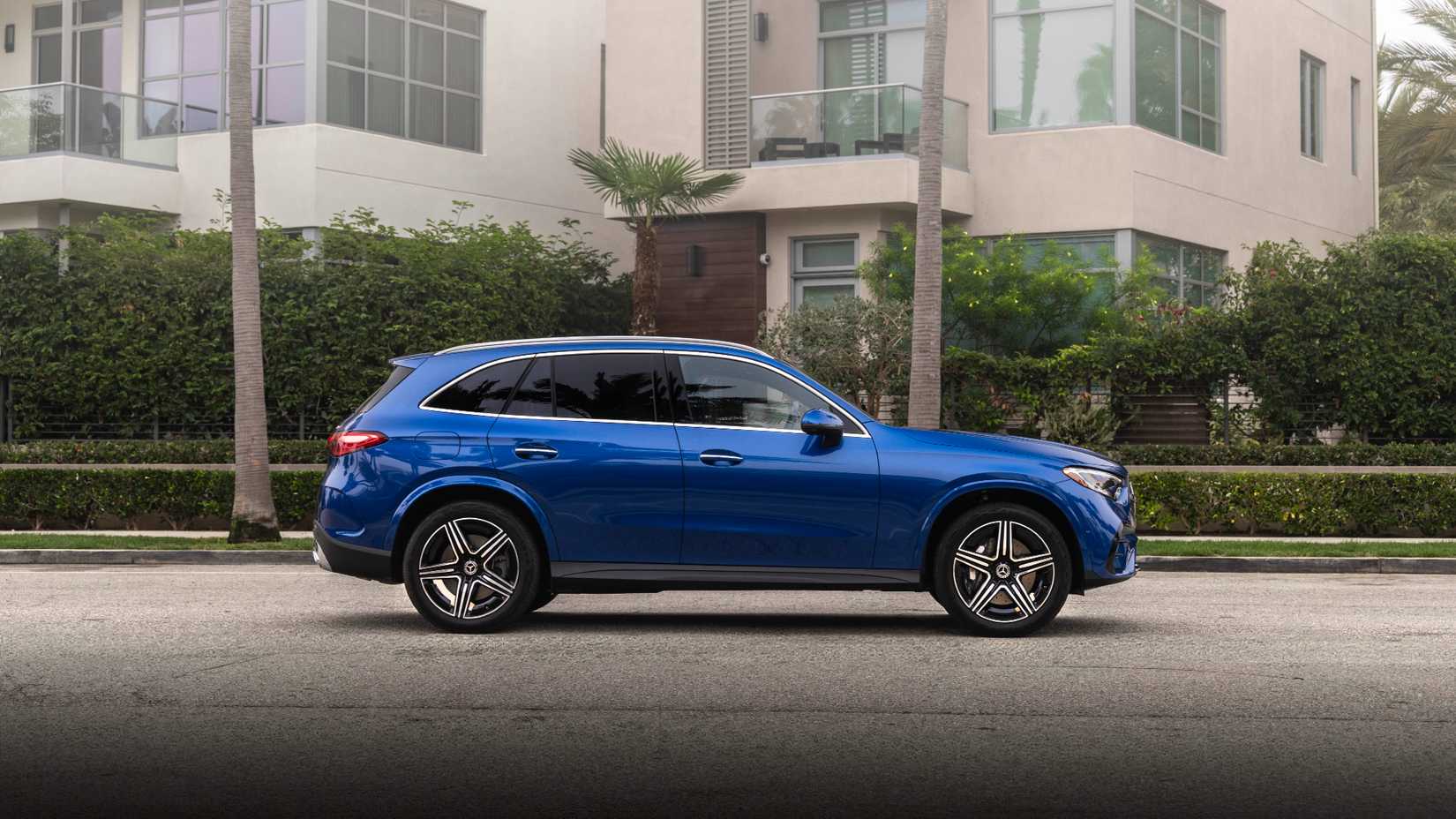
Throttle demand for more energy than the battery can supply triggers the relatively seamless transition (it’s not entirely seamless to go from quiet electric power to a turbocharged cyclone). Ramping up quickly to highway speed, for example, or climbing a long grade will fire up the 2.0-liter turbo. It will step aside, provided there are sufficient battery reserves, until the driver’s right foot calls it back to action for max power, such as switching lanes for a pass. Once the battery is depleted, the GLC acts as a hybrid, shutting down the engine under coasting or light cruising.
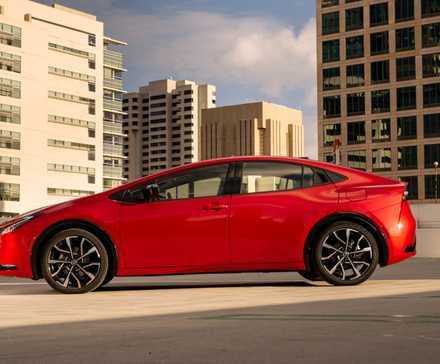
The PHEV With The Longest Driving Range In 2025
PHEVs allow drivers the peace of mind of a gasoline engine, while lowering associated fuel costs, and this model does it better than the rest.
Technology Drives The 2026 Mercedes-Benz GLC 350e 4Matic’s Electric Range
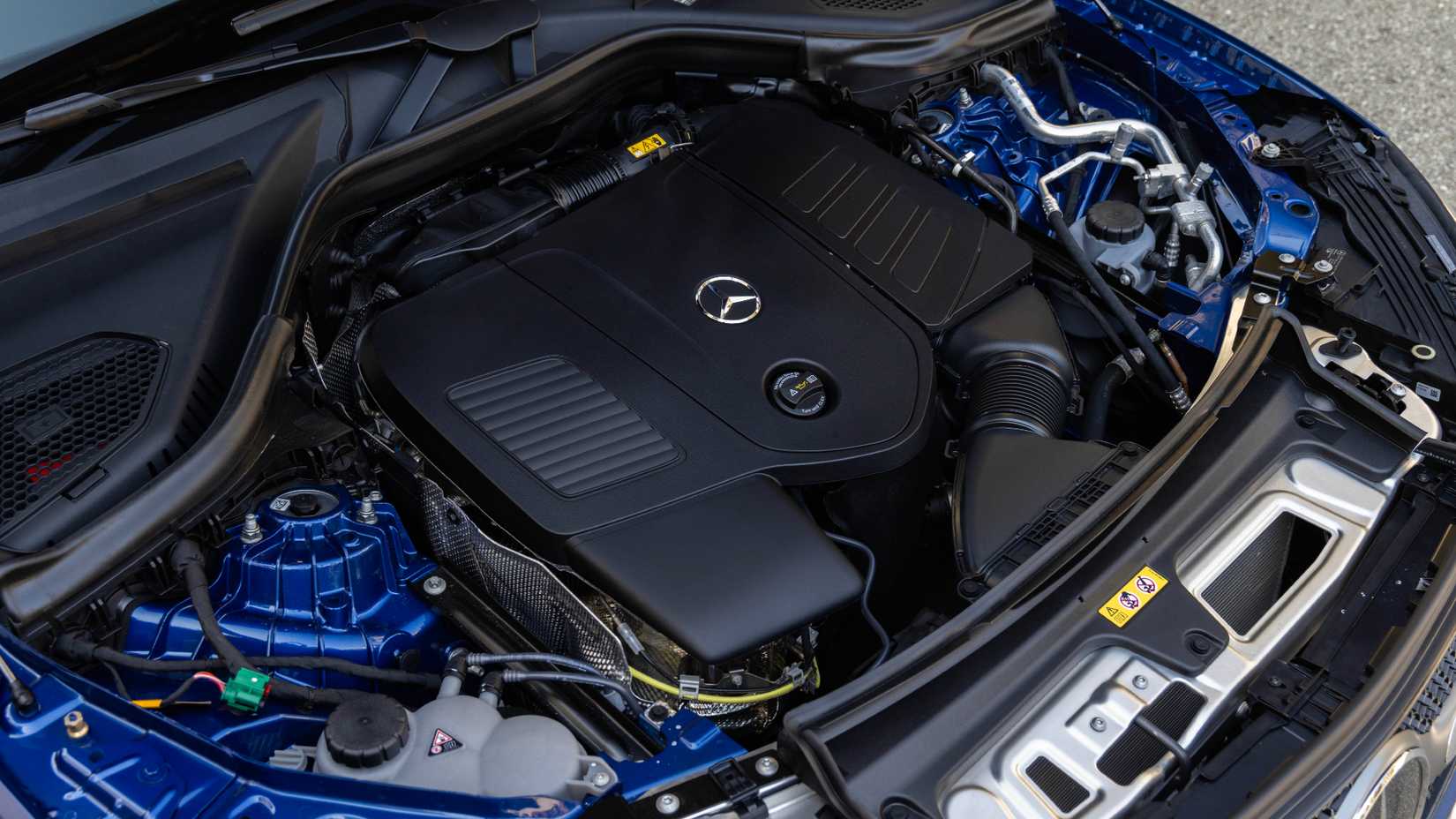
The 2026 Mercedes-Benz GLC 350e 4Matic accomplishes its mission with a battery that is unusually large for not just this size of vehicle, but for a PHEV in general. Most of today’s PHEV batteries fall short of the 20-kWh threshold, as do those of past PHEVs, while the GLC 350e pushes closer to 25. Although range depends on a variety of factors besides battery capacity, one kilowatt-hour theoretically represents three to four miles of range, on average, giving the GLC a 12–16 mile leg up on the next rangiest PHEV.
|
2026 Mercedes-Benz GLC 350e 4Matic |
|
|---|---|
|
Powertrain |
2.0-liter turbocharged inline-4 PVEV + 1 motor |
|
Power |
313 (combined) |
|
Torque |
406 lb-ft (combined) |
|
Range |
380 miles |
|
Efficiency City |
23 mpg |
|
Efficiency Highway |
28 mpg |
|
Efficiency Combined |
64 MPGe |
Integration And Efficiency Of Engine, Battery And Motor
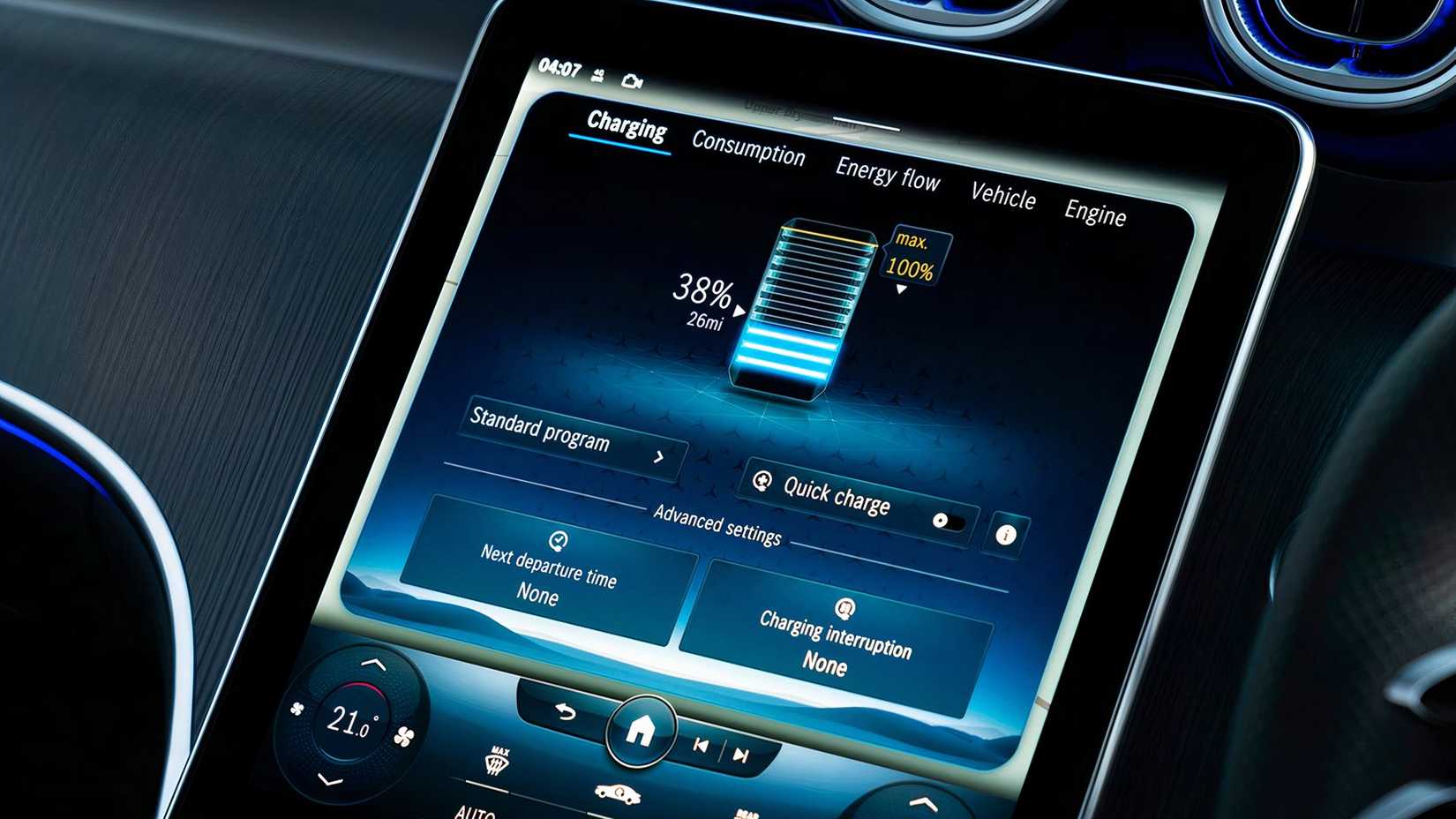
Mercedes-Benz integrated the GLC 350e’s electric motor into the transmission housing, allowing both the engine and motor to work more efficiently together, while reducing mechanical complexity (which will serve the compact SUV well as it settles into routine maintenance schedules). The third point of the power triangle is braking, which converts kinetic energy that might otherwise be lost as heat into electricity directed back to the battery to aid in furthering range.
Charging Capability And Energy Management
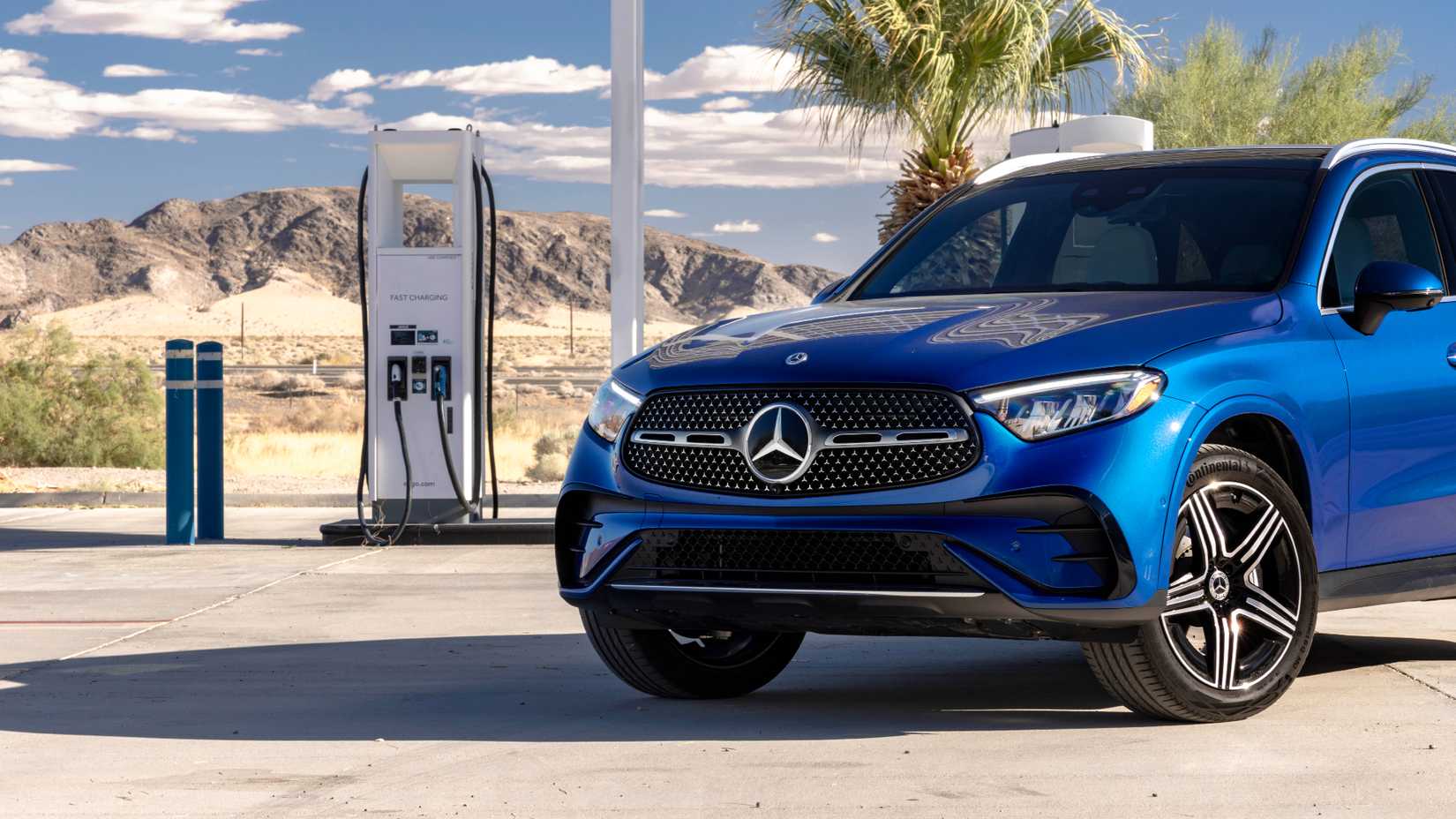
Charging capability is an important part of electrification. To EV owners, the ability to quickly add miles to the vehicle’s range is paramount—you can start off with a 100 percent charge in the morning, but if you need to extend range along the way, you want to top up the battery to 80 percent quickly. In PHEVs, you have a backup engine, so you can get by on Level 2 home charging (and experts actually advise PHEV owners not to fast charge their vehicles’ batteries).
Bucking the trend, the 2026 Mercedes-Benz GLC 350e 4Matic has the fast charging capability and battery management to allow a quick top-up of the battery on extended trips (especially helpful on weekend getaways that take you far from your home charger). For the GLC, a few hours of home charging will let you start out with about 54 miles of range, while a coffee stop at a roadside charger will add another 40–50 miles.
Why This Overlooked PHEV Is A Long-Term Winner
This luxury plug-in hybrid SUV pulls in a low MSRP with top-notch features, an extended electric driving range, and low ownership costs.
The 2026 Mercedes-Benz GLC 350e 4Matic Is The Benchmark For Electric-Range In PHEVs
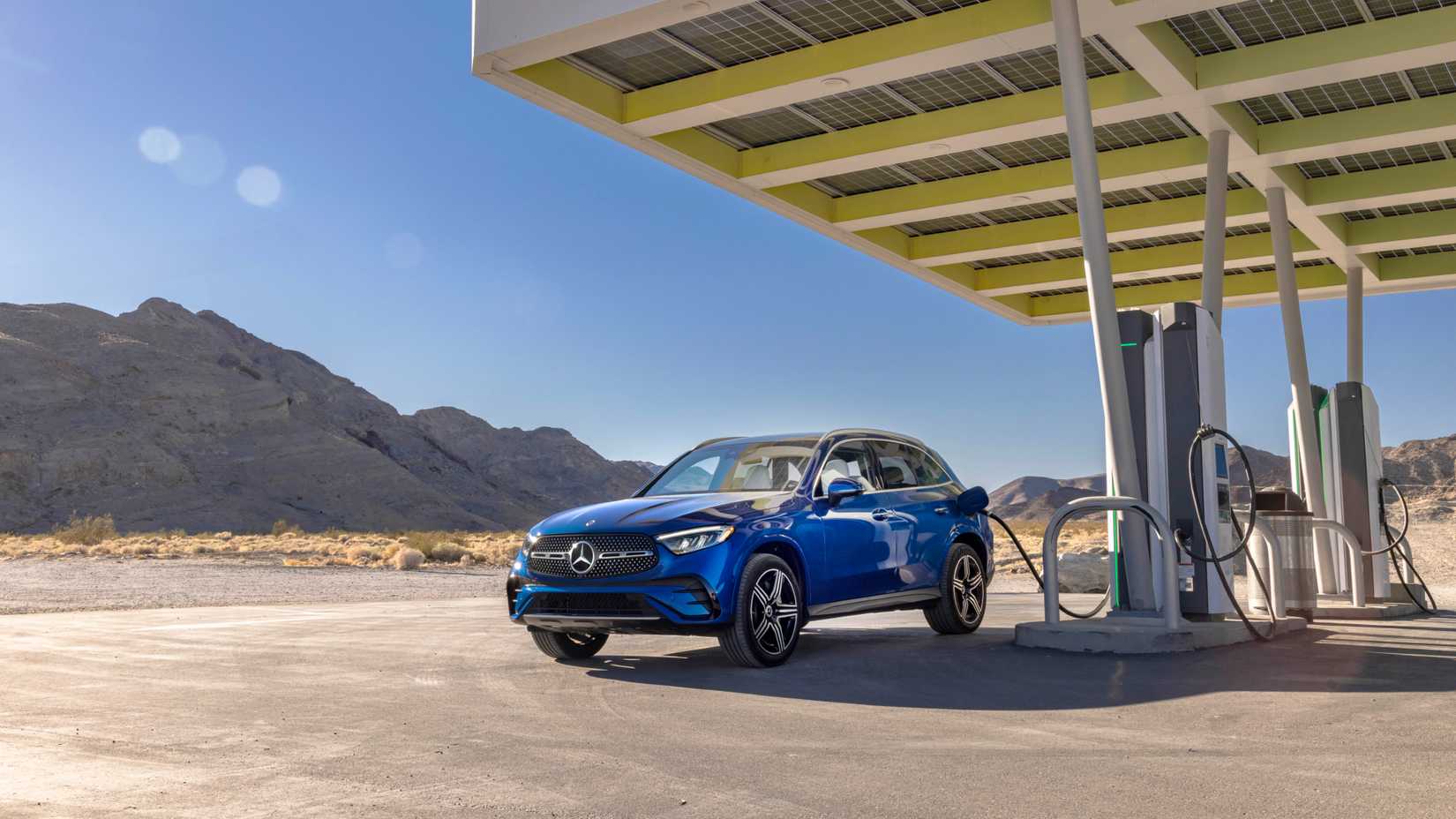
The 2026 Mercedes-Benz GLC 350e 4MATIC demonstrates how far (pun intended) plug-in hybrid technology has progressed. With 54 miles of electric-only driving range, the compact luxury SUV stands as the longest-range plug-in hybrid currently available in the marketplace, and is surpassed in history by only a couple of PHEVs not available in North America.
|
Toyota RAV4 PHEV |
Mercedes-Benz S 580e 4Matic |
|
|---|---|---|
|
Starting Price |
$41,500 |
$130,400 |
|
Powertrain |
2.5-liter inline-4 + 2 motors |
3.0-liter turbo I-6 + 1 motor |
|
Combined Power |
324 hp |
503 hp |
|
Torque |
172 lb-ft |
553 lb-ft |
|
Transmission |
Continuously variable |
9-speed automatic |
|
Driveline |
All-wheel drive |
All-wheel drive |
|
Battery Capacity |
22.7 kWh |
22.7 kWh |
|
Home Charging Time |
2.5–3.5 hours |
2.75 hours |
|
Electric Range |
Est. 48–52 miles |
48 miles |
|
Electric Efficiency Combined |
Est. 98–107 MPGe |
63 MPGe |
|
Fuel Tank Capacity |
14.5 gallons |
17.7 gallons |
|
Overall Range |
Est. 536–595 miles |
470 miles |
|
Efficiency Combined |
Est. 37–41 mpg |
23 mpg |
Its large 24.8-kWh battery, advanced hybrid powertrain, and sophisticated energy management system combine to create a vehicle capable of operating like an electric car during most daily driving, allowing most around-town users to barely use the vehicle’s 2.0-liter turbocharged four-cylinder engine, if ever. If ultra luxury or a lower price is desired, though, there are a couple of options.
All-New 2026 Toyota RAV4 Improves On 2025 Model’s Electric Qualities
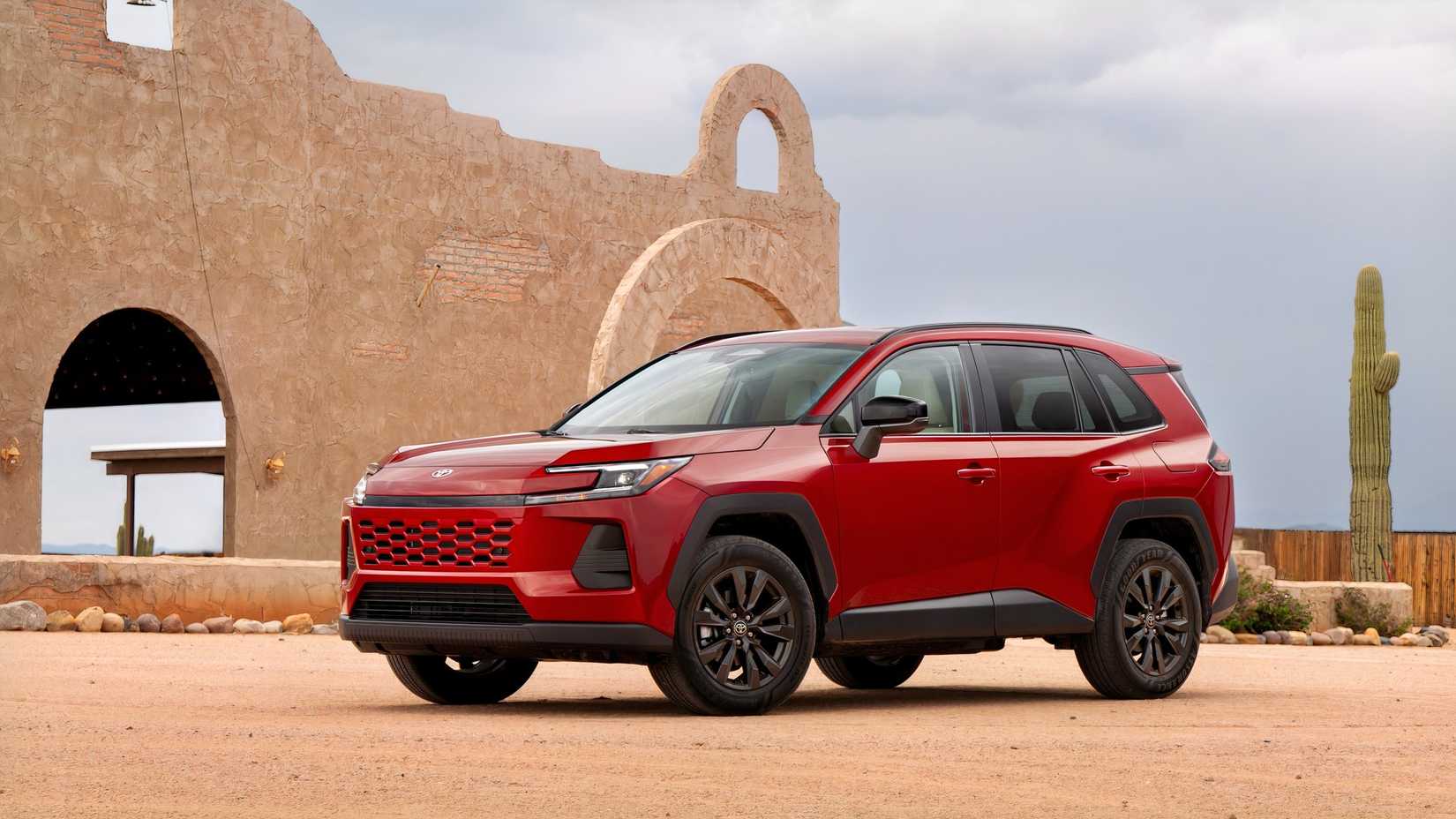
The all-new 2026 Toyota RAV4 becomes an all-hybrid model and has yet to be rated by the EPA, though the manufacturer claims best-in-class improvements, which is particularly pleasant for the PHEV model. Already among the best PHEVs for electric range and efficiency, the redesigned 2026 model improves on the outgoing model by as much as 15 percent in electric range and MPGe, while retaining its overall range and efficiency.
The 2026 Mercedes-Benz S 580e 4Matic Proves Long Electric Range Isn’t Limited By Size
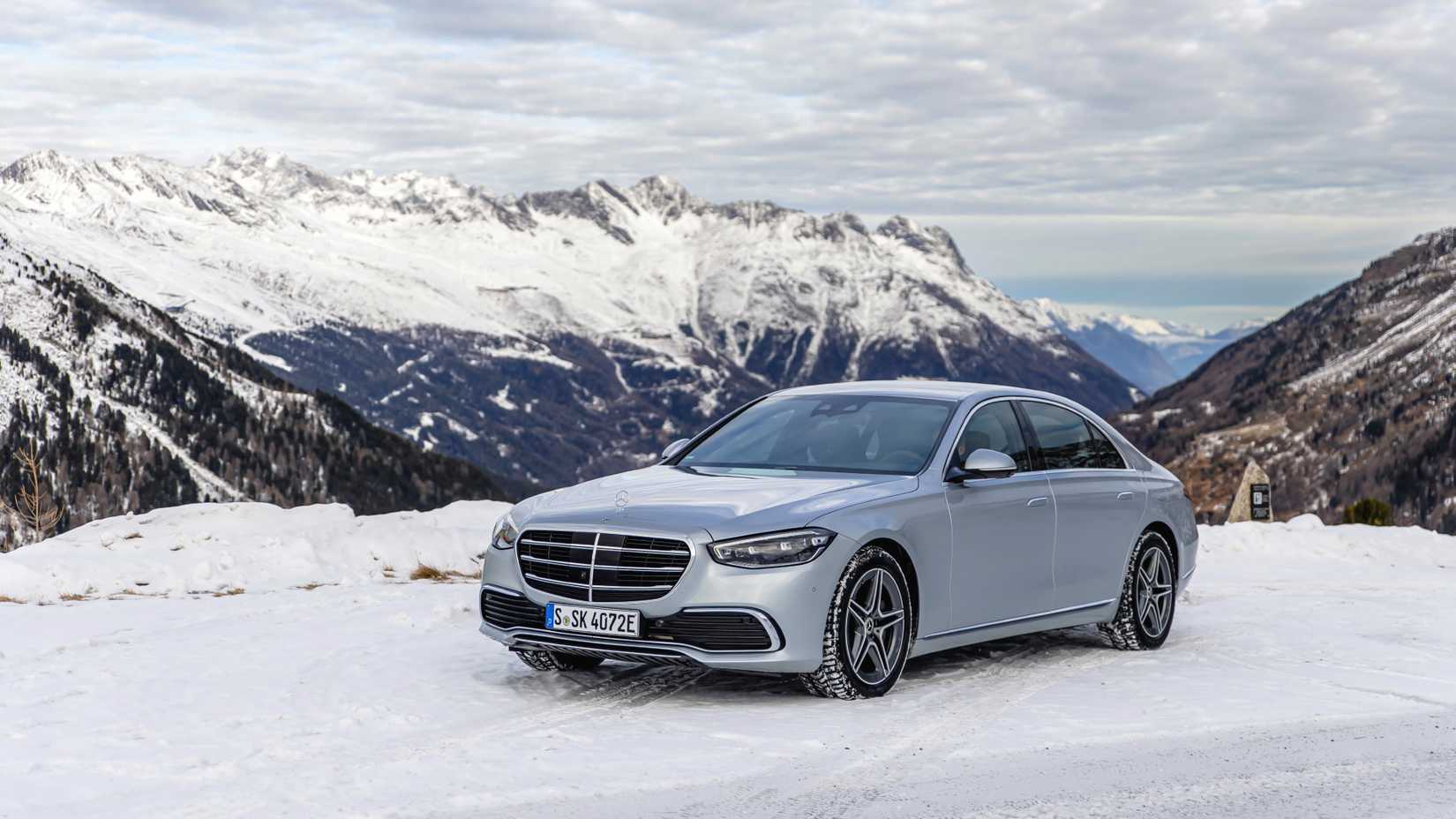
At the high end of the market, the 2026 Mercedes-Benz S 580e 4MATIC demonstrates that long electric range is not limited to smaller, lighter vehicles, returning an impressive electric-only range that surpasses that of smaller PHEVs without necessitating a larger battery (which it could certainly fit in comfortably without impacting usability). The plug-in hybrid version of the large, luxurious S-Class sedan offers electric driving capability and efficiency while maintaining the comfort, refinement, and technology expected from a Mercedes flagship.
Sources: the EPA, Inside EVs, Green Car Reports