
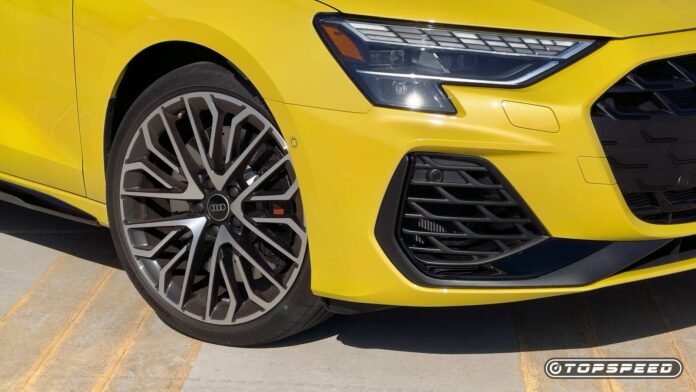
All-wheel drive has become increasingly popular among sports car buyers, especially those who reside in regions with harsher weather conditions. These cars utilize a drivetrain configuration that simultaneously distributes engine power to all four wheels. Doing so maximizes tire contact and dramatically enhances traction across varying road surfaces. This technology was brought into the global performance spotlight by the rallying dominance of the Audi Quattro in the 1980s.
As of 2026, all-wheel drive has evolved from a heavy, purely mechanical safety net into a sophisticated performance configuration. Modern sports cars leverage advanced electronic torque vectoring, predictive software, and hybrid integration. These components instantly transfer power between individual wheels. This precise power management mitigates understeer and delivers blistering acceleration. It also provides a blend of cornering agility and all-weather confidence.
How Audi Popularized All-Wheel Drive
Audi’s proprietary Quattro all-wheel-drive system revolutionized the automotive landscape upon its debut in 1980. This system fundamentally altered the perception of traction in high-performance vehicles. Audi engineers developed this system after noticing the superior traction of an all-wheel-drive military off-roader.
The system was quickly put to use in the World Rally Championship, where it dominated thanks to its grip advantages. This system also vastly outweighed the weight penalty of its four-wheel-drive rivals across gravel, tarmac, and snow surfaces. Quattro’s motorsport pedigree influences the brand’s current lineup, where the moniker serves as a cornerstone of its engineering identity. Most of the brand’s modern road cars benefit from predictable and confident handling and efficient power distribution across diverse driving conditions.
Understanding Audi’s Newer Magna-Based AWD
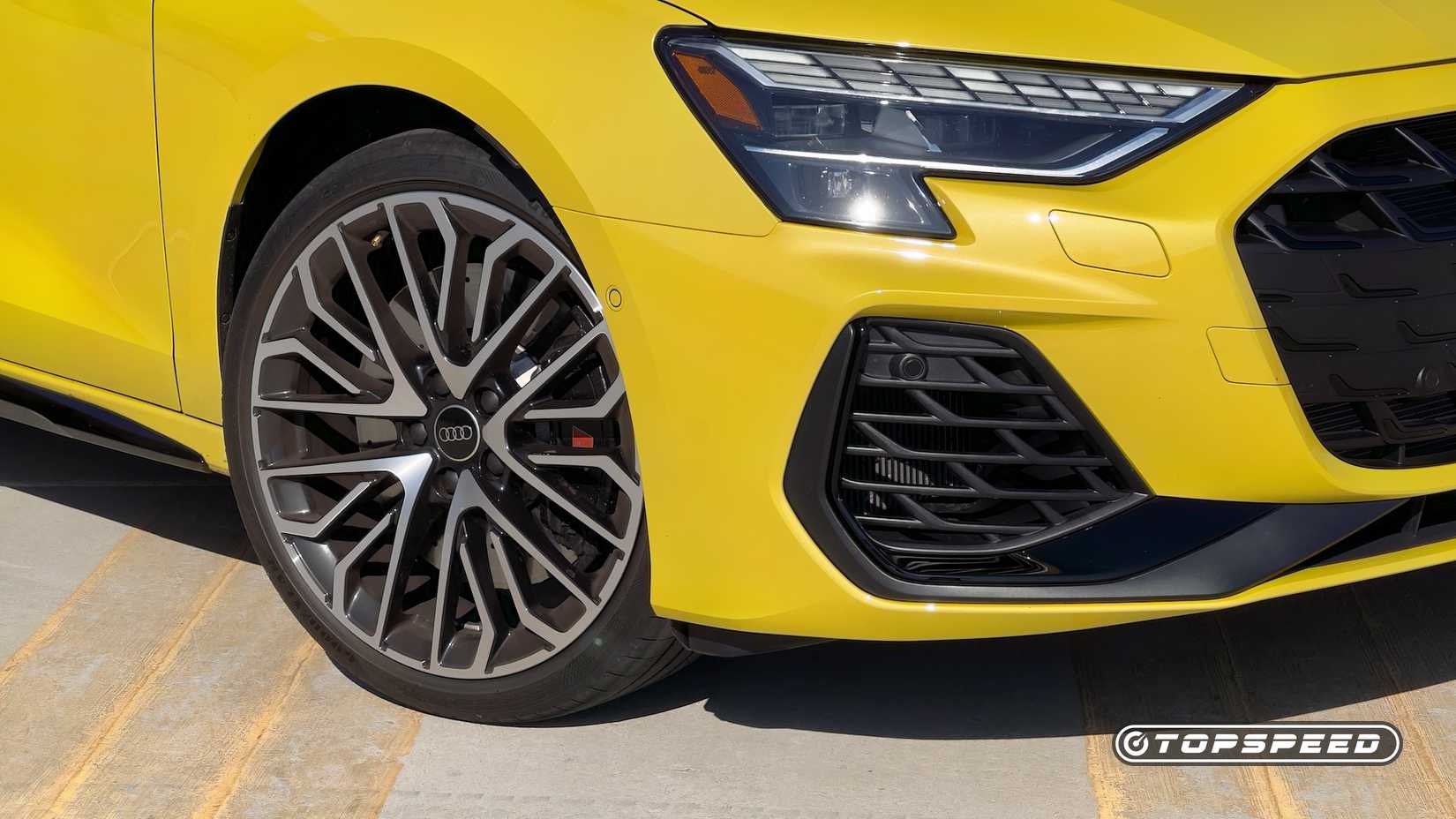
Audi’s Magna-sourced all-wheel-drive system retains the Quattro branding, but is based on Magna’s Flex4 preemptive disconnect architecture. This newer configuration is engineered for vehicles utilizing longitudinal layouts, but works in transverse models as well. The system utilizes a multi-plate clutch positioned at the transmission output and an integrated mechanical decoupler within the rear differential. When driving conditions are stable and extra traction is unnecessary, both clutches open simultaneously.
This completely halts the rotation of the propshaft and rear differential gears to eliminate the parasitic mechanical drag and rotational inertia typical of traditional, permanent all-wheel-drive configurations. The vehicle’s onboard control unit takes multiple readings to provide the best grip. These include the steering angle, engine torque, lateral and longitudinal acceleration, and electronic stability control status, every 10 milliseconds. Rather than waiting for a wheel to lose traction, the algorithm calculates grip limits 500 milliseconds in advance. If it predicts a front wheel is approaching its threshold during cornering or acceleration, it re-engages the rear axle seamlessly before any slip occurs.
Every Audi Ranked By Owner Satisfaction
Discover both the pros and cons of the Audi models that real-world owners prefer.
The S3 – Audi’s Entry-Level All-Wheel Drive Rocket
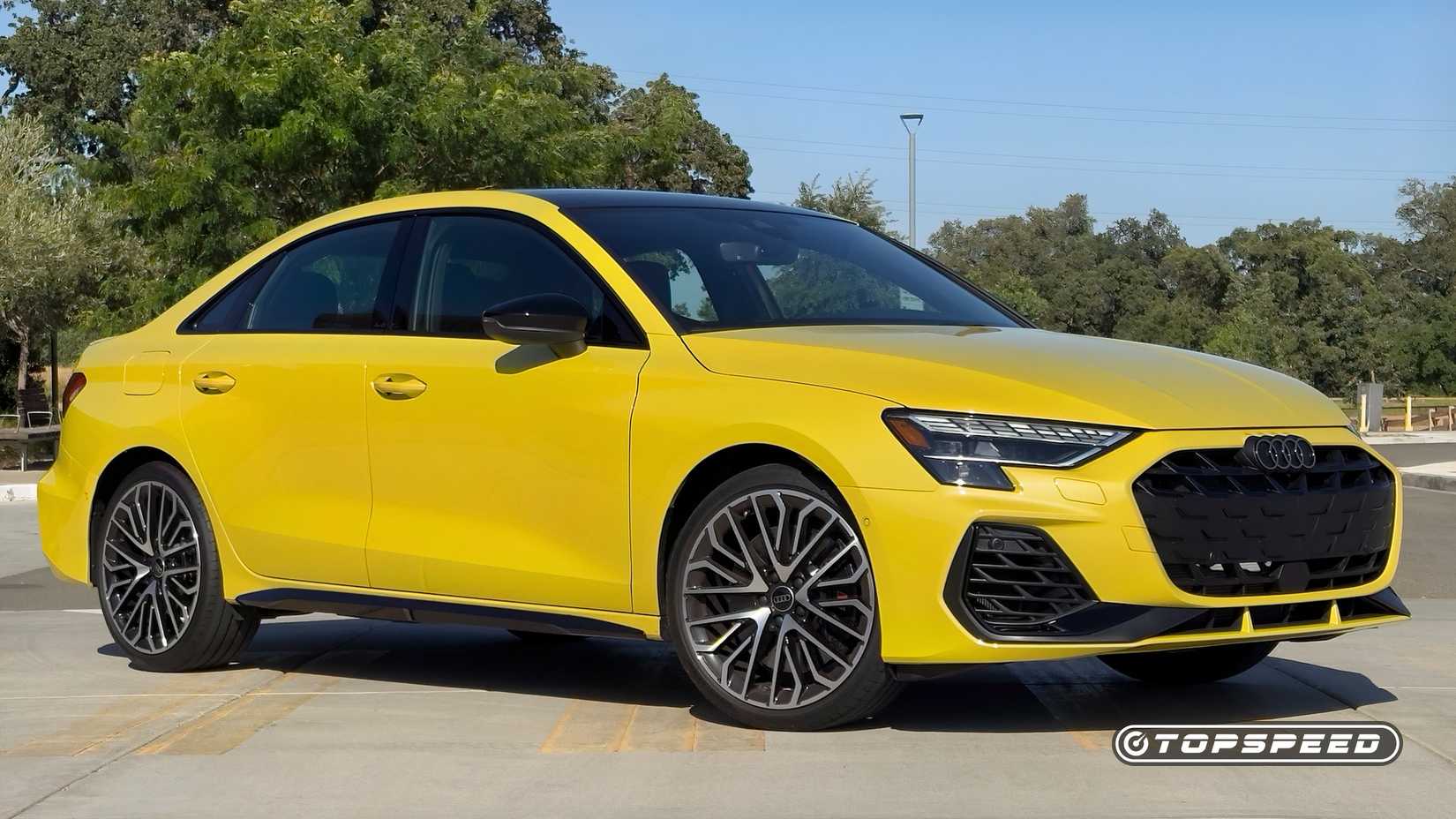
The 2026 Audi S3 serves as the essential gateway into the brand’s high-performance tier, positioned squarely above the standard entry-level premium subcompact sedan. By utilizing Audi Sport components, it offers an accessible, highly usable alternative to the track-focused RS flagship. Audi explicitly targets the S3 at young professionals and driving enthusiasts who demand an upscale, commuter-friendly vehicle without sacrificing sharp handling or rapid acceleration.
This strategy is paying off in a difficult climate. While Audi’s first-quarter U.S. sales reported a 30 percent decline in total volume due to tariff challenges and a cooling market, the subcompact lineup remained a resilient bright spot. The German brand confirms 2,273 deliveries, reflecting a stable one percent year-over-year increase. The model line outpaced the manufacturer’s struggling electric vehicle variants, cementing the S3’s status as a critical volume anchor for Audi’s North American portfolio.
A Compact But Effective Drivetrain
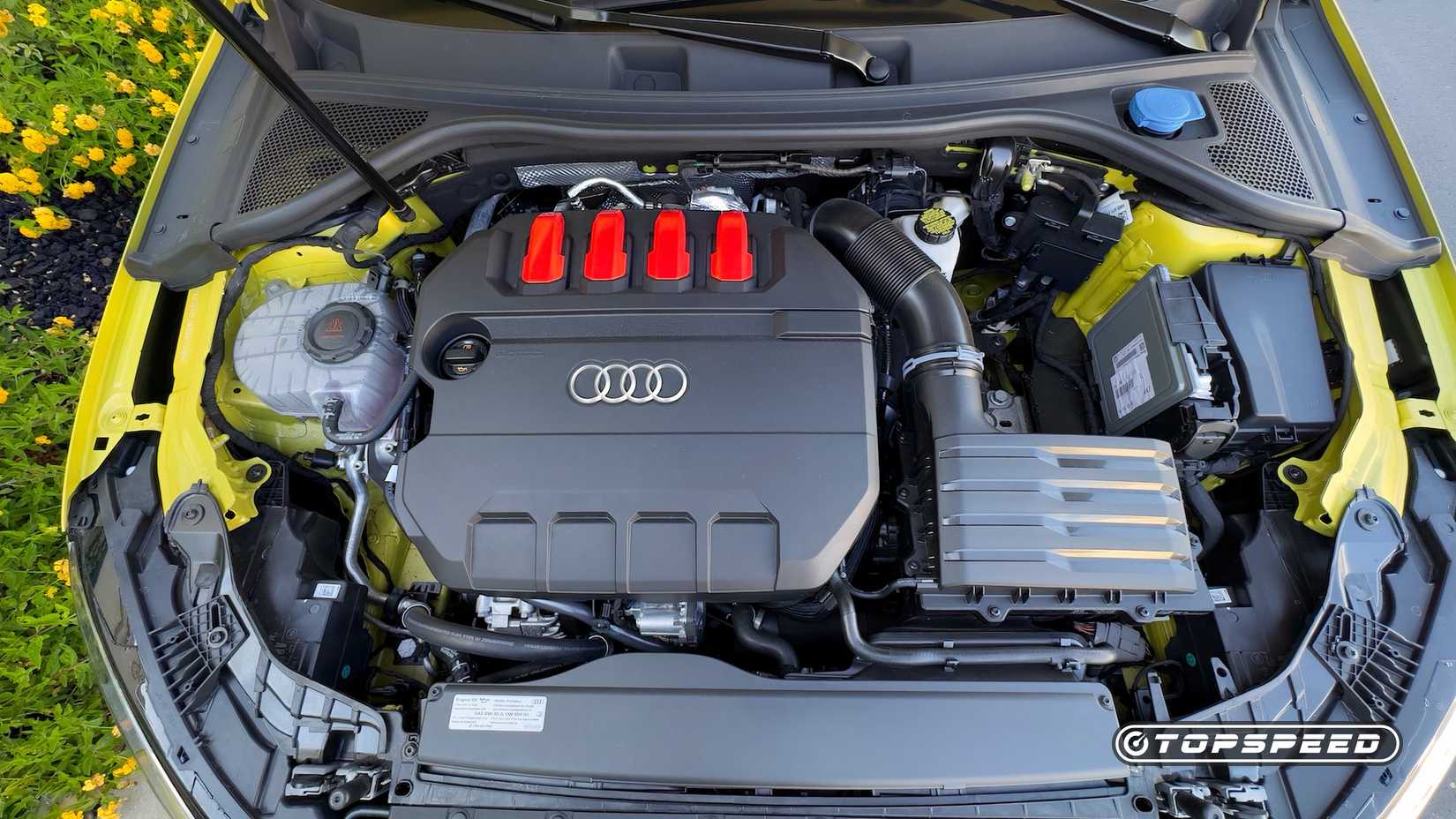
The 2026 Audi S3 is powered by the Volkswagen Group’s EA888 Evo 4 2.0-liter turbocharged four-cylinder engine, generating 328 horsepower and 295 pound-feet of torque. This output is routed through a seven-speed S-tronic dual-clutch automatic transmission to a sophisticated quattro all-wheel-drive system.
Moving beyond standard Haldex configurations, the 2026 model adopts the mechanical rear torque splitter differential originally developed for the flagship RS3. Utilizing individual, electronically controlled multi-plate clutch packs to actively distribute torque between the rear wheels, this advanced drivetrain launches the S3 from 0 to 60 mph in just 4.4 seconds, clears the quarter-mile in 13.2 seconds, and pushes it to an electronically limited top speed of 155 mph.
This Sleeper Has What It Takes To Reignite Your Love For Sedans
In a market dominated by SUVs, one understated performance sedan proves that balance, usability, and real-world driving engagement still matter.
A Poised Suspension Keeps Things In Order
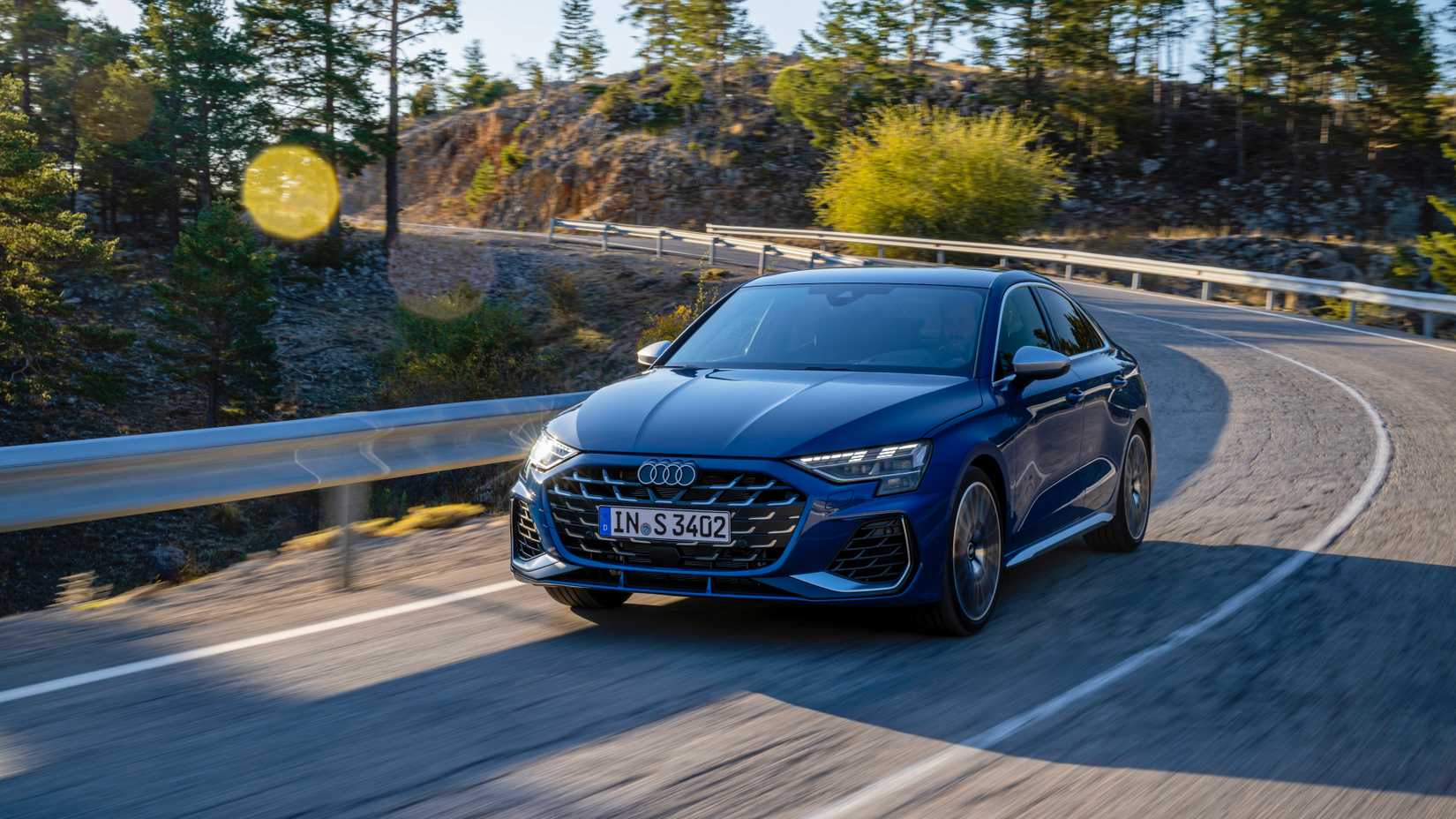
The 2026 Audi S3 features a sophisticated, S-specific sport suspension configuration that lowers the ride height by 0.6 inches compared to the standard A3. This setup pairs MacPherson front struts with an independent four-link rear design, augmented by stiffer wishbone bearings and new pivot bearings that increase negative wheel camber to optimize lateral grip and sharpen steering response.
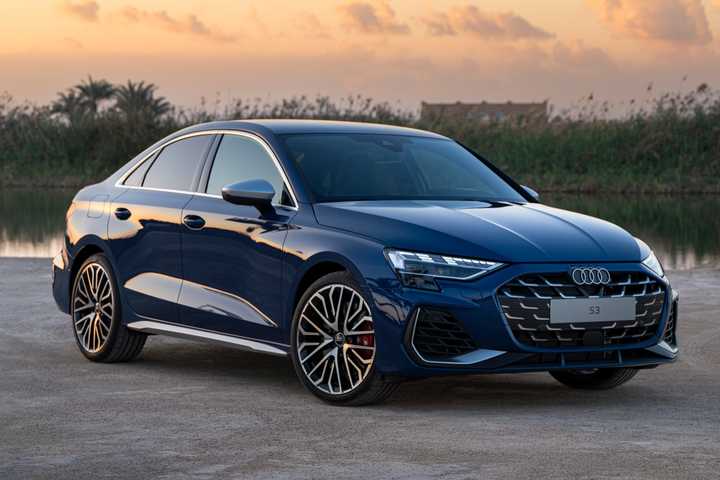

- Base Trim Engine
-
2L I4 ICE
- Base Trim Transmission
-
7-speed DSG auto-shift manual
- Base Trim Drivetrain
-
All-Wheel Drive
- Base Trim Horsepower
-
328 HP @5450 RPM
- Base Trim Torque
-
310 lb.-ft. @ 2000 RPM
- Base Trim Fuel Economy (city/highway/combined)
-
23/31/26 MPG
- Make
-
Audi
- Model
-
S3 Sedan
- Segment
-
Full-Size Luxury Sedan
For enhanced dynamics, the optional S sport package introduces an adaptive damper control system, which uses an array of sensors to adjust the shock absorbers in real time based on road conditions and the chosen Audi Drive Select mode. This platform is engineered to seamlessly complement the Quattro all-wheel-drive system. Rounding out the chassis are standard 18-inch 10-spoke-star design alloy wheels, though buyers can upgrade to 19-inch multi-spoke, two-tone S-design rims.
Appealing Fuel Consumption Figures
Audi
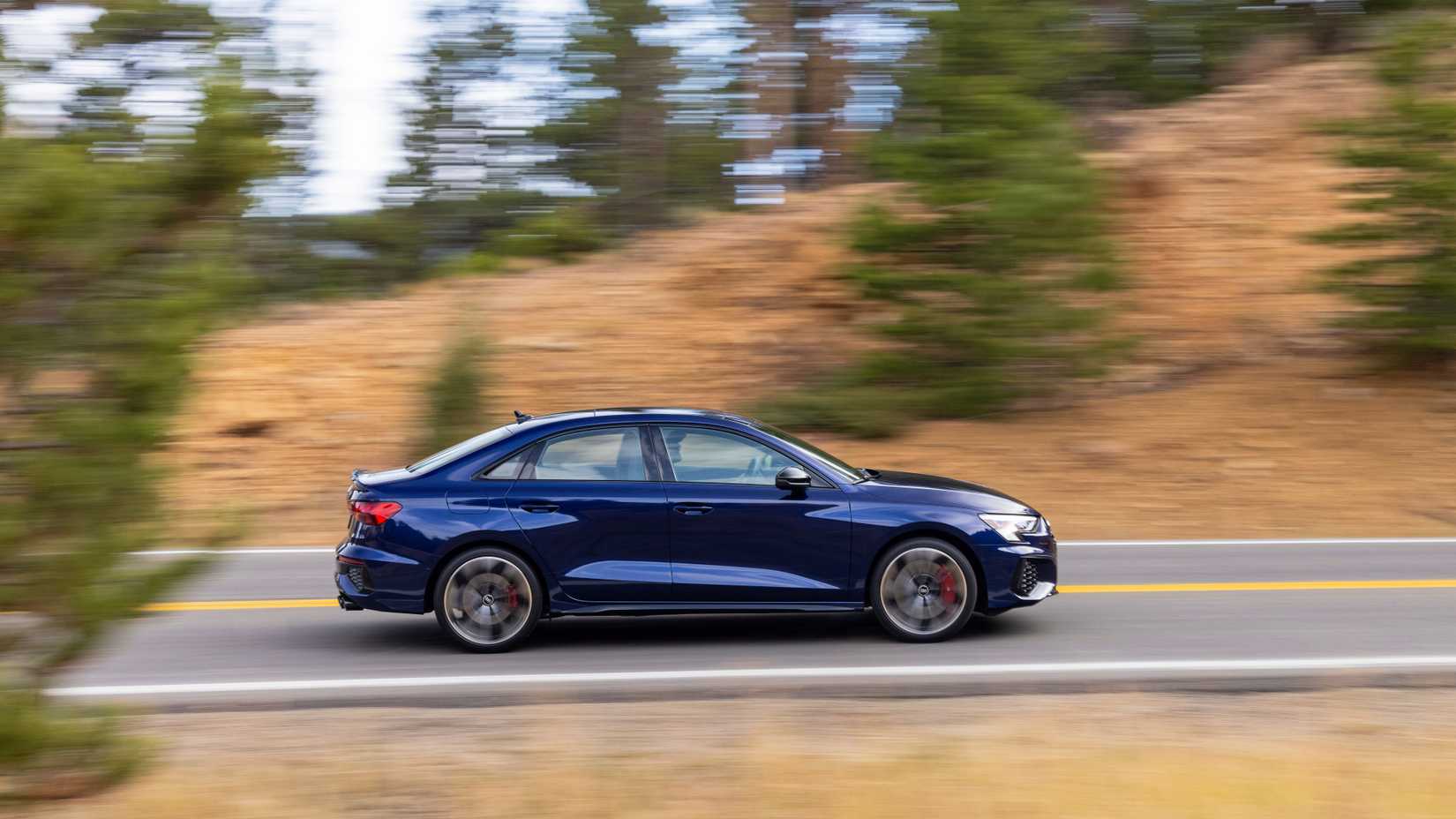
The 2026 Audi S3 features an EPA-estimated fuel consumption rating of 23/31/26 on the EPA’s city/highway/combined cycle. Equipped with a 14.5-gallon gas tank capacity, the performance sedan offers a total driving range of 377 miles per full tank. According to the EPA’s projections, you can expect an annual fuel cost estimate of $2,450, making the cost to drive 25 miles $2.35. Filling the tank entirely is estimated to cost $60.18. Over five years of ownership, you’re likely to spend $750 more in fuel costs compared to the average new vehicle currently sold in the U.S.
Why The Audi A3 Makes So Much Sense As A First Luxury Car
This compact luxury sedan offers approachable luxury without intimidation, making it the smartest first premium car choice.
A Pleasant Blend Of Luxury And Performance
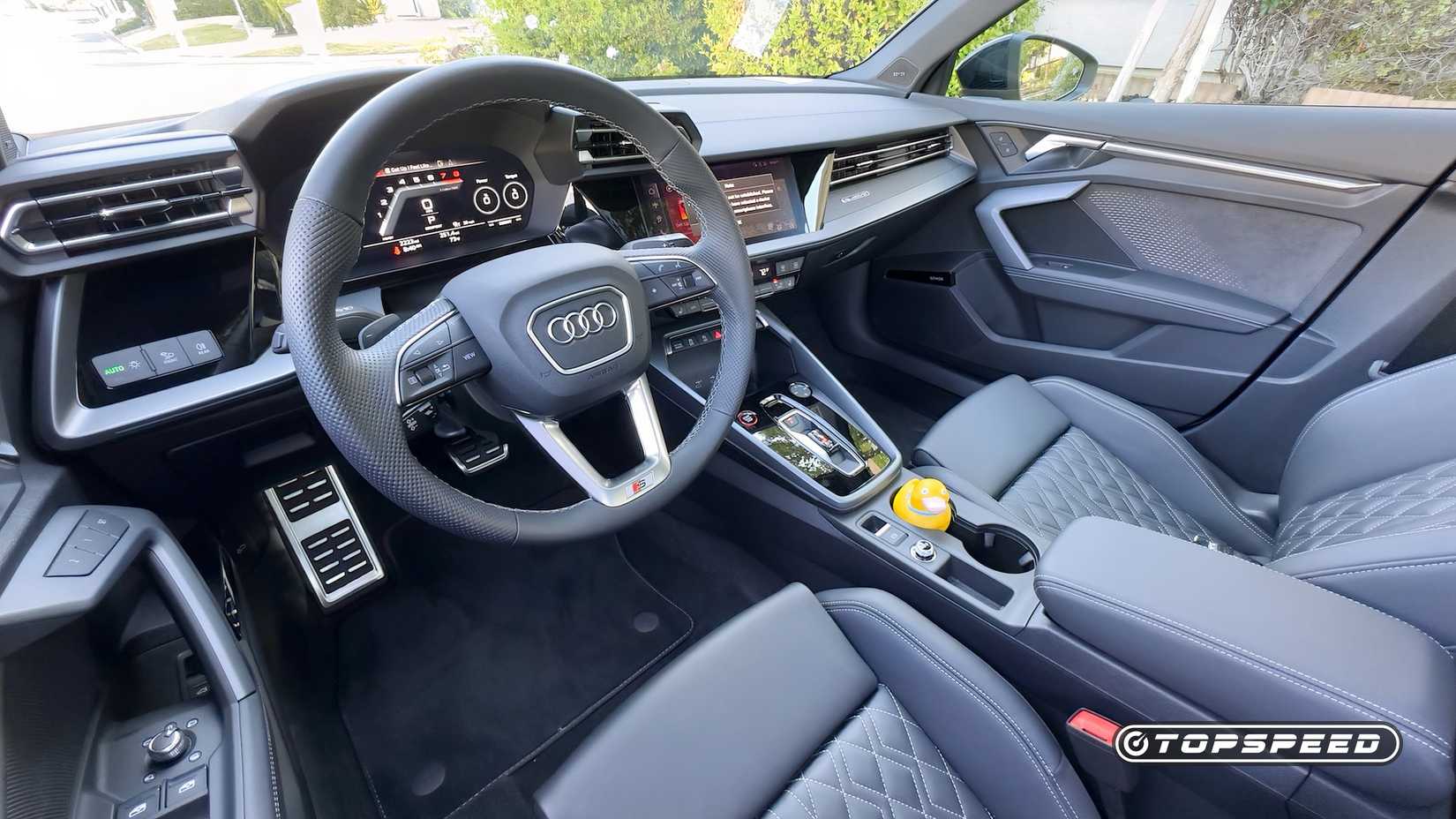
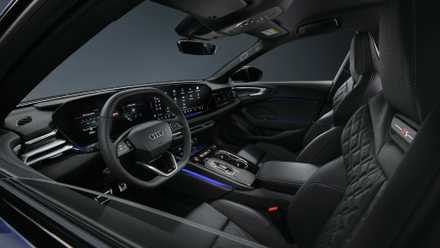
The 2026 Audi S3 features a heavily revised standard equipment strategy that elevates base-level refinement. The single-trim strategy packages premium features directly into the base MSRP of $52,000. Every S3 comes equipped with heated front sport seats with integrated headrests and four-way power lumbar support, wrapped in a combination of simulated suede Dinamica and leatherette, featuring distinct diamond contrast stitching.
Dual-zone automatic climate control, a panoramic sunroof with a manual sunshade, a tilt-and-telescoping leather-wrapped sport steering wheel, proximity keyless entry with push-button start, and auto-dimming rearview mirrors are also standard. For 2026, the entertainment and connectivity suites see significant standard upgrades, merging what used to be optional premium technology into the standard list.
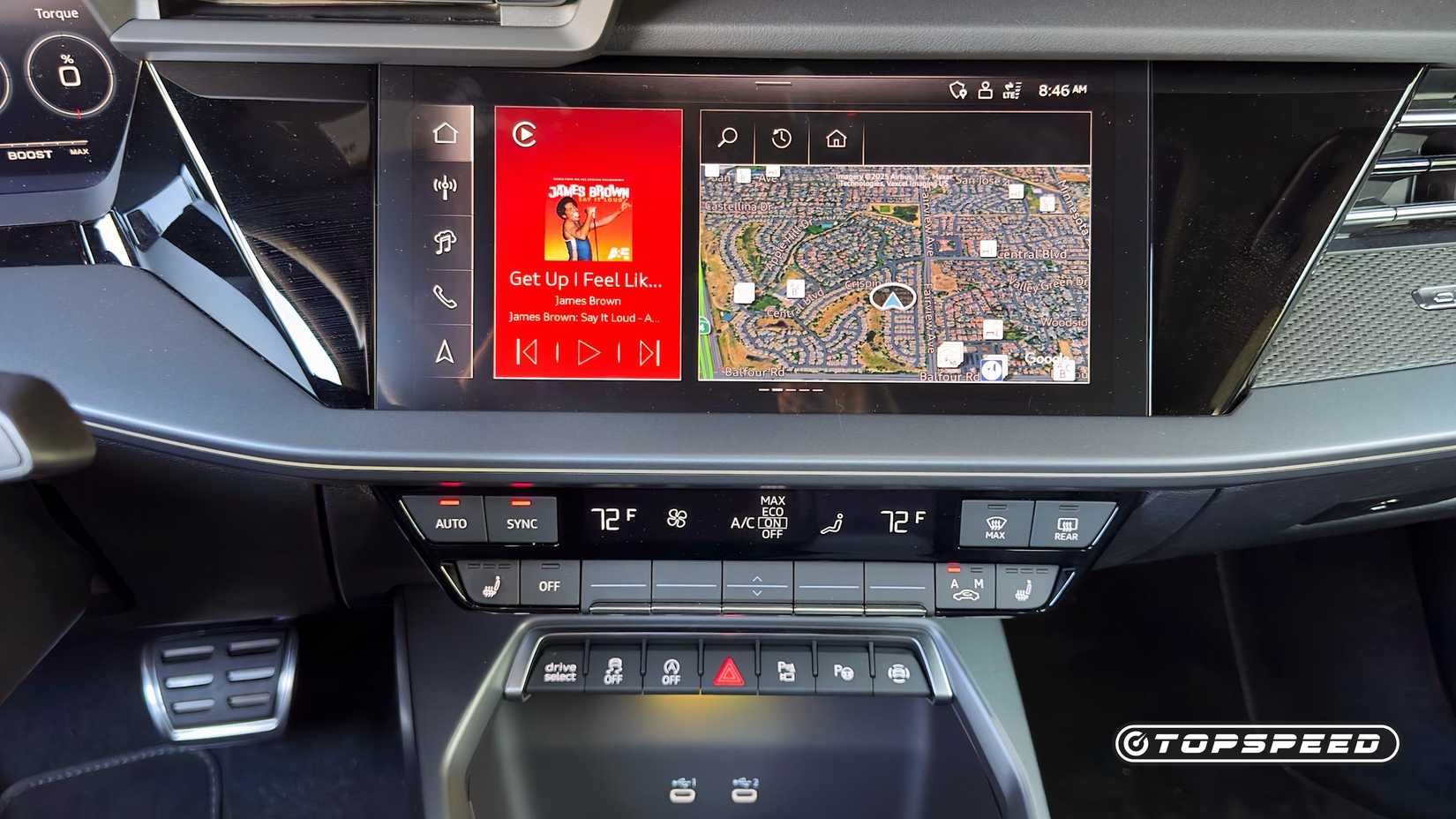
The Audi Virtual Cockpit Plus is now displayed on a 12.3-inch digital instrument cluster, alongside the central 10.1-inch MMI touchscreen display with acoustic haptic feedback. This features Audi’s native MMI Navigation system and a 680-watt, 15-speaker Sonos premium audio system. Wireless Apple CarPlay and Android Auto, four standard USB-C ports, and standard wireless phone charging round off the subcompact performance sedan’s standard tech features.
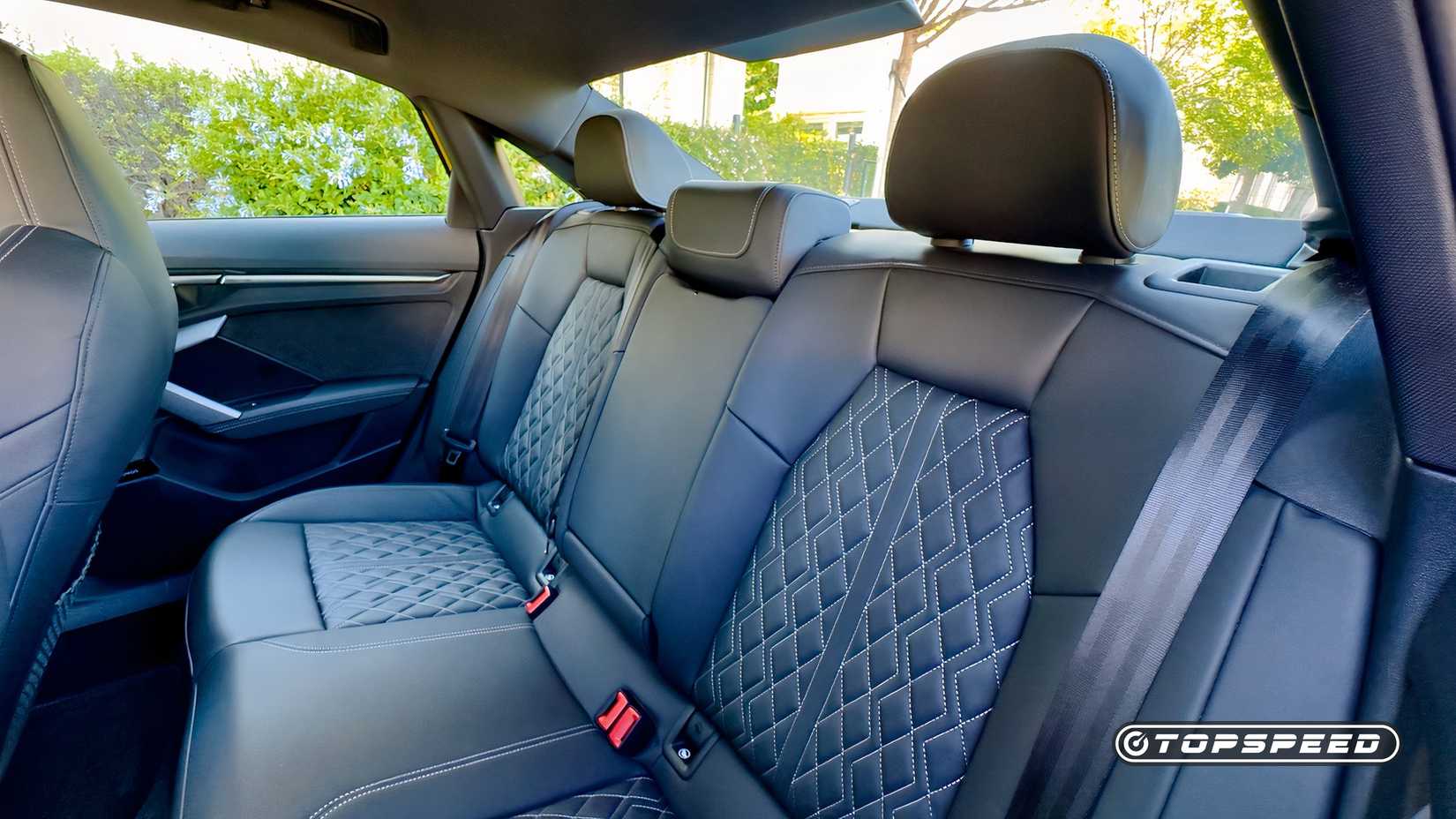
Optional upgrades and packages for the S3 include Fine Nappa leather seating surfaces accented by an intricate rhombus pattern and S embossing. The Driver Assistance package introduces a customizable head-up display projecting vehicle telemetry and navigation cues, alongside an advanced 360-degree top-view camera system and adaptive cruise control with lane-centering guidance.
Why The Audi RS3 Feels Like Nothing Else Today
The Audi RS3’s unique 5-cylinder engine and torque-vectoring AWD create an irreplaceable compact performance sedan experience.
What Owners Have To Say About It
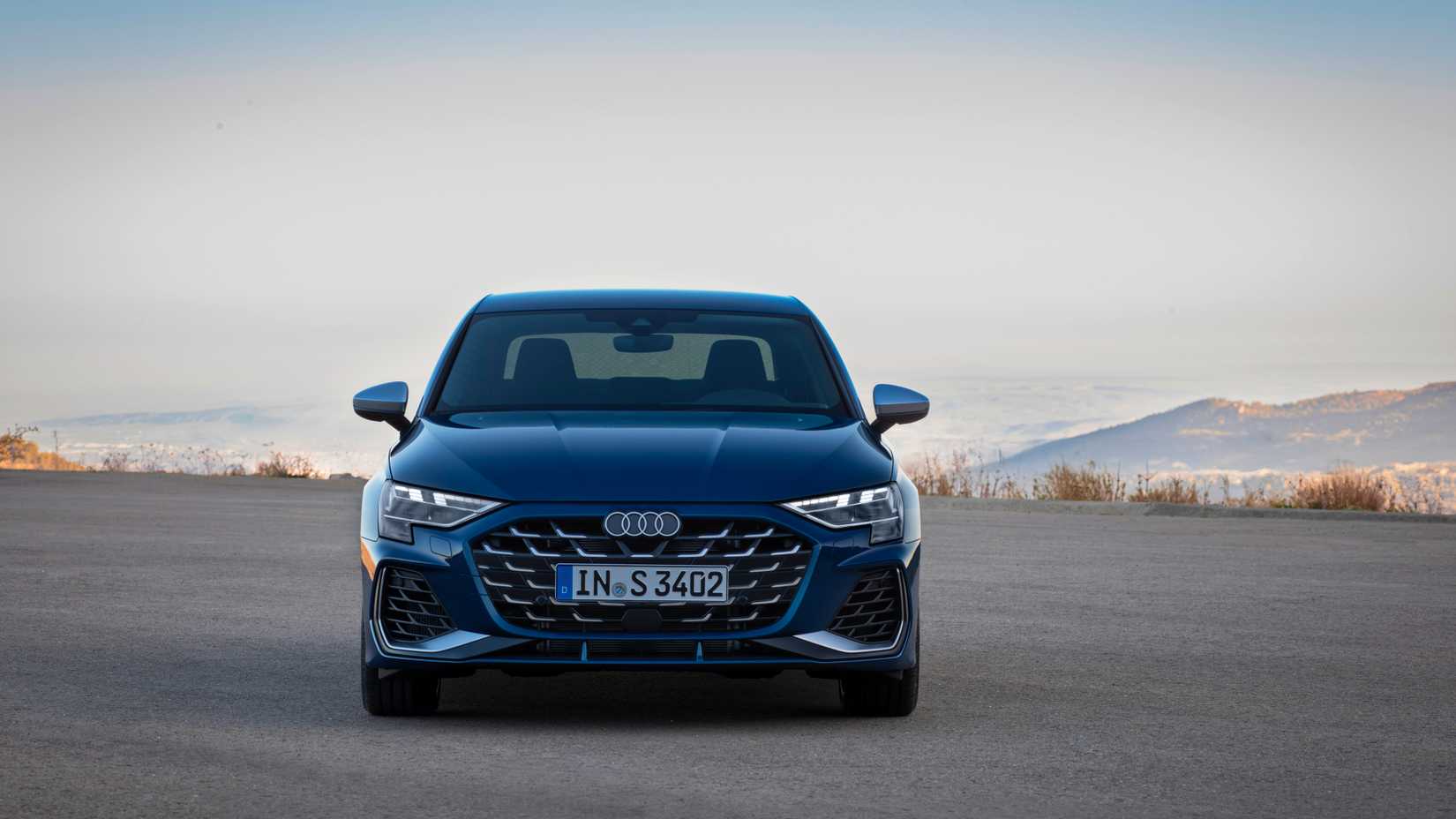
The 2026 Audi S3 currently only has six user-submitted reviews on the Edmunds consumer review section, reflecting a 4.2/5 average score. Most of the reviews highlight the German model’s handling, manufacturing quality, fuel efficiency, and comfort as standout benefits. The reviews also criticize it for its overbearing technological functions and safety systems.
iSeeCars gives the model an 8.1/10 average reliability score, with an average lifespan of 13.8 years or 134,936 miles. It holds a 7.3 percent probability of reaching 200,000 miles. The S3 loses some favors in value retention, as the publication indicates a $22,953 or 44.1 percent value loss over five years, which is a bit worse than the segment average.
Warranty And Recalls
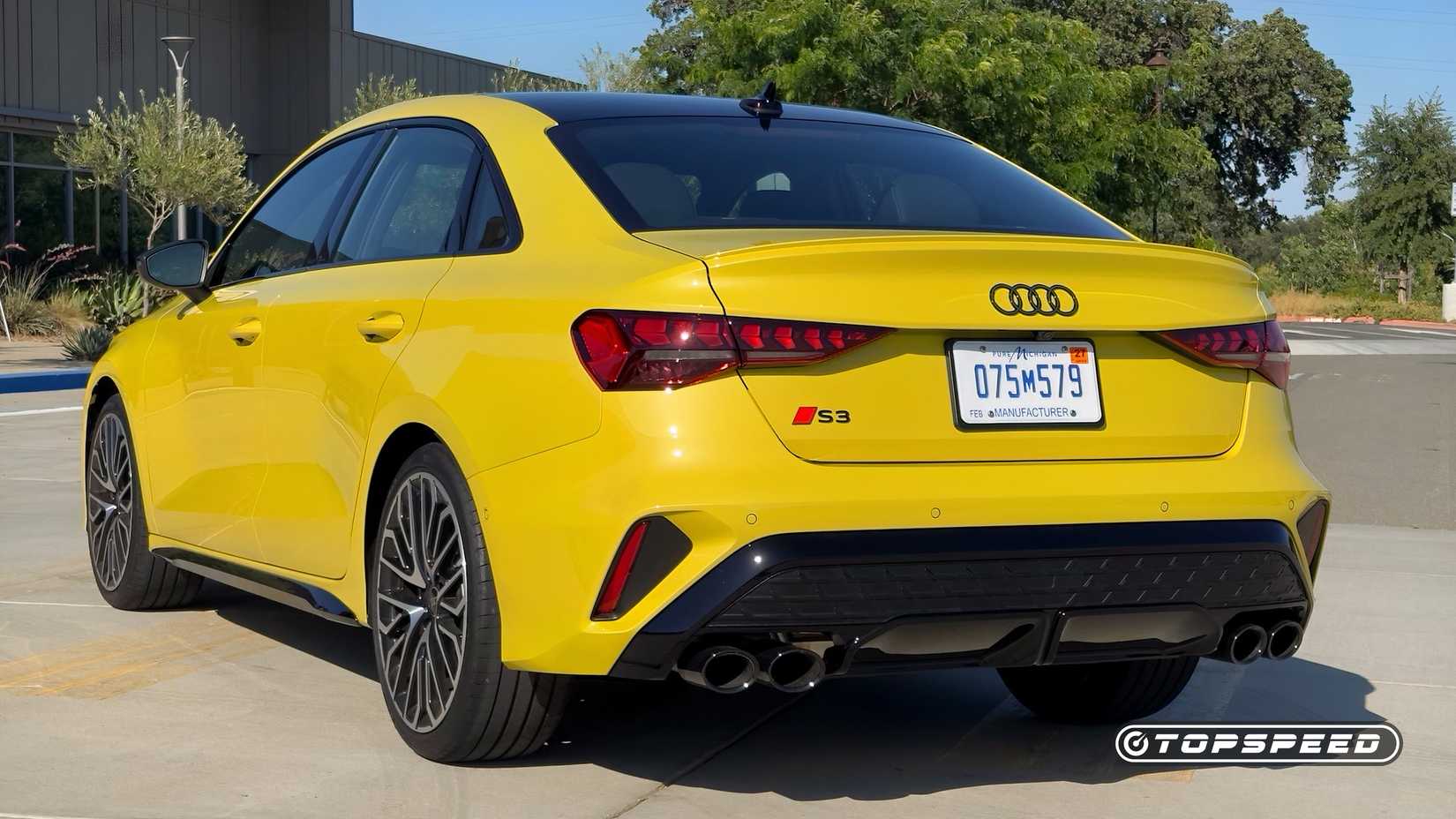
The 2026 Audi S3 is backed by Audi’s standard New Vehicle Limited Warranty, which provides coverage for four years or 50,000 miles. This also includes 24-hour roadside assistance for the same duration. To keep the performance sedan running optimally, Audi prescribes routine maintenance and service intervals every 10,000 miles or 12 months. The brand alternates between minor and standard maintenance packages that include critical fluid changes, filter replacements, and brake inspections.
The 2026 Audi S3 currently has no active safety recalls issued against it by the National Highway Traffic Safety Administration. However, looking at the vehicle’s recent history, previous model years of the S3 have faced some noteworthy recalls, most prominently an issue with a faulty Passenger Occupant Detection System. This could mistakenly deactivate the front passenger airbag, and a widespread infotainment software glitch caused the rearview camera display to go blank upon shifting into reverse.