
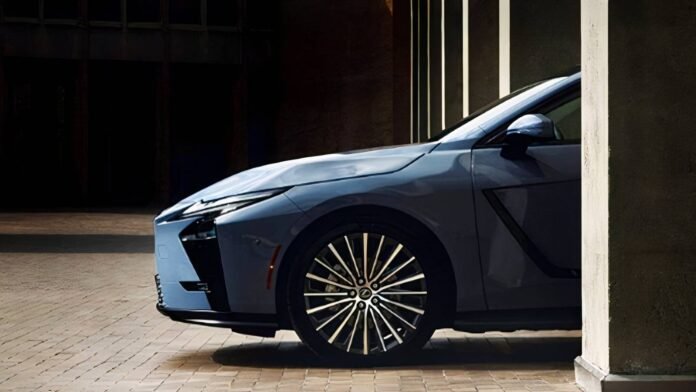
Reliability and mechanical longevity have always been cornerstones of the American automotive market. Some view cars as a luxury purchase, but most see it as an essential, high-stakes investment required for daily life. Given the widespread geographic scale of the U.S. and the often limited availability of robust public transit, American drivers prioritize dependable transportation that minimizes the risk of unexpected, costly repairs and unpredictable downtime.
This demand for reliability is inherently tied to the total cost of ownership. Buyers will typically evaluate vehicles by their initial sticker price, together with long-term value, resale potential, and repair costs. In an era where vehicle prices have surged, and ownership periods have lengthened, a car’s proven track record of durability serves as a vital safeguard for the owner’s financial stability and peace of mind.
The Decline Of Luxury Car Popularity
Over the last five years, the U.S. luxury sedan market has faced a sustained uphill battle as consumer preference continues to shift toward SUVs, which now command nearly 60 percent of the luxury segment. While overall new car sales for traditional three-box designs have experienced a relative decline compared to their high-riding counterparts, luxury sedans have successfully stabilized as a high-margin niche by pivoting toward advanced electrification and superior comfort.
The primary difficulty remains a perceived lack of versatility in cargo space and ride height, yet sedans maintain a distinct edge in driving elegance due to their lower center of gravity, which provides sharper handling and a more composed, quiet cabin experience that many top-tier SUVs still struggle to replicate. These vehicles also remain relevant by offering a more aerodynamic and fuel-efficient alternative to bulky crossovers, effectively balancing executive-level prestige with the practical benefits of lower ownership costs and a more engaging driver-centric experience.
Lexus Remains A Key Player In The Segment
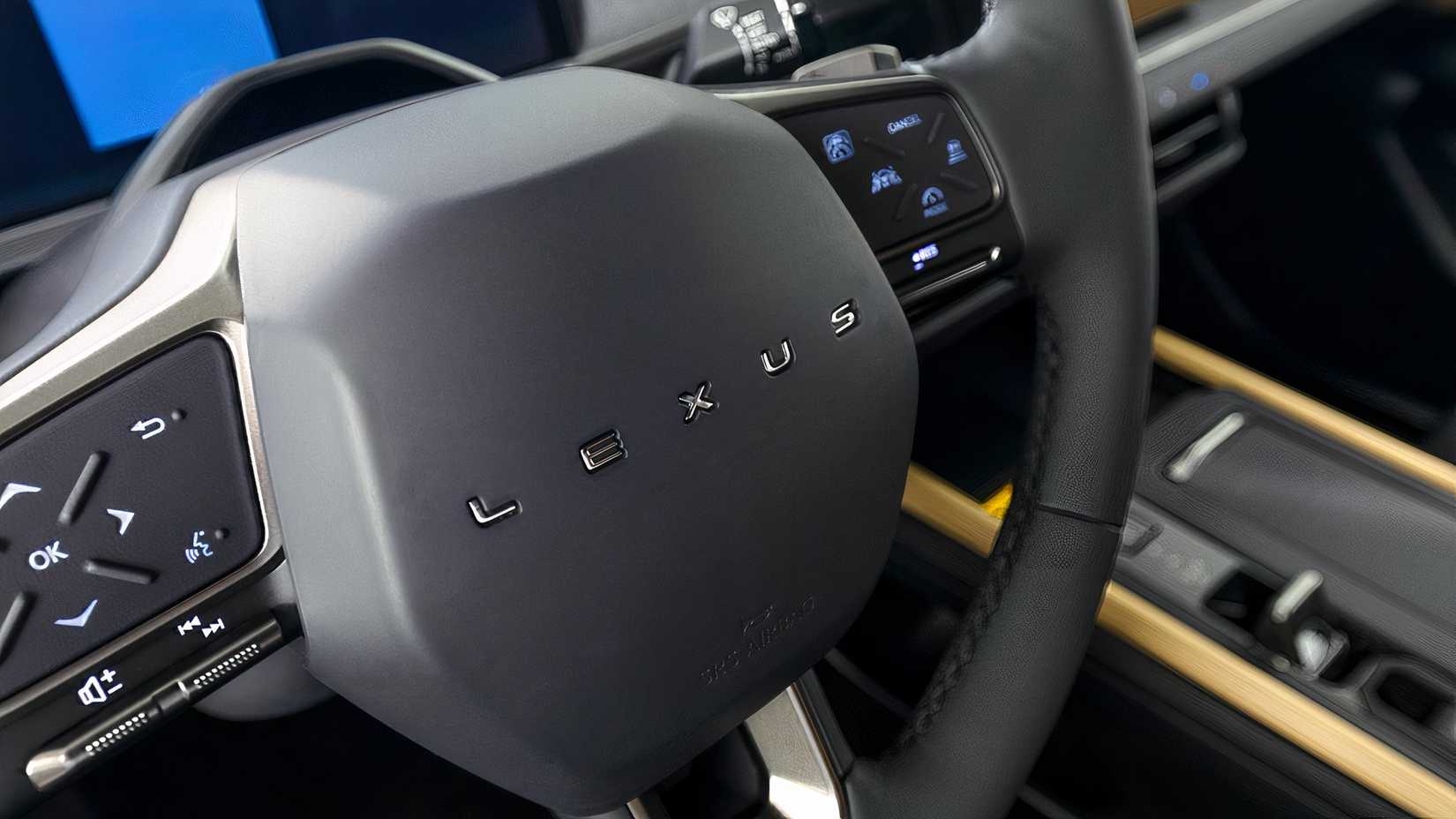
Lexus has cultivated its reputation for outstanding reliability by prioritizing a conservative engineering philosophy that avoids experimental technology in favor of thoroughly proven platforms. By leveraging the foundational mechanical resilience of its parent company, Toyota, the premium Japanese arm integrates long-tested and durable powertrains into its luxury lineup. Doing so ensures that components have already undergone decades of real-world refinement. This commitment is underpinned by a meticulous manufacturing culture, led by rigorous oversight and attention to detail that ensures every vehicle meets a high-quality standard.
Rather than chasing the latest, potentially temperamental trends, Lexus focuses on continuous improvement of its core systems, supported by exhaustive pre-production testing across extreme environments. This systematic, detail-oriented approach creates a level of mechanical predictability and long-term durability that consistently places the brand at the top of industry dependability studies, offering owners the rare combination of premium luxury and immunity to frequent, costly repairs.
Why The Lexus IS 350 Still Makes So Much Sense As A Sport Sedan
This luxury sport sedan balances daily comfort with genuine driving thrills in a way that rivals simply can’t match.
Refined Luxury Appointments Across The Range

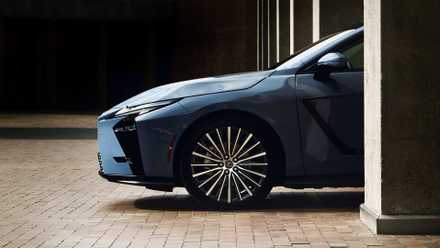
The new-generation 2026 Lexus ES marks a significant evolutionary step for the iconic midsize luxury sedan. The Japanese premium brand still employs the GA-K platform, but with increased rigidity and a six-inch wheelbase growth to improve rear seat legroom. The hybrid lineup is available in two unique trims, creating a focused but comprehensive catalog.
The front-wheel-drive ES 350h Premium opens the hybrid range at a starting price of $51,095. The new all-wheel-drive layout increases the base price to $52,495. Moving up to the technology-laden ES 350h Premium+ tier commands a starting price of $55,895 for the front-wheel-drive version, and $57,295 for the all-wheel drive. This is a high pricing structure, but the real cost savings are experienced in the long run.
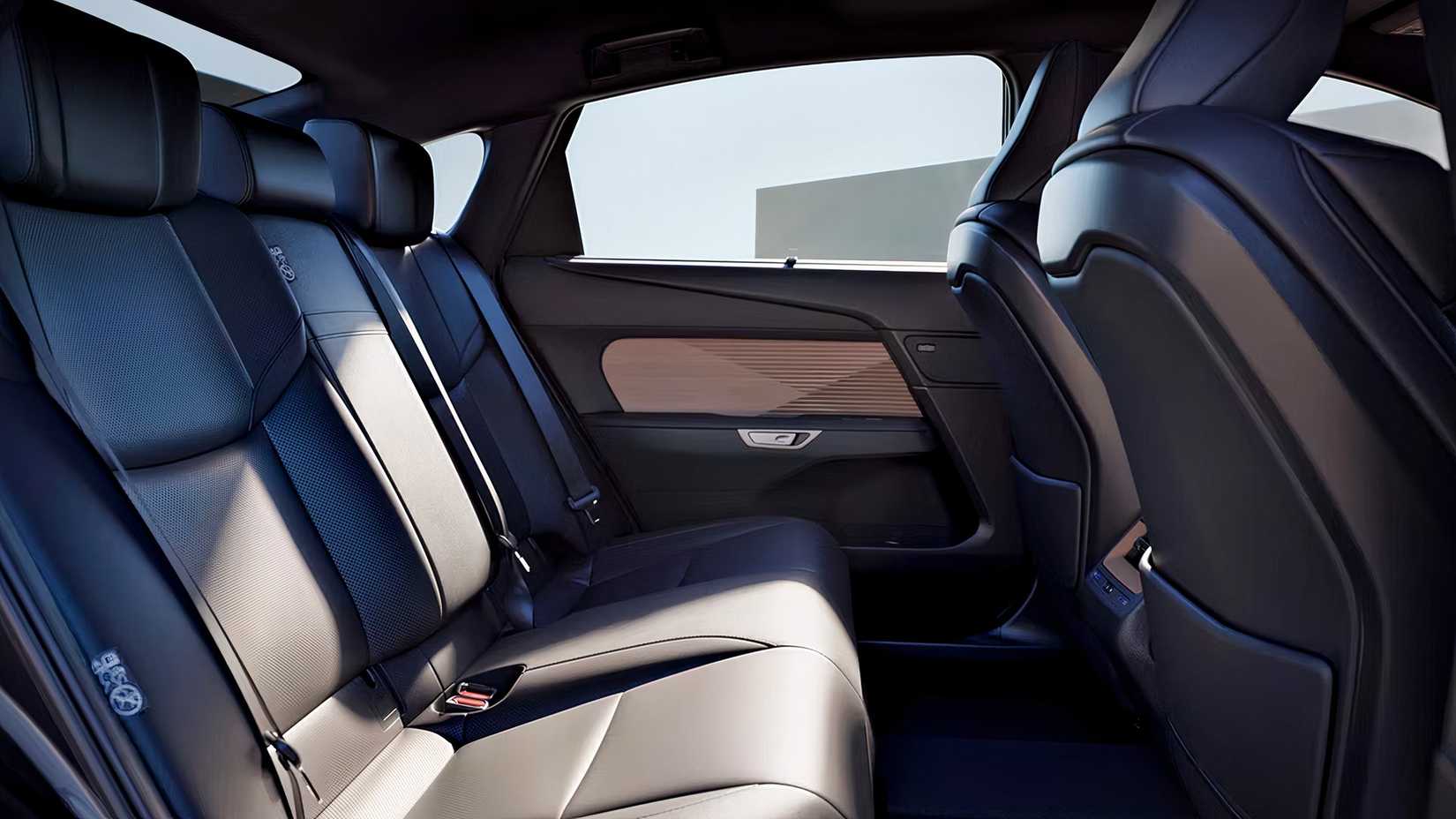
Every model comes standard with a 14-inch Lexus Interface touchscreen infotainment setup, replacing the older 12.3-inch screen in the previous model. This configuration features integrated physical climate knobs that digitally display readings and functions. Supporting this system is dual-zone automatic climate control, cloud-based navigation, and wireless Apple CarPlay and Android Auto. Standard convenience is further bolstered by the advanced Lexus Safety System+ 4.0, which integrates proactive driving assist, dynamic radar cruise control, and lane tracing features.
Upgrading to the Premium+ trim introduces a 17-speaker, 1,800-watt Mark Levinson PurePlay Surround Sound system and a multicolor head-up Display. You also get a panoramic view monitor, a digital rearview mirror, and specialized cold-weather additions like a radiant knee heater.

The interior materials and trimmings across the 2026 ES Hybrid lineup have been carefully curated to emphasize a premium, highly tactile atmosphere, despite changes to the wider ES family’s structure. Both the Premium and Premium+ grades come upholstered in Lexus’s signature NuLuxe synthetic leather material. This fabric replicates the soft texture and durability of genuine hides while remaining highly sustainable.
This upholstery can be specified in upscale color palettes including Black, White, or warm Palomino. You can pair this exclusively with a geometric checkered trim stretching across the dashboard and door panels to give the cabin a highly modern, structured aesthetic. The hybrid models retain an incredibly premium feel through soft-touch cabin wrapping, a dampened switchgear, and multicolor Thematic Ambient Illumination that bathes the cabin’s rich textures in soft light during nighttime drives. An illuminated natural Bamboo Layering trim and genuine semi-aniline leather seating surfaces are reserved for the fully electric variants.
This Luxury Car Quietly Outsmarts Its German Competition
This redesigned luxury sedan delivers impressive value, options, and performance that quietly challenges German rivals.
Powered By Toyota’s Dependable Technology
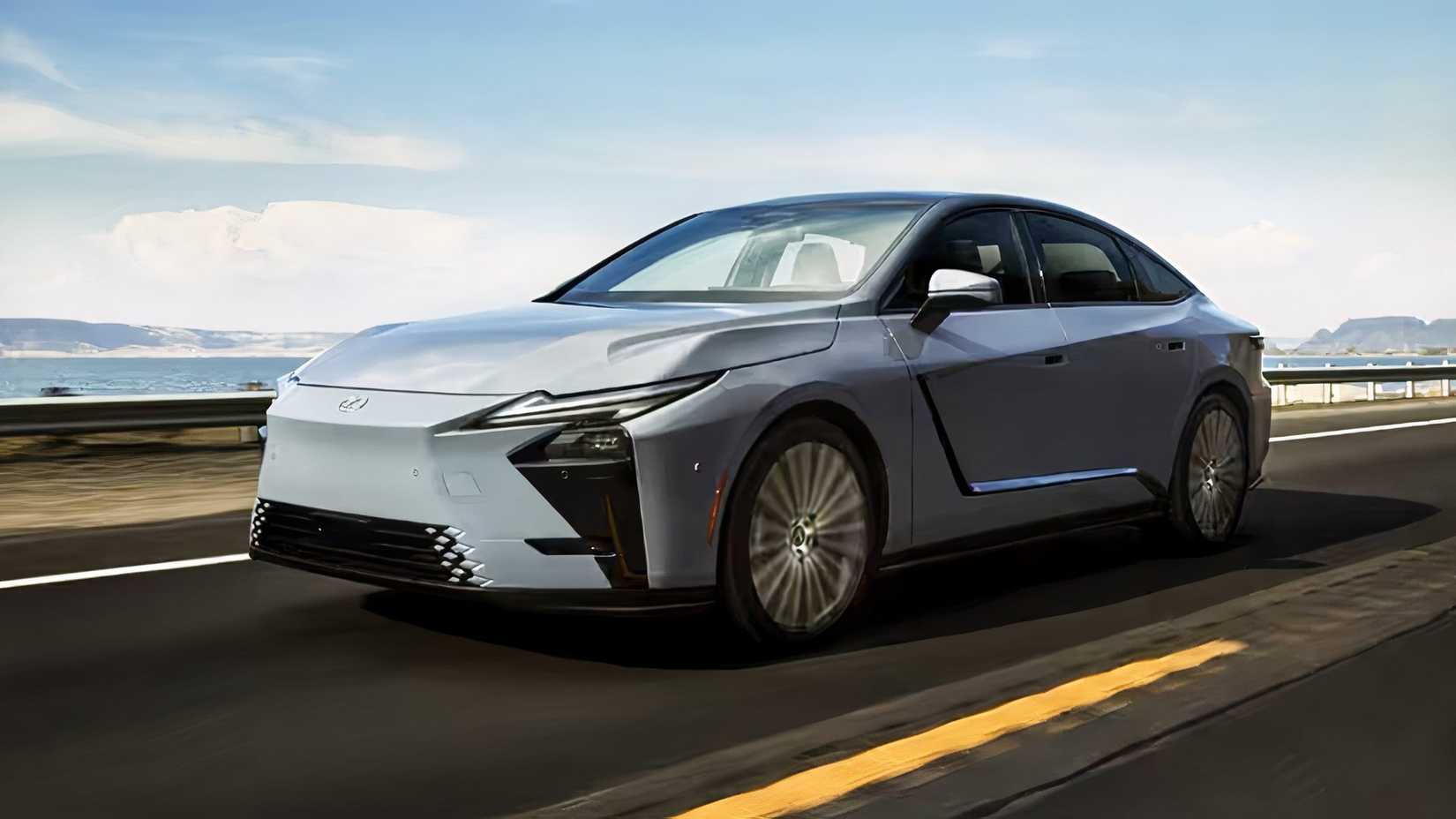
Powering the 2026 Lexus ES Hybrid is an advanced iteration of the Lexus Hybrid Drive system. This includes a thermally efficient 2.5-liter inline four-cylinder gasoline engine running on the Atkinson cycle with a pair of electric motors. Together, this hybrid configuration delivers a combined system output of 215 horsepower to the wheels via an electronically controlled continuously variable transmission.
The engine itself generates 163 pound-feet of torque, while the electric motors contribute instantaneous low-end twisting power to improve off-the-line responsiveness. This setup allows the midsize luxury sedan to accelerate from 0 to 60 MPH in an admittedly lethargic 8.1 seconds, eventually reaching an electronically limited top speed of 112 MPH.
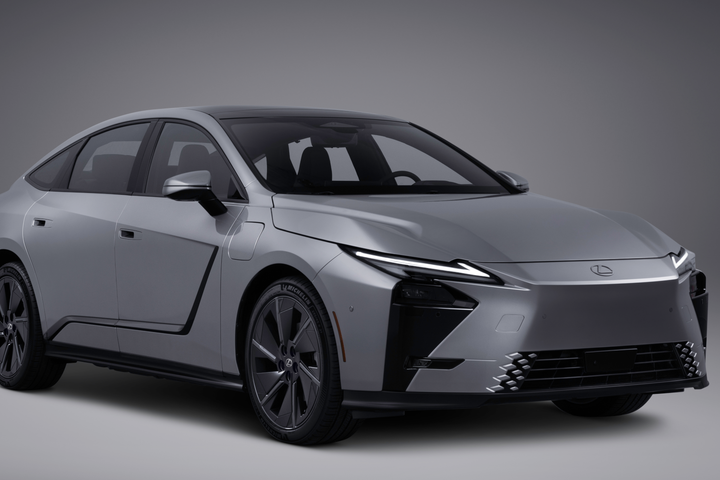

- Base Trim Engine
-
2.5-liter inline-4 hybrid
- Base Trim Transmission
-
e-CVT
- Base Trim Drivetrain
-
Front-Wheel Drive
- Base Trim Horsepower
-
244 HP
- Base Trim Torque
-
175 lb.-ft. @ 5000 RPM
- Make
-
Lexus
- Model
-
ES
- Segment
-
Midsize Luxury Sedan
Beyond its balanced performance metrics, this powertrain configuration carries an exceptional, industry-leading reputation for bulletproof mechanical reliability. Built upon the foundation of Toyota’s legendary dual-motor hybrid architecture, the naturally aspirated engine avoids the long-term stress and complexities associated with turbocharging. The eCVT utilizes a highly durable planetary gear set rather than a traditional belt-and-pulley CVT layout. This robust engineering minimizes mechanical wear over time, consistently earning the powertrain top reliability accolades from automotive analysts and ensuring decades of trouble-free operation for owners.
Class-Leading Warranty Coverage
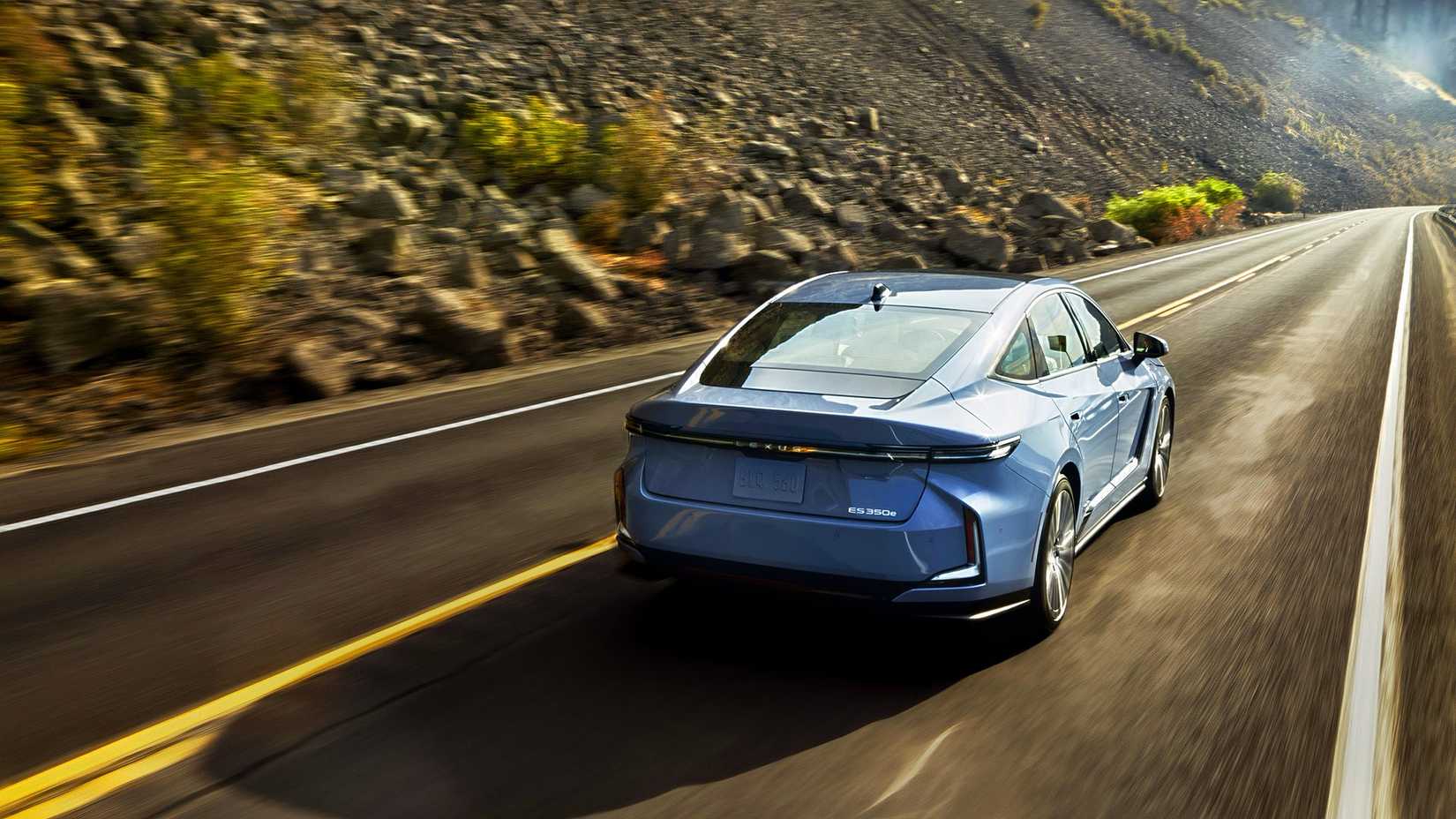
The 2026 Lexus ES Hybrid is backed by a comprehensive factory coverage structure under the LexusCare program. Headlining this is a four-year or 50,000-mile basic bumper-to-bumper warranty alongside a six-year or 70,000-mile powertrain warranty. Lexus extends specialized peace of mind to the hybrid components. The brand covers the hybrid battery control module, hybrid control module, and inverter and converter for eight years or 100,000 miles. The high-voltage hybrid battery itself receives a stellar 10-year or 150,000-mile warranty.
Short-term servicing requirements follow a strict six-month or 5,000-mile interval schedule to ensure long-term mechanical health. To help owners transition smoothly into this routine, Lexus provides complimentary maintenance for the first two scheduled dealership visits. The initial six-month or 5,000-mile service focuses on a tire rotation, brake component inspection, fluid level adjustment, and a diagnostic road test. The subsequent 12-month or 10,000-mile service incorporates all of those baseline checks plus a full engine oil and filter change using factory-specified 0W-20 synthetic oil, alongside a fresh cabin air filter replacement.
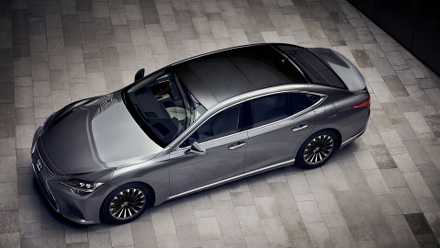
This Luxury Car Blends Classic Styling With Modern Tech
A sedan that whispers luxury, not screams it. Discover the car that stays true to its roots while embracing modern advancements.
What The Previous ES Tells Us About Reliability
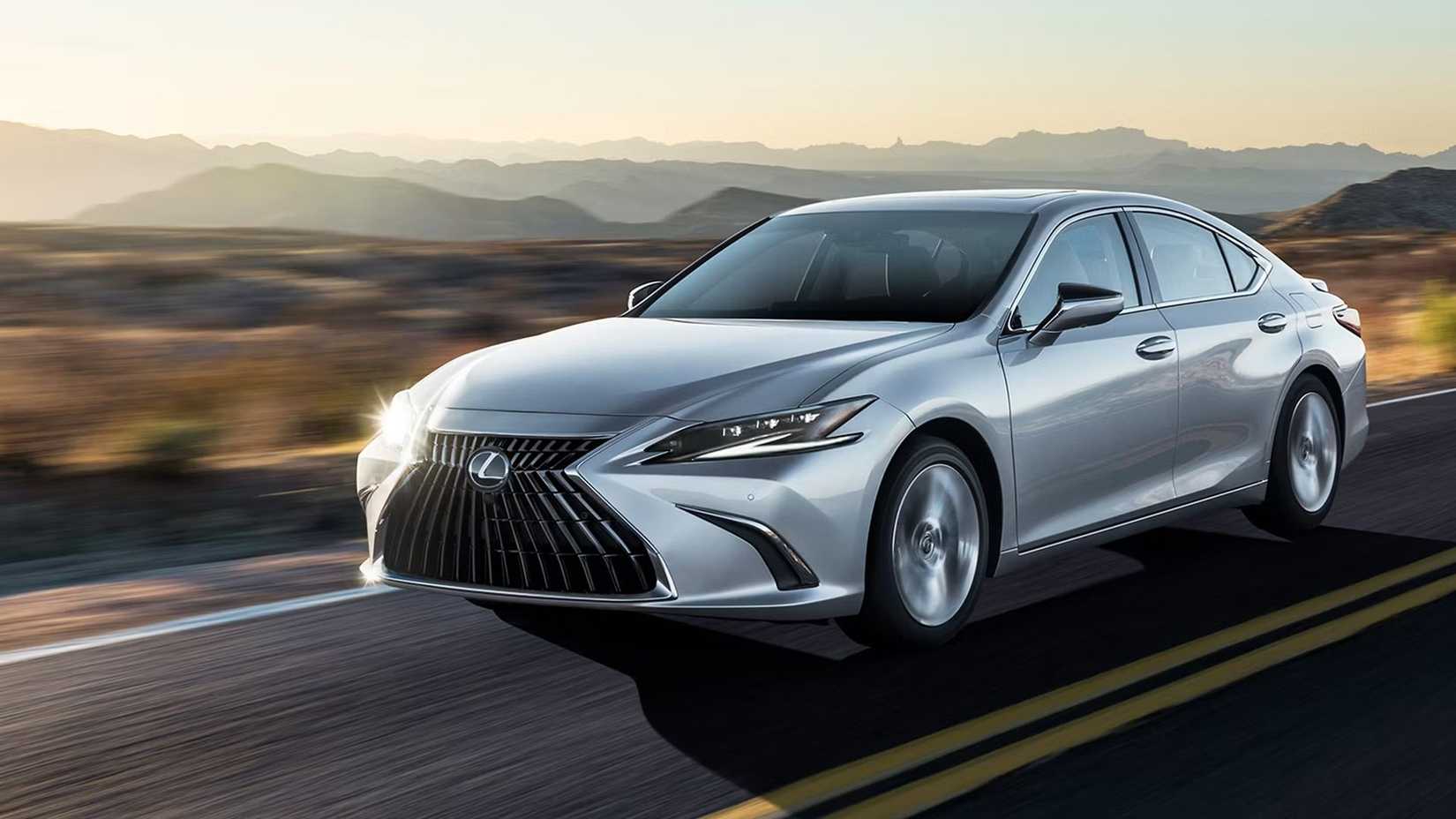
Considering the 2026 Lexus ES is only hitting the market next month, we don’t have an official report regarding its real-world reliability. However, the drivetrain is pretty much unchanged from the previous-generation model, which gives us a clear understanding of what we can expect. According to J.D. Power, the 2025 ES scored 89/100 for quality and reliability, 73/100 for driving experience, 74/100 for resale, and 87/100 for dealership experience, yielding an overall 83/100.
iSeeCars backs this with an 8.7/10 overall score for the hybrid, which includes 8.6/10 for reliability, 7.6/10 for retained value, and 10/10 for safety. The ICE model earns an 8.4/10 overall score, including 7.9/10 for reliability, 8.3/10 for retained value, and 9.0/10 for safety. Its reliability assessment indicates that it benefits from an average lifespan of 15.9 years and should cover 174,223 miles without any major mechanical faults. Its probability of reaching 200,000 miles is 32.7 percent if you typically drive 10,362 miles every year.
Famously Low Running Costs
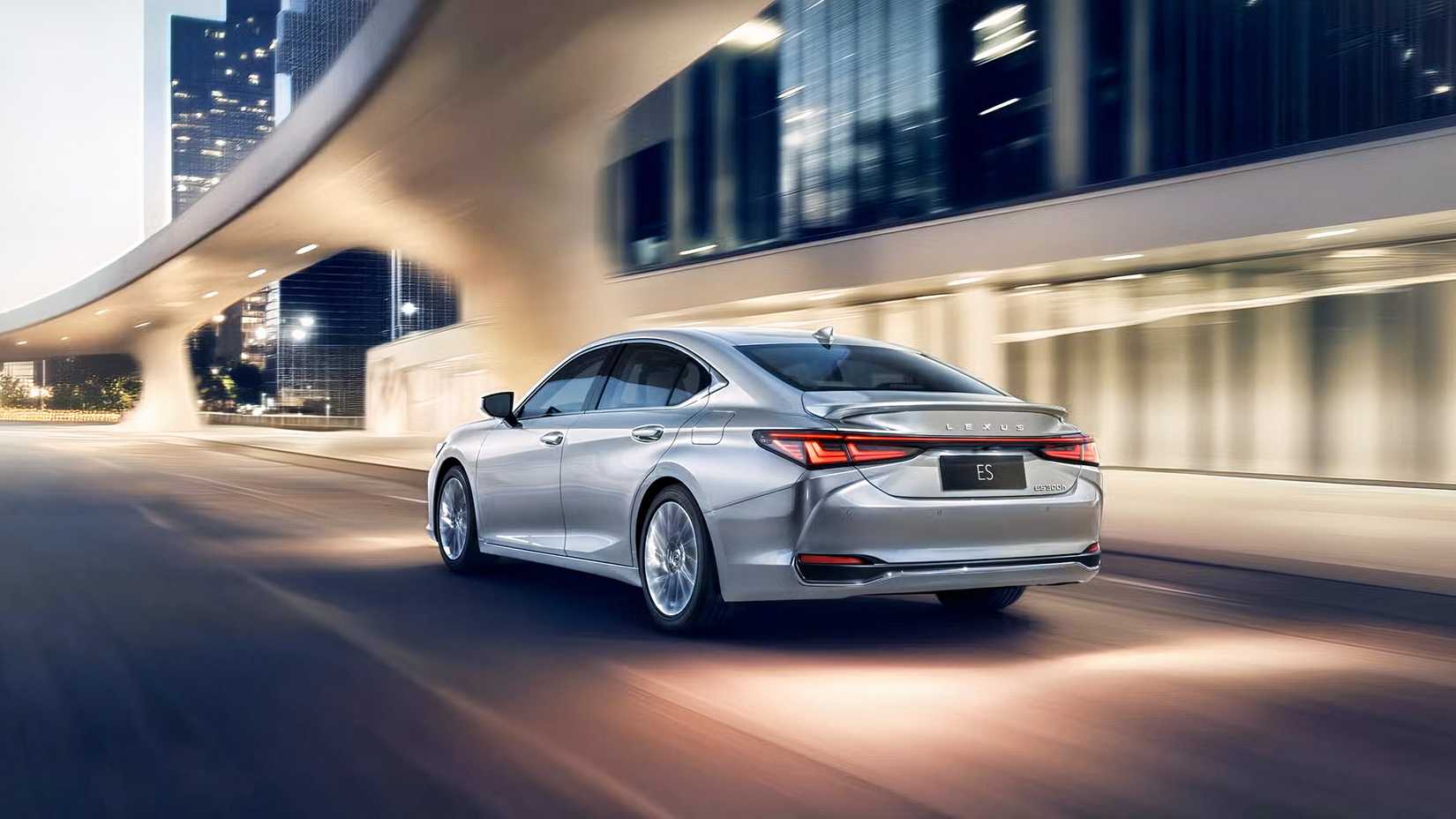
According to the Edmunds True Cost To Own calculator, you can expect a base-level Lexus ES 300h to cost you $4,836 on maintenance, $836 on repairs, and $5,340 on fuel. You can also expect to lose $23,608 after five years and 60,000 miles to depreciation. $8,363 of this loss occurs after the first year of ownership.
According to CarEdge, you can expect to spend $1,975 on the Lexus ES’s maintenance and repairs over five years and 60,000 miles. You can expect the very same model to lose 44 percent of its value over three years while covering 12,000 miles a year, resulting in a $24,769 sale price. By 10 years, it’ll be worth about $13,770, reflecting a 30.86-percent residual value. iSeeCars indicates that you can expect the hybrid model to lose 39.6 percent or $17,231 of its value over five years, resulting in a $26,309 residual value figure.
Sources: Lexus, Edmunds, iSeeCars, and J.D. Power.