

Rear-wheel-drive-biased SUVs are predominantly found in the much higher price bracket. Porsche and Audi have always offered their SUVs in this category, and for decades, SUV buyers either chose to accept dynamically uninspiring front-wheel-drive options or move up to the safety of a premium badge.
However, a shift in product engineering has changed the equation. The modern automotive landscape provides a gap in the market for manufacturers to offer a high-tier, sports-car-inspired vehicle architecture at a significantly more competitive price point. The Lexus RX has long built its empire on being the slightly more affordable option in the premium segment, but it still features a front-wheel drive bias.
The Luxury Pricing Paradigm
In the premium midsize market, few names carry as much weight as the traditional luxury crossover benchmarks. For years, the smart money went to vehicles that offered a serene, isolated driving experience, bulletproof reliability, and a starting price hovering around the mid-$50,000 range. They mastered the art of accessible luxury, giving buyers an undeniable sense of status without forcing them into the astronomical price brackets of elite European performance brands.
But as the market moves through the late 2020s, the average price of a premium SUV has soared past $65,000. This pricing surge has forced enthusiast buyers to ask a critical question: Is that premium tax actually paying for superior engineering, or are you simply cutting a check for the badge on the grille?
The Loaded Lexus Question

- Base Trim Engine
-
2.5L I4 Hybrid
- Base Trim Transmission
-
CVT
- Base Trim Drivetrain
-
All-Wheel Drive
- Base Trim Horsepower
-
183 HP @6000 RPM
- Base Trim Torque
-
233 lb.-ft. @ 4300 RPM
- Base Trim Fuel Economy (city/highway/combined)
-
37/34/36 MPG
- Make
-
Lexus
- Model
-
RX Hybrid
- Segment
-
Midsize Luxury SUV
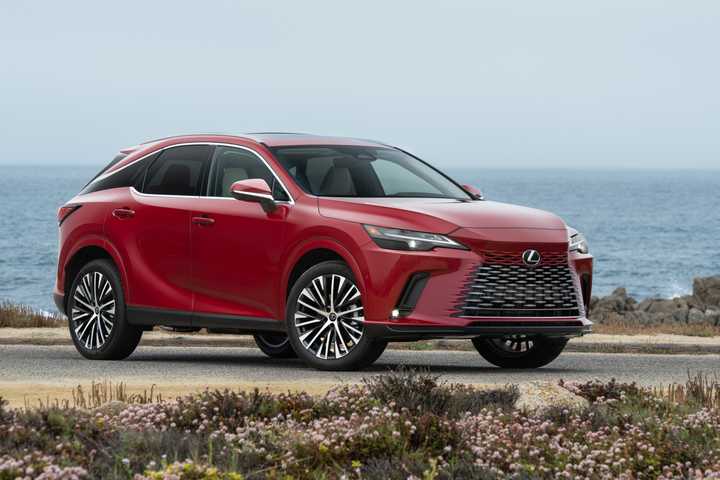
On the flip side, the 2026 Lexus RX 350h Luxury AWD has an MSRP of $65,395, but that baseline doesn’t quite reflect real-world dealership prices when fully speced out by a buyer. Once you add options like the 120V AC power outlet for $550, the Advanced/Remote Park for $480, another $500 for premium paint formulations, and possibly some cold-weather or cargo packages, the total estimated vehicle price ranges from $70,400 to $72,900.
Here’s Why The RX Plug-In Hybrid Stands Out In Lexus’ Electrified Lineup
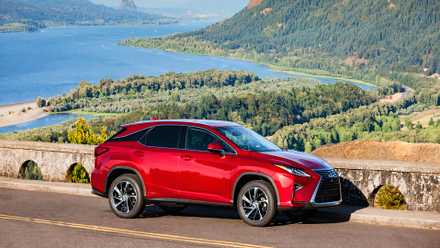
The Lexus RX Plug-In Hybrid is a twist on a popular luxury family SUV. Find out why it’s one of Lexus’ most attractive electrified models here.
The CX-70 PHEV SC Plus Is The Trim Drivers Choose Over A Loaded Lexus RX
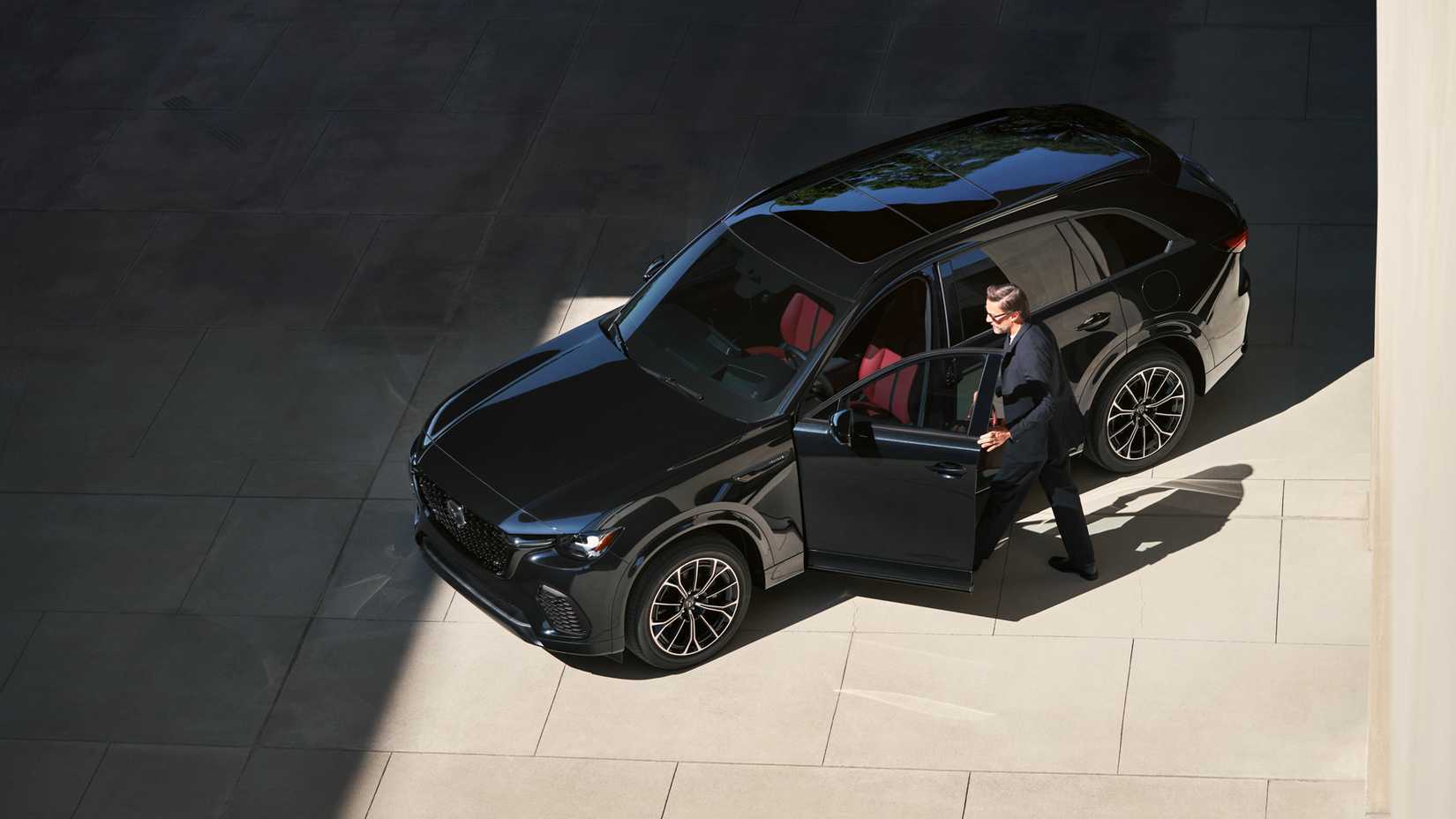
The 2026 Mazda CX-70 PHEV SC Plus comes in at $47,450 MSRP. In this particular configuration, the vehicle comes fully equipped. Mazda is trying to take a more simplified approach to the usual long list of options, with the SC Plus moniker, which indicates that much of the brand’s catalog of convenience, performance, and material features is already standard.
When compared to the fully loaded Lexus’s price, this creates a difference of roughly $23,000. For premium buyers, this gap forces a critical question: What exactly does that extra investment buy you in the Lexus showroom?
The Luxury Quotient vs. Outright Value
Answering that question requires looking closely at how each manufacturer defines the luxury ownership experience. In the Lexus showroom, that premium tax primarily purchases an unparalleled legacy of absolute isolation and dealership pampering. The extra investment delivers a cabin tuned for whisper-quiet serenity, materials like semi-aniline leather that favor traditional opulence, and an ownership experience backed by one of the most highly rated dealer service networks in automotive history. For a specific subset of buyers, the peace of mind that comes with the tier-one luxury badge and its associated concierge-level service completely justifies the entry fee.
Conversely, with the top-tier CX-70, the buyer’s money is channeled directly into premium hardware—such as a complex plug-in hybrid architecture, a sports-car-derived longitudinal platform, and standard Nappa leather upholstery. This creates a fascinating tension in the midsize segment.
Mazda’s RWD-Biased Platform Vs. Lexus’ FWD Economy Roots

Mazda CX-70 Architecture: Longitudinal inline engine layout paired with an eight-speed automatic transmission. Power defaults primarily to the rear wheels, utilizing an i-Activ AWD system to assist the front axle only when necessary. Lexus RX 350h Architecture: Transverse engine layout paired with an electronic continuously variable transmission transaxle. Power is directed primarily to the front wheels and relies on an independent electric “e-Axle” to power the rear wheels when traction drops.
How The Mazda CX-70 Steals The Sport Sedan Blueprint

Weight distribution is one of the biggest factors in making something feel sporty or not. The CX-70 achieves this by mounting the 2.5-liter combustion engine lengthwise rather than sideways. This pushes the mass of the powertrain behind the front axle line. Power is directed primarily to the rear wheels via an eight-speed automatic transmission that houses an integrated electric motor. The standard i-Activ all-wheel-drive system operates with a distinct rear bias, engaging the front wheels smoothly when traction limits demand it.
On a twisting back road, this structural variance changes everything. The longitudinal layout allows the Mazda CX-70 to utilize a sophisticated double-wishbone front suspension design, which optimizes tire contact patches under hard cornering. Combined with standard Kinematic Posture Control (KPC)—a system that applies subtle braking pressure to the inner rear wheel to suppress body roll—the CX-70 corners with the flat, neutral composure of a sports sedan.
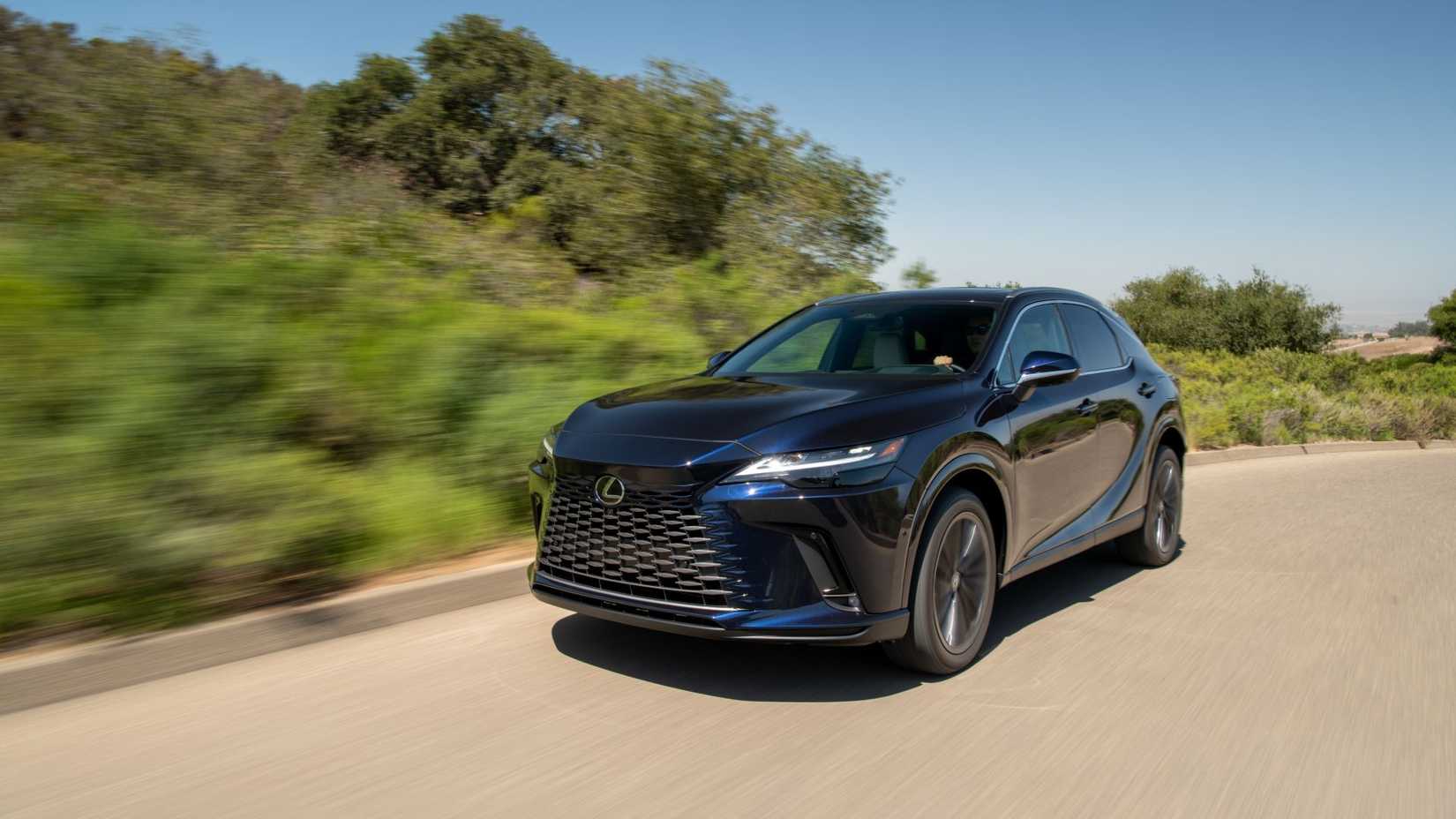
While a transverse layout is a winning solution for thousands of vehicles, the RX 350h is constrained by this setup and utilizes a more traditional MacPherson strut front suspension. Tuned primarily for soft compliance, the RX 350h displays noticeable nose-dive under heavy braking and significant body lean when pushed through sharp switchbacks. Under power out of a corner, the Mazda pushes you through the turn with rear-axle authority, whereas the Lexus pulls from the front, leading to the characteristic understeer typical of an economy-derived platform.
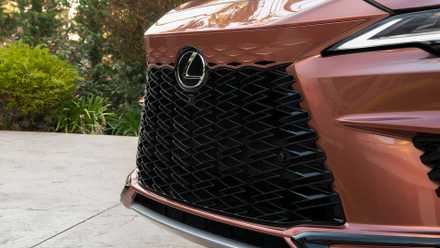
The Japanese Luxury SUV That’s Outselling German Rivals In 2025
The Japanese luxury SUV market is taking on the German market in a big way already this year, with this plush SUV outselling its European counterparts
Engineering The Sensory Experience
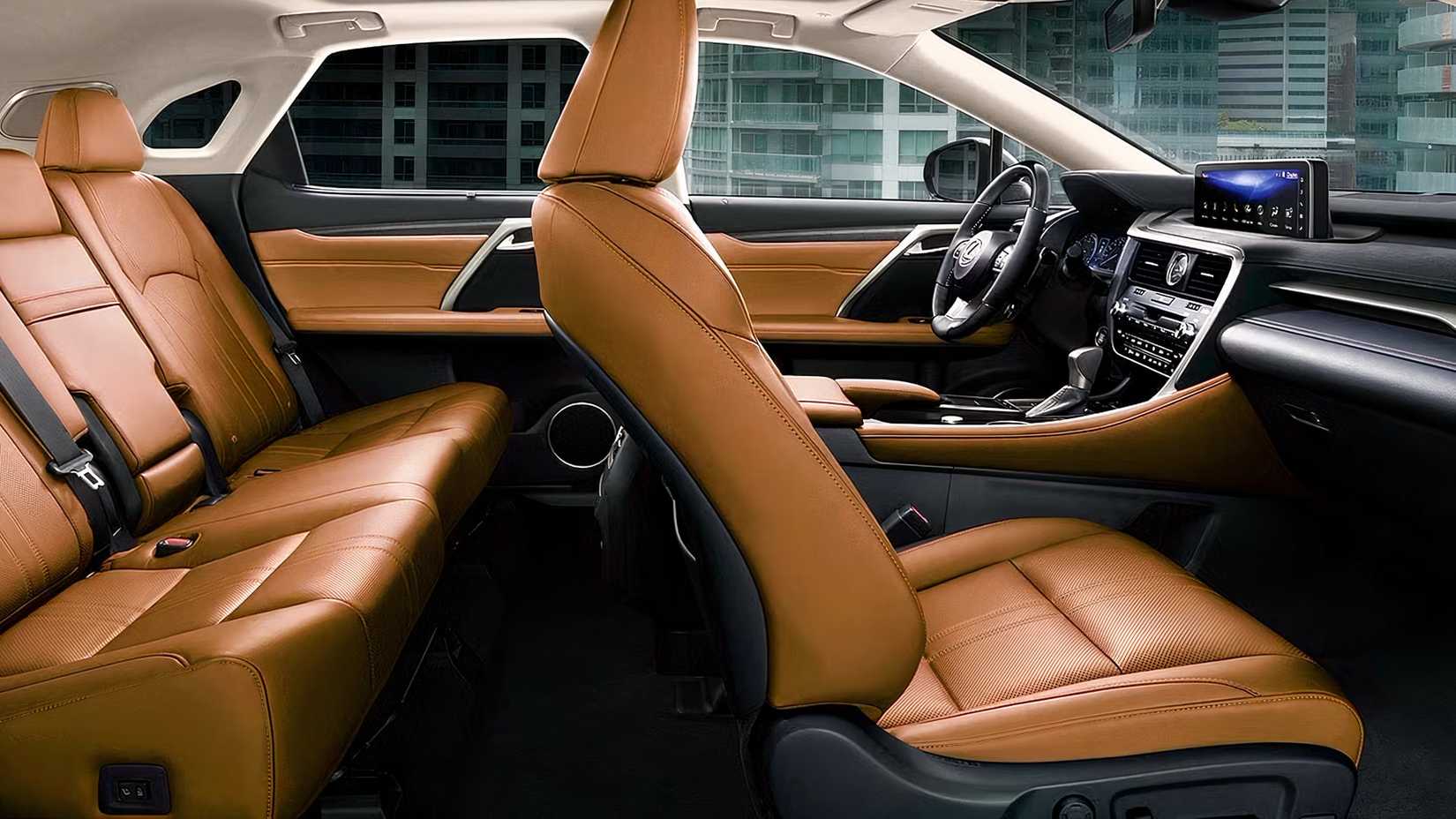
Lexus has built its reputation on isolation, and the RX 350h remains an unbelievably quiet cruiser on the pavement. However, because its high-efficiency inline-four engine is paired with the continuously variable transmission (eCVT), heavy throttle applications cause the engine to rev high and hold a constant, loud RPM pitch until the driver backs off the gas. While CVTs are one of the most efficient transmissions available, the engine drone breaks the cabin’s serenity during hard overtaking.
Quieting The Outside World
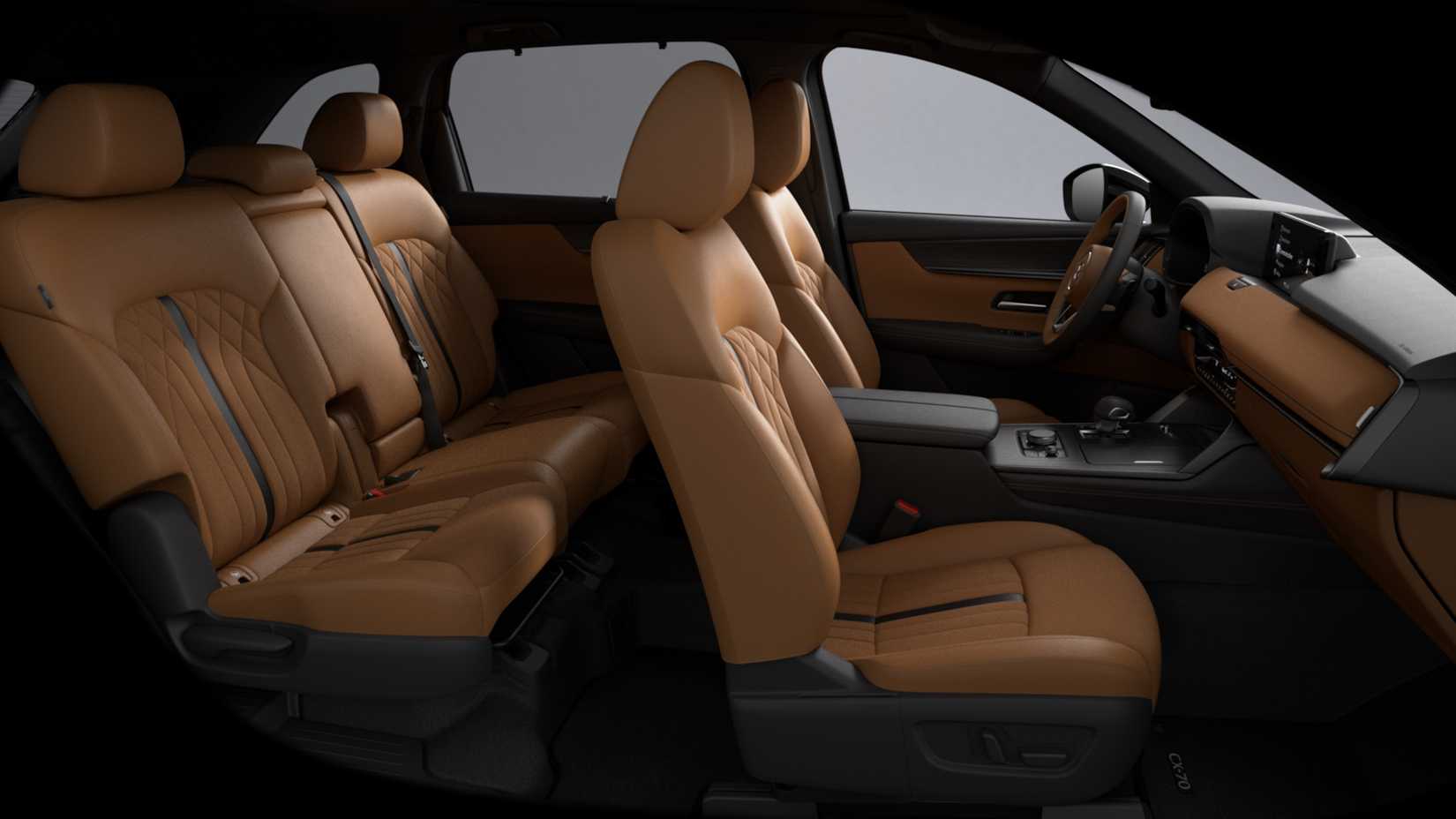
Mazda approached the CX-70’s Noise, Vibration, and Harshness through robust structural stiffness, which minimizes microflexing of the frame. Keeping the chassis stiff reduces road vibrations from entering the passenger cabin. The CX-70 uses an eight-speed auto transmission, which keeps the revs in harmony with the speed of the car.
The Tactile Interior Showdown: Mazda Leather Vs. Lexus Luxury
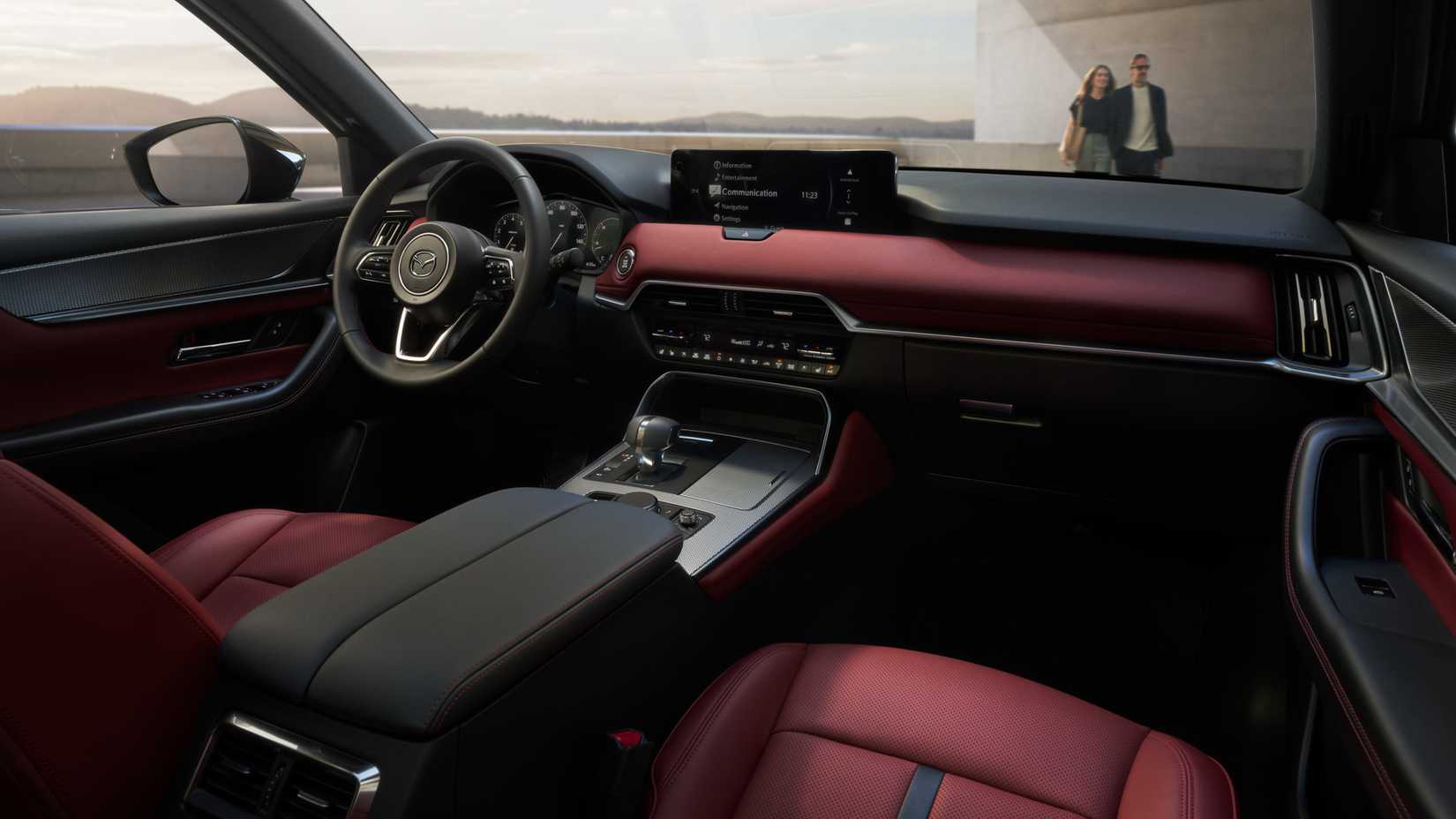
Both vehicles come with beautiful interiors. The CX-70 focuses more on the tactile side of things. The dashboard lines are clean and horizontal. Driver touchpoints are upholstered in standard premium Nappa leather, and the steering wheel features precise, uniform stitching. Every dial and button provides a definitive, heavily weighted mechanical click upon activation. Yes, Mazda. We like this!
|
Mazda CX-70 PHEV SC Plus |
Lexus RX 350h Luxury |
|
|
Seating Material |
Standard premium Nappa leather |
Semi-aniline leather upholstery |
|
Front Seats |
3-level heated and ventilated |
Heated and ventilated |
|
Rear Seats |
Heated outboard cushions |
Heated and ventilated |
|
Steering Wheel |
Heated, leather-wrapped |
Heated, wood-and-leather-wrapped |
|
Accent Trim |
Model-specific metal/textured accents |
Open-pore wood trim variants |
|
Infotainment Screen |
12.3-inch center display |
14-inch touchscreen display |
The Lexus RX 350h Luxury counters with its smooth semi-aniline leather and attractive open-pore wood inserts. It is undeniably plush, but like so many cars on the market today, it relies heavily on a touchscreen interface to manage vehicle settings. This can clean up a cabin in a beautiful, minimal way, but overall, this doesn’t read as luxury to all buyers anymore, as consumers view touchscreen reliance as more of a cost-cutting measure than an actual luxury feature.
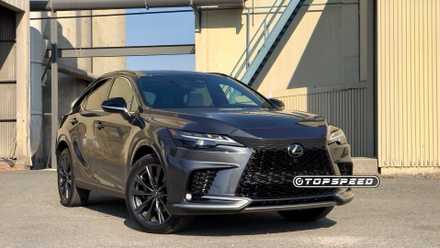
Lexus RX350h F Sport Design: A Luxurious Blend Of Comfort And Quality
Experience the seamless fusion of Japanese aesthetics and cutting-edge technology in this luxurious crossover.
The Real-World Efficiency Data
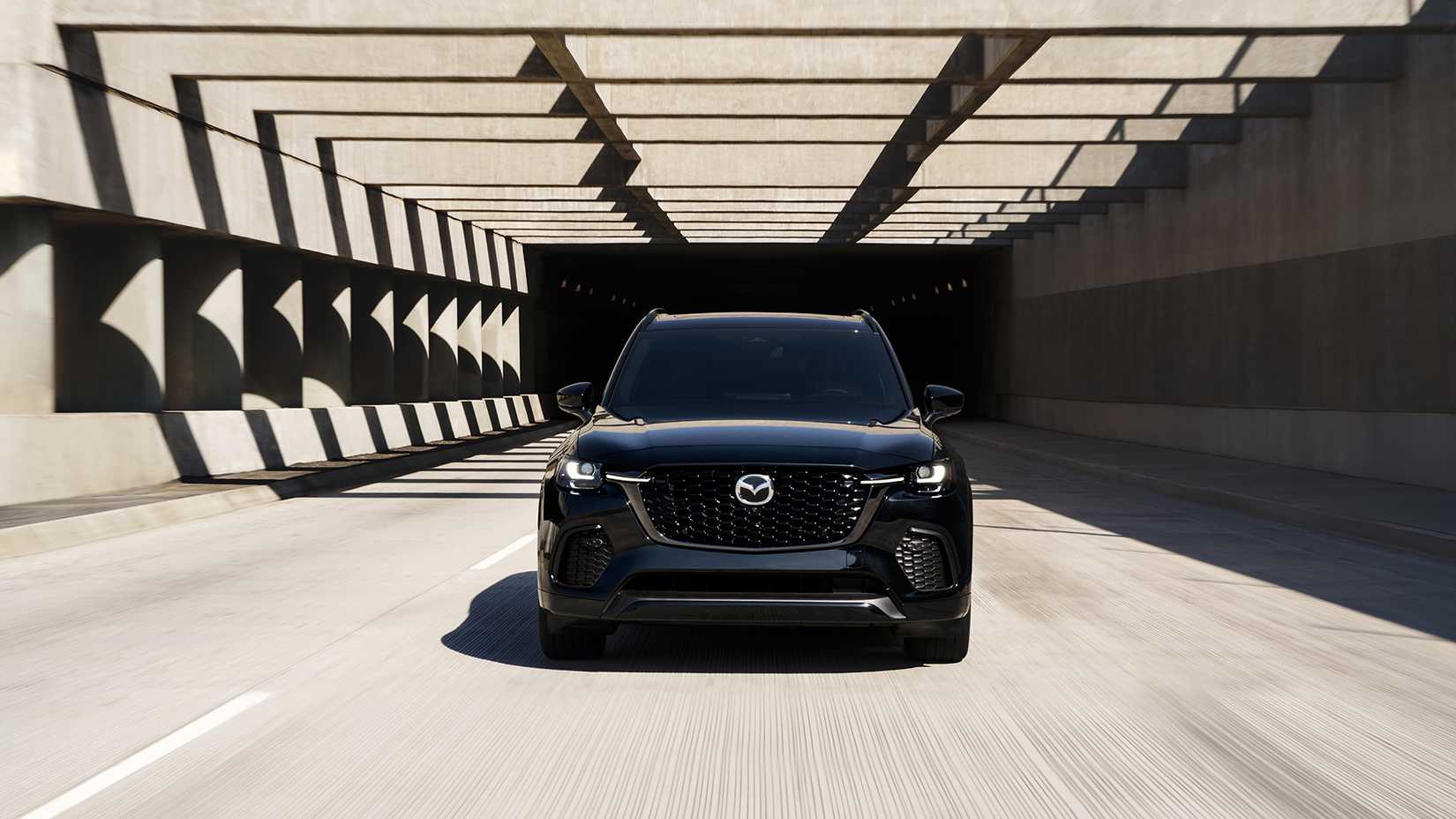
The powertrain configurations represent fundamentally different approaches to automotive electrification. The Lexus operates as a closed-loop hybrid, whereas the Mazda offers true plug-in capability.
The Power Of The PHEV
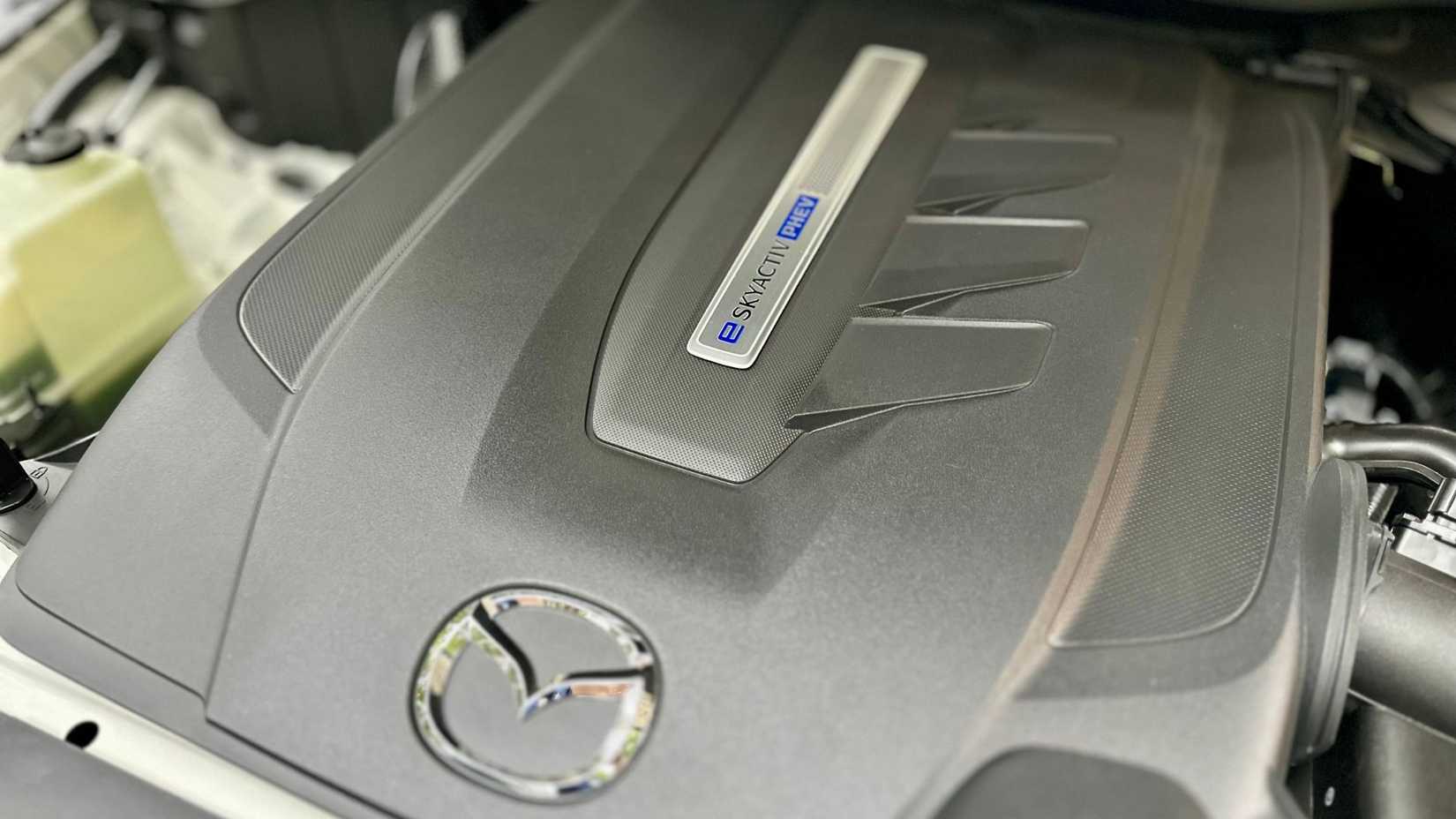
The Lexus RX 350h is a traditional hybrid. It self-charges a small onboard battery pack via regenerative braking and engine operation, achieving an EPA-estimated 37 city / 34 highway / 36 combined MPG. It is an exceptionally efficient setup for urban stop-and-go commuting, but it offers minimal pure electric driving capacity, capable of running only at low speeds for very short distances before the gas engine fires up.
The Mazda CX-70 PHEV carries a larger 17.8 kWh lithium-ion battery. This allows it to offer an EPA-estimated 32 miles of pure electric driving range on a full charge. For the average commuter, daily trips to the office, grocery store, and school drop-offs can be executed completely without burning a single drop of gasoline.
Power And Torque Comparison:
- Mazda CX-70 PHEV: 323 total system horsepower / 369 lb-ft of torque
- Lexus RX 350h: 246 total system net horsepower / 233 lb-ft of torque (approximate gas engine rating)
Once the electric range is depleted, the CX-70 becomes a regular parallel hybrid, achieving about 26 MPG, significantly less than the Lexus, but if a driver remembers to charge at home, the fuel savings tilt heavily in Mazda’s favor. However, for longer distances (anything over 108 miles of range), the Lexus does pull ahead. Despite being a fuel-sipping SUV, the performance advantages of Mazda’s PHEV system are fantastic. When the 68 kW electric motor combines forces with the 2.5-liter engine, it sends a total of 323 horsepower and 369 pound-feet of torque to the i-Activ AWD system. The Lexus RX 350h puts out 246 horsepower, which is perfectly acceptable, but focuses purely on progressive momentum. Its 0–60 mph sits at 7.2 seconds, and it lacks the mid-range punch.
The Japanese Hybrid SUV With The Highest Driving Range In 2026
As SUV owners seek to put off gas pump visits as long as possible, this Japanese hybrid shines for its ability to go 600+ miles between fill-ups.
Why The Mazda CX-70 Wins The Smart Money Long Game
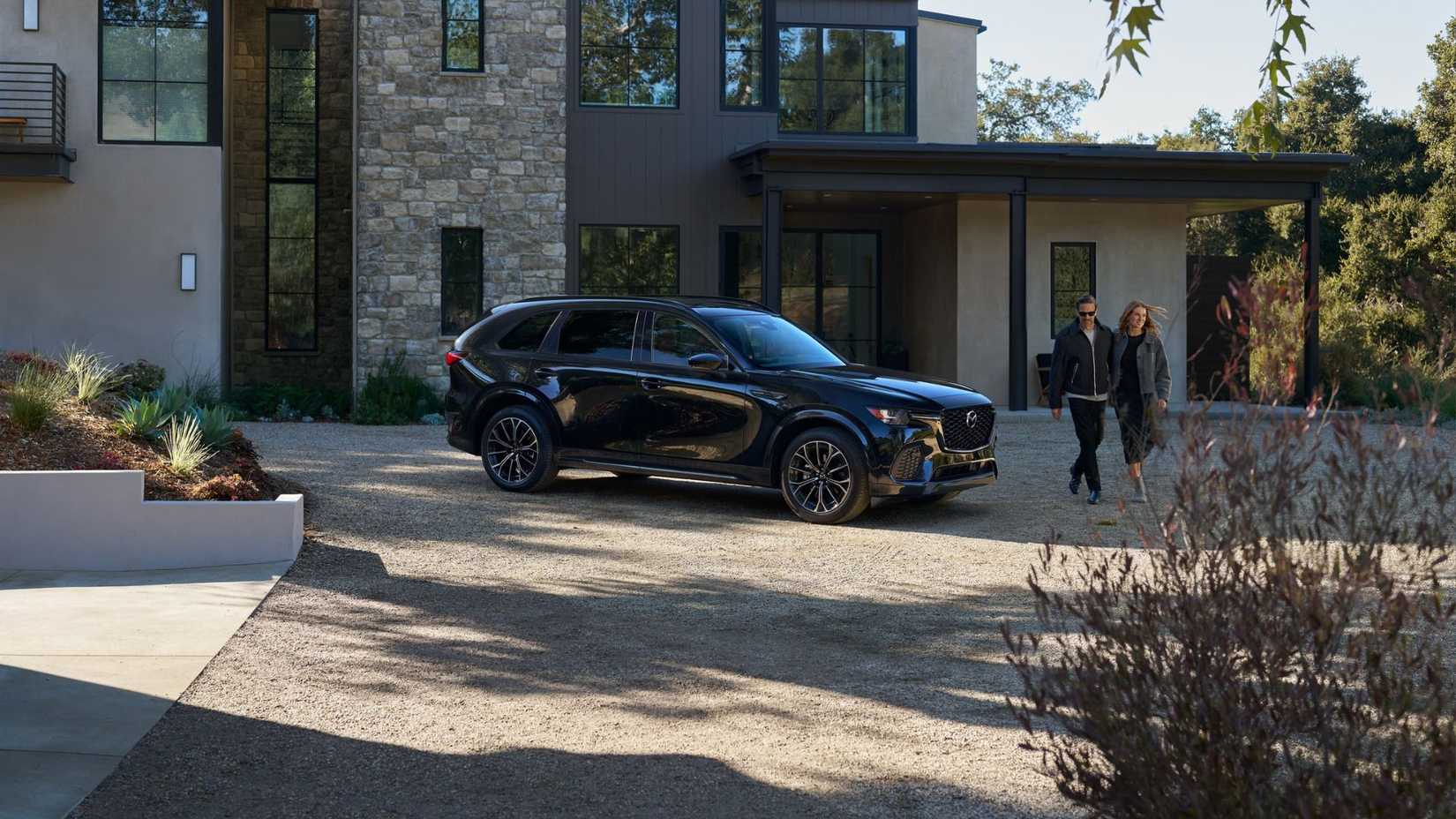
Evaluating this matchup requires looking past the traditional marketing brochures. Over a five-year ownership cycle, the choice to opt for the Mazda CX-70 PHEV SC Plus proves to be a highly calculated, pragmatic decision.
The $23,000 initially saved is a significant sum that could remain in the owner’s bank account or investment portfolio from day one. When you factor in depreciation, maintenance, and insurance costs, the financial advantage is obvious. Historically, luxury cars typically demand specialized dealer maintenance rates and premium insurance. Mazda’s components are highly advanced, but the ability to get servicing at mainstream dealer networks is always going to be a cheaper option long-term.
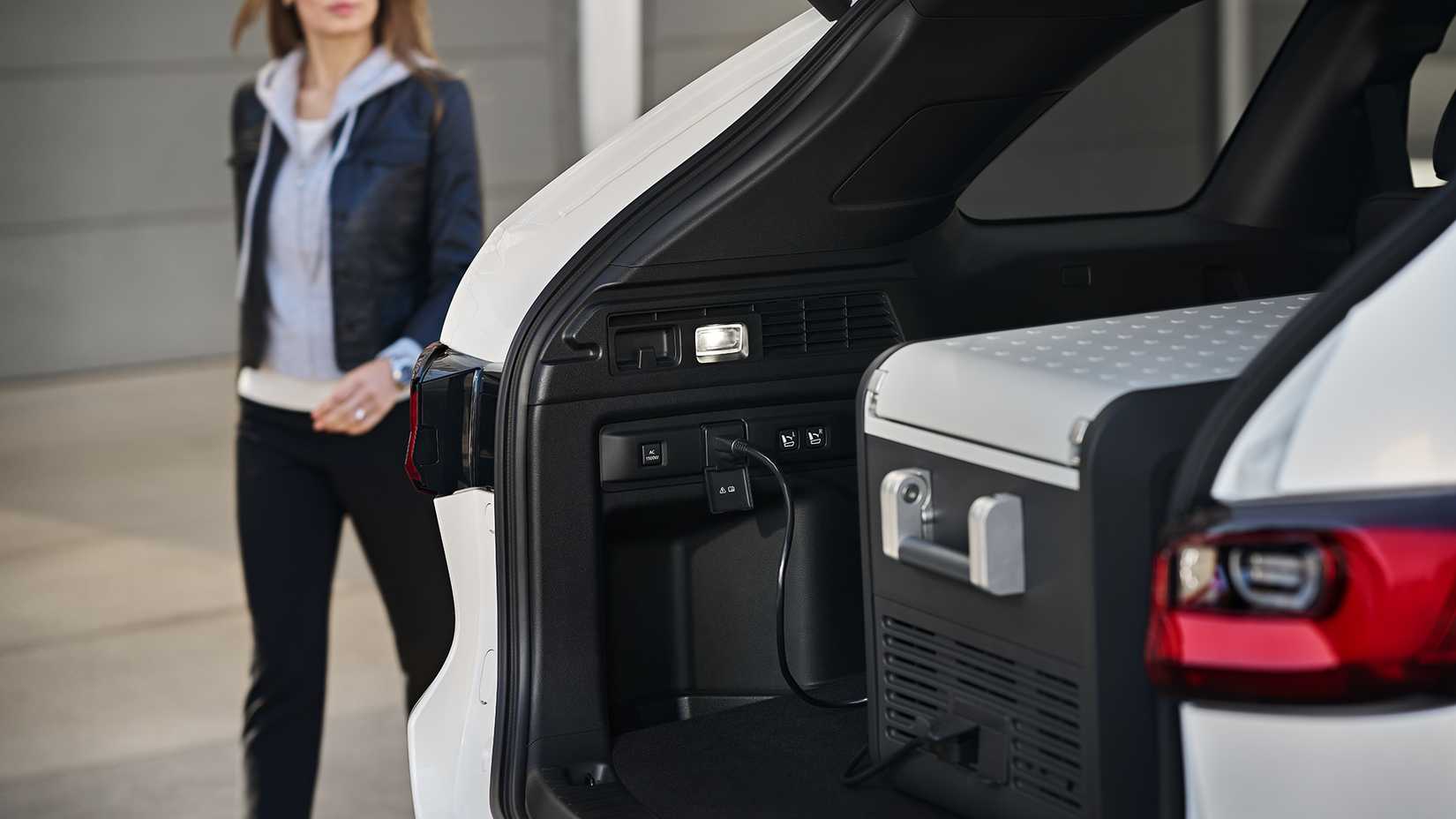
Overall, if you aren’t looking for the prestige that comes with the Lexus name, the CX-70 offers a lot more in power output, driving feel, and economy for less money and is the clear winner in this category.
Source: JD Power, Lexus, Mazda, Toyota, Edmunds, The EPA