
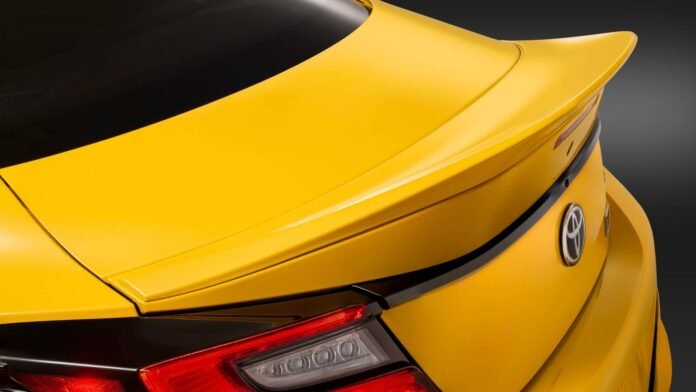
Why Modern Performance Cars Keep Chasing Horsepower
The modern performance car market is obsessed with numbers because numbers are easy to sell. Horsepower figures dominate advertisements, launch events, and social media conversations because they instantly create hierarchy. A 600-horsepower sedan sounds more impressive than a 300-horsepower coupe, even if the lighter car is significantly more entertaining on an actual back road. Manufacturers know this, which is why turbocharging has become nearly universal. Turbocharged engines allow automakers to extract massive power figures from smaller displacements while simultaneously meeting emissions targets. The downside is that many of these cars have become incredibly heavy and increasingly numb.
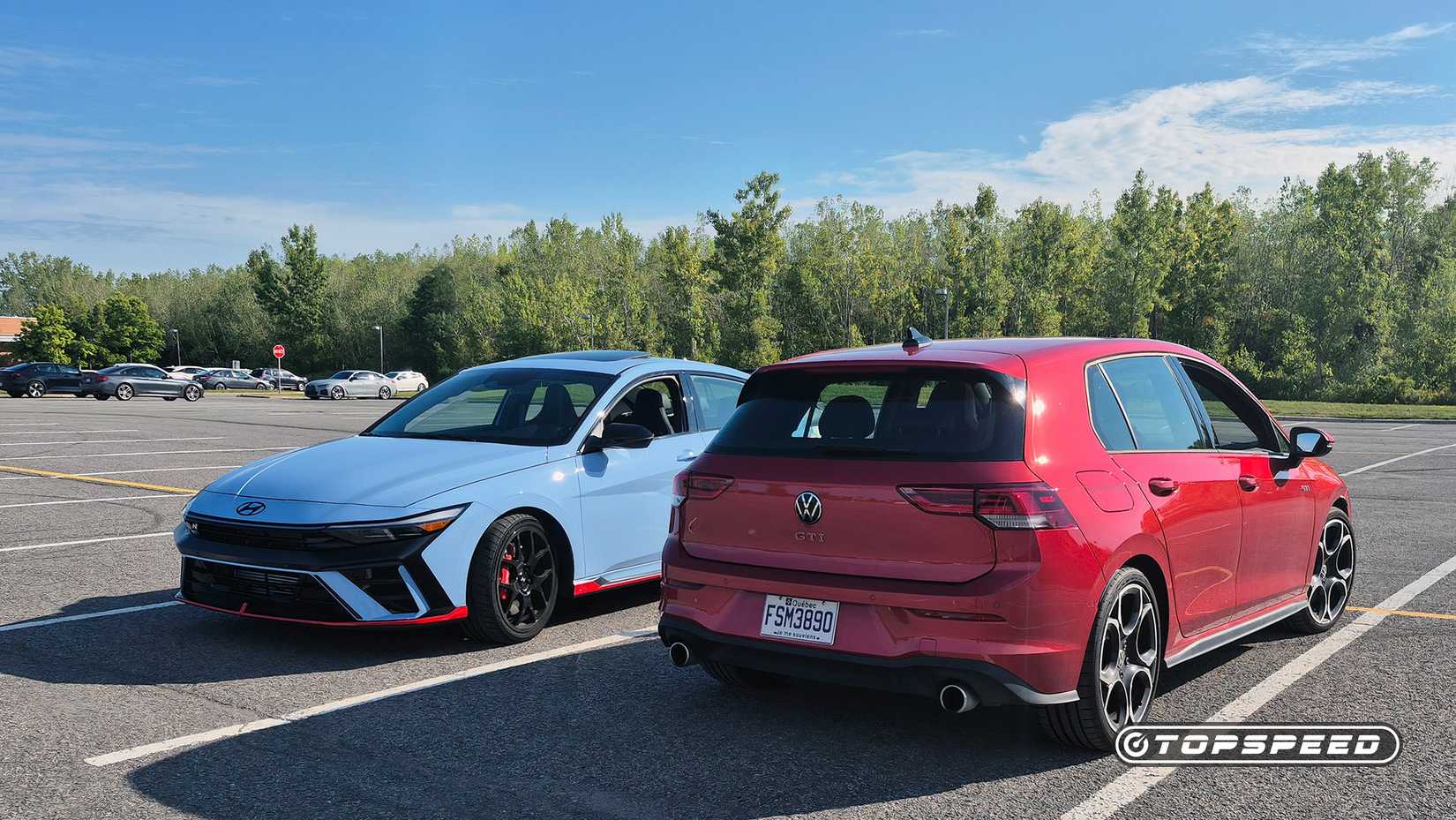
Look at the modern hot hatch segment. Cars like the Volkswagen Golf GTI and Hyundai Elantra N deliver impressive straight-line performance thanks to turbocharged torque, but they also carry additional complexity. Larger cooling systems, intercoolers, reinforced transmissions, thicker driveline components, and heavier chassis structures all add mass.
Modern performance cars also rely heavily on electronic systems to manage their power. Adaptive dampers, torque vectoring, launch control, and multiple drive modes attempt to tame increasingly excessive outputs. While the technology is impressive, it often creates a filtered driving experience where computers mediate every input. The result is a strange contradiction. Many modern performance cars are objectively faster than sports cars from previous generations, yet they often feel less involving. You can access only a fraction of their capability on public roads before reaching irresponsible speeds.
14 Affordable Alternatives To The Porsche 911 In 2026
These sports cars prove that you can still find the magic and thrill of a proper sports car for less than the price of a Porsche 911.
How The Toyota GR86 Proves Lightweight Balance Beats Turbocharged Muscle
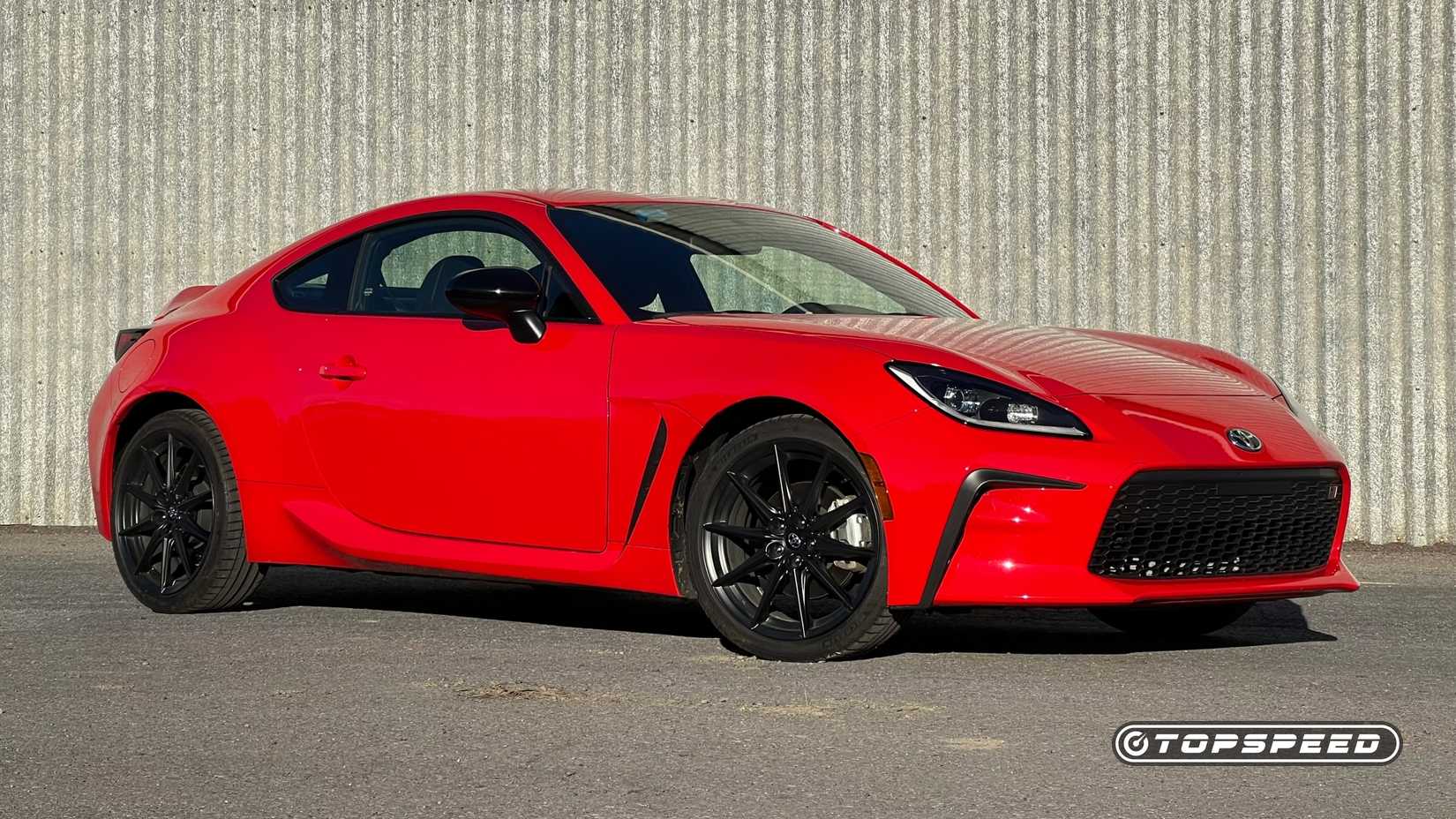
The 2026 Toyota GR86 succeeds because every engineering decision prioritizes balance over brute force. Its naturally aspirated 2.4-liter boxer engine produces 228 horsepower and 184 pound-feet of torque, figures that sound modest in today’s market. Yet the car feels genuinely quick because it weighs 2,811 pounds. That power-to-weight relationship transforms the entire experience. Instead of overwhelming the rear tires with turbocharged torque, the GR86 delivers its power progressively and predictably. The naturally aspirated flat-four responds instantly to throttle inputs, creating a direct mechanical connection between the driver and the car. There is no waiting for boost pressure to build and no sudden surge of torque upsetting the chassis mid-corner.
The six-speed manual transmission further reinforces that sense of involvement. With the manual transmission, the GR86 can reach 60 mph in approximately 5.4 seconds, proving that lightweight efficiency can still produce genuinely quick acceleration. More importantly, the car remains engaging at legal speeds because drivers can use more of the engine more often.
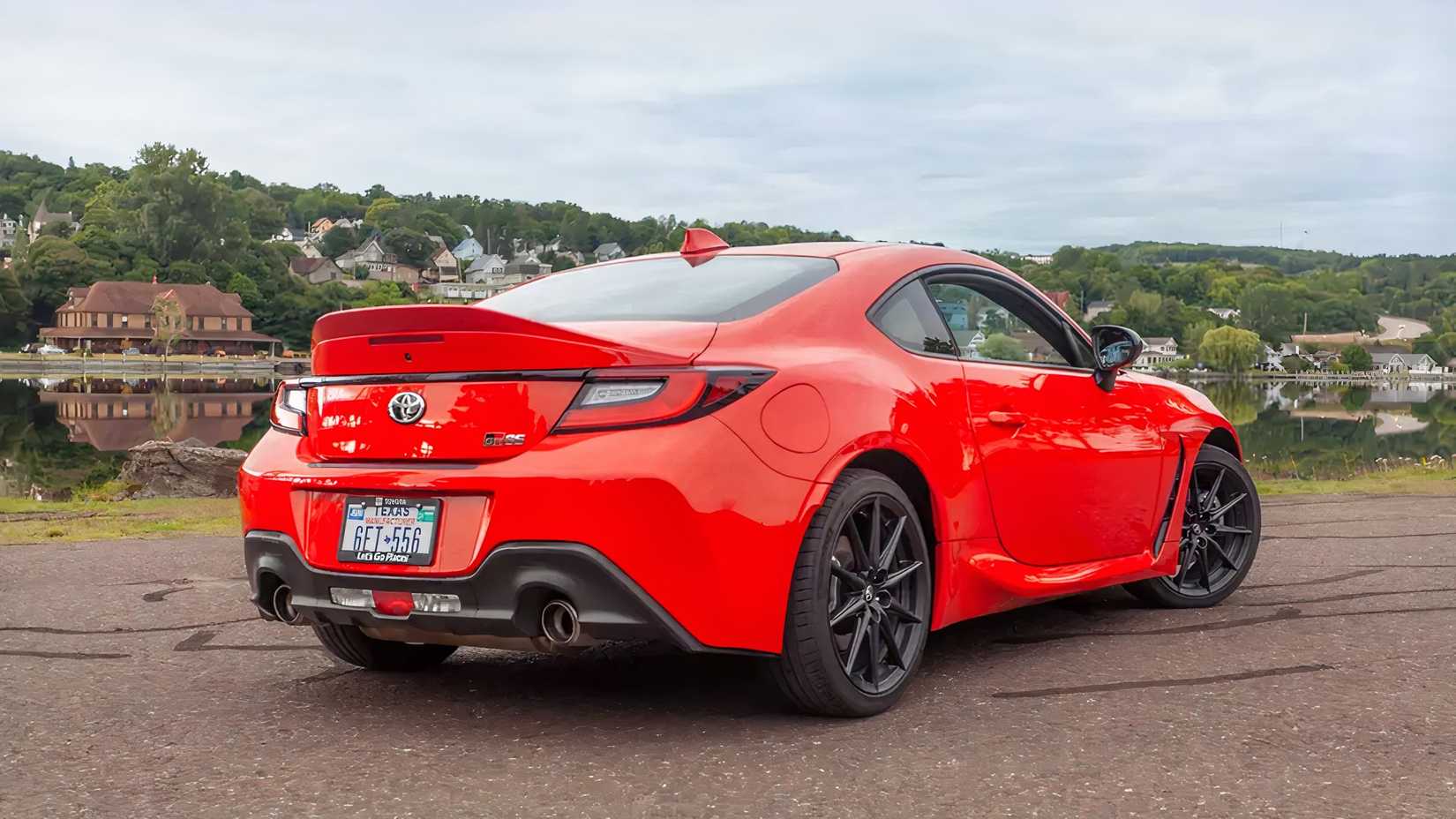
Its near-perfect 53:47 weight distribution also plays a massive role in the car’s character. Combined with the boxer engine’s inherently low center of gravity, the chassis feels exceptionally eager to rotate into corners. Steering inputs produce immediate reactions, and the car communicates grip levels with remarkable clarity. Toyota and Subaru also resisted the temptation to make the platform artificially aggressive. The suspension setup is firm enough for precision but compliant enough for real-world roads. That balance allows drivers to confidently explore the chassis without feeling punished during everyday driving.
What truly separates the GR86 from many modern rivals is that it feels alive at sane speeds. You do not need 700 horsepower to have fun when a chassis this communicative turns every corner into an event.
The AWD Sporty Hatchback That’s Cheaper Than A Mazda Miata
Discover the unexpected choice that blends sporty performance with everyday practicality, redefining affordable driving.
The Engineering Reasons Subaru And Toyota Refused To Add A Turbocharger
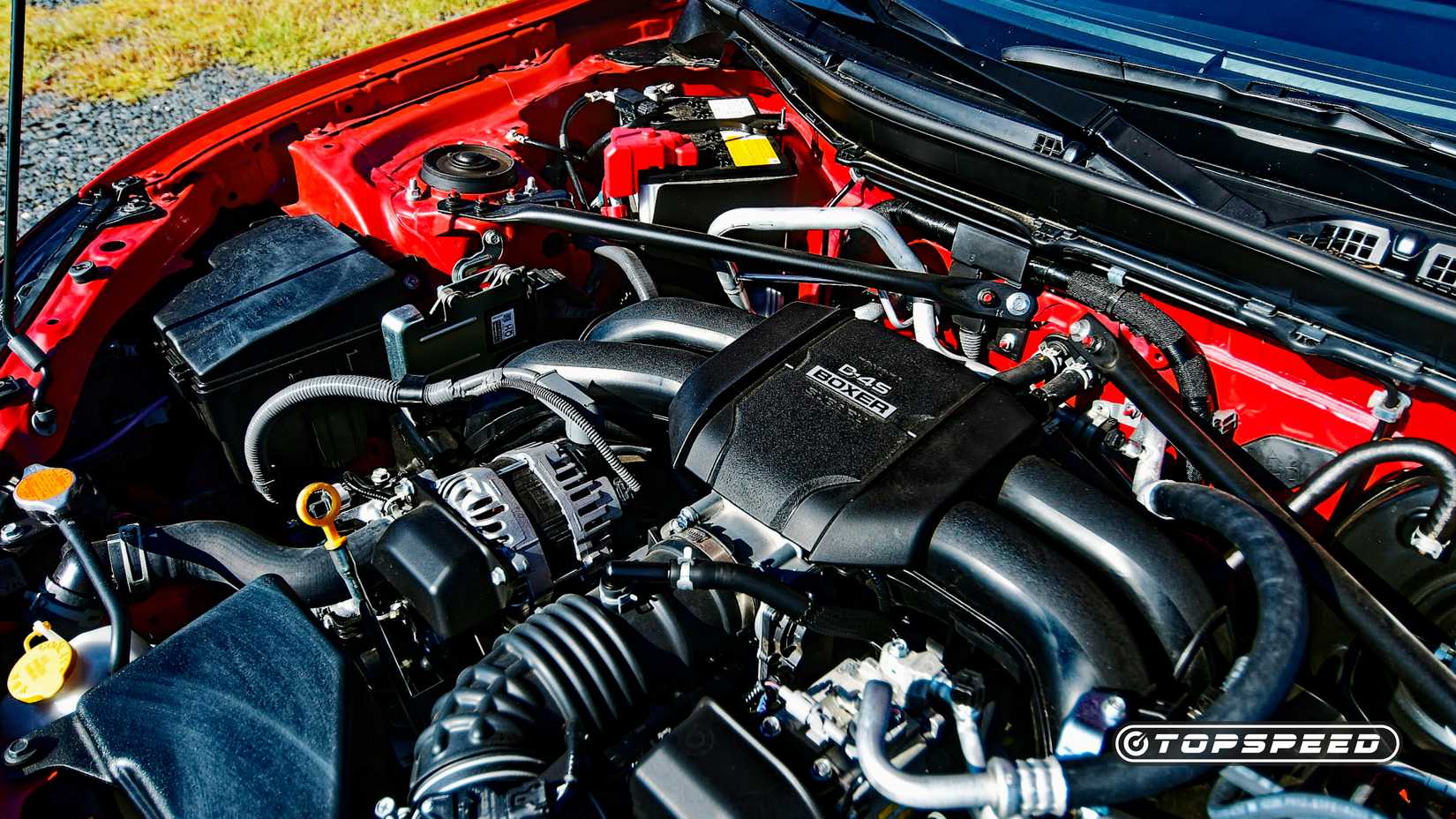
The most fascinating part of the GR86 story is that Toyota and Subaru absolutely could have added a turbocharger. Enthusiasts have been asking for a turbocharged version since the original car debuted more than a decade ago. Yet both companies intentionally refused because it would have compromised the core philosophy of the platform. Turbocharging would have introduced several engineering trade-offs that directly conflicted with the car’s mission.
First, adding forced induction would require significantly larger cooling systems. Intercoolers, additional plumbing, larger radiators, and reinforced components all add weight. In a lightweight sports car where every pound matters, that extra mass would fundamentally alter the balance engineers worked so hard to achieve. Second, turbocharging would likely force a higher hood line. One of the GR86’s greatest strengths is its exceptionally low center of gravity, enabled largely by the flat-four boxer engine’s extremely low position in the chassis. Additional turbo hardware and cooling packaging would compromise that layout. Third, Toyota and Subaru wanted to preserve linear throttle response. Turbocharged engines often deliver power in sudden waves of torque, especially at lower RPMs. While that can feel exciting during acceleration runs, it can upset a lightweight rear-wheel-drive chassis during precise cornering.
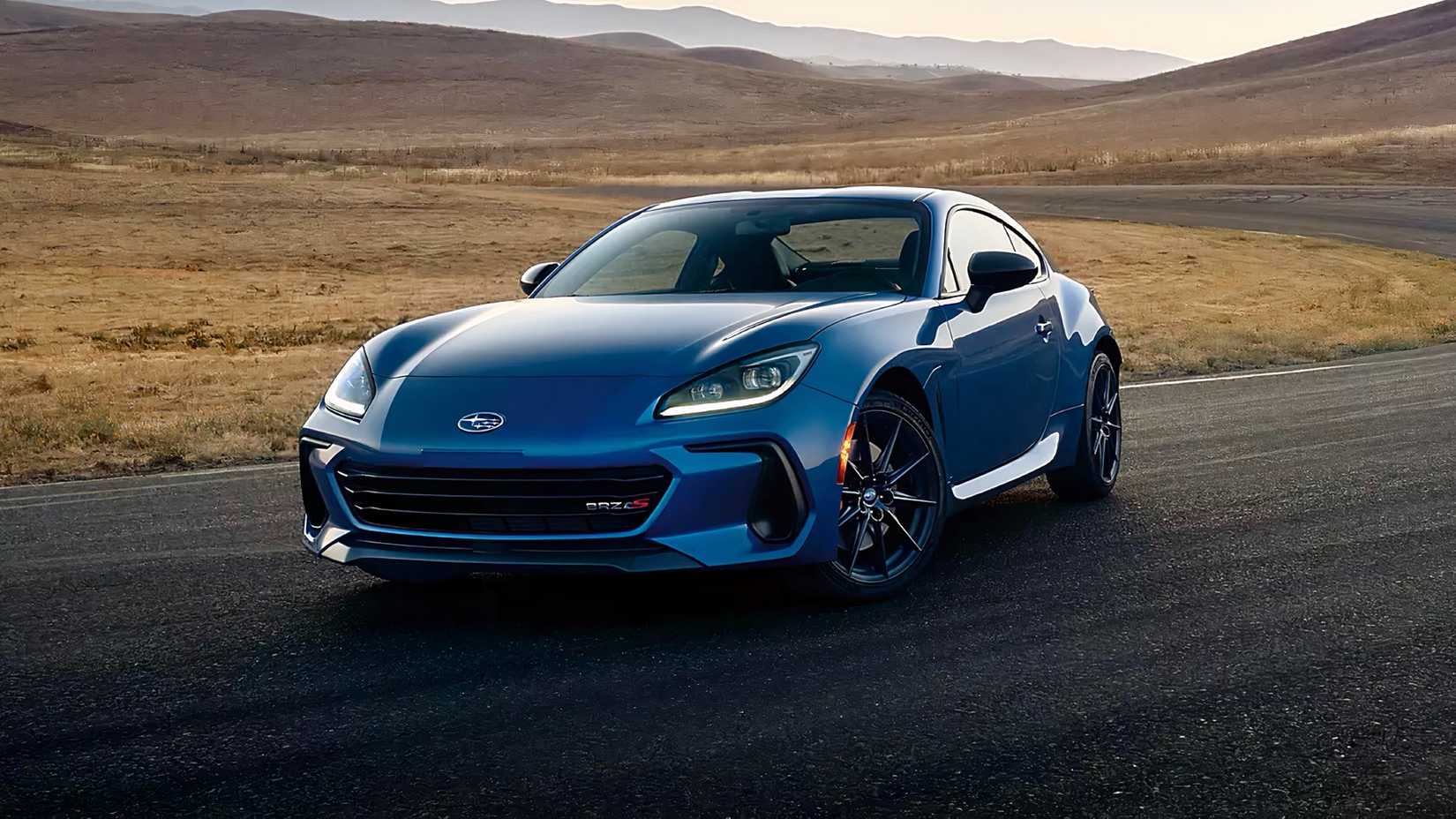
The naturally aspirated 2.4-liter engine instead delivers power progressively, allowing drivers to precisely modulate throttle inputs through corners. Peak torque now arrives at around 3,700 RPM, a major improvement over the previous generation’s notorious torque dip, making the car far more responsive in everyday driving. The engineering philosophy becomes even clearer when comparing the GR86 and the Subaru BRZ directly. Although the twins share a platform, Subaru and Toyota tuned them differently to reflect distinct driving personalities.
The GR86 uses a solid front stabilizer bar and a subframe-mounted rear stabilizer bar, creating a more playful, tail-happy character. The BRZ, meanwhile, uses a hollow front stabilizer bar and a unibody-mounted rear stabilizer bar designed for greater stability and predictability. Even the front spring rates differ. The BRZ uses slightly stiffer 3.1 kg/mm front springs compared to the GR86’s 2.9 kg/mm setup. These are tiny adjustments, but they demonstrate how seriously both companies approached chassis tuning. Rather than chasing horsepower, Toyota and Subaru obsessed over feel.
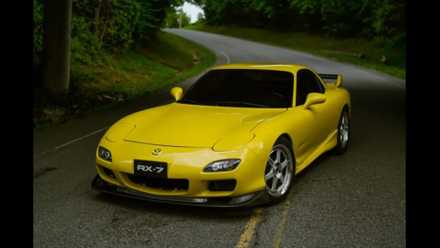
10 Japanese Cars That Are More Fun To Drive Than A Porsche 911
The Porsche 911 is the gold-standard of sports cars, but it might not be the most fun car to drive. These ten Japanese sports cars might be more fun.
Why A 2,800-Pound Chassis Feels Faster Than Cars With Twice The Power
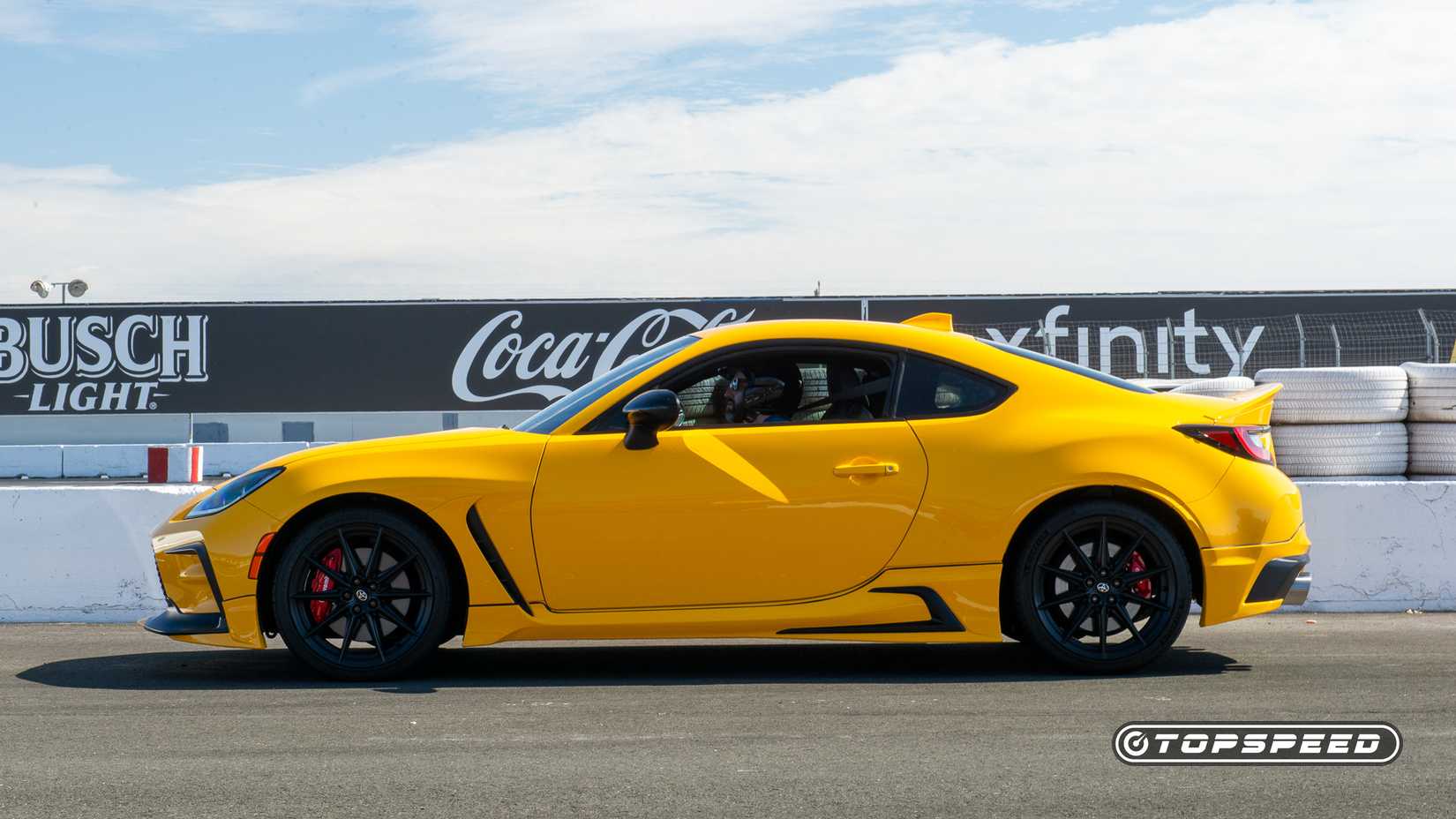
A lightweight sports car creates speed differently from a high-horsepower performance car. That distinction explains why the GR86 frequently feels more exciting than vastly more powerful machines. Modern performance cars often rely on straight-line acceleration to create drama. The problem is that extreme acceleration becomes normalized quickly. Once the initial novelty fades, many high-horsepower cars reveal their underlying size and weight. The GR86 attacks performance from the opposite direction.
Because it weighs under 2,900 pounds, every input feels immediate. Braking distances shrink, directional changes happen instantly, and the chassis carries momentum through corners with remarkable efficiency. Instead of repeatedly slowing down and blasting back to illegal speeds, the car encourages drivers to maintain rhythm and flow.
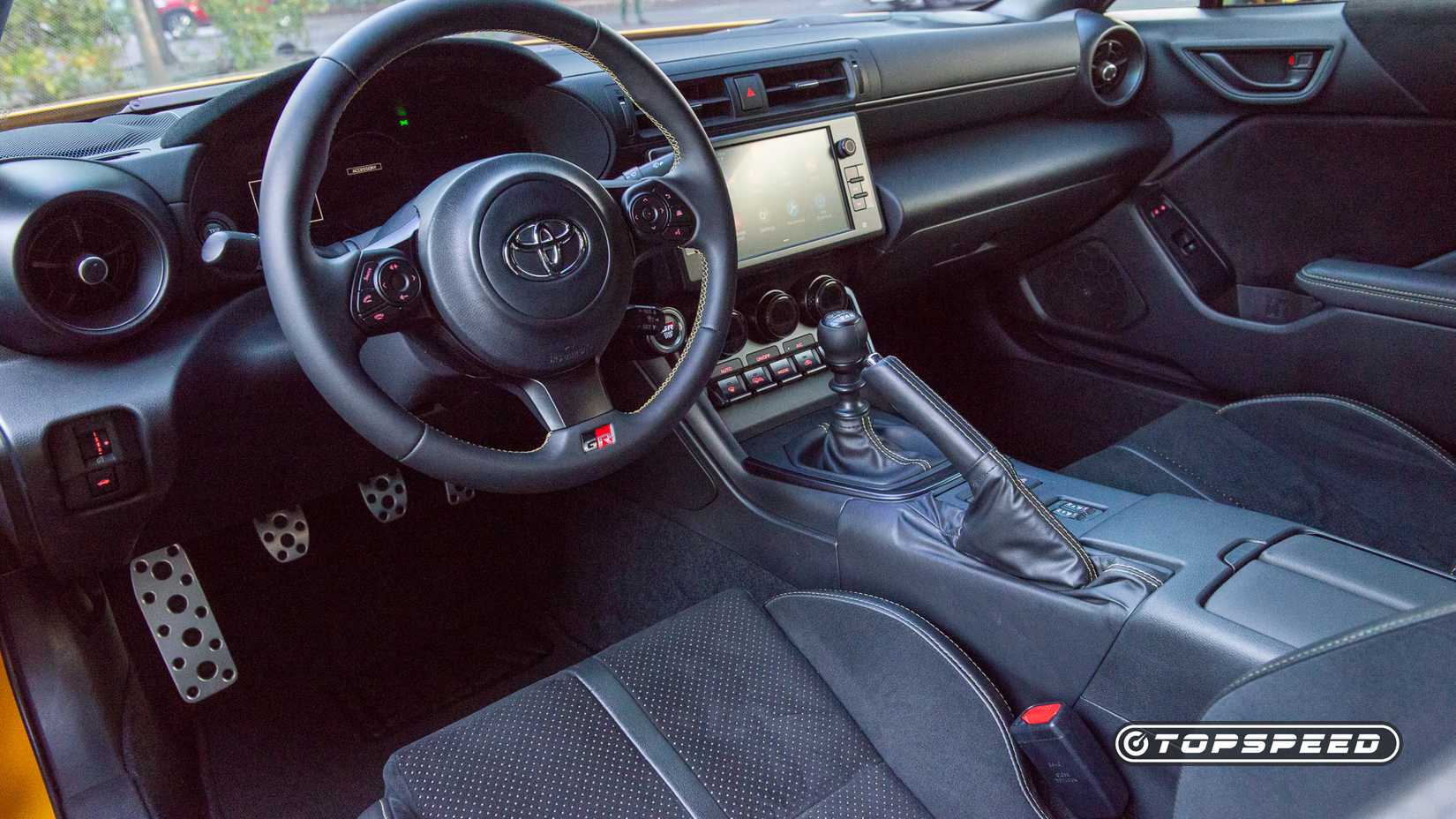
That lightweight character also improves communication. You feel the tires load up through the steering wheel. You sense weight transfer as the chassis rotates. The car constantly feeds information back to the driver, creating confidence and involvement that many heavier cars struggle to replicate. Compare that experience to modern muscle cars or oversized sport sedans producing 500 horsepower or more. Many weigh well over 4,000 pounds. While they dominate drag races, their mass inevitably dulls responsiveness. The GR86 feels agile because it never has to overcome excess weight in the first place.
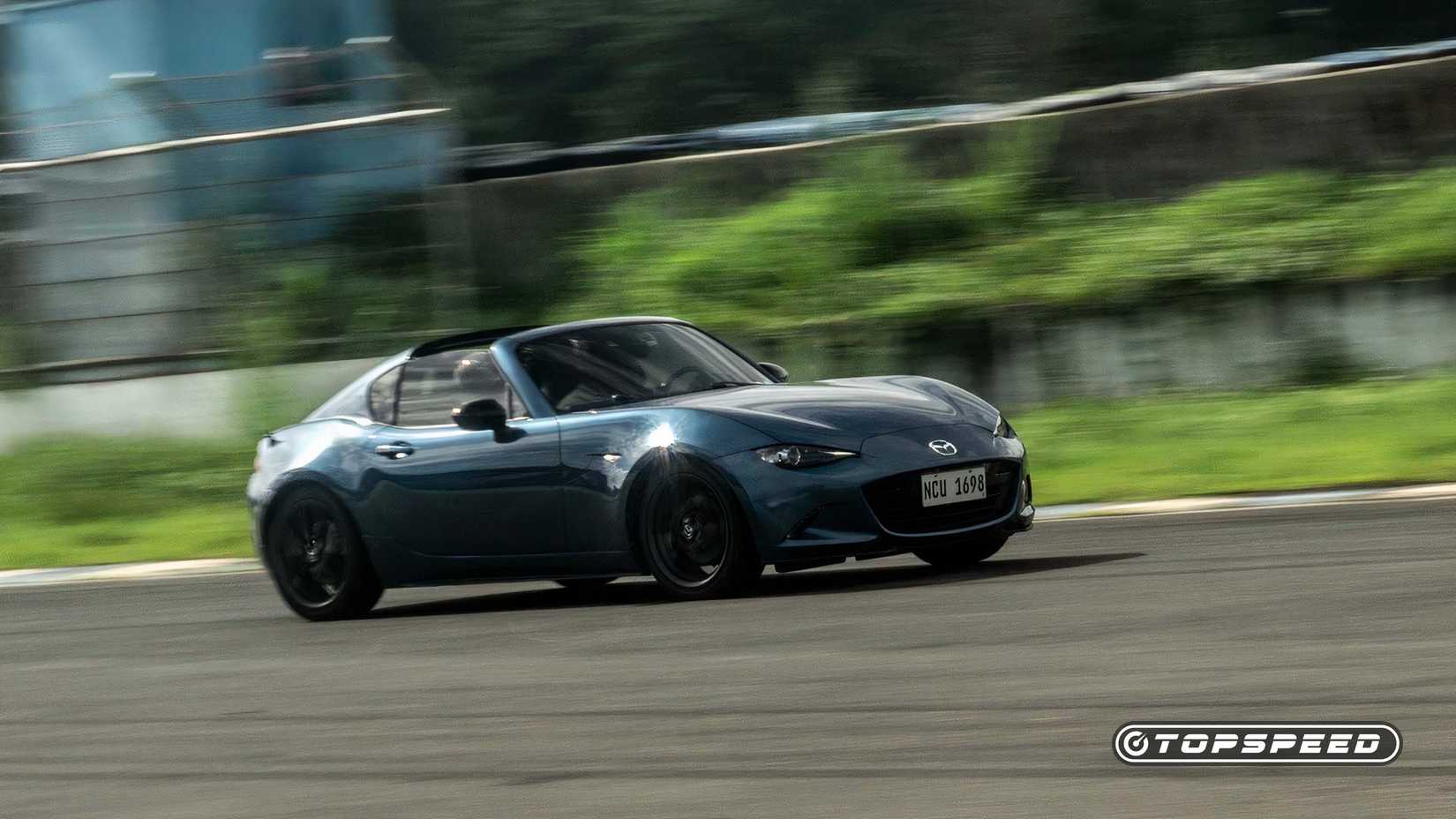
That philosophy mirrors classic Japanese sports cars from the 1990s, when engineers prioritized balance and engagement over outright numbers. Cars like the Mazda MX-5 Miata became legends not because they overwhelmed drivers with power, but because they maximized enjoyment through simplicity. The GR86 continues that tradition while adding enough modern performance to remain genuinely quick. A 5.4-second sprint to 60 mph is not slow by any reasonable standard, especially in a naturally aspirated rear-wheel-drive coupe costing under $30,000.
What makes the experience special is accessibility. Drivers can actually explore the car’s capabilities without immediately risking their license or relying on electronic systems to save them from excessive power. In many ways, the GR86 exposes how unnecessary massive horsepower figures have become for genuine driving enjoyment.
The Affordable Japanese Sports Car Formula Enthusiasts Actually Want To Keep Forever
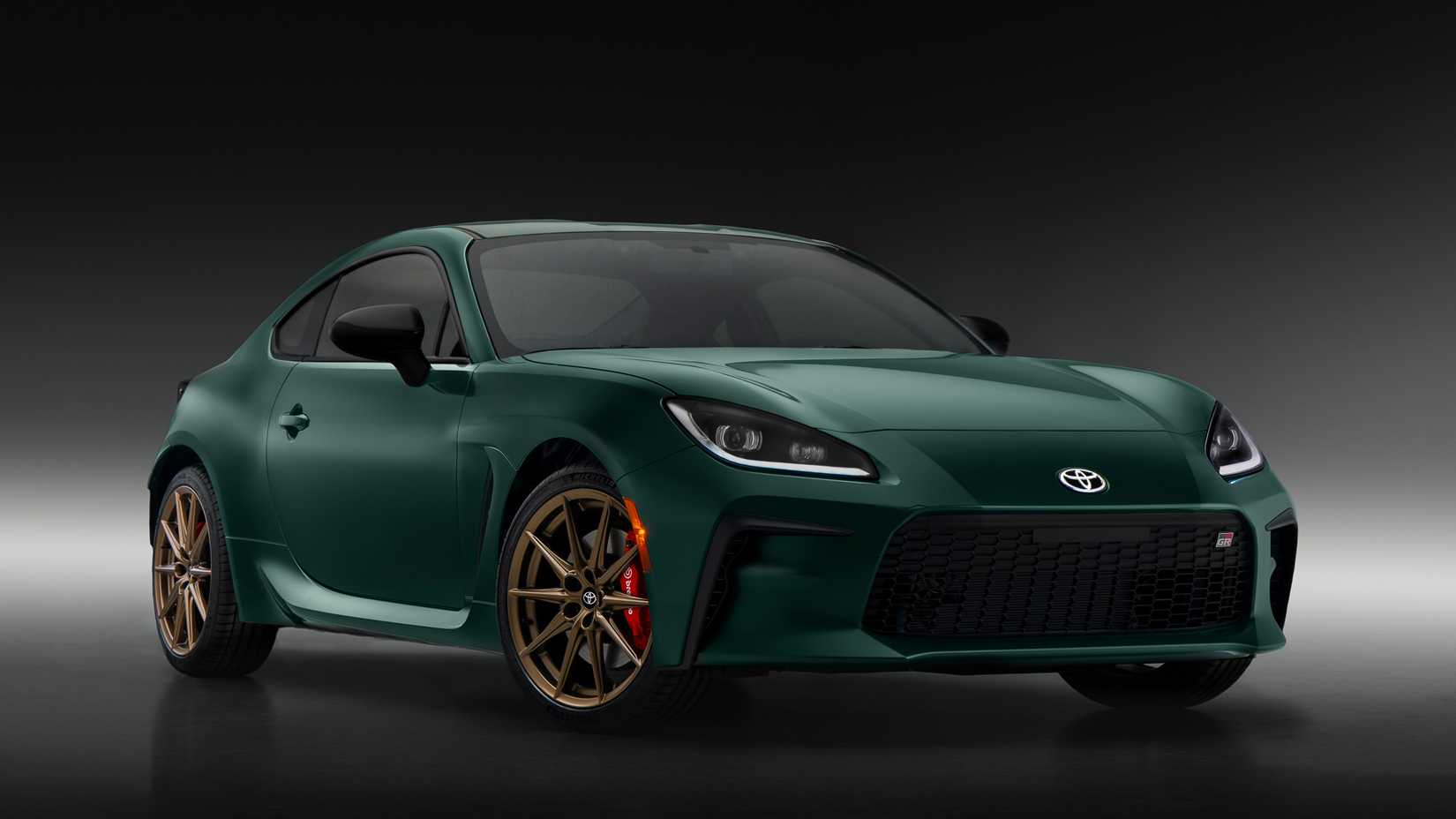
The strongest evidence supporting the Toyota GR86 philosophy is not found in performance statistics. It is found in owner loyalty and market behavior. Enthusiasts keep these cars. That matters because modern performance cars often struggle to create long-term emotional attachment. Many become outdated quickly as newer models arrive with even more horsepower and technology. The GR86 avoids that cycle because its appeal is fundamentally analog. The car’s lightweight, rear-wheel-drive, naturally aspirated formula feels timeless. There is no artificial engine sound pumped through speakers. No oversized touchscreen dominating the cabin. No attempt to isolate the driver from the mechanical experience.
Instead, the GR86 focuses entirely on the fundamentals that enthusiasts consistently value: balance, communication, affordability, and reliability. That formula has proven remarkably successful in the marketplace. The GR86 has recently outsold the Miata, despite the Mazda’s legendary reputation among driving enthusiasts. Even more impressive is the car’s resale performance. The GR86 loses only around 12 percent of its value during the first year and roughly 23 percent after five years, significantly outperforming many mainstream vehicles.
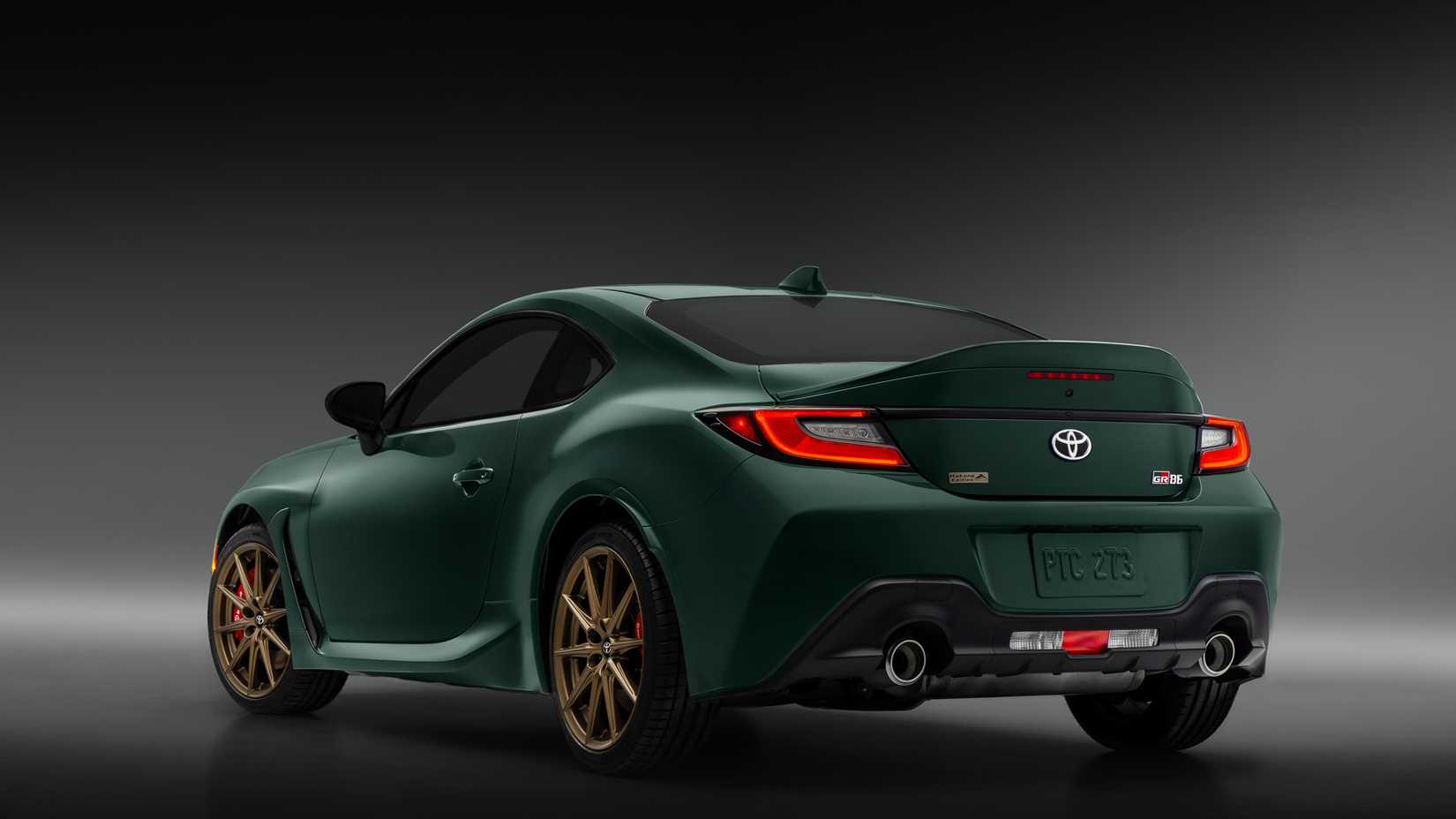
That kind of depreciation data reveals something important. Buyers are not treating the GR86 like a disposable performance toy. They are keeping them because the experience remains satisfying long after the novelty of acceleration fades. Affordability also plays a major role in the car’s appeal. Starting at $30,800, the GR86 remains one of the last genuinely accessible rear-wheel-drive manual sports cars available new. In an era where performance cars increasingly approach luxury-car pricing, that accessibility feels almost revolutionary.
Toyota and Subaru understood that enthusiasts did not necessarily want more power. They wanted honesty. The GR86 delivers exactly that. It is a sports car engineered around driver involvement instead of internet bragging rights. Its 228-horsepower figure is not a weakness or a compromise. It is proof that intelligent engineering, lightweight construction, and careful chassis tuning can create a more rewarding experience than simply adding boost pressure and bigger numbers. In a world obsessed with excess, the GR86 quietly proves that 228 horsepower is not merely enough. It might actually be perfect.
Sources: Toyota U.S., HotCars & CarBuzz