
Let’s get one thing straight—sports cars were never just for midlife crises. If you’re into cars, this started way earlier. A poster on your wall, something loud blasting past your school bus, or a late-night TV commercial you weren’t supposed to be watching—that’s usually where it begins.
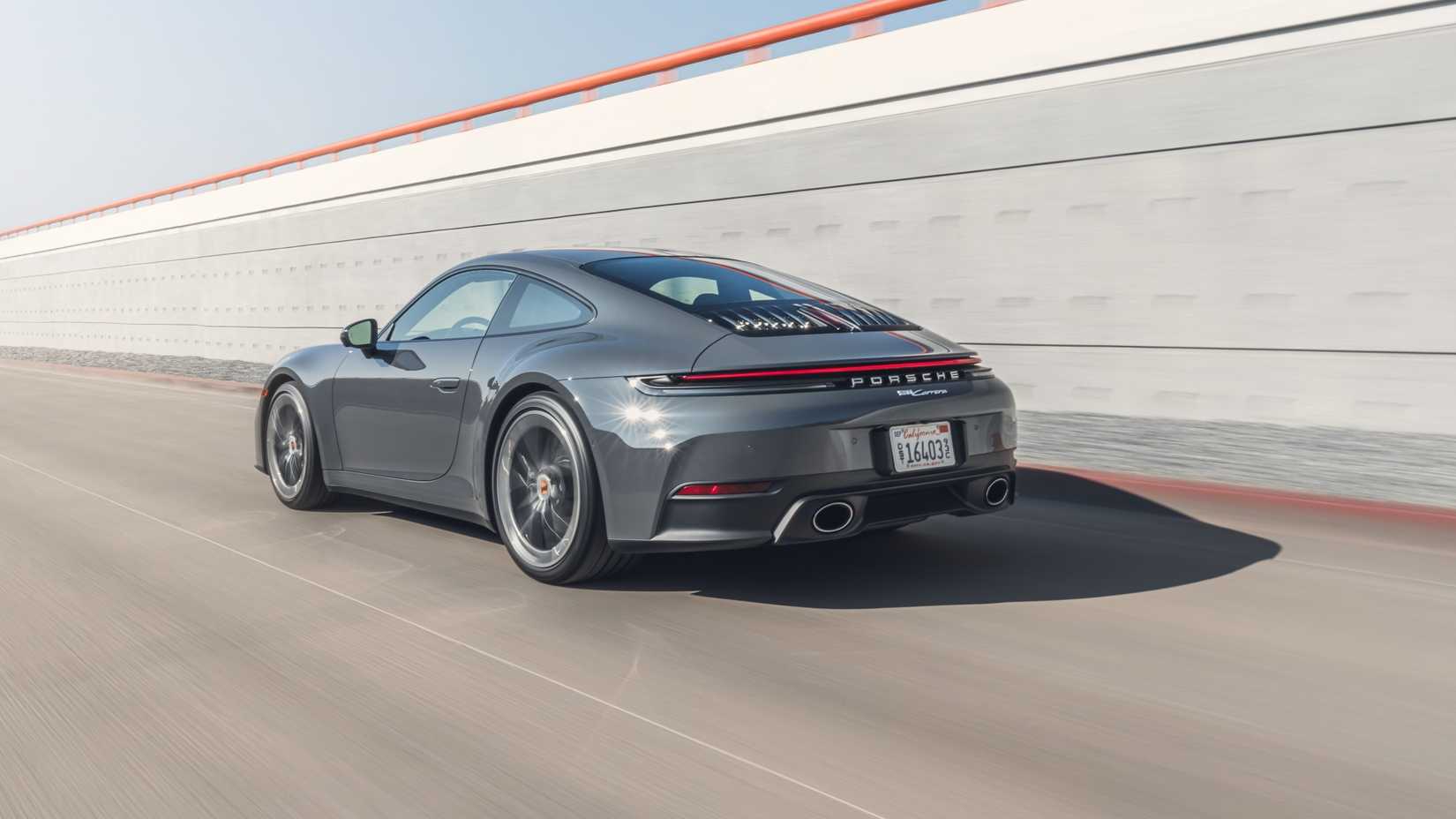
For me, it was the Porsche 996—weird headlights, divisive design, and yet, completely unforgettable. At the time, that was the dream. But here’s the thing—dreams evolve. And sometimes, they don’t age as well as you expect. Today, I wouldn’t rush out to buy a 996, even if I found a clean one at a good price. Not because it’s a bad car, but because the world around it has changed so drastically.
Modernity Is About Losing What You Once Knew, Isn’t It?
Modern performance cars are faster, heavier, more complex, and in many cases, a lot less involving. Take something like the BMW M5—an absolute monster on paper, ridiculously quick in a straight line, and packed with enough tech to make a fighter jet blush. But it’s also massive, heavy, and feels more like a statement of engineering than a driver’s car at times.
More Power, More Tech, More Weight
That’s been the general direction of the industry, and somewhere along the way, a lot of cars started losing that raw, mechanical edge that made people fall in love with them in the first place. Which is why the car we’re talking about today feels like such an anomaly.
Chevy C8 Corvette – The Sports Car That Refuses To Go Soft
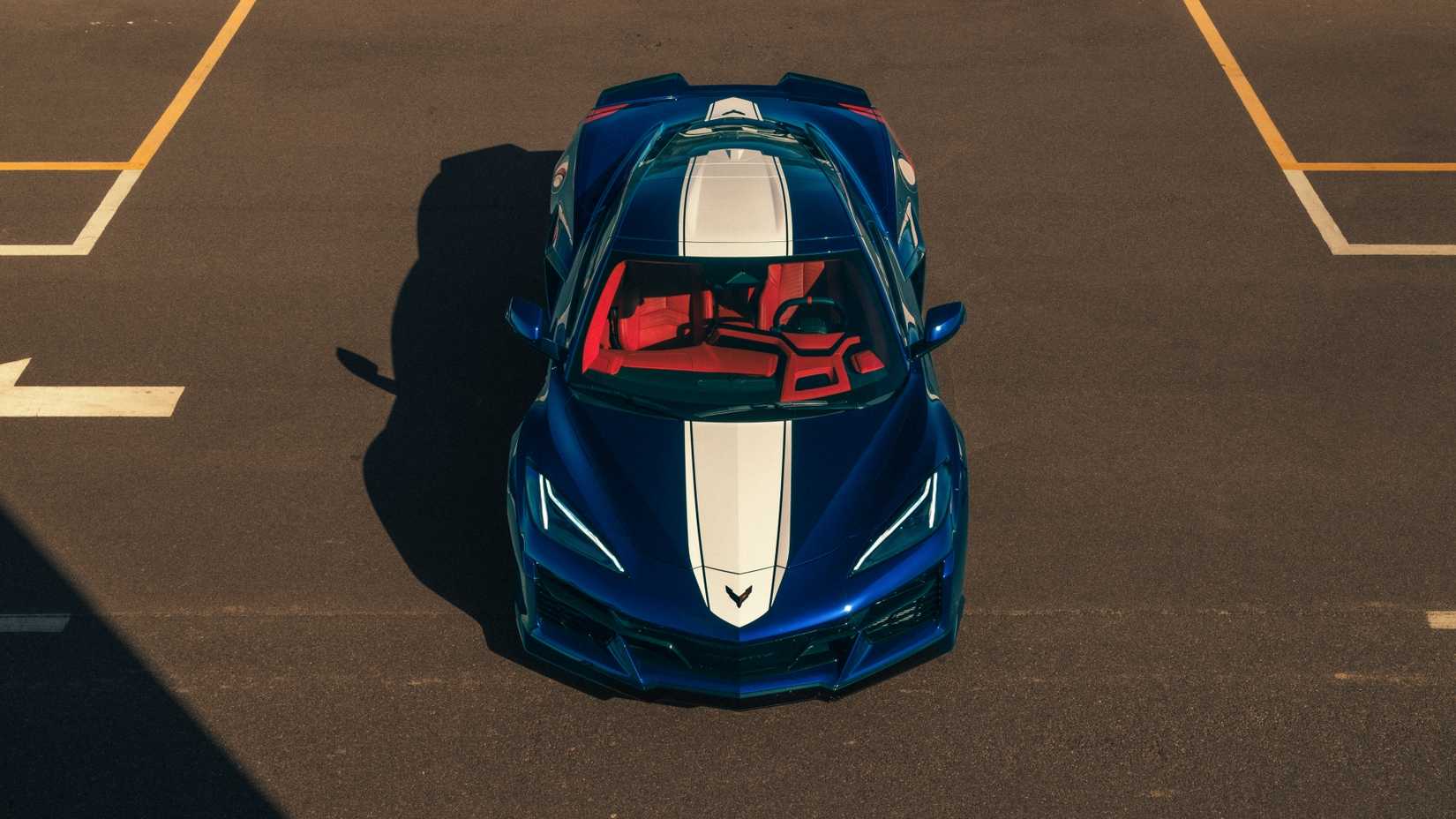
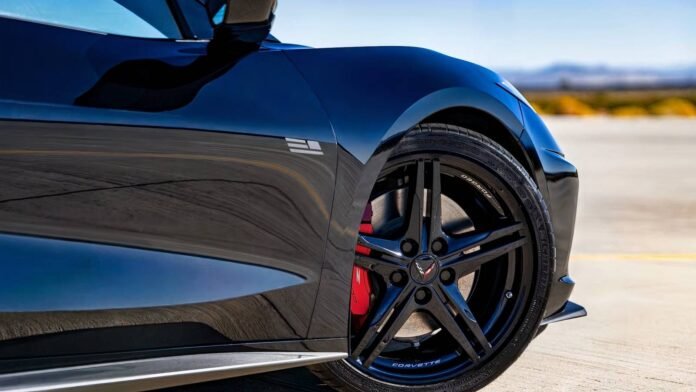
The Chevrolet C8 Corvette shouldn’t have worked as well as it does. On paper, it almost reads like a checklist of risky decisions. Mid-engine layout? That alone was enough to upset purists. Add more tech, expand the lineup, push it further upmarket—it easily could’ve lost what made the Corvette special.
Surprise! That Didn’t Happen
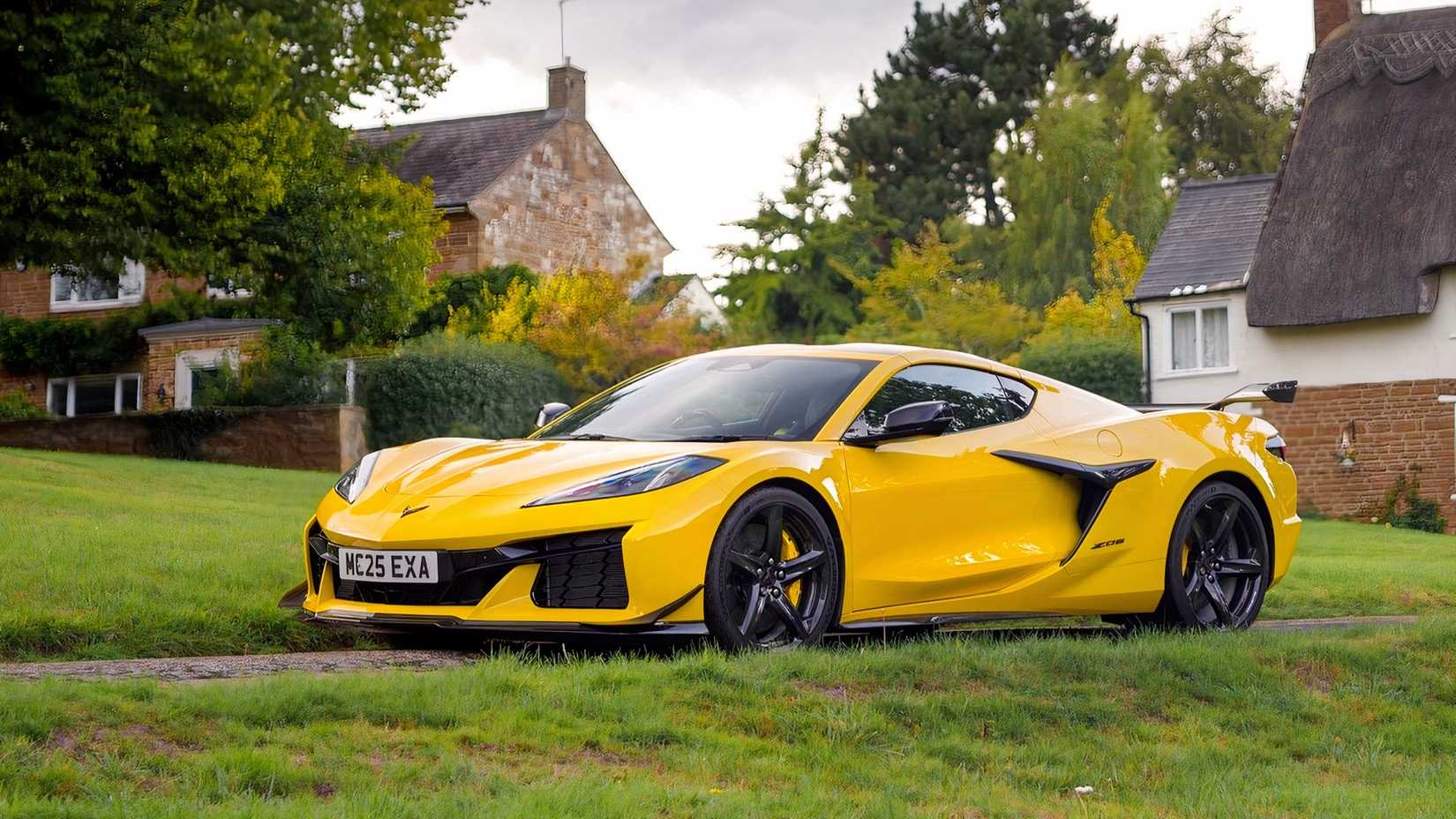
If anything, the C8 feels more focused than ever. It hasn’t gone soft. It hasn’t turned into a numb, overly digital performance machine. Instead, it’s sharper, more capable, and—crucially—still manages to feel like something you actually want to drive, not just admire on a spec sheet. And that’s a rare thing in 2026.
The Lineup Is Borderline Overkill
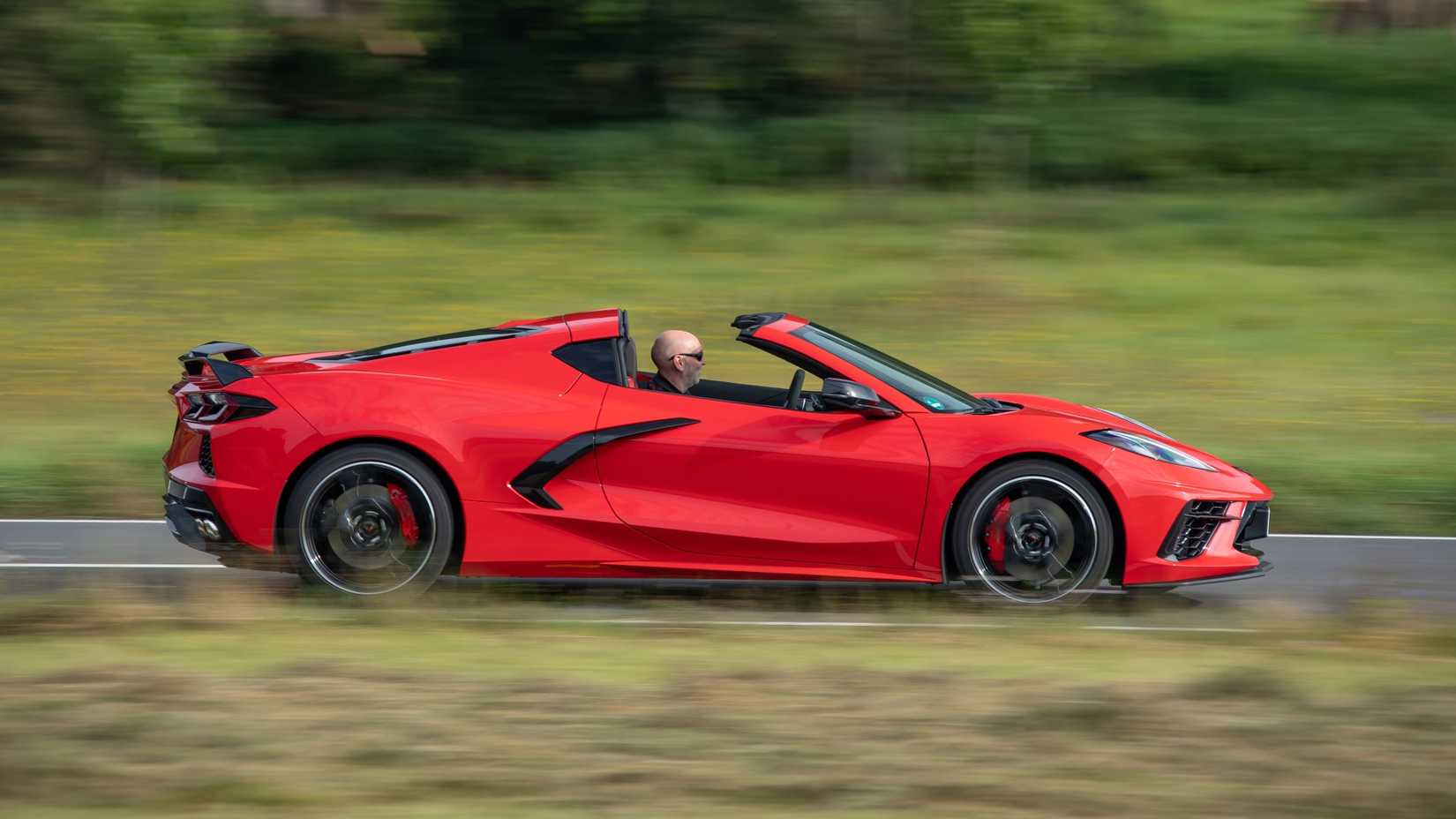
Chevrolet didn’t just redesign the Corvette—they built an entire ecosystem around it. The Stingray is the starting point, but calling it “entry-level” feels misleading. It’s already fast enough to embarrass cars that cost significantly more, and for most people, it’s more performance than they’ll ever fully exploit. Then there’s the E-Ray, which introduces electrification to the mix. Now, this could’ve gone horribly wrong. Hybrid systems in performance cars often feel like they’re there for compliance rather than character. But here, it actually adds something tangible—instant torque, all-wheel drive traction, and a level of usability that makes the car even more approachable.
It Gets Serious Z06 Onward
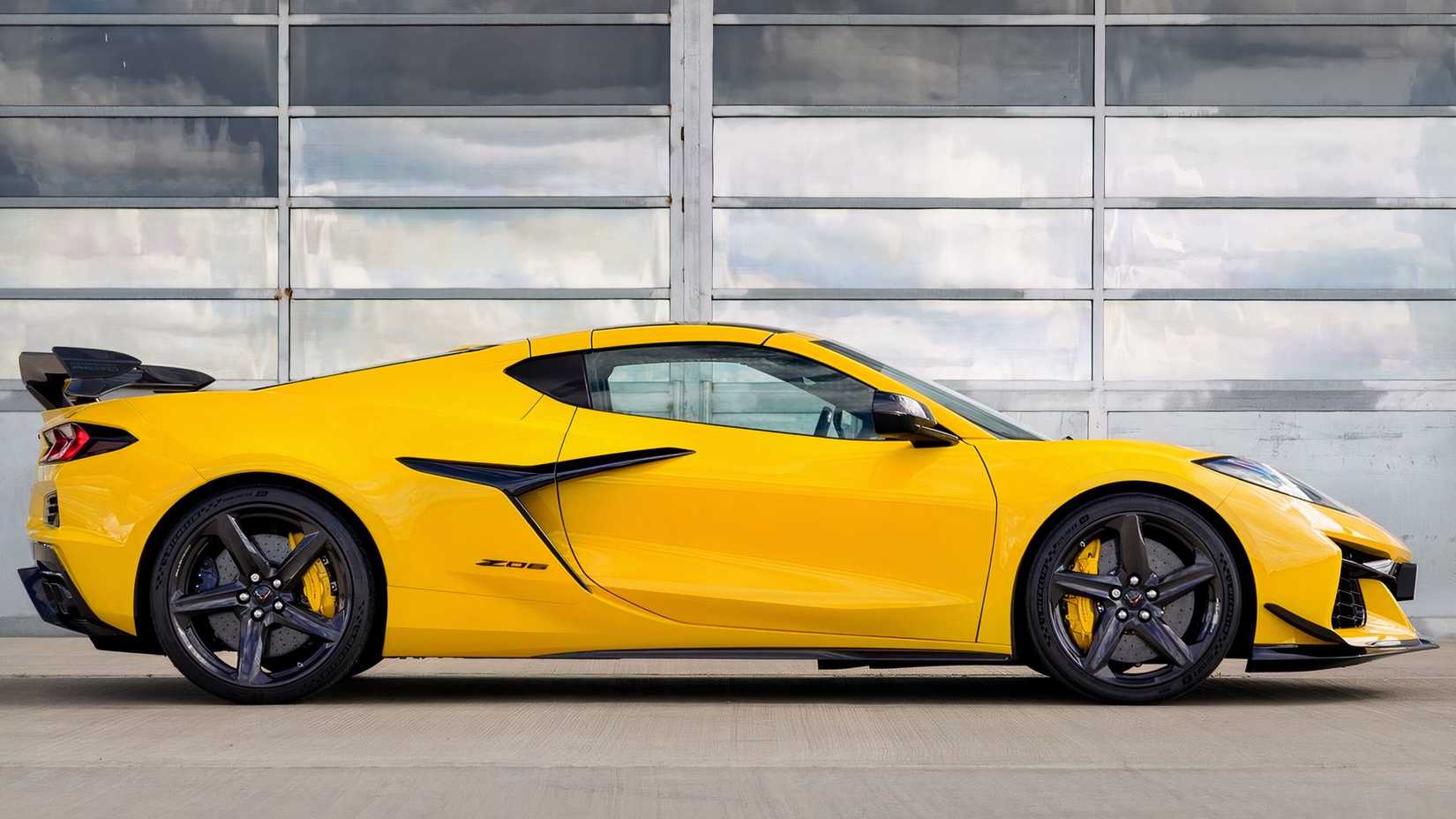
This is the version that stops trying to be sensible and starts chasing something more emotional. It’s louder, sharper, and far more aggressive in how it delivers performance. And then you have the ZR1 and the range-topping ZR1X, which, frankly, feel like Chevrolet seeing just how far they can push the platform before things get completely out of hand. They’re already pretty close.
The Most Powerful Naturally Aspirated V8 Car On Sale In 2025
This American car still reigns supreme when it comes to good old horsepower, offering far more horses than any other performance car on sale today.
This Isn’t Just Power, It’s Personality
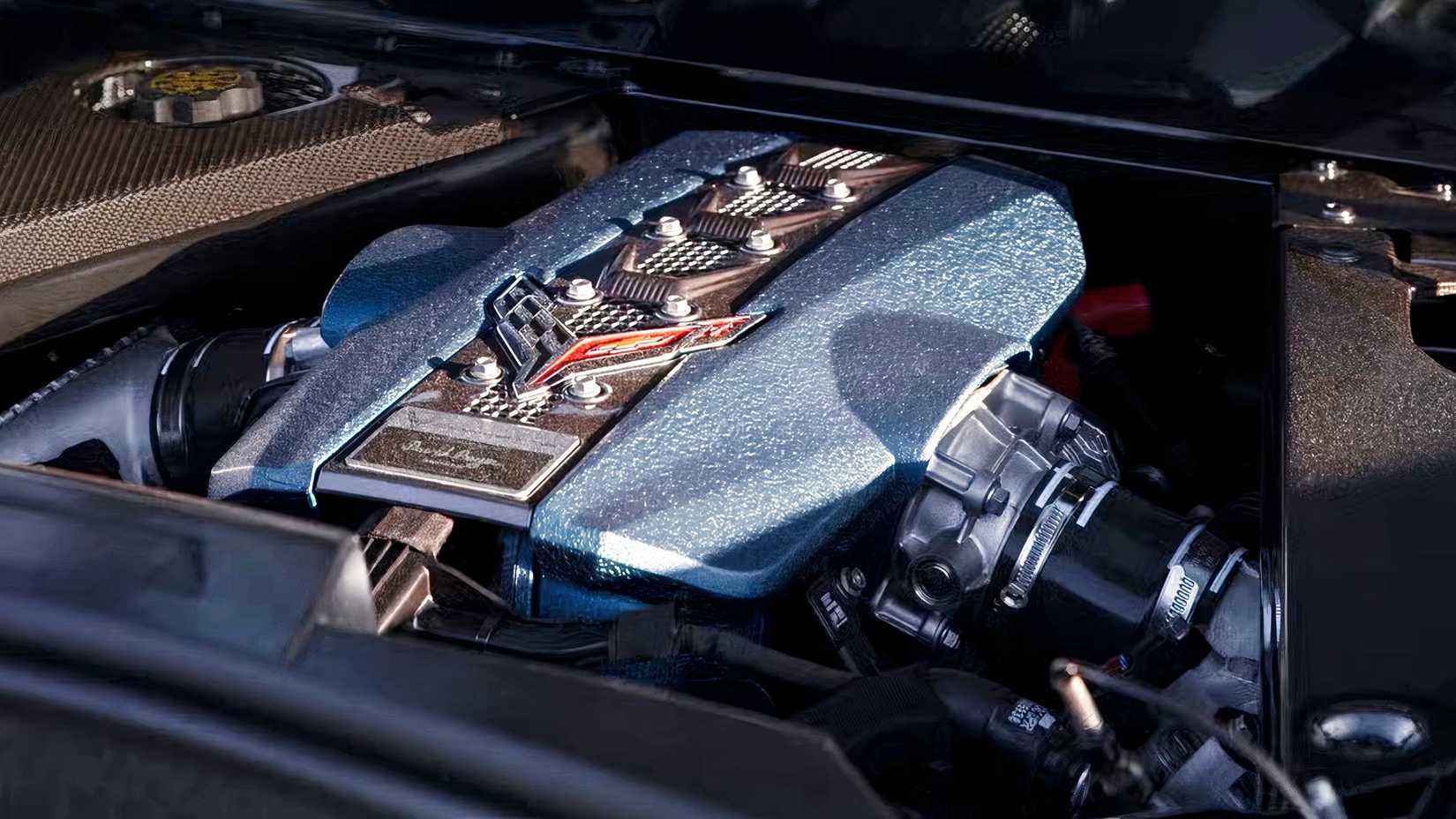
The base Stingray’s 6.2-liter V8 is a known quantity. Big displacement, naturally aspirated, and delivers its performance in a way that feels immediate and predictable. There’s no waiting around, no complicated power delivery—just a strong, linear surge that reminds you why simple engines still matter. But the Z06 changes the conversation entirely. That flat-plane crank V8 is the kind of decision that feels almost rebellious coming from Chevrolet. It revs to 8,600 RPM, sounds completely unhinged compared to older Corvettes, and finally gives the car an engine that matches its exotic proportions.
Chevrolet C8 Corvette Specs
|
Stingray |
E-Ray |
Z06 |
ZR1 |
ZR1X |
|
|
Engine |
6.2L V-8 |
6.2L V-8 + Electric Motor |
5.5L Flat-Plane V-8 |
Twin-Turbo 5.5L Flat-Plane V-8 (LT7) |
Twin-Turbo 5.5L V-8 + Front Electric Motor (eAWD) |
|
Drivetrain |
RWD |
AWD (hybrid) |
RWD |
RWD |
AWD (electrified) |
|
Transmission |
8-speed Dual-Clutch |
8-speed Dual-Clutch |
8-speed Dual-Clutch |
8-speed Dual-Clutch |
8-speed Dual-Clutch |
|
Horsepower |
495 |
655 (combined) |
670 |
1,061 |
1,250 (combined) |
|
Torque |
470 lb-ft |
470 lb-ft |
460 lb-ft |
828 lb-ft |
828 lb-ft (V8) + 145 lb-ft (front motor) |
It Doesn’t Just Go Fast, It Feels Special
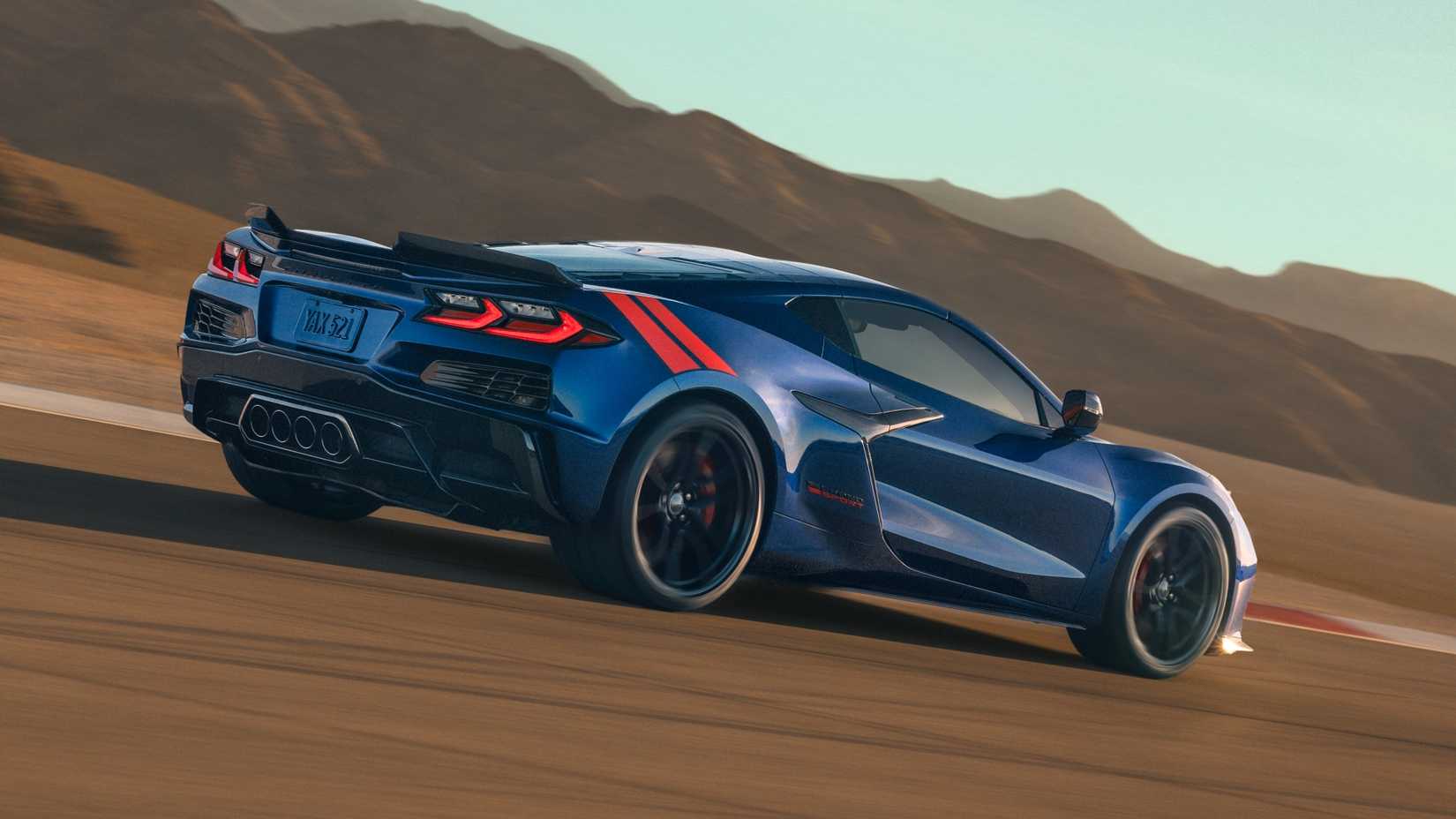
Then comes the ZR1, which takes that formula and throws subtlety out the window. Twin turbos, four-digit horsepower, and absolutely no interest in being restrained. It’s excessive, borderline ridiculous, and yet, completely in line with what the modern supercar space has become. And somehow, the Corvette fits right in.
The Mid-Engine Layout Fixed What Needed Fixing
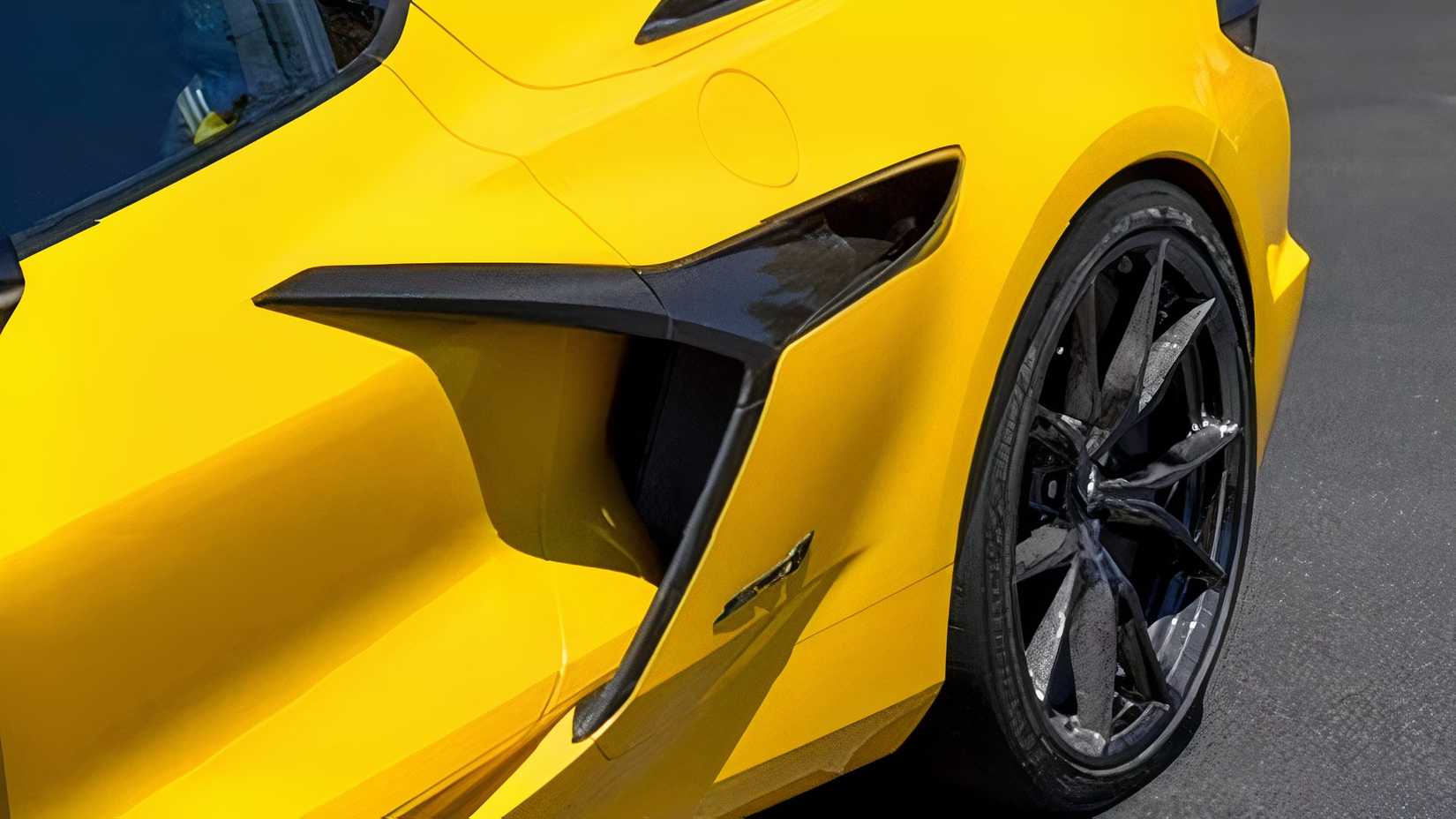
This is the part that actually matters. For years, the Corvette had one consistent limitation—it was always just a step behind when it came to balance and precision. Fast? Absolutely. But compared to its European rivals, it never quite felt as sharp when pushed to the limit. The C8 fixes that in one move. By shifting to a mid-engine layout, the entire character of the car changes. The weight distribution is better, the front end feels more responsive, and the car behaves in a way that inspires confidence rather than hesitation.
The Handling Is The Joy
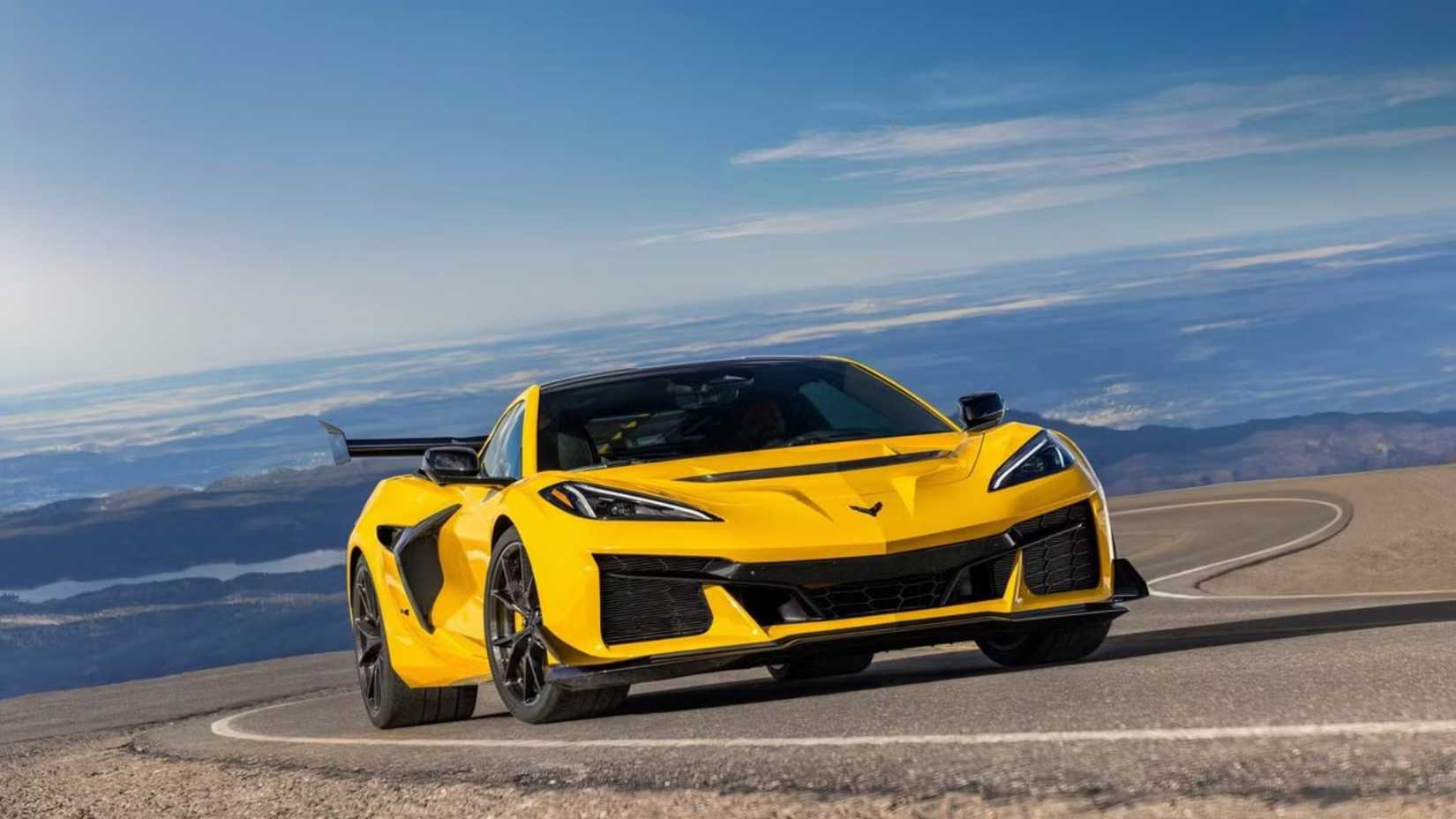
Turn into a corner, and there’s a level of precision that older Corvettes simply didn’t have. Push harder, and instead of feeling like you’re managing the car, it starts to feel like the car is working with you. Add in the Z51 Performance Package, proper braking hardware, and Magnetic Ride Control, and you end up with something that isn’t just “good for a Corvette”—it’s just good, full stop. Track-capable, road-friendly, and genuinely rewarding to drive.
The Interior Finally Matches The Promise
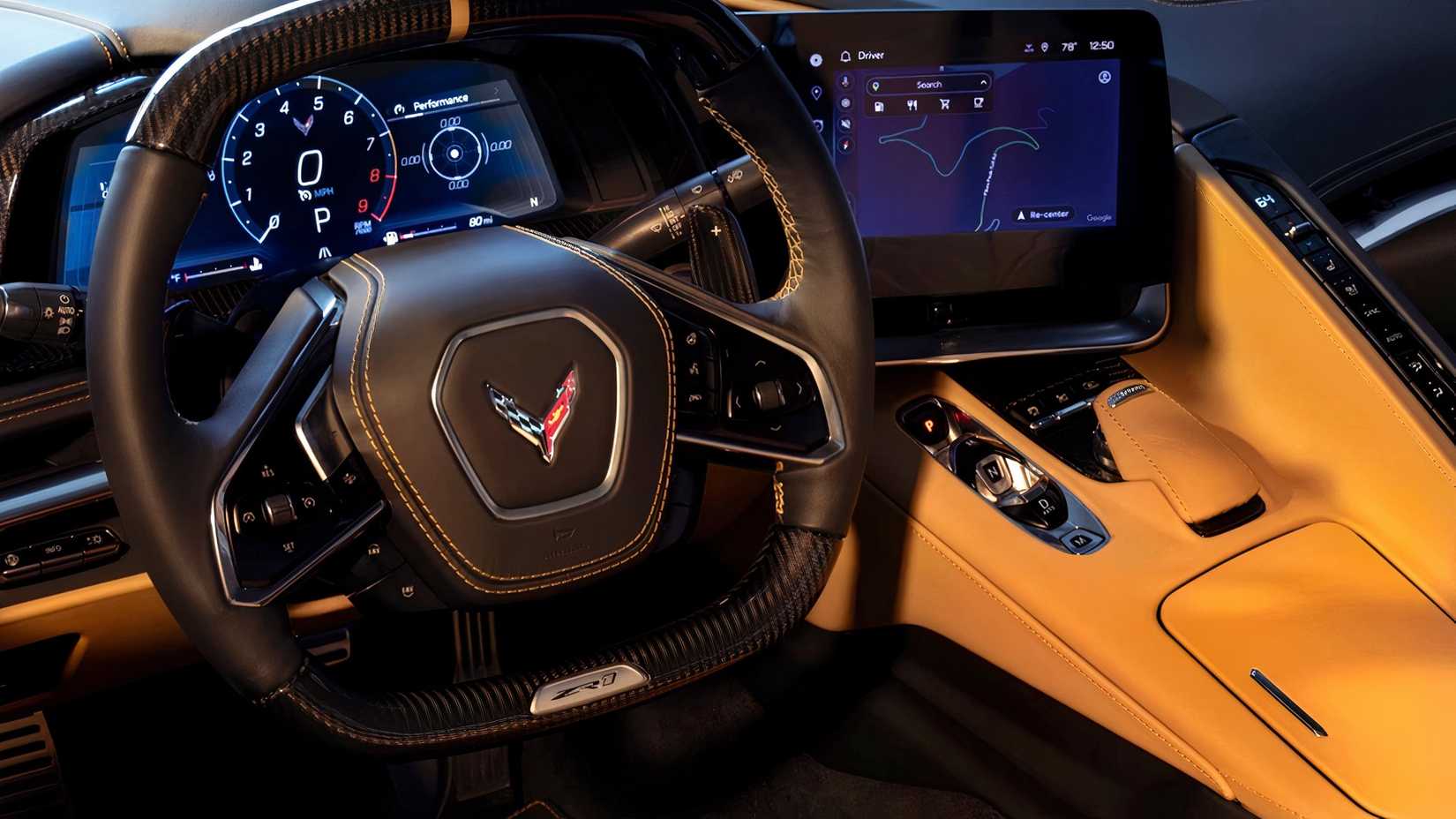
This needed to happen. For decades, the Corvette’s interior was the compromise. You bought the performance, and you lived with the cabin. That’s no longer the case. The C8’s interior feels like a genuine step forward, not just an incremental improvement. The materials are better, the design is more intentional, and there’s a clear effort to make the cabin feel like an experience rather than an afterthought.
Are The Interiors Perfect?
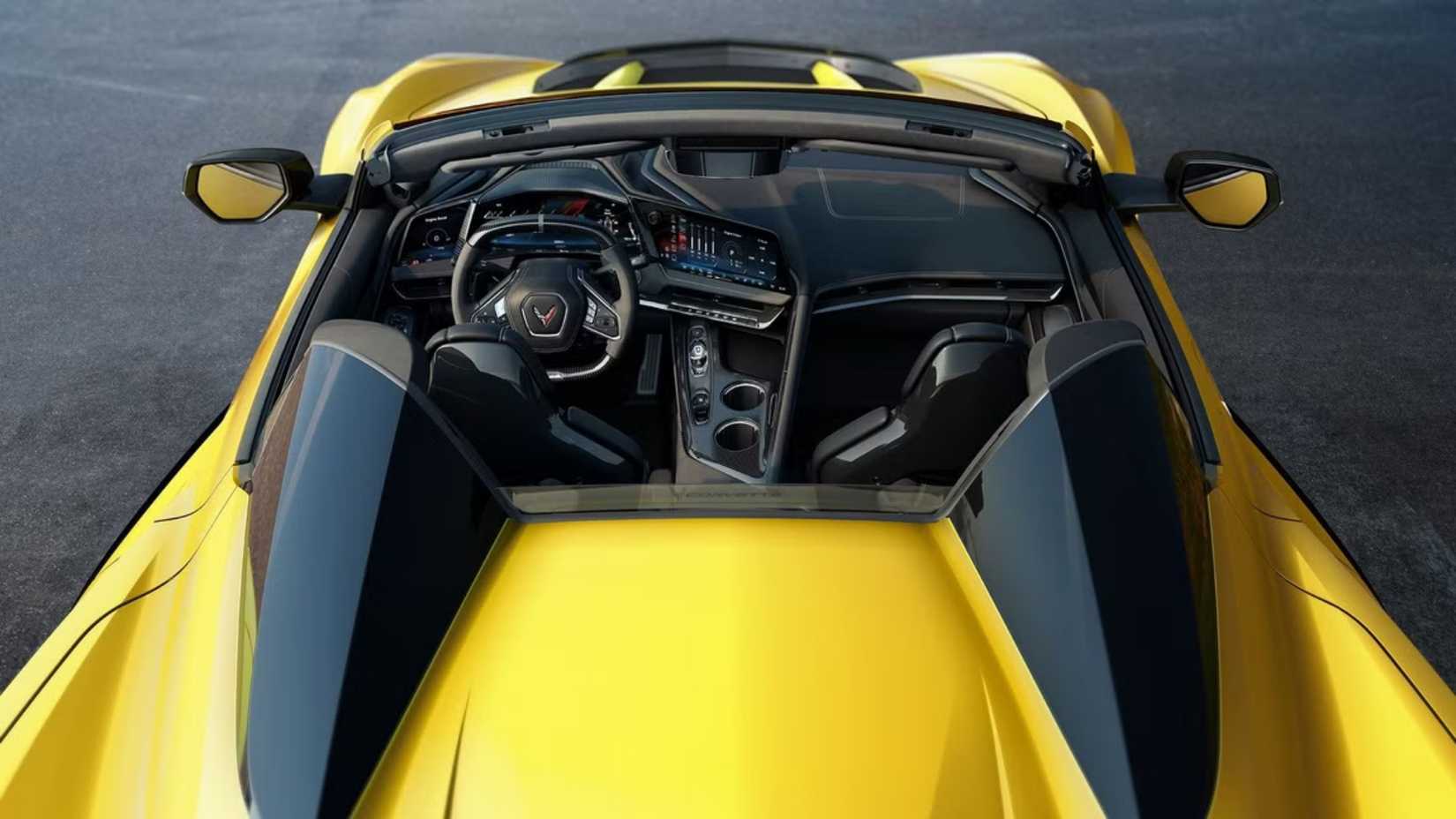
That driver-focused layout—with its dramatic wall of buttons—might not be to everyone’s taste, but it does make the car feel distinct. And in a market where many interiors are starting to look interchangeable, that actually counts for something. But it’s finally competitive, and more importantly, it no longer feels like a weak point.
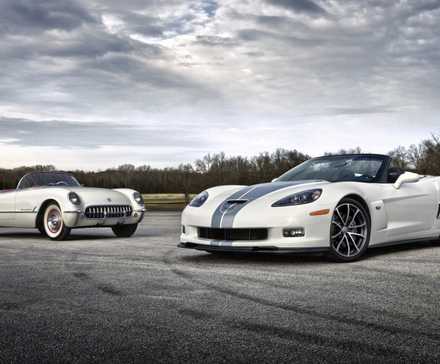
Every Chevrolet Corvette Ranked From Best To Worst
The ultimate ranking of America’s most iconic sports car.
It’s Still Shockingly Usable
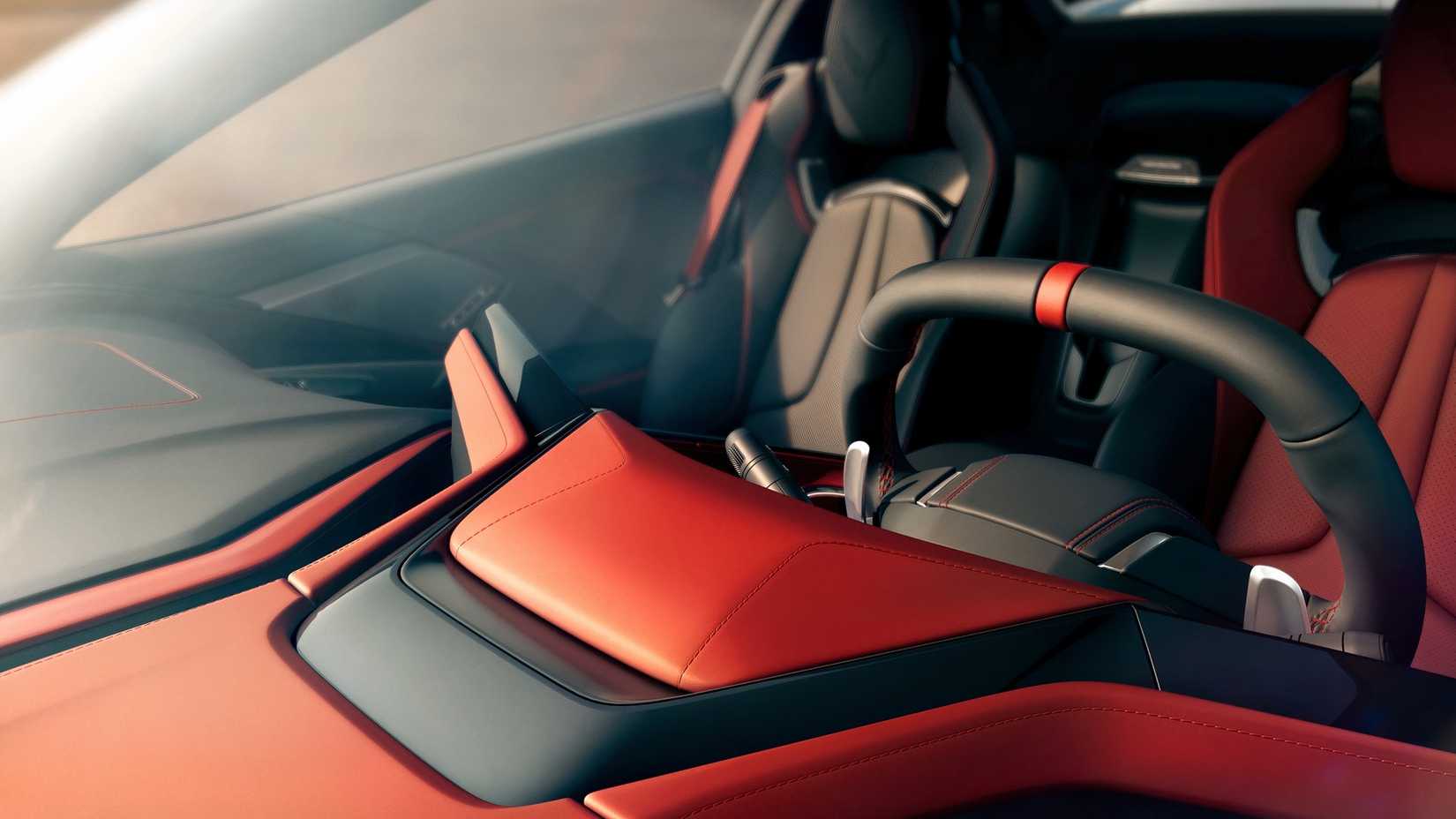
Here’s where the C8 Corvette quietly separates itself from a lot of “better” cars. Despite everything it can do, it’s still approachable. It doesn’t constantly demand your full attention in normal driving. It doesn’t punish you for using it like a regular car. The ride quality is composed, the visibility is manageable, and the overall driving experience isn’t exhausting.
You Can Live With This Car! Daily
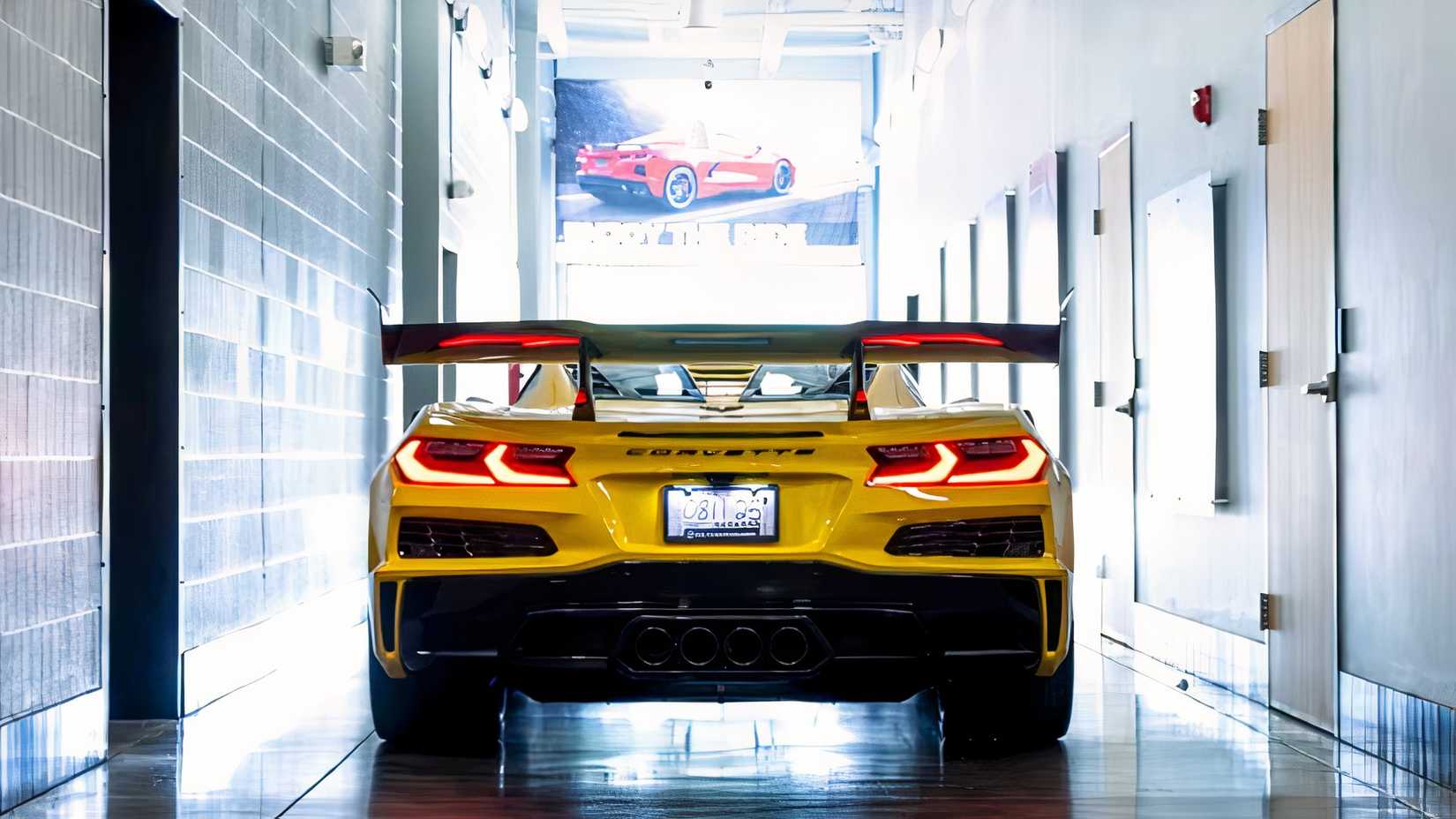
Not in a theoretical sense—but in a way that actually makes practical sense if you wanted a single car that does everything. That balance between usability and performance is incredibly hard to get right. And yet, the C8 makes it feel almost effortless.
The Next One Might Lose The Plot
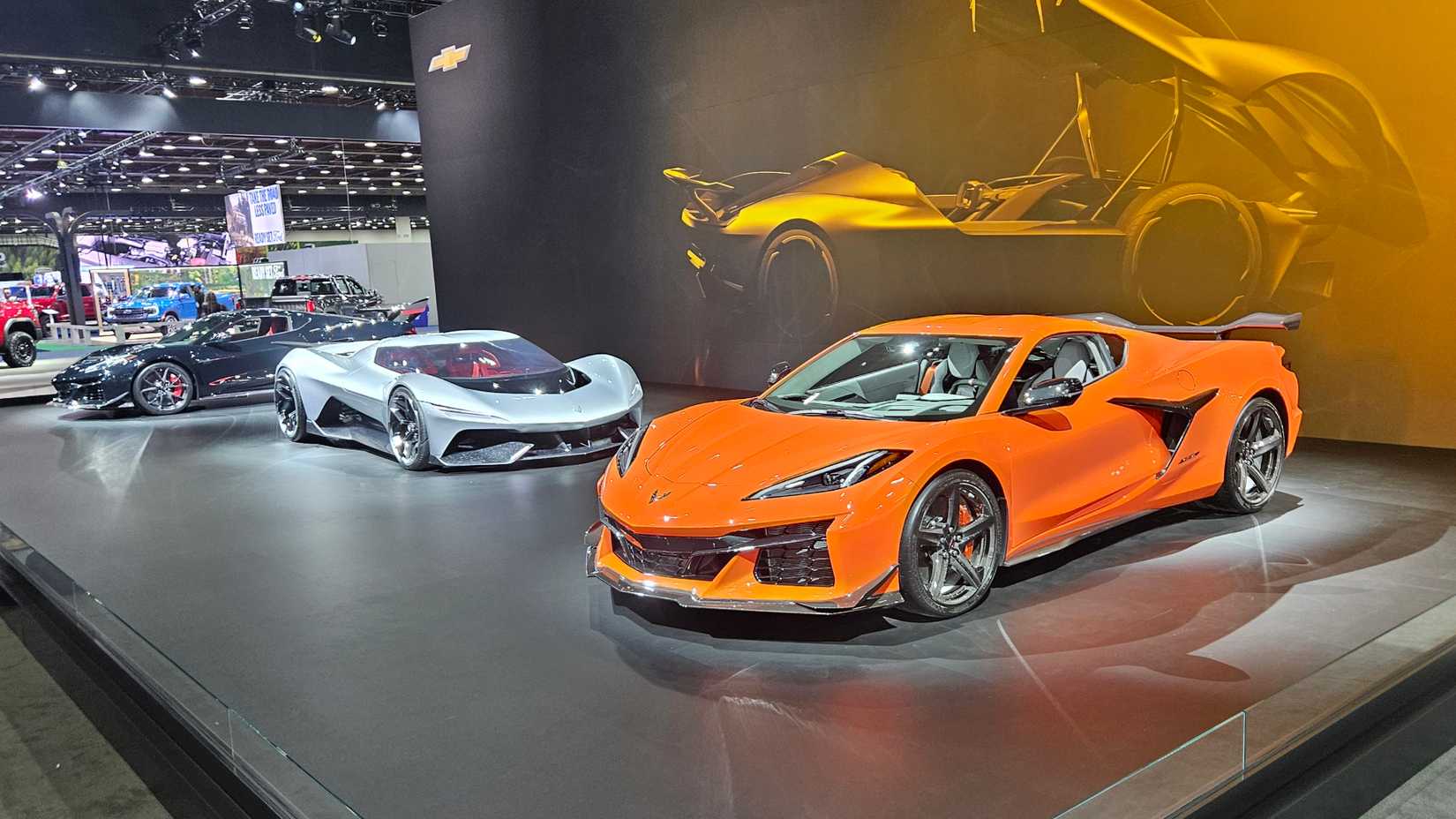
The Chevrolet Corvette C9 is expected to arrive in the next few years, and it’s almost guaranteed to push further into electrification. A plug-in hybrid setup seems inevitable. A fully electric version? It’s probably just a matter of time. And while that will undoubtedly make it faster, more efficient, and more advanced, it also raises a bigger question.
What Happens To The Character Next?
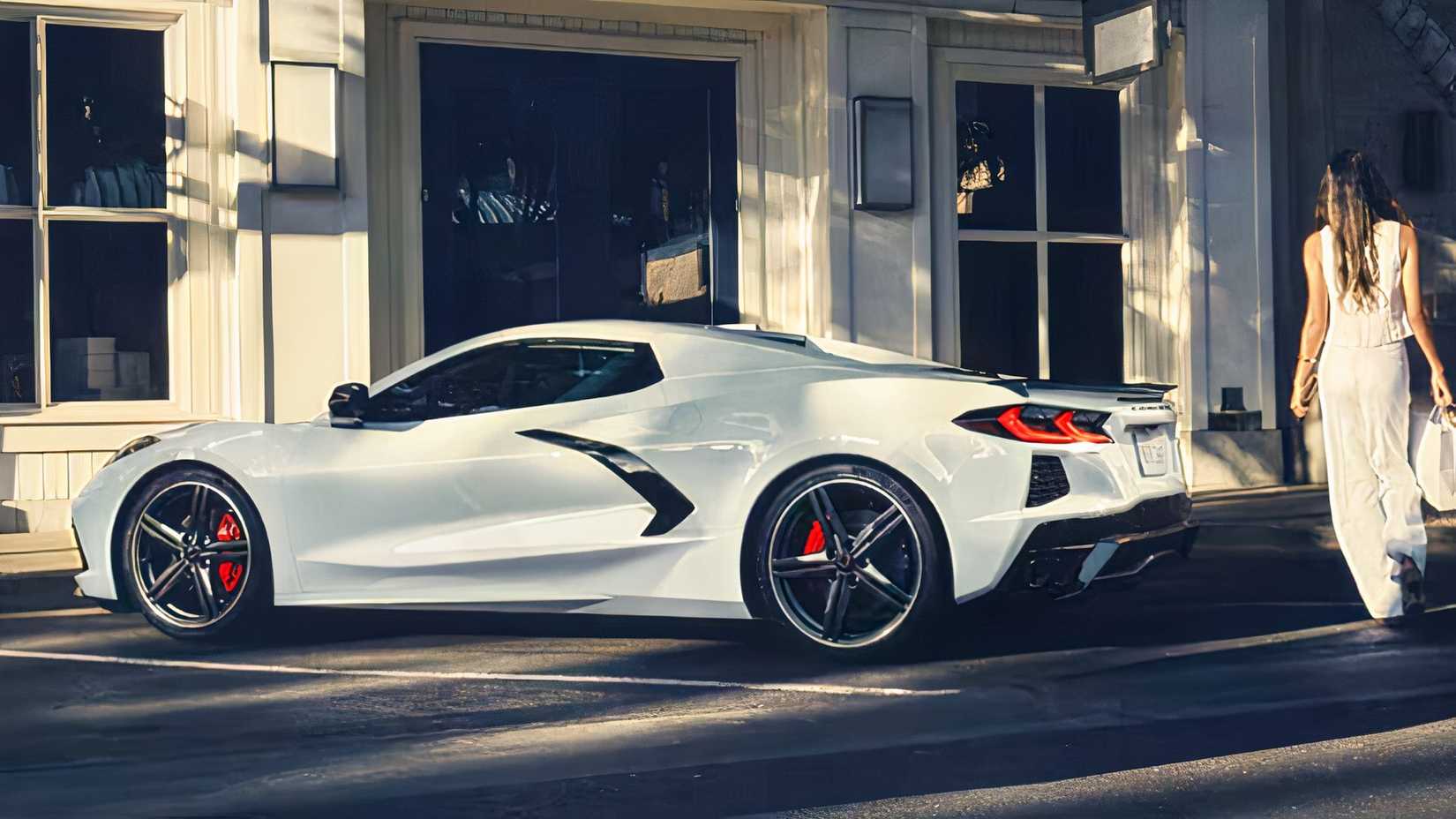
Because right now, the C8 still feels mechanical. It still has that raw edge—something you can hear, feel, and interact with. Add too much electrification, and that edge risks disappearing. The performance might improve. The experience? That’s less certain.
C8 Corvette Overtakes C7 In Sales: A New Era Of Sports Car Domination?
An unexpected sales record shattered by Chevrolet’s iconic Corvette.
The Value Is Still Its Biggest Weapon
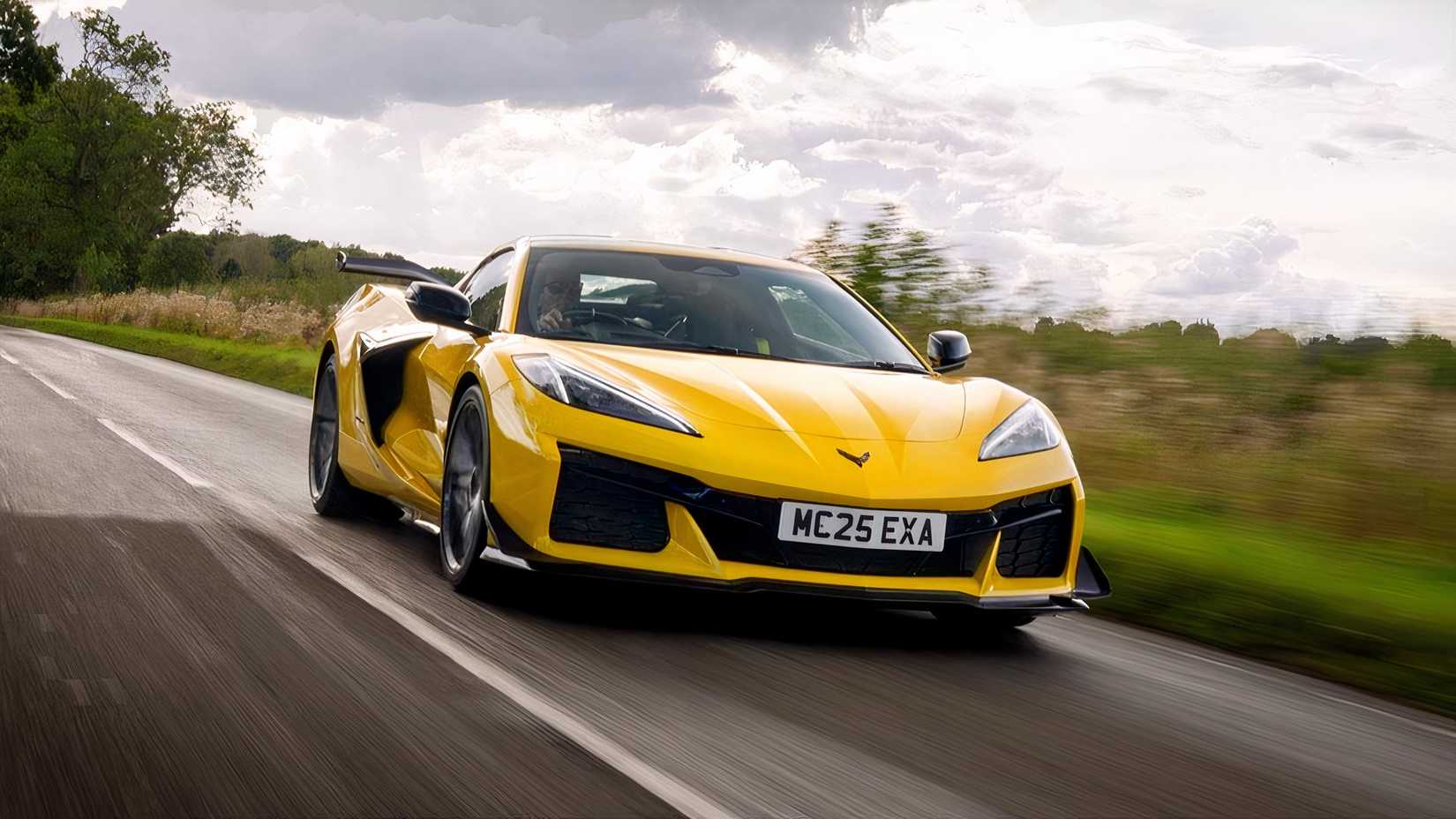
This is where the Corvette continues to embarrass the competition. At around $70,000 for the Stingray, the level of performance on offer is borderline absurd. You’re getting acceleration, handling, and overall capability that overlap with cars like the BMW M4 Competition—and in some cases, even challenge entry-level supercars. And it’s not just about numbers. It’s about how the car makes you feel. The way it looks, the way it drives, and the way it delivers an experience that feels far more expensive than it actually is. That’s something a lot of cars struggle with, regardless of price. The C8 doesn’t. It knows exactly what it is—a performance bargain with genuine supercar credentials—and it leans into that identity completely.
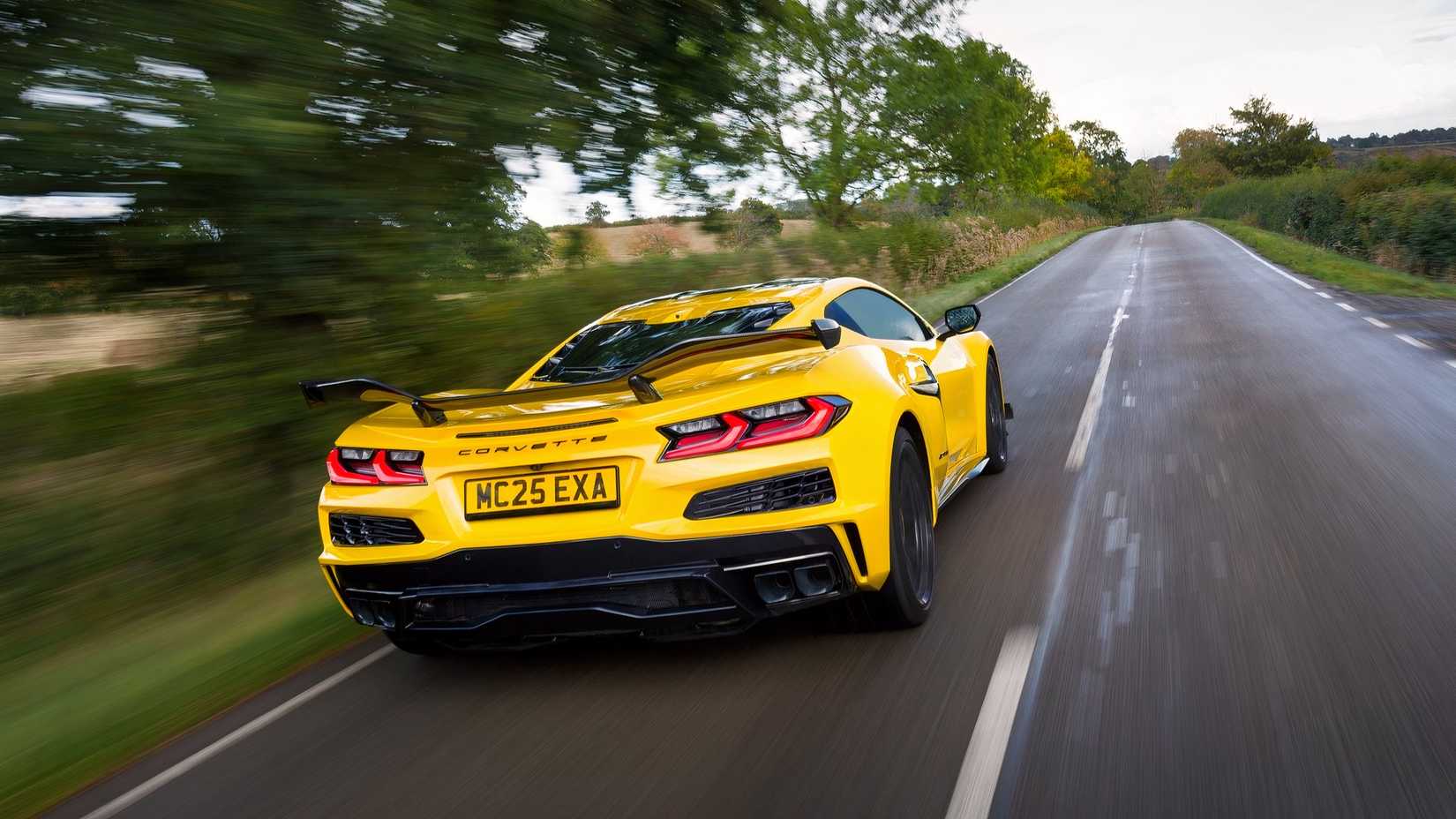
The C8 Corvette isn’t just a success—it’s a reset. It proves that you can embrace modern performance, adopt new technology, and still build something that feels engaging, exciting, and worth caring about. And in a world where cars are getting heavier, quieter, and more disconnected, that might be its biggest achievement.
Sources: Chevrolet, iSeeCars