
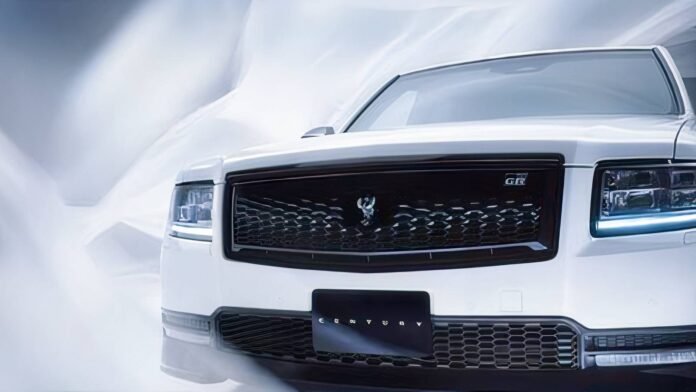
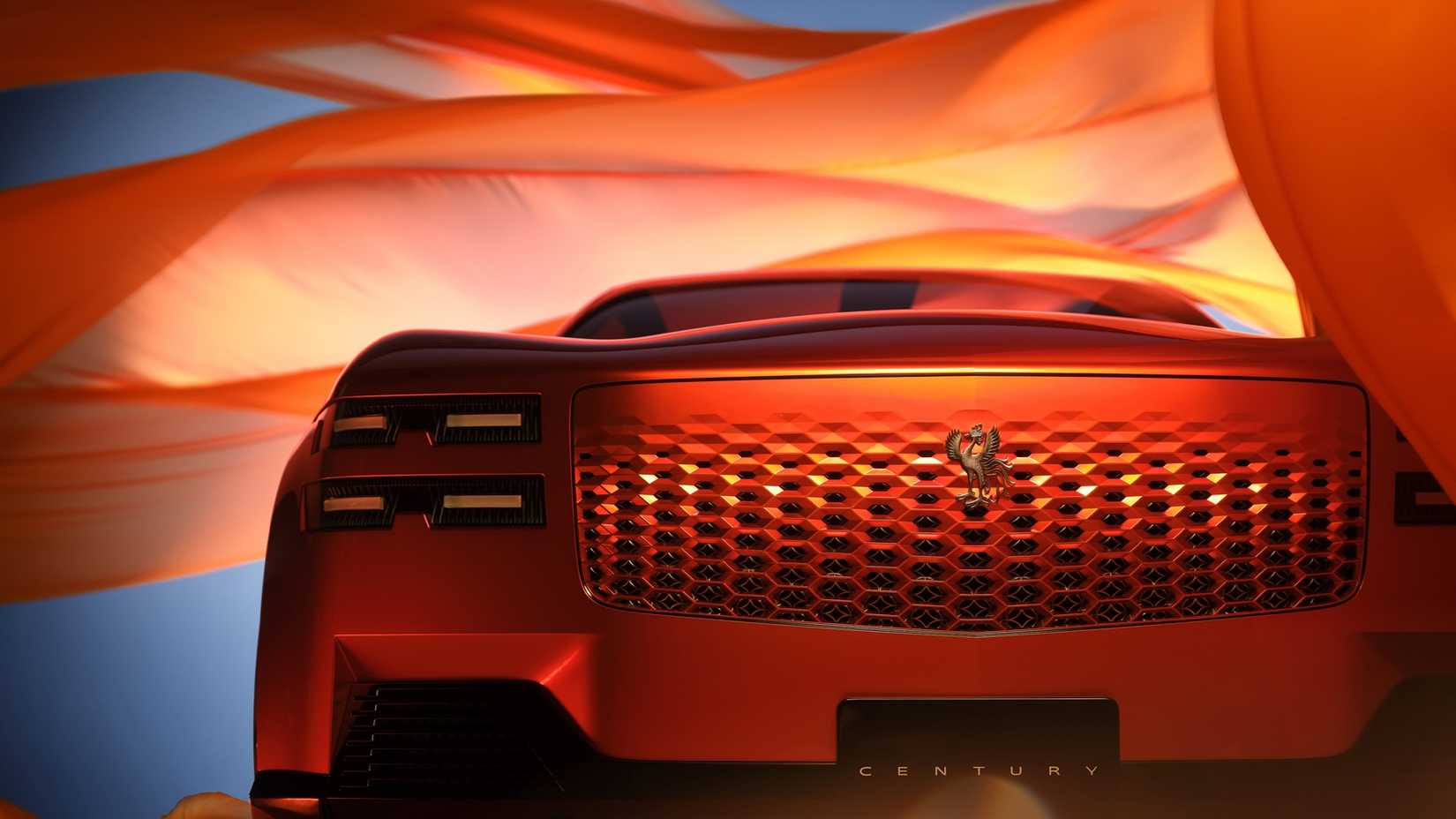
In creating the Century ultra-luxury brand, Toyota is taking on a new market segment with the same verve it has always exhibited—sustainable design, sensible engineering and quality materials. The new Century is not intended as a brand for influencers, but to protect prestige from the very thing that some luxury customers reject—showy excess—and in so doing, again fully embraces comparisons.
For all of Lexus’s wins—reliability, refinement, global sales strength—the brand never fully escaped comparison culture, which is perhaps not surprising, given it was created specifically with that intent. From the very beginning, its star player was pitted against the Mercedes-Benz S-Class. And with the S-Class kicking it up a notch with ultra-luxury Mercedes-Maybach versions, Toyota decided to again chase the golden ring by elevating its long-standing Century sedan (and recent SUV) to a new pedestal.
Toyota’s Ultra-Luxury Brand Revealed: Century Breaks Free!
Toyota’s secret weapon in the quest for ultimate luxury is finally unveiled, leaving the competition, and Lexus, in the dust.
Escaping Japan: Where The Century Brand Can Work And Where It Might Not
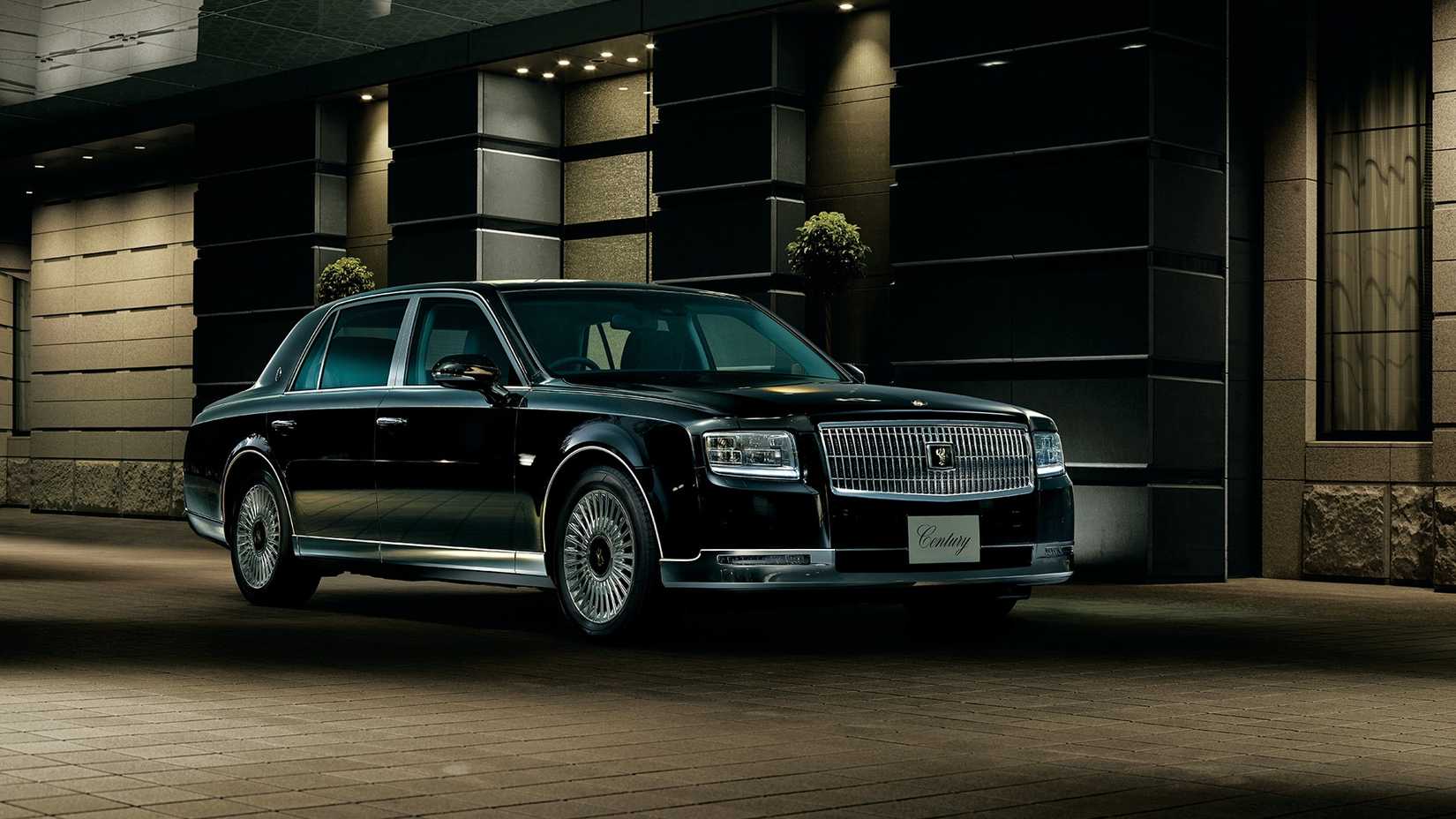
Sensing a shift in North American luxury tastes, Toyota created the Lexus brand in 1990 with the intent of beating the German luxury giants at their own game. Now, rather than elevating the Lexus brand beyond itself, and perhaps watering it down farther than it already is (with everything from a compact crossover to a body-on-frame SUV), it has taken another name from its past and elevated the Toyota Century as the base for a new ultra-luxury brand.
The mission statement is the same as that of Lexus—beat ultra-luxury brands on their turf—but doing it in a way that doesn’t adhere to ultra-luxury conventions, and that’s where the gamble factors in. Players on this field thrive on their excess, drawing success from that, so Toyota has to alter its game plan and not just beat them at engineering (which is an admired Toyota strength) but at culture. And sheltered within the Japanese domestic market, the Century has little worldly experience at that.
China And The Middle East Seem Obvious Century Targets
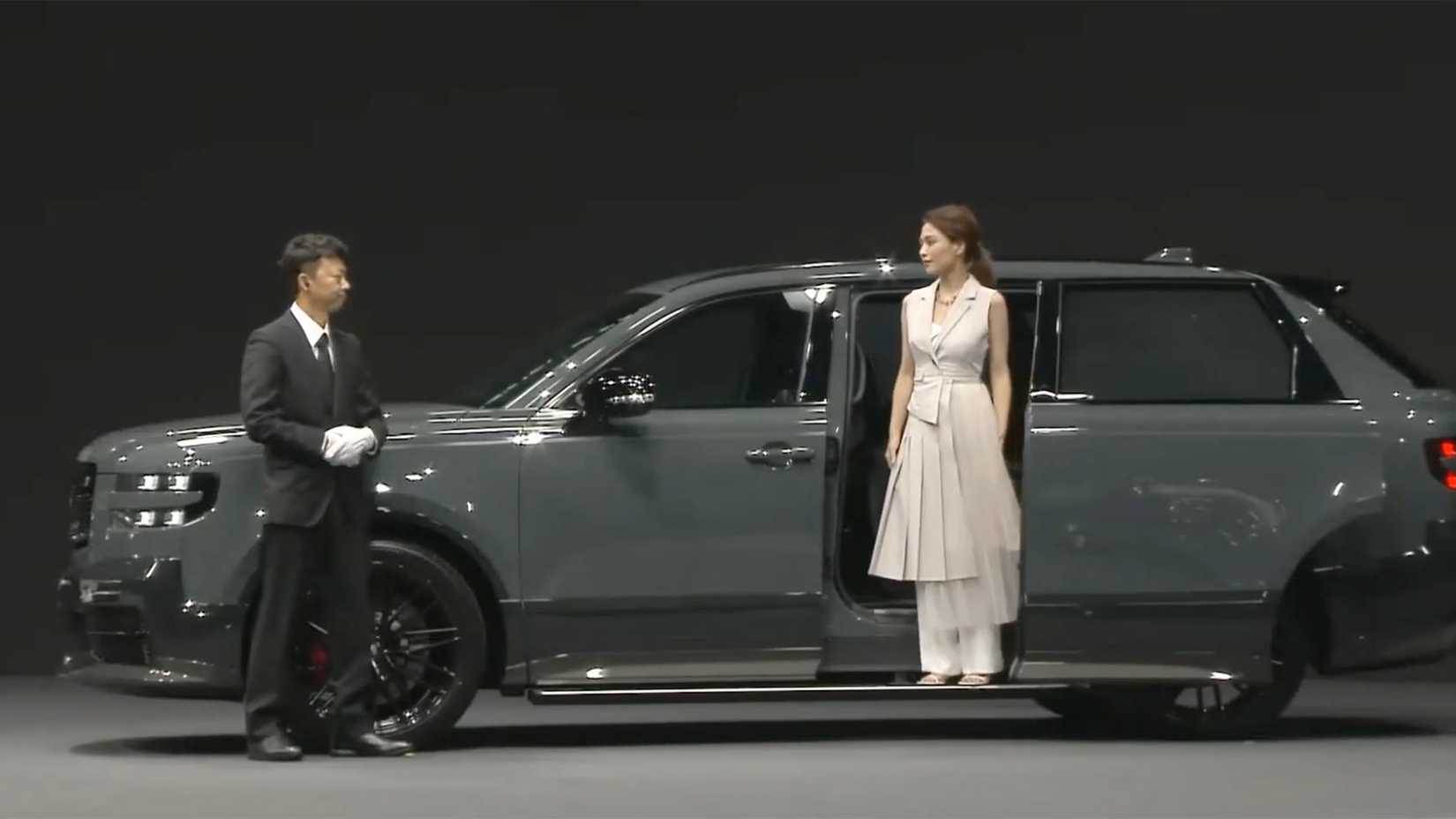
Century brand values—discretion, longevity, understatement—are culturally aligned with the Japanese tradition of displaying authority. Century buyers do not crave attention, even shirking it, despite the car’s very presence indicating status. To a certain extent, this passive aggression will play well in markets like China, where chauffeur-driven luxury carries social weight, but overt flashiness does not.
That having been said, the car might also be welcomed in Middle East markets (outside of the wealthy oil states) for the same reason, but the overt-opulence of the Gulf countries might warrant a flashier, larger, and more exclusive presence (which the current Century SUV does not really provide). The key will come down to education, since the non-descript Century does not explain itself at a glance.
North America And Europe May Be Tough Sells For Century
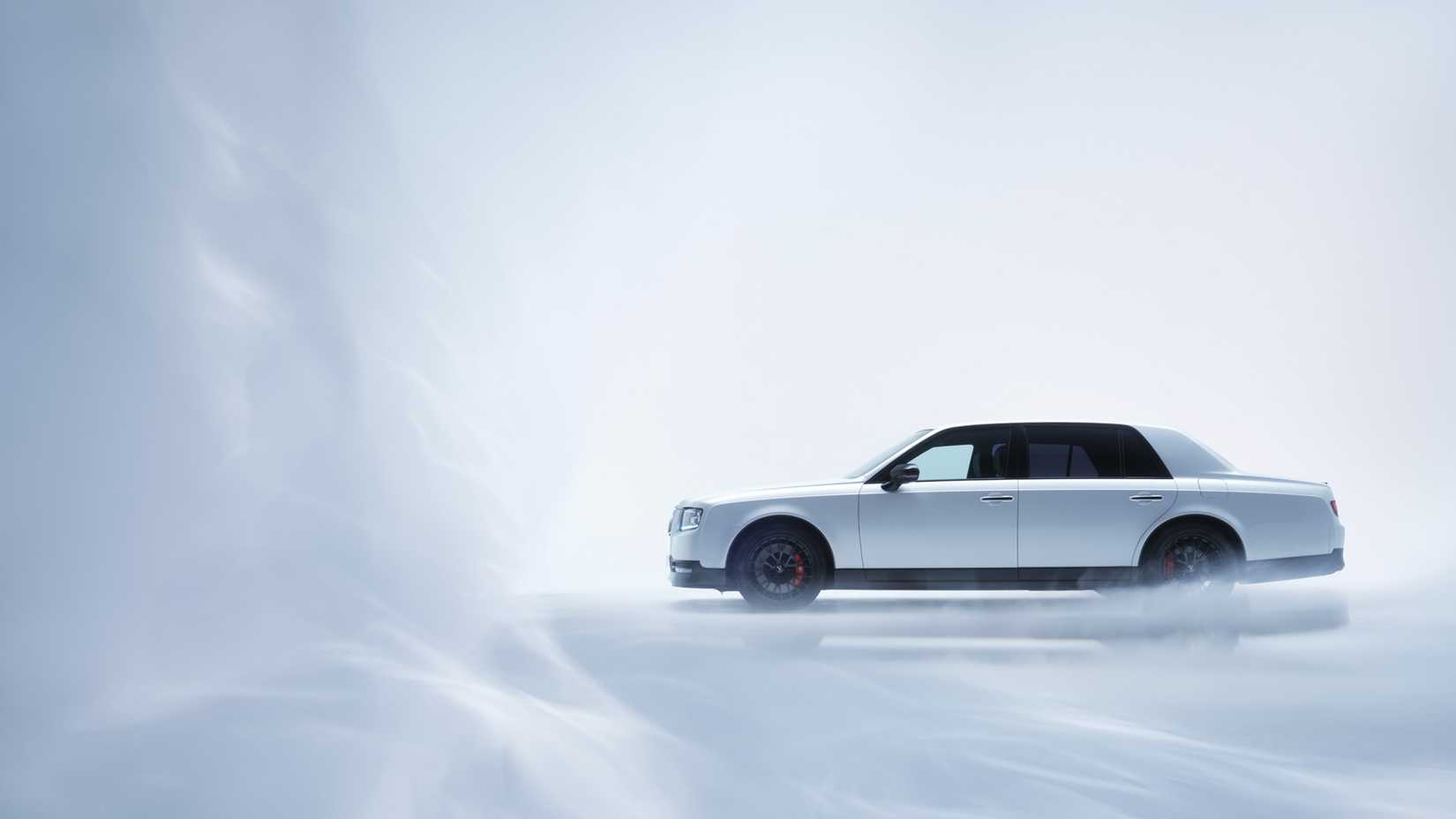
Without explanation, Century may be viewed simply as an overpriced Toyota, rather than an elevated Lexus, and that presents a challenge to European and North American culture. There, automotive luxury is a performing art, and a vehicle has to perform in beauty, elegance, style, and measured evolution. Lexus has taken that ball and run with it, creating some memorable vehicles, but mostly staying with the quality, understated elegance that contributed to its success.
In certain circles, such as Hollywood, Palm Beach, Monte Carlo, and the French Riviera, celebrity-status has its privileges, and ultra-luxury is about showing up in style. In western markets, luxury buyers are either looking for high-performance cars or showy, blinged-up SUVs, and today’s Century vehicles are neither. Government officials and corporate leaders understand what Century represents, but most celebrities and successful casino players want more flash.
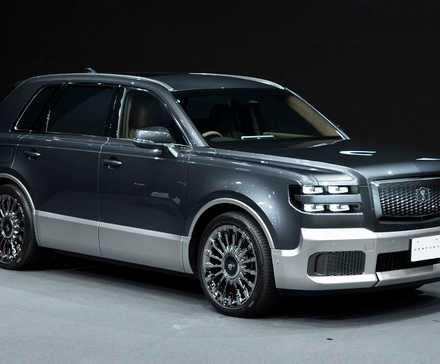
Why The Toyota Century SUV Needs To Come Stateside
A symbol of luxury and prestige, the Japanese Toyota Century SUV deserves a place in the US market.
Toyota Is Targeting Traditional Bespoke Luxury With Century
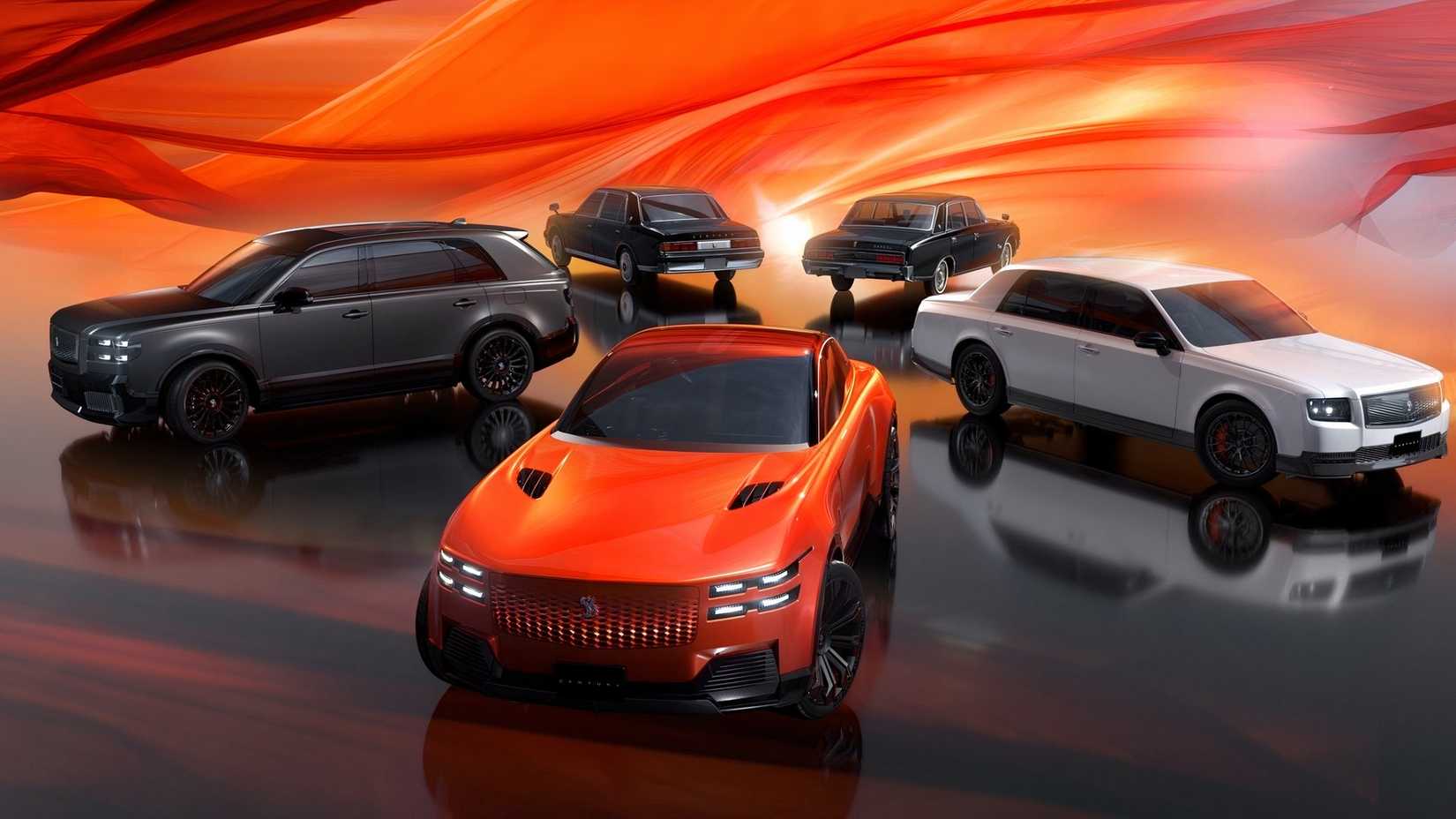
Simply put, Century is not designed to attract buyers who equate luxury with horsepower figures or chest-thumping bass, and it’s certainly not about sensible profit margins or volume selling. Century is meant to elevate Toyota’s luxury aspirations beyond Lexus, expanding on the restraint and excellence of the Lexus LS, rather than the raw performance of the IS F, or the sensibility of the electric RZ.
Century has apparently set its sights on Rolls-Royce, regarded by many as the pinnacle of automotive luxury that still relies on restrained performance and elegant bespoke design, rather than the track-adeptness and color-palette personalization of performance brands. As with the original Lexus LS, a key target is again Mercedes, with the Maybach top tier providing the bulls-eye for the current Century sedan.
The Century Sedan Takes Aim At Rolls-Royce And Mercedes Maybach
|
Toyota Century |
Rolls-Royce Ghost |
Mercedes-Maybach S 580 |
|
|
Starting Price |
~$150,000 |
$355,000 |
$207,150 |
|
Powertrain |
5.0-liter V-8 + 1 motor |
6.75-liter twin turbo V-12 |
4.0-liter biturbo V-8 mild hybrid |
|
Transmission |
Continuously variable |
8-speed automatic |
9-speed automatic |
|
Power |
375 hp |
563 hp |
496 hp |
|
Torque |
376 lb-ft |
627 lb-ft |
516 lb-ft |
|
Driveline |
Rear-wheel drive |
All-wheel drive |
All-wheel drive |
|
Range |
~683 miles |
~305 miles |
444 miles |
|
Efficiency Combined |
~32 mpg |
14 mpg |
20 mpg |
|
Length |
210 inches |
212.6 inches |
215.3 inches |
|
Wheelbase |
121.7 inches |
129.7 inches |
133.7 inches |
|
Width |
76 inches |
76.7 inches |
75.6 inches |
|
Height |
59.3 inches |
61 inches |
59.4 inches |
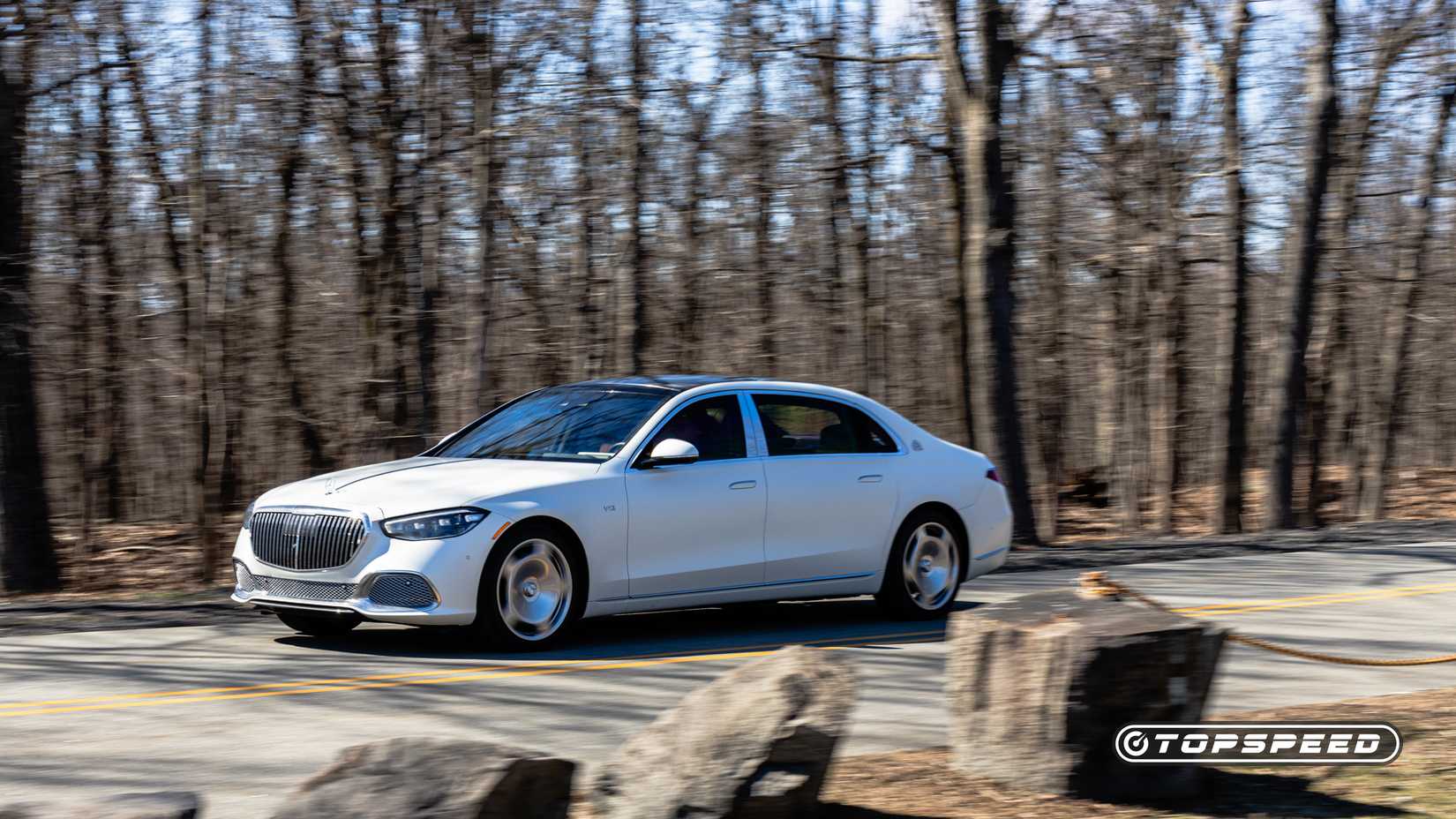
The Century sedan’s rivals are obvious and revealing. Conceptually, it’s aiming for the Rolls-Royce Ghost, but its closest functional competitor is probably the Mercedes-Maybach S-Class, for its elevation beyond the S-Class, and its priorities on rear-seat comfort, ride isolation, and ceremonial presence. The differences lie in the Maybach’s understated (almost hidden) performance, and the Ghost’s theatrical opulence, compared to the Century’s calm, authoritative presence.
With No Direct Targets, The Century SUV Is Closest To The Rolls-Royce Cullinan
|
Toyota Century SUV |
Rolls-Royce Cullinan |
|
|
Starting Price |
~$163,000 |
$405,000 |
|
Powertrain |
3.5-liter V-6 + 1 motor |
6.75-liter twin turbo V-12 |
|
Transmission |
Continuously variable |
8-speed automatic |
|
Power |
406 hp |
563 hp |
|
Torque |
597 lb-ft |
627 lb-ft |
|
Driveline |
All-wheel drive |
Four-wheel drive |
|
Range |
~584 miles (43 miles electric) |
~333 miles |
|
Efficiency Combined |
~34 mpg |
14 mpg |
|
Length |
204.5 inches |
210.3 inches |
|
Wheelbase |
116.1 inches |
129.7 inches |
|
Width |
78.3 inches |
78.7 inches |
|
Height |
71.1 inches |
72.2 inches |
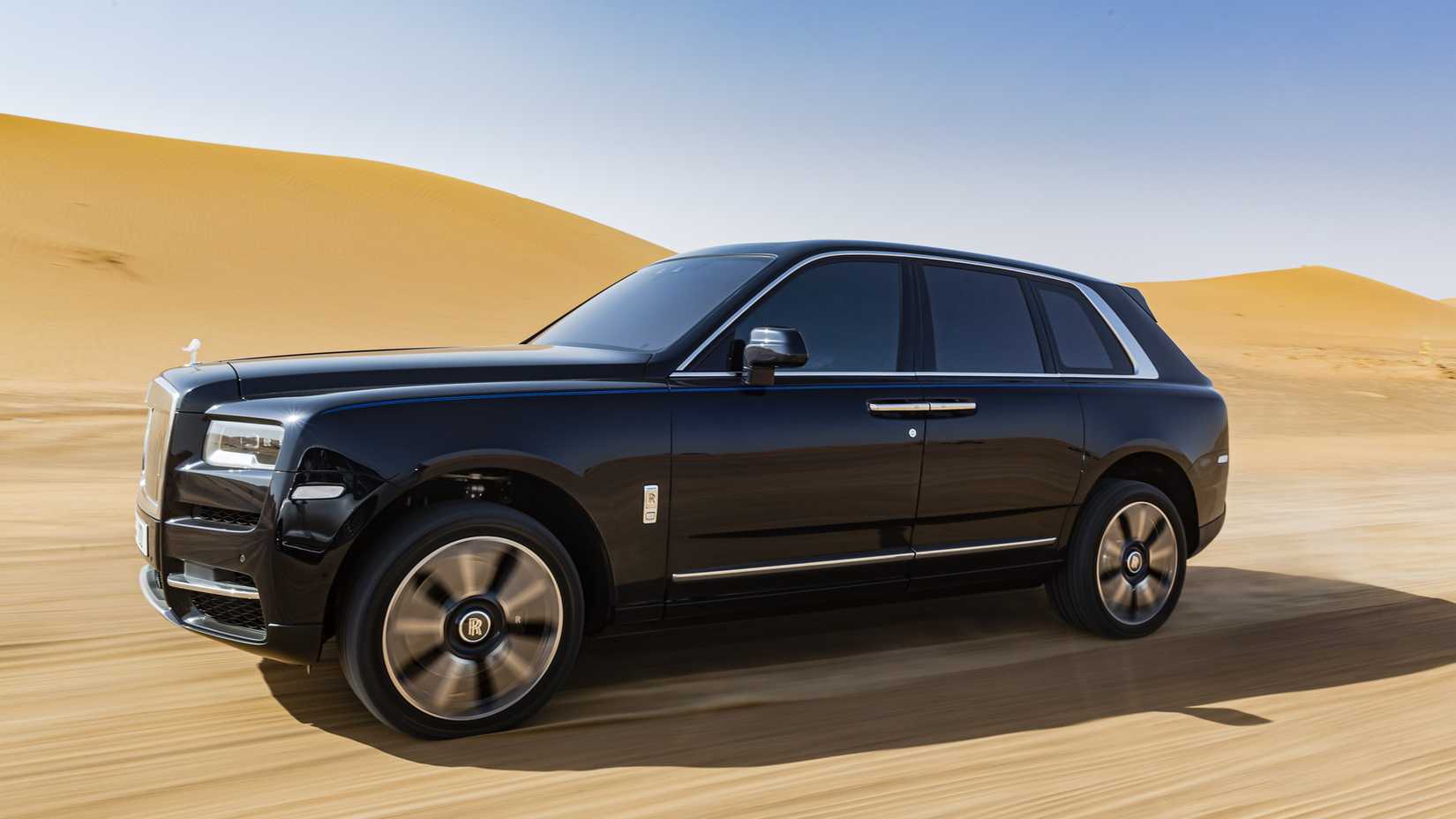
The Century SUV has no direct competitors beyond the entry-luxury landscape, and only a couple in the upper tiers of luxury. Again, it’s conceptually aimed at the Rolls-Royce crossover—Cullinan—with the only true head-to-head comparison being size. The two’s power and efficiency are polar opposites, and to a certain extent, so is cabin space and comfort. Its sole purpose in the grand scheme may simply be to pad the brand line-up for the launch, like the Lexus ES in 1990 (but look how that turned out!).
The Toyota Century SUV Is A $170,000 Chariot With A Hybrid Setup
The legendary Toyota Century is coming back with an SUV styling, a new hybrid setup, and a luxury interior that rivals the Rolls-Royce Cullinan.
The Century Brand Would Slot In Above Lexus In The Toyota Hierarchy
When Lexus was introduced into the Japanese domestic market in 2003, it wasn’t positioned as Toyota’s luxury arm. It slotted in below the hand-crafted Century sedan. So, on the global stage, Lexus will continue to be the Number-2 son to Century, which is more of a different philosophy than a physical status hierarchy—Toyota is the mass-market backbone, Lexus covers a wide swath of the luxury field, and Century would exist as the ultra-low-volume expression of aspirational luxury.
Toyota has been careful (maybe too conservative) in evolving the Century, with only three generations since the original car’s introduction 60 years ago. The restraint was intentional to preserve the exclusive nature of the product, and the creation of a crossover was born from necessity, with ultra-luxury buyers becoming more desirous of the roominess and easy access qualities of the SUV bodystyle (as an expansion of luxury, rather than a replacement).
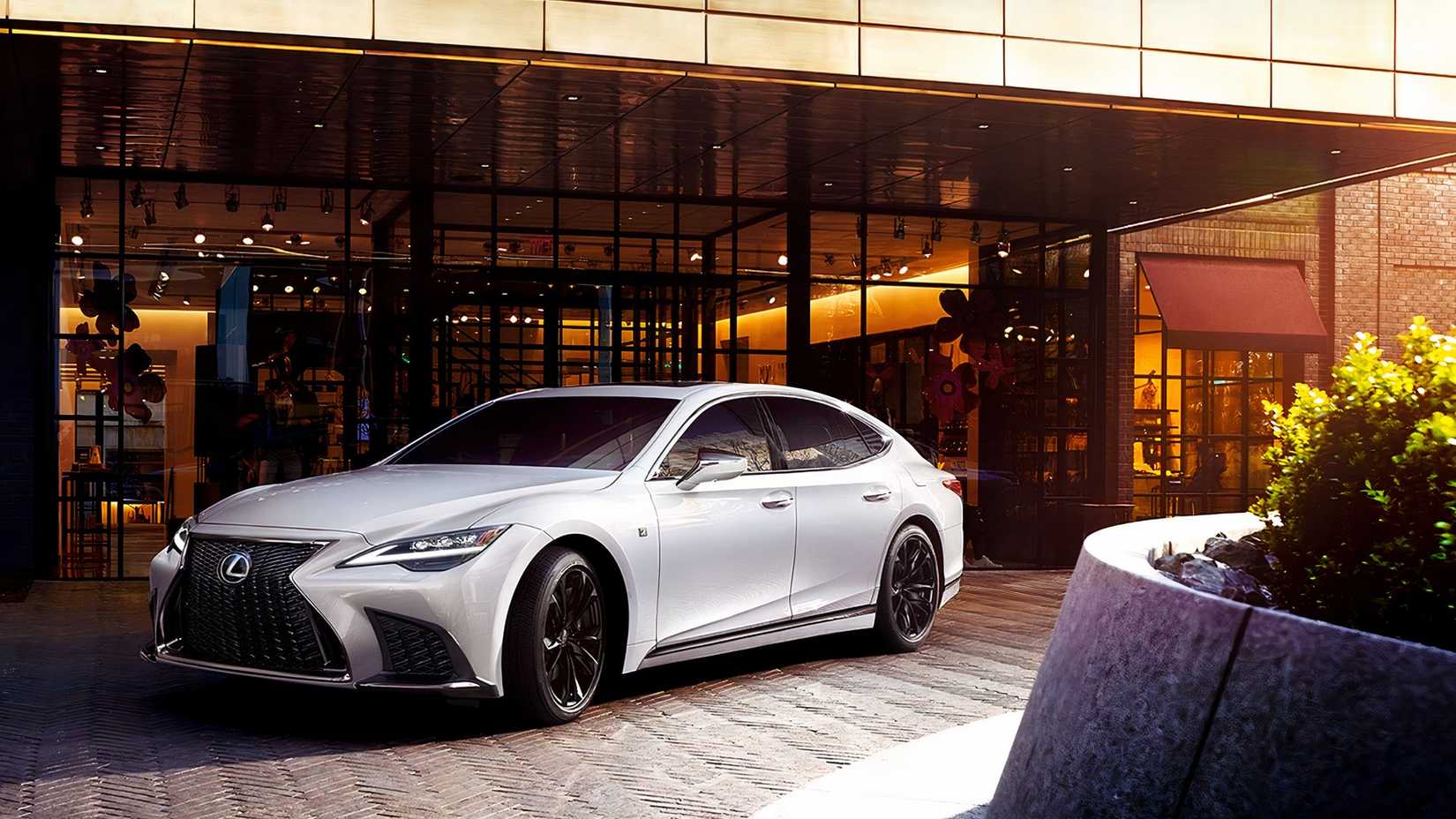
The Century Sedan Outdoes The Lexus LS In Power And Creature Comforts
|
Toyota Century |
Lexus LS 500 |
|
|
Starting Price |
~$150,000 |
$97,830 |
|
Powertrain |
5.0-liter V-8 + 1 motor |
3.4-liter twin turbo V-6 |
|
Transmission |
Continuously variable |
10-speed automatic |
|
Power |
375 hp |
416 hp |
|
Torque |
376 lb-ft |
442 lb-ft |
|
Driveline |
Rear-wheel drive |
Rear-wheel drive |
|
Range |
~683 miles |
456 miles |
|
Efficiency Combined |
~32 mpg |
21 mpg |
|
Length |
210 inches |
206.1 inches |
|
Wheelbase |
121.7 inches |
123 inches |
|
Width |
76 inches |
74.8 inches |
|
Height |
59.3 inches |
57.5 inches |
The Century sedan would be the brand’s anchor, although Toyota did show a coupe concept at the 2025 Japan Mobility Show. Although it shares a lot with the last Lexus LS hybrid, the current Century eclipses the last LS (2026 will be its last year) with hybrid V-8 power, promoting smooth and efficient power, while contributing a passenger-centric cabin with wool upholstery, hand-finished trim, and a near-total absence of visual clutter.
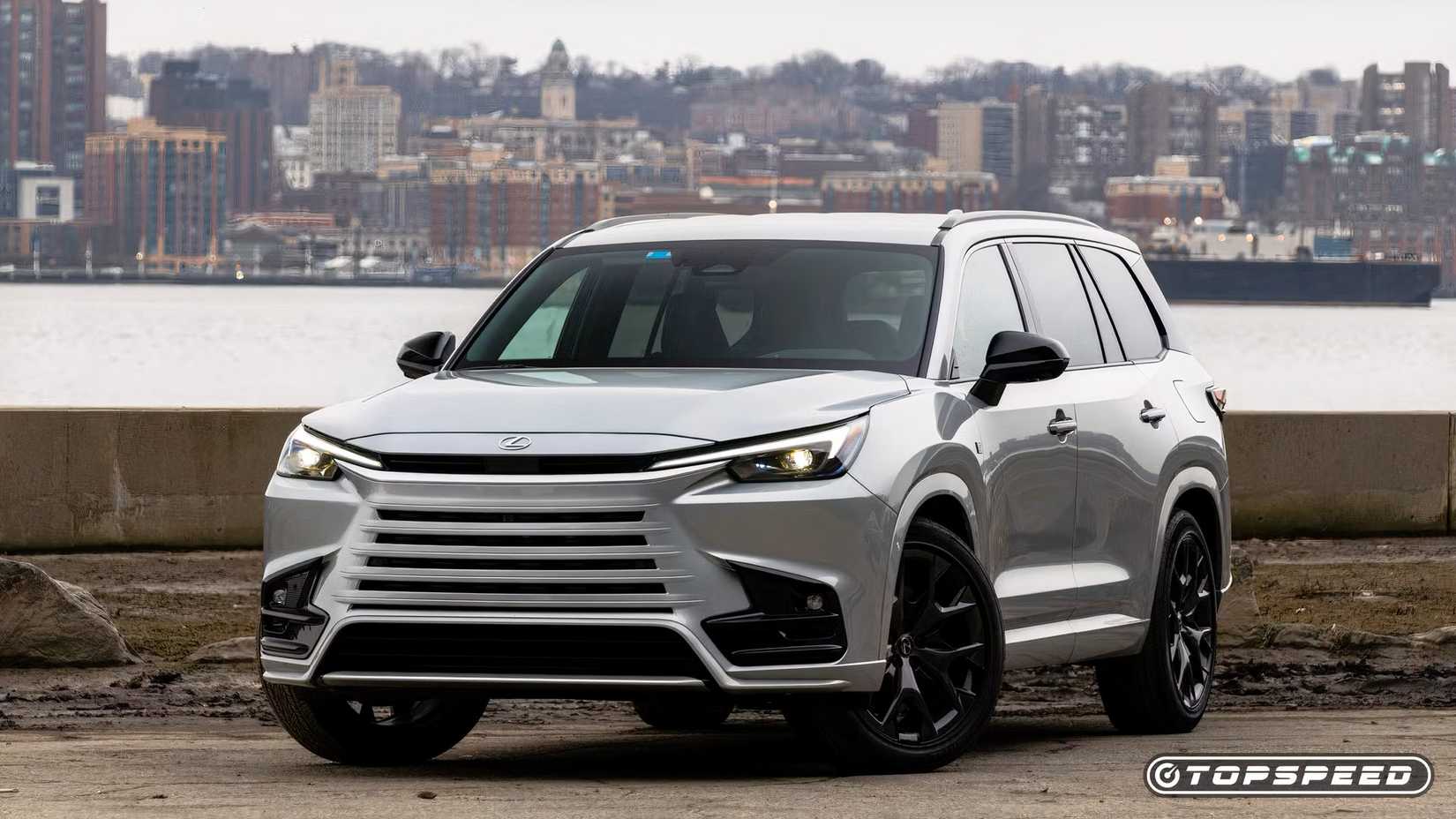
The Century SUV Is A Necessary Compromise, Though Not Ideal
|
Toyota Century SUV |
Lexus TX 550h+ |
|
|
Starting Price |
~$163,000 |
$79,510 |
|
Powertrain |
3.5-liter V-6 + 1 motor |
3.5-liter V-6 + 2 motors |
|
Transmission |
Continuously variable |
Continuously variable |
|
Power |
406 hp |
404 hp |
|
Torque |
597 lb-ft |
317 lb-ft |
|
Driveline |
All-wheel drive |
All-wheel drive |
|
Range |
~584 miles (43 miles electric) |
450 miles (33 miles electric) |
|
Efficiency Combined |
~34 mpg |
29 mpg |
|
Length |
204.5 inches |
203.2 inches |
|
Wheelbase |
116.1 inches |
116.1 inches |
|
Width |
78.3 inches |
78.4 inches |
|
Height |
71.1 inches |
70.1 inches |
Like every other market, ultra-luxury buyers expect an SUV option, so the introduction of the Toyota Century SUV in 2023 was a necessity. Like many of its competitors, Century did not go full-on SUV, but simply created a crossover that could present an off-roadish presence. Luckily, Toyota was launching the Grand Highlander at the same time, as well as its Lexus TX variant of the architecture, so another engineered badge wasn’t too much of a hassle.
The Opulent Toyota Century Could Come To U.S., But There’s A Catch
The Toyota Century is widely considered to be the Rolls-Royce of Japan, but if it comes to the U.S., it will be far different
Toyota’s Century Brand Echoes The Values Of The Toyota Century Car
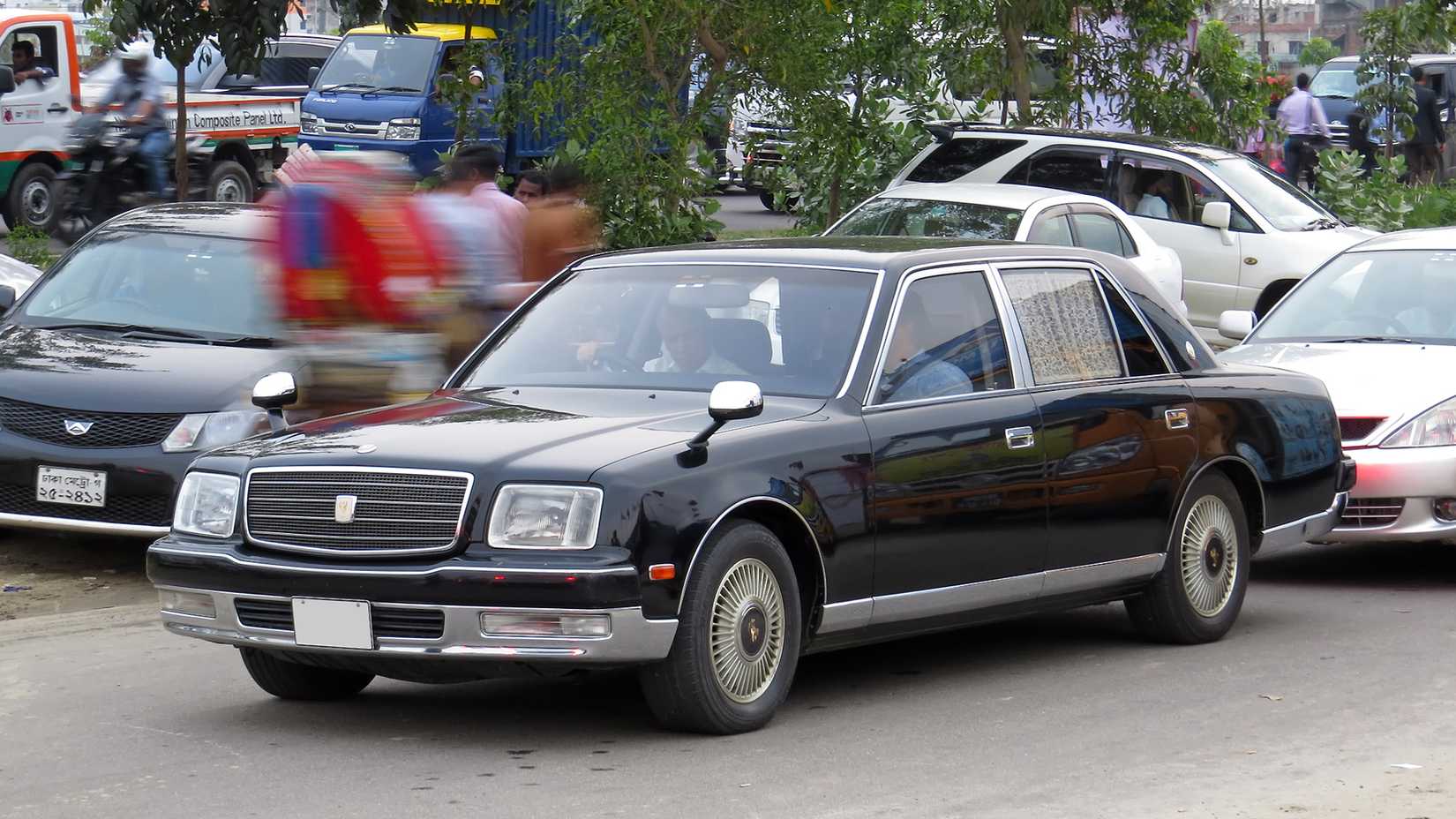
To understand what the Century brand may represent, you have to understand its origin—the Toyota Century—and why it evolved so slowly over three generations since its introduction in 1967, the first lasting 30 years, the second 21. Like what it hopes to create with a Century brand, Toyota created Century specifically for Japan’s elite (primarily the imperial household, but also for government officials and the business elite).
The Century was never intended to chase trends or established production cycles, where cars reinvent themselves every five to seven years, but rather to display the calm stability that characterizes the ruling class, either in power or in finance—when the leaders are calm and composed, the people will feel assured and valued. Its slow evolution wasn’t because of stagnation; it was a measured approach.



The Toyota Century Used Japan’s First And Only Production V-12
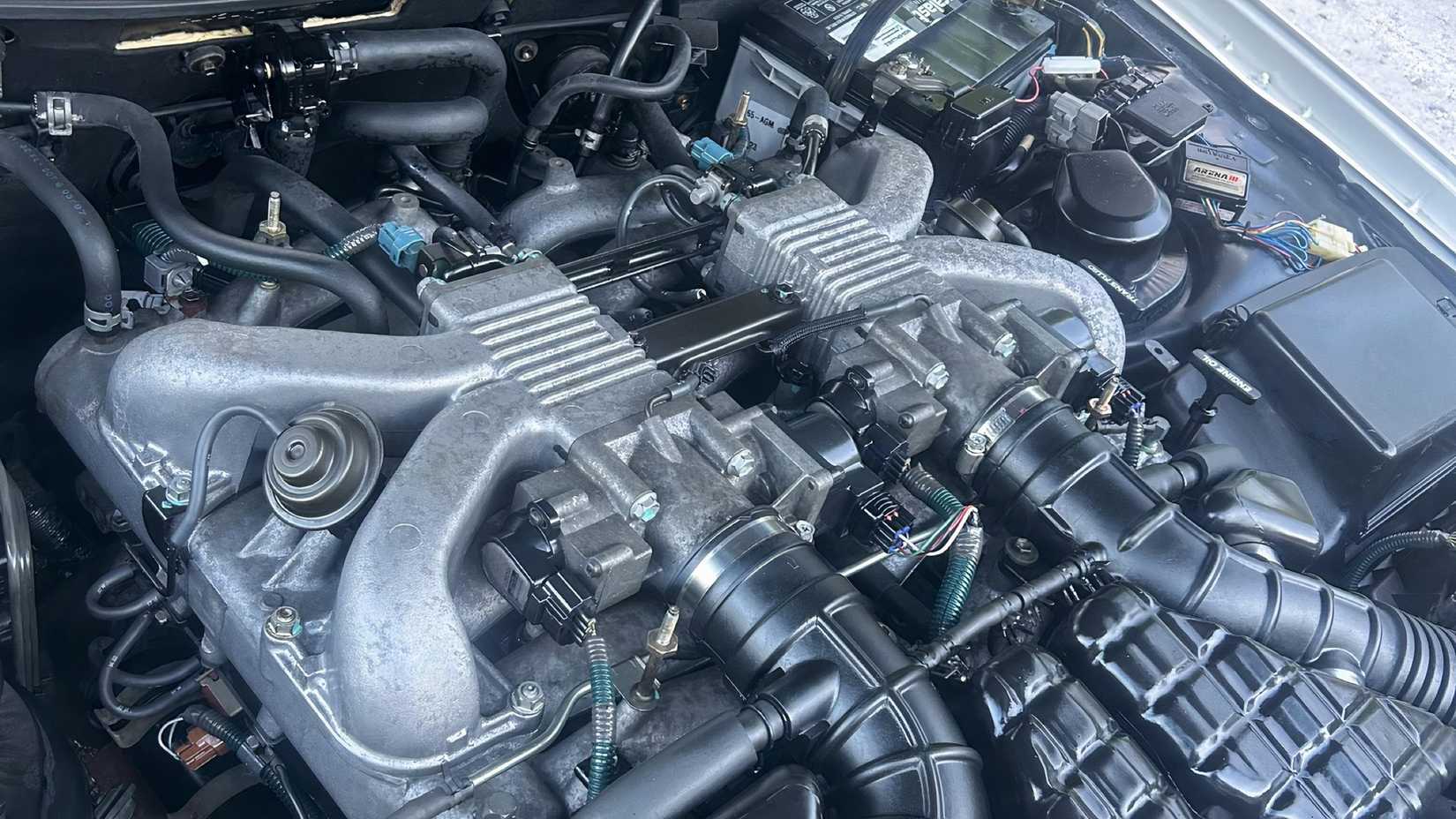
One of the Century’s notable achievements was the long use of the naturally aspirated 5.0-liter V-12 (1997–2016), the first and only Japanese V-12 in a street-legal production vehicle. Unlike many current V-12s, which are primarily used for performance applications, the Century’s V-12 concentrated on effortless, undetectable power delivery, rather than purposeful, neck-snapping acceleration.
Unlike modern supercar V-12s, the Century engine’s endearing characteristic was how it distanced itself from the driving experience, starting with a virtually imperceptible idle. Limited to 276 hp, by corporate gentleman’s agreement, it delivered turbine-smooth serenity, rather than banshee urgency. Its philosophy was best characterized as “absence”—absence of vibration, noise, and, as a result, drama. It was briefly available as a natural gas (CNG) variant in 2003 and 2004, intended for livery and corporate-responsibility use with its inherently lower power outputs and cleaner emissions.
The Toyota Century Was About Cultural Significance
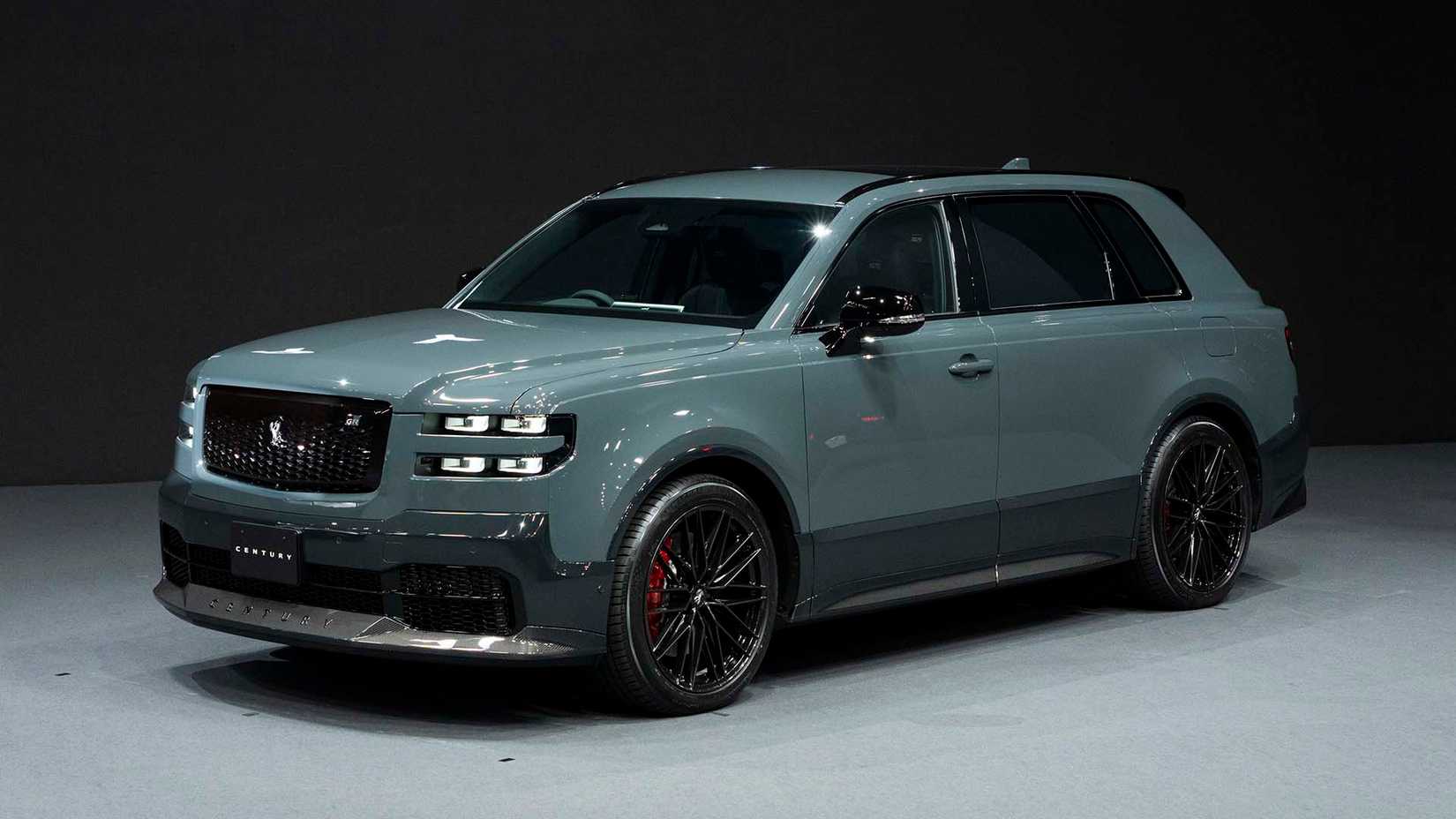
The main character trait that the Toyota Century would contribute to the Century brand would be cultural promotion. The Century was never about aspiration or the “halo” car, as are many of today’s ultra-luxury offerings. Its intent was recognition at a glance. Centurys weren’t bought to announce success; they were meant to recognize achievement. That will become a key cultural trait, especially in Western culture, which treats ultra-luxury as a symbol.
The Toyota Century Was A V-12 Powered JDM Ultra-Luxury Sedan
The V-12 powered, second-gen Century was the ultimate luxury barge in 1997
Toyota’s Century Brand May Become The Luxury Brand That Is “Enough”
Toyota
For Toyota, creation of a Century is not a foundation for a growth strategy. It is more of a roof, meant to designate how high its luxury aspirations will reach. It would have been easy to simply enfold the Century sedan into the Lexus brand, but Lexus has expanded its offerings considerably, perhaps even watered the brand’s cachet down, so Century steps in to say, “this is different; this is special.”
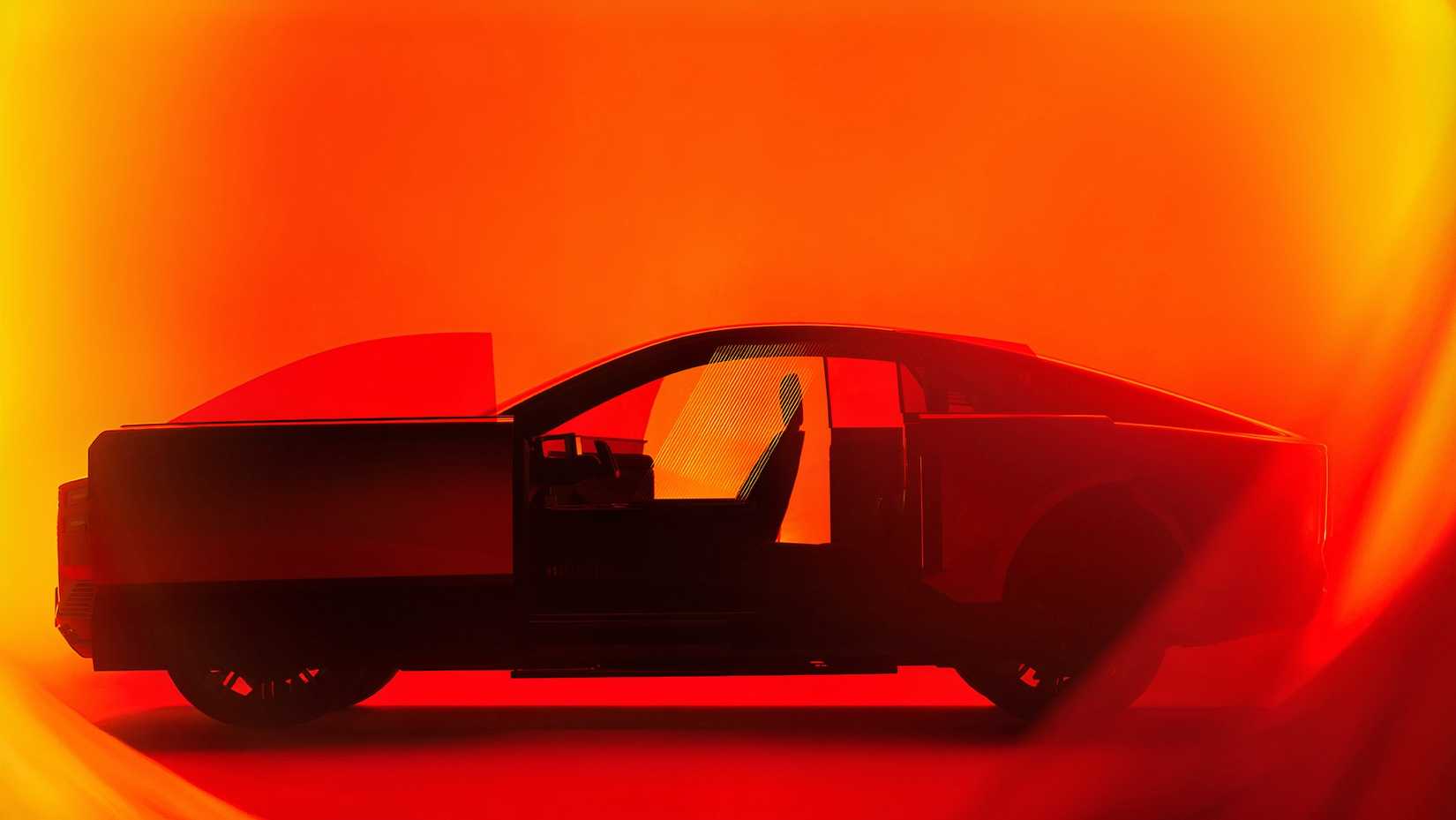
It also shows that ultra-luxury doesn’t have to chase trends; it doesn’t have to be louder; it doesn’t have to be flashy, though the unveiling of a more-radical coupe concept indicates the brand may be prepared to make a splash. The model lineup is far from set, though there is a good base in the existing sedan, and the risk is that calm conservatism may work against some regional high-noise cultures.
In an era where luxury has become desperate for attention by being louder, faster and flashier, the Century brand’s greatest strength may be its refusal to participate in the race.
Sources: Hagerty, the EPA, Car and Driver