
The last few years have produced more family-friendly SUVs than family-friendly sedans. Most brands are now making them. From mainstream manufacturers to premium marques, the SUV market is more competitive than ever, and we are truly spoiled for choice.
Some of the most popular family-friendly SUVs in the U.S. include models made by Honda, Kia, Ford, and Tesla. They are all good for their own reasons, but there is one clear high-seller from one of the segment’s most popular and revered brands, Toyota, that has set itself at the top of the pile.
Families Choose SUVs And Crossovers For A Reason
It isn’t hard to see why SUVs and crossovers have taken over the family market in the U.S. Simply put, they do more of everything without forcing a compromise that defined older models. Where sedans used to dominate driveways, today it’s tall, boxy, all-purpose machines that can handle school runs, highway miles, weekend trips, and pretty much everything in between.
Families have always needed easier access for child seats, better visibility in traffic, and flexible cargo space for strollers and sports gear. The crossover and SUV market offers this as the bare minimum today. While we are fans of minivans because they are relatively rare today, and sedans because they can be fun and useful, the SUV market just offers it all in abundance.
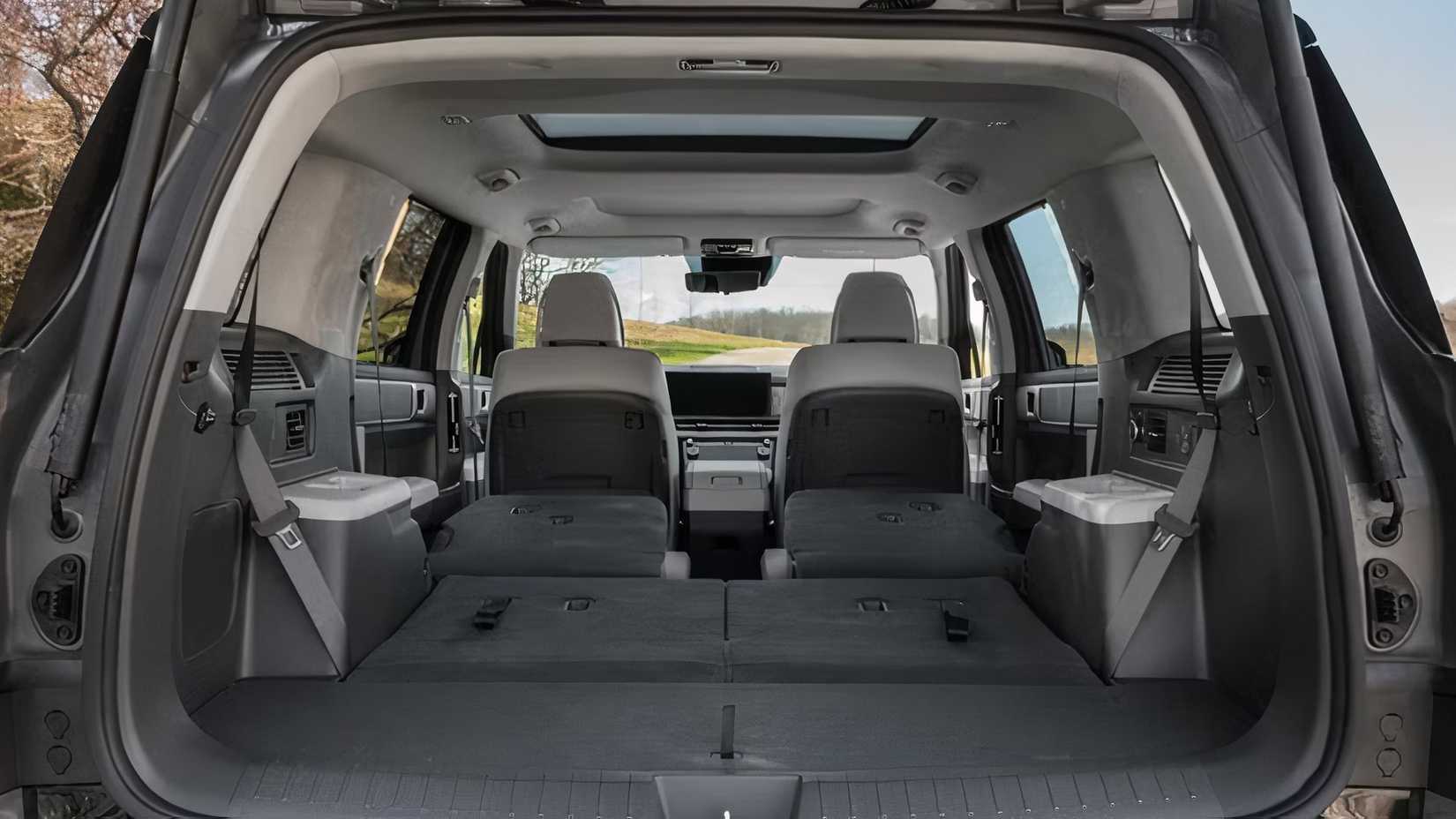
Three-row crossovers/SUVs like the Hyundai Palisade, Subaru Ascent, and Chevrolet Traverse all lean into usability first, offering wide-opening doors, flat-folding seats, and clever storage solutions that are all designed around daily life. More premium options, like the Acura MDX, the Infiniti QX60, and the Lexus RX prove that you can have usability and luxury in one handy-sized package.
Even smaller models like the ever-revered Toyota RAV4 and Honda CR-V play a part in the family market. They are affordable, reliable, versatile, cheap to run, and can carry enough around in them to make life easy; everything you need, really.
The Most Popular Family SUVs In The U.S.
At the volume end of the mainstream market, the Hyundai Palisade and Kia Telluride still set the tone for value-packed three-row SUVs that feel more expensive than they are. They can carry between 86.7 cubic feet and 89.3 cubic feet individually. You can opt for dual 12.3-inch curved panoramic displays, and three rows of seating means you can carry family and friends around easily.
Then there are models like the more driver-focused Mazda CX-90, the huge Toyota Sequoia, the all-around usable and affordable Honda Pilot, the tougher-looking, more squared-off Nissan Pathfinder, the budget-friendly Honda CR-V, the premium BMW X5, and the roomy Volkswagen Atlas that all combine true usability, approachable price points, specialized trims good for a touch of off-roading or luxury, and plenty of versatile storage solutions.
Whatever kind of SUV you need for your family, the market now covers it. With over 7.8 million SUVs sold in the U.S. in 2025, it is clear that they rule the roads, and while the market is very competitive, the most popular family SUVs are popular for a reason: they get the job done properly.
10 Family SUVs That Are Surprisingly Fun To Drive
Driving a family SUV doesn’t have to mean resigning yourself to a dull experience – these models offer excitement and power along with practicality.
The Toyota Grand Highlander Has Become The Family SUV Benchmark
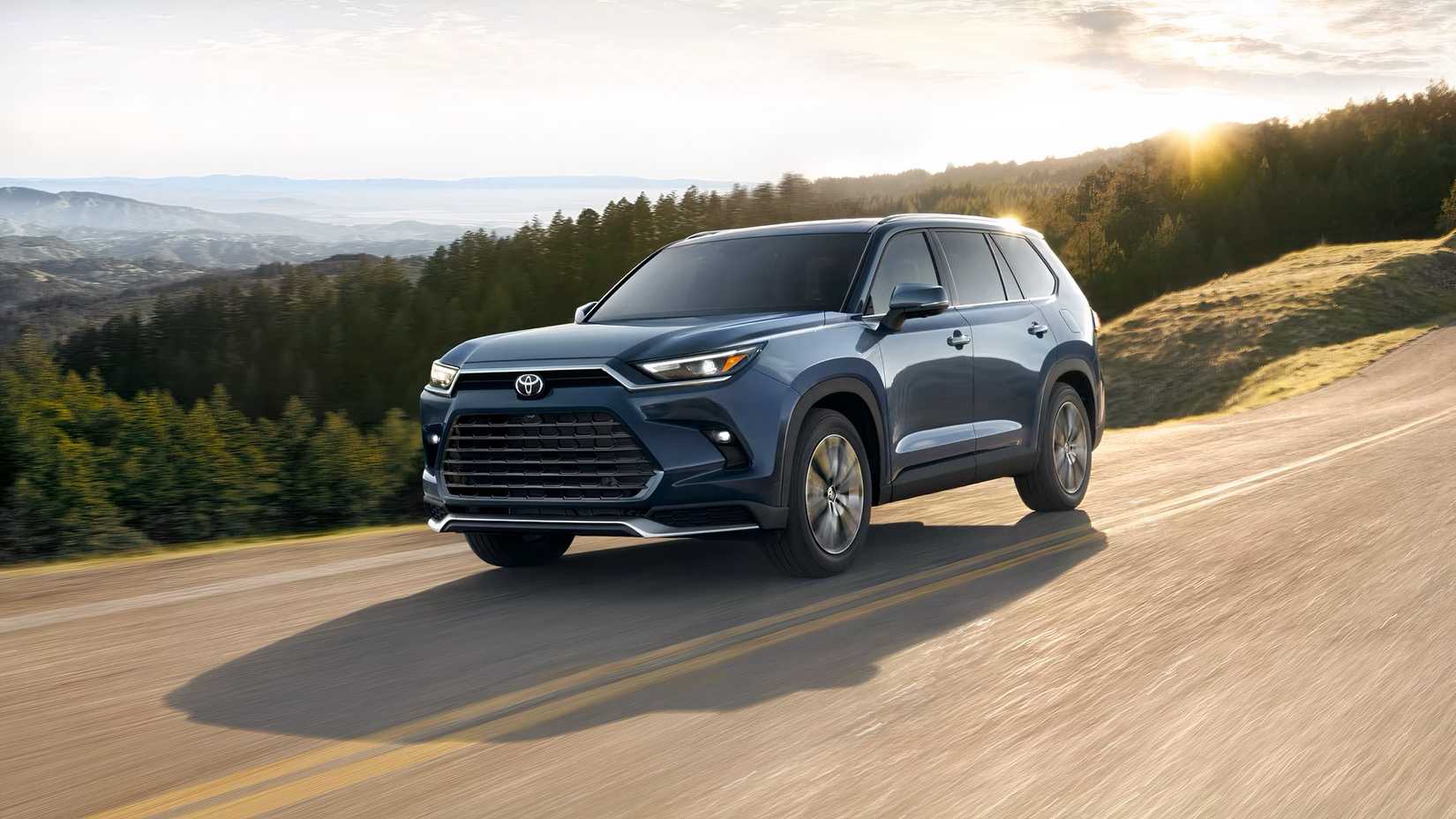
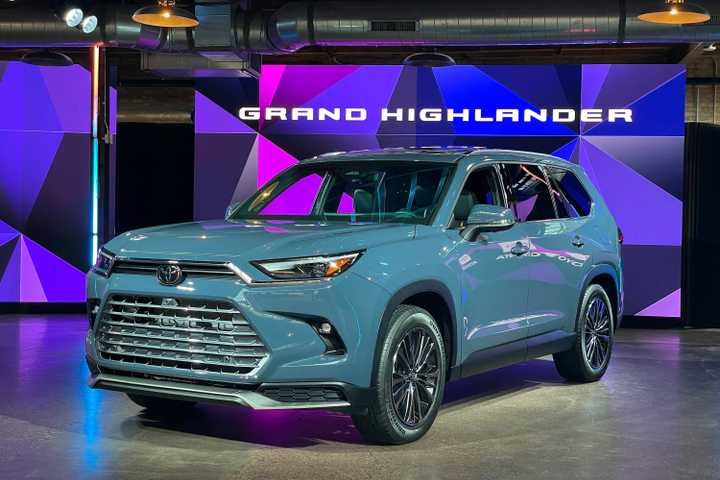
With a starting price of $41,660, the 2026 Toyota Grand Highlander strikes an exceptional balance for families who want a bit of everything. You can choose between gas engine and hybrid models; the 2026 Grand Highlander is available in four gas trims and six hybrid flavors.
- Base Trim Engine
-
2.4L I-4 ICE
- Base Trim Transmission
-
8-speed automatic
- Base Trim Drivetrain
-
Front-Wheel Drive
- Base Trim Horsepower
-
265 HP @6000 RPM
- Base Trim Torque
-
310 lb.-ft. @ 1700 RPM
- Base Trim Fuel Economy (city/highway/combined)
-
21/28/24 MPG
- Base Trim Battery Type
-
Lead acid battery
- Make
-
Toyota
- Model
-
Grand Highlander
The 2026 Grand Highlander and 2026 Grand Highlander Hybrid lineups and MSRPs are as follows.
|
2026 Toyota Grand Highlander |
LE |
XLE |
Limited |
Platinum |
Hybrid LE |
Hybrid XLE |
Hybrid Limited |
Hybrid Nightshade |
Hybrid MAX Limited |
Hybrid MAX Platinum |
|---|---|---|---|---|---|---|---|---|---|---|
|
MSRP |
$41,660 |
$44,630 |
$49,360 |
$55,045 |
$45,210 |
$46,380 |
$52,710 |
$53,690 |
$55,690 |
$59,775 |
Front-wheel drive is a standard fit for the LE, XLE, and Limited trims for both the hybrid and gas-engine models, but you can opt for all-wheel drive for all three for an extra $1,600. The Platinum trims are equipped with all-wheel drive as standard, and so are the Hybrid MAX trims.
Built To Handle Everyday Family Life
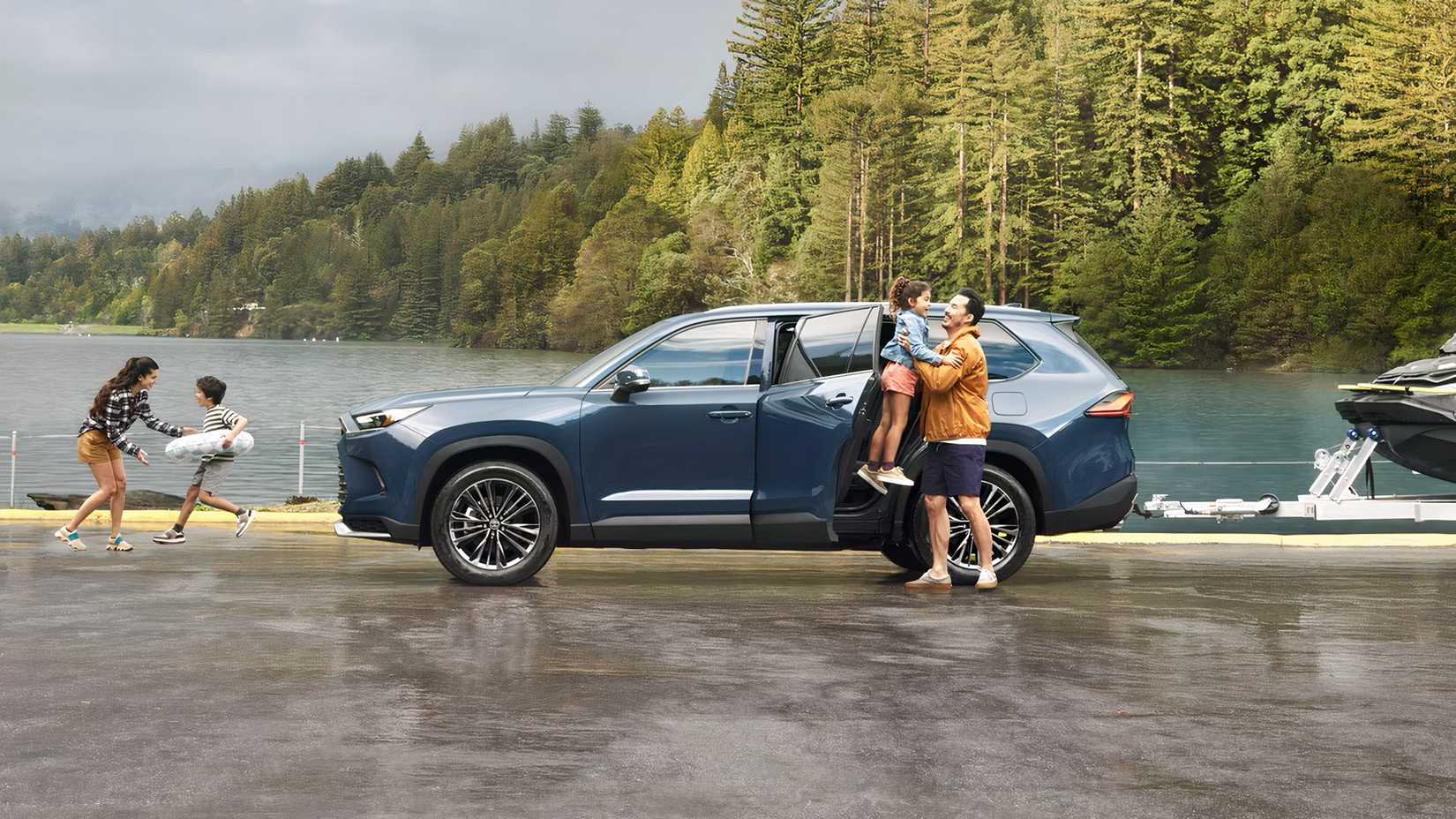
At the core of the Grand Highlander’s build is family usefulness and plenty of options to suit how you want to drive. There are three powertrain options, which are as follows.
|
Engine |
2.4-Liter Turbocharged Inline-Four |
2.5-Liter Inline-Four Hybrid |
2.4-Liter Turbocharged Inline-Four Hybrid |
|
Transmission |
Eight-Speed Automatic |
eCVT |
Six-Speed Automatic |
|
Horsepower |
265 hp @ 6,000 rpm |
245 hp @ 6,000 rpm |
362 hp @ 6,000 rpm |
|
Torque |
310 lb-ft @ 1,700 – 3,600 rpm |
175 lb-ft @ 4,400 rpm |
400 lb-ft @ 2,000 – 3,000 rpm |
The models badged with Hybrid after the model name get the 2.5-liter inline-four hybrid paired with an eCVT. The Grand Highlander Hybrid MAX models get the more powerful turbo-four hybrid, and the models badged without the Hybrid suffix get the turbo-four. Across the board, all models are reasonably fuel-efficient for how spacious it is.
FuelEconomy.gov says that the most fuel-efficient models you can buy are the front-wheel drive Hybrid models, which can achieve up to 36 combined mpg (37 mpg city/34 mpg highway), making it the most fuel-efficient family SUV on the market today.
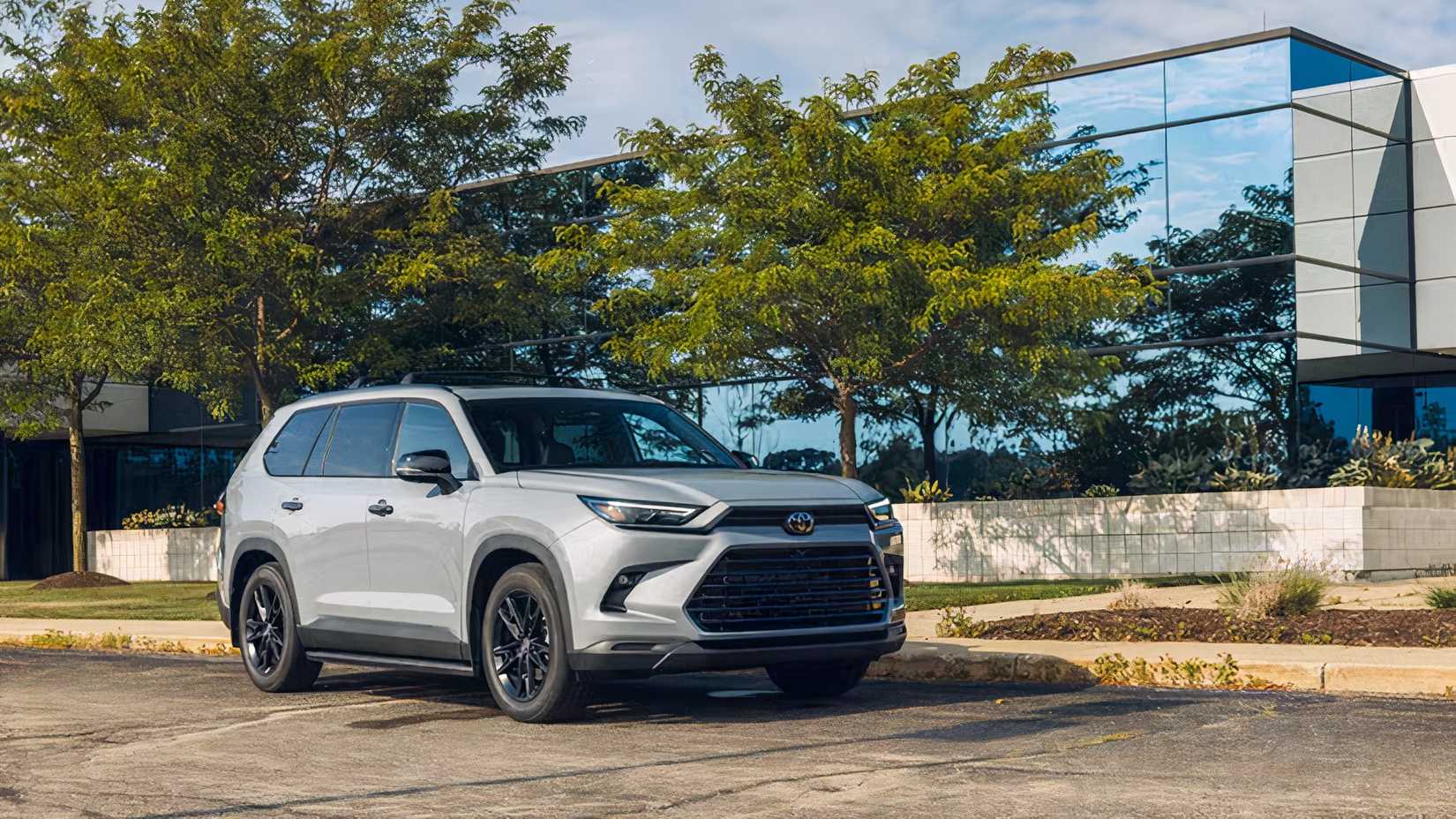
The AWD Hybrid models can achieve up to 34 combined mpg (36 mpg city/32 mpg highway). The base-level models equipped with the 2.4-liter turbo-four can achieve between 22 and 24 combined mpg, and the Hybrid MAX models can achieve between 24 and 27 combined mpg.
The Grand Highlander also comes equipped with three rows of seating, with eight seats as standard fare, and seven seats (second-row captain’s chairs) available as an option. You also get 60:40 split folding rear seats, and a very impressive maximum cargo capacity of 97.5 cubic feet. The cargo capacity breakdown of the new Grand Highlander is as follows.
|
Cargo Space Behind Third Row |
Cargo Space Behind Second Row |
|---|---|
|
20.6 Cubic Feet |
57.9 Cubic Feet |
Few Rivals Match Its Reputation For Reliability
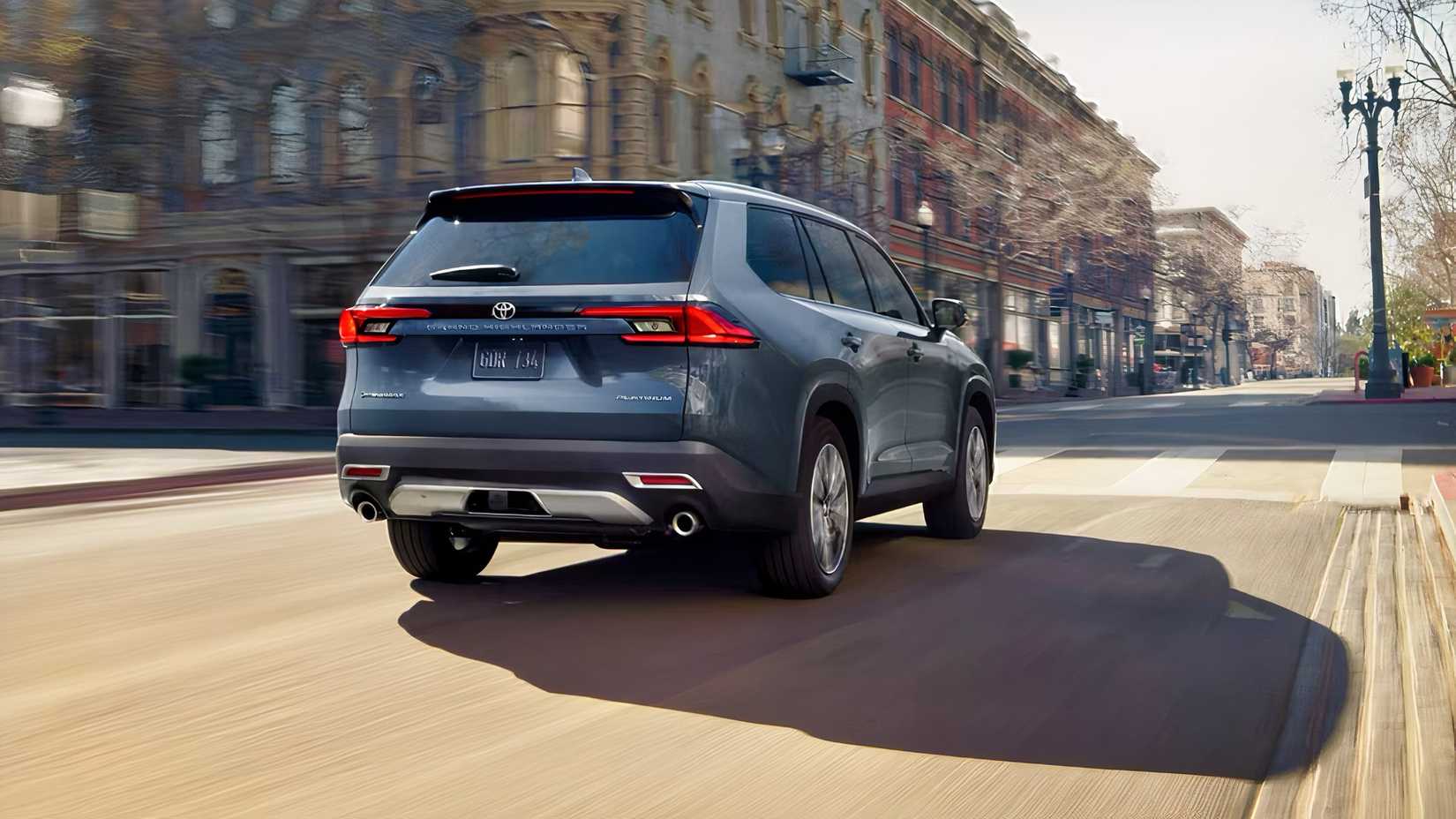
Then there is the Toyota-grade dependability that makes owning one more of a breeze than most other three-row family SUVs. On both J.D. Power and Kelley Blue Book, reliability ratings are high. According to the J.D. Power review, the Grand Highlander is rated 82 out of 100 for quality and reliability, while owner reviews on Kelley Blue rate it 4.7 out of 5 for reliability, with 90% of owners recommending it.
To put that into perspective, the new Honda Pilot is rated 81 out of 100 for reliability on J.D. Power; the 2026 Mazda CX-90 is rated 70 out of 100 for reliability; the 2026 Tahoe is rated 81 out of 100, and its own larger three-row Toyota sibling, the 2026 Sequoia, is rated 80 out of 100 for reliability.
The Family SUV With Sports Car DNA Hidden Under The Hood
This luxury family SUV has hidden sports car DNA and delivers athletic performance and everyday usability.
Families Keep Choosing The Grand Highlander; The Sales Prove It
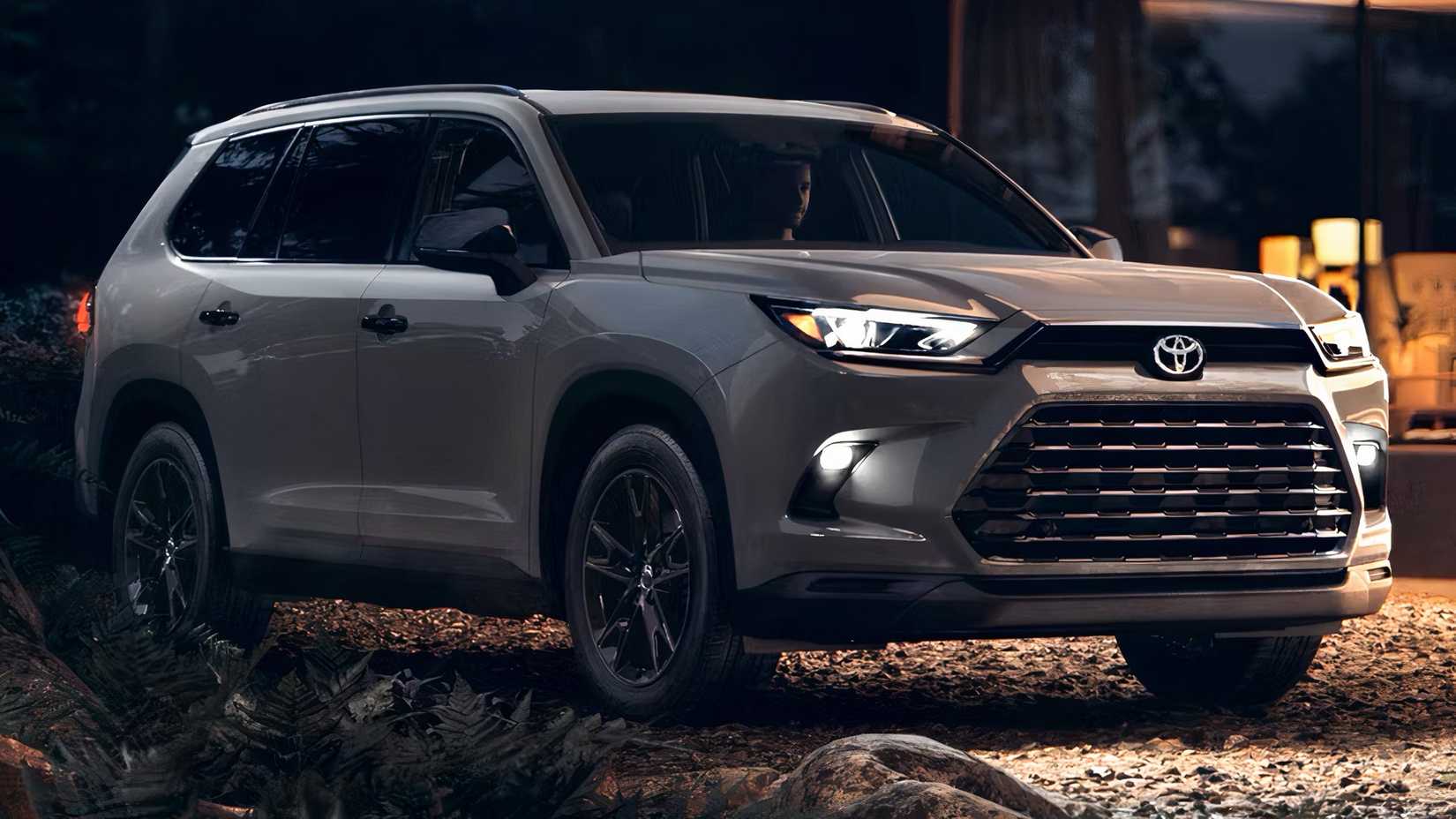
According to Toyota, in 2025, they sold 53,842 Grand Highlander models and 26,050 Grand Highlander Hybrid models in the U.S. This year, Toyota says they have sold 63,395 Grand Highlander models YTD (year to date) and 37,635 Grand Highlander Hybrid models YTD. This makes for a 17.7% and 44.5% sales volume increase for both respective models, or total sales of 101,030 YTD. This also makes it one of the fastest-growing Toyota SUVs this year in terms of sales.
In comparison, Hyundai says they have sold 52,007 Palisade models YTD; Honda says they have sold 31,493 Pilot models YTD; Ford says they have sold 32,842 Expedition models YTD, and Mazda says they have sold 12,365 CX-90 models YTD. In short, the Grand Highlander is outselling its competition quite conclusively.
Space, Comfort, And Practicality Come Standard
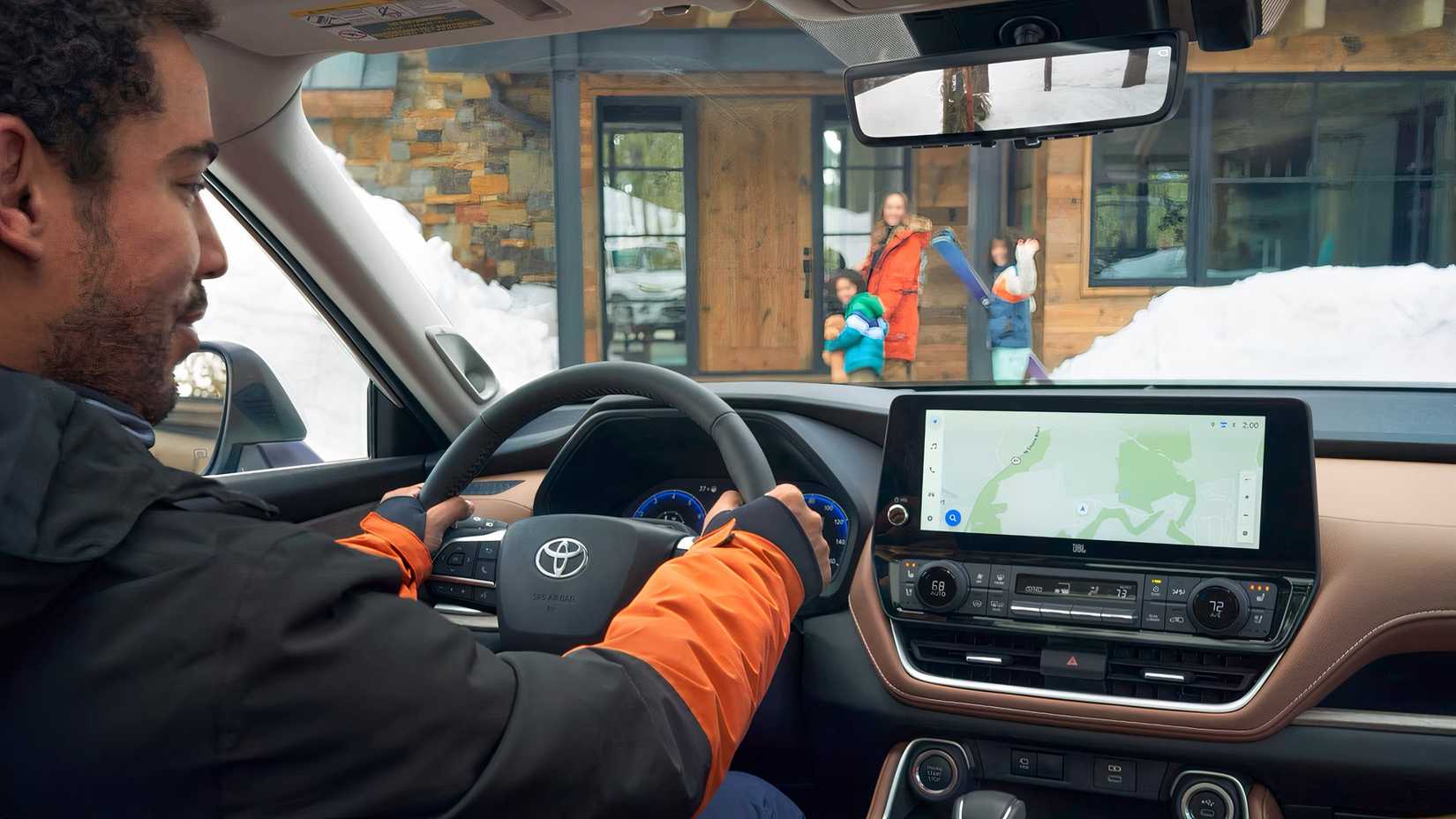
We can see why sales are so good and why the Grand Highlander is such a popular family SUV. Alongside the oodles of cargo capacity, fuel-efficient powertrain options, and bulletproof Toyota dependability, you also get a build that is truly made for everyday use across three rows.
The three rows of seating not only mean you can carry up to seven people with you, but also provide a lot of room up against some of the other three-row options on the market. You get a total passenger volume of 149 cubic feet in models with the optional panoramic sunroof and an exceptional 153.3 cubic feet in models without it. The Grand Highlander has the following maximum seating measurements.
|
Headroom |
Shoulder Room |
Hip Room |
Legroom |
|
|---|---|---|---|---|
|
First Row |
41.5 Inches |
60.2 Inches |
56.5 Inches |
41.7 Inches |
|
Second Row |
40.2 Inches |
58.5 Inches |
57 Inches |
39.5 Inches |
|
Third Row |
37.2 Inches |
57.5 Inches |
45.7 Inches |
33.5 Inches |
Toyota has also packed the Grand Highlander with a lot of features that make it a top choice for your next family SUV; you get things you will actually use.
The dashboard incorporates a large shelf stretching across the passenger side, which is big enough for phones, sunglasses, and tablets. Plus, you get a massive center console, large door pockets, numerous cupholders, and storage trays across all three rows.
Wireless Apple CarPlay and Android Auto come standard. Multiple USB-C charging ports are fitted across all three rows. A wireless charging pad up front is available, and you get practical features in the shape of a power liftgate, fold-flat seats, remote-connect functionality, wide-opening doors, and easy-access seating all around, which includes a lot of space to walk through to the third row with the captain’s chairs fitted.
Then you get three-zone climate control, which means all three rows can adjust the temperature, while a generous amount of acoustic glass and sound insulation makes it quiet at highway speeds.
Ownership Costs Stay Surprisingly Reasonable For Its Size
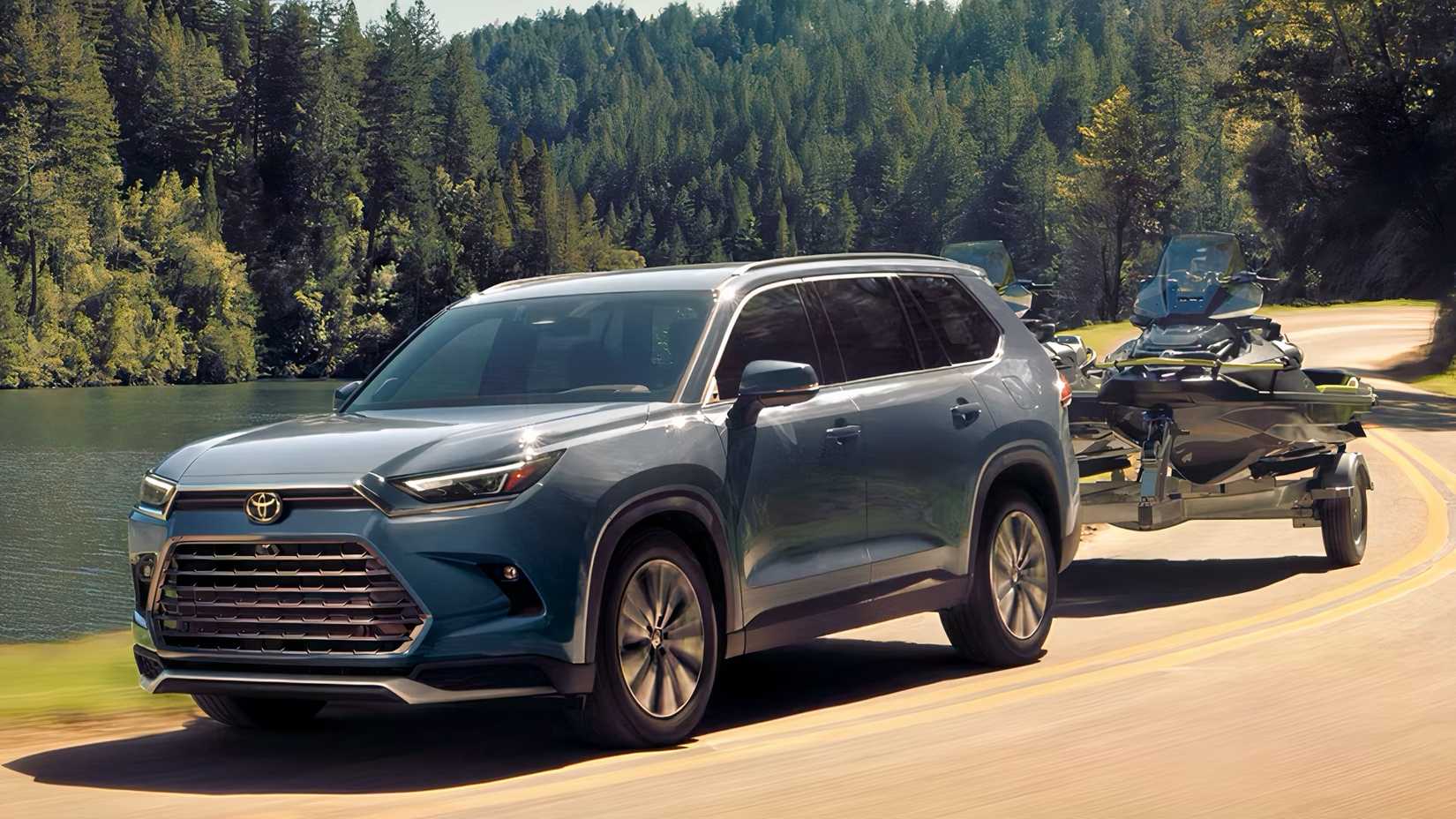
The 2026 Grand Highlander is classed as a mid-sized three-row SUV, but it is a big one. It measures in at 201.4 inches in length by 78.3 inches in width by 70.1 inches in height, and rides on a 116.1-inch wheelbase. Despite its size, you don’t need to pay full-size SUV prices to keep it running.
FuelEconomy.gov says that it will cost you between $1,900 and $3,050 for gas a year, depending on what model you get, while CarEdge says it will cost you, on average, $47,873 to own over five years. They have given the following five-year cost breakdown.
|
Average Five-Year Cost |
|
|---|---|
|
Depreciation |
$15,539 |
|
Insurance |
$12,425 |
|
Fuel |
$9,625 |
|
Interest |
$8,198 |
|
Maintenance |
$2,086 |
If you are thinking about buying a family SUV for the long-term and still want to retain some of its value, you could also do plenty worse than buying a Grand Highlander. iSeeCars rates the Grand Highlander as the number-one three-row SUV with the best resale value, saying that it has an average five-year depreciation rate of 30.4%, while the typical mid-sized SUV has an average depreciation rate of 46.4%.
The One Family Car That Handles Commuting, Road Trips, And Towing
It may have dealt with a fair bit of criticism in years gone by, but this family vehicle can still sort out its core priorities with confidence.
The 2026 Toyota Grand Highlander Sets The Standard For Family SUVs

We think the 2026 sales of the Grand Highlander are on the up for a good reason, and why it is one of the best family SUV choices. You get Toyota Safety Sense 3.0 as a standard fit across all trims, which means Pre-Collision Detection with Pedestrian and Cyclist Detection, Road-Sign Assist, Lane Tracing Assist, and Full-Speed Range Dynamic Radar Cruise Control are included, while a full 360-degree surround-view camera and parking assist are available.
Then you’ve got the well-kitted-out cabin. Entry-level models get an 8-inch touchscreen as standard, alongside the most basic layout; while it is not flashy, it works well. The XLE gets a more polished finish, with additional soft-touch surfaces and better cabin lighting, while the Limited trim is where things start to get more upscale. You get a 12.3-inch central touchscreen and split-screen functionality, along with higher-grade upholstery and more sound insulation.
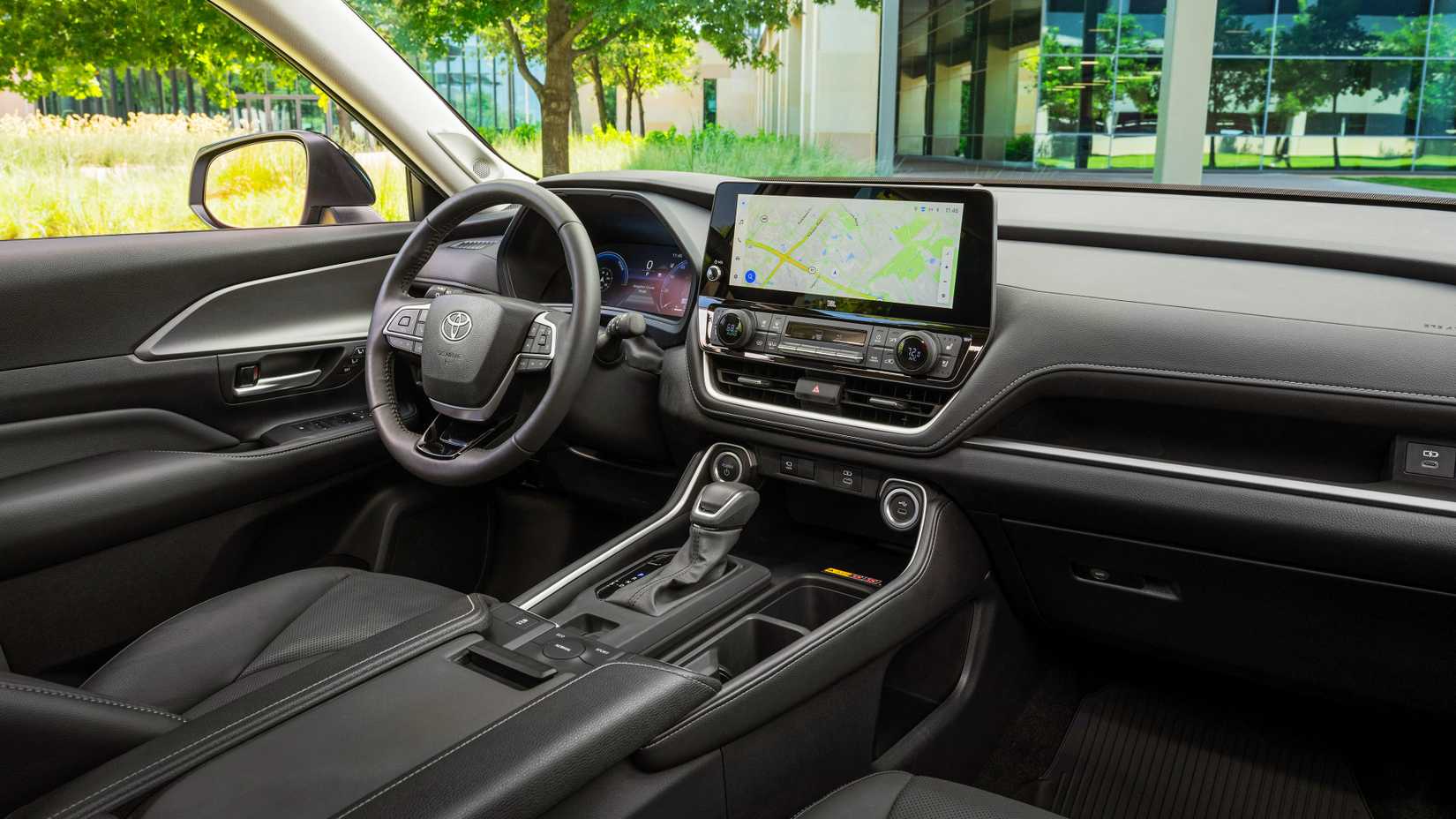
At the top of the tiers is the Grand Highlander Platinum, which gets you the 12.3-inch touchscreen paired with a 12.3-inch digital instrument cluster, an available HUD, and even more sound-deadening, ambient lighting, and more precise-feeling switchgear.
Weekends away are not beyond what the Grand Highlander can do, either. The turbo-four model and the Hybrid MAX models can tow up to 5,000 pounds, while the Hybrid models can tow up to 3,500 pounds.
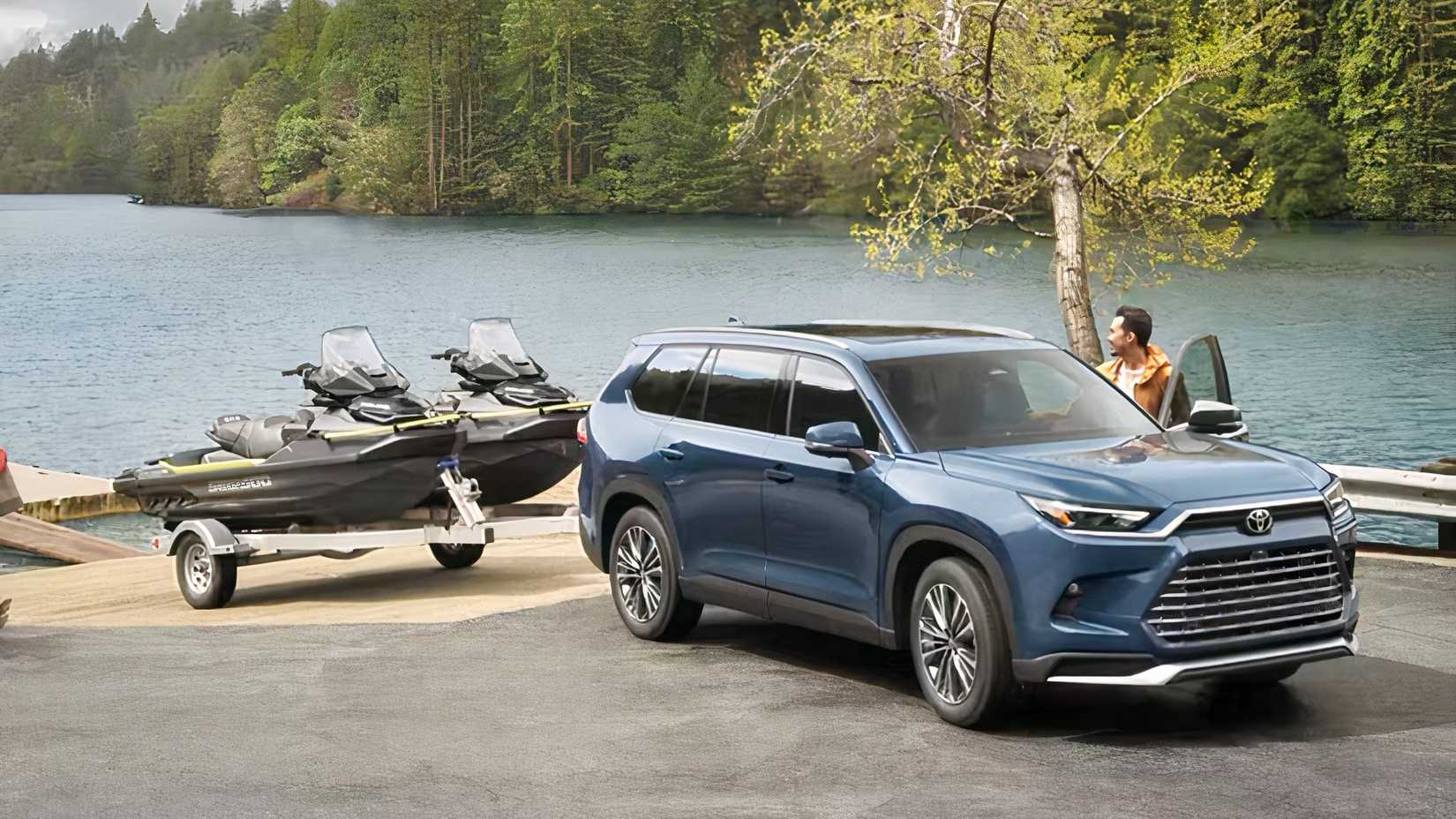
If you are looking at it from a family-buyer perspective, the new Grand Highlander can do an awful amount. For what you get from build, the optional extras, the versatility, usefulness, and available efficiency, the ’26 Grand Highlander is the full package, even up against a very competitive family SUV market.
There are some very good options out there, like the upcoming 2027 Telluride, the 2026 Palisade, the 2026 Pilot, and fancier options, like the 2026 BMW X7, and while they are good, the new Grand Highlander offers a much finer balance. You get low starting prices, low estimated running costs, high rates of reliability, acres of space, a nice cabin, and tons of practical features that make it the ideal family hauler. It sets the bar very high; the huge increase in sales proves it tenfold.
Sources: Toyota, CarEdge, FuelEconomy.gov, iSeeCars, and Kelley Blue Book.