

A three-year-old Porsche selling for half its original sticker sounds like the kind of internet bait that usually comes with a salvage title, six owners, or a story involving flood water. Except this one does not. It is a clean, low-mileage car that wore a six-figure price when new, and it is now changing hands for a little over $50,000.
That is not normal Porsche behavior. At least, not the kind buyers have been trained to expect. The badge is supposed to protect value. Strong residuals, deep enthusiast demand, and a used market that does not like letting good examples go cheap are practically the whole point of buying one. Walk across the same used-car showroom, though, and the story splits in two. Lightly used 911s, especially the right manual or naturally aspirated cars, can still trade at or above their original sticker. Park one of those next to the car in question, and you would never guess they wore the same badge.
So here is the strange Porsche split in 2026. One model has become the used-performance bargain nobody saw coming. The other is behaving more like a collector’s hedge than a depreciating luxury car. Based on depreciation reporting from Autoblog, CarBuzz, and Jalopnik, these two are now moving in opposite financial directions. One looks like a buy. One looks like a hold. And one of them might be the smartest Porsche deal of the decade, as long as you know exactly what you are getting into.
The Porsche 911 Is Behaving Like A Collector Hedge
The Porsche 911 is doing what the Porsche 911 usually does. It is ignoring normal rules. According to Autoblog, traditional 911 models continue to outperform the broader used market, with lightly used examples sometimes trading above their original MSRP. The strongest demand tends to gather around the car enthusiasts already care about most: manual transmissions, naturally aspirated engines, limited-run models, and driver-focused trims. That is not surprising. The 911 has never been just transportation. It is a shape, a sound, a mechanical layout, and a long-running cultural object. Buyers are not only paying for speed. They are paying for continuity.
This is where the 911 separates itself from almost everything that shares a showroom with it. The 911 is judged against the past, not the future. It does not have to prove that its technology will age well. It gets more interesting precisely because its core formula is old.
A manual 911 carries a kind of insulation that most modern performance cars do not have. It is protected by scarcity, nostalgia, and the belief that cars like it will not exist forever. That belief is powerful in the used market. It turns depreciation into resistance.
The 2026 Lineup Doubles Down On Combustion Identity
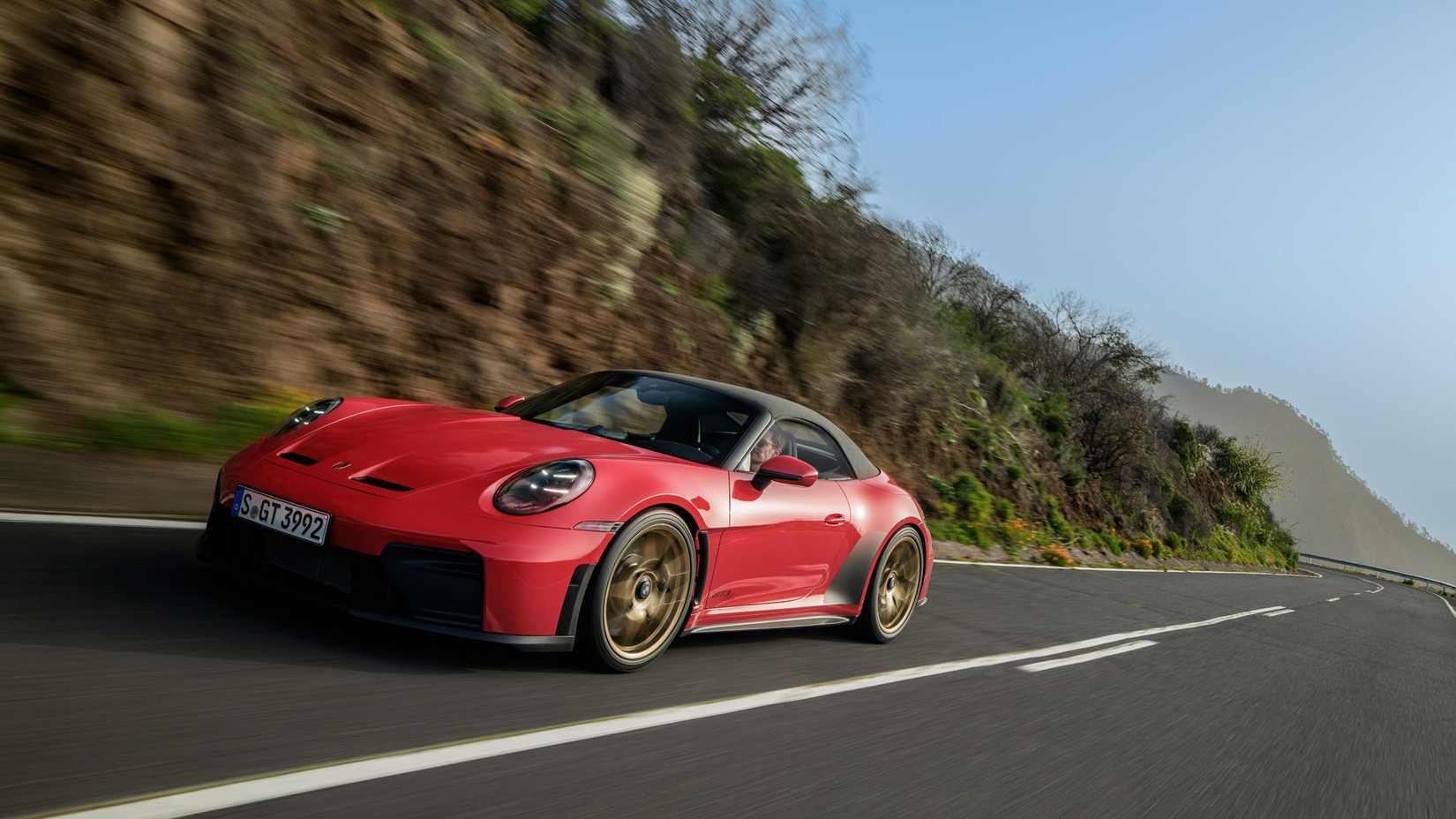
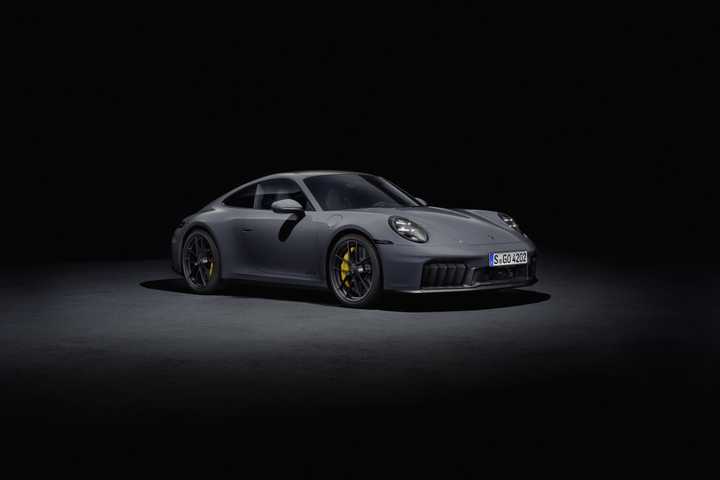
Porsche has started electrifying the 911, but it has done so carefully. The current GTS uses Porsche’s T-Hybrid system, pairing a turbocharged flat-six with electric assistance. On paper, that sounds like the 911 wading into deeper electric water. In practice, Porsche has kept the emotional center of the car intact.
- Base Trim Engine
-
3L H6 ICE
- Base Trim Transmission
-
PDK 8-speed auto-shift manual
- Base Trim Drivetrain
-
Rear-Wheel Drive
- Base Trim Horsepower
-
388 HP @6500 RPM
- Base Trim Torque
-
332 lb.-ft. @ 1950 RPM
- Base Trim Battery Type
-
Lead acid battery
- Make
-
Porsche
- Model
-
911 Carrera
- Segment
-
Sports Car
The 911 is still built around combustion character. Non-hybrid variants remain part of the lineup, manual-transmission models still exist, and the broader family still leans heavily into the things enthusiasts actually want from a Porsche sports car. Even the hybrid GTS is not trying to become an EV. It uses electricity as a performance enhancer, not as the entire identity of the car.
That matters for residual values. Porsche is not asking traditional 911 buyers to abandon the reasons they love the 911. It is adding technology around the edges while protecting the core. Elsewhere in the same lineup, though, sits a Porsche with no combustion-era anchor to fall back on at all. Its identity is tied directly to EV progress. And when EV progress moves quickly, older EVs get judged harshly. That car is where this story turns.

The Luxury Hybrid SUV That’s Now Cheaper Than A New Tacoma
For the cost of a new Tacoma, a used Porsche Cayenne S E-Hybrid delivers luxury, performance, and plug-in efficiency.
The Taycan Has Become The Used-Porsche Bargain Of The Decade
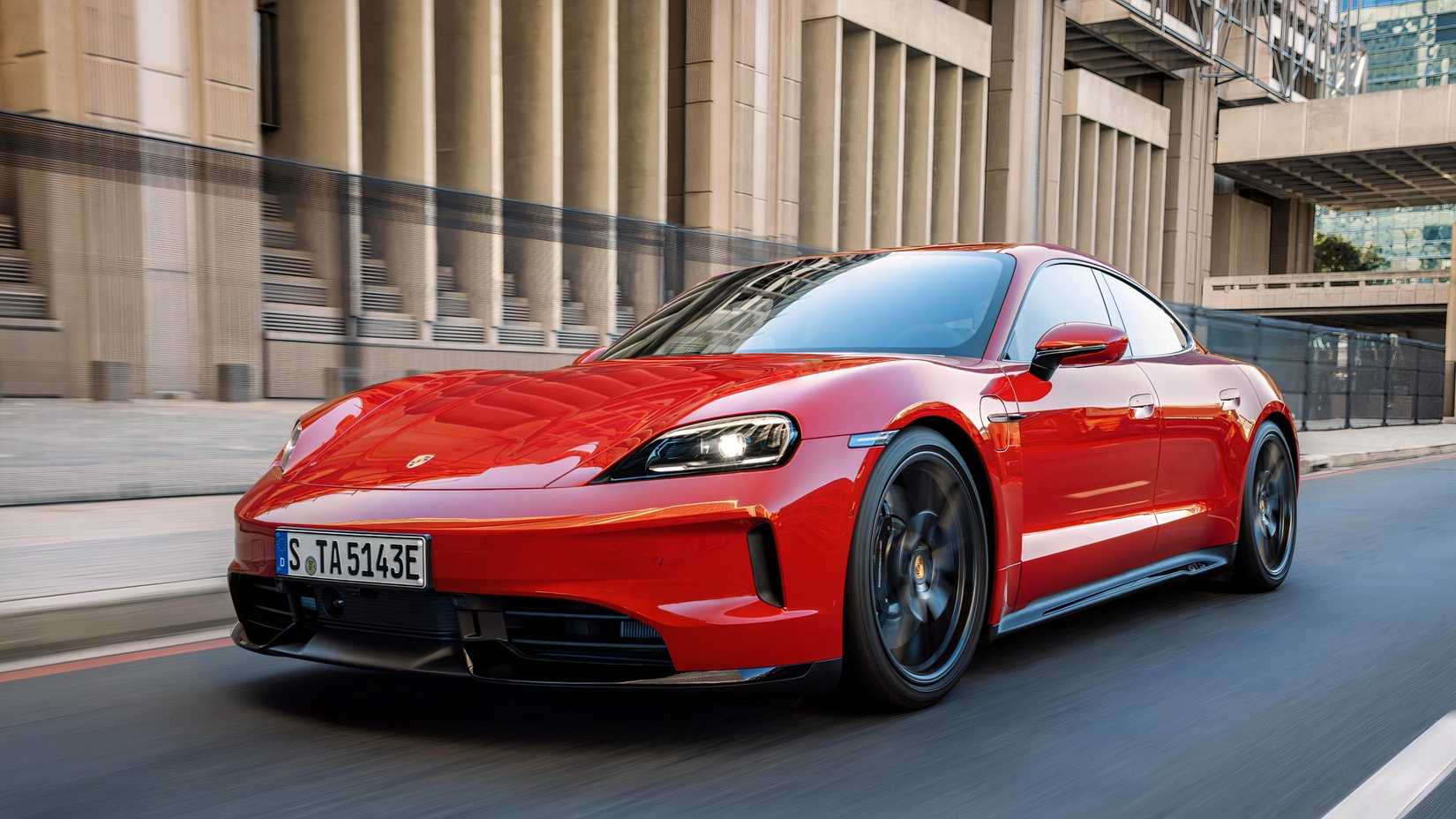
The base Porsche Taycan was never meant to be the cheap way into Porsche ownership. It arrived as the brand’s electric flagship, a low-slung, tech-heavy, fast-charging answer to the idea that EVs had to feel numb. It was quick, expensive, beautifully engineered, and very much sold as a proper Porsche, with the base 2023 model carrying a $103,900 MSRP.
Now, just a few years later, the used market is treating early Taycans like yesterday’s smartphone. CarBuzz highlighted clean 2023 Taycan examples with under 30,000 miles listed for a little over $50,000. That is the part that should make used-Porsche shoppers stop scrolling. A car that started at $103,900 is now sitting at roughly half that figure before it has even had time to feel old.
Autoblog’s depreciation coverage makes the picture look even harsher. The outlet points to the Taycan’s retained values sliding toward the 40 percent mark after five years, which is shocking for something wearing a Porsche badge. Porsche, as a brand, usually benefits from strong residual values, enthusiast demand, and a used market that does not like letting good examples go cheaply. The Taycan has not received that protection.
That Is Exactly Why The Car Is So Interesting Now
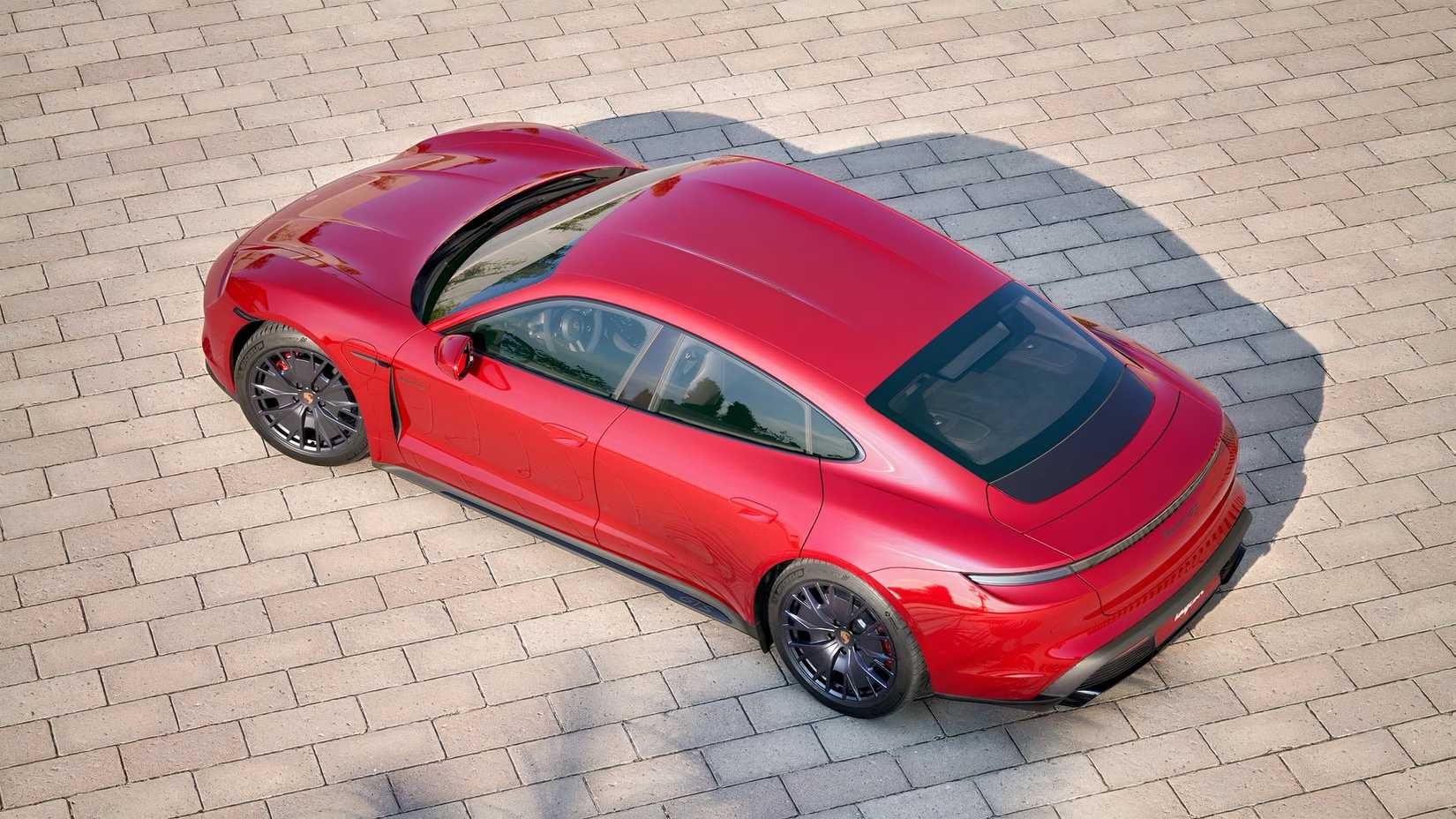
A used base Taycan at around $50,000 is no longer competing with new six-figure performance EVs. It is competing with mid-spec luxury sedans, used BMW M cars, nicely optioned crossovers, and the kind of everyday performance cars that do not feel remotely as special. For the money, the Taycan suddenly looks absurd. It is still a Porsche. It still has that low driving position, sharp steering, expensive cabin, and the instant shove that made people take it seriously when new. The difference is that someone else has already paid the premium for being first.
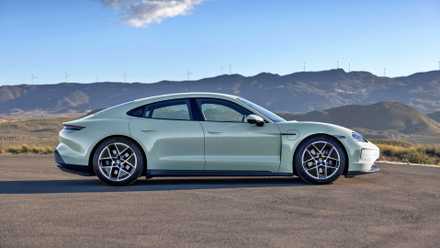
The Electric Car That Offers The Best Resale Value After 3 Years
If you’ve been worried about EVs depreciating quickly in a span of a few years, this German electric car will change your mind.
Turbo And Turbo S Owners Took The Real Beating
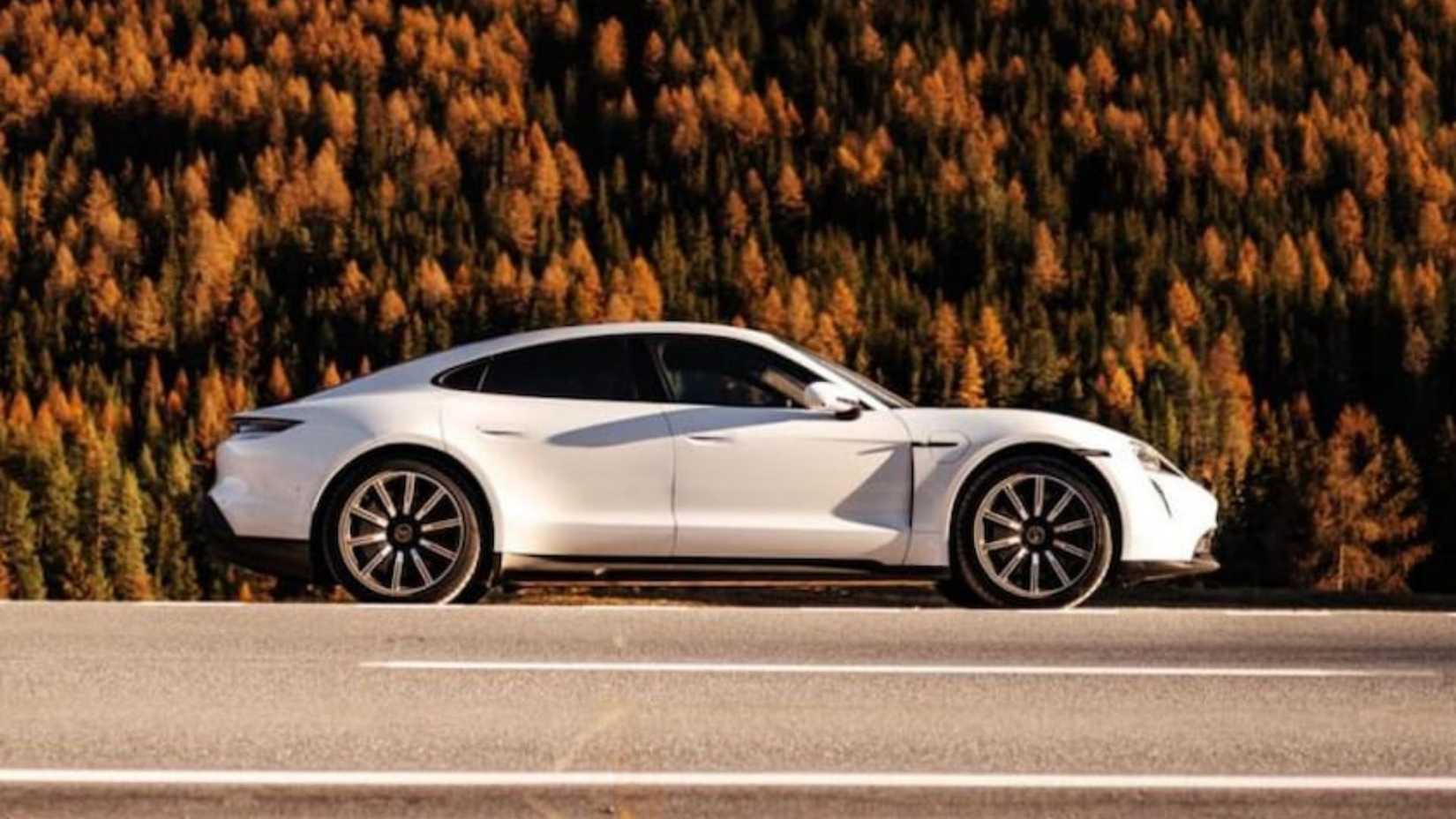
As painful as base Taycan depreciation looks, the upper trims are where the numbers become brutal. Jalopnik has documented massive losses on high-spec Taycans, including examples where owners took depreciation hits approaching and even crossing six figures in just a few years. On Turbo and Turbo S models, the real-world losses can climb into the $90,000 to $110,000 range over four years, depending on original specification and sale price.
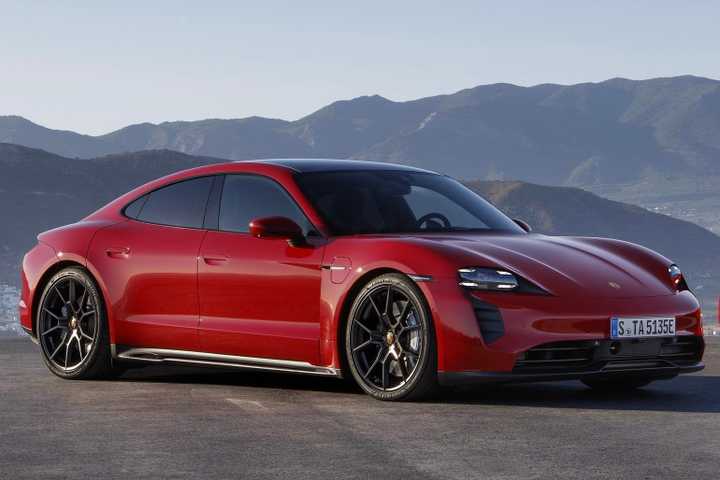
- Base Trim Engine
-
Electric
- Base Trim Transmission
-
2-Speed Automatic
- Base Trim Drivetrain
-
Rear-Wheel Drive
- Base Trim Horsepower
-
321 hp
- Fuel Economy
-
79/88 MPG
- Make
-
Porsche
- Model
-
Taycan
- Segment
-
Midsize Luxury Sedan
That is not depreciation. That is a financial cliff. The issue is simple. Expensive EVs lose value hard, and expensive EVs with expensive options lose value even harder. A Taycan Turbo S could easily sticker well above $180,000 when new, and Porsche’s famously tempting options list only made that worse. Paint, wheels, interior trim, driver assistance tech, audio upgrades, and performance packages all added money upfront. The used market rarely gives much of it back.
This is what makes the current gap so strange. A new 2026 Taycan still sits deep in premium territory, withthe base rear-drive car at a $111,900 MSRP. Yet a lightly used 2023 car can sit near $50,000. That gap is enormous for a vehicle that still looks modern, still drives like a Porsche, and still carries the same basic appeal that made it desirable in the first place. For the second owner, the beating becomes an opportunity. For the first owner, it is just a reminder that being early to expensive EV ownership can hurt.
Why The Bottom Fell Out
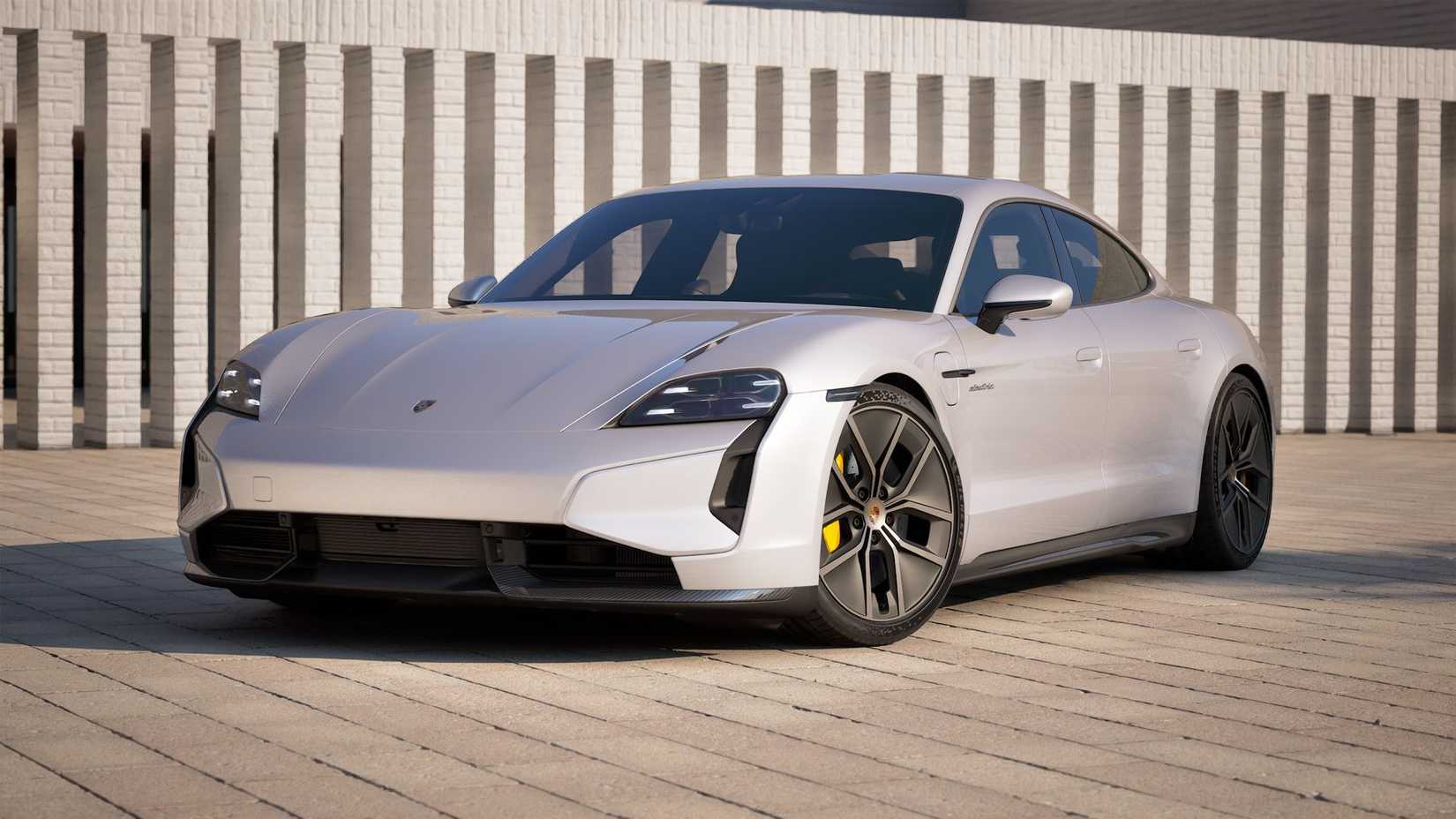
The Taycan did not suddenly become a bad car. That is the important part. This is not depreciation caused by poor dynamics, weak branding, or a lack of ability. It is market fear dressed up as used-car pricing. Autoblog points to rapid EV development and uncertainty around long-term battery health as major reasons for the Taycan’s value slide. That makes sense. EVs are still moving through their early technology curve. Range improves, charging speeds improve, software improves, battery chemistry improves, and buyers know it. A three-year-old EV can feel much older than a three-year-old combustion car, even when it is mechanically healthy.
The market is not pricing the Taycan purely as it sits today. It is pricing what buyers fear it might become tomorrow. That fear may or may not be fair. Porsche engineered the Taycan properly, and the car remains one of the best-driving EVs of its generation. But used buyers are not only thinking about how it drives. They are thinking about battery replacement costs, out-of-warranty repairs, charging network changes, range degradation, and the speed at which newer EVs are moving the game forward.
A 911 buyer does not really have that problem. A flat-six, a manual gearbox, and a classic Porsche shape do not become obsolete because next year’s car charges faster. The Taycan lives in a different world. In that world, technological age matters almost as much as mileage.
New-Buyer Incentives Punish Used Sellers
The second problem is new-car discounting. Autoblog flags new-buyer incentives as a key driver of the Taycan’s slide, because those deals help people walk into showrooms while doing nothing for the used market. When automakers and dealers use incentives to move new EVs, it immediately puts pressure on used examples.
A used Taycan not only competes with other used Taycans, but also with a discounted new Taycan, a subsidized lease, or another luxury EV with aggressive finance support. Those incentives usually help new buyers, but they punish existing owners trying to sell.
That is where depreciation compounds. A buyer looking at a used Taycan sees the asking price, then sees what a dealer might do on a new one. Suddenly, the used car has to become much cheaper to make sense. The more support Porsche and dealers put behind new Taycans, the more the used market has to adjust.
This Is Not Unique To Porsche
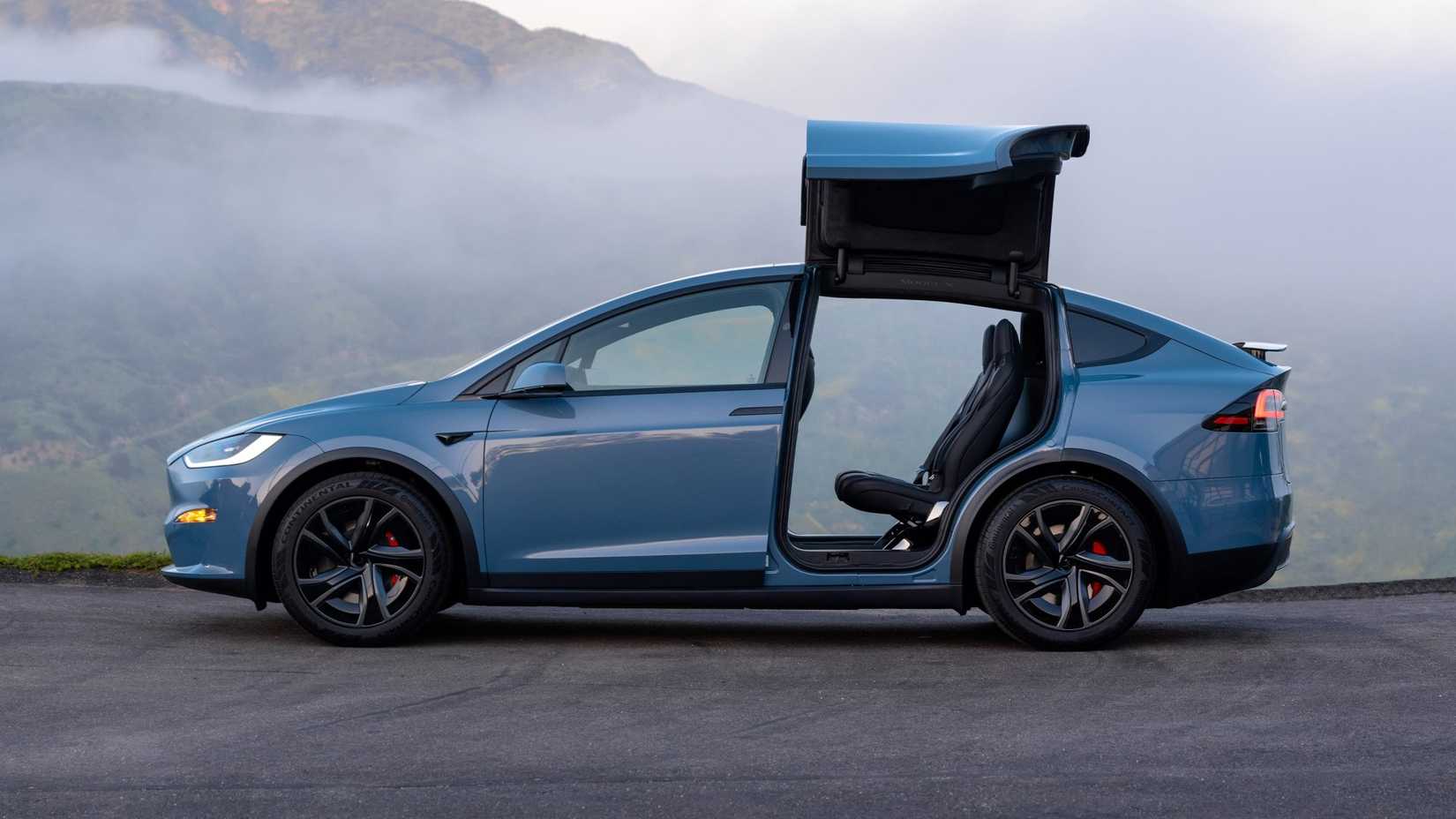
The same pattern has hurt several premium EVs. But it feels louder here because Porsche normally lives in a protected corner of the market. A used 911 does not usually get dragged down because a dealer is trying to lease a new one aggressively. A used Taycan does. That is the difference between a car bought as an enthusiast object and a car bought as fast-moving technology.
5 Porsche Models That Hold Their Value Exceptionally Well
These five Porsche models defy typical depreciation patterns through their combination of performance, desirability, and enduring enthusiast appeal.
So, Which Porsche Do You Actually Buy?
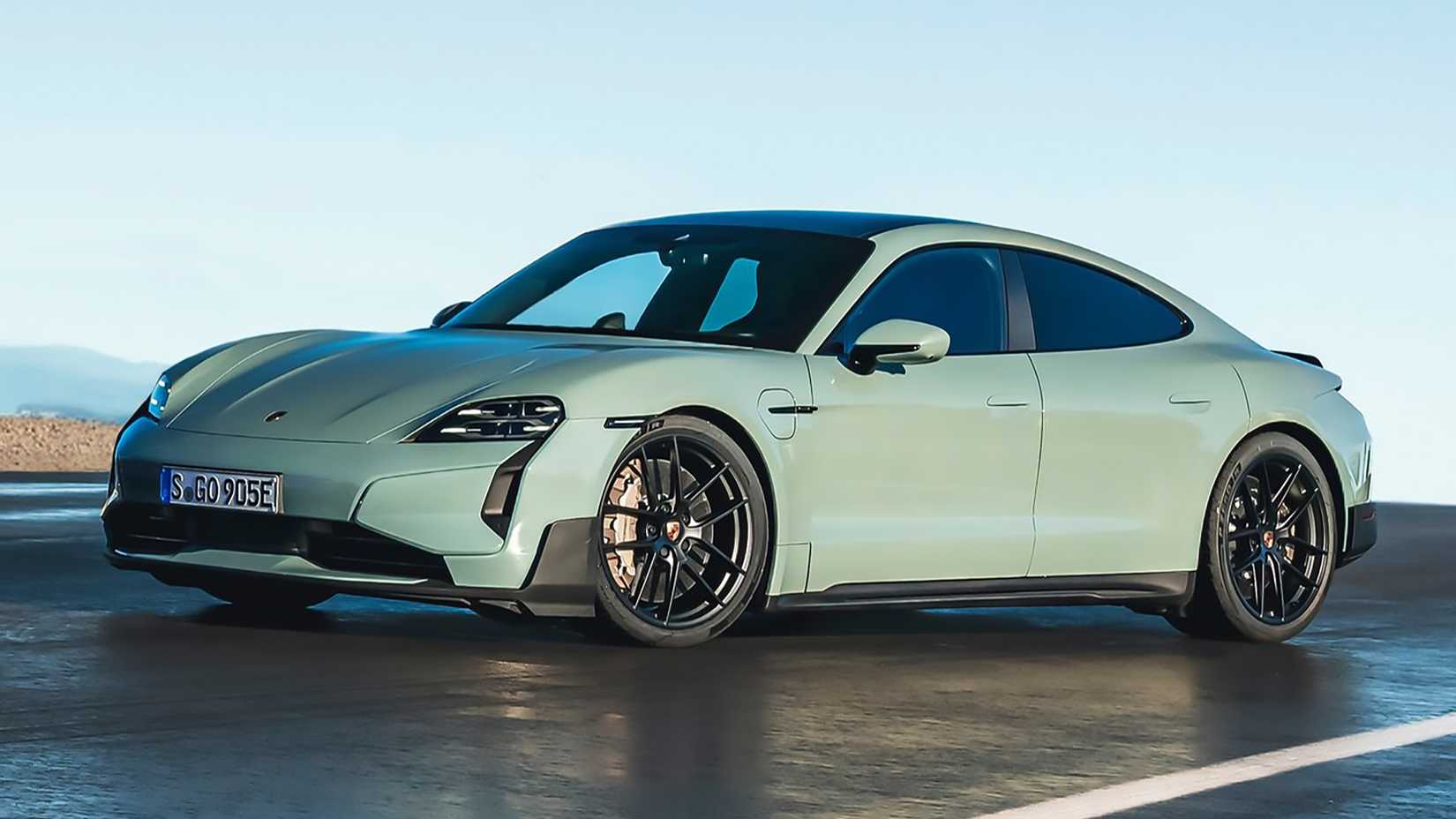
The case for the used Taycan is brutally simple. The first owner already took the hit. At around $50,000, a clean 2023 Taycan is one of the most compelling used luxury performance buys on sale. It is fast, refined, expensive-feeling, and still visually fresh. It gives you real Porsche engineering for the price of a far less special new car. If you are buying to drive, not to preserve value, it makes a lot of sense. The important phrase is “eyes open.”
This is not a depreciation-proof bargain. It may continue to lose money. Battery anxiety will not disappear overnight, and newer EVs will keep improving. The Taycan might get cheaper still. But there is a difference between taking the first depreciation hit and taking the second one. The second hit is usually easier to survive. Buy the Taycan if you want a Porsche you can use every day, enjoy hard, and not treat like a retirement asset. Buy it because it is brilliant at $50,000, not because you think it has suddenly become collectible.
The Case For Paying Up For The 911
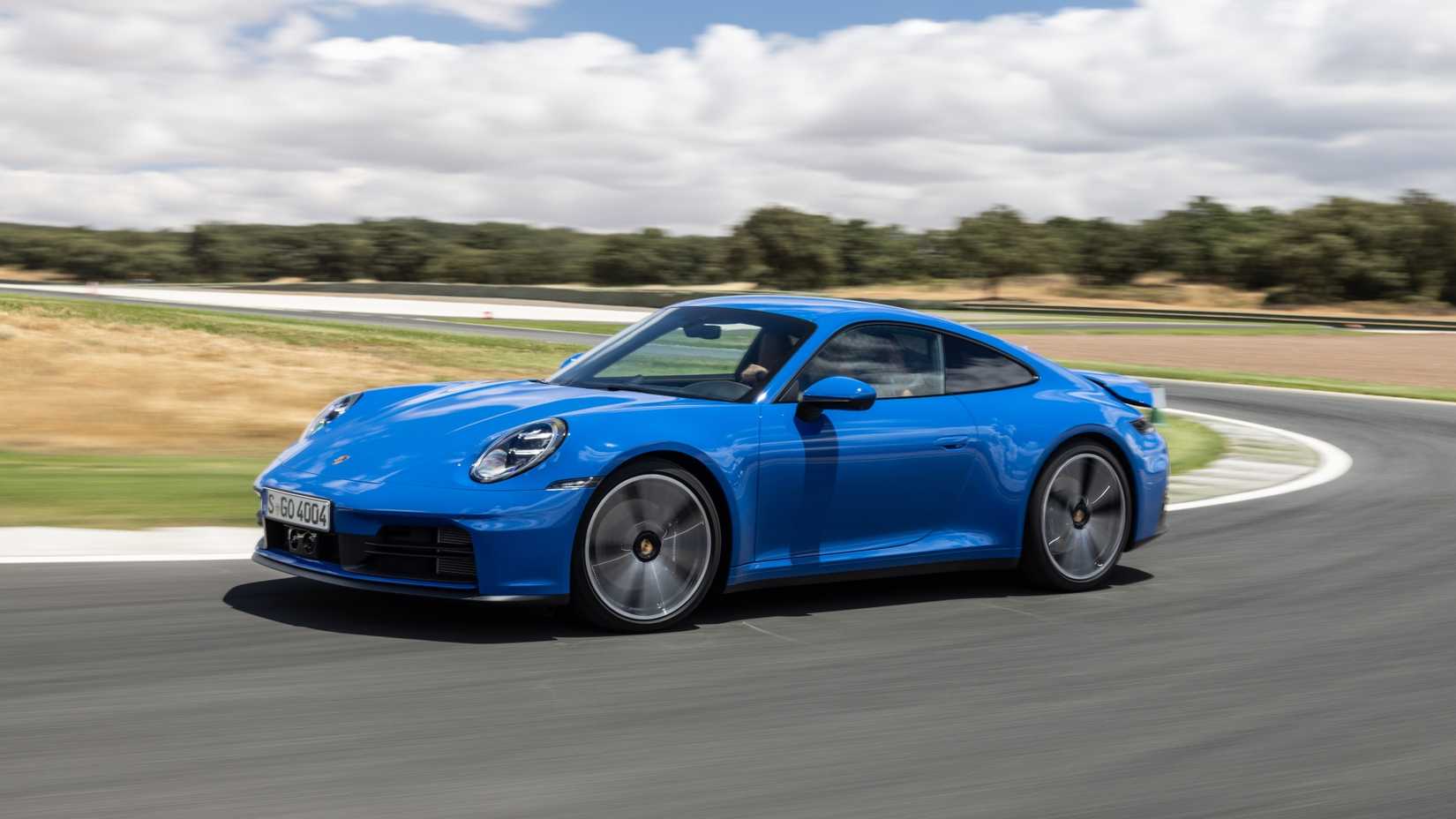
The 911 is the safer money, but it asks for more of it upfront. A good manual or enthusiast-spec 911 costs far more to buy than a used Taycan. That is the obvious downside. But the 911’s advantage is what happens after you buy it. It has demand built into its bones. It has decades of history behind it. It has a buyer pool that keeps renewing itself. And as Porsche’s lineup becomes more electrified, the right combustion 911s only become more meaningful. That does not mean every 911 is an investment. Spec, mileage, condition, transmission, and trim still matter. But as a broad rule, the 911 remains one of the strongest places to park money in the performance-car world.
So the verdict is this: buy the Taycan if you want the deal. Buy the 911 if you want the hedge. The Taycan is the smarter driver’s buy because depreciation has already done the ugly work. The 911 is the smarter long-term buy because the market still believes in what it represents. One gets cheaper because buyers fear what happens next. The other holds firm because buyers fear they may not get another chance. One ages into pride. The other risks aging into regret. The choice depends on one question: do you trust battery tech to grow old gracefully?
Sources: Porsche, KBB, Classic.com, Autoblog, Jalopnik