
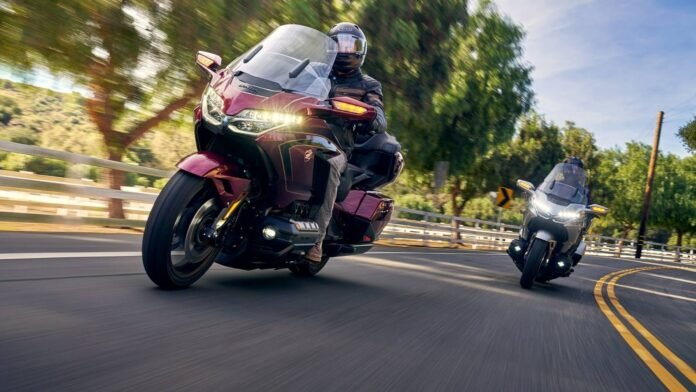
Big touring motorcycles promise the moon: comfort, storage, technology, weather protection, and enough presence to make every fuel stop feel like an occasion. The catch is that many of them quietly become one-trick ponies. They are brilliant on interstates, but feel oversized in traffic, awkward in parking lots, and more like a commitment than a companion. In reality, there are very few touring motorcycles that try to solve the old dilemma by being both a luxury mile-eater and a bike you can actually live with on ordinary days.
Why Touring Motorcycles Aren’t Favorable For Daily Riding
Touring bikes are built to carry people and luggage in comfort, which usually means weight, width, and a lot of bodywork. However, even the best full-dress machines can feel like a bit much when the day is short and the streets are crowded. A touring motorcycle can be perfectly sensible for a cross-country trip and still be a little demanding when you are threading through stop-and-go traffic, backing into a parking spot, or doing a quick grocery run after work.
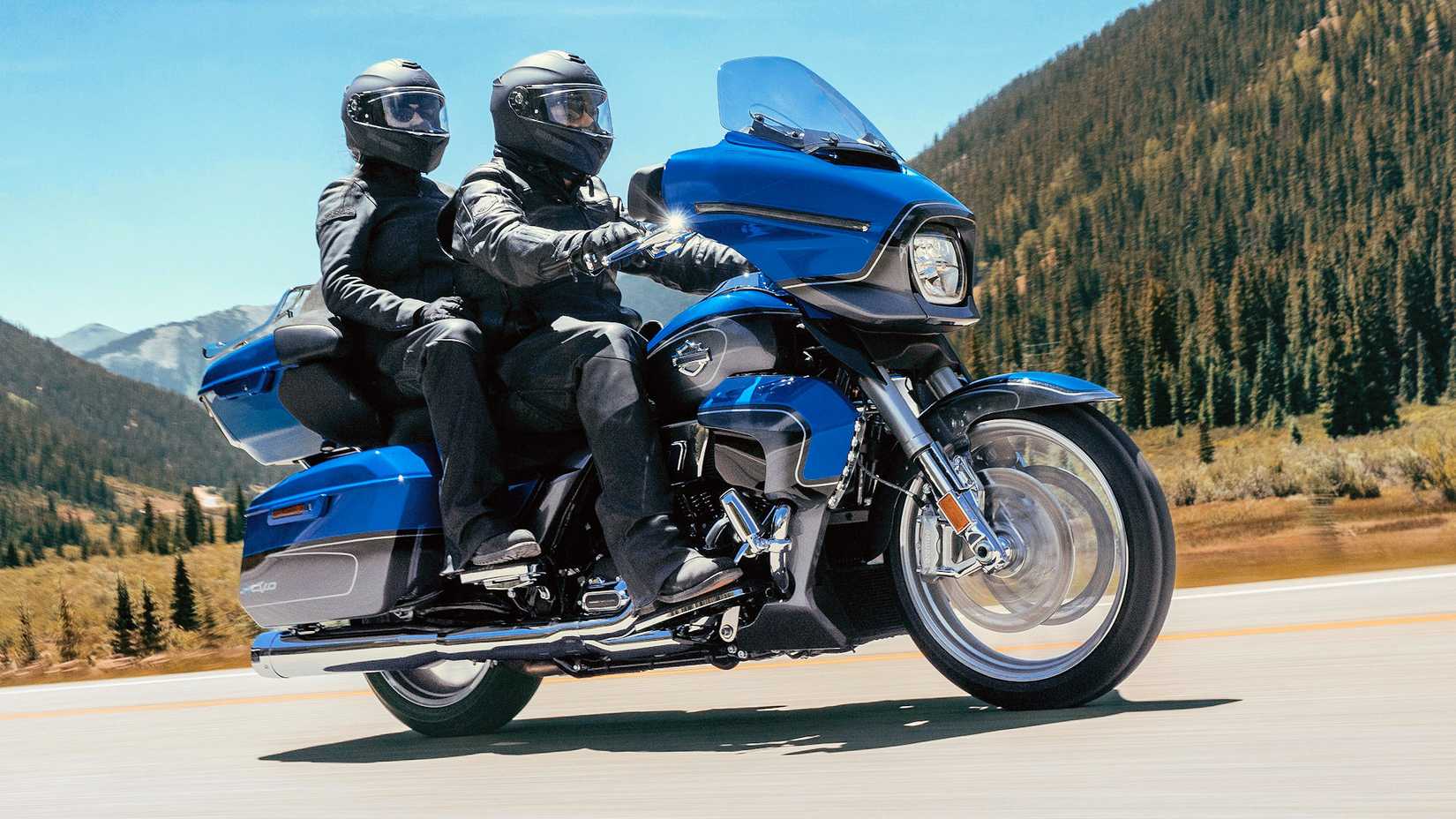
That does not make big tourers impractical by default. It just means ownership has to make sense beyond the fantasy of the open road. If a motorcycle only works when the sun is out, the luggage is packed, and the route is long, it becomes a special-occasion machine. The smarter idea is a bike that can absorb commuting, weekend rides, and all the in-between stuff without turning every ride into a workout.
Here’s How Much A 5-Year-Old Honda Gold Wing Costs Today
The current Gold Wing offers unrivalled luxury, and a 5-year-old example offers pretty good value
The Honda Gold Wing Tour DCT Is A Versatile Full-Dresser
Base Price: $30,500
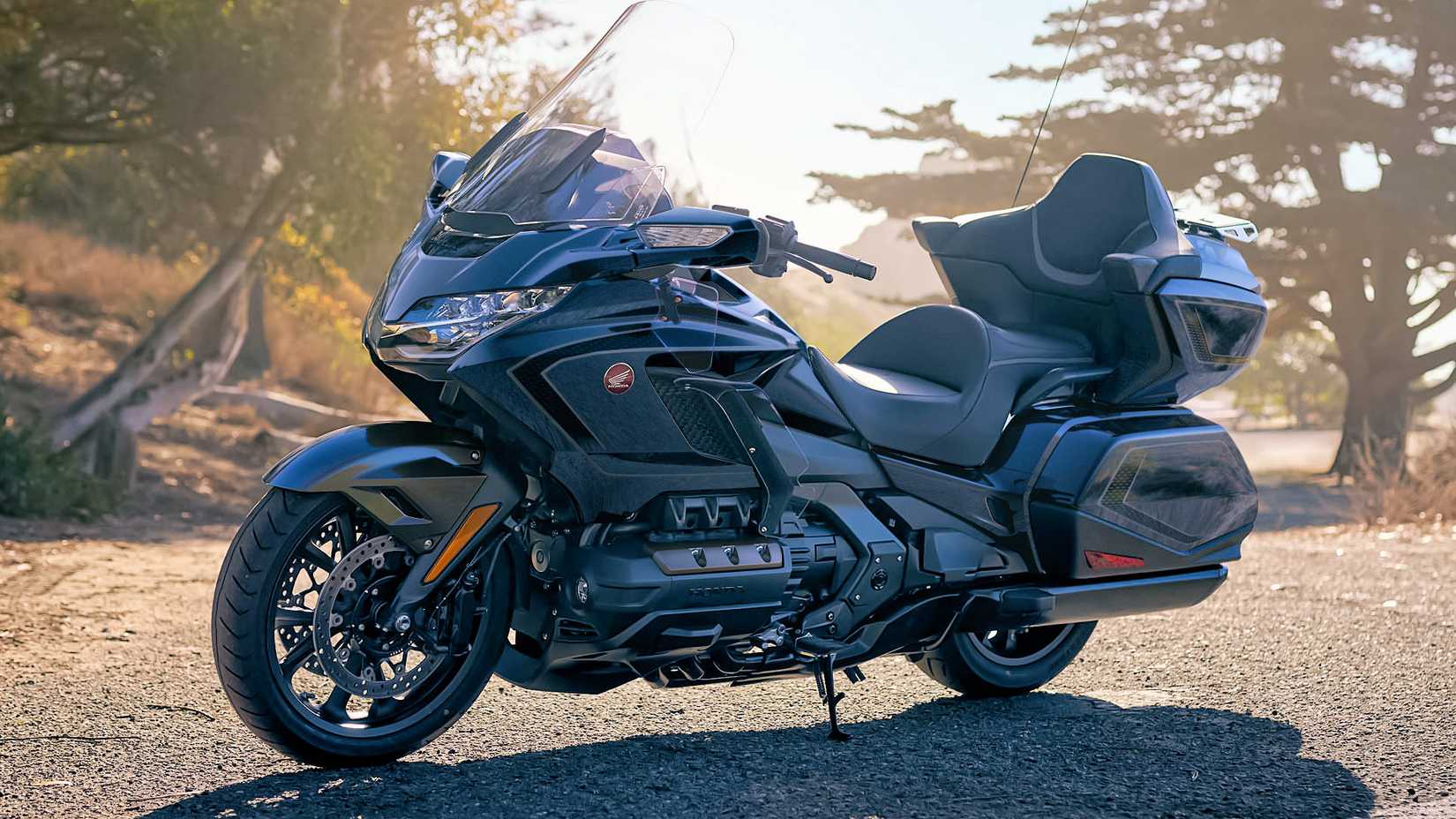
Honda’s 2026 Gold Wing Tour DCT arrives with a formula that sounds almost too obvious until you remember how rare it is: a 1,833cc horizontally opposed six-cylinder engine, a seven-speed automatic Dual-Clutch Transmission, shaft final drive, double-wishbone front suspension, and a 61-liter trunk that can typically swallow two full-face helmets. The DCT version is the one that really pushes the Gold Wing into “use it every day” territory, because the bike does more of the work when the riding gets slow, repetitive, or simply tiring.
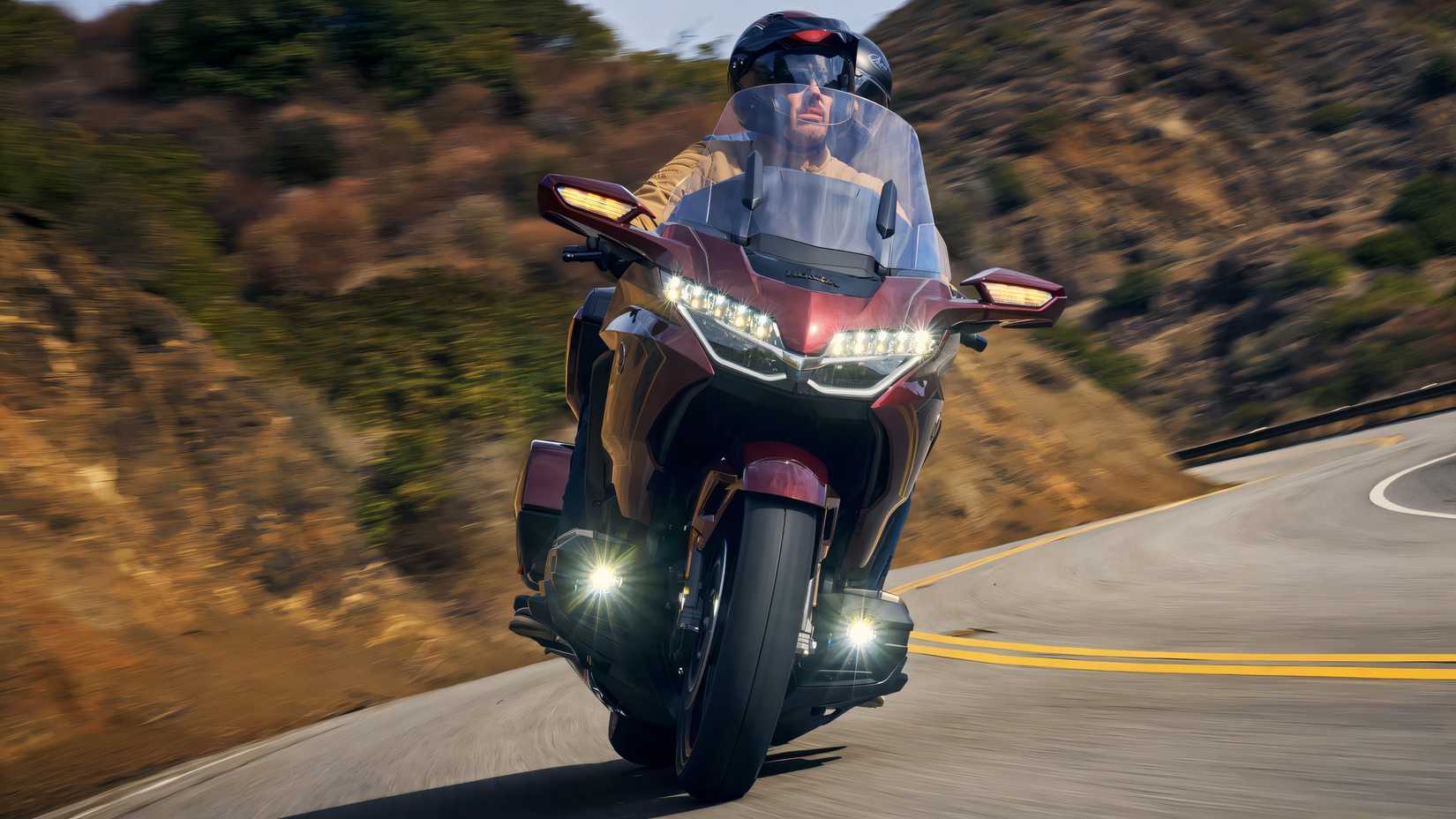
That matters because the Gold Wing is not trying to be a stripped-down sport-tourer in disguise. It is a full-dressed touring motorcycle that has evolved into something more usable, not less luxurious. Honda’s own language points in that direction, describing the bike as a machine for highway cruising, passenger comfort, and long-distance versatility while also giving it features that make day-to-day riding easier rather than more complicated.
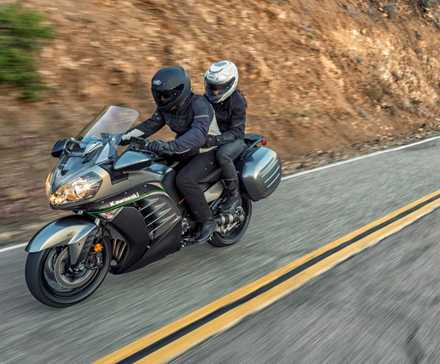
The Kawasaki Tourer That Makes Gold Wing Owners Look Twice
This motorcycle offers 80 percent of the Gold Wing’s comfort, yet allows you to enjoy your corners to the fullest
A Silky Smooth Powerhouse
The Iconic 1,833cc Flat-Six
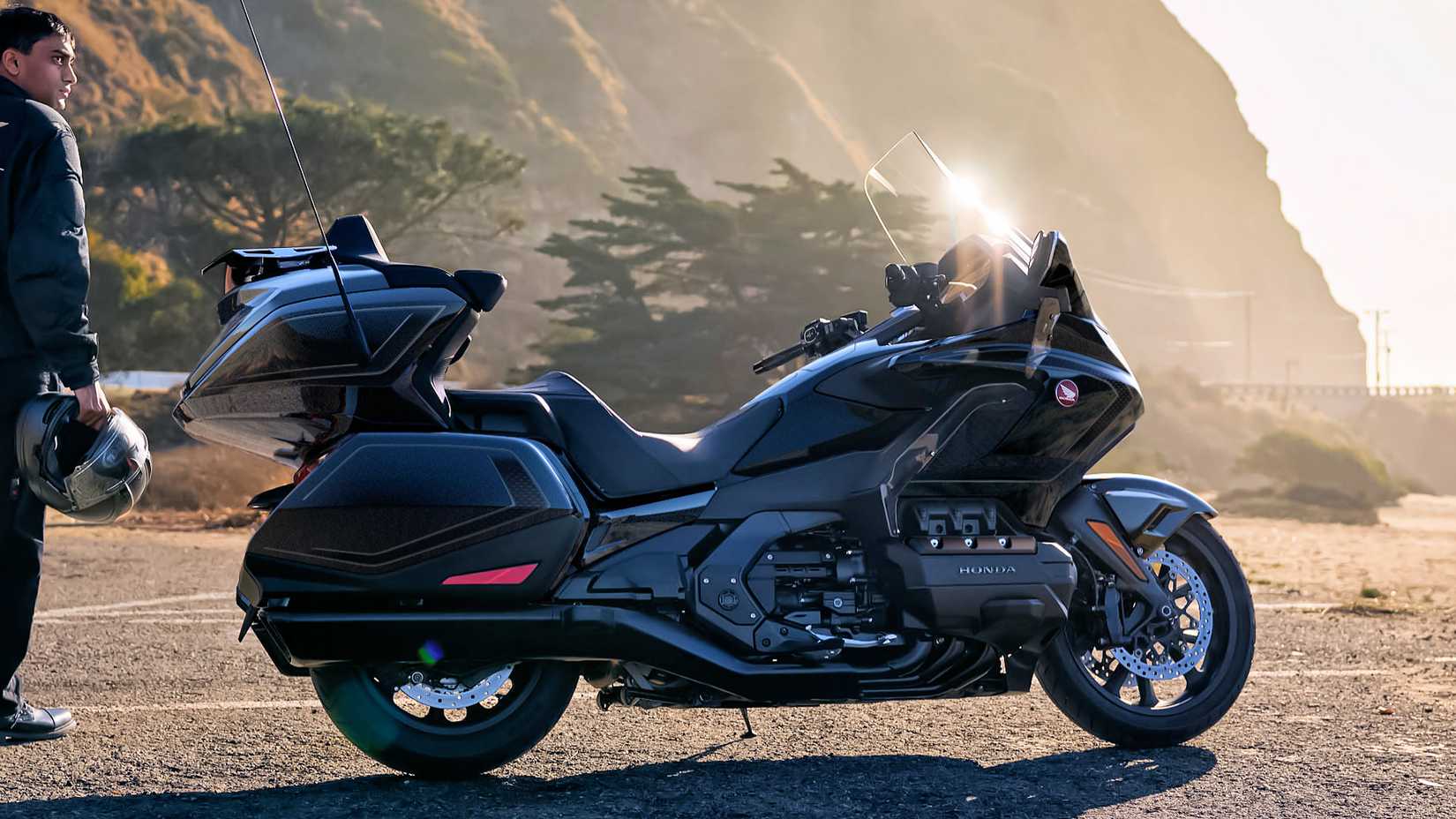
The Gold Wing’s 1,833cc flat-six is the bike’s secret weapon. Honda calls it famously smooth and powerful, and that is exactly the right balance for a machine like this. The horizontally opposed layout keeps the center of gravity low, which is a big deal on a motorcycle that weighs 847 pounds ready to ride. In real-world use, the engine is not about drama. It is about clean, easy torque that makes highway merges feel effortless and city riding less frantic. That is the sort of quality that matters when your weekday ride and your 1,000-mile week use the same motorcycle.
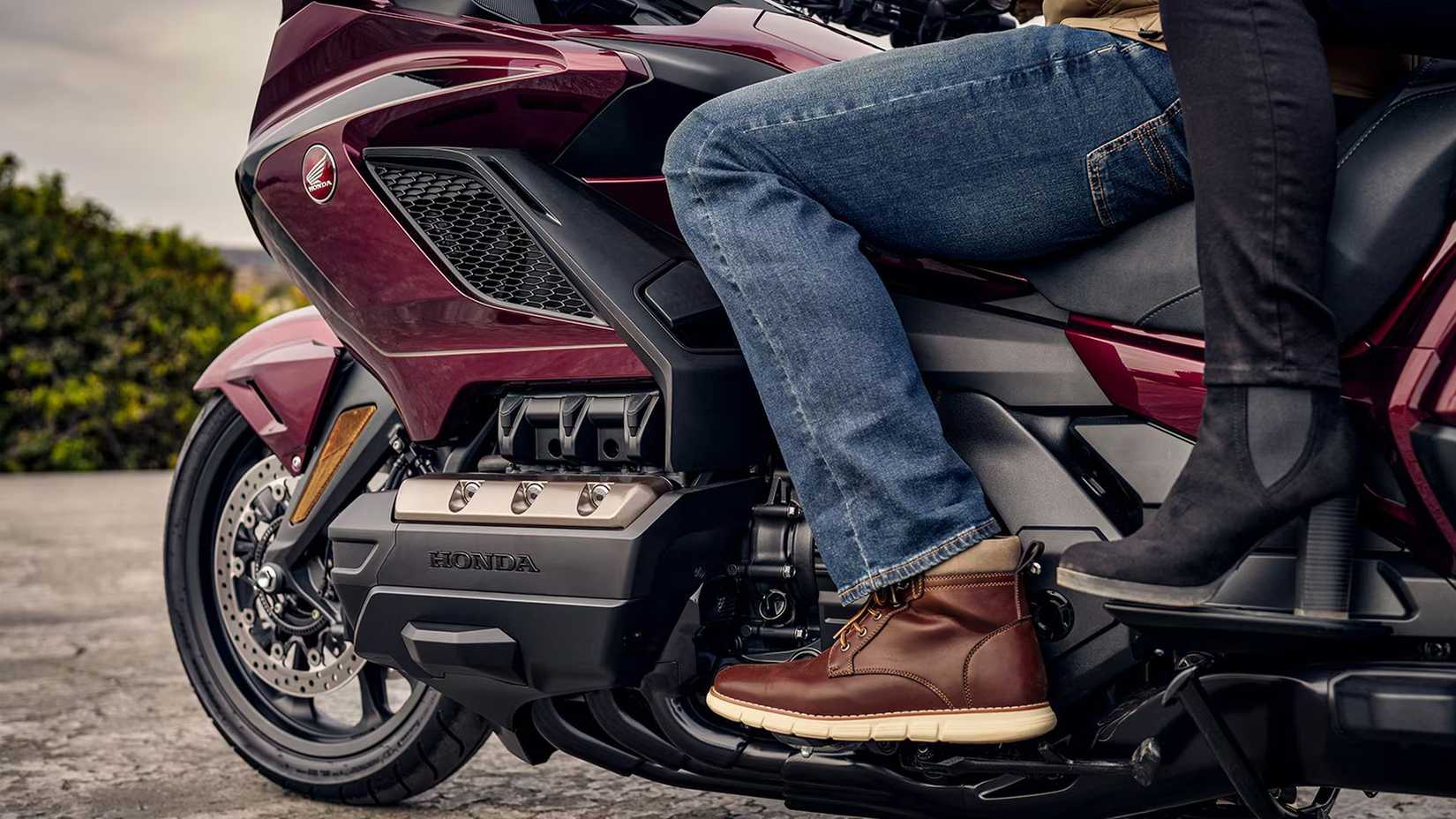
Fuel range is not class-leading, but the Gold Wing is efficient enough for the kind of riding it was designed to do. Honda lists the trunk and touring hardware alongside the six-cylinder engine and wide touring envelope, while rider reports have put fuel economy around the low-40-mpg mark in mixed touring use. With a 5.5-gallon tank, that gives the Gold Wing enough range to cover big chunks of the day without constantly thinking about the next fuel stop. It is not a spreadsheet champion, but it is honest about what it is.
The Magic Of Dual Clutch Transmission
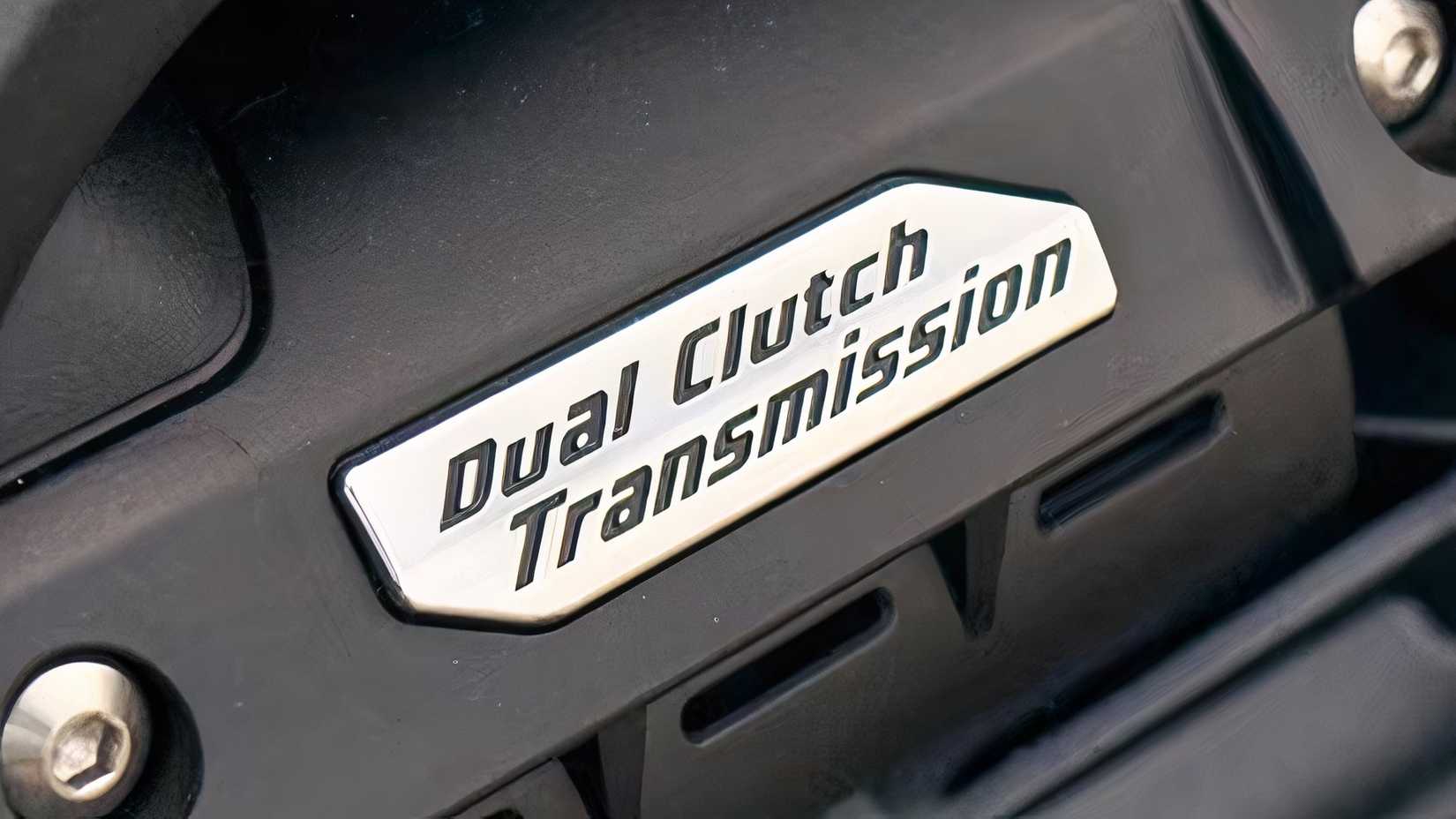
The seven-speed DCT is what turns the Gold Wing from an impressive touring bike into a genuinely easy one. Honda says the shifts are fast and smooth, and the overdrive seventh gear is ideal for highway cruising. It is the kind of system that removes just enough effort to make commuting less annoying and long-distance riding less tiring, without making the motorcycle feel detached or over-processed. Hence, the DCT does a good job of reducing rider fatigue, which is a very crucial factor for 1000-mile weeks.
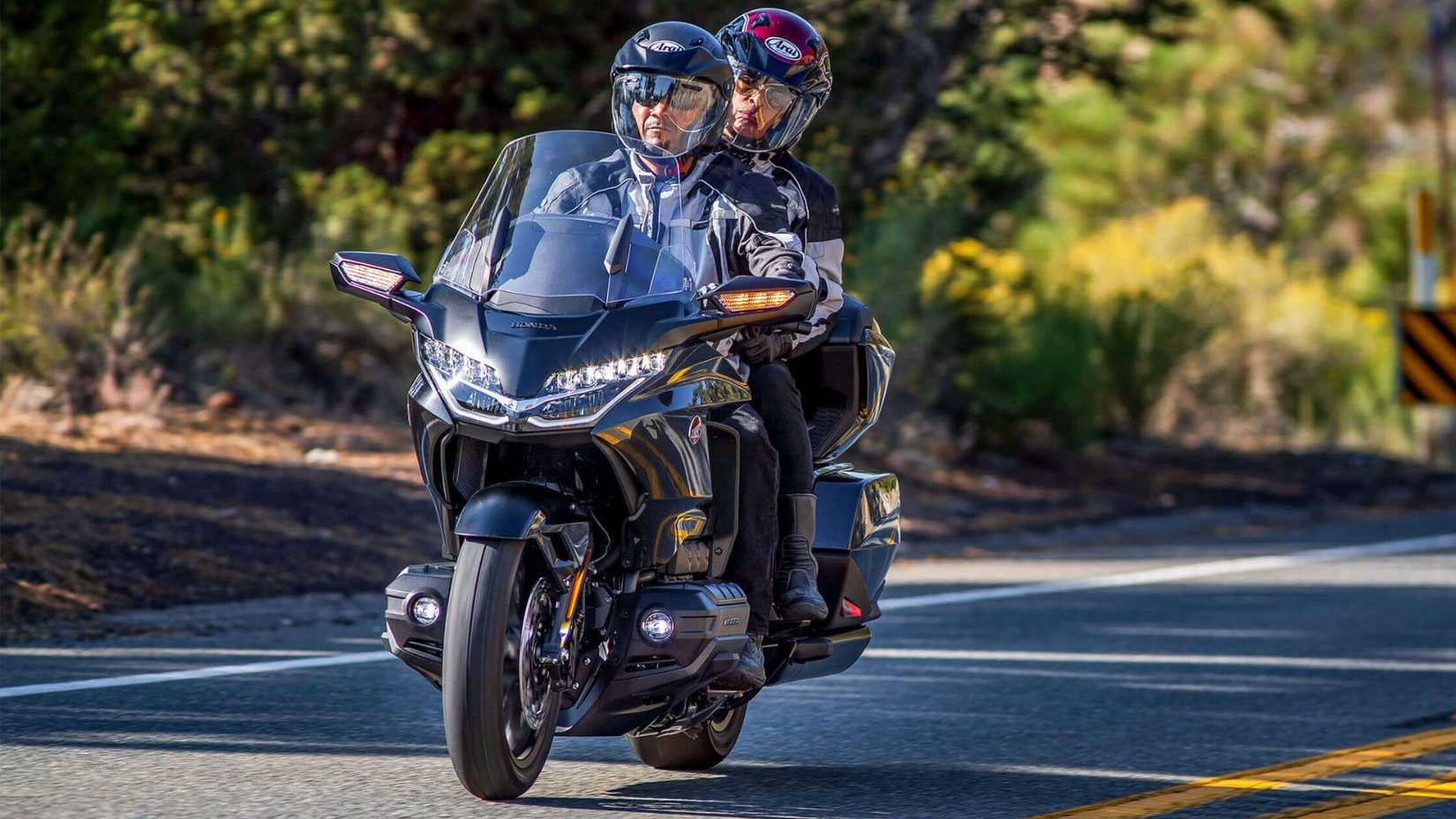
In tight spaces, Honda’s Walking Mode lets the bike creep forward or backward at walking pace, which is exactly the sort of feature that seems minor until you are trying to reposition a fully loaded touring motorcycle on a slope or in a cramped parking lot. Reverse is also part of the package, and Honda specifically calls it useful for inclined parking spots. For a machine this large, those features are not gimmicks. They are the difference between confidence and hesitation.
The Kawasaki Tourer That Makes Gold Wing Owners Look Twice
This motorcycle offers 80 percent of the Gold Wing’s comfort, yet allows you to enjoy your corners to the fullest
Unique Underpinnings For A Unique Motorcycle
The Double-Wishbone Front Suspension
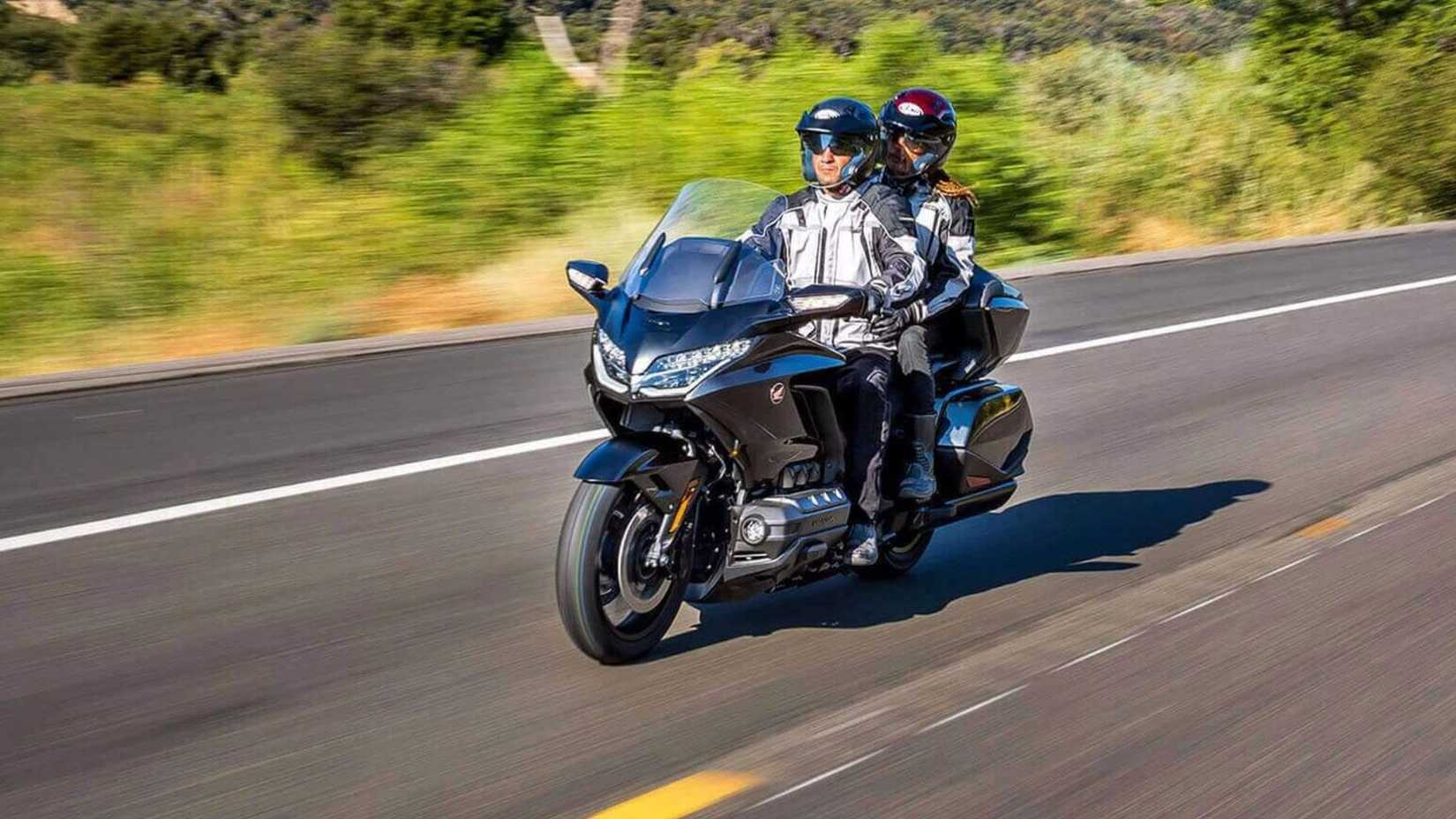
Honda’s double-wishbone front suspension is one of the Gold Wing’s defining technical tricks. Instead of behaving like a conventional fork, it separates steering and suspension duties in a way that improves handling and allows the engine and rider/passenger to sit closer to the front wheel. The result is a front end that feels more composed than a giant touring bike usually feels, especially when the road gets choppy or the pace picks up.
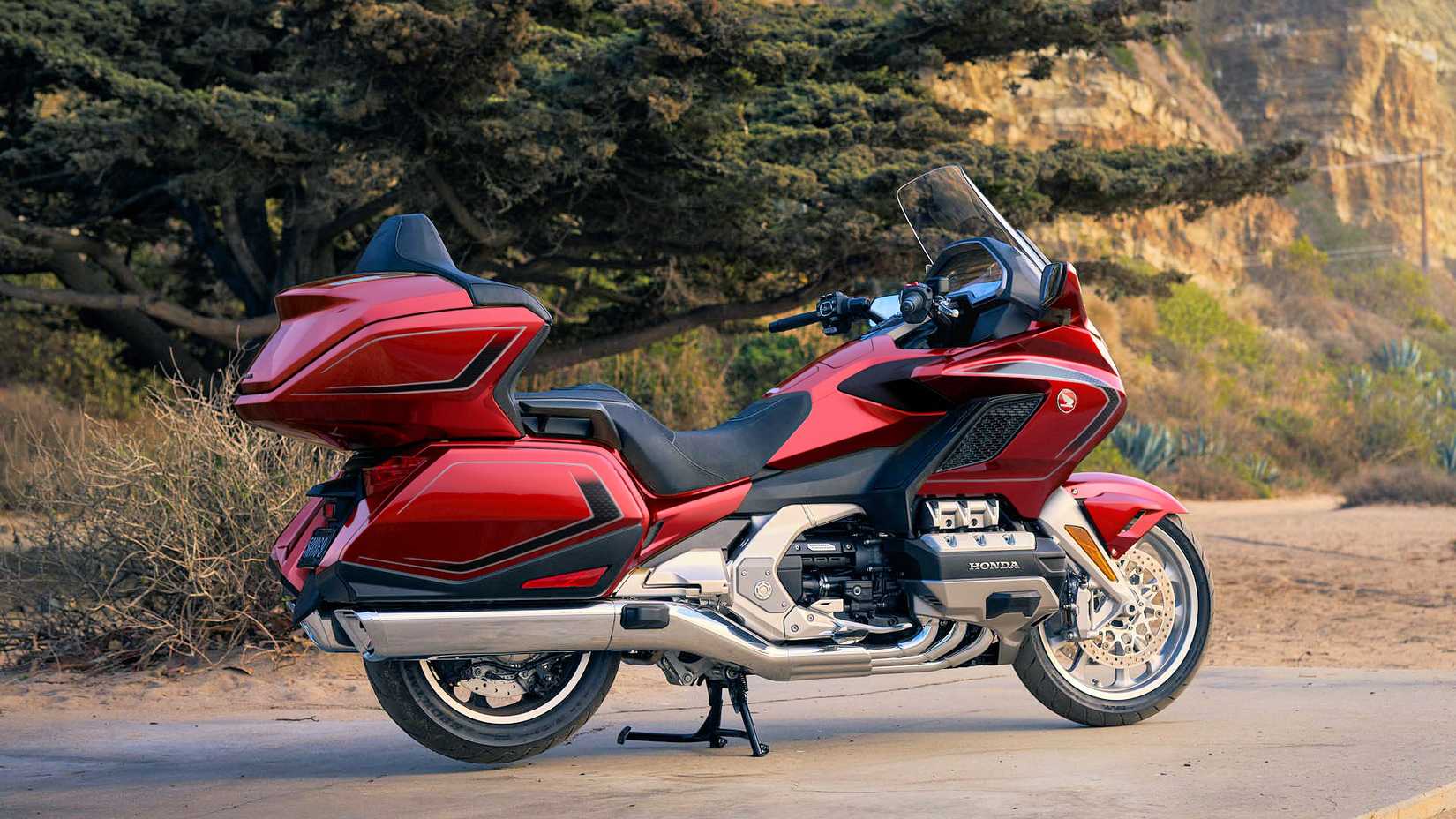
The practical payoff is two-fold. First, there is less brake dive and more stability under hard stopping or uneven pavement, which helps in city traffic as much as on sweeping backroads. Second, the front end’s design contributes to a lighter steering feel than the Gold Wing’s weight would suggest. That is part of why so many riders describe it as easier to manage than the numbers imply. The bike may be big, but it is not clumsy.
The Die-Cast Aluminum Twin-Spar Frame
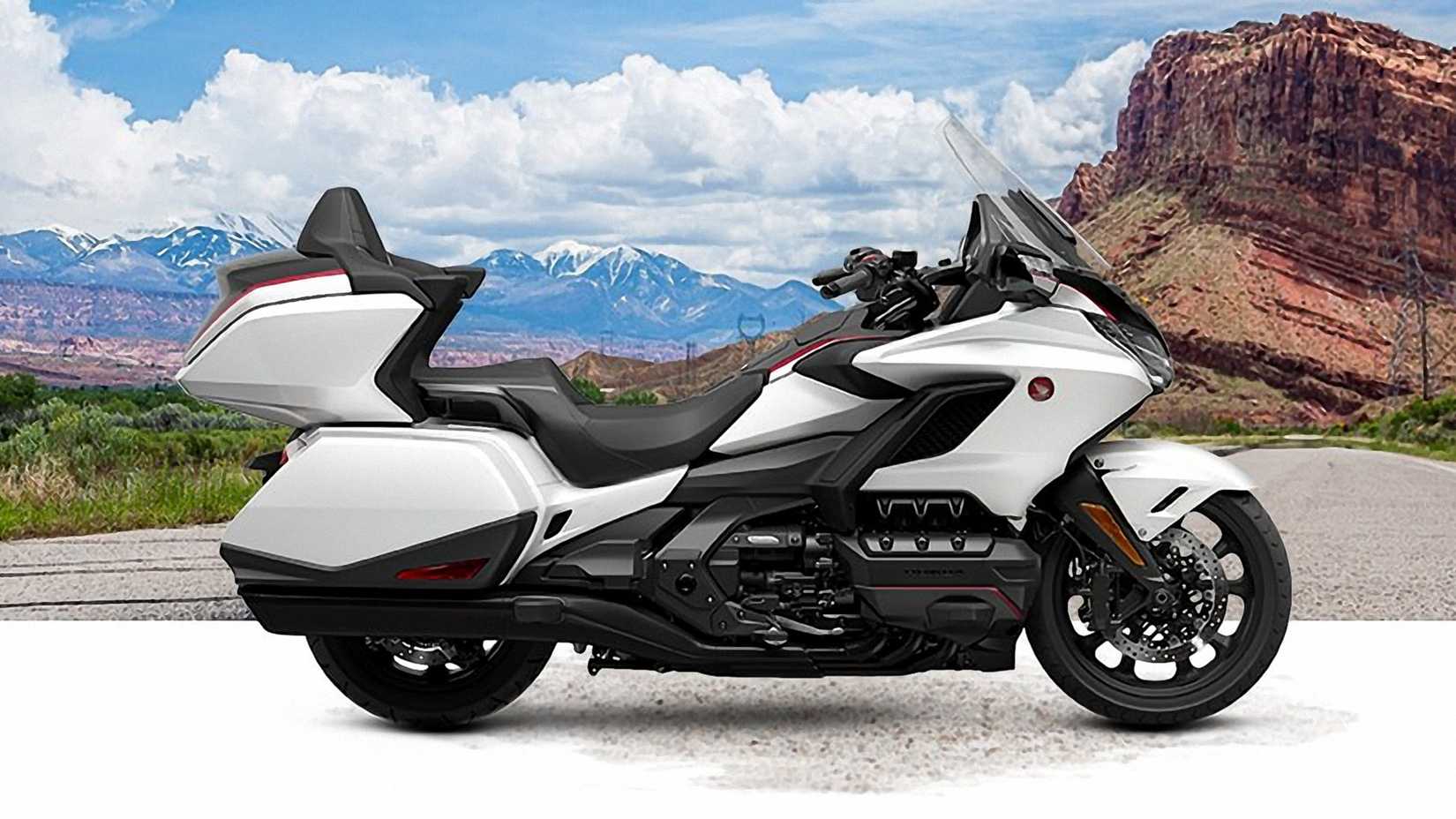
The Gold Wing’s chassis work is not just about the front end. Honda’s current generation is also lighter than the previous one, with the company saying the 1833cc engine is over 13 pounds lighter overall and more than eight pounds lighter on DCT trims. That reduction helps the bike feel more coherent at low speed and more settled at highway speed, which is exactly what a flagship tourer should do.
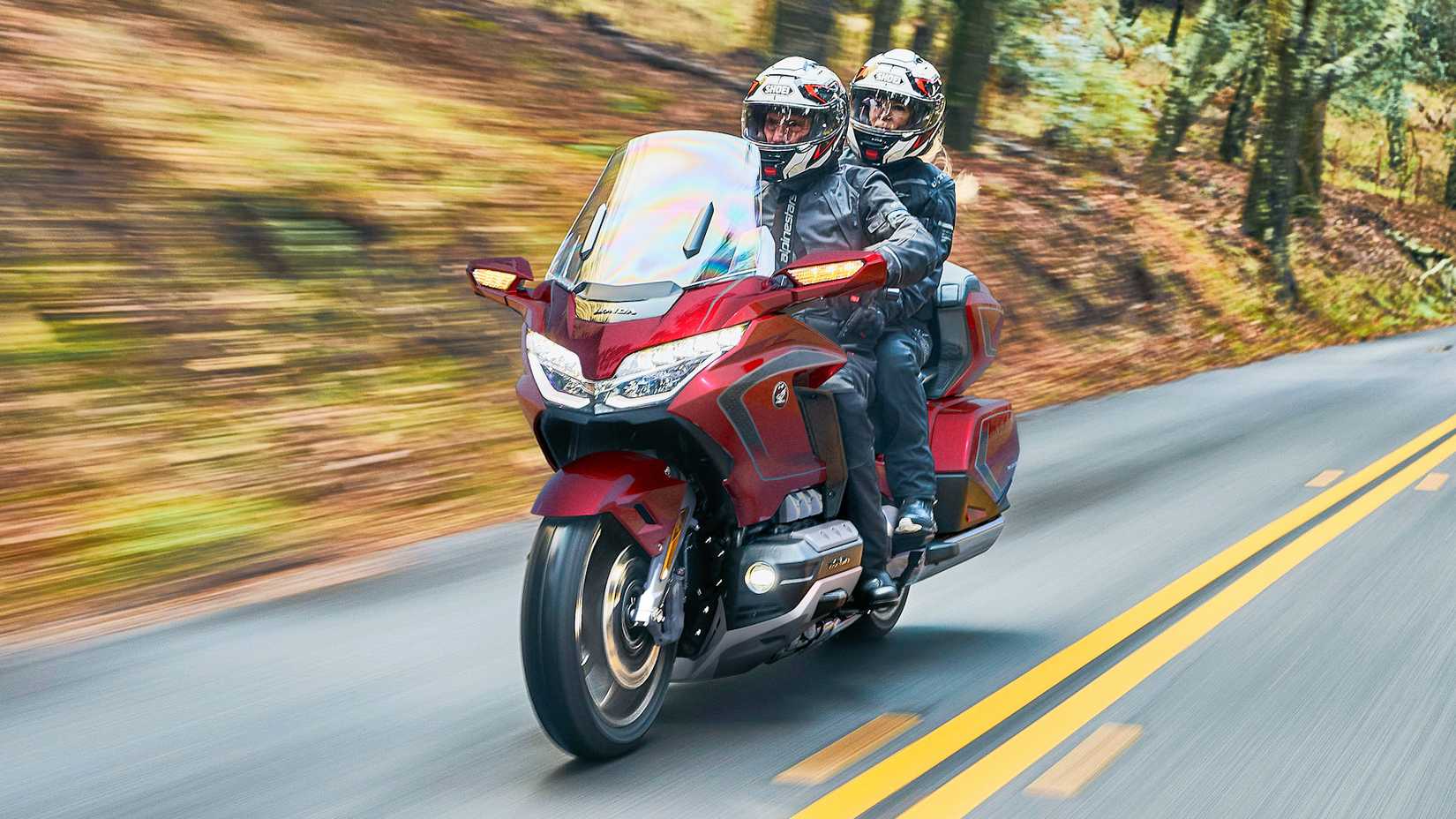
What stands out is how the Gold Wing manages to feel stable without feeling barge-like. It has the long-wheelbase calm you want for interstate travel, but it still responds cleanly enough in corners to keep the ride interesting. That balance is the reason it has outlived so many rivals in the public imagination. The Gold Wing is not just comfortable; it is engineered to be reassuring.
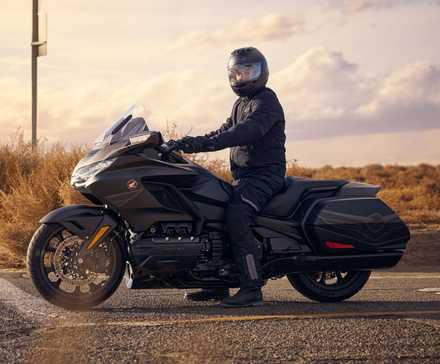
The Most Practical And Balanced Luxury Motorcycle You Can Buy Right Now
The Gold Wing DCT manages to tread the fine line between desirable and overkill incredibly well. We explain how.
Comfortable Ergonomics With Usable Tech
Urban Ergonomics And Visibility
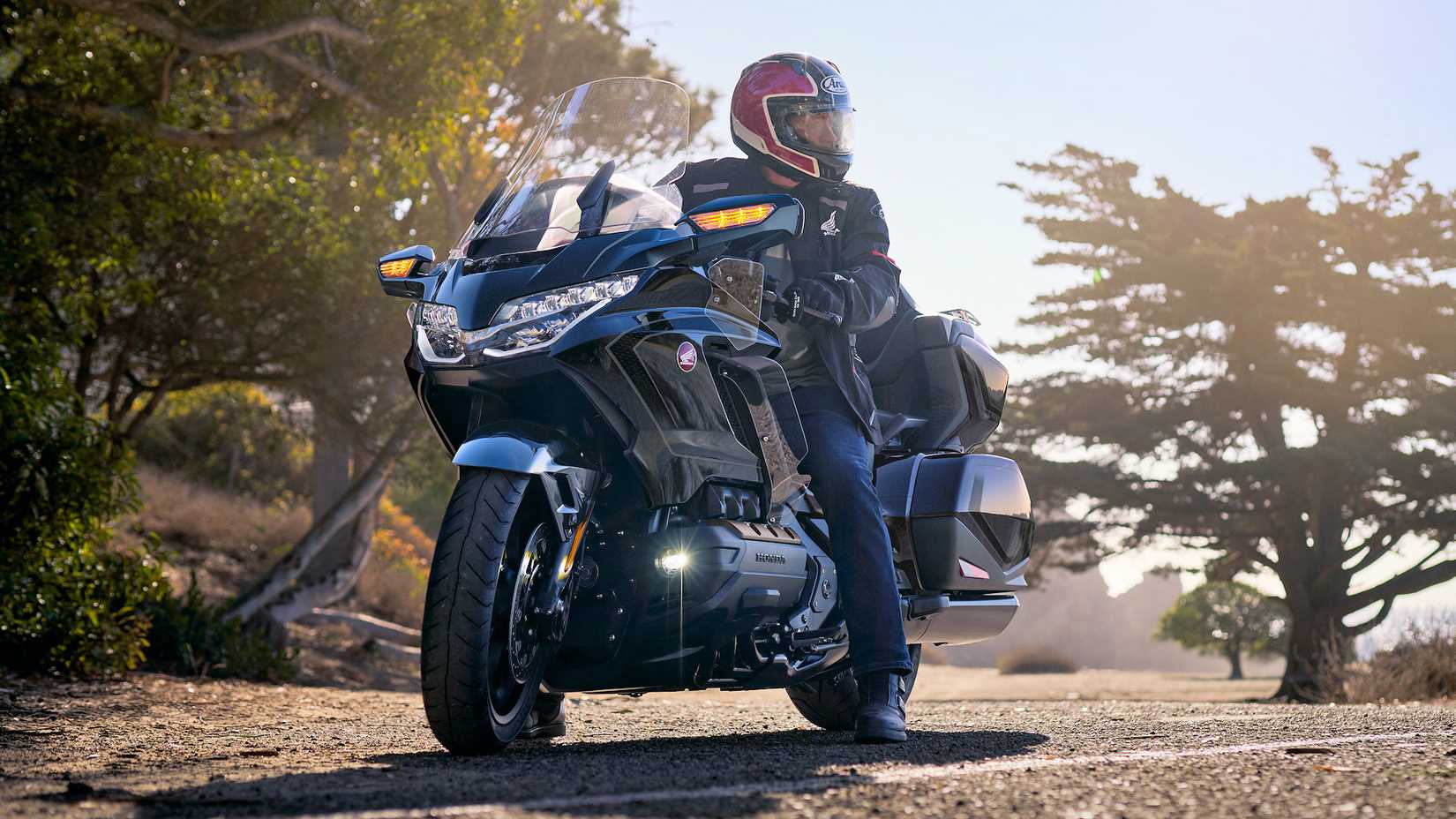
The Gold Wing Tour’s 29.3-inch seat height helps a lot in real life. Low seat height and low center of gravity make a heavy motorcycle far less intimidating at a standstill, and that matters in city traffic, driveway maneuvers, and parking-lot U-turns. Honda also gives the bike an electric windscreen, LED lighting, cruise control, and a cockpit that keeps the rider informed without drowning the experience in clutter.
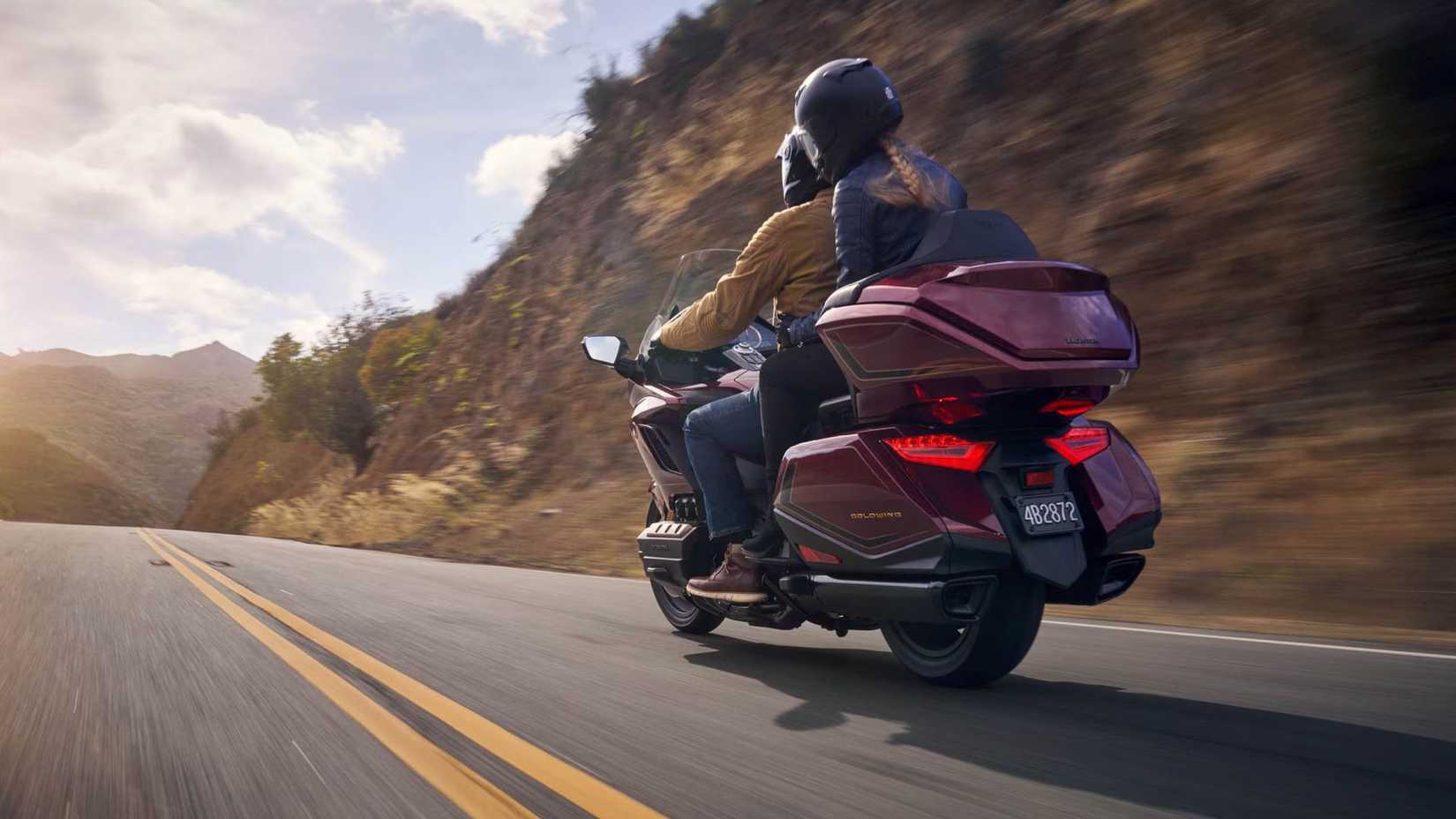
Honda’s own feature list shows how much of the modern Gold Wing is designed around everyday usability: ride modes, HSTC, Hill Start Assist, TPMS, Smart Key access, and a display that integrates riding data, phone functions, and navigation support. The idea is simple: the bike should feel luxurious, but not demanding. It should make a commute easier on a rainy weekday and a cross-state run less exhausting on a Sunday.
Passenger Accommodations And “Tour” Experience
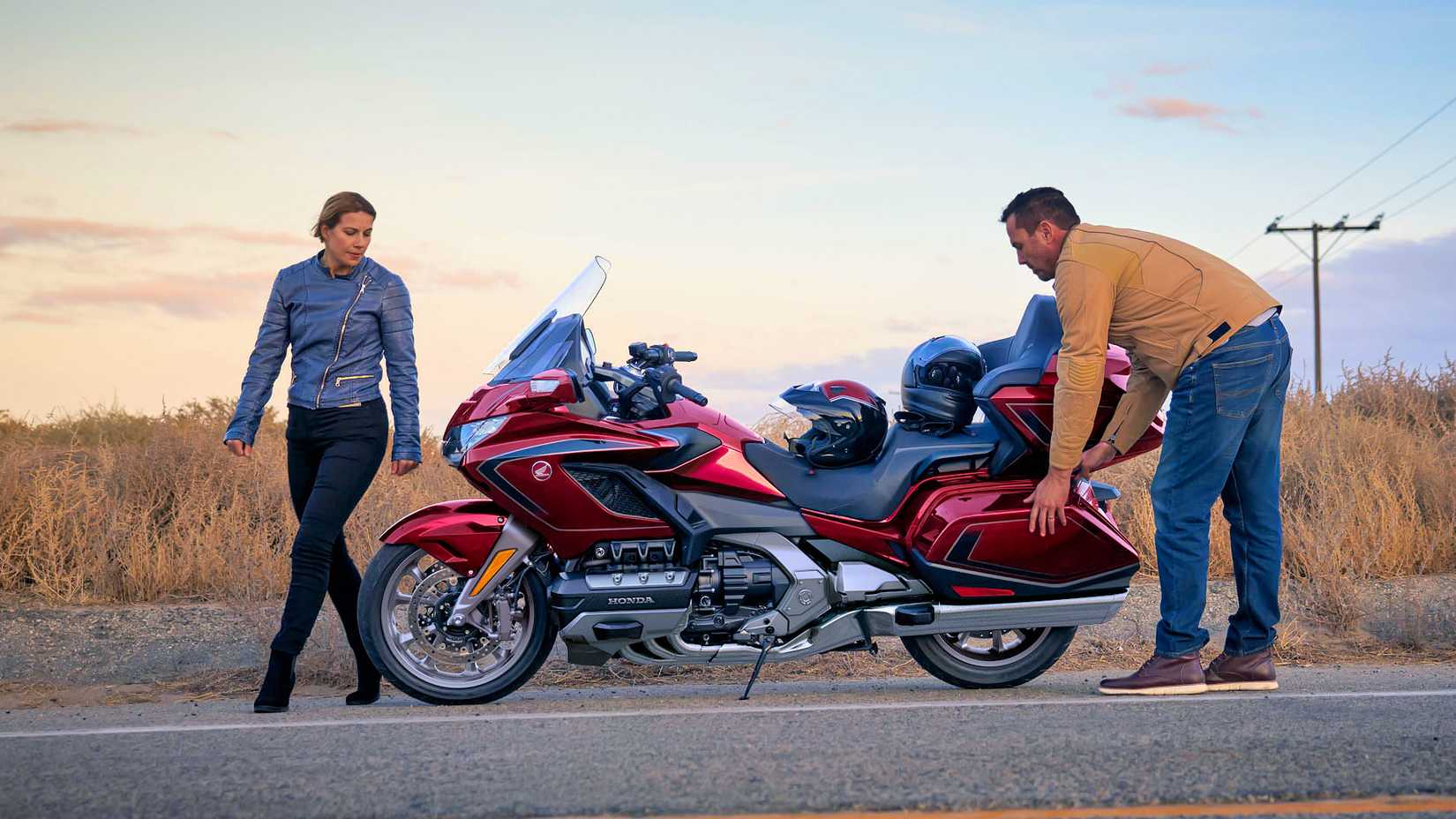
Passenger comfort has always mattered on the Gold Wing, and Honda leans into that with the Tour model’s 61-liter trunk, reshaped seating, and the kind of wind protection that makes long days less punishing for both people on board. The 2026 edition of the Gold Wing gets a larger trunk space, improved backrest design, stronger speakers, and a seat setup that makes the bike feel like a genuinely special place to spend time.
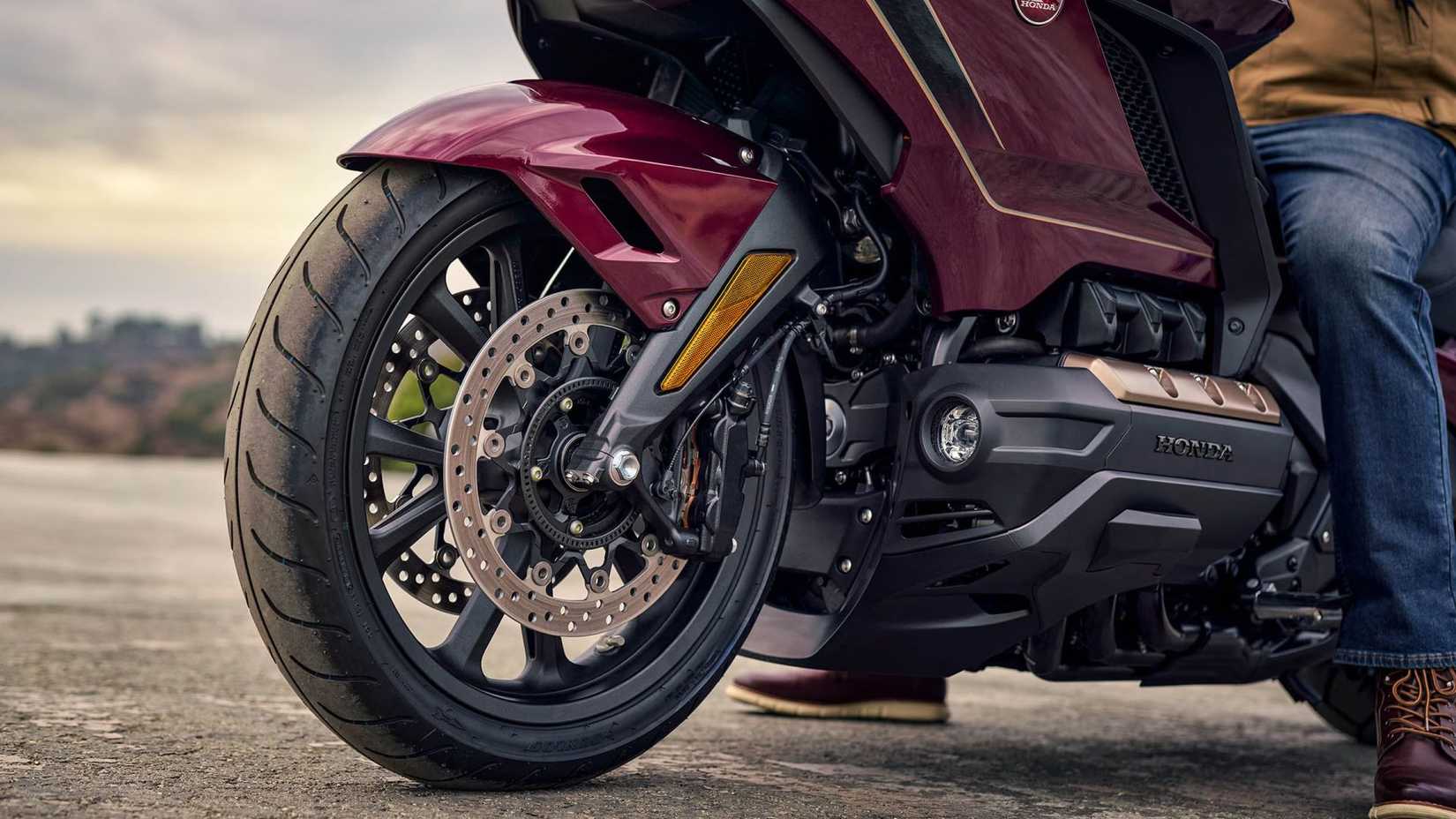
That is not just brochure language. Touring motorcycles live or die by whether the passenger actually wants to come back for another ride. The Gold Wing Tour seems built to answer yes to that question more often than not. Honda also says the trunk can typically hold two full-face helmets, which is a genuinely useful detail when the ride includes dinner stops, hotel check-ins, or a quick detour after work.
Tech Integration For Modern Professional
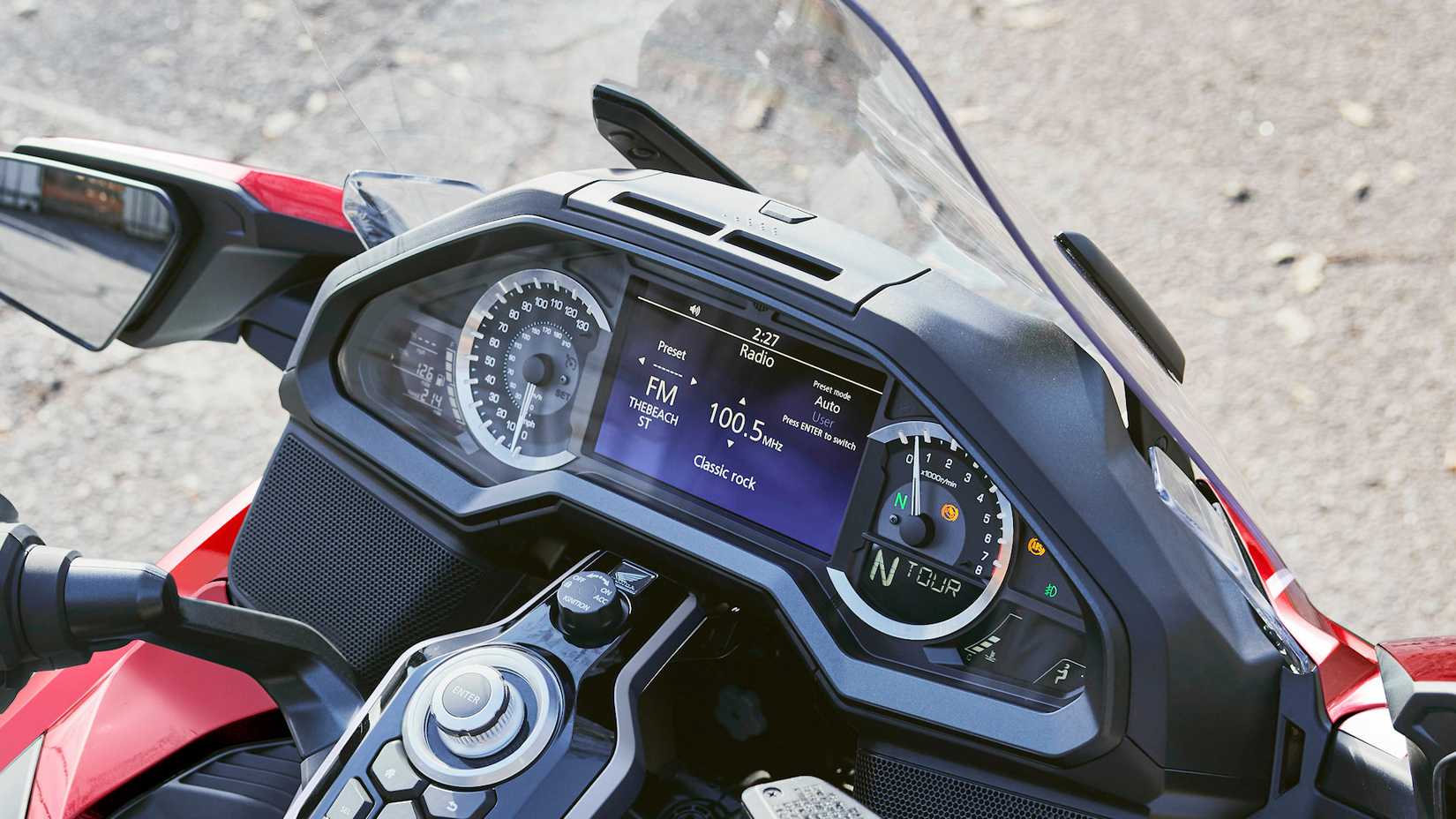
The Gold Wing’s tech list is unusually complete for a motorcycle that still feels so analog in spirit. Honda offers wireless Apple CarPlay and Android Auto integration, and the system is tied into the bike’s broader information display. That means a rider can handle navigation, communication, and media without turning the dash into a science project. The Gold Wing’s premium positioning makes more sense when the tech helps reduce friction instead of adding it.
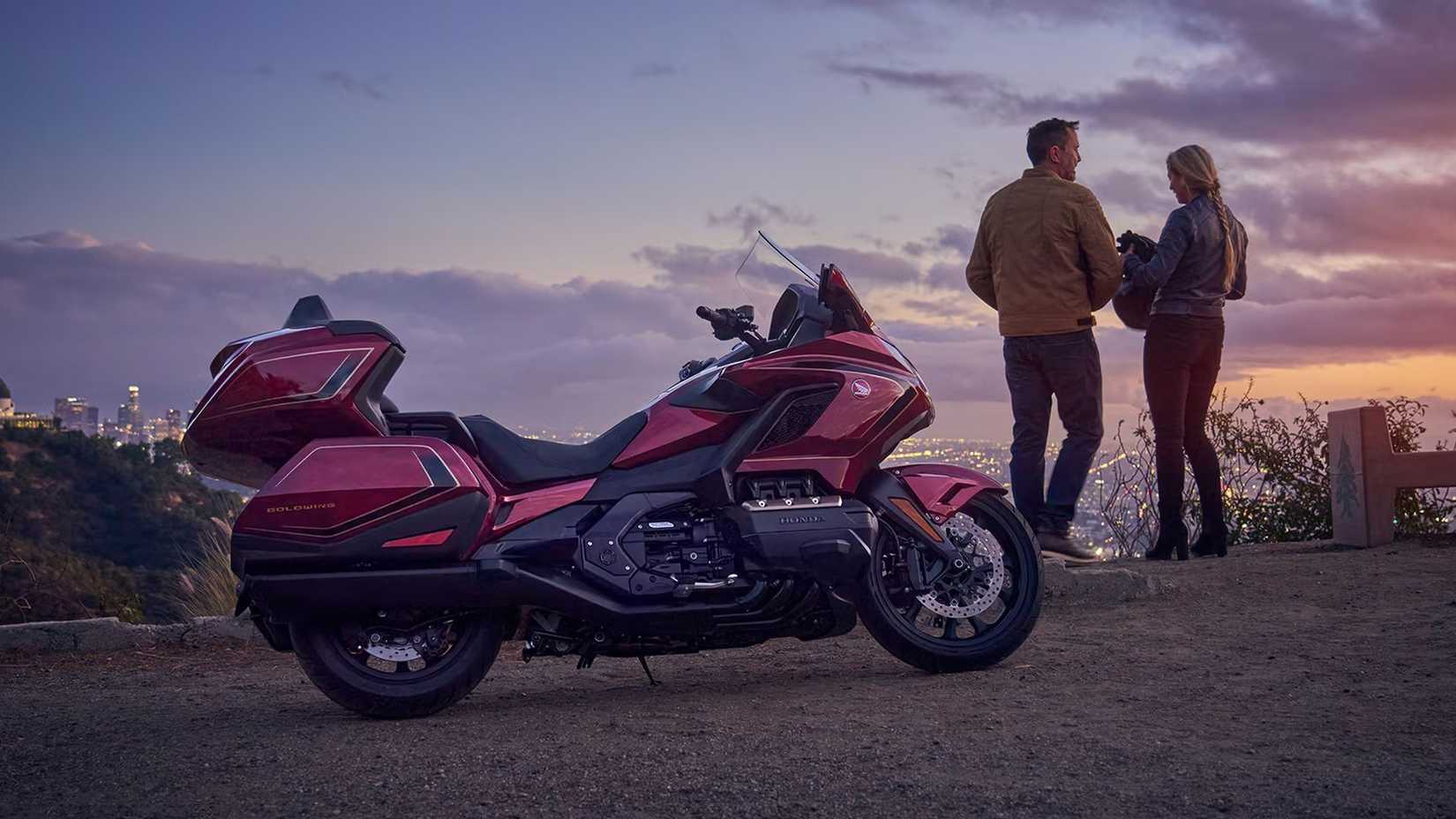
The Gold Wing also includes four ride modes — Tour, Sport, Rain, and Econ. That is a smart mix because it lets the same motorcycle behave differently depending on the day. Rain mode makes bad weather less stressful, Sport sharpens responses, and Econ and Tour suit the kind of long, uneventful riding that most commuters and touring riders actually do most of the time.
Cargo Capacity And Storage Solutions
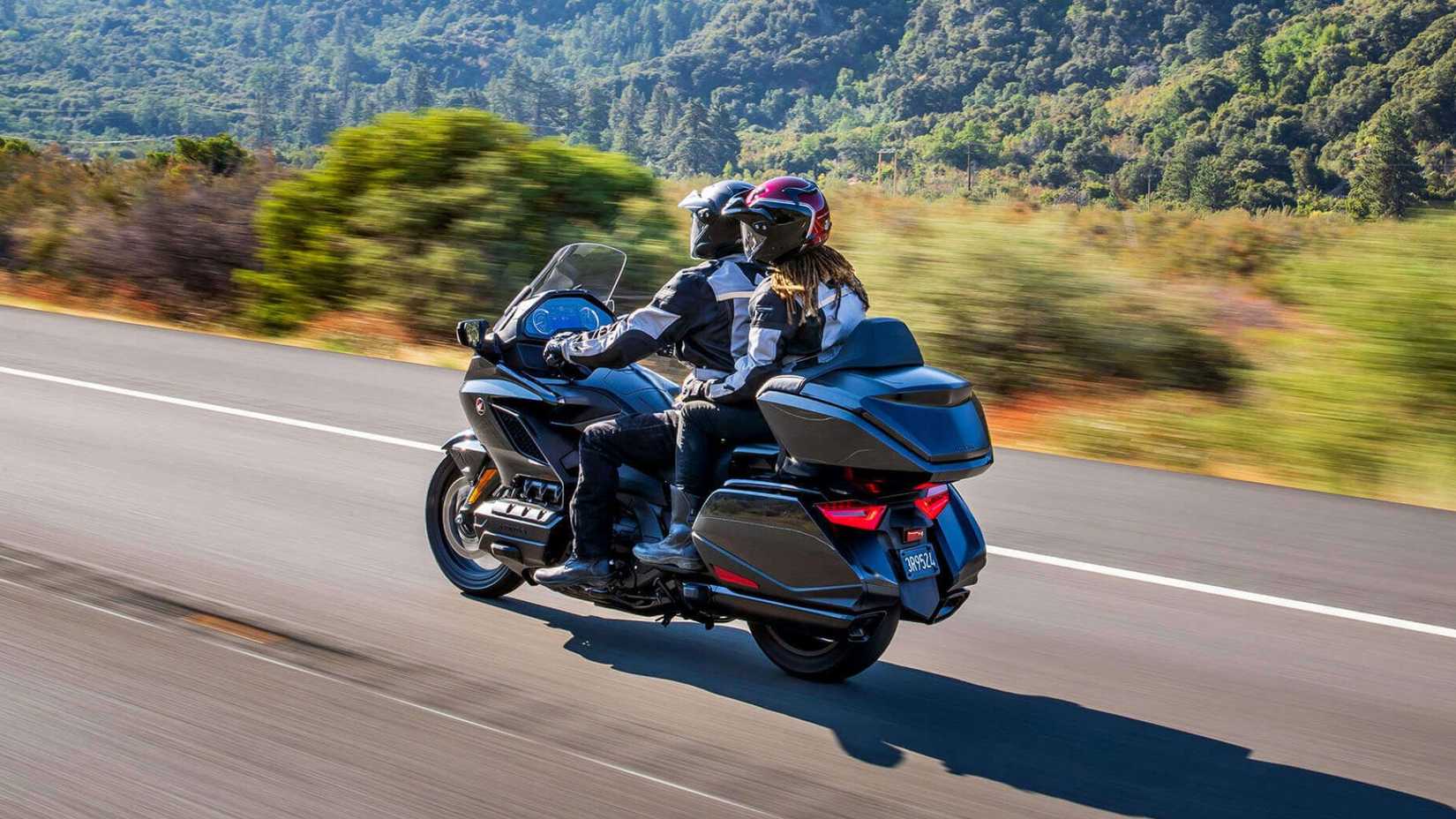
Honda says that luggage volume is enough for two full-face helmets, and the full touring setup gives the bike enough practicality to handle work gear, overnights, and weeklong trips without a separate support vehicle. That is a huge part of the Gold Wing’s appeal. It can replace the mental math of “Do I have enough room?” with a simple yes.
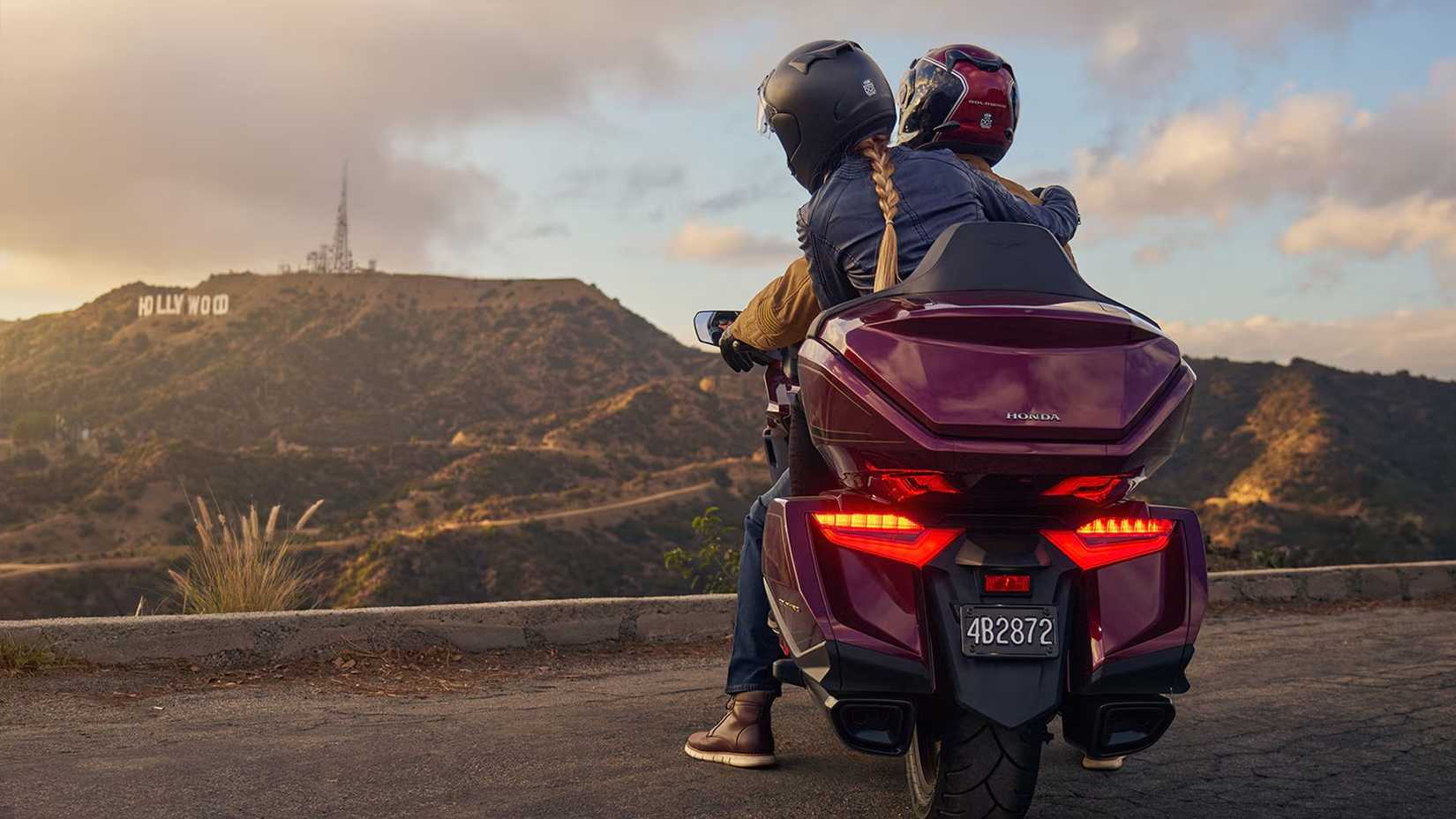
The trade-off is obvious. A motorcycle this large will never feel slim in the way a naked bike or middleweight sport-tourer does. However, the Gold Wing does not need to be small to be useful. It needs to be well-balanced, easy to maneuver, and generous enough to justify the footprint. Honda has spent years making sure that the bike’s storage, seating, and chassis all serve that goal.
The Touring Bike That Mechanics See The Least
The touring bike that quietly earns a reputation for reliability, barely seen in service bays.
The Ultimate All-Rounder
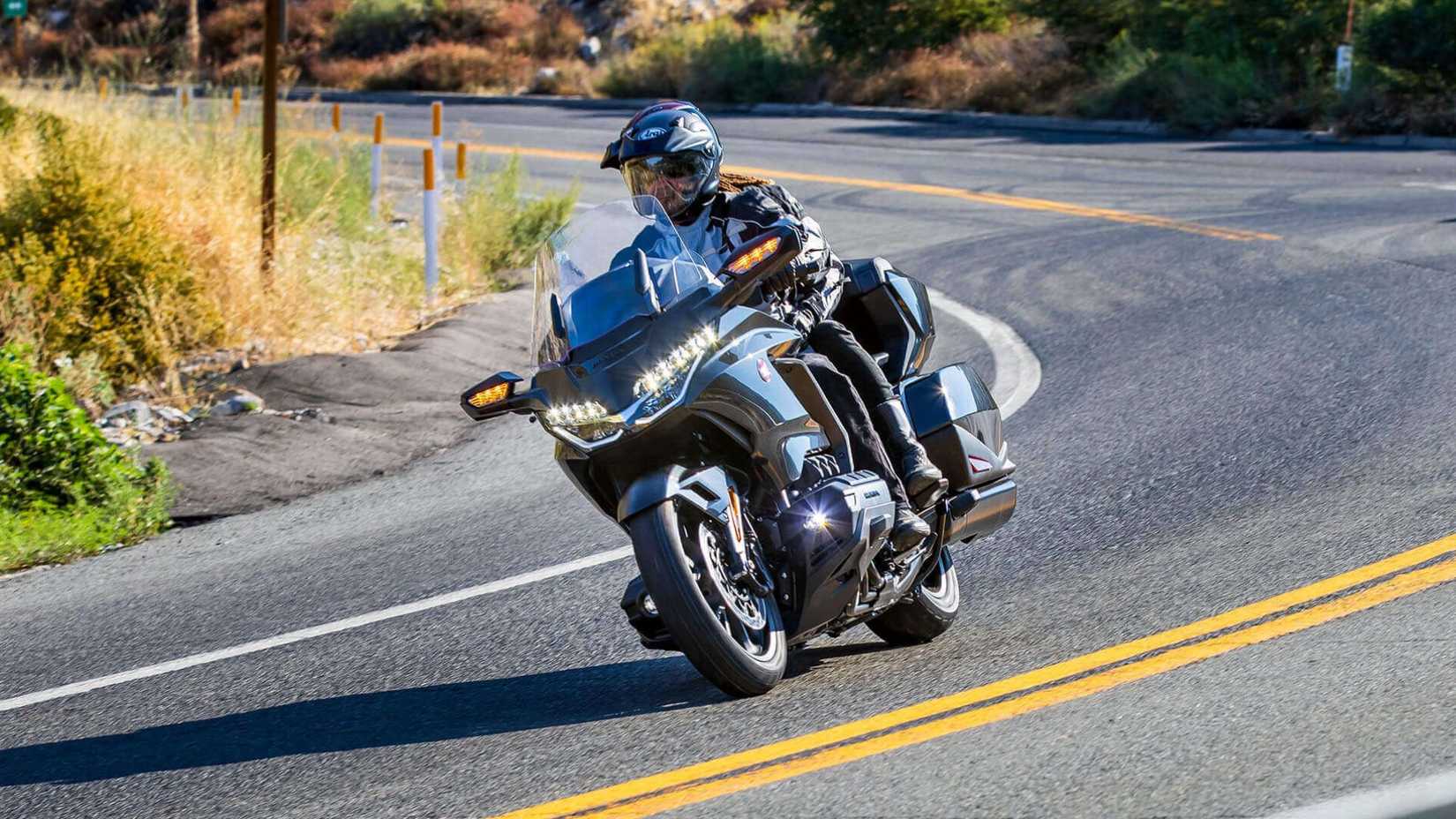
The Honda Gold Wing Tour DCT works because it does not treat touring and daily riding as separate worlds. It has enough comfort and carrying capacity to make a 1,000-mile week feel realistic, enough low-speed kindness to survive city errands, and enough engineering polish to keep the whole experience from feeling like a compromise. That combination is rare, and it is why the Gold Wing still matters so much in the American market.
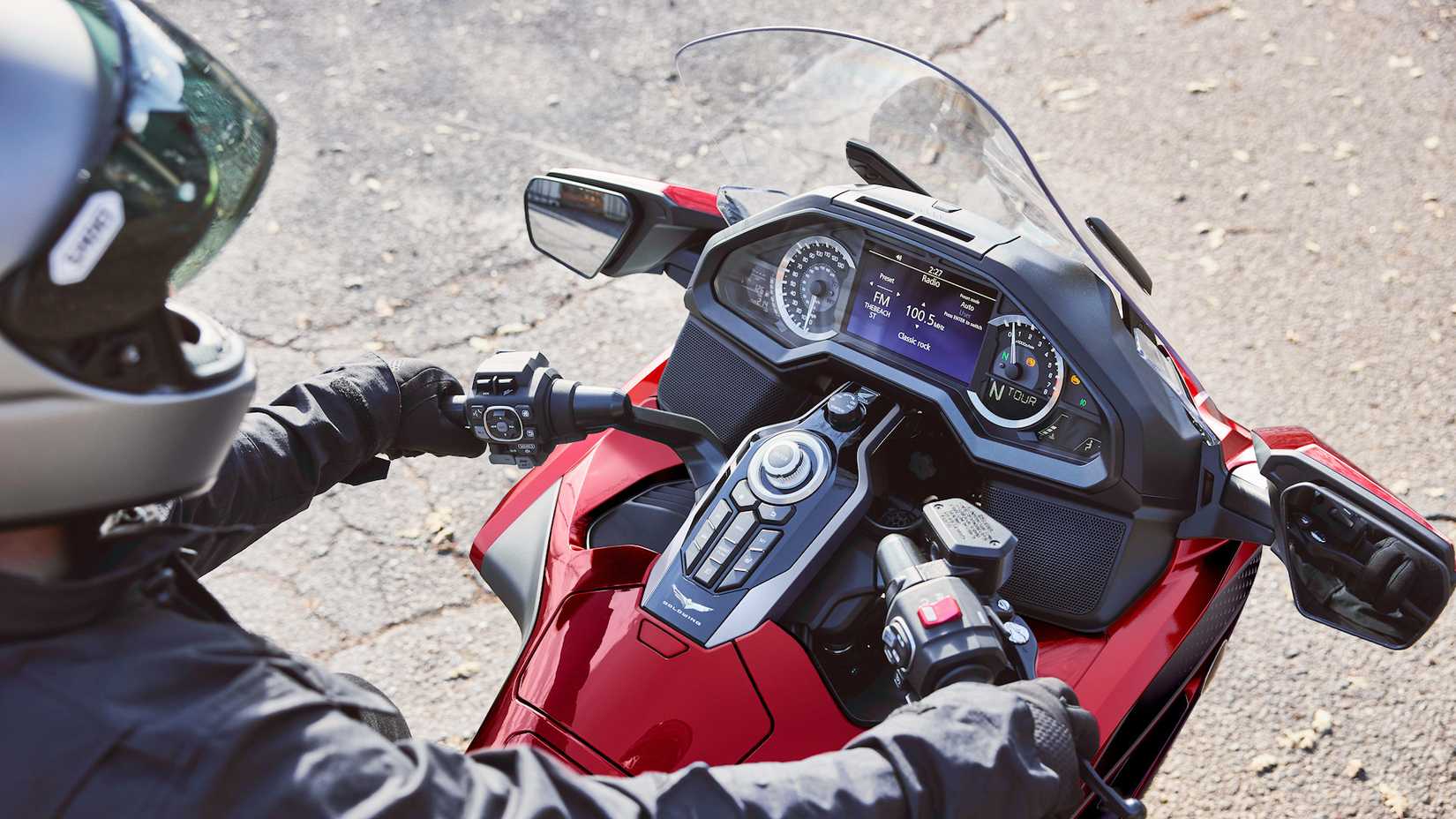
In 2026, the Gold Wing Tour DCT is for the rider who wants one motorcycle to do a lot of jobs well. It suits the commuter who hates clutch work, the traveler who values smoothness over theater, and the owner who wants luxury without giving up genuine usability. There are flashier bikes and lighter bikes, but very few that can cover this much ground with this much composure. The Gold Wing does it all, and that is still the point.
Sources: Honda