

Traditional touring motorcycles have always been big, heavy motorcycles. That hasn’t changed. However, what has changed is the level of comfort, refinement, and electronic assistance you get with them. Of course, these being luxury products, the pricing has also climbed to the level where you could buy a mid-size car instead of these two-wheelers.
It is the American brands that have defined the segment for many decades, and they continue to be the preferred choice for those who value heritage. However, if you are serious about riding large distances, there are no real bad answers to the question of which tourer feels refined, stable, and ready for 500-mile days. But there is one motorcycle that everyone keeps going back to. First, however, let us look at what is available in the segment.
The Default Choice
If you want a big tourer to ride across the country with, the obvious choice is a Harley-Davidson. And from The Motor Company’s range, the Road Glide Limited fits the description better than most. It has a combination of good performance, decent features, and a relatively reasonable price. However, Harley’s commitment to its heritage can hold it back a little. The Milwaukee-Eight engine chooses aesthetics over technology, and its air cooling means that it cannot put out the kind of power that its rivals do.
The ‘Other’ American Option
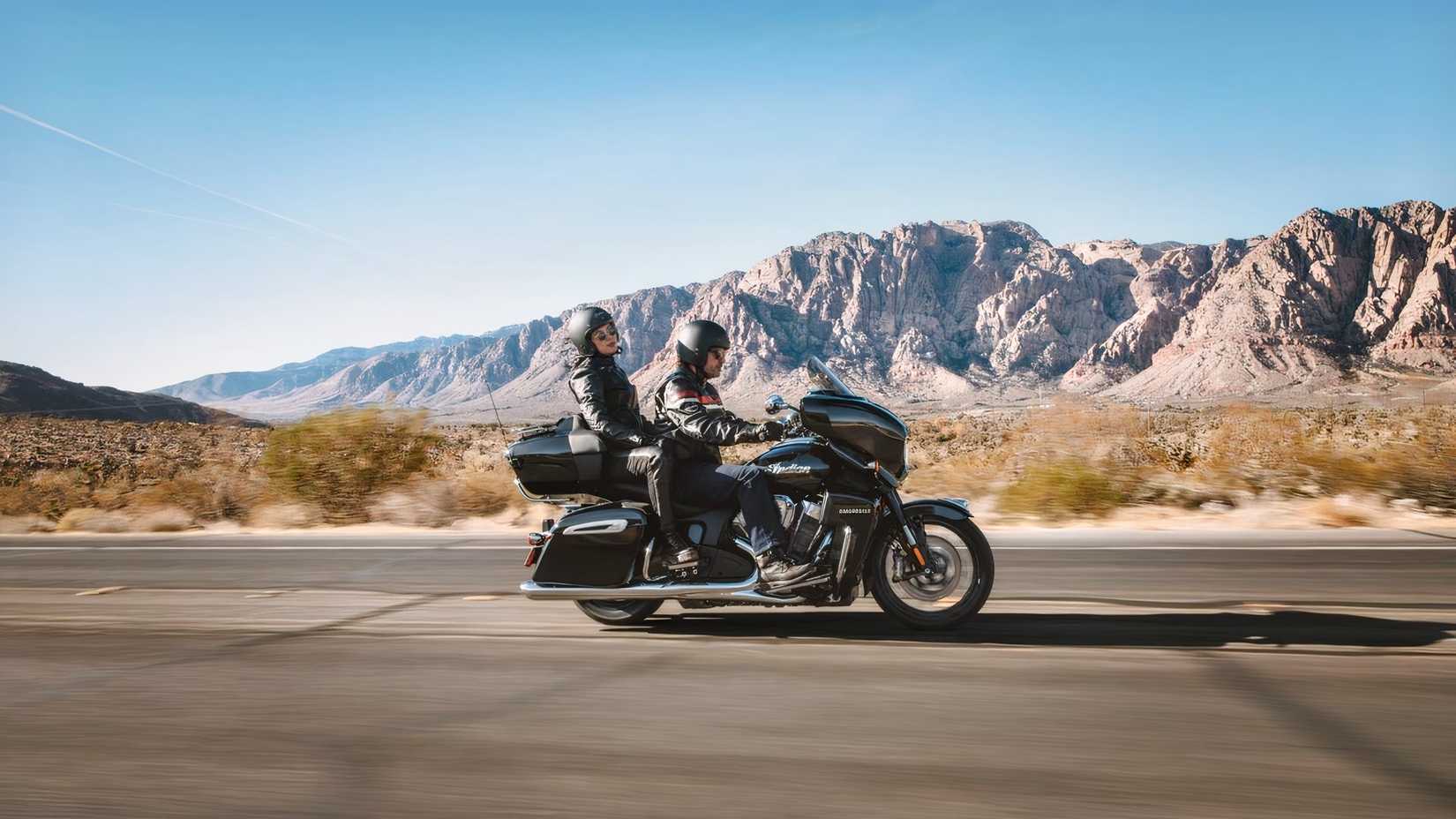
Indian Motorcycle has gone from strength to strength in recent times, and it is a viable alternative to the products from Milwaukee. In this case, the Roadmaster has a very good combination of heritage styling cues and modern technology. Indian has even fitted it with a fully liquid-cooled engine in the form of the PowerPlus 112, so you get maximum performance along with features like connected tech. If you prefer traditional motive power, the air-cooled Thunderstroke engine is also an option, and it too has technology like a by-wire throttle and rear cylinder deactivation.
The European Challenger
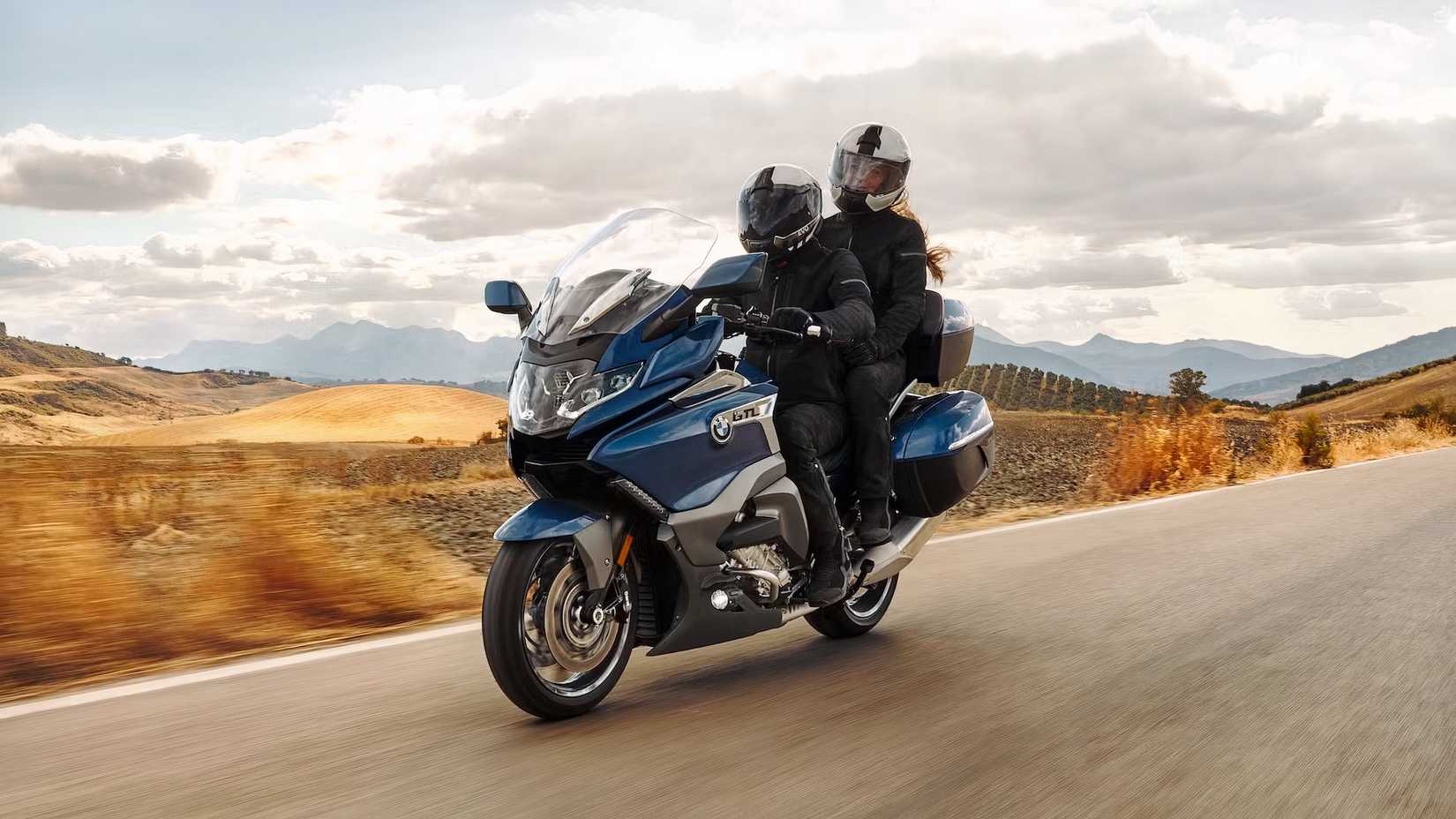
This is a lucrative segment, so we can expect other premium brands to come up with their own versions of tourers. One of the most interesting ones is the BMW K 1600 GTL. This is both a full-dress tourer and almost a sport tourer. It makes an incredible 160 horsepower from its inline-six engine that is canted over quite heavily to keep the center of gravity low. If it is smoothness you want, the K 1600 GTL cannot be beat, to say nothing of that unique howl from the pipes every time you open the taps.
The Kawasaki Tourer That Makes Gold Wing Owners Look Twice
This motorcycle offers 80 percent of the Gold Wing’s comfort, yet allows you to enjoy your corners to the fullest
The Honda Gold Wing Tour Is The Tourer That Feels Refined, Stable, And Ready For 500-Mile Days
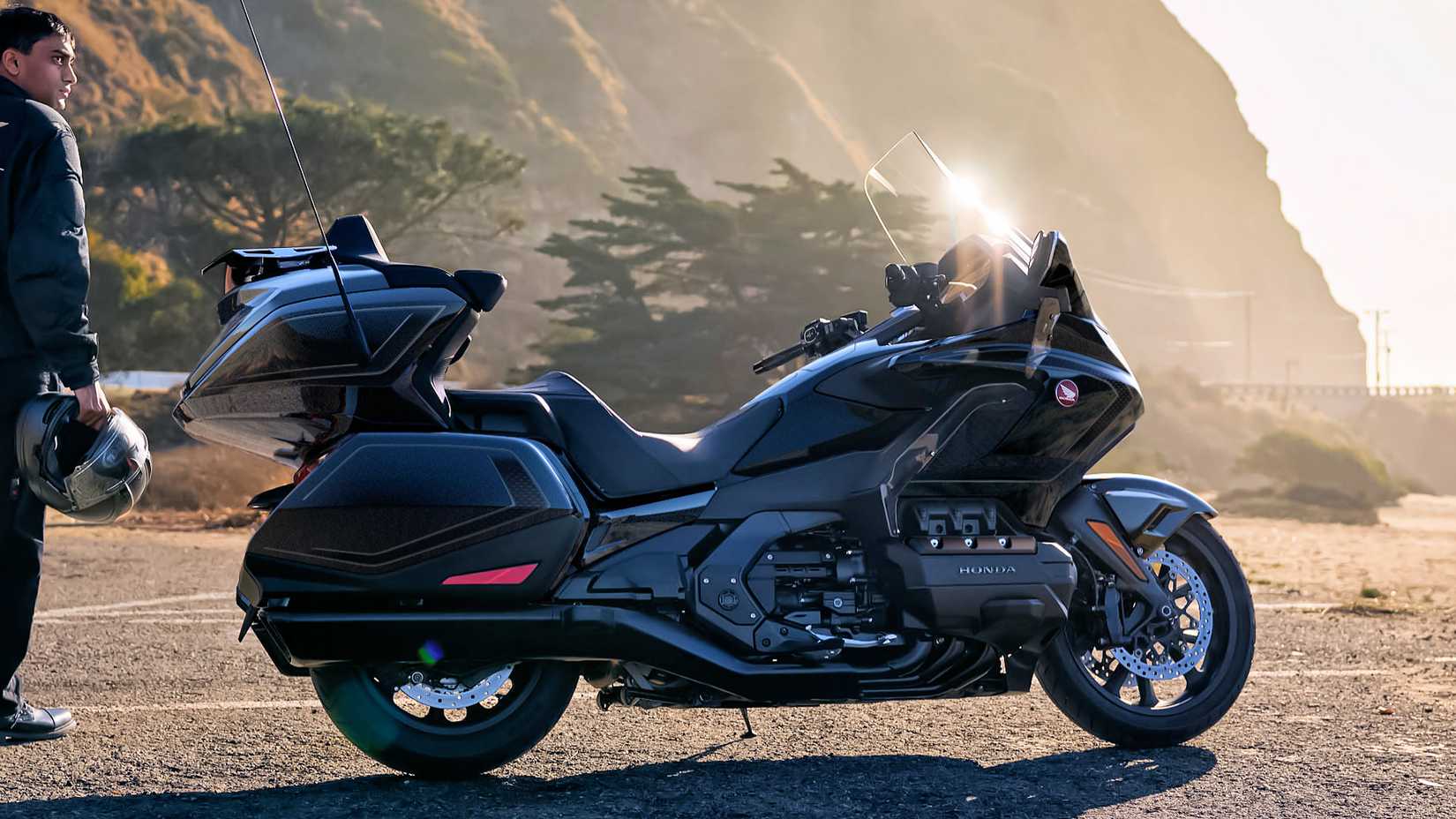
There is a good reason that serious tourers default to the Honda Gold Wing. And it isn’t just the value pricing or the relatively low ownership costs. The Gold Wing‘s design is optimized to make it feel like a natural extension of the rider, thanks to its low center of gravity and, in the current generation, the use of the double-wishbone front suspension. It doesn’t go overboard with the creature comforts, but it definitely has a lot of them. And coupled with this smooth engine, great torque spread, and the optional automatic gearbox, this is definitely the tourer that feels refined, stable, and ready for 500-mile days.
The Price Is Quite Value-Oriented For The Segment
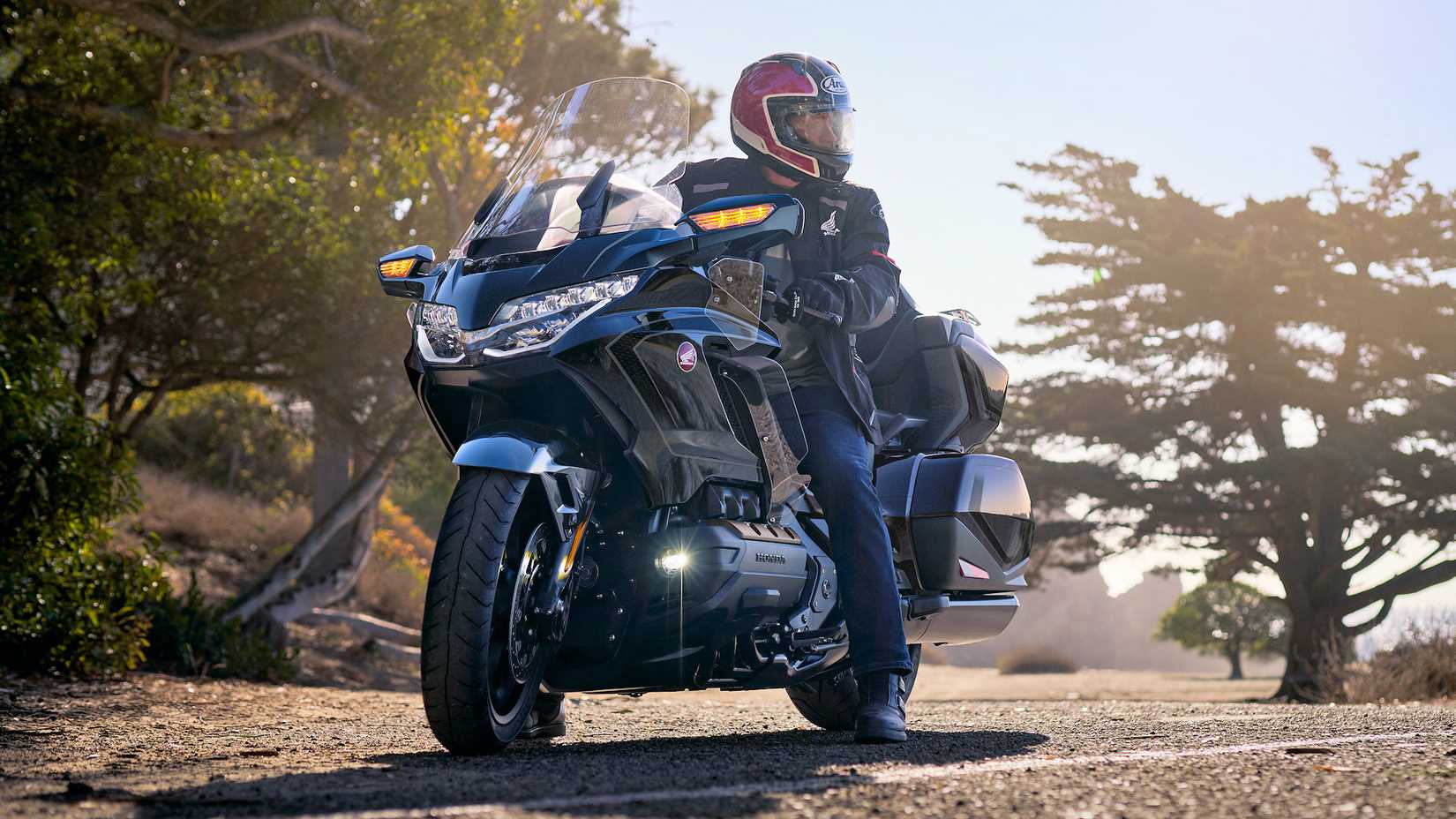
The Honda Gold Wing has two distinct models on sale in the US. One is the bagger, which has a base price of $25,500. The full-dress tourer, called the Gold Wing Tour, has a base price of $29,500, and Honda adds another $1,000 for the DCT automatic gearbox. If you want to add the world’s only motorcycle airbag to it, the price goes all the way up to $33,800, but the airbag is available only with the automatic gearbox.
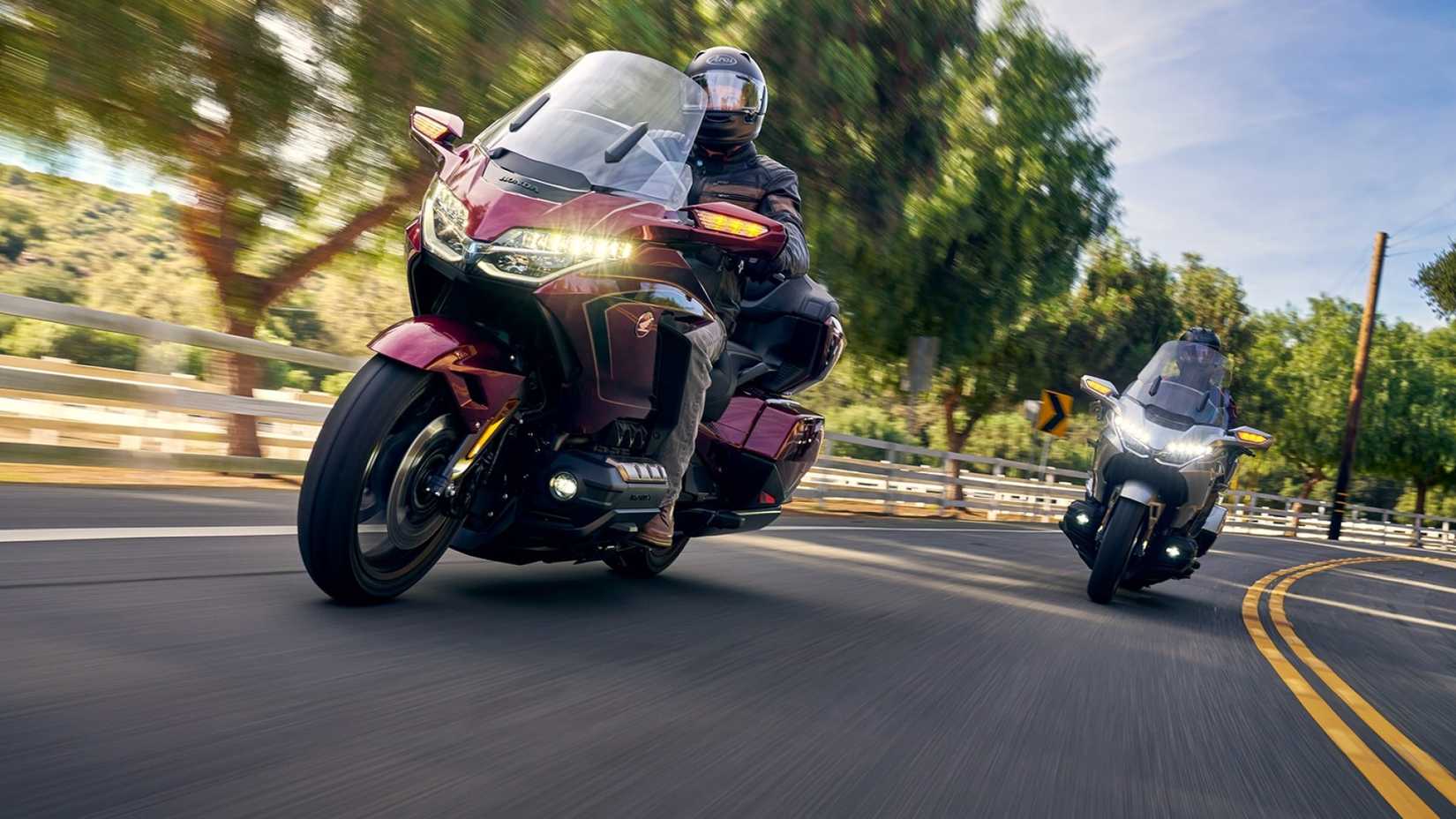
These prices might seem a little high compared to the competition, but bear in mind that a lot of the competition, like the Harley-Davidson, gives you very little for its base price, and nine times out of ten, options will need to be added to it to meet the spec of the base Gold Wing. So it evens out, with the Honda delivering more value overall.

8 Six-Cylinder Motorcycles That You Shouldn’t Ignore In 2025
Although it’s a dying engine breed, these bikes all make a case for themselves with some solid USPs
Unique Engine Has No Real Equal
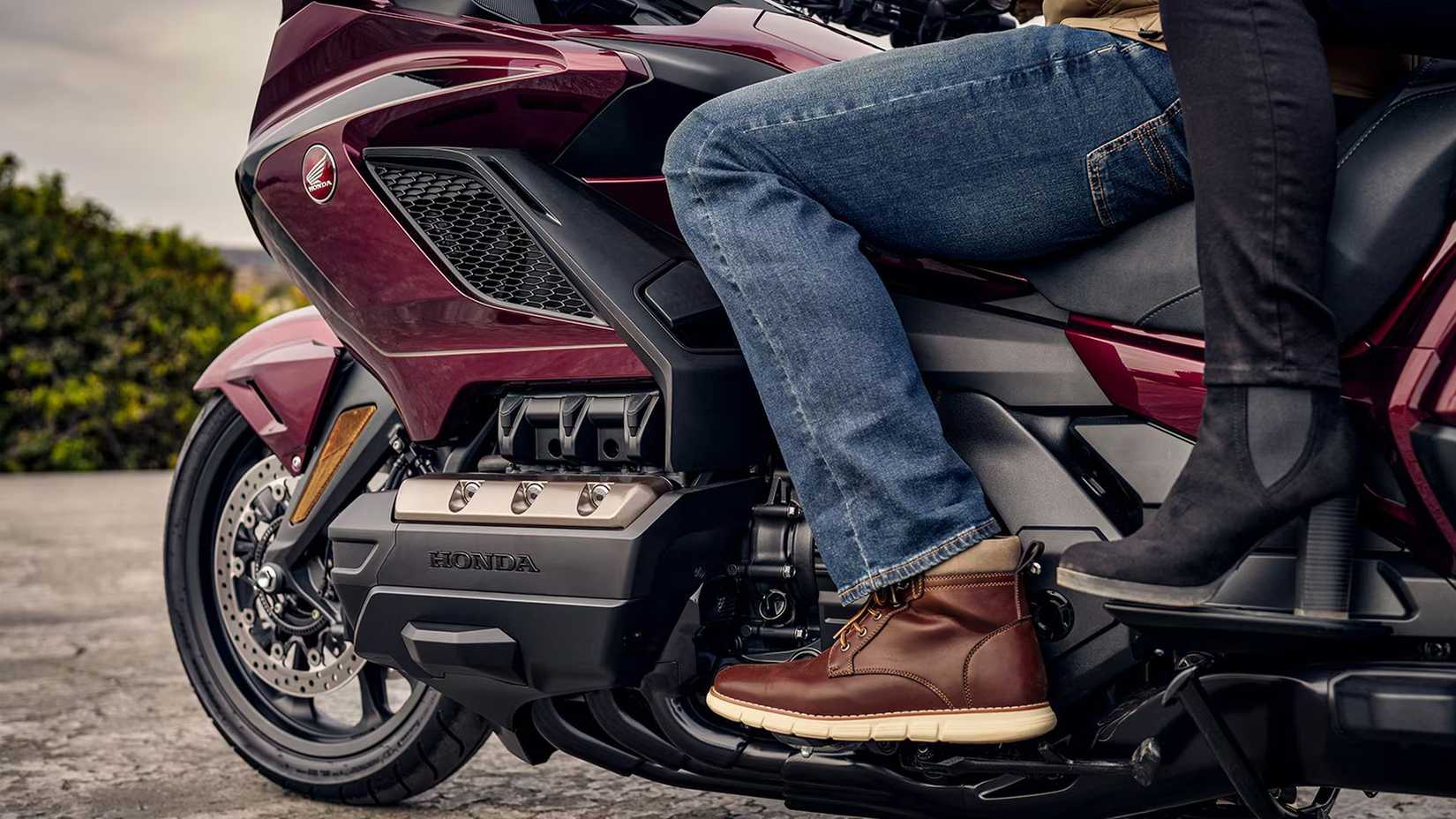
This is the only engine of its kind today. Not just in a Honda, but across all manufacturers. There is one Chinese manufacturer that has made a similar engine, but it doesn’t have the same number of cylinders. This is a horizontally opposed six-cylinder engine that has been placed longitudinally in the chassis. It features Honda’s Unicam SOHC head to reduce the width, and with this generation, Honda has given it four valves per cylinder.
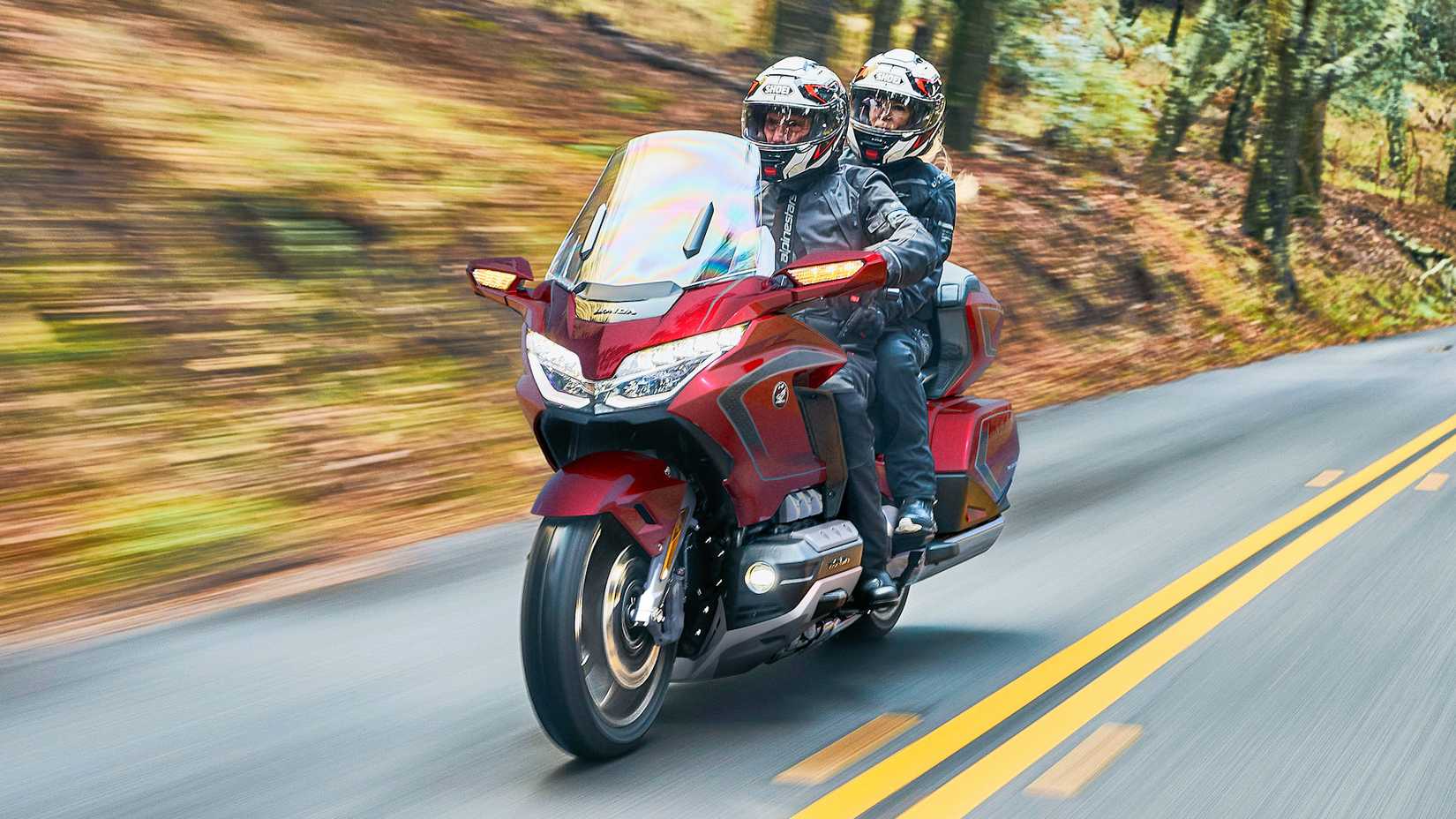
It displaces 1,833cc, has an exactly square bore and stroke, and a compression ratio of 10.5:1. It generates 124.7 horsepower at 5,500 RPM and 125.3 pound-feet at 4,500 RPM. It is available with the option of either a six-speed manual gearbox or a seven-speed automatic dual-clutch transmission.
The Gearbox Is As Unique As The Engine
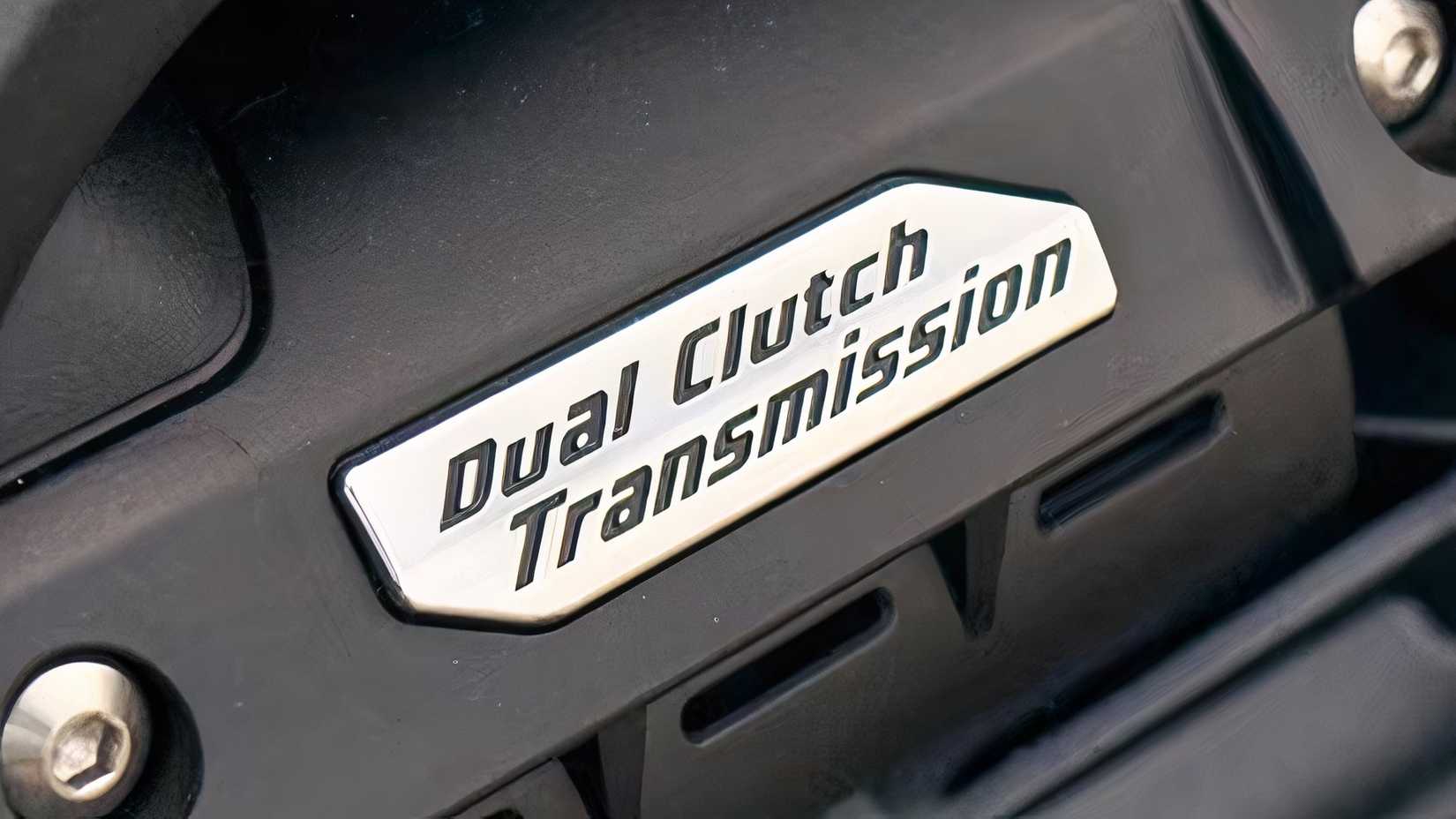
This is a unique gearbox and deserves its own section because there is so much tech that Honda has put into it. This is a longitudinal engine, and bikes with this layout suffer from a side-to-side rocking motion when you get on and off the throttle. Honda has provided a gearbox with reverse-rotational gears to cancel out this rocking motion. The gearbox is also placed under the engine to shorten the overall length of the driveline.
The six-speed manual gearbox has an assist-and-slipper clutch. It also provides a reverse gear by virtue of the Integrated Starter Generator. The dual-clutch automatic gearbox is a seven-speed unit; plus, it has a reverse gear. Honda has also provided a ‘walk’ mode so that you can move around a parking lot without actually having to push its weight around.
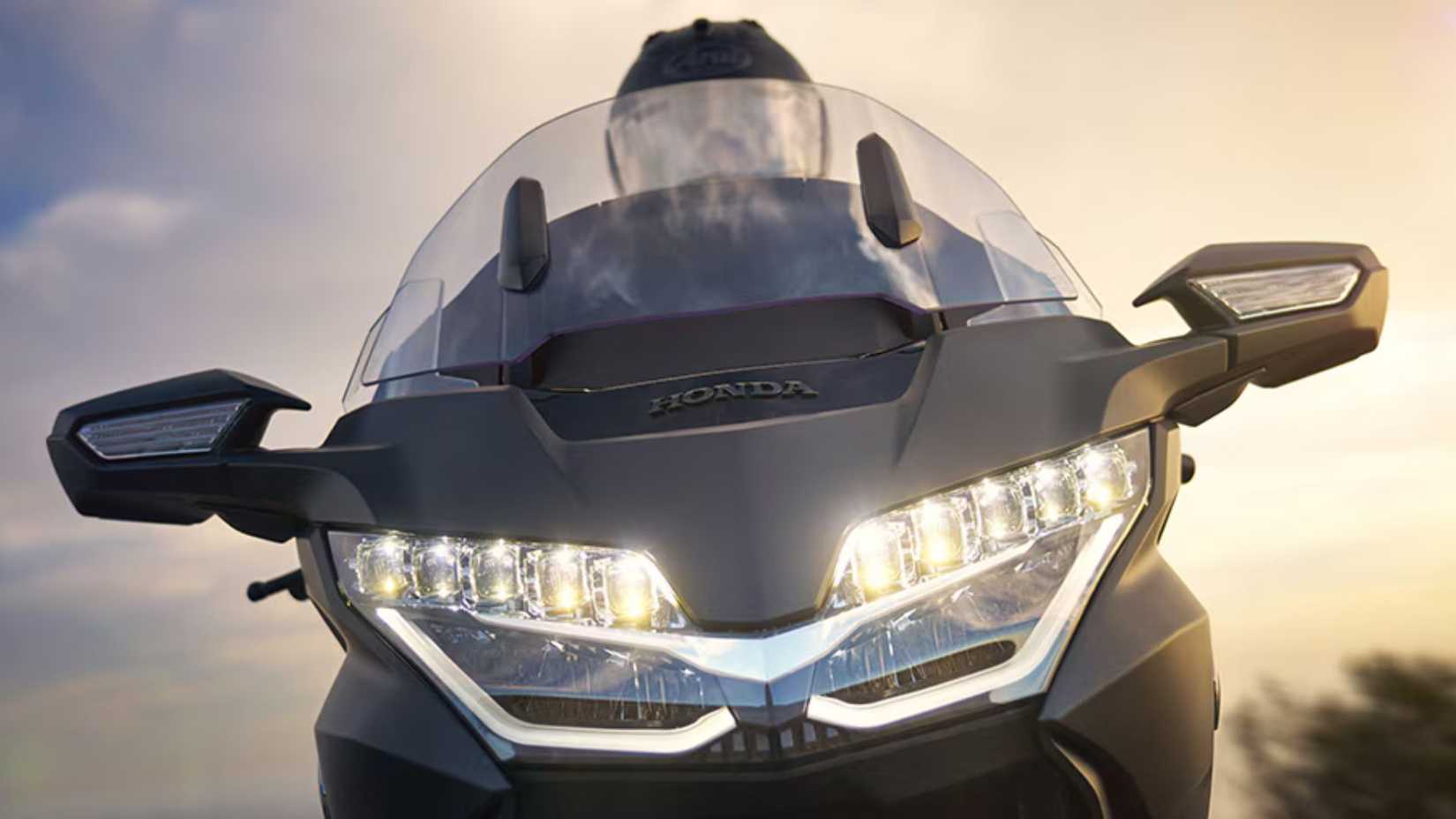
Leave the automatic in D, and this will shift gears seamlessly, keeping your ride as smooth as possible. There is also an S mode that holds on to gears longer and downshifts earlier, for when you’re feeling frisky. But you also have manual control via paddles on the left handlebar.
The Touring Motorcycle That Feels Like A Gold Wing Without The Price Tag
This BMW touring bike has a lot of similarities with the Gold Wing, including a six-cylinder engine and a unique suspension setup.
This Reads Like A Sportbike Chassis!
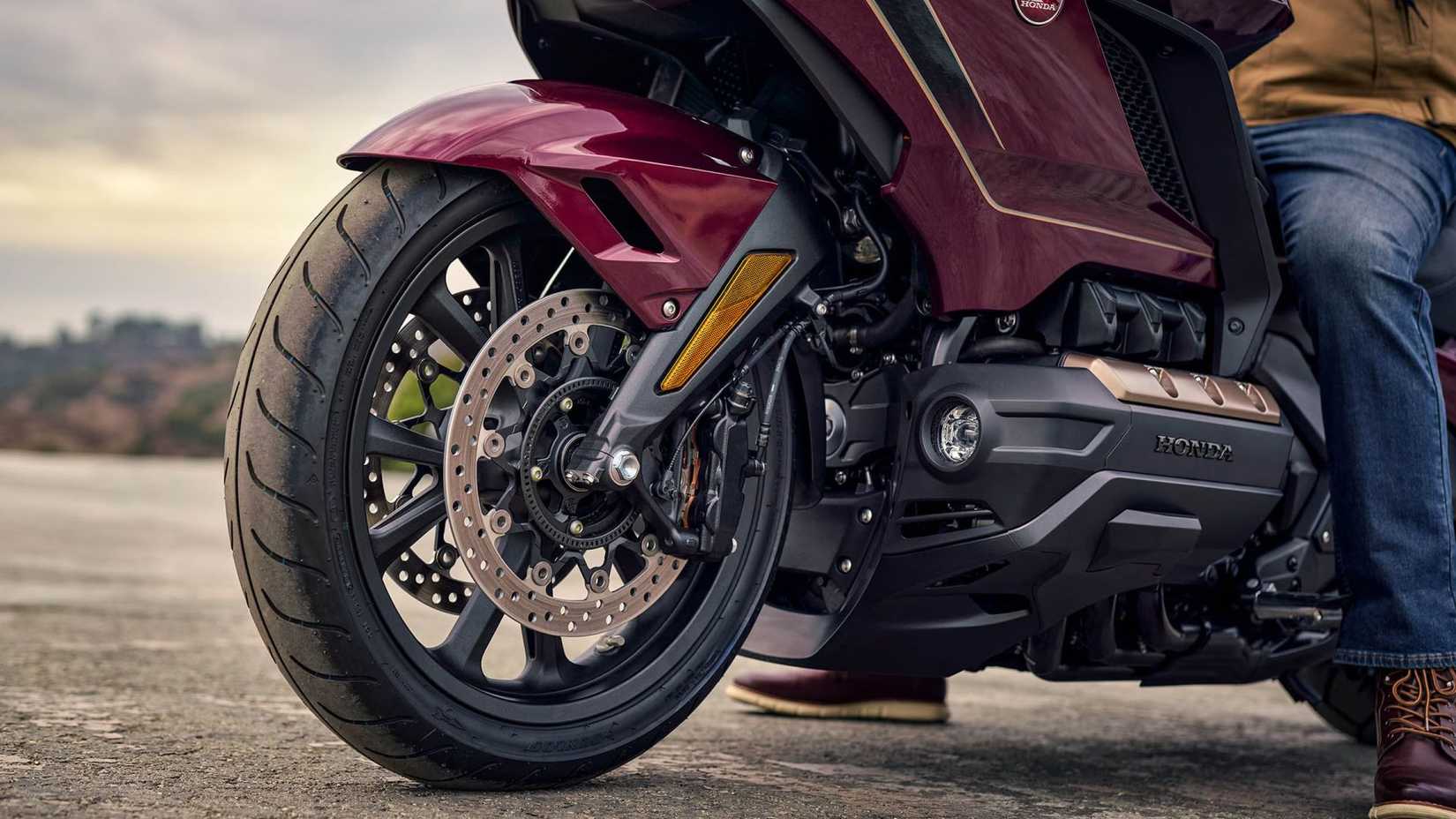
The Gold Wing has an aluminum die-cast twin-spar frame, not unlike a sportbike. Honda has chosen this layout for the same reason as a sportbike: weight saving. It uses the engine as a stressed member, and that’s where the similarities with sportbikes end. One of the big changes in this generation of Gold Wing, along with the four valves in the engine, is the front suspension. Honda has ditched the telescopic fork layout for a double-wishbone setup, like those you find on BMW touring bikes.
This revolutionary setup for the front suspension enables it to move vertically rather than in line with fork tubes when it hits a bump. This has enabled Honda to place the engine further forward in the chassis, thus reducing the overall length of the Gold Wing. Now there is more weight over the front wheel and reduced rider reach to the handlebars. Translation: this is a more maneuverable bike.
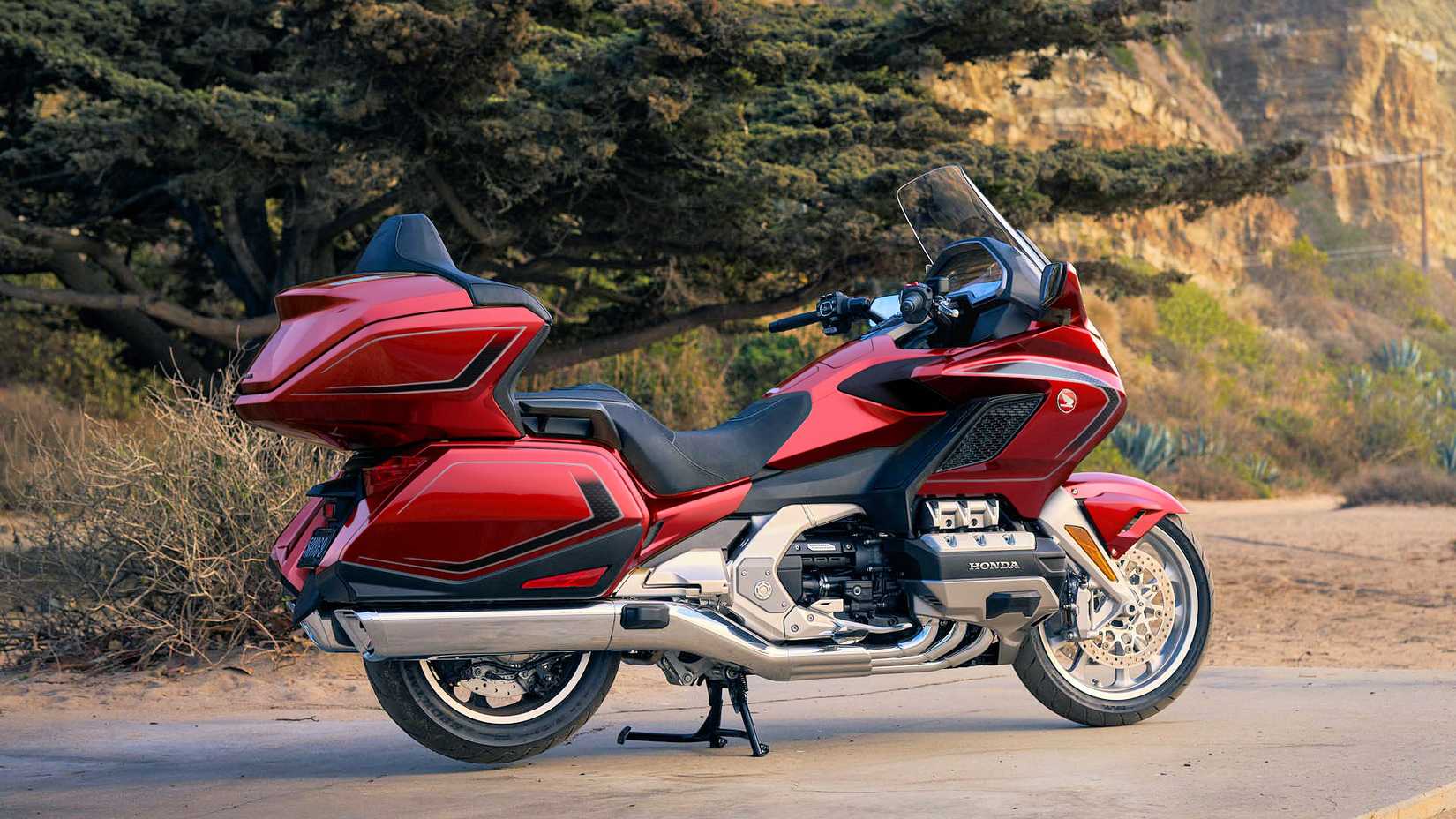
At the rear, it’s business as usual with the Pro Arm single-sided swingarm and the Pro-Link monoshock. The suspension offers 4.3 inches of travel at the front and 4.1 inches at the rear. The damping is electronic, and the rear preload can be adjusted at the touch of a button. The brakes are some of the biggest on any motorcycle today, with twin 320mm floating front discs paired with six-piston fixed calipers and sintered brake pads. At the rear, there is a 316mm disc with a three-piston floating caliper and sintered pads as well. These are paired with alloy wheels with an 18-inch rim in the front and a 16-inch rim at the rear, fitted with tubeless tires.
Full-Size Tourer Dimensions Here
The Gold Wing is, as expected, a big bike, despite all the improvements to its suspension and driveline. It is nearly 103 inches long and 36.4 inches wide, with a 66.9-inch wheelbase. The seat height is 29.3 inches, and the ground clearance is 5.1 inches. It doesn’t have a very big fuel tank by full-dress tourer standards at 5.5 gallons, but that is a testament to the engine’s efficiency. The weight is par for the course, considering the class at 866 pounds ready to ride with a full tank of fuel. However, the Gold Wing carries the weight differently – low down – because of the flat engine configuration, so it feels a lot nimbler than the competition.
The Touring Bike With Honda Reliability And First-Class Comfort
This BMW motorcycle combines Honda-like reliability with luxury touring comfort, featuring a durable six-cylinder engine and unique suspension.
All The Features You Could Possibly Need Are Standard
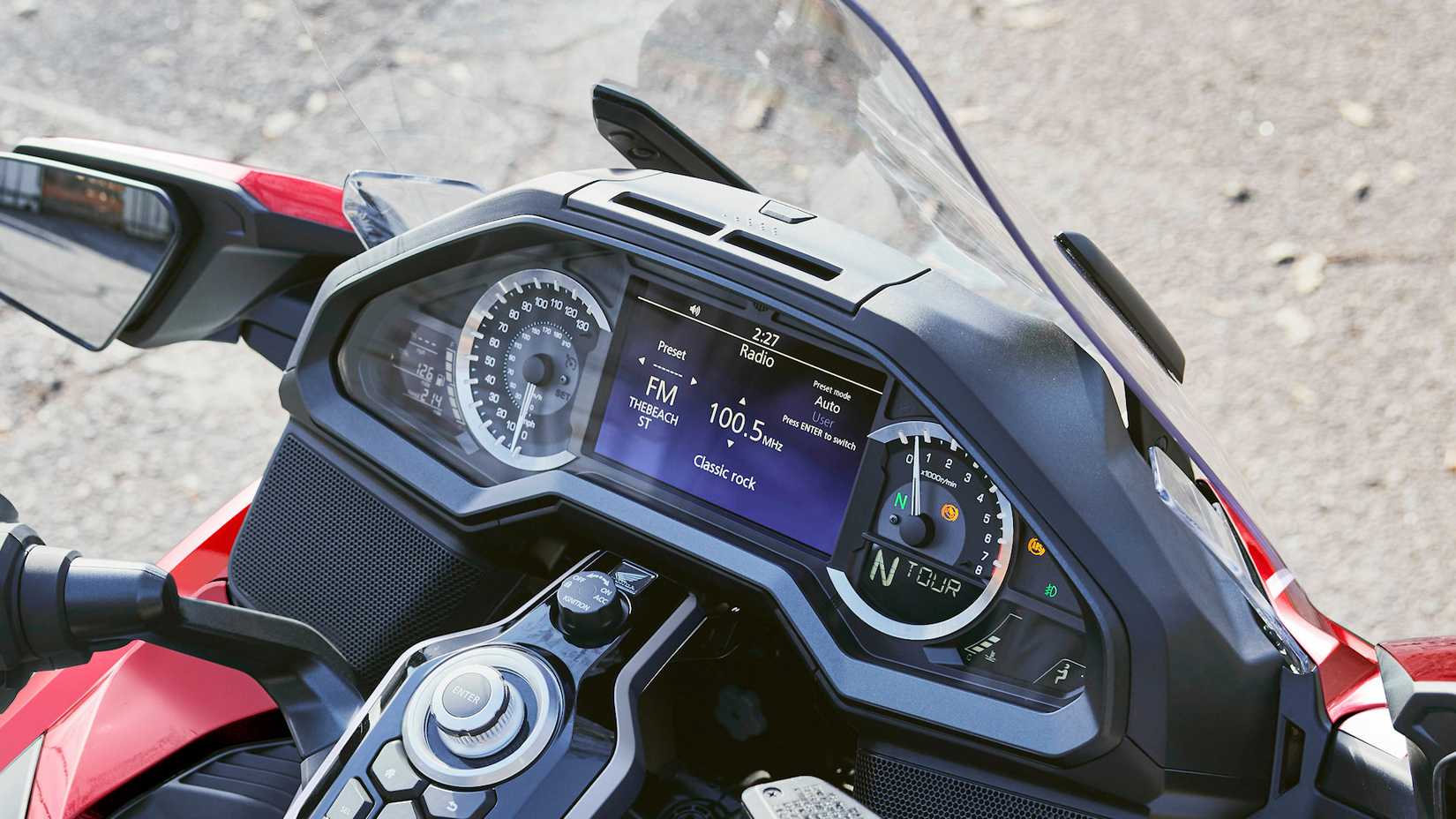
This is Honda’s flagship motorcycle in many ways, so Honda has thrown everything and the kitchen sink at it. It starts with the seven-inch TFT display that has Bluetooth, navigation, and wireless Android Auto/Apple CarPlay as standard. An interesting feature is the gyrocompass that keeps the navigation going even in tunnels. Honda has retained the reverse LCD and analog components of the instrument cluster, and we like it because, in many ways, it is both easier to read and maintain.
The analog dials show the engine revs and the speed, while the LCD screens show what gear you are in, what ride mode you selected, the fuel level, coolant temperature, trip meter, odometer, and rear preload setting, all at a glance. This is different from the competitors’ all-TFT setups, but it works.
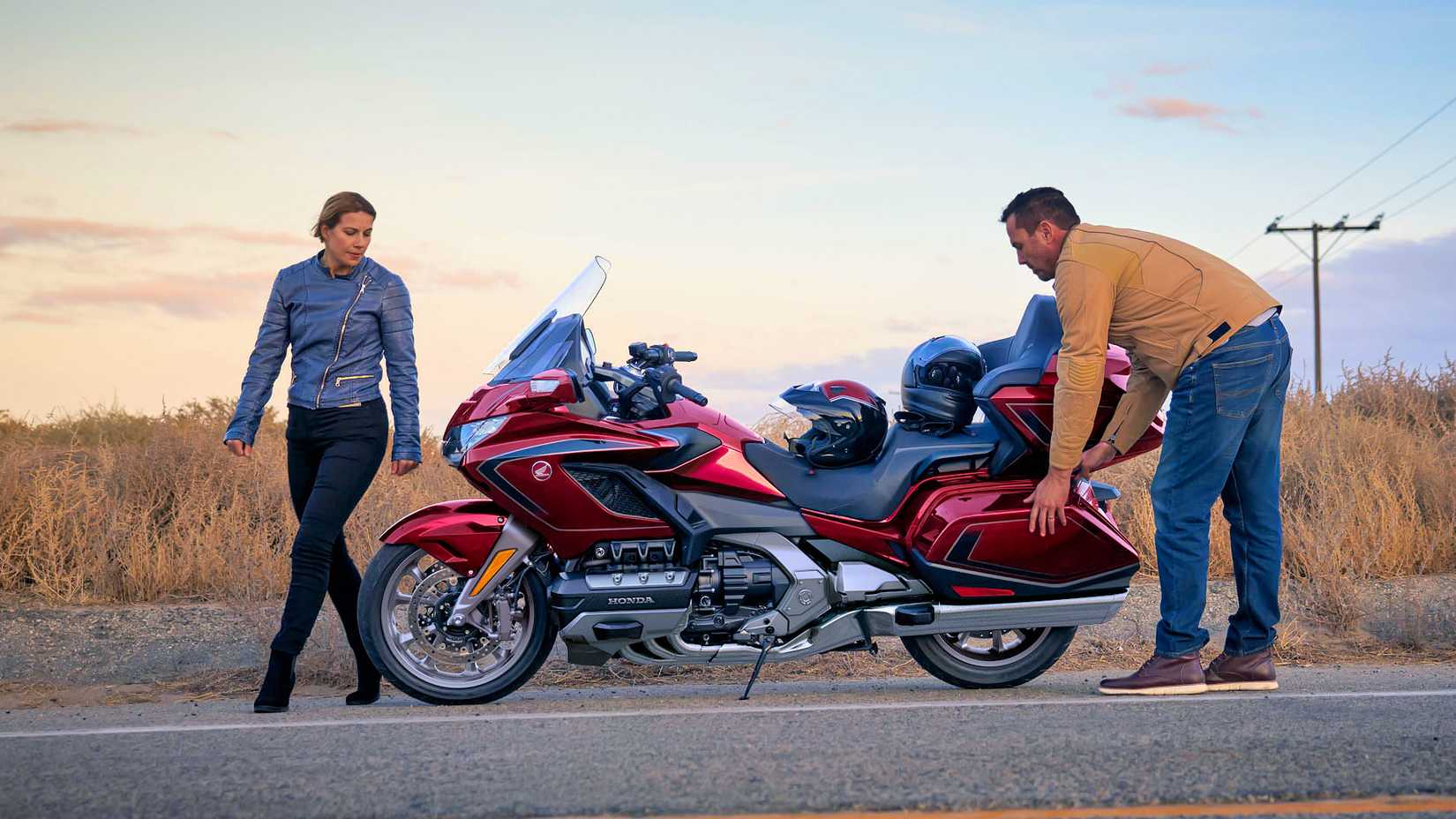
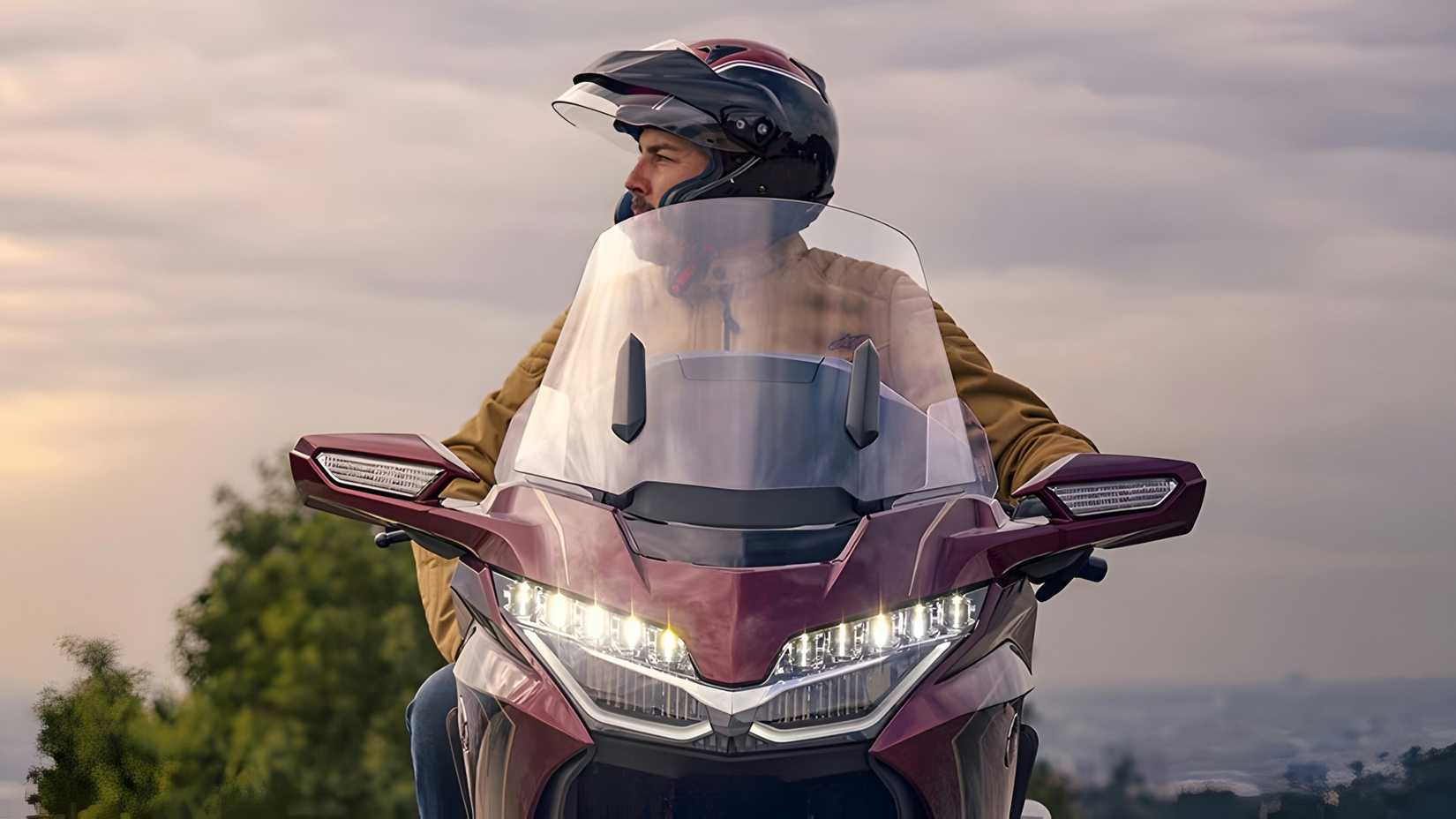
The windscreen is electrically adjustable and adjusts for both height and angle. It also has a memory and remembers the last setting after you switch the motorcycle off. Honda has tied up with specialist BASF for the Gold Wing’s paint; it isn’t available on any other motorcycle in the Honda portfolio.
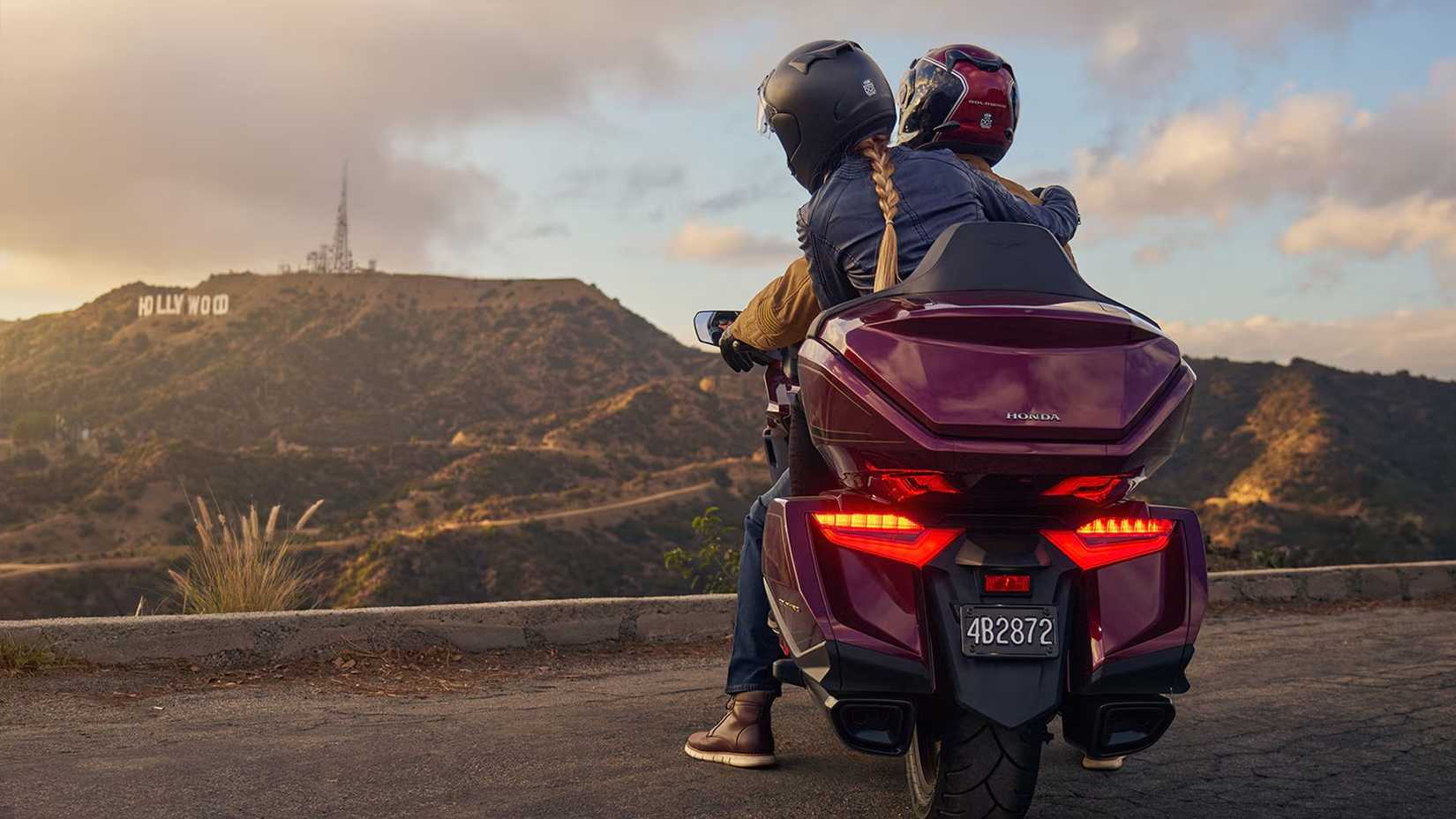
The luggage is standard with a 16-gallon trunk and saddlebags that open at the touch of a button. They can also be locked and unlocked remotely. Other standard features include heated grips and seats, with different temperatures for the rider and pillion seats possible. Tire pressure monitoring and automatic volume adjustment for the audio system are also present. The options list isn’t large and doesn’t need to be, but the world’s only motorcycle airbag is on it. It is a rider airbag, and nobody else has developed one, despite this being a feature on the Gold Wing for a while now.
As far as electronics are concerned, the Gold Wing has a six-axis IMU, so you get access to ride modes and cornering functions for the traction control, ABS, and engine braking. The brakes are linked, so you can actuate either lever and the Gold Wing will decide how to distribute braking force the best to each end.

The Bike That Turns Cross-State Trips Into Casual Rides
This potent six-cylinder bagger strikes an impressive balance between long-distance comfort and value
A Unique Take On Touring, But It Works Amazingly Well
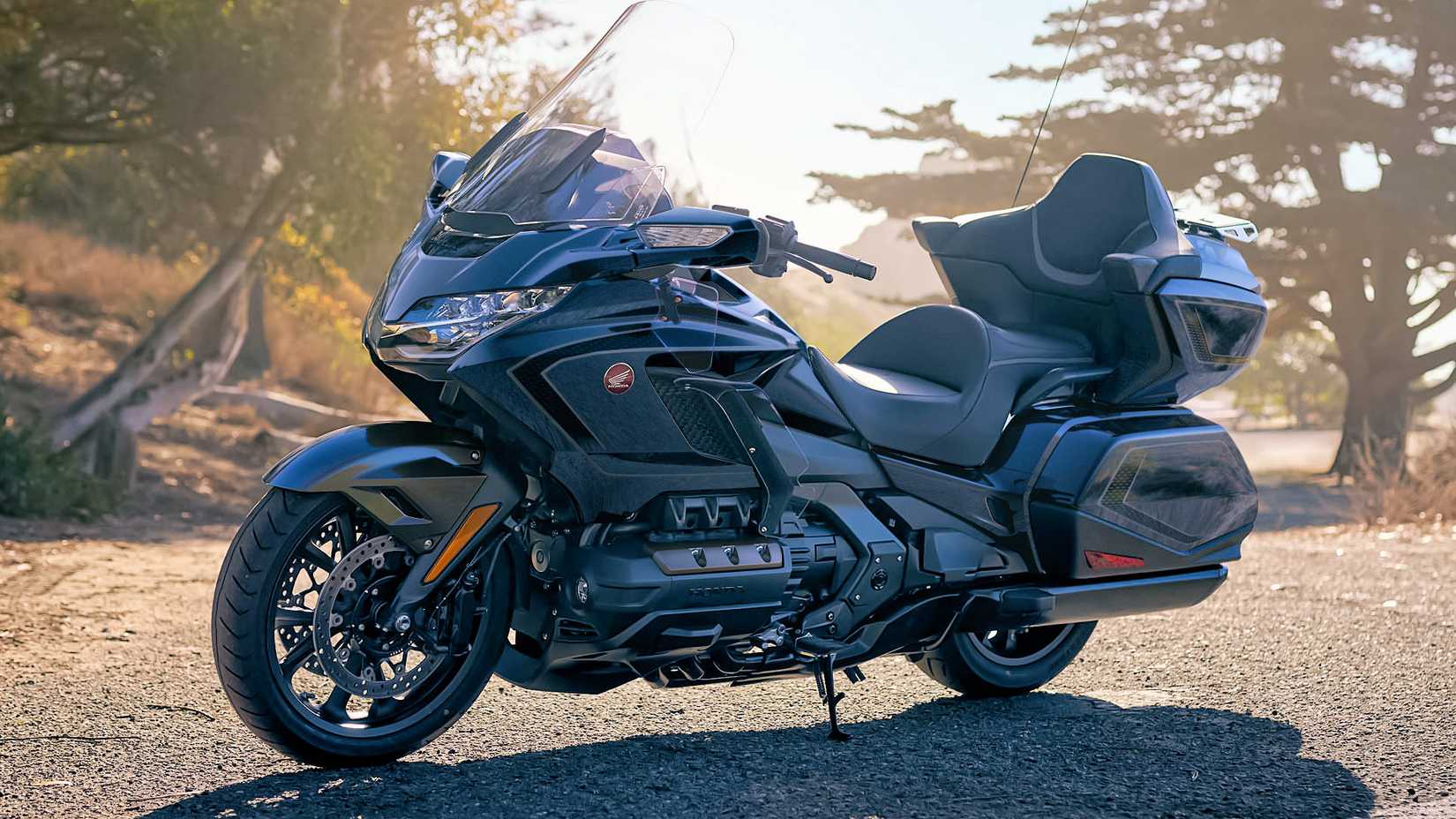
It is very rare that someone forges their own path successfully by doing something completely different. Honda has not only done that, but done it so successfully that the Gold Wing is manufactured in a single facility in Japan and exported all over the world. It remains the leader in its segment, with levels of reliability that the competition can only dream of. It is also surprisingly engaging to ride, despite being a big, heavy, comfortable tourer. You could look at the competition for character, but if you want something that works effectively for decades and keeps you comfortable at the end of a full day on the road, then there is nothing better than a Gold Wing.
Source: Honda PowerSports