
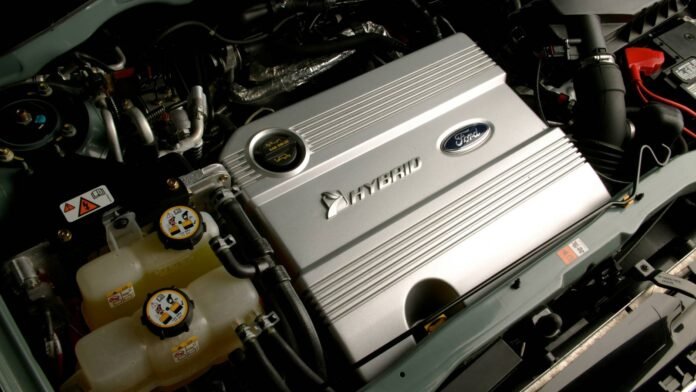
Hybrid SUVs have become increasingly common over the past decade, promising lower fuel costs and smoother daily commuting. But despite their popularity, many buyers still remain hesitant about long-term hybrid ownership. Once warranties expire, aging batteries, complex electrical systems, and potentially expensive repairs can make older hybrids feel intimidating. And honestly, some of those concerns were not entirely irrational. Yet one hybrid SUV from Ford quietly built a very different reputation over time. It never became especially trendy or dominated comparison tests. But owners kept driving them. And driving them. And driving them some more.
Why Most Hybrid SUVs Become Expensive Long-Term
Complexity And Battery Fears Push Owners Away
Before revealing the mystery SUV, it is important to understand why hybrid vehicles initially made so many buyers nervous. When hybrids first entered the mainstream, they introduced an entirely new layer of complexity into everyday motoring. Traditional gasoline SUVs already carried enough long-term maintenance concerns on their own. Adding battery packs, regenerative braking systems, electric motors, power control units, and hybrid transmissions naturally made many buyers hesitant as mileage climbed.
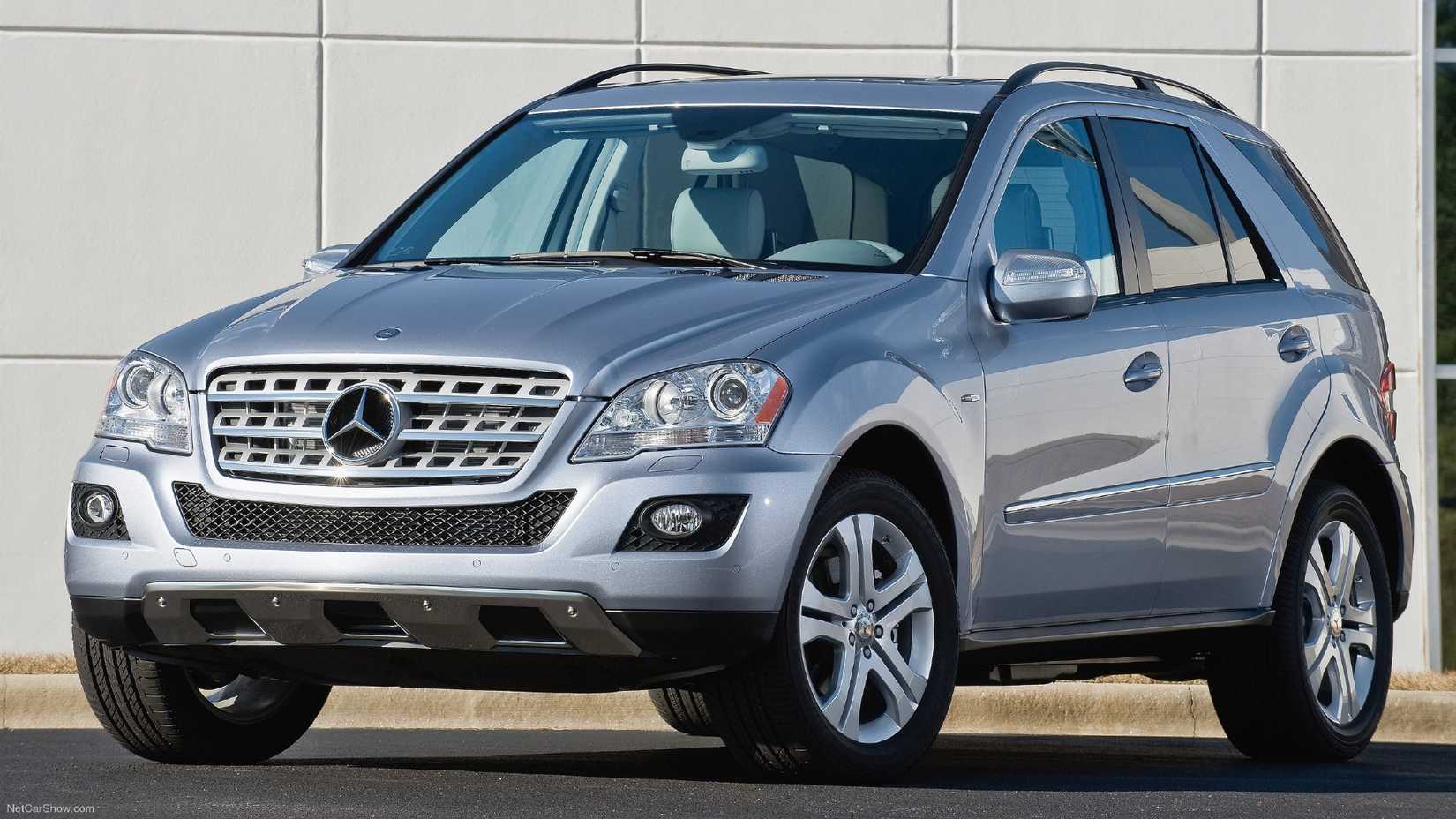
For years, fears of battery replacement have been one of the biggest concerns surrounding hybrid ownership. Early hybrid technology still felt relatively unproven to many consumers, while stories about expensive battery failures spread quickly online. Even today, many used-car buyers remain cautious around older hybrid vehicles because they assume aging batteries automatically mean catastrophic repair bills waiting around the corner.
Some Hybrid SUVs Also Became Victims Of Overcomplication
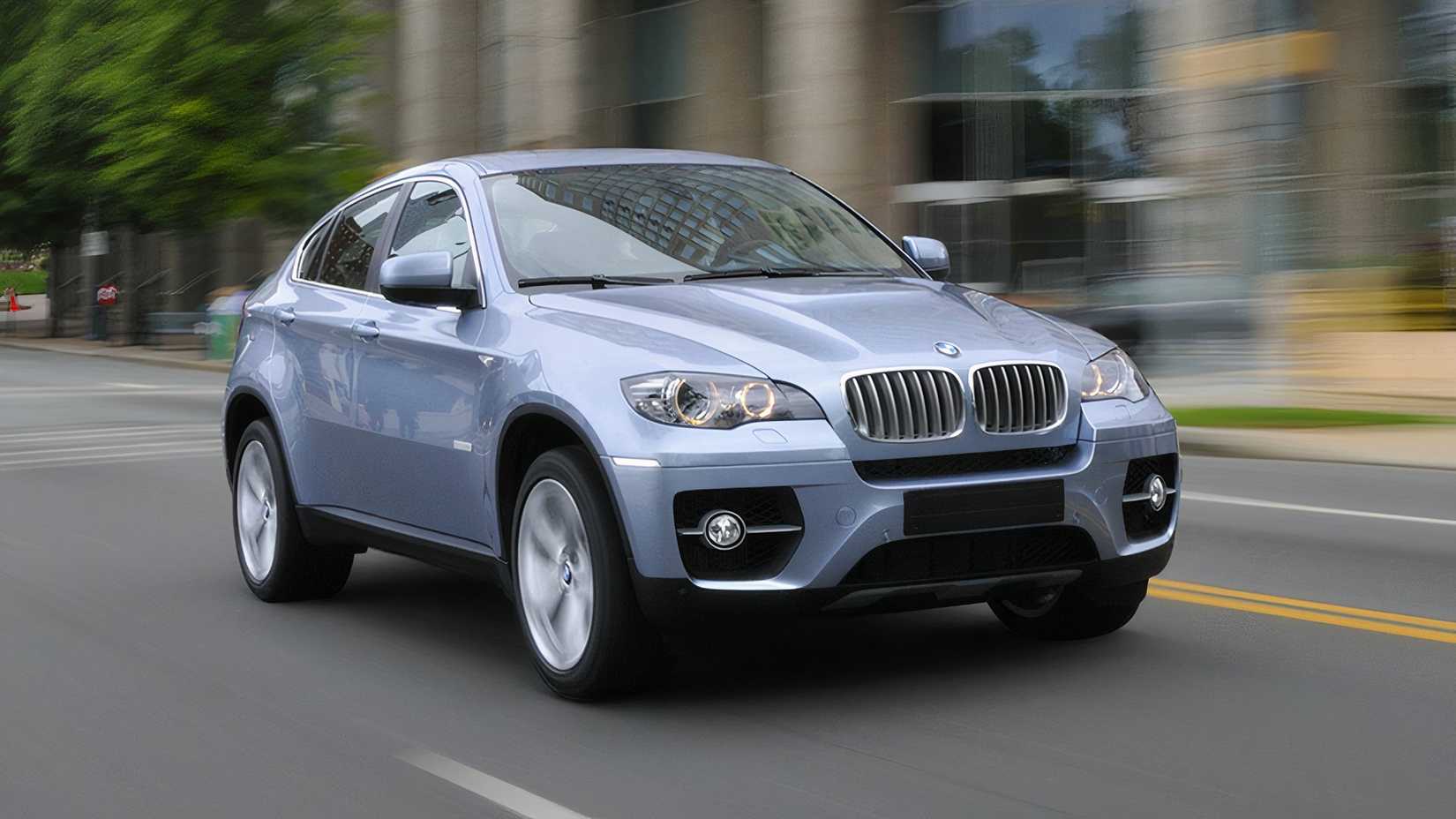
Manufacturers increasingly packed vehicles with turbocharged engines, complicated transmissions, oversized touchscreens, and layers of advanced electronics — systems that sometimes created additional long-term durability concerns once vehicles aged beyond their original warranty periods.
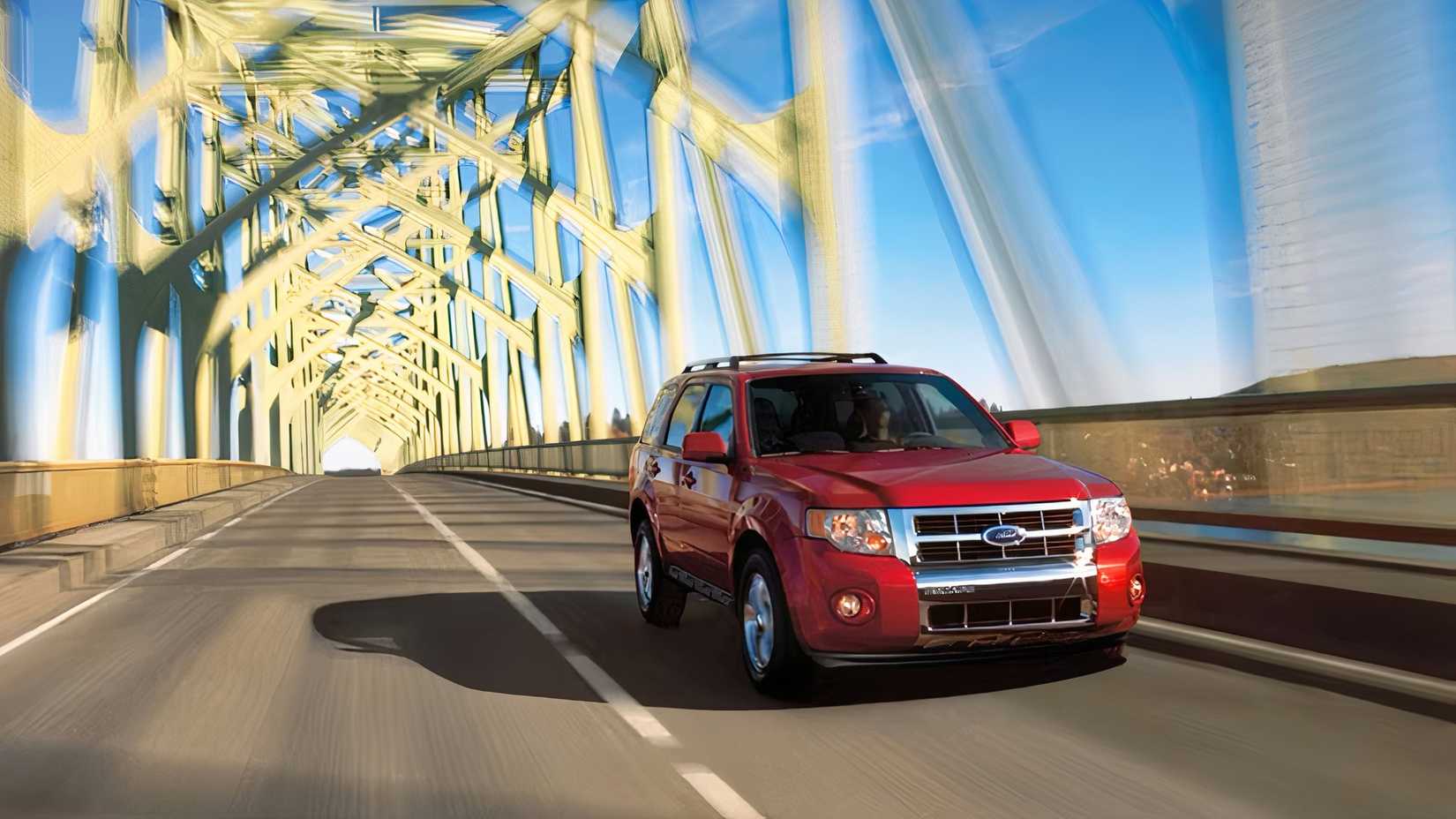
Consumer Reports has previously noted that newer transmission technologies and increasingly complex infotainment systems have contributed to rising reliability concerns in modern vehicles, particularly as manufacturers pushed for greater efficiency and more advanced technology features. And that is partly why so many older hybrid SUVs quietly disappeared from the roads over time. But the Ford Escape Hybrid somehow avoided much of that fate. Instead of becoming a forgotten experiment, it quietly built a reputation for something arguably more impressive: surviving well beyond 200,000 miles with remarkable regularity.
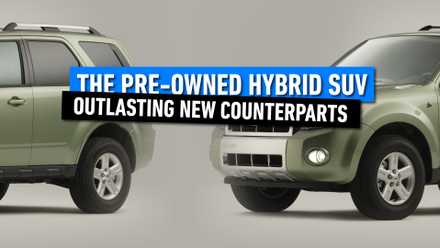
The Pre-Owned Hybrid SUV That Outlasts Its New Counterparts
If you’re looking for a used, reliable hybrid SUV that can give new hybrid SUVs a run for their money, this is the one to go for.
The Ford Escape Hybrid Quietly Built A Loyal Following
Owners Regularly Push Them Beyond 200,000 Miles
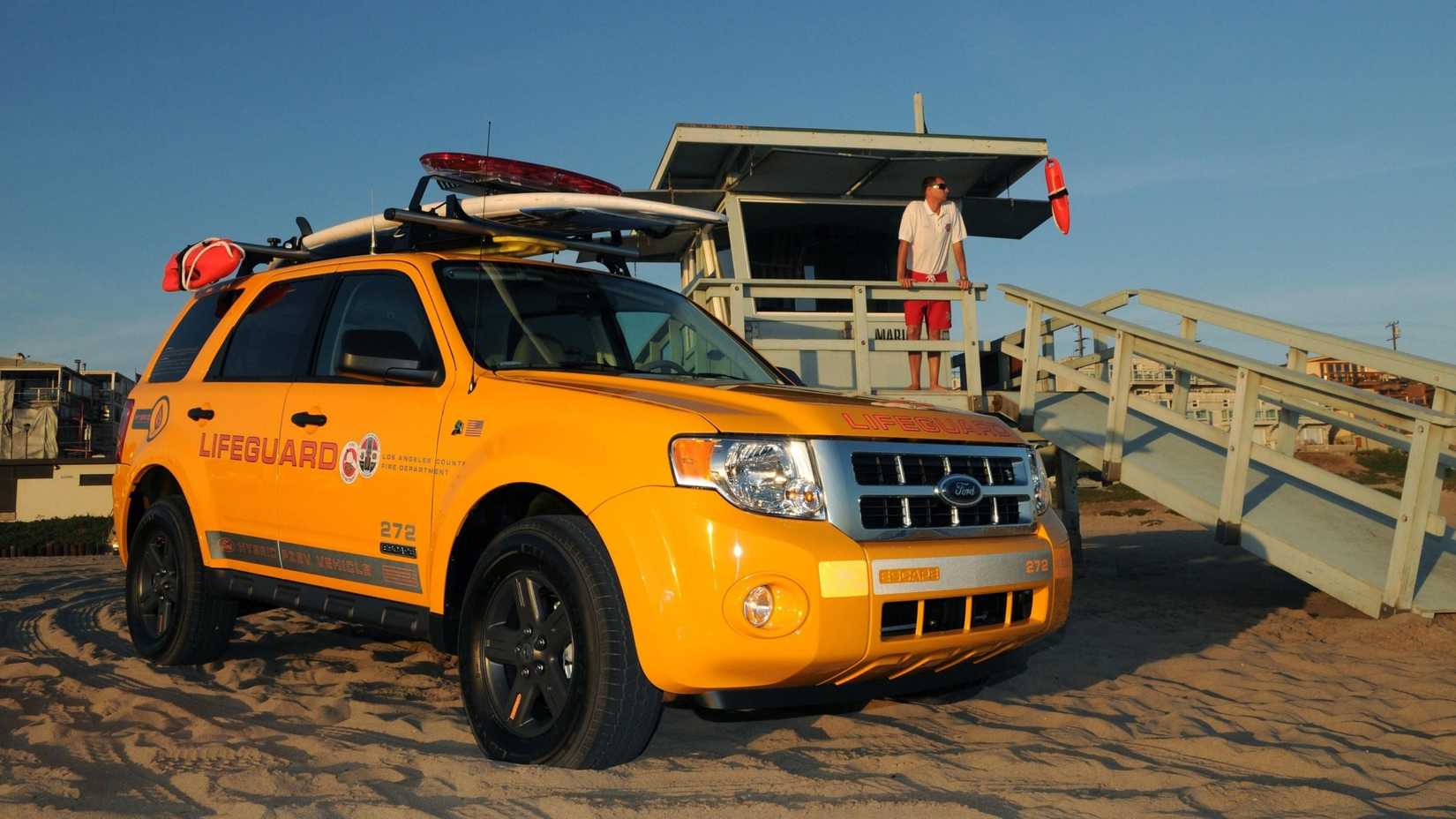
The Ford Escape Hybrid never really became a headline-grabbing SUV. It was not especially flashy, luxurious, or sporty. In fact, many buyers likely overlooked it entirely while shopping against more popular rivals from Toyota or Honda. But beneath its fairly ordinary compact-SUV appearance sat one of Ford’s most quietly durable vehicles. Introduced in the mid-2000s, the Escape Hybrid became one of the first hybrid SUVs available in North America. Ford developed the hybrid system using technology and patent agreements that shared similarities with Toyota’s early hybrid systems, helping create a drivetrain that prioritized simplicity and efficiency.
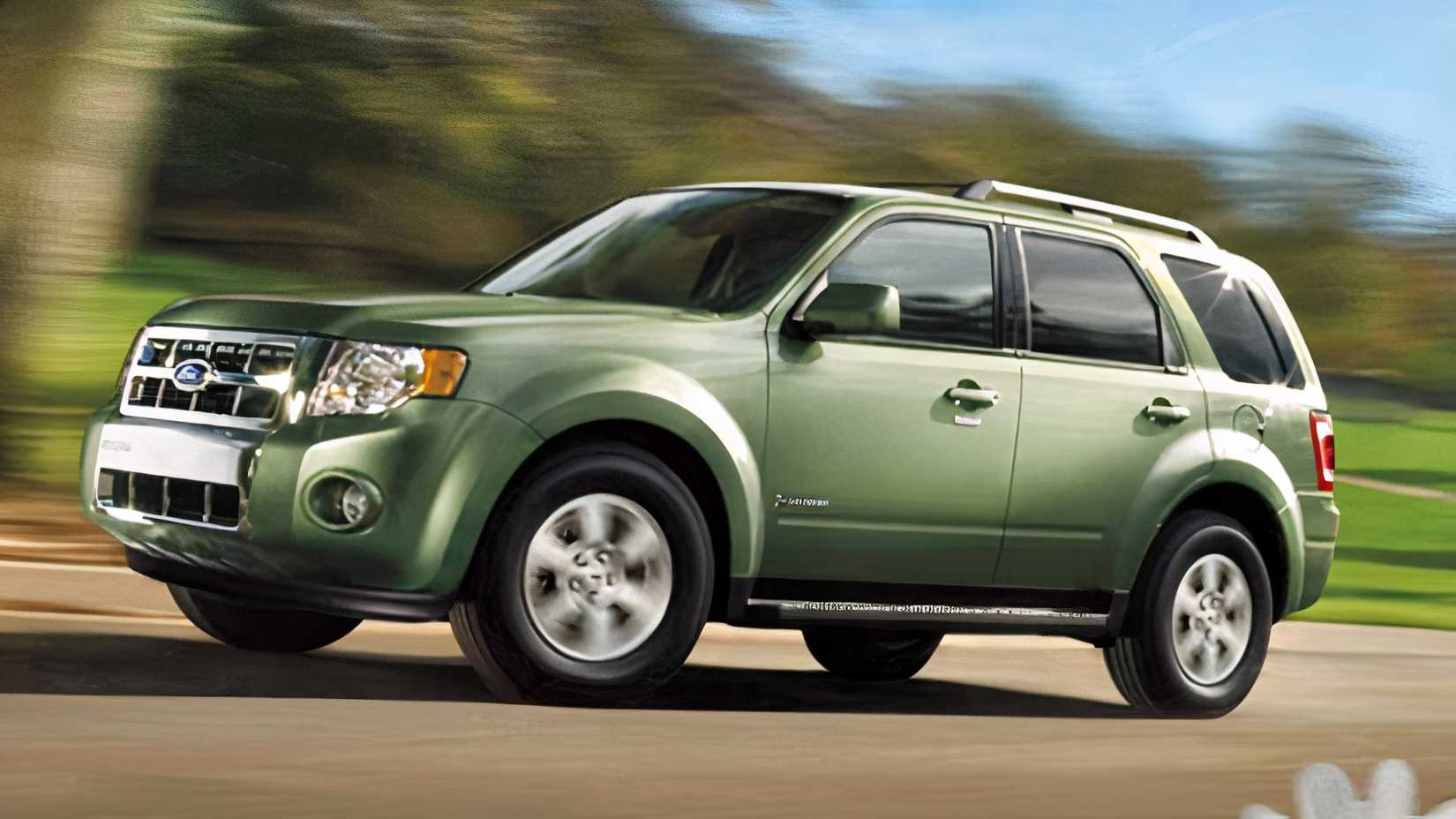
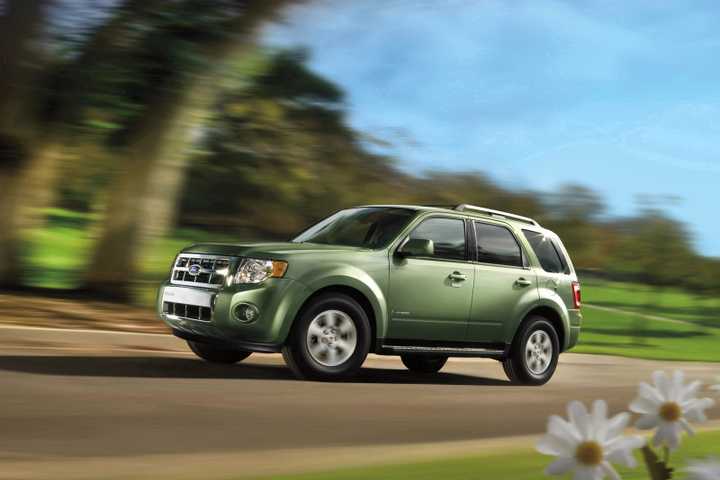
The later second-generation Escape Hybrids produced between roughly 2009 and 2012 became especially respected for their durability. These facelifted models introduced updated styling, improved refinement, and Ford’s proven 2.5-liter hybrid powertrain — the very versions that helped cement the Escape Hybrid’s long-term reputation among taxi fleets and high-mileage owners. That formula aged remarkably well. Over time, owners began reporting Escape Hybrids crossing 200,000, 250,000, and even 300,000 miles with surprising regularity.
Dependable Service Backed By Fleet Data And Experts
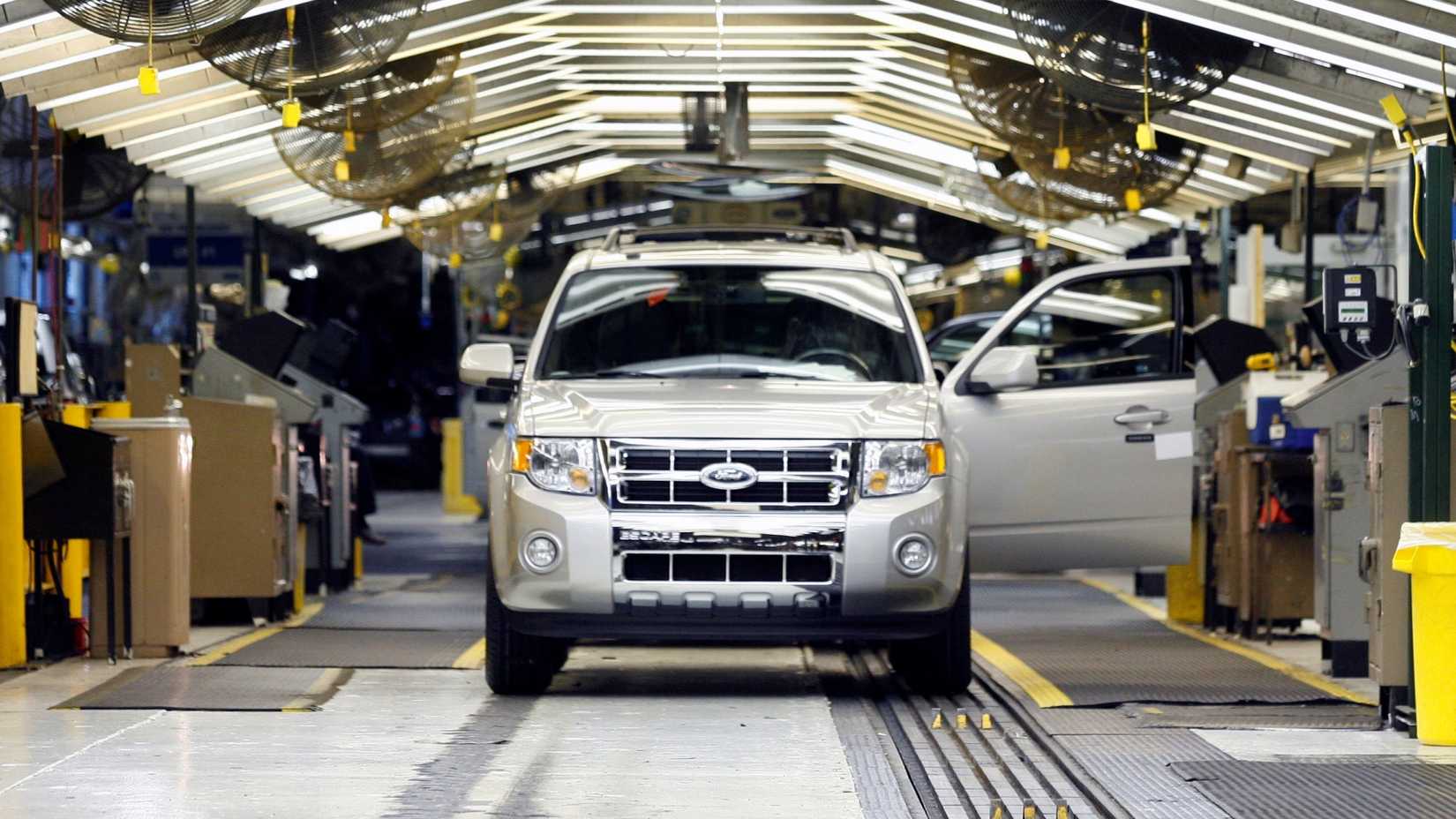
Taxi fleets especially helped reinforce the Escape Hybrid’s reputation for durability. Several major American cities adopted Escape Hybrids for taxi use during the late 2000s and early 2010s because of their strong fuel economy and relatively low operating costs. According to Automotive Fleet, many Escape Hybrid taxis accumulated enormous mileage totals under demanding stop-and-go urban driving conditions while continuing to operate reliably. That long-term durability slowly gave the Escape Hybrid a kind of quiet credibility. The late-model second-generation Escape Hybrid also earned fairly solid ownership ratings for the era.
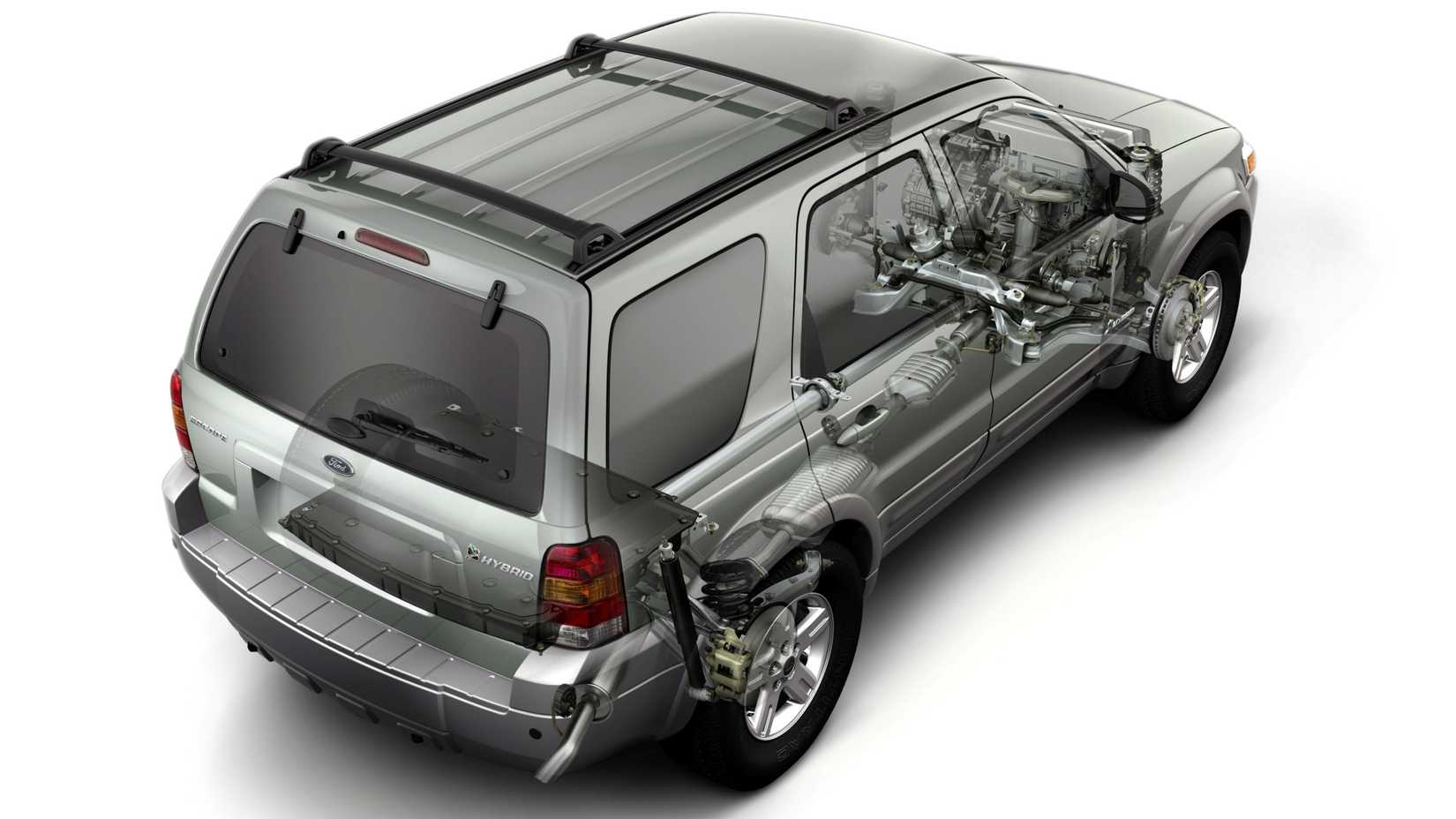
According to J.D. Power, the 2011 Ford Escape received an overall consumer rating of 81/100, including an 81/100 Quality & Reliability score. Car and Driver also described the Escape Hybrid as being “set up for commuting comfort.” It was not exciting. It was not aspirational. But owners trusted it. And honestly, that matters far more than hype once vehicles begin aging.
What Makes The Escape Hybrid So Durable
Simple Hybrid Engineering Still Matters
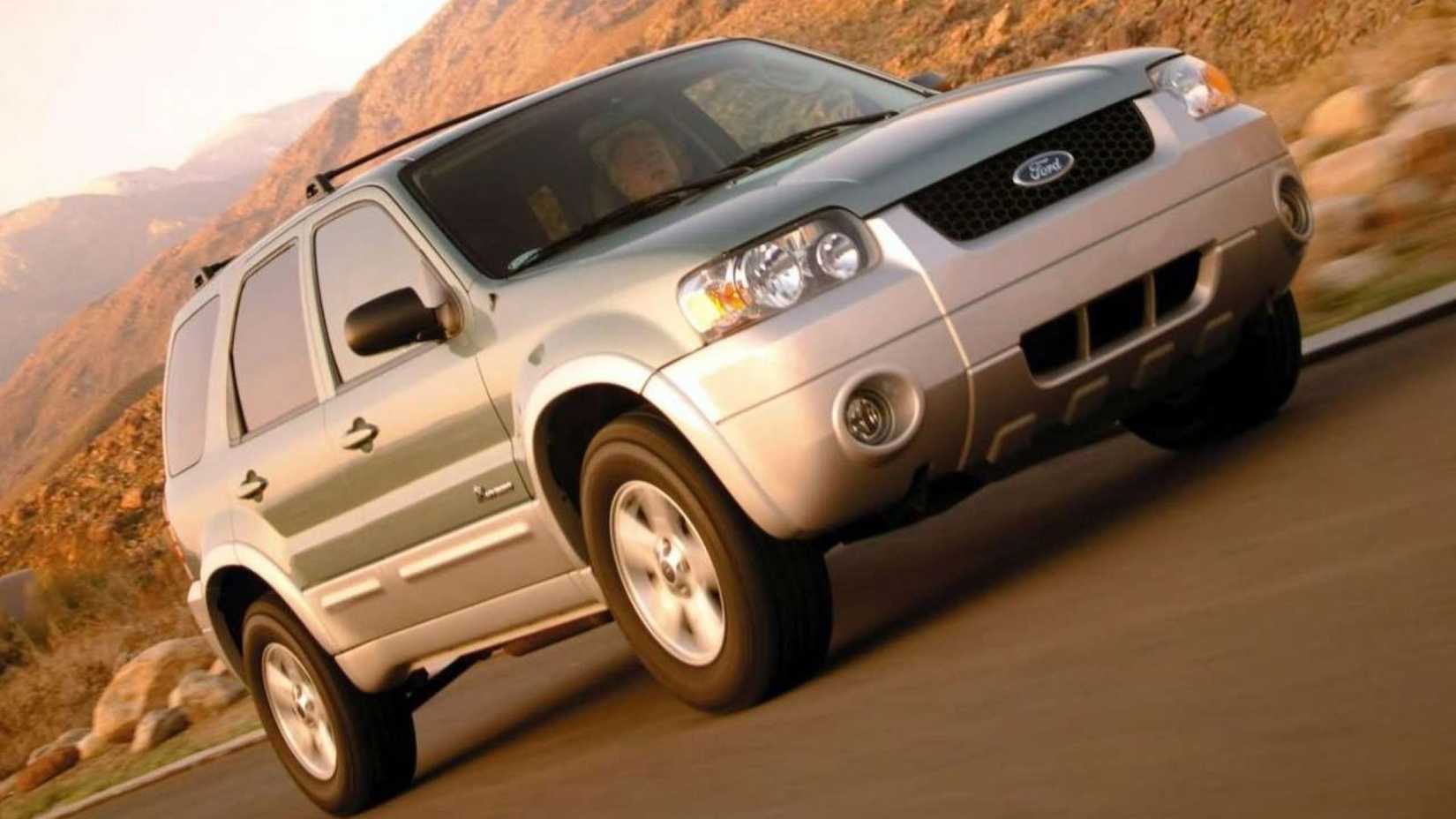
Part of the Ford Escape Hybrid’s long-term success comes down to engineering simplicity. Unlike many newer hybrid SUVs chasing increasingly complicated powertrains, the Ford Escape Hybrid relied on a relatively straightforward setup.

- Base Trim Engine
-
2.5L Inline-4 Hybrid
- Base Trim Transmission
-
Continuously Variable Automatic (CVT)
- Base Trim Drivetrain
-
Front-Wheel Drive
- Base Trim Horsepower
-
177 hp
- Base Trim Torque
-
136 lb-ft @ 5500 rpm
- Fuel Economy
-
34/31 MPG
- Base Trim Battery Type
-
Lead acid battery
- Make
-
Ford
- Model
-
Escape Hybrid
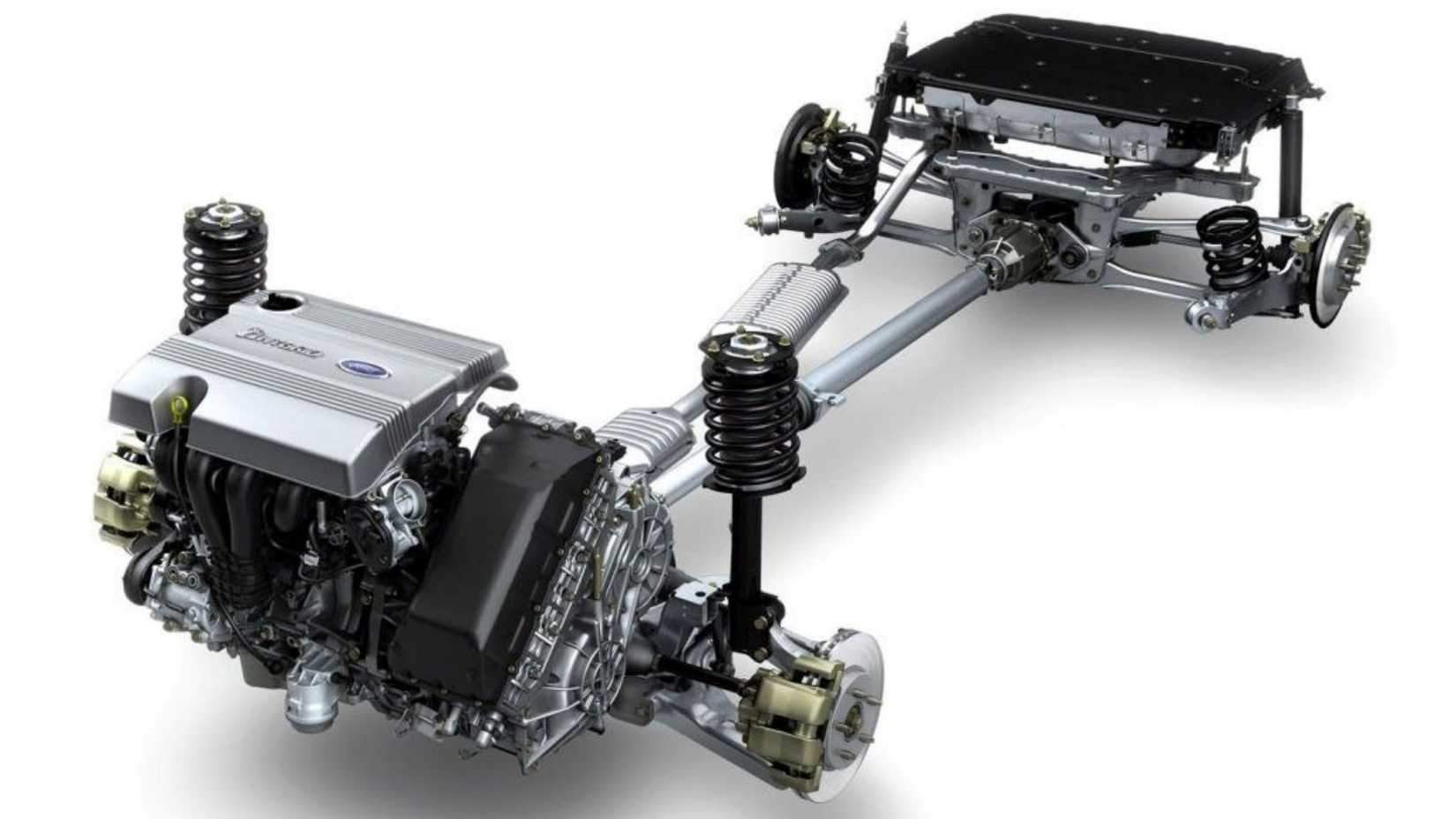
Earlier models paired a naturally aspirated 2.3-liter four-cylinder engine producing around 133 horsepower and 124 pound-feet of torque with Ford’s hybrid system and an electronically controlled continuously variable transmission. Later versions upgraded to a 2.5-liter four-cylinder producing approximately 153 horsepower and 136 pound-feet of torque, while maintaining the same basic philosophy focused on efficiency, smoothness, and long-term durability.
Crucially, Ford Avoided Adding Unnecessary Complexity
Ford
The naturally aspirated engine design helped reduce long-term stress compared to smaller turbocharged engines often forced to work harder under load. The hybrid system itself also reduced wear on traditional mechanical components in several important ways. Regenerative braking helped extend brake life considerably, while electric assistance reduced strain on the gasoline engine during low-speed urban driving. The hybrid system also allowed the engine to operate more efficiently overall rather than constantly working aggressively.
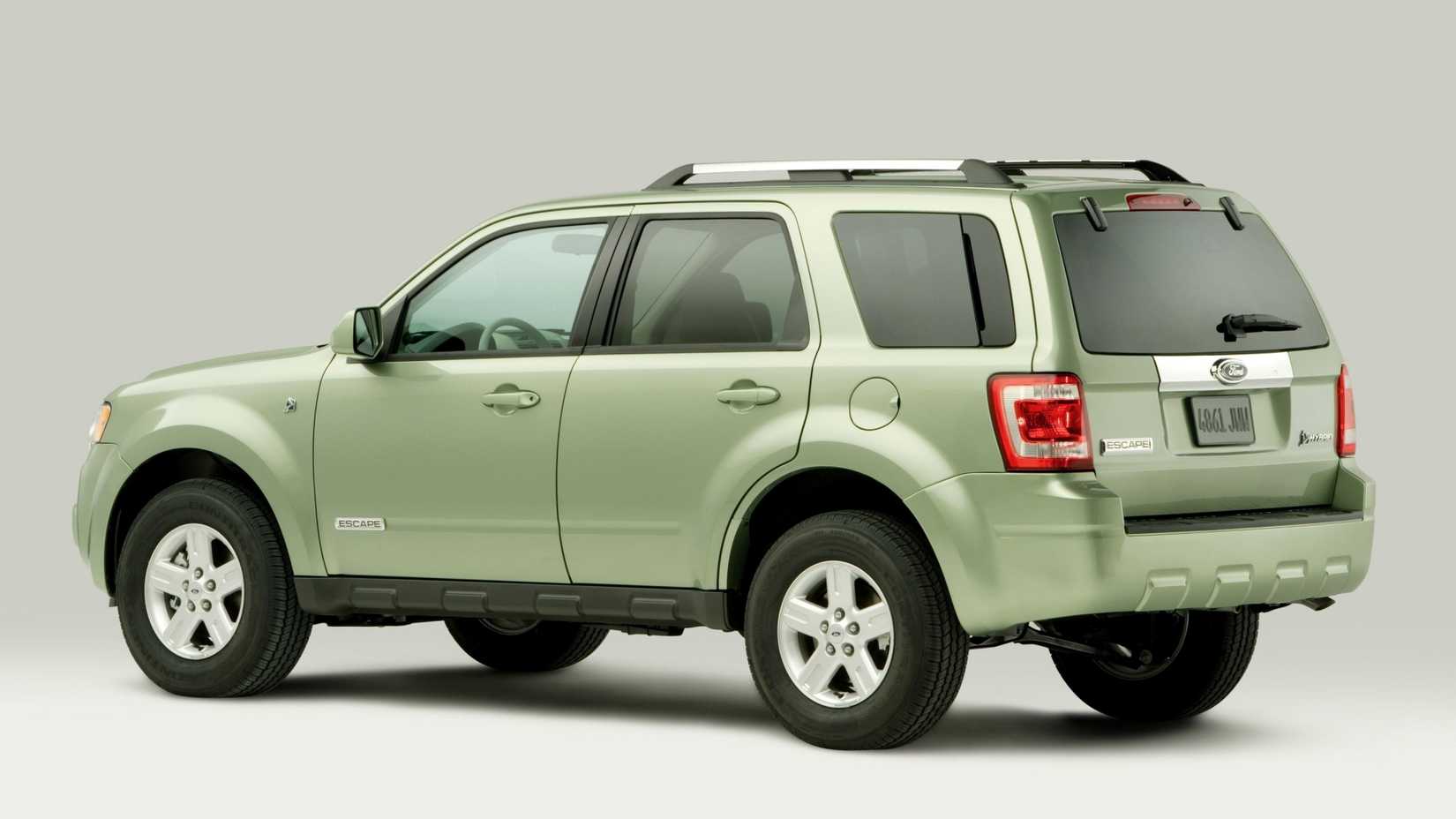
And despite widespread battery fears surrounding early hybrids, many Escape Hybrid battery packs proved surprisingly durable in real-world ownership. Part of that durability came from how conservatively hybrid systems typically managed battery usage. Unlike fully electric vehicles that regularly cycle through massive portions of their battery capacity, hybrids usually operate within smaller charge windows designed specifically to preserve long-term battery health.
The Escape Hybrid Also Benefited From Relatively Modest Performance Goals
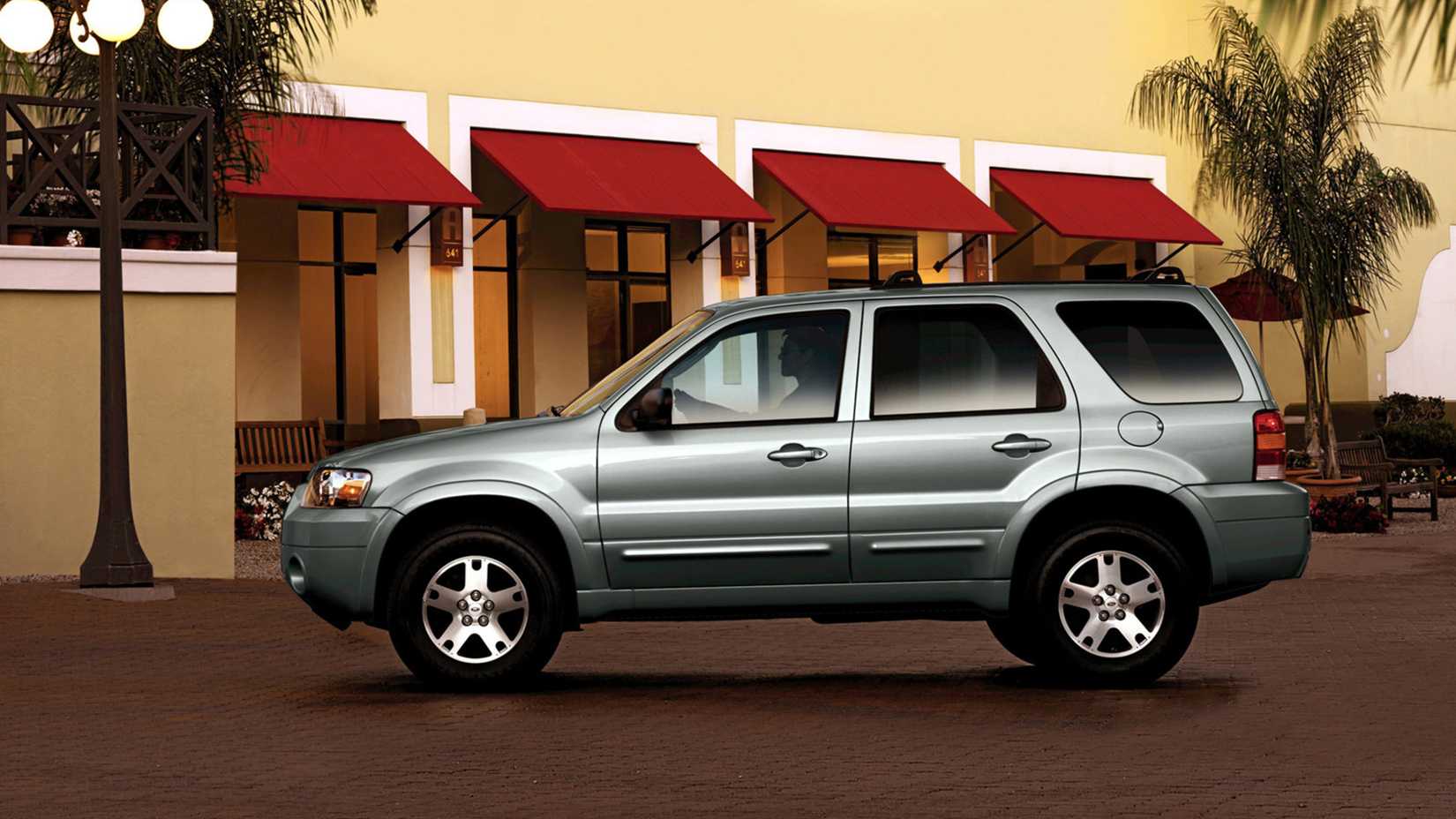
Ford never attempted to transform it into a high-performance hybrid SUV chasing aggressive acceleration figures. Instead, the vehicle focused almost entirely on smooth commuting, fuel efficiency, and everyday usability — qualities that ultimately mattered far more to long-term owners. That calmer engineering philosophy likely contributed heavily to the Escape Hybrid’s durability and reputation. Of course, the Escape Hybrid was never perfect.
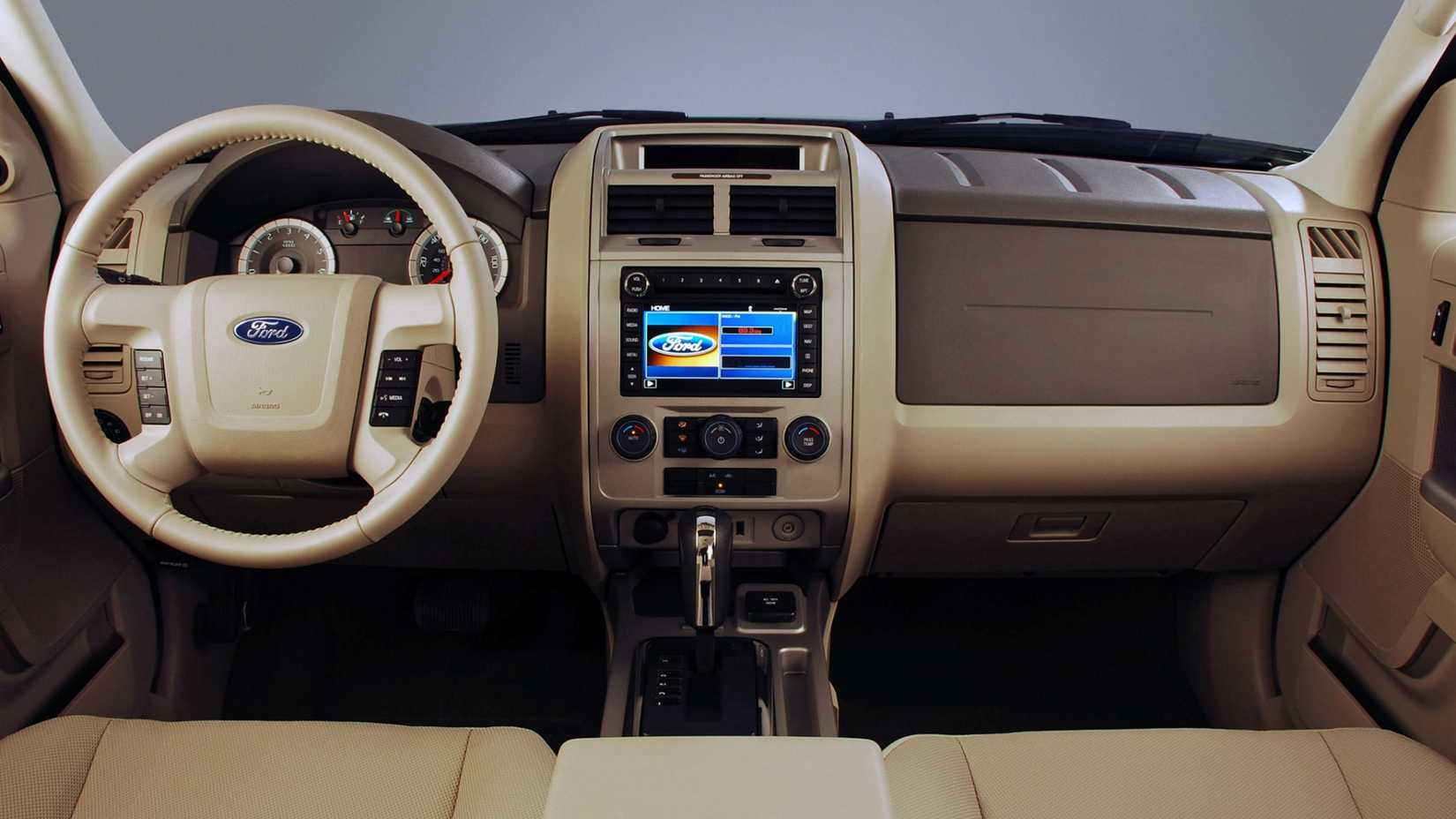
Interior materials on older Ford Escape Hybrid models often felt fairly cheap, while highway cabin noise remained noticeable. Car and Driver also described the driving experience as more comfort-focused than sporty. Over very high mileage, some owners additionally encountered typical aging repairs involving suspension components, cooling systems, and hybrid-related maintenance.
But overall, the Escape Hybrid aged far more gracefully than many buyers expected. While it may never become a traditional collectible SUV, clean, low-mileage examples have begun attracting stronger interest online. Recent Bring a Trailer sales show well-kept second-generation Escape Hybrids selling for roughly $8,000 to $15,000, depending on condition and mileage — impressive money for an older mainstream hybrid once viewed as simple transportation.
Why Owners Keep Holding Onto Them
Cheap Running Costs And Everyday Practicality
One of the biggest reasons owners continue holding onto older Escape Hybrids is simple economics. These SUVs remain remarkably cheap to operate, with combined fuel economy figures for the 2011 model at 32 MPG still looking respectable today for a compact SUV. Maintenance costs also remained relatively manageable. According to RepairPal, the Ford Escape averages roughly $600 per year in repair costs and earned an above-average 4.0 out of 5.0 reliability rating among compact SUVs.
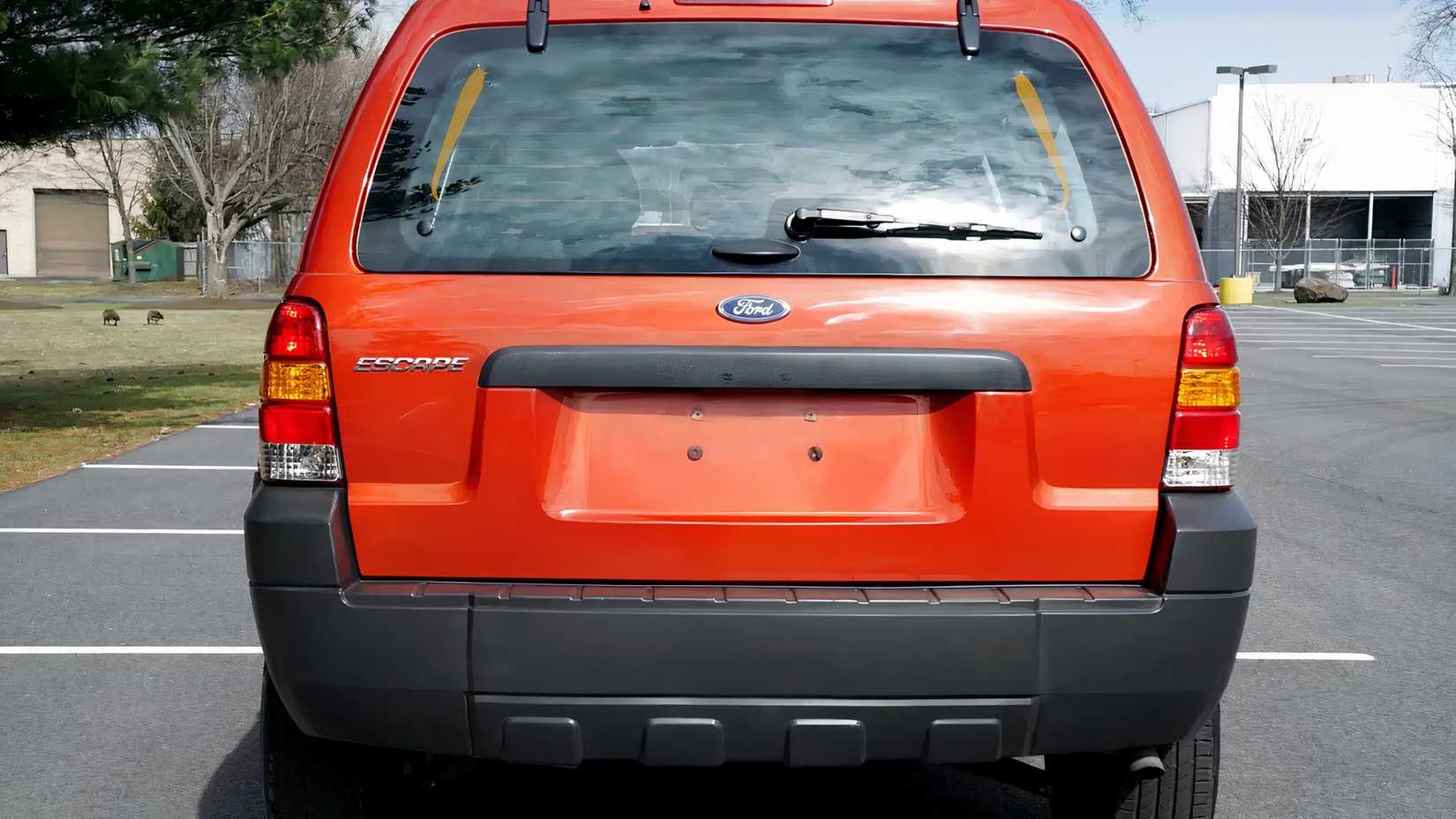
Replacement parts also remained widely available thanks to the Escape’s overall popularity and Ford’s extensive dealer network. The Ford Escape Hybrid also excelled at everyday usability. It offered comfortable seating for five passengers, up to 66 cubic feet of cargo space with the rear seats folded, good outward visibility, and compact dimensions that made daily driving and parking relatively stress-free. Unlike many oversized modern SUVs, the Escape Hybrid remained simple and approachable to live with. That practicality became a major reason, so many owners continued holding onto them long after newer crossovers arrived on the market.
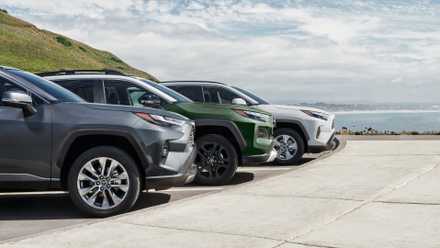
Why Hybrid SUVs And Crossovers Are So Popular
Hybrid setups are efficient and SUVs and crossovers are practical. Put them together and you get the best of both worlds.
The Underrated Hybrid SUV That Outlasted Expectations
Why Reliability Matters More Than Hype
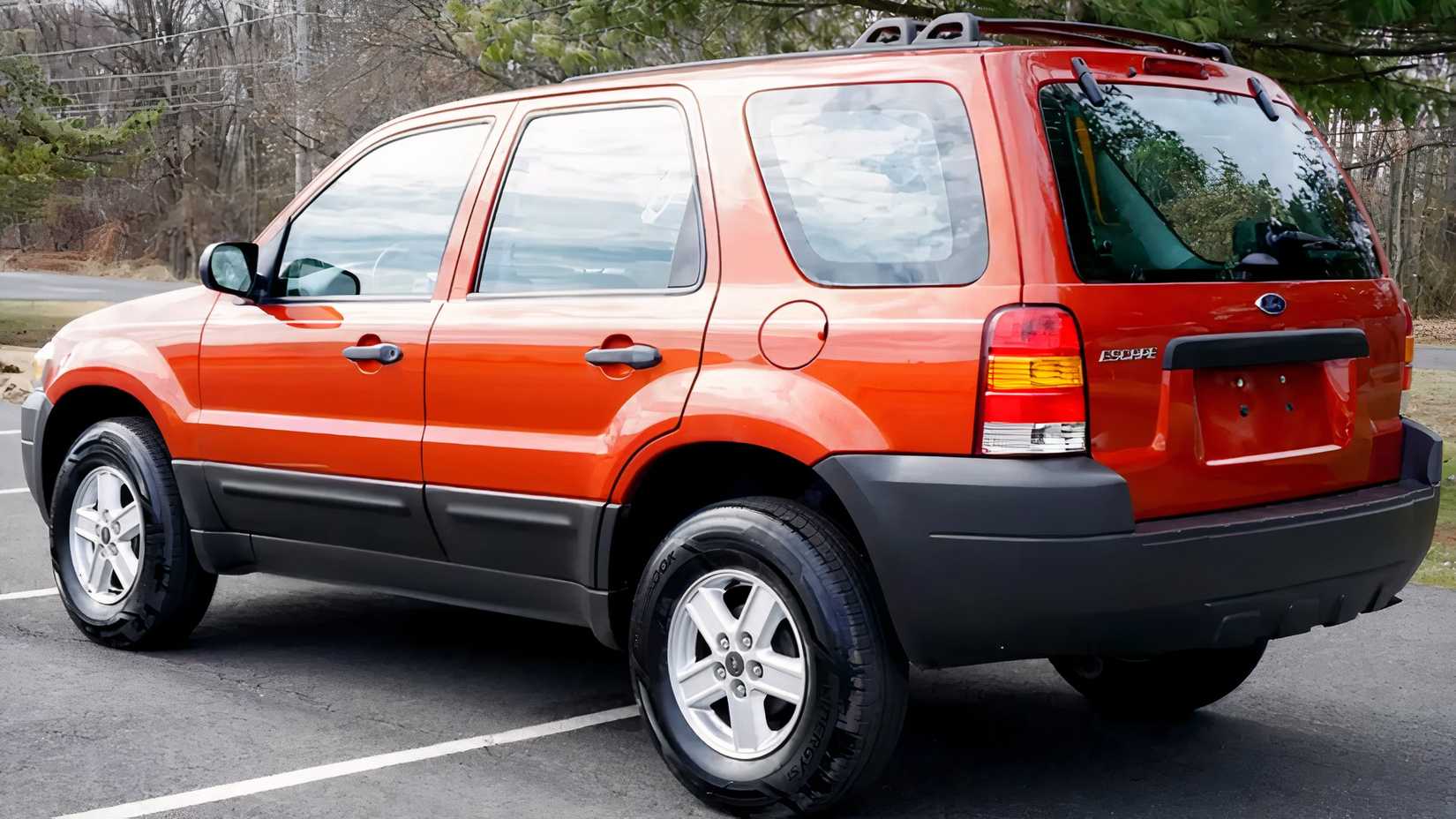
The automotive industry constantly chases whatever feels newest and most exciting — giant touchscreens, ultra-fast EVs, and increasingly complicated electrified powertrains. But vehicles like the Ford Escape Hybrid quietly remind us that long-term durability still matters far more than hype because, eventually, novelty fades. What owners truly remember is whether a vehicle started every morning, avoided major breakdowns, remained affordable to run, and survived years of real-world ownership stress.
The Escape Hybrid never became an enthusiast icon, yet thousands of owners discovered it delivered something arguably more valuable than flashy technology: dependable long-term ownership. And in many ways, that is exactly what makes it one of the most underrated hybrid SUVs of its era.
Sources: Ford, Bring A Trailer, J.D. Power, Repairpal, AutomotiveFleet, The EPA