
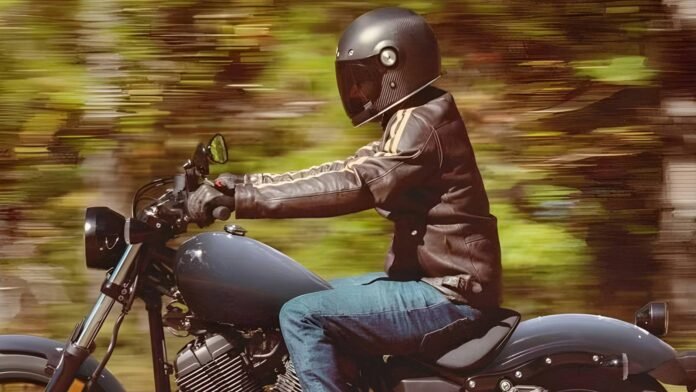
Spend some time on Honda Shadow forums, and you’ll notice a pattern: most owners rarely recommend anything outside the ecosystem. The Shadow built its reputation on reliability, simplicity, and a kind of no-drama ownership experience that turned countless riders into lifelong loyalists. So when a completely different motorcycle keeps earning praise inside those circles, people notice.
What’s interesting is that the bike in question isn’t some exotic performance cruiser or premium touring machine. It’s a stripped-down Japanese V-twin that arrived over a decade ago with minimalist styling, basic hardware, and a very different personality from the polished cruisers Honda was building at the time. Yet on forums and enthusiast groups, riders kept saying the same thing: this Yamaha just had character.
Why Honda Shadow Riders Rarely Recommend Anything Else
Honda Shadow riders tend to value consistency over hype. These are motorcycles that built their reputation by starting every morning, surviving absurd mileage, and requiring very little attention beyond oil changes and basic maintenance. The Shadow community is full of riders who’ve owned the same bike for decades, and many of them aren’t particularly interested in horsepower numbers or trendy styling. They just want something dependable that feels good every time they throw a leg over it.
A Reputation Around Simplicity And Trust
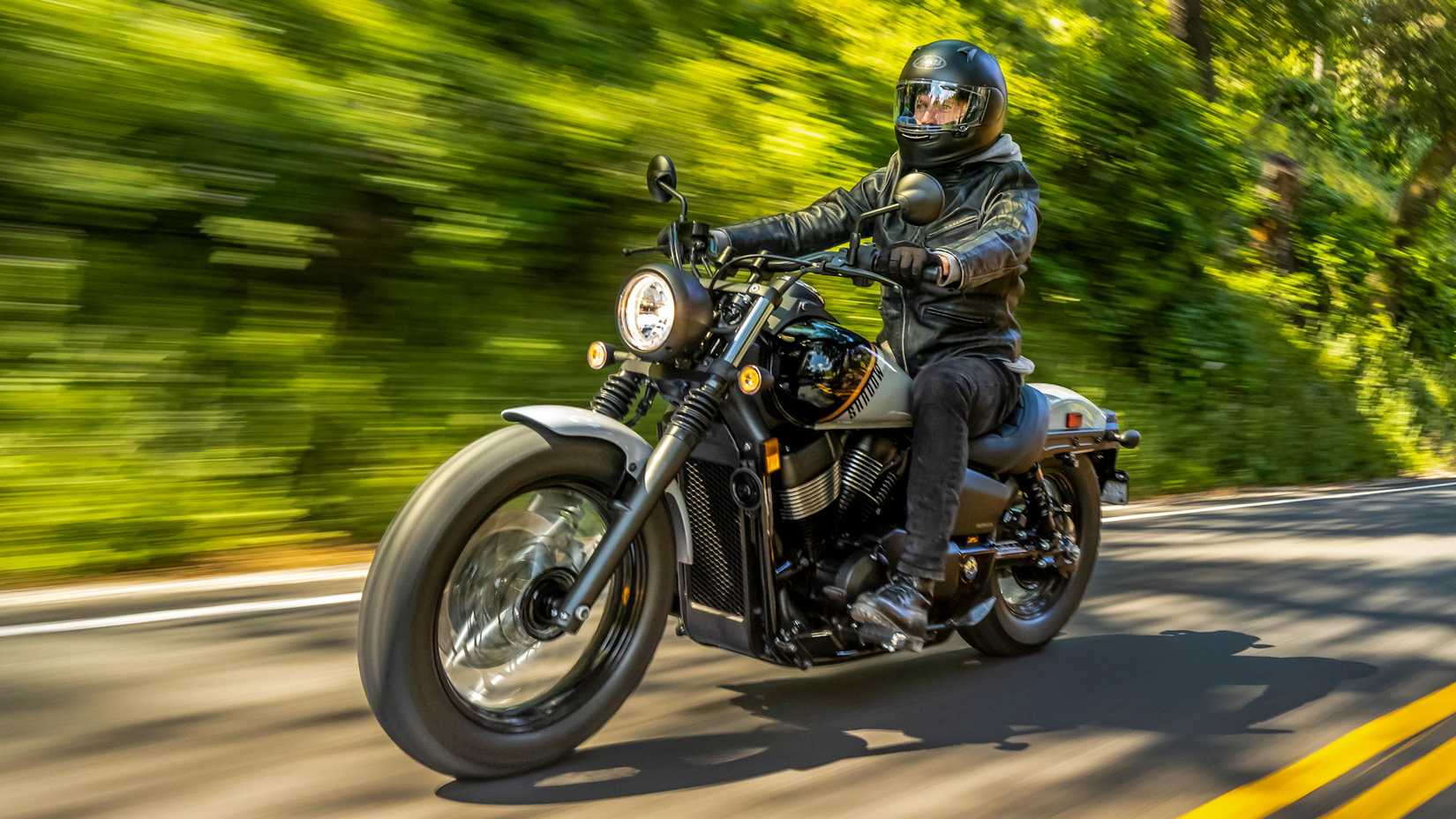
Part of the Shadow’s appeal came from how approachable it felt. Honda spent years refining the formula into something unintimidating, affordable, and easy to ride. The low seat heights, predictable throttle response, and smooth V-twin tuning made these bikes welcoming to beginners while still satisfying experienced riders who appreciated mechanical honesty over outright performance. That reputation became so strong that many owners stopped shopping outside the Honda lineup altogether.
But that same formula also created a challenge. Some riders eventually wanted more personality from their cruiser without sacrificing Japanese reliability. Harley-Davidson offered more sound and attitude, but ownership costs and pricing pushed plenty of riders away. Kawasaki cruisers often leaned too heavily into chrome-heavy styling. Suzuki’s Boulevard lineup had power, but not always the same long-term aftermarket support or community culture. That left room for a very specific type of motorcycle to stand out.
10 Cruisers That Will Run Forever With Basic Care
These bikes will give the Energizer Bunny a run for its money – and all they need is basic preventive maintenance done on time.
The Yamaha Bolt R-Spec Was Different From The Start
Yamaha
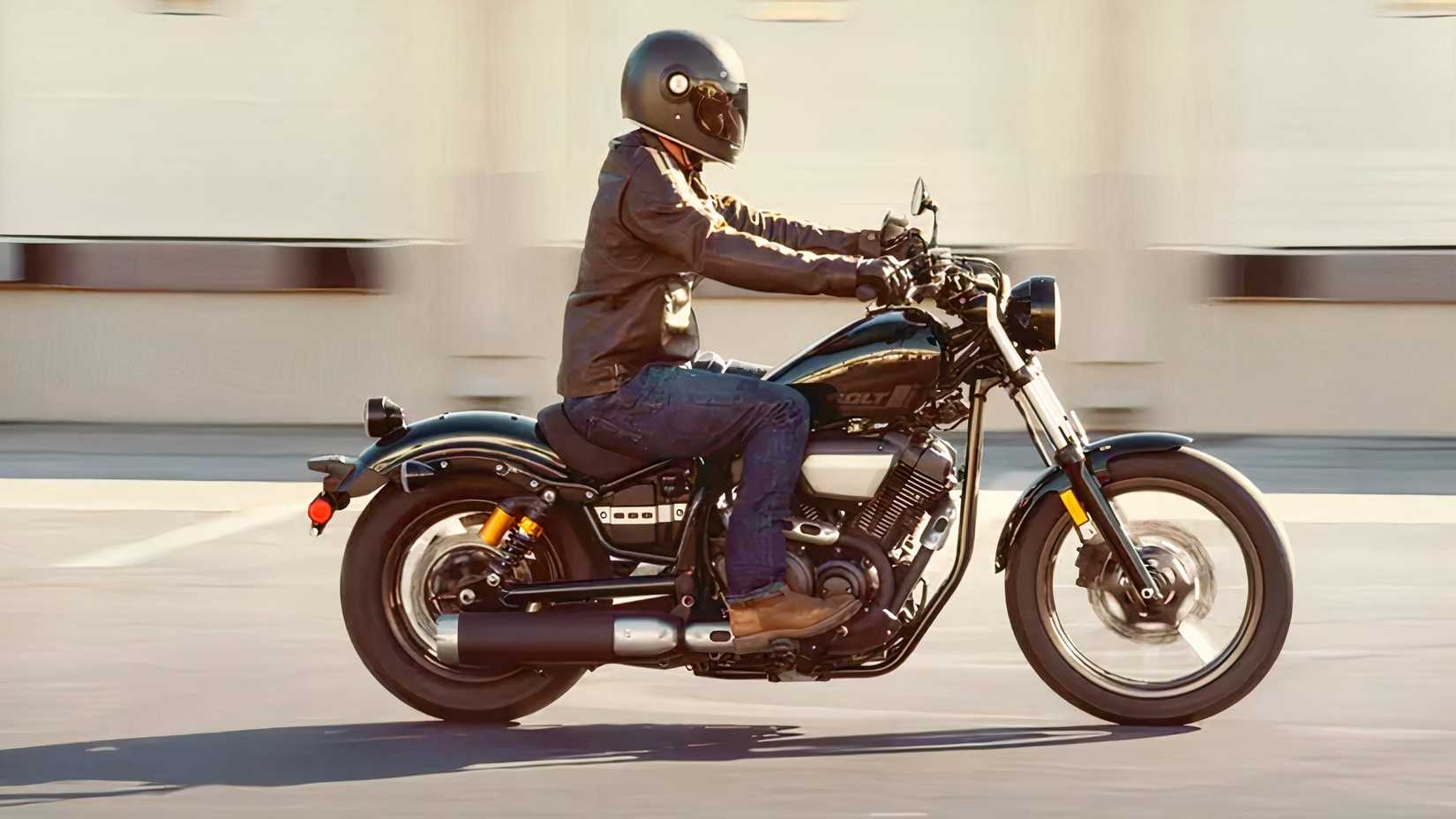
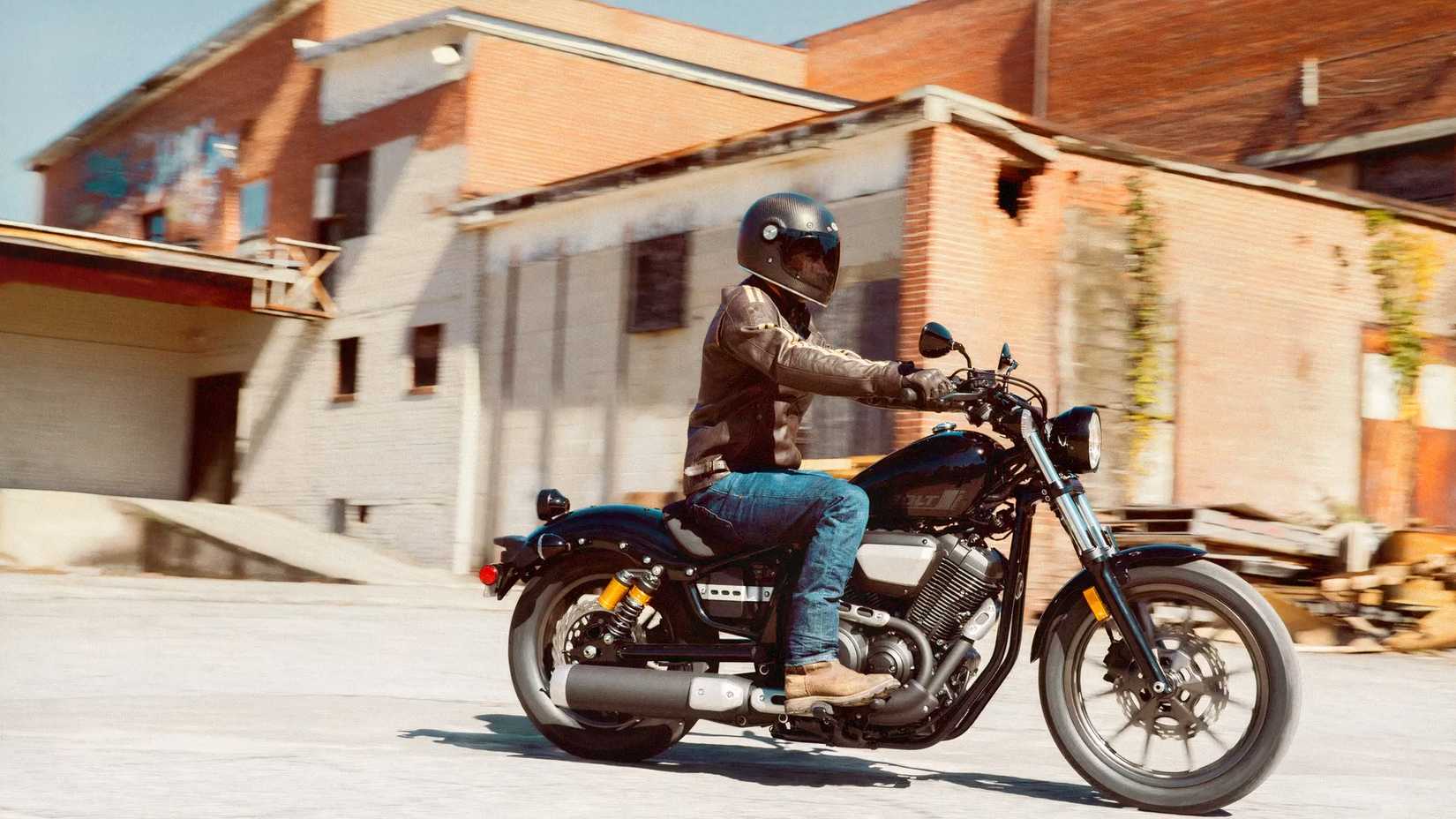
When Yamaha introduced the Bolt in 2014, it immediately felt different from the traditional Japanese cruiser playbook. Instead of going for massive fenders, oversized windshields, and acres of chrome, Yamaha built something compact, stripped down, and almost sporty in its proportions. Much of that was due to heavy inspiration from Harley’s popular Sportster range. The current Yamaha Bolt R-Spec still follows that same formula and remains on sale decades after its reveal without many notable updates.
That also helps keep ownership costs under control. The current Bolt R-Spec starts at $8,999 in the US, making it substantially cheaper than many American V-twin alternatives. Resale values have also remained relatively strong because the bike developed a cult following instead of disappearing into irrelevance after its initial launch hype faded away.
Focus On Raw V-Twin Character Instead Of Cruiser Tradition
Yamaha
What made the Bolt stand out wasn’t cutting-edge technology. In fact, the opposite was true. Yamaha intentionally kept the motorcycle simple. The air-cooled engine, exposed hardware, and upright ergonomics gave the bike an old-school feel without turning it into a retro cosplay machine. It wasn’t trying to imitate a Harley-Davidson, nor was it trying to out-luxury Honda’s touring-focused cruisers. It just leaned heavily into mechanical character.
That simplicity resonated with riders who were getting tired of oversized cruisers pretending to be luxury cars. The Bolt felt compact and honest. It had mid-mounted controls instead of exaggerated forward pegs, relatively neutral ergonomics, and proportions that made it feel manageable in traffic. Even riders coming from standard motorcycles or naked bikes found it easier to adapt to than many traditional cruisers. That accessibility ended up becoming a huge part of its cross-brand appeal.
The Engine Is What Won Over Honda Riders
Yamaha
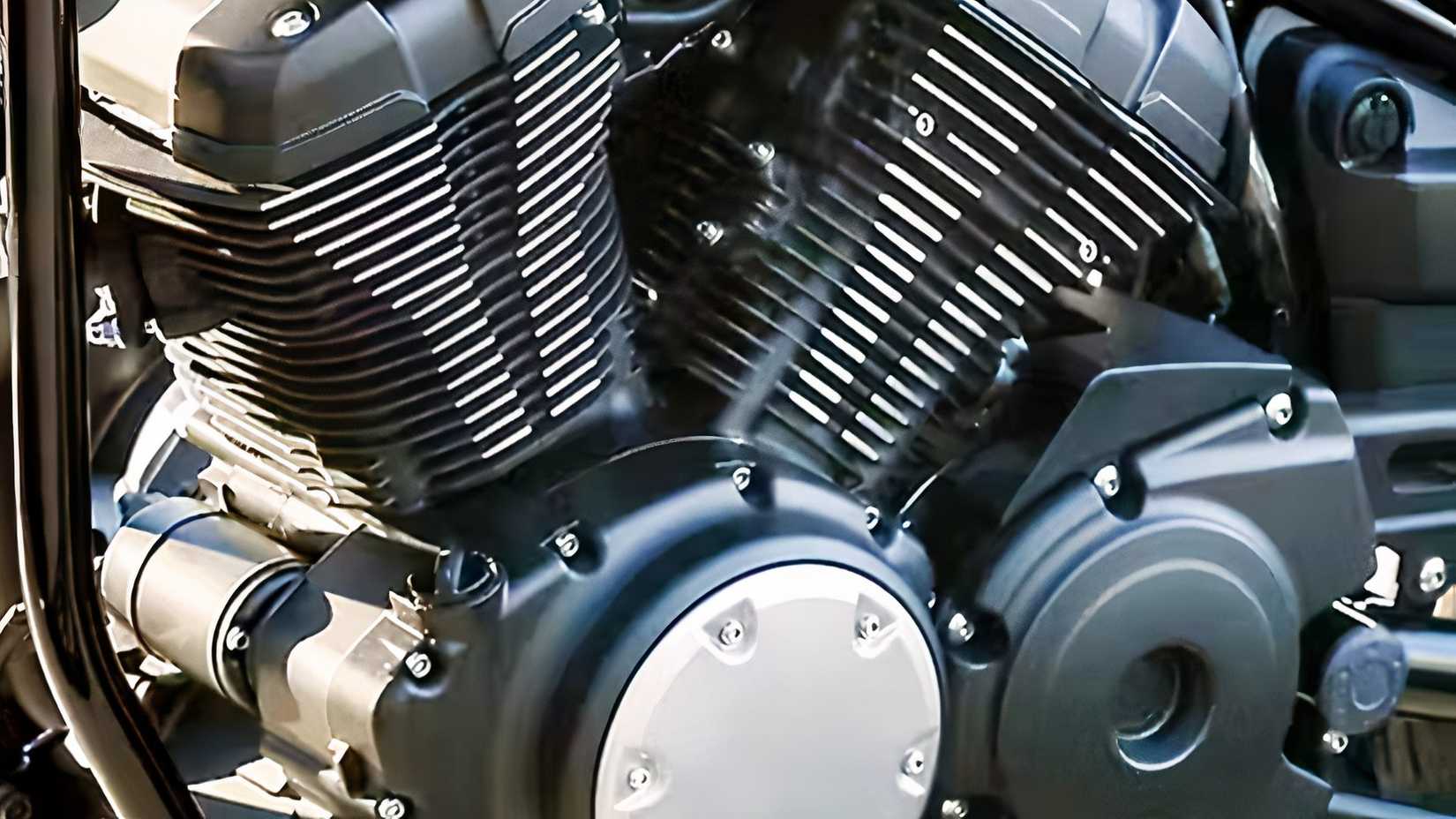
Spec sheets never fully explain why certain engines become memorable. On paper, the Bolt’s 942cc air-cooled 60-degree V-twin doesn’t sound especially impressive. Yamaha never positioned it as a high-performance cruiser, and horsepower figures were always secondary to how the engine actually felt on the road. But once riders spent time with the bike, many realized the Bolt delivered something increasingly rare in modern motorcycles: personality.
The engine produces around 59 pound-feet of torque, and more importantly, it delivers that torque low in the rev range where cruiser riders actually use it. Crack the throttle open from a stoplight, and the bike responds immediately with a satisfying surge that feels stronger than the numbers suggest. The uneven firing pulses, mild vibration, and deep exhaust note give the Bolt a level of mechanical drama that many Honda cruisers intentionally smooth out.
|
Engine |
942cc air-cooled SOHC 60-degree V-twin |
|
Output |
Approx. 65 horsepower and 59 pound-feet of torque |
|
Transmission |
5-speed manual |
|
Final Drive |
Belt drive |
The Torque Curve Feels More Alive Than Its Numbers Suggest
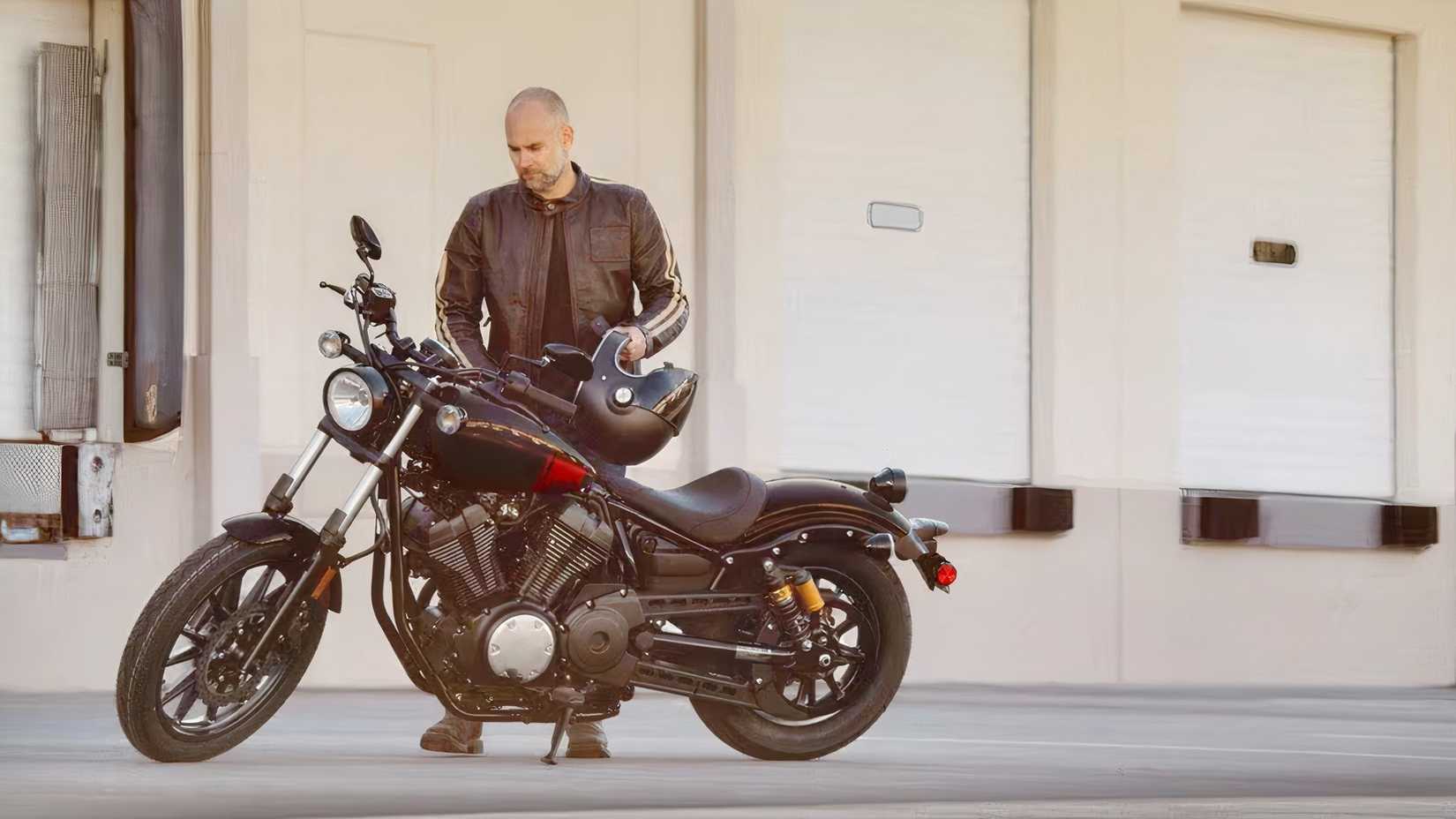
Honda cruisers traditionally prioritize smoothness, refinement, and predictability. The Bolt went in a slightly different direction. It still felt refined enough for daily riding, but Yamaha allowed more vibration and mechanical feedback to reach the rider. That made the bike feel alive in a way many middleweight cruisers simply don’t. Even at highway speeds, the engine maintains a steady pulse that constantly reminds you there’s a big air-cooled V-twin working underneath you.
That character helped the Bolt earn respect among riders who normally wouldn’t leave the Honda camp. On Shadow forums, owners repeatedly described the Yamaha as more engaging and more fun than expected. Some even admitted the Bolt reminded them of older Japanese cruisers before manufacturers started isolating every vibration and sanitizing every response.
The Cruiser With Honda Reliability And Harley-Level Presence
This metric cruiser bike is designed in the image of the classic Harley-Davidson Roadster.
Why Shadow Owners Respect The Bolt’s Reliability
Personality alone wouldn’t have been enough to win over Honda loyalists. Cruiser riders care deeply about reliability because many of them actually rack up serious mileage. Fortunately for Yamaha, the Bolt quickly developed a reputation for being extremely durable. The air-cooled engine remained understressed, maintenance requirements stayed straightforward, and long-term ownership costs ended up being refreshingly reasonable.
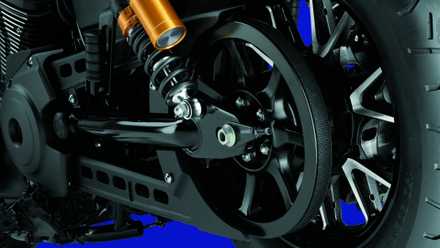
Oil changes are simple, valve inspections are manageable, and the belt drive eliminates much of the mess associated with chain maintenance. Owners regularly report high-mileage examples with minimal issues beyond standard wear items. Long-term testing by various motorcycling publications also highlighted how little drama the bike created during extended ownership.
A Reputation For Being Almost Impossible To Kill
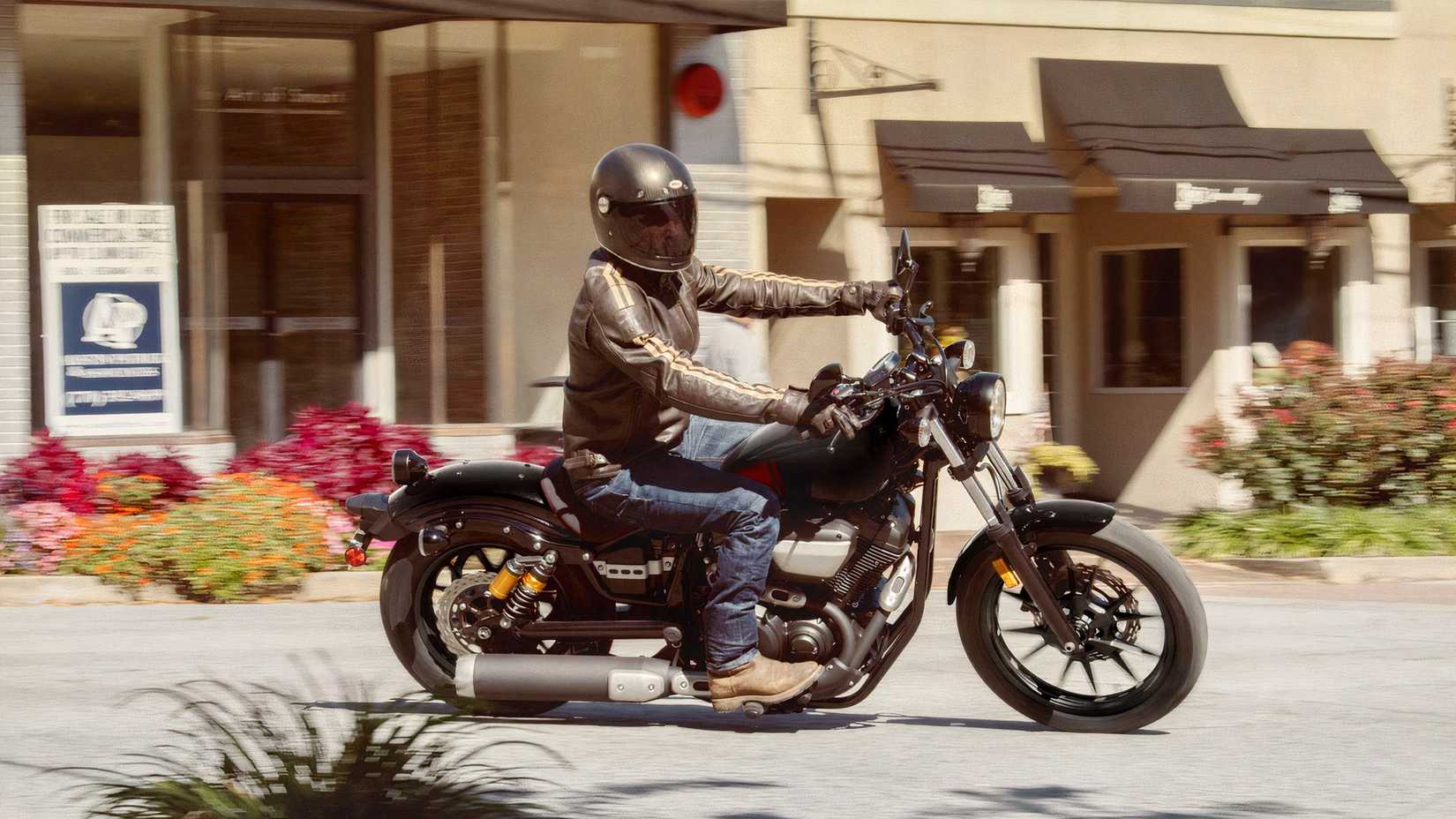
Part of the Bolt’s reliability comes from how uncomplicated it is. There aren’t layers of ride modes, semi-active electronics, or overly complex systems waiting to malfunction years down the road. The bike’s simplicity became one of its strongest selling points. Many owners viewed it as the spiritual successor to older Japanese motorcycles that prioritized durability above everything else.
The Bolt R-Spec Is Surprisingly Athletic For A Cruiser
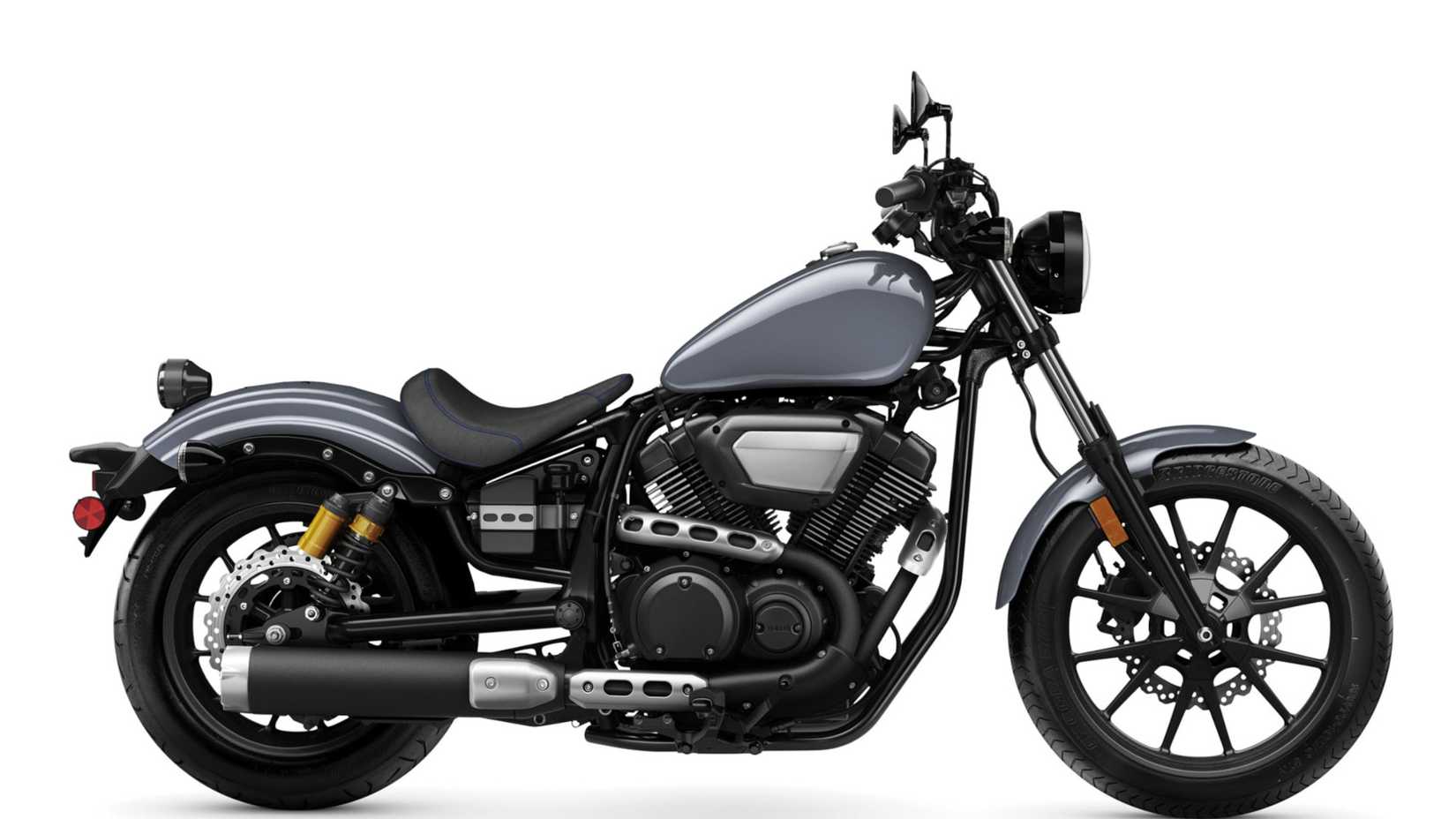
Yamaha
Cruisers aren’t usually praised for handling, but the Bolt manages to feel far more agile than its appearance suggests. Yamaha kept the wheelbase relatively compact, and that dramatically changes how the motorcycle behaves at lower speeds. Compared to larger cruisers that feel reluctant to turn, the Bolt feels eager and manageable in city riding situations.
The riding position also helps. Mid-mounted controls and a relatively upright posture give riders more leverage and confidence while maneuvering. At urban speeds, the bike feels light and unintimidating despite its substantial V-twin torque. The low center of gravity also makes slow-speed riding surprisingly easy, which explains why so many newer riders gravitate toward it.
|
Frame |
Double-cradle steel frame |
|
Suspension |
Front: 41 mm telescopic fork with 4.7 inches of travel Rear: Dual piggyback shocks with preload adjustability and 2.8 inches of travel |
|
Wheels and Tires |
Front Tire: 100/90-19 Rear Tire: 150/80-16 |
|
Brakes |
ront: Single 298 mm hydraulic disc Rear: Single 298 mm hydraulic disc |
|
Wet Weight |
542 pounds |
Short Wheelbase Equals A More Playful Personality
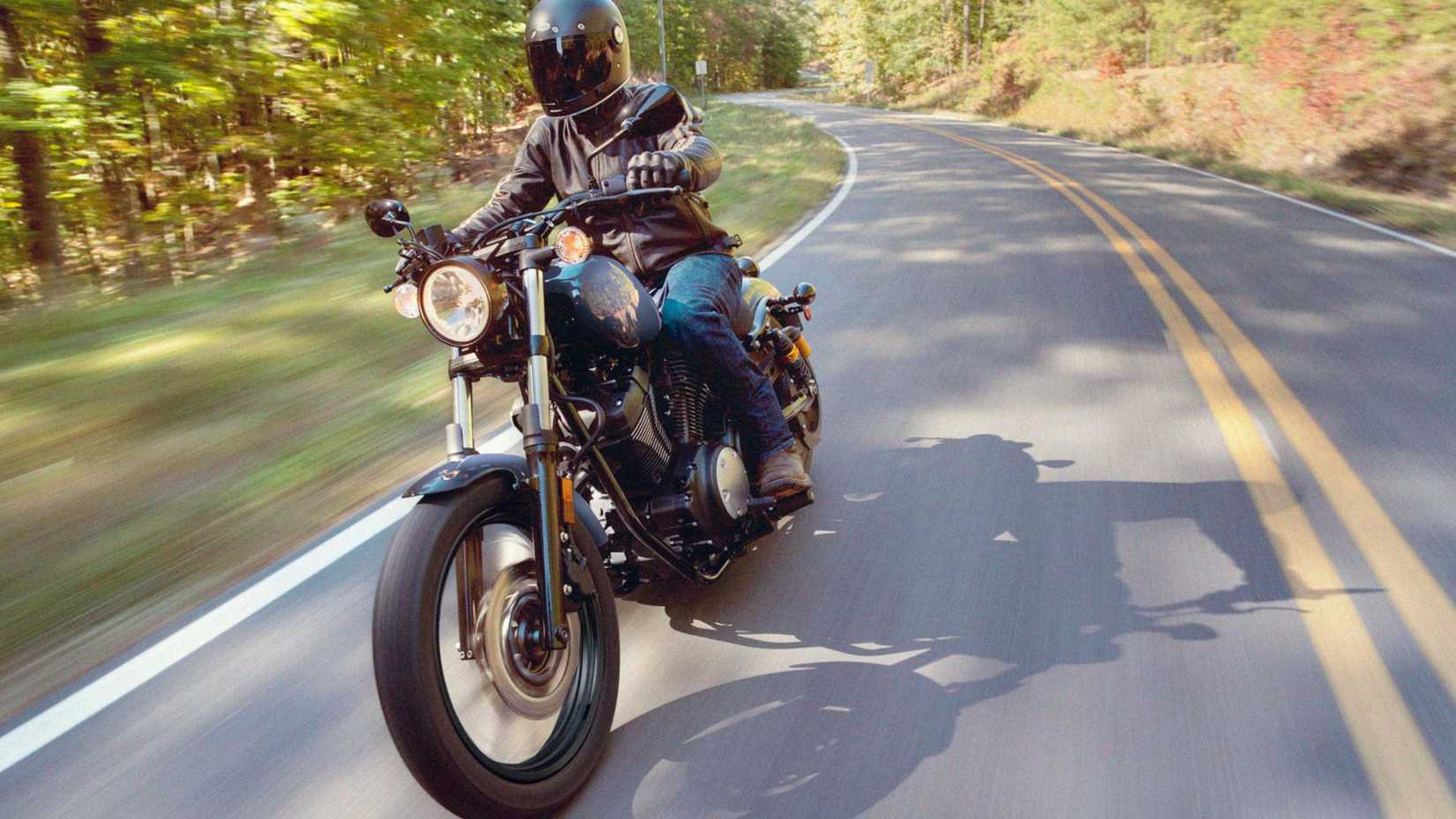
Yamaha
That playful character becomes even more noticeable on back roads. No one’s going to confuse the Bolt for a sports bike, but it handles sweeping corners better than many traditional cruisers in its class. Riders transitioning from standards or naked motorcycles often appreciate how natural the bike feels compared to stretched-out cruisers with extremely relaxed ergonomics.
Highway riding is solid, too, though not perfect. The engine has enough torque to cruise comfortably at freeway speeds, but the lack of wind protection reminds you this is still a minimalist cruiser at heart. Longer rides can become tiring without an aftermarket windshield or upgraded seat. Still, many owners gladly accept those tradeoffs because the bike feels more connected and engaging than larger touring-focused alternatives.
Where The Bolt Still Falls Short Against Bigger Cruisers
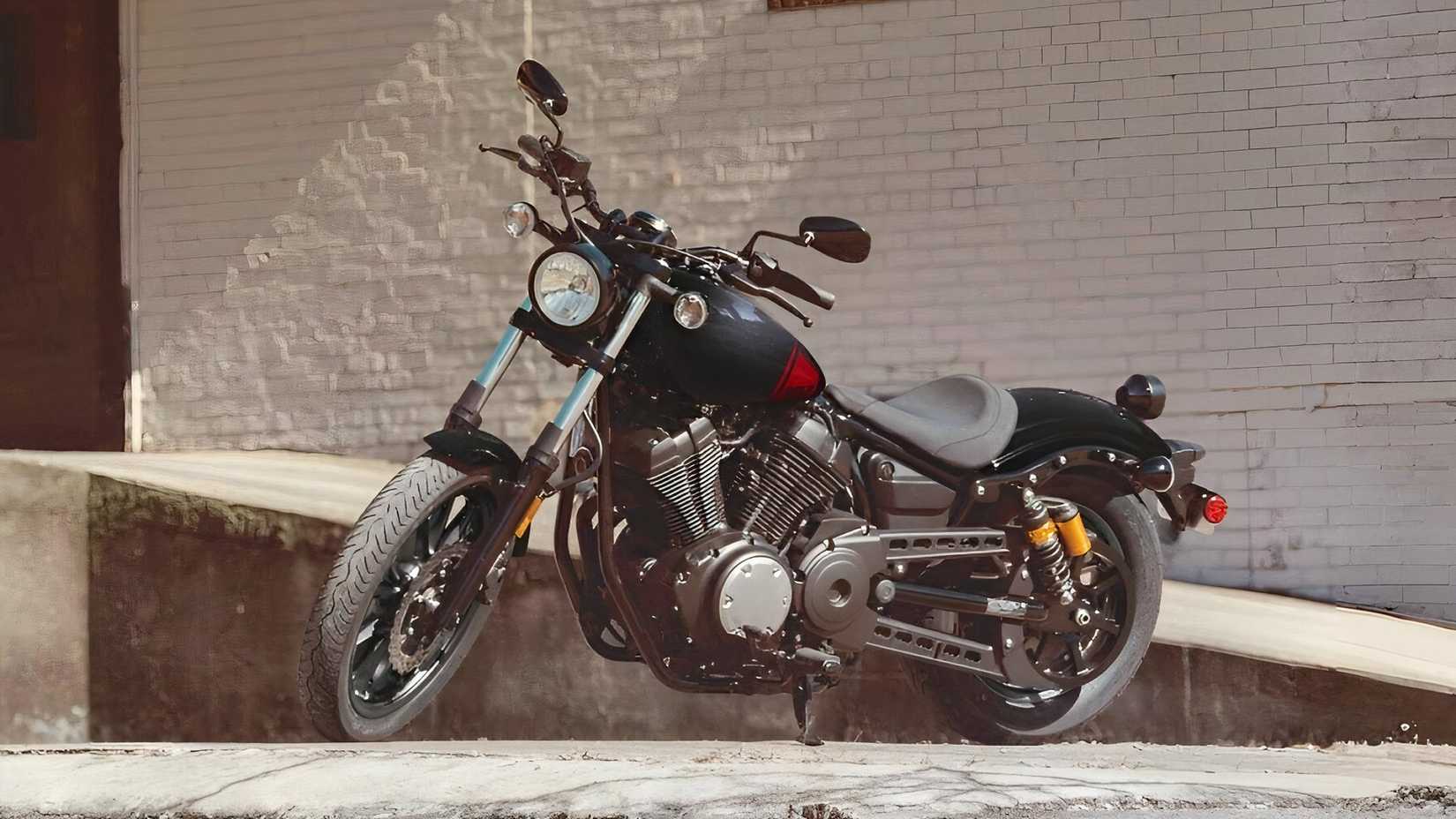
Yamaha
The Bolt’s simplicity can occasionally work against it. Riders looking for extensive touring amenities, advanced electronics, or massive passenger accommodations may find the bike too basic. The five-speed transmission also feels slightly dated compared to some modern rivals, especially during prolonged highway riding. Suspension quality is another area where the bike shows its age. While perfectly acceptable for daily riding, the stock setup can feel harsh over rough pavement. Fortunately, the aftermarket stepped in quickly to address many of these complaints.
Yamaha
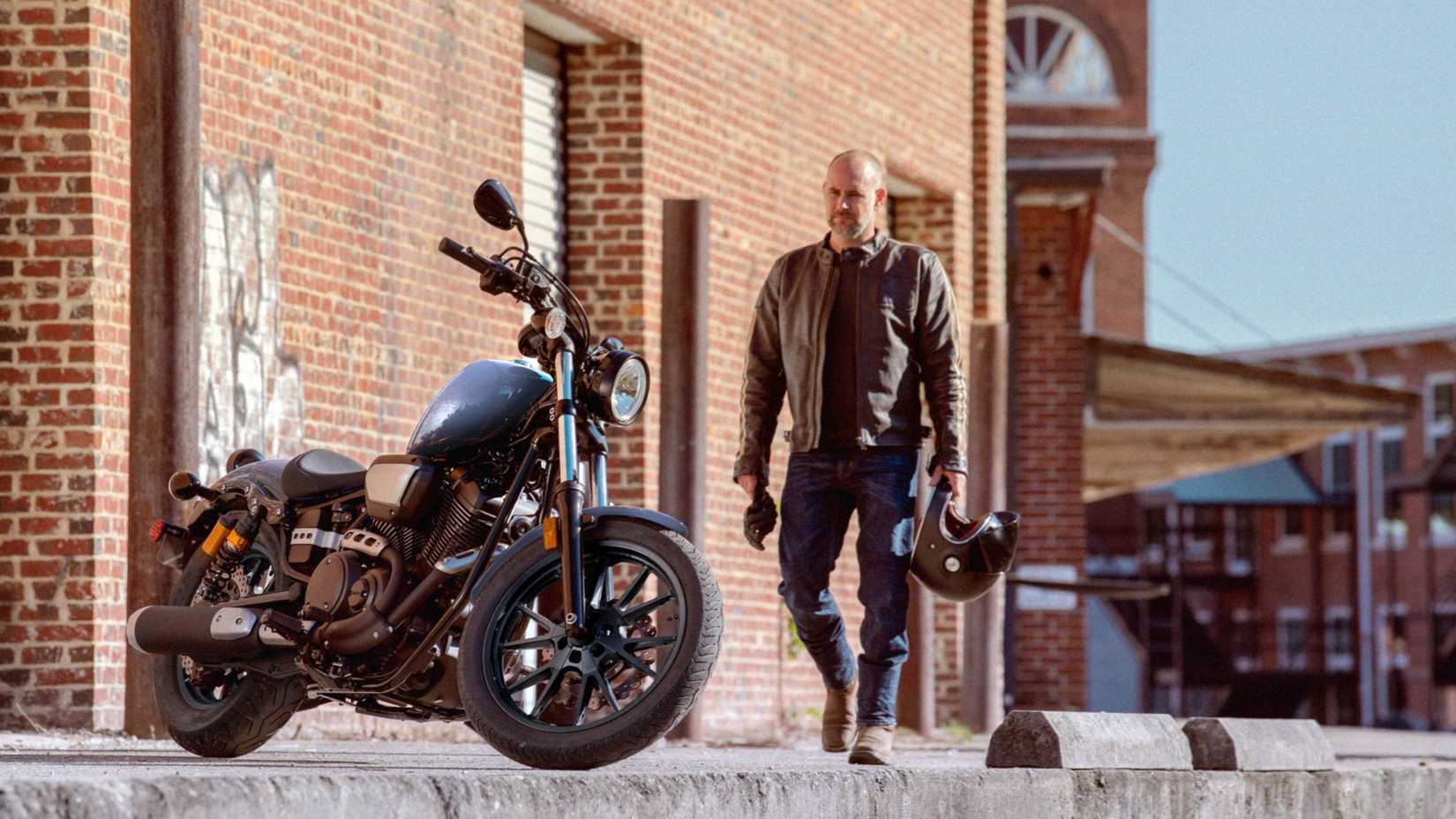
One of the biggest reasons the Bolt gained long-term popularity was its thriving customization scene. Builders and owners immediately recognized the bike as an ideal platform for bobber projects, café-inspired customs, and minimalist urban cruisers. Yamaha’s clean factory design gave owners plenty of room to personalize the motorcycle without fighting overly complicated bodywork or styling.
That aftermarket support helped create a strong community around the bike. Forums filled with custom builds, maintenance guides, and owner modifications. More importantly, riders from completely different motorcycle backgrounds started embracing the Bolt. Former sportbike riders liked its compact size and torque-heavy character. Cruiser traditionalists appreciated its simplicity. Even Honda Shadow owners admitted the Yamaha brought something refreshingly different to the table.
The Bolt R-Spec Has Remained Mostly Unchanged Since Its Launch
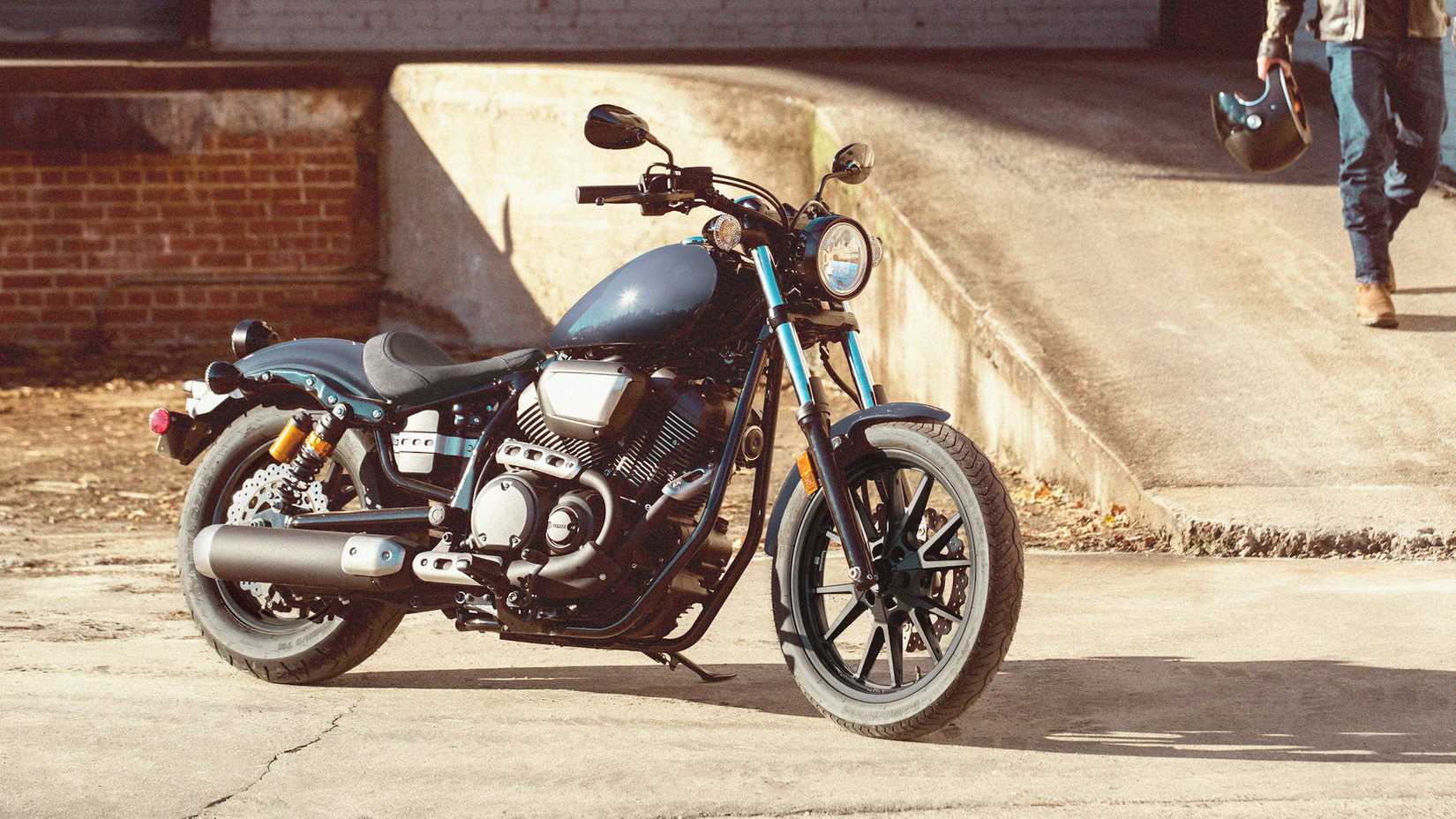
In an industry obsessed with constant updates, the Bolt’s lack of major changes almost feels rebellious. Yamaha has largely left the formula alone because it worked from the beginning. The current model still delivers the same compact dimensions, air-cooled V-twin personality, and stripped-down styling that made riders fall in love with it over a decade ago.
That’s probably why Honda loyalists still respect it. The Bolt never tried to replace the Shadow or imitate it. Instead, Yamaha built a cruiser with its own personality, one that balanced old-school V-twin character with Japanese reliability and approachable everyday usability. In doing so, it created one of the rare motorcycles capable of crossing tribal brand lines in the cruiser world.
Source: Yamaha