

Who would have thought an after-hours skunkworks project would lead to the most famous hatchback ever created? This is exactly what the Volkswagen Golf GTI was back in the mid-1970s, when it was designed as a more athletic version of the newly released Volkswagen Golf. Since its inception in 1976, the Golf GTI has sold over 2.5 million models around the world, making it an exceptionally popular little hot hatch and a go-to for so many on-road performance nuts.
In 2026, we are honoring 50 years of the Volkswagen Golf GTI, so we are looking at how it has changed and what it has achieved in half a century. We are also looking back on the competition, though, and all the hatchbacks that the Golf GTI has left in its wake. There has been hot competition for 50 years, with some hatchbacks nearly dethroning it, but the Golf GTI has outlived most of its competition and is still going strong today.
50 Years Of The Volkswagen Golf GTI Ruling The Hot Hatch World
Over the past five decades, the Volkswagen Golf GTI hasn’t just survived in the hot hatch segment; it has defined it. From the original Mk1’s lightweight, fuel-injected punch to today’s turbo-motivated Mk8.5, the GTI recipe has remained consistent: practical hatchback versatility mixed with genuine performance credentials.
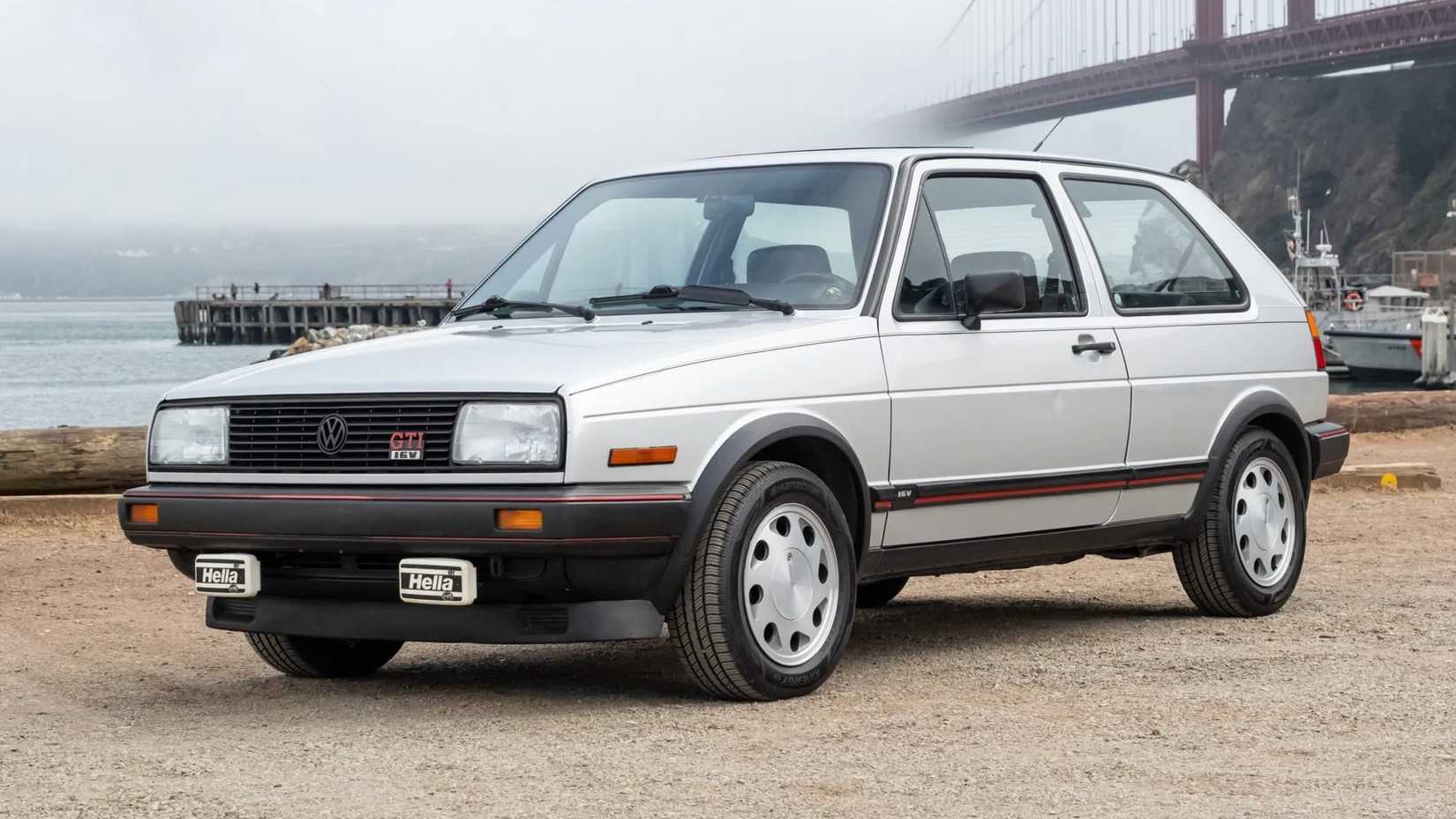
The original Golf GTI was a true skunkworks project inside VW, developed quietly by a group of engineers who thought the new-for-the-time Golf (released in 1974) had more to give. Led by chassis specialist Alfons Löwenberg, they slipped a 1.6-liter inline-four from an Audi 80 GTE into the lightweight hatchback and retuned the suspension to match. Only 5,000 were earmarked for creation; instead, demand grew, and the hot hatch era began.
How The Golf GTI Rewrote The Rules For Fun Compacts
There were a few hatchbacks that came before the Golf GTI that can be considered the first hot hatches; we have the likes of the 1971 Autobianchi A112 Abarth, the 1974 Simca 1100 Ti, and the Renault 5 Alpine, but it is the Golf GTI that fully laid the foundation of what the segment was to become. When the first Volkswagen Golf GTI was released in 1976, it effectively created the modern performance hatchback template. The 1.6-liter Bosch K-Jetronic inline-four under the hood of the original GTI is good for 110 horsepower and 103 pound-feet of torque, which was some serious firepower for a lightweight front-wheel-drive hatch at the time. Boasting a curb weight of under 2,000 pounds, crisp steering, updated brakes, and updated suspension, the original Golf GTI delivered a new level of performance in an affordable compact car.
|
Volkswagen Golf GTI Mk1 |
Volkswagen Golf GTI Mk2 |
Volkswagen Golf GTI Mk3 |
Volkswagen Golf GTI Mk4 |
Volkswagen Golf GTI Mk5 |
Volkswagen Golf GTI Mk6 |
Volkswagen Golf GTI Mk7 |
Volkswagen Golf GTI Mk8 |
|
|---|---|---|---|---|---|---|---|---|
|
Model Years |
1976–1983 |
1984–1991 |
1992-1998 |
1998–2004 |
2004–2008 |
2009–2013 |
2013–2020 |
2020–Present |
Each subsequent generation of the Golf GTI refined that blueprint instead of reinventing it. The Mk2 added better stability, the Mk5 restored the sharper chassis character for tighter turning, and the Mk7 brought along immense turbocharged fun in the shape of the EA888 inline-four and a limited-slip differential. Horsepower ratings have steadily increased over the decades, but the core identity has never shifted too far. The GTI proved that performance doesn’t need to come at the expense of comfort, practicality, or daily usability, and that balance became the gold standard for the entire hot hatch market.
Why So Many Competitors Could Not Keep Pace
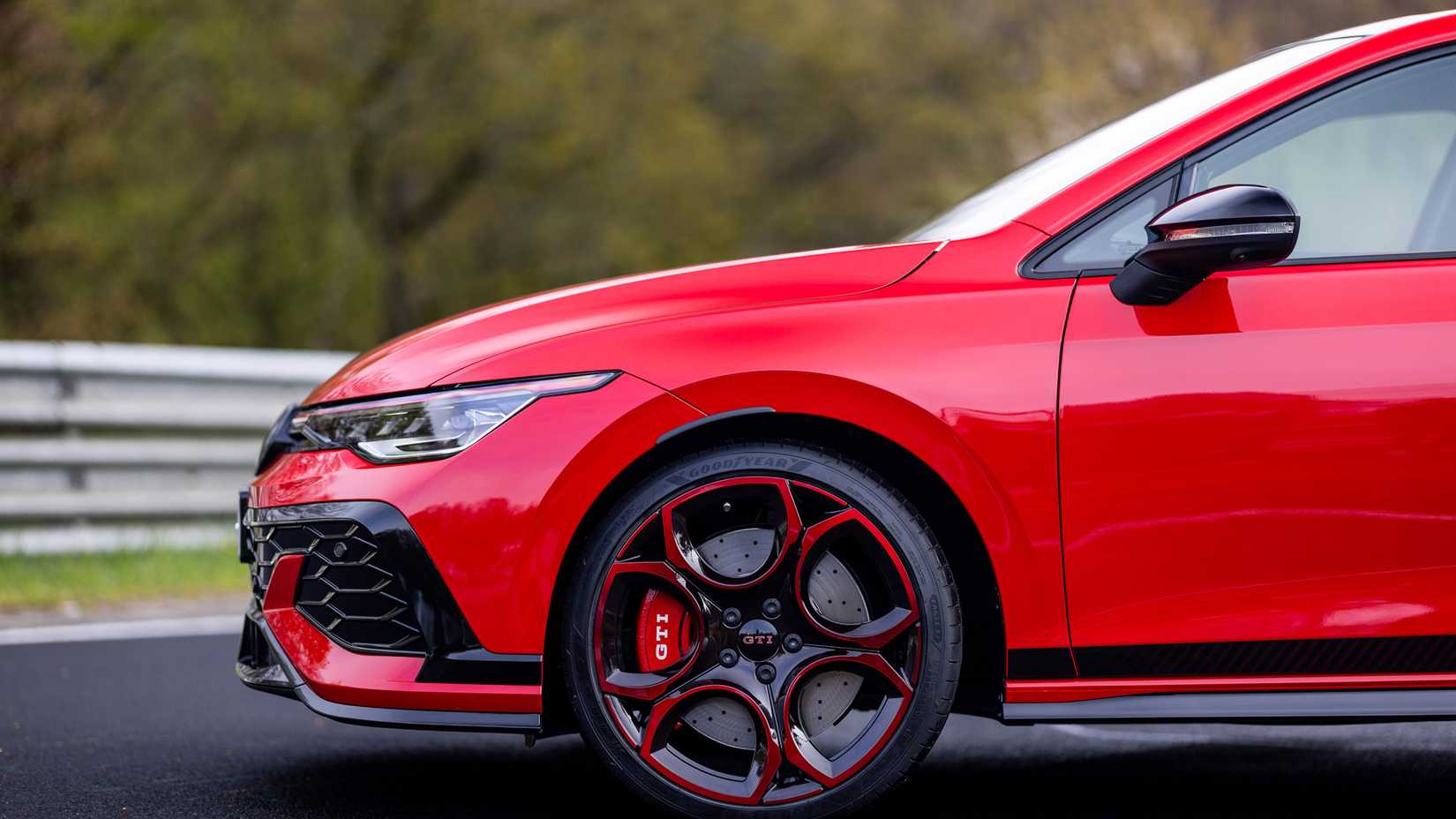
The hot hatch battlefield has claimed a huge number of ambitious Golf GTI rivals, and the reason that so many have fallen away isn’t just about individual models, but philosophy and a huge fan base. The VW Golf GTI has always followed a strict engineering brief: incremental performance gains, class-above interior, and everyday usability.
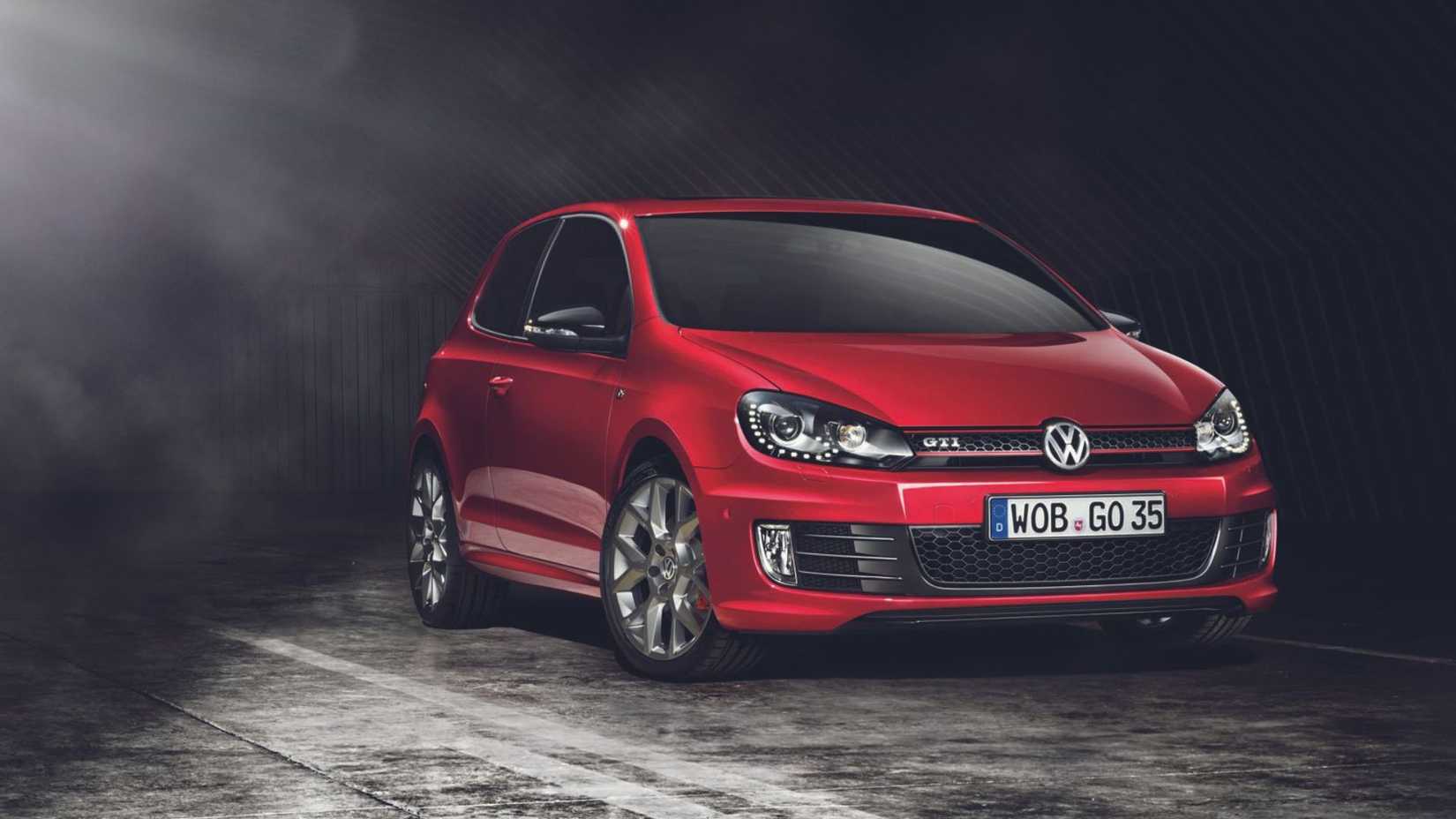
VW has always resisted the urge to turn the GTI into an uncompromising track special or stripped-out budget rocket. Instead, each generation of the Golf GTI is sharpened with the same core makeup that made it such a head-turner when it was released: steering precision, front-end bite, mid-range torque, and long-distance comfort.
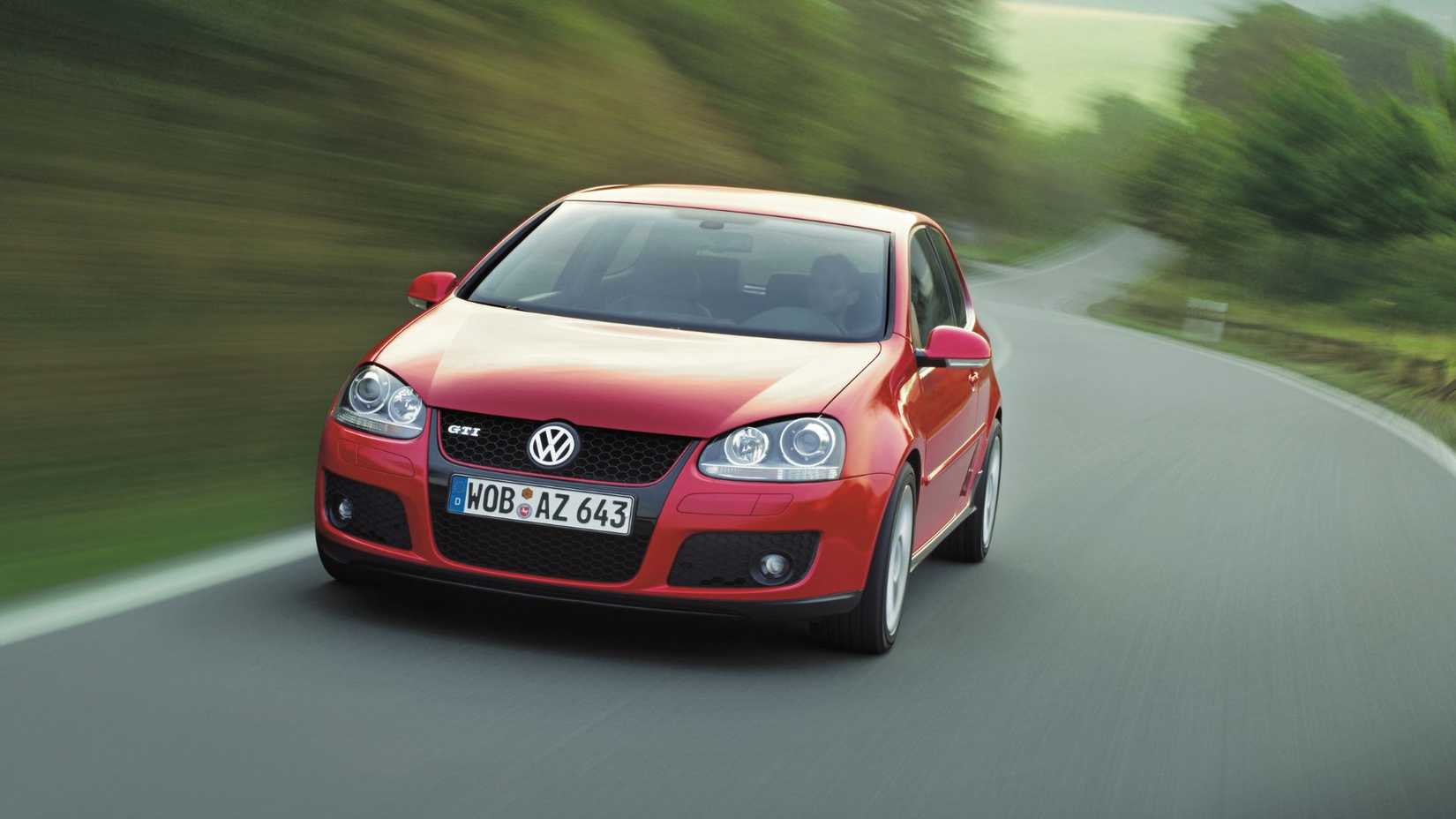
Crucially for the survival of the Golf GTI, it evolved alongside the Golf’s global platform strategy, which means there has been near-constant input from VW to improve the chassis’ rigidity, safety structures, and engines. By the time the more recent generations of the GTI came about, it was lighter, stiffer, safer, and still fun and useful to drive. It is this continuous improvement that made sure that the GTI was not just a flash in the pan.
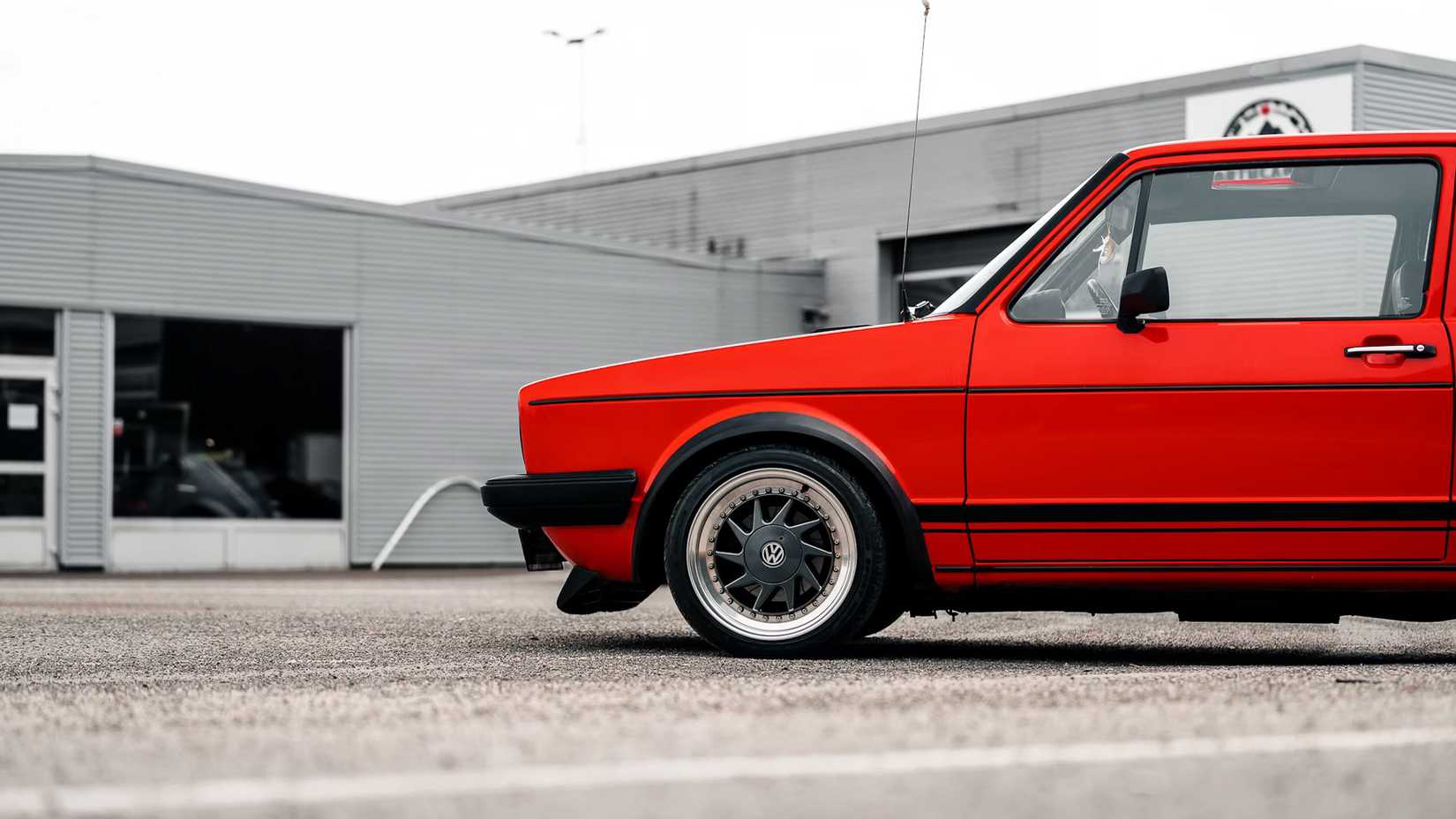
This is exactly what a lot of the Golf GTI’s hot hatch competition became: flashes of greatness to grab headlines or fill gaps in lineups. When sales dipped or budgets shifted, these hot hatch projects were often the first to go. The GTI, however, was never an afterthought or just a special trim level for VW, but an institution with long-term commitment behind it. This is why the Golf GTI has lasted so long and shaken off so many would-be dethroners.
10 Old School Hot Hatches That Still Make Modern Ones Look Slow
While modern hot hatches are undoubtedly quick, many have lost some of the raw, untamed spirit that made their predecessors so exhilarating.
American Hatches That Faded Too Quickly
The Golf GTI has no doubt matured through careful evolution, but some of the best American hatchbacks took a slightly rockier path. Through the late 1970s, the 1980s, and into the 2000s, our homegrown brands repeatedly tried their hand at the compact hatch segment, some with real promise, only to be dropped within a generation or two.
Some were born from badge engineering, others from cost-cutting mandates, and a few received the long-term commitment that the GTI got. The pattern was all-too familiar: a short burst of enthusiasm, a mid-cycle refresh, and then discontinuation as more of us started buying SUVs and pickup trucks. Where VW treated the GTI as a permanent fixture, American automakers often treated hatchbacks as placeholders, and that difference in commitment is very apparent when we look at the hatchbacks that the GTI has outlived.
From Dodge Omni To Chevrolet Sonic, The Ones That Disappeared
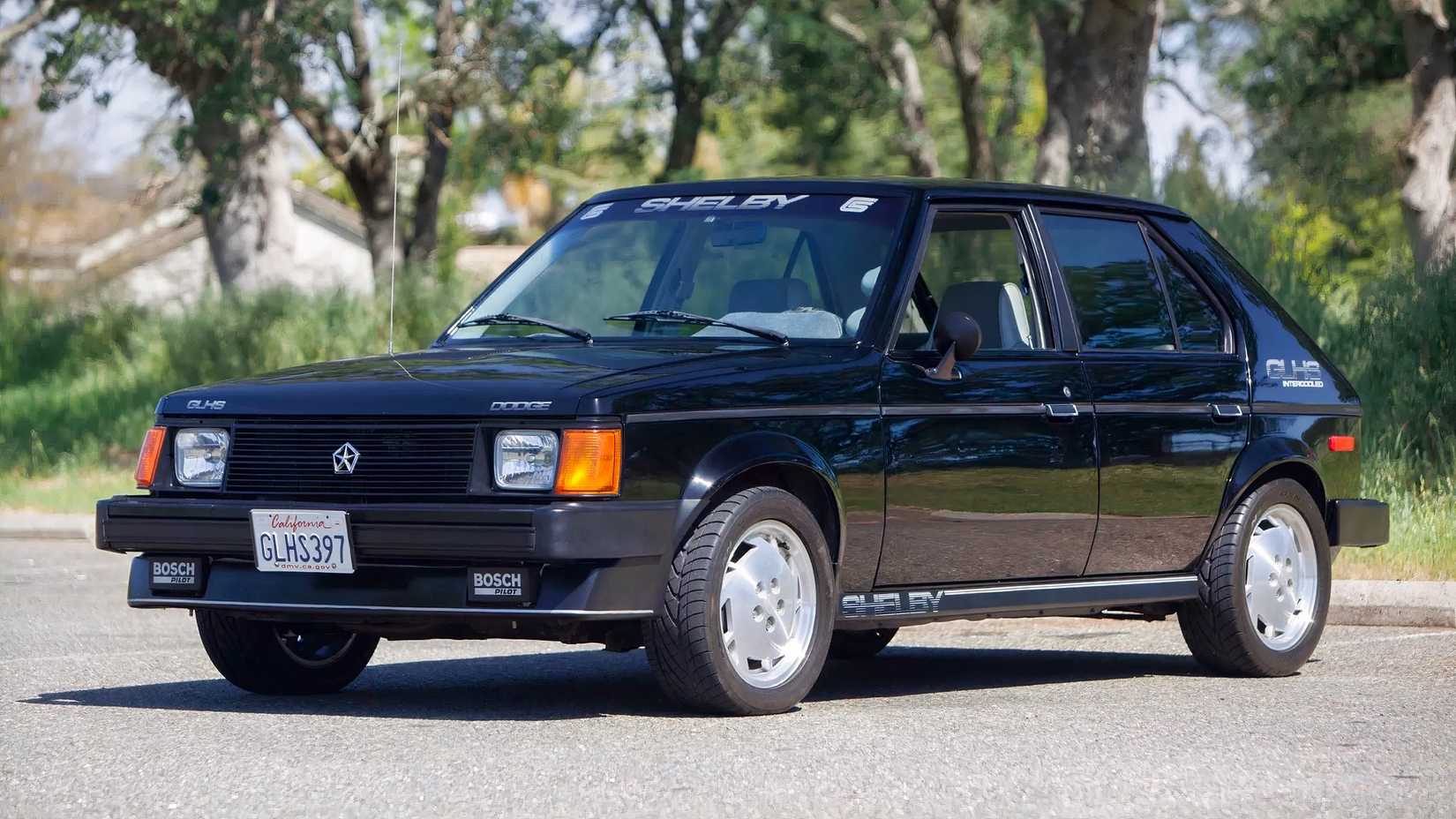
The Dodge Omni debuted back in 1978 as part of Chrysler’s L-body platform, one of their first serious front-wheel-drive efforts. By the mid-1980s, real performance bite was added. The 1984 Dodge Omni GLH (Goes Like Hell) boasts a 2.2-liter inline-four rated at 110 horsepower, while the 1985 Omni GLH-T gets a turbocharger and bumps up the output to 146 horsepower.
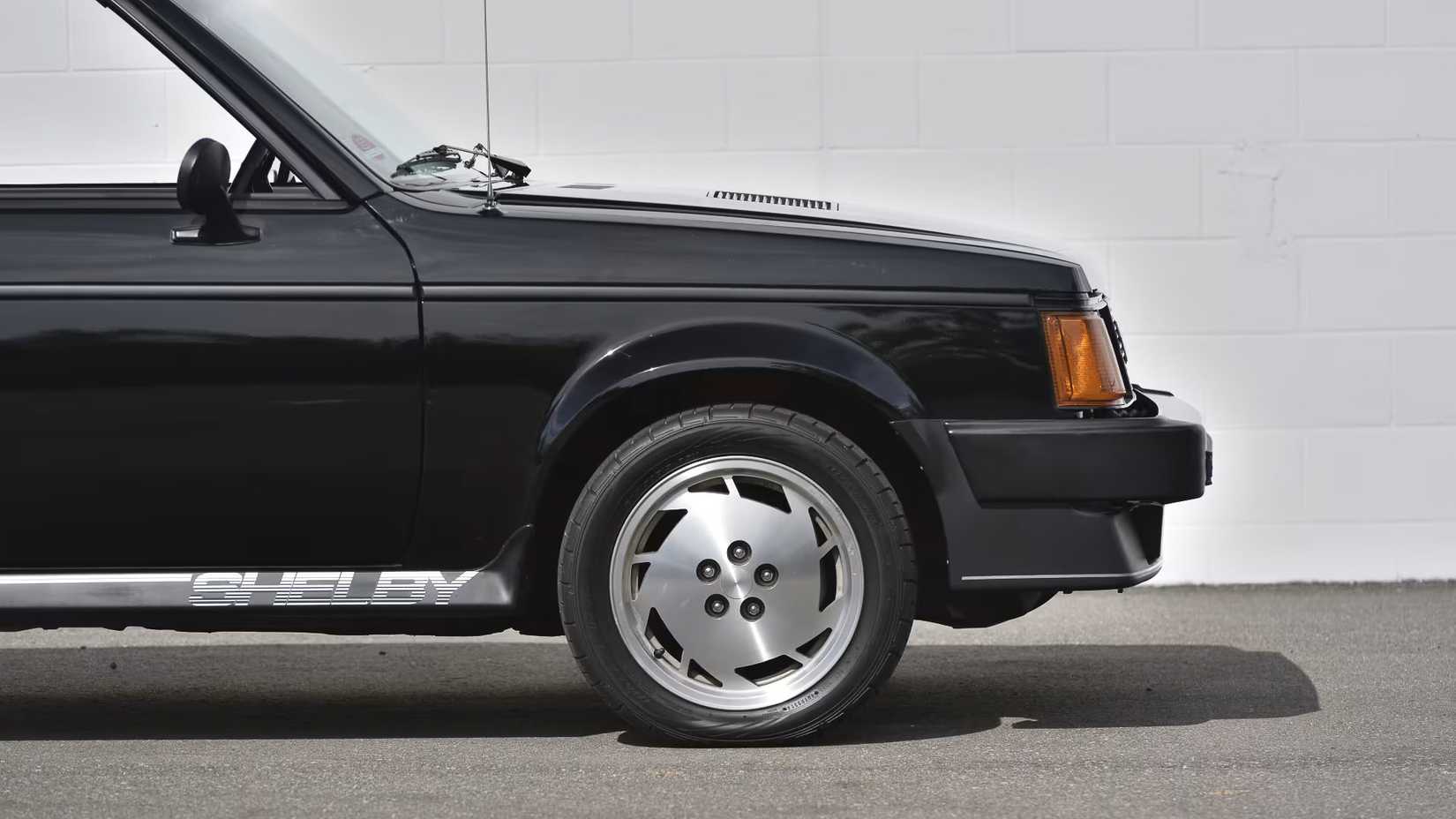
Then there is the ultimate model from the lineup: the 1986 Dodge Omni GLHS, tuned with input from Carroll Shelby. This ultimate little American hot hatch was a treat for the tough regulations of the 1980s, and boasts an engine that shifts out 175 horsepower and 175 pound-feet of torque. The Omni GLHS gained a cult following, and today, according to Classic.com, it will cost you just over $31,000 for one. However, it only lasted for one model year, so the GLH build simply vanished without any real successor.
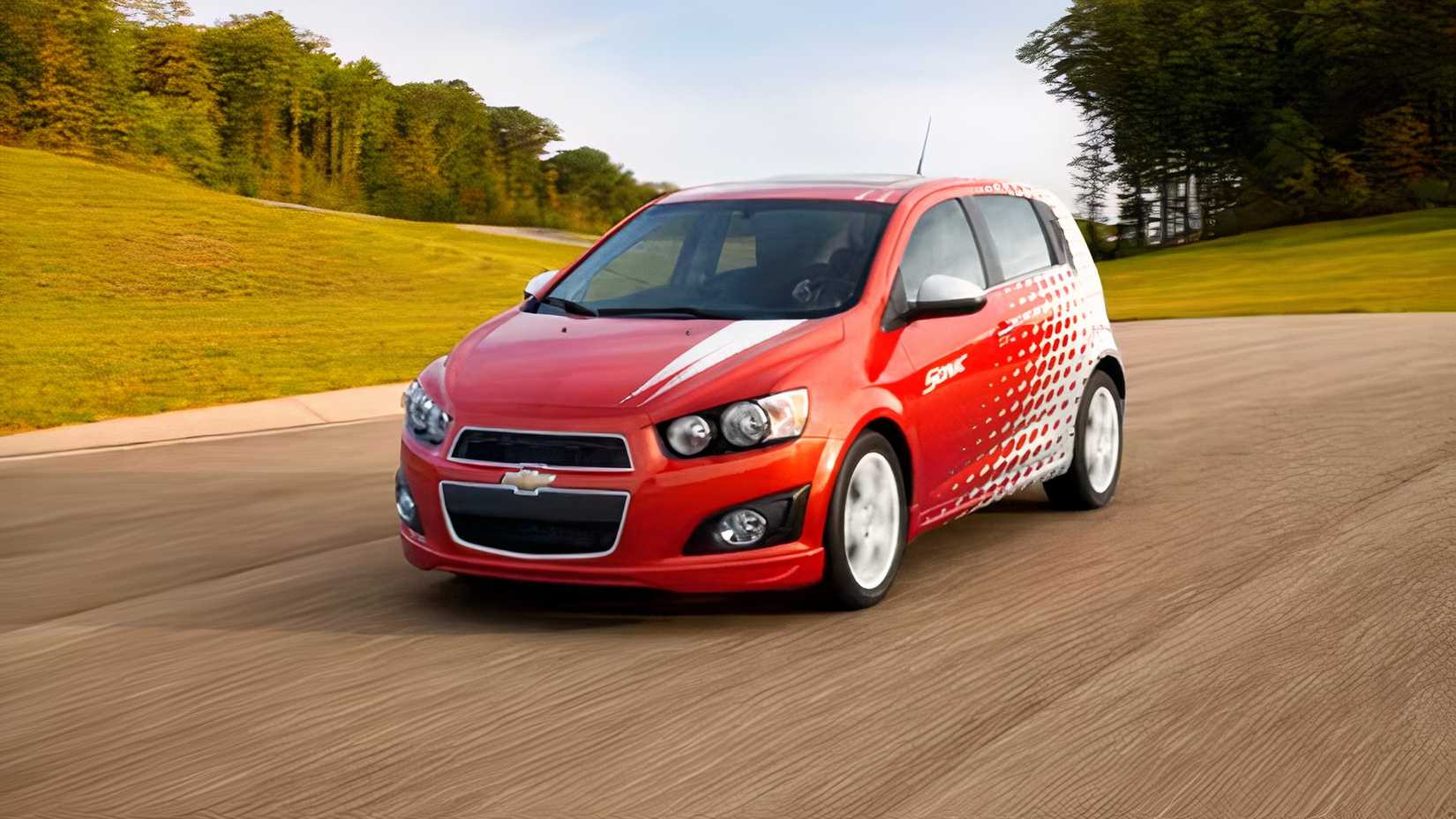
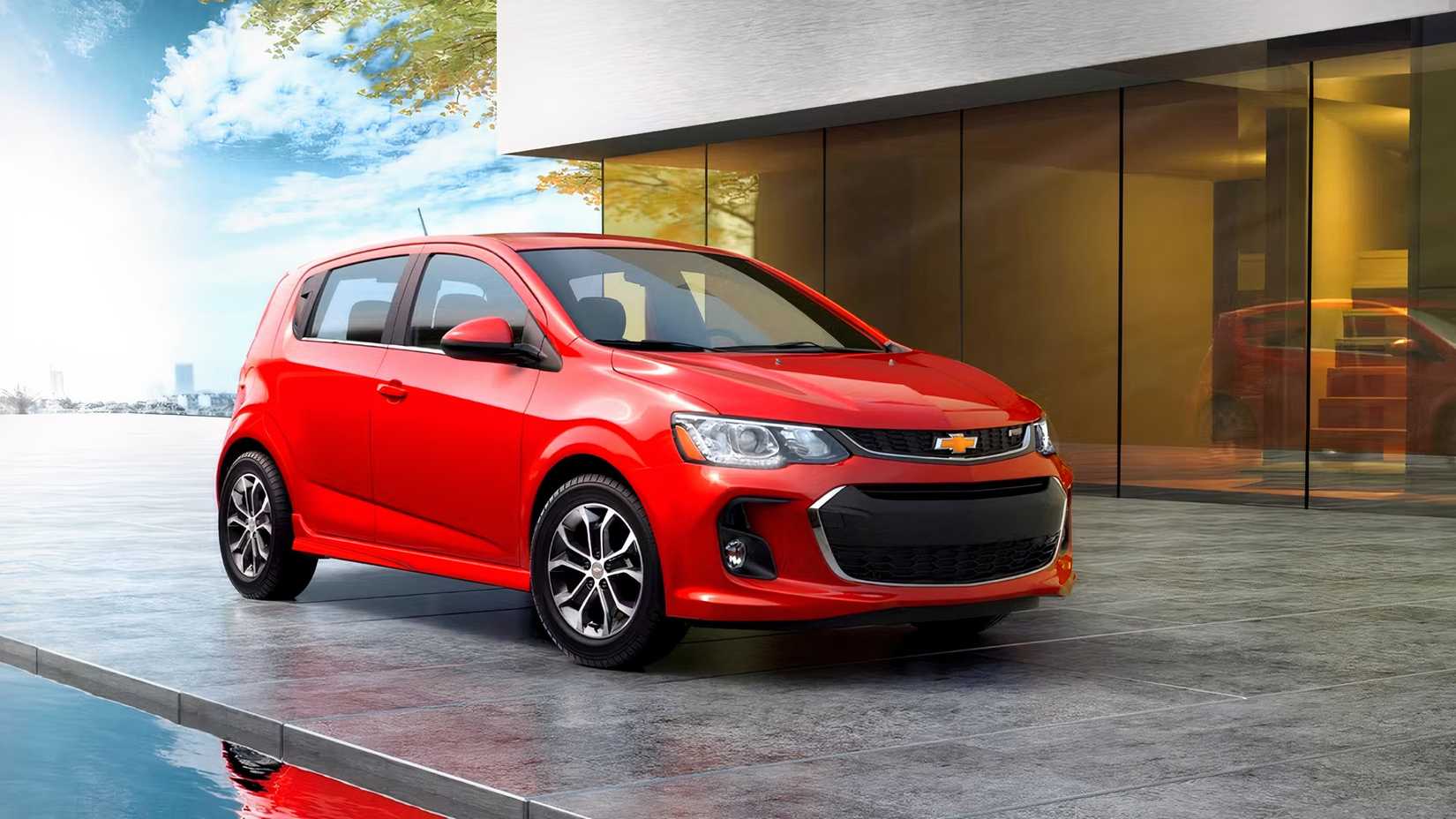
Decades later, the 2012–2020 Chevrolet Sonic hit the market as one of GM’s last true subcompact hatchbacks for America. It comes equipped with either a naturally aspirated 1.8-liter inline-four good for 138 horsepower, or a turbocharged 1.4-liter inline-four with identical output, but more torque (148 pound-feet). The 2013–2016 Sonic RS was also introduced and brought along sport-tuned suspension, four-wheel disc brakes, and sporty gearing in the six-speed manual. Both the regular and RS models were better than anyone expected, with a solid 4 out of 5 rating by owners on Kelley Blue Book, but there was never a true HO option, and when GM axed small cars in 2020, the Sonic left the market without anything else to turn to.
Metro, Aveo, And Focus Struggled To Make Their Mark
The Geo Metro debuted in 1989 as a rebadged Suzuki Swift (a hatchback that has actually lasted years outside the U.S.), and was designed to be a frugal number. It comes equipped with a 1.0-liter inline-three that trickles out 55 horsepower, and even the later 1.3-liter four-cylinder only musters around 70 horsepower.
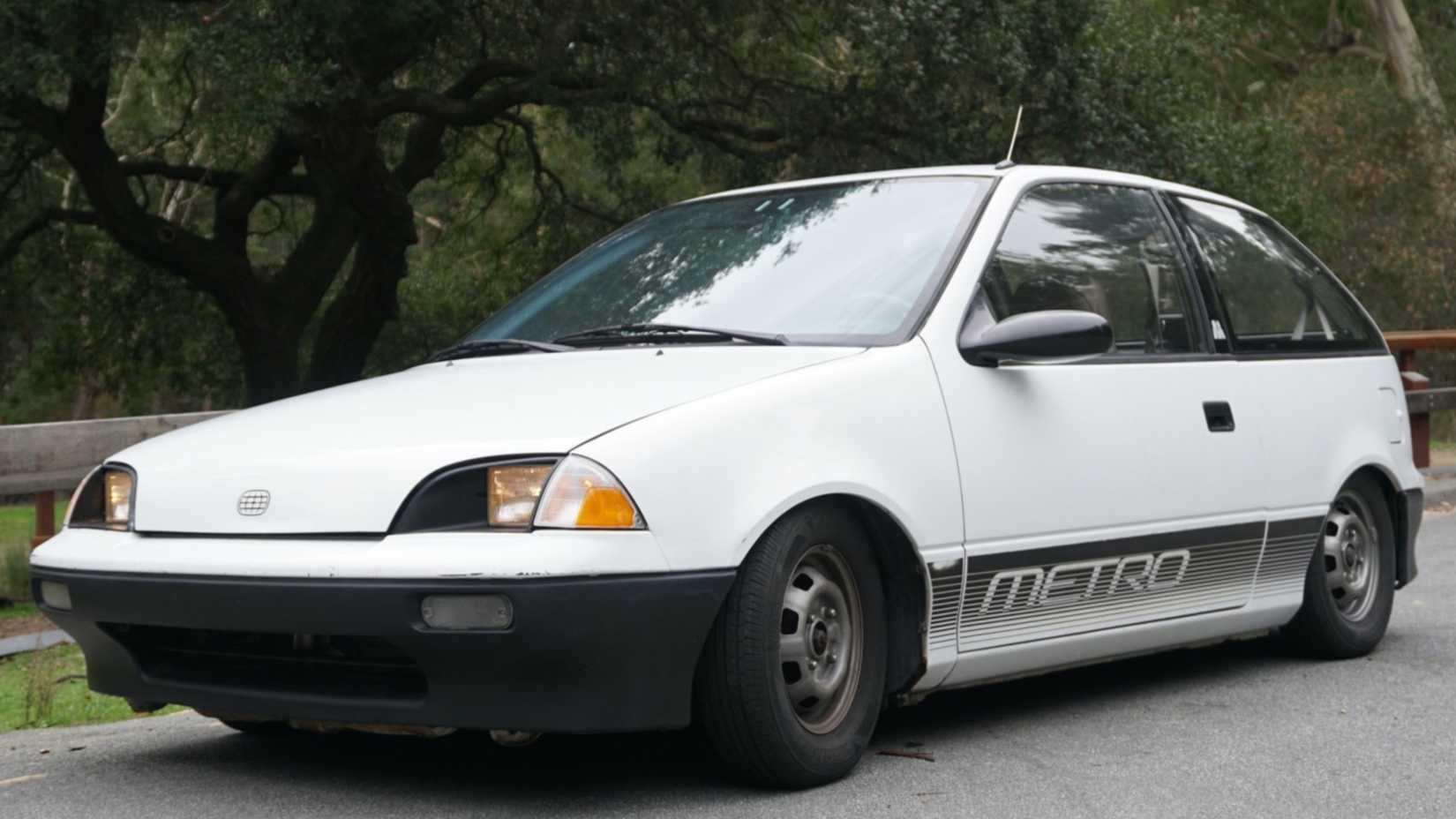
Only tipping the scales at under 1,900 pounds, fuel efficiency is where it trumped, with some reports suggesting that 40 combined mpg was in its wheelhouse. At a time of very strict emissions standards, these kinds of headlines made it an economic icon. However, it was never a driver’s car, so with the likes of the GTI on the prowl, the Metro didn’t strike a good enough balance to stay in business. It was rebranded in 1998 as the Chevy Metro and dropped in 2001.
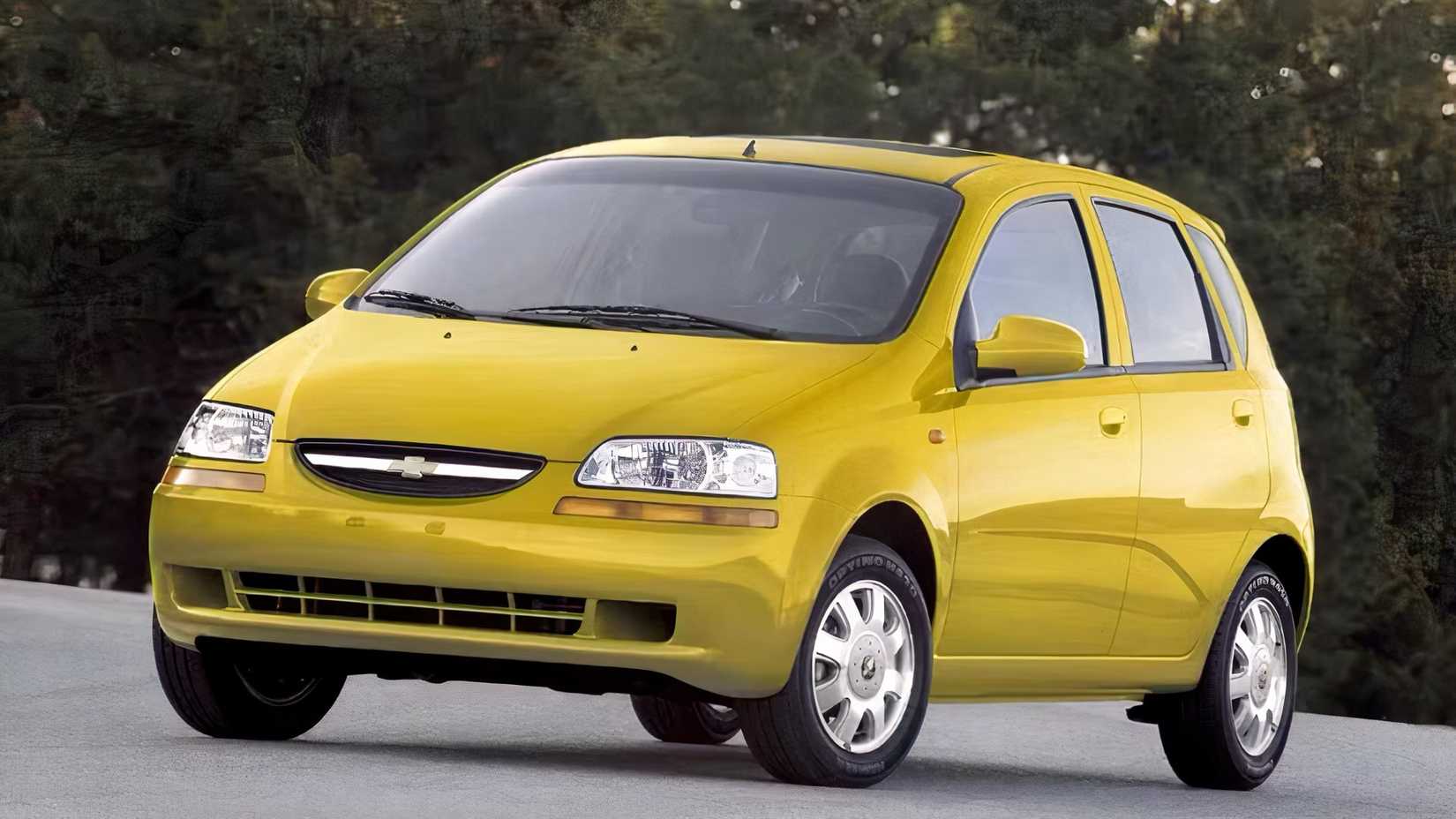
The Chevrolet Aveo followed in 2004, based on GM’s T200 platform developed by Daewoo, an Asian brand that knew how to make a compact car. Early five-door models boast a 1.6-liter inline-four that kicks out 103 horsepower, paired with a five-speed manual or four-speed auto. The Aveo was again built for affordability, and that showed in owner reviews, which complain about poor cabin materials and road noise. A 2007 facelift brought better styling and minor structural tweaks, but it remained just a solid entry-level model. Sales were good, but it never helped Chevy build any sort of enthusiast interest, and it was replaced in 2012 by the Sonic.
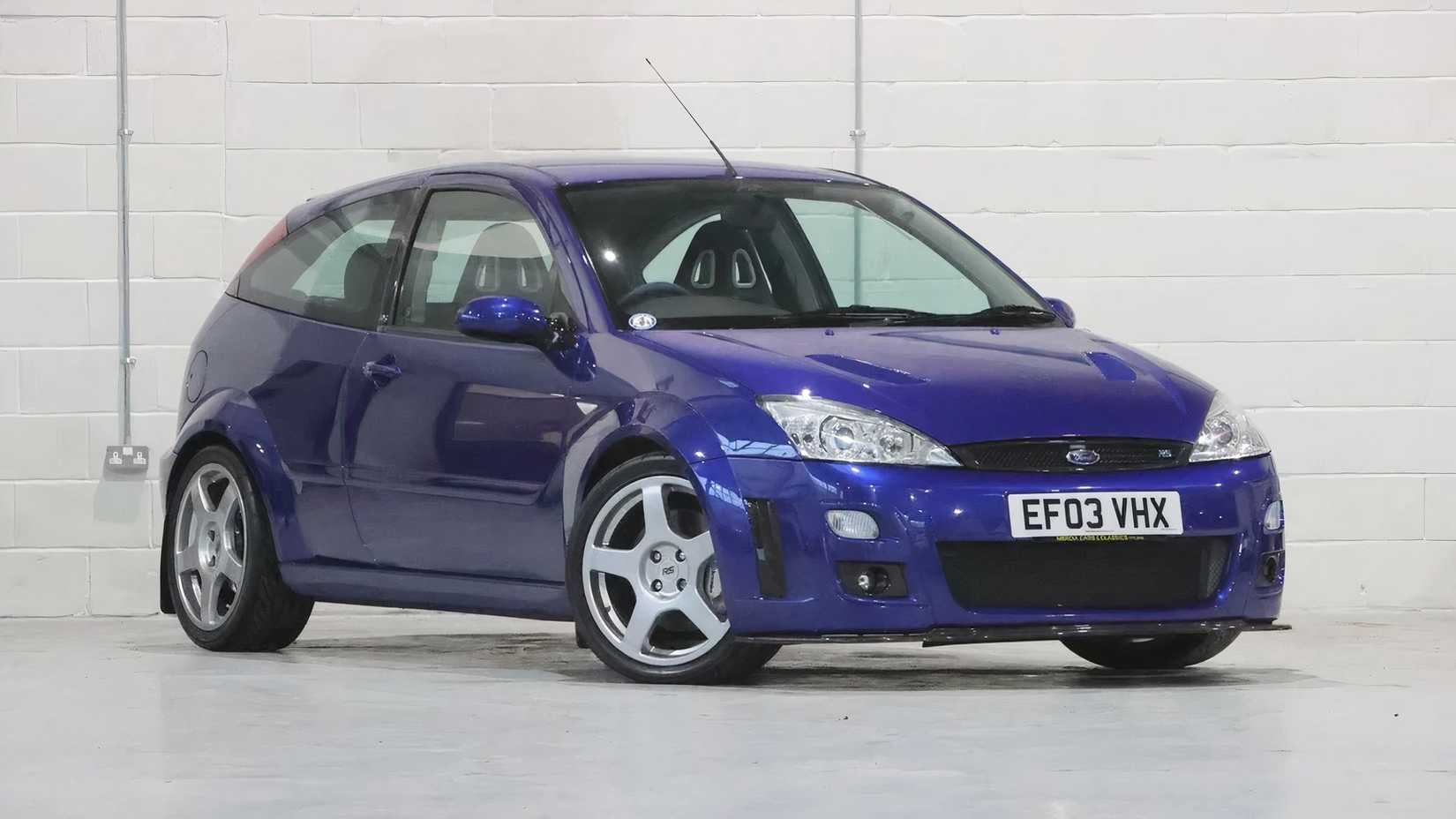
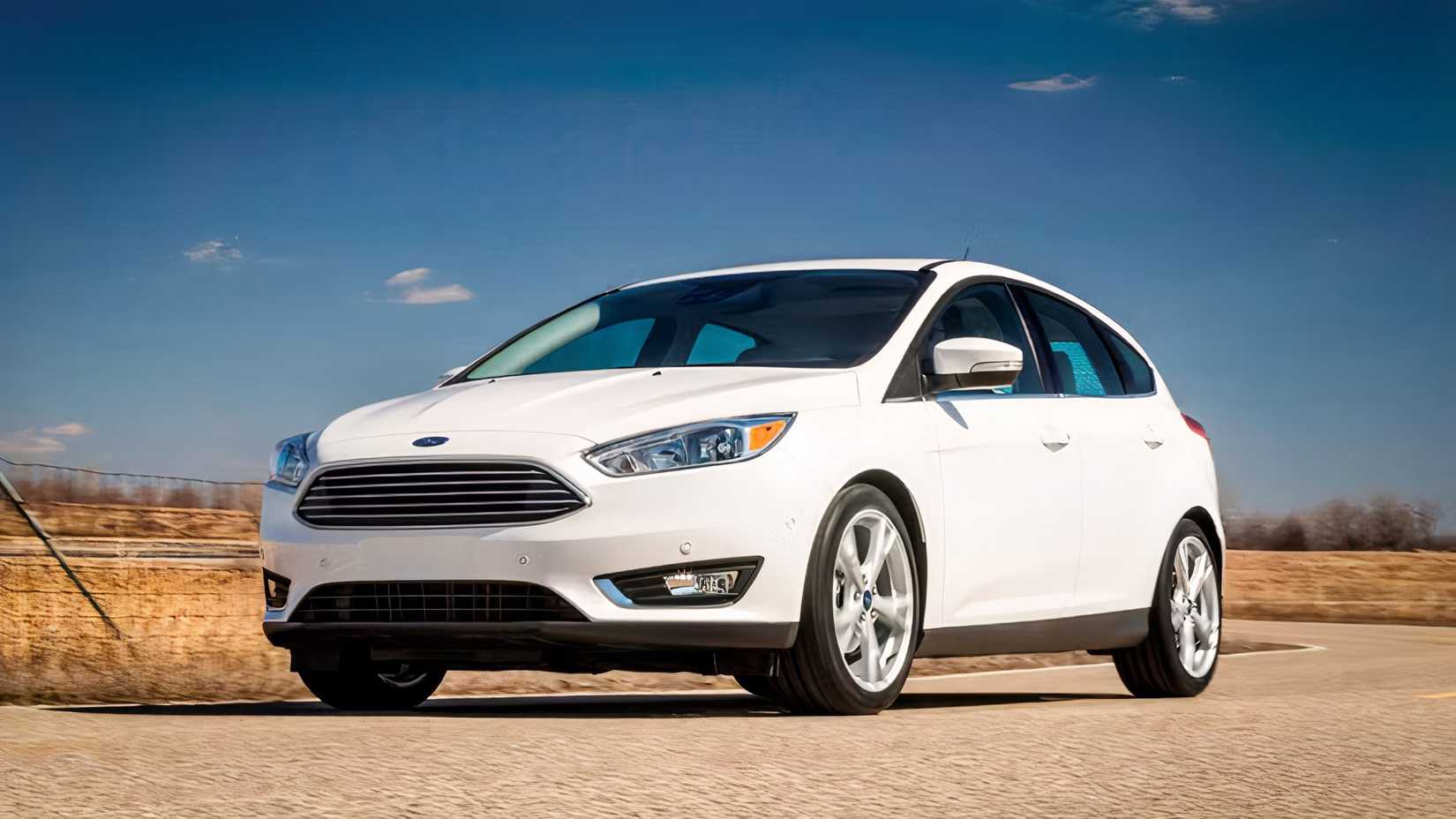
Then there is the Ford Focus hatchback. Introduced to our market in 2000, unlike the Metro and Aveo, the Focus boasts strong European DNA and a genuinely competent chassis. However, early models were plagued by recalls and quality-control issues, including ignition switch and suspension problems. Multiple mid-cycle updates softened its original sharp look, and while sales were solid through the 2000s, with over 2 million sold, consistency wasn’t there. By 2018, Ford left the U.S. compact car market entirely, taking the Focus with it.
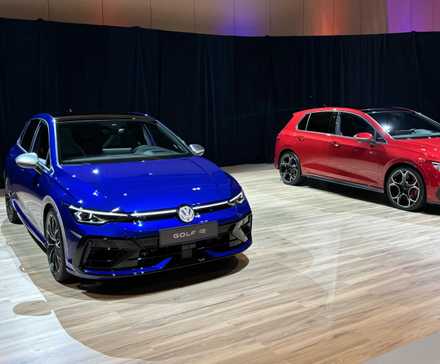
GTI or Golf R? The 2025 Volkswagen Hot Hatch Offering The Best Bang For Your Buck
The 2025 Volkswagen Golf models are out and priced. Should you choose the Golf GTI or pay more and drive the Golf R? Explore the options here.
Performance Hatches That Burned Fast And Vanished
While the Golf GTI is seen by many as the ultimate performance hatch, with its longevity carved out thanks to a consistent balance of usable power, chassis tweaks, and everyday practicality, it is not the only one to offer a strong feel underfoot. Several performance-focused hatchbacks flared up in the early 2000s and 2010s, only to disappear shortly after. These models often aimed much higher on the performance spectrum, trading in some refinement for raw output and sheer mechanical bravado.
Despite some of the high numbers and on-road guts, they again lacked broad appeal and a sustained investment that would ensure they were about for more than a few years. It is true that many of the performance hatches that took on the Golf GTI, like the MazdaSpeed3, Focus RS, and Caliber SRT-4, became cult classics just because they were short-lived, but, ultimately, they burned out when they couldn’t be adapted to keep up with what drivers wanted or emission standards.
MazdaSpeed3, Focus ST, And Focus RS Had Their Moment
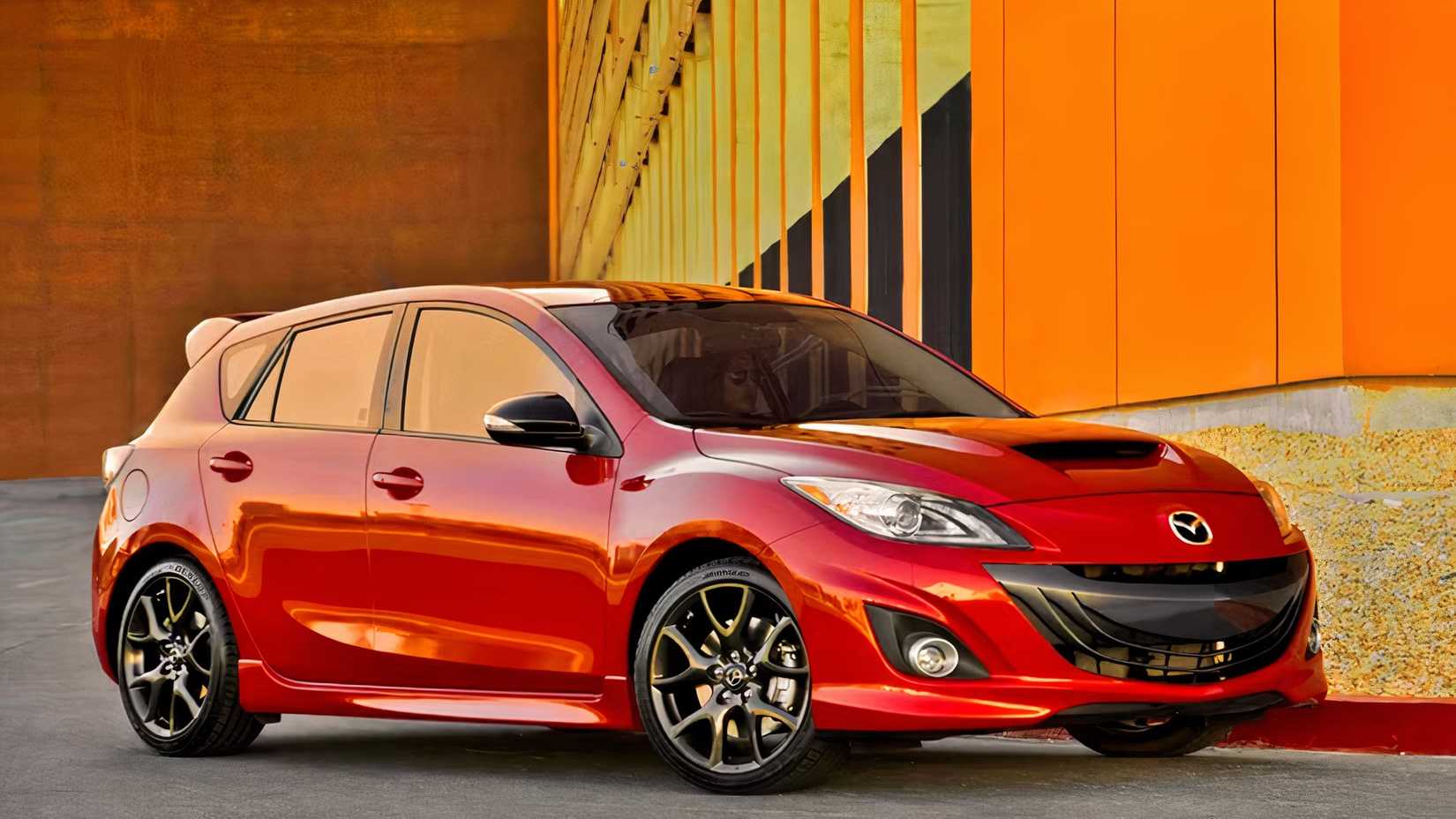
The 2007–2013 MazdaSpeed3 stands as one of the most visceral front-wheel-drive hatches of the era; in short, it is a turbo legend. The MazdaSpeed3 pairs a 2.3-liter turbocharged MZR inline-four with a six-speed manual transmission and a limited-slip differential. Horsepower is rated at 263 and torque at 280 pound-feet, while rest-to-60 times are an impressive 5.2 to 5.9 seconds, and top speeds are limited to 155 mph. It boasts an aggressive feel underfoot and minimal electronic nannies, giving it a raw character rare in factory-built hot hatches, which obviously appeals to more than just performance hatch fans.
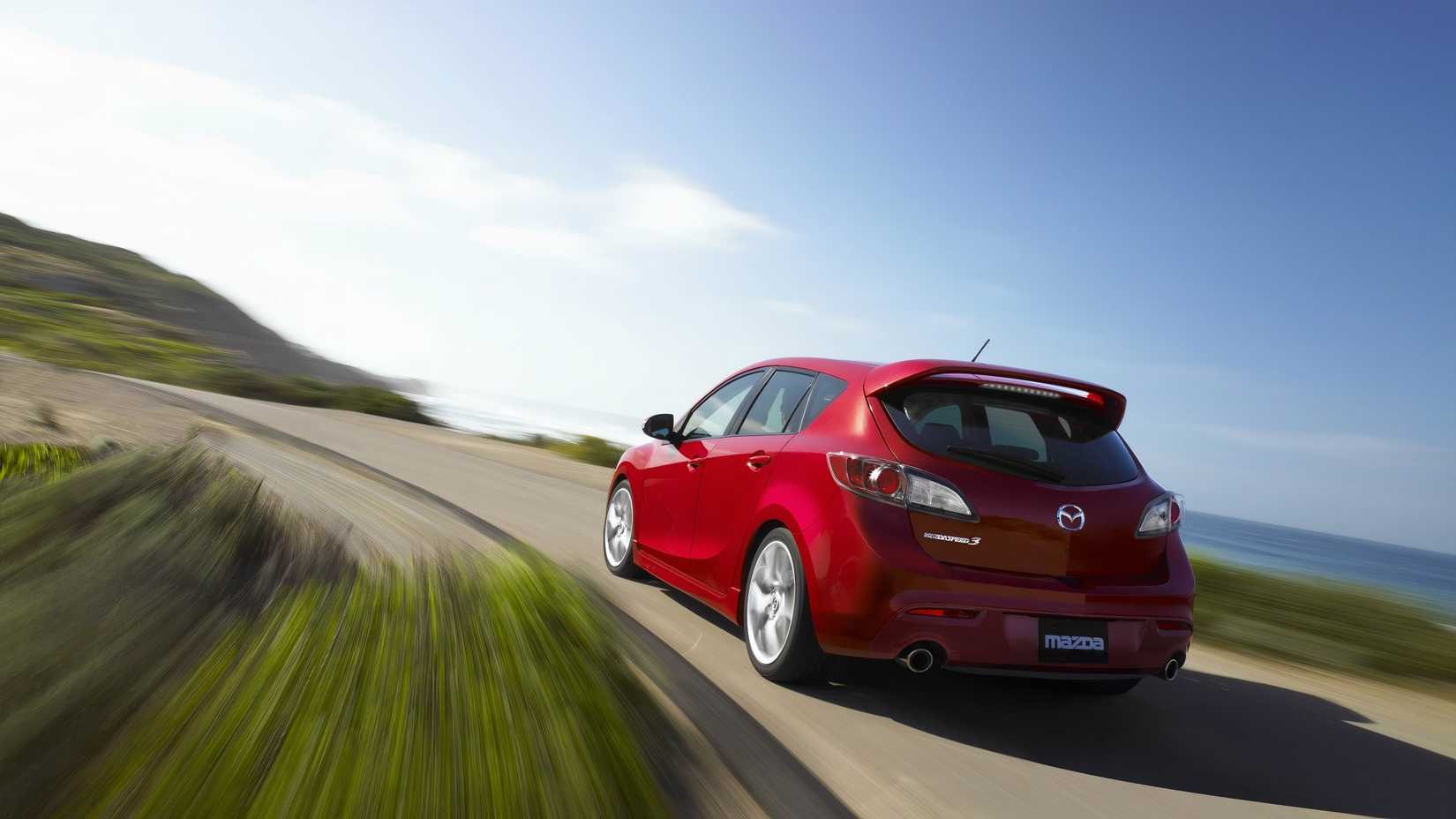
However, it is not a lightweight machine. The heaviest curb weight is up at 3,300 pounds; that, paired with an ECU that closes the throttle when it detects overboost, means that it can feel sluggish in low gears despite the high engine ratings. Owners have reported this to betray the hot hatch front-wheel-drive layout. Despite its foibles, though, the MazdaSpeed3 has been rated 4.6 out of 5 on Kelley Blue Book, and gave a good glimpse of what could have been if Mazda had continued with it.

Ford’s contributions to the segment came in two memorable flavors: the Ford Focus ST and the more aggressive Ford Focus RS. The 2013-2018 Focus ST gets a 2.0-liter turbocharged inline-four rated up to 280 horsepower and a six-speed manual. This translates to sub-six-second 0–60 mph times and a top speed of 154 mph, well capable of lining up with the Golf GTI of the time.
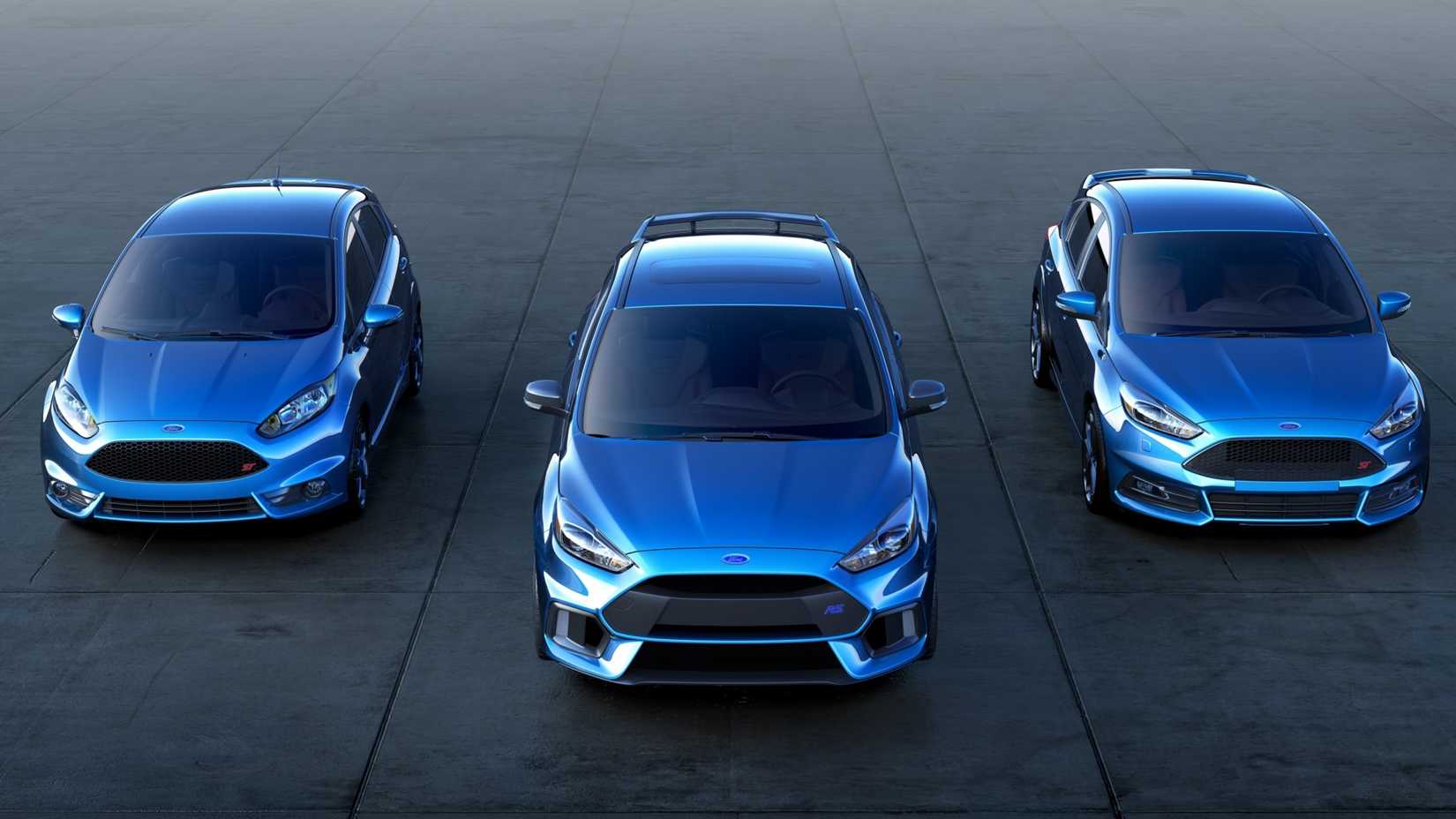
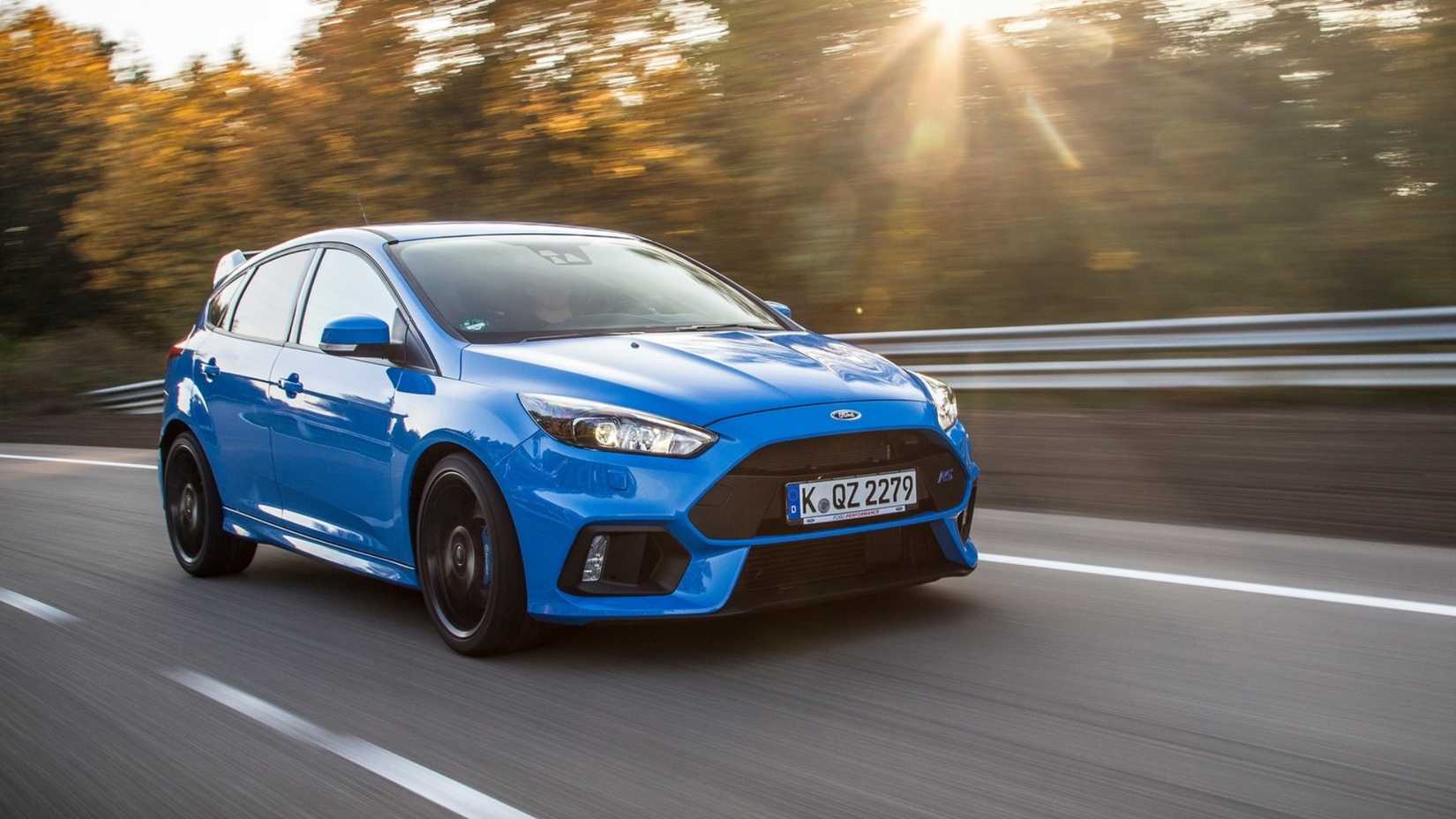
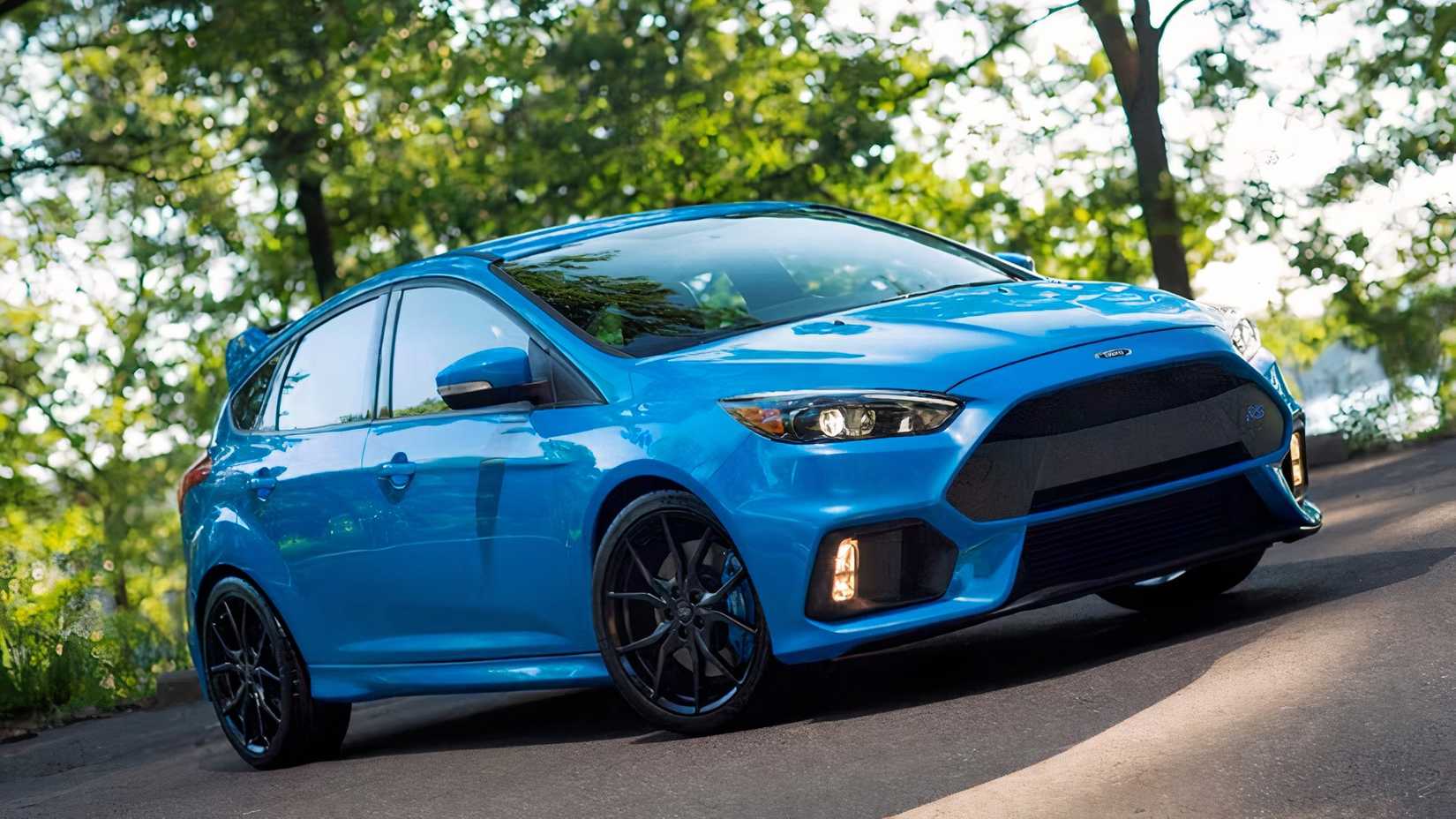
Then there is the 2016–2018 Ford Focus RS. Under the hood is a 2.3-liter twin-scroll turbocharged EcoBoost inline-four that kicks out 345 horsepower at 6,000 rpm and 324 pound-feet of torque between 2,000 and 4,500 rpm. Ford Performance all-wheel drive is standard; Drift Mode lets you get the tail out; 0–60 mph times are clocked at under five seconds; top speeds are 165 mph, and Brembo brakes handle stopping power. Unfortunately for Ford and hot hatch fans, the RS left the market with the Focus, taking with it a genuinely exciting Golf GTI alternative, and we didn’t get to see any more of this almighty performance-specialized hatch.
Dodge Caliber SRT-4 Showed Power But Not Longevity
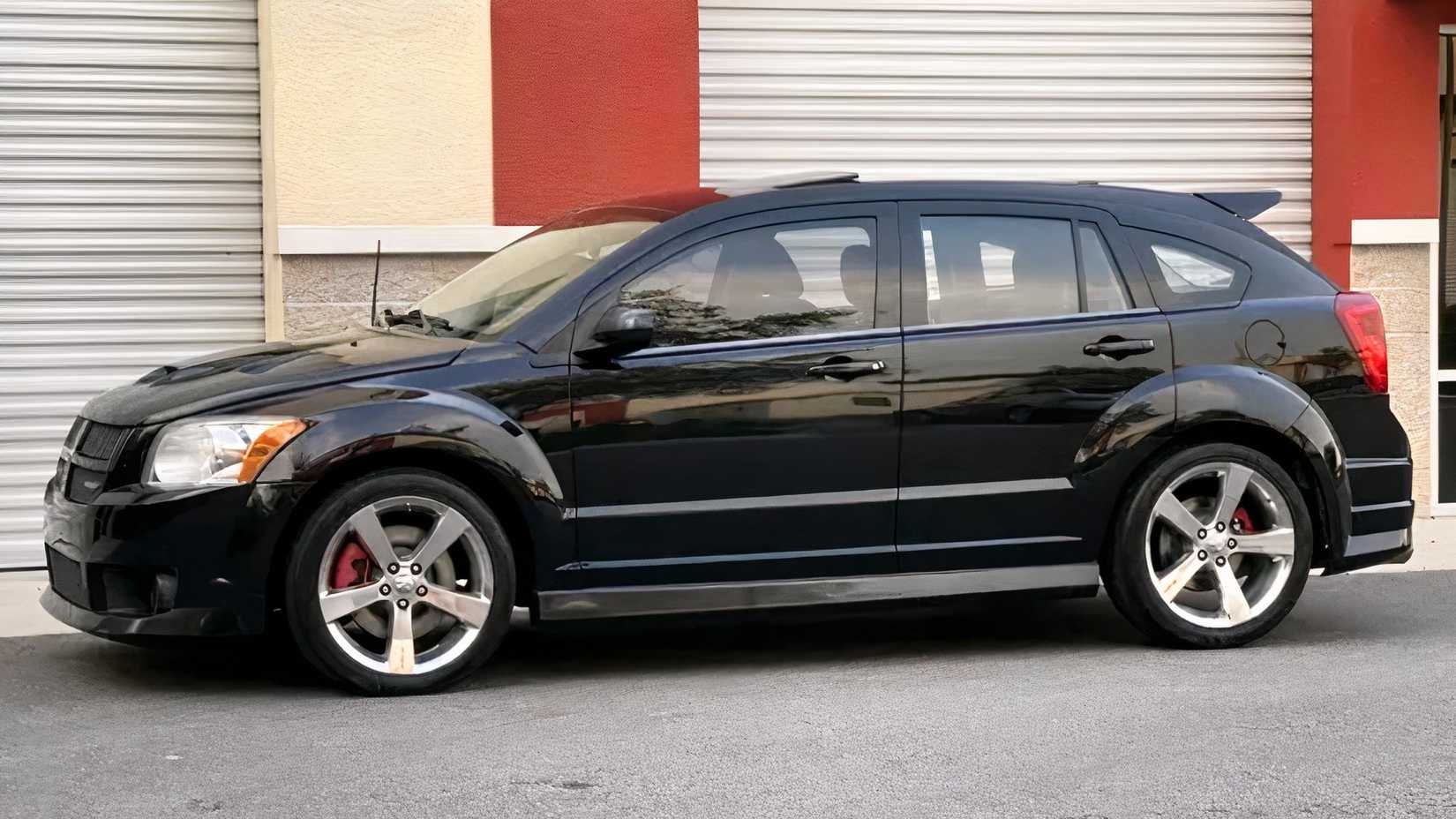
As one of the boldest attempts by an American marque at taking the hot hatch fight directly to European heavyweights like the Golf GTI and Japanese legends like the MazdaSpeed3, the Dodge Caliber SRT-4 is another short-lived yet exceptional hatchback that should have lasted longer.
Launched in 2008, the SRT-4 took the otherwise modest build of the Caliber and added a 2.4-liter turbocharged Warhawk inline-four rated at 285 horsepower and 265 pound-feet of torque, with power being sent through a six-speed Getrag manual transmission to the front wheels. Despite its 2,900-pound curb weight, the SRT-4 can dash to 60 mph in as little as 5.3 seconds and tops out at around 155 mph at stock level.
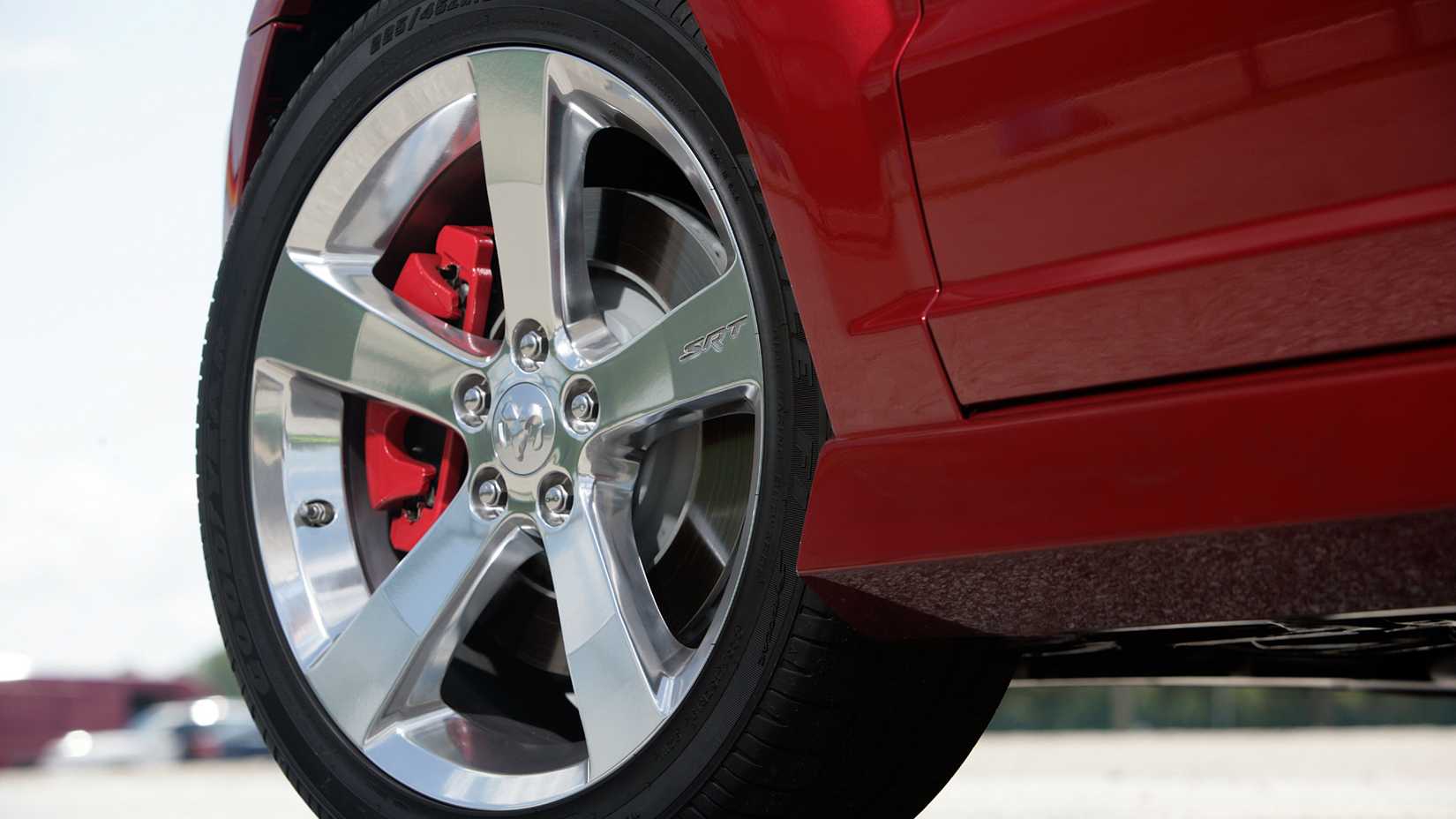
Under the relatively mundane look (minus the sharper edges), the SRT-4 comes equipped with a lot of features that make it a bit of a beast. Dodge engineers lowered the suspension, installed a MacPherson front strut and multi-link rear, fitted large 340 mm vented discs borrowed from the Charger Police Pack with dual-piston calipers, and added 302 mm rear rotors. Four-wheel ABS, performance-tuned steering, and 19-inch SRT-specific wheels wrapped in Goodyear tires were also part of the package. It was designed with some real hardware to take on the Golf GTI.
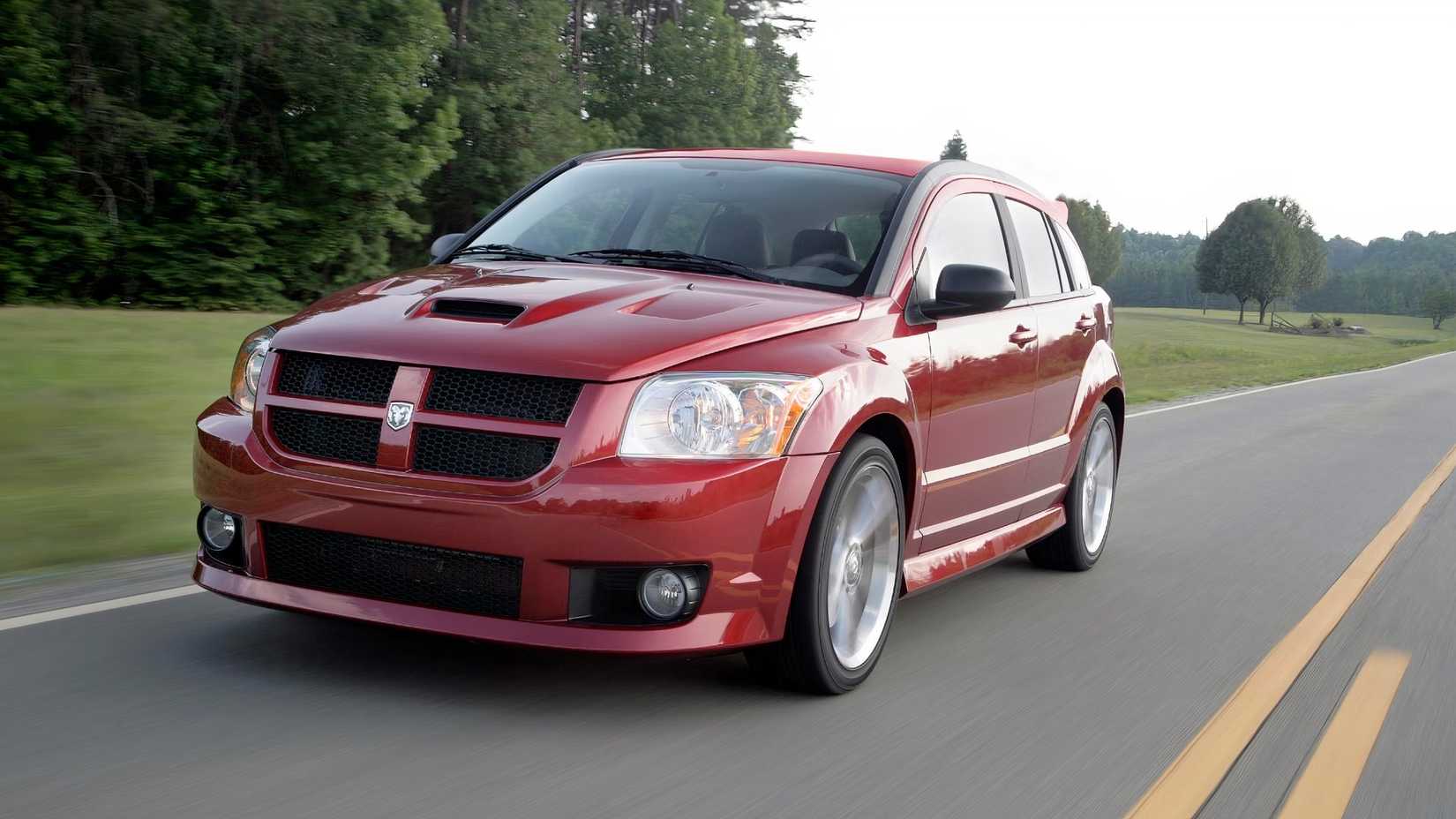
Unfortunately, only circa 5,500 were ever made for the 2008 and 2009 model years. Despite the potent mill and sporty additions, the Caliber’s basic architecture only allows for so much. Common owner complaints stem from the fact that the Caliber’s chassis was originally made for practicality, not performance, and it was prone to torque steer, understeer, and a generally unrefined feel. The interior is full of hard plastics, and it lacks any sort of polish compared to the iconic Golf GTI.
10 Cheap Performance Hatchbacks That Deliver Sports Car-Level Fun
While sports cars typically command higher prices, several affordable hot hatches provide a thrilling driving experience without breaking the bank.
The 2026 Volkswagen Golf GTI: Lessons From Five Decades Of Golf GTI Excellence
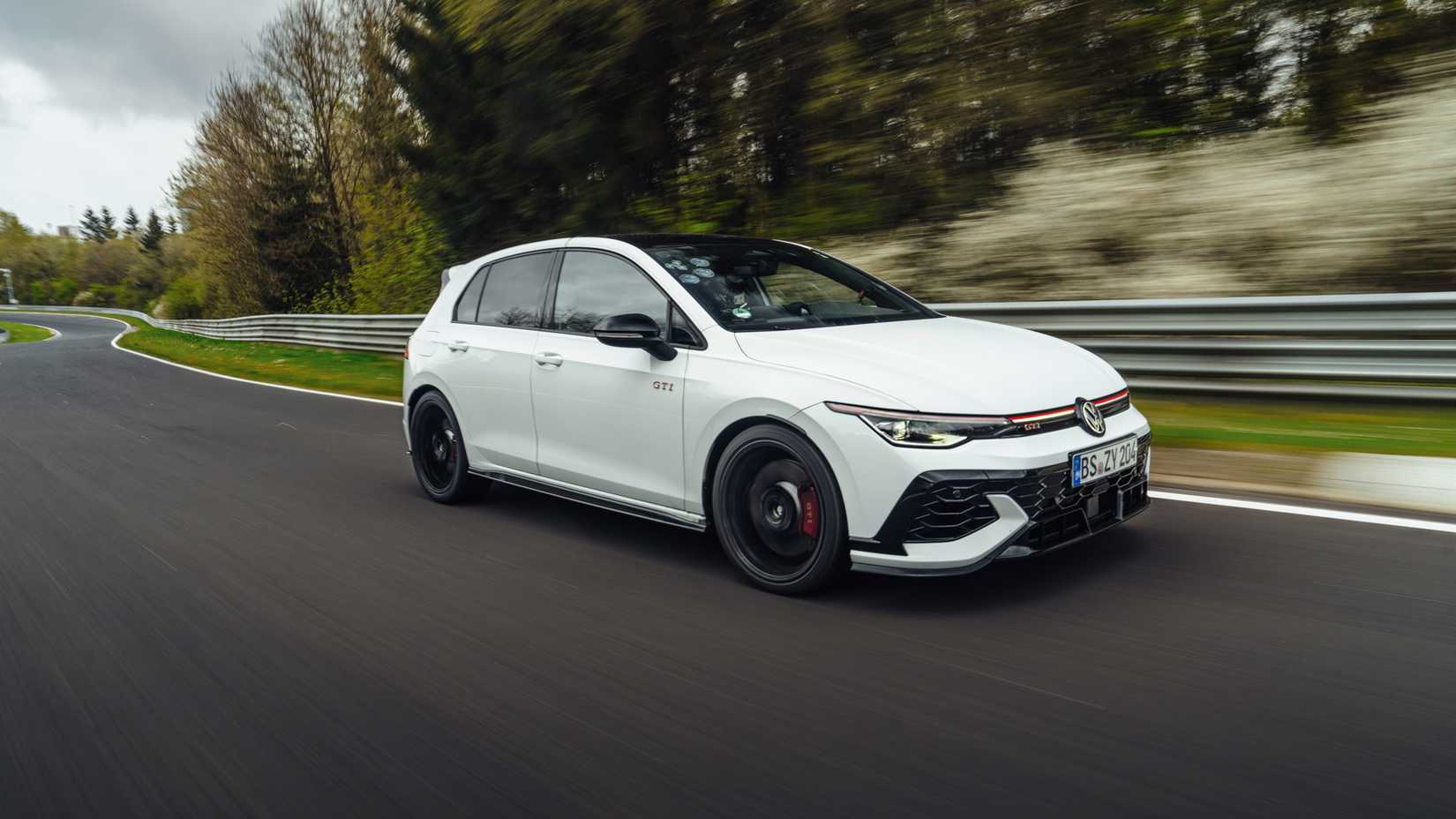
2026 marks the 50th anniversary of the Volkswagen Golf GTI, and today, there are three variants available that show the accumulation of five decades’ worth of lessons learned and giving us what we want from a hot hatch. The 2026 Volkswagen Golf GTI lineup is as follows:
- 2026 Volkswagen Golf GTI S. MSRP: $34,590.
- 2026 Volkswagen Golf GTI SE. MSRP: $39,080.
- 2026 Volkswagen Golf GTI Autobahn. MSRP: $42,480.
This year’s Golf GTI clearly shows that 50 years of evolution have not been wasted. What started as an enthusiast model in 1976 has grown into a sophisticated and capable compact sports car that still honors its roots. All U.S.-market models are still front-wheel drive, and under the hood sits a 2.0-liter turbocharged TFSI inline-four good for 241 horsepower at 5,000 to 6,500 rpm and 273 pound-feet of torque at 1,600 to 4,500 rpm. In other words, a proper hot hatch layout with an engine that is powerful enough to compete but not so powerful that it is not usable.
Power is sent through a seven-speed DSG dual-clutch automatic transmission and an electronically-controlled limited-slip differential, so you get punchy and responsive shifts, good grip out of the corners, and minimal torque steer. Dynamic Chassis Control with selectable modes lets you tweak how everything from throttle response to suspension firmness acts, while a MacPherson strut up front, telescopic dampers, and multi-link rear paired with anti-roll bars shore up handling.
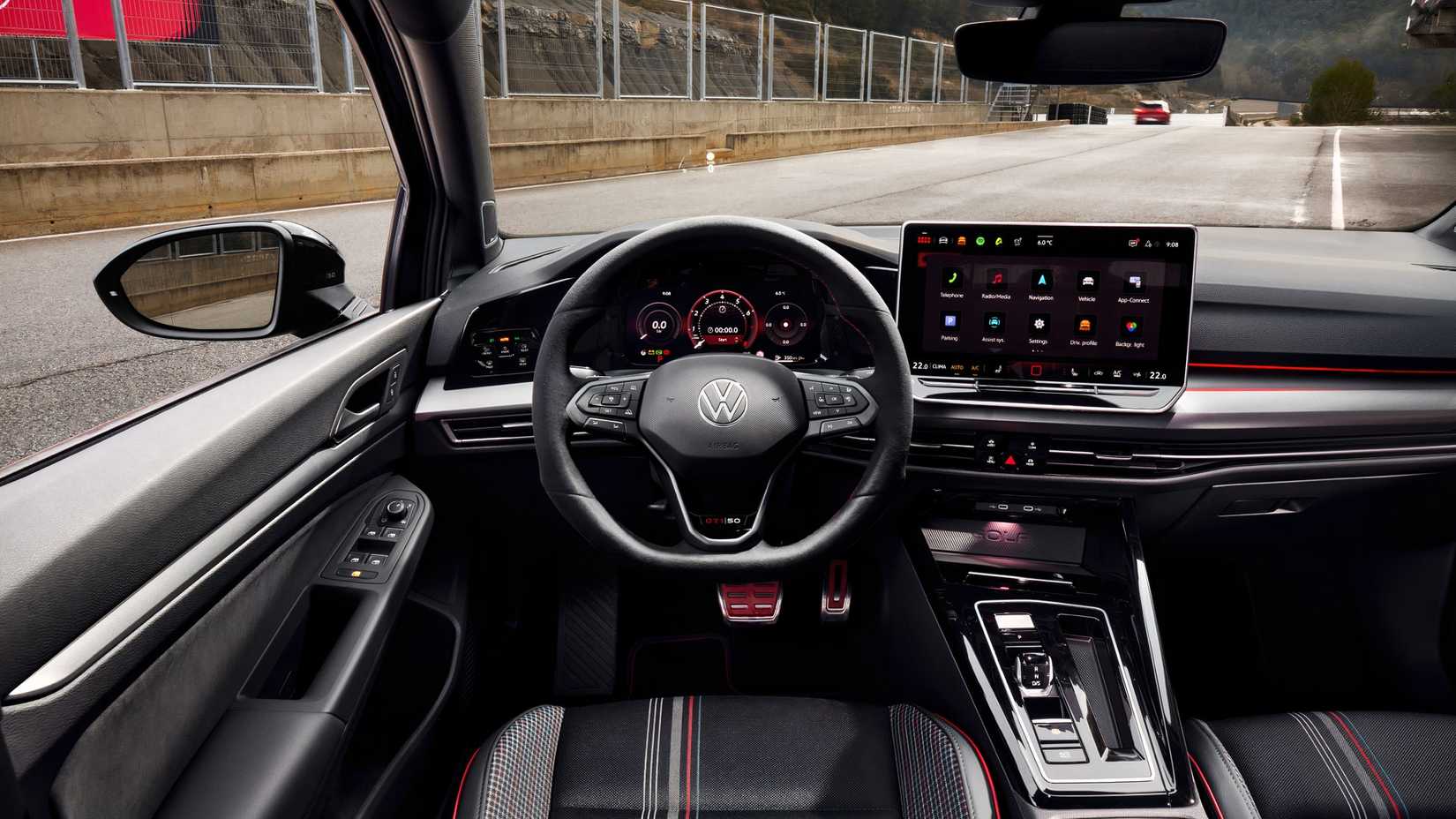
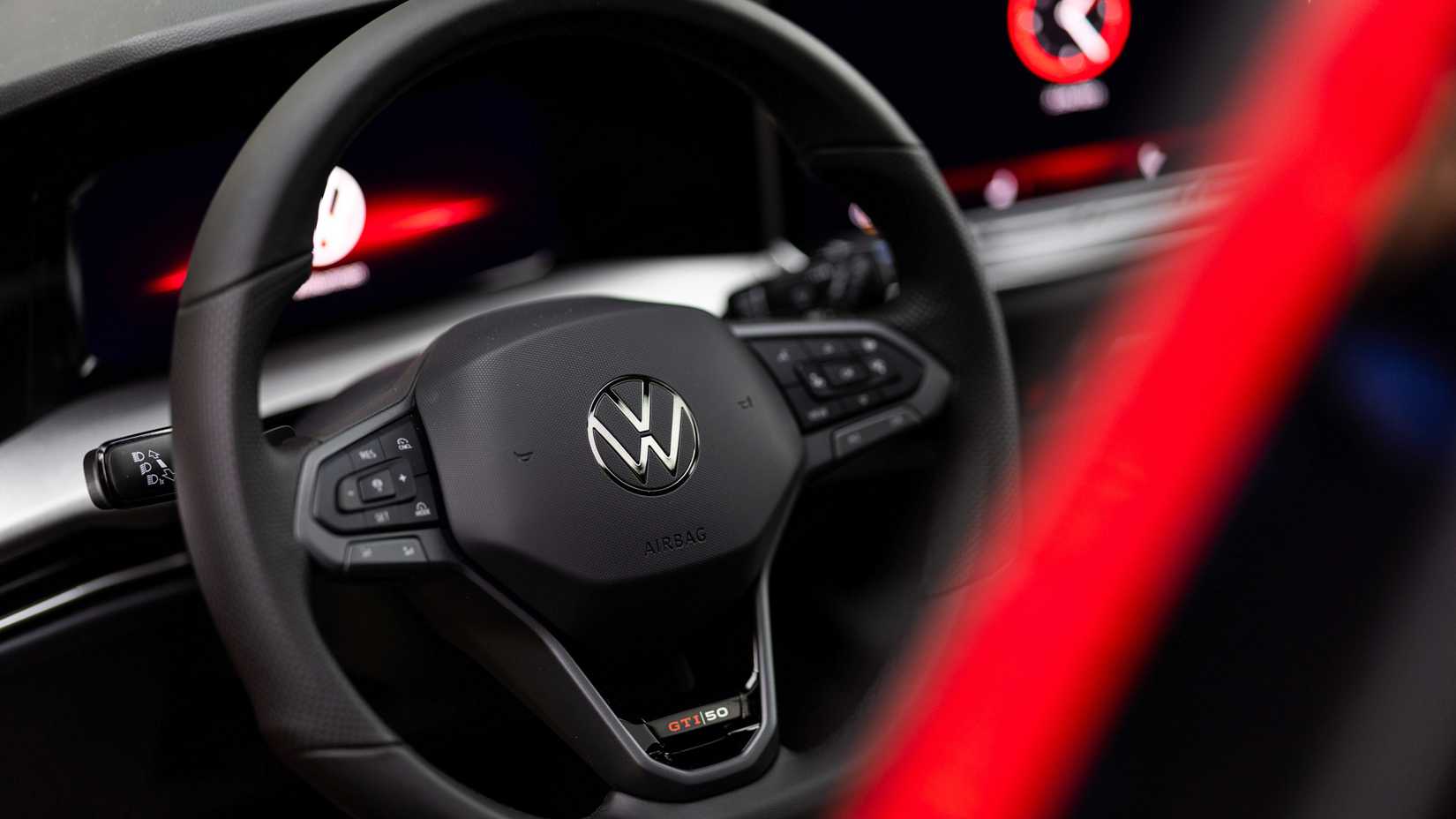
Standard fare inside is also refined. You get a 12.9-inch freestanding touchscreen, Apple CarPlay, Android Auto, VW’s Digital Cockpit Pro, a fully digital 10.3-inch instrument cluster, and ambient lighting. The classic plaid “Scalepaper” pattern is flaunted about the cabin; you get wireless phone charging, and optional features like a Harman Kardon audio rig, leather-wrapped steering wheel, Wi-Fi hotspot, and a HUD can all be added.
In typical Golf GTI fashion, the latest iteration is also a practical little hatch to have. Volkswagen says there is 19.9 cubic feet of storage space behind the rear seats, and a reasonable 91.9 cubic feet of interior space. We can see why the Golf GTI is one of the hatchbacks that have survived so well; it has constantly been evolved, improved, and kept relevant, even up against the more popular larger models on our roads.
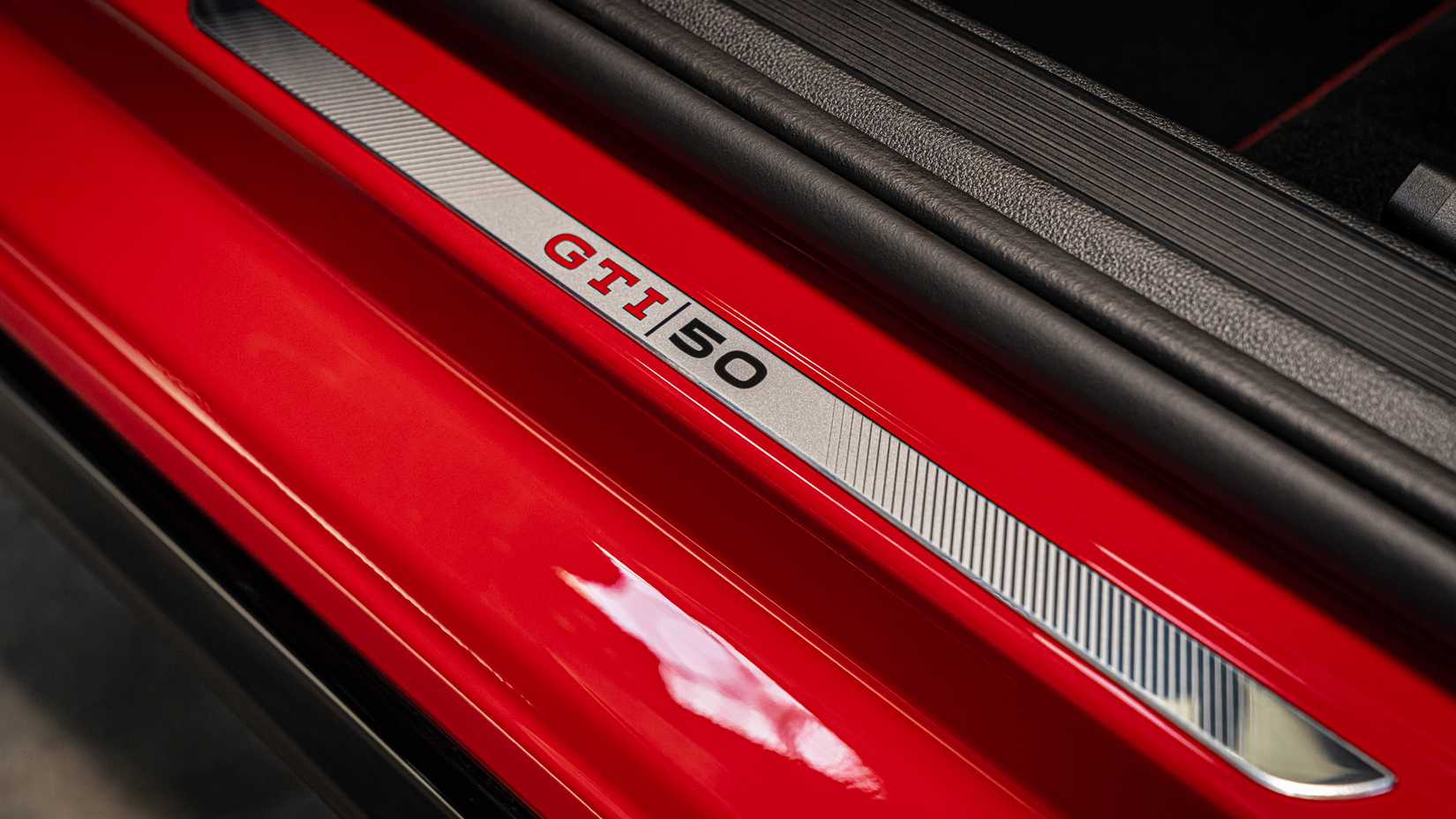
There is also the Volkswagen Golf GTI 50 Edition available, but not here in the U.S.A. This is the most powerful Golf GTI ever created, with a 2.0-liter turbo-four that shifts out 321 horsepower and 310 pound-feet of torque. This translates to 0–60 mph times of 5.3 seconds and top speeds of 168 mph. Unfortunately, it is currently only destined for the European market, but it does show how far this legendary hatchback has come in 50 years.
What Hatchback Fans Can Buy In 2026
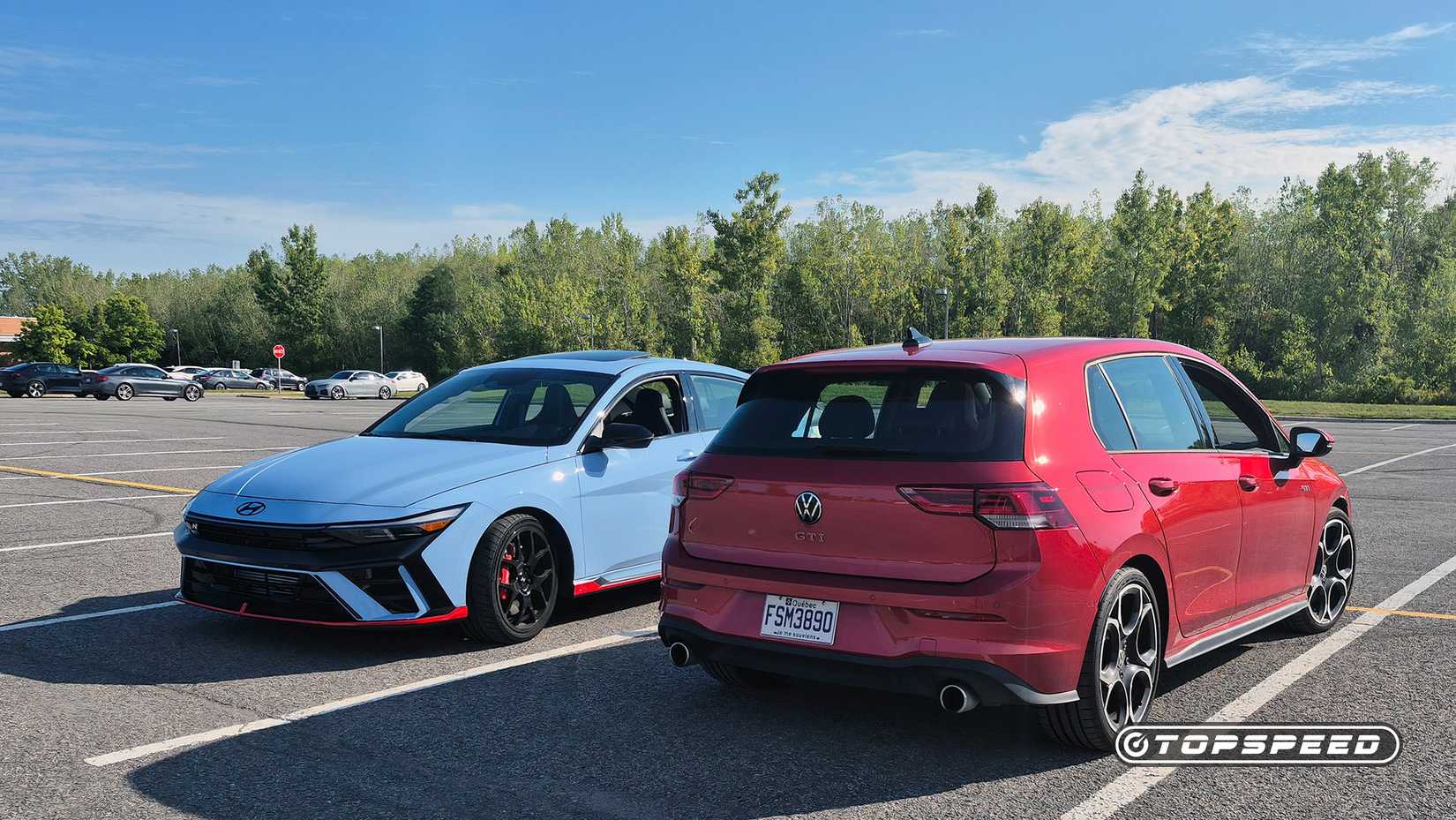
The VW Golf GTI may have outlived a lot of its competition (not all, though) and continues to strive today, but it is by far the only hatchback to continue to offer sporty credentials blended with practicality on the market today. Models like the new Kia K4 Hatchback is fresh, well-priced, and potentially potent competition for the market; the Honda Civic Hatchback continues its steady work in the compact segment, and the Corolla Hatchback is as affordable and useful as it always has been.
|
2026 Toyota Corolla Hatchback |
2026 Toyota GR Corolla |
2026 Honda Civic Hatchback |
2026 Honda Civic Type R |
2026 Kia K4 Hatchback |
|
|---|---|---|---|---|---|
|
Price Range |
$24,380–$27,375 |
$39,920–$45,965 |
$27,895–$33,595 |
$47,350 |
$24,990–$28,890 |
|
Base Engine |
2.0-Liter Dynamic Force Inline-Four |
1.6-Liter Turbocharged Inline-Three |
2.0-Liter Inline-Four |
2.0-Liter Turbocharged Inline-Four |
2.0-Liter Inline-Four |
|
Maximum Horsepower |
169 Horsepower |
300 Horsepower |
200 Horsepower |
315 Horsepower |
190 Horsepower |
|
Maximum Torque |
151 LB-FT |
295 LB-FT |
232 LB-FT |
310 LB-FT |
195 LB-FT |
|
Inaugural Model Year In U.S. |
1975 |
2023 |
1973 |
2017 |
2026 |
Sources: Volkswagen, J.D. Power, Classic.com, and Kelley Blue Book.