
While European sports cars are seen by many as the best on the market, British brands don’t always get the same kind of kudos. Brands like BMW, Porsche, Alfa Romeo, Mercedes, and Audi tend to get more of the limelight than British brands like Jaguar, Lotus, Caterham, Morgan, and BAC, despite being continental siblings and all turning out some of the best athletic models on the market.
Recommendations for new sports cars from those who are in the know would likely include a 911, an M2, or a Corvette, but there is a British sports car you can buy this year that gets just about everything right. It’s small, fast, great to drive, and costs less than a new Honda Civic.
The 2026 British Sports Car Market
British sports cars take up a unique part of the performance car world in 2026. While Germany continues to dominate with models like the Porsche 911 and BMW’s M Division, and American brands like Ford and Chevy lean on massive power in the Mustang Dark Horse and Corvette, some British marques remain very dedicated to driver involvement over insane horsepower.
On one hand, we have the likes of the 2026 Aston Martin Vantage S, which comes equipped with a 670-horsepower AMG bi-turbo V8 and can get you to 60 mph in 3.3 seconds while providing the luxury you’d expect from the nameplate, but then we have models like the 152-horsepower Caterham Seven 310 Encore, the 255-horsepower Morgan Plus Four, and the 335-horsepower Morgan Plus Six.
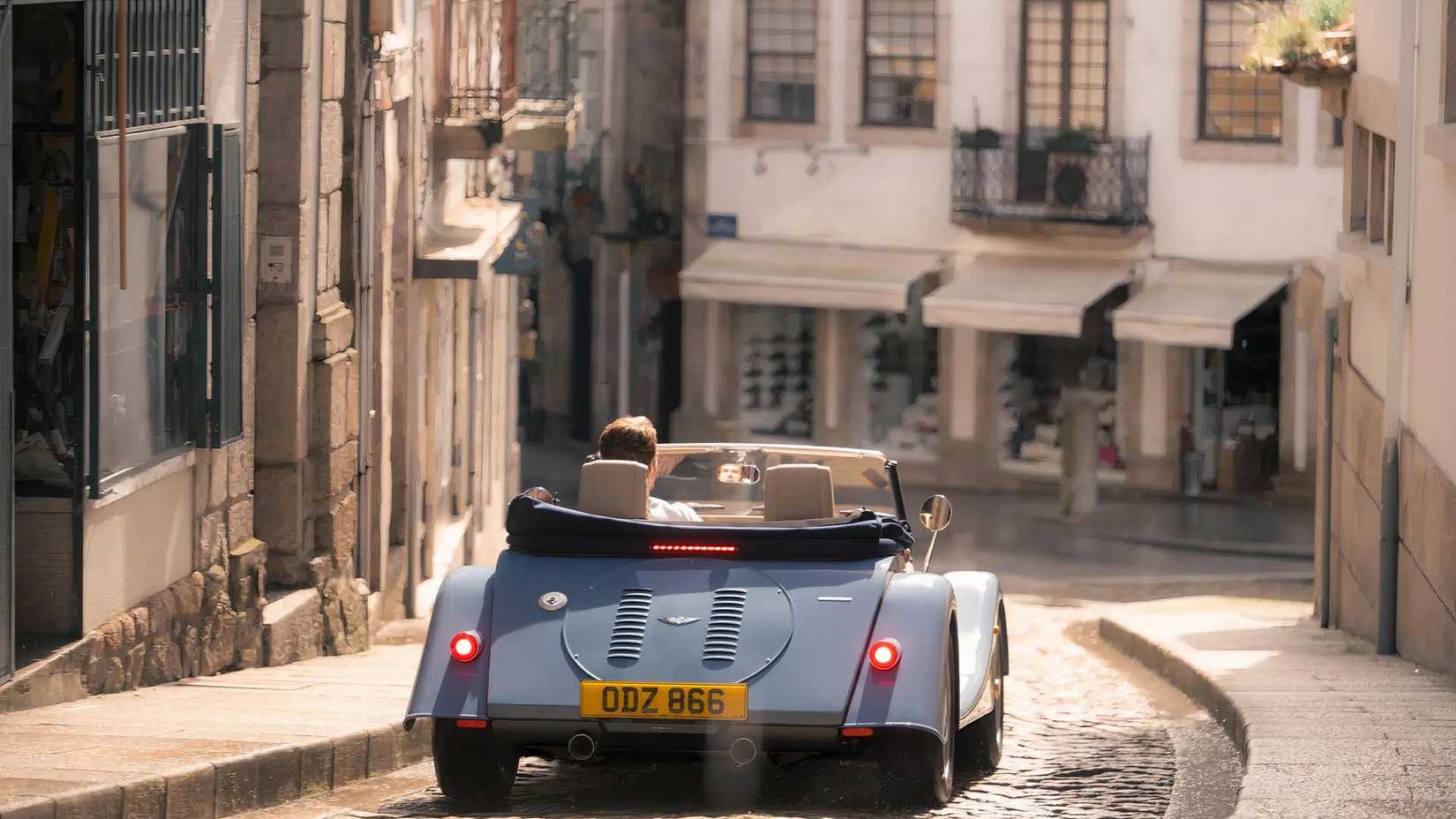
Some of the most engaging models are far more stripped-down, lighter, and don’t chase huge output. They prioritize driver enjoyment. This is what makes British sports cars an increasingly rare and sought-after buy in 2026; they don’t need to rely on loads of electronic systems, just chassis balance, sufficient engine power to get the job done, and a more mechanical feel compared to other modern rivals.

Official Giveaway
🔥 Limited Time
Enter The Weekly Giveaway
Win Car Guy Gear
Sign up to our newsletter to enter. Follow on socials for more entries.
New giveaways every 2 weeks
No purchase necessary. Open to US residents 18+. Full giveaway details on the page.
The Best British Sports Cars Of The Last 10 Years
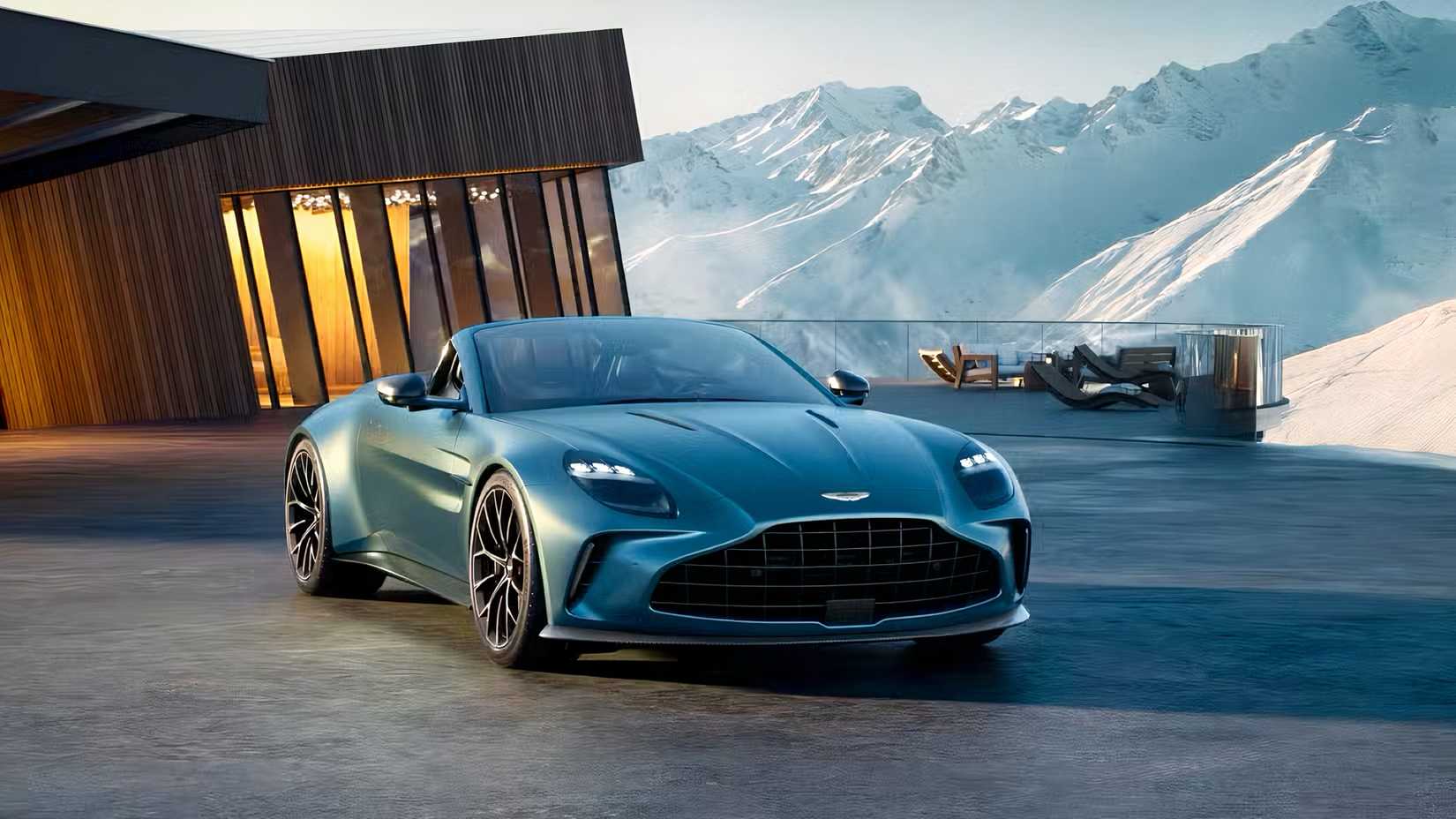
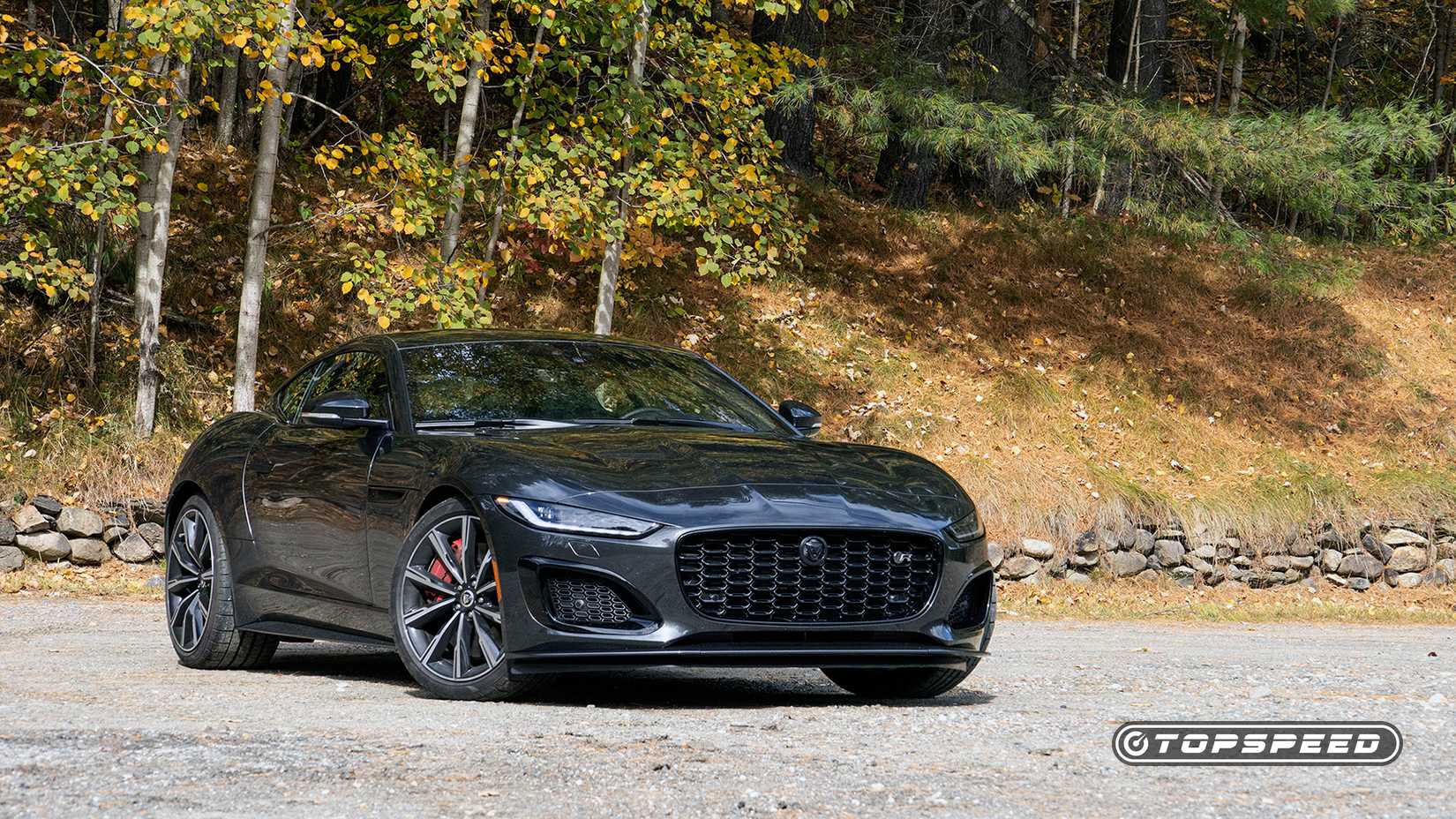
That being said, some of the best British sports cars from the last decade are exceptionally powerful. Crucially, though, they are made for more than straight-line speed. The newest Lotus Emira still gets a manual transmission; the last model year of the iconic F-Type Jag was equipped with one of the most charismatic supercharged V8 engines ever fitted to a British car, paired with a genuinely engaging chassis configuration, and the latest Aston Martin Vanquish does all sorts to upset German rivals.
The 2026 Vanquish is equipped with a 5.2-liter twin-turbocharged V12 good for 824 horsepower and 738 pound-feet of torque. That translates to a 0–60 mph time of 3.2 seconds and a top speed of 214 mph. A GT-style cabin makes long slogs comfortable, and you get Bilstein DTX adaptive dampers, a ZF auto box, masses of lateral body stiffness, an electronic rear limited-slip differential, and 50:50 weight distribution.
Perhaps more importantly for some, these British sports cars also offer personality behind the wheel. While a lot of German sports cars are arguably more clinical, and American sports cars excel at producing horsepower, British models tend to feel more distinctive. Lap times may not always be the quickest, but some of the best models from the last ten years still offer a connected drive.
Why Lightweight Performance Still Matters
Now that the modern sports car market is moving more toward turbocharged technology and hybrid systems, weights are starting to climb. Some models of the 2026 M2 can weigh nearly 4,000 pounds, and while it is powerful and fun to drive, more systems and larger brakes are needed to ensure you don’t leave the road, removing some of the pure feel that makes some sports cars so great.
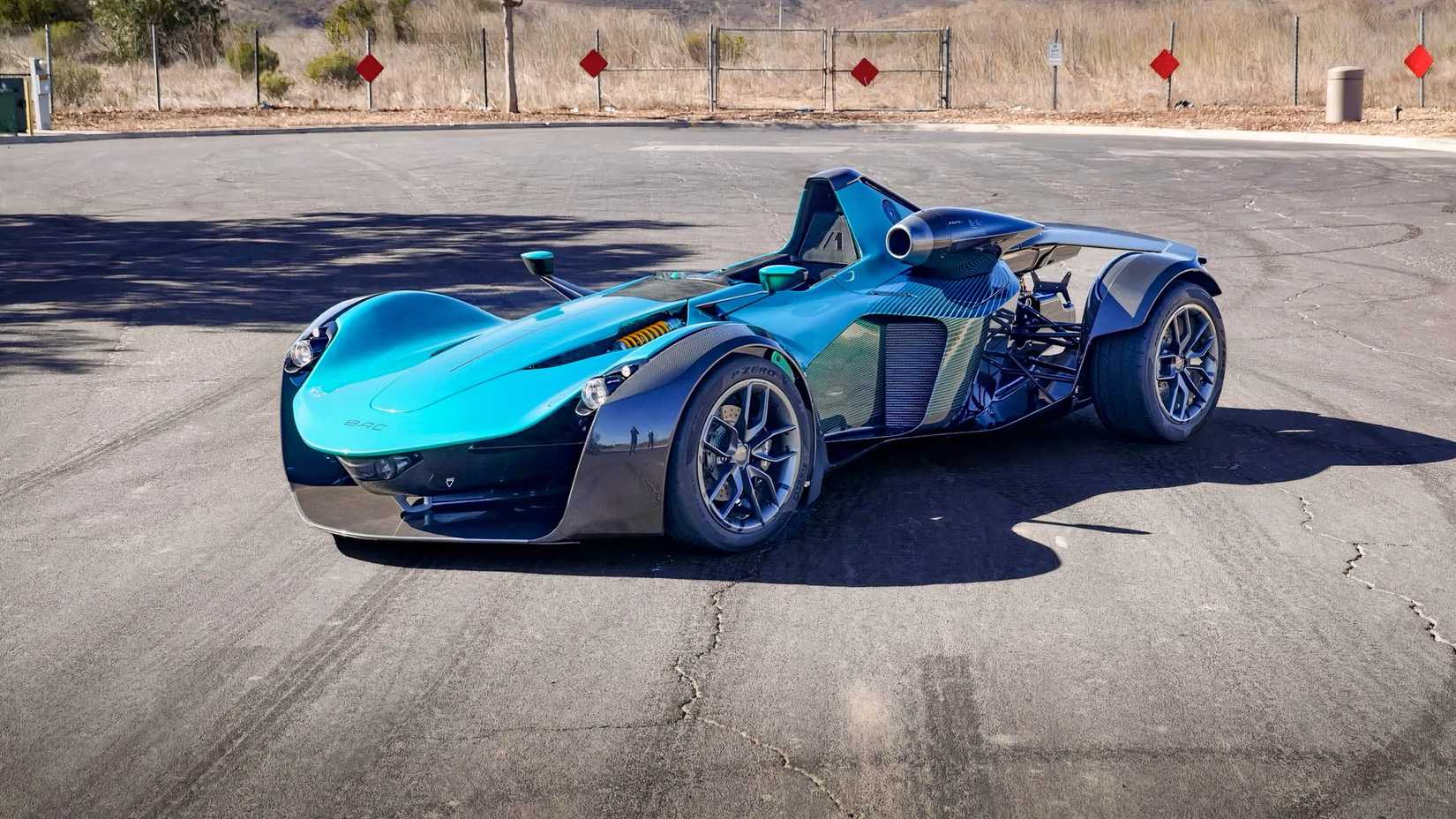
Though they are extreme examples, the British-made Ariel Atom 4R weighs just 1,475 pounds and is like driving a go-kart, while the 2023 BAC Mono R tips the scales at just 1,224 pounds. It is equipped with a 334-horsepower inline-four with a redline of 9,000 rpm. That means a claimed 0–60 mph time of 2.7 seconds and a lot of fun in the corners.
That’s why lightweight sports cars should never go out of fashion, even in a modern market dominated by horsepower wars and loads of tech. Reducing weight means you should be able to change direction quicker, feel sharper responses, stop quicker, and cause less strain on your tires.
Consider the MX-5, the MR2, and the Alpine A110; they are all legendary sports cars because they are designed to keep weight down and not overdo it on horsepower, so you aren’t overwhelmed by power and can concentrate on putting them into corners cleanly. Adding horsepower is relatively easy; making a car feel alive under you isn’t.
Forget The Corvette ZR1 — This British Sports Car Steals The Show
It may not be as powerful, but it’s certainly the thinking driver’s choice in 2026.
The Lotus Elise Series 1 Is Affordable And Rides On A Rail
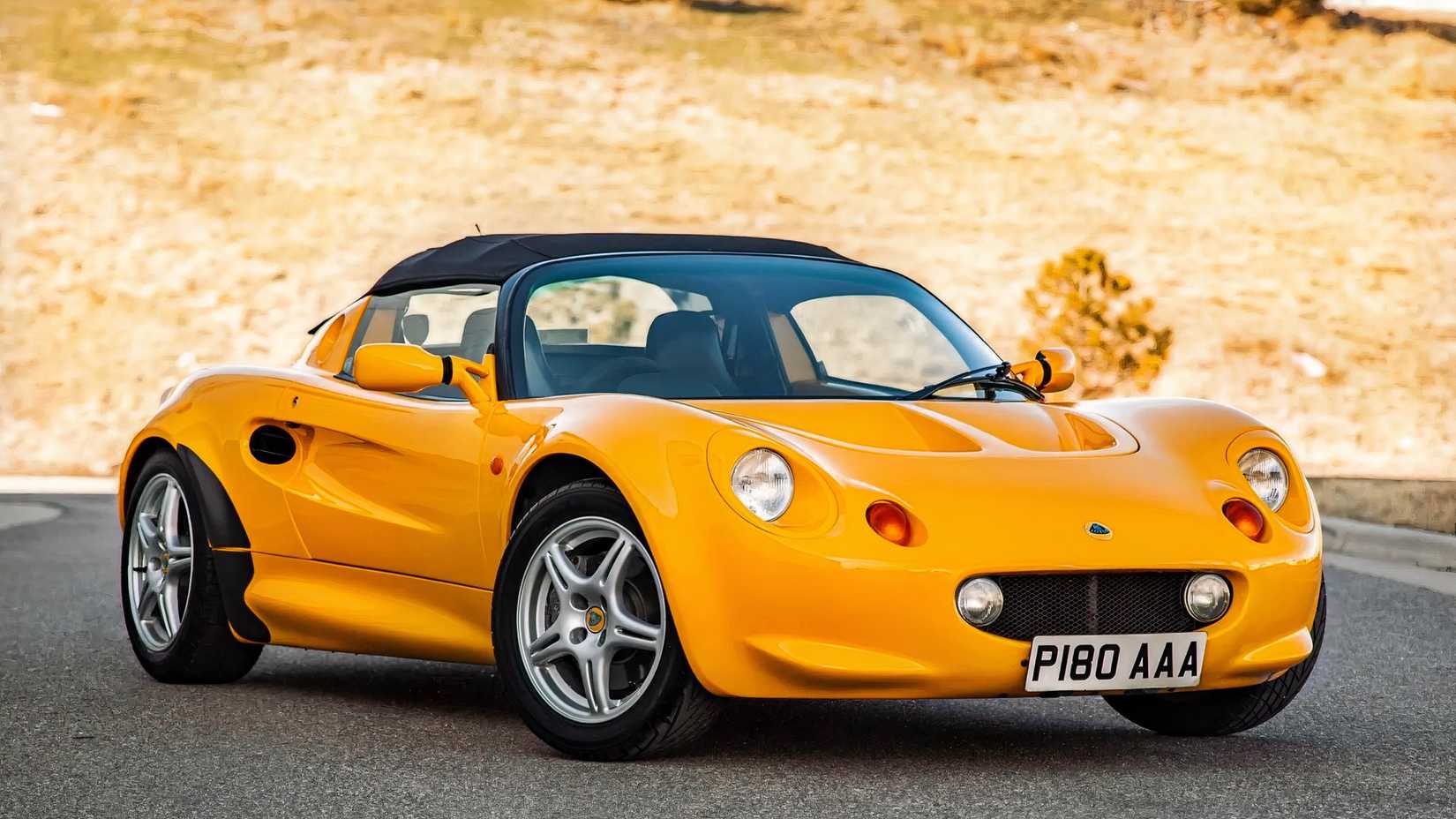
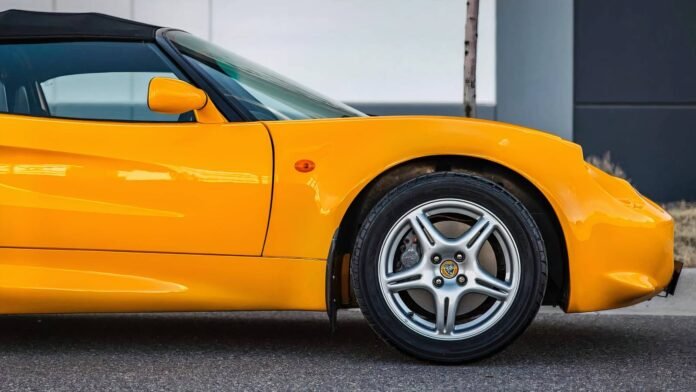
The affordable, fun, purist’s holy-grail British sports car that you can buy for less than a 2026 Honda Civic hatchback is the Lotus Elise Series 1 (S1). Originally produced between 1996 and 2001, the U.S. market wasn’t originally privy to this fantastic little car because it didn’t pass federal airbag and motor safety regulations and emissions controls.
However, thanks to the 25-year import rule, we can now import them, and there are a fair few of them here already. Today, they are cheap to buy, fun to drive, and pure sports car feels.
Featherweight Engineering Beats Horsepower Every Time
While some of the best American sports cars opt for horsepower over weight saving, the Elise S1 is all about keeping weight down to a minimum. All S1 models get a K-Series Rover engine, but horsepower outputs differ depending on what flavor you find. Specs for the 1996–2001 Elise S1 are as follows.
|
Elise S1 Base |
Elise S1 111S |
Elise S1 Sport 160 |
Elise S1 Sport 190 |
|
|---|---|---|---|---|
|
Engine |
1.8-Liter Inline-Four |
1.8-Liter Inline-Four |
1.8-Liter Inline-Four |
1.8-Liter Inline-Four |
|
Transmission |
Five-Speed Manual |
Five-Speed Manual |
Five-Speed Manual |
Five-Speed Manual |
|
Horsepower |
118 hp @ 5,000 rpm |
143 hp @ 7,000 rpm |
160 hp @ 7,000 rpm |
190 hp @ 7,200 rpm |
|
Torque |
122 lb-ft @ 3,000 rpm |
128 lb-ft @ 4,500 rpm |
131 lb-ft @ 5,000 rpm |
139 lb-ft @ 5,600 rpm |
The Sport 190 model is the quickest to 60 mph, at 4.3 seconds. However, even if you import one or find one for sale, they aren’t road legal and are only for track use in the U.S. All other models have rest-to-60 times of between 5.1 and 5.8 seconds with the stock engines.
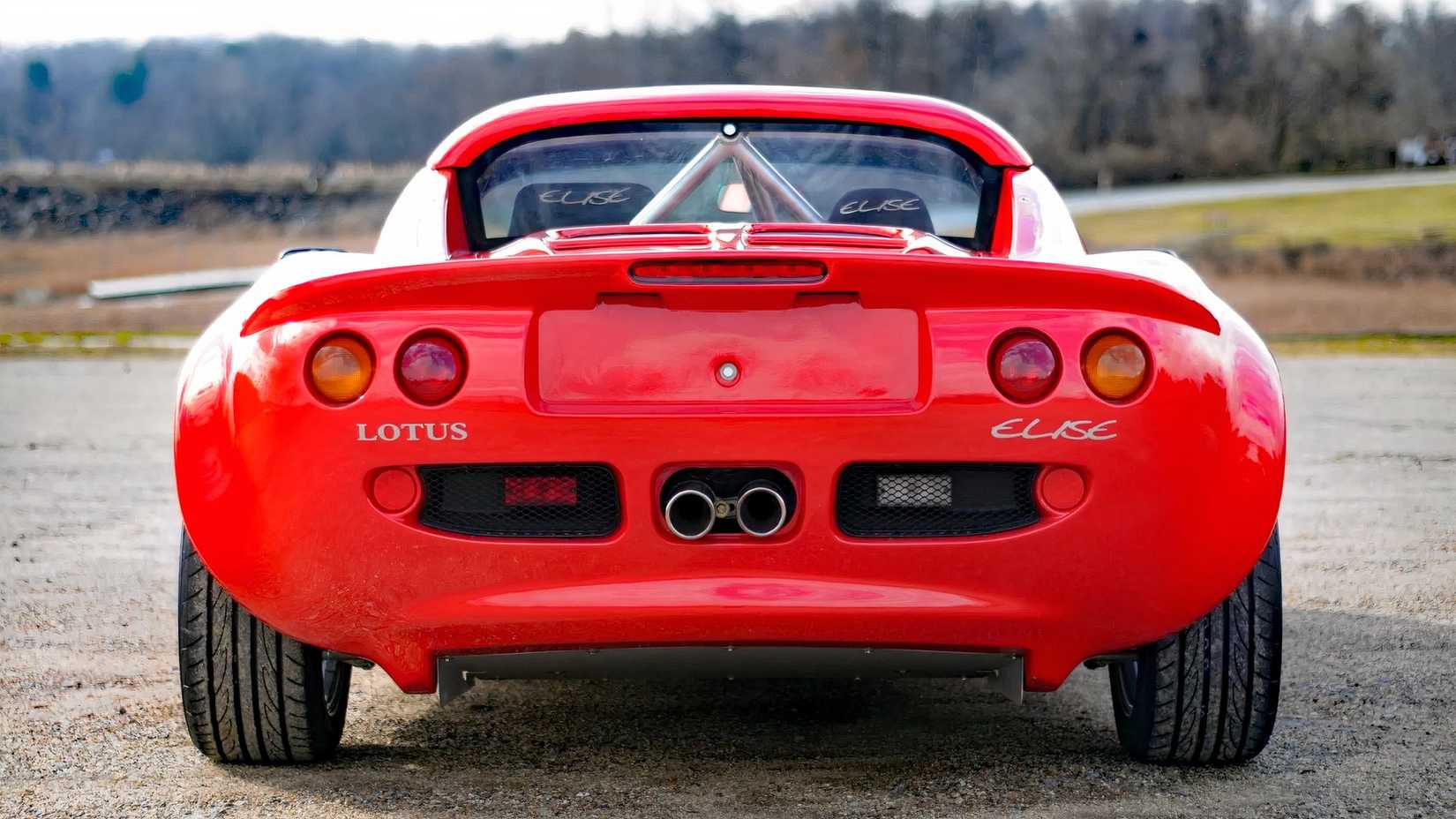
The base model has a curb weight of 1,664 pounds; the 111S has a curb weight of 1,697 pounds, and the Sport 160 and 190 models weigh between 1,576 and 1,690 pounds. To put that in perspective, a 2026 Mazda MX-5 Miata has a curb weight ranging from 2,341 pounds to 2,434 pounds.
Delivering Exotic Handling For Civic Money
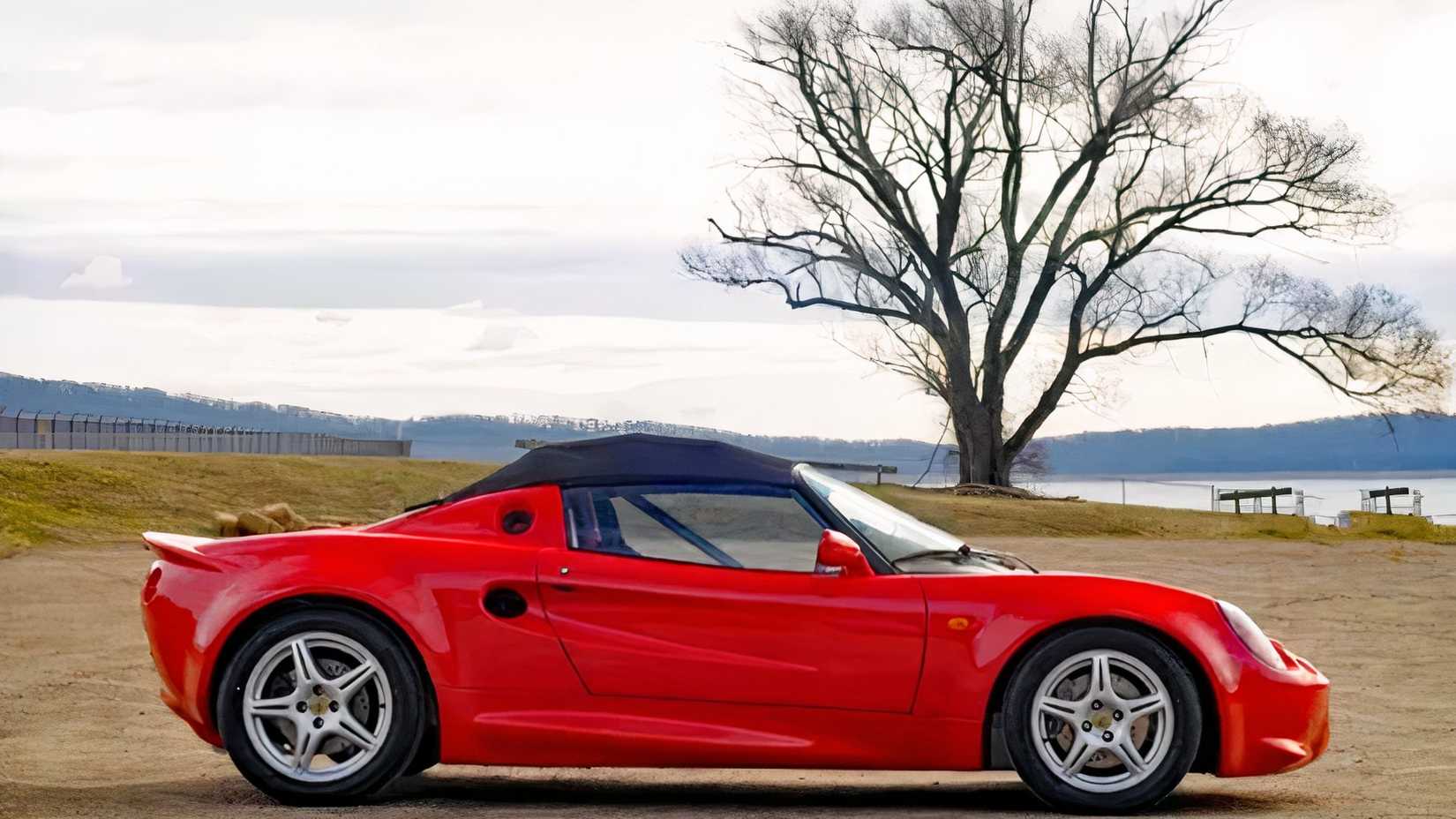
Owners who have left a rating and review on CarSurvey.org give it an 8.7 out of 10 performance rating, with nearly all owners mentioning how well it handles on twisty back roads and how much fun it is to drive. A good number of owners also said that it was surprisingly comfortable considering its breeding and purpose. One owner of a 2000 model said the following.
“Very fast, handles superbly, lovely to drive and I’ll find it very hard to go back to an “ordinary” car after this.”
Then there is how much you’ll pay for one today. A new Honda Civic Hatchback has a starting price of $27,895; Classic.com says the Elise S1 has an average auction price of $27,400 (based on both UK and U.S. auctions at the time of writing).
Only 16 have been sold via auction in the last five years, with prices ranging from £7,875 ($10,595) to $58,000. The most expensive model sold was a 1998 Sport 190, which had just 500 miles on the clock, while the cheapest model sold was a 1996 base model with 95,000 miles on the clock.
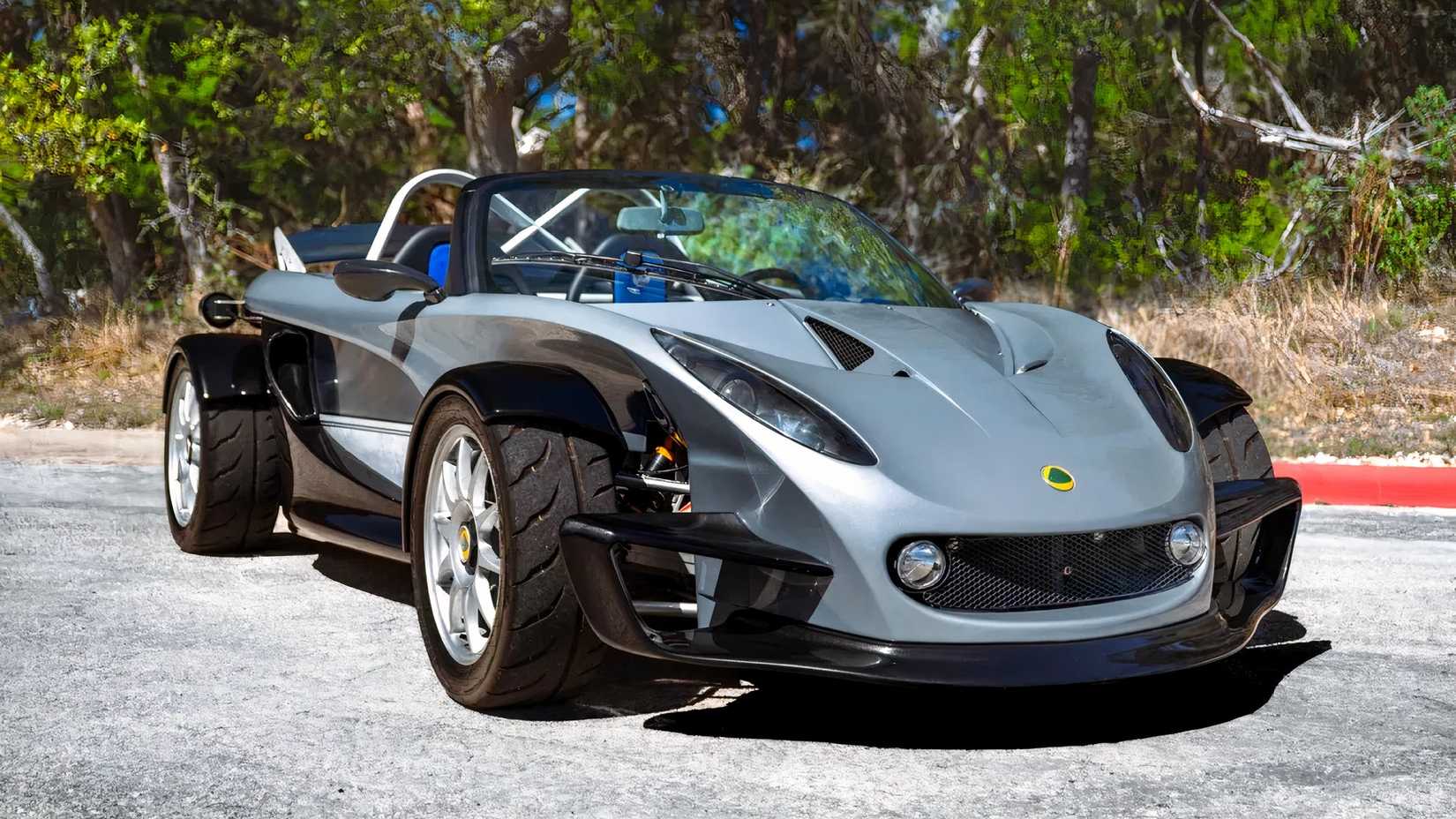
Lotus also built the 340R in 2000. This is effectively the extreme version of the S1, with no roof or doors, and it weighs around 1,320 pounds. They were only built for one model year, so they are rare, and today, it will cost you between £45,000 ($60,552) and $71,777 for one. So, more Acura Integra Type R money instead of new Honda money.
10 Reasons Why The Aston Martin Valour Could Be The Last Great British Sports Car
The Aston Martin Valour is, arguably, the greatest modern British sports car every built, but can anything else beat it?
The Elise Can Humiliate More Expensive Sports Cars
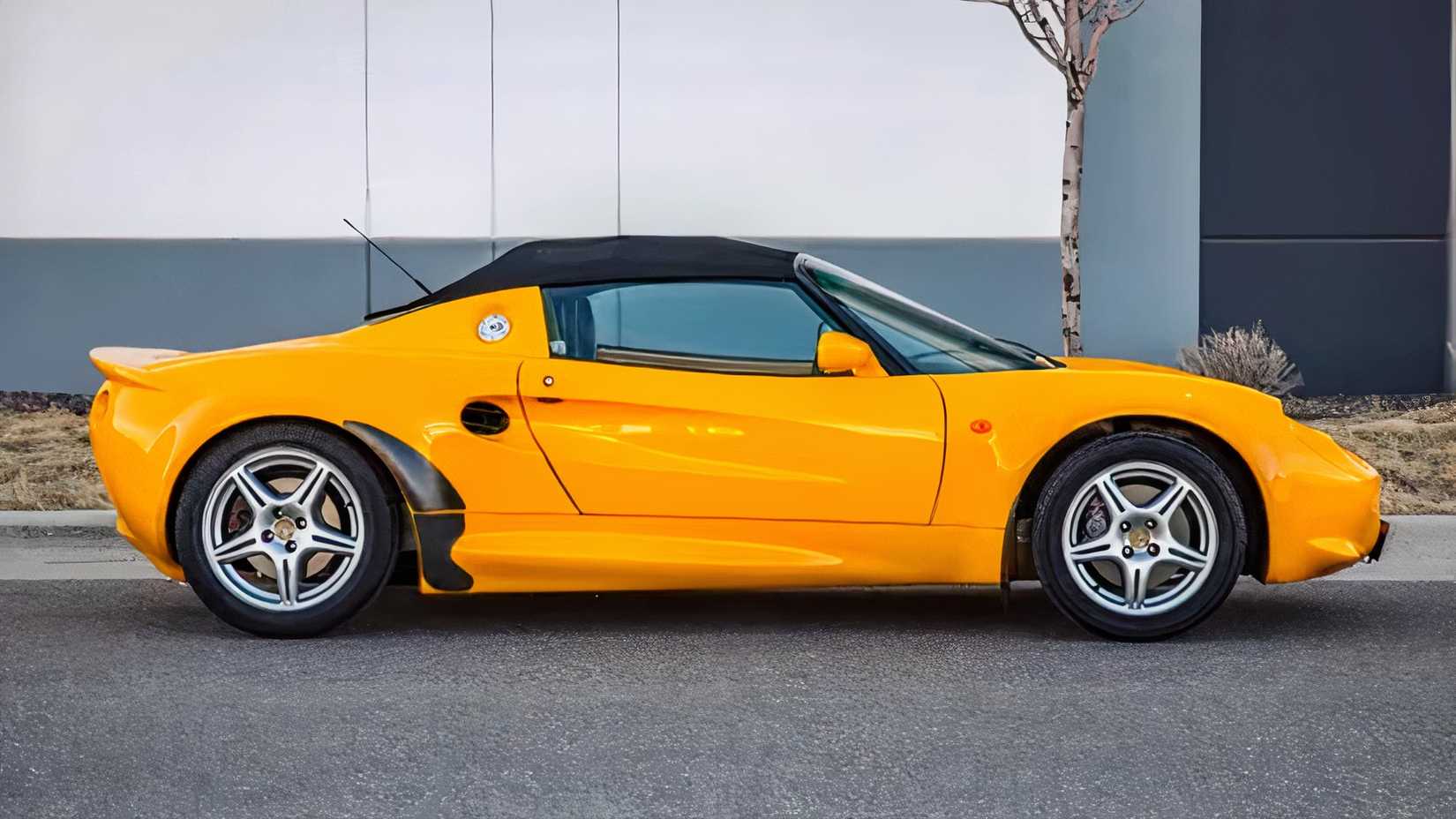
While we may be used to judging performance by quarter-mile times and output figures here in the U.S., the Elise S1 is a reminder that handling and back-road prowess can be every bit as fun as rinsing a drag. The Lotus Elise S1 has near-ideal mid-engine weight distribution, with the Rover K-Series directly behind you and just ahead of the rear axle.
Then you have the bonded aluminum tub, which is sections bonded together with aerospace-style adhesives instead of a monocoque, and helps the Elise stay very light. That means you can change direction with more urgency than most front-engine sports cars can match, while you don’t need to reduce speed as much through fast corners compared to heavier performance cars.
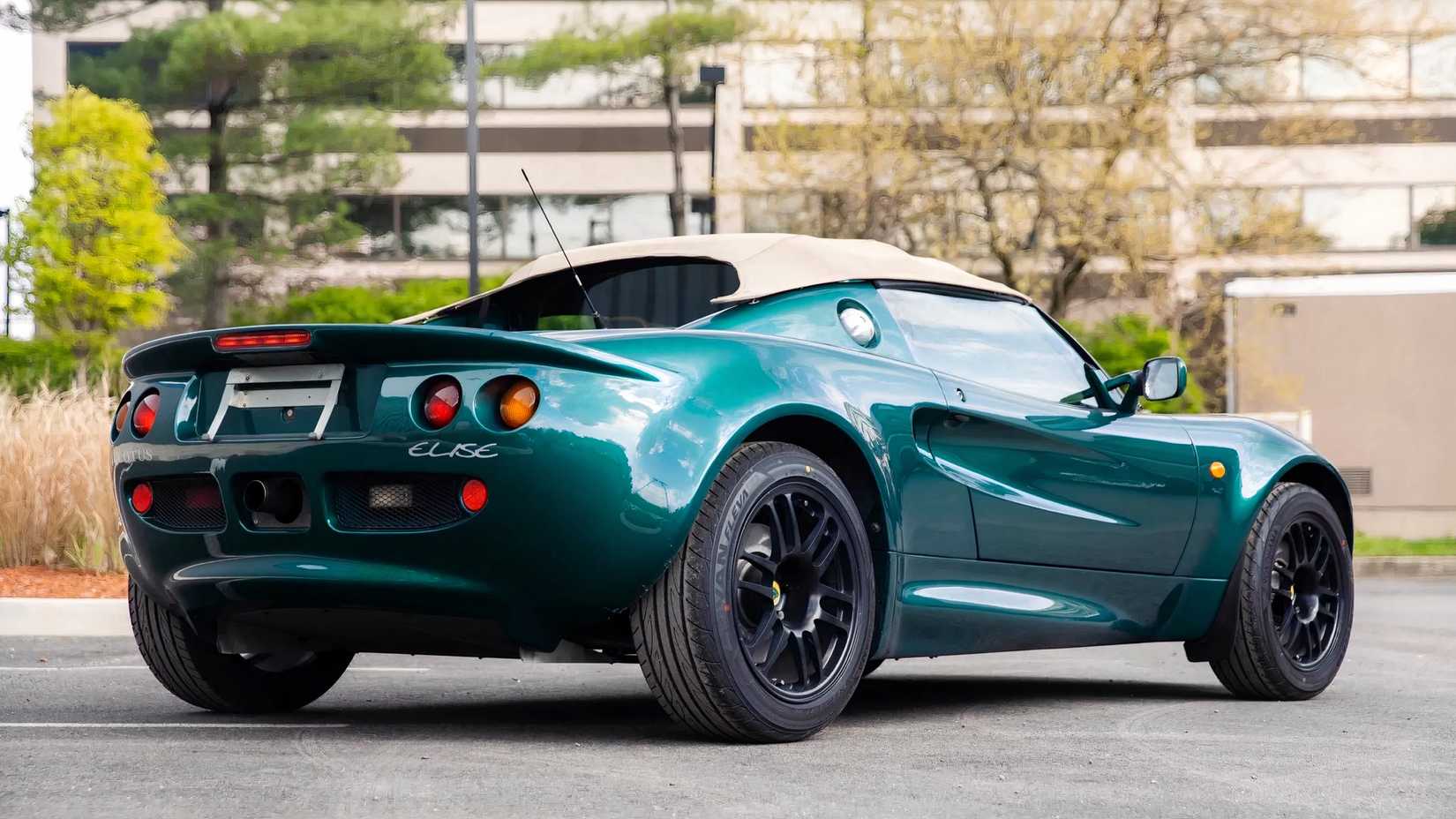
However, this British sports car that can embarrass far more expensive models in the corners is also one that a lot of people would tell you to avoid. Lotus has spent the last few decades battling a reputation for questionable reliability; the S1 doesn’t totally avoid this. Among some circles in the U.K., Lotus has come to stand for “lots of trouble, usually serious.”
You should note that the Rover K-Series engine is infamous for head gasket failures, which are often caused by cooling system weakness and the original head gasket design. The best models on the used market have already received upgraded gaskets or reinforced oil rails, but always check with whoever you are buying one from.
Despite its reputation, though, owners on CarSurvey.org rate the Elise S1 7.1 out of 10 for reliability, and based on owning one, 63% of owners said they’d buy another Lotus. So, while people always tell you to buy a used Porsche or BMW, you don’t have to.
Sorted Setup Gives It An Edge Over Powerful Rivals
The Elise S1 is fitted with double-wishbone suspension at the front and rear, which is a setup usually reserved for far more expensive exotics. This means the tires can maintain a larger contact patch during hard cornering, and give you grip while keeping the chassis composed. A lot of performance cars rely on stiff springs for handling prowess; the Elise S1 relies on balance through geometry and tuning.
Lightweight fiberglass body panels wrap around the frame above the chassis, helping to keep the center of gravity low, while the short wheelbase of 90.6 inches and small dimensions of 146.7 inches by 67 inches reduce rotational inertia when you want to change direction fast.
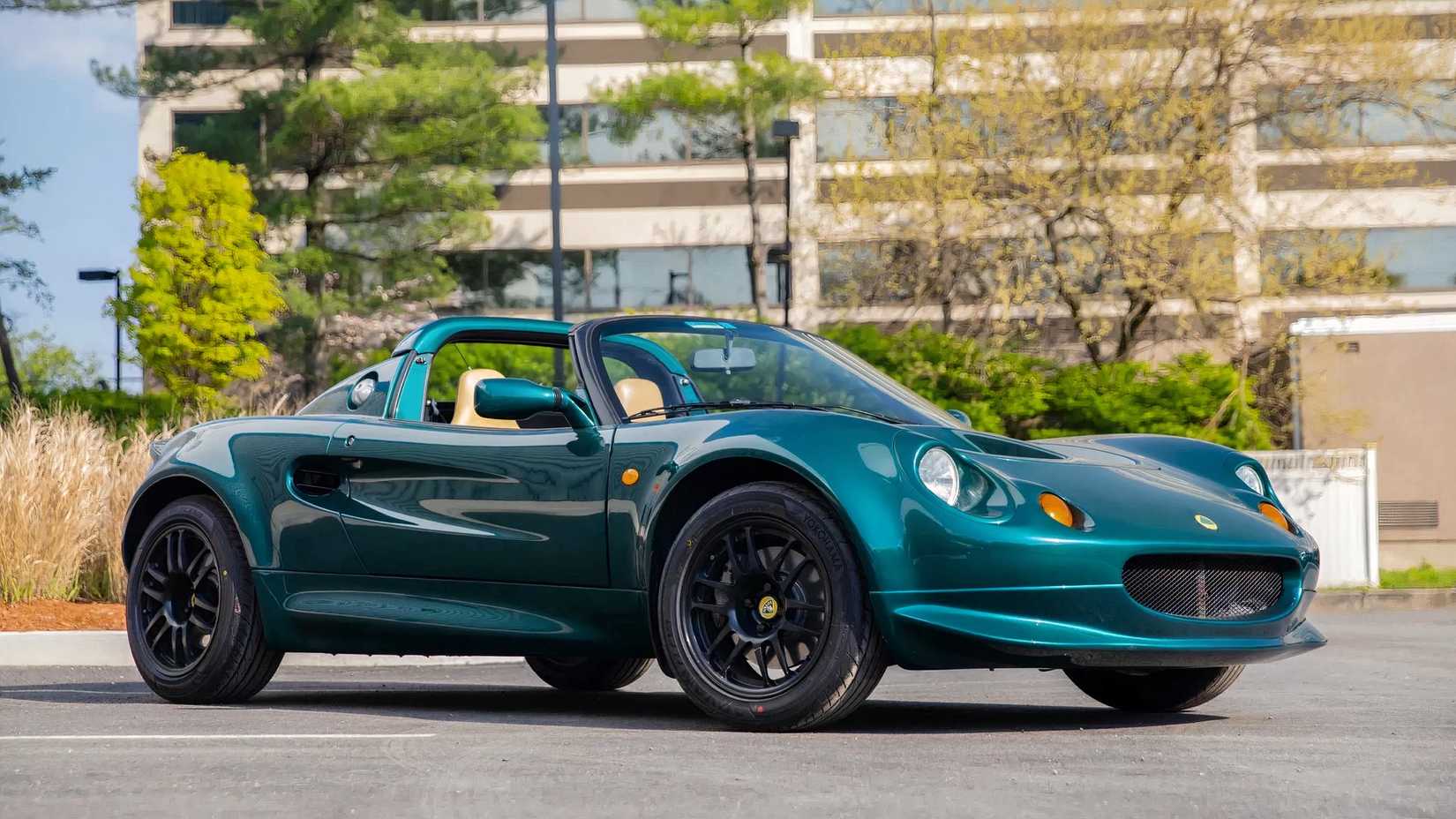
You get 15-inch front and 16-inch rear wheels, which may look modest compared to modern sports cars, but reduce unsprung weight and allow the suspension to react quickly, while braking doesn’t rely on an oversized system, but instead on small ventilated discs.
Simply, the Elise S1 doesn’t weigh much, so it doesn’t need them, but you still get great pedal feel and stopping distances that rival more powerful sports cars (reportedly, 60 mph to 0 mph in 100 feet).
Elise Series 1 Steering Feel Still Sets The Benchmark
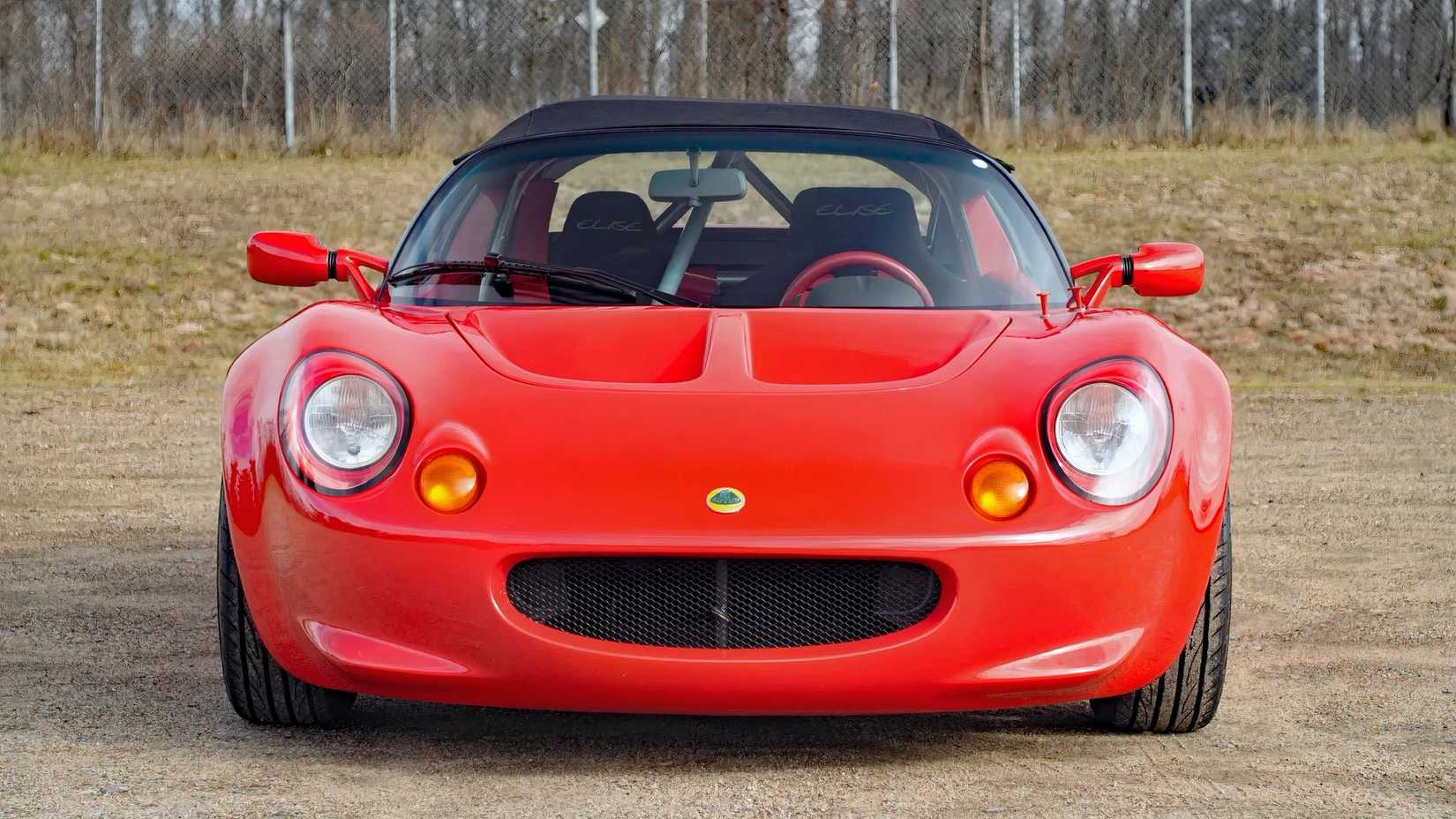
If you were to ask a lot of purist drivers, they’d say that handling and steering are far more important than the spec sheet. This is why the Elise S1 is the ideal driver’s car to buy. It is equipped with a manual steering rack with no hydraulic or electric assistance, meaning that there is no filtering between your hands and what is happening at the tires.
The steering is also designed to work in harmony with the rest of the chassis; the combination of low front-end mass, tweaked suspension geometry, a low center of gravity, and a rigid, lightweight chassis creates real feedback compared to a lot of modern sports cars. The Elise S1 is designed for you to feel the front tires bite, load up, and carve through the pavement.
The V8 British Coupe That’s Now A Sub $10,000 Steal With Classic Looks
This classic V-8 British coupe can now be bought for a steal on the used market.
The Lotus Elise Series 1 Is The Ultimate Driver’s Car Bargain
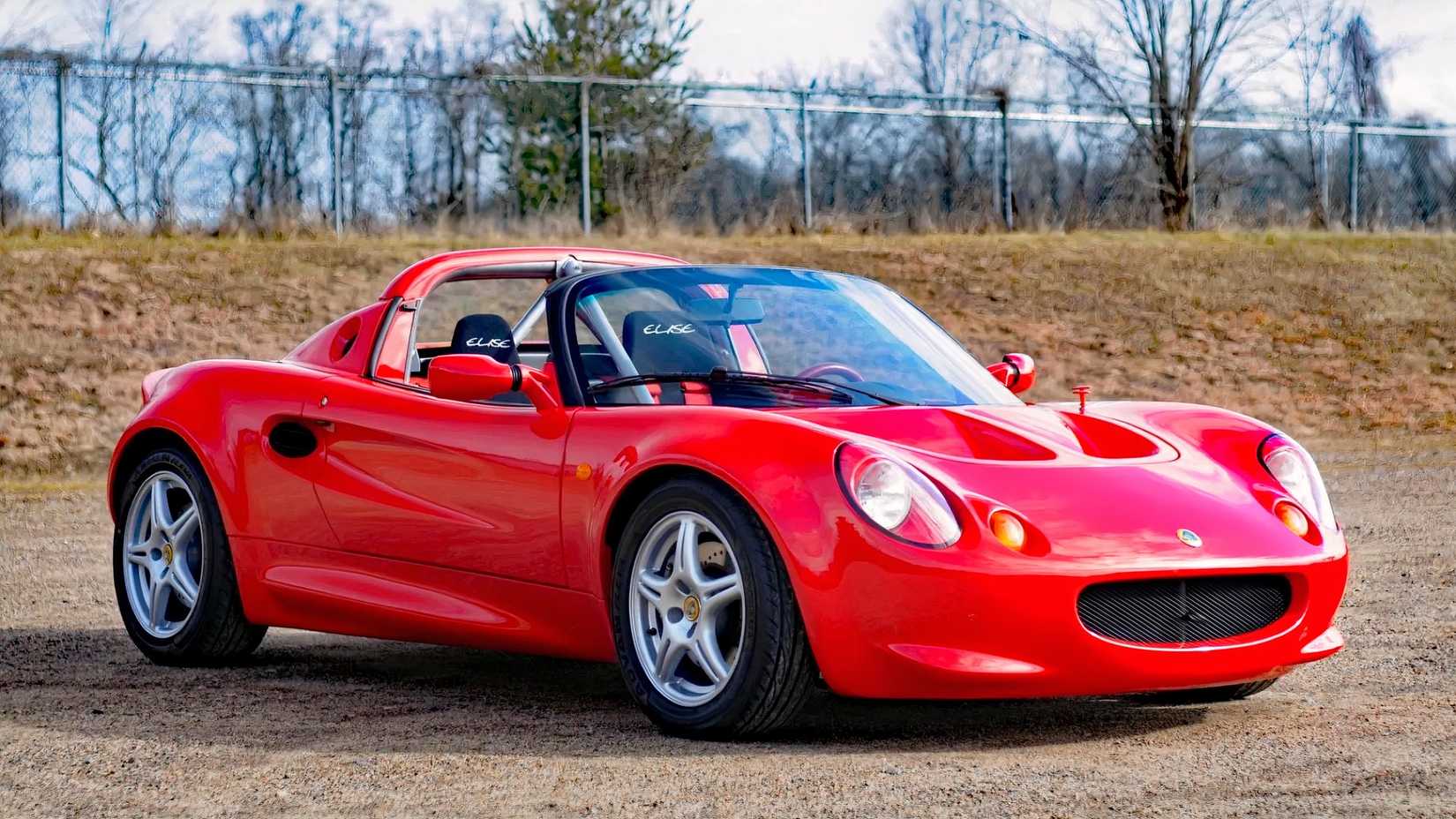
You could buy a new Toyota GR86 or Subaru BRZ for a modern take on a proper driver’s car, or you could spend $137,850 on a 2026 Porsche 911 Carrera (which is now the most affordable new gas Porsche in the U.S.A.; now the 718 has been dropped), or you could spend $47,395 on a new Honda Civic Type R, but they are not quite like the ’96–01 Elise S1.
Yes, you should be aware of the common hiccups of the Rover K-Series mill, and you should also note that parts will be relatively hard to find in the U.S. because it wasn’t originally available here, but for low auction prices, uniqueness on U.S. roads, and a lot of back-road prowess, you can’t beat it.
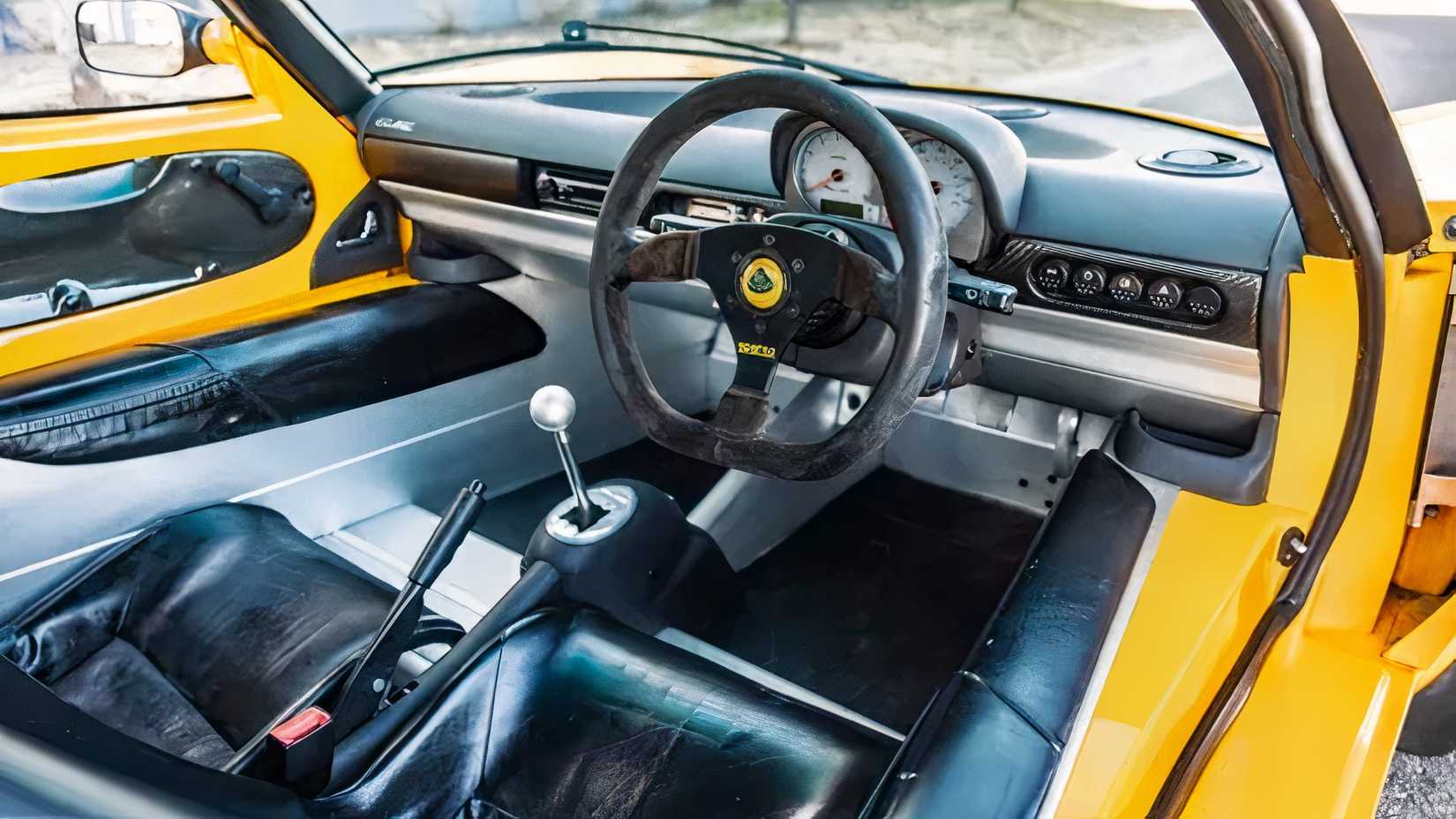
It isn’t uncommon to see owners swap out the Rover K-Series for a more reliable Honda K-Series engine (usually a K20 or K24) for sturdier power and more juice, while someone has even wedged in a turbocharged Audi 1.8T 20V inline-four into an S2 to create a 200+ horsepower track monster. It may take away some of the British charm and will likely affect the handling a little, but it does show what you can do with them with the right skills.
Even if you were to buy a low-priced donor model and swap the engine out, the Elise S1 still makes for a very fun little car. Most people wouldn’t recommend it because of Lotus’ reputation and quirks, but for those who want steering feel, chassis balance, and real road feedback over outright power, this little British sports car delivers something that far more expensive Porsches can’t offer.
Sources: Lotus, Honda, Porsche, Classic.com, CarSurvey.org, and Bring A Trailer.