
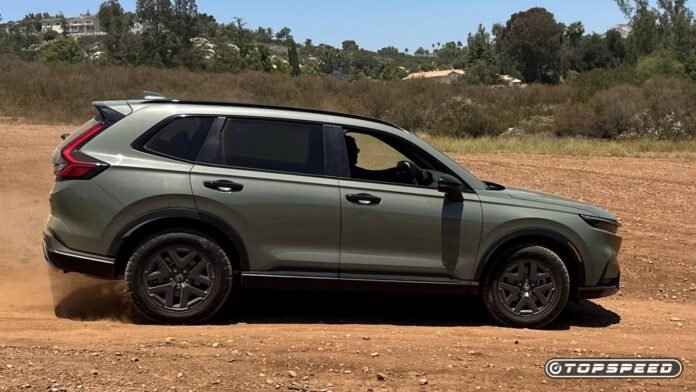
For many years, the Toyota RAV4 has been one of the most successful compact SUVs on the market. This well-packaged, small, and handy SUV has achieved things that were never thought possible and has gone on to become a real force to be reckoned with. However, now the SUV market is something completely different from when the first RAV4 was released; it has a lot of competition.
There is a compact SUV made by Honda that has achieved all sorts already this year, and is giving the stalwart RAV4 a run for its money in terms of affordability and practicality. If you’re looking for an alternative to the new RAV4 Hybrid, this SUV may just be it.
The Compact SUV Business Is Booming
Compact SUVs have gone from being niche family haulers to the default choice for millions of us in the U.S. A decade or so ago, it was not unusual to see mid-sized sedans like the Camry and Accord taking up suburban driveways, while SUVs were often larger, truck-based machines that sacrificed fuel economy for practicality.
Today, compact crossovers and SUVs strike a far better balance. Models like the RAV4, Hyundai Tucson, Mazda CX-5, Nissan Rogue, and the Corolla Cross offer car-like dimensions and manners while still offering elevated seating positions, decent cargo space, and, in some models, all-wheel drive without the bulk or hefty fuel costs of bigger models.
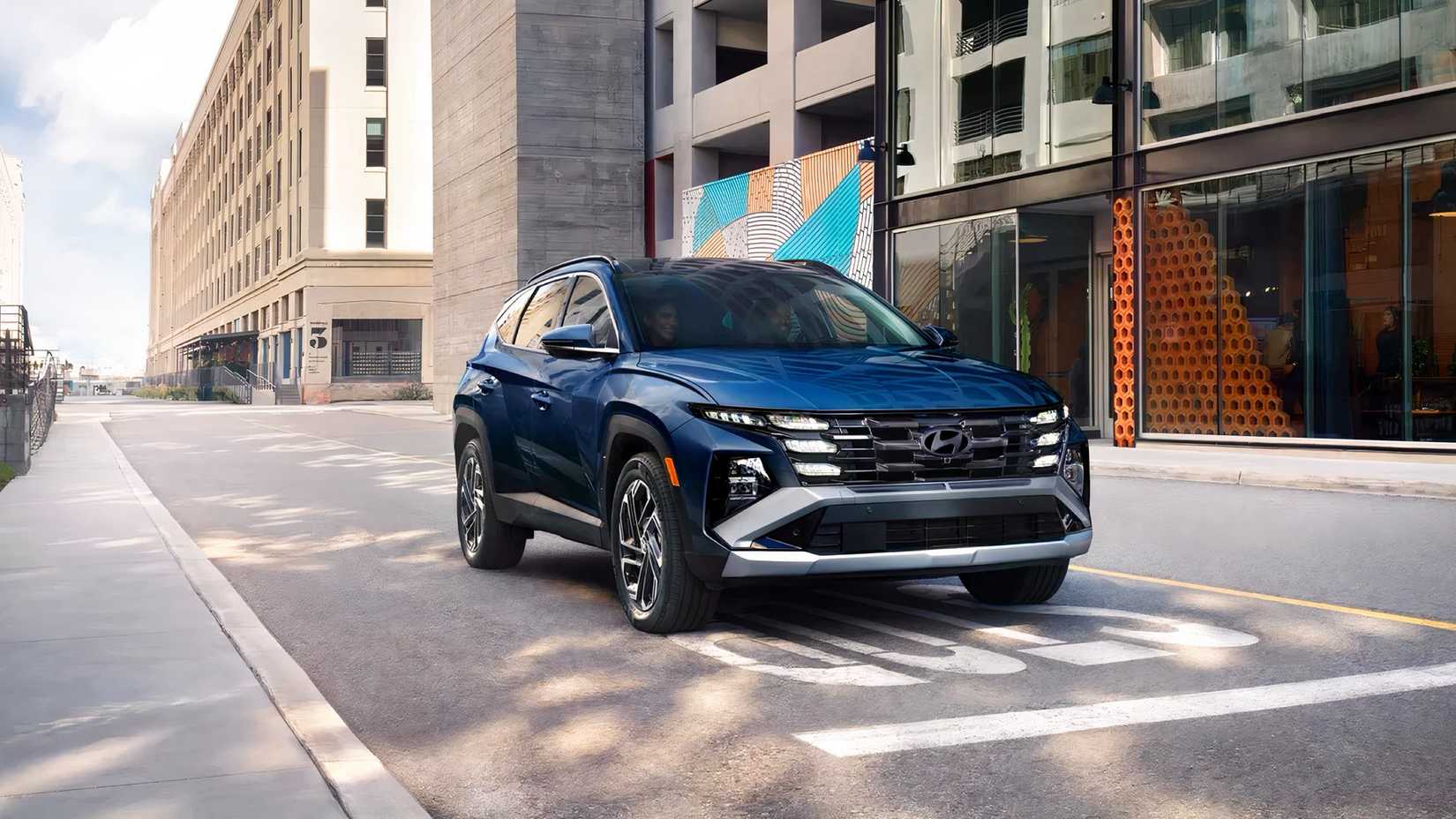
Because they just work, the compact SUV market is now one of the hottest segments. We have hybrid compact crossovers and SUVs that can offer 40 combined mpg, luxury compact SUVs that combine lower costs, easier drivability, and lush interiors, and we have the budget options that just get the job done with no fuss.
As a sign of the times, Toyota’s fastest-growing SUV this year isn’t the RAV4, but another compact SUV model they turn out. What was once the norm in the market has been turned on its head.
Fuel Economy Is Not The Only Thing We Want
A big win for smaller SUVs is the fact that they are lighter and smaller, so they can return good combined mpg numbers. For instance, the EPA says that the 2026 Kia Niro PHEV can achieve 108 combined MPGe, while models like the new Lexus UX can achieve up to 43 combined mpg, and the Kia Sportage Hybrid gets you up to 42 combined mpg.
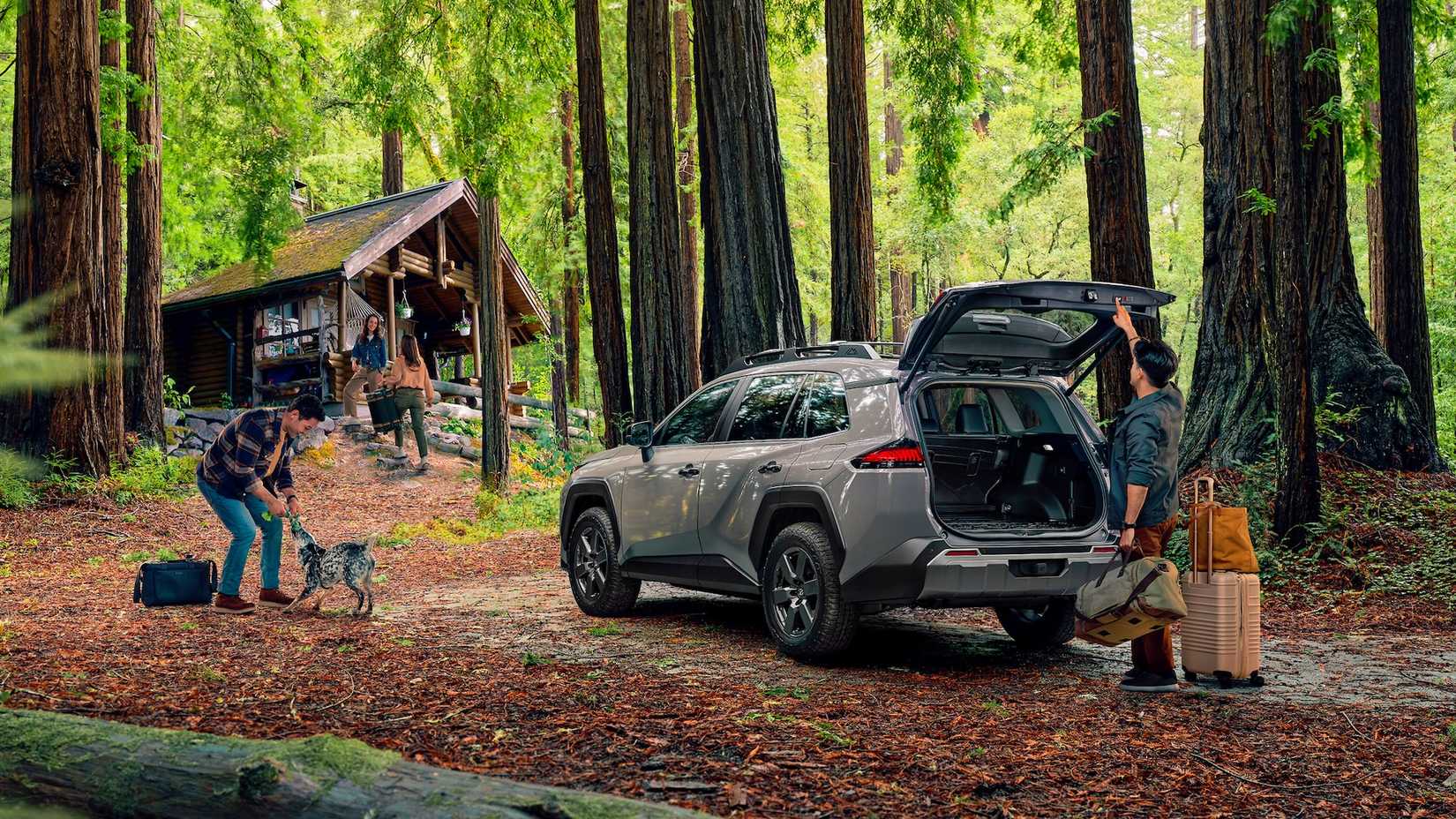
You’d be hard-pressed to find a full-sized SUV that can get past 30 combined mpg, with the new Lexus TX as the most fuel-efficient, topping out at 29 combined mpg. It is good, but not as good as smaller SUVs. Larger SUVs do have their upsides; namely, you get more room for passengers and cargo. They are not the only ones, though; today, compact SUVs have also got this covered and, for their size, are still good at carrying their fair share around.
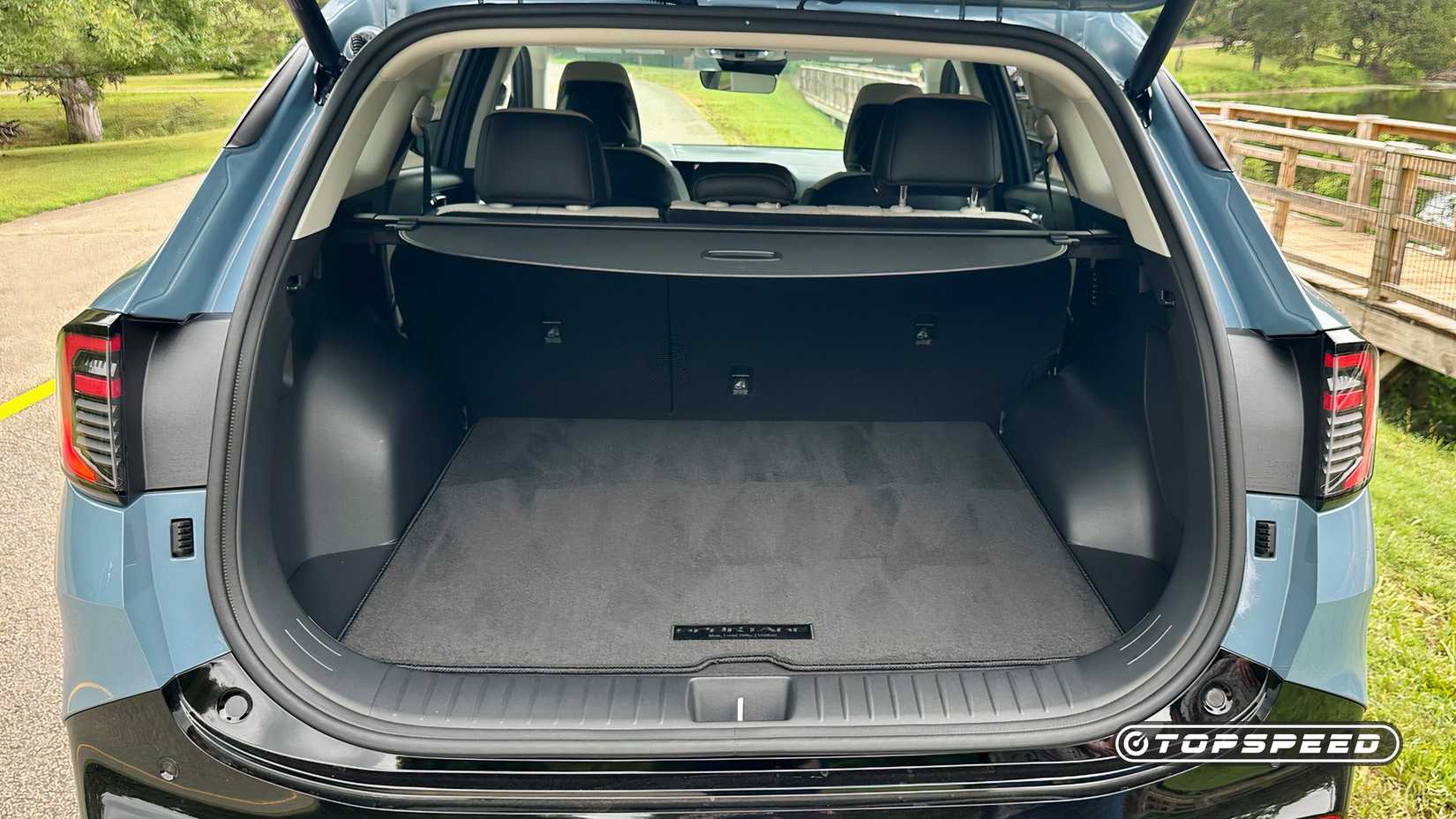
Models like the new Sportage Hybrid have a maximum cargo capacity of 74.1 cubic feet; the new Tucson has 74.8 cubic feet of storage space, and the Outlander has 64.3 cubic feet of space for cargo. Compared to models like the 1984–1990 Ford Bronco II, which has up to 52.3 cubic feet of space, the market has come a long way.
Compact SUVs also offer a good deal of comfort features that are more in line with their family-friendly and everyday nature compared to the rugged small SUVs of yesteryear. Models like the 2026 Mazda CX-5 get features like a 12.9-inch touchscreen as standard, premium materials available, and up to 39.9 inches of rear legroom, while the new Volvo XC40 is equipped with a calm and measured interior design, heated front seats, and Google Built-In.
Compact SUVs Are Becoming The Norm
Nissan
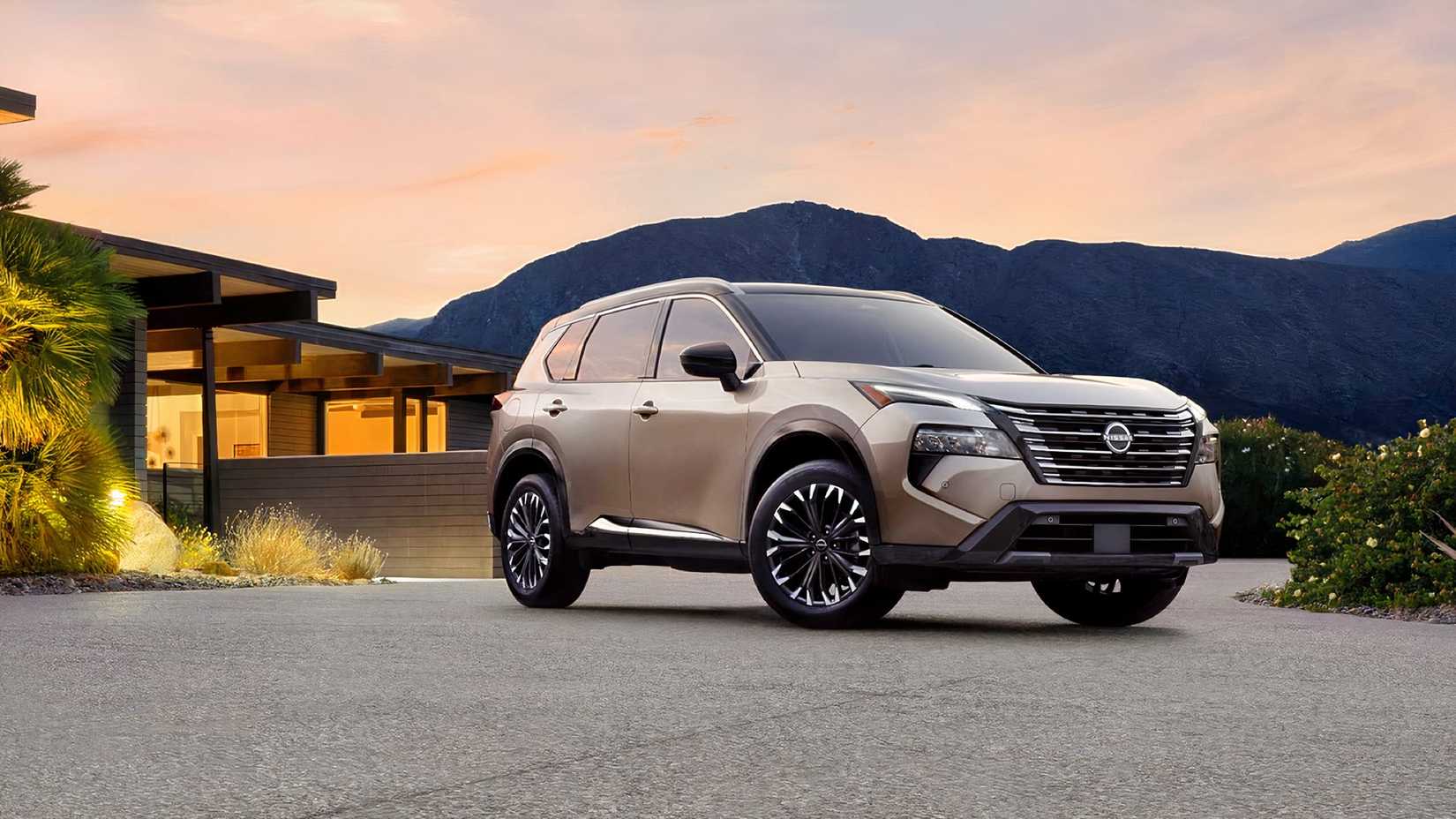
SUVs do still rule the roads for the most part, and while that is unlikely to change anytime soon, compact SUVs are now becoming a much more popular choice in the U.S. compared to the numbers they used to be sold in.
In 2016, Toyota reported that it sold just over 352,000 RAV4 models in the U.S.; in 2025, Toyota sold 479,288 RAV4 models in the U.S. In 2016, Hyundai said it sold approximately 89,700 Tucson models in the U.S.; in 2025, that sales figure rose to 234,230. While we know that buying habits are different compared to a decade ago, even taking into consideration just these two examples, compact SUVs have become very popular, and multiple brands have seen an uptick in sales.
10 Compact SUVs With More Than 200 Horsepower
These models all offer something different but are united by the fact that they all make more than 200 horsepower.
Why The Honda CR-V Hybrid Feels Like The RAV4’s Main Competition
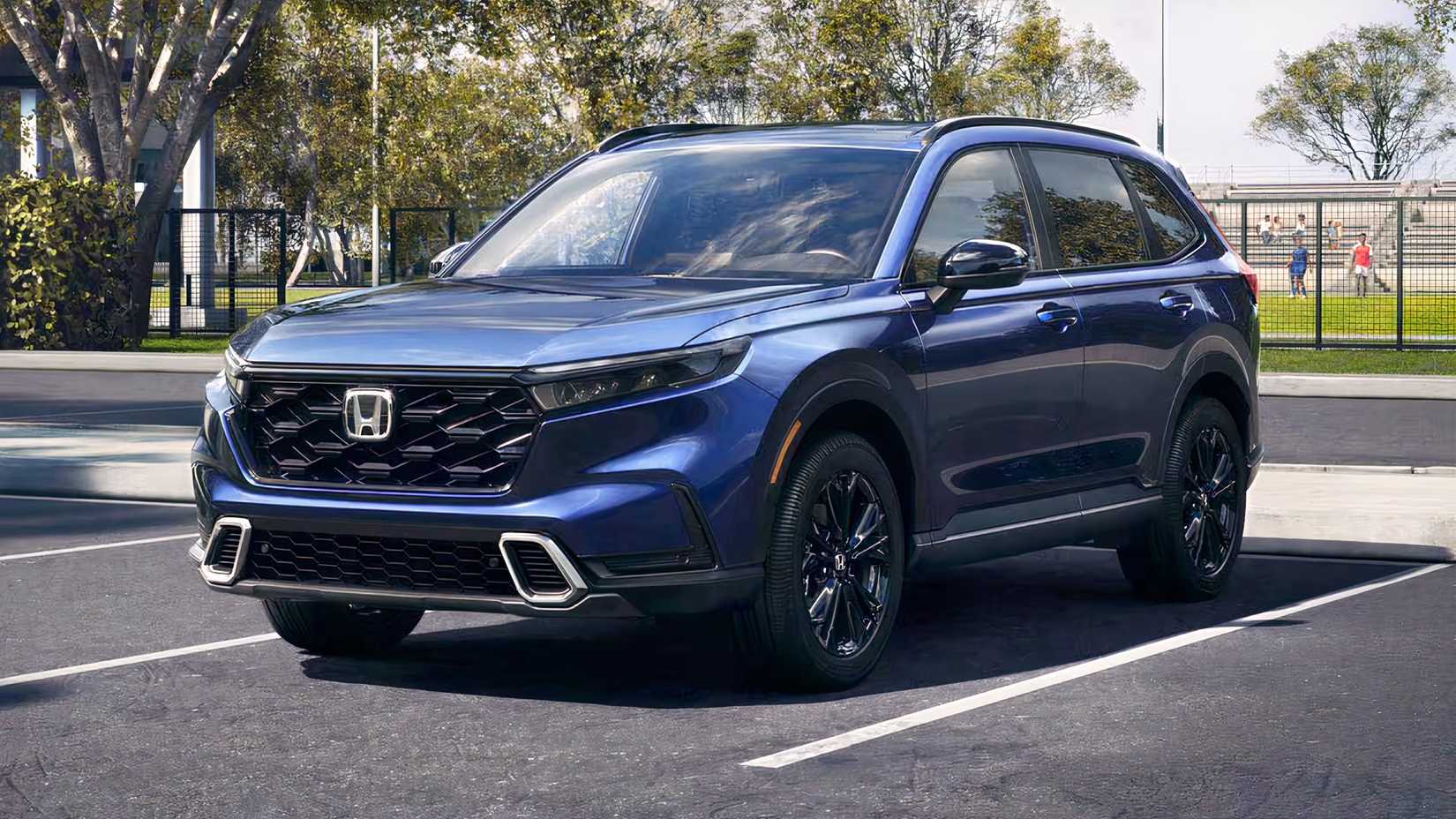
This year, the 2026 Honda CR-V Hybrid is available in four grades, with starting prices ranging from $37,080 to $44,000. The full 2026 CR-V Hybrid lineup and prices are as follows.
|
2026 CR-V Sport Hybrid |
2026 CR-V Sport-L Hybrid |
2026 CR-V TrailSport Hybrid |
2026 CR-V Touring Sport Hybrid |
|
|---|---|---|---|---|
|
MSRP |
$37,080 |
$38,725 |
$38,800 |
$44,000 |
There are three more trims of the Honda CR-V this year, but they are not powered by a hybrid powertrain; they include the LX, the EX, and the EX-L.

- Base Trim Engine
-
2L I4 Hybrid
- Base Trim Transmission
-
CVT
- Base Trim Drivetrain
-
Front-Wheel Drive
- Base Trim Horsepower
-
145 HP @6100 RPM
- Base Trim Torque
-
138 lb.-ft. @ 4500 RPM
- Base Trim Fuel Economy (city/highway/combined)
-
43/36/40 MPG
- Base Trim Battery Type
-
Lead acid battery
- Make
-
Honda
- Model
-
CR-V Hybrid
By comparison, all 2026 Toyota RAV4 models now come equipped with a hybrid powertrain, with trims including the LE, the SE, the XLE Premium, the Woodland, the XSE, and the Limited. Prices range from $31,900 to $43,300. So you may be wondering how the CR-V strikes a better balance than the RAV4 when it costs more at the low end.
The Hybrid Powertrain The Honda CR-V Uses
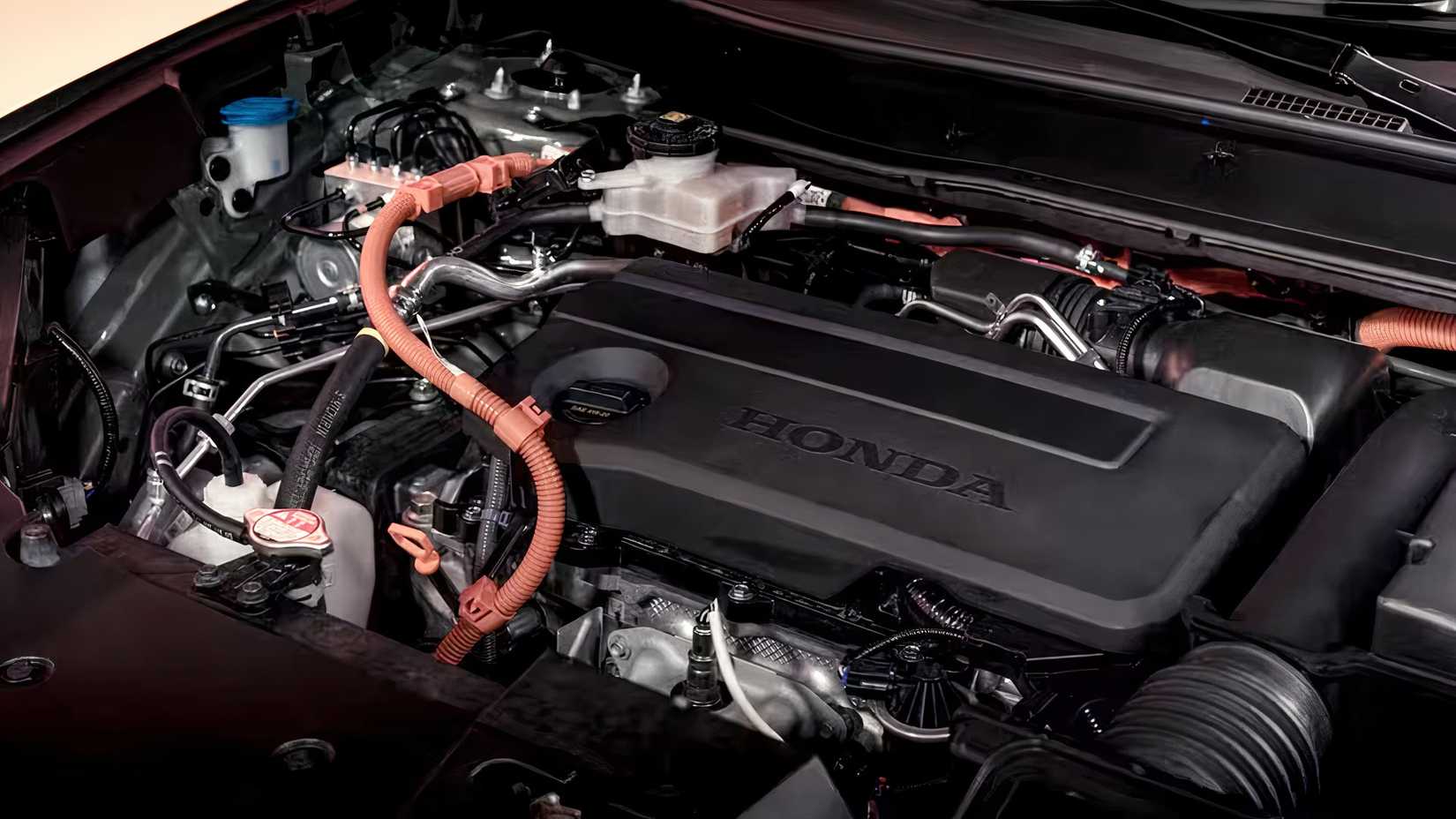
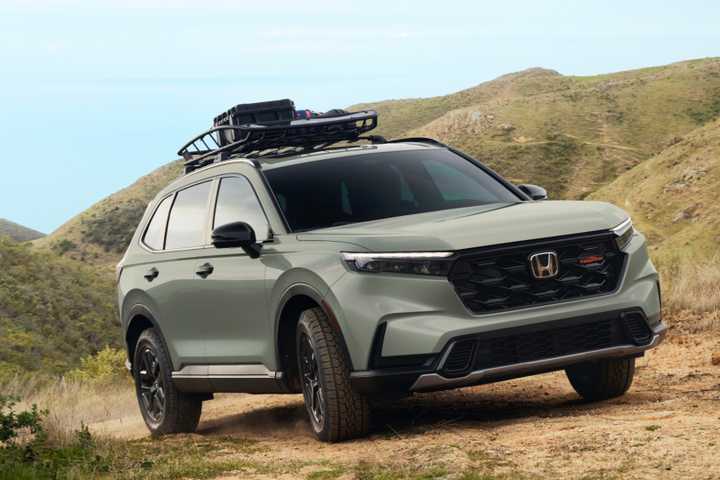
There is just one powertrain option for this year’s CR-V Hybrid: an inline-four paired with a two-motor hybrid system. Its specifications are as follows.
|
2026 Honda CR-V Hybrid |
|
|---|---|
|
Engine |
2.0-Liter Inline-Four Hybrid |
|
Transmission |
e-CVT |
|
Horsepower |
204 hp |
|
Torque |
247 lb-ft |
Honda says that the CR-V Hybrid can get to 60 mph in 7.6 to 7.9 seconds. You can also opt for front-wheel drive or all-wheel drive; according to FuelEconomy.gov, the most fuel-efficient flavor is the front-wheel drive models, which can achieve 40 combined mpg (43 mpg city/36 mpg highway), while the AWD models can still achieve 37 combined mpg (40 mpg city/34 mpg highway).
This year’s RAV4 gets a 2.5-liter inline-four mated to a hybrid system good for up to 236 horsepower (if you opt for AWD); the FWD model is good for 226 horsepower. FuelEconomy.gov also says that the FWD model can achieve 43 combined mpg (47 mpg city/40 mpg highway), while the AWD RAV4 Hybrid can achieve a very impressive 42 combined mpg (46 mpg city/39 mpg highway).
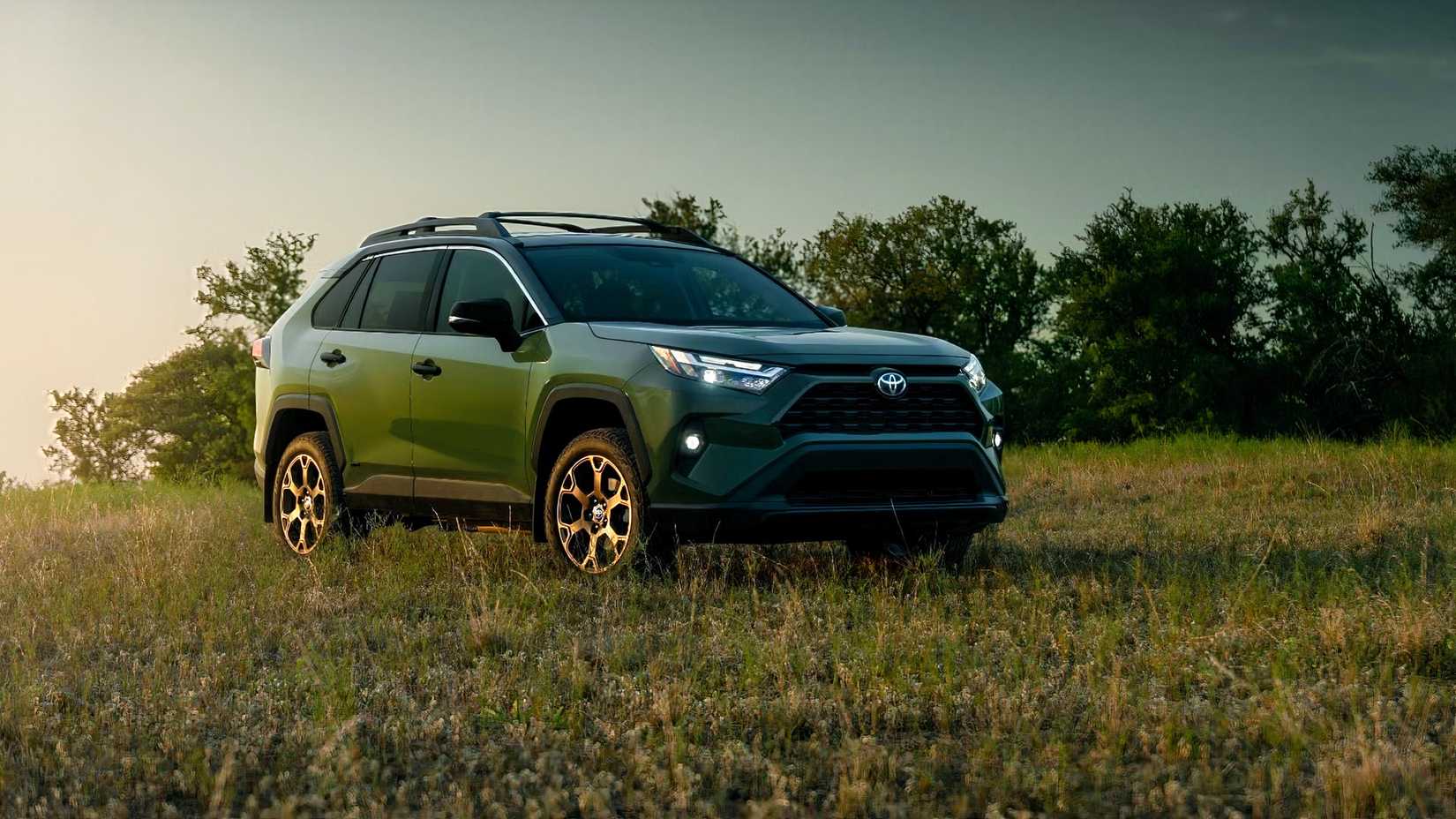
While the RAV4 is more powerful and reportedly more efficient, the CR-V Hybrid is rated higher by owners on Kelley Blue Book (KBB) for performance. The 2026 RAV4 is rated just 2 out of 5, and the CR-V is rated 4.6 out of 5 for performance.
Plus, when it comes to the AWD models from both, the difference in mpg ratings can be seen as relatively negligible. The CR-V Hybrid has also been praised for the smooth ride from the powertrain and how it changes gears nicely, which is arguably more important for a compact SUV meant for family life than shaving seconds off sprint times.
Honda Has Prioritized Comfort And Simplicity
Inside the new CR-V Hybrid, Honda has clearly prioritized ease-of-use and day-to-day comfort over flashy design. Every model comes equipped with a 9-inch touchscreen with Apple CarPlay and Android Auto, while higher trims also get a 10.2-inch instrument cluster, Google Built-In, wireless charging, navigation, and a 12-speaker Bose audio rig.
Unlike some rivals that bury simple functions inside complicated menus, Honda keeps physical climate-control knobs and shortcut buttons, making the cabin easy to use straight away. The center console has a massive storage bin under the armrest alongside a large front tray that easily stores phones and wallets.
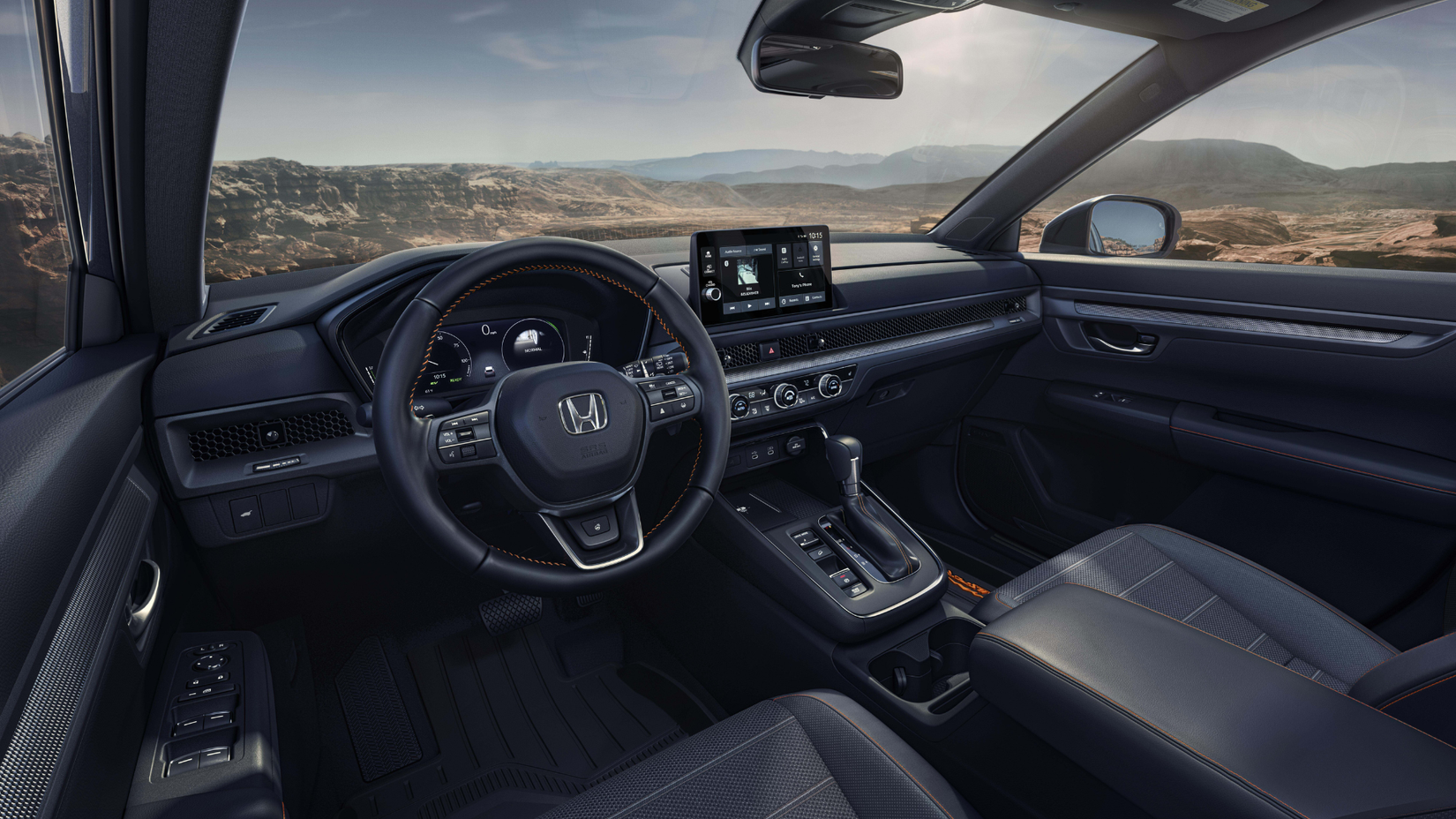
Door pockets are deep enough for large water bottles, cupholders are in easy-to-reach spots, and the shelf-style dashboard helps the cabin look big. You also get a very respectable amount of room inside for yourself and passengers; the new CR-V Hybrid has the following interior dimensions:
|
Headroom (Front/Rear) |
Shoulder Room (Front/Rear) |
Hip Room (Front/Rear) |
Legroom (Front/Rear) |
|---|---|---|---|
|
38.2 Inches / 38.2 Inches |
57.9 Inches / 55.9 Inches |
55.6 Inches / 52.6 Inches |
41.3 Inches / 41 Inches |
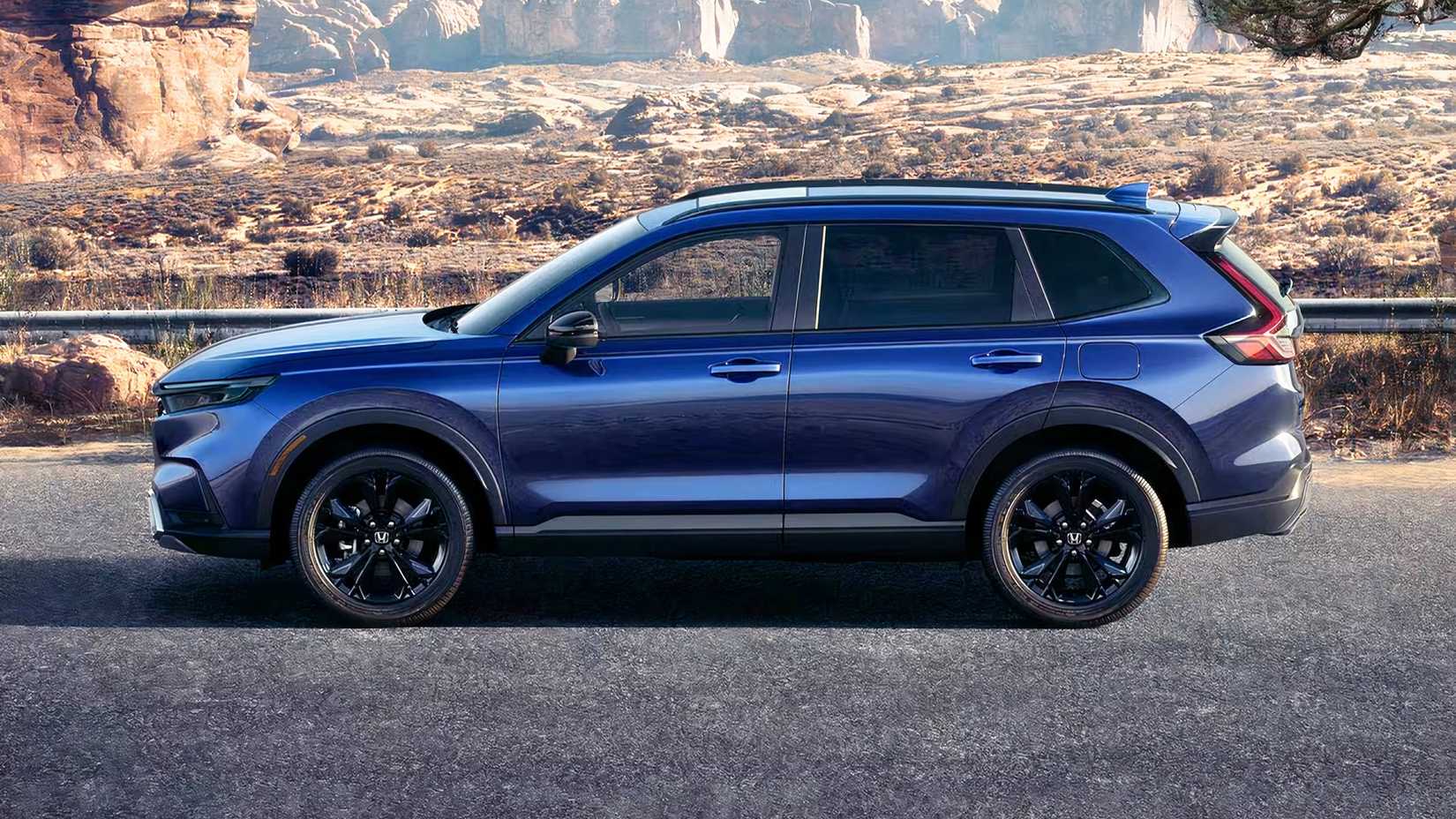
The CR-V Hybrid has some of the roomiest rear legroom in the whole segment. This year’s RAV4 has 41 inches of front legroom and 37.8 inches of rear legroom, which isn’t bad at all, just not as much as the Honda.
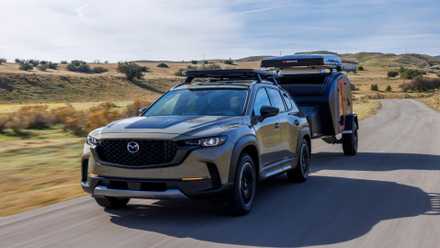
Compact SUVs That Punch Above Their Weight In Towing Capacity
The most shocking SUV on this list that punches way above its weight is an all-electric Mercedes with over 5,000 pounds of towing power.
Why The 2026 Honda CR-V Makes Financial Sense
At first glance, the CR-V looks like it’s asking for more money than the RAV4 Hybrid, but once you actually compare the lineups, the gap isn’t as dramatic as it seems. By the time you get to the higher trims, both SUVs end up sitting in the low-to-mid $40,000 range anyway, with the RAV4 Hybrid Limited nudging slightly higher in price.
Where Honda’s approach starts to make more sense is in how steady the pricing ladder feels. You’re not forced into big jumps just to get to a properly equipped version. Instead, equipment builds more predictably, so you have a pretty good idea of what you’re paying for at each step.
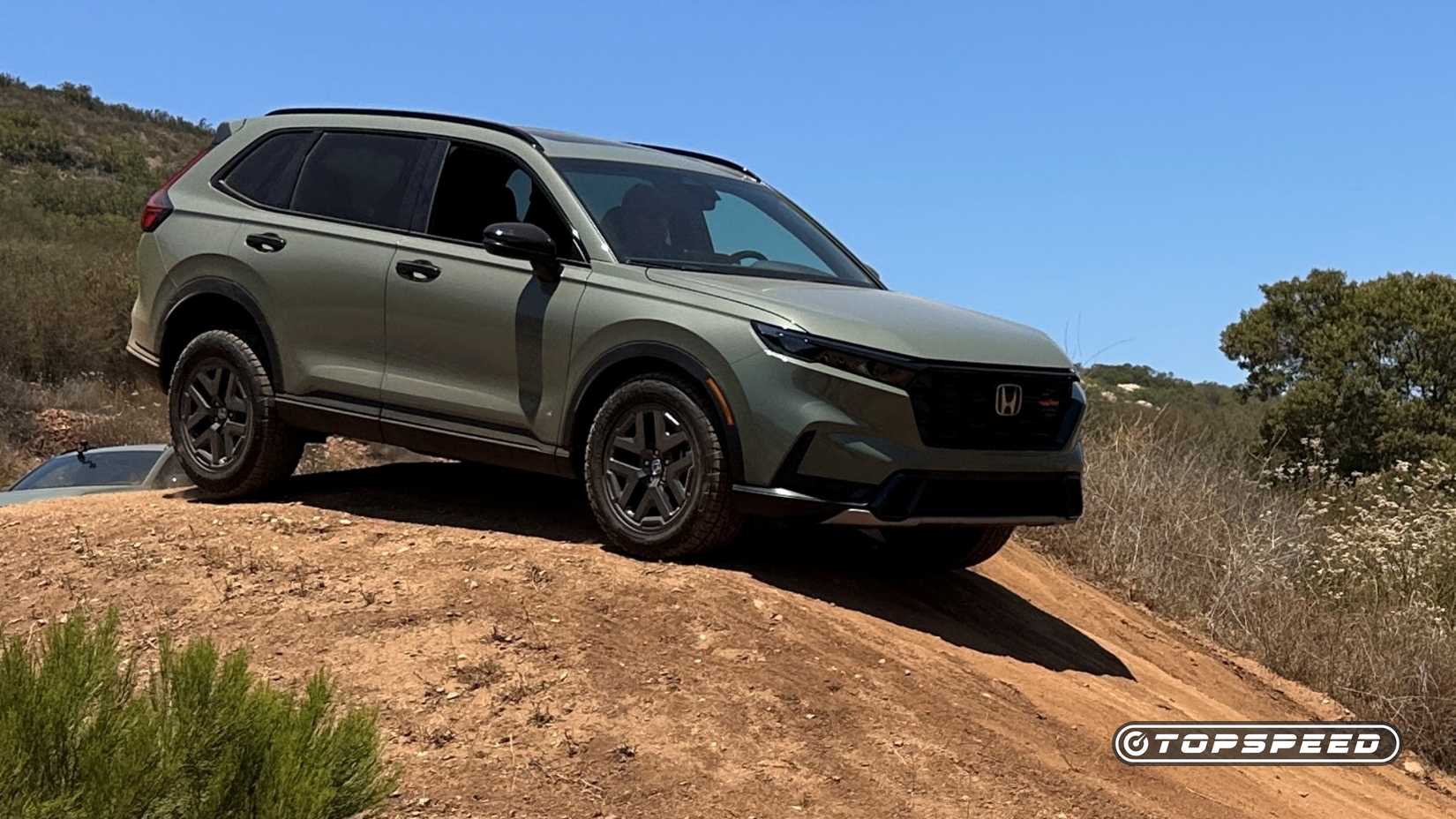
The CR-V TrailSport Hybrid adds features like unique styling, A/T tires, and a slightly more robust AWD calibration, and while the fuel efficiency drops slightly with this trim, it doesn’t try to turn the CR-V into something it isn’t. The RAV4 Woodland leans harder into the lifestyle, while still offering a touch more off-roading ability, but the price balloons to just shy of $41,500, while the TrailSport is much cheaper at $40,250.
Once you align trim for trim, AWD, driver assists, and infotainment upgrades, the CR-V doesn’t ask you to spend less for what you get; it just means you’re spending more predictably, and in a segment where costs spiral quickly, that stability matters.
Strong Value Without Feeling Cheap
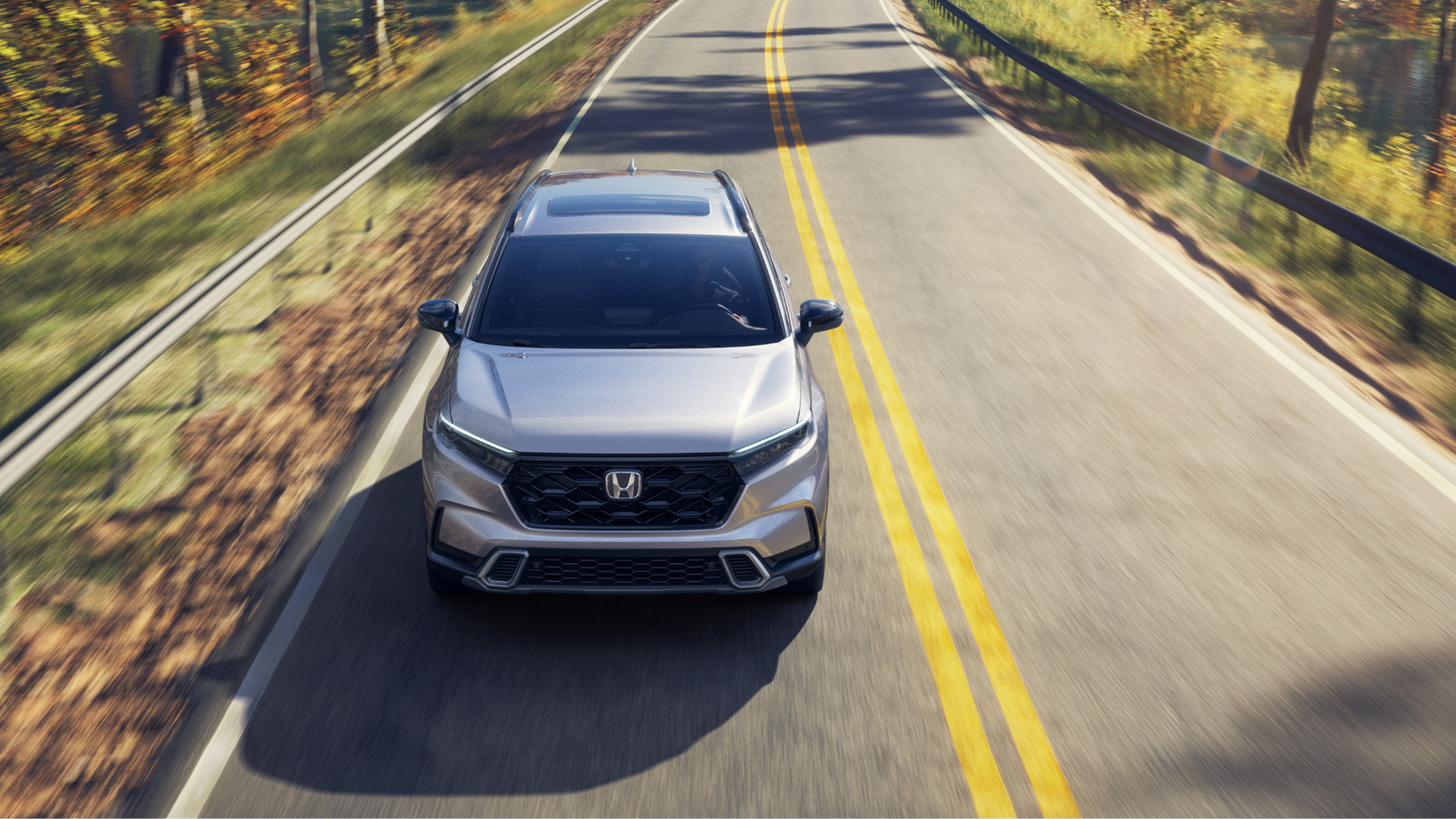
Where the CR-V Hybrid does well is in how solid it feels across the range. The dashboard uses soft-touch materials, with a tighter panel fit than you’d expect at this relatively affordable price point, and even the lower trims avoid feeling plasticky. The seating surfaces are supportive rather than overly soft, with fabric or leatherette depending on trim, and bolstering that is meant for long slogs.
The steering wheel has proper weighting and a clean button layout, the center armrest is designed to feel substantial rather than lightweight, spot-on ergonomics make driving easy, the storage areas are lined and shaped so nothing rattles around, and the door trims have padded upper sections and solid-feeling grab handles.

Both the Sport-L Hybrid and Sport Touring Hybrid get leather upholstery and a more refined dash finish, but it never feels like a different cabin, just a better version of the same layout.
Honda-Grade Reliable And Low-Stress Driving
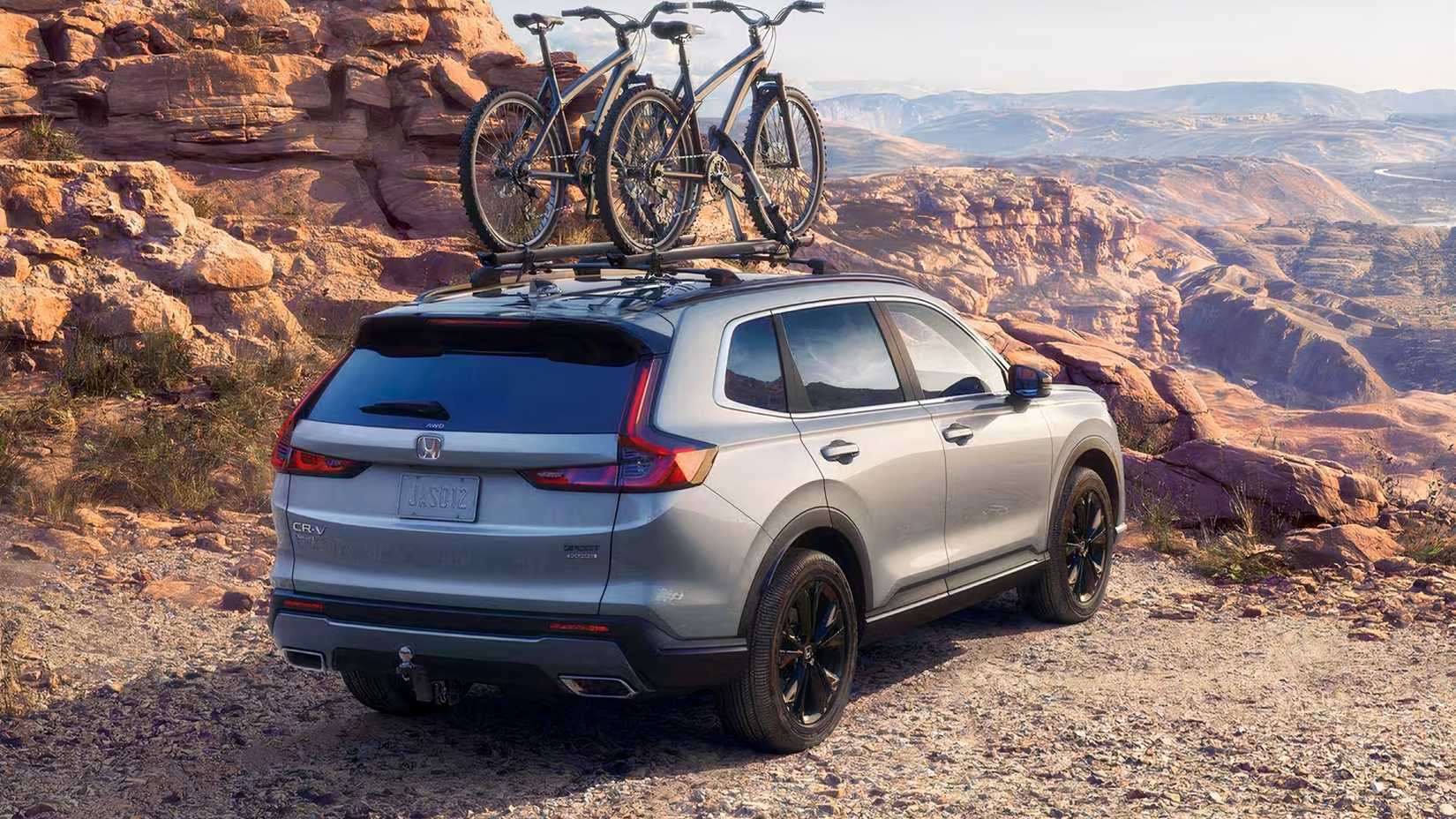
Toyota is pretty much synonymous with reliability, and while the RAV4 has a heck of a reputation for longevity, Honda has a few secrets for reliability of its own. This year, the new RAV4 has a J.D. Power reliability rating of 77 out of 100; the new CR-V has a J.D. Power reliability rating of 83 out of 100.
|
2026 Honda CR-V |
2026 Toyota RAV4 |
|
|---|---|---|
|
Annual Fuel Cost Range |
$1,700–$1,950 |
$1,550–$1,800 |
|
Maximum Gas Tank Range |
560 Miles |
624 Miles |
|
Cost To Fill Tank |
$63 |
$65 |
RepairPal also says that the CR-V has an estimated average annual maintenance bill of $409, while the RAV4 has a higher maintenance cost of $429. While it isn’t a huge amount more, it does still weigh in the CR-V’s favor. Where the RAV4 does come out on top, costs-wise, is in fuel costs.
The 2026 Honda CR-V As The Most Balanced Compact SUV
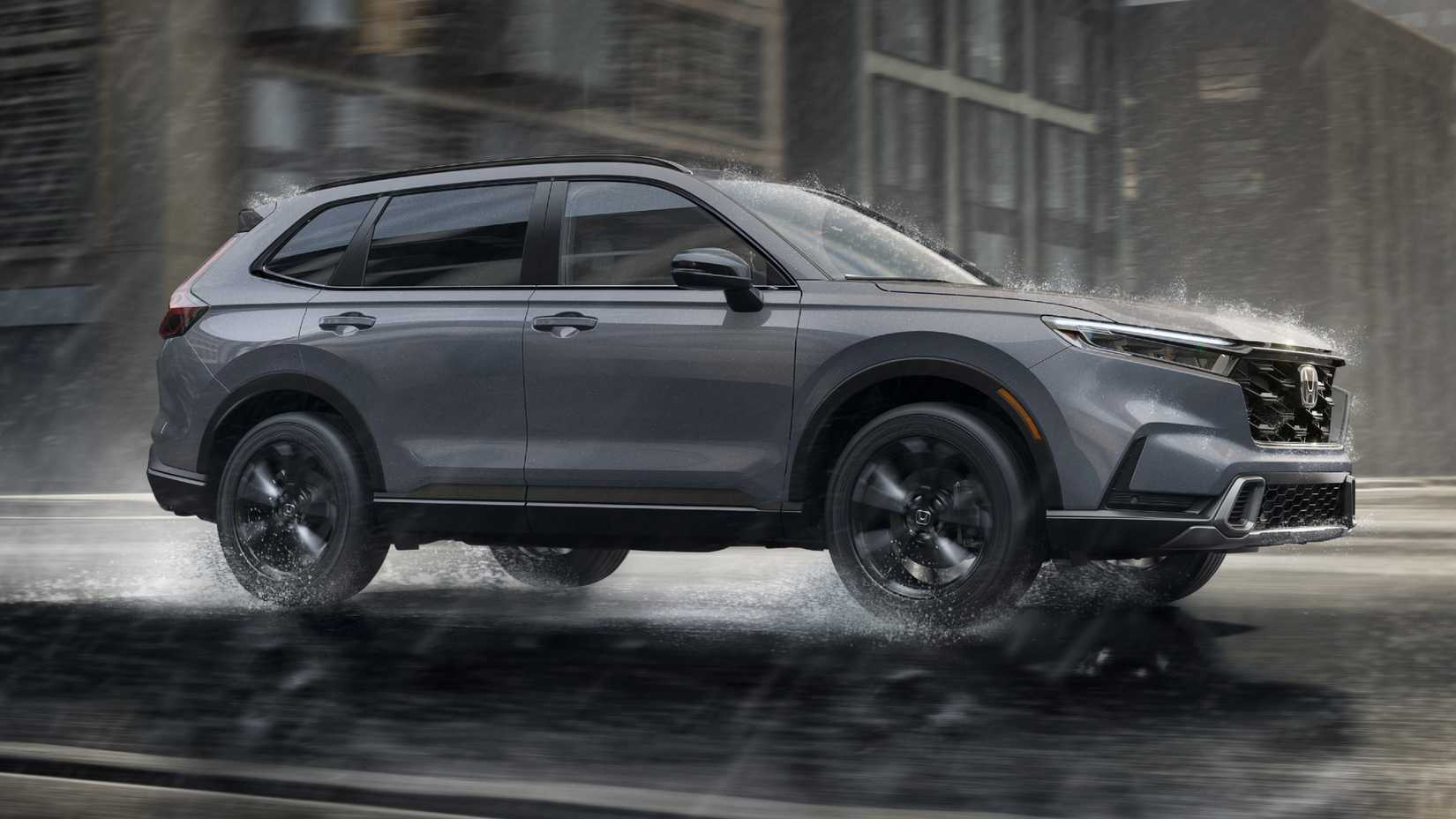
While there are a few things that the RAV4 does a little better and is cheaper for some things, the new CR-V is much higher rated overall by owners on Kelley Blue Book and on J.D. Power. The new RAV4 has not garnered the best owner reviews so far on KBB, with an overall rating of 2 out of 5, while its J.D. Power rating is slightly higher, at 79 out of 100.
The CR-V Hybrid does better, though, with an overall KBB rating of 3.6 out of 5, and a J.D. Power overall rating of 83 out of 100. When it comes to storage as well, the new CR-V Hybrid can hold more, which arguably makes it the better compact family SUV.
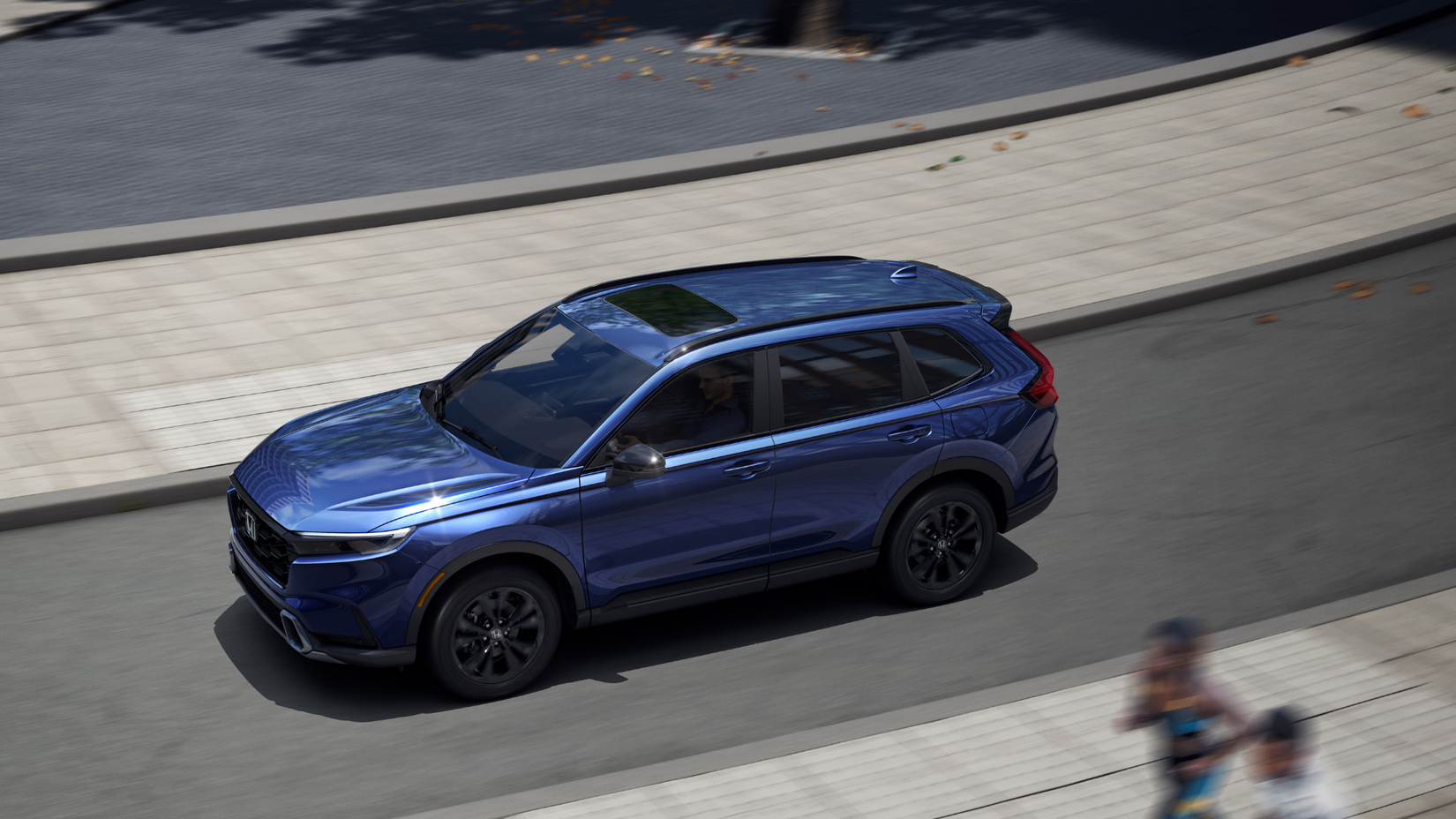
This year’s RAV4 is equipped with 60:40 split-folding seats and has a maximum cargo capacity of 70.4 cubic feet. The 2026 CR-V Hybrid also has 60:40 split-folding seats but gets 76.5 cubic feet of maximum cargo space. The compact SUV market now demands more than fuel economy and power alone, and the 2026 CR-V Hybrid is designed to be that balanced SUV.
Instead of chasing flashy styling or headline power output, Honda has focused on refinement, practicality, and usability. You get smooth hybrid power, space for you, passengers and whatever you need to lug around, predictable trim progressions, and strong day-to-day comfort without any overcomplications.
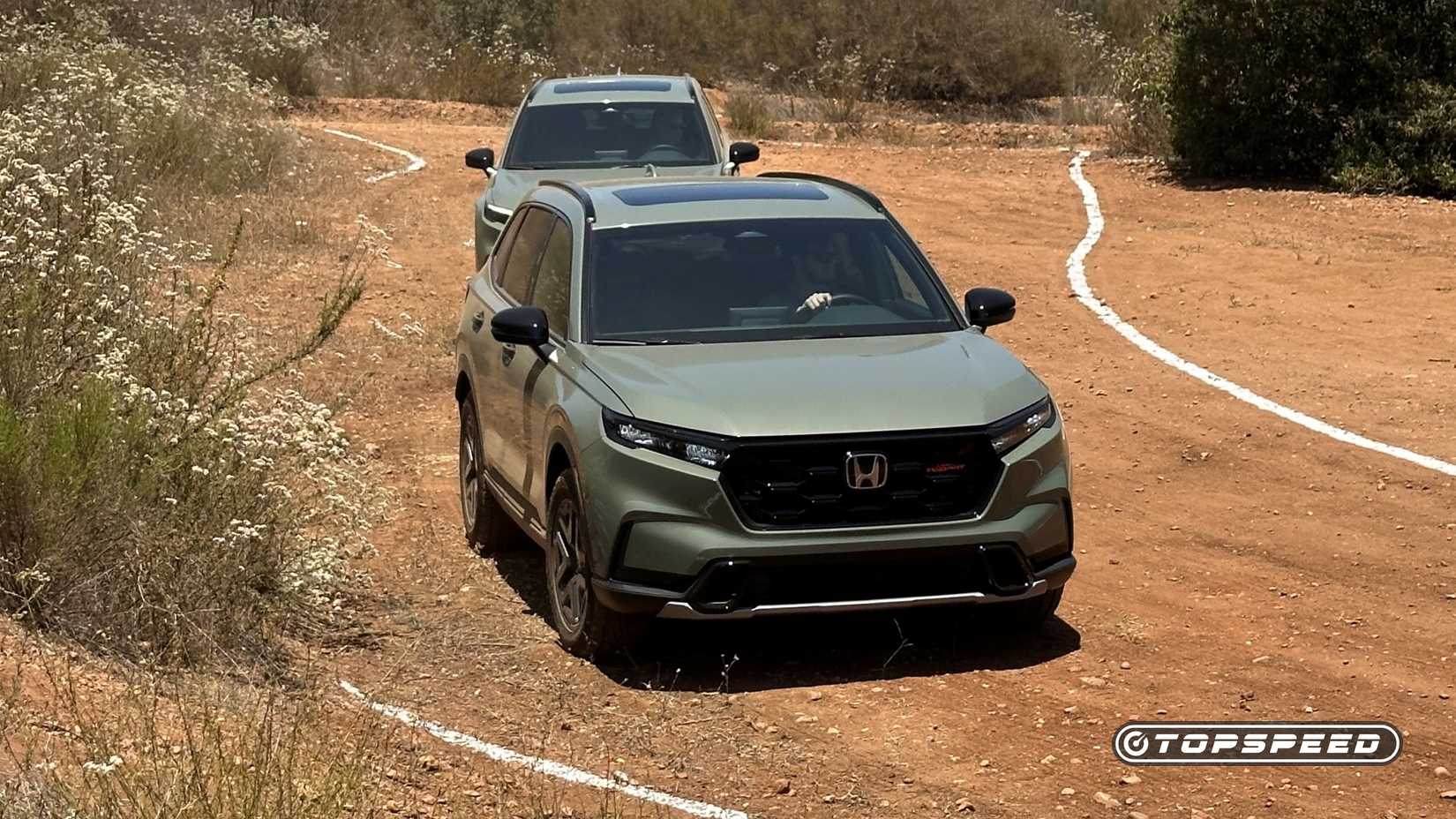
The new RAV4 still leads in some measurable areas, like efficiency, but the CR-V Hybrid’s calm driving manners, arguably better packaging, good sound insulation, and higher owner ratings at the moment look to be outweighing what is good about the stalwart Toyota compact SUV. A recent TopSpeed review of the 2026 CR-V Hybrid sums it up nicely.
“Whether you’re driving across town or across the country, the CR-V Hybrid manages to strike a near-ideal balance between ride comfort and daily livability. A broad greenhouse ensures excellent outward visibility, something many modern SUVs are sacrificing in the name of dramatic styling. Passengers in both rows benefit from generous legroom and headroom, and the rear reclining seats are a small but meaningful touch that enhances long-trip comfort. Everything about the interior feels purposefully configured for real-world use.”
Sources: Honda, Toyota, J.D. Power, Kelley Blue Book, RepairPal, and FuelEconomy.gov.