
Modern performance cars age far quicker than many manufacturers would probably like to admit. What once looked futuristic can suddenly feel cluttered or overstyled only a few years later. Massive touchscreens date rapidly, overly complicated infotainment systems become frustrating, and aggressive styling trends often lose their appeal once the next design movement arrives. Even performance itself has started becoming increasingly homogenized as turbocharged engines, artificial sound enhancement, and digital driving experiences dominate the segment.
Yet every so often, a car comes along that seems largely immune to that process. A car that still looks modern years after launch. A car whose driving experience remains engaging despite changing trends. And a car that continues feeling special long after newer rivals have arrived. But before revealing which Japanese performance car fits that description perfectly, it is worth understanding why so many others struggle to age gracefully.
Why Many Older Sports Cars Struggle To Age Gracefully
Time Usually Exposes Weaknesses In Design And Engineering
Many modern performance cars look impressive when they first launch. The problem is that many of them are designed around trends rather than longevity. Interior technology is often the first thing to age badly. Early digital interfaces, touch-sensitive controls, glossy piano-black surfaces, and oversized screens can quickly start feeling outdated as newer systems arrive. Some interiors that once looked cutting-edge now feel cluttered or overly complicated only a few years later.
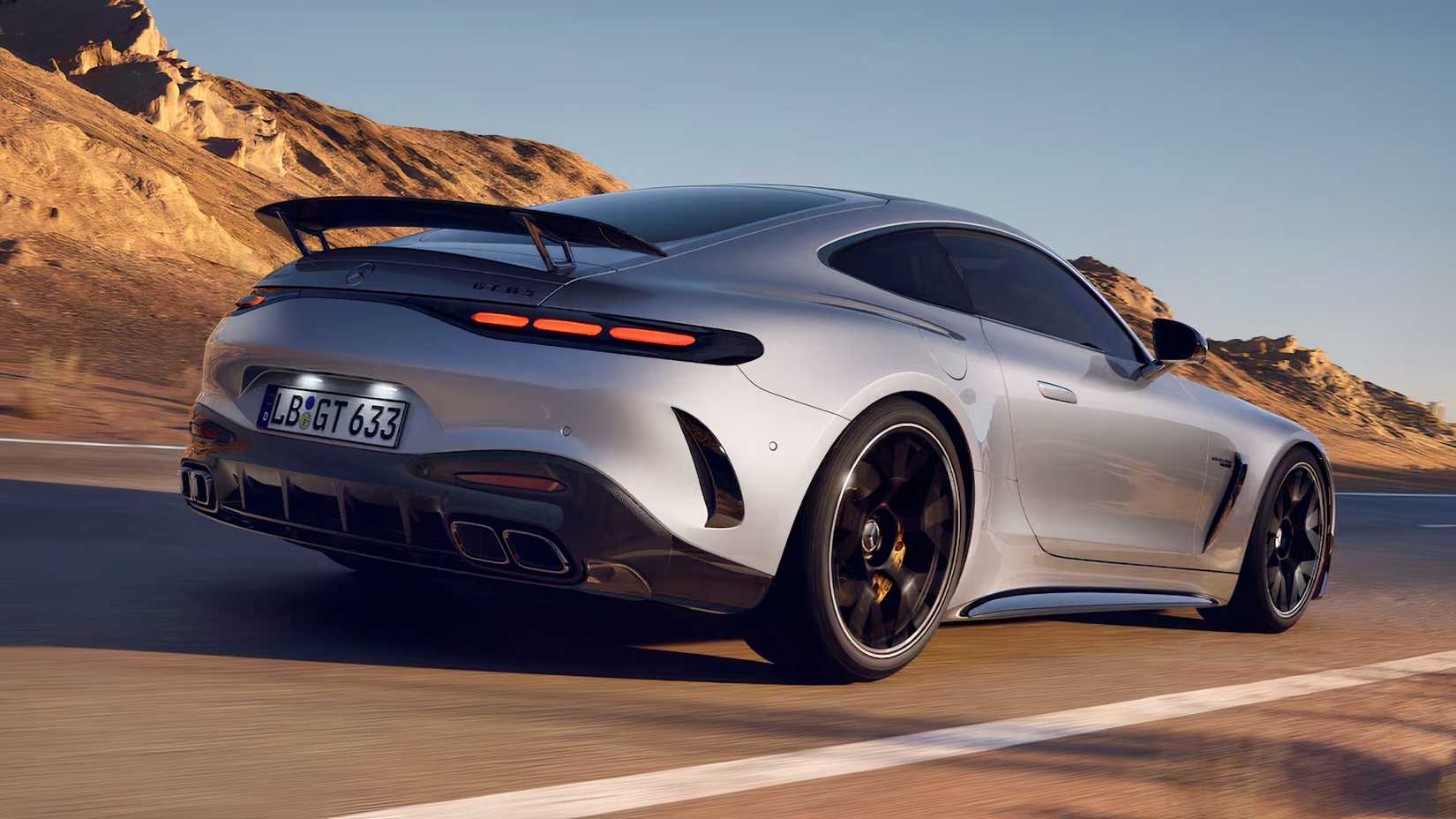
Styling can become another issue. Many sports cars aggressively chase futuristic design language — oversized grilles, excessive vents, sharp creases, and exaggerated lighting signatures — that sometimes struggle to age gracefully once trends evolve.
Then There Is The Driving Experience Itself
Modern turbocharged performance cars are objectively faster than ever, but many also sacrifice personality in the process. I remember spending time with the latest Mercedes-AMG C63. Yes, it was quick — the fastest C63 ever made — but something was missing. It felt soulless. AMG without a V8 just never felt right.
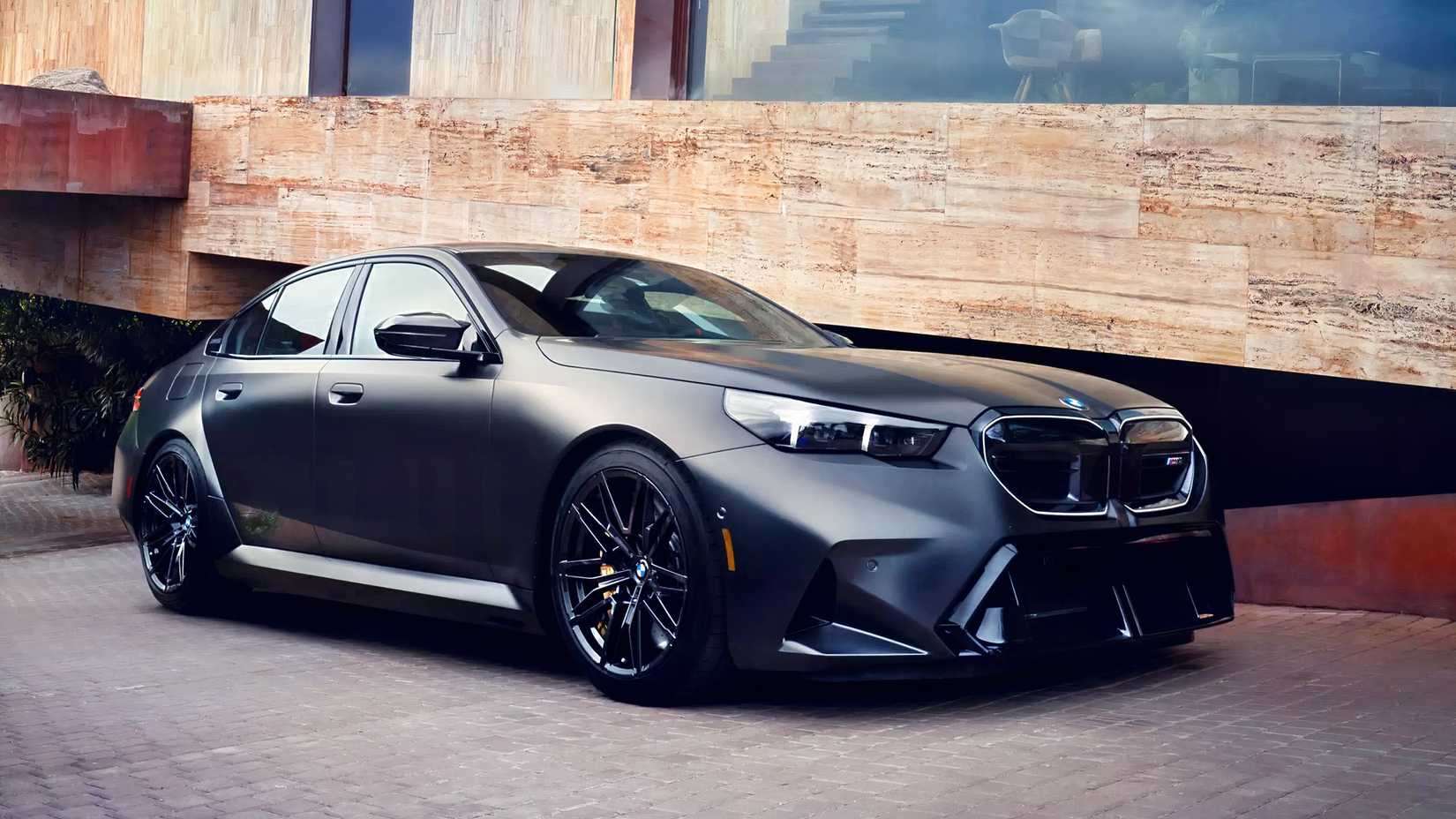
And it’s not only Mercedes doing it. Even the latest BMW M5 now carries a hybrid system. Yes, it still has a V8, but it is also heavier and arguably more complicated than ever before. Sometimes it feels like the industry has become obsessed with numbers rather than driver involvement. Not to mention artificial sound enhancement. Some modern performance cars now pump engine noise through the speakers to create drama.
For me, that misses the point. That is partly why certain older performance cars continue resonating so strongly today. The ones that prioritized timeless design, emotional driving character, and genuine craftsmanship tend to age far better than cars built primarily around short-term showroom appeal. And few modern Japanese performance cars illustrate that reality better than the Lexus LC 500.
Buying A Used Lexus Sports Car: What To Watch Out For In The LC 500
Here is what you should bear in mind if you are looking to buy a used Lexus LC 500. They are great Lexus sports cars, but they do have their foibles.
The Lexus LC 500 Feels Timeless In A Modern World
A Grand Tourer Built Around Emotion Rather Than Trends
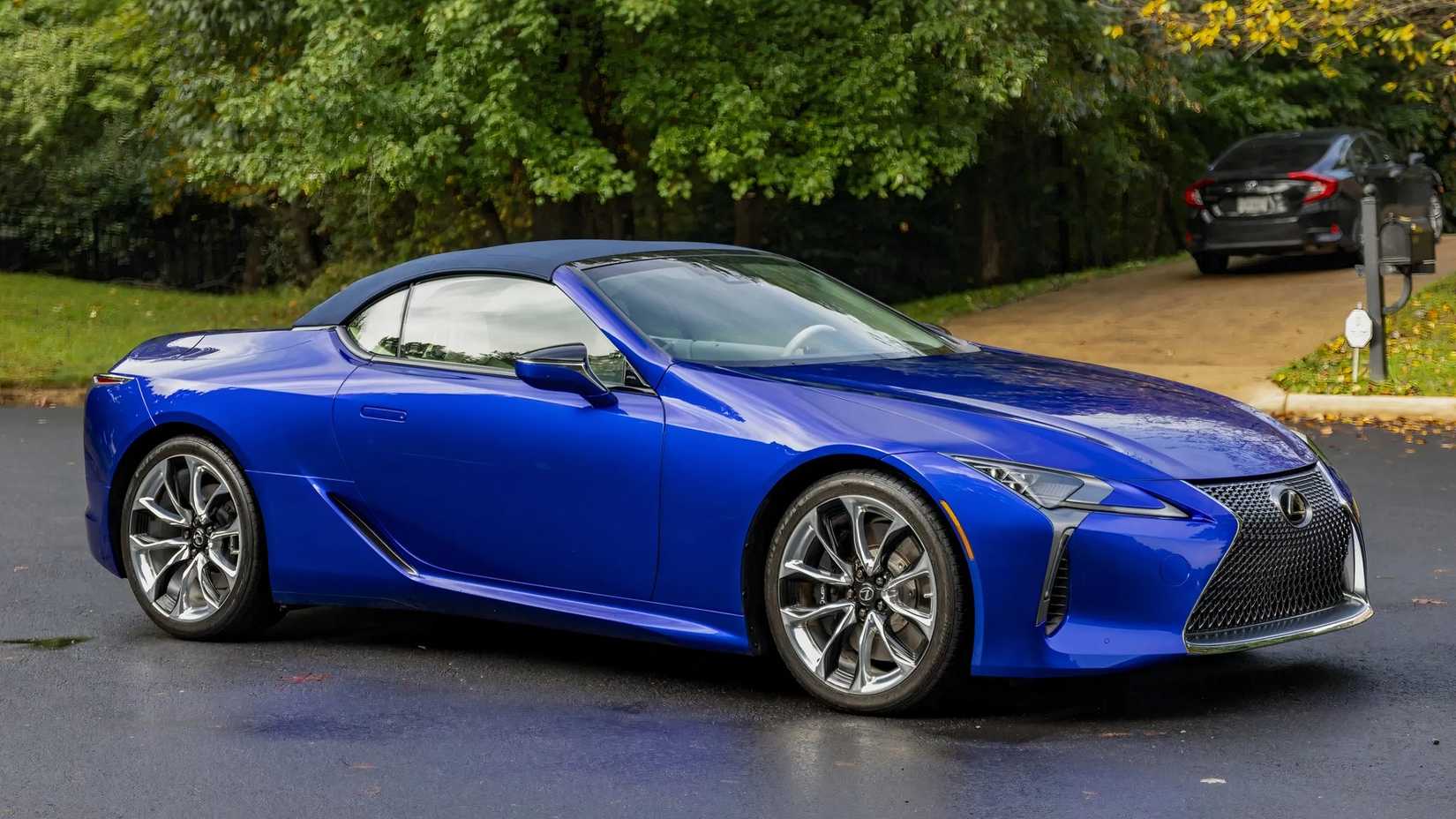
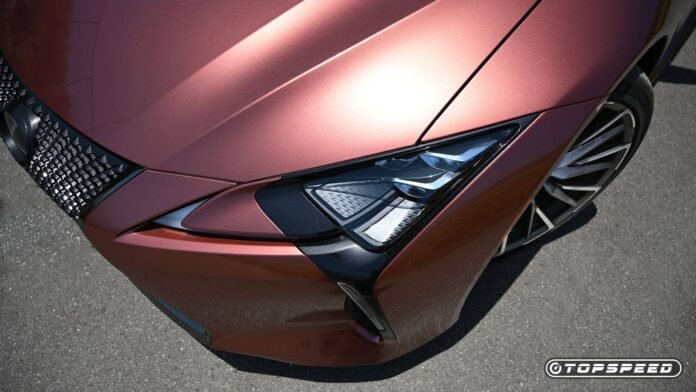
When Lexus first revealed the LC concept in 2012, many people assumed the production version would lose much of its dramatic styling. Remarkably, it barely did. The production LC 500 arrived in 2017, and nearly a decade later, it still looks modern and striking. The long hood, low roofline, muscular rear haunches, and flowing proportions give the LC 500 a sense of elegance that many rivals still struggle to replicate.
Importantly, Lexus avoided overcomplicating the design. While many luxury performance cars leaned heavily into aggressive styling trends, the LC instead focused on proportion, shape, and presence. The result is a car that still turns heads nearly a decade later without relying on excessive visual drama. Top Gear once described the LC 500 as “one of the best-looking cars on sale,” while Car and Driver praised its “stunning design” and concept-car presence. That praise has remained consistent throughout the car’s production run.
But The LC 500’s Appeal Goes Far Deeper Than Styling Alone
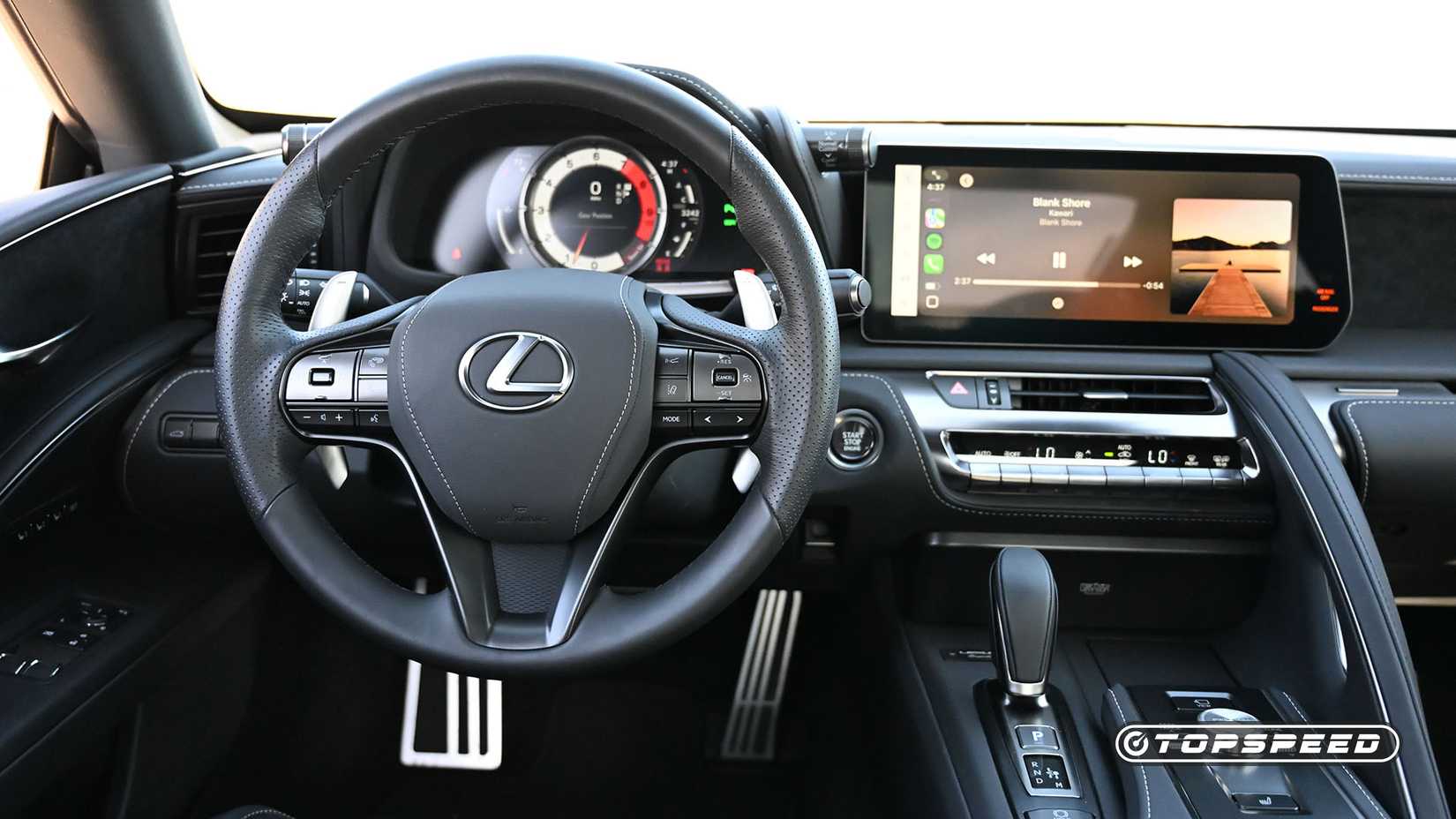
The cabin itself reflects a similar philosophy. Rich leather, Alcántara trim, elegant stitching, and carefully crafted switchgear help the interior feel expensive in a way many screen-heavy modern cabins struggle to replicate. Instead of overwhelming occupants with giant displays and excessive digital gimmicks, Lexus focused on creating an environment that is elegant, calming, and special to spend time in. That restraint has aged well. I still remember when my brother, veteran motoring journalist Brenwin Naidu, had an LC 500 on test back in 2017. The test car was finished in white, and as a schoolboy at the time, I remember being completely taken aback by its presence. The car looked enormous on the road, with a silhouette that felt unlike anything else at the time.
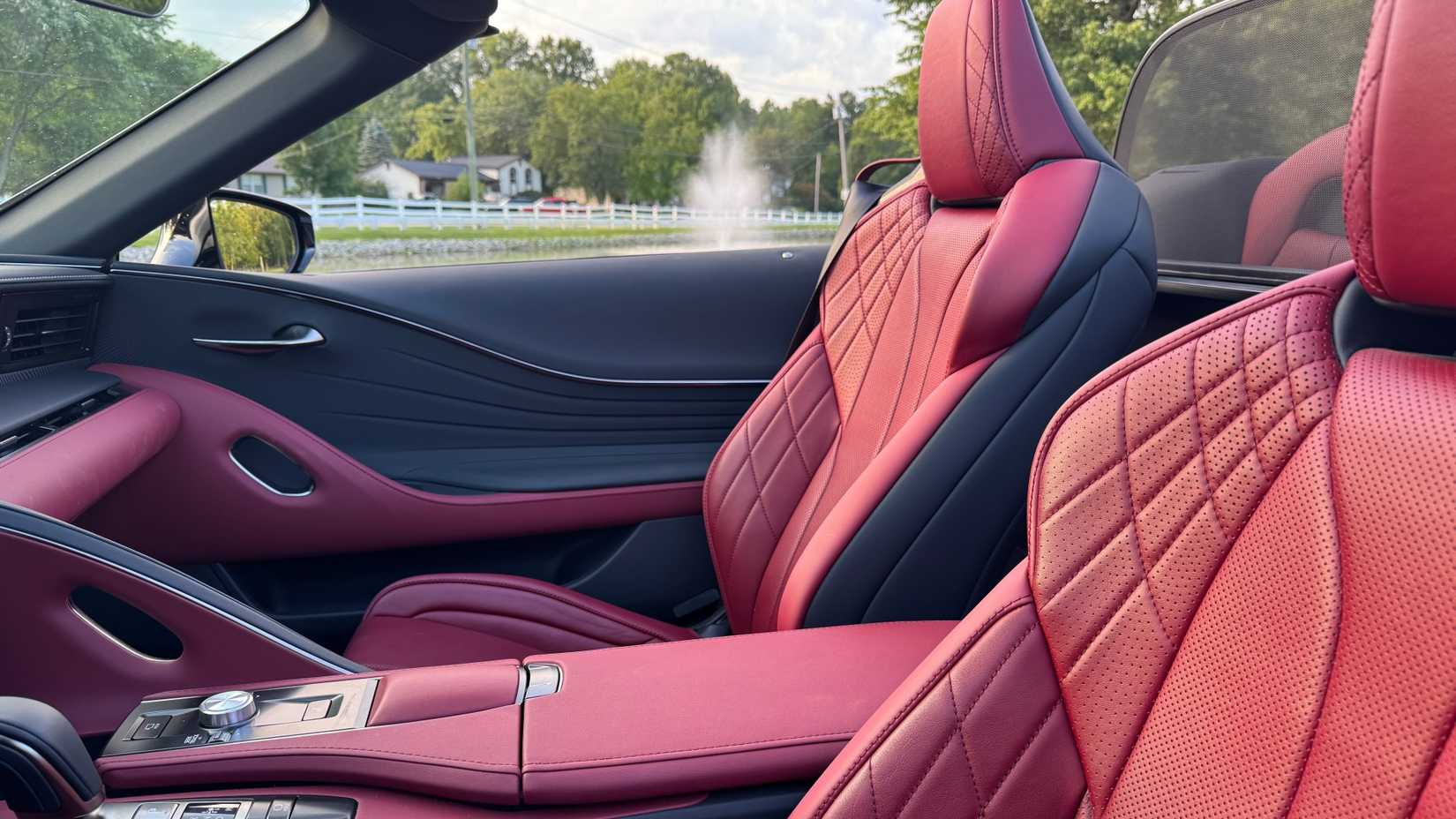
What stood out most, however, was the interior. Our test unit featured a deep red cabin with matching seats and carpets, and it felt every bit as special as the exterior suggested. Looking back, I never remember the LC being a car obsessed with outright speed. Instead, it was about the overall experience, the way it looked, the way it sounded, and the sense of occasion it created every time it arrived somewhere. Even then, it felt like a car built around emotion rather than performance figures.
A V-8 Powered Future Classic You Won’t Regret Buying
While rivals may outdo the Lexus LC, the flagship Japanese sports car has a few key ingredients that will make it a desirable future classic
What Makes The Lexus LC 500 So Special To Drive
Smooth Power And Old-School Personality Still Matter
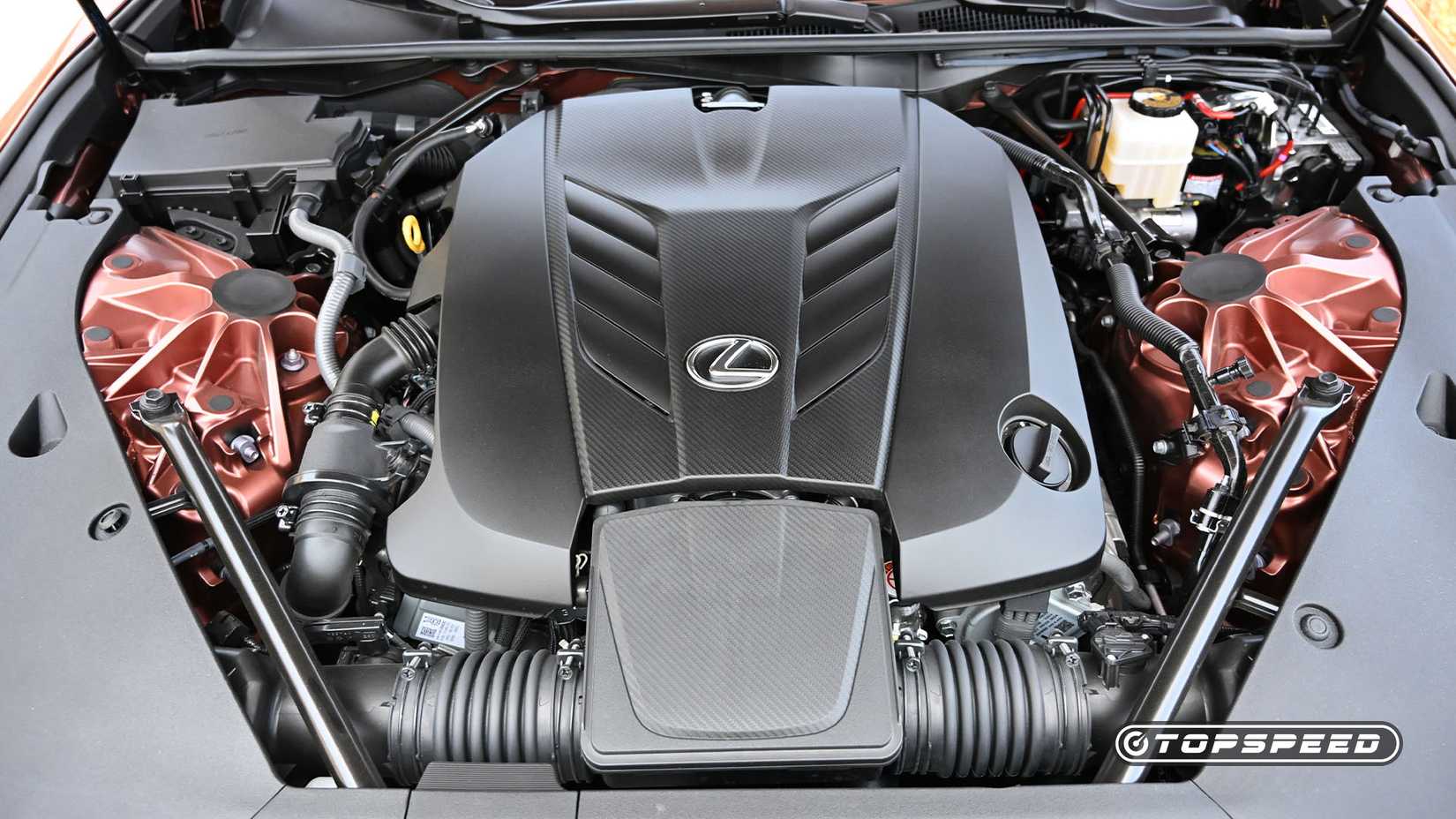
The heart of the Lexus LC 500 is what separates it from many modern rivals. Underneath the hood sits a naturally aspirated 5.0-liter V8 producing 471 horsepower and 398 pound-feet of torque. In an era dominated by turbocharged six-cylinders and hybridized performance cars, the LC’s engine already feels like a dying breed from a disappearing era.
|
Lexus LC 500 |
|
|---|---|
|
First Model Year |
2018 (U.S.) |
|
Engine |
5.0-liter Naturally Aspirated V8 |
|
Body Style |
Luxury Grand Tourer Coupe |
|
Power |
471 hp |
|
Torque |
398 lb-ft |
|
Transmission |
10-Speed Automatic |
|
Drivetrain |
Rear-Wheel Drive |
|
0-60 MPH |
4.4 seconds |
|
Top Speed |
168 mph |
|
Fuel Economy (EPA Combined) |
18 MPG |
|
Seating Capacity |
4 |
|
Base MSRP (2026) |
Starting from $103,400 |
|
Production End Date |
2026 Model Year |
Despite its grand-touring focus, the LC 500 is hardly slow. Car and Driver recorded a 0-60 MPH time of just 4.4 seconds, proving the Lexus still has plenty of performance when called upon. Unlike many modern turbocharged engines that deliver a sudden wave of torque, the 5.0-liter V8 builds power progressively throughout the rev range while producing one of the most distinctive exhaust notes in the luxury performance segment.
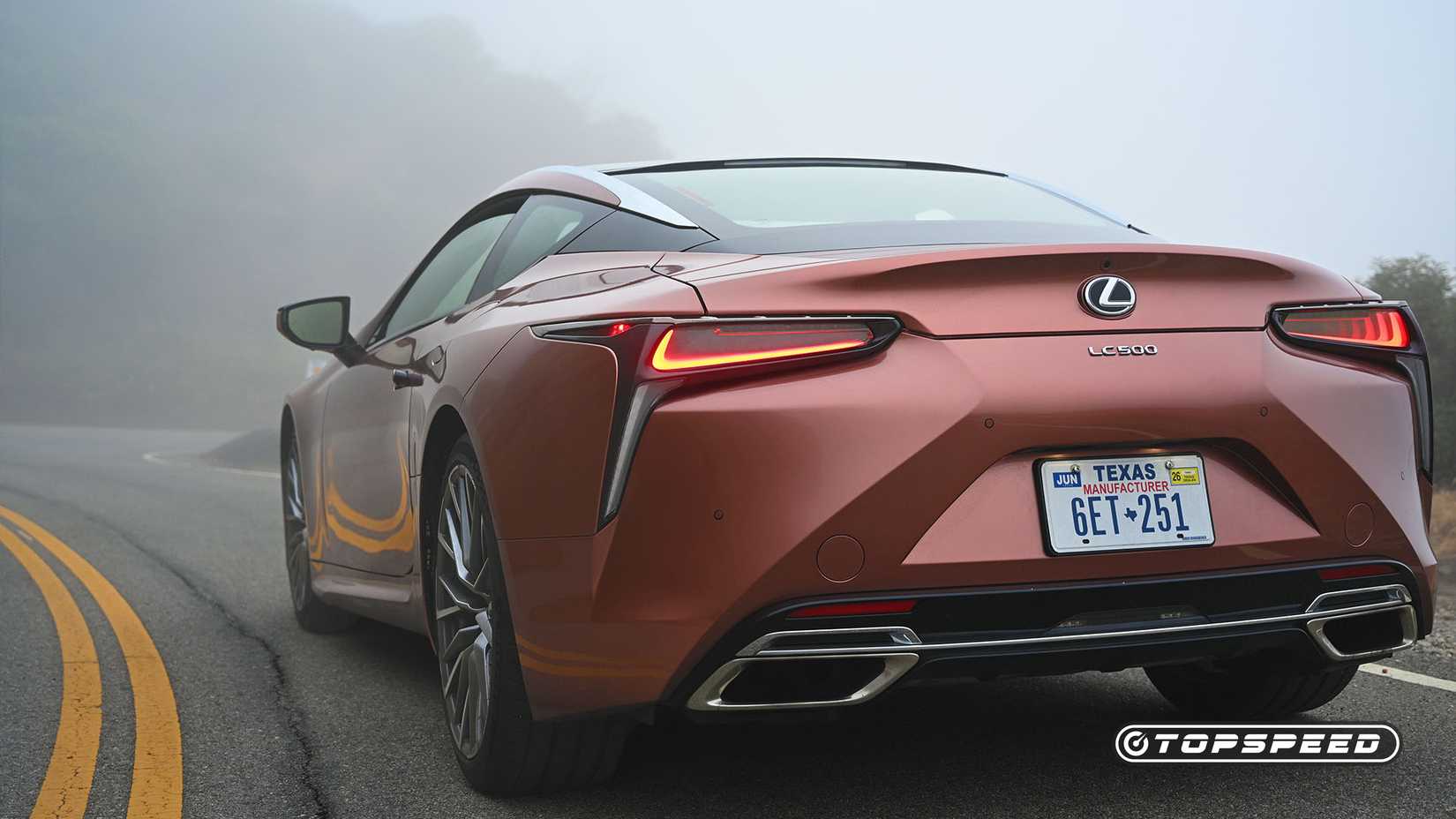
CarBuzz highlighted this very trait when reviewing the LC 500, praising its “linear power delivery” and rewarding high-revving character. Car and Driver described the LC 500’s V8 as “silky and charismatic,” praising its responsiveness and emotional character.
There Is Also A Subtle Connection To One Of Lexus’ Most Celebrated Performance Cars
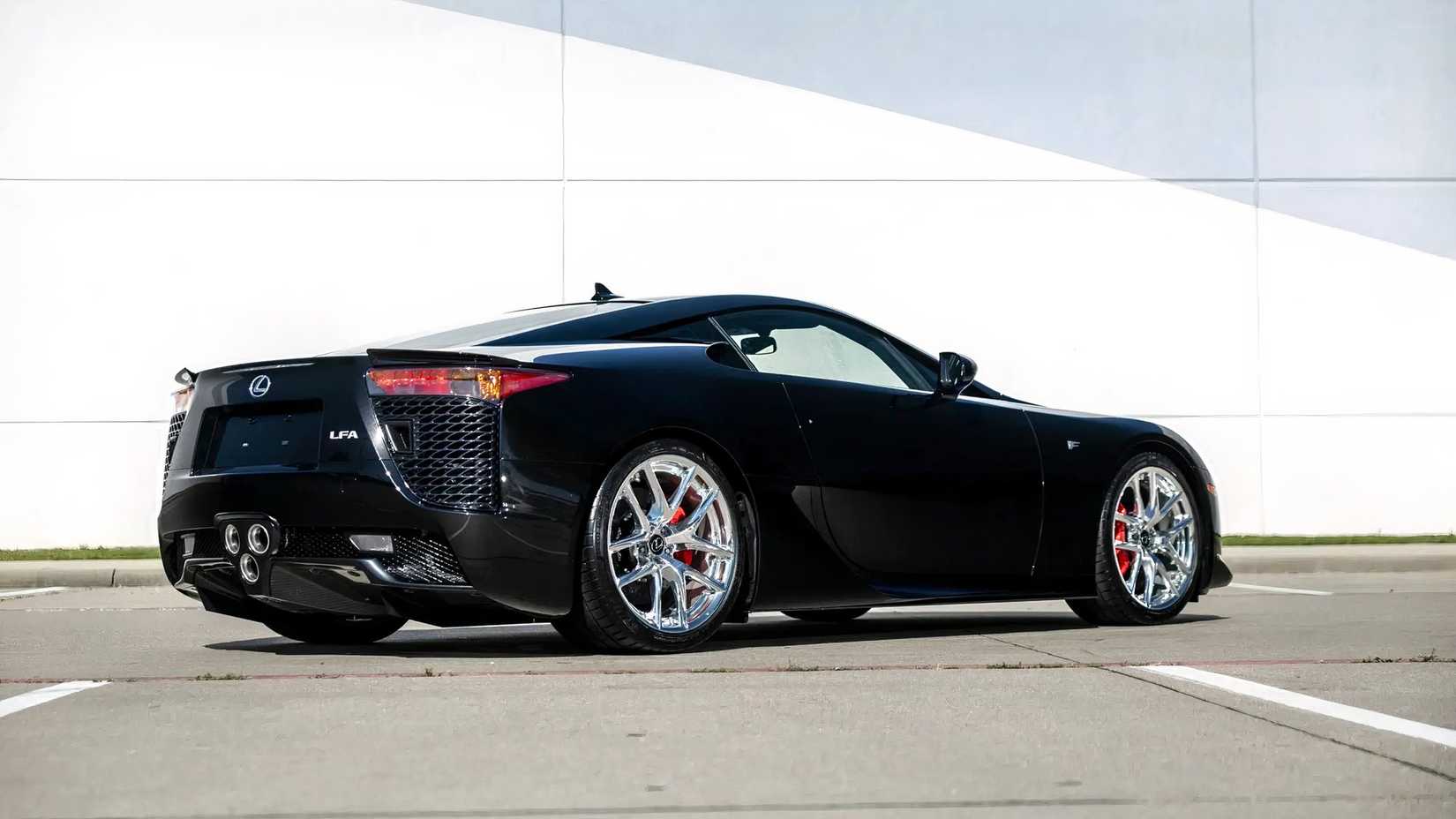
While the LC 500 was never intended to replace the legendary LFA, several members of the LFA development team were involved in the coupe’s development. The influence is perhaps most noticeable in Lexus’ decision to prioritize emotion, sound, and driver engagement over performance figures. No, the LC 500 does not deliver the exotic V10 soundtrack or track-focused intensity of the LFA, but it carries forward some of the same philosophy.
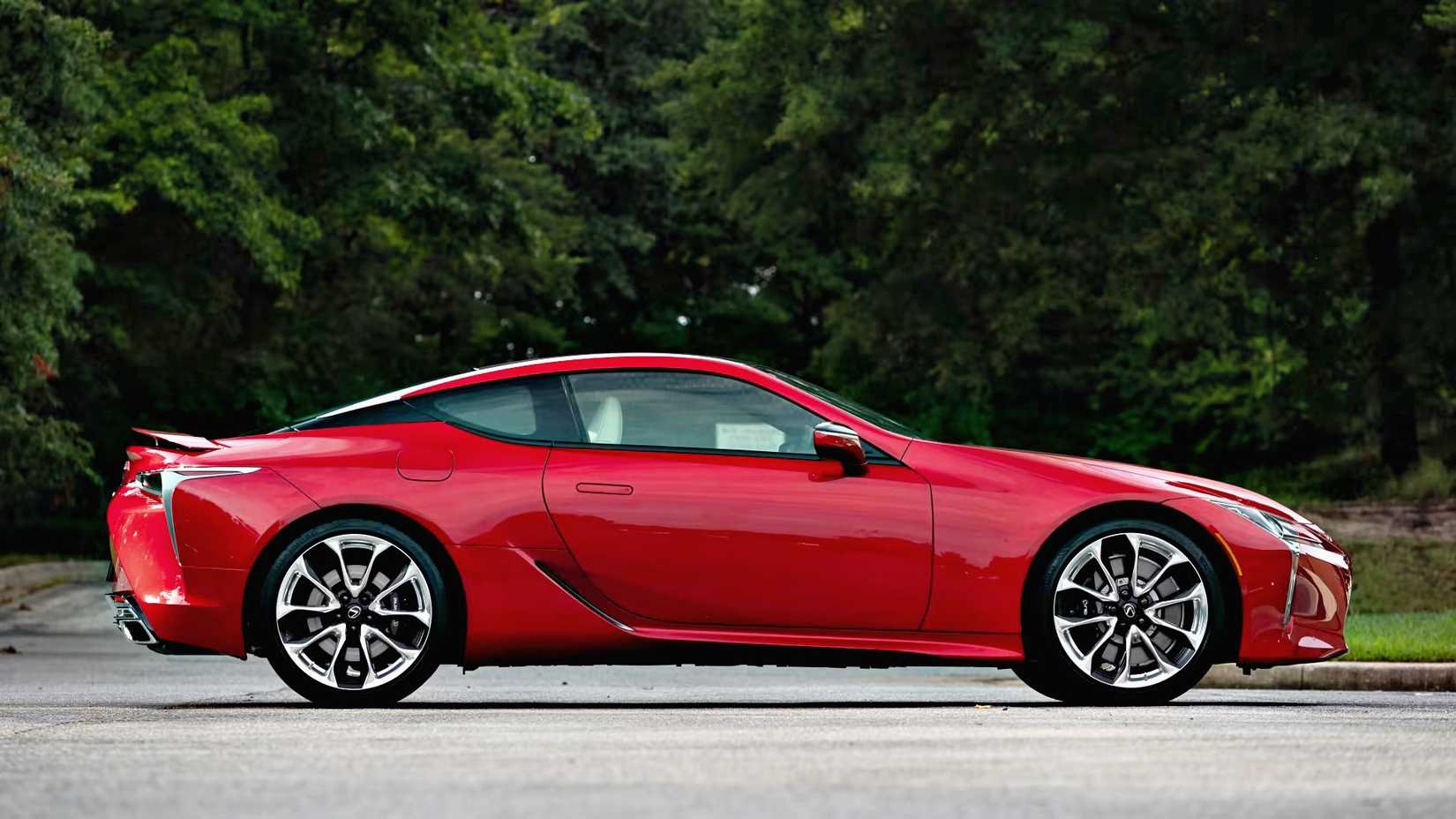
Importantly, the LC 500 was never designed to be a hardcore performance coupe. Instead, it embraces the traditional grand-touring formula. Top Gear described the Lexus as “more GT than sports car,” praising its ability to cover long distances in comfort while still delivering enough performance to remain engaging. Even the ten-speed automatic transmission contributes to the LC 500’s overall character. Admittedly, it has not been without criticism. Reviewers from publications such as Road & Track and Car and Driver have noted that the gearbox can occasionally hesitate when driven aggressively and is not always as immediate as some of the best dual-clutch transmissions on the market. But to be fair, the LC 500 was never intended to be a track-focused performance coupe.
Why The LC 500 Still Feels Fresh Today
Lexus Avoided Chasing Short-Term Trends
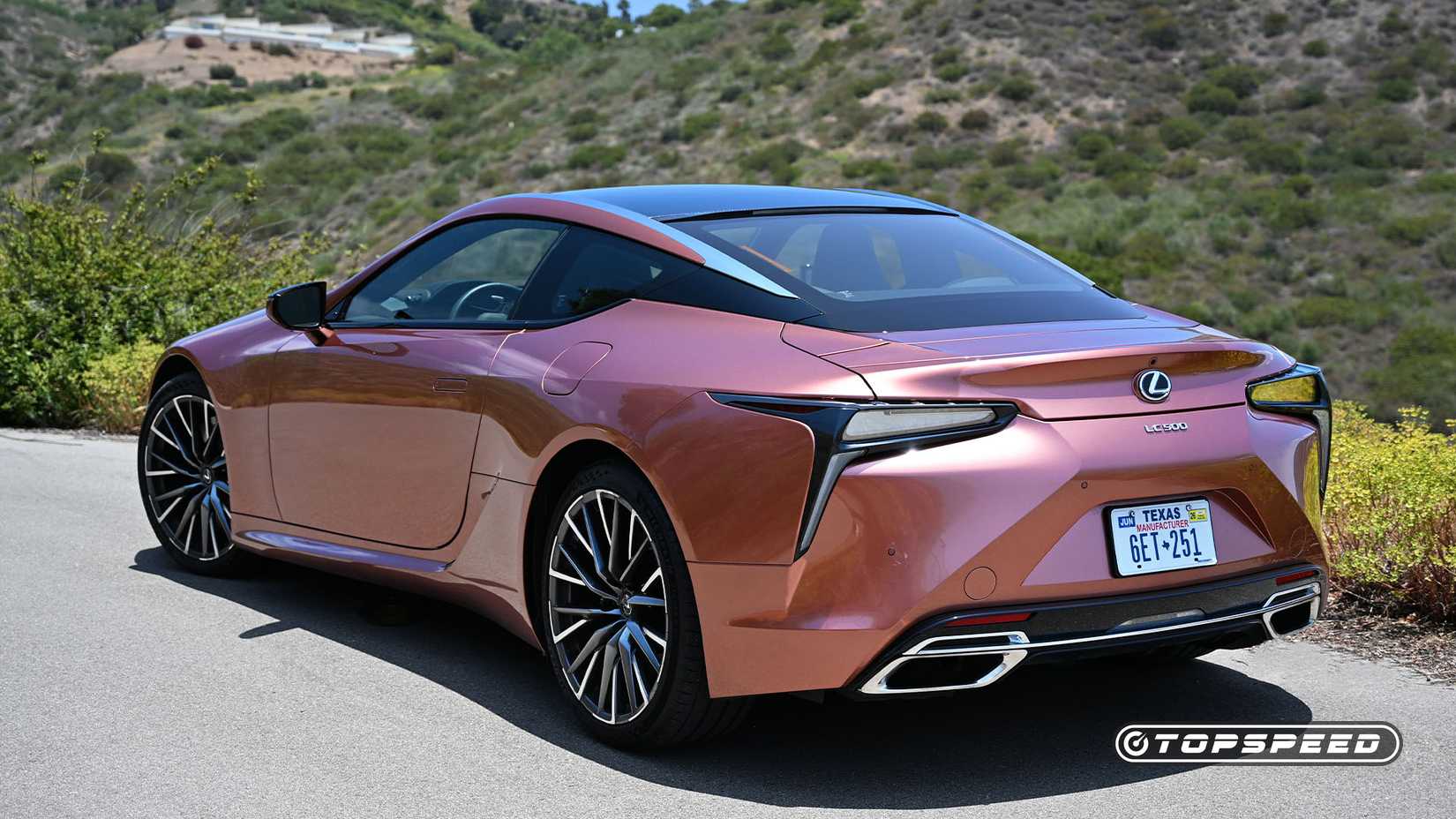
Perhaps the biggest compliment is how little Lexus has needed to change the formula. Since its introduction, the LC 500 has received only modest updates rather than constant reinvention. The styling remains largely untouched, the V8 stays under the hood, and the car’s overall character has stayed remarkably consistent. That consistency has helped the LC age exceptionally well. While many luxury coupes suffer steep depreciation, the LC 500 has retained a surprisingly loyal following among enthusiasts and collectors alike.
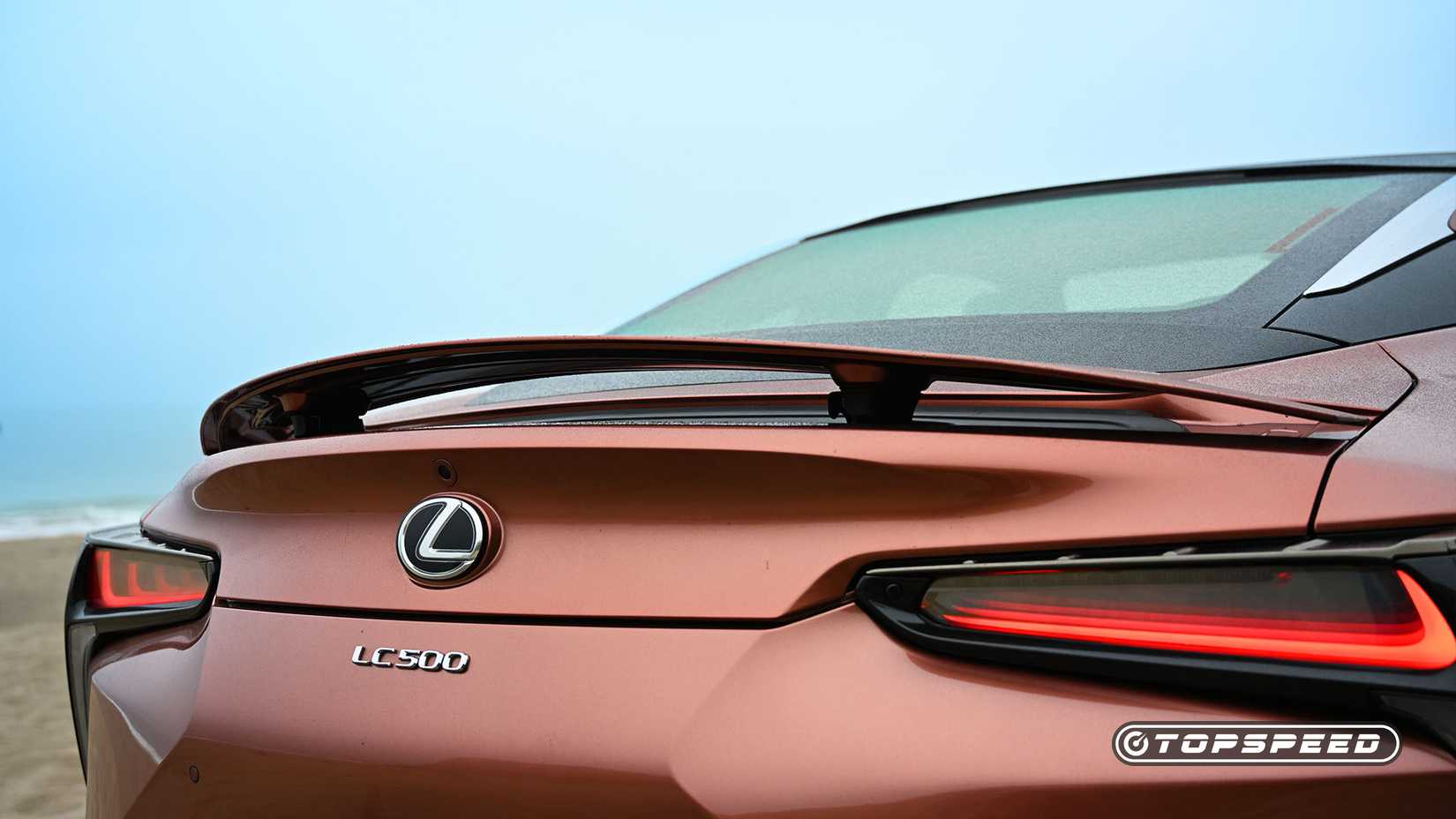
According to Classic.com, LC 500 values remain notably strong for a modern luxury coupe. At the same time, Bring a Trailer has recorded standout sales, including a 2025 LC 500 Convertible Inspiration Series that sold for $106,501 in September 2025.
That level of demand is unusual for a modern luxury coupe and suggests buyers increasingly view the LC 500 as something worth preserving rather than simply replacing. Kelley Blue Book data tells a similar story. A used 2024 LC 500 Coupe still carries a fair purchase price of roughly $83,700 despite an original MSRP just under $100,000, while a 2023 LC 500 retains an estimated resale value of around $76,300.
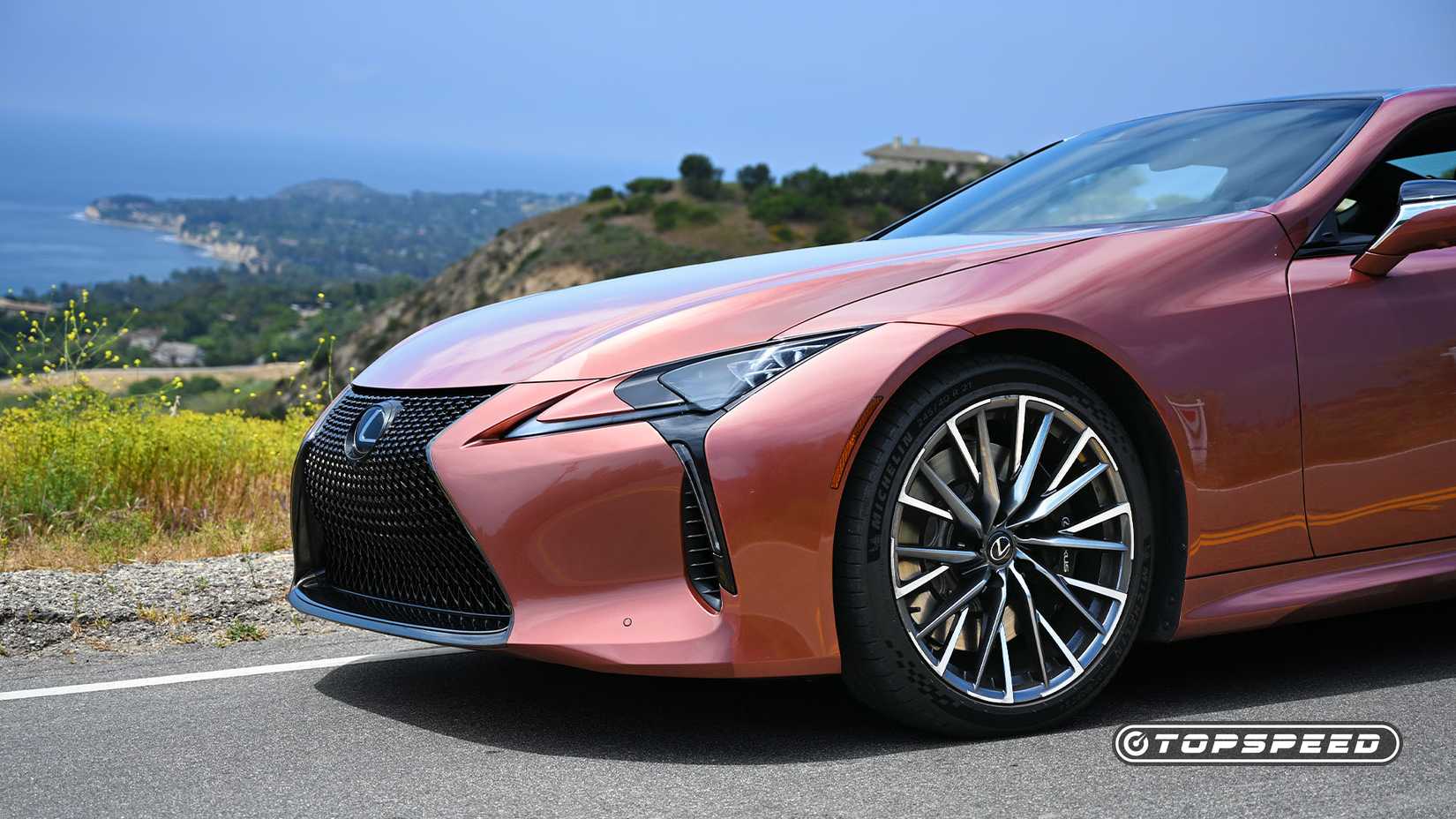
Those figures compare favorably with many luxury coupes, which often experience far steeper depreciation during the same ownership period. While some German luxury coupes can raise concerns about long-term ownership costs, the LC 500 benefits from the brand’s reputation for durability. J.D. Power even awarded the coupe an 81/100 Quality & Reliability rating.
The Bulletproof V8 Sedan Owners Daily Drive Past 300K Miles
Looking for a reliable V8 sedan? This long-lasting sedan regularly surpasses 300,000 miles while remaining a daily driver.
The Japanese GT Car That Already Feels Like A Future Classic
Why The LC 500 Continues Aging Better Than Most Rivals
The Lexus LC 500 already feels like a car from a disappearing era. Naturally aspirated V8 grand tourers are becoming increasingly rare. Luxury coupes themselves are slowly disappearing from the market altogether. And many modern performance cars continue shifting toward electrification, downsizing, and digital-heavy driving experiences.
The Lexus LC Exists At A Time When Everything It Represents Is Being Eliminated
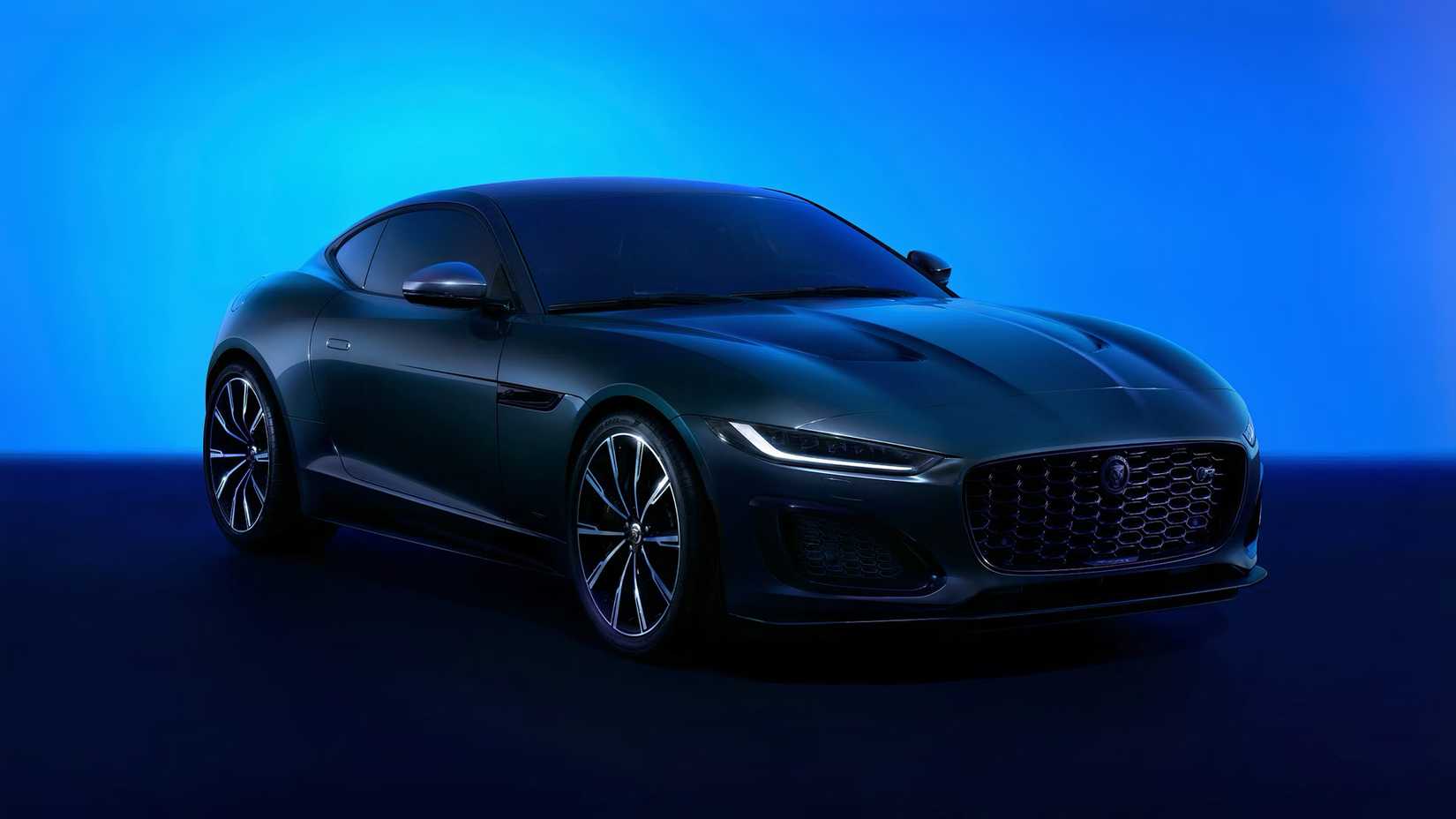
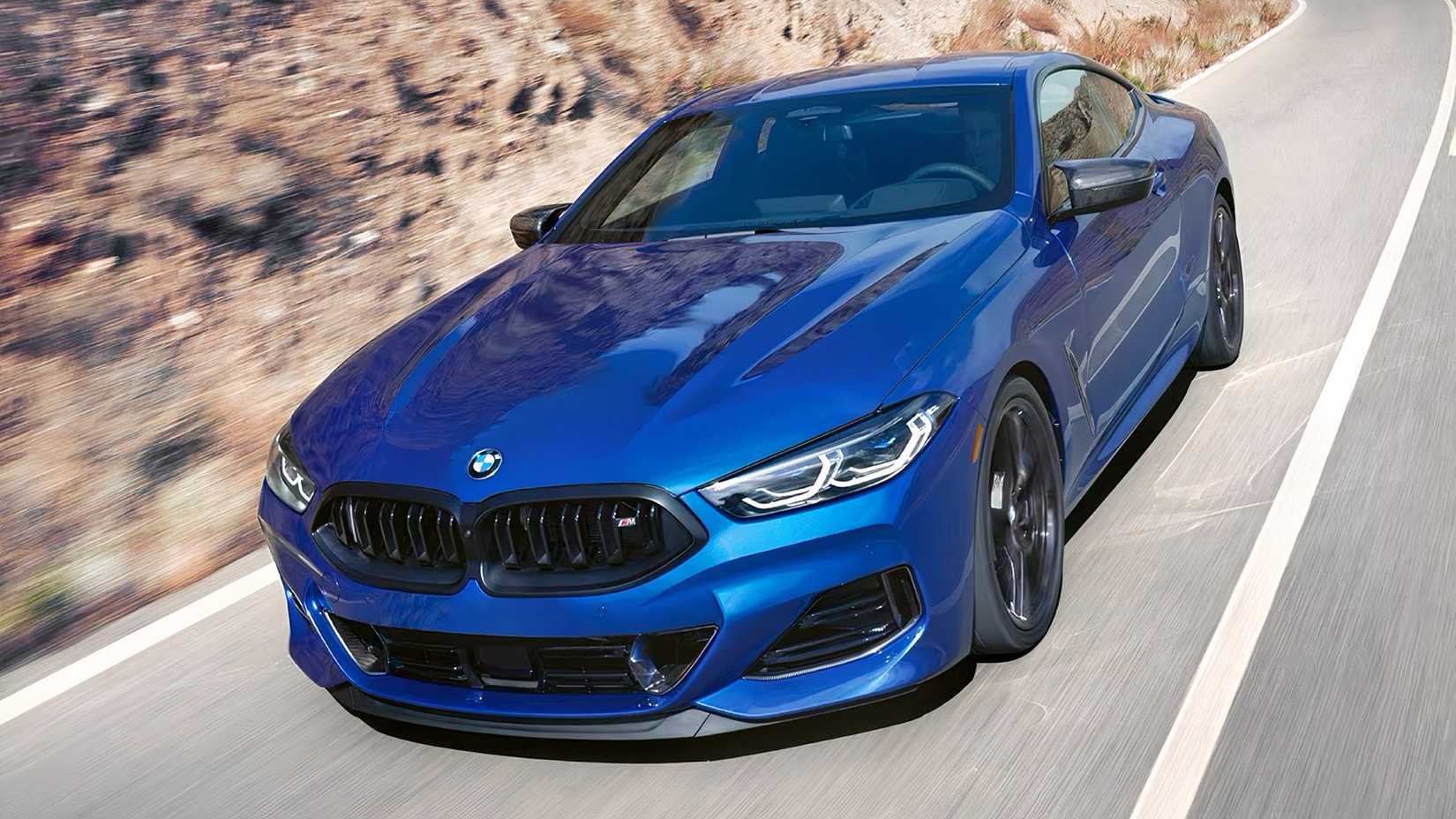
Just look at the competition. Jaguar has ended production of the F-Type, BMW’s 8 Series Coupe faces an uncertain future, and even icons such as the Audi R8 have disappeared as manufacturers increasingly focus on SUVs, electrification, and profitability.
The Mercedes-Benz S-Class Coupe has already suffered a similar fate, leaving fewer traditional grand tourers on sale than ever before. Meanwhile, the LC 500 quietly carries on. The Lexus may not dominate comparison tests purely on performance figures. It is not the lightest, quickest, or most aggressively sporty car in its segment. But that was never really the point. Instead, Lexus created a luxury grand tourer that remains timeless in the modern automotive world.
The Future Of This Iconic Coupe

The bigger question now is no longer whether the LC 500 will survive, but how it will be remembered. Lexus has officially confirmed that production of the LC 500 will end after the 2026 model year, bringing to a close one of the most distinctive grand tourers of the modern era. More importantly, Lexus has yet to announce a direct successor, leaving the model’s future uncertain.

That reality only strengthens the car’s appeal. Whether Lexus eventually returns to the grand-touring segment or not, the LC 500 has already secured something many modern performance cars never achieve: relevance beyond its own era. And that is exactly why this Japanese grand tourer still refuses to feel outdated today.
Sources: Kelly Blue Book, J.D. Power, Top Gear, Car And Driver, Bring A Trailer, Classic.com, Lexus USA