
In an age where automotive performance is often judged by straight‑line speed and zero‑to‑sixty figures plastered across headlines, true engineering excellence can sometimes hide in plain sight. There’s a growing cadre of performance sedans that, at first glance, look like unremarkable daily drivers, commuter cars built for school runs, office parking lots, and weekend errands. Yet underneath their pragmatic exteriors lies a level of sophistication, precision, and high‑end technology that outpaces many traditional sports cars. The objective of these vehicles isn’t simply to shock with raw numbers but to deliver a balanced, rewarding experience that seamlessly blends everyday usability with the thrills usually reserved for exotic machinery.
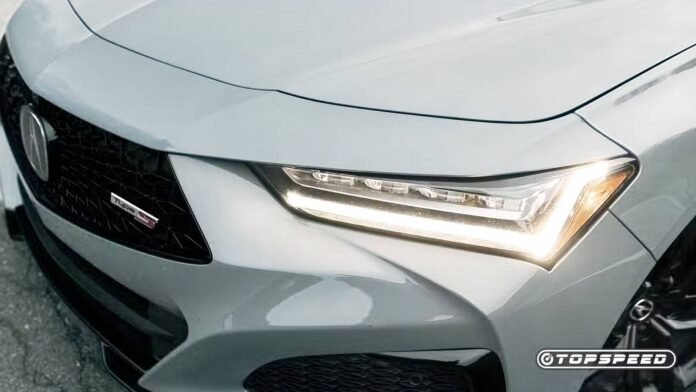
Few examples embody this ethos better than this Acura sedan. Acura’s performance flagship may masquerade as a sensible sedan, but its engineering pedigree traces directly back to bona fide supercar territory. Borrowing tech from the illustrious NSX, Honda and Acura’s halo machine, this understated sedan delivers performance that surprises even seasoned enthusiasts. It doesn’t scream for attention; instead, it quietly shatters expectations, showing that supercar DNA doesn’t need a carbon‑fiber body or price tag to excite.
Why Some Modern Performance Sedans Hide Supercar DNA
Performance sedans have been around for decades, evolving from muscular four‑doors with big engines to sophisticated machines capable of jaw‑dropping performance while maintaining everyday practicality. The shift toward hidden performance has been driven by several factors: stricter emissions regulations, consumer demand for versatility, and the maturation of advanced vehicle dynamics technologies once exclusive to supercars.
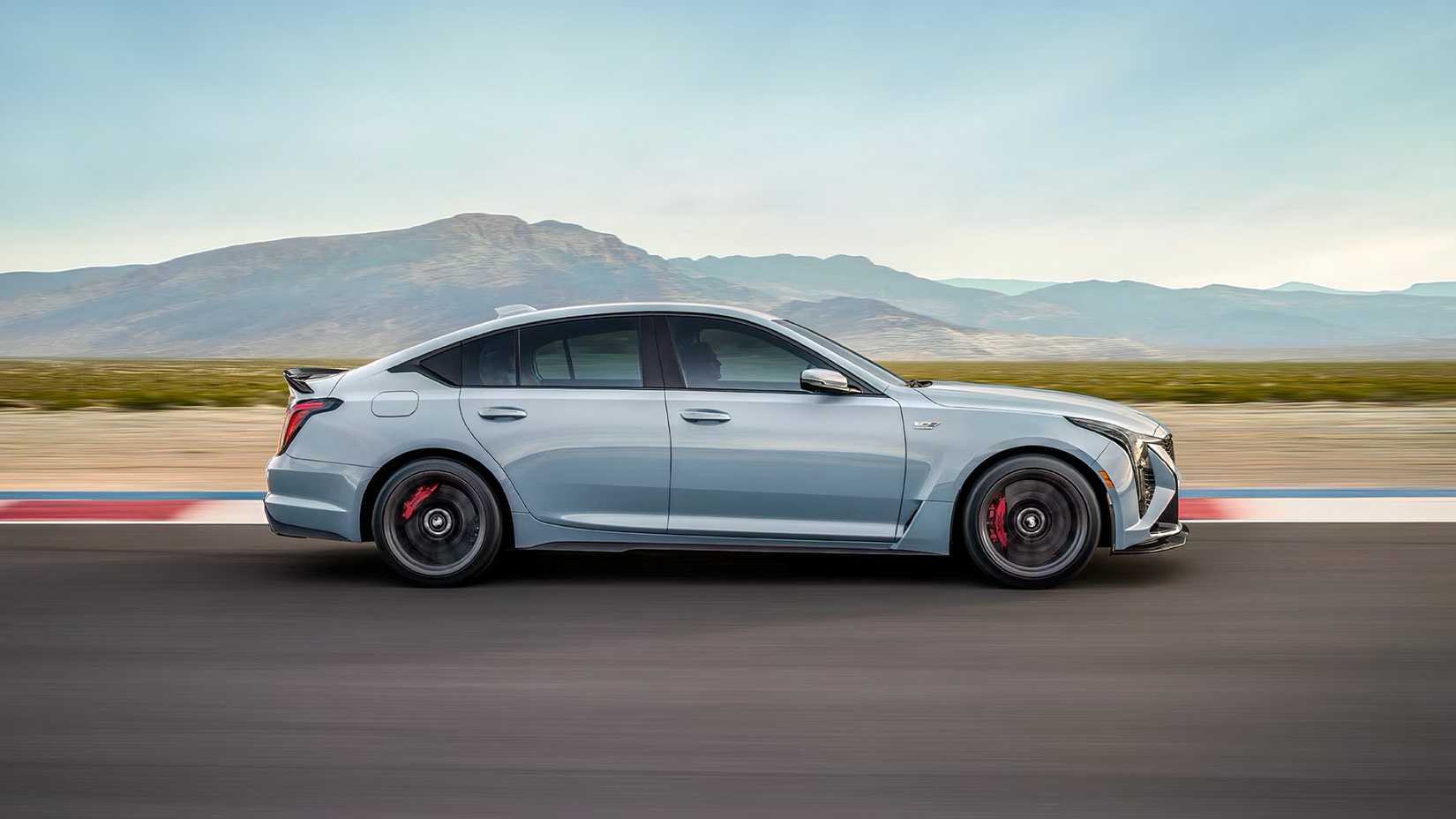
Supercar DNA in a sedan doesn’t always mean big, flamboyant exterior styling or a six‑figure price tag. It often means the strategic use of technologies, such as advanced turbochargers, high‑performance all‑wheel drive systems, adaptive suspensions, and sophisticated torque distribution algorithms, that were once the preserve of exotic cars. This trickle‑down effect allows performance sedans to offer levels of grip, balance, and response previously unimaginable in a package that fits comfortably in a garage next to a family SUV.
The Contemporary Era Of Turbocharged Engines
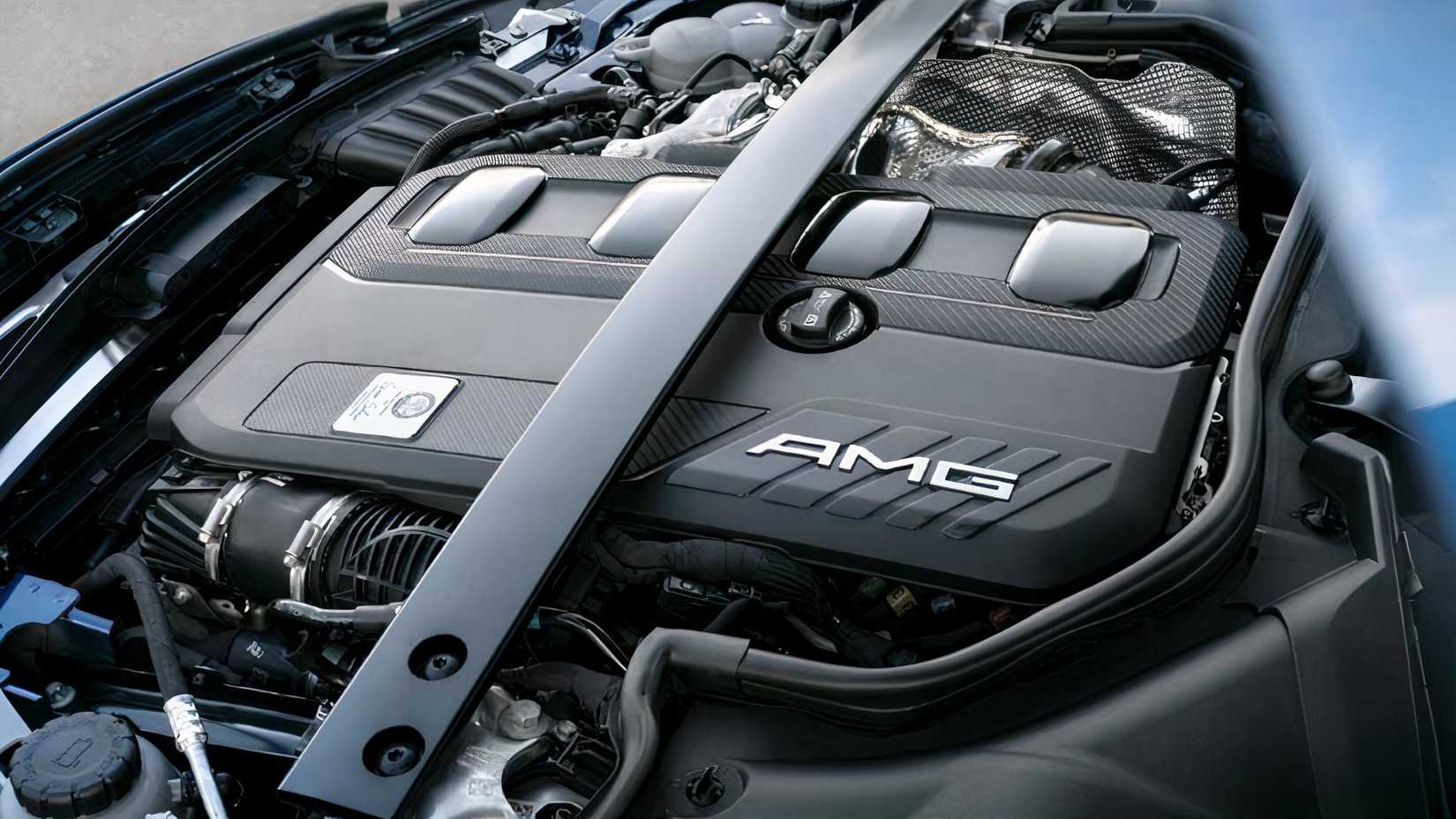
Turbocharging isn’t a new concept, but the degree to which manufacturers have refined the technology, employing twin turbos, variable vane geometry, and sophisticated cooling strategies, delivers supercar‑like responsiveness without sacrificing the fuel economy expected in a commuter‑friendly car. Similarly, modern all‑wheel‑drive systems capable of vectoring torque front to rear and side to side take their cues from racing and high‑end sports cars.
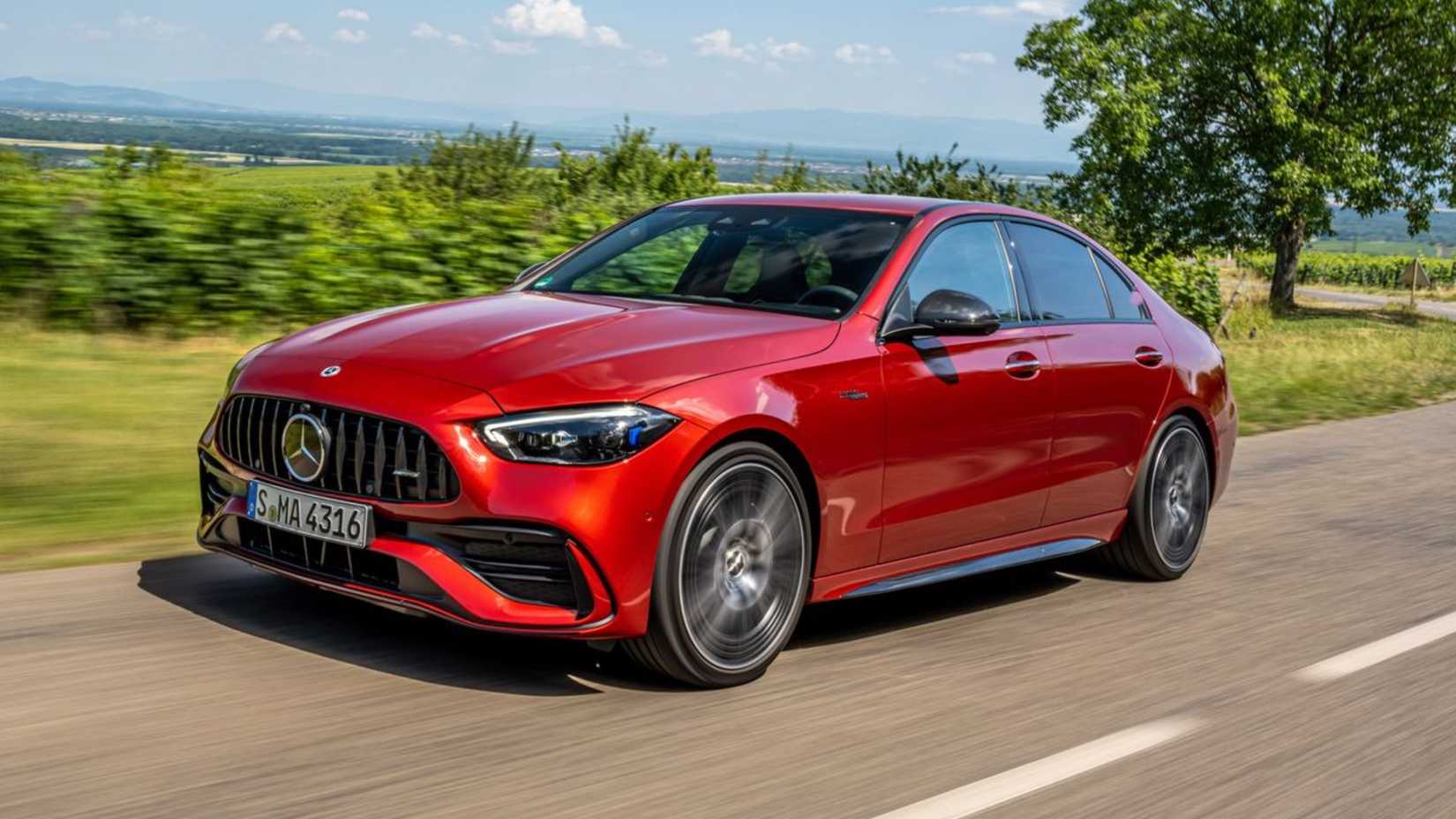
The challenge for designers and engineers is packaging these advanced systems in ways that don’t detract from the car’s day‑to‑day usability. That means making suspension systems compliant enough for rough city streets while still sharp in the twisties, and developing traction control systems that enhance performance without introducing artificial driving aids that disengage the driver. When done right, the result is a vehicle that feels effortless on the way to work but thrilling on an open road, a true dual‑purpose machine.
The Cleanest Example Of Honda’s VTEC V6 Is A Budget Luxury Sleeper
This sleek sedan boasts a 3.5-liter V6 engine and is a budget luxury sleeper that delivers on all fronts.
How Acura Borrowed NSX Engineering To Transform The TLX Type S Into A Sleeper
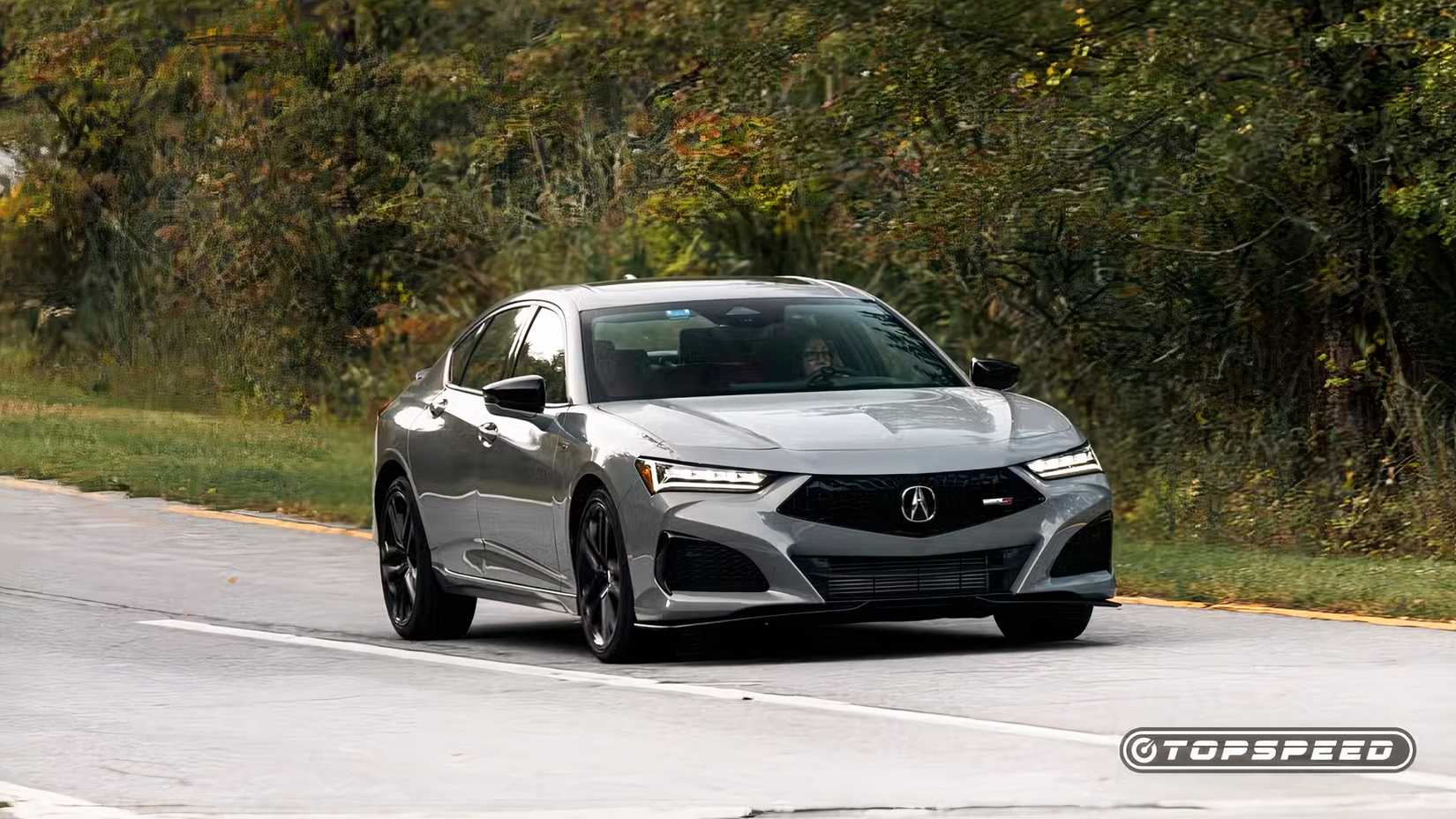
When Acura set out to create the TLX Type S, its goal was clear: build a performance sedan that could compete with the likes of the BMW M340i and Audi S4, not just in horsepower numbers but in overall driving feel and engineering credibility. The foundation for the Type S was Acura’s experience with the NSX, the brand’s mid‑engine hybrid supercar that redefined expectations in the exotic segment. Engineers tapped into that knowledge when developing the TLX Type S, bringing lessons learned in weight distribution, chassis stiffness, and drivetrain dynamics into a more conventional sedan form factor. While the TLX isn’t a hybrid like the NSX, its configuration and tuning philosophy owe much to the supercar’s development process.
One Of The First Areas To Benefit Was The Chassis
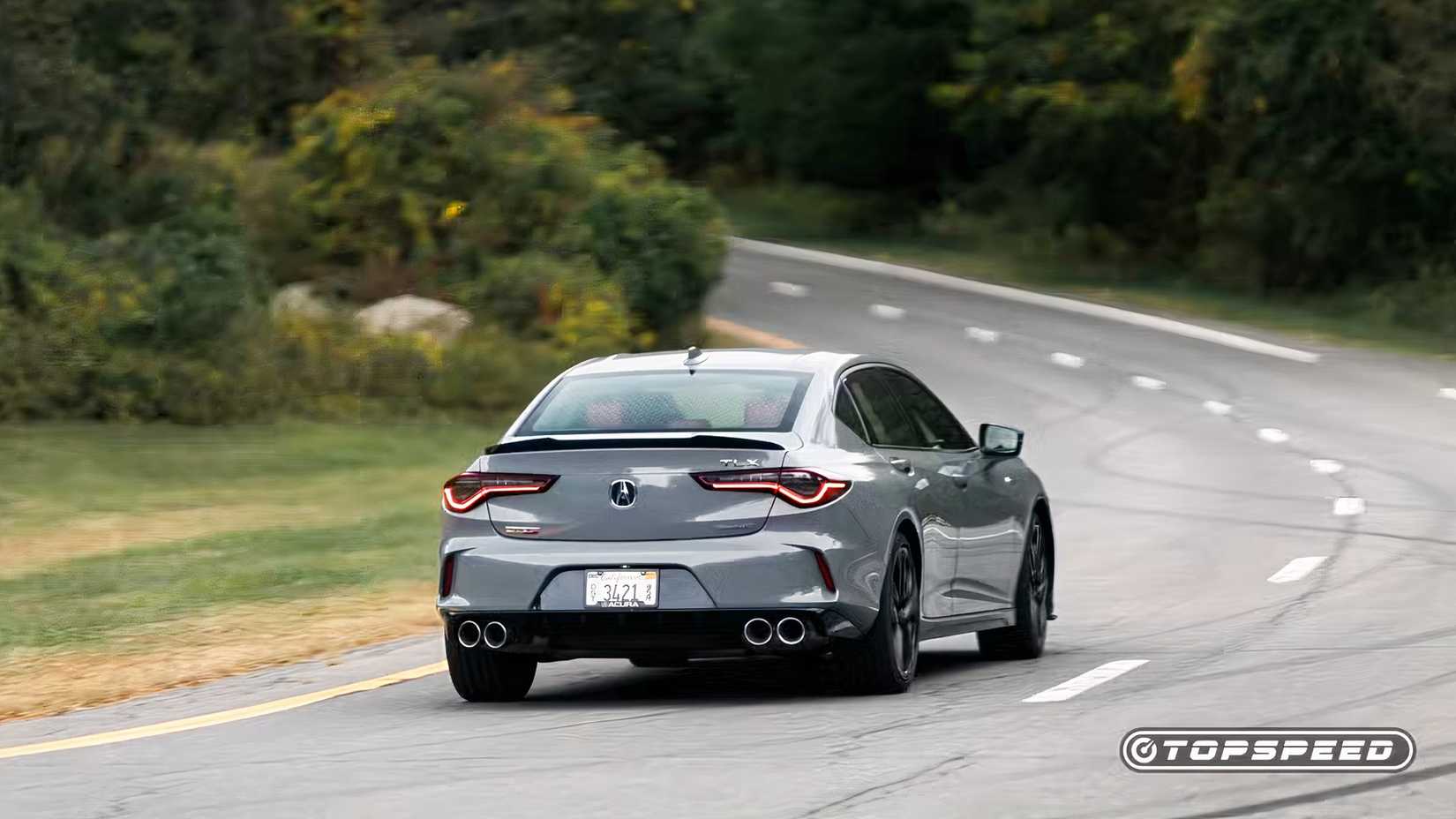
The TLX Type S uses a reinforced platform that increases rigidity without adding excessive weight. This rigidity allows the suspension to work more effectively, improving feedback and precision. The result is a car that feels cohesive and responsive, with minimal flex even under hard cornering.
Acura engineers also reworked the suspension geometry to extract maximum performance from what is, by necessity, a four‑door sedan. The double‑wishbone front and multi‑link rear setup are tuned for both ride comfort and handling poise. In addition, the Type S benefits from adaptive dampers that adjust in real time, smoothing out bumps when cruising yet firming up instantly when the driver demands performance.
But It’s Not Just About Hardware
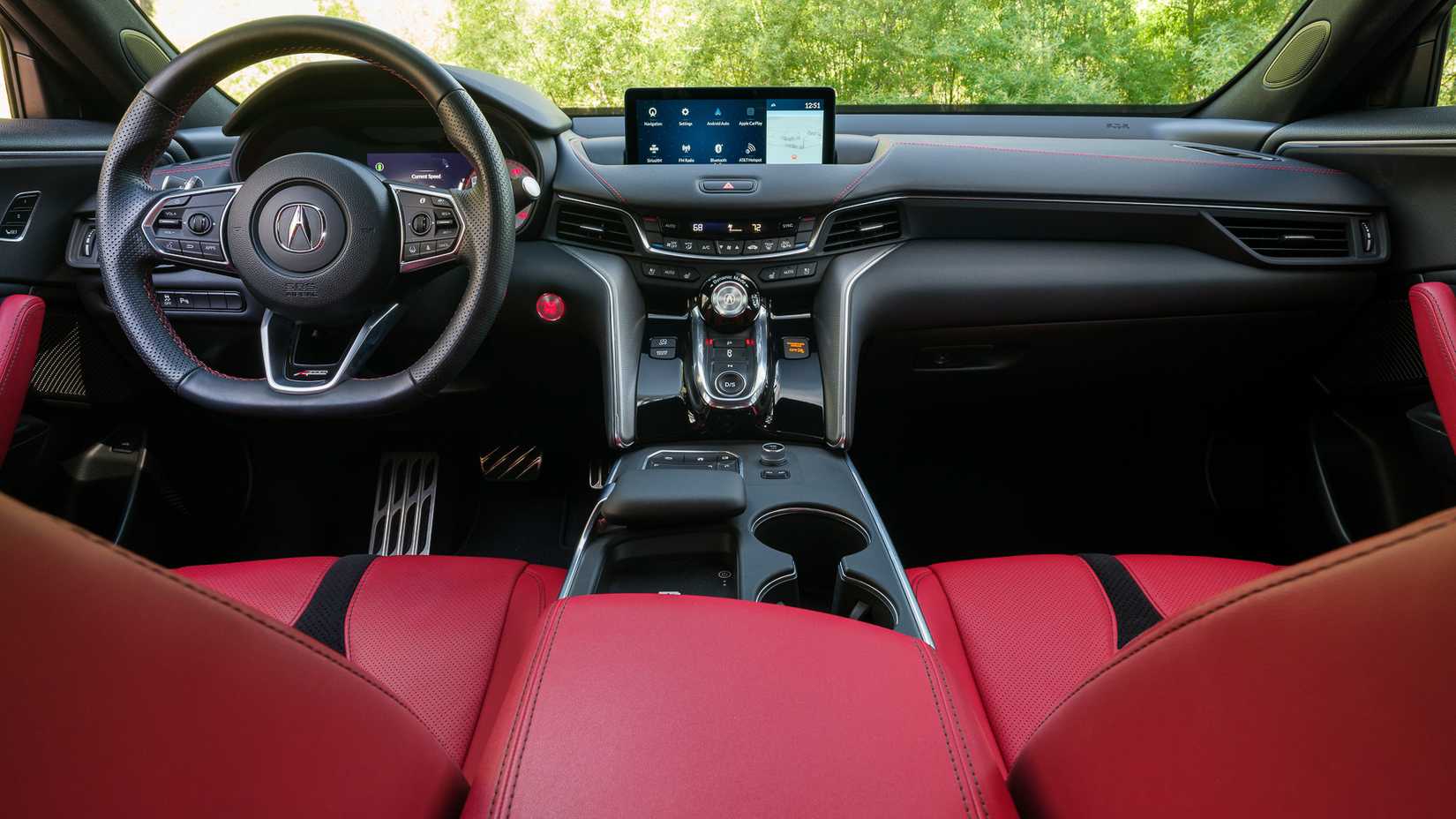
Acura’s software calibration is the invisible hand that governs throttle response, gear changes, and stability systems. Rather than simply allowing the fastest possible acceleration in a straight line, the Type S’s systems are calibrated to deliver confidence‑inspiring behavior throughout the speed range. Whether exiting a tight corner or navigating slippery pavement, the car feels planted and predictable, attributes that are hallmarks of well‑executed supercar engineering.
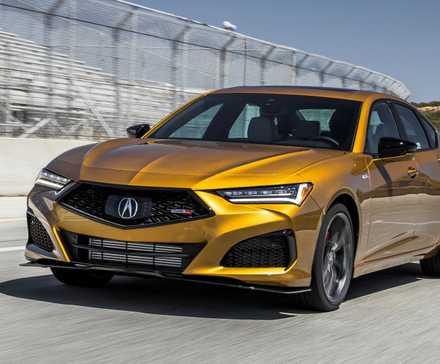
10 Reasons Why The Acura TLX Type S Is Still A Top ICE Sports Sedan In 2025
With a lower price than competitors from German brands, the TLX Type S has some major selling points.
The Twin‑Turbo V6: A Hand‑Built Heart With Roots In A $150,000 Supercar
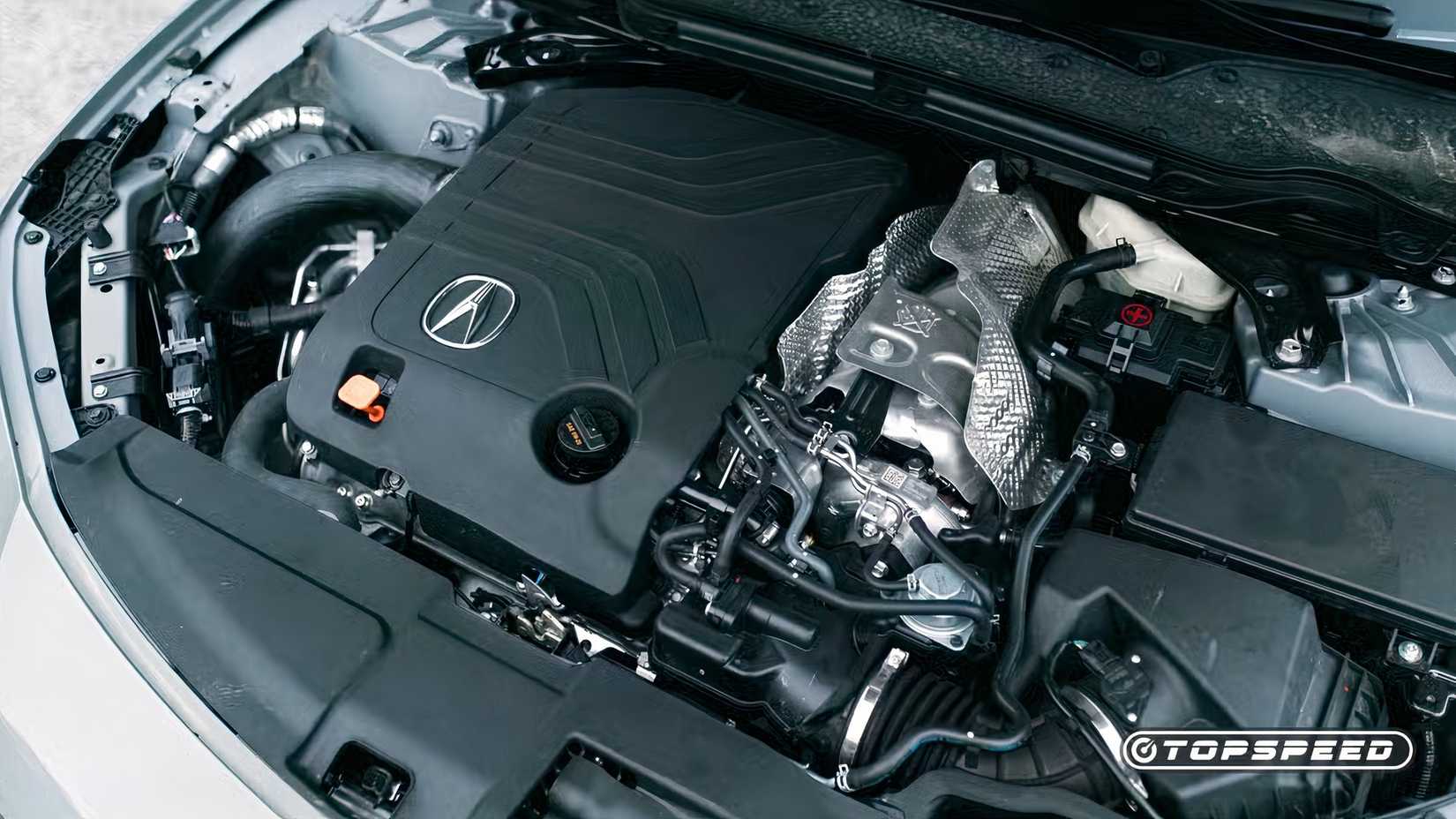
Underneath the long hood of the TLX Type S sits a piece of engineering that elevates the car above typical performance sedans: a 3.0‑liter twin‑turbo V-6. While it may not carry the badge of a six‑figure exotic, this engine boasts a design and execution that bring supercar credibility into a more accessible package.
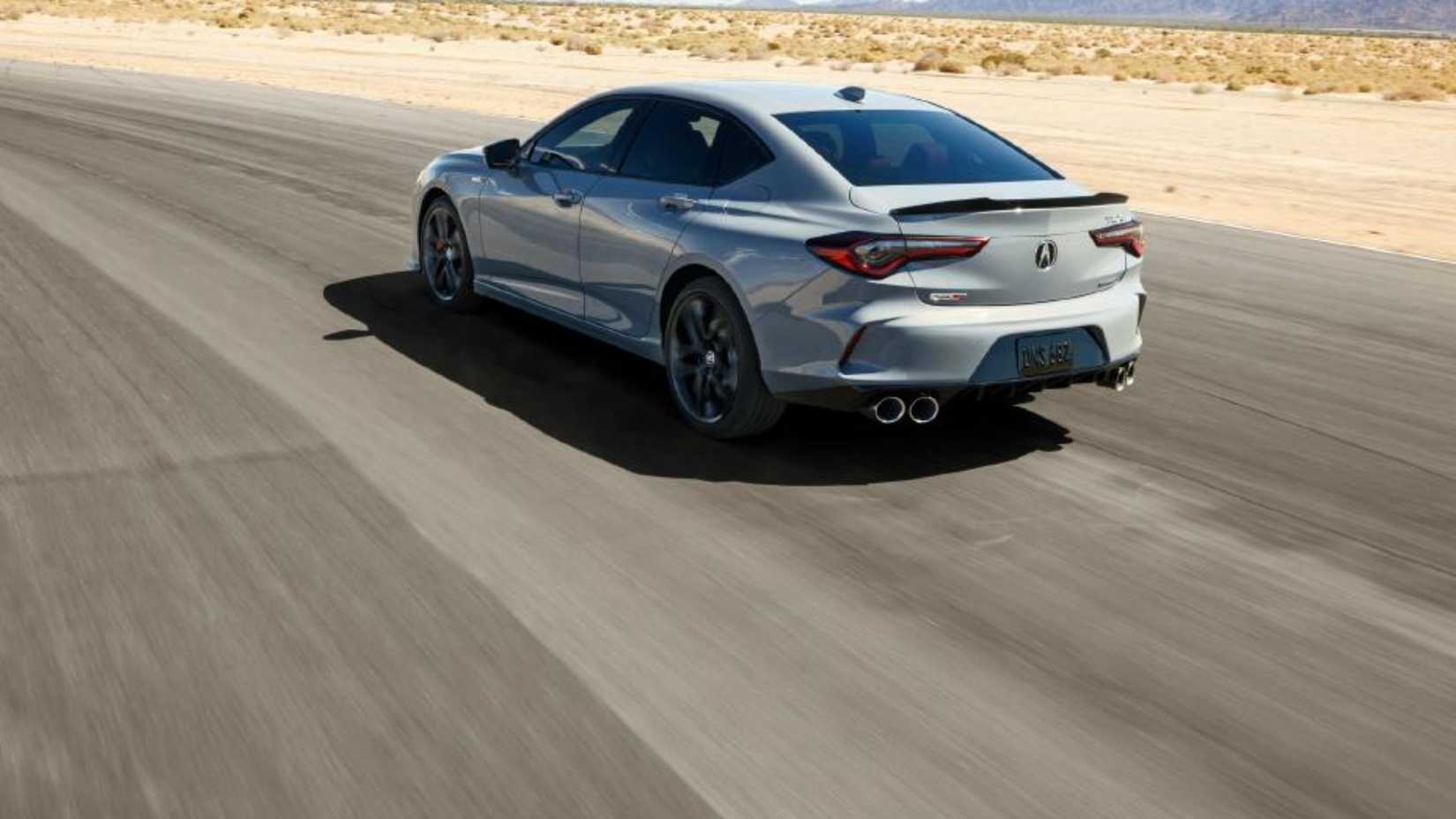
At its core, this V-6 features a compact, high‑efficiency layout that emphasizes responsiveness and power delivery. Twin turbochargers spool quickly, eliminating the lag that plagued earlier forced‑induction engines and delivering strong torque from low RPM all the way up to the redline. The result is an engine that feels alive, eager to rev, and capable of sustaining performance in a way that feels more exotic than commuter‑like.
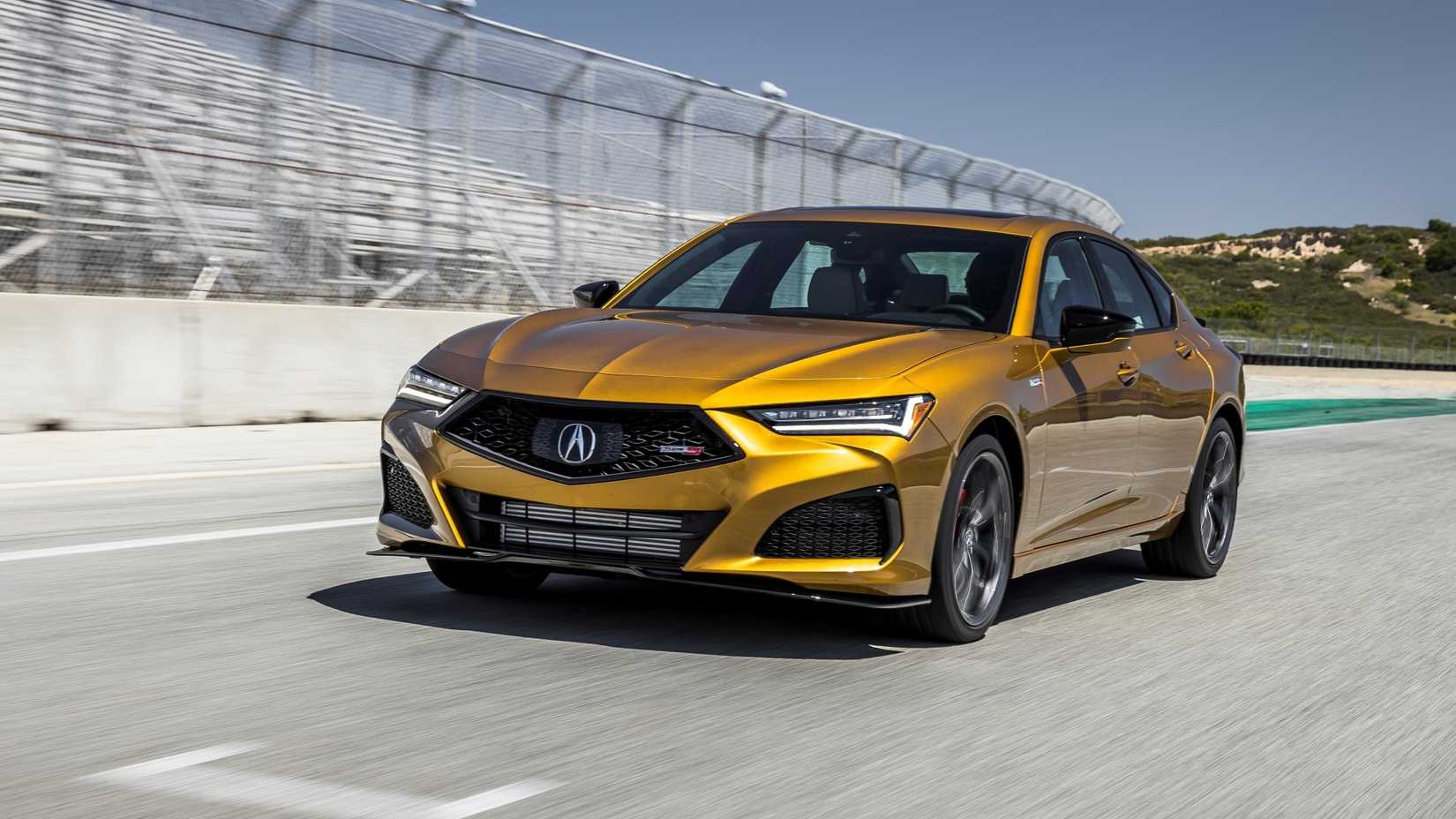
One of the most intriguing aspects of this engine is that it is hand‑built by a select team of technicians, a trait usually reserved for high‑end sports cars and supercars. This level of craftsmanship ensures meticulous attention to detail and quality control, traits that directly influence engine smoothness and longevity. The hand‑assembly process also underscores Acura’s intention for this engine to be regarded as something special, a heart that’s as refined as it is powerful.
High-Performance With Daily Usability
Acura’s engineers focused on creating a broad, usable torque curve, ensuring that the car feels potent in everyday driving as well as when pushed hard. Whether accelerating from a standstill or powering out of a corner, the engine responds with a linear, controlled force that never feels overwhelming for the driver. In many ways, this engine embodies the philosophy behind the TLX Type S: big‑car performance that remains accessible and engaging. It bridges the gap between commuter practicality and supercar excitement, providing an exhilarating experience without demanding the specialized driving skills often associated with high‑end sports cars.
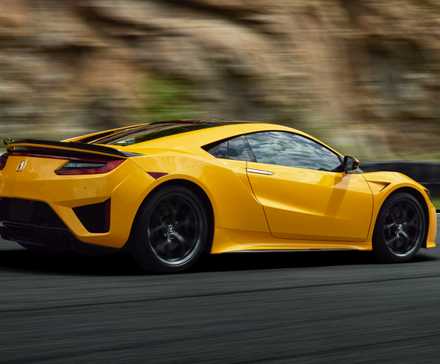
This Acura Coupe Delivers Reliability And McLaren-Level Handling
This understated machine is one of the ultimate supercars you can actually live with.
Torque Vectoring And Chassis Tech That Deliver Exotic‑Car Grip In A Daily Driver
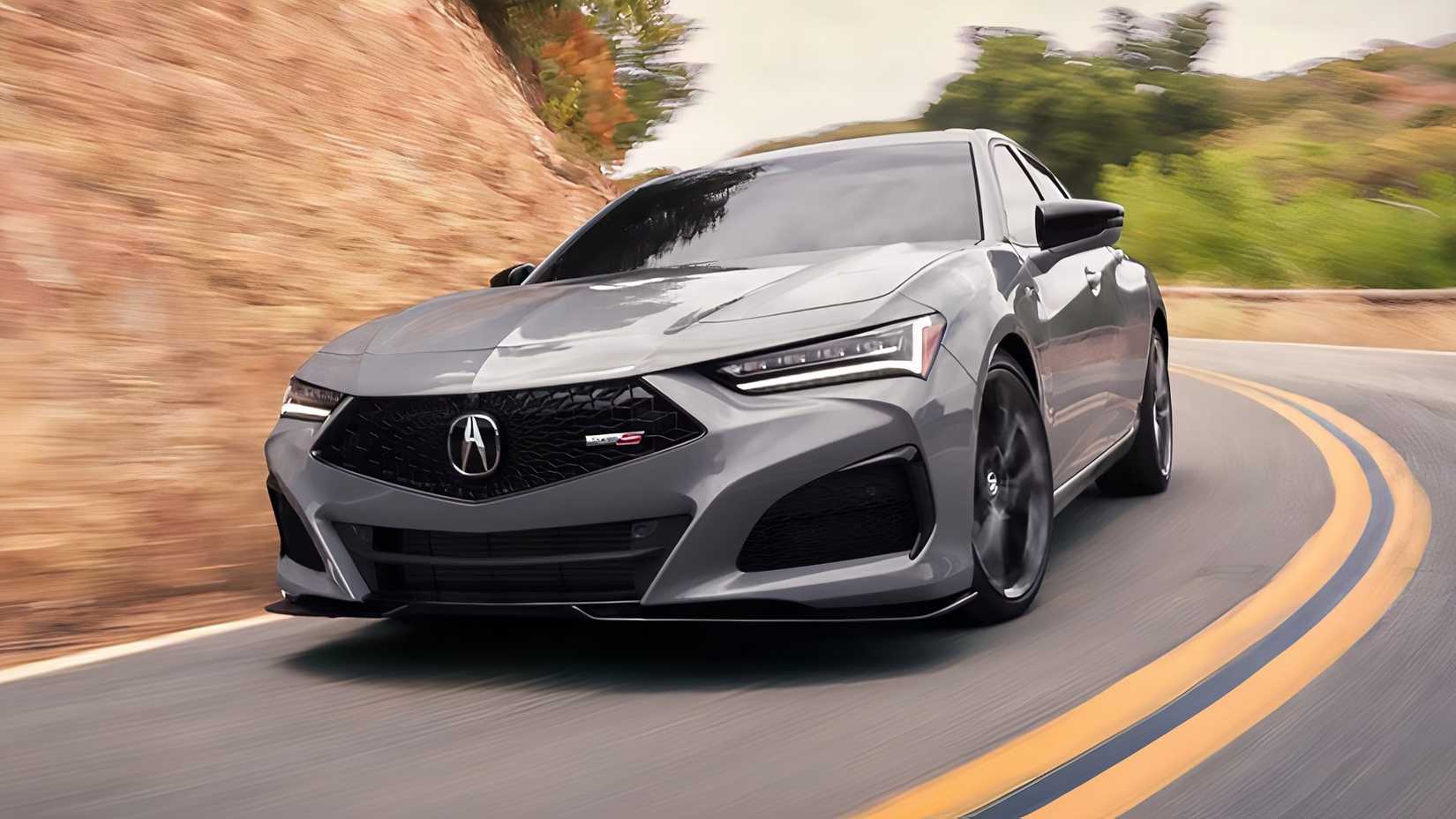
An engine capable of producing significant power is only part of the performance equation. To truly feel like a supercar in a sedan’s body, a car must translate that power into controlled, predictable motion, especially through corners. This is where the TLX Type S’s torque vectoring system and advanced chassis technology shine.
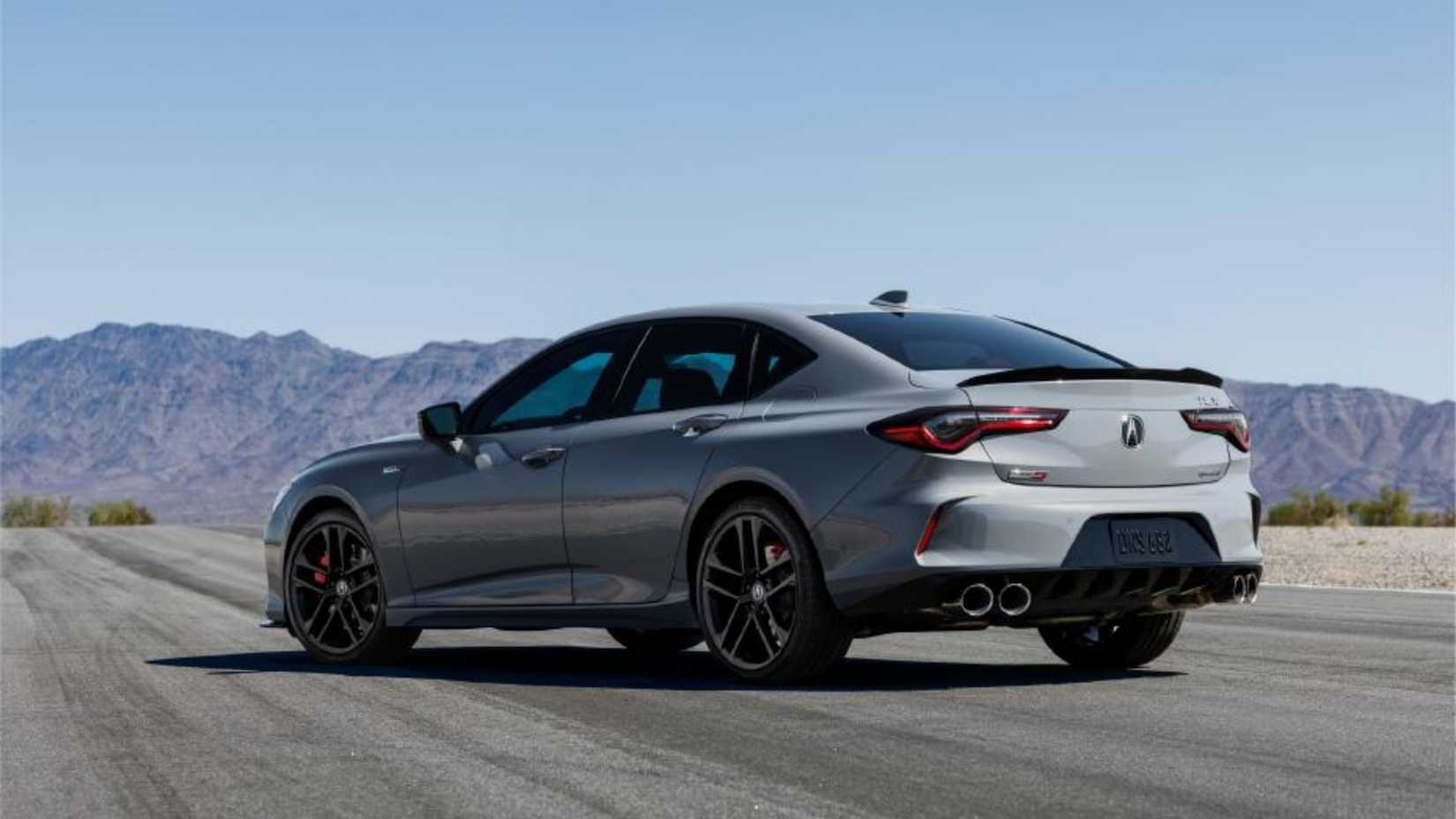
Torque vectoring is a sophisticated approach to all‑wheel-drive that goes beyond simply splitting power between the front and rear axles. Acura’s system actively distributes torque between left and right wheels at the rear, allowing the car to pivot into corners with precision. Instead of understeering, a common trait in many high‑power, front‑biased vehicles, the TLX Type S turns in sharply, maintaining composure even when pushed hard.
This Dynamic Distribution Of Power Enhances Stability And Grip
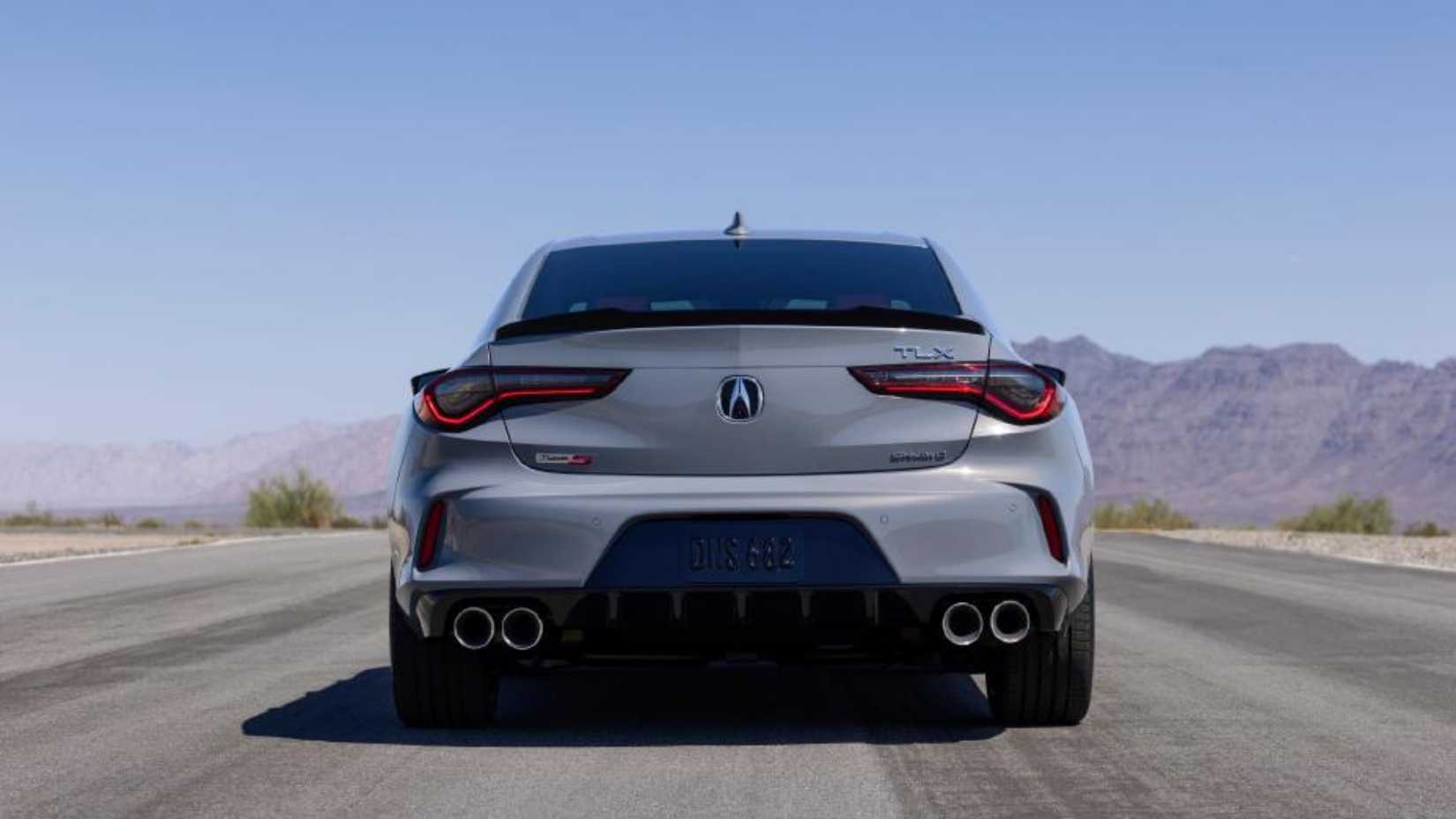
In practical terms, it means the car feels confident and agile, encouraging the driver to explore the edges of performance without fear of losing control. The system communicates with the chassis and suspension, adjusting responses in milliseconds to changing road conditions and driver inputs. Whether on a rainy highway or a twisty mountain road, the TLX Type S provides feedback that feels intuitive and reassuring.
Complementing the torque vectoring system is a suite of chassis enhancements designed to refine handling without sacrificing everyday comfort. Acura’s engineers paid particular attention to weight distribution and structural stiffness, optimizing the balance between front and rear to give the car a neutral, composed character. Adaptive dampers play a crucial role here, smoothing out imperfections at low speeds but firming up instantly when the driver demands more from the suspension.
The Sports Car With Honda Reliability And Porsche-Level Handling
This American V8 sports car starts from $70,000 and even has models with over 1,000 horsepower, while being more reliable than Hondas and Toyotas.
Why This Understated Sedan Proves You Don’t Need A Supercar To Drive Something Special
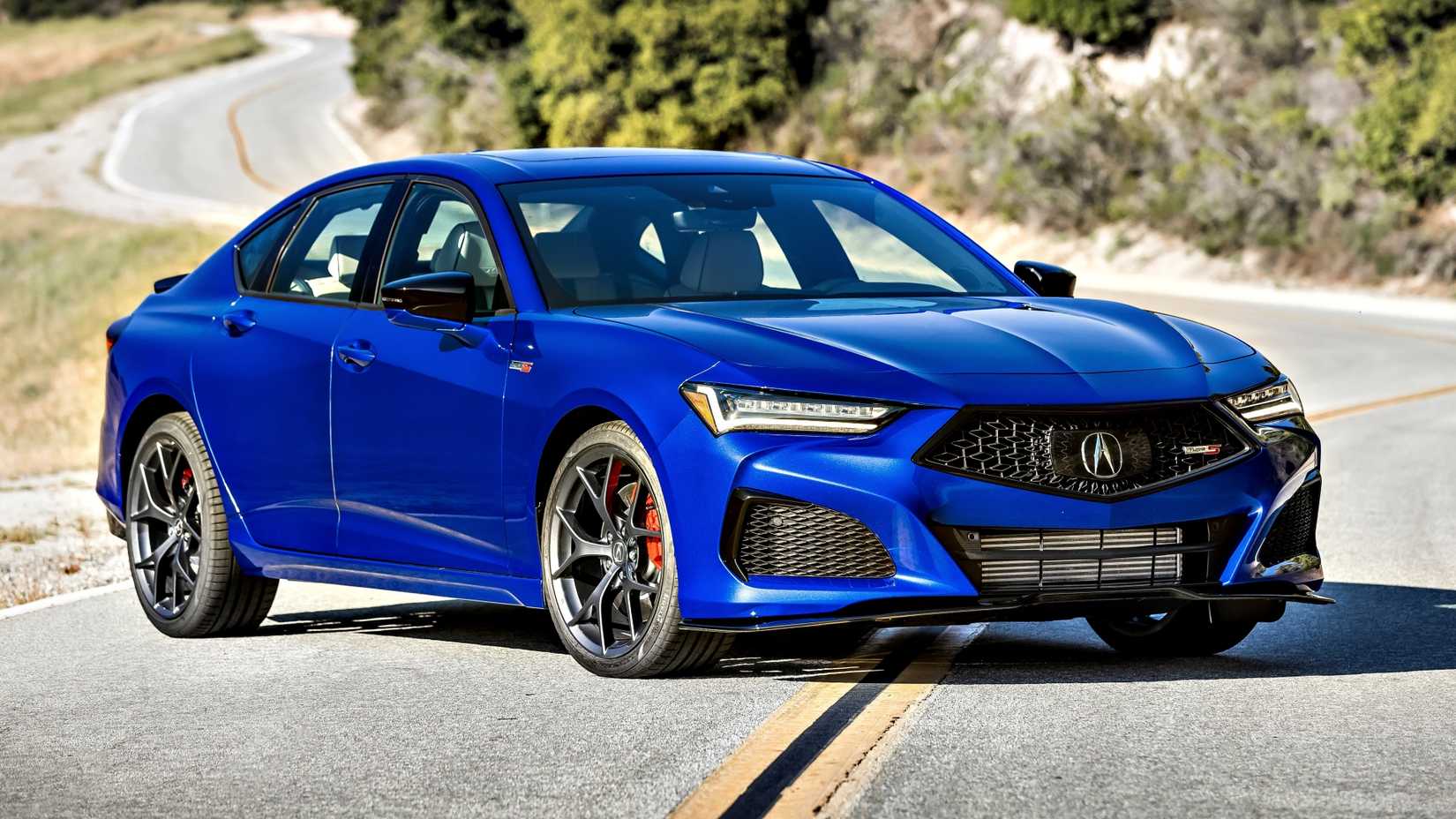
The 2022 Acura TLX Type S is a compelling argument for reevaluating what a performance car can be. It doesn’t command attention with flamboyant styling or a seven‑figure price tag (around $37,200, according to KBB), yet its engineering sophistication rivals that of much more expensive machinery. By drawing on supercar technology, from the hand‑built twin‑turbo V6 to torque vectoring and advanced chassis dynamics, Acura has crafted a sedan that delivers both practicality and exhilaration in equal measure.
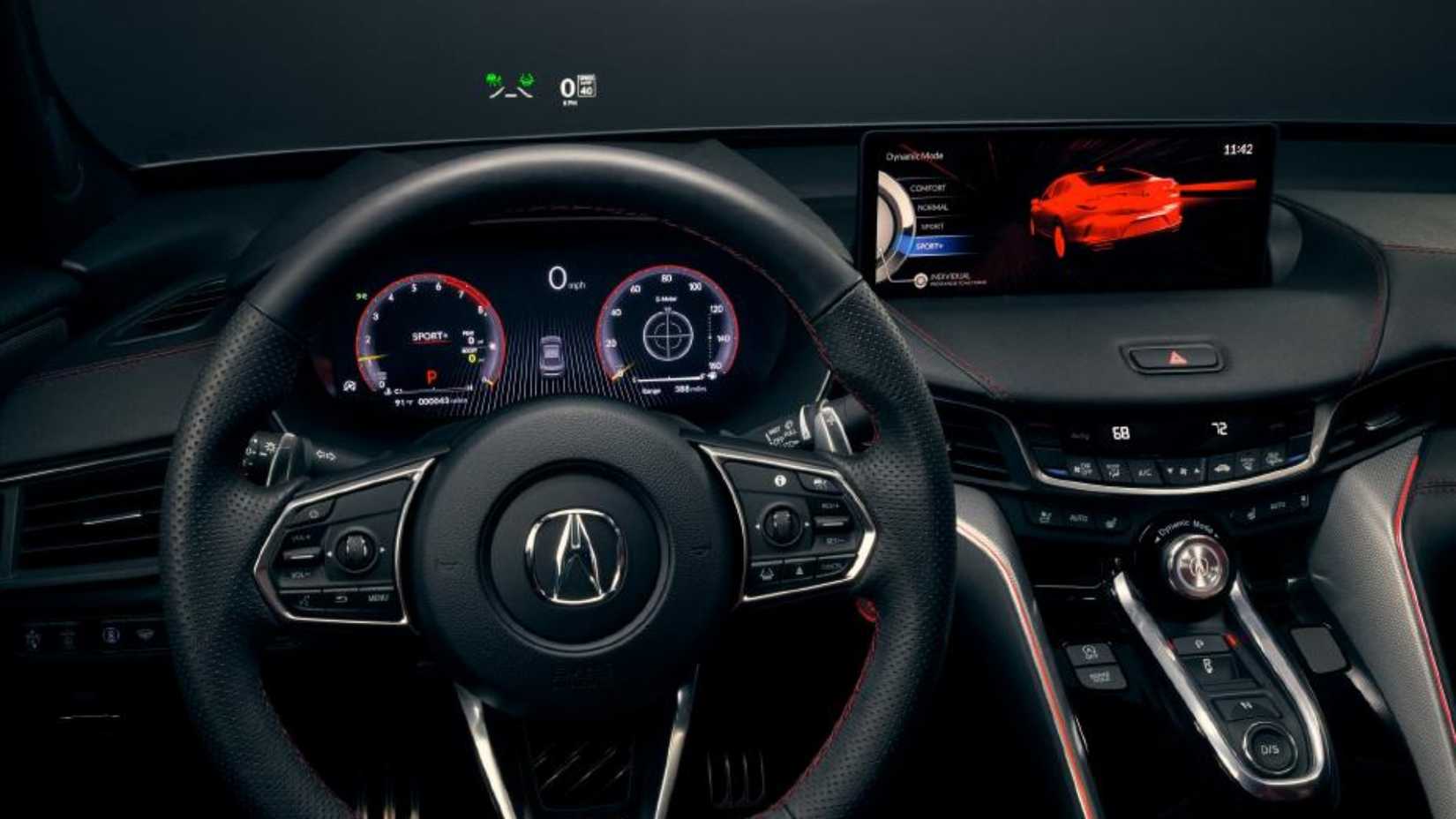
What makes the TLX Type S truly special is not just its capability, but how accessible that capability feels. A supercar can be intimidating, low, loud, and demanding of specialized roads and conditions to truly shine. The TLX Type S, by contrast, brings its performance to the real world, where most driving actually happens. It’s a car you can enjoy every day without compromise, yet still capable of rewarding you with genuine excitement when the road opens up.
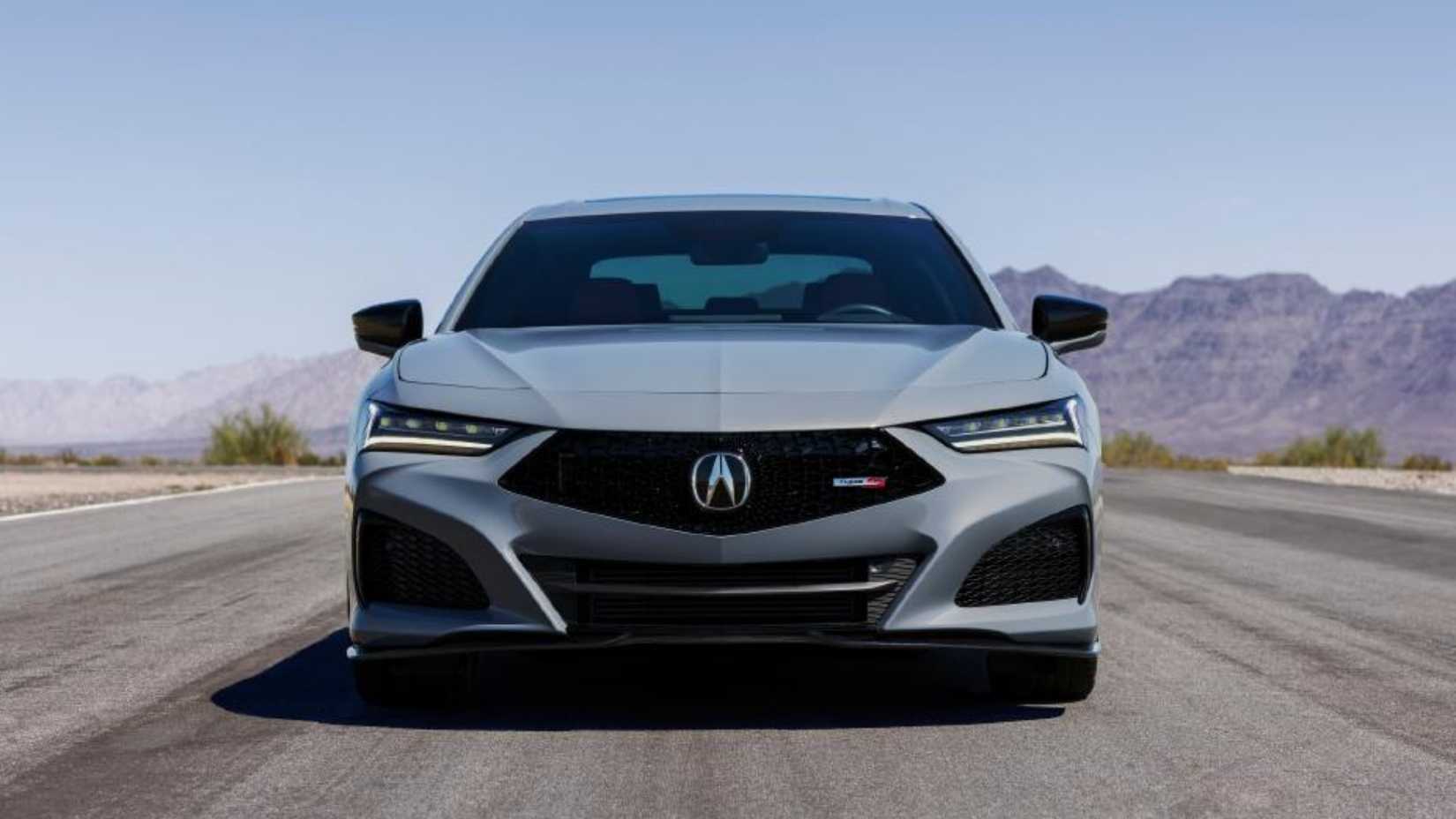
In a market increasingly defined by extremes, be it brute force or radical aesthetics, the TLX Type S stands out as a balanced alternative. It proves that the heart of a supercar doesn’t need a supercar body, and that performance can be both refined and approachable. For drivers who want something special without sacrificing everyday usability, this understated sedan sets a benchmark that others would do well to follow.
Sources: Acura U.S., KBB