
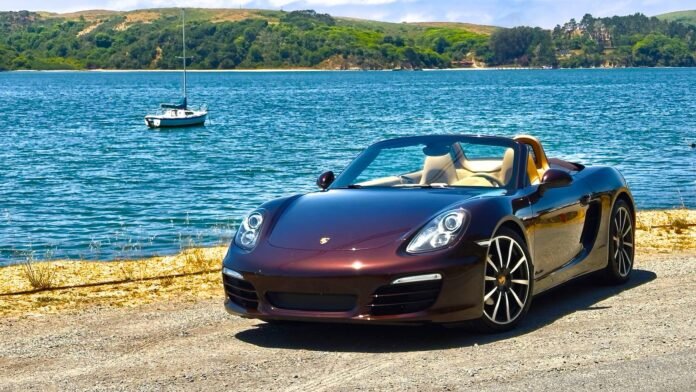
Sports cars aren’t cheap, and so it’s often a good idea to buy one used. Waiting for these cars to age is one way for us to finally be able to afford them without breaking the bank—or at least that’s the theory. Sports cars are also more expensive to maintain, but you probably knew that already. If they’re reliable, then the upkeep will be worth it.
That’s the case for today’s luxury sports car in this article. Today, you can buy one of these for less than the base price of a 2026 Toyota Camry, which costs $29,000. And yet, this luxury sports car is such an icon that, in some ways, it is an even better car than the model it replaced in 2017.
New 911 Too Expensive? Get A Porsche 981
For most of us, and that includes me, my ultimate dream car is a Porsche 911, but over the years, the 911 has become too expensive. So why not a 718 Boxster or Cayman? Well, even that has risen in price—about $20,000 in fact, since the 981 was discontinued. But what is the 981, you ask? Well, it’s just one of the greatest Boxster and Cayman generations of all time, in my opinion.
Splitting Hairs With The 991
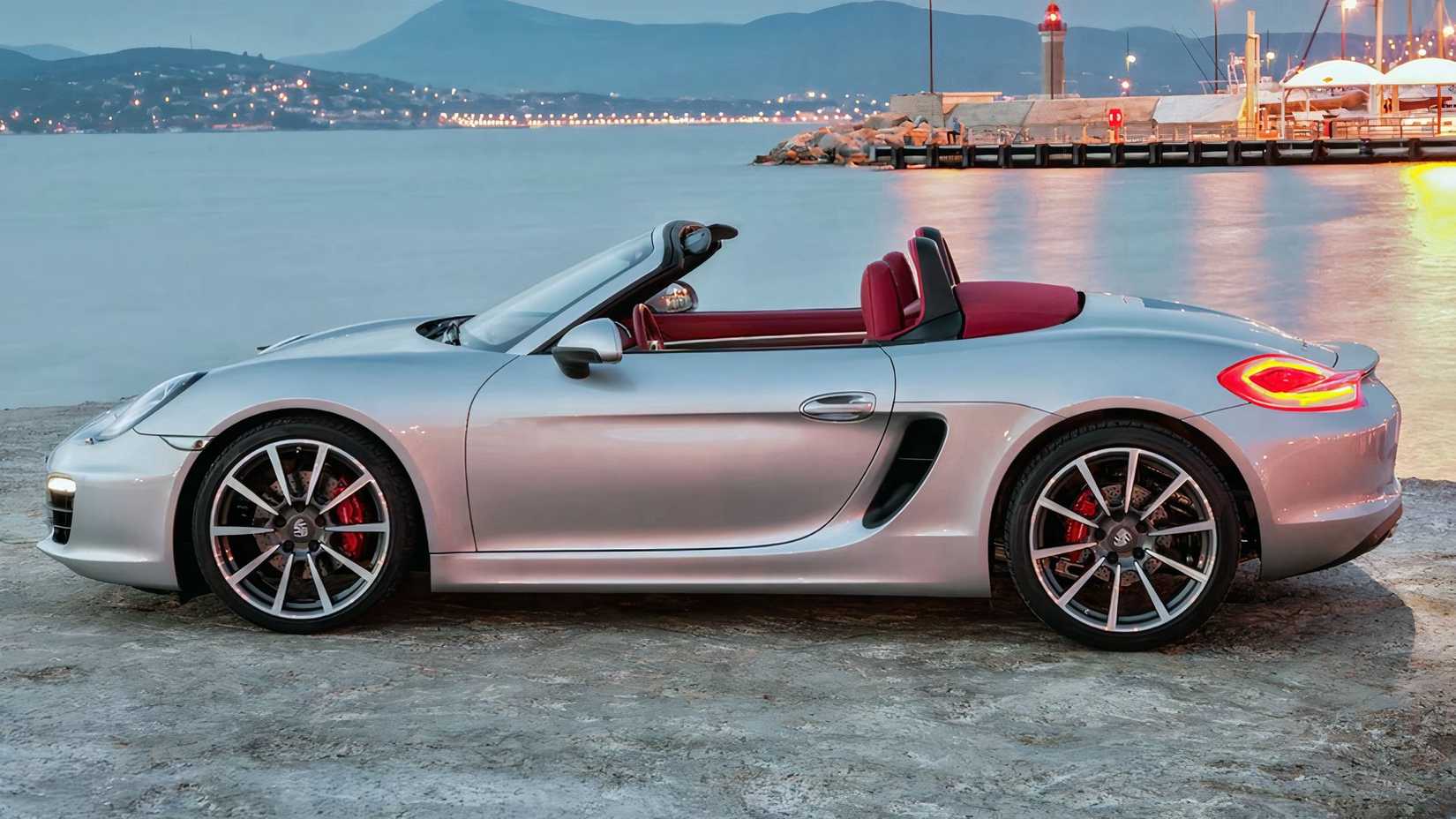
The biggest draw of the Porsche Boxster and Cayman, which we’ll simply call the 981 from this point forward for simplicity’s sake, is that when it came out, it was such an inherently complete and well-sorted out sports car, to the point that the 911’s advantages versus the 981 were so minuscule. This is already evident from its beautiful design, as it inherited a few design flourishes from the 991-generation 911 and the 918 Spyder plug-in hybrid hypercar. Additionally, whereas the 911 got heavier after each succeeding generation, the 981 was 77 pounds lighter than the 987 it replaced, whilst also being 40 percent more rigid and incrementally bigger.
981 Porsche Cayman And Boxster Performance Specs
|
Cayman |
Boxster |
Cayman S |
Boxster S |
Cayman GTS |
Boxster GTS |
Cayman GT4 |
Boxster Spyder |
|
|
Engine |
2.7-liter flat-six |
3.4-liter flat-six |
3.4-liter flat-six |
3.8-liter flat-six |
||||
|
Layout |
RWD |
|||||||
|
Horsepower |
271 hp |
261 hp |
321 hp |
311 hp |
335 hp |
325 hp |
380 hp |
370 hp |
|
Torque |
213 lb-ft |
207 lb-ft |
273 lb-ft |
266 lb-ft |
280 lb-ft |
273 lb-ft |
310 lb-ft |
|
|
Transmission |
6-speed M/T 7-speed DCT |
6-speed M/T 7-speed DCT |
6-speed M/T 7-speed DCT |
6-speed M/T |
||||
|
0-62 mph (100 km/h) |
5.7 sec. (M/T) 5.6 sec. (PDK) 5.4 sec. (PDK w/ Sport Chrono) |
5.8 sec. (M/T) 5.7 sec. (PDK) 5.5 sec. (PDK w/ Sport Chrono) |
5.0 sec. (M/T) 4.9 sec. (PDK) 4.7 sec. (PDK w/ Sport Chrono) |
5.1 sec. (M/T) 5.0 sec. (PDK) 4.8 sec. (PDK w/ Sport Chrono) |
4.9 sec. (M/T) 4.6 sec. (PDK w/ Sport Chrono) |
5.0 sec. (M/T) 4.7 sec. (PDK w/ Sport Chrono) |
4.4 sec. |
4.5 sec. |
|
Top Speed |
165 mph (M/T) 164 mph (PDK) |
164 mph (M/T) 163 mph (PDK) |
175 mph |
173 mph (M/T) 172 mph (PDK) |
177 mph (M/T) 176 mph (PDK) |
175 mph (M/T) 173 mph (PDK) |
183 mph |
180 mph |
Serving as icing on top of a delicious cake is its powertrain, because this is one of its biggest selling points. Versus the 718 Boxster and Cayman, aka the 982 model that replaced the 981, the 981 came as standard with a naturally-aspirated flat-six engine. The flat-six came in either a 2.7-liter, a 3.4-liter, or a 3.8-liter in the GTS and the GT4. In the 718 Cayman and Boxster, you’d have to spend nearly as much as a base 911 to get at least the GTS 4.0. The standard Porsche-defining flat-six came in every 981 variant, and it’s also the main factor why, even more than 10 years later, the 981’s resale values have remained robust.
You Can Get One For Less Than A New Camry
The best part about the 981 is that you can get a used one for less than a brand-new 2026 Toyota Camry, and I know which one I’d rather have. Unfortunately, industry research regarding the 981’s resale value is minimal, but Stuttcars has the most comprehensive guide on 981 Boxster and Cayman resale value and ownership. The Boxster can easily start in the mid-$20,000s to low $30,000s, as you’ll see in Edmunds listings. On the other hand, the Cayman seems to be more desirable, as reflected by its resale value that starts in the low $30,000s. With a base price of around $50,000 when new, this represents a mere 50 percent depreciation in 10 years—one of the best in the sports car segment.
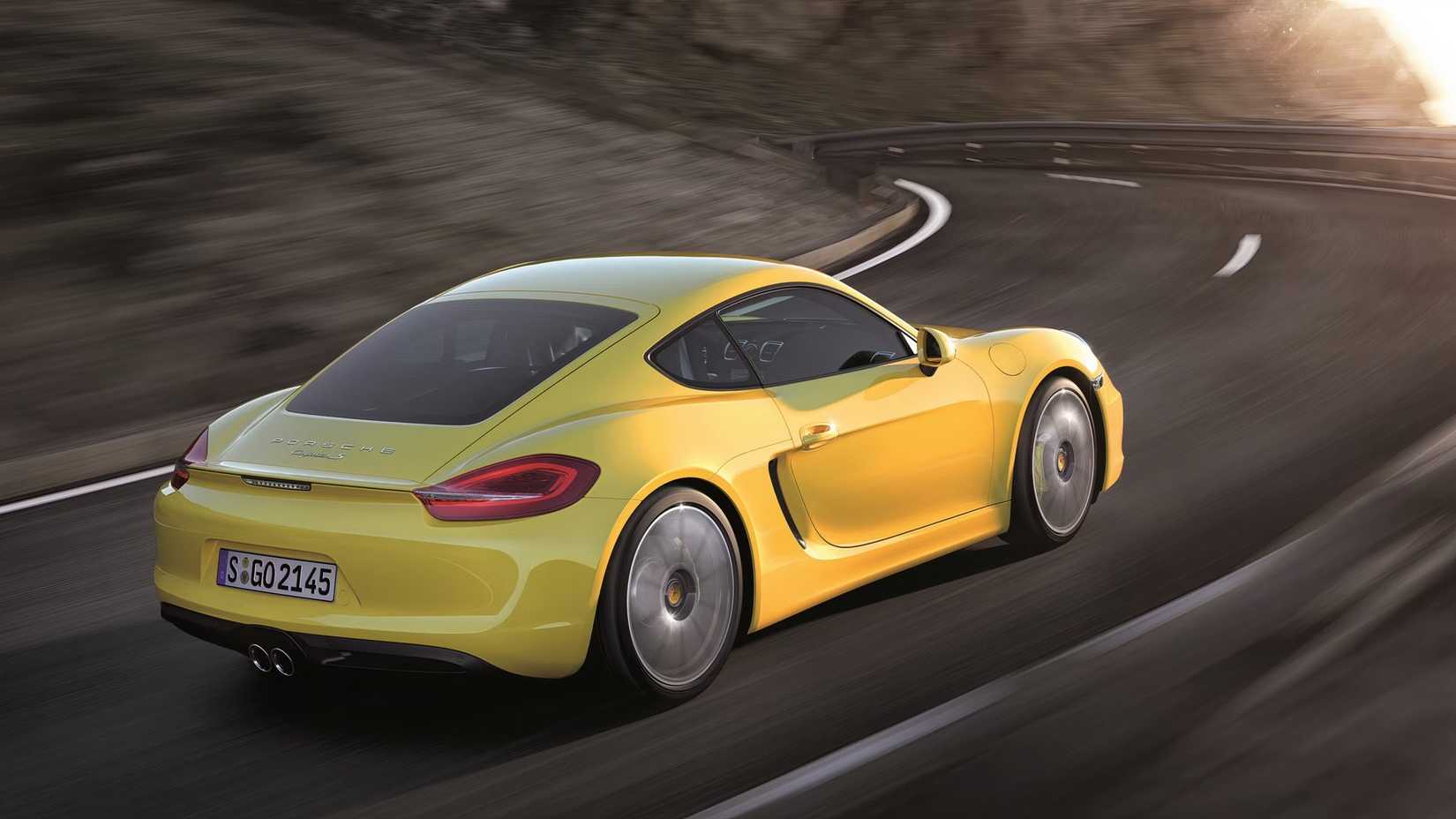
Desirable models like the GTS have barely depreciated, easily costing around the $60,000 mark on average. On the other hand, the Boxster Spyder and Cayman GT4 represent the pinnacle of the 981, though it’s the latter that’s proving to be the more desirable of the two. The Boxster Spyder usually sells for at least $85,000, while the Cayman GT4’s high demand has kept it in the six-digit territory.
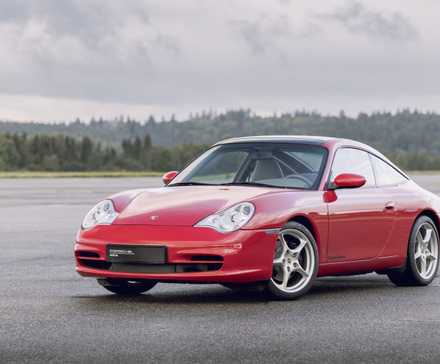
Best Bang For Your Buck Modern Porsche 911 That Money Can Buy
If you are in the market for a bargain supercar killer, its hard to do better than the 996 generation 911 Turbo
A Reliable Sports Car? Absolutely
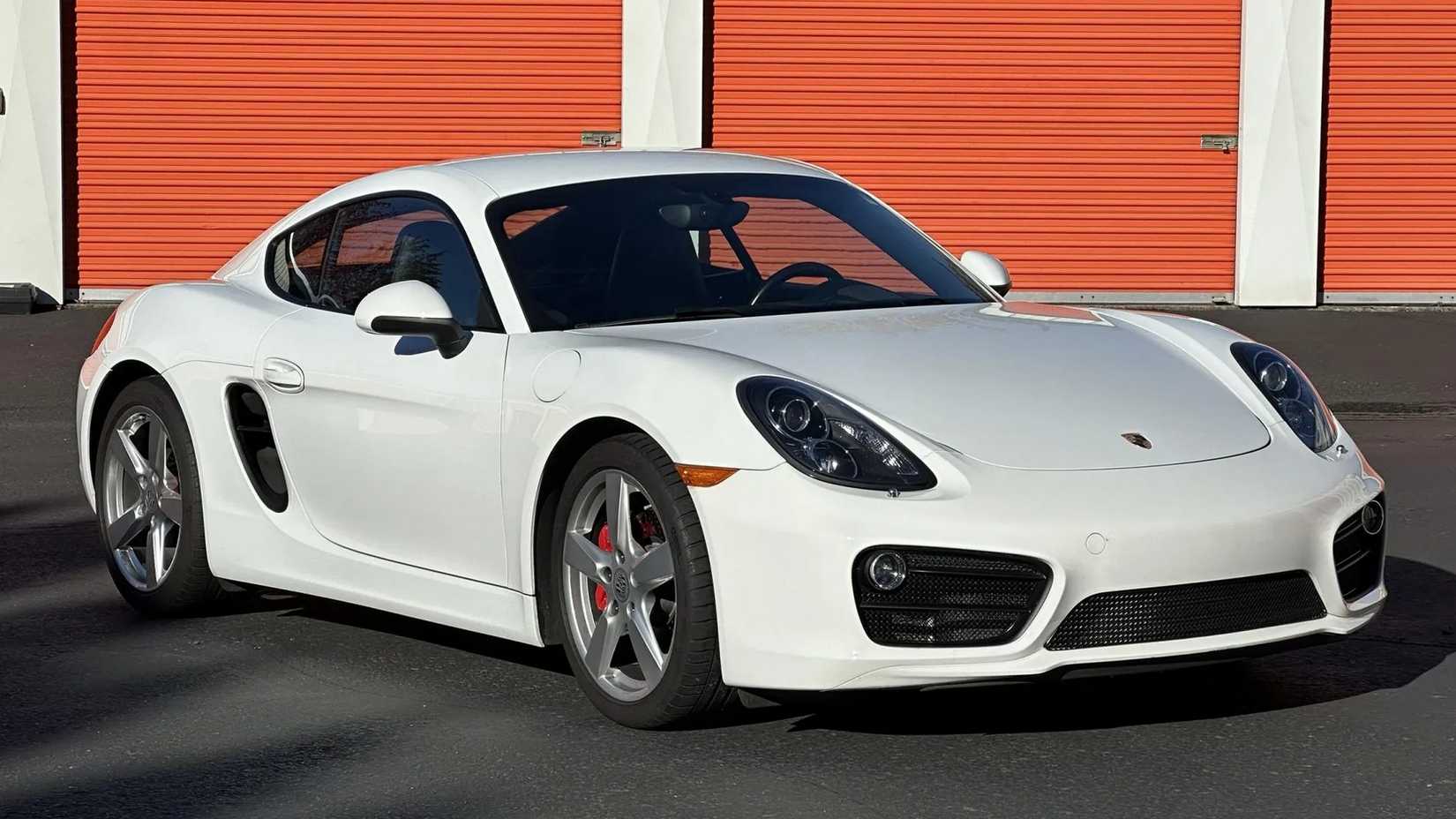
Apart from the 981 being attainable to numerous buyers these days, the best part about owning one is that it is one of the most reliable German cars to own. Yes, reliability is baked into the vehicle, which, according to Stuttcars, the 981 is one of the best and most rewarding sports cars to own, even as a used purchase.
Reliable And Easy To Care For
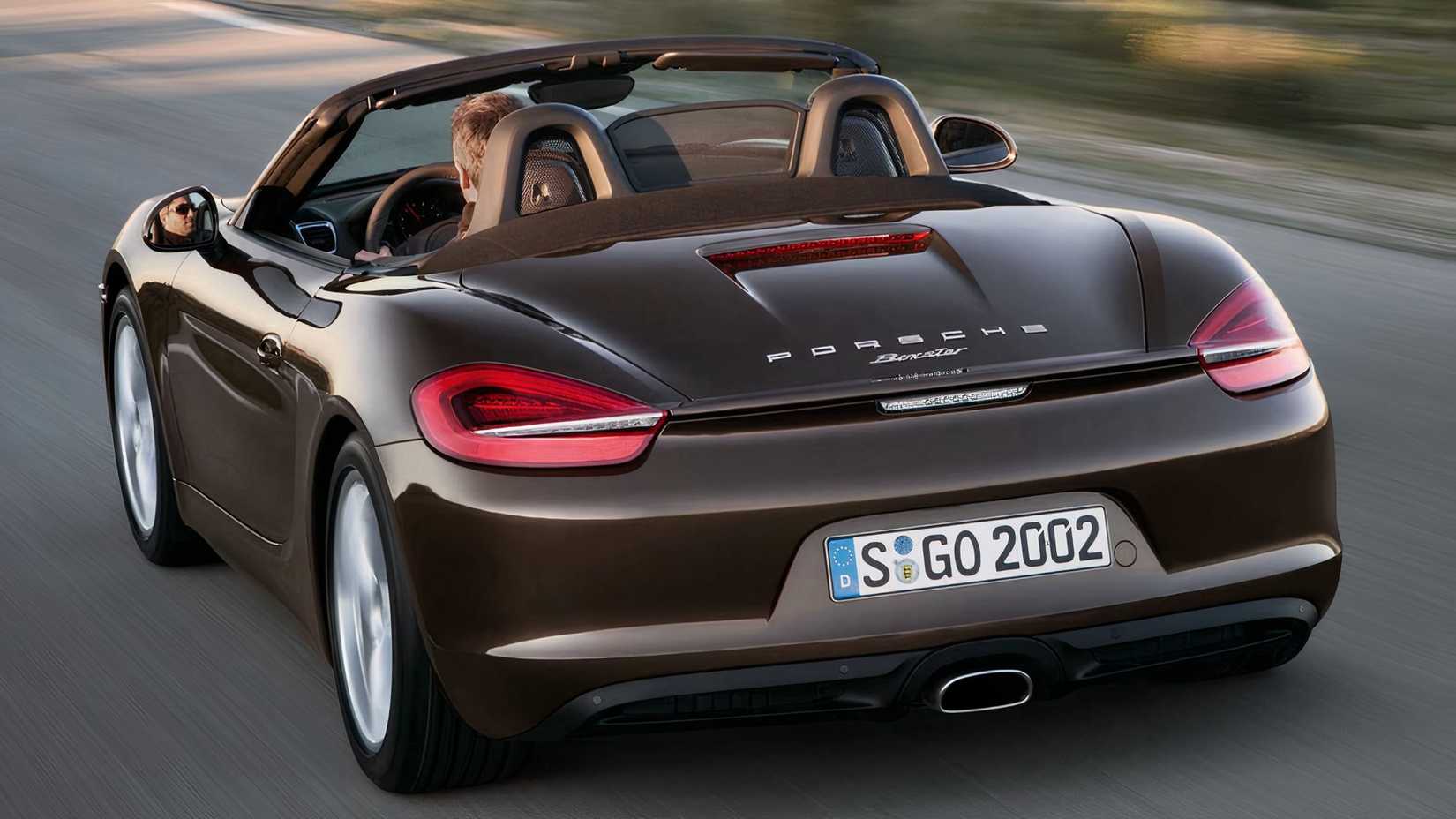
As a mid-engined sports car, the Porsche 981’s parts are harder to access, but that’s not a major problem since the flat-six engines in the 981 are one of Porsche’s most durable. That doesn’t mean it’s carefree, because diligent maintenance will still affect its reliability, so this is the first thing you should determine about a 981’s ownership history. Assuming routine maintenance was followed, the most common concerns about the 981 revolve around the PDK dual-clutch transmission (DCT). PDK is one of the world’s best DCTs, but some early models have been known for software glitches, causing rough shifting. It’s something that’s easily cured by a software update or a fluid service. Be sure that the PDK has been serviced every 40,000 miles.
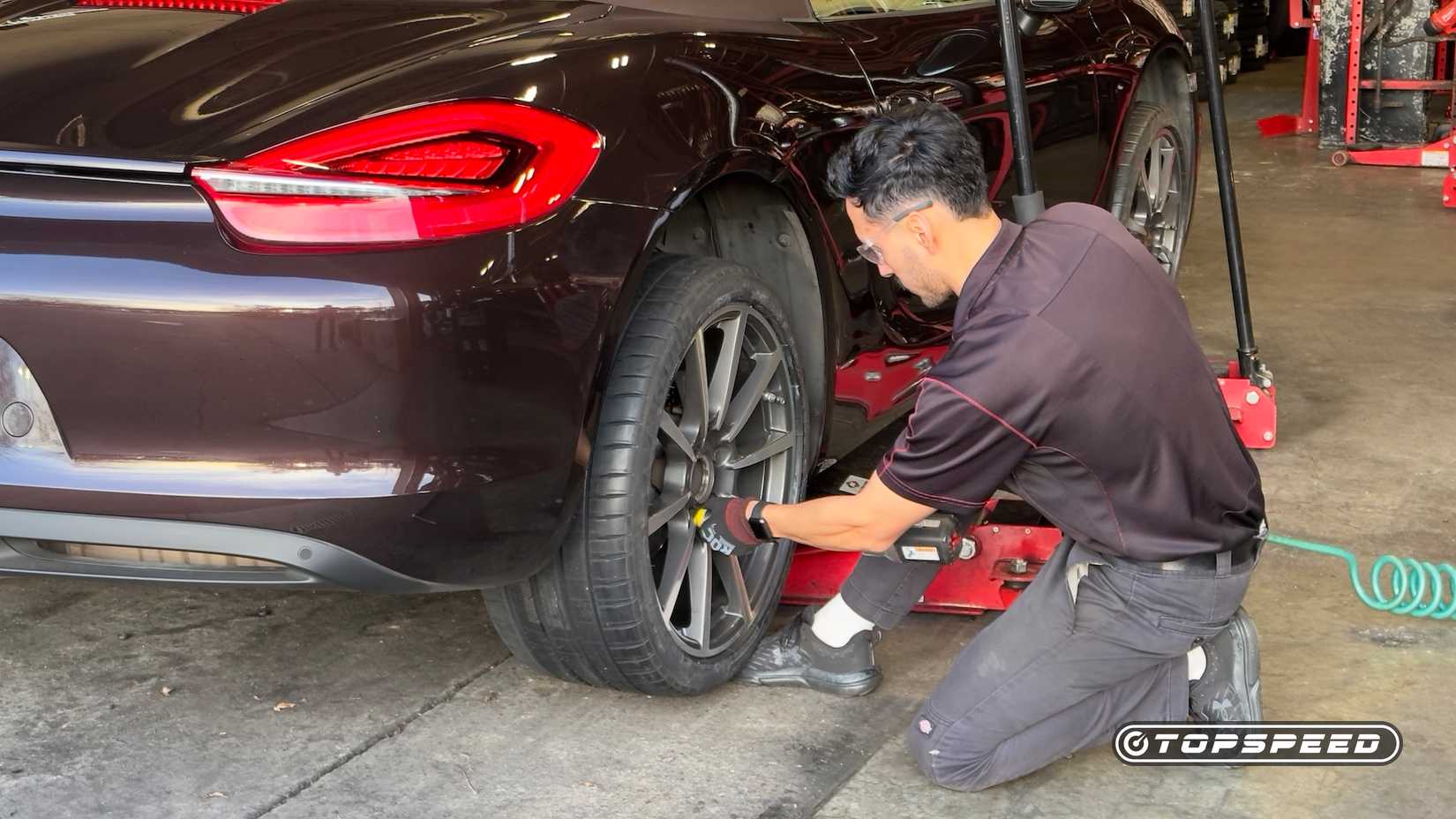
Common mechanical faults include ignition coil failure, worn spark plugs, and leaks from some of the rubber components deteriorating over time. High-mileage cars sometimes have issues with coil packs and spark plugs, and the early symptoms are misfires. Oxygen sensors and MAF sensors may also fail, but these are mostly due to age and are relatively cheap to replace. More common issues, however, revolve around the vehicle’s electronics, particularly the Porsche Communication Management (PCM) infotainment, and for the Boxster, the folding roof mechanism.
Parts Are Abundant And Reasonably Priced
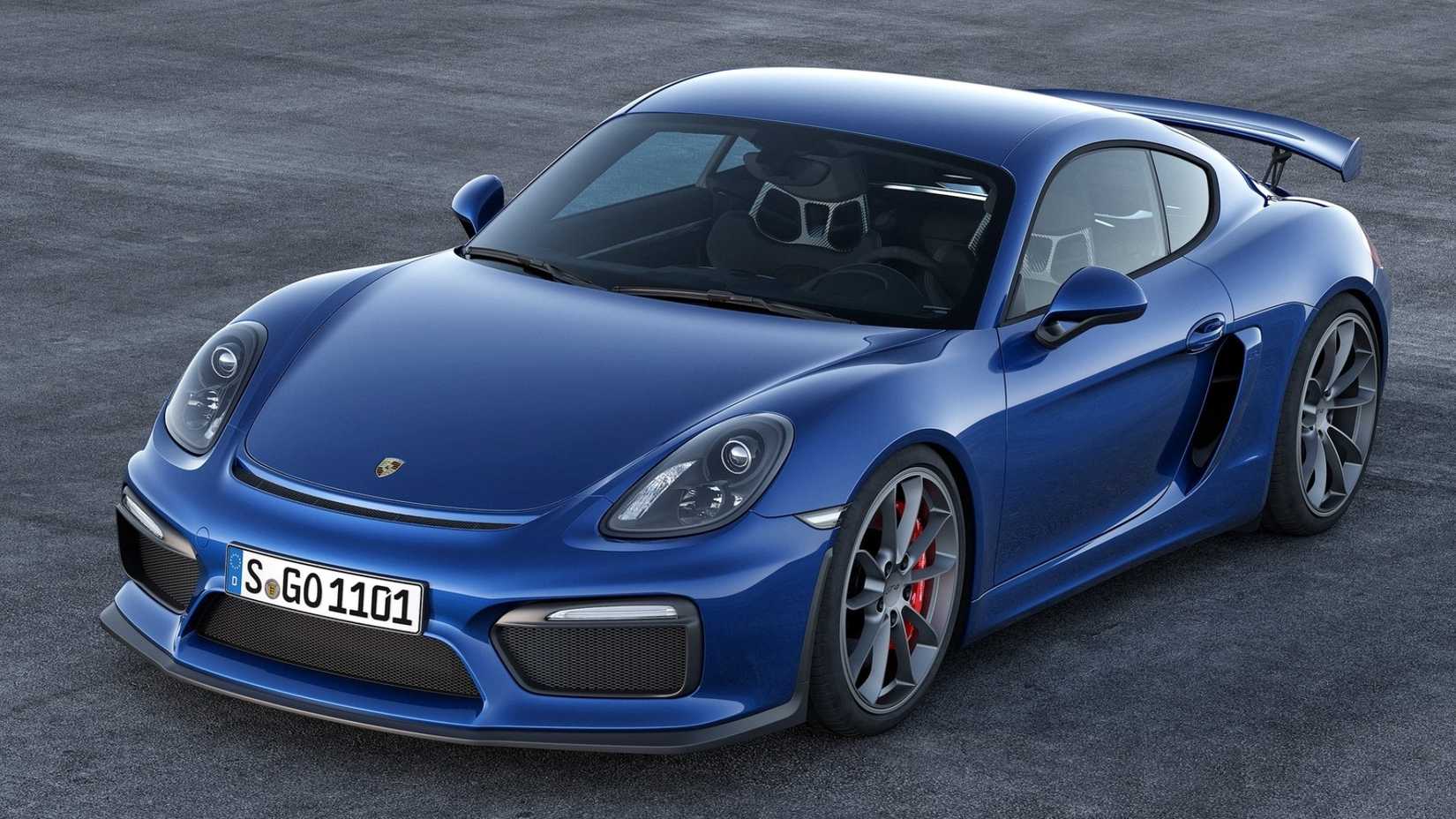
If there’s one thing to love about Porsche, that would be the spare parts supply, even for classic models through the Porsche Classic program. You see, Porsche really supports the vehicle’s life, even way beyond its production lifespan. These parts don’t cost an arm and a leg, but they’re not necessarily cheap, either. Though if you’re going for the base or the S models, the prices of these parts in Porsche’s catalog are reasonable, and will last very long.
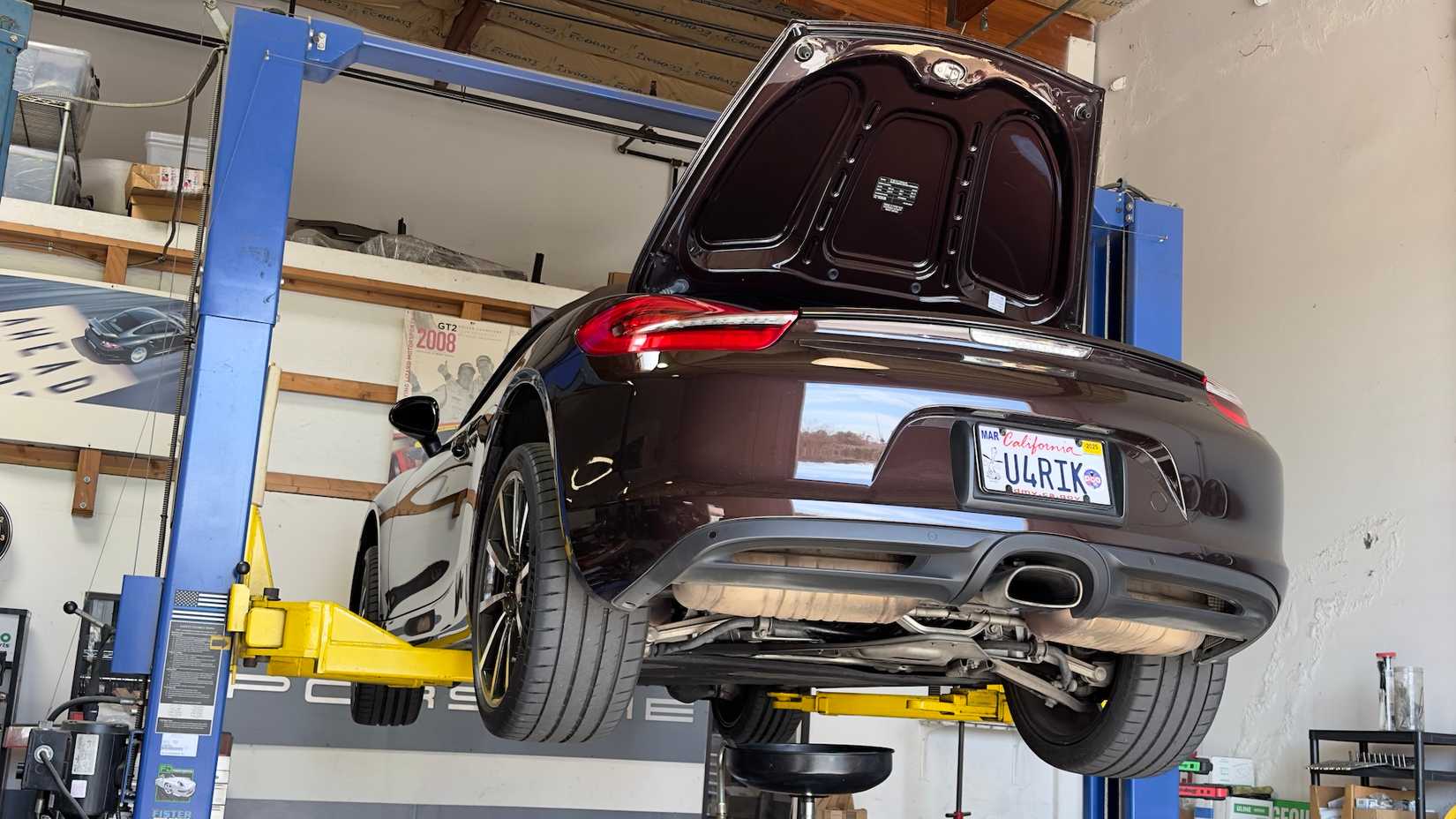
Brake pads and rotors are around $800 to $1,500, while an oil change at around 10,000 miles or 12 months costs between $250 and $400. Fluid flushes done at regular intervals cost $200 to $600. Now, the 987 Boxster and Cayman were known for their intermediate shaft (IMS) bearing issues, but since the 981’s engines have direct injection, the IMS issue is completely eliminated. The only other major maintenance you have to think of is the aforementioned PDK servicing every 40,000 miles, which will cost around $600 to $1,000. Finally, the staggered tire setup will probably set you back $900 to $1,500. Again, as you’ll see, these prices aren’t low, but by German sports car standards, they’re relatively manageable.
Huzzah! Next-Gen Porsche Boxster And Cayman Will Have Gas Engines After All
A shocking U-turn: Porsche’s electric sports cars aren’t going EV-only.
TopSpeed’s Long-Term 981 Experience
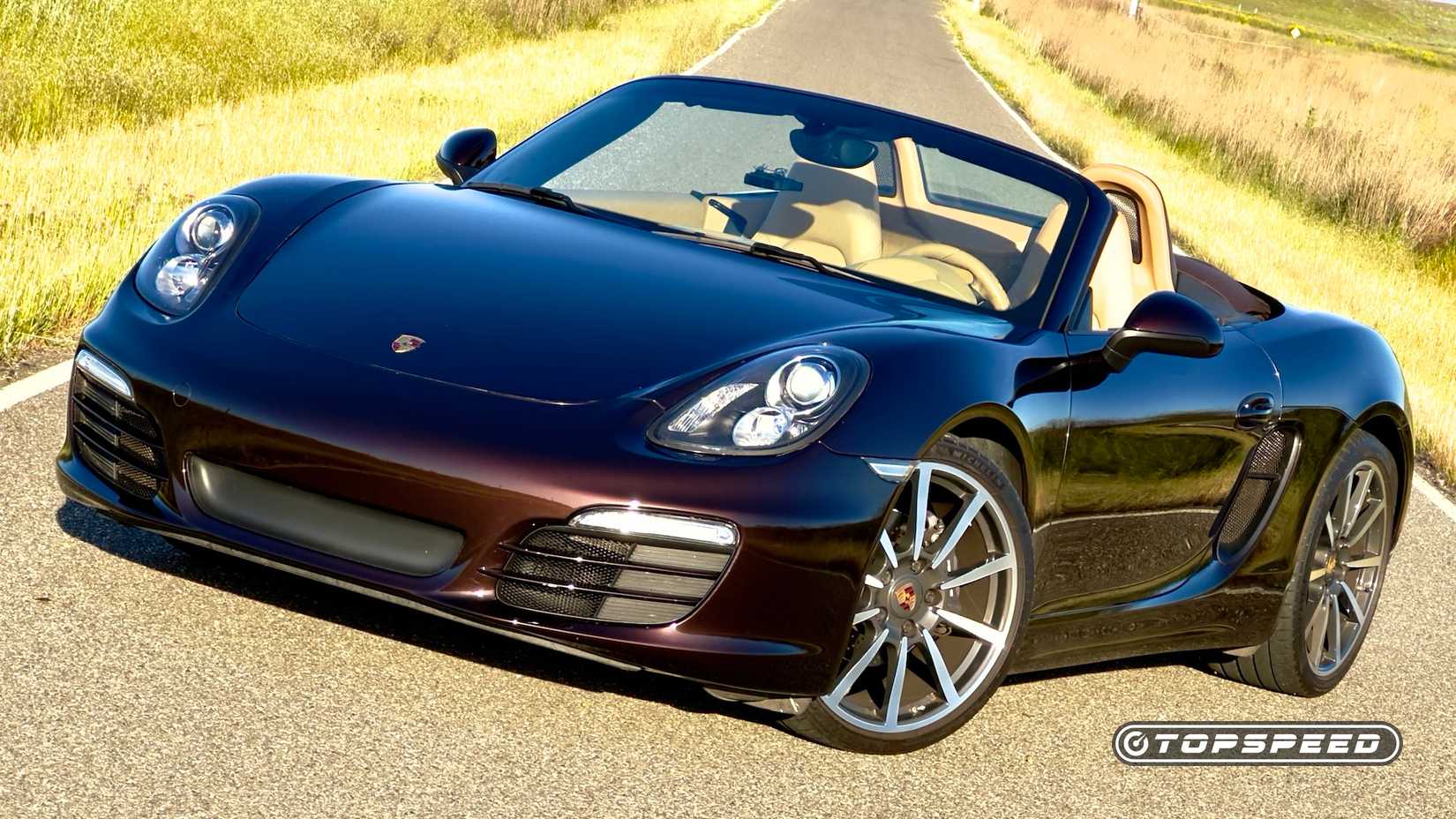
If you want further evidence that a Porsche 981 can indeed cost less than a brand-new 2026 Toyota Camry, here’s a 2013 Porsche Boxster that our team purchased. So far, though there have been parts replacements already, the costs are relatively manageable, as you’ll see in his article, but more than just the ownership costs, here’s what the 981 is like when it comes to design and the driving experience.
Precision And Emotion
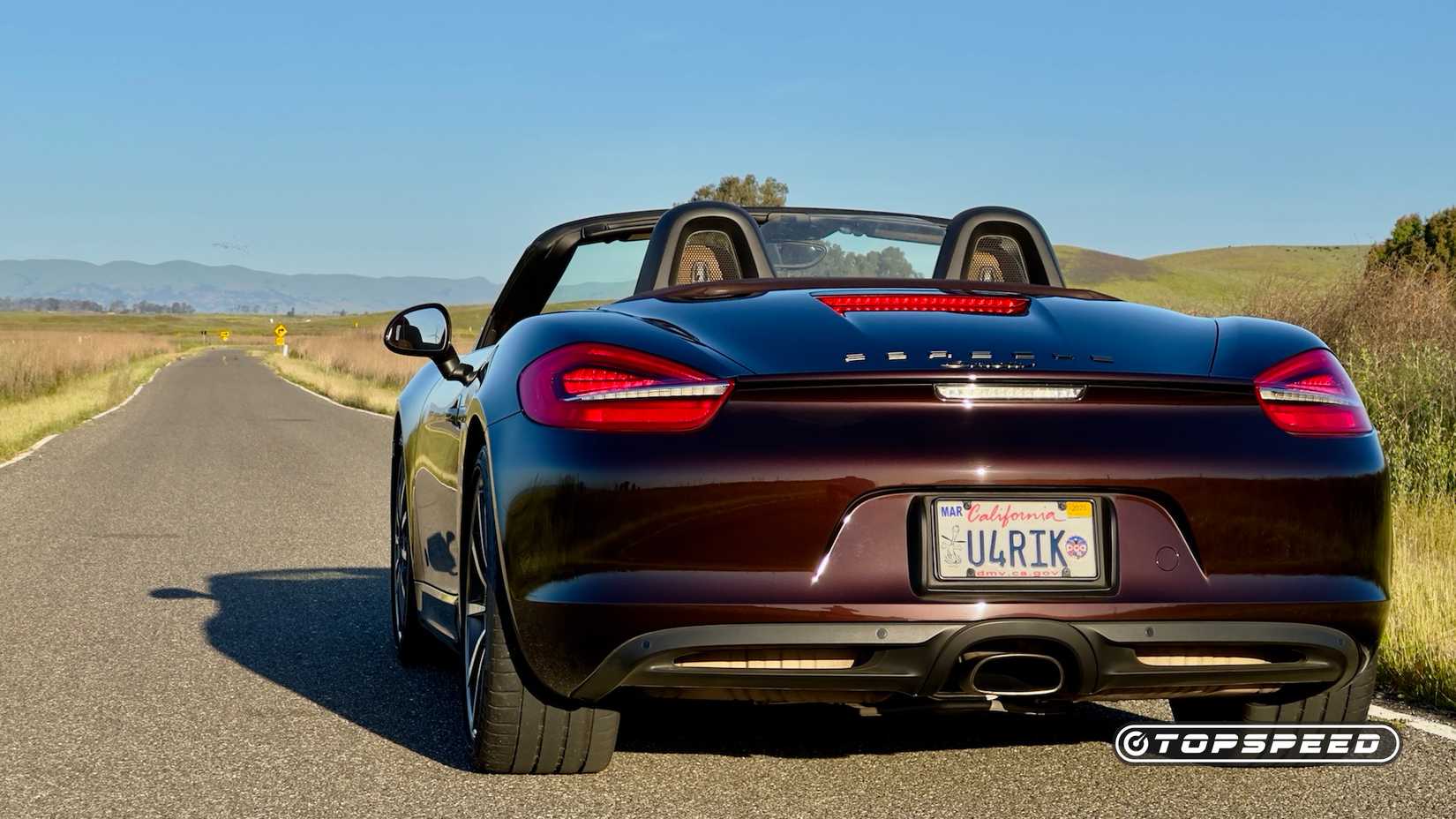
Though the base Boxster’s 2.7-liter naturally-aspirated flat-six isn’t as powerful as the newer 718 Boxster’s 2.0-liter turbocharged flat-four, everyone agrees that the 2.7-liter flat-six was still the nicer engine. Porsches, after all, aren’t just about lap times. More importantly, it was the sound and the handling working together to create a precise sports car that follows your intentions. The mid-engined layout and low engine positioning meant it had almost no body roll—even in its most basic passive suspension. The central location of its mass meant it was also predictable—more so than the 911 in some ways.
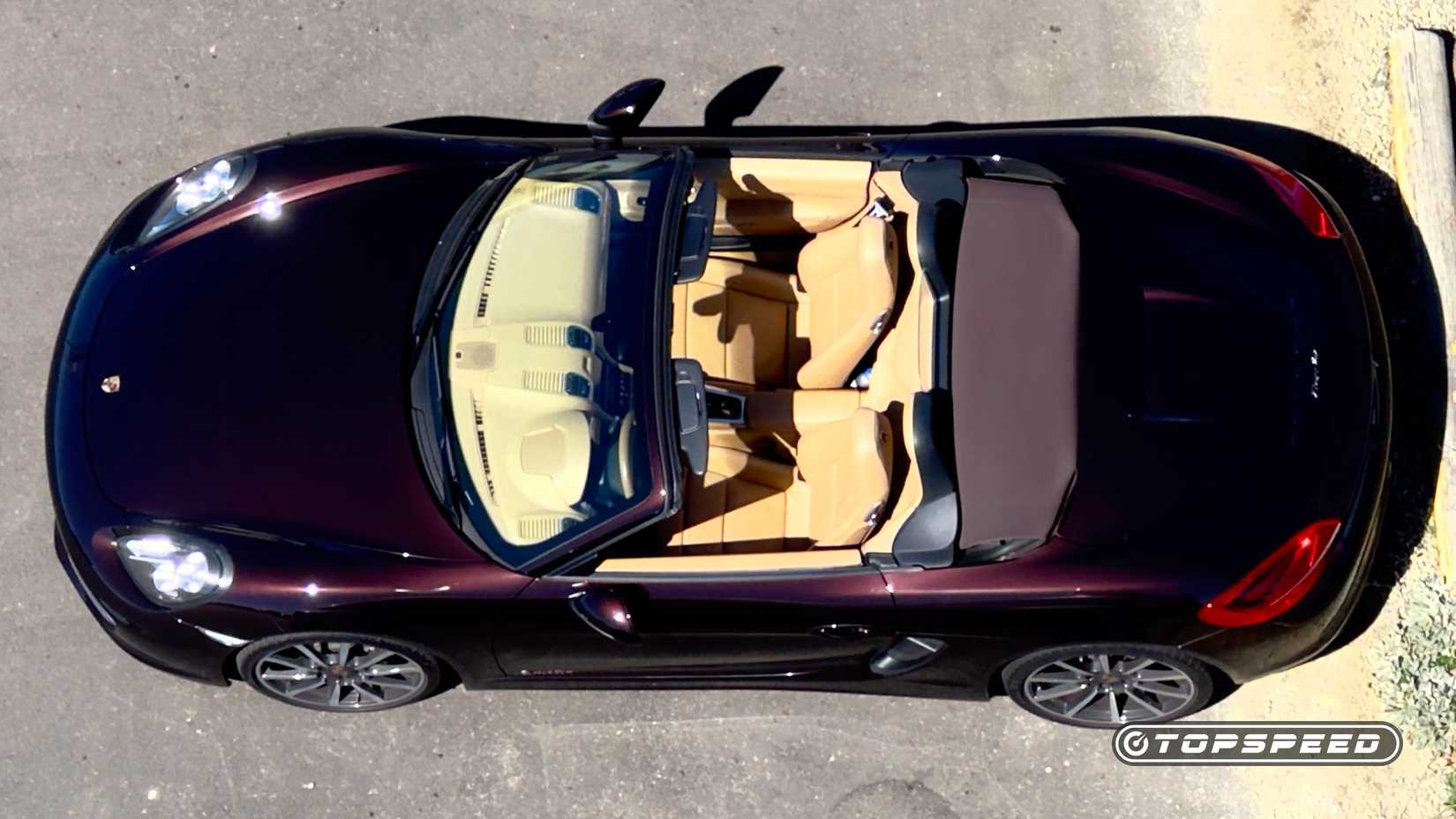
As a result, the suspension didn’t need to be stiffened, which resulted in a ride quality that was perfectly fine for daily use. Finally, though it was the first Boxster and Cayman to switch to electric power steering, the difference in steering feel from the hydraulic unit was so minute anyway, it didn’t necessarily alter the experience in any sort of way—especially considering that in every other aspect, the 981 was leagues better than any Boxster and Cayman before it.
Style And Luxury
Serving as an icing on top of a delicious mid-engined cake is its sleek and handsome style. The proportions of the 981 are simply perfect. The lengthened wheelbase from the 987, along with finally getting its own set of doors (previous models shared the 911’s doors, hence the slightly weird proportions), made the 981 look elegant yet sporty. The front end also features large vents, but not too ostentatiously large, along with angular HID headlights to set itself apart from the 911’s round headlights. Topping it all off are slim LED taillights that give it a unique lighting signature.
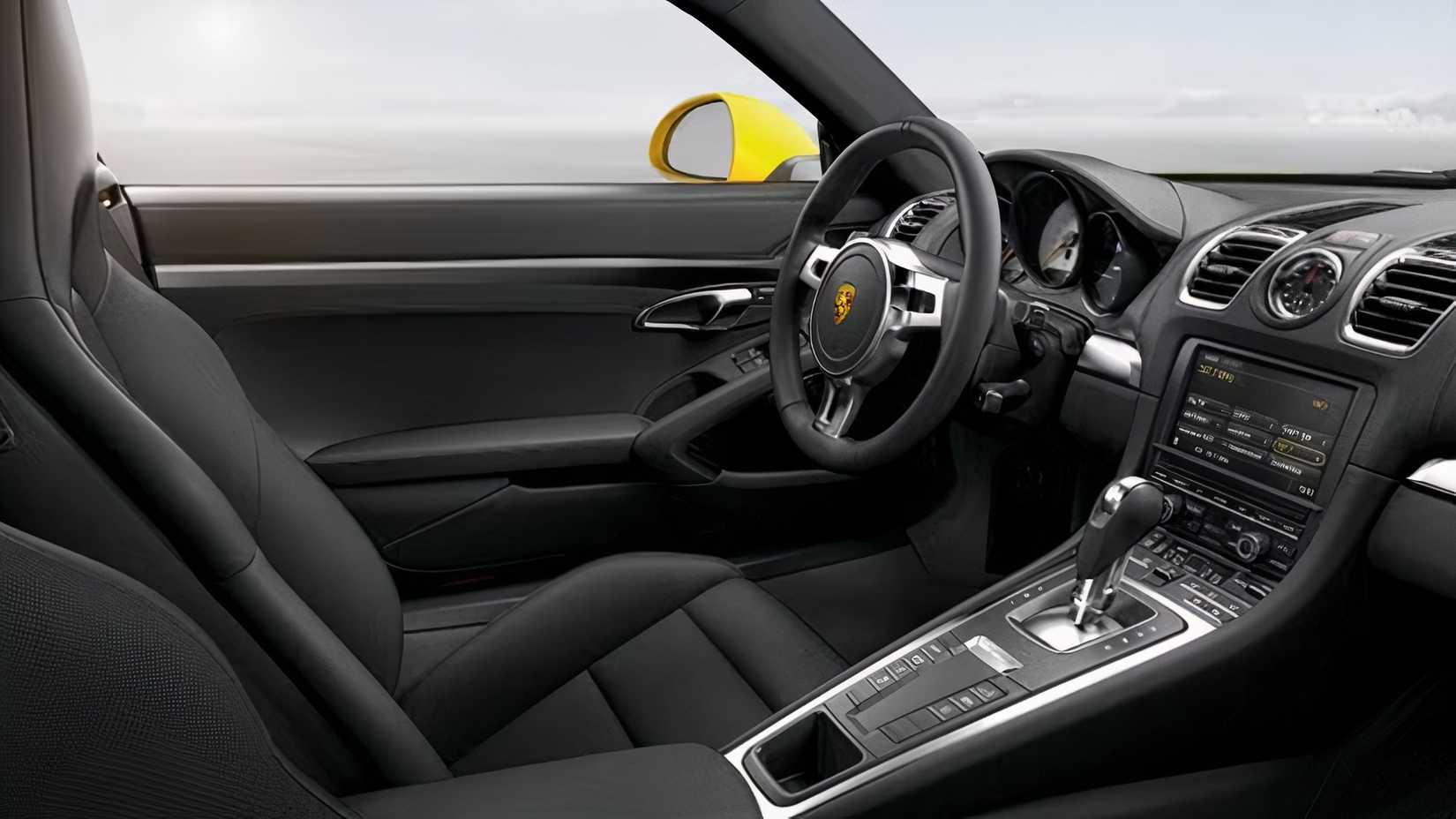
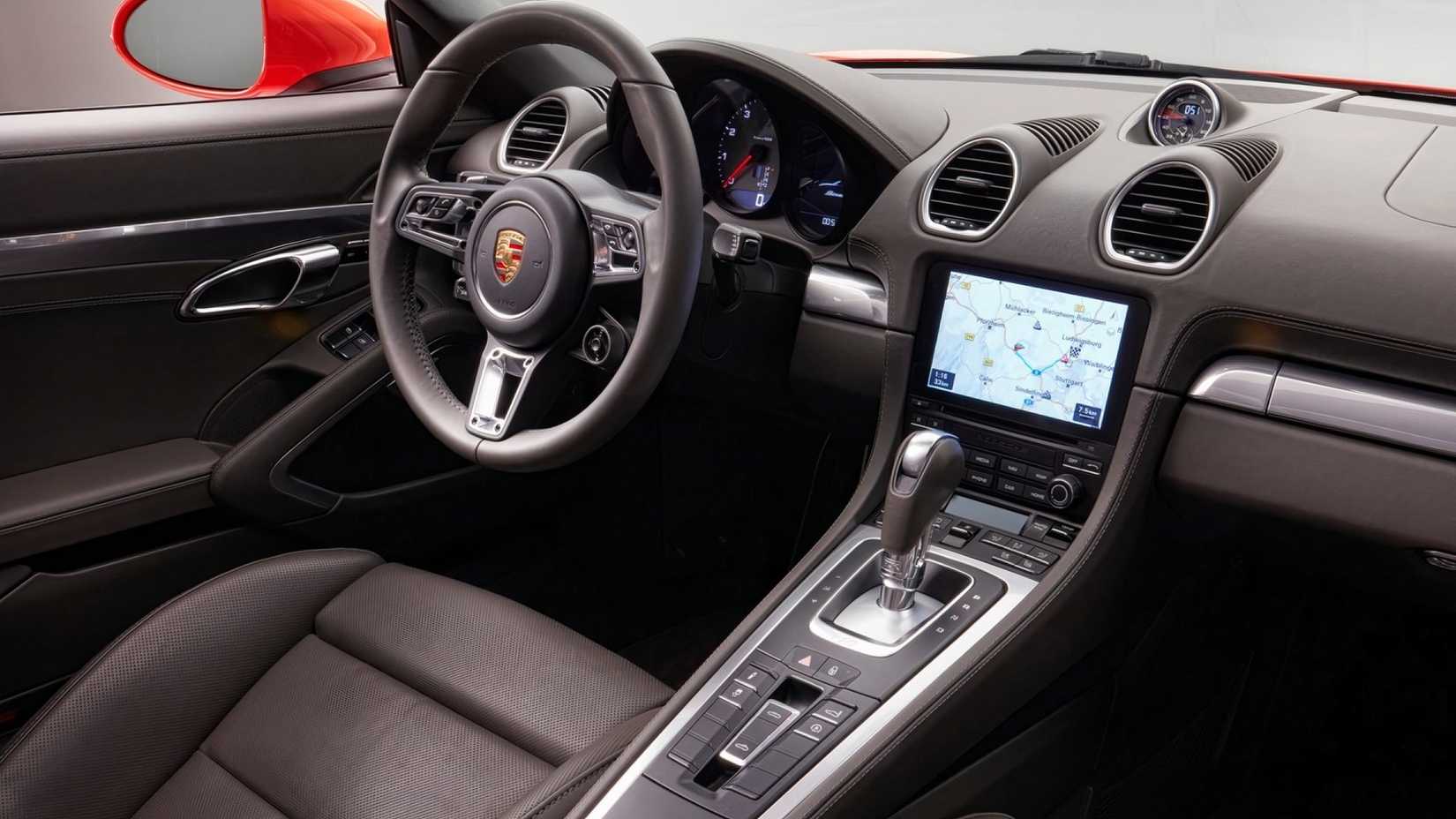
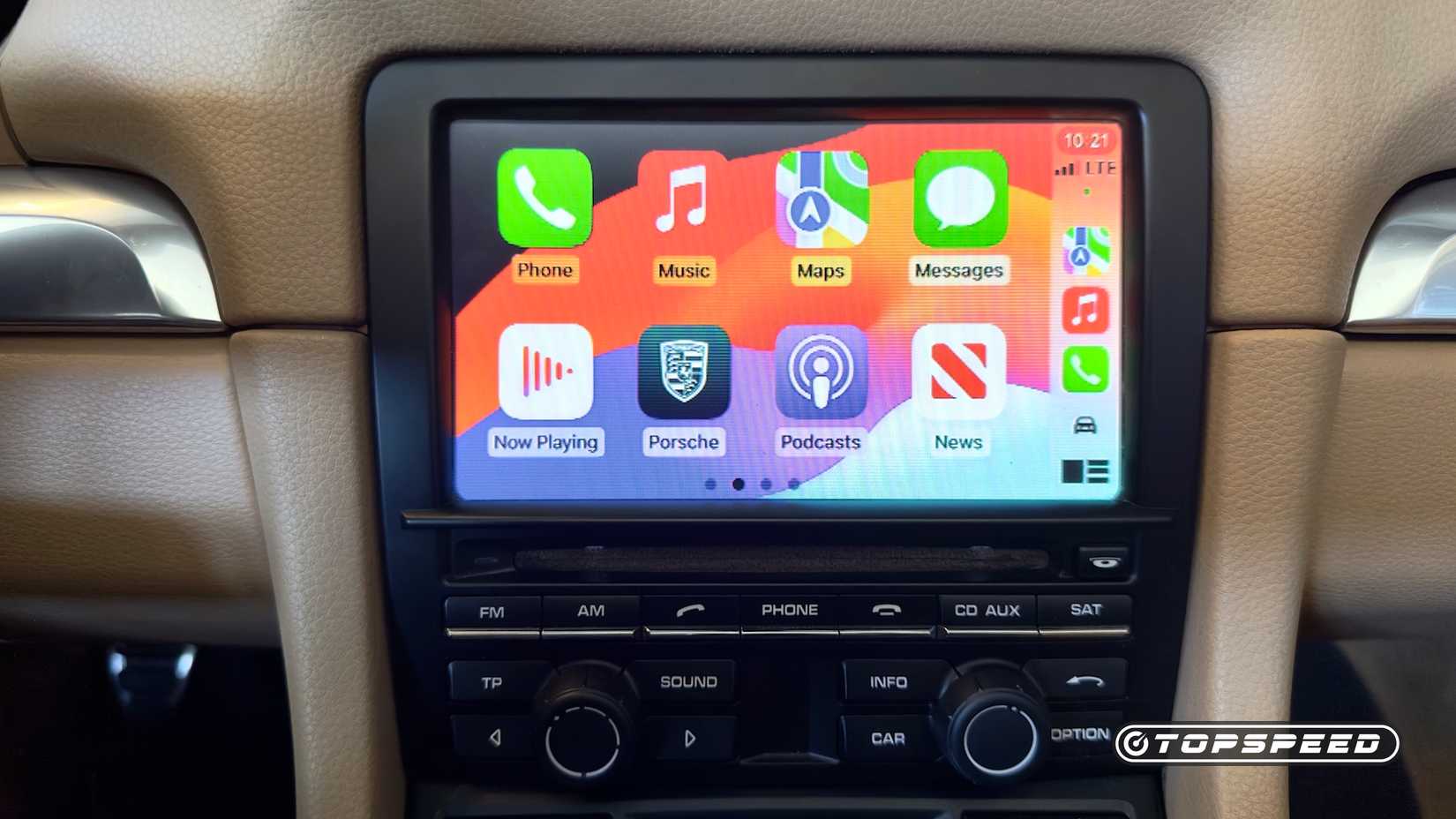
Moving inside the 981, and you’ll appreciate the refined yet sporty interior. Porsche at the time knew how to keep things simple but tasteful, with materials that hold up the test of time whilst still feeling plush. Granted, the vehicle’s age also means you don’t have Apple CarPlay and Android Auto, which, unfortunately, doesn’t come with a factory retrofit from Porsche themselves. For this, you’d have to go the aftermarket route, exactly what our team did to their Boxster. Speaking of equipment, the 981 had a miserable standard equipment list, as most of the stuff you want is buried as option extras. Thankfully, you’ll barely see any used examples with just the bare equipment, since customers wanted a 981 that matched their needs and wants.