
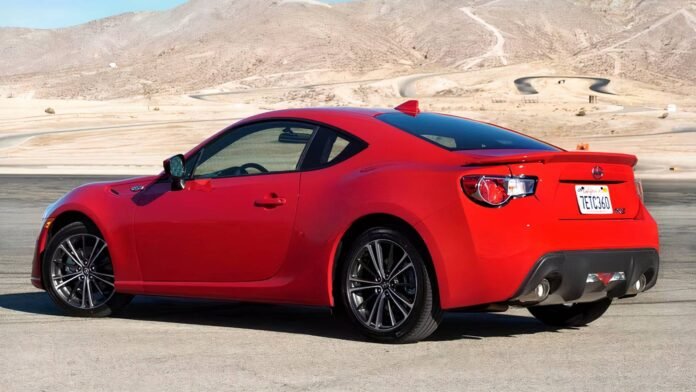
Sports cars may not be as abundant on the roads as they used to be, with the likes of all sizes of SUVs taking over, but they are still what we look to when we want to see what a brand is really made of. Ford is still carrying on and making the iconic Mustang more usable and more powerful every year; BMW’s M Division turns out some of the finest sports sedans and coupes on the market; Chevrolet offers some of the best bang for your buck with the Corvette, and Porsche is still setting the bar very high with the 911.
Modern tech, speed, oodles of athletic features, and designs that never fail to turn heads are still the mainstays, but for a lot of us, something is missing from a lot of modern sports cars: manual transmission.
Manual Sports Cars In Today’s Market
The automatic transmission has come a long way in the last decade, and today, the boxes you get in sports cars can change cogs quicker and more efficiently than any human ever could, so there’s a lot to like about them. Mercedes dropped the manual transmission from its lineup back in 2015; there are only a few recent BMW M models left with a stick shift (the M2, M3, and M4); the Porsche 911 still holds on to manual options, and there are a few Japanese sports cars that have one.
Compared to yesteryear, the pickings are slim. However, the MX-5 Miata still has a manual transmission and is still defying odds, with a recent spike in sales; the Subaru BRZ and Toyota GR86 are still available with manual transmissions, and the Mustang can still be fitted with one. In the name of efficiency and ease-of-use, the manual sports car market is not like it used to be, but there are still some purist-pleasing models about.
The Decline Of Affordable Japanese Driver’s Cars
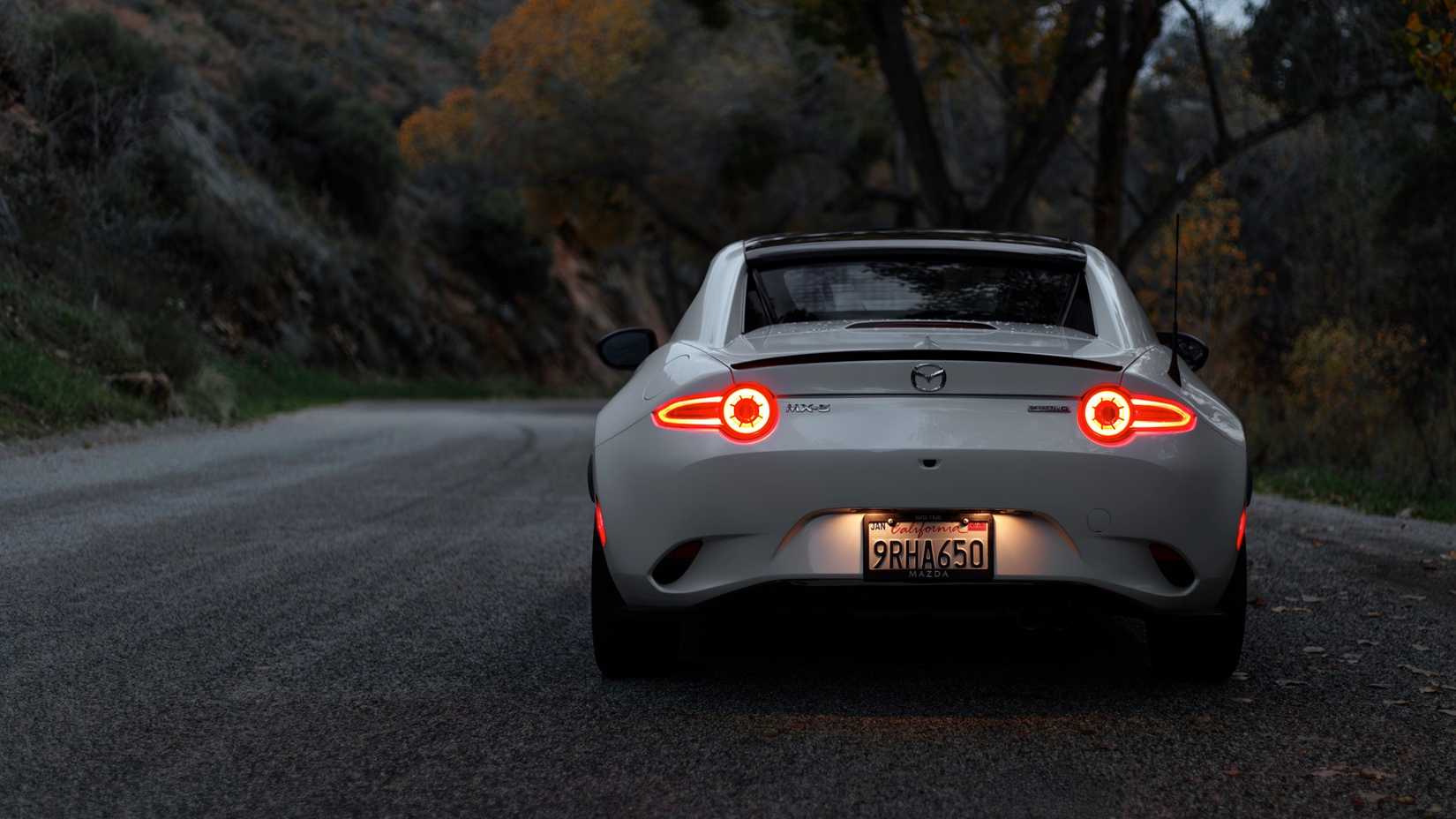
There was a time when Japanese brands did a lot of heavy lifting for those of us looking for affordable, lightweight, fun, manual transmission sports cars; the reputations of Mazda, Nissan, and Honda were arguably built on models like the S2000, the 240SX, the RX-7, and the MX-5. These were the cars that allowed us to have fun on the roads without parting with six figures, and they played a huge role in modding and grassroots motorsport culture. Without them, we wouldn’t have half the fun we do.
Today, though, the market is very different. Stricter emissions regulations, rising production costs, the takeover of the SUV, and the push toward hybrid and EV tech mean that some see little use for a transmission that isn’t as easy to use. Affordable, rear-wheel-drive, manual sports cars have become a niche today, rather than a staple.
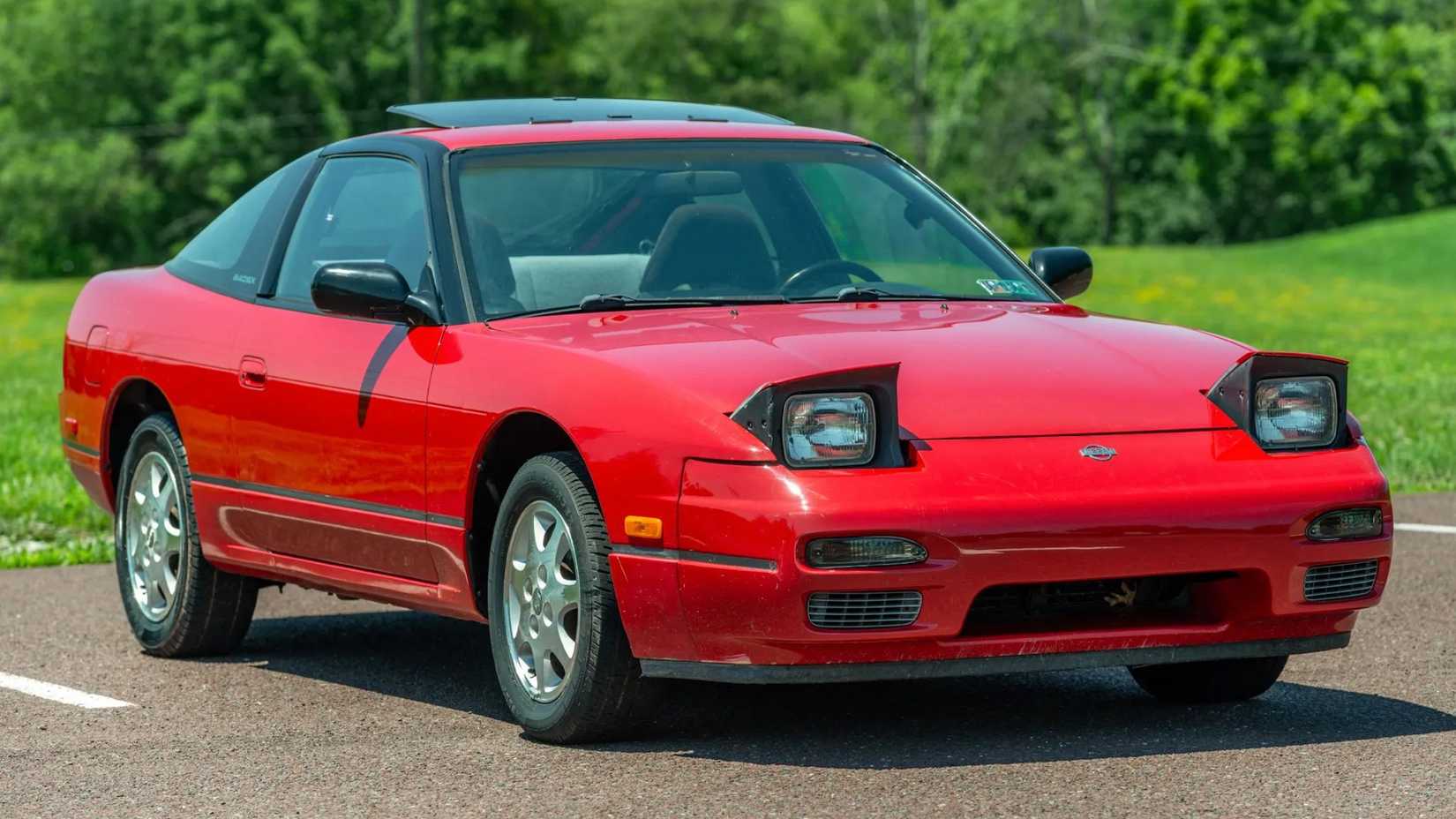
While the already mentioned models still get a manual transmission, they are an exception rather than the rule. This is why some slightly older Japanese sports cars should be getting far more attention from those of us who like to change gears ourselves.
5 Reasons Why Driving A Manual Made Me A Better Driver
While fewer people are interested in operating a manual transmission, it remains the safest way to drive a car. Here’s why.
The Scion FR-S Should Get More Attention
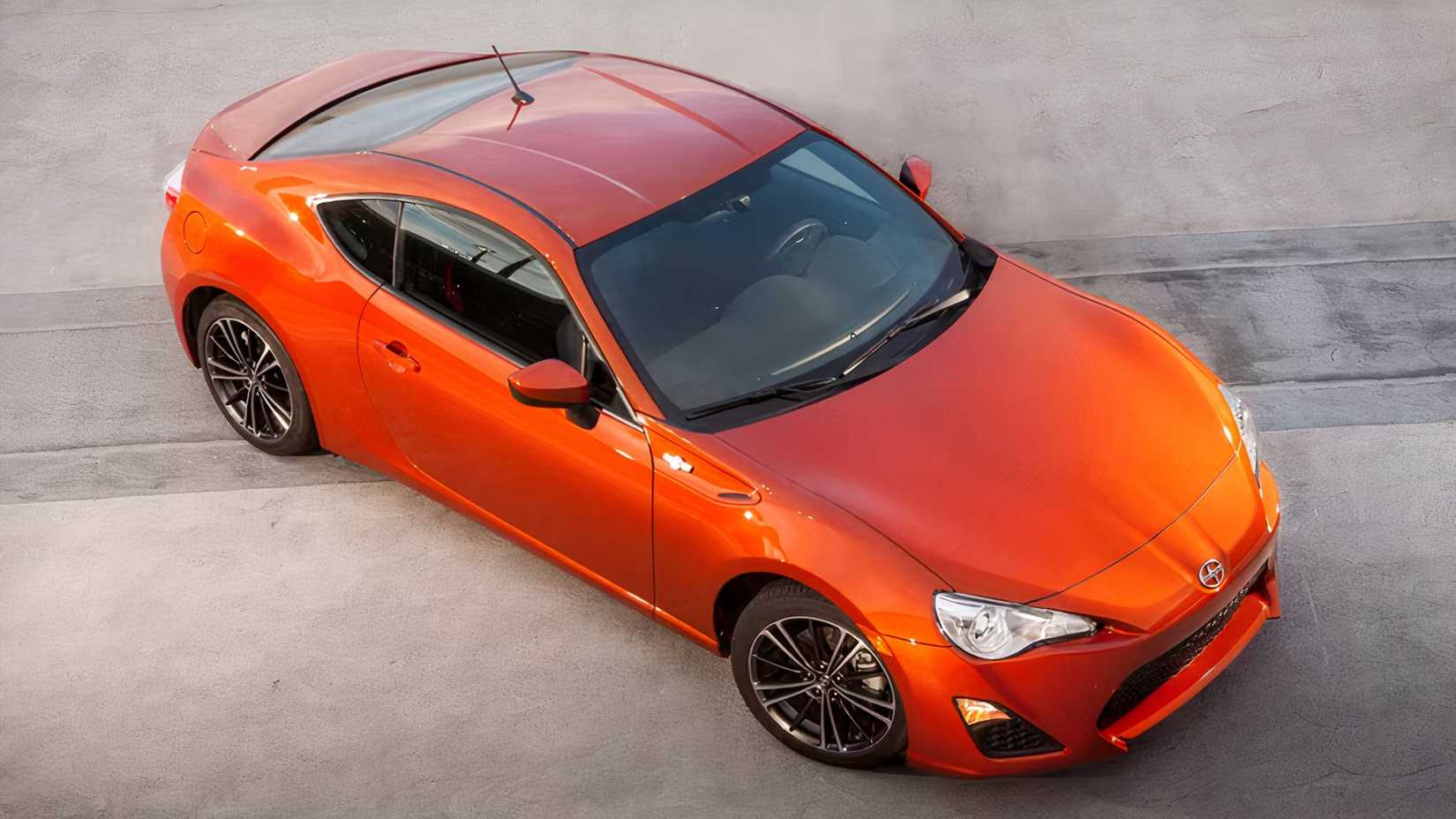
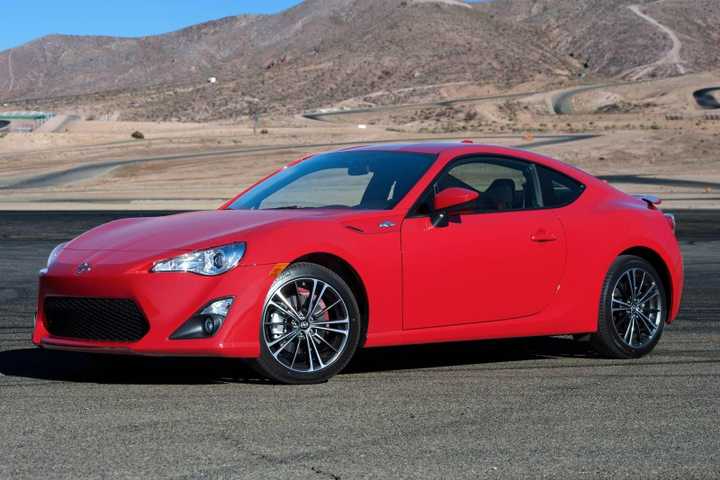
We wouldn’t be surprised if some of you don’t remember the Scion FR-S being released. Scion was a company owned by Toyota and only operated from 2003 to 2017 in the U.S. and Canada. Branded as a budget marque to attract a younger audience to Toyota-based models, Scion rolled out a fair few hatchbacks, city cars, subcompacts, and most importantly here, the Scion FR-S sports coupe.

- Base Trim Engine
-
2.0L Flat 4 Gas
- Base Trim Transmission
-
6-Speed Manual
- Base Trim Drivetrain
-
Rear-Wheel Drive
- Base Trim Horsepower
-
200 hp
- Base Trim Torque
-
151 lb-ft @ 6400 rpm
- Fuel Economy
-
22/30 MPG
- Make
-
Scion
- Model
-
FR-S
- Segment
-
Sports Car
The FR-S is effectively a rebadged Toyota 86 and was only available from 2013 to 2016. With low starting prices, a lot of sporty features, a manual transmission, rear-wheel-drive, and a bulletproof engine under the hood, it is a shame sales at the time didn’t back up the build. The original MSRPs for the 2013–2016 FR-S are as follows.
|
2013 FR-S |
2014 FR-S |
2015 FR-S |
2016 FR-S |
|
|---|---|---|---|---|
|
Original MSRP |
$24,930 |
$26,555 |
$26,795 |
$27,200 |
The FR-S was rebadged as the Toyota 86 for the 2017 model year, and continues today, but with starting prices of over $30,000 for the 2026 MY, it is not the most affordable Japanese sports car available.
The Engine Under The Hood

As is the case with most good sports cars, the engine under the hood has to be either strong and fun to drive or get you to 60 mph and higher at breakneck speeds. For the FR-S, it is the former. There is just one engine option for the FR-S lineup: a 2.0-liter flat-four, with the following specs.
|
Spec |
Scion FR-S |
|---|---|
|
Engine |
2.0-Liter FA20 Flat-Four |
|
Transmission |
Six-Speed Manual |
|
Horsepower |
200 hp |
|
Torque |
151 lb-ft |
|
Driveline |
Rear-Wheel Drive |
0–60 times aren’t exactly electric at around 6.5 seconds, and the top speed of 140 mph isn’t the quickest, but it is how the engine behaves that makes the FR-S such an awesome little sports car. The FA20 flat-four is a naturally aspirated Subaru boxer engine, jointly developed by Toyota and Subaru. It has a stock redline of 7,500 rpm, with peak power delivered at 7,000 rpm and peak torque wound at between 6,400 and 6,600 rpm. It is lightweight and sits low in the bay, and boasts Toyota’s D-4S direct injection system, so you get good weight distribution, quick fueling, and lots of rev-happy fun underfoot.
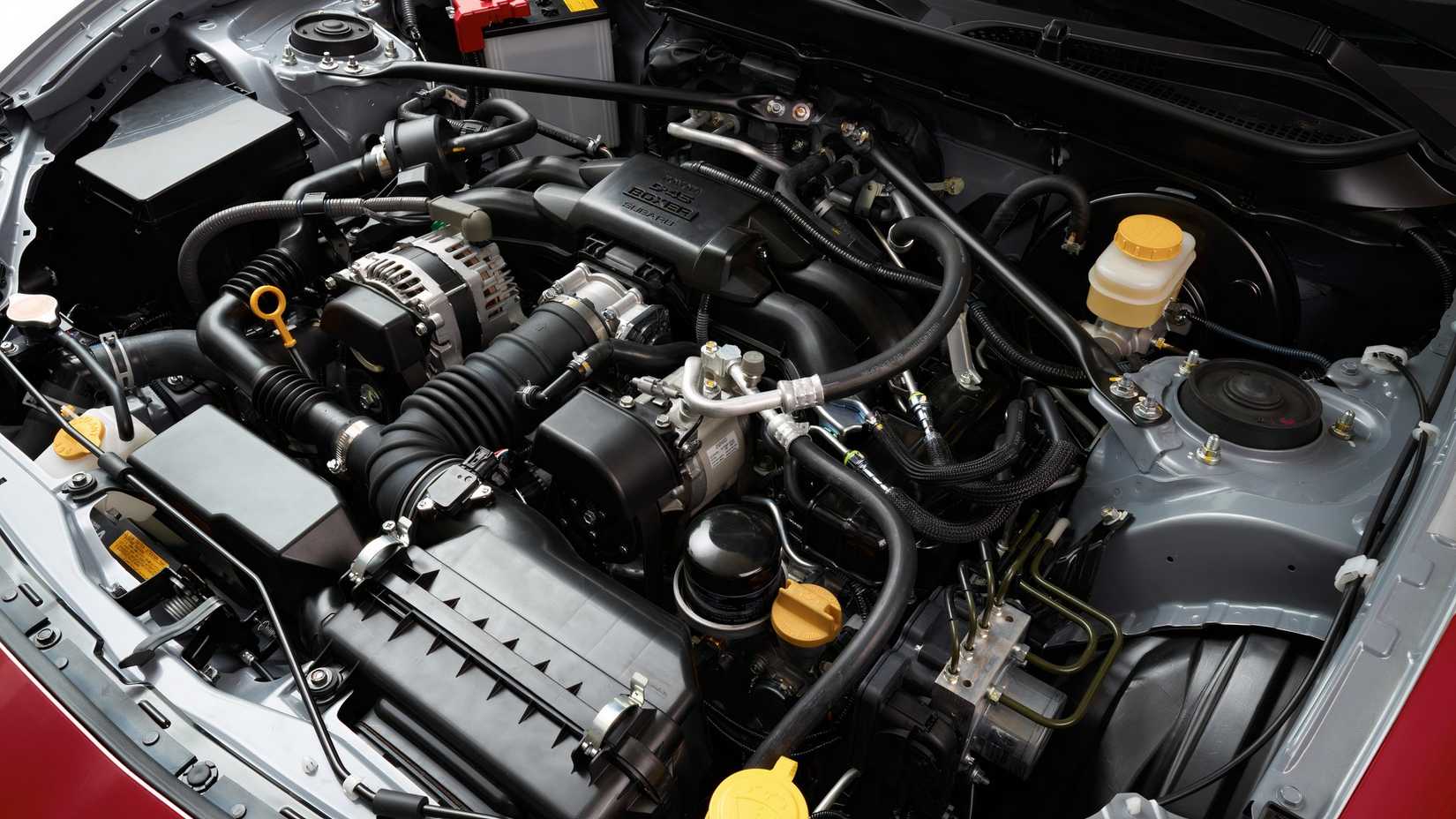
The manual transmission that the FR-S gets is a close-ratio six-speed unit made by Aisin Seiki, and is made for both precision and being tough. It comes equipped with triple-cone synchronizers on the lower gears for smooth high-rpm shifts, and a direct, cable-operated linkage that gives you nice feedback.
A lightweight flywheel is also used to help reduce rotational inertia, allowing the FA20 to rev freely, while a relatively short final drive gives you snappy acceleration feel. The engine and transmission combined give the FR-S a lot of fun bite to it, despite the relatively pedestrian sprint speeds.
Lightweight Design And Driver-Focused Engineering
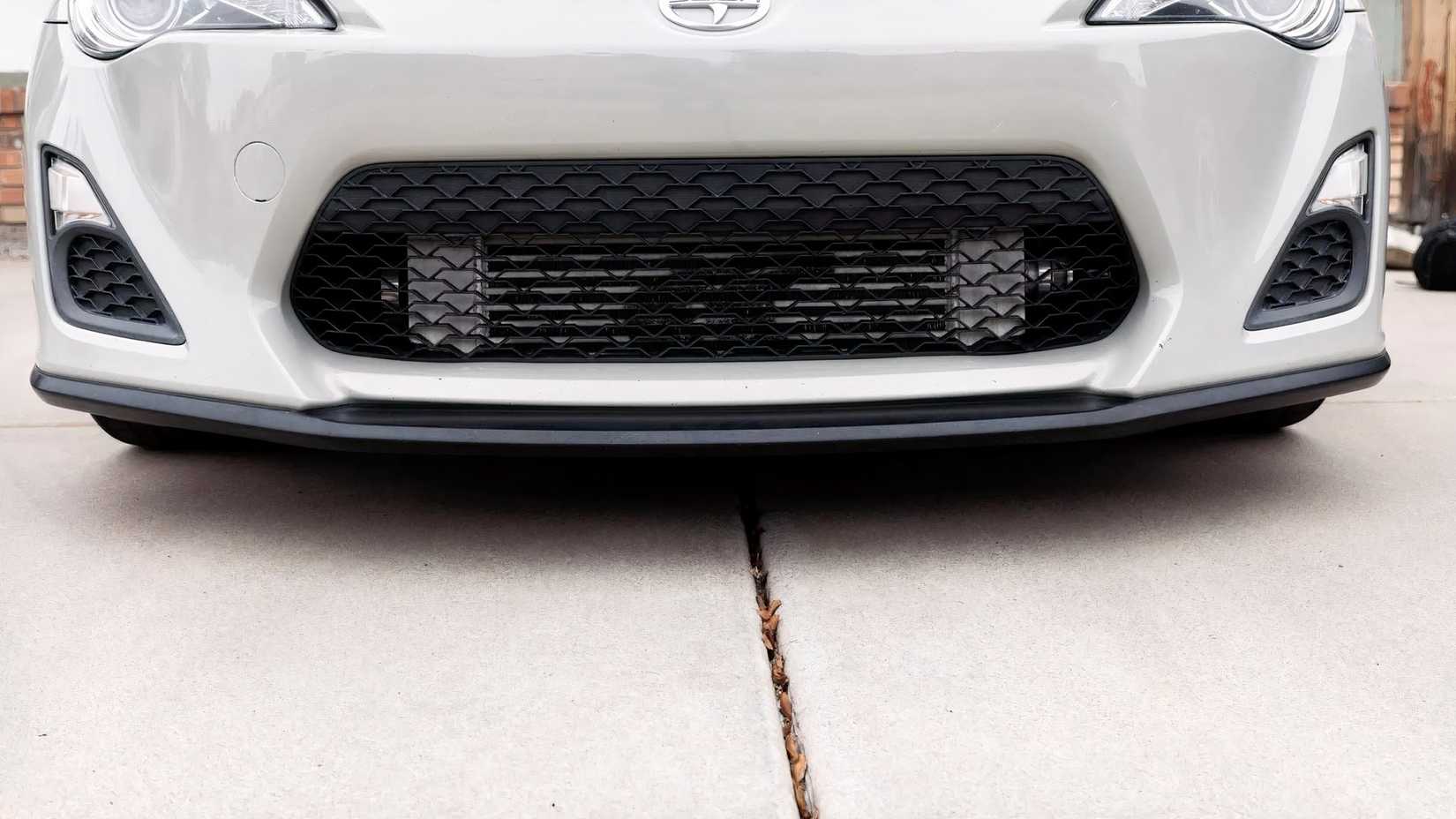
The FR-S only tips the scales at between 2,700 and 2,800 pounds; to put that into perspective, the 2026 GR86 weighs in at between 2,811 and 2,868 pounds. Rather than relying on exotic materials, FR-S engineers focused on strategic weight reduction with a mix of lightweight and high-strength components.
The hood is made entirely from aluminum to reduce mass over the front axle, and the body structure is made from high-tensile-strength steel. The result is a low weight and high rigidity. The FR-S is equipped with lightweight 17-inch aluminum alloys and a resin fuel tank, while corrosion-resistant coatings and treated sheet metal are used to ensure that the build lasts without adding a ton of weight.
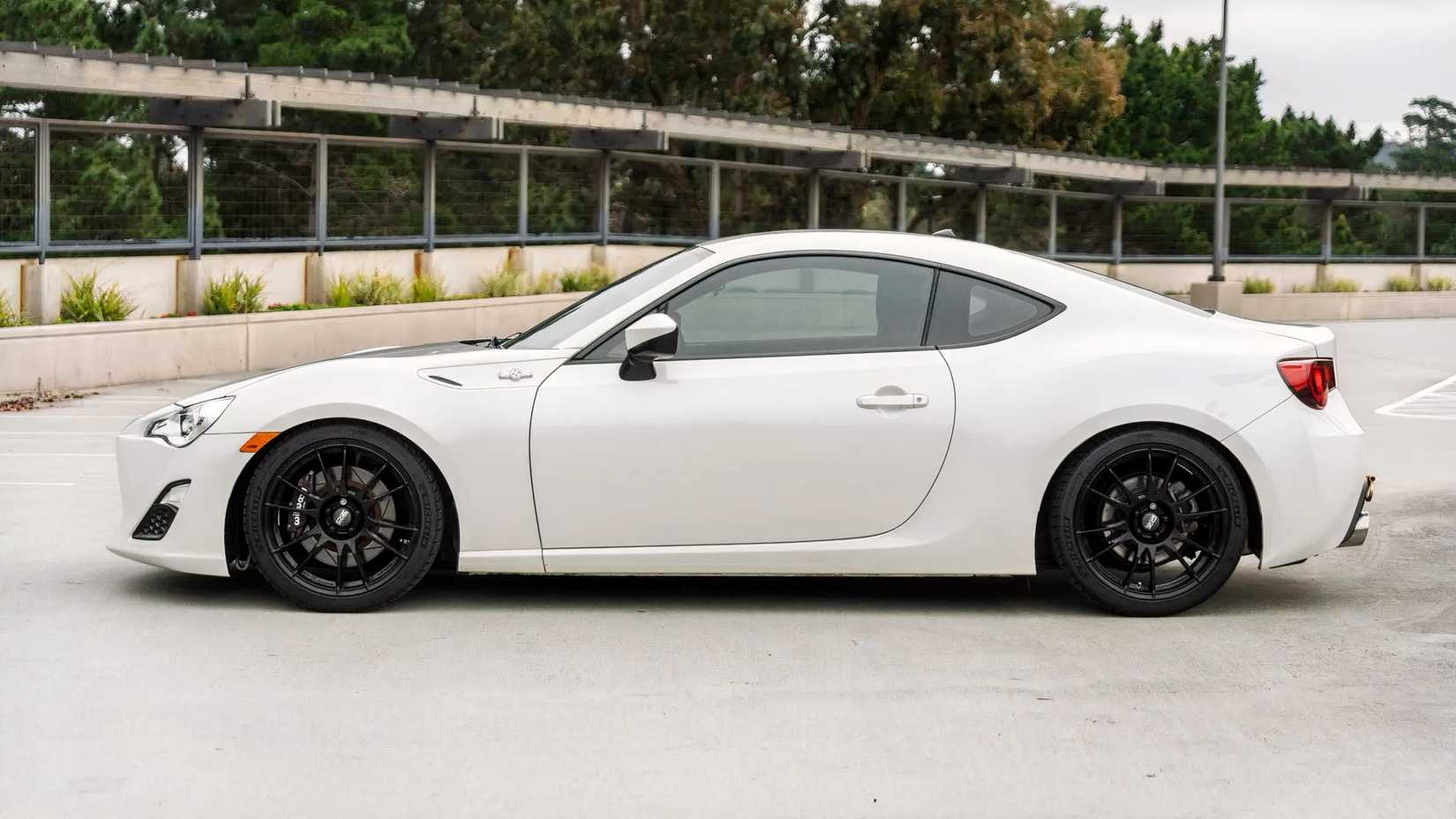
You also get functional air inlets, carefully shaped body panels, a long hood, a sloping rear, a low ground clearance of 4.9–5.1 inches, a small rear lip, and a small, clean front lip down low. Overall, the FR-S looks the way a sports coupe should look, and is designed so it can be driven for fun.
Pocket Rocket: The Manual Sedan That’s Surprisingly Fast And Fuel-Efficient
We don’t see many manual sedans in 2025, but this model produced by a Japanese stalwart brand is both surprisingly fast and fuel efficient.
The Scion FR-S As A Pure Rear-Wheel-Drive Sports Car
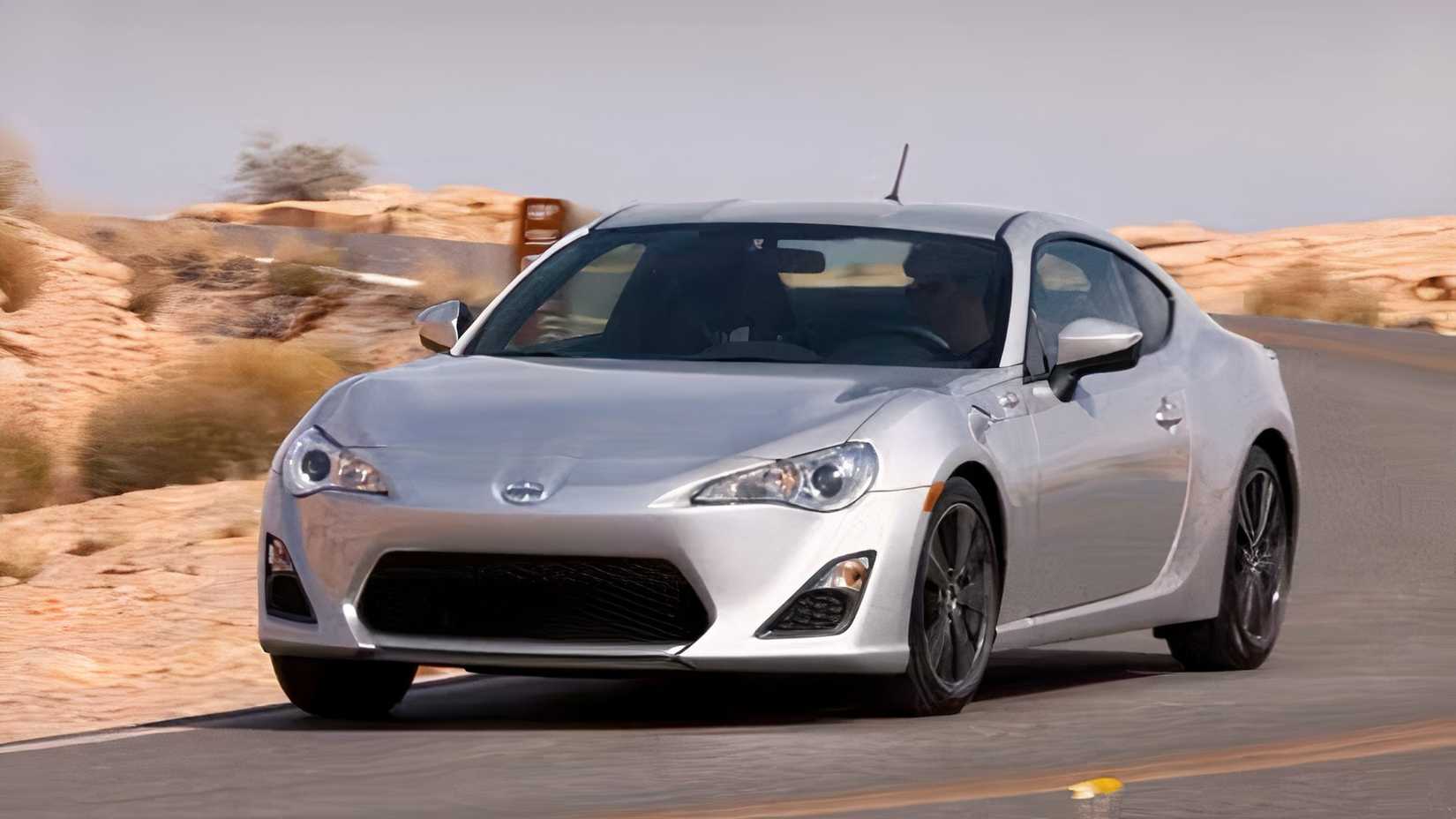
The FR-S is built with a layout that has largely disappeared from the affordable sports car market: a front-engine, rear-wheel-drive configuration designed purely to have fun with. There is no all-wheel-drive safety net, no torque vectoring, just a straightforward mechanical setup that is built for control and balance.
Power is sent through a conventional driveshaft to the rear axle, where a Torsen limited-slip diff distributes torque, which means when you lean into a corner or push the throttle early, the FR-S naturally rotates and puts power down in a predictable and progressive way. A CarBuzz review of the Scion FR-S sums it up.
It was designed from the outset to appeal to the driving enthusiast. All versions had a limited-slip differential as standard, allowing excellent power management at the rear axle and enabling controlled slides. It even came on an economy-focused Michelin tire from the factory, in a bid to artificially reduce grip and add an extra sense of excitement.
Up front, the FR-S gets a MacPherson strut layout with a lower L-shaped control arm, a cost-effective option at the time, but still a well-proven one that keeps packing tight and sharpens steering responses. At the rear, you get a double-wishbone setup, which allows for control of camber gain. Simply put, it is designed to keep tire contact more consistent.
Dampers are tuned to allow controlled body roll without getting rid of all of it, while anti-roll bars are used to fine-tune the balance, all without making the chassis feel brittle or nervy over rougher patches of road. What you get is a very “alive” feel behind the wheel.
Balanced Chassis And Engaging Dynamics
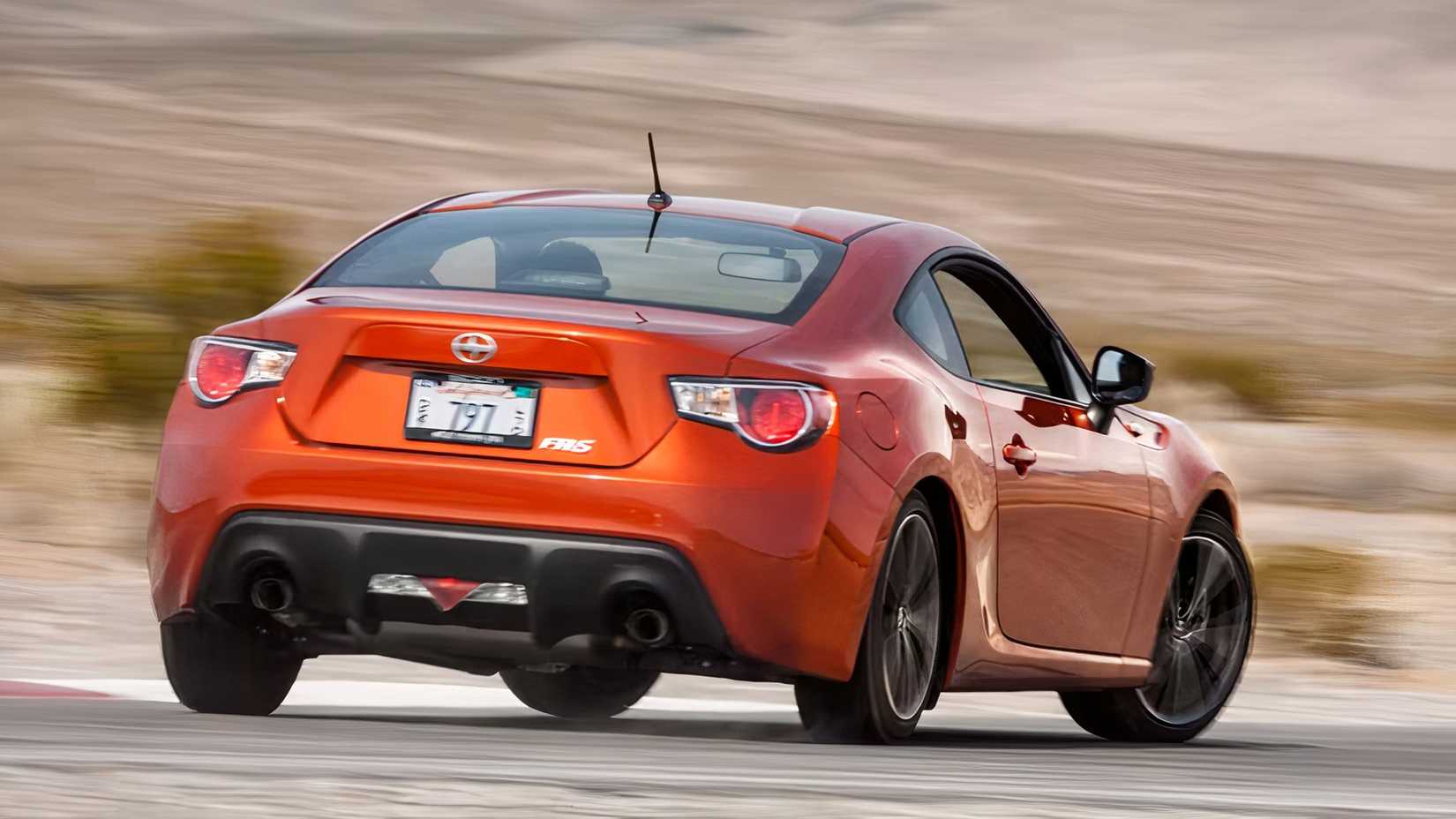
You get a 53:47 front:rear split in weight, so steering feedback is tight, and it is designed to feel eager to change direction. Electrically-assisted steering is tuned for linearity instead of artificial weighting, so you get clean and direct motion from the front end. What also makes the FR-S stand out as a car that is made for driving is that the boxer engine sits low in the chassis and is slightly positioned rearward. This “boxer-in-back” design helps to keep weight as central as possible between the axles, which means less pitch and roll at speed, while firm mounting points on the suspension and tight spring rates mean sharp responses when you want to change direction quickly.
A Back-To-Basics Driving Experience
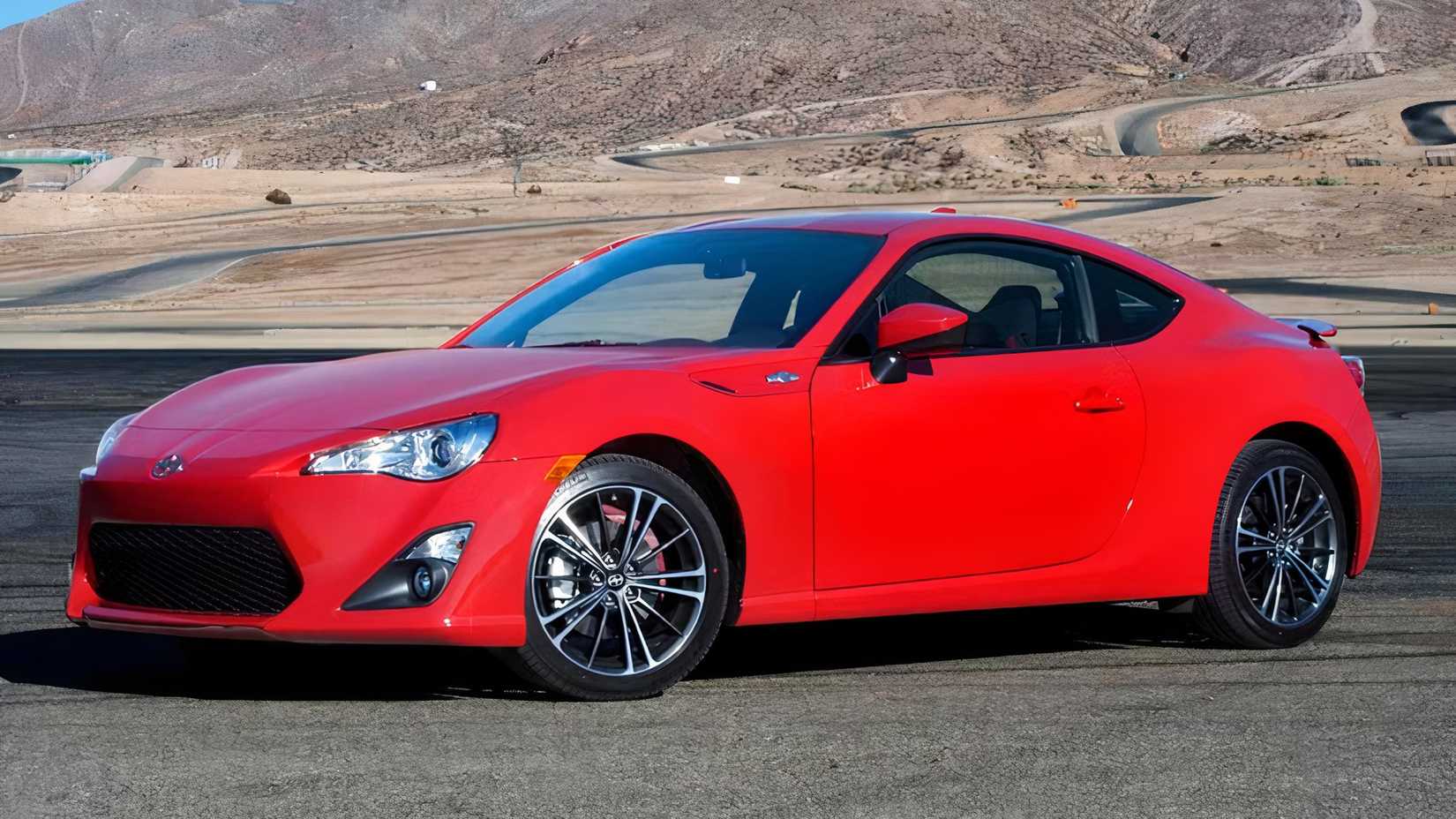
No overcomplicated systems keep the FR-S on the road, and this is what helps it keep a pure feel. There is no adaptive suspension, no configurable throttle maps, and no overly intrusive driver aids that kick in at the first sign of slippage. Both the traction and stability controls are tuned to intervene progressively instead of taking over, and the 13.1:1 steering ratio offers a very precise and connected feel compared to a lot of modern sports cars.
Between 2013 and 2015 model years, the FR-S is equipped with a 6.1-inch Pioneer touchscreen, while the 2016 model gets a seven-inch one. The screen is not a centerpiece like it is in modern sports cars; it is the driver-centric build that is, with the tech playing second fiddle and offering basic functions. The dashboard in the FR-S is low-slung and uncluttered, so you can see out easily, and while the interior materials may leave a little to be desired, they are hard-wearing and functional to take the strain of actually driving in it.
A large tacho sits directly in front of you alongside an integrated digital speed readout; subtle metallic accents and minimal gloss trim reduce glare, and the heavily bolstered seats keep you in place when you are hitting the curvy roads. The FR-S is by no means a fancy sports car, but that is why it feels like a proper sports car to drive; there are no gimmicks and no pretentiousness.
A Legendary Manual Sports Car You Can Buy For Toyota Camry Money
Uncover the icon that delivers a supercar experience without the hefty price tag.
The Scion FR-S Legacy In A Changing Sports Car World
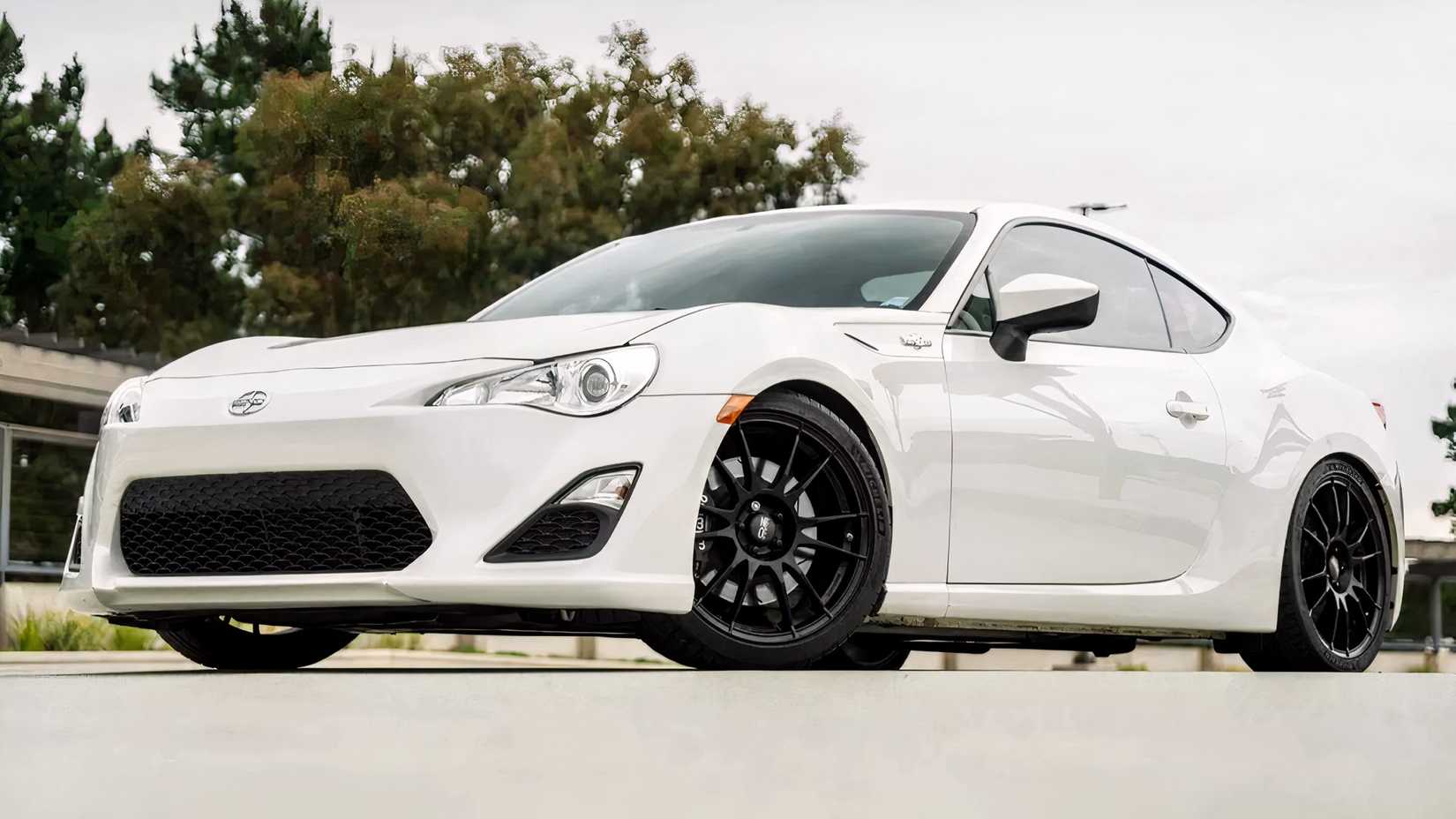
Today, prices for a used Scion FR-S are more reasonable than you might think. According to data on Classic.com, the average price of an FR-S (all model years) at auction is just $13,868. That means, in our books, the FR-S is one of the best used manual sports cars you can buy for under $15,000 in the U.S.
Beyond how reasonably priced a used FR-S is today, it represents a part of auto history that is becoming rare. It arrived on the scene just before the market’s full pivot toward electrification, turbocharging, and heavy digital inputs, and because of that, it has a level of mechanical purity that a lot of newer cars don’t. There is no reliance on artificial noises, minimal electronic nannies, and you need to have some level of skill to get it to do what you want it to.
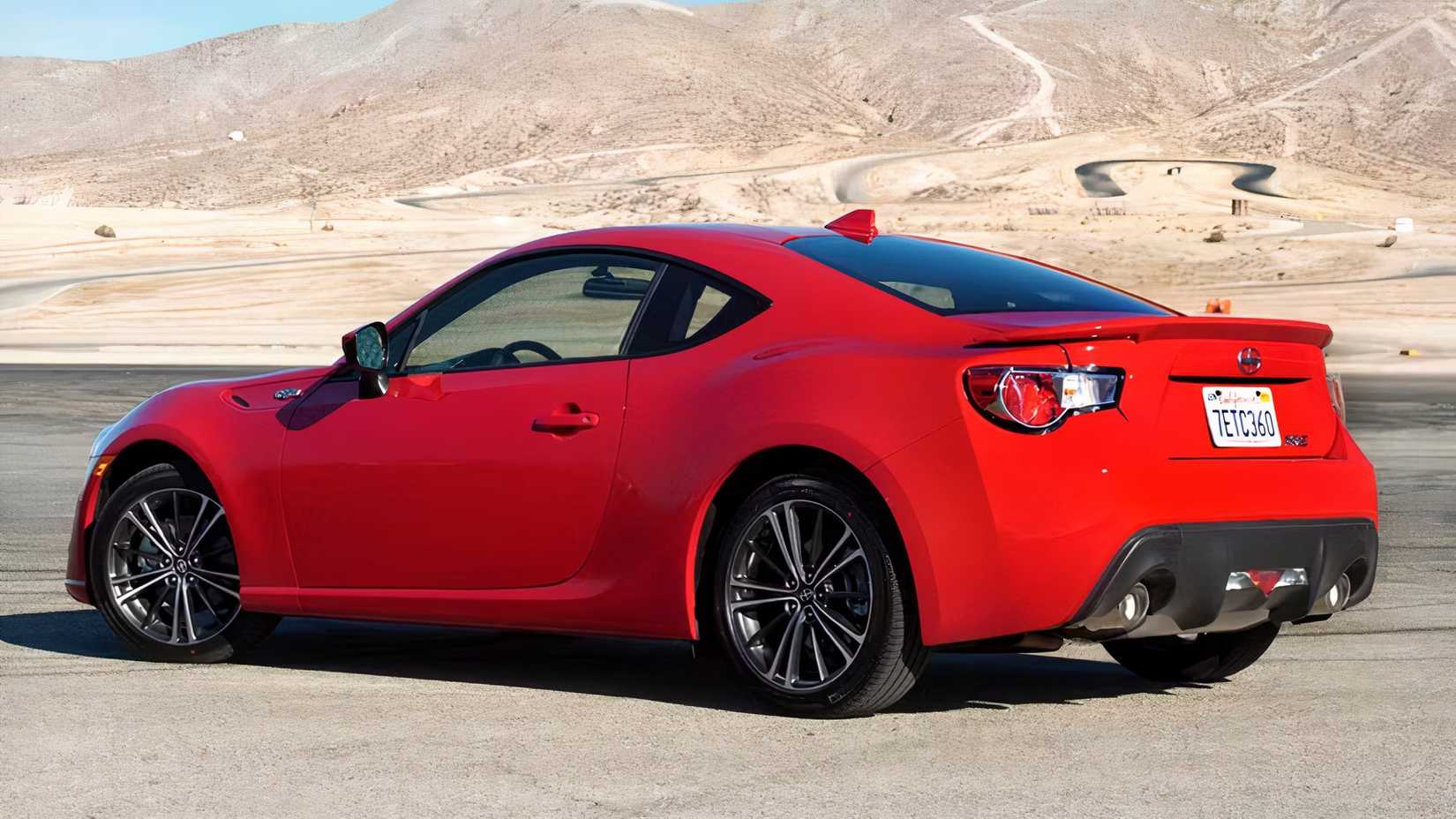
Ratings for the FR-S on Kelley Blue Book have been very kind, with an overall rating of 4.6 out of 5 and a performance rating of 4.8 out of 5. 88 percent of owners also said that they would recommend buying one, while a Toyota-grade reliability rating of 4.8 out of 5 also indicates that it will not be the hardest sports car on earth to live with. You get rear-wheel drive, a manual transmission, a naturally aspirated engine, minimal fuss in the cabin, and a real hands-on feel behind the wheel.
This is why the FR-S should be getting more attention in a shrinking stick-shift sports car market; it is good for budget buyers who want to test their skills, and thanks to the massive aftermarket and modding scene, great for those who want to take a strong base and beef it up. In a sports car market that has moved away from NA engines and manuals, the FR-S is a sports car that strikes a balance of being relatively recent while still offering the slightly more old-school guts that are so sorely missed.
Sources: Toyota, Kelley Blue Book, Bring A Trailer, Classic.com