
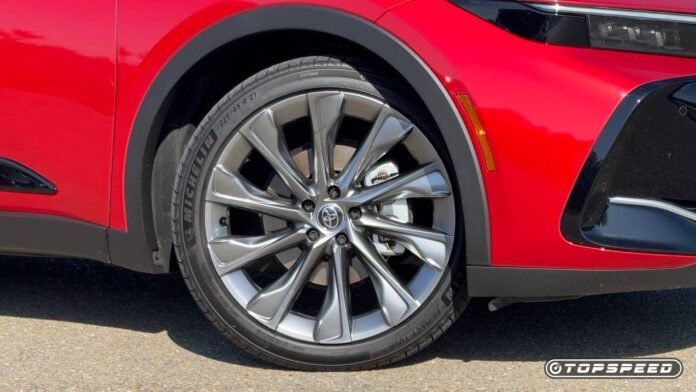
In today’s used car market, value is no longer just about low mileage or a trusted badge; it’s about finding vehicles that offer more than their price suggests. That’s where this sedan quietly emerges as one of the smartest second-hand buys you can make right now. Overshadowed when new by more familiar nameplates like the Toyota Camry and the SUV-dominated appeal of the Toyota RAV4, this Japanese contender never quite found its footing with mainstream buyers. But that lack of attention has created a sweet spot in the pre-owned market, one where depreciation works heavily in your favor.
Underneath its unconventional positioning lies a genuinely sophisticated sedan. Built on Toyota’s TNGA-K platform, engineered with hybrid-first powertrains, and tuned with comfort in mind, it delivers a driving experience that feels closer to premium territory than its used price tag suggests. For buyers willing to think beyond the obvious, this second-hand option represents something rare: a modern, efficient, and highly refined sedan with a long-standing reputation for durability, now available at a compelling discount.
The Sweet Spot In Today’s Used Market That Most Buyers Don’t Consider
The modern used car market has evolved into something far more nuanced than simply hunting for the lowest price or the newest model year. Today, the real value lies in identifying vehicles that were technologically advanced and slightly misunderstood when new. Cars that didn’t achieve mass-market success, but were engineered to a higher standard than their resale values now suggest. This creates a very specific sweet spot.
Typically, these vehicles are two to four years old, have already absorbed the steepest depreciation, and still benefit from relatively modern platforms, safety systems, and powertrain technology. In many cases, they also retain a portion of their original warranty coverage, further reducing ownership risk.
From a technical perspective, this generation of vehicles often sits on advanced modular architectures, uses electrified powertrains, and incorporates high-strength steel construction for improved rigidity and safety. Features like adaptive cruise control, lane-keeping assistance, and large-format digital displays are no longer reserved for luxury models; they’re standard or widely available, even in cars that the market initially overlooked.
The key is understanding that resale value doesn’t always reflect engineering quality. Market perception, brand positioning, and buyer trends, particularly the ongoing shift toward SUVs, play a massive role in determining how a vehicle depreciates. For informed buyers, that disconnect is where the opportunity lies.
10 Most Reliable Midsize Sedans That Won’t Let You Down, According To J.D. Power
J.D. Power’s data reveals the sedans that owners trust most. Will your next car be on this list?
The Crown: The Overlooked Toyota And Why It Got Lost
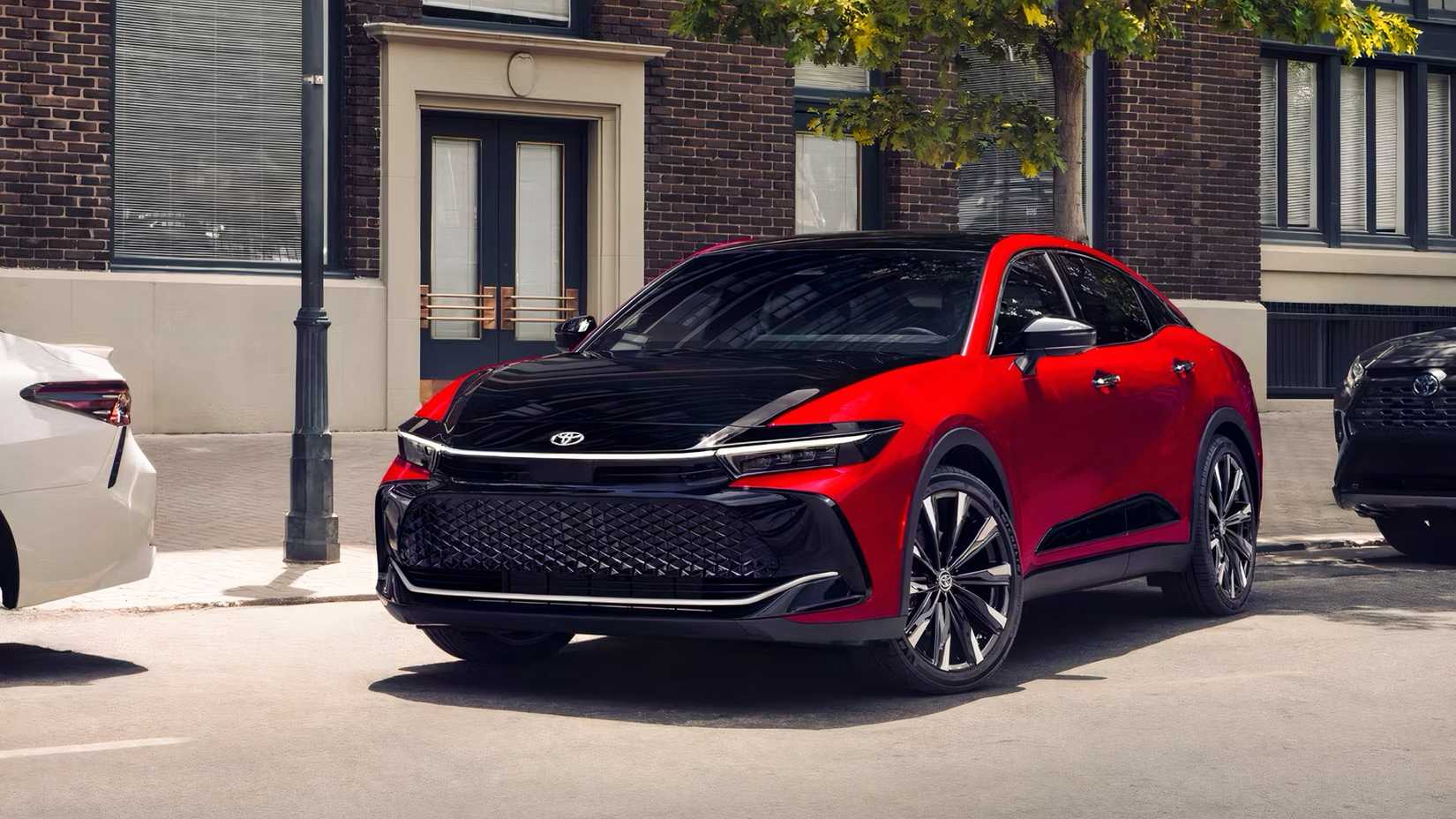
The Toyota Crown’s journey into the used market begins with a simple reality: it was misunderstood from day one. Positioned awkwardly between mainstream and luxury segments, it never had a clearly defined buyer. Dimensionally, the Crown sits right in the mid-size category, with an overall length of 196.1 inches, a width of 72.4 inches, and a wheelbase of 112.2 inches. That puts it squarely in Toyota Camry territory, yet its starting price of around $40,000 and feature set pushed it closer to entry-level luxury rivals like the Lexus ES.
Its Design Didn’t Help Matters
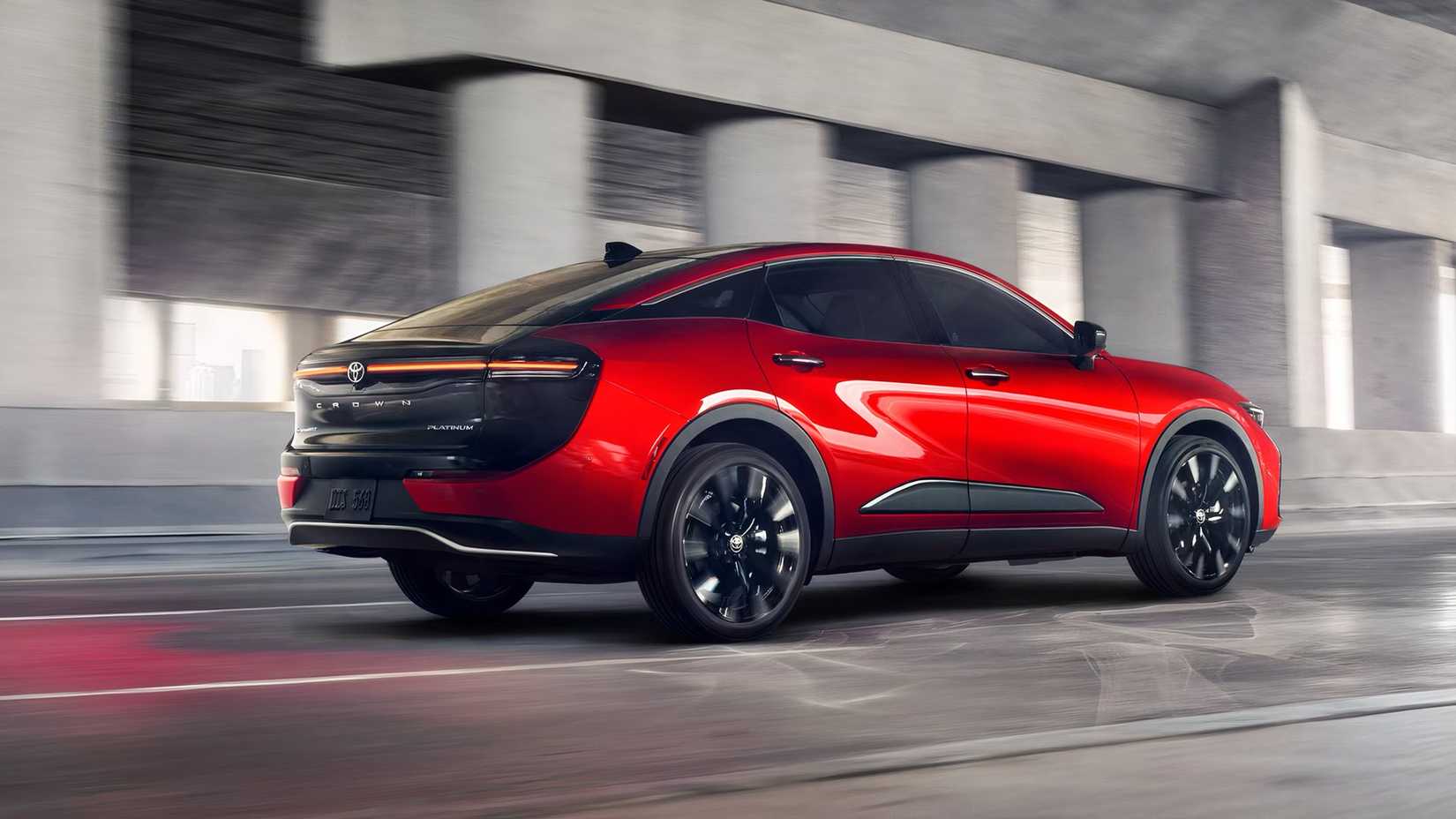
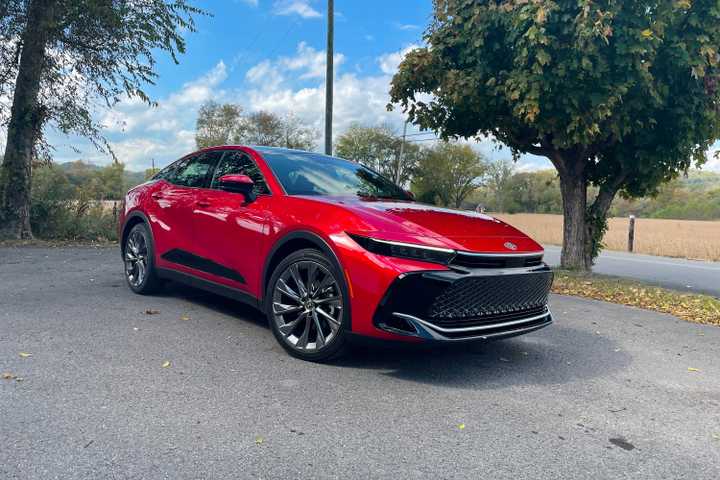
With a ride height of approximately six inches, not quite sedan-low, not quite crossover-high, the Crown introduced a lifted stance that confused traditional buyers. Add in standard all-wheel drive and a fastback-inspired roofline, and it became a car that defied easy classification.
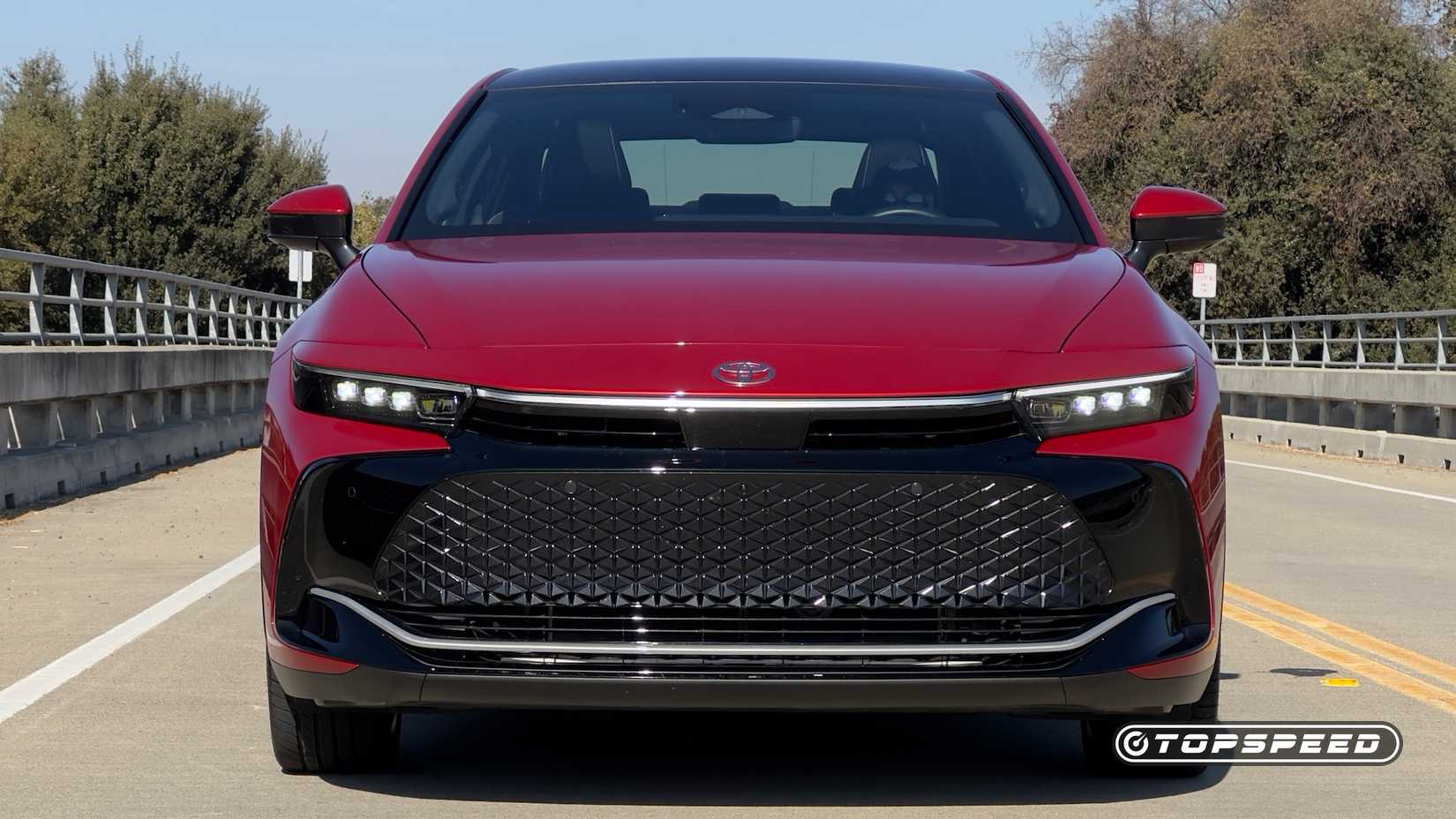
New car buyers tend to favor clarity. They want either the familiarity of a Camry or the prestige of a Lexus. The Crown offered both, yet clearly belonged to neither. As a result, showroom interest remained lukewarm. But in the used market, this ambiguity becomes a strength. Lower demand when new translates into steeper early depreciation. A lightly used Crown, often just two to three years old, can now be found at a price point significantly below its original MSRP, while still offering modern engineering and low running costs. We’ve found used examples going for as little as $30,000, while KBB places the fair purchase price of the base model 2023 Crown even lower, at $28,500.
The Toyota Sedan That Rivals The Lexus ES For Comfort
This storied nameplate offers luxury features and comfort that rivals the Lexus ES, blurring the line between mainstream and luxury.
How The Toyota Crown Quietly Delivers Premium Comfort Without The Price Tag
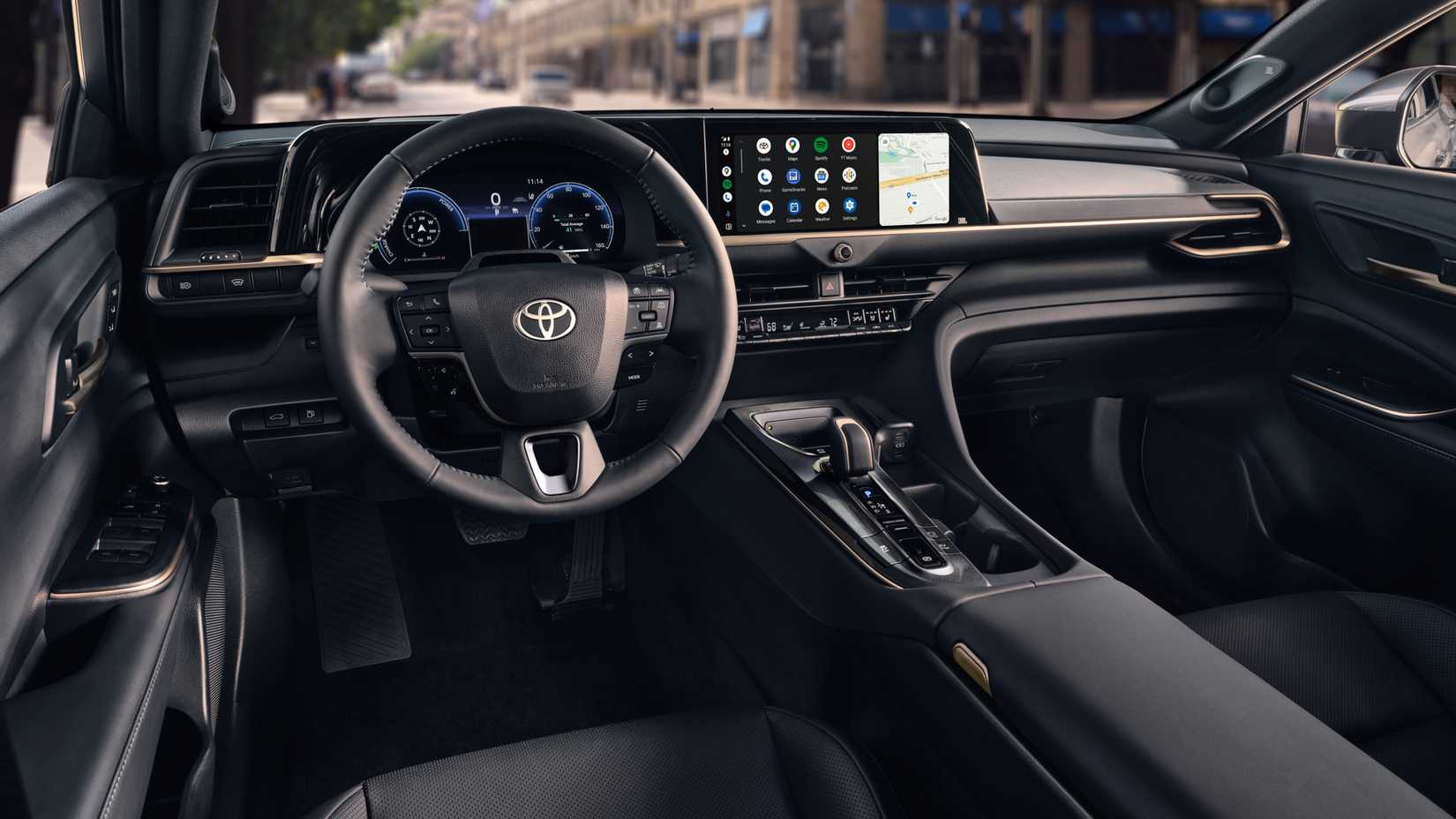
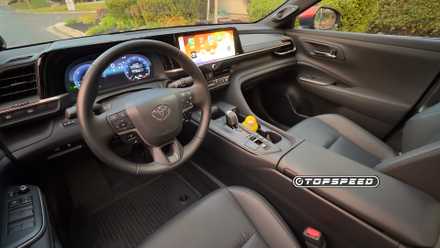
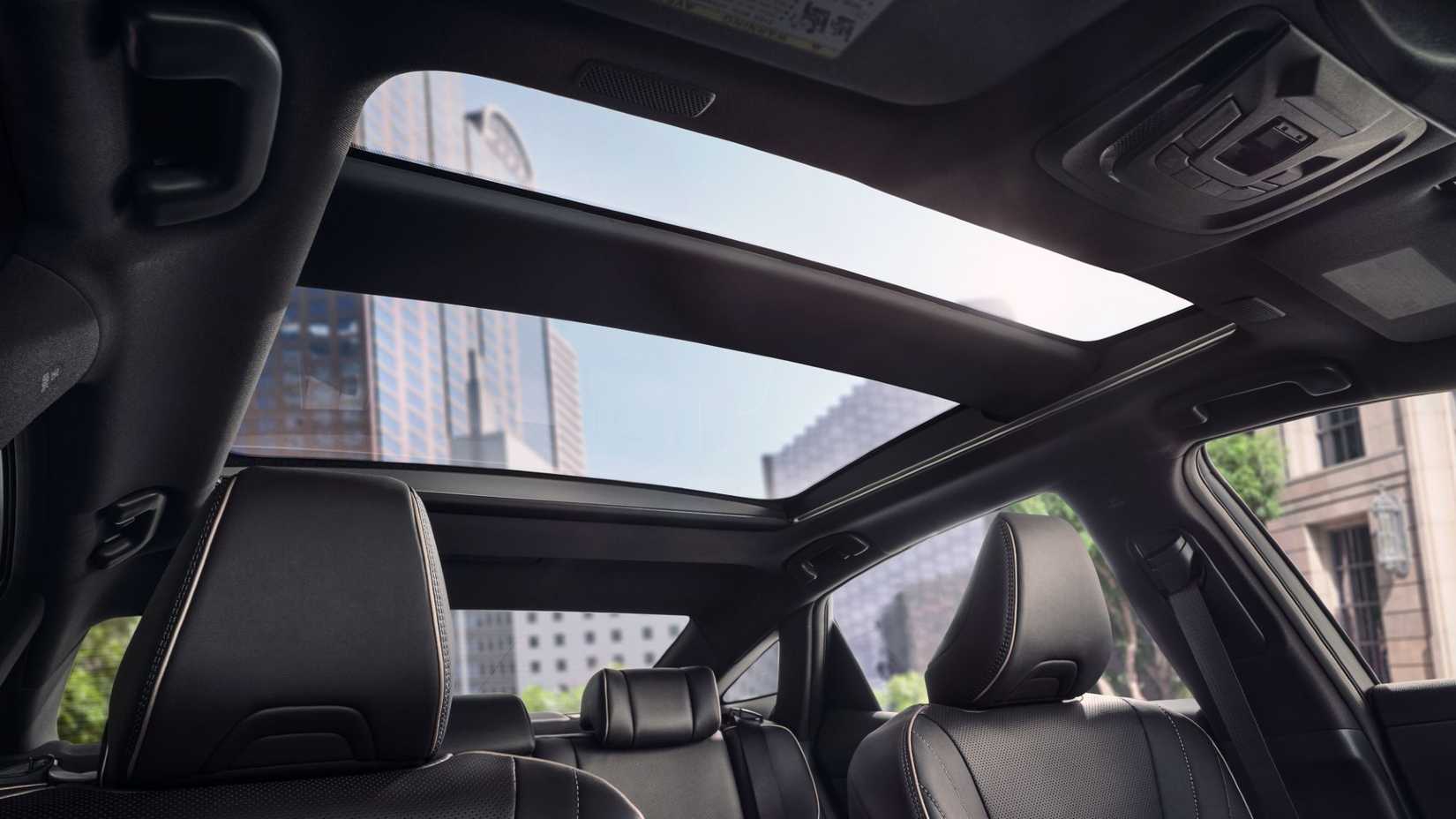
Step into a used Toyota Crown, and its value proposition becomes immediately clear. Even after a few years on the road, the interior holds up exceptionally well thanks to Toyota’s material quality and build standards. The cabin features a dual 12.3-inch display setup, one for the digital instrument cluster and one for infotainment, paired with physical controls for key functions. Higher trims include leather upholstery, heated and ventilated front seats, heated rear seats, and an 11-speaker JBL premium audio system.
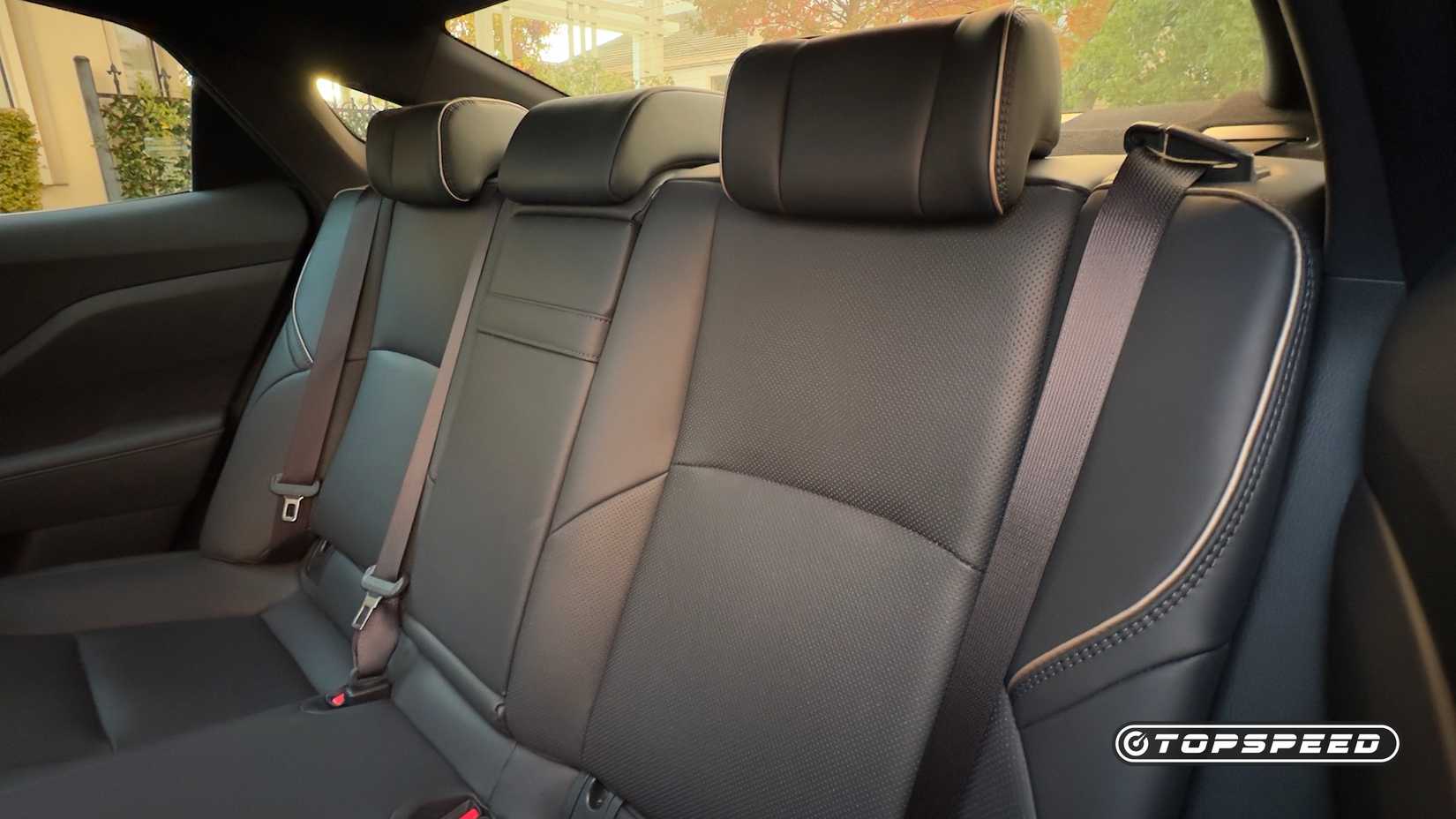
From a technical standpoint, the Crown’s interior packaging is impressive. With 98.2 cubic feet of passenger volume, it offers generous headroom and legroom, particularly in the rear, where legroom measures around 38.9 inches. The trunk provides 15.2 cubic feet of cargo space, making it practical for everyday use.
The Suspension Setup Plays A Major Role In Comfort
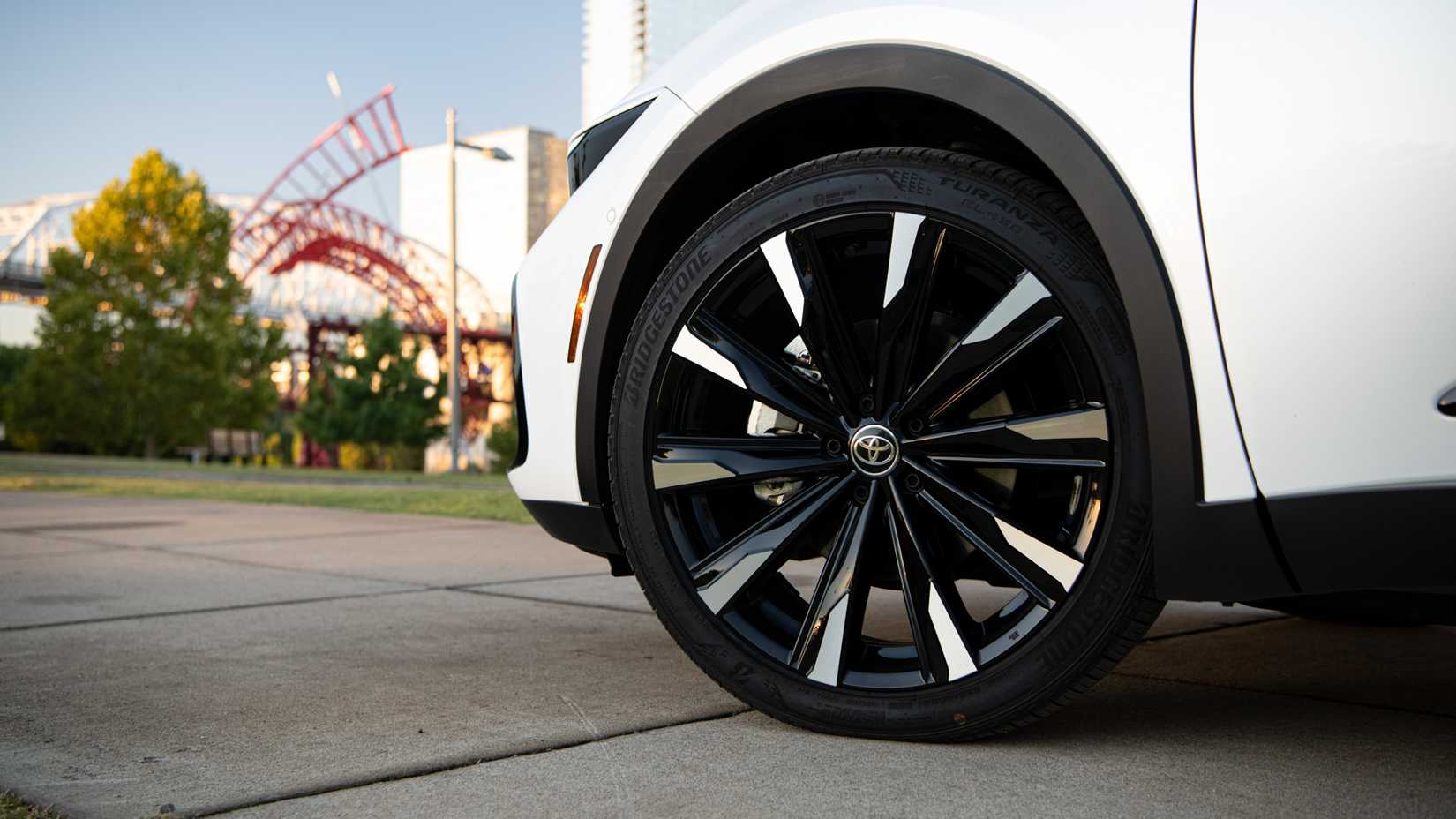
The Crown uses a MacPherson strut front suspension and a multi-link rear configuration, tuned specifically for ride compliance. On higher trims, adaptive variable suspension continuously adjusts damping forces, allowing the car to absorb imperfections without sacrificing stability.
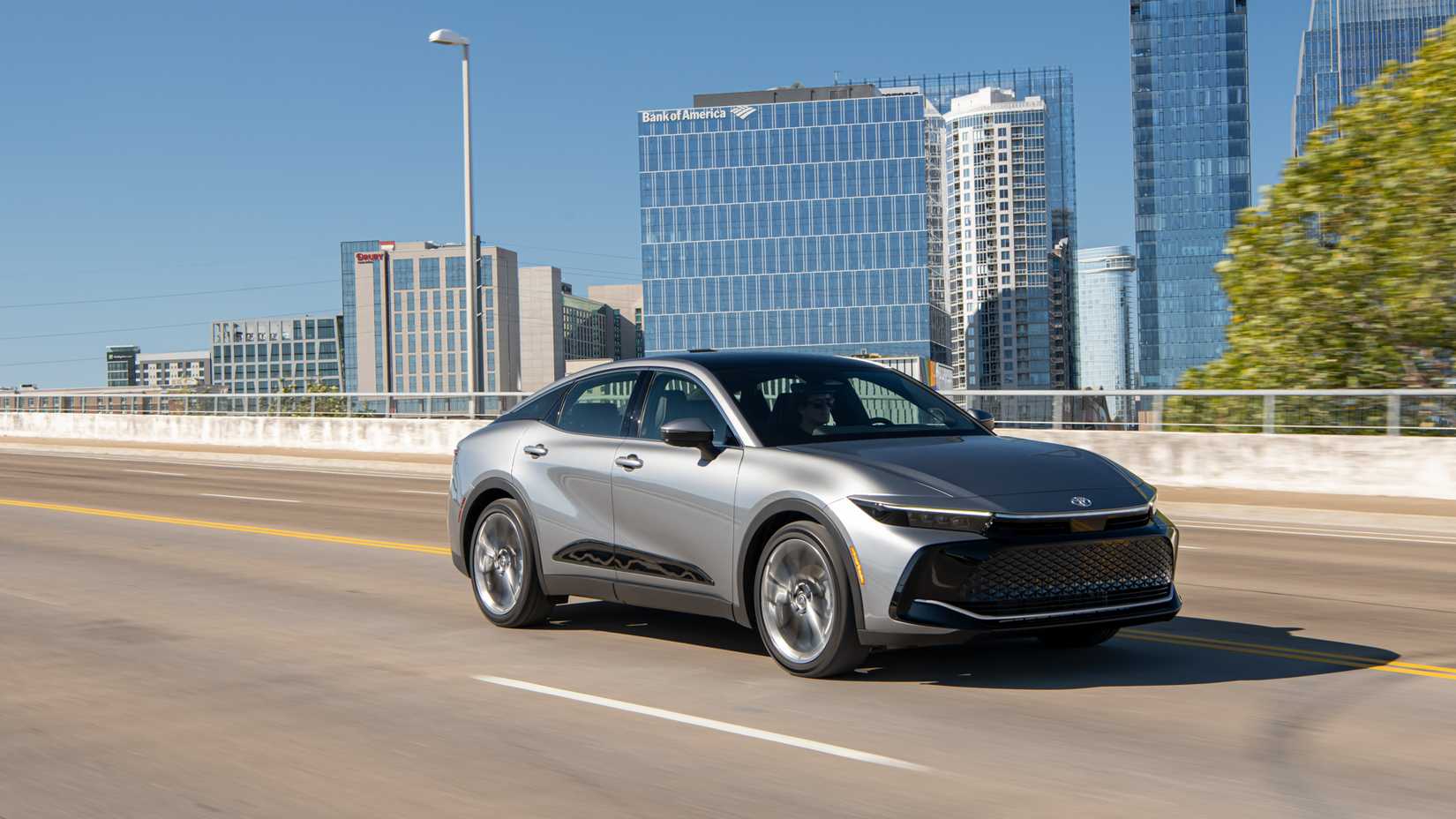
Crucially, this level of comfort doesn’t degrade significantly with age. Unlike some luxury vehicles that rely heavily on complex systems prone to wear, the Crown’s engineering focuses on durability. That makes a used example particularly appealing; it retains its premium feel without the long-term ownership risks associated with more expensive brands.
Hybrid Efficiency Meets Long-Distance Refinement
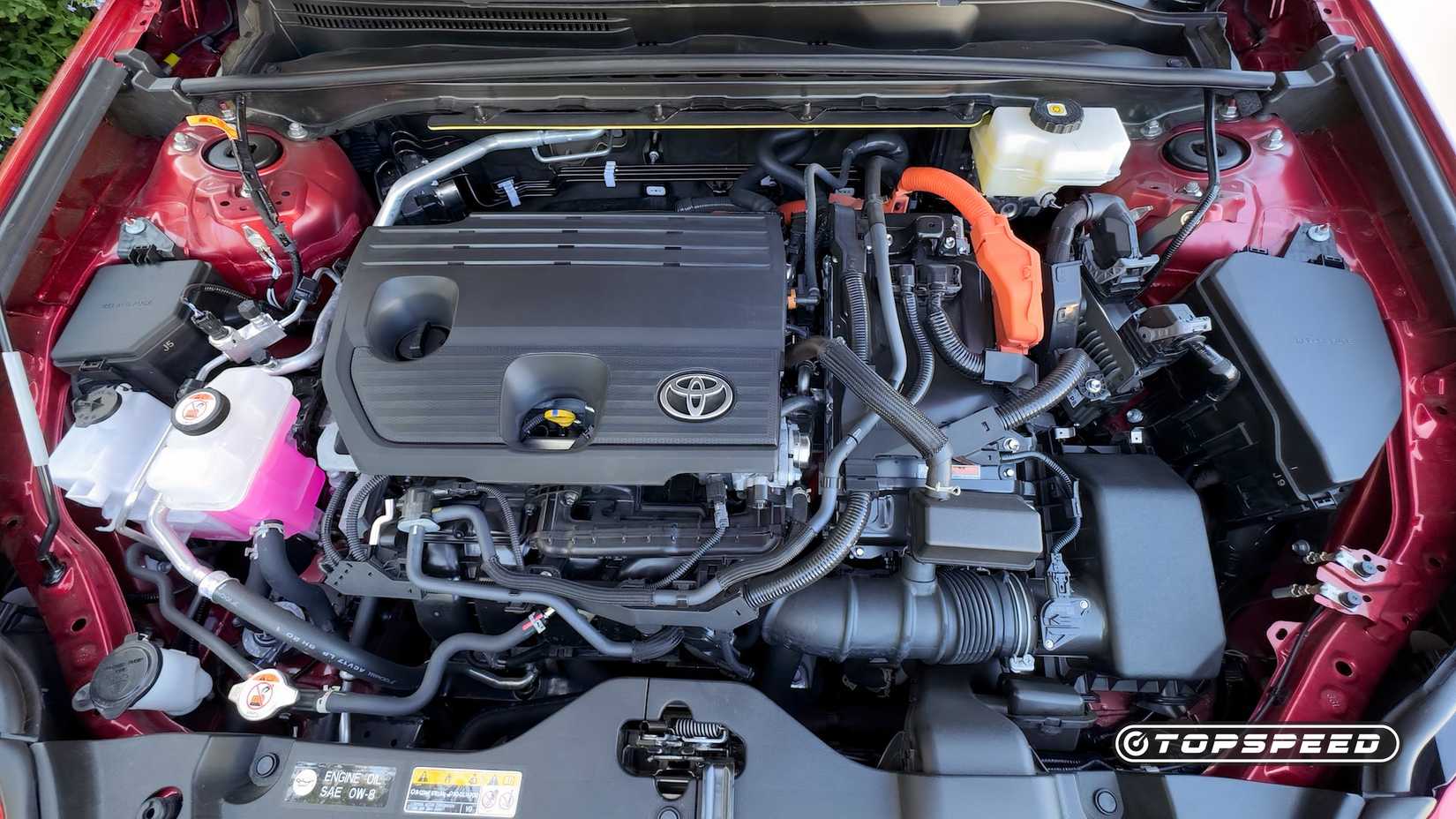
One of the Crown’s strongest assets in the used market is its hybrid powertrain, an area where Toyota has decades of proven expertise. The standard system pairs a 2.5-liter naturally aspirated inline-four engine with two electric motors, producing a combined 236 horsepower. Torque delivery is smooth and immediate, thanks to the electric assist, while the eCVT transmission eliminates traditional gear shifts for seamless acceleration.
- Base Trim Engine
-
2.5L Inline-4 Hybrid
- Base Trim Transmission
-
Continuously Variable Automatic (CVT)
- Base Trim Drivetrain
-
All-Wheel Drive
- Base Trim Horsepower
-
236 hp
- Base Trim Torque
-
163 lb-ft @ 3600 rpm
- Fuel Economy
-
42/41 MPG
- Make
-
Toyota
- Model
-
Crown
- Segment
-
Full-Size Sedan
This setup is paired with an electronic on-demand all-wheel-drive system (AWD-i), where a rear-mounted electric motor provides additional traction when needed. It’s a lightweight and efficient solution compared to mechanical AWD systems. Fuel economy remains a standout figure, even in used examples. The standard hybrid Crown achieves approximately 42 mpg city / 31 mpg highway, making it one of the most efficient AWD sedans available.
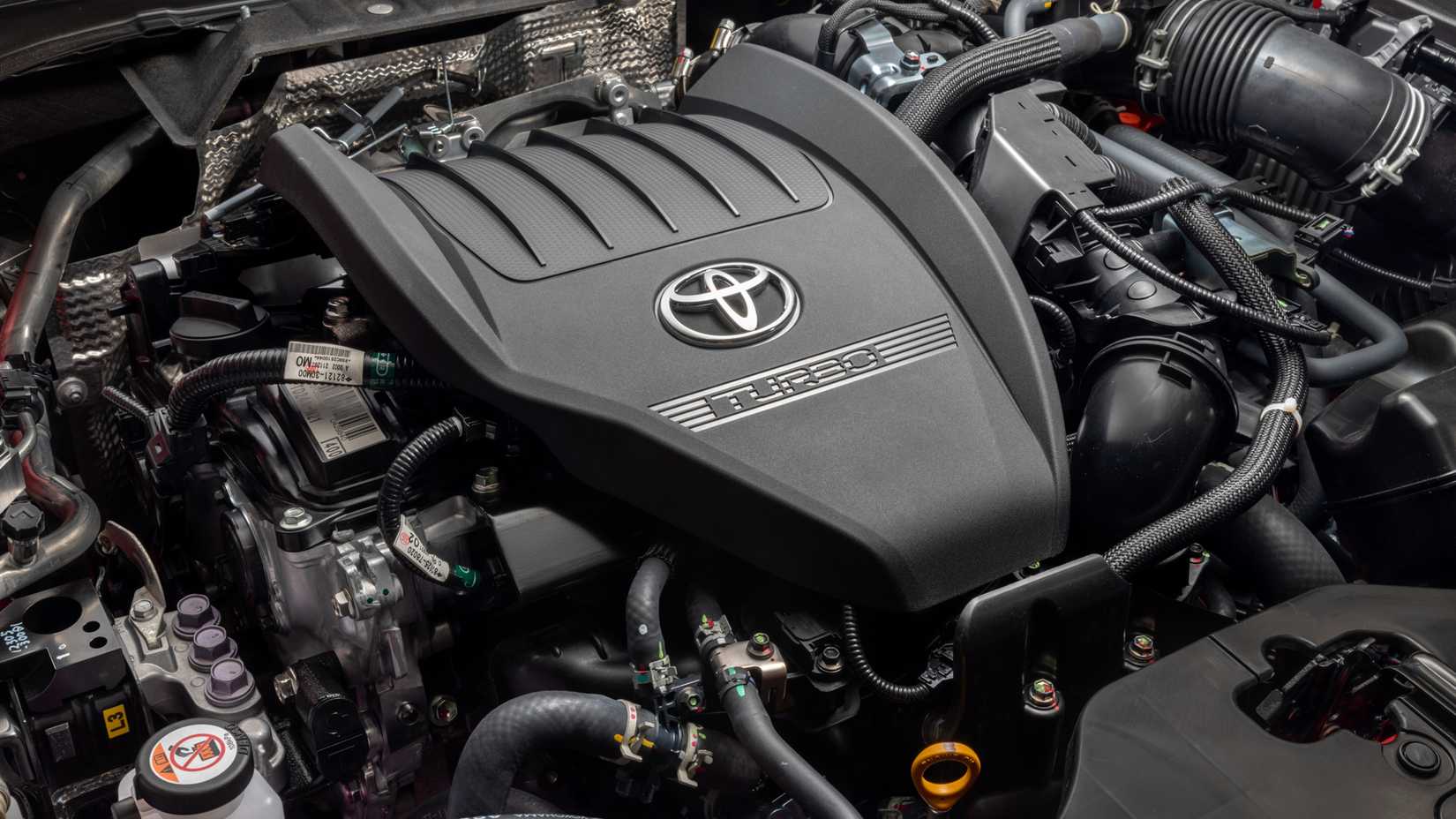
For buyers seeking more performance, the Hybrid MAX variant introduces a turbocharged 2.4-liter engine paired with a high-output electric motor. This system delivers 340 horsepower and 400 pound-feet of torque, routed through a six-speed automatic transmission. It also features a more advanced full-time AWD system with a rear eAxle capable of torque vectoring. Despite the added performance, the Hybrid MAX still returns respectable efficiency figures of 30 mpg combined, which is impressive for a sedan capable of 0-60 mph in approximately 5.7 seconds.
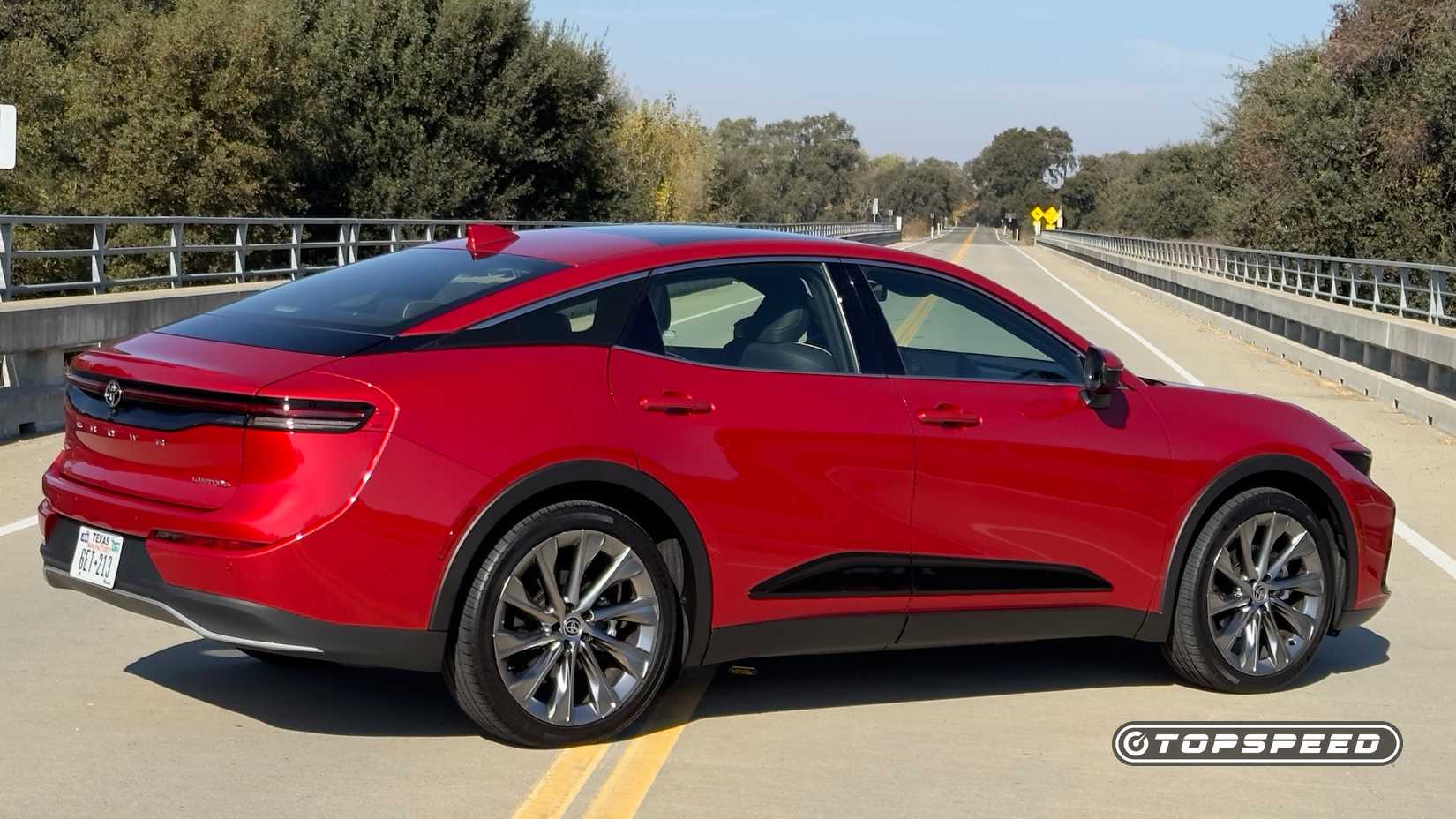
On long journeys, the Crown excels too. With a fuel tank capacity of 14.5 gallons, the standard hybrid can manage nearly 600 miles on a single tank under ideal conditions. Combined with low NVH levels, this makes it an outstanding long-distance cruiser, even as a used vehicle.
The Japanese Car That Quietly Beats Luxury Brands At Their Own Game
A luxury sedan that shuns the spotlight, yet outshines its rivals in the areas that truly matter.
Tech, Ride Quality, And Build Integrity That Feel More Lexus
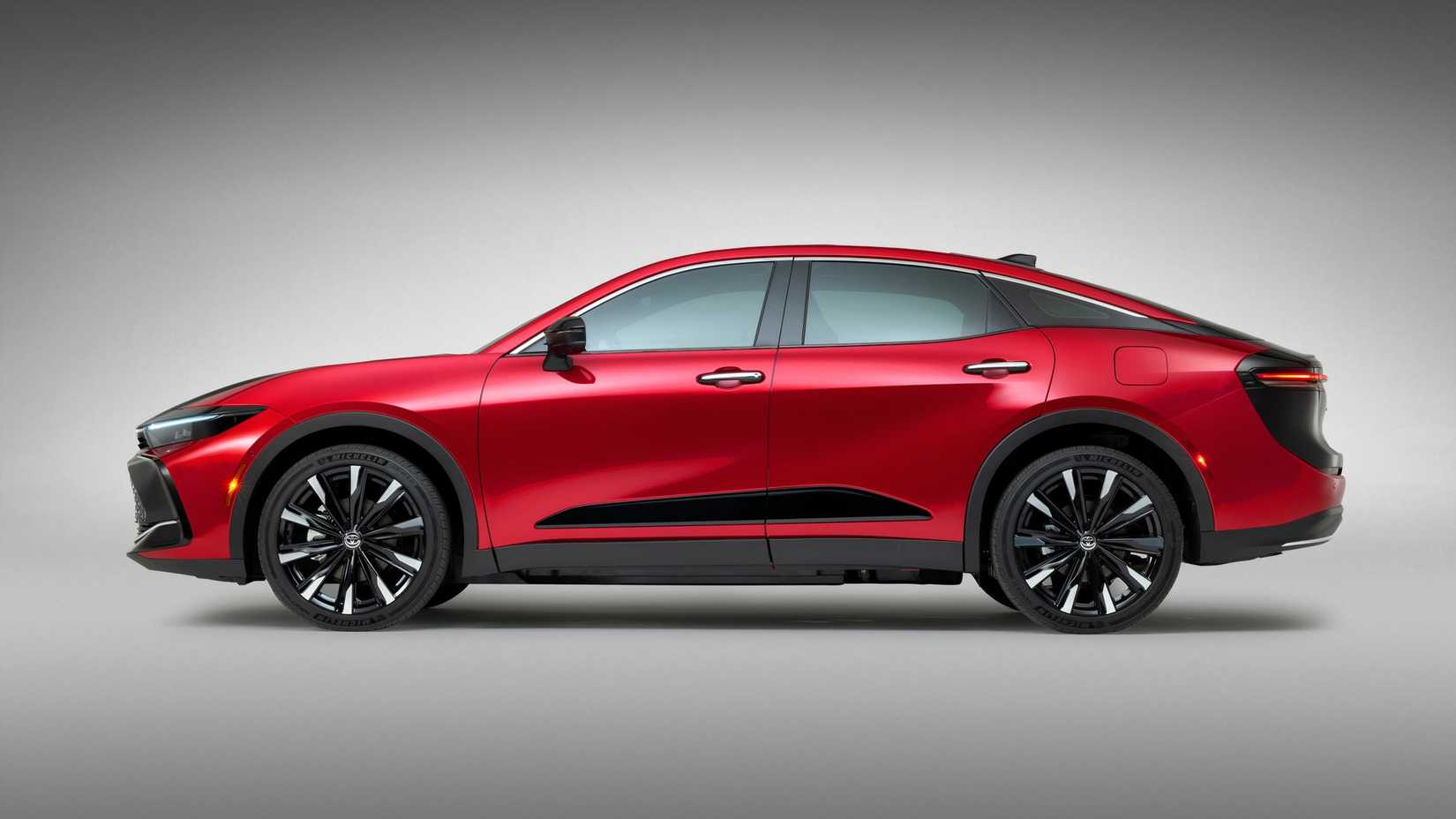
The Crown’s technical package is one of the key reasons it stands out in the second-hand market. Even a used model feels modern, thanks to its advanced driver assistance systems and infotainment technology. Toyota Safety Sense 3.0 comes standard, including features like adaptive cruise control with full-speed range, lane tracing assist, blind-spot monitoring, rear cross-traffic alert, and pre-collision braking with pedestrian detection. These systems rely on radar and camera-based inputs, calibrated for smooth and predictable operation.
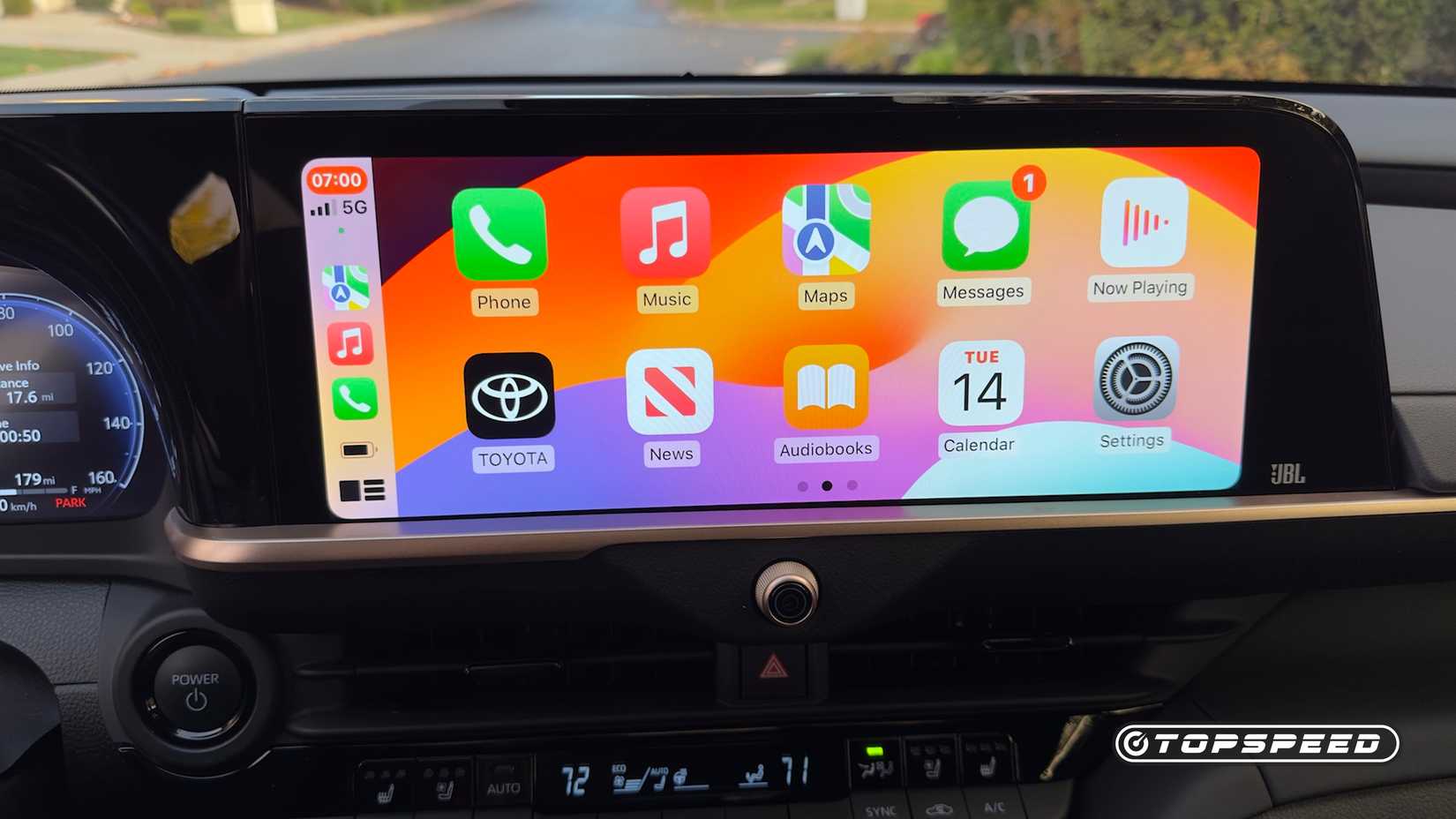
The infotainment system supports wireless Apple CarPlay and Android Auto, over-the-air updates, and cloud-based navigation. Importantly, the interface remains responsive and intuitive even after years of use, something that can’t always be said for older luxury vehicles.
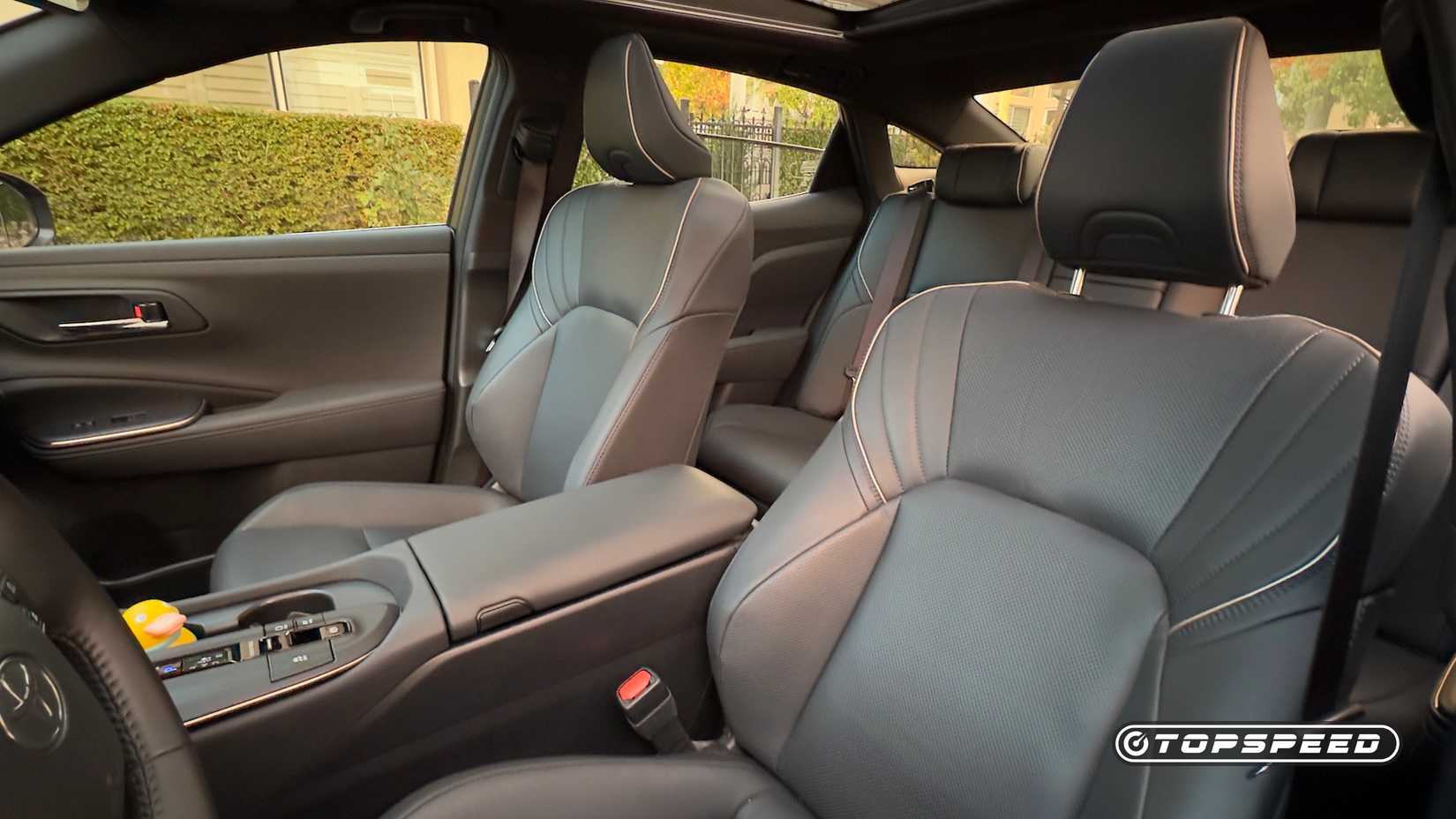
Structurally, the Toyota Crown benefits from the TNGA-K architecture, which uses high-strength steel to improve rigidity while keeping weight in check. Curb weight ranges from approximately 3,980 pounds for the standard hybrid to around 4,300 pounds for the Hybrid MAX.
Ride Quality Remains A Defining Trait
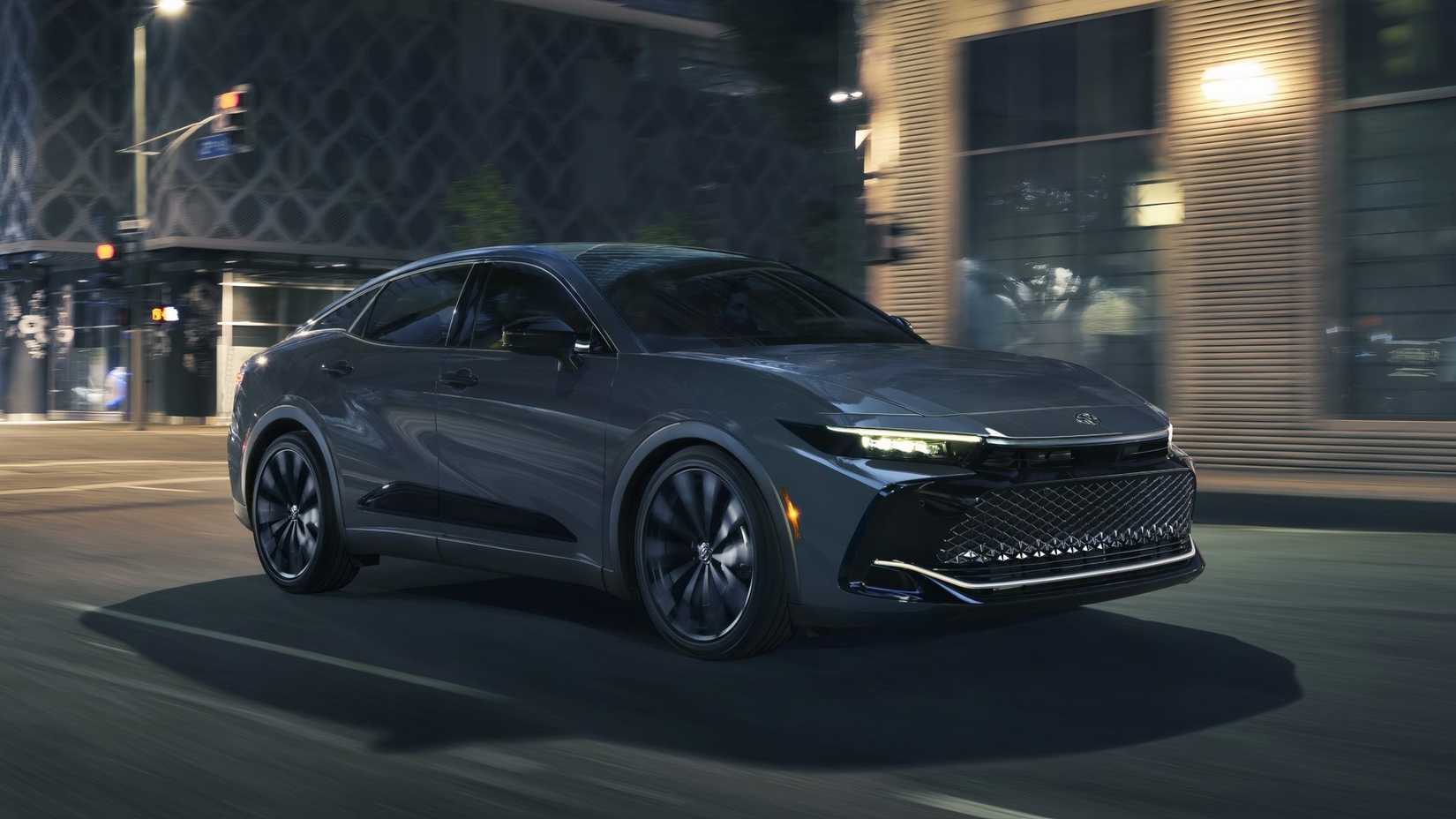
With a near 60:40 weight distribution and a low center of gravity (despite its slightly raised ride height), the Crown maintains composure through corners while prioritizing comfort. Steering is electrically assisted, tuned more for smoothness than feedback, consistent with its refined character. Build quality is where the Crown truly reinforces its value as a used buy. Panel fitment remains tight, interior materials resist wear, and hybrid components are engineered for longevity. Compared to a used Lexus ES, the Crown delivers a remarkably similar experience, often at a lower price point and with lower maintenance costs.
How Mid-Size Sedans Are Quietly Beating SUVs In Value And Comfort
Sedans, often overshadowed by their larger counterparts, are proving themselves as smarter, more economical choices for buyers who prioritize comfort.
Why This Underrated Sedan Might Be The Smartest Pre-Owned Buy
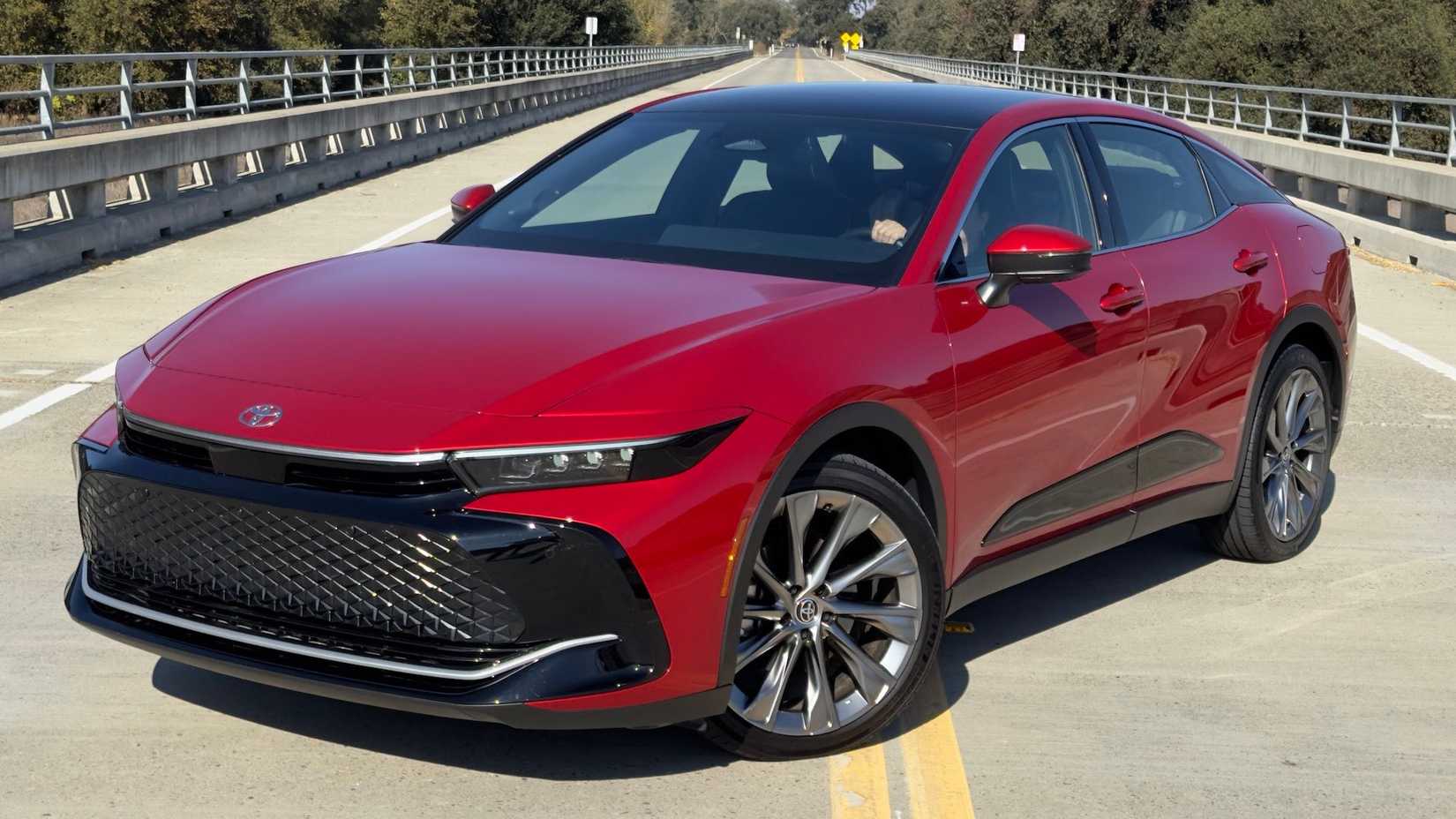
When viewed through the lens of the used car market, the Crown’s appeal becomes even clearer. It offers a rare combination of depreciation advantage, technical sophistication, and long-term reliability. A typical used Crown, just a few years old, can cost significantly less than its original MSRP at around $30,000 – $35,000, yet still deliver modern safety tech, hybrid efficiency, and premium comfort. This depreciation curve is largely driven by its initial lack of demand rather than any inherent shortcomings.
Ownership Costs Are Another Major Advantage
Toyota’s hybrid systems are known for their durability, with battery packs often lasting well beyond 150,000 miles when properly maintained. Routine servicing is straightforward, and parts availability remains strong. Compared to alternatives, the Crown occupies a unique position. A used Toyota Camry may be cheaper, but it doesn’t offer the same level of refinement or AWD hybrid capability. A used Lexus ES delivers similar comfort, but often at a higher purchase price and with potentially higher long-term maintenance costs.
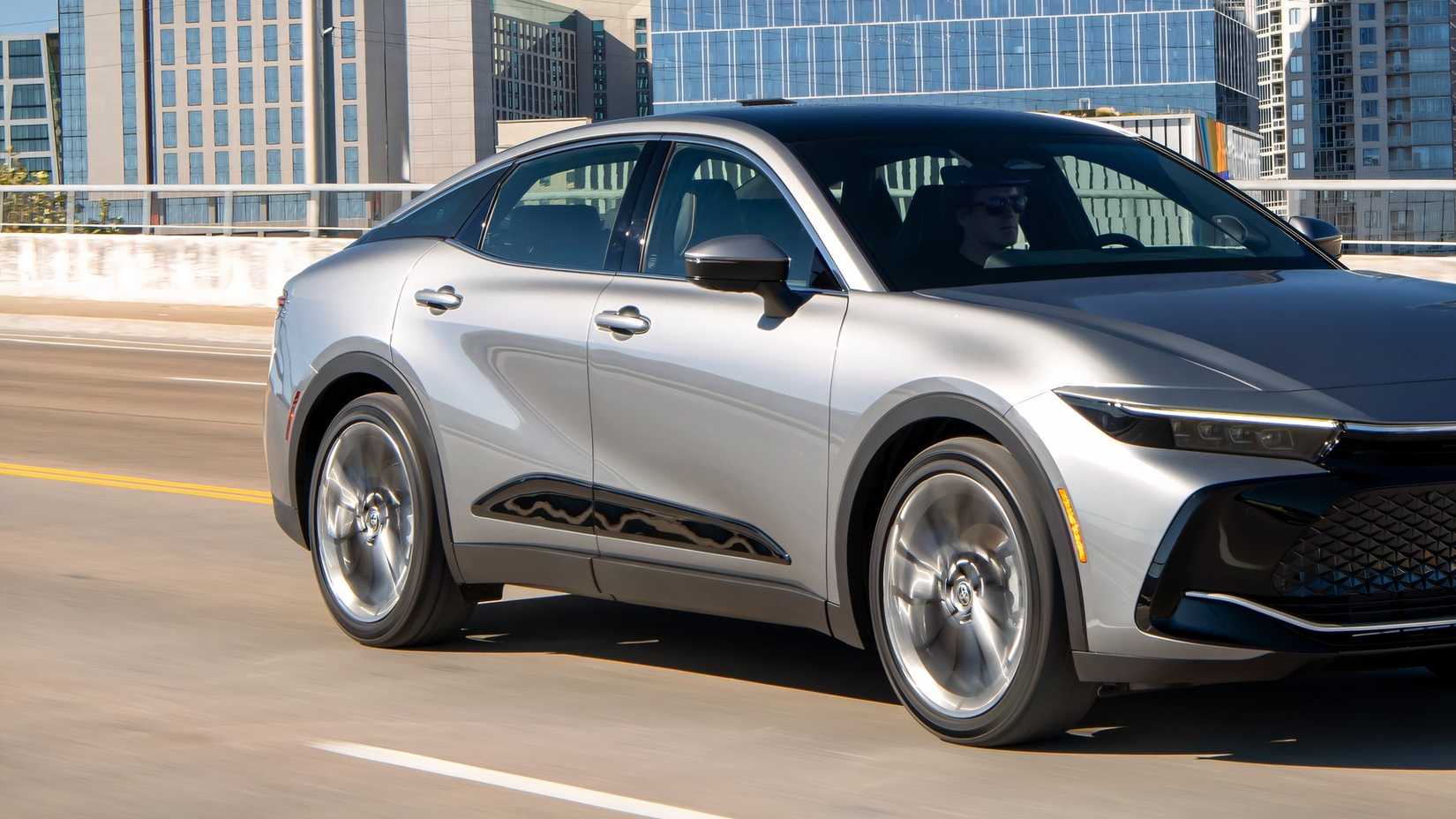
The Crown, in contrast, sits perfectly in between. It offers near-luxury comfort, cutting-edge hybrid technology, and everyday usability, all wrapped in a package that’s still relatively under the radar. For buyers who prioritize substance over badge perception, a second-hand Crown is arguably one of the smartest choices on the market today. It’s efficient without being dull, comfortable without being expensive, and distinctive without being impractical. In a world where most used car purchases are predictable, the Crown stands out as a calculated, informed decision, one that rewards those who look beyond the obvious.
Sources: Toyota, The EPA, KBB, CarEdge