
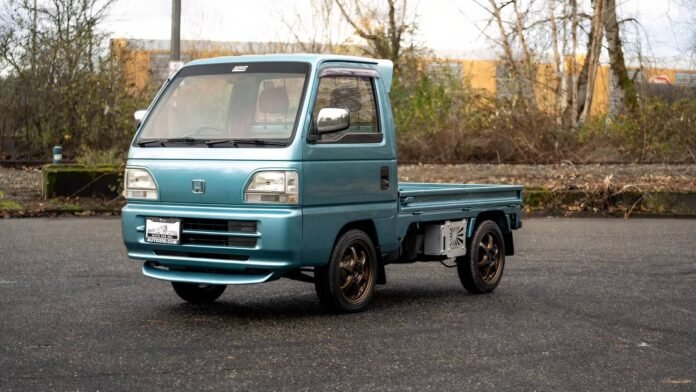
If you are familiar with JDM culture, you may have heard about kei trucks by now. What really is the deal with these diminutive utility vehicles from across the pond? Kei trucks have been the dominant workhorses of the Japanese economy since the 1950s, but we are only starting to get a real taste of them stateside in recent years. Want to know more about these mini trucks and decide whether you might want one in the future? Follow along as we break down everything you need to know about kei trucks, including what they are, how they work, and which ones are worth buying.
What A Kei Truck Is (And Isn’t)
Why do kei trucks exist, and why are they so small? Great questions. The kei truck is a product of Japanese law and engineering. Understanding the regulatory framework behind these vehicles explains almost everything you need to know about how they are designed.
The Kei Class: A Lightweight Category
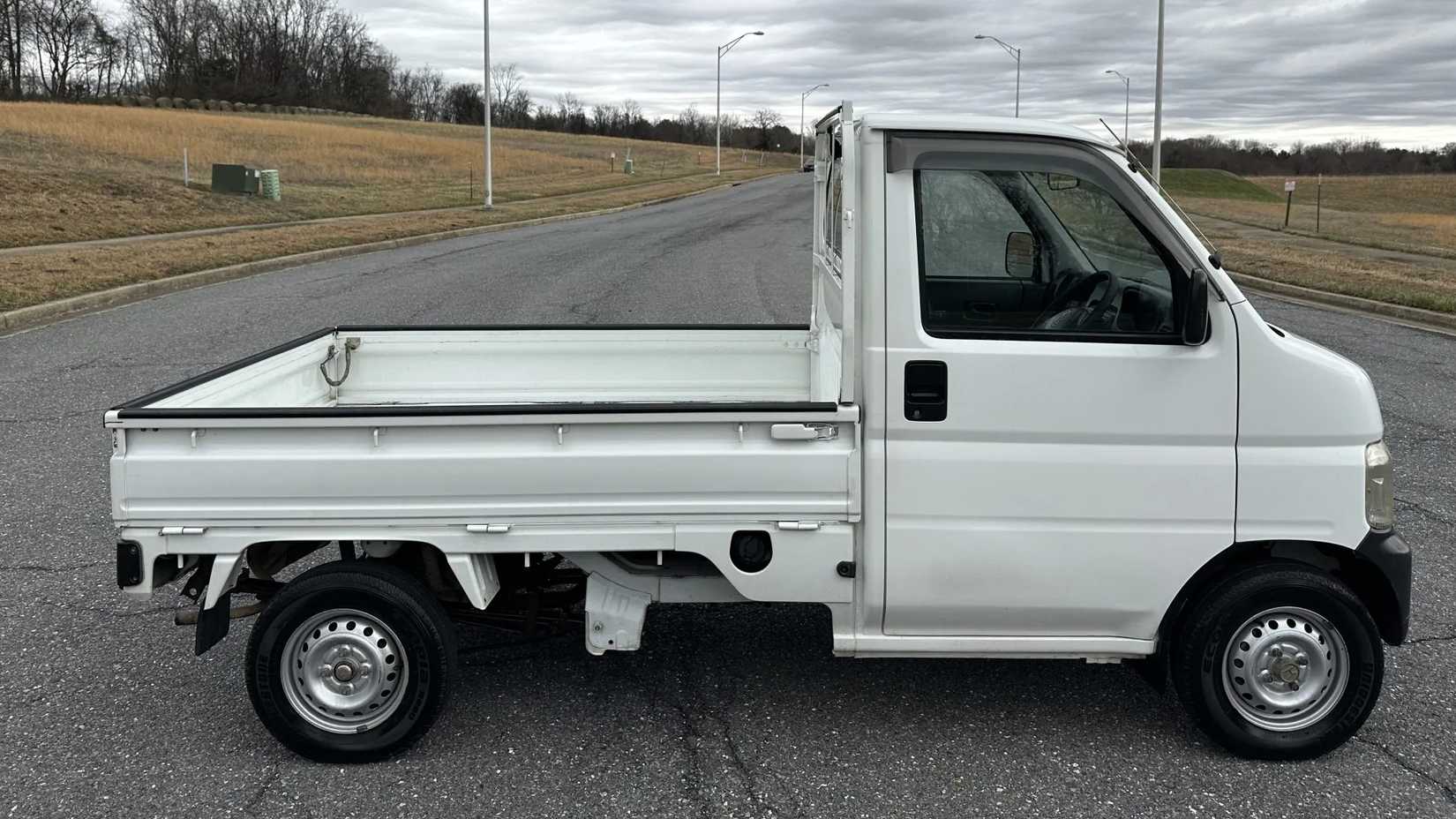
In post-WWII Japan, the government created a special class of lightweight vehicles called keijidosha, or “kei vehicles”. The function of the kei car was to stimulate the recovering economy and rebuild the automotive industry. This strategy was successful and even today, kei cars represent almost a third of all new vehicle sales in Japan. The rules that determine what a kei car is have seen several iterations.
To qualify as a kei vehicle, a truck must meet a specific set of requirements: a maximum engine displacement of 660cc, exterior dimensions no longer than 11.2 feet and no wider than 4.9 feet, and a power output limit of 47 horsepower for naturally aspirated engines. Certain forced induction models were allowed up to 63 hp. These legal thresholds have a larger impact on Japanese consumers than they might appear. The class of vehicle you own determines tax benefits, insurance rates, and parking privileges. Space is a commodity in Japan, and its value cannot be overstated.
From Japan To California
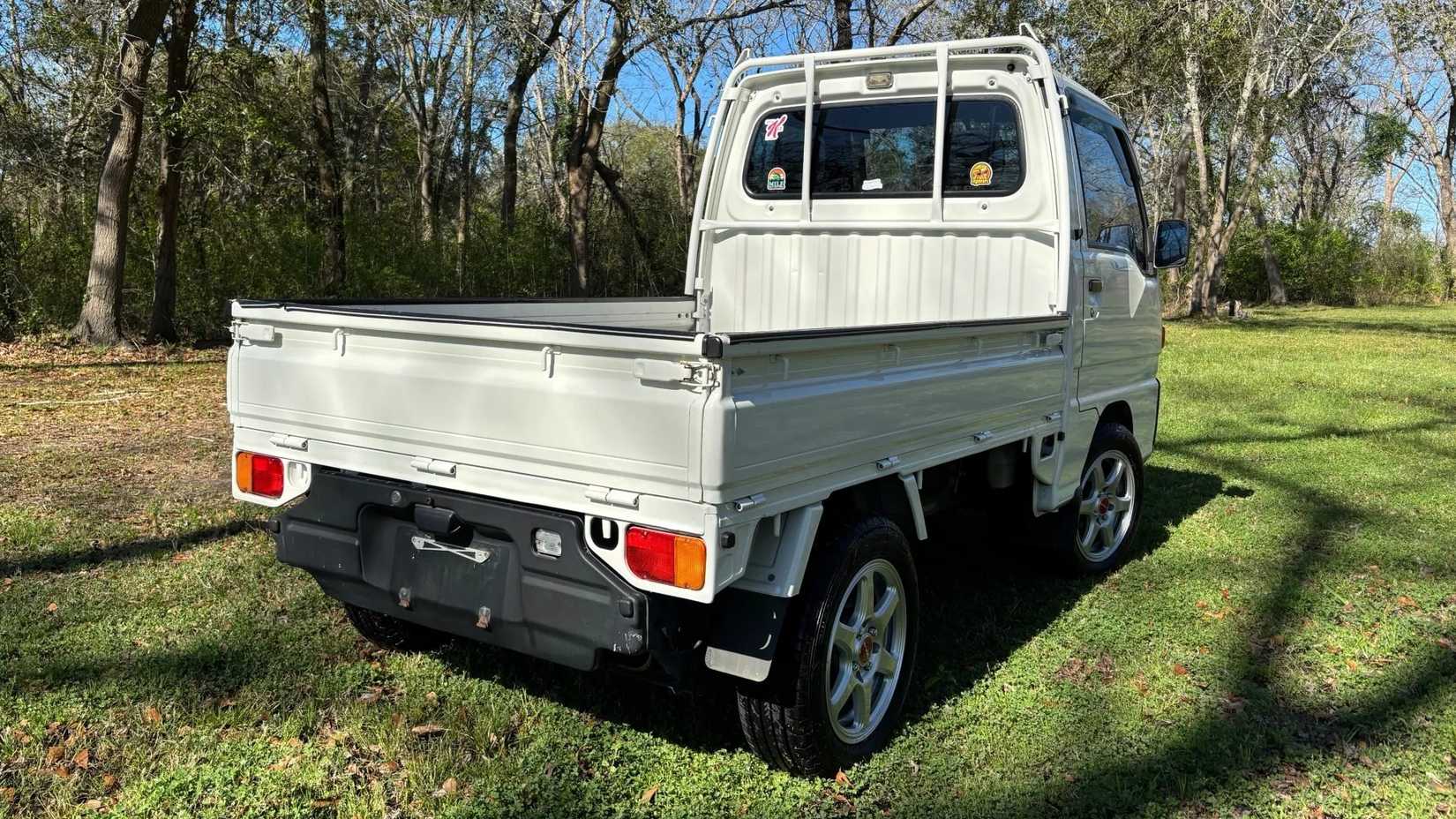
Kei cars were built for the space-conscious urban roads that traverse Japan. Yet, somehow, these mini-vehicles have also become equally beneficial on farms, ranches, and rural properties worldwide. The compact footprint of a kei truck makes it perfect for those awkward logistical bottlenecks that are common in rural areas. Full-size pick-up trucks are great—until the monsters won’t fit through an opening. The two-door cab-over design you most often see on kei trucks maximizes the cargo bed space relative to its overall length. That typically means six feet of flatbed space with fold-down sides.With all that utility, a kei truck can easily fit into the smallest of compact parking spaces. This unheard-of footprint, combined with a large bed capacity, is the kei truck’s secret sauce that has intrigued American shoppers.
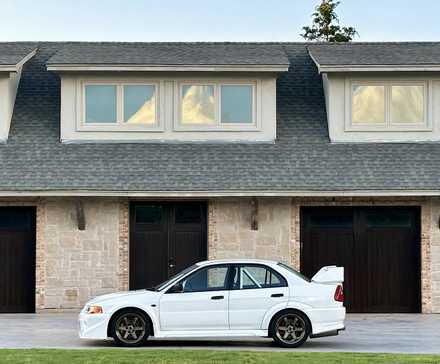
Best JDM Cars To Import In 2026 (And How Much They Cost)
If you are craving a forbidden fruit, these select options should be among your top picks.
How A Kei Truck Performs
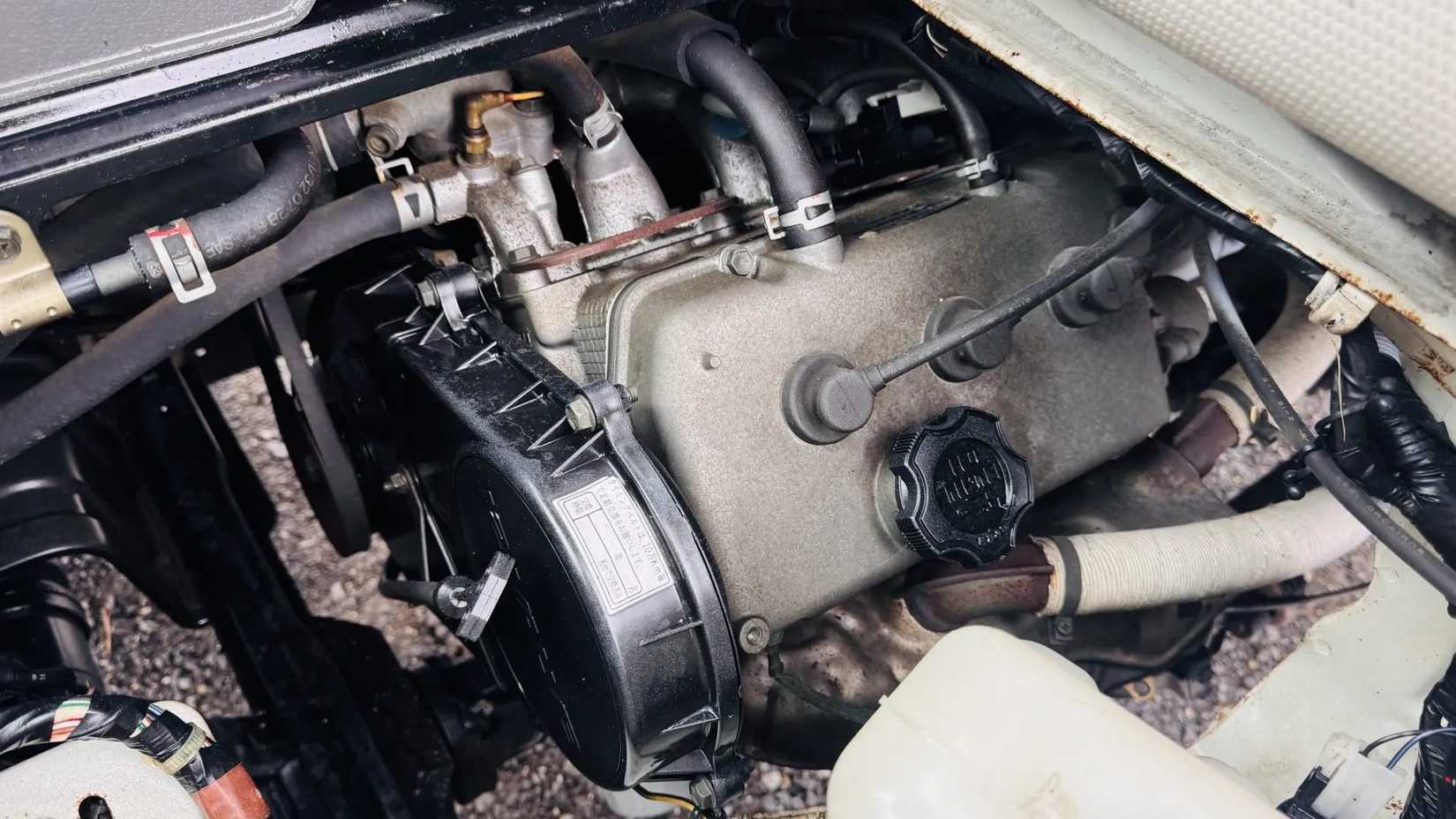
The kei truck may be small, but it is mighty as well. These mini trucks are built specifically for the demand of low-speed, high-load work, and when utilized correctly, they excel at their job.
Engines And Real-World Capability
Although there are kei trucks from many different Japanese automakers, most share common components. Most of them are equipped with either 660cc inline-three engines. The Subaru Sambar stands out among the pack by using an inline-four engine for a smoother power delivery. If you want the most horsepower available, forced induction variants typically offer about 60 hp.
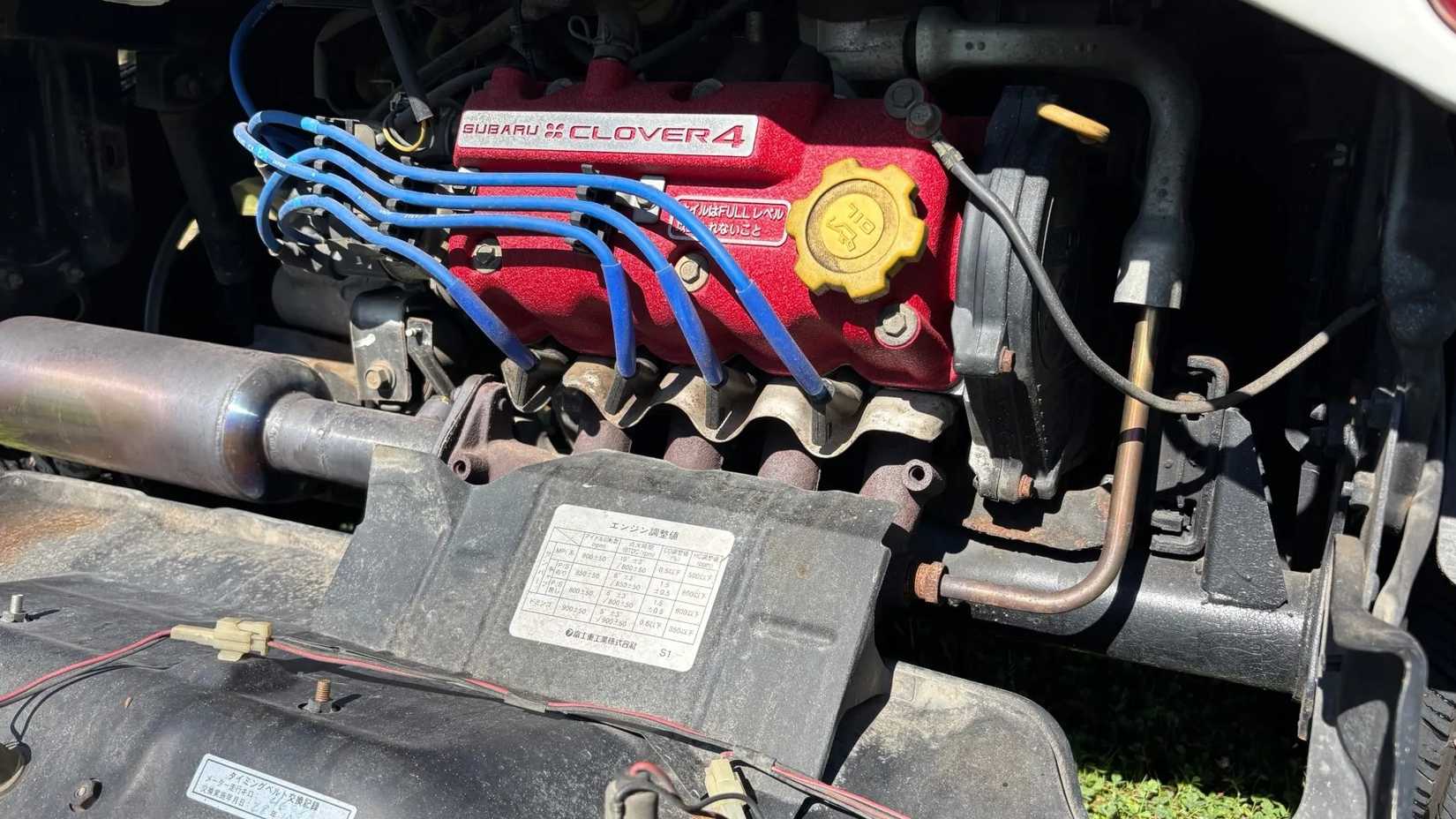
These power outputs may sound modest, but let’s not forget that these trucks often weigh somewhere in the range of 1,500 to 2,000 pounds. They are also optimized for torque with short gearing and low top speeds of about 60 to 75 mph. Driving a kei truck above or around 65 mph is a terrifying feat; in many U.S. states, they are not legal for freeway use. Safety, what safety? Kei trucks were never meant for interstate speeds. Crumple zones are non-existent. You’re safer (even at 100 mph on a 1000cc, 200-horsepower supersport bike) than in a kei truck at highway speeds.
Fuel Economy And Ownership Costs
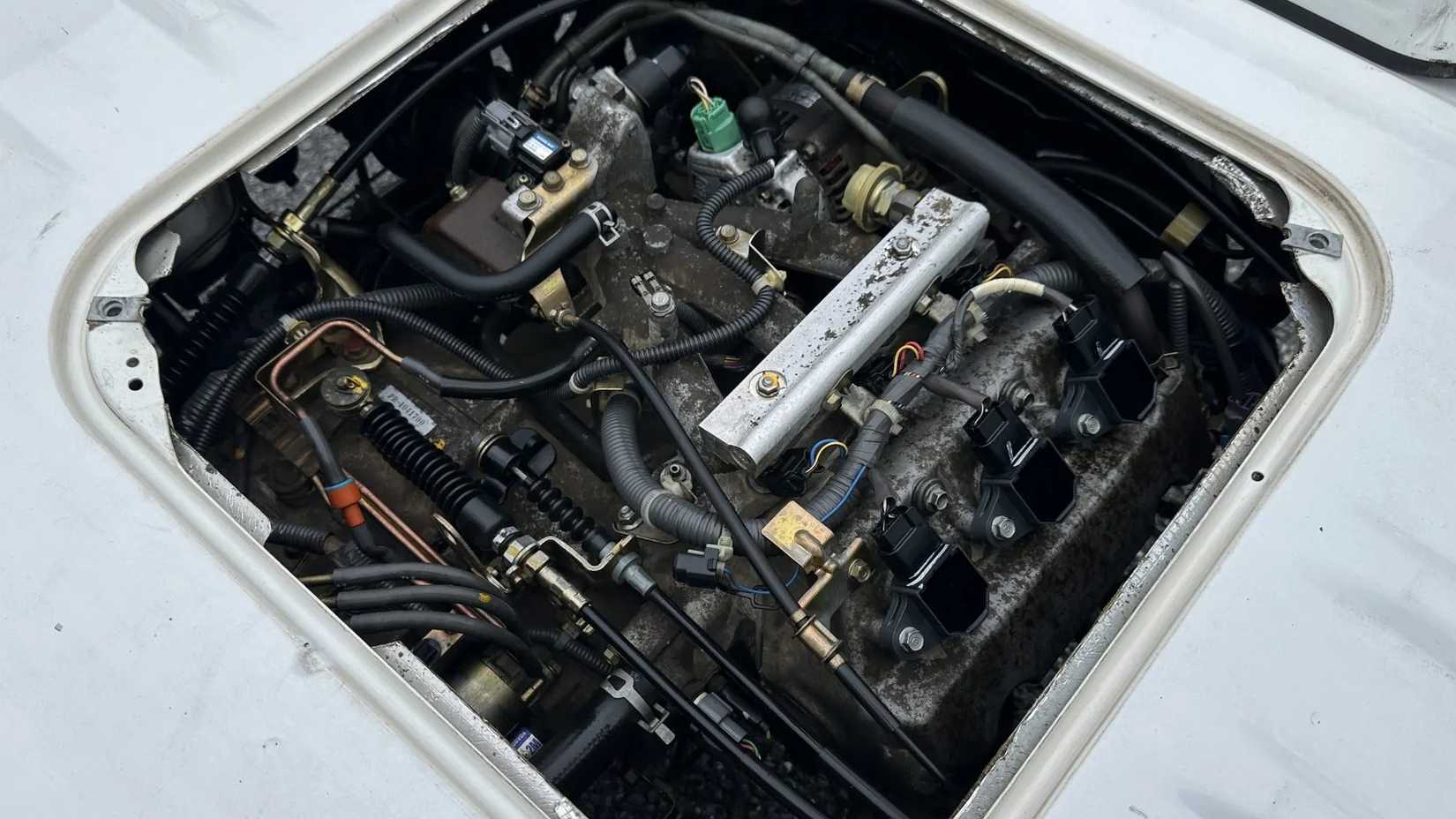
Though getting a kei truck from overseas is a bit tricky, operating costs once it’s in your possession are surprisingly low. A 660cc engine, under normal conditions, can achieve about 30 to 35 mpg. 40+ mpg is possible depending on the load and cruising conditions. If you compare that to the 15 to 18 mpg average you’d get in a V-8-powered full-size pick-up, you can see how a kei truck can save you a lot of money in the right situation. Though turnaround time on certain parts can be a headache, parts are generally inexpensive and widely available for the most popular models. Because kei trucks offer mechanical simplicity, many owners choose to do the maintenance themselves. With the right application, a purpose-built utility truck like a kei truck is hard to beat once you consider the affordability of ownership.
Forget Supercars: JDM Legends Are The Real Investment Cars
JDM legends have become some of the hottest collector investments, often outpacing traditional supercars in value growth.
The Five Kei Trucks Worth Considering
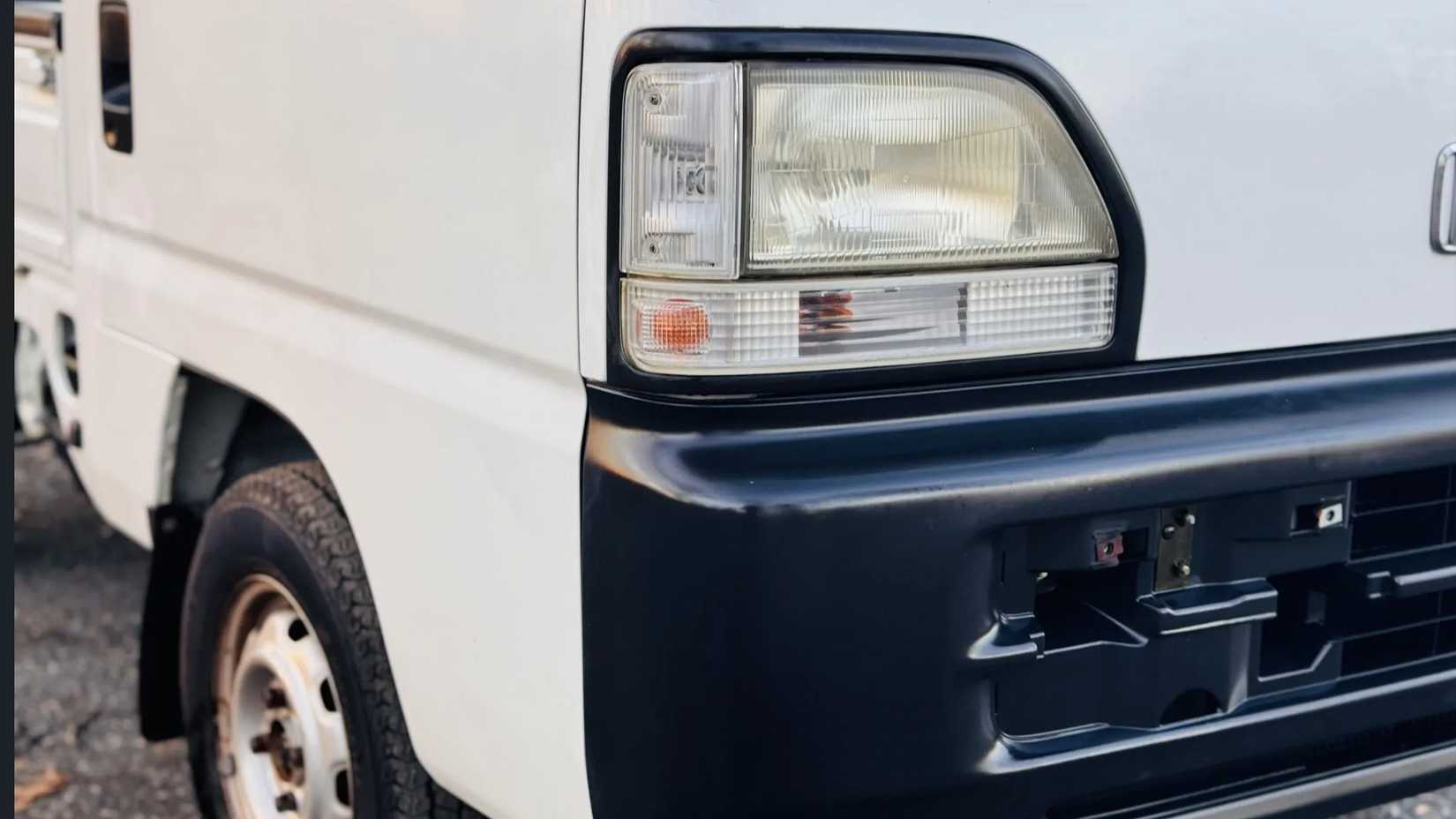
Not all kei trucks are created equal, and of all the options available, only five specific models are worth your time. It’s important to understand the differences between these options to determine which one will suit your needs best.
Honda Acty, Suzuki Carry, And Subaru Sambar
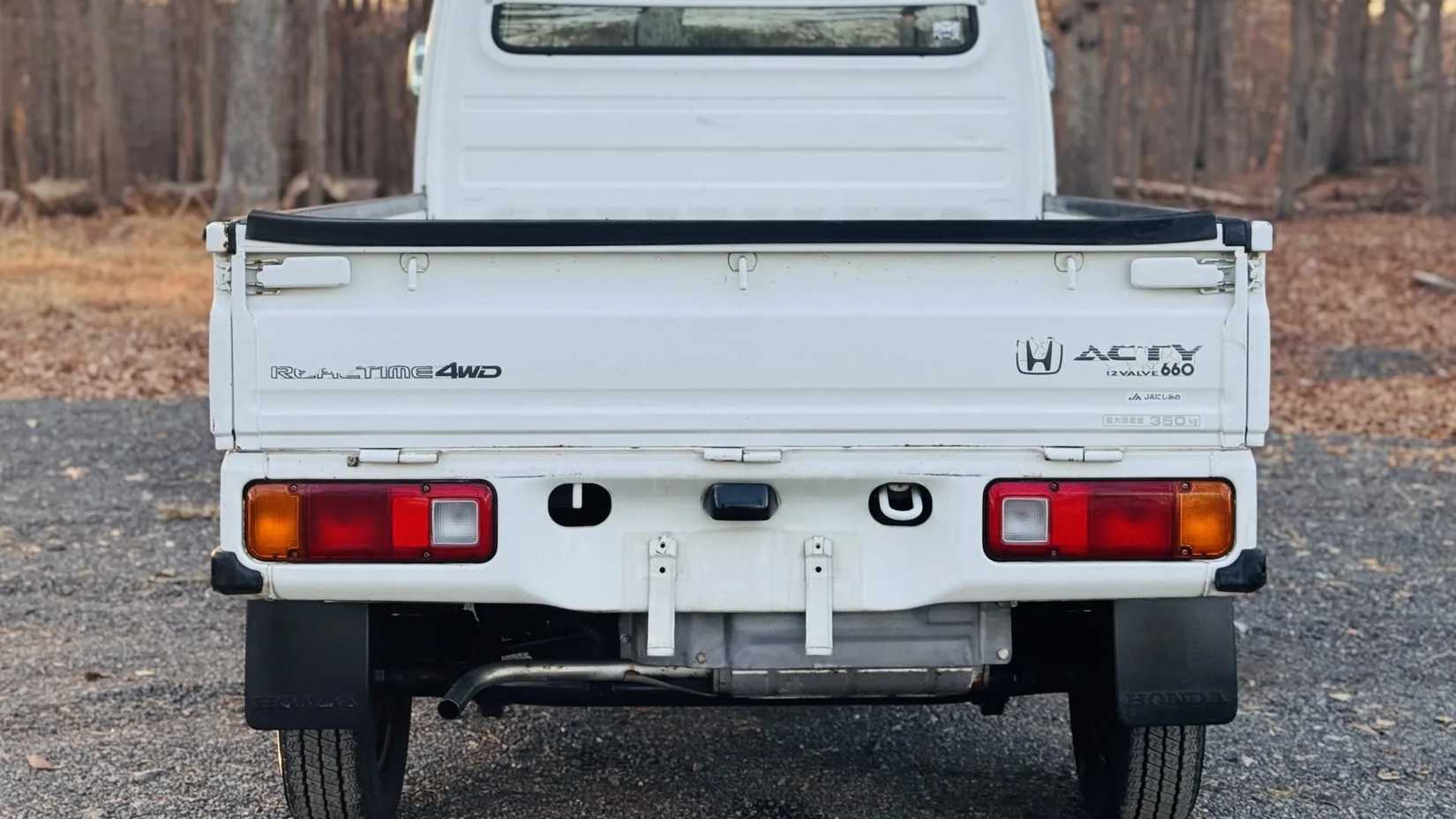
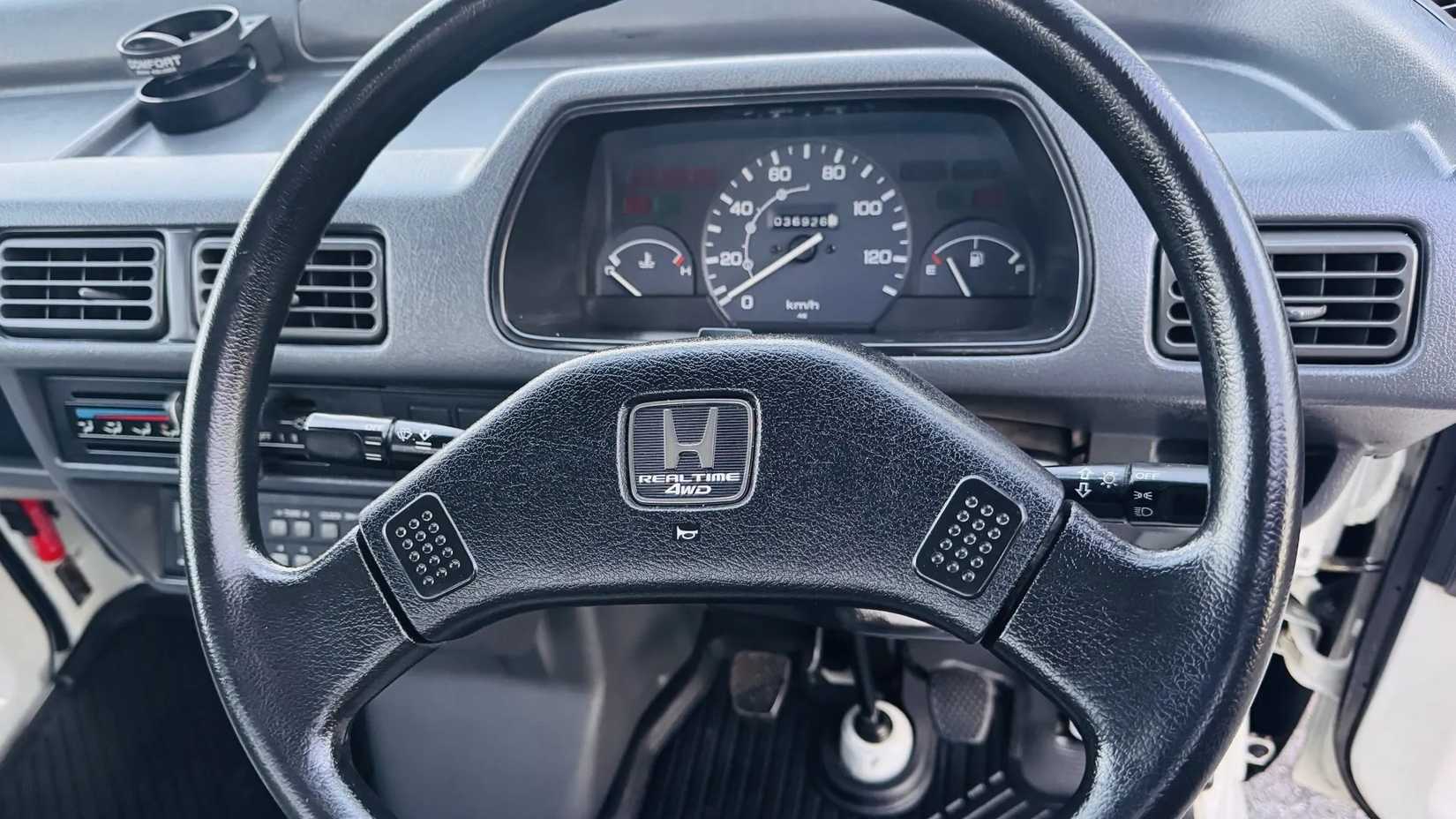
The Honda Acty is the first kei truck that should be on your list. Of all the options, it provides the most balanced package. Notably, Honda placed the engine beneath the middle of the bed on the second-generation trucks (1988-1999), which improved handling and weight distribution compared to its competitors. The Acty’s 660cc inline-three produces 40 horsepower and 40 lb-ft of torque and was also available with full-time 4WD and A/C. If inclement weather is a regular occurrence, the specialized Honda Acty Attack was designed specifically for year-round agricultural use. The Acty Attack features full-time AWD, a rear locking differential, and ultra-low gears for slow-speed crawling.
If maximum cargo volume is your primary focus, look no further than the Suzuki Carry. The Carry truck is the most commonly imported kei truck in the U.S. and is ideal for modification. The ninth-generation model (1991-1999) is larger and more comfortable inside than its predecessors and is the most desirable version available. The ninth-generation Carry features a 660cc inline-three that produces about 40 horsepower and 40 lb-ft of torque. The Carry is available both in 2WD and 4WD configurations and has a massive global parts network with some of the strongest aftermarket support in the category.
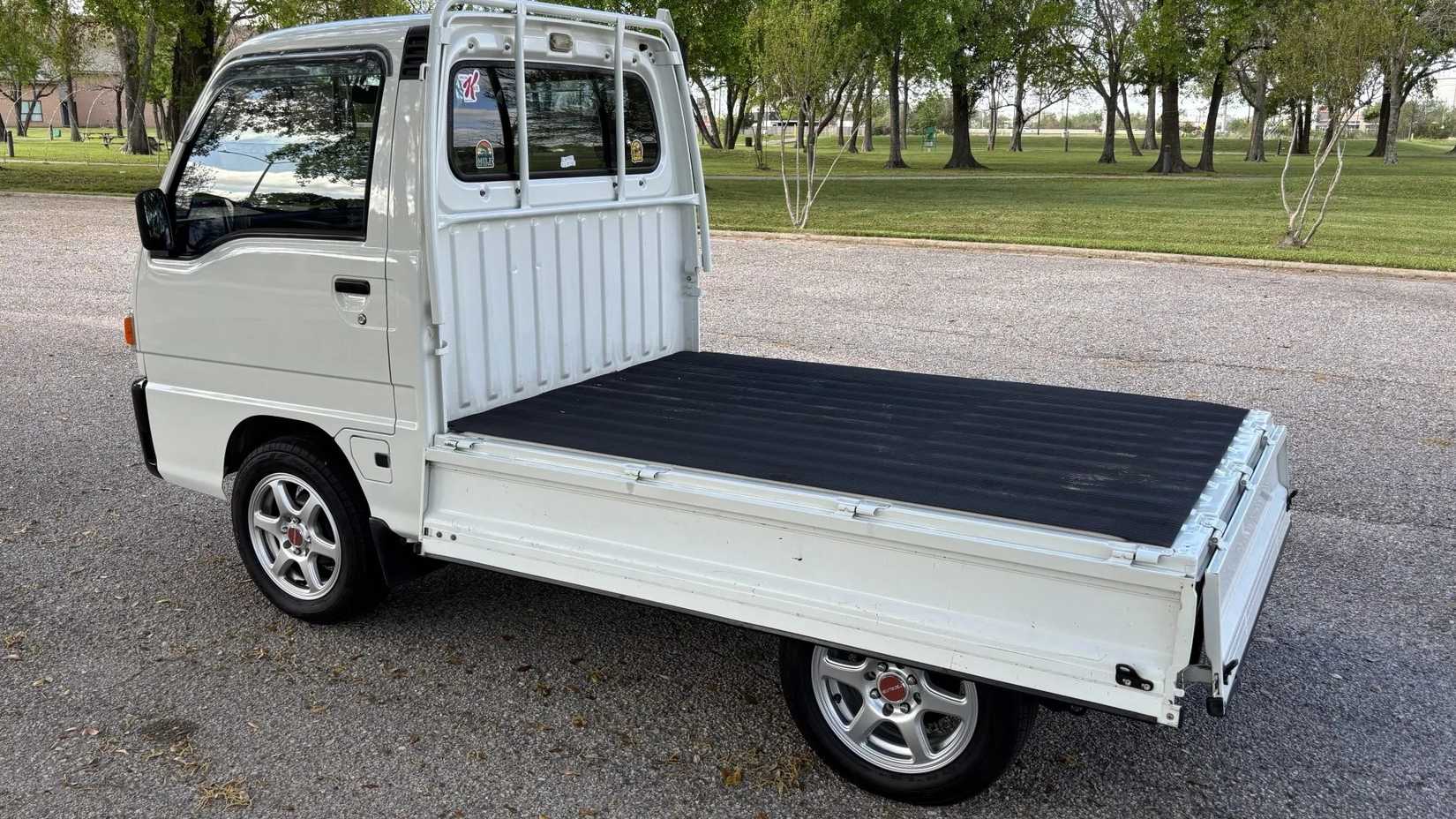
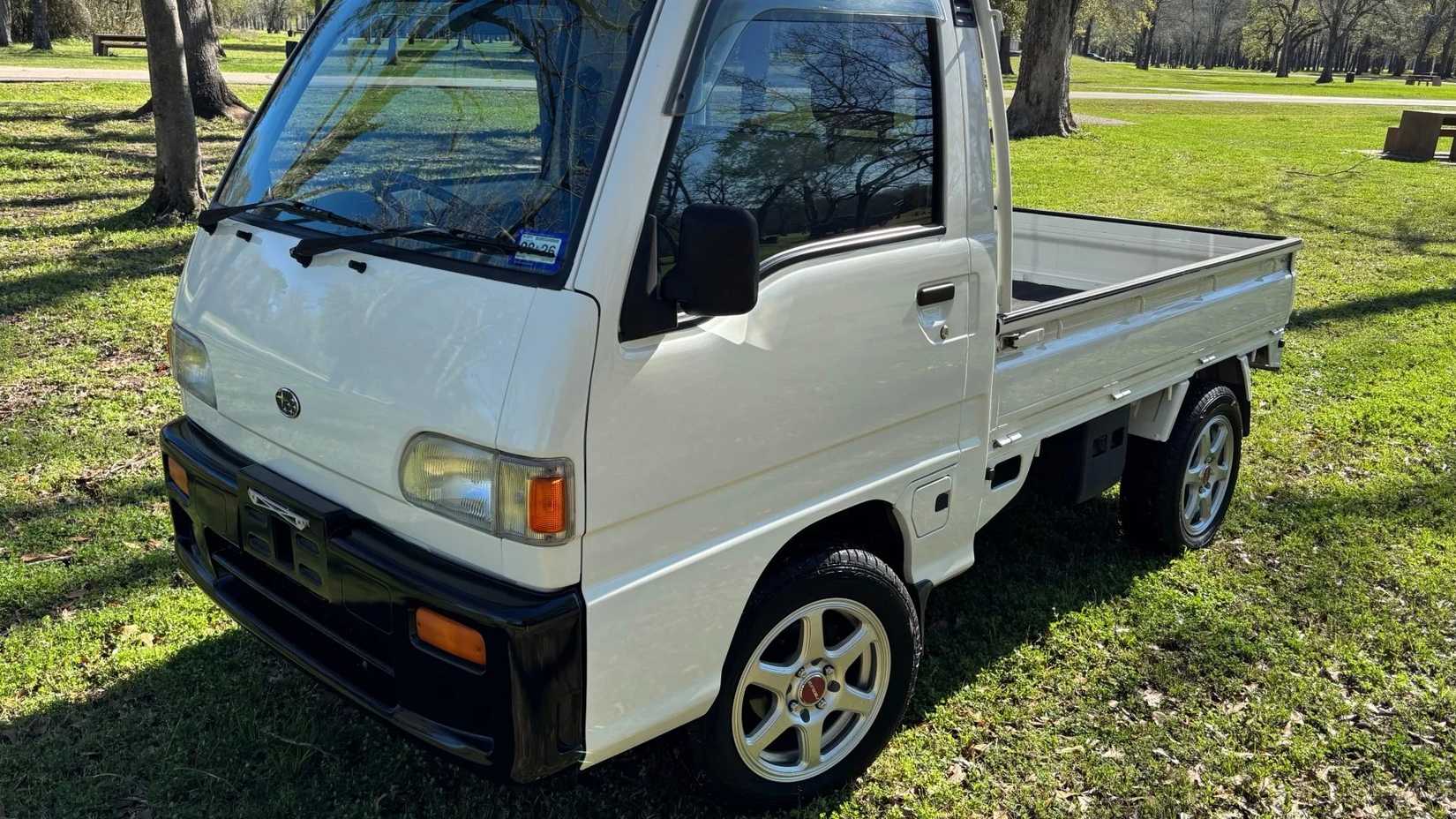
If you want something a little different from the rest of the competitors, there is the Subaru Sambar. The Sambar utilizes a rear-engine layout that is designed for optimal rear-axle traction. The most desirable generations (1990-1999) use an inline-four engine that produces about 40 horsepower in standard trim. Factory supercharged variants were also available that bumped the power output to about 55 to 60 horsepower. The Sambar is just a little bit different in every way, and that uniqueness is a big part of its appeal.
Daihatsu Hijet And Mitsubishi Minicab
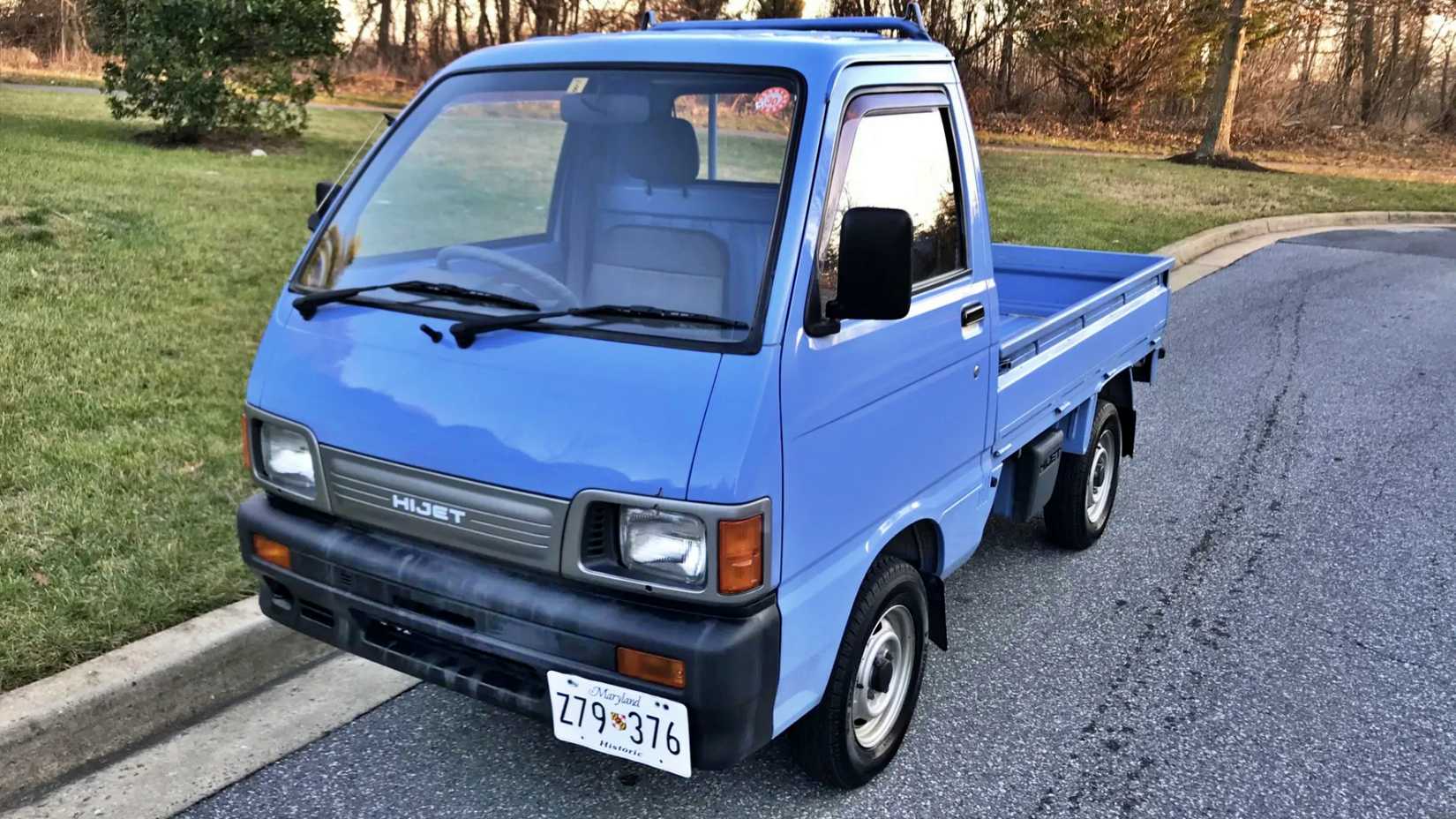
If you want a kei truck for a commercial application, the Daihatsu Hijet may be the perfect fit. The Hijet is easily the most versatile option available with flatbed, dump-bed, and scissor lift configurations. There is also a Jumbo Cab variant that adds extra headroom for taller drivers.The most desirable Hijet models are eighth generation and later (1994+), which matched earlier supercharged output without forced induction. A turbocharged variant also existed that produced a maximum of 63 horsepower, making it among the most powerful kei trucks available for import. The Hijet Climber was the brand’s answer to Honda’s Acty Attack, featuring 4WD with a rear locking differential and a high/low transfer case.
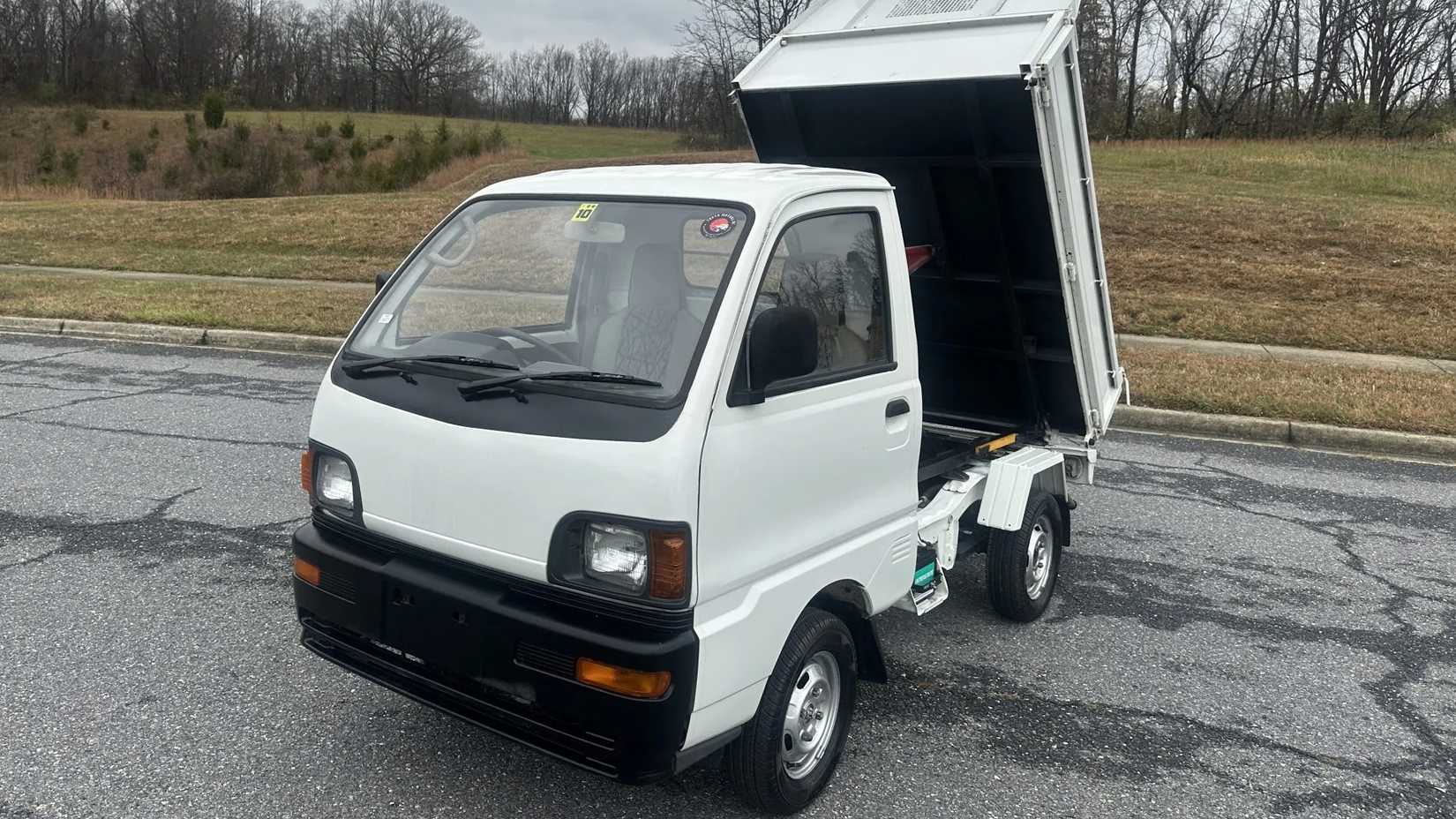
The Mitsubishi Minicab is the last of the five and the most no-nonsense option. The fifth-generation Minicab (1991-1999) produced 47 horsepower from a 660cc inline-three and offered optional 4WD and automatic transmission. If you want an automatic kei truck, the Minicab may be your best bet. Most popular Japanese importers will offer all five of these platforms, with models from the 1990s and early 2000s being the most common. Prices can range from $2,800 to $15,000 depending on mileage, condition, and location.
10 Cheap JDM Cars That Are Way More Fun Than They Should Be
Not all JDM cars are valuable investment pieces, and acquiring other thrilling Japanese sports cars at sane prices is still possible.
Buying A Kei Truck: What You Need To Know
Depending on how you approach it, buying a kei truck can either be a relatively pain-free experience or an absolute nightmare that can cause long-term headaches. Let’s cover a few key details that may save you time and effort down the line.
The 25-Year Rule And Registration
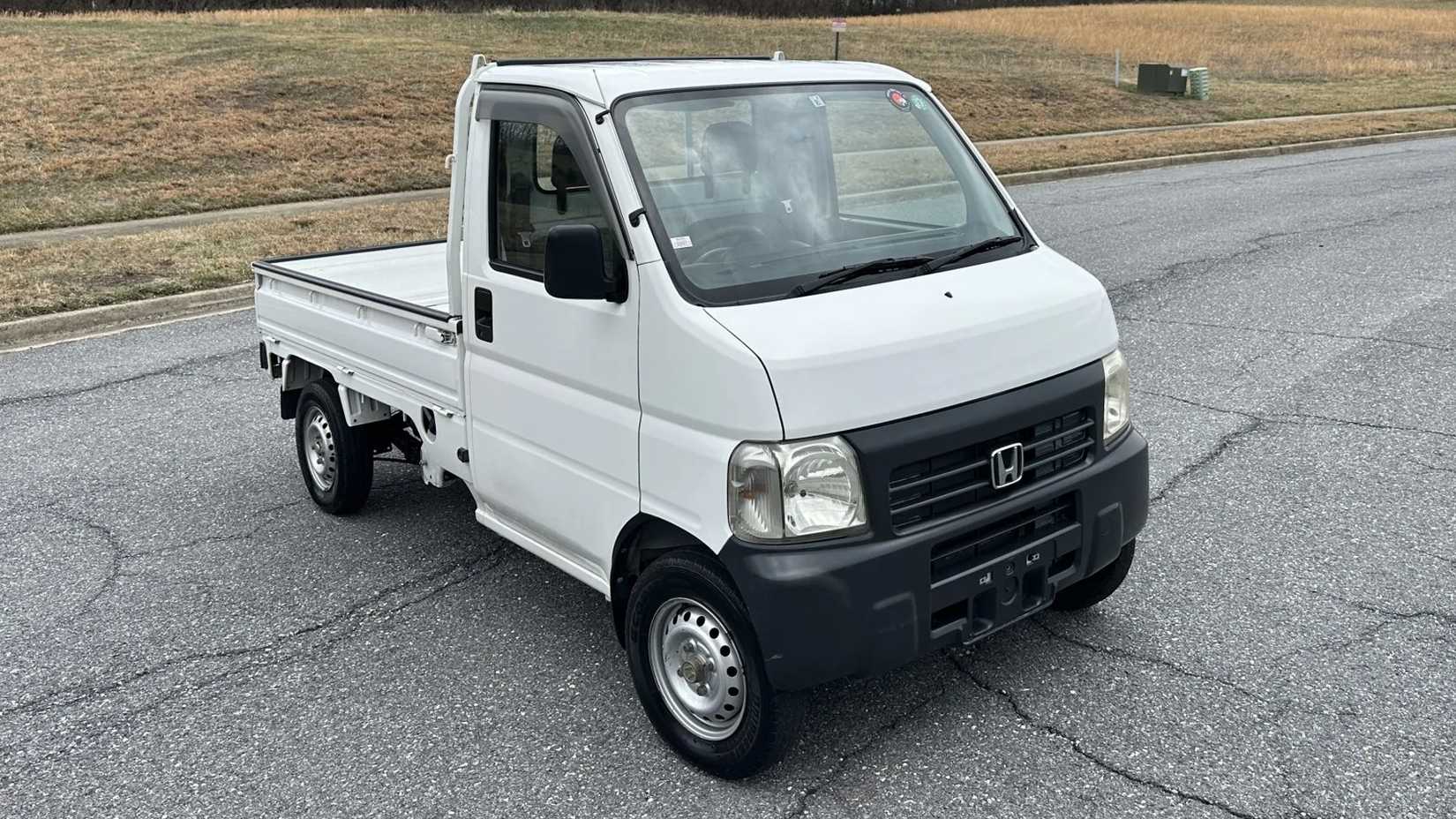
For a kei truck to be legally imported into the U.S., federal law dictates that it must be at least 25 years old. That is why the majority of inventory you will see at most importers consists of models from the 1990s and early 2000s. Luckily, this time frame overlaps with the best and most desirable generations of the Acty, Carry, Sambar, Hijet, and Minicab. That is great news, but wait, there is more.
State registration is an entirely different matter. Certain states, like Texas and Florida, already have established processes for registering kei trucks, while others, like New York and California, have an outright ban on kei trucks. Depending on where you are located, registering your kei truck may be as easy as pie or straight-up impossible. You may have heard of the interesting Montana LLC trend, but this method is not foolproof by any means. These are all considerations if you intend to use the kei truck on public streets. For the exclusive use of private property, none of these restrictions apply.
Pricing And Sourcing A Kei Truck
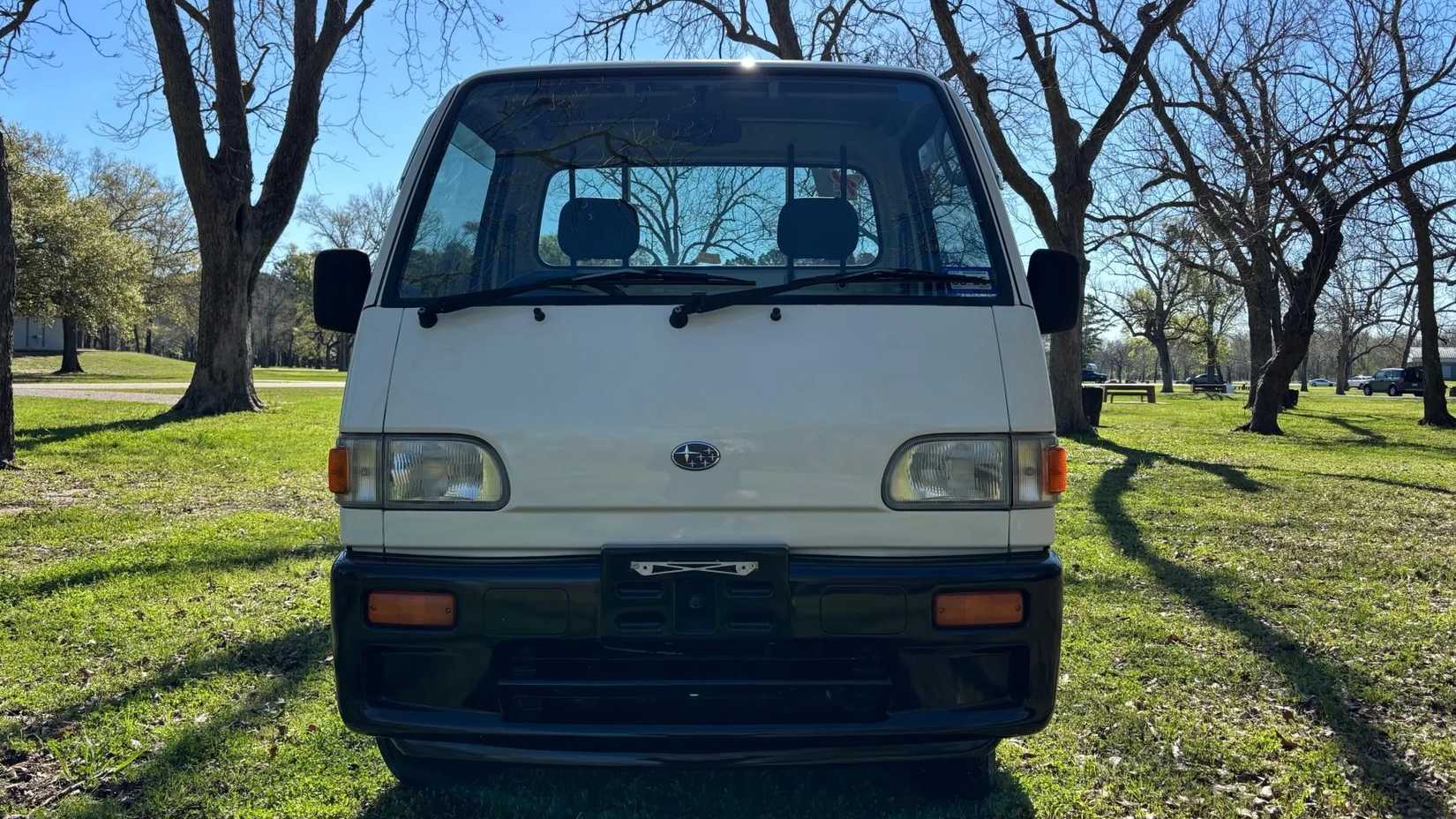
Just like any other vehicle, prices of kei trucks vary based on model, mileage, condition, and location. Clean 4WD examples are particularly desirable and often land in the price range of $5,000 to $8,000. Models with rare and desirable configurations, like automatic transmissions or exceptionally low mileages, can push past the $10,000 mark. Through our own research, we were able to find budget 1993-2004 Minicab, Sambar, Hijet, and Acty models all in the $3,000 range after shipping.
Availability may be limited by current U.S.-based inventory, depending on the importer. Most importers also offer Japanese inventory that can be shipped for an additional fee. A lot of the time, prices are negotiable, so it’s best to contact an importer directly if you are looking for a specific make or model. Many kei trucks are available for under $1,000 for the vehicle itself, but the cost of freight shipping to a port is often in the $1,500 to $3,000 range before any additional import-related fees. We hope this information helps your search for the perfect kei truck that fits your needs. Happy hunting.