
For decades, mainstream SUV buyers faced a familiar compromise. Affordable models often lacked the technology, refinement, and premium features found in luxury vehicles, while upscale SUVs demanded significantly larger budgets. Hyundai has spent the last several years challenging that formula, creating a range of SUVs that consistently deliver more equipment, more safety technology, and more usability than their price tags suggest.
From the compact Venue to the three-row Palisade, Hyundai’s SUV portfolio is built around a simple philosophy: to give buyers features they actually use rather than forcing them to pay extra for essentials. The result is a lineup that feels remarkably intelligent in its execution. Large infotainment screens, advanced driver-assistance systems, hybrid powertrains, over-the-air software updates, and sophisticated connectivity features are no longer reserved for the highest trims.
What makes Hyundai’s SUVs feel smarter than expected is not any single feature. Instead, it is the way the brand combines technology, efficiency, practicality, and safety into packages that often undercut rivals on price. Whether buyers are shopping for their first crossover or a family-sized three-row SUV, Hyundai has built a lineup that consistently delivers value without feeling like a compromise.
Why Hyundai’s SUV Range Leaves No Driver Behind
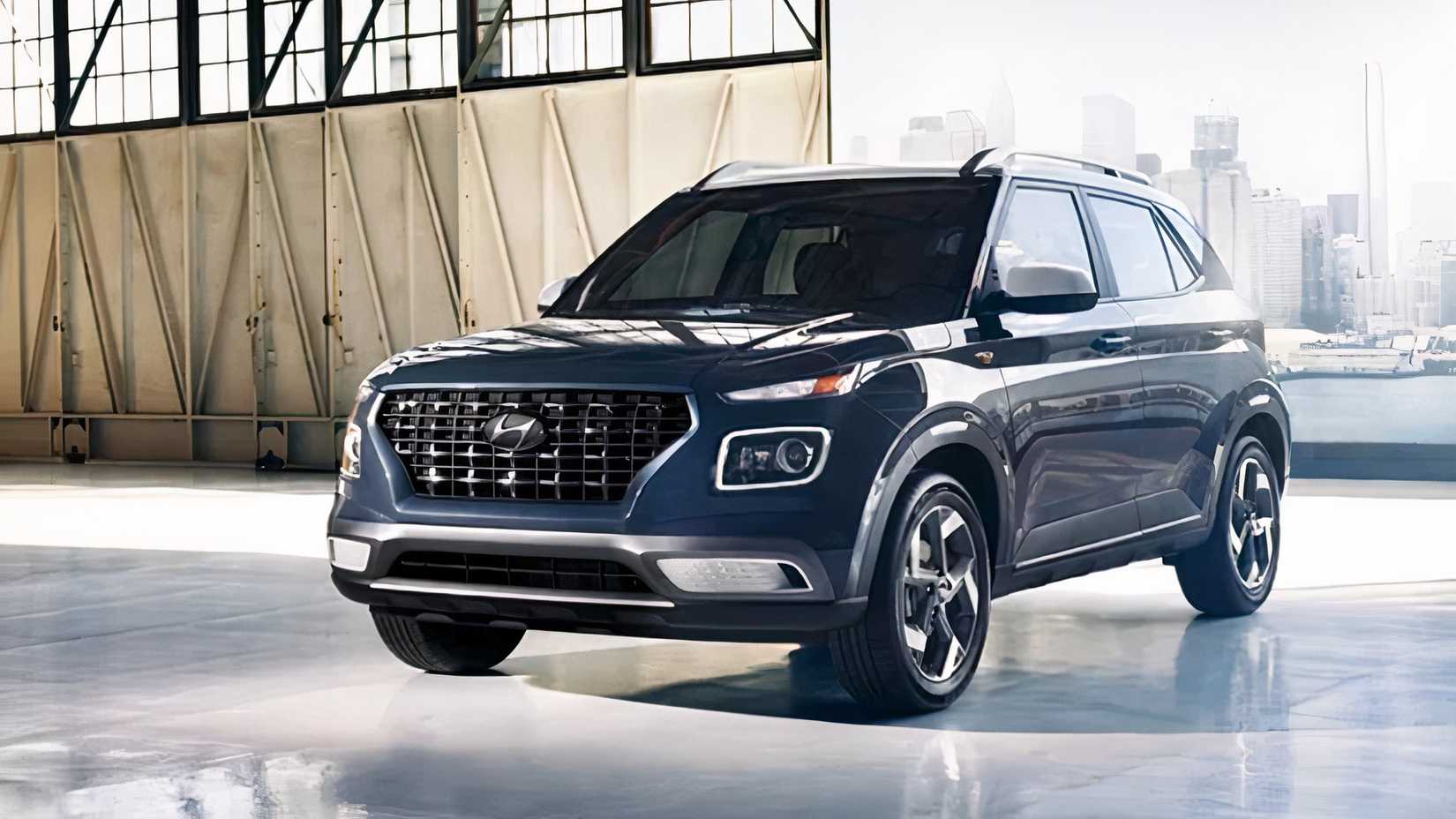
One of Hyundai’s greatest strengths is the sheer breadth of its SUV lineup. Rather than focusing exclusively on one segment, Hyundai offers products that cater to virtually every type of buyer. The lineup begins with the Venue, a subcompact SUV designed for urban drivers. Measuring just over 159 inches long, it’s easy to maneuver in crowded cities while still providing the elevated seating position buyers expect from a crossover.
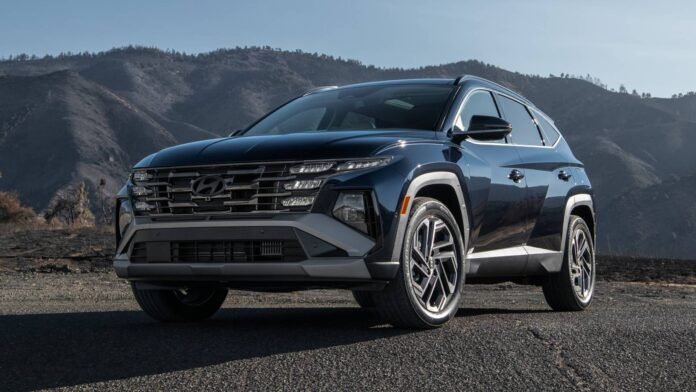
Moving up the range, the Kona provides additional space, more technology, and multiple powertrain choices, including electric variants in some markets. The Tucson occupies the heart of the compact SUV segment, where it competes against established rivals such as the Toyota RAV4 and Honda CR-V.
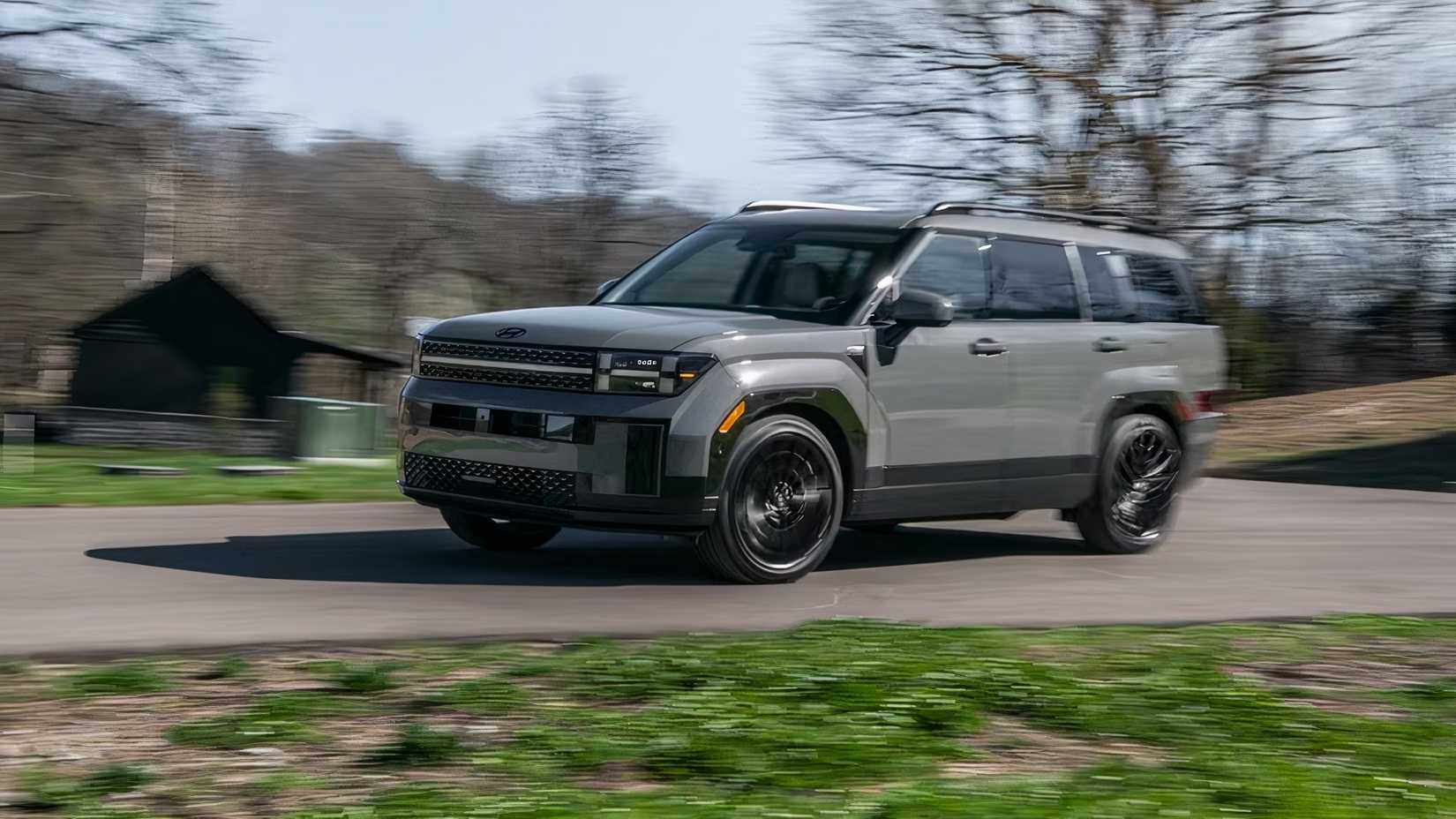
For larger families, Hyundai offers the Santa Fe and Palisade. The Santa Fe has evolved into a spacious mid-size SUV with available hybrid powertrains, while the Palisade serves buyers who need three rows of seating and premium accommodations. What makes the range feel particularly smart is the consistency of the ownership experience. A Venue buyer still receives many of the same connectivity features, safety technologies, and design philosophies found in a Palisade that costs significantly more.
This approach eliminates the feeling that customers are being forced into larger vehicles simply to access desirable technology. Instead, Hyundai allows buyers to select the size that best fits their lifestyle without sacrificing modern features. The company also understands that SUV buyers have different priorities. Some prioritize fuel economy, others require family-hauling capability, while some simply want a comfortable commuter. Hyundai’s broad portfolio ensures there is a solution for each of those needs.
The Hybrid SUV That’s A Low-Stress Family Car
This family-friendly SUV prioritizes practical efficiency and everyday usability over flashy performance.
How Hyundai Packed Premium Tech Into Every Price Point
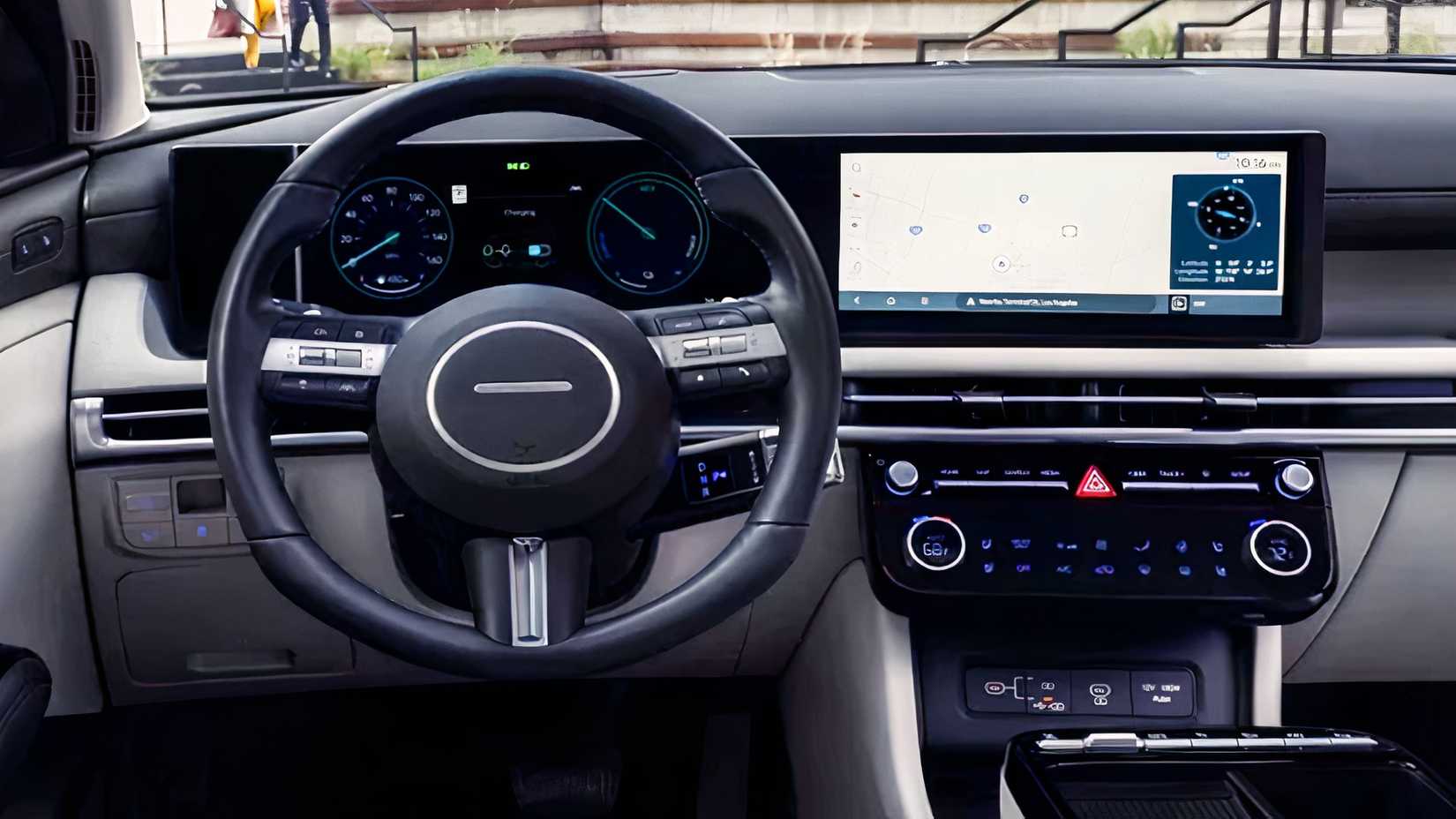
Technology is perhaps the clearest example of why Hyundai SUVs feel smarter than expected. Historically, premium features such as large digital displays, wireless smartphone integration, remote vehicle management, and advanced navigation systems were reserved for luxury vehicles. Hyundai has aggressively democratized those technologies. Many Hyundai SUVs now feature dual-screen digital layouts measuring up to 12.3 inches each. These systems provide crisp graphics, customizable information displays, and intuitive controls that rival vehicles costing thousands more.
Wireless Apple CarPlay and Android Auto have become common across much of the lineup. This may sound simple, but seamless smartphone integration remains one of the most used features in modern vehicles. Hyundai’s Bluelink connected-car system further enhances convenience. Through a smartphone app, owners can remotely start the vehicle, lock or unlock doors, locate the vehicle, and monitor certain vehicle functions.
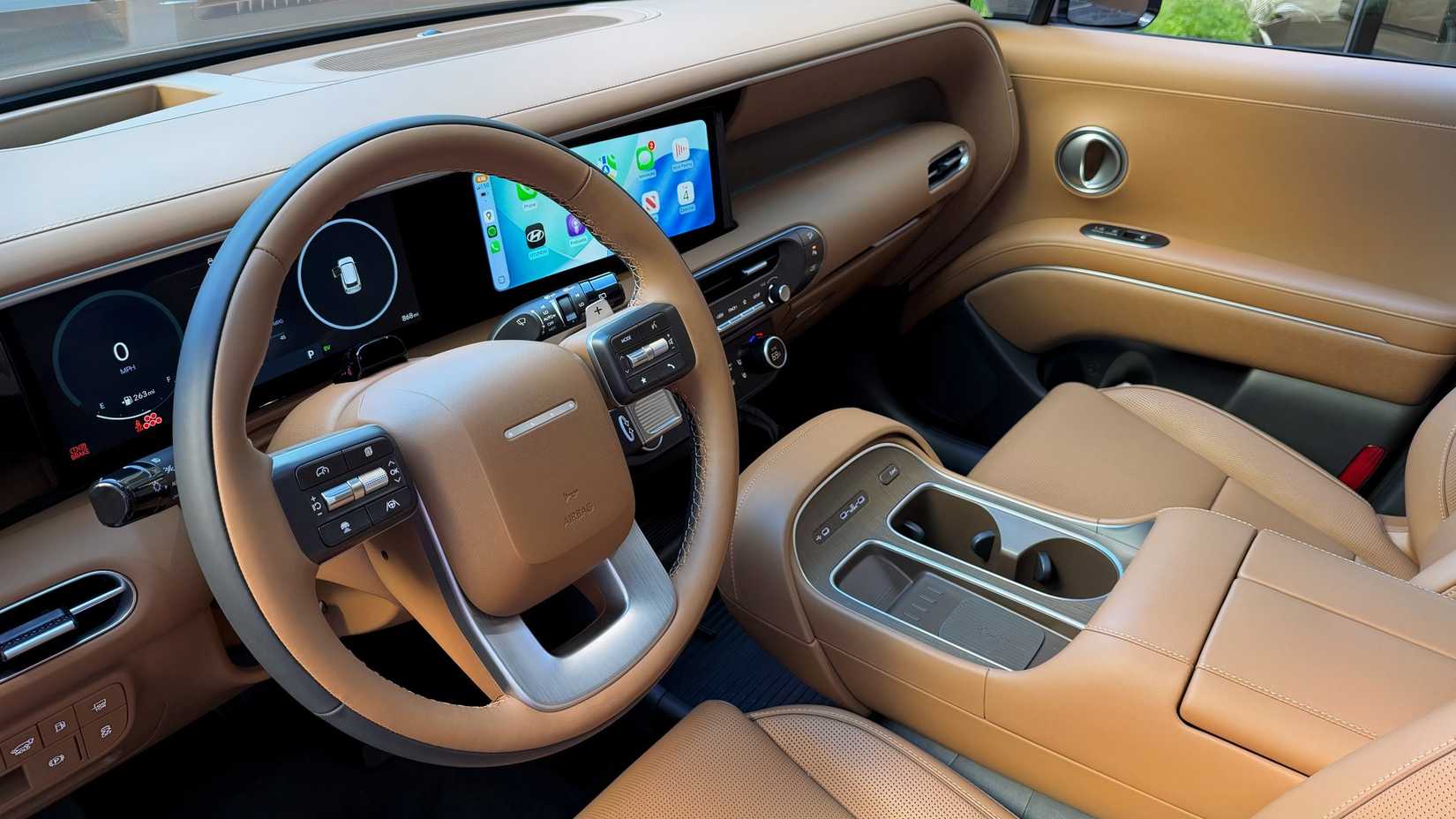
The technology extends beyond infotainment. Hyundai has incorporated digital key functionality into several models, allowing compatible smartphones to serve as vehicle keys. Near-field communication and smartphone-based access systems eliminate the need to carry traditional key fobs in some situations. The company’s over-the-air update capability is another significant advantage. Rather than requiring dealership visits for certain software improvements, compatible Hyundai SUVs can receive updates remotely.
Perhaps most impressive is Hyundai’s willingness to make advanced features widely available rather than limiting them to flagship trims. Buyers often find equipment such as heated seats, digital instrument clusters, wireless charging pads, and large touchscreens available at price points where competitors still offer more basic configurations. This technology-first strategy creates an ownership experience that feels modern, sophisticated, and future-ready without requiring luxury-brand spending.
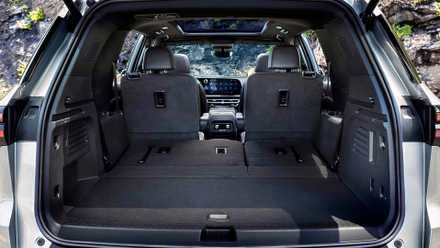
6 Three-Row SUVs That Deliver Premium Space Without Premium Costs
You don’t have to pay premium prices to have the most spacious SUV for your large family. These mainstream three-row midsize SUVs have lots of room.
From Venue to Palisade
The Case for Buying Smart Over Buying Flashy
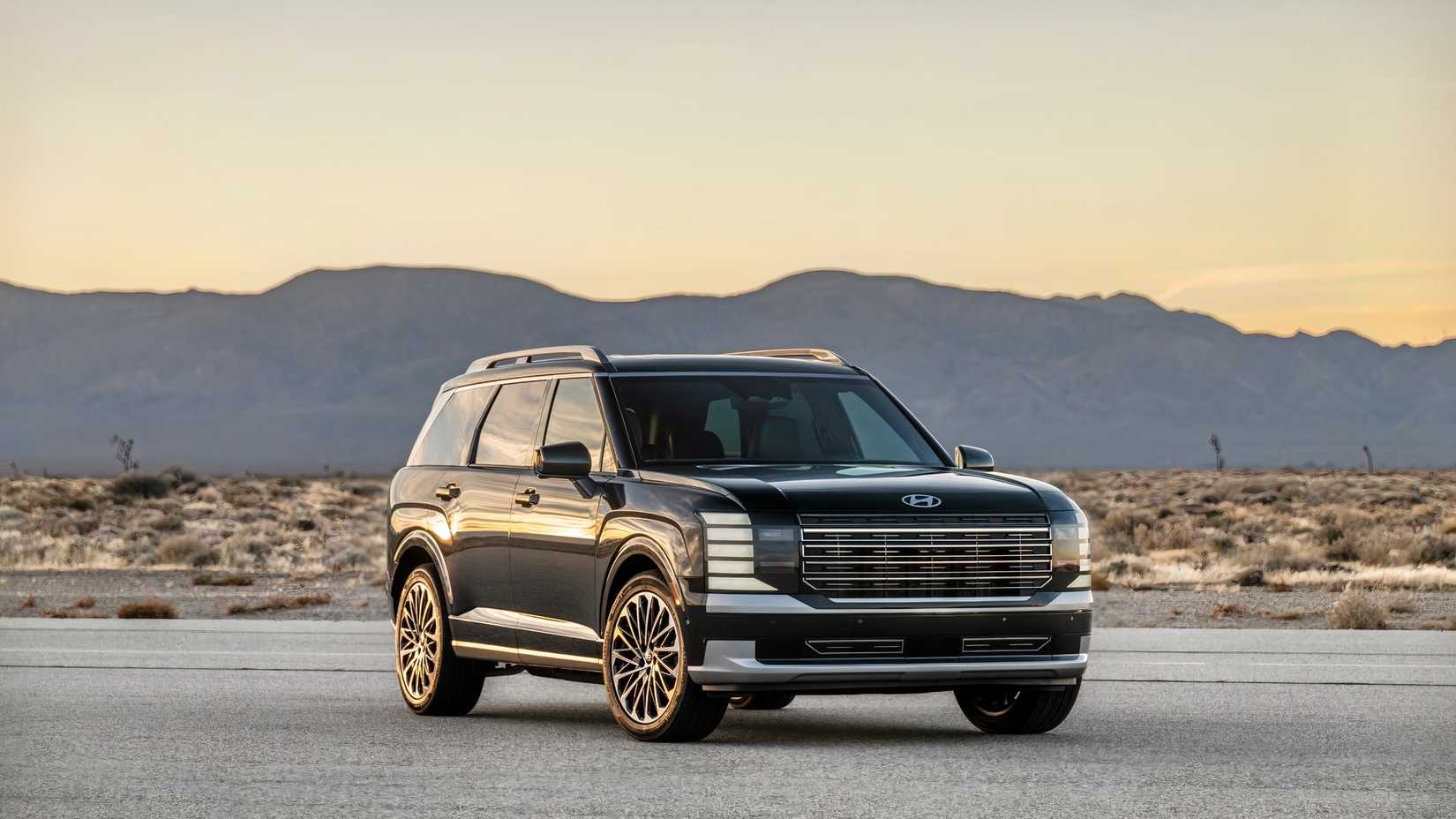
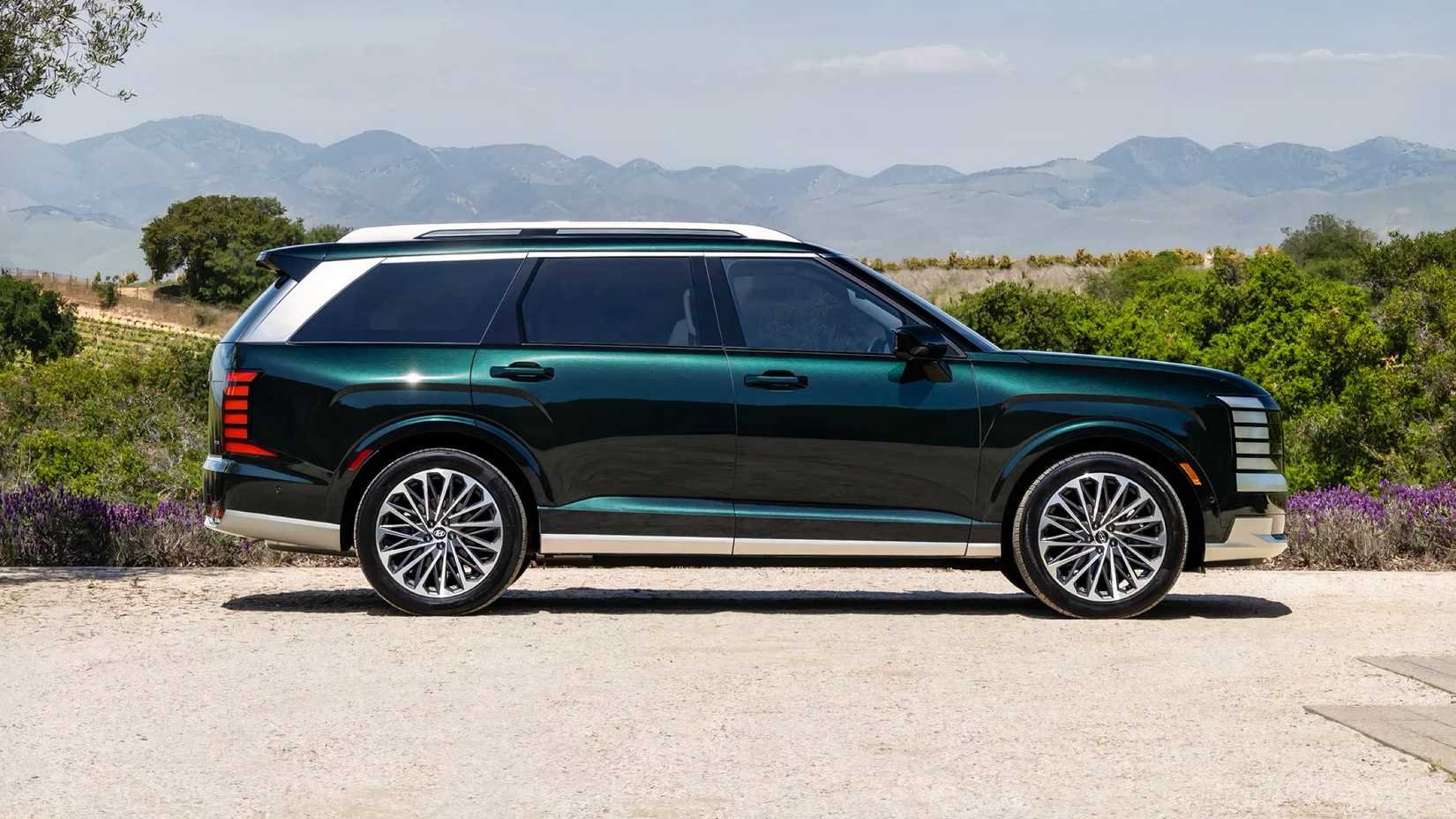
Luxury badges have long carried prestige, but Hyundai has increasingly demonstrated that intelligent purchasing decisions are not always tied to premium branding. The 2026 Hyundai Palisade is perhaps the best example of this philosophy. While it competes against mainstream three-row SUVs, its interior quality often draws comparisons to luxury models. Soft-touch materials, quilted upholstery options, premium audio systems, ventilated seating, and expansive digital displays create an environment that feels substantially more expensive than the vehicle’s actual price. The same philosophy applies throughout the range.
Hyundai
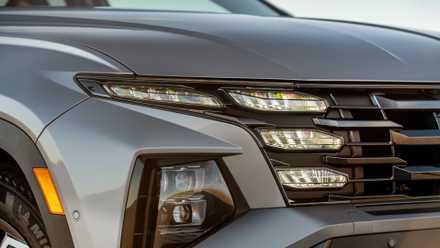
The Tucson, for example, features one of the most distinctive designs in the compact SUV segment. Parametric hidden lighting elements integrated into the grille create a futuristic appearance that stands apart from more conservative competitors. Meanwhile, the Santa Fe embraces a bold boxy design that maximizes interior volume while providing a strong visual identity. What separates Hyundai from many competitors is that its engineering decisions tend to prioritize usability over marketing gimmicks. Interior storage solutions are thoughtfully designed. Rear-seat accommodations often exceed expectations for the segment. Cargo areas are competitive or class-leading in many cases.
The Palisade’s available power-folding third row, multiple USB charging ports, and passenger communication systems demonstrate a focus on solving real-world family transportation challenges. Rather than charging extra for every desirable feature, Hyundai frequently bundles equipment into value-oriented trim packages. This reduces the complexity of the purchasing process while allowing buyers to access premium features without navigating endless option lists. For many consumers, that represents a smarter use of their budget than stretching finances to obtain a luxury badge that may offer little practical advantage.
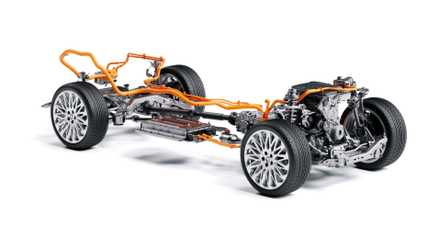
New Hyundai Hybrid System Debuts, Makes Huge Promises
Expect dramatically more horsepower, torque and fuel efficiency from this setup.
How Hyundai’s Hybrid and EV SUVs Make the Switch Feel Easy
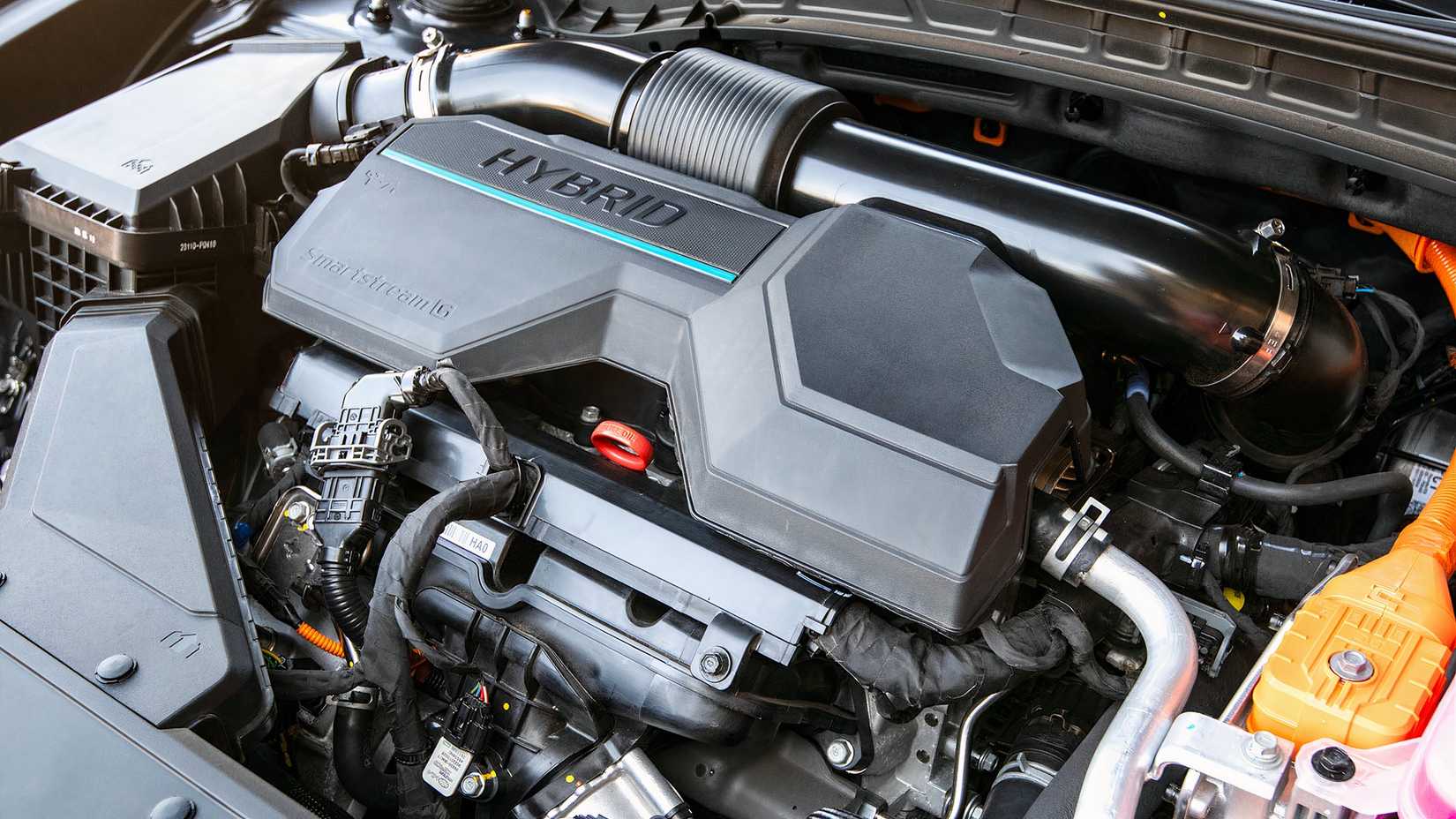
Electrification represents one of the automotive industry’s biggest transitions, yet many buyers remain hesitant about adopting hybrid or electric vehicles. Hyundai has addressed this challenge by creating electrified SUVs that feel familiar rather than intimidating. The Tucson Hybrid exemplifies this approach. Combining a turbocharged 1.6-liter four-cylinder engine with an electric motor, it produces 231 horsepower while delivering significantly improved fuel economy compared to conventional gasoline models. Because the hybrid system operates largely in the background, drivers experience smooth acceleration and better efficiency without needing to change driving habits.
The Santa Fe Hybrid follows a similar philosophy, offering family-friendly practicality alongside reduced fuel consumption. For buyers ready to move beyond hybrids, Hyundai’s dedicated EV offerings make the transition equally approachable.
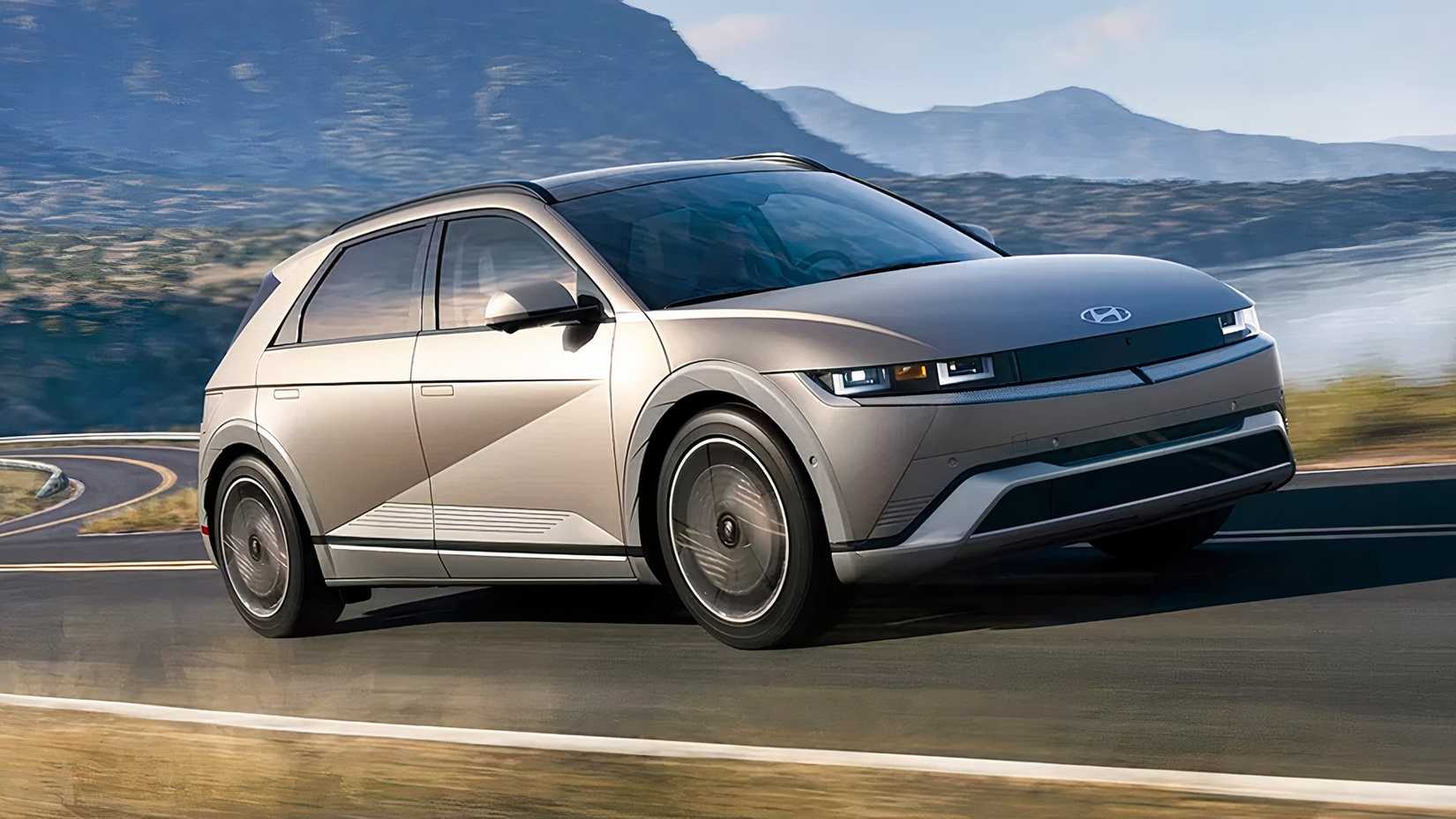
The Hyundai Ioniq 5 has become one of the industry’s most highly regarded electric vehicles. Built on Hyundai’s E-GMP platform, it utilizes an 800-volt electrical architecture. This technical advantage allows ultra-fast DC charging capability. Under ideal conditions, compatible chargers can charge the battery from approximately 10% to 80% in around 18 minutes. That dramatically reduces one of the primary concerns associated with EV ownership: charging time.
The larger Hyundai Ioniq 9 extends Hyundai’s EV strategy into the family SUV segment, providing substantial passenger capacity without sacrificing modern electric performance. Another smart aspect of Hyundai’s electrification strategy is flexibility. Buyers are not forced into EV ownership before they are ready. Instead, they can choose among gasoline, hybrid, plug-in hybrid, and fully electric options depending on their needs. This gradual pathway reduces anxiety and allows customers to adopt new technology at their own pace.
The Advanced Driver Assistance That Comes Standard
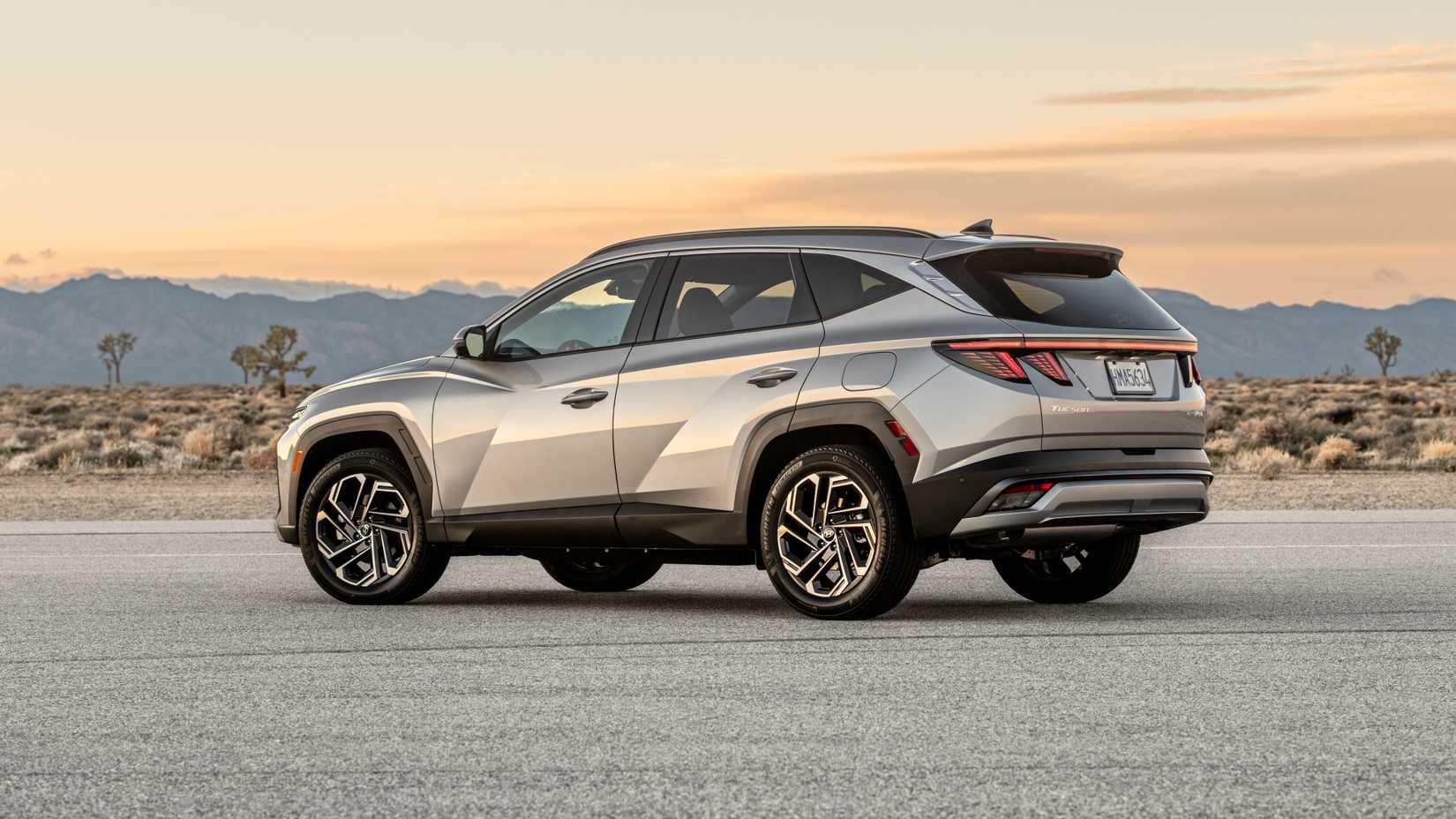
If there is one area where Hyundai consistently punches above its weight, it is safety technology. Many competitors continue reserving advanced driver-assistance systems for upper trims. Hyundai has taken the opposite approach by making numerous features standard across much of its SUV lineup. At the center of this strategy is Hyundai SmartSense, the company’s comprehensive suite of driver-assistance technologies.
Forward Collision-Avoidance Assist uses cameras and radar sensors to monitor traffic ahead. If the system detects a potential collision and the driver fails to respond, it can automatically apply the brakes. Lane Keeping Assist helps prevent unintentional lane departures by providing steering inputs when necessary. Lane Following Assist goes a step further by helping maintain the vehicle’s position within lane markings during highway travel. Driver Attention Warning monitors driving behavior and can suggest rest breaks if signs of fatigue are detected. Blind-Spot Collision Warning uses radar sensors to monitor adjacent lanes, helping drivers identify vehicles that may not be visible in mirrors. Rear Cross-Traffic Collision-Avoidance Assist is particularly useful when backing out of parking spaces. The system can detect approaching vehicles from either side and warn the driver, or even apply the brakes if necessary.
Higher trims introduce more advanced technologies such as Highway Driving Assist. This combines adaptive cruise control with lane-centering functionality, reducing driver workload during long-distance travel. The technical sophistication of these systems is noteworthy. Multiple cameras, radar sensors, onboard processors, and software algorithms continuously analyze the surrounding environment to assist the driver. More importantly, Hyundai has prioritized broad availability. Many buyers gain access to these technologies without stepping into expensive trim levels or luxury-branded vehicles. That accessibility reinforces the core reason Hyundai SUVs feel smarter than expected.
Sources: Hyundai U.S.