
Honda can be seen as one of those brands that gets a lot right a lot of the time. We have all enjoyed the CR-V for years; the current Honda Civic is as useful and frugal as it has always been, and legendary models like the Prelude have returned with a modern look and a lot of nostalgia backing it up.

- Base Trim Engine
-
1.5L Inline-4 Gas
- Base Trim Transmission
-
6-Speed Manual
- Base Trim Drivetrain
-
Front-Wheel Drive
- Base Trim Horsepower
-
130 hp
- Base Trim Torque
-
114 lb-ft @ 4600 rpm
- Fuel Economy
-
29/36 MPG
- Make
-
Honda
- Model
-
Fit
- Segment
-
Subcompact Hatchback
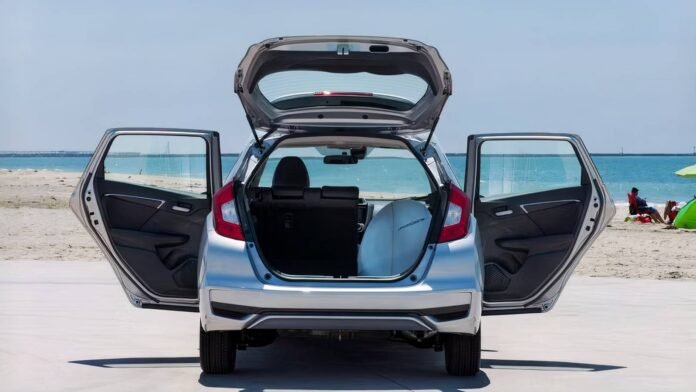
Unfortunately for the Honda Fit, though, the SUV market overtook it, and this useful little hatchback was pulled from our market in 2020. Many things were done right with the Honda Fit hatchback, and we’d love to see it make a return. Not only does it make for a fantastic everyday car, but it is also exceptionally useful for active lifestyles and moving things around. It is small, but it carries like an SUV.
10 Subcompact Cars With Go-Kart-Level Agility, Old And New
Some cars are fun to drive because they are powerful, but these cars are fun because they handle well with go-kart levels of agility.
The Honda Fit Isn’t Bigger, It’s Brilliantly Packaged
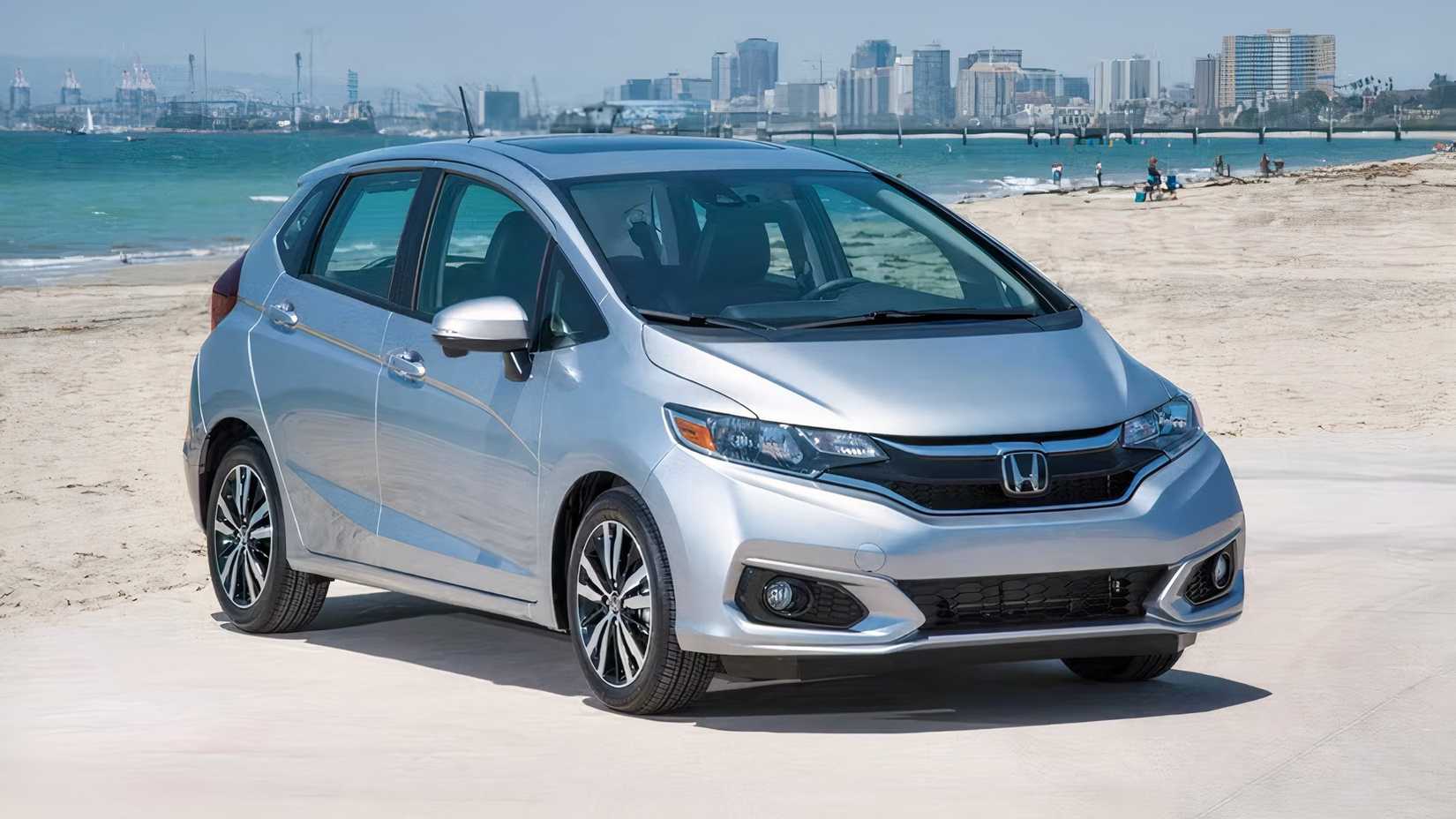
The third and final generation of the Honda Fit in the U.S. ran from 2015 to 2020, and you may look at it thinking that it’s just another compact car made by Honda, and it is.
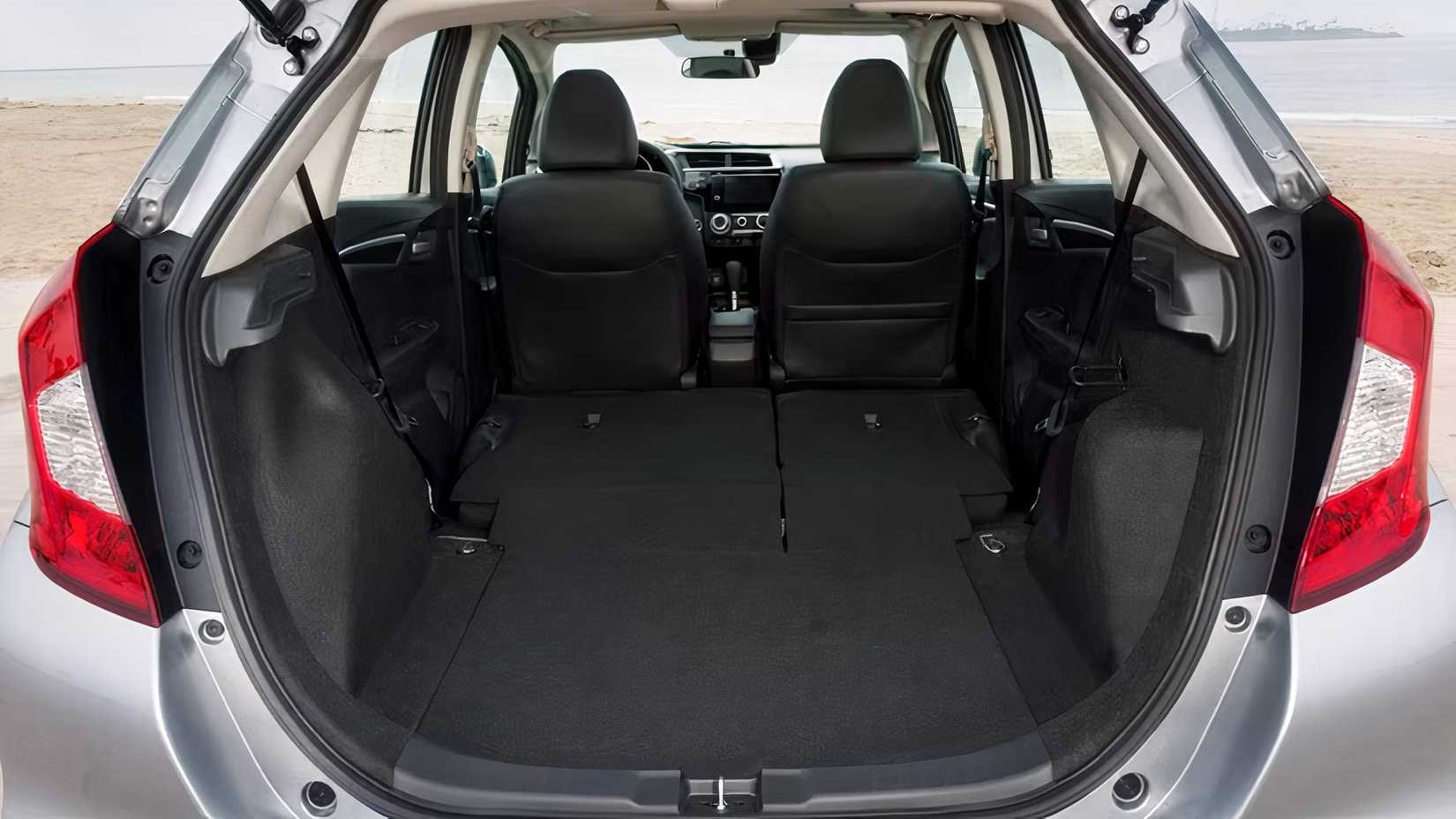
However, while it may only measure in at 161.4 inches in length by 67 inches in width by 60 inches in height, and rides on a 99.6-inch wheelbase, the 2015–2020 Honda Fit is a lot roomier inside than it may first appear. In fact, this compact hatchback has a maximum cargo capacity of 52.7 cubic feet behind the front seats. To put that into perspective, the 2026 Mazda CX-30 only has 45.2 cubic feet of storage space with the rear seats folded down.
Buying A Third-Generation 2015–2020 Honda Fit Today In The U.S.A.
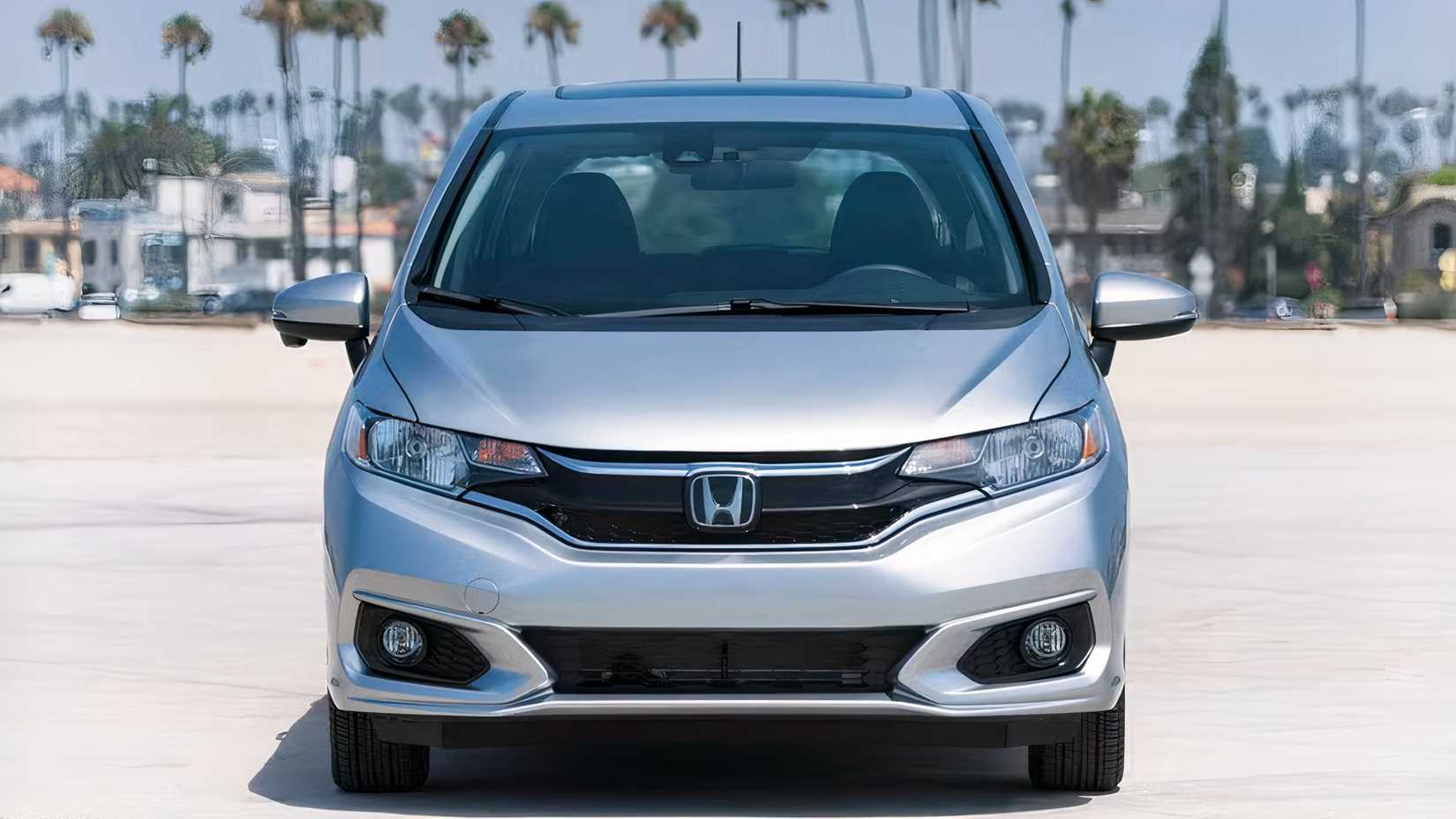
The Honda Fit may not be available as a new model today, but there are still a fair few of them in used car lots around the country. Starting prices were never what you would call high, and the more recent model years have still retained a fair amount of their value in typical Honda fashion, but they still make for a very affordable small car.
The 2015 Honda Fit had an original MSRP of $17,825; the 2016 model, $17,525; the 2017 model, $17,780; the 2018 model, $17,870; and the final two model years, $17,945.
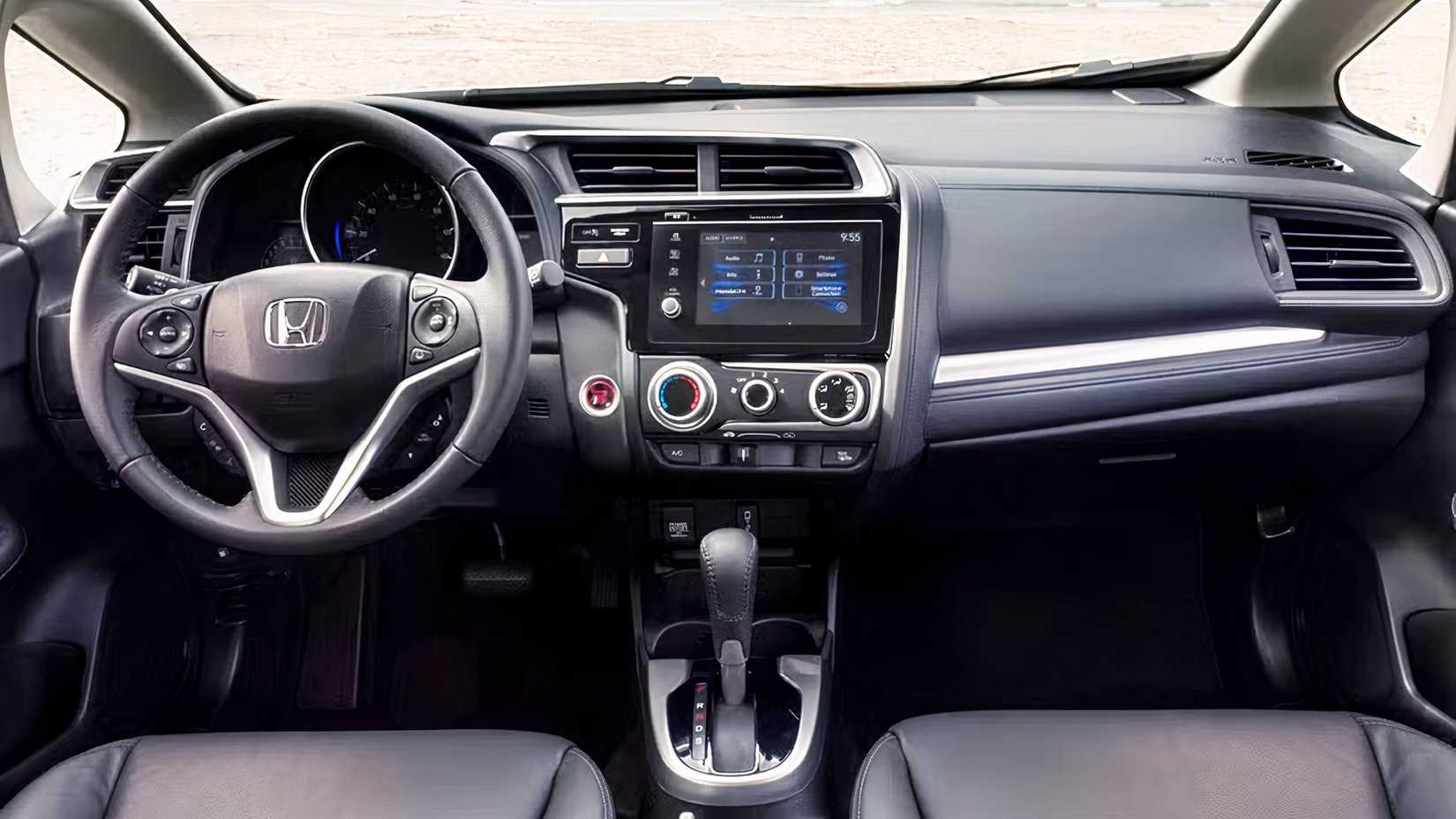
Today, depreciation has made them even cheaper, but don’t expect them at half the original price; these are still Hondas. 2026 used price ranges for the third-gen Honda Fit are as follows:
- 2015 Honda Fit. Used Price Range: $10,250–$11,100.
- 2016 Honda Fit. Used Price Range: $10,900–$11,850.
- 2017 Honda Fit. Used Price Range: $11,750–$13,700.
- 2018 Honda Fit. Used Price Range: $12,750–$14,650.
- 2019 Honda Fit. Used Price Range: $12,400–$16,550.
- 2020 Honda Fit. Used Price Range: $14,000–$17,800.
So, a used Honda Fit is cheap to buy today, but how on earth does something so small fit so much in it?
10 Compact Cars That Deliver Big Performance On A Budget
Compact cars are no longer boring. Check out these family-friendly compacts that also offer a lot of performance on a tight budget.
How Honda Flipped The Script On The Honda Fit’s Interior Design
Honda didn’t approach the Honda Fit like a conventional subcompact hatchback. Instead of treating the interior space as a byproduct of mechanical packaging, their engineers started with the cabin itself, prioritizing comfort, flexibility, and real-world use. They then engineered the rest of the car around it. Known at Honda as “man-maximum, machine-minimum,” they effectively reshaped how space is distributed in the Fit.
The third-gen Honda Fit is where this thinking reached its peak. By stretching the wheelbase while keeping overall dimensions small, Honda created a footprint-efficient platform that maximizes interior volume; we think that 112.3 cubic feet of interior space is rather impressive for something so small.
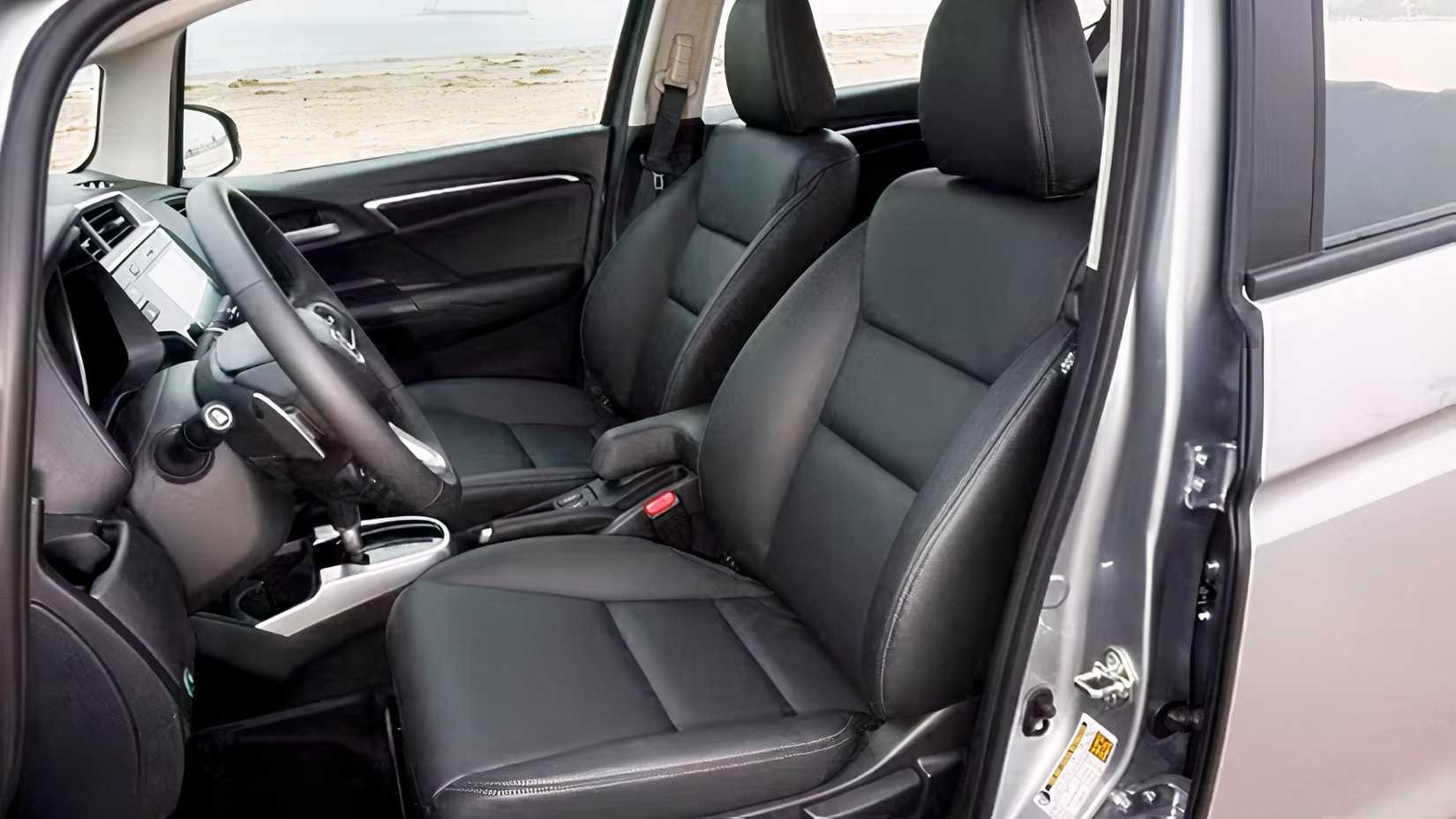
The firewall was pushed forward, the engine bay compacted, and the rear suspension designed to intrude as little as possible into the cabin. Combined with a tall roofline and upright seating, the result is a small hatchback that feels dramatically larger inside than its dimensions suggest, offering passenger room that rivals small SUVs.
|
Front |
Rear |
|
|---|---|---|
|
Headroom |
39.5 Inches |
37.5 Inches |
|
Shoulder Room |
54.8 Inches |
52.6 Inches |
|
Hip Room |
51.5 Inches |
45.1 Inches |
|
Legroom |
41.1 Inches |
39.3 Inches |
The Fuel Tank Move That Unlocks Serious Space In The Honda Fit
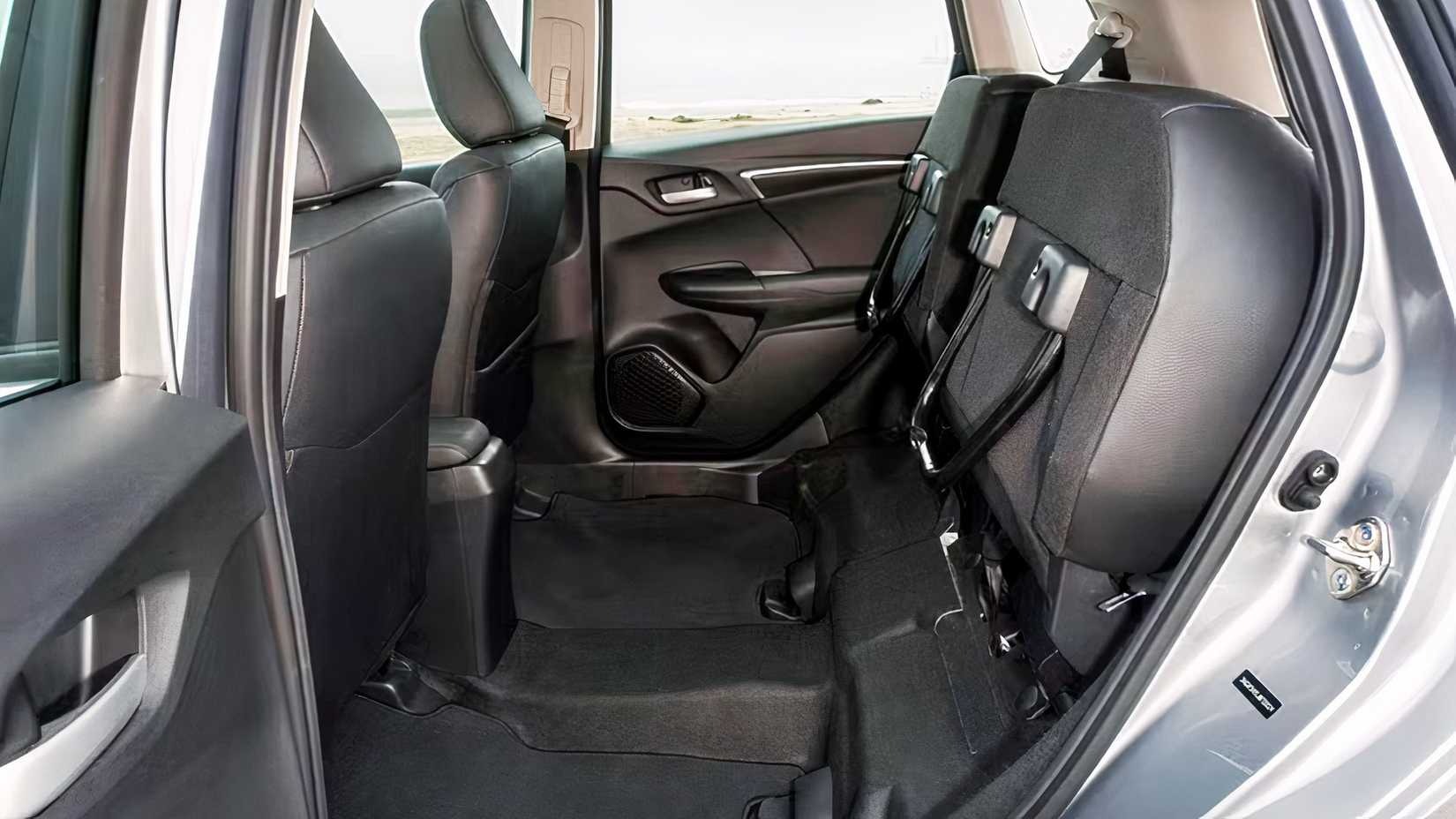
At the core of the Honda Fit is one of the most unconventional packaging decisions in modern automotive design: moving the fuel tank beneath the front seats. In most vehicles, the fuel tank sits under the rear seats or cargo area, which limits how low the floor can be, but Honda flipped this entirely.
Placing the tank centrally required a flatter, more compact tank design, along with a reinforced structure to keep it safe in a crash. The tank in the Fit is positioned within the wheelbase, so it is protected in rear-end collisions while also contributing to better weight distribution. More importantly, though, this move frees up the entire rear cargo area and allows for a lower floor height.
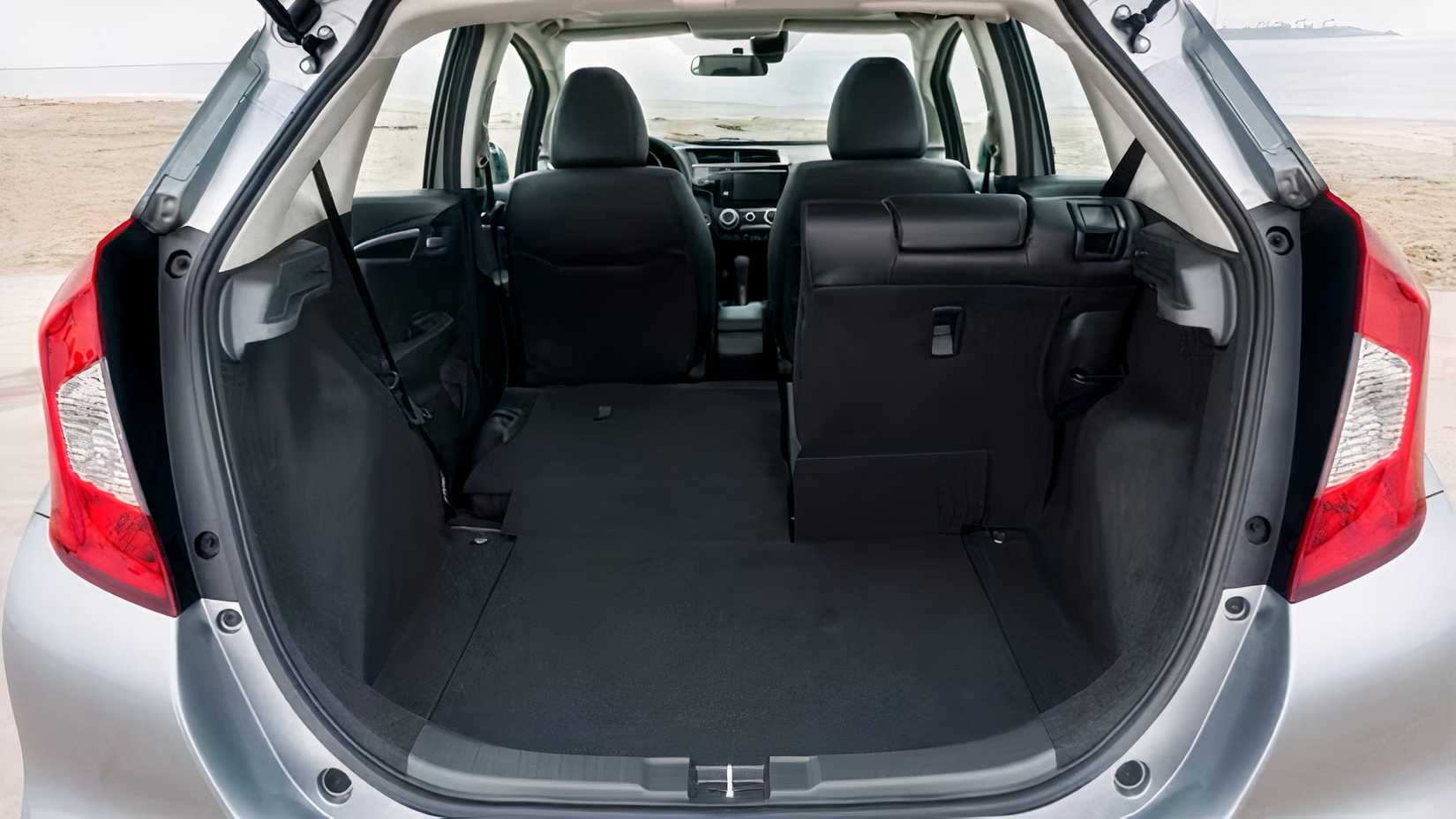
This single Honda engineering decision unlocks the Fit’s exceptional versatility and allows for features that are simply not possible in most rivals’ vehicles. Honda being Honda at their best, in other words.
The Honda Fit Magic Seat Is The Masterstroke
Then there is the Magic Seat system. With the rear floor cleared, this feature is arguably the defining feature of the third-gen Honda Fit. Unlike traditional split-folding rear seats, the Fit’s Magic Seat utilizes a dual-motion design that allows both the seat base and seatback to move independently. The seat base can flip upward vertically, while the seatback folds flat, creating multiple configurations from one simple mechanism.
What makes this system so effective isn’t just its flexibility, but how seamlessly it can be used. The hinges are smooth and offer low-effort use, and the seat frames are made from high-strength steel to maintain rigidity without adding too much weight.
During the third-gen reign, the Fit was somewhat more refined compared to earlier generations, and got better cushioning and more precise alignment when folded away, so you get a flat and stable loading area in the back.
The Hatchbacks The Golf GTI Left Behind
As hatchbacks go, there isn’t much beating the Volkswagen Golf GTI. This iconic hot hatch has outlived most of its competition over the last 50 years.
Four Honda Fit Modes That Turn It Into A Cargo Weapon
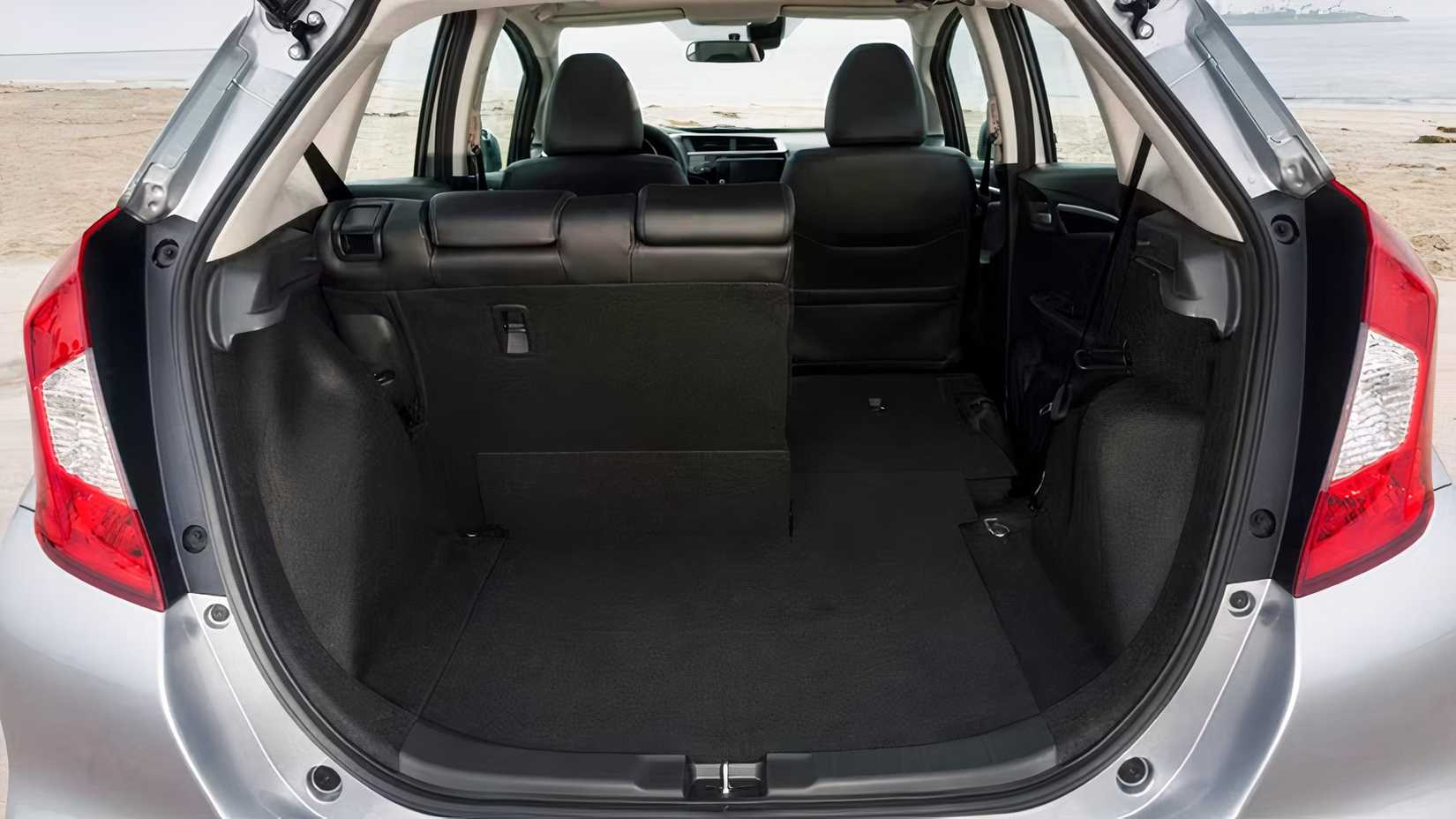
Along with other Japanese brands, Honda is one of the brands the market has looked to for decades for new and interesting ways of approaching everyday vehicles, and the sadly-discontinued Honda Fit is one of those cars that just gets it right. Its real brilliance lies in how all that interior space can be configured.
Rather than offering a single fold-flat rear seat like most useful hatchbacks, the Honda Fit gets four distinct modes, each designed around specific types of cargo. This transforms the Fit into more than just a simple commuter car, but a bona fide, highly adaptable and versatile utility vehicle.
The Honda Fit Fits It All In: Tall, Utility, Long, And Refresh Modes, And Why They Are Useful
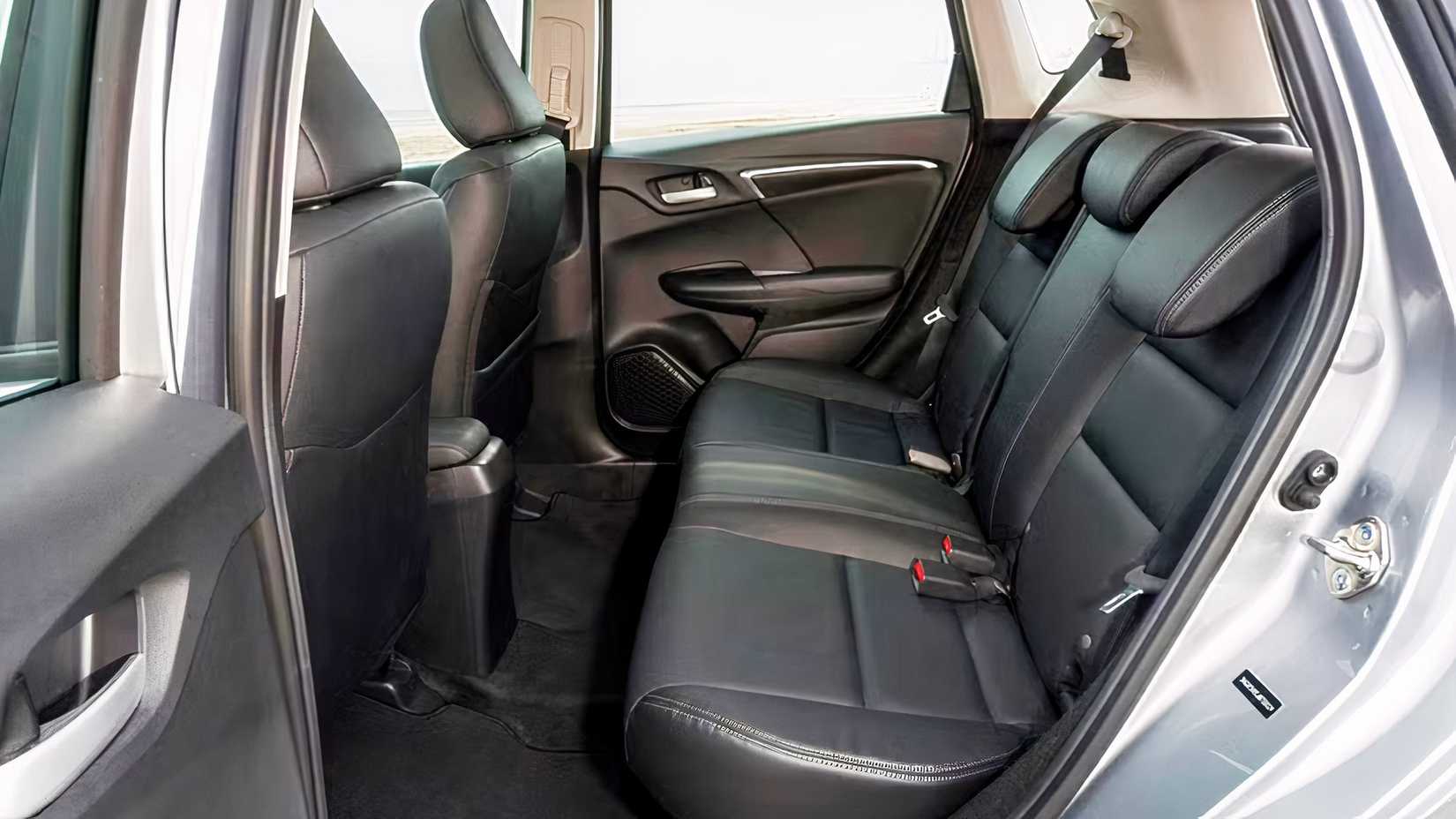
We told you that the Magic Seat is the defining feature of the Honda Fit, and with its four signature configurations, Tall, Utility, Long, and Refresh, you can get a huge amount in the back of a Fit.
Tall Mode flips the rear seat bases upward, creating vertical space behind the front seats. This isn’t just gimmicky; the tank placement means the floor is uninterrupted, so items like houseplants, tall boxes, or even small bikes can stand upright without wedging against a hump in the floor. Most compact cars struggle here because of rear-floor intrusions, but not the Fit, and you end up with something that feels like a very small van inside.
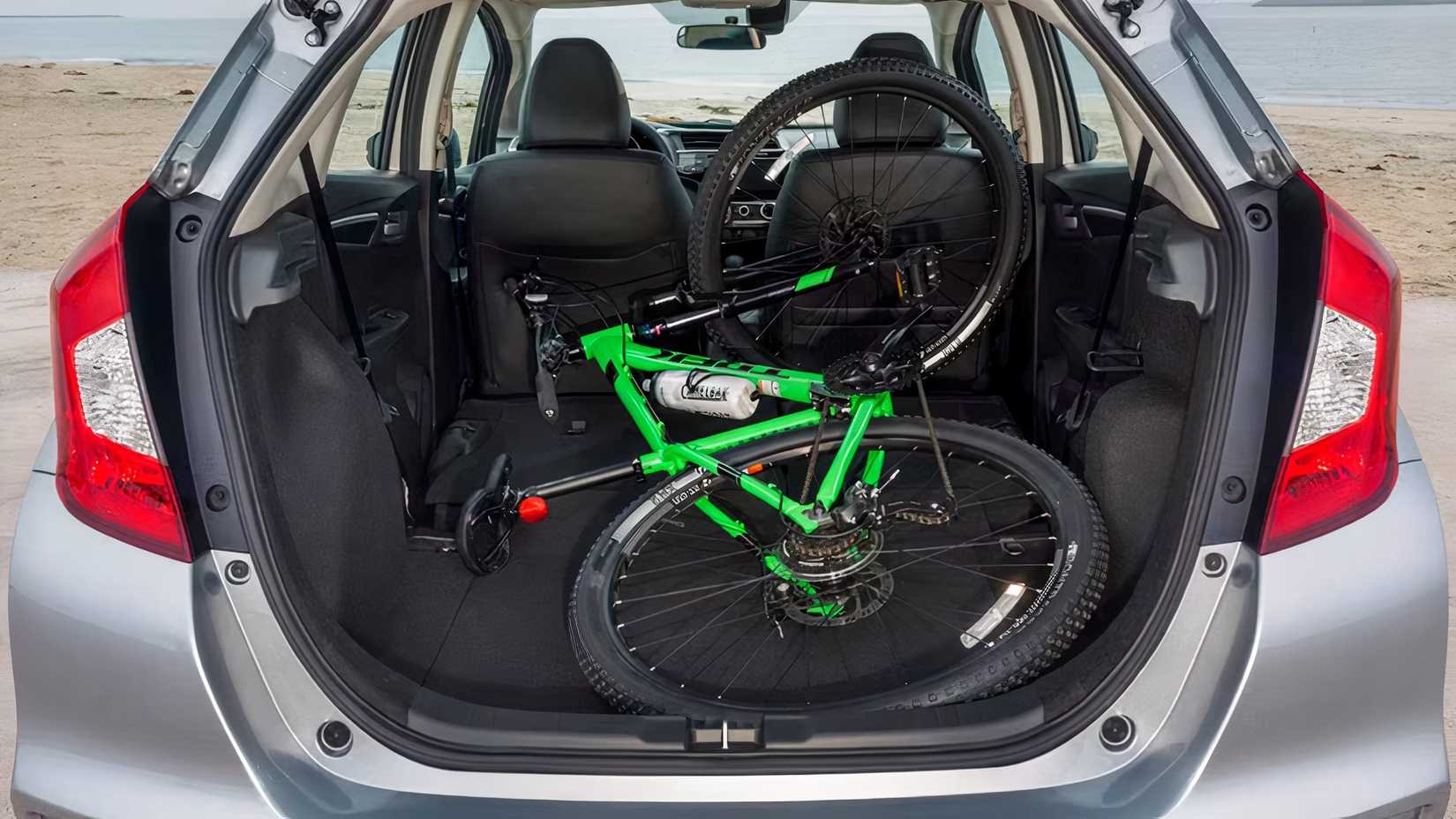
Utility Mode is the classic fold-flat setup, where rear seats fold down to create a wide, continuous cargo floor. Unlike most other hatchbacks, the Fit’s floor is effectively flush, so boxes, luggage, camping gear, and small furniture can fit inside using this Magic Seat mode. The wide rear hatch also allows for a lower liftover height, so loading is as easy as it can realistically be into the back of a small car.
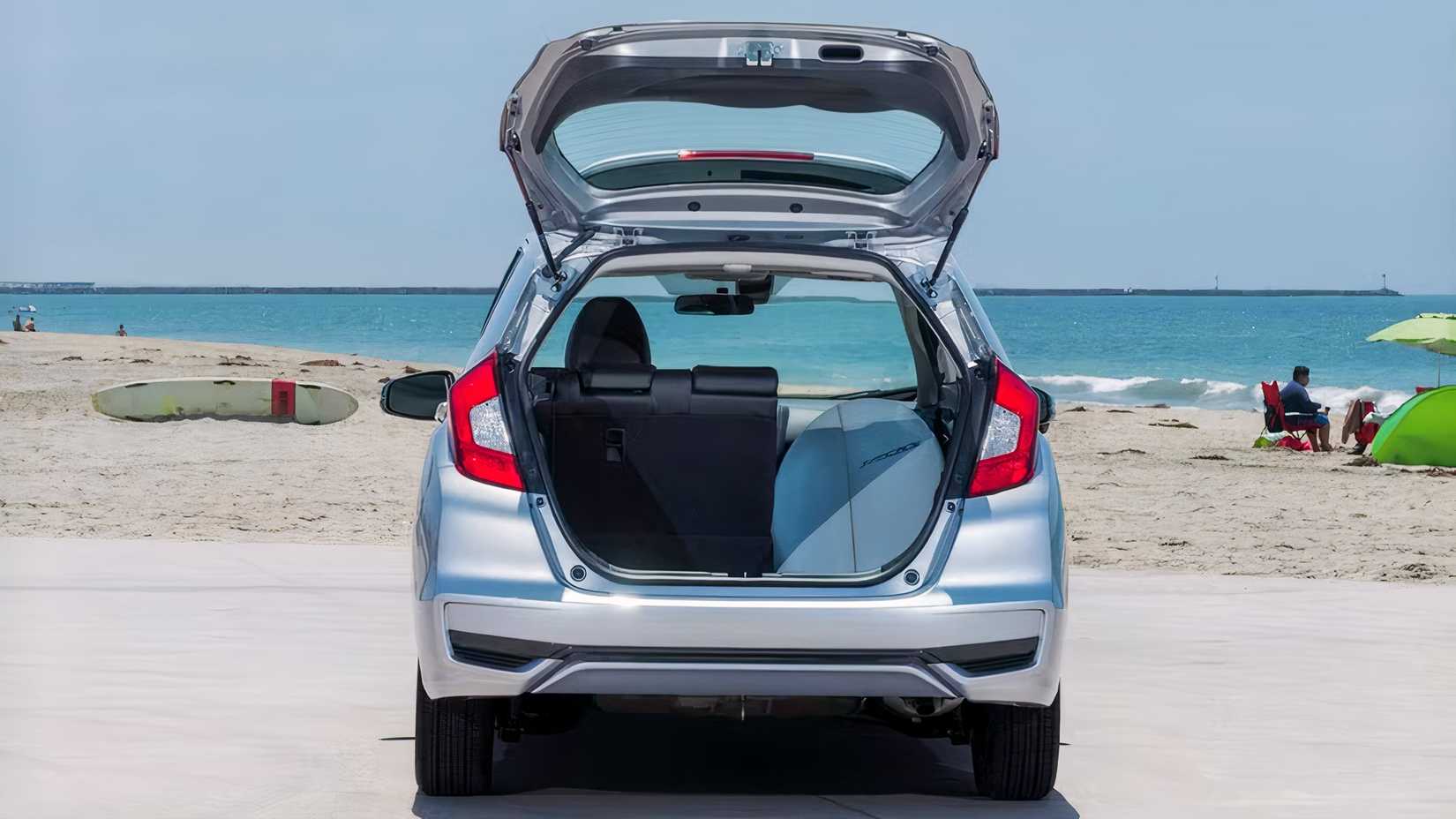
Long Mode extends the Honda Fit’s usability into near-SUV territory. By folding the front passenger seatback in conjunction with the rear seats, the cabin fits items up to eight feet long. That means things like ladders, surfboards, and furniture panels are well within its wheelhouse. The rear seats fold down first, and the front passenger seat reclines forward, so don’t expect to seat a passenger in the front as well, but if you’re off for a surf on your own, it’s ideal.
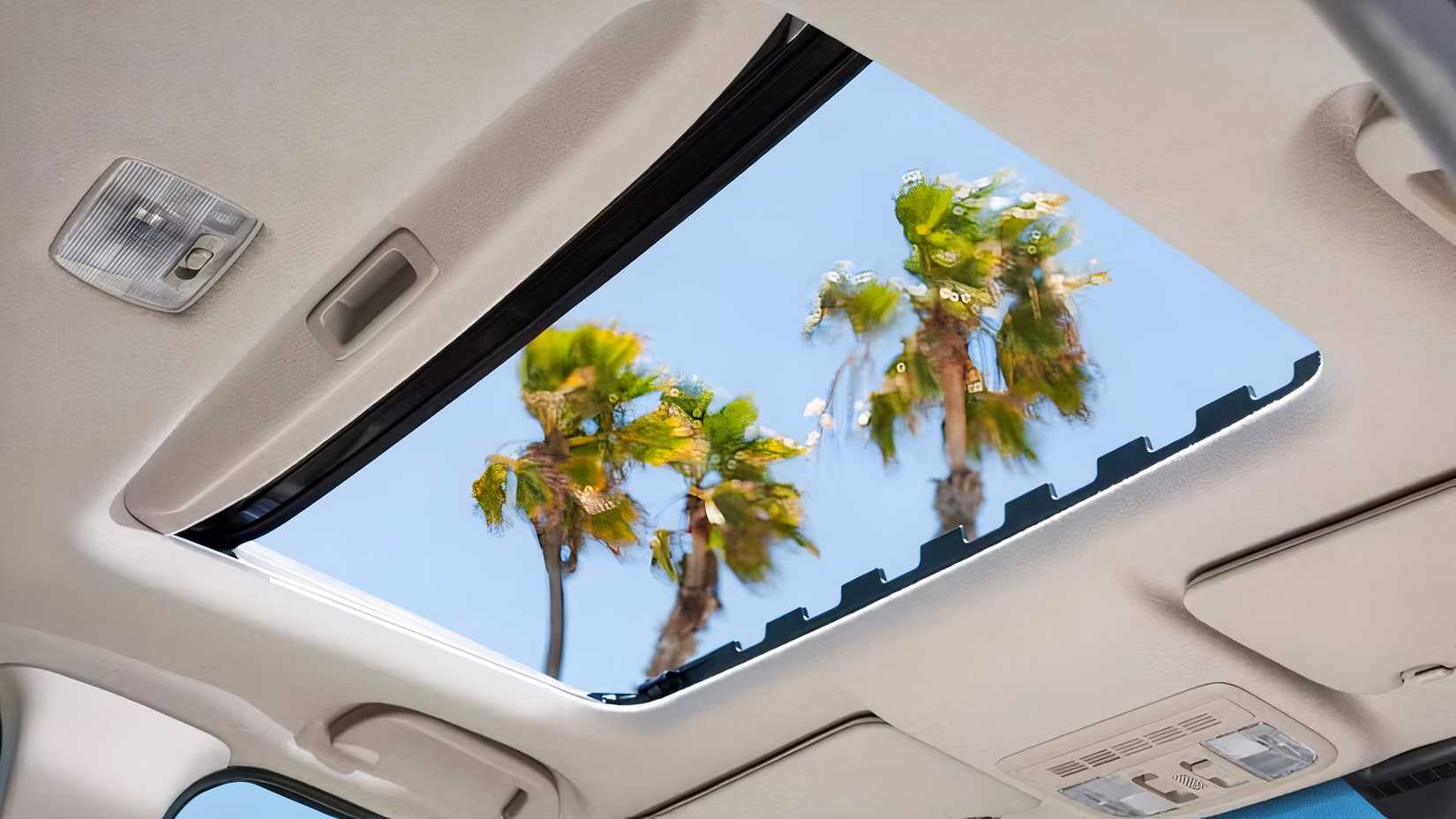
Refresh Mode transforms the interior into a near lounge-like space. With this configuration, the front seatbacks recline fully to meet the rear seat cushions, creating a flat or slightly angled surface ideal for kicking back. The seat bases remain in place to maintain stability, while the tilted backrests give you a nice, comfortable surface to lie on.
6 Sporty Hatchbacks That Prove Practicality Doesn’t Mean Boring
These sporty hatches can handle daily duties while still getting your blood rushing.
How The Honda Fit Outsmarts Bigger Cars
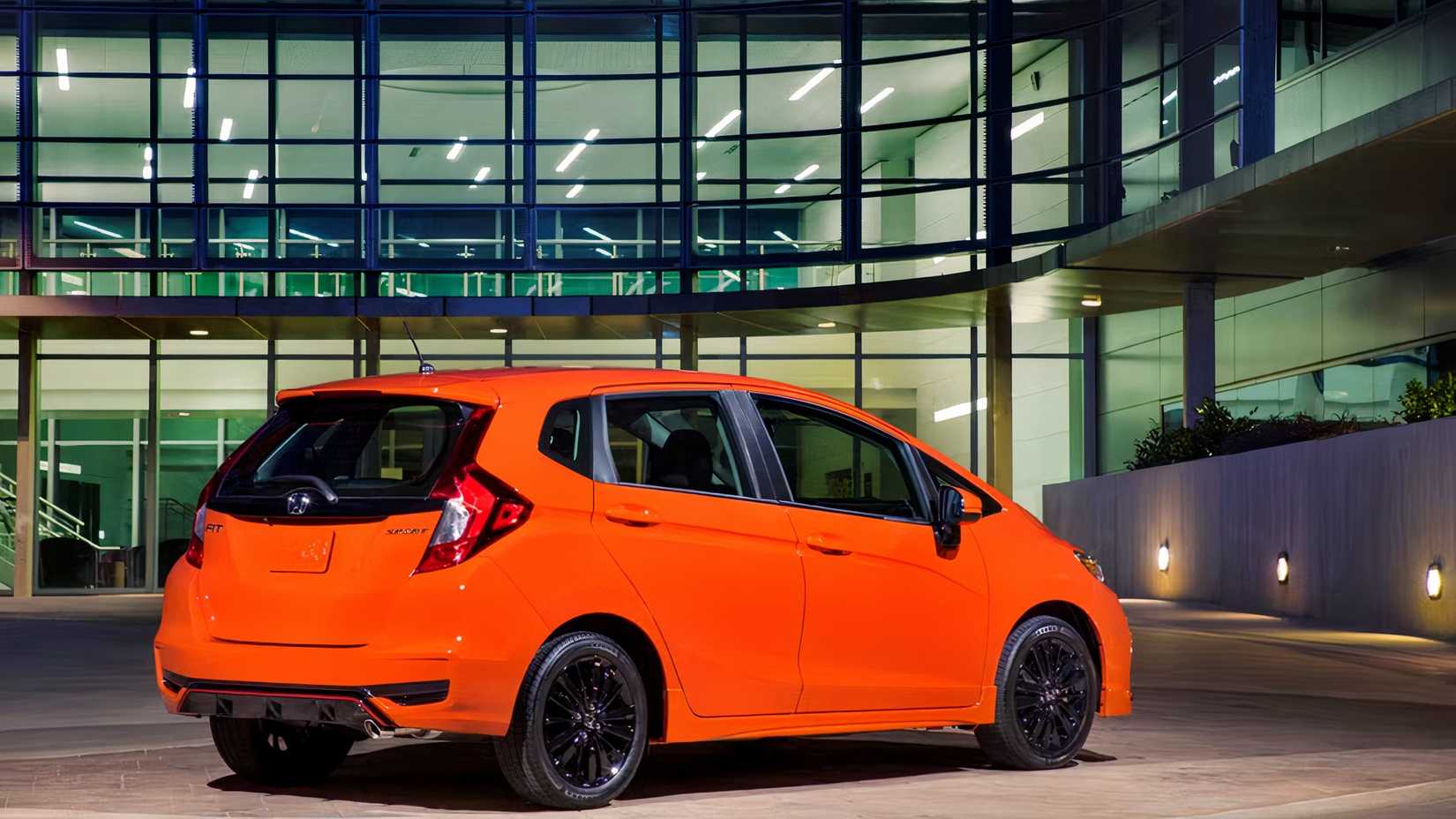
It’s not just the Honda Fit’s massive interior that makes it such a great little car, but rather how it strikes a balance between everyday usability, comfort, reliability, and usefulness in such a small package.
We are very used to seeing SUVs carrying and towing huge amounts around, and with compact crossovers like the new Toyota Corolla Cross gaining in sales year-on-year, there are plenty of large and semi-large vehicles about that tick a lot of boxes. However, the Honda Fit is a very useful, very small car that you can drive every day with ease.
Everyday Honda Fit Usability Owners Rave About
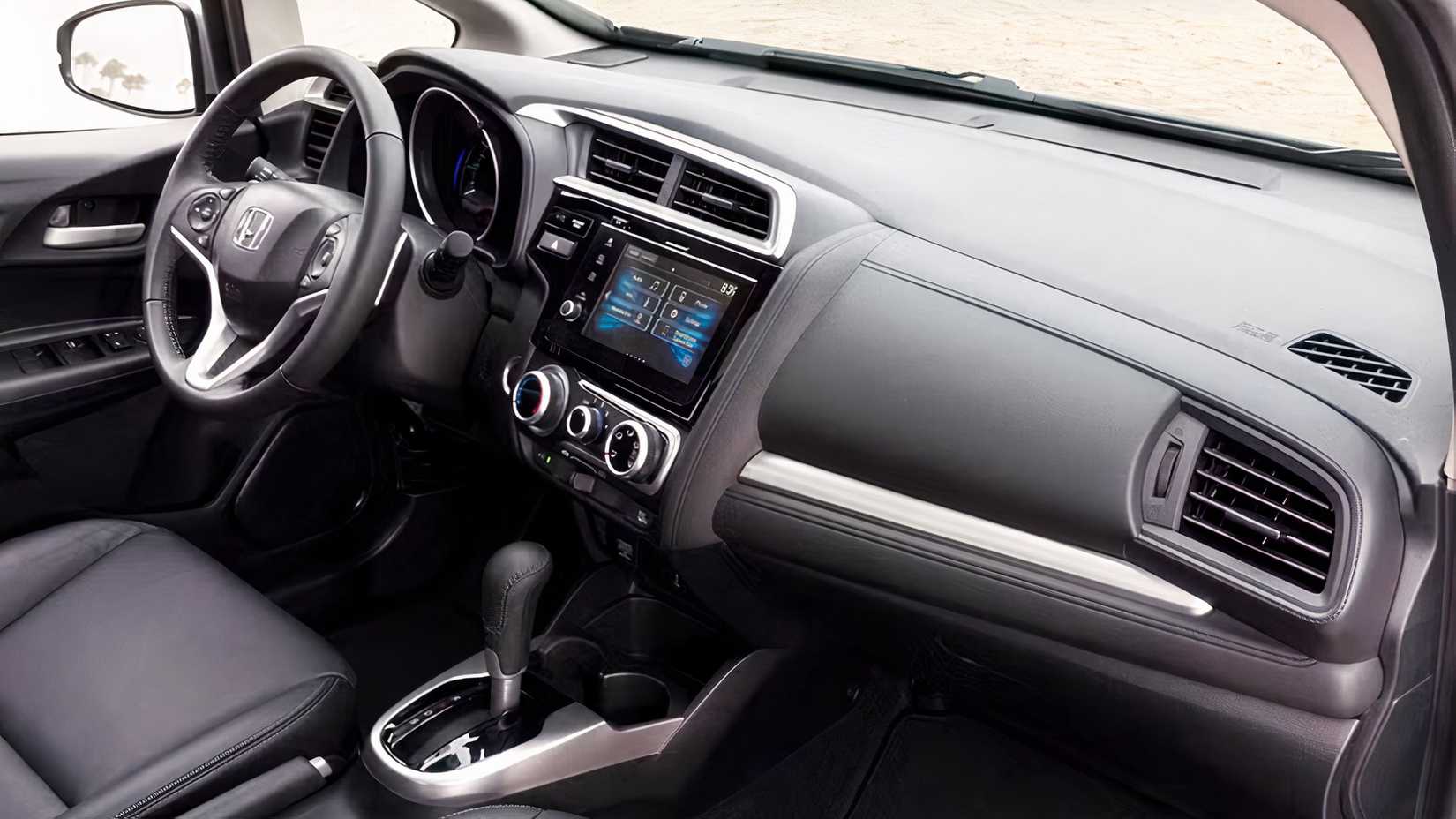
Its minute dimensions mean that there is next to no issue driving around cities in it, but what makes it really stand out is that it can carry loads around, while still being very fuel-efficient. This is down to the only engine option for the whole of the third-generation Honda Fit: a 1.5-liter naturally aspirated DOHC i-VTEC inline-four. Horsepower and torque output are low, but it is a very fuel-efficient hatchback.
|
Third-Generation Honda Fit (2015–2020) |
|
|---|---|
|
Engine |
1.5-Liter Inline-Four |
|
Transmission |
Six-Speed Manual or CVT |
|
Horsepower |
130 Horsepower @ 6,600 rpm |
|
Torque |
113 LB-FT @ 4,600 rpm |
FuelEconomy.gov says that the 2020 Honda Fit can achieve up to 36 combined mpg (33 mpg city/40 highway) if you opt for the model fitted with the CVT, which is also available with sporty paddle shifters. Manual transmission models can still achieve 31 combined mpg (29 mpg city/36 mpg highway). We wouldn’t expect it to be able to achieve this if you are making the most of all the interior room it has to offer, but it is still a frugal little car.
FuelEconomy.gov also says that it is estimated to cost you between $1,200 and $1,400 a year to fill up; you could save up to $1,750 on gas over five years compared to the average modern vehicle; and you still get a reasonable tank range of up to 382 miles from the small 10.6-gallon gas tank.
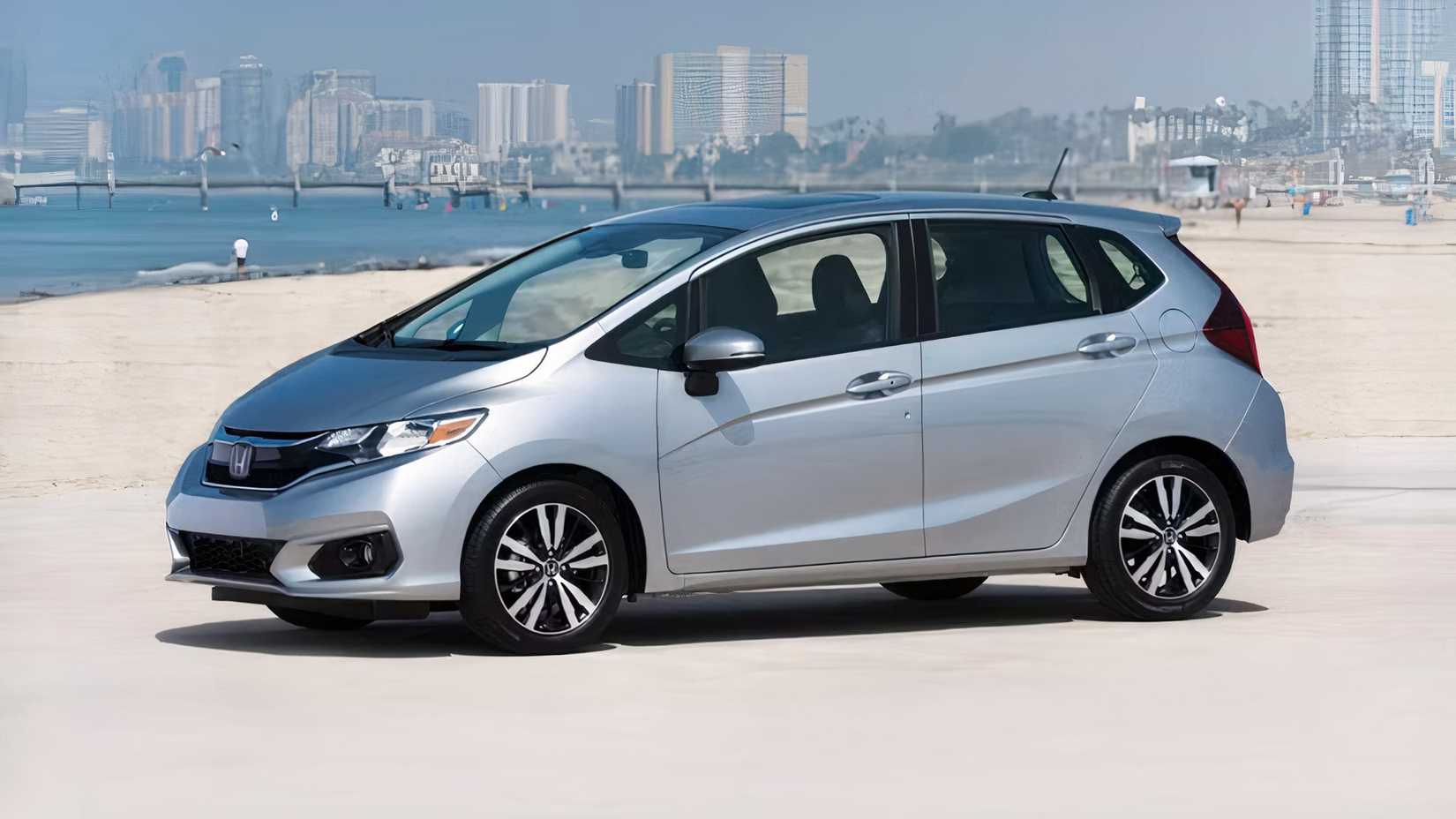
Then there is how owners have rated the 2015–2020 Honda Fit. According to the 104 owner reviews of the third-gen Honda Fit on Kelley Blue Book, 83% of owners recommend buying one, and rate it 4.6 out of 5 overall. This includes ratings of 4 out of 5 for comfort, 4.3 out of 5 for performance, 4.4 out of 5 for quality and styling, 4.5 out of 5 for value, and 4.6 out of 5 for reliability.
Owner ratings for the 2015–2020 Honda Fit range from average to very good: the 2015 MY gets an overall rating of 74 out of 100; the 2016 MY is rated 77 out of 100; the 2017 MY is rated 81 out of 100; the 2018 MY is rated 76 out of 100; the 2019 MY is rated 81 out of 100, and the final model year gets a rating of 74 out of 100.
“We bought this car used in 2020 and love it. It easily holds an 8-foot surfboard on the folded-back passenger seat and gets fantastic mpg: 39+ around town. Thanks to the split folding seat, you can actually put 2 people back there with multiple surfboards stacked. I use it like a mini enclosed truck. I haul around big beach chairs, Costco loot, luggage, visitors, guitars, all with the 8-foot surfboard riding shotgun. It is really impressive how much this little gas sipper holds.”
Owner review of their Third-Generation Honda Fit on Kelley Blue Book
Rivals Can’t Match The Honda Fit Formula
The rise of the SUV and the continuing rise of small SUVs can be blamed for the low sales of the final model years of the Honda Fit. We have lots of exceptional small SUVs that balance everyday usability and cargo capacity today, but the Honda Fit can still be seen as a model in a class of its own.
Models like the 2020 Toyota Yaris hatchback are small, nippy, and fuel-efficient, but can only carry up to 33.5 cubic feet of stuff around. It isn’t bad, but it isn’t Honda Fit levels. The 2026 Kia K4 Hatchback is proving itself as a very worthy successor to the small exterior/maximum interior cargo capacity formula, with a maximum of 59 cubic feet available, but it can only achieve a reported 30 combined mpg and measures in at 185.4 inches by 72.8 inches, so it is noticeably bigger and can be a lot thirstier than the Honda Fit.
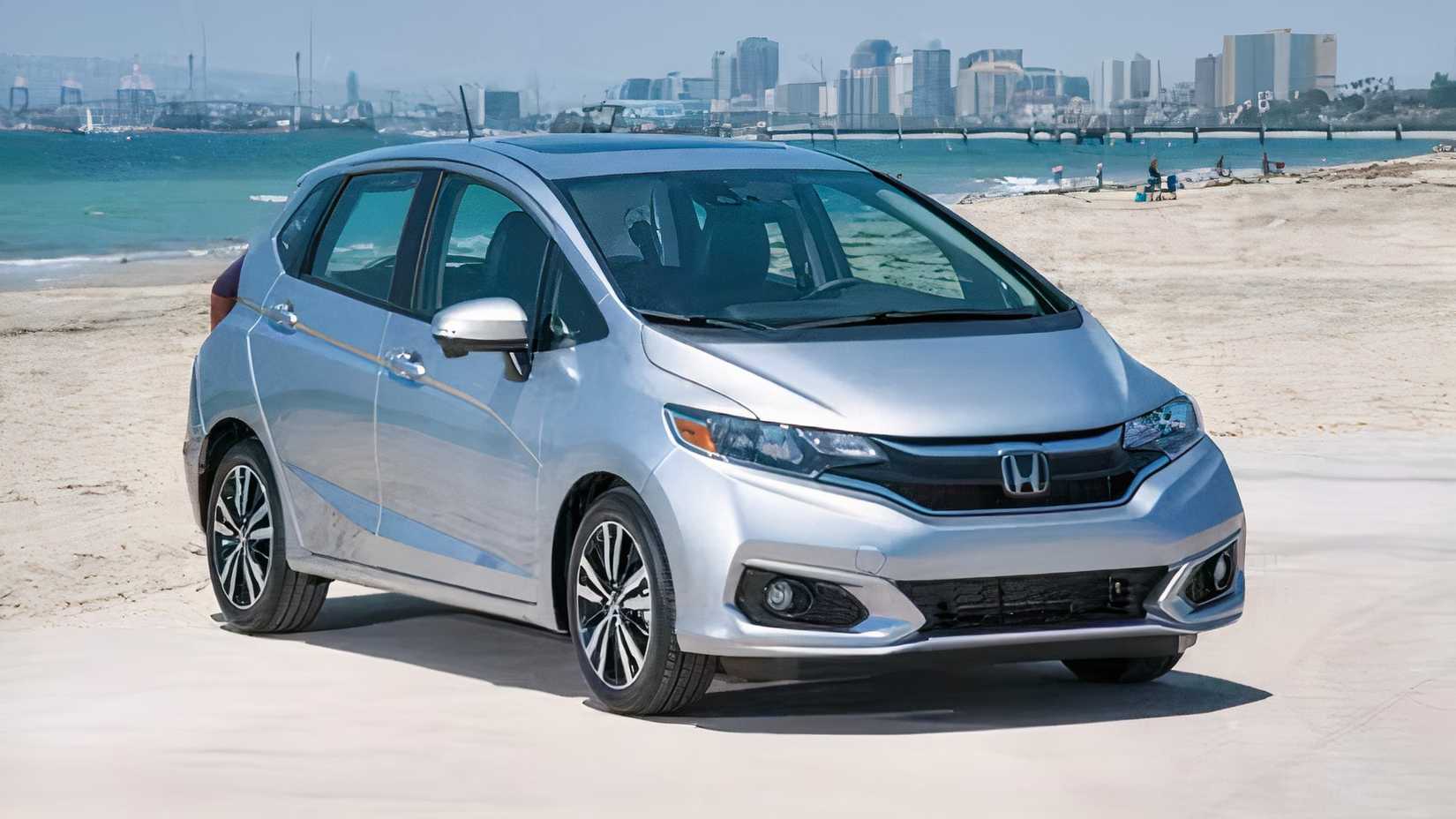
It is a shame that Fit left the market when it did. The Magic Seat system, the low fuel usage, the Honda-grade reliability, the exceptional cargo capacity, and the overall positive feedback make the third-generation Honda Fit a true one-of-a-kind practical hatchback in a generation.
Sources: Kelley Blue Book, J.D. Power, and FuelEconomy.gov.