

The luxury sports sedan segment has long been dominated by familiar names like the BMW 3 Series, Mercedes-Benz C-Class, and Audi A4. These vehicles offer premium cabins, strong performance, and prestigious badges, but they also tend to command high prices on both the new and used markets. Sitting somewhat outside that spotlight is the Infiniti Q50, a sedan that often gets overlooked despite offering many of the same qualities buyers seek in a luxury car.
Introduced for the 2014 model year as the successor to the Infiniti G37, the Q50 entered one of the most competitive segments in the automotive industry. It combined rear-wheel-drive dynamics, available all-wheel drive, premium interior appointments, and powerful engine options. Yet despite its strengths, the Q50 never achieved the same sales success as its German rivals.
That lack of popularity has created an opportunity for used-car shoppers. Today, depreciation has pushed many well-equipped Q50 models into price territory occupied by mainstream family sedans, while higher-performance variants remain significantly cheaper than comparable German alternatives. For buyers seeking luxury, performance, and value in a single package, the Infiniti Q50 has quietly become one of the most attractive bargains available.
How Depreciation Made The Infiniti Q50 A Used Luxury Bargain
Depreciation is often the biggest expense associated with luxury-car ownership, and few vehicles illustrate this better than the Infiniti Q50. When new, a well-equipped Q50 commonly carried an MSRP between $45,000 and $60,000 depending on trim level and options. High-performance Red Sport 400 models could easily exceed $60,000. However, unlike many German competitors that retain stronger brand cachet and demand in the used market, the Q50 tends to lose value rapidly. Five-year-old examples can often be found for less than half their original sticker price. In many regions, a clean 2019 or 2020 Q50 Luxe equipped with the twin-turbo V6 can be purchased for roughly the same price as a used Honda Accord Touring or Toyota Camry XSE.
The depreciation gap becomes even more noticeable when compared to rivals. A similarly aged BMW 340i, Mercedes-Benz C43 AMG, or Audi S4 frequently commands thousands of dollars more despite offering comparable performance. Even Lexus IS models, which generally emphasize reliability over outright speed, often maintain stronger resale values.
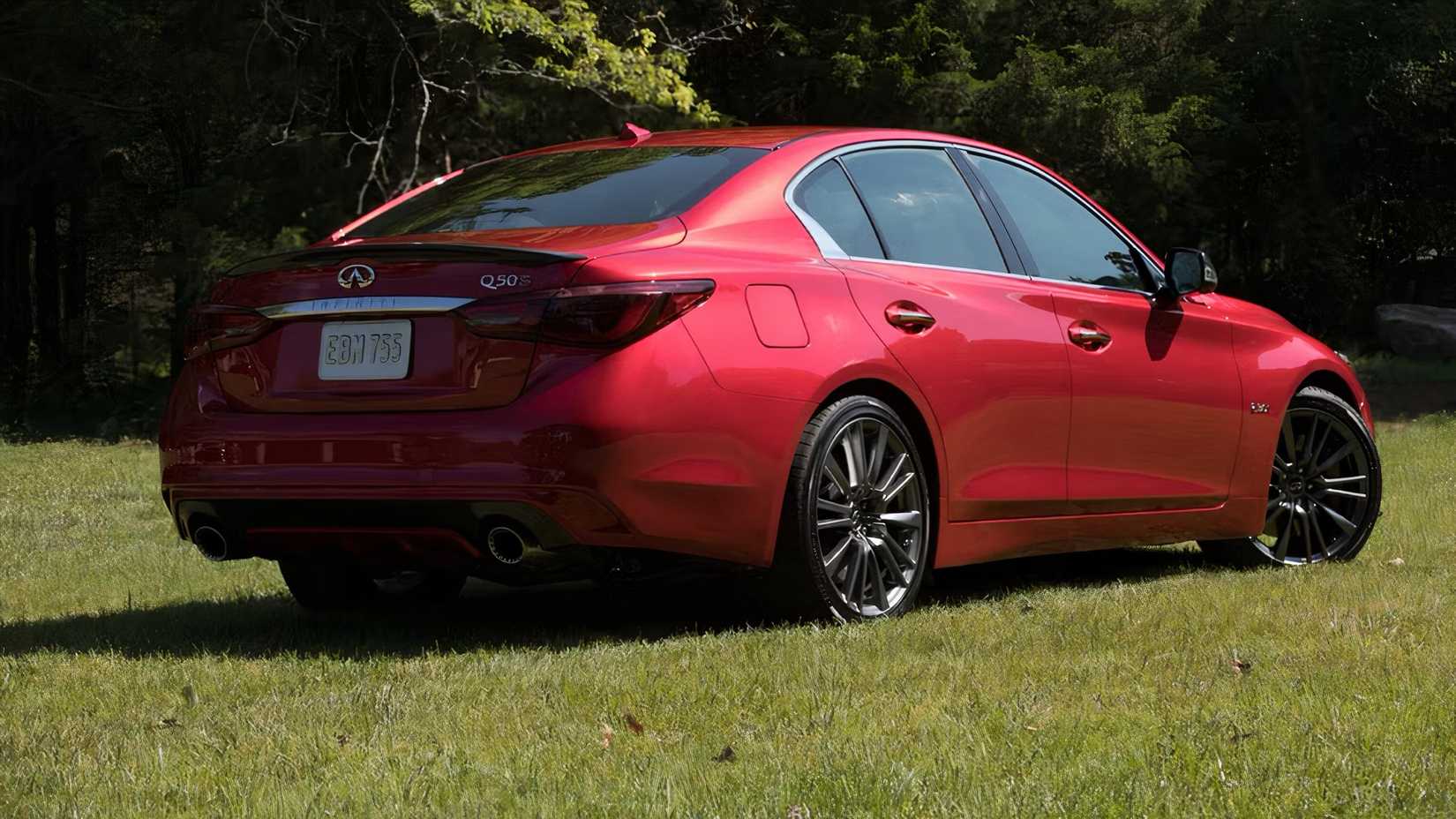
Several factors contribute to this depreciation. Infiniti’s brand image has weakened over the past decade, product updates were relatively modest compared to competitors, and the Q50’s interior technology began showing its age before production ended. These issues hurt resale values but do not necessarily diminish the vehicle’s core strengths. For used buyers, depreciation effectively becomes a benefit, as someone else absorbed the steepest portion of the vehicle’s value loss, allowing second or third owners to access luxury-car performance at a fraction of the original cost. The result is one of the strongest value propositions in the luxury sedan market: a premium sports sedan with available 400 horsepower that often costs less than a new economy car.
The Four-Door Japanese Sports Car That’s Cheaper Than A New Corolla
The Q50 Red Sport 400 carries Skyline-inspired DNA, putting a modern twin-turbo V6 under a tasteful Infiniti skin.
Twin-Turbo V6 Performance That Still Delivers
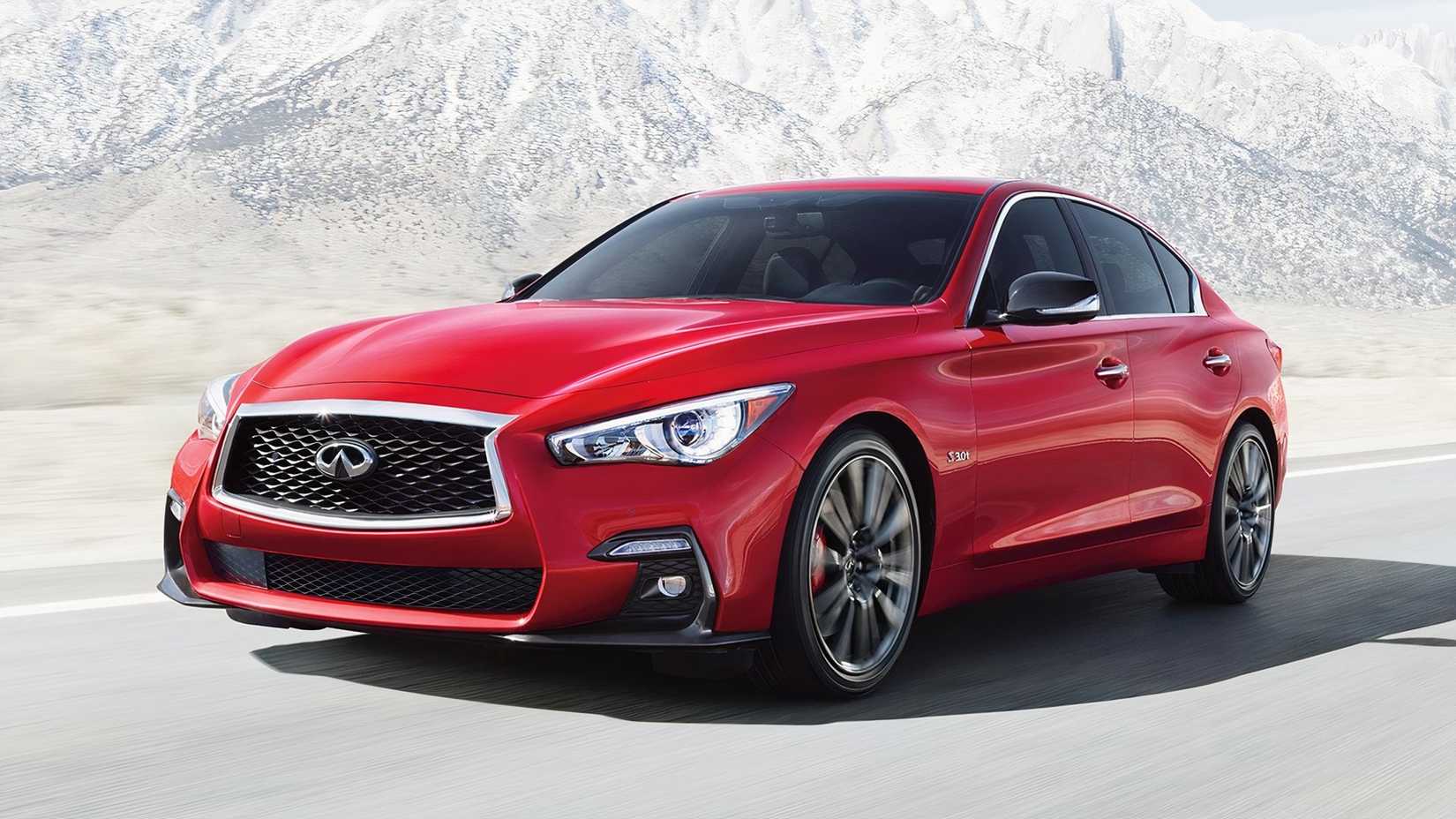
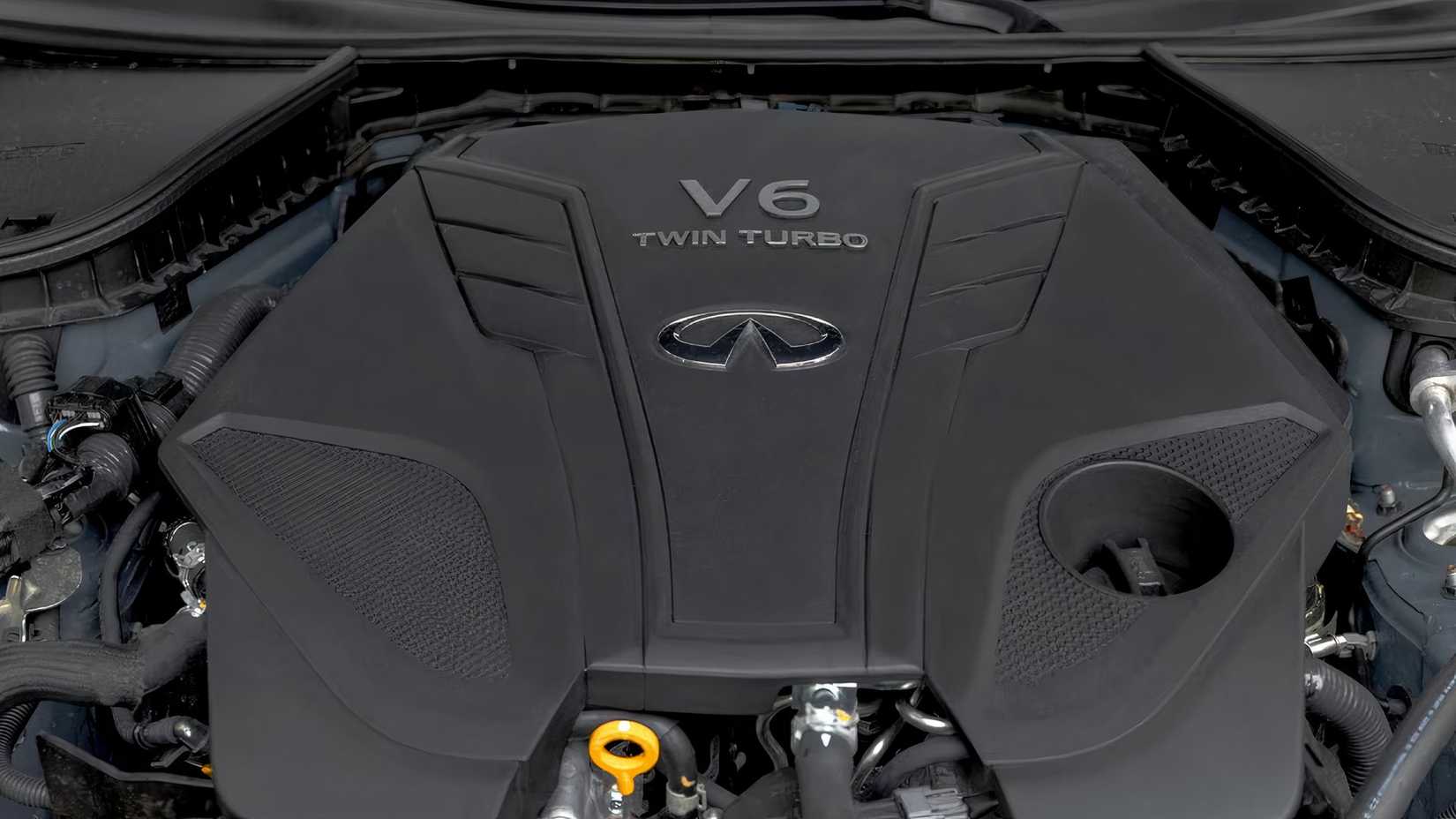
One of the primary reasons enthusiasts continue to seek out the Q50 is its impressive powertrain lineup, particularly the VR30DDTT twin-turbocharged V6. Introduced for the 2016 model year, the 3.0-liter twin-turbo V6 replaced the naturally aspirated 3.7-liter VQ engine that had powered earlier Infiniti performance models. While some enthusiasts initially lamented the loss of the naturally aspirated setup, the VR30 quickly proved its capabilities. In standard form, the engine produces 300 horsepower and 295 pound-feet of torque. Those numbers compare favorably to many competitors from the same era. Power is delivered through a seven-speed automatic transmission and can be sent to either the rear wheels or all four wheels depending on configuration.
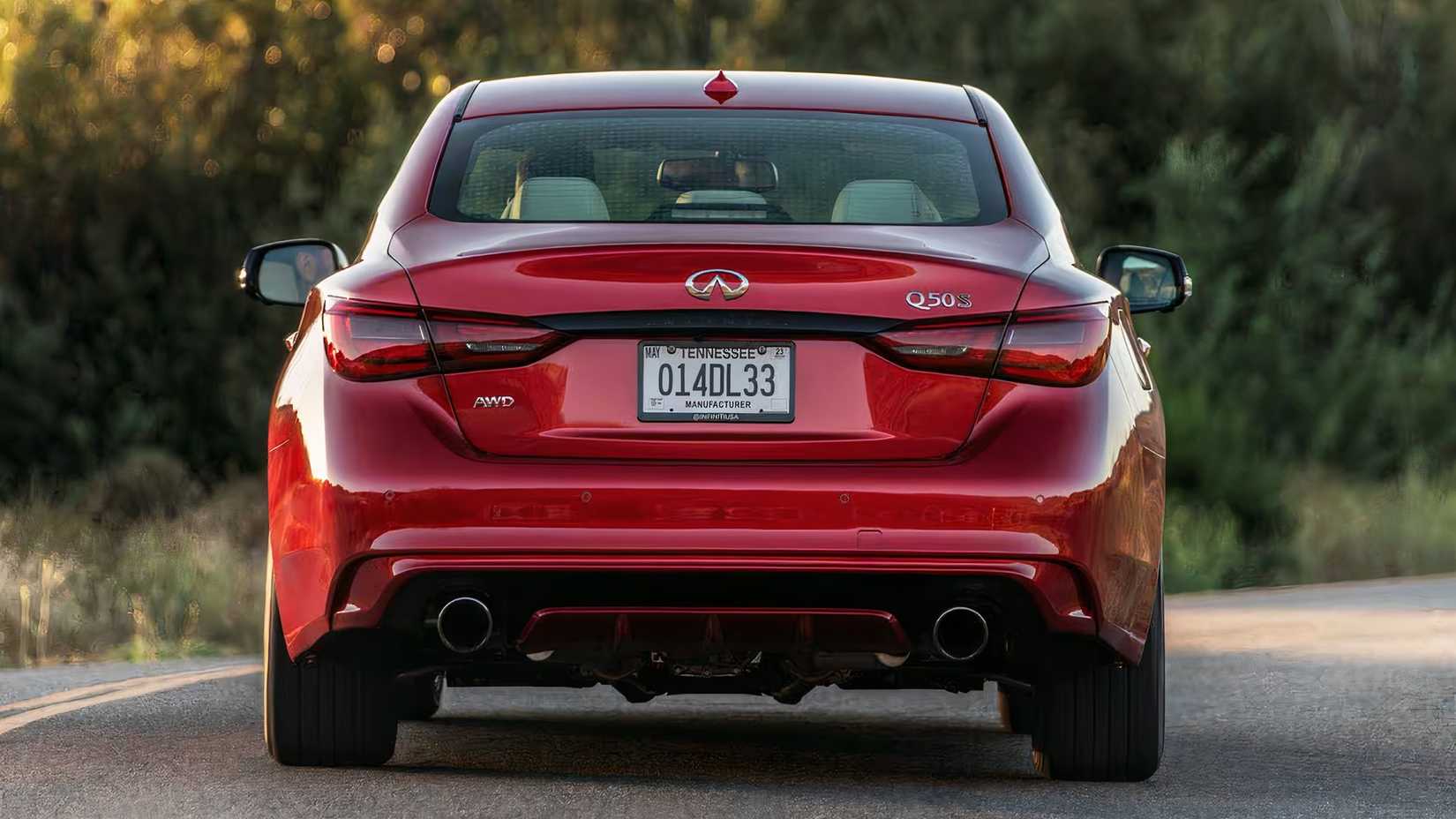
Performance remains impressive even by modern standards. A Q50 equipped with the 300-horsepower twin-turbo V6 can accelerate from 0 to 60 mph in approximately 5.0 seconds. That places it squarely in the territory traditionally occupied by German sport sedans. The real standout, however, is the Q50 Red Sport 400. This flagship performance model uses a more aggressively tuned version of the same VR30DDTT engine, increasing output to 400 horsepower and 350 pound-feet of torque. Infiniti also fitted larger turbo speed sensors, upgraded cooling systems, larger brakes, and a more performance-oriented suspension calibration. The numbers remain impressive years after its introduction:
Specification Infiniti Q50 Red Sport 400
- Engine: 3.0L Twin-Turbo V6
- Horsepower: 400 hp
- Torque: 350 lb-ft
- Transmission: 7-Speed Automatic
- Drivetrain: RWD or AWD
- 0-60 mph: 4.5 seconds
For perspective, these figures allow the Red Sport 400 to compete with vehicles such as the BMW M340i and Audi S4, yet used examples often sell for significantly less. The engine also responds exceptionally well to aftermarket tuning. Basic ECU tuning can unlock substantial additional power without major hardware modifications, making the Q50 particularly attractive to enthusiasts seeking affordable performance.
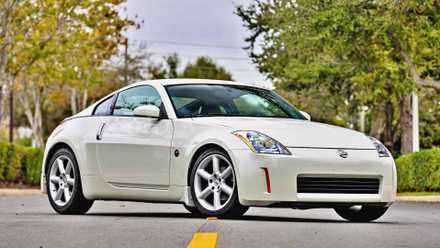
10 Shockingly Cheap Performance Cars From the 2000s
The used-car market is full of hidden performance car gems from the 2000s that deliver excitement without breaking the bank.
Premium Features For Less Than German Rivals
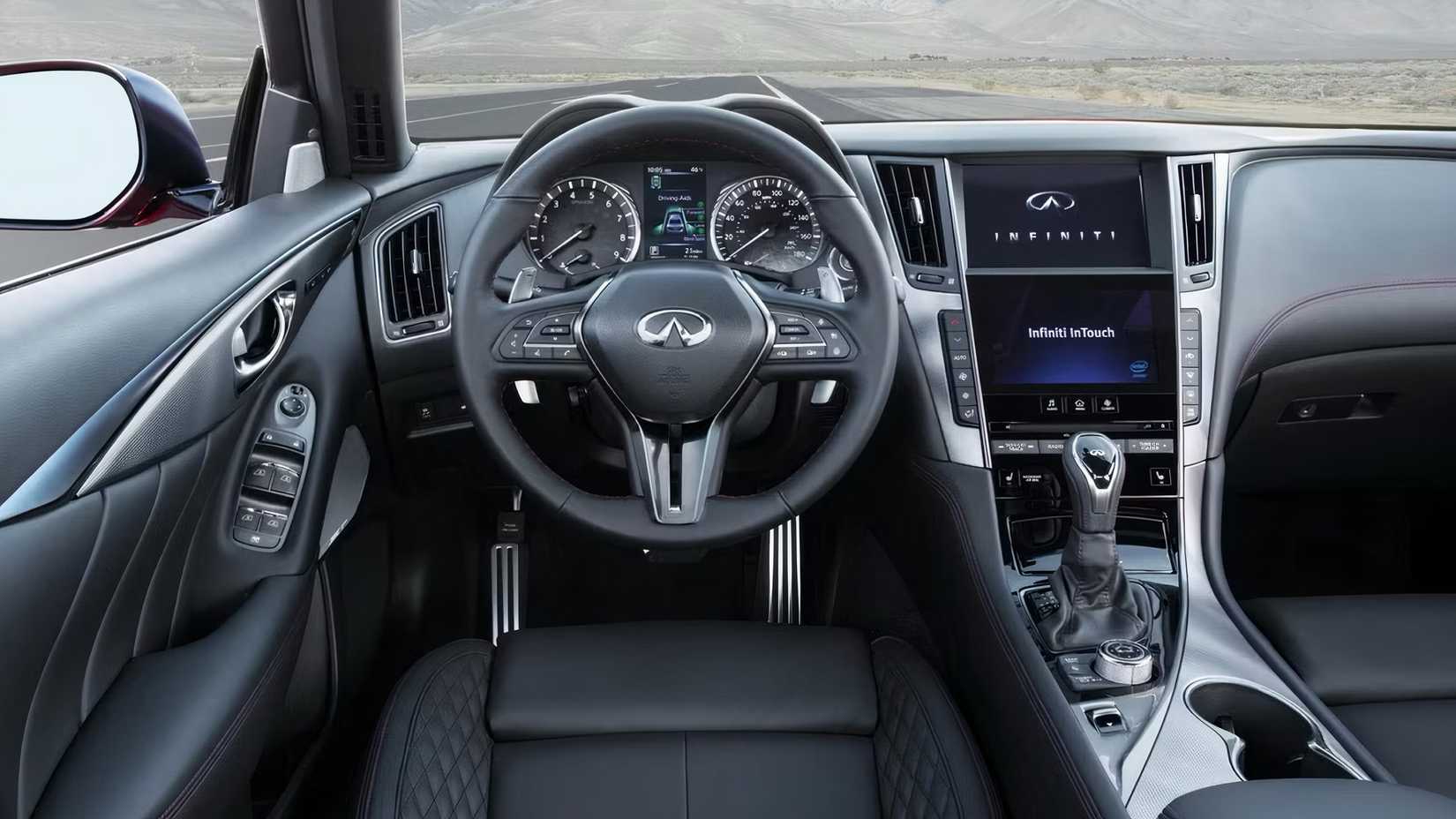
Beyond its performance credentials, the Q50 delivers an impressive collection of luxury features for the money. Even lower trims typically include leather-appointed seating, power-adjustable front seats, dual-zone climate control, push-button start, and premium audio systems. Higher trims add navigation, Bose audio, heated and ventilated seats, adaptive cruise control, and advanced driver-assistance technologies. Many used examples are equipped with features that remain desirable today including:
- Leather upholstery
- Heated front seats
- Around View Monitor camera system
- Blind-spot monitoring
- Lane departure warning
- Adaptive cruise control
- Remote start
- Bose premium audio
- Memory seating functions
- Power moonroof
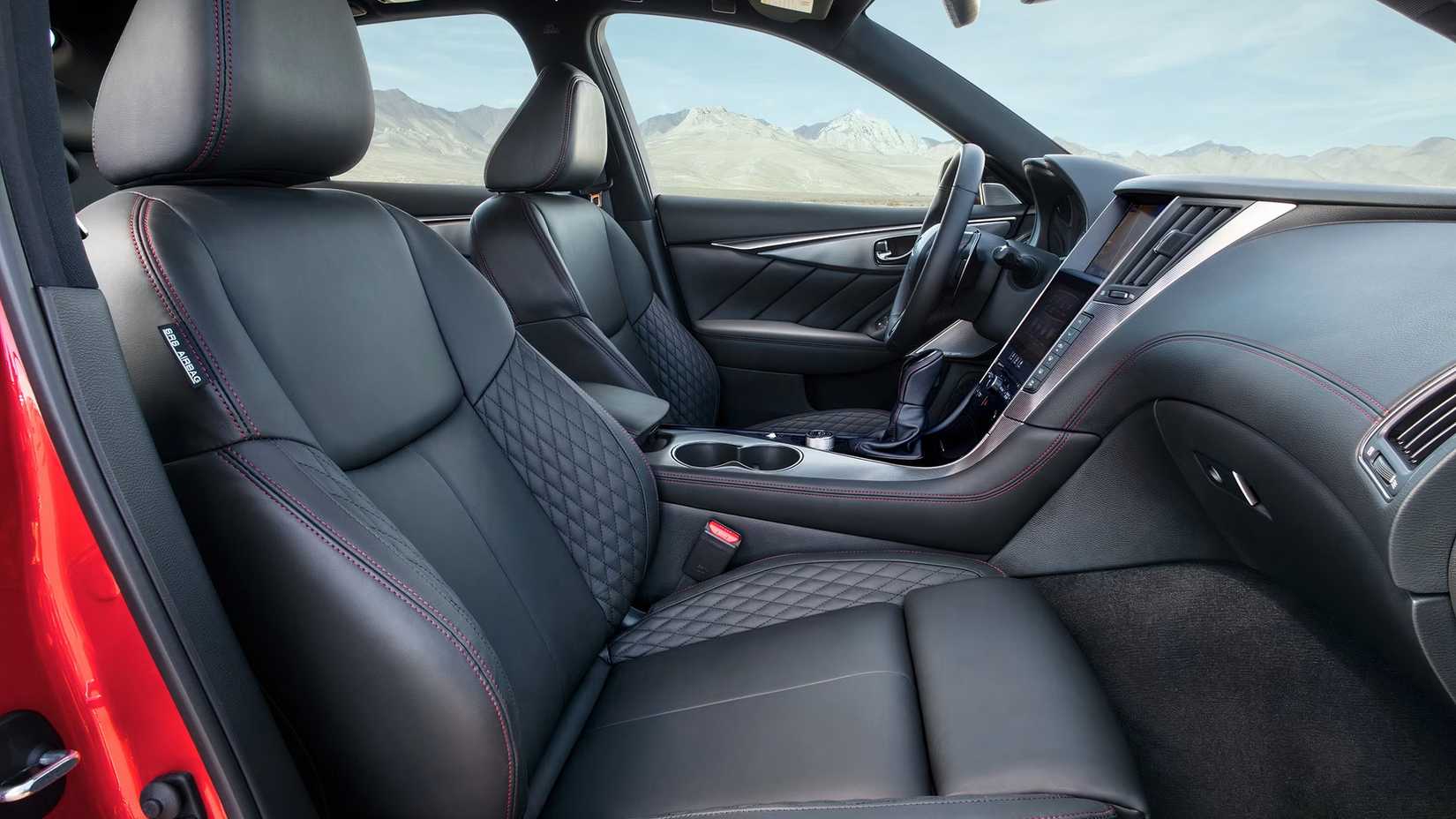
The Q50’s cabin may not possess the cutting-edge design language of newer German sedans, but its materials quality remains competitive. Soft-touch surfaces, real aluminum trim, and supportive seats help maintain a premium feel. Ownership costs also tend to favor the Infiniti. While maintenance expenses vary depending on vehicle condition and location, routine servicing generally costs less than equivalent German luxury cars. Parts availability is typically better than many owners expect thanks to Infiniti’s relationship with Nissan, and independent shops are often familiar with the underlying mechanical components.
Insurance premiums can also be more affordable than those associated with comparable German performance sedans, particularly for non-Red Sport models. For shoppers prioritizing value, the Q50 often provides nearly all the luxury features they desire while requiring a significantly smaller financial commitment than a BMW, Mercedes-Benz, or Audi.
10 Luxury SUVs That Aren’t As Expensive As You Think
Uncover 10 luxury SUVs that deliver elegance and performance without a sky-high price tag. Elevate your drive affordably.
The Best Q50 Models To Buy And What To Avoid
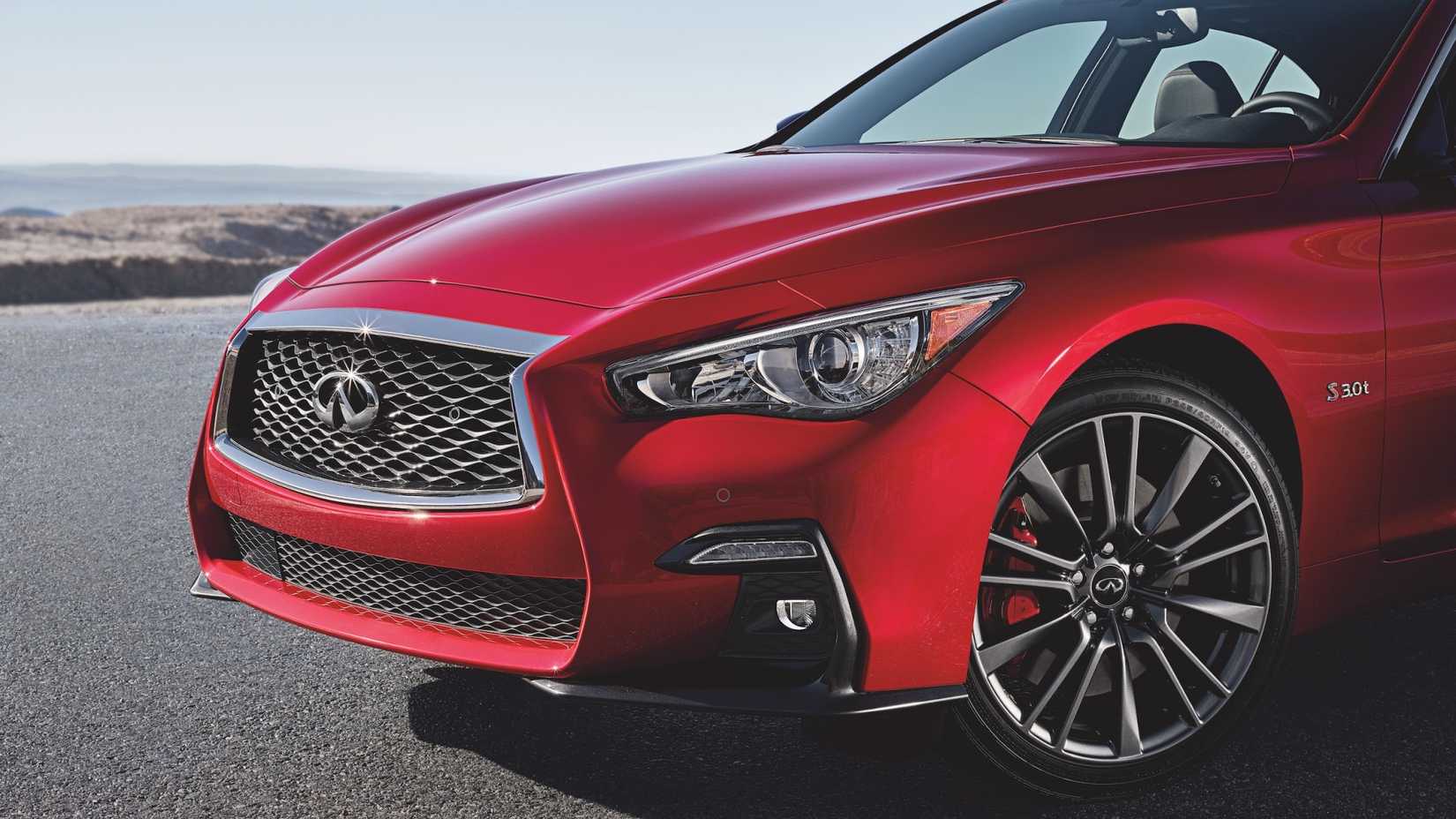
Not all Q50 models are created equal, making careful shopping important. Many enthusiasts consider the 2018-and-newer models to be among the safest bets. Infiniti made several improvements to reliability and software calibration over the years, helping address some early concerns associated with the twin-turbo powertrain.
Best Models To Consider:
This trim strikes an excellent balance between luxury, performance, and affordability. Buyers receive the 300-horsepower twin-turbo V6 along with a generous list of premium features.
The Sensory trim adds more luxury-oriented equipment while maintaining reasonable used pricing.
- 2018-2024 Q50 Red Sport 400
For performance enthusiasts, the Red Sport 400 offers tremendous horsepower-per-dollar value. Comparable German performance sedans often cost significantly more.
Models Worth Additional Inspection:
- 2016-2017 Twin-Turbo Models
Early VR30-powered vehicles have been associated with occasional turbocharger issues and belt-related concerns. Many examples have performed flawlessly, but maintenance records become especially important.
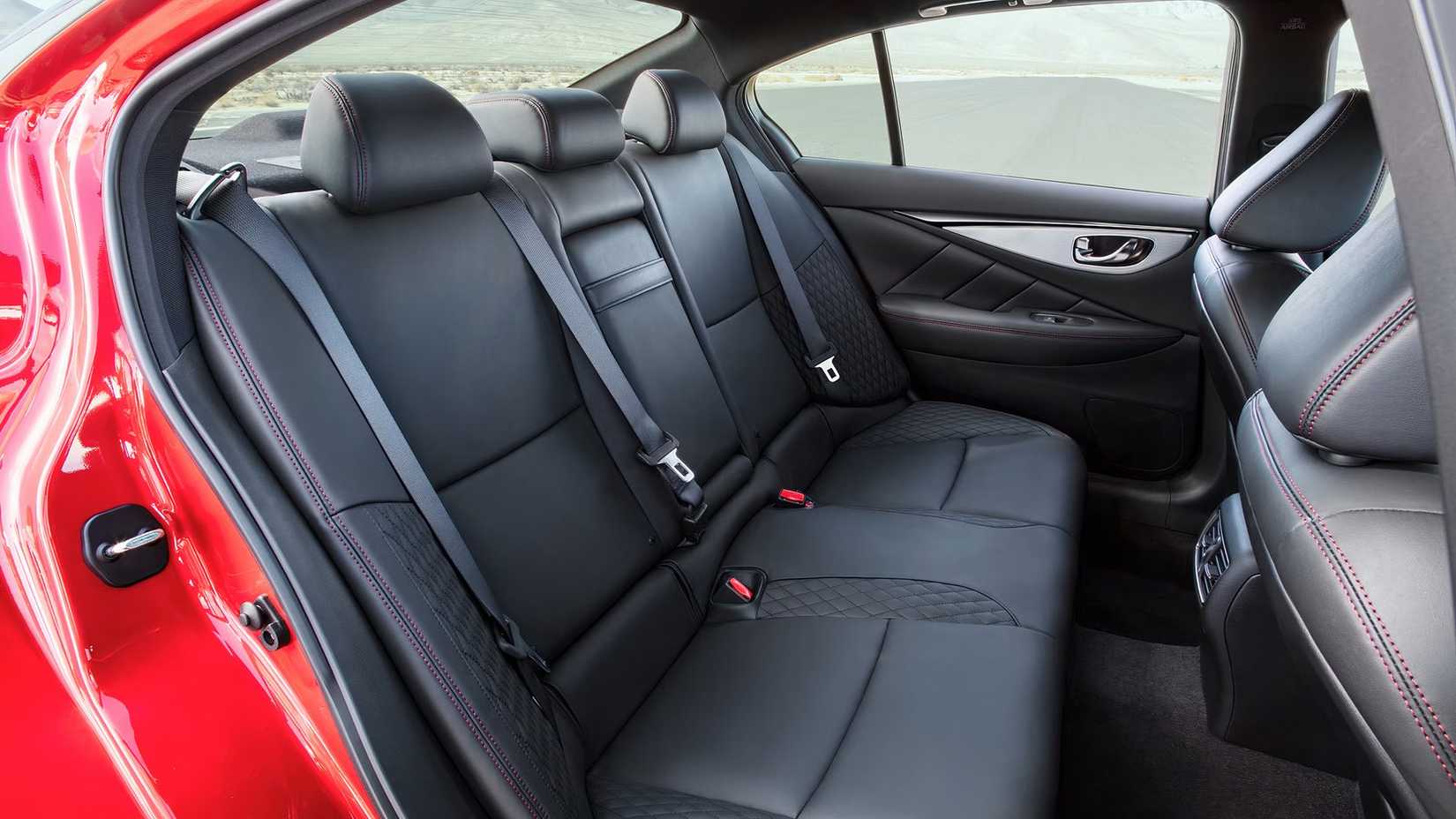
Although generally capable of delivering high mileage when maintained properly, prospective buyers should inspect for turbocharger health, serpentine belt alignment issues, oil leaks, cooling system maintenance history, transmission servicing records, and electronic infotainment glitches. A thorough pre-purchase inspection by a qualified technician is strongly recommended, especially on modified examples. The good news is that many reliability concerns are well documented within the ownership community, making it easier for buyers to identify and address potential issues before they become major expenses.
Why Enthusiasts Are Turning To The Infiniti Q50
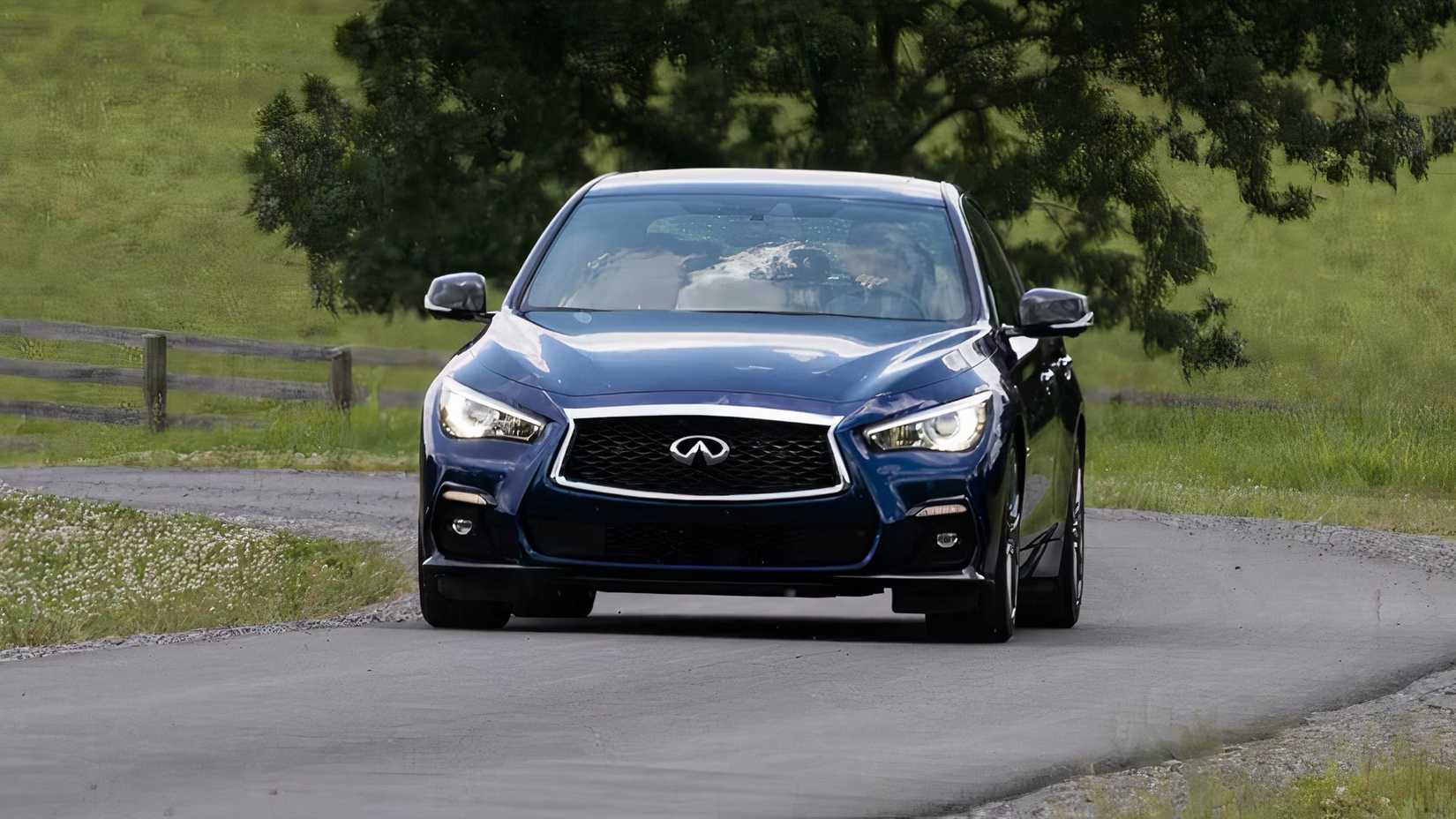
The modern enthusiast market has become increasingly expensive. Used BMW M cars, Audi S models, and Mercedes-AMG products have appreciated significantly in recent years. Even performance-oriented mainstream vehicles often command surprisingly high prices. As a result, enthusiasts are searching for alternatives that deliver genuine performance without demanding a premium budget. The Infiniti Q50 fits that role remarkably well.
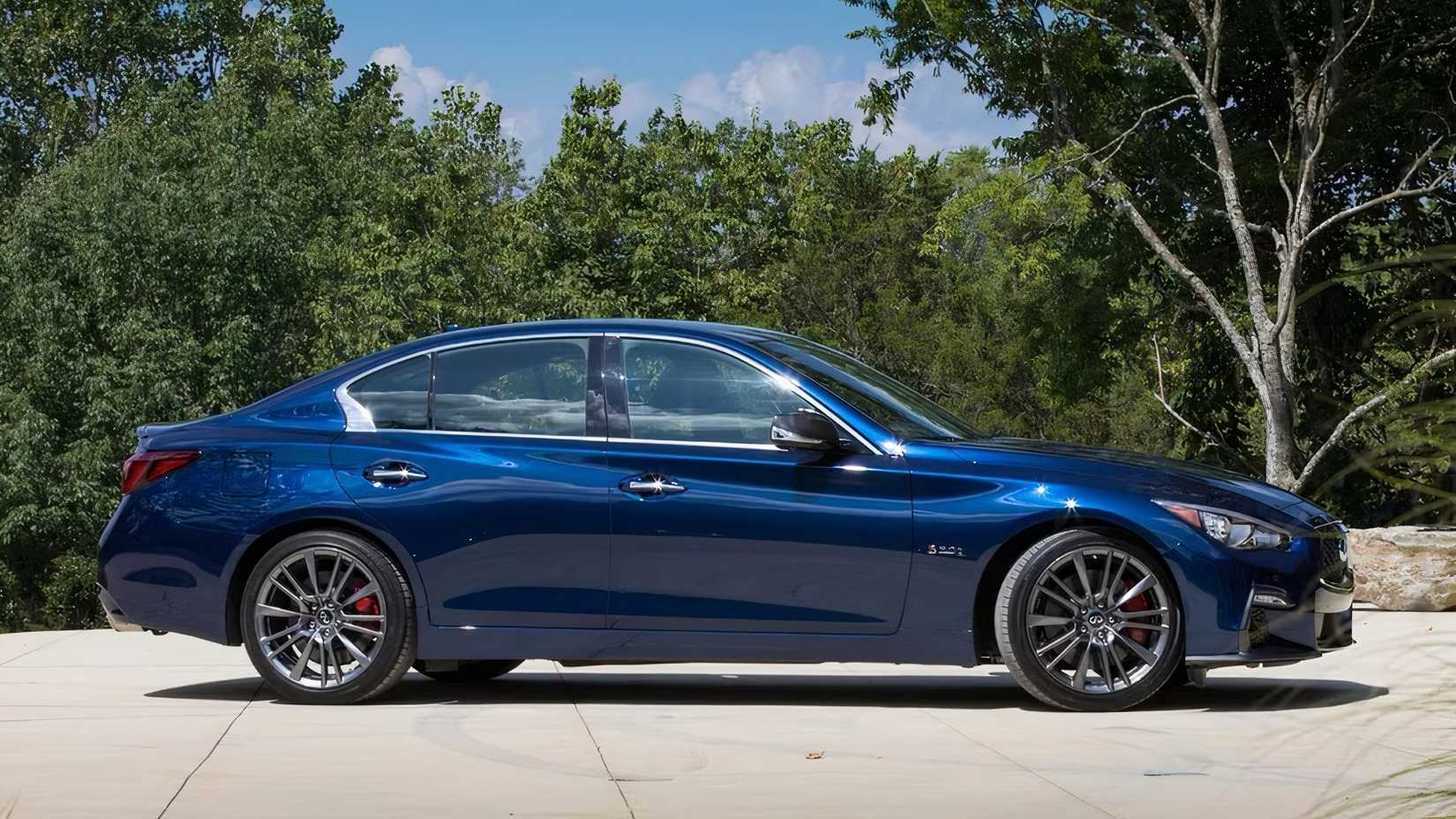
Rear-wheel-drive architecture remains appealing to driving enthusiasts, and available all-wheel drive expands year-round usability. The twin-turbo V6 provides strong acceleration, smooth power delivery, and substantial tuning potential. The Red Sport 400, in particular, represents one of the most affordable ways to acquire a factory-built luxury sedan with 400 horsepower. Comparable German competitors often require significantly larger investments both upfront and throughout ownership.
Enthusiasts also appreciate the Q50’s relative rarity. While BMW 3 Series and Mercedes-Benz C-Class models are common sights in many cities, the Q50 offers a degree of exclusivity without sacrificing practicality. There is also growing aftermarket support. Tuners have developed ECU calibrations, upgraded intercoolers, intake systems, exhaust packages, and suspension modifications that allow owners to tailor the car to their preferences. Many modified VR30-powered Q50s produce power figures that rival significantly more expensive performance sedans. Importantly, the Q50 remains practical. It offers usable rear-seat space, a comfortable ride, respectable highway refinement, and a sizable trunk. This combination of everyday usability and enthusiast appeal makes it particularly attractive as a daily driver.
Sources: Infiniti U.S.