

Few businesses are more brutal than the American car market. Nameplates that once dominated the mainstream, like the Ford Fusion, don’t even exist anymore and have faded into irrelevance. This goes to show that any vehicle, no matter the heights it may have reached, can lose its popularity within a generation if it fails to adapt.
If there has been any segment that has been a victim of this circumstance, it is the midsize sedan. The emergence of the crossover market effectively killed the midsize sedan, but there is one outlier that has gone on totally unaffected. Most of its rivals have experienced generational declines or disappearances, but this Japanese hybrid sedan, somehow, continues to grow despite the adversity.
Hybrid Tech Has Quietly Become Mainstream
About 25 years ago, hybrid technology was shunned by the majority of automotive consumers and media. Only a decade later, hybrids like the Toyota Prius would be among the bestselling cars on the market. Nowadays, hybrid systems are employed in more models than ever, and the sales figures speak for themselves.
The Numbers Tell The Real Story
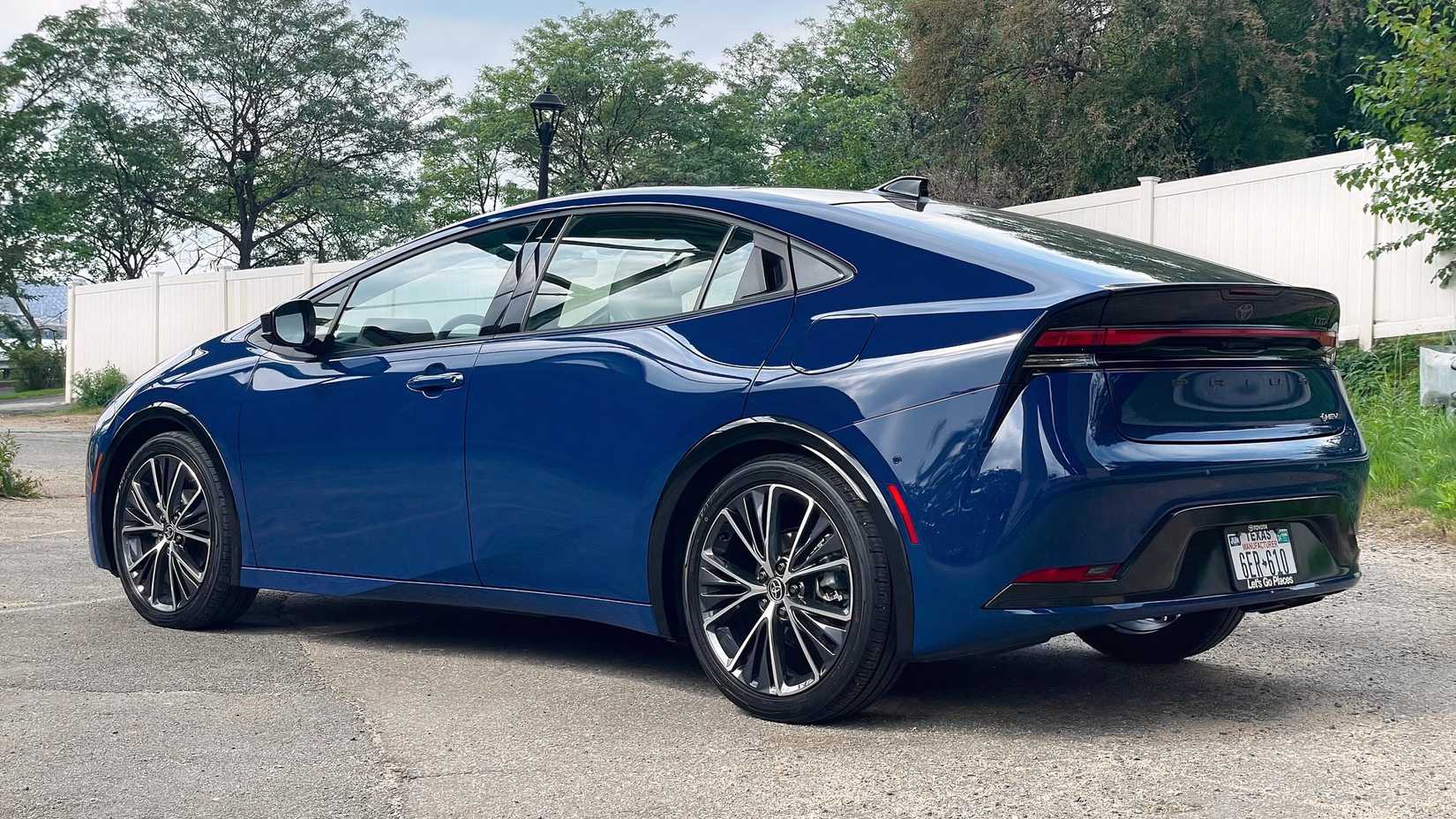
It may not be widely published, but 2025 was, in many ways, a pivotal year for hybrid models. Hybrid sales jumped 36 percent in Q2 2025, representing about 22 percent of new light‑duty vehicle sales. That isn’t a minor shift in consumer appeal; it’s an entire movement. Back in 2022, combined electrified vehicle sales, which included hybrid, plug-in hybrid, and electric vehicles, only accounted for 12.9 percent of new vehicle sales.
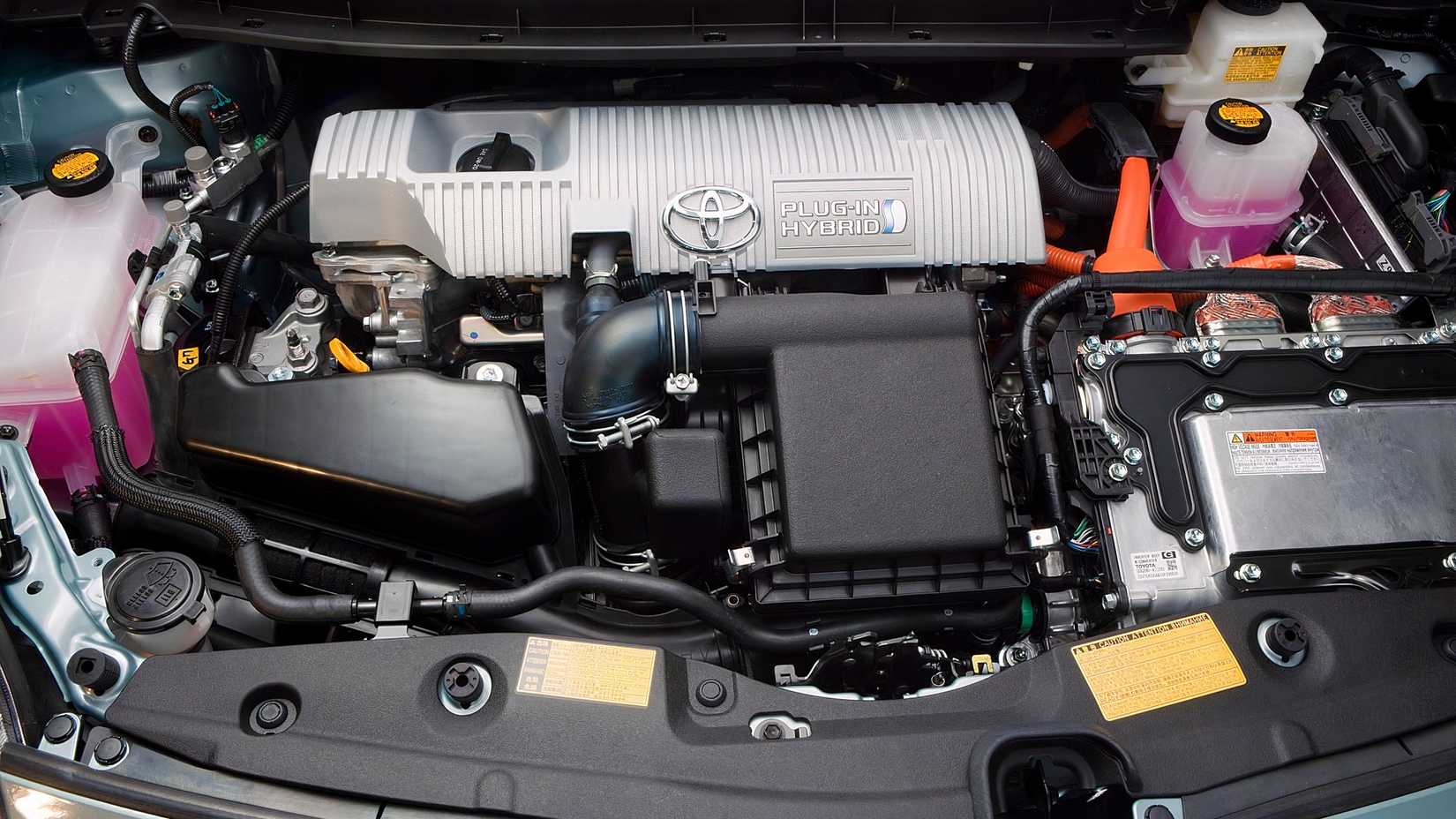
In 2023, that number rose to 16.3 percent, and has increased since. With the expiration of federal EV tax credits, the appeal of hybrids has only increased. Hybrids are now more frequently being viewed as the practical middle ground, and there are more competitive hybrid models to choose from now than ever before. Hybrid models were often considered a luxury before, but the average price of a hybrid has dropped to around $33,255, which is considered affordable in 2026. Let’s not forget that average new car prices still hover at just under $50,000.
Hybrids Are Taking EVs’ Market Share
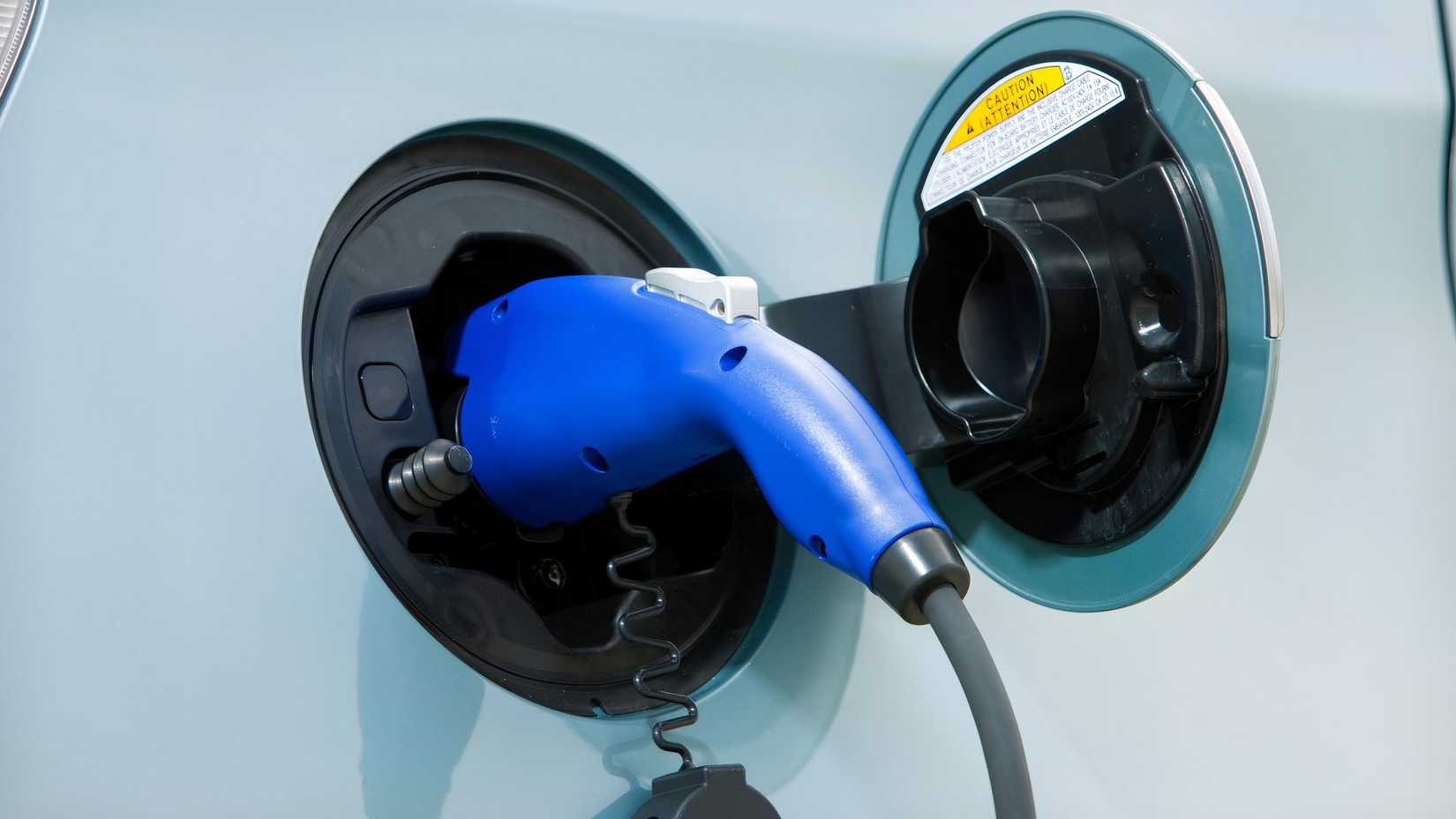
We get it. You want an electric vehicle so you don’t have to pay for gas anymore. But what if you could get the best of both worlds? With the federal EV tax credit gone, hybrids have been quickly gaining market share. It doesn’t take a peer-reviewed study to understand why this is the case. Hybrids deliver fuel economy beyond conventional gasoline cars without requiring charging infrastructure. The best of both worlds, some might say.
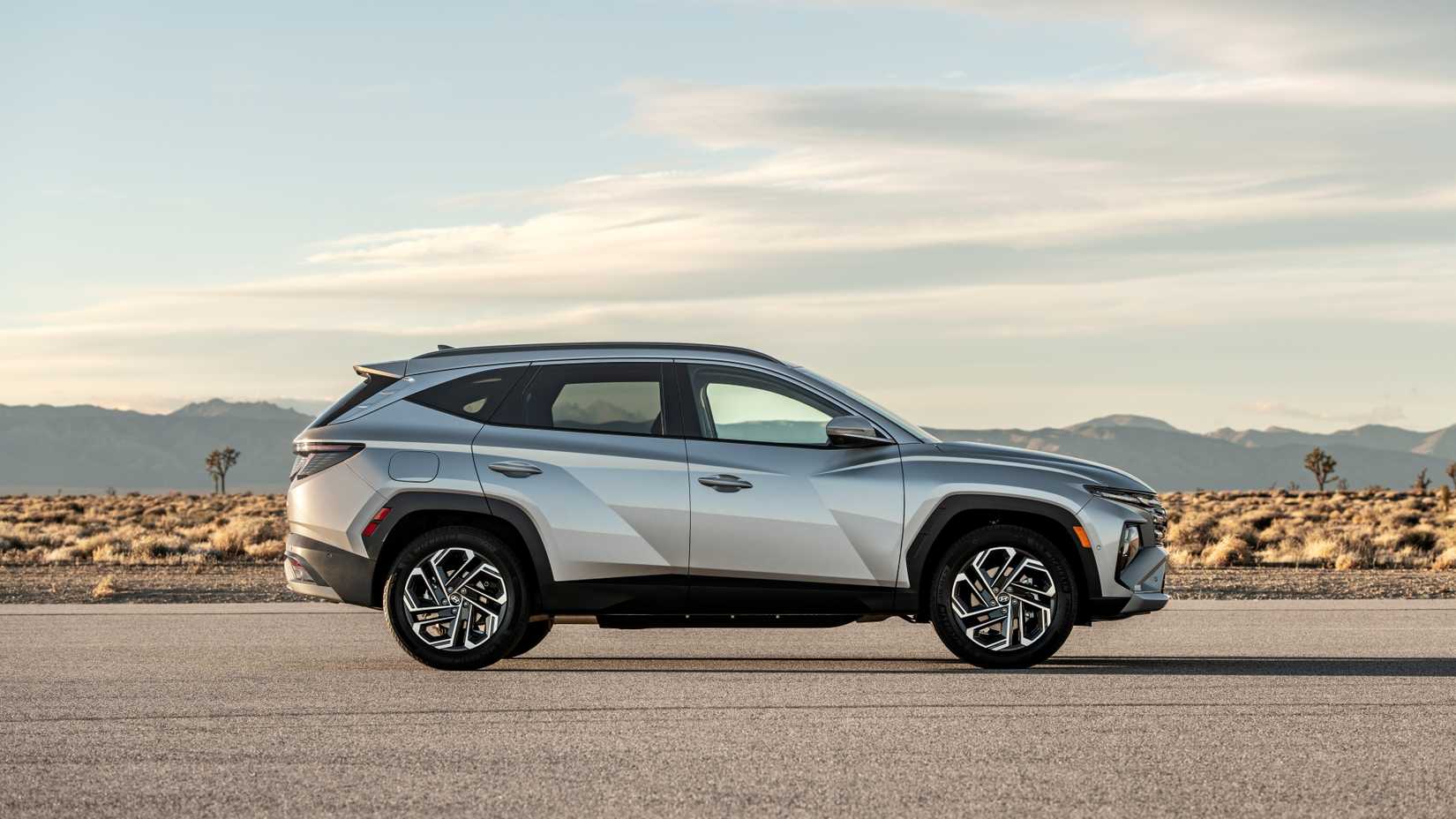
If you do have the ability to charge at home, then a plug-in hybrid is another great solution that unlocks the benefits of full-electric capability. Even then, conventional hybrids still represented 70 percent of electrified vehicle sales in 2025 and are by far the most popular option. Hybrids, now more than ever, represent a rational and safe choice that ticks all the right boxes. It was clear that the automakers that understood this critical dynamic shift before the rest would have a serious upper hand in the future.
10 Low-Stress Cars Owners Keep Longer Than Expected
These are the rare models that original owners refuse to let go even after 10+ years of service.
Once-Leading Japanese Sedans Are Having An Identity Crisis
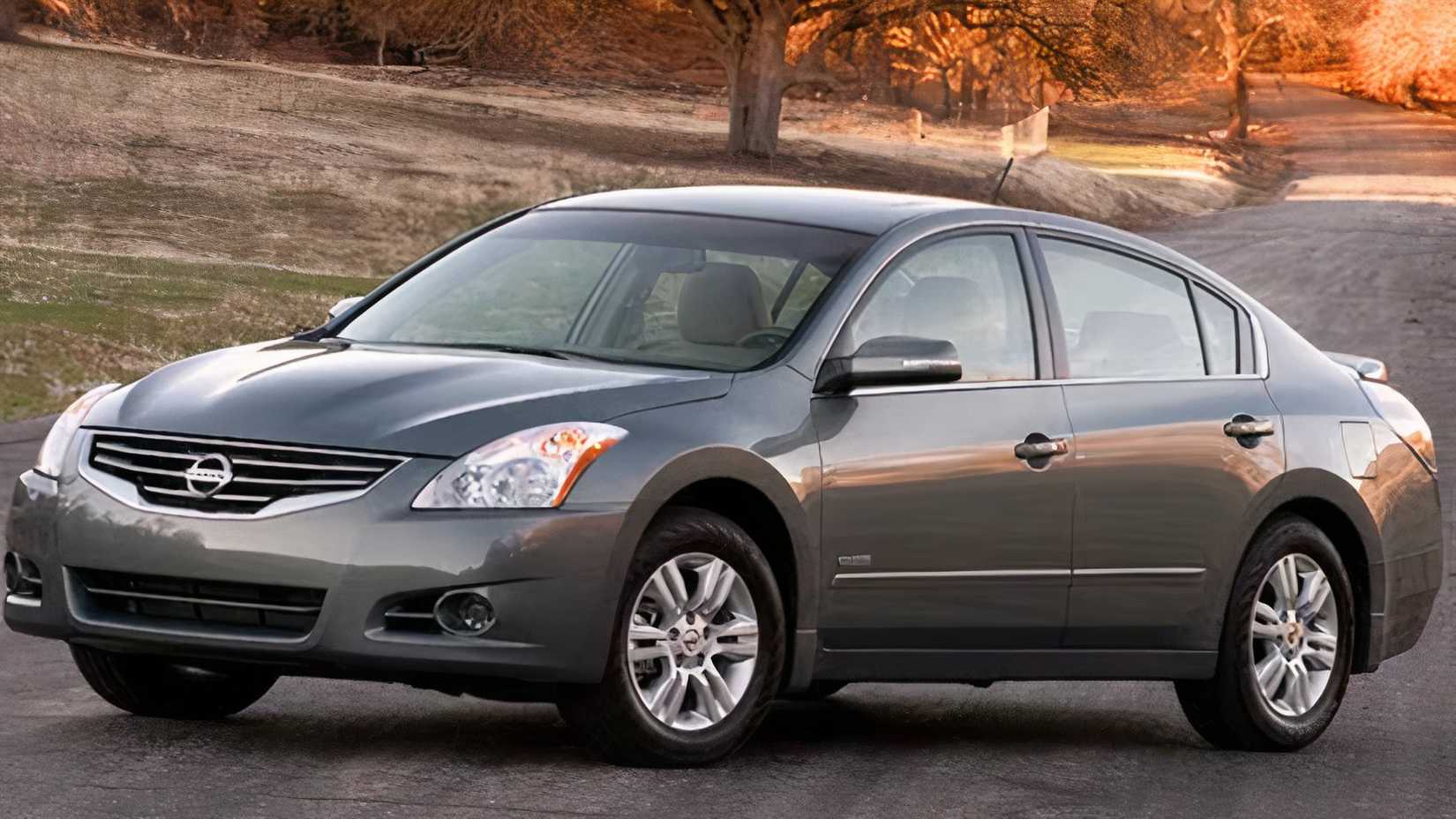
The midsize sedan was once the defining segment of the American auto market. Few nameplates in history exemplified the segment quite like the Honda Accord. Yet, within recent years, the Accord has lost some luster and is no longer the dominant force it once was. The sales data history backs this claim up.
The Accord’s Slowing Sales
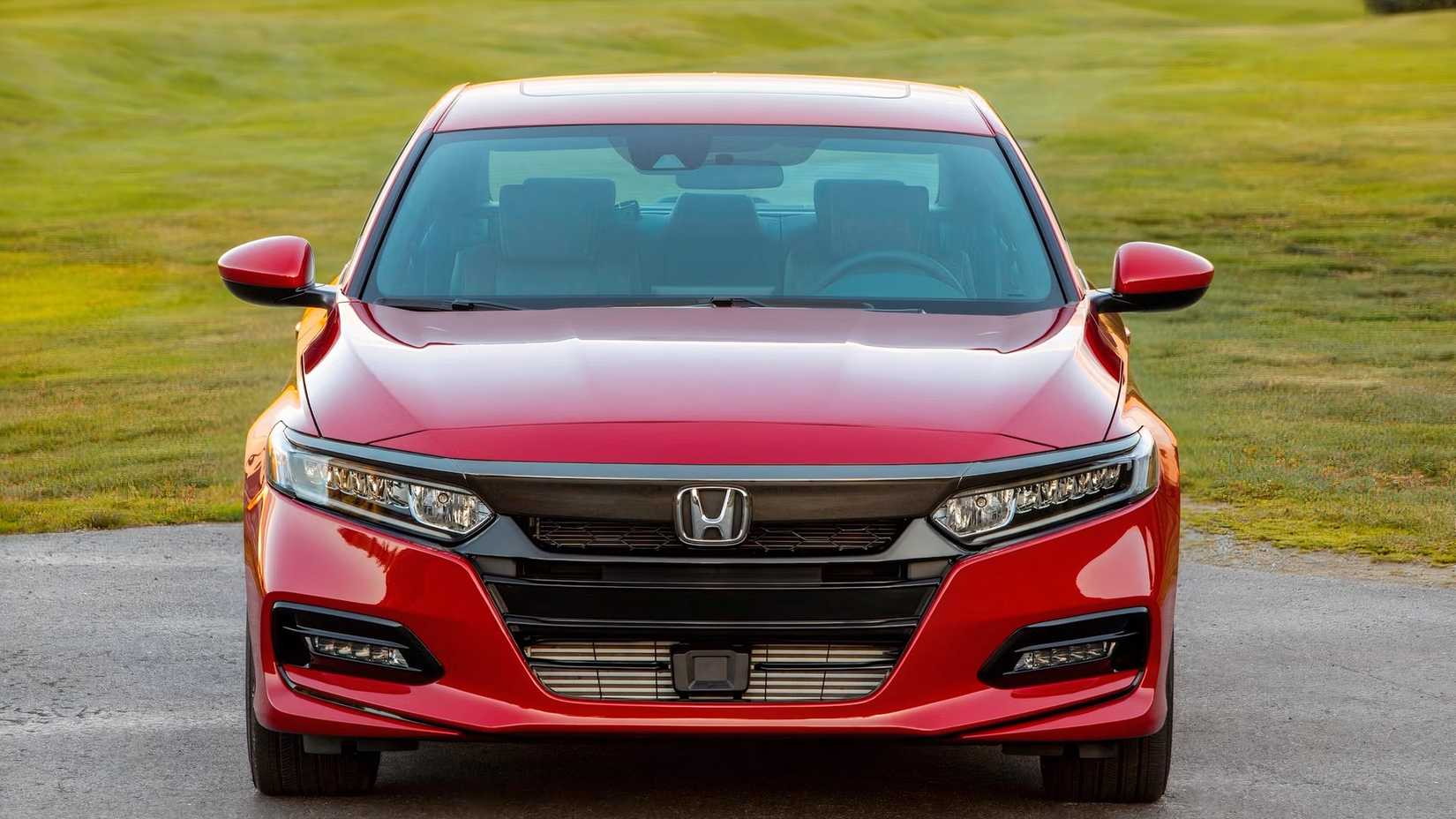
In 2024, the Honda Accord sold 162,723 units. That dropped to 150,196 units in 2025, and this year-over-year decline is part of a longer pattern of erosion. Among 2025’s bestselling cars, sedans are almost entirely absent, with only a couple of examples remaining competitive in an SUV-dominated market.
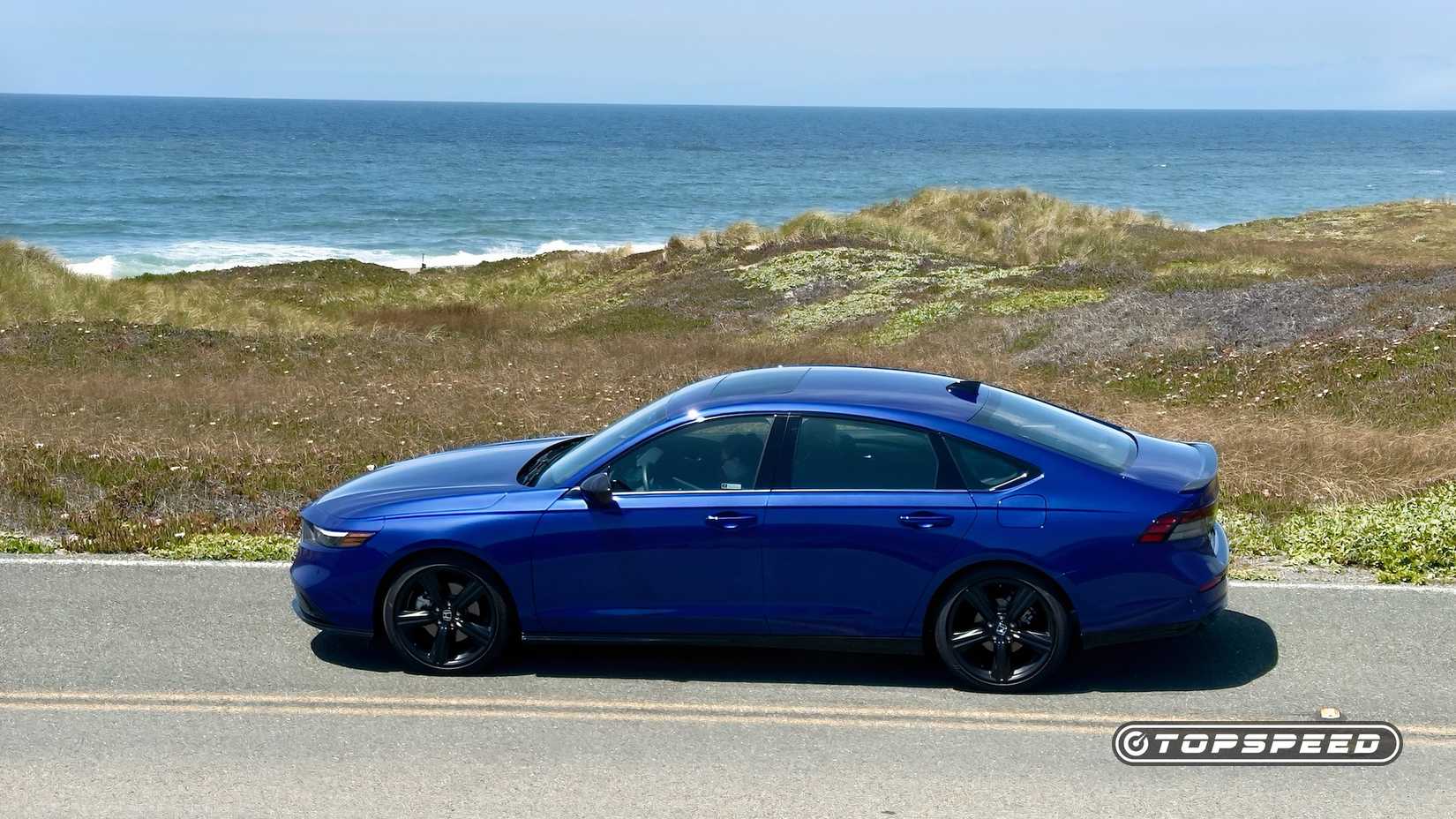
Sadly, the Accord wasn’t one of them, and it no longer cracks the top 25 best-selling vehicles in the U.S. Considering the Accord was once leading sedan sales in the U.S., this fall from grace is one of historical magnitude. The Accord hasn’t disappeared entirely, but its appeal has diminished as consumers’ desires are no longer satisfied by the conventional sedan formula.
An Identity With More Questions Than Answers
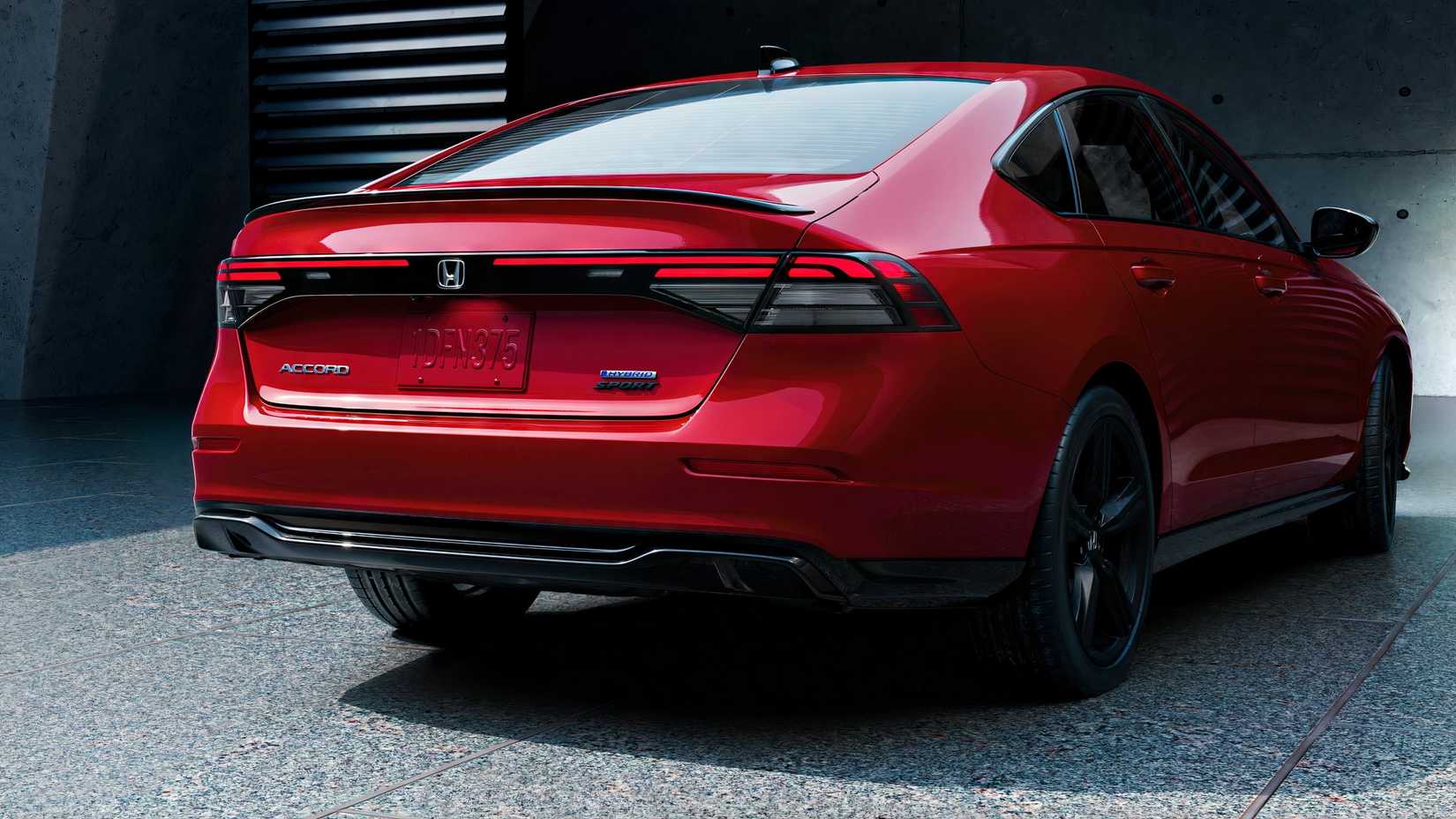
What is the real reason the Accord has seen this decline? Part of it has to do with market positioning. Honda has slowly moved the Accord upmarket, as have most automakers with their midsize sedan offerings. The Accord’s original identity emphasized value without sacrificing quality. While the quality remains, perceived value has eroded in recent years as vehicles become increasingly tech-dependent.
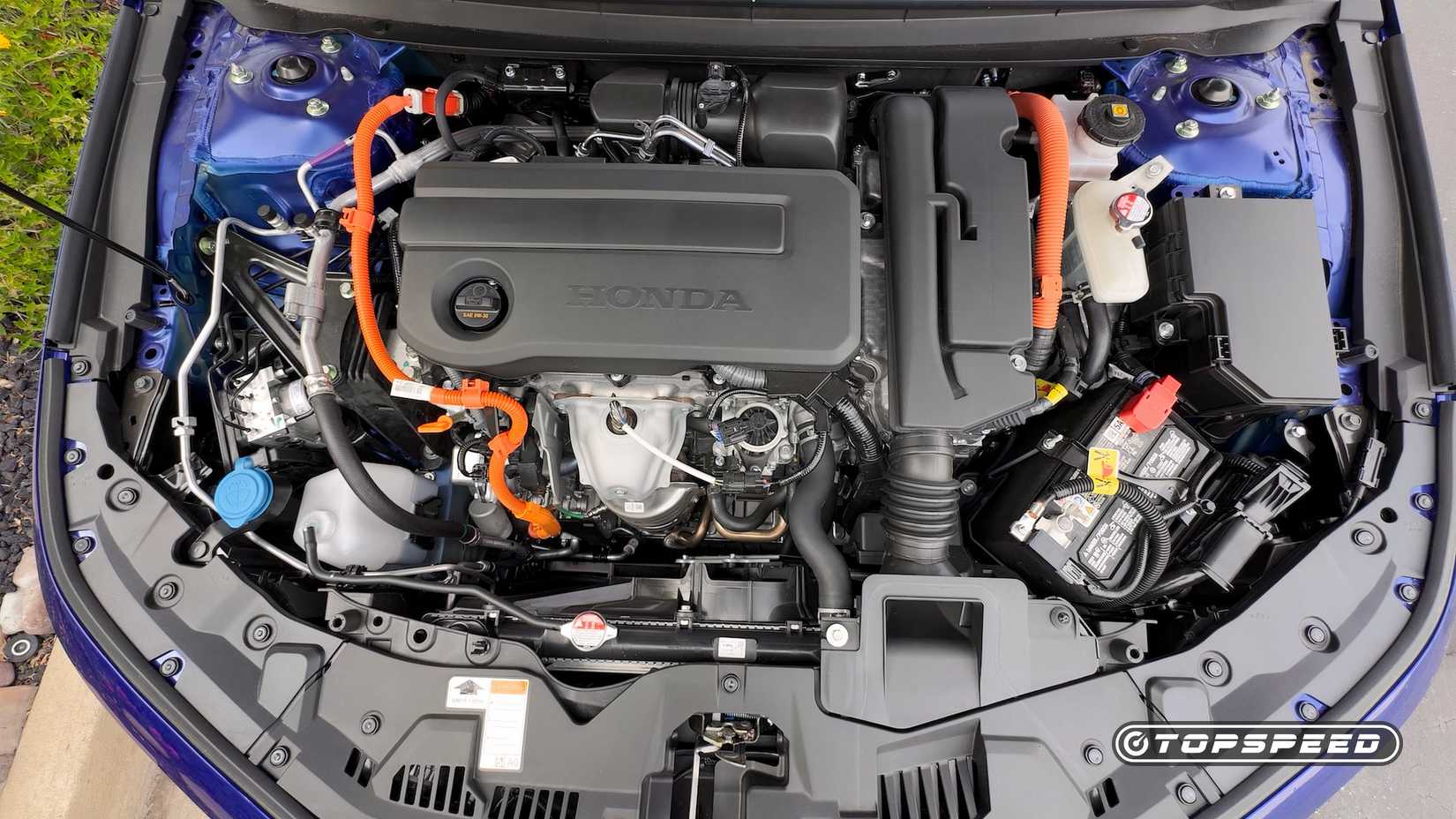
The Accord Hybrid has received critical acclaim among owners and critics, but it has not generated the level of volume required to maintain market-wide relevance. The Accord is priced in an awkward spot: too expensive to be considered a value option, but also not enough badge appeal to steal market share from entry-level luxury sedan shoppers. Indeed, there is only one midsize sedan that has managed to weather the storm, and that competitor went all-in on a singular powertrain strategy. The result of that wager? Record-breaking sales. This one-of-a-kind outlier proves that hybrids are no longer a novelty in the U.S. market, and that vehicle is the Toyota Camry.
Toyota’s Most Reliable Vehicle That Logs 300K Miles With Ease
The best-selling sedan remains a dependable option for many American drivers.
The Midsize Sedan Segment’s Golden Child: The Toyota Camry
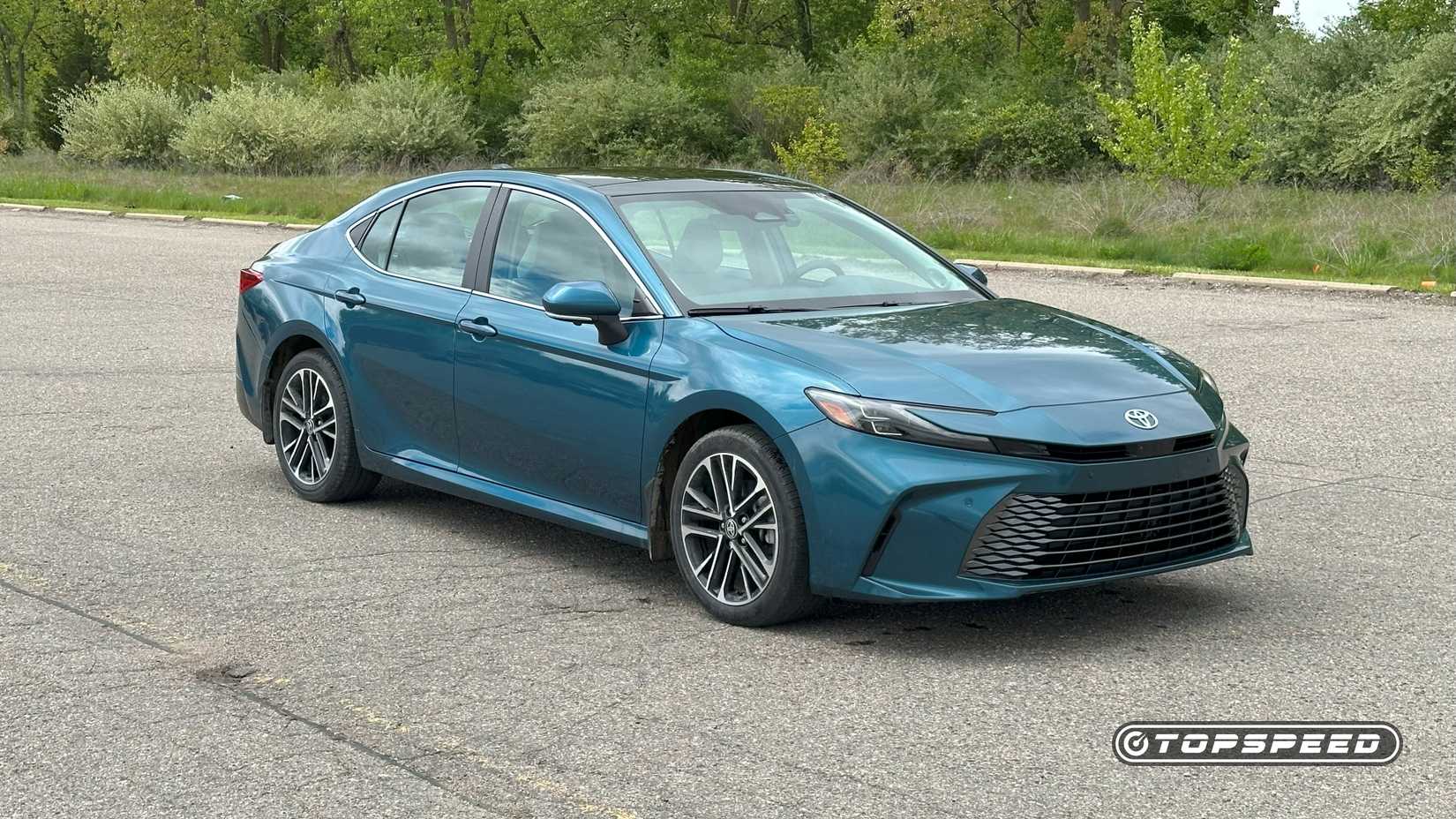
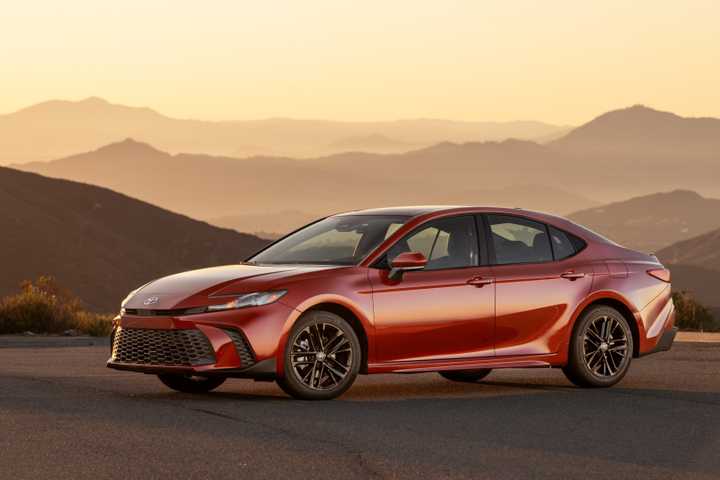
One day, we will look back at the Toyota Camry’s dominance with awe. Few vehicles in America’s history have been as consistent since their introduction. The Camry, unlike the Accord, has not fallen from prominence. It’s been relentless from the start, and that’s the reason it’s held the honor of America’s bestselling sedan for over two decades.

- Base Trim Engine
-
2.5-liter Four-Cylinder Hybrid
- Base Trim Transmission
-
CVTi-S CVT
- Base Trim Drivetrain
-
Front-Wheel Drive
- Base Trim Horsepower
-
184 HP @6000 RPM
- Base Trim Torque
-
163 lb.-ft. @ 5200 RPM
- Make
-
Toyota
- Model
-
Camry
- Segment
-
Midsize Sedan
2025 Was A Historic Year For The Camry
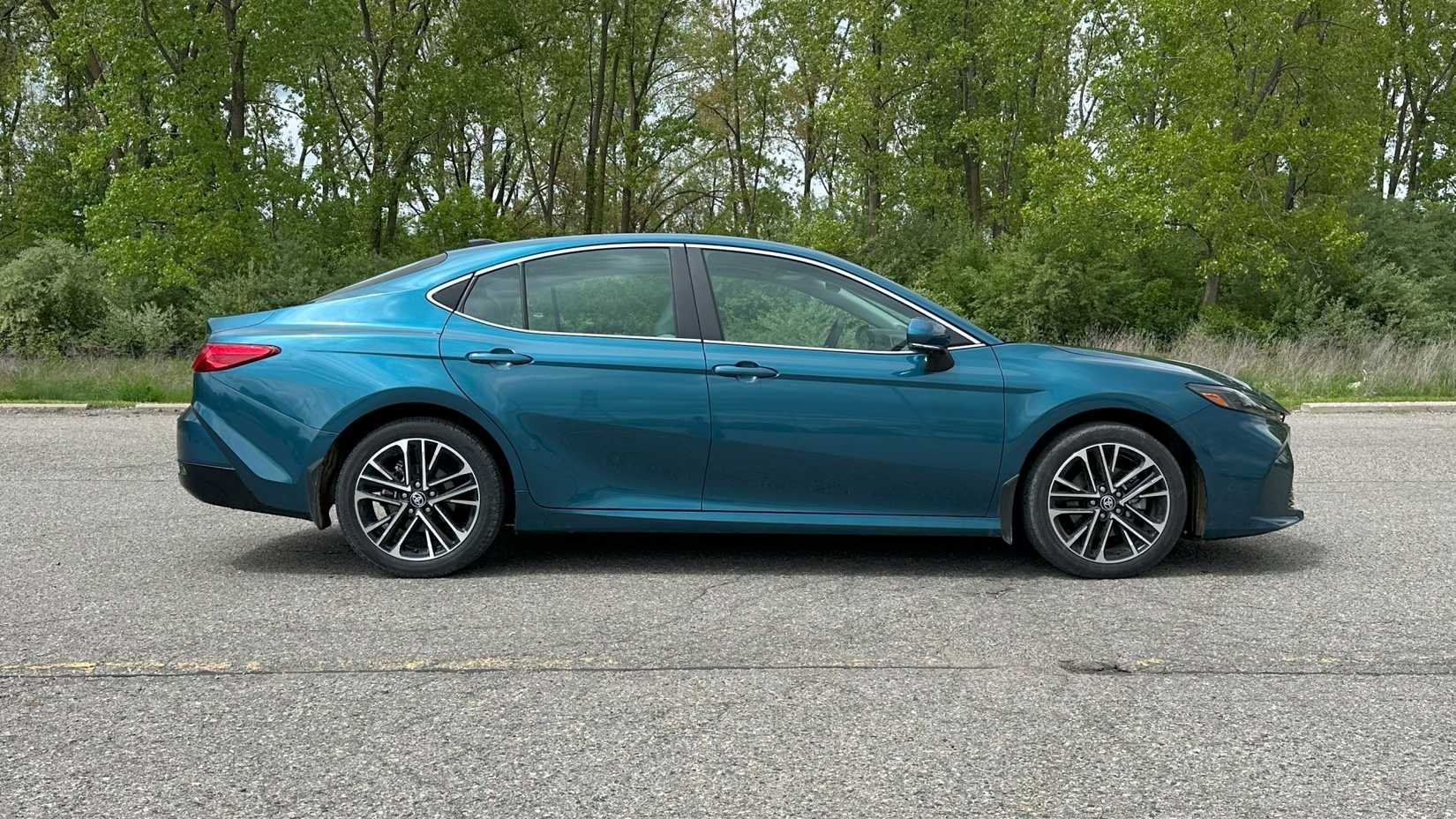
For all intents and purposes, the Camry defines the midsize sedan segment. It is the golden child. Yet, its success really has no comparison because, as far as we know, it hasn’t even reached its peak yet. In 2025, the Camry Hybrid sold 316,185 units, up 54.1 percent year-over-year. That is the best-ever annual sales for the Camry Hybrid.
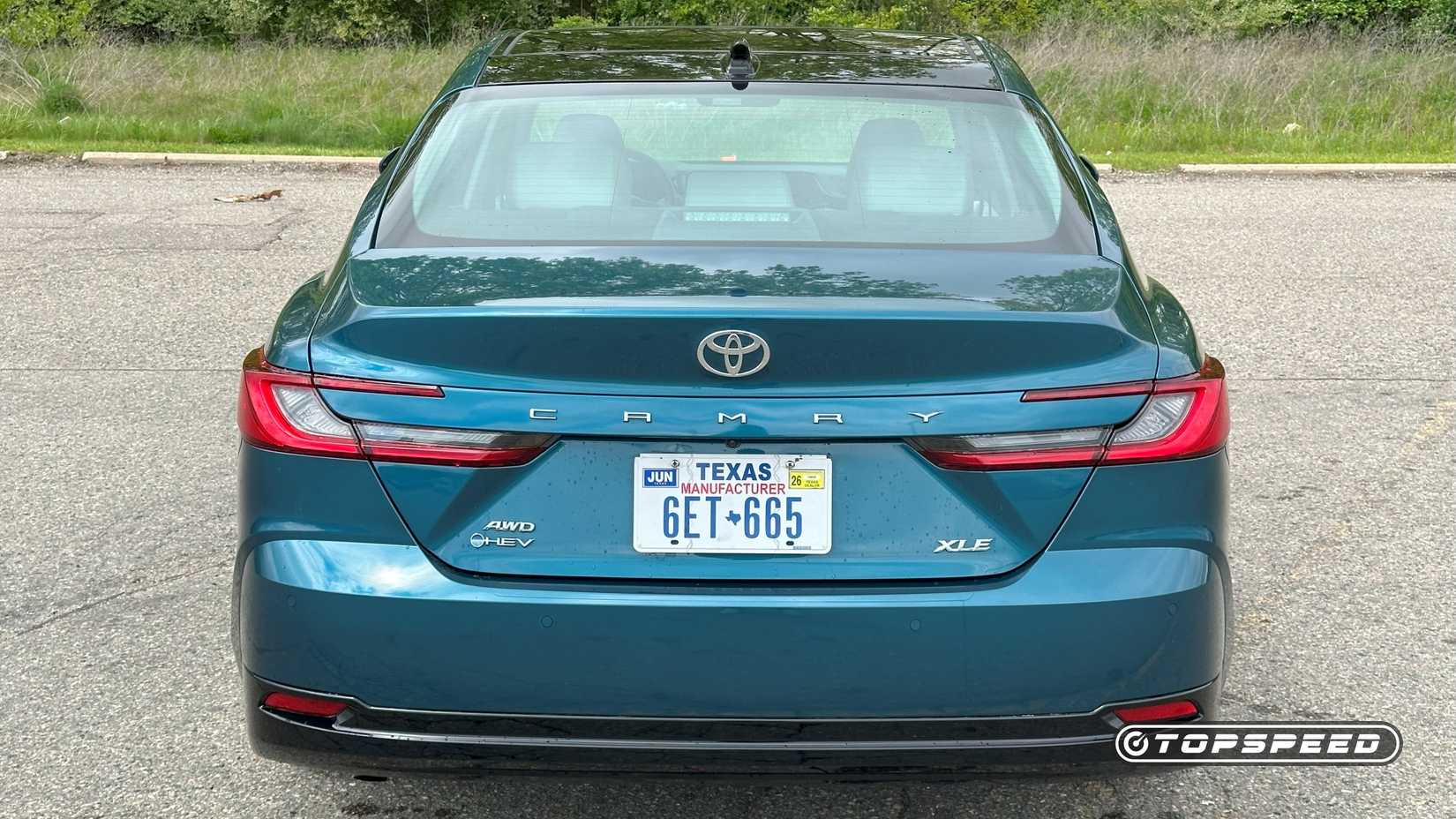
The only other Toyota that surpassed the Camry in overall sales was the Toyota RAV4, which is the best-selling vehicle in America. Indeed, the only vehicles selling better than the Camry are a handful of crossover SUVS and full-size pickup trucks that dominate U.S. sales. Since the turn of the millennium, there has not been a legitimate competitor to the Camry aside from the 2001 Honda Accord. Since then, we have been in the era of the Camry, and 2025 is the nameplate’s biggest peak so far.
Hybrid-Only Sparked A New Era Of Success
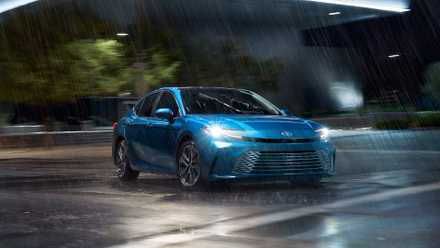
The ninth-generation Camry was introduced for the 2025 model year, and the key change for the new generation was the hybrid-only powertrain. Dropping the conventional combustion engine altogether was a bold decision that was heavily questioned by critics when it was announced. Yet, the market response displayed the actual consumer sentiment clearly.
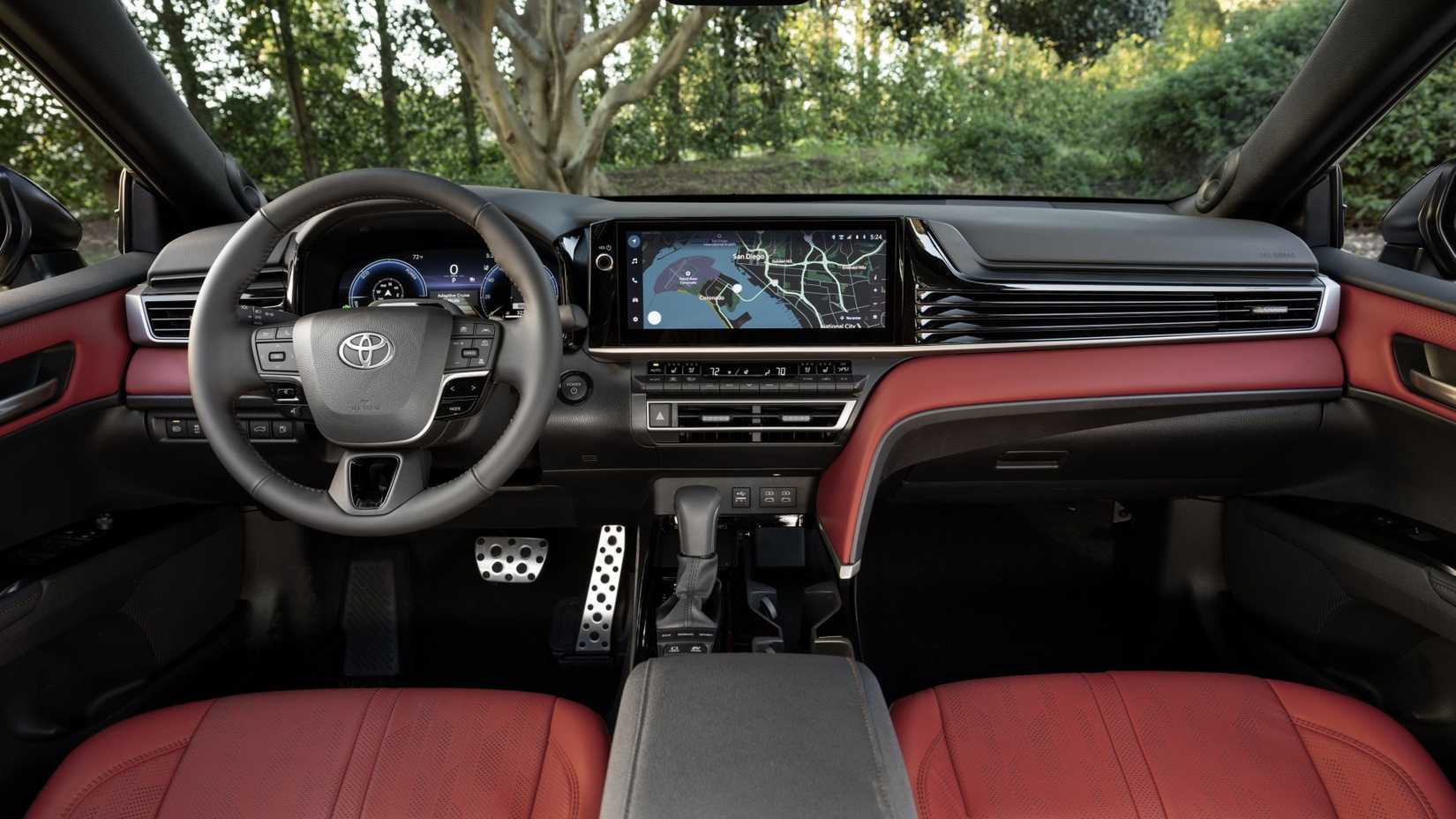
In the first half of 2025 alone, the Camry sold 155,330 units, which was nearly identical to the 2024 sales figures of 155,242 units, despite the lack of a non-hybrid model. Some current Camry owners still may not realize they are driving a hybrid because that is how seamless the transition was from the previous generation. External sources may have viewed the hybrid-only decision as a risk, but Toyota knew it was the right call from the outset.
How Much It Costs To Replace A Toyota Camry Hybrid Battery In 2026
Here’s how much you’ll need to spend to have a new battery fitted to the Japanese sedan.
The New Camry Reestablished Its Dominance By Being Decisive
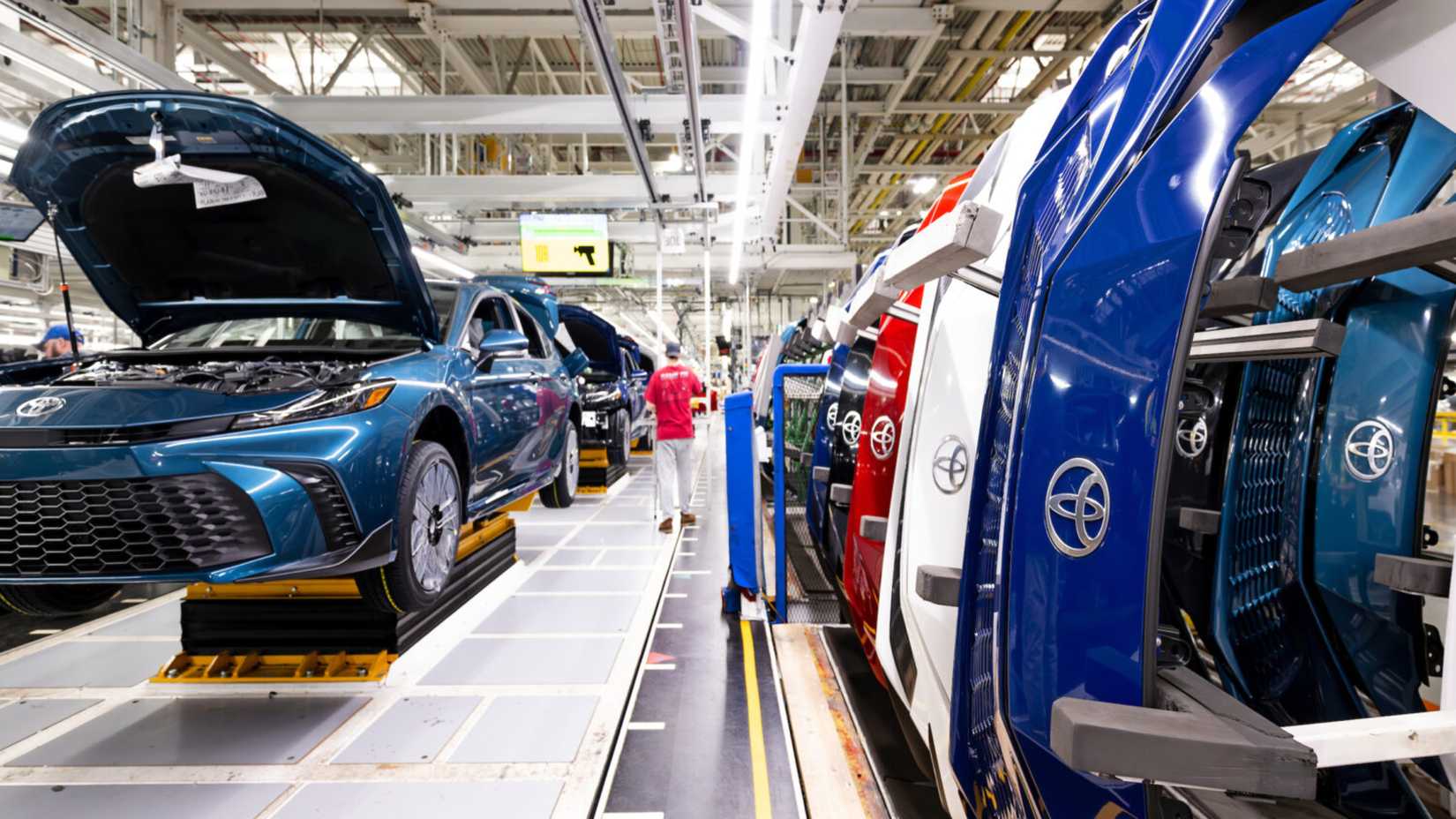
While other automakers are still trying to figure out their game plans moving forward, Toyota’s single-minded approach to the Camry is one filled with confidence. Yet, the Camry’s sales also say something about the broader sedan segment, where there are truly only three cars that remain competitive enough to matter.
The Only Other Sedans Still In The Conversation
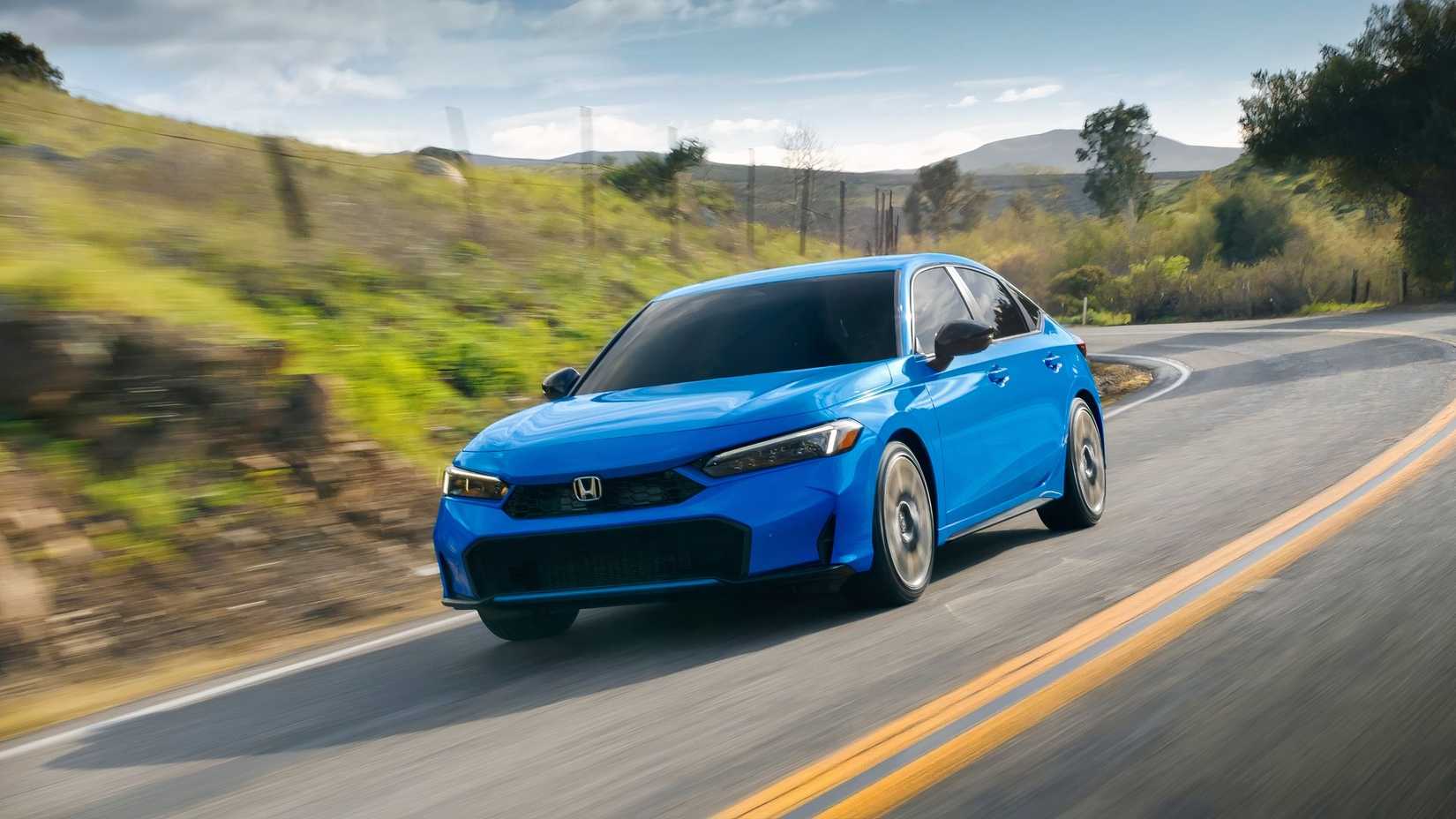
Once we look at the 25 best-selling vehicles in the U.S. in 2025, only three of them are sedans. The Toyota Corolla ranked 11th with 248,088 units sold, and the Honda Civic ranked 14th with 238,661 units sold. All the other traditional sedans that used to sell big numbers, like the Nissan Altima, don’t even make the cut.
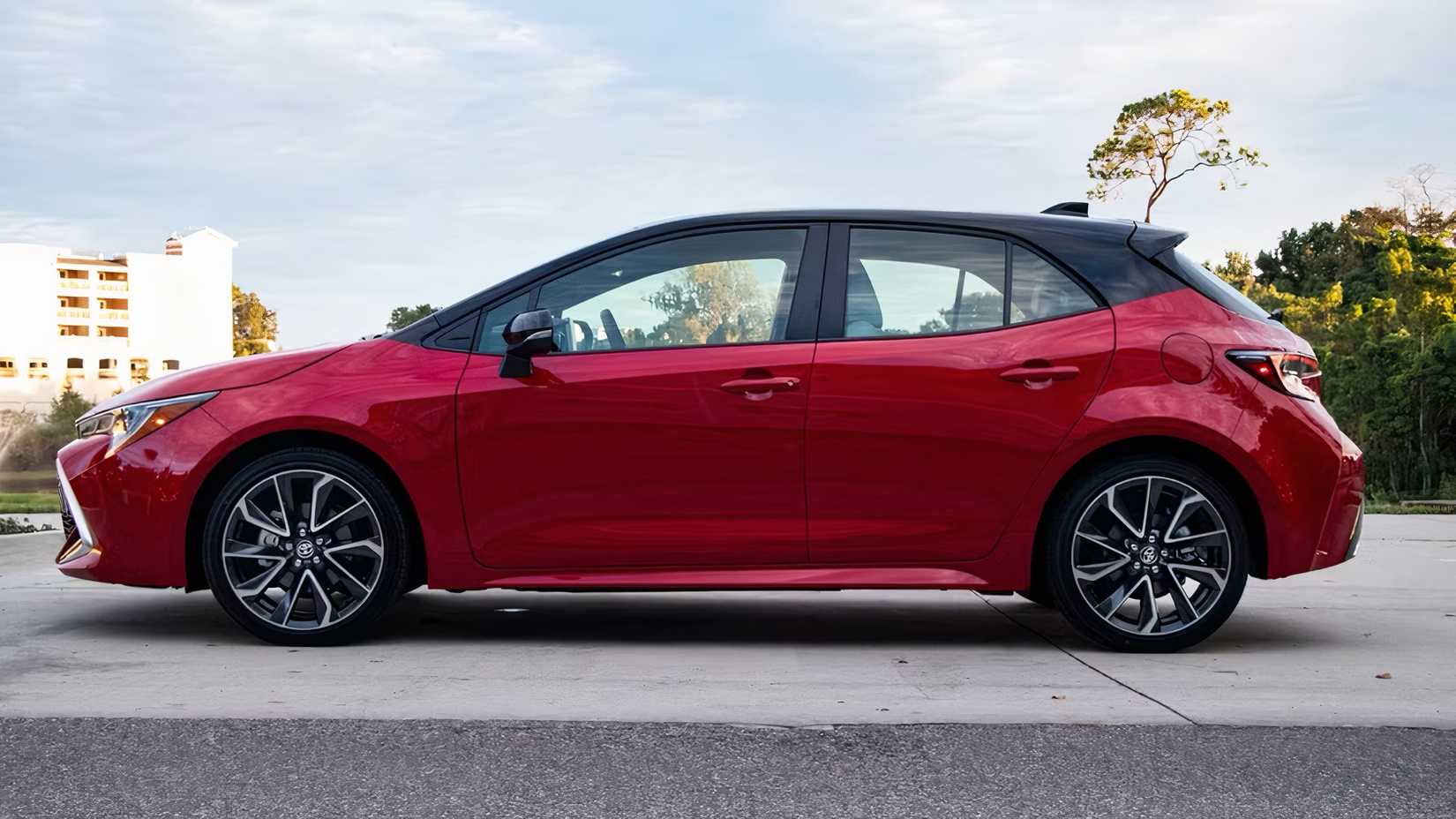
The Corolla and Civic have managed to survive because they are still the most relevant nameplates in the compact sedan segment, where value and fuel economy still carry enough meaning to drive strong sales volume. However, compared to the 316,185 units the Camry sold, the midsize Japanese sedan is truly in its own conversation. The Camry is the default answer for shoppers looking for a midsize sedan, and most consumers don’t even think about looking past that point.
What The Camry’s Benchmark Means
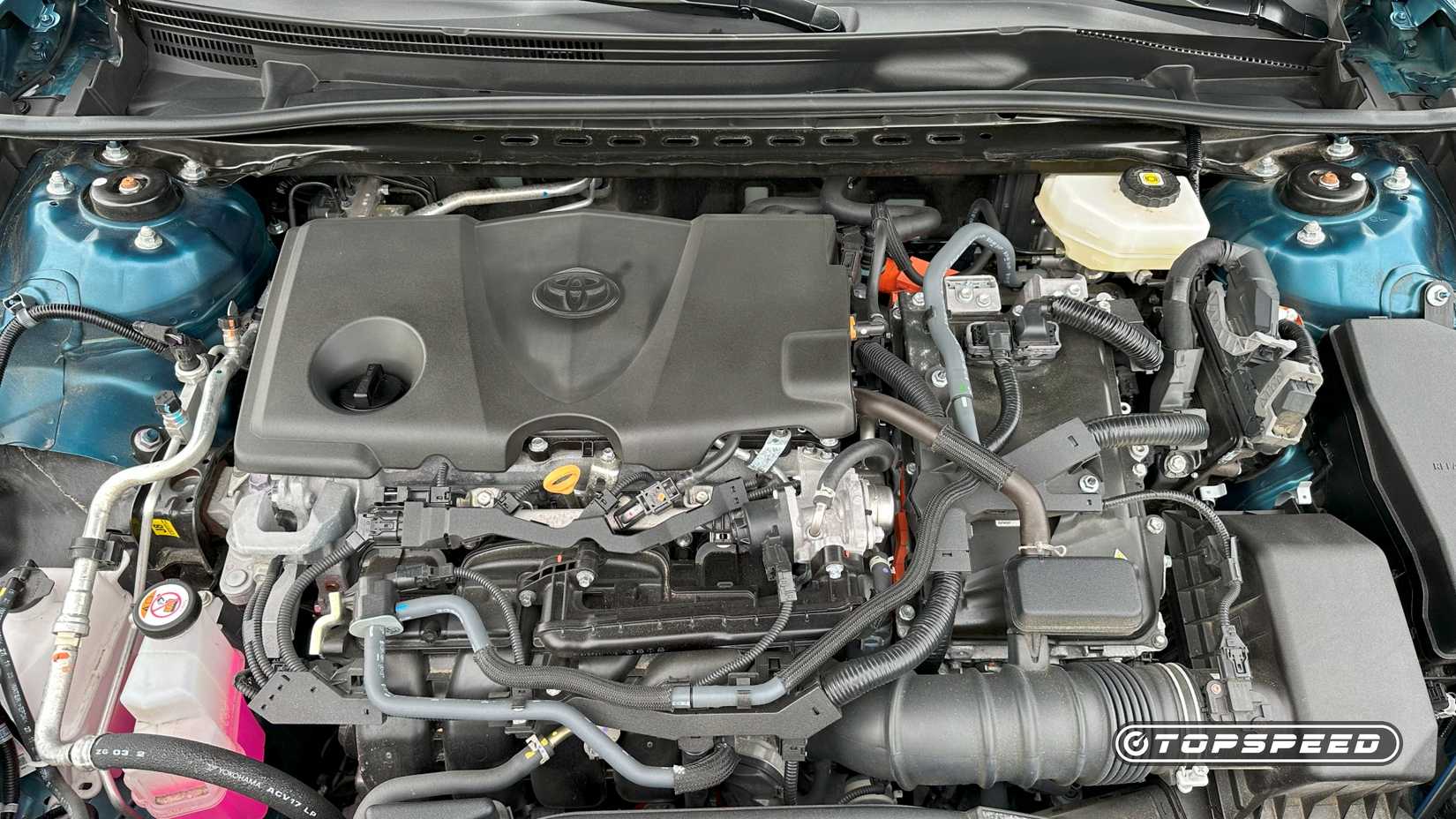
The Camry’s hybrid powertrain is class-leading in all the metrics consumers really care about. It is a naturally aspirated 2.5-liter inline-four paired to a 134-horsepower front-mounted electric motor, which produces a combined 225 horsepower in FWD models. That’s the most powerful an inline-four Camry Hybrid has ever offered while also achieving 38 mpg combined. The Camry’s formula for success is clear: efficiency without compromise.
With a $29,300 MSRP, the 2026 Camry LE undercuts the $33,795 2026 Honda Accord Sport Hybrid by a solid margin. For rivals still tinkering with the right formula for what a modern sedan should look like, the Camry is the shining example. It should offer a reliable hybrid powertrain, keep prices affordable, and not compromise on build quality. Sounds simple, but in practice, only one model has managed to achieve this level of consistent success, and it doesn’t look like it plans to let up anytime soon.