
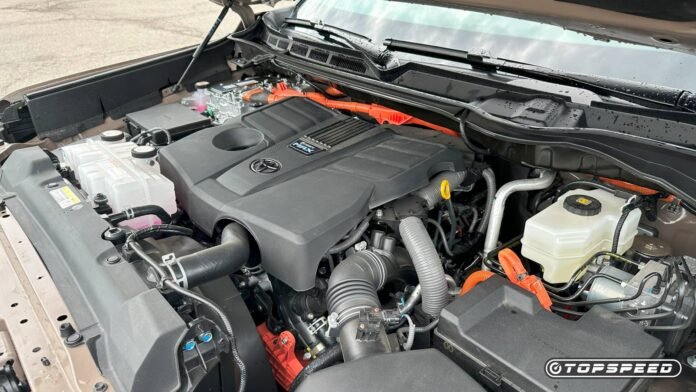
Toyota’s decision to retire its naturally aspirated V8 engines in favor of a 3.4-liter twin-turbo V6 was one of the boldest moves in modern truck history. For decades, Toyota built its reputation on simple, overbuilt engines capable of running hundreds of thousands of miles with minimal drama. Replacing that legacy with a turbocharged V6 immediately raised concerns about complexity, heat management, and long-term reliability. Those concerns weren’t unfounded, especially given the pressure placed on the new engine from day one.
Powering the latest-generation Toyota Tundra, Sequoia, and Land Cruiser, the 3.4-liter twin-turbo V6 entered service in one of the most demanding segments on the market. What followed, however, was unexpected. Instead of becoming a weak link, Toyota’s modern V6 steadily earned praise for its strength, consistency, and durability under real-world use. From heavy towing to daily commuting, the engine proved it could meet modern expectations without abandoning Toyota’s reputation for dependability. This feature explores why Toyota’s 3.4-liter twin-turbo V6 ultimately became one of the most reliable pickup truck engines of the modern era.
Toyota’s “Reliability-First” Engineering Philosophy
Toyota’s 3.4-liter twin-turbo V6 was engineered with durability as the primary objective, not as an afterthought. Rather than chasing class-leading horsepower figures, Toyota focused on ensuring the engine could withstand years of sustained load, towing, and daily use. Every major design decision was evaluated through the lens of long-term reliability.
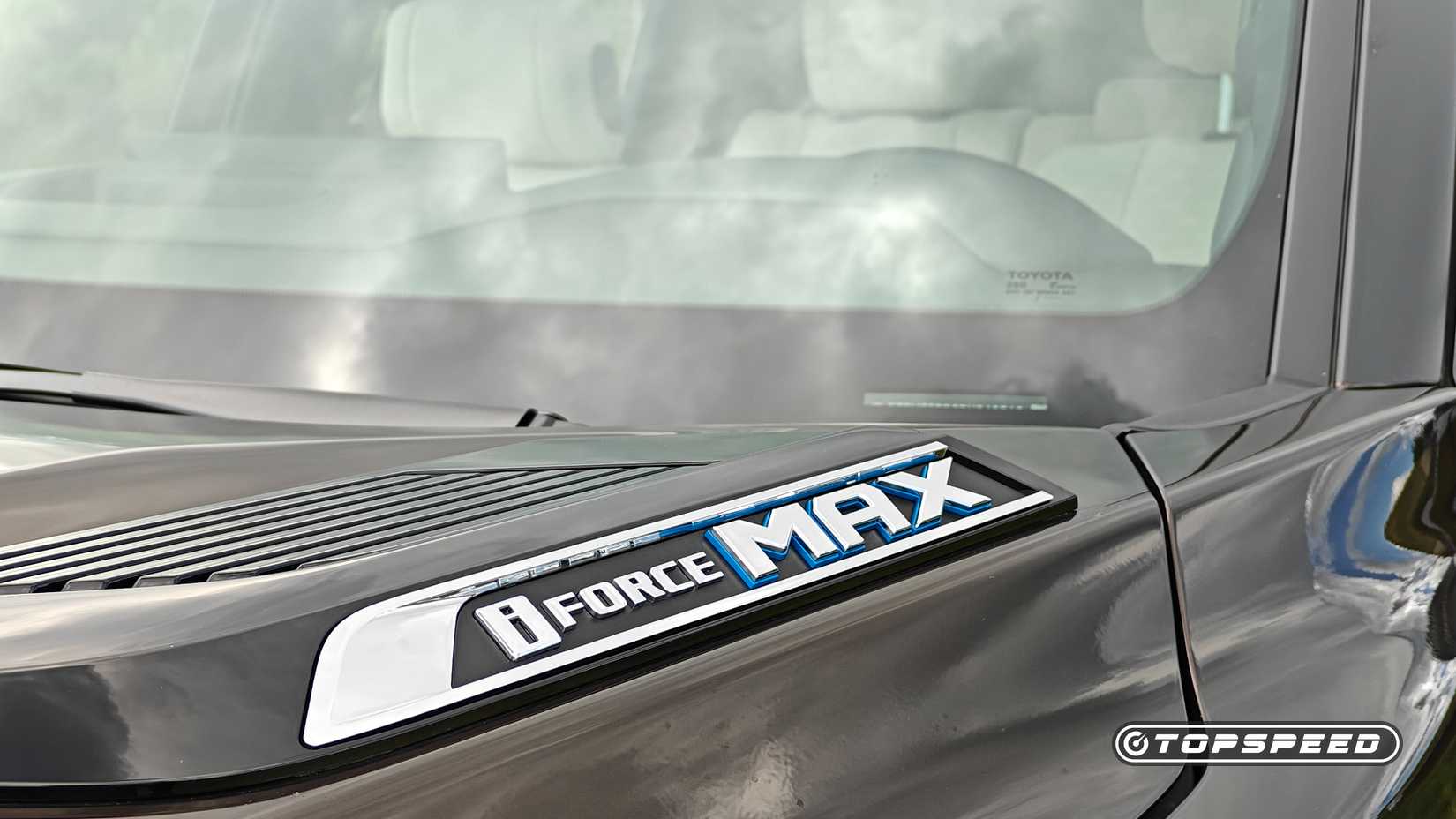
This approach becomes clear when comparing output figures. In standard i-FORCE form, the engine produces 389 horsepower and 479 pound-feet of torque, while the i-FORCE MAX hybrid pushes output to 437 horsepower and 583 pound-feet. Those numbers are competitive, but not excessive for the segment. Toyota deliberately left headroom in the design to reduce mechanical stress, a choice that laid the foundation for the engine’s long-term success.


Find 2025 Toyota Tundra Hybrid and more cars for sale on our Marketplace
Longevity As The Primary Focus
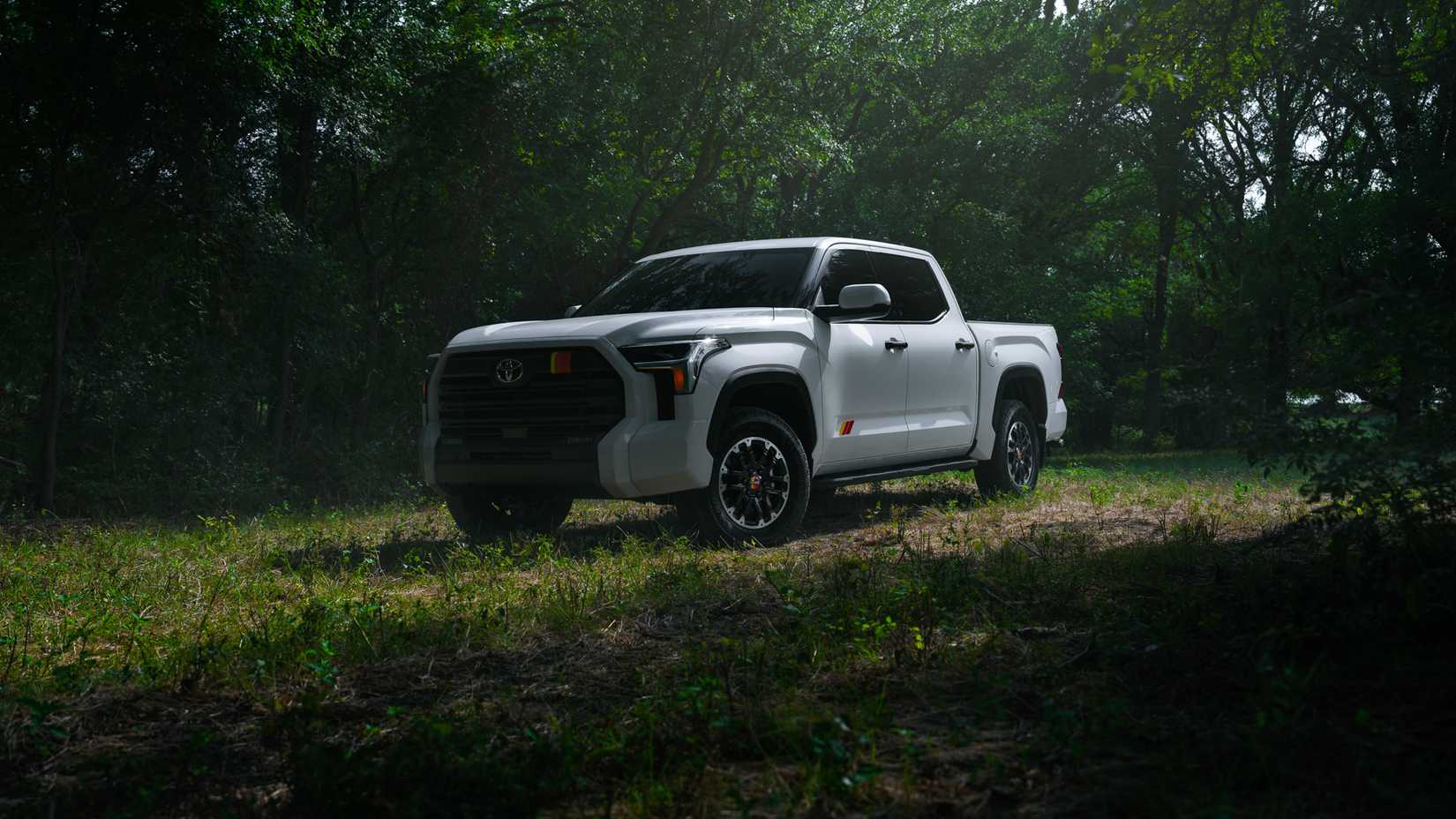
From the earliest design stages, Toyota engineers treated longevity as the engine’s core mission. Internal stress margins were increased, thermal loads were carefully managed, and known failure points common to turbocharged engines were addressed before production began. These measures ensure components experience less fatigue over time, particularly under towing and high-load conditions. By prioritizing durability over aggressive tuning, Toyota created an engine capable of maintaining consistent performance well past the warranty period. This focus on longevity explains why, despite early skepticism, the V6 quickly gained trust among truck owners who rely on their vehicles for real work.
Designed For Real Truck Use

The 3.4-liter twin-turbo V6 was developed specifically for full-size trucks and large SUVs rather than adapted from a passenger-car platform. Its engineering accounts for towing ratings exceeding 12,000 pounds in the Toyota Tundra, extended idling, off-road use, and operation in extreme heat and cold. Designing the engine around real-world truck demands ensured reliability under the conditions that matter most. This purpose-built approach is a major reason the engine performs so consistently in daily ownership and heavy-duty applications.
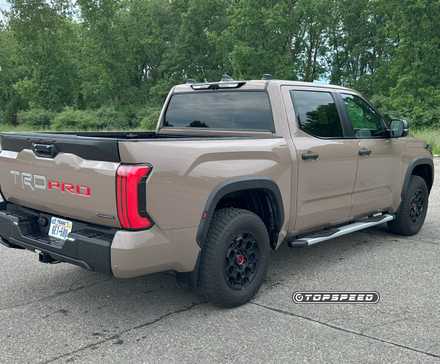
The Evolution Of The Toyota Tundra: 25 Years Of Full-Size Pickup History
The Toyota Tundra is one of our favorite full-size pickup trucks. It didn’t just appear overnight, and over the last 25 years has only got better.
Engine Design and Longevity
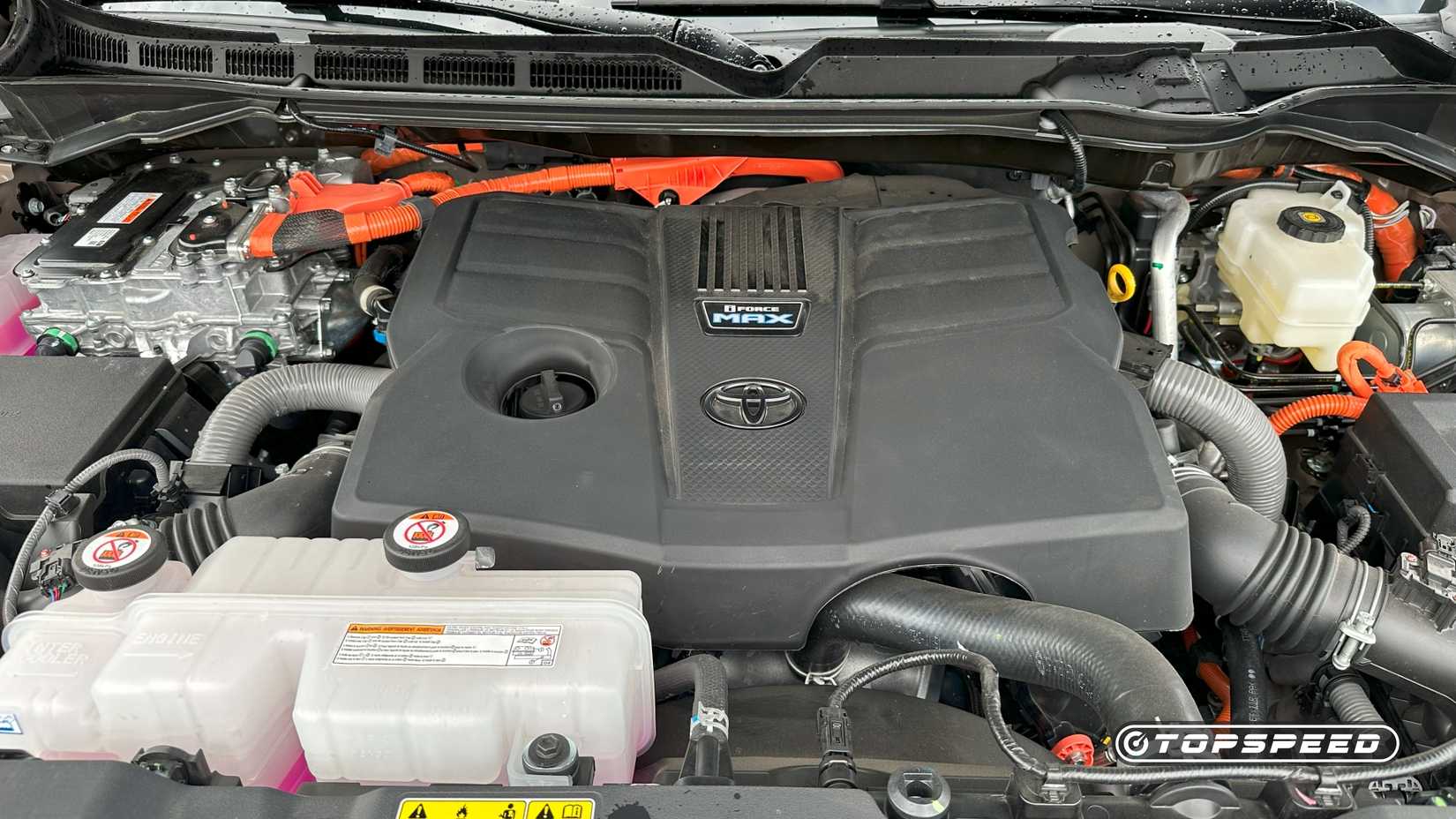
At the core of the 3.4-liter twin-turbo V6’s reliability is its robust engine architecture. Toyota reinforced the engine block, crankshaft, and rotating assembly to handle sustained torque output without excessive wear. These structural choices help the engine remain stable under continuous load, particularly during towing and hauling. Material selection also plays a critical role. Toyota relied on proven alloys and manufacturing techniques refined through decades of engine development. This combination of modern engineering and traditional durability principles supports long-term reliability while meeting modern emissions and efficiency standards.
Overbuilt Internals For Long Life
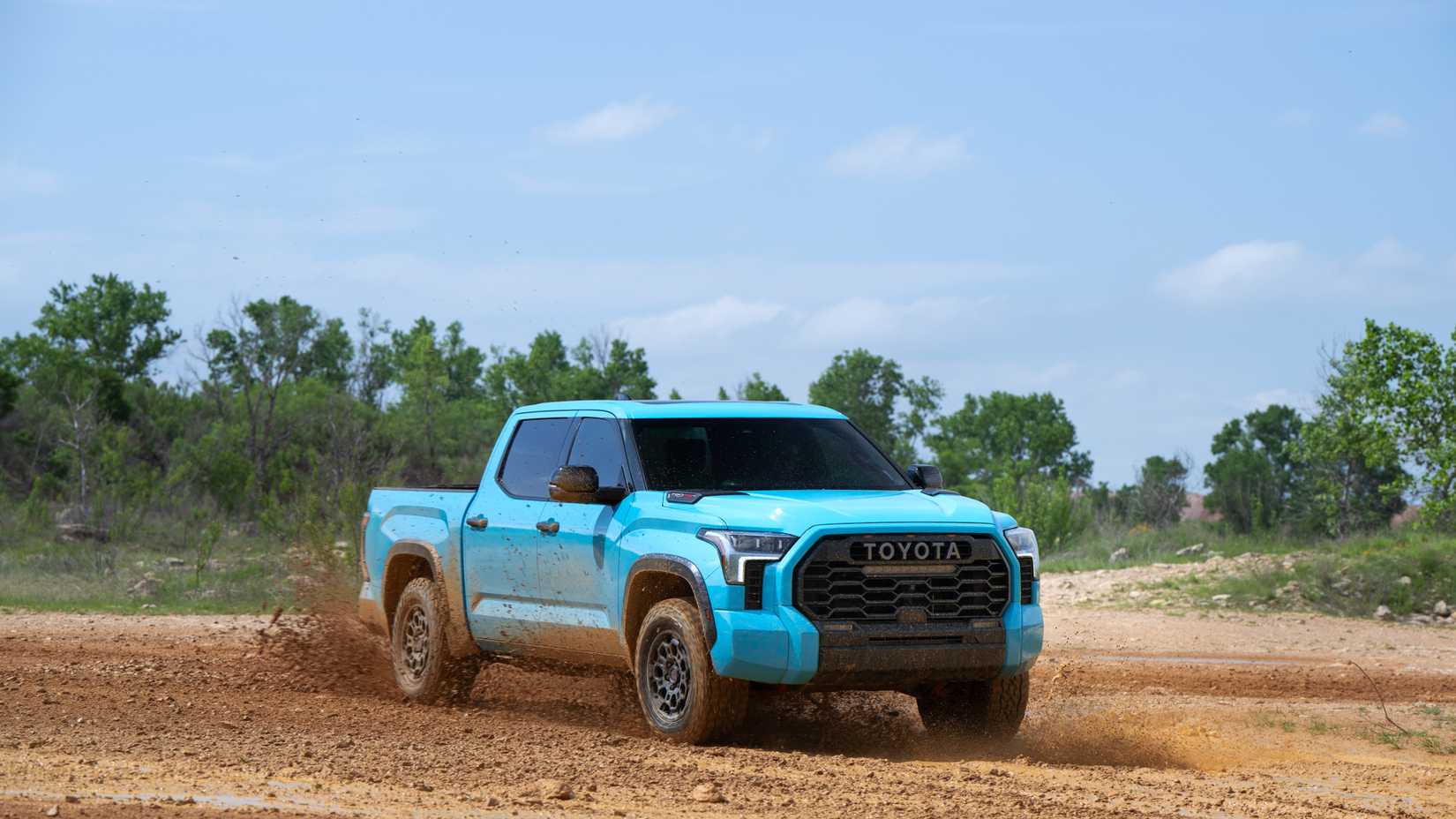
Toyota deliberately overbuilt key internal components, including pistons, connecting rods, and bearings. These parts are designed to handle stresses well beyond normal operating conditions, reducing fatigue and extending service life. Overengineering allows the engine to operate comfortably during demanding tasks without being pushed to its limits. This strategy minimizes the kinds of failures often associated with high-output turbocharged engines, particularly those designed with narrow performance margins.
Controlled Stress And Load Management
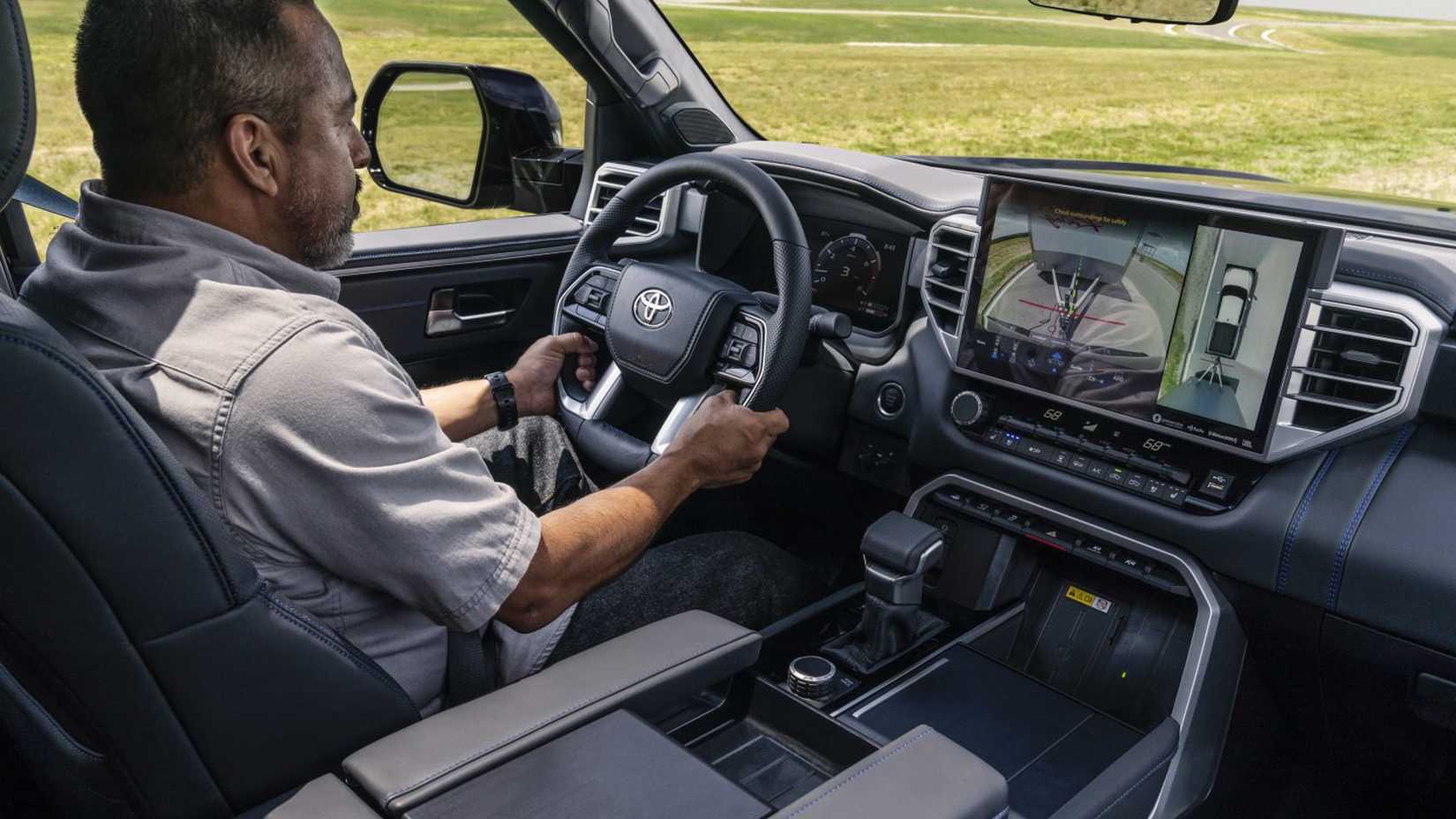
Equally important is how the engine manages torque delivery. Toyota calibrated the V6 to avoid sudden spikes that can strain mechanical components. Torque builds progressively, reducing shock loads on internal parts and the drivetrain. By keeping stress levels consistent, Toyota improves the engine’s ability to age gracefully. This controlled approach plays a central role in the V6’s growing reputation for reliability.
Hot Take: The 2025 Toyota Tundra Looks – And Feels – Absolutely Gargantuan
Full-size trucks are *large* but the Tundra feels particularly huge.
Conservative Turbocharging Strategy
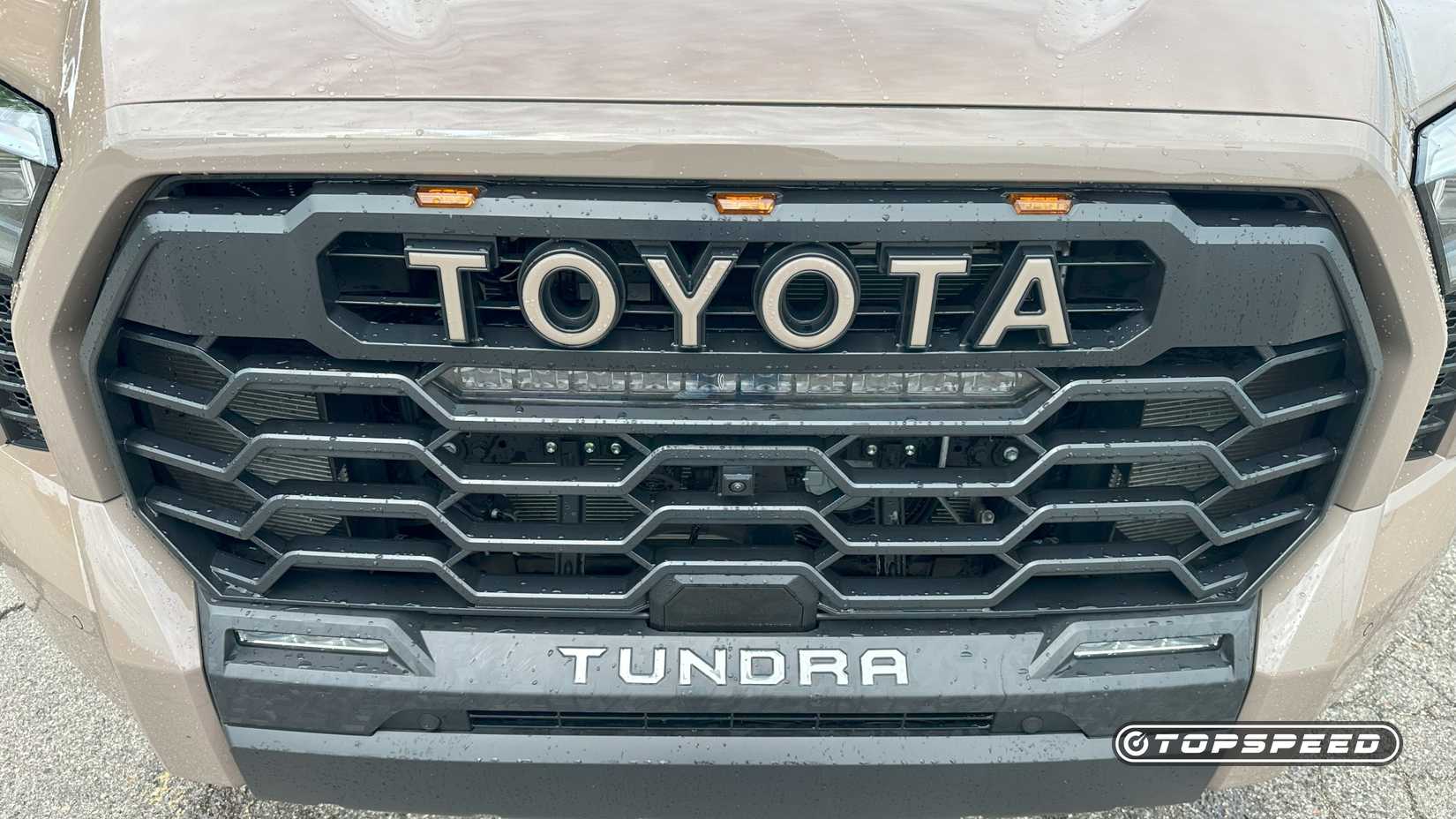
Turbocharging introduces additional heat and pressure, both of which can compromise durability if not carefully managed. Toyota addressed this challenge with a conservative turbocharging strategy that prioritizes efficiency and longevity over maximum boost. Rather than pushing the twin turbos to their limits, Toyota sized and tuned them to deliver strong low-end torque while maintaining thermal stability. In real-world driving, the Tundra moves with authority, offering confident acceleration and towing capability without feeling strained.
In normal, everyday driving, the Tundra moves with authority. This truck pulls with vigor right off the line, something that makes passing slower traffic or merging onto the highway stress-free affairs… This truck’s powertrain works extremely well, and it’s very smooth
– Craig Cole for TopSpeed
The twin-turbo system provides smooth torque delivery rather than abrupt power surges. This predictability reduces shock loads on the drive-train and engine internals. Smooth operation plays a significant role in extending component life. Toyota’s focus on drivability over raw performance reinforces the engine’s reliability-focused design.
Advanced Cooling And Oil Management
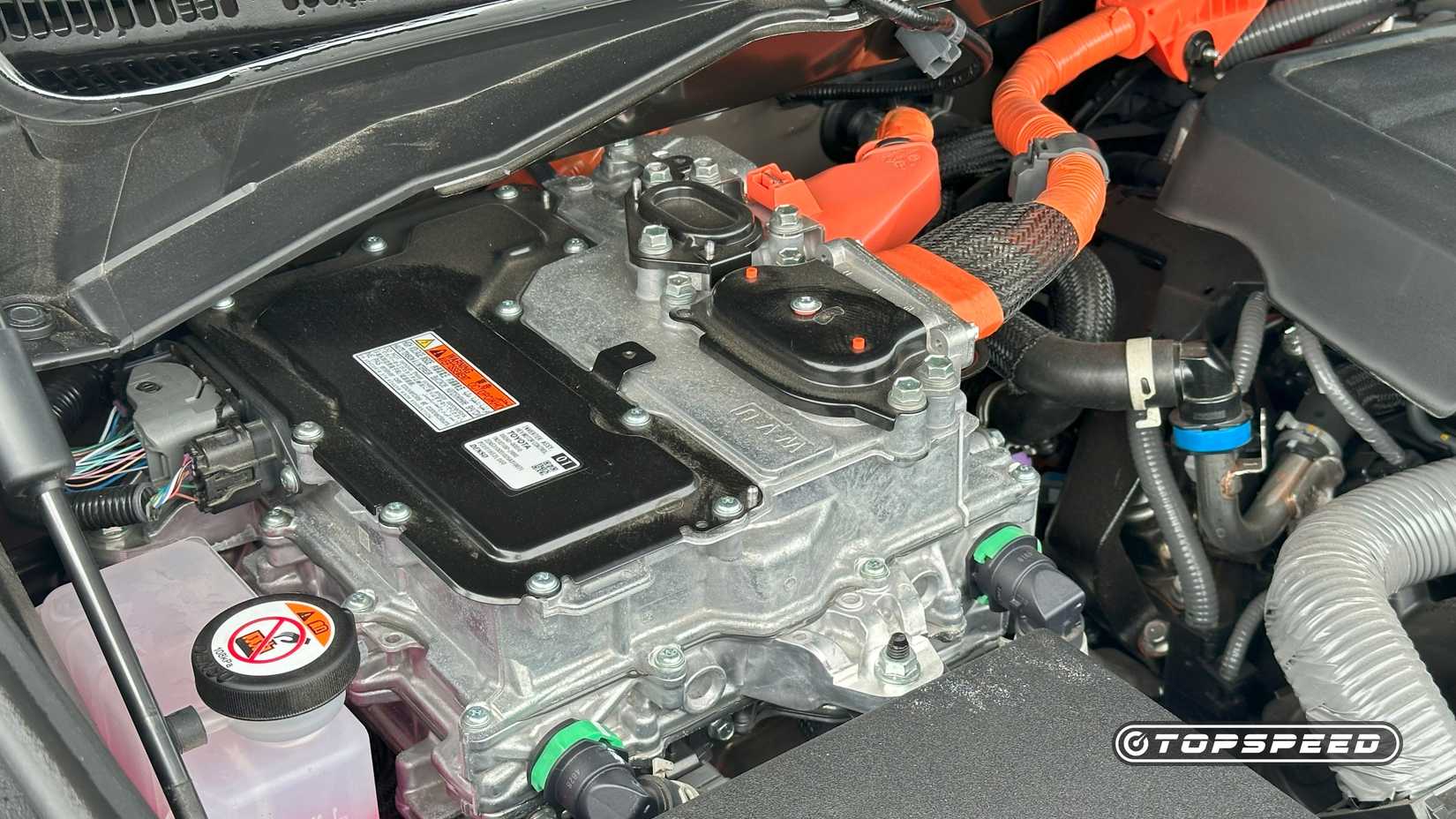
Effective heat management is essential for any turbocharged engine, and Toyota invested heavily in advanced cooling solutions for the 3.4-liter V6. Multiple cooling circuits regulate temperatures across critical components, helping prevent localized overheating during prolonged towing or high-load operation. Oil management is equally important. Toyota designed the lubrication system to maintain consistent oil pressure under extreme conditions, including steep grades and sustained high RPM use. Together, these systems protect engine components and contribute directly to long-term durability.
Smooth, Predictable Power Delivery
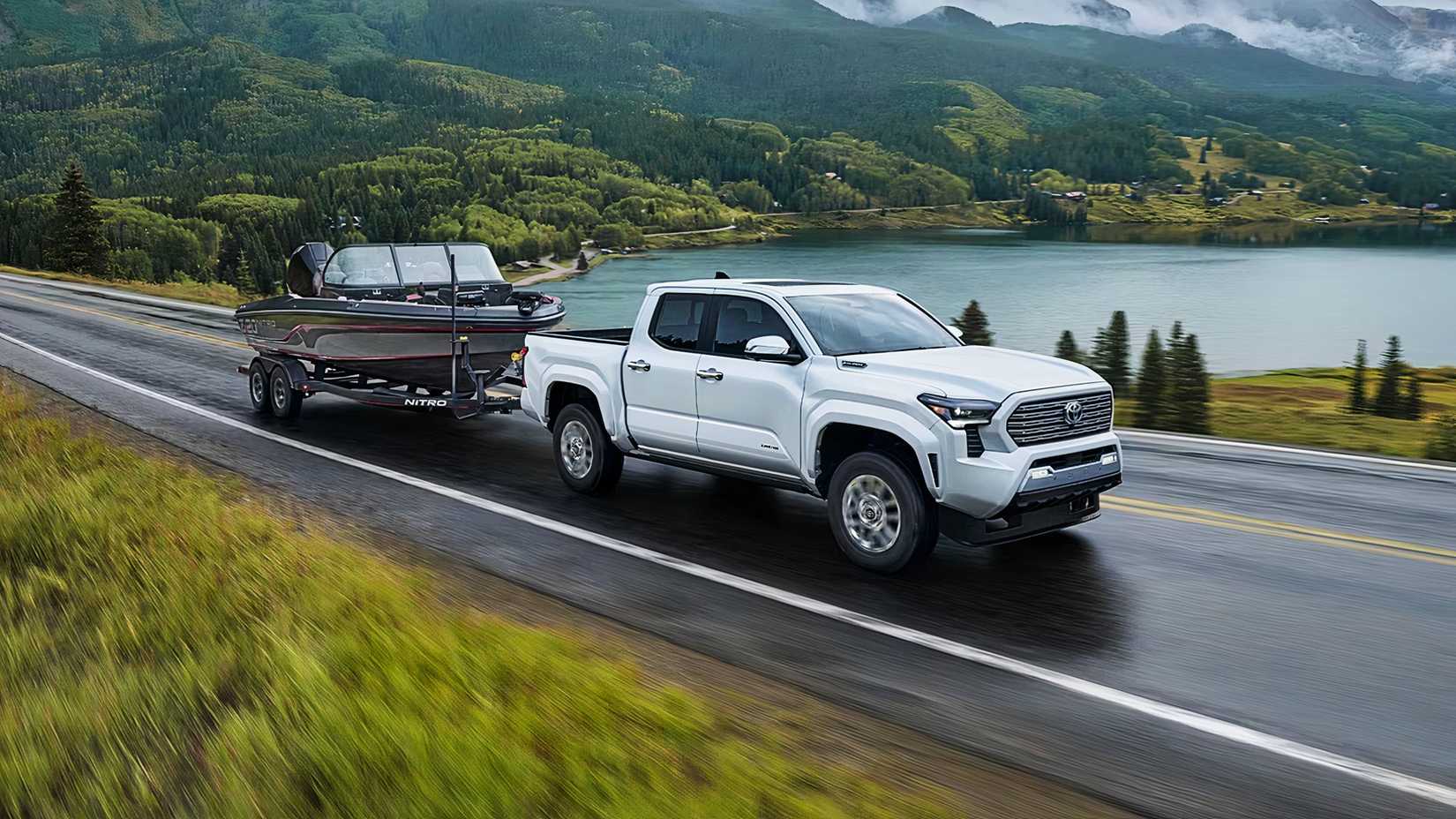
The twin-turbo V6 delivers power in a smooth, linear fashion rather than relying on abrupt surges. Boost builds progressively, reducing shock loads on the drivetrain, transmission, and engine internals. This predictability is especially important for towing and daily driving.
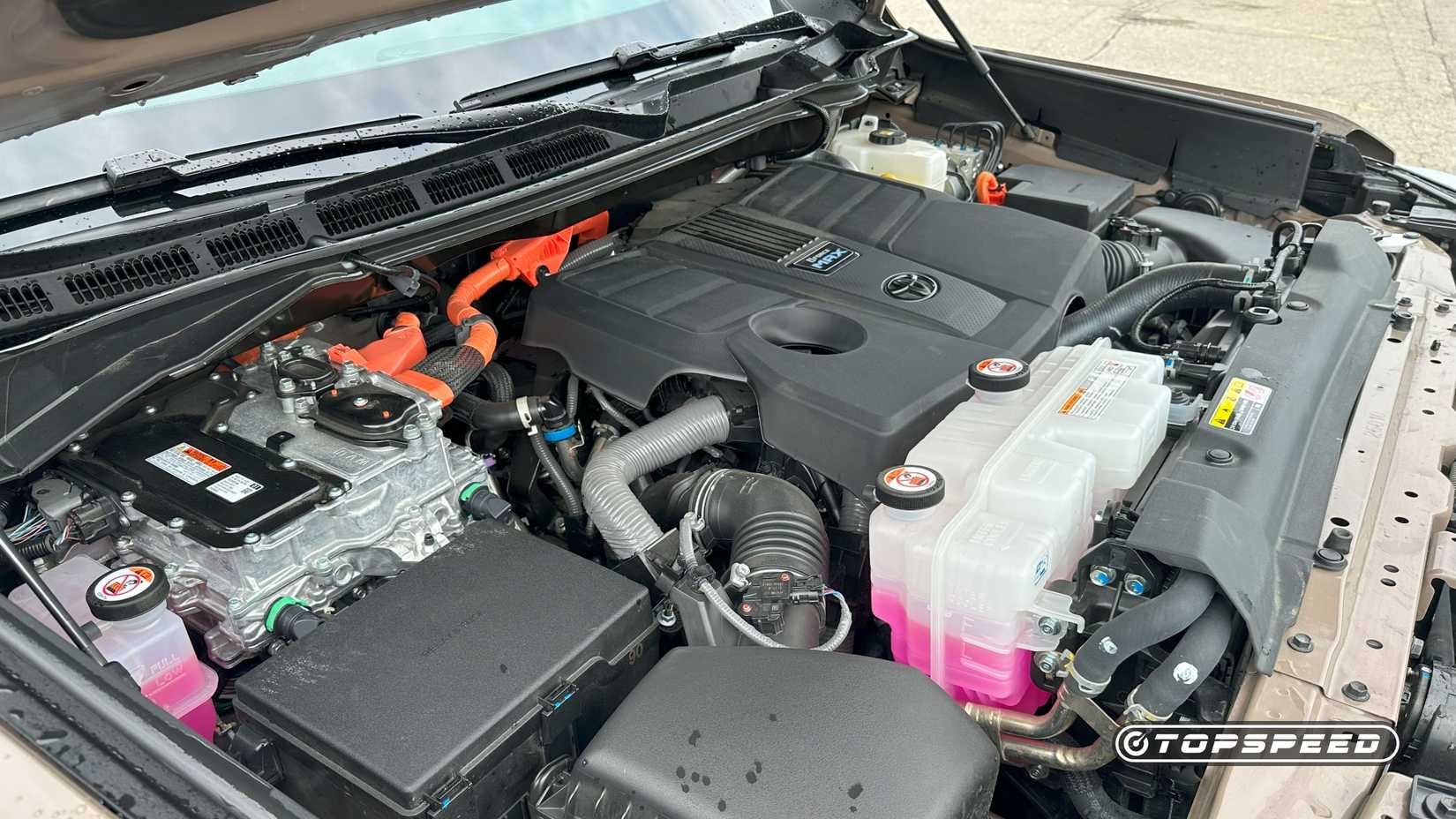
Smooth power delivery also improves thermal stability by avoiding sudden increases in cylinder pressure and heat. By maintaining consistent operating conditions, the engine experiences less mechanical stress over time, reinforcing Toyota’s reliability-focused design philosophy.
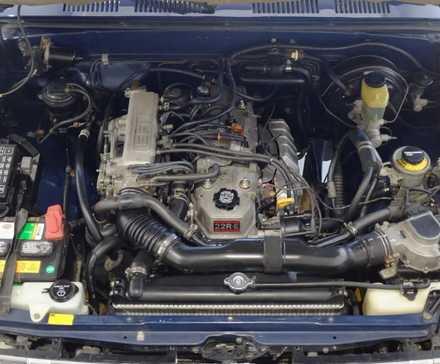
10 Legendary Toyota Engines That Refuse To Die
These are the engines that built Toyota’s legacy of reliability.
Why Toyota’s 3.4-Liter Twin-Turbo V6 Redefined Truck Reliability

Toyota’s 3.4-liter twin-turbo V6 earned its reputation by proving itself both before and after reaching customers. Engineers subjected the engine to extensive real-world testing, simulating years of hard use that included heavy towing, off-road driving, and extreme climate operation. This validation process ensured the engine could meet real truck demands.
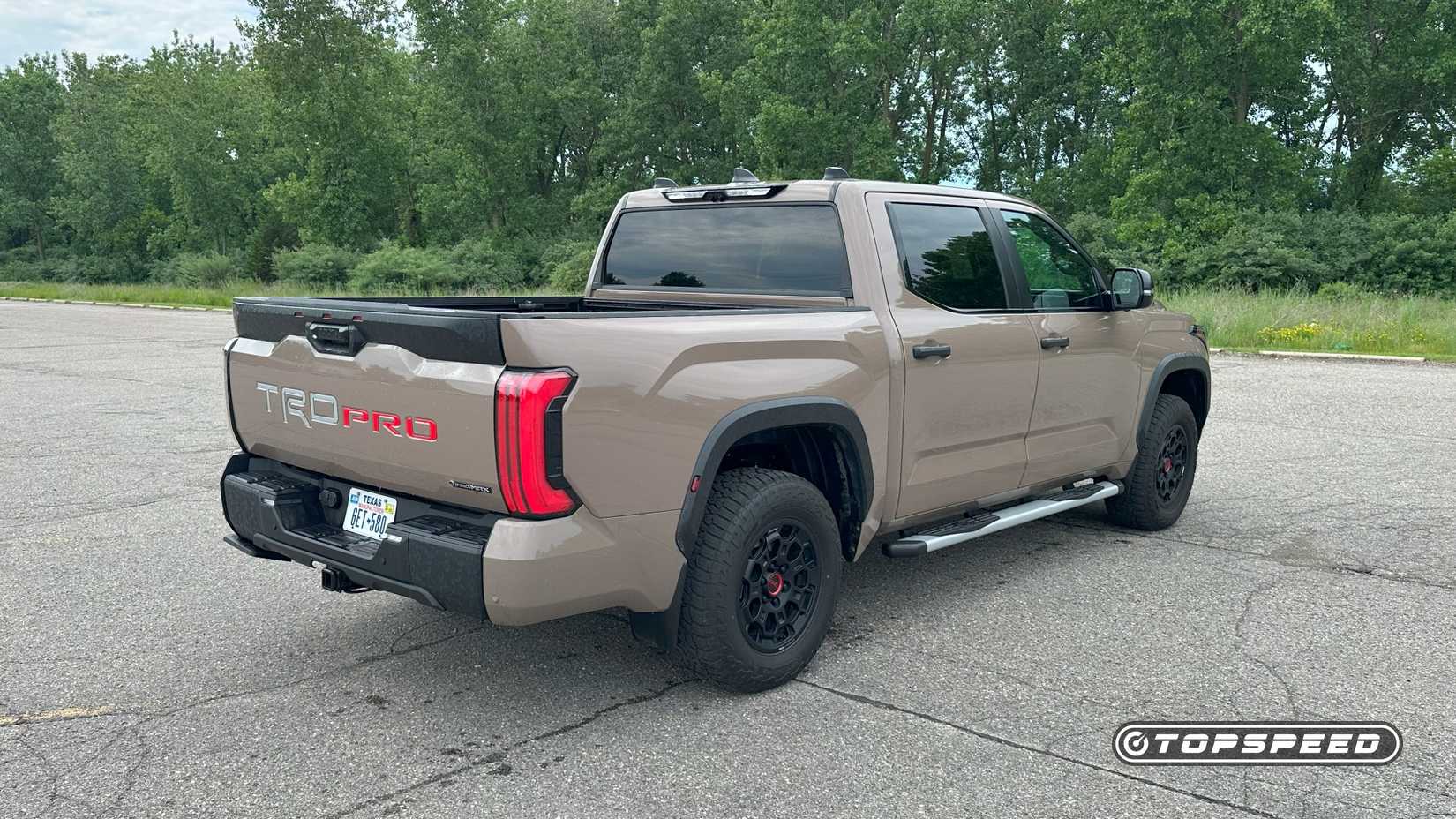
That said, the engine’s early production years were not without challenges. Initial models experienced recalls related to manufacturing debris and turbo-related components, issues that Toyota addressed quickly through repairs and updated quality controls. These growing pains, while notable, were resolved early in the engine’s lifecycle and did not undermine its core design.
Tested And Proven Under Real Truck Conditions
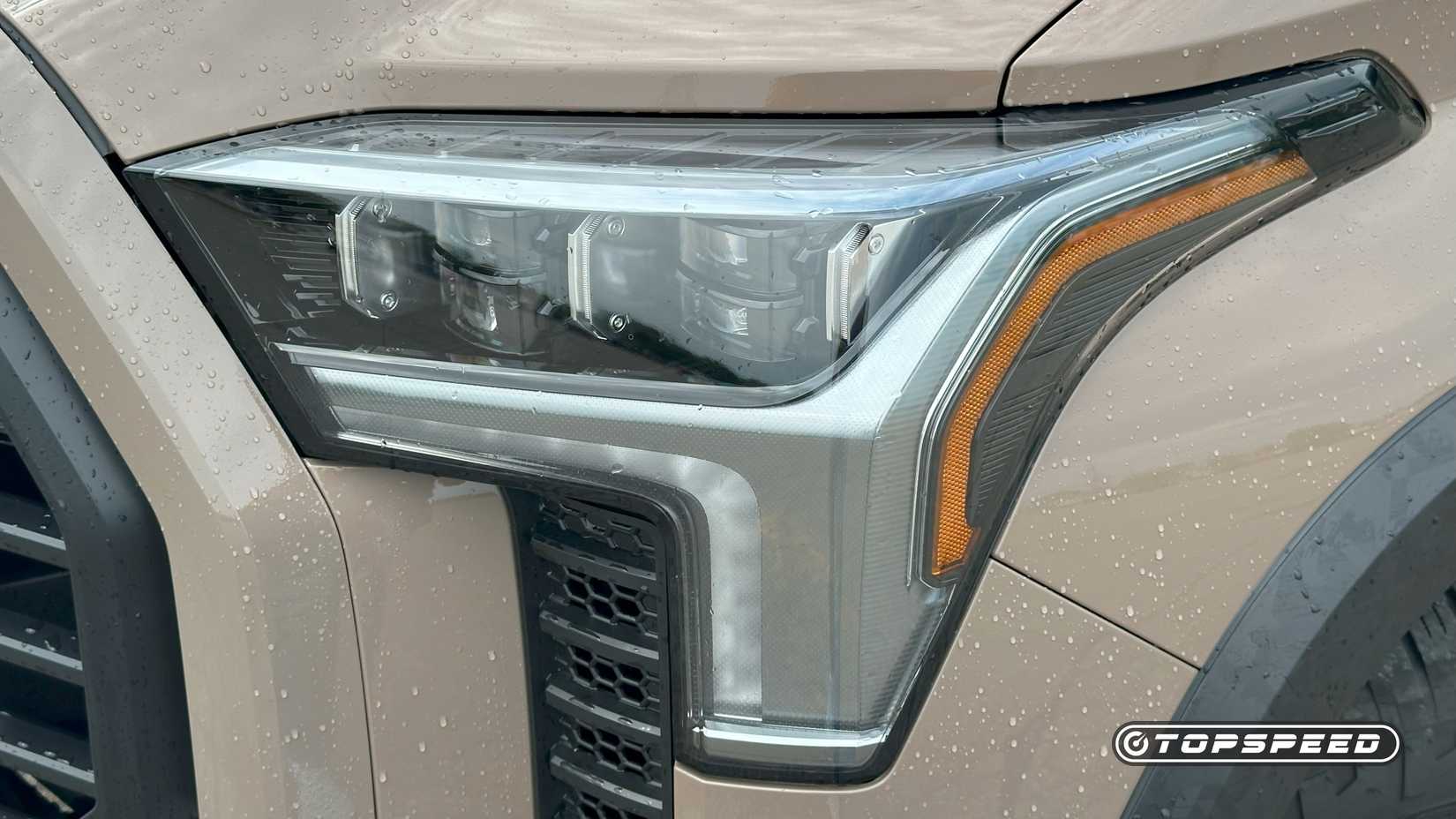
The V6 underwent prolonged towing tests and sustained high-load operation designed to replicate real ownership scenarios. These tests pushed the engine to its limits, helping engineers identify weaknesses before widespread customer use. Addressing these issues early allowed Toyota to refine production processes and improve long-term durability. Subsequent model years have shown improved reliability scores and fewer reported issues.
Built To Outlast The Competition
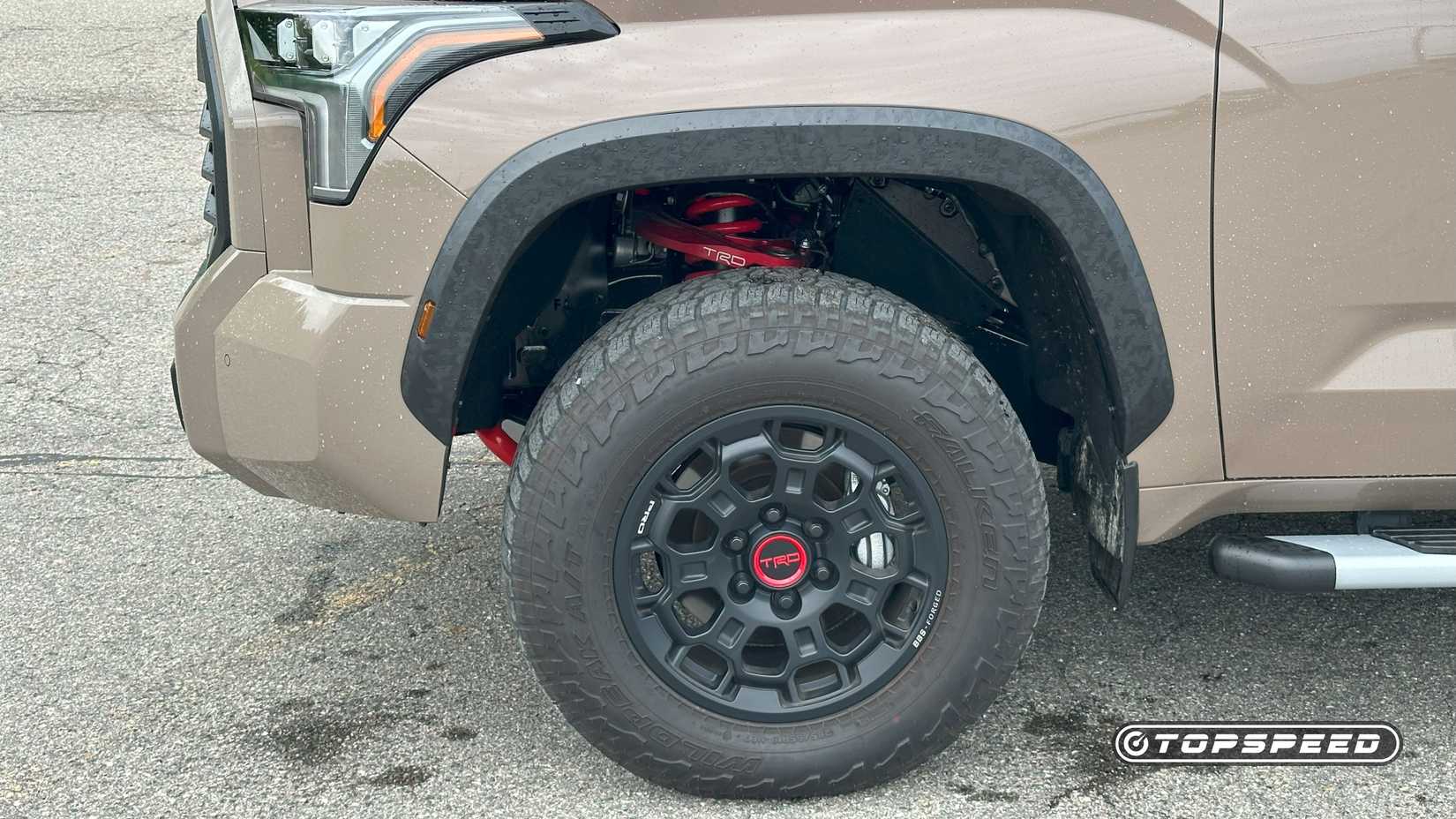
Toyota’s 3.4-liter twin-turbo V6 stands apart from competitors by placing durability ahead of peak output. While many modern truck engines chase headline horsepower figures, Toyota deliberately chose restraint, accepting modest peak numbers to reduce mechanical stress and extend component life. This conservative approach results in an engine that delivers consistent, dependable performance year after year, even under demanding conditions.
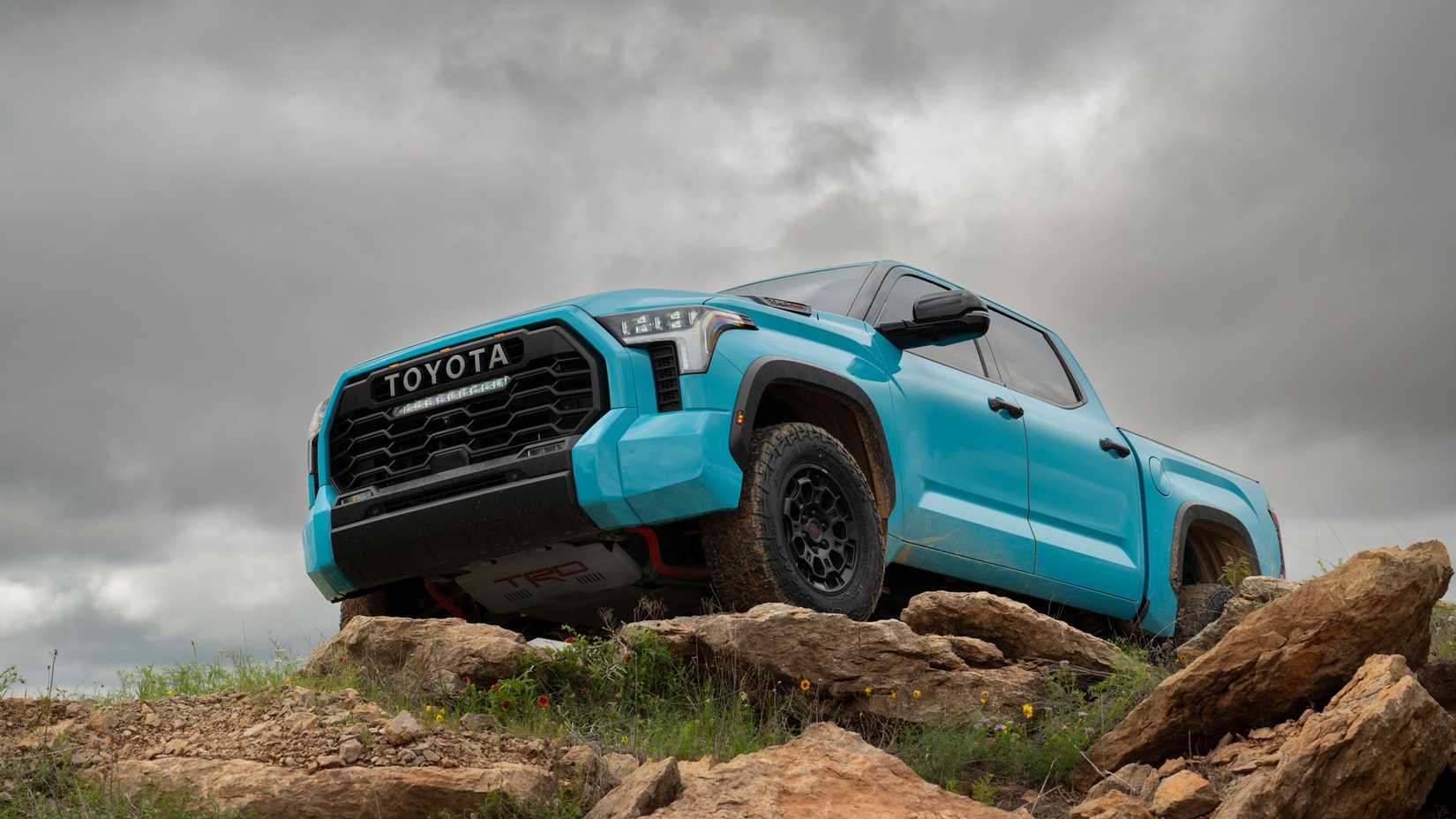
Engineered to support high mileage, heavy towing, and long-term ownership, the 3.4-liter twin-turbo V6 maintains its performance well beyond warranty coverage. That durability reinforces trust in the Toyota name and explains why this engine has quickly become a benchmark for modern truck reliability. More importantly, it proves that in a segment driven by hard work and long ownership, true success is measured not by peak numbers but by how reliably an engine performs over time.