
Luxury sedans look good, can have very powerful engines in them, and evoke a sense of high-end living when you are driving them. For all the good things about models like the Mercedes-Benz E-Class, the BMW 5 Series, the Audi A6, and the Cadillac CT5, there is one thing that is sometimes hard to ignore: running costs.
Unfortunately for a lot of luxury carmakers, parts prices, fuel costs, insurance, and maintenance fees pile up on top of the generally higher prices associated with the segment. However, it doesn’t always have to be like this; there is a several-year-old luxury Japanese sedan that offers tons of room inside and low running costs.
Owning A Luxury Sedan Doesn’t Have To Mean Luxury Car Bills
For decades, the luxury sedan formula has seemed pretty straightforward. Buy something with a prestigious badge, enjoy the silence, craftsmanship, and performance, then brace yourself for the servicing bills that inevitably follow. It has almost become an accepted part of ownership that premium comfort and performance come with premium maintenance.
That formula doesn’t hold quite as well as it used to, though. As the used market has matured, we have all become a lot more interested in long-term ownership than simply the logo on the hood. Reliability, affordability, and straightforward engineering are some of the most valuable traits when a luxury car outlives its warranty.
It is also why Japanese luxury brands have quietly built such a following. Rather than chasing the latest tech gimmicks, many have focused on refinement, quality, and engineering that can withstand the test of time. The result is a group of used luxury sedans that deliver the comfort and composure expected of the segment, without turning routine maintenance into financial ruin.
German Prestige Still Comes At A Premium
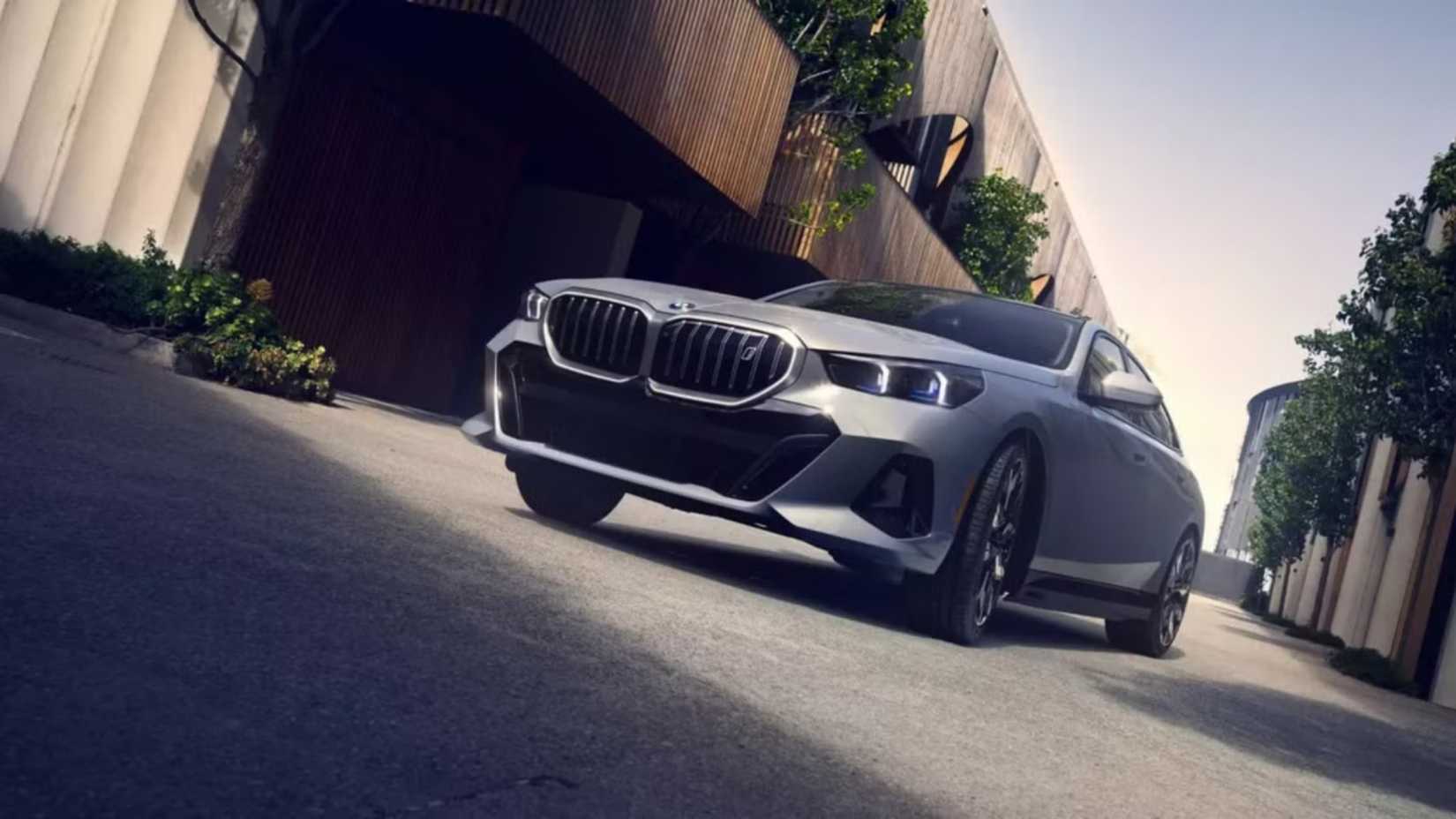
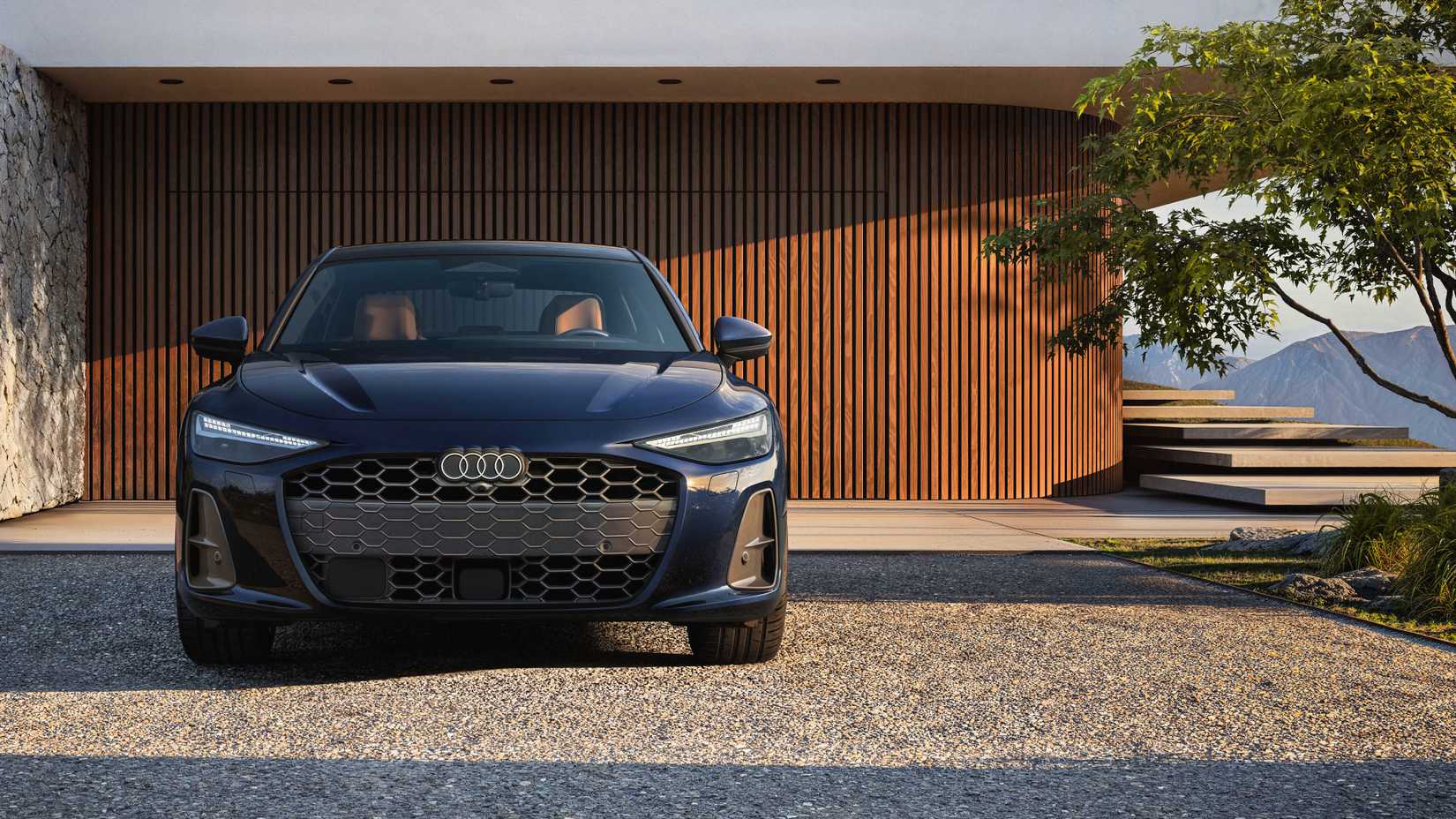
That isn’t to say that all Japanese luxury cars are cheap to own or run, and it isn’t to say that the Germans have lost their edge. The 2026 E-Class continues to set the benchmark for ride comfort, space, and cabin tech; the new BMW 5 Series remains one of the most rewarding executive sedans to drive; and the Audi A6 has one of the finest interiors, which few can compete with.
The problems arrive once they get older. Modern luxury sedans, for the most part, rely on turbocharged engines, mild-hybrid systems, adaptive suspension, intricate driver-assistance hardware, and sophisticated electronics. All this makes them better to drive, but also adds another expensive component that will likely need attention further down the road.
It is no exaggeration to say that some German brands have built a reputation for high ownership costs. For example, RepairPal says an E-Class has an annual maintenance cost of $788; for a 5 Series, it is $977; and an A6 will cost you $913 a year to maintain.
That is even before mentioning the performance-spec’d M5 or S6, which have more high-end components that can go wrong. Also, it is depreciation that hits German luxury cars hard. Good if you are looking for a used one, not so if you own one from new.
Depreciation Has Created Some Surprising Bargains
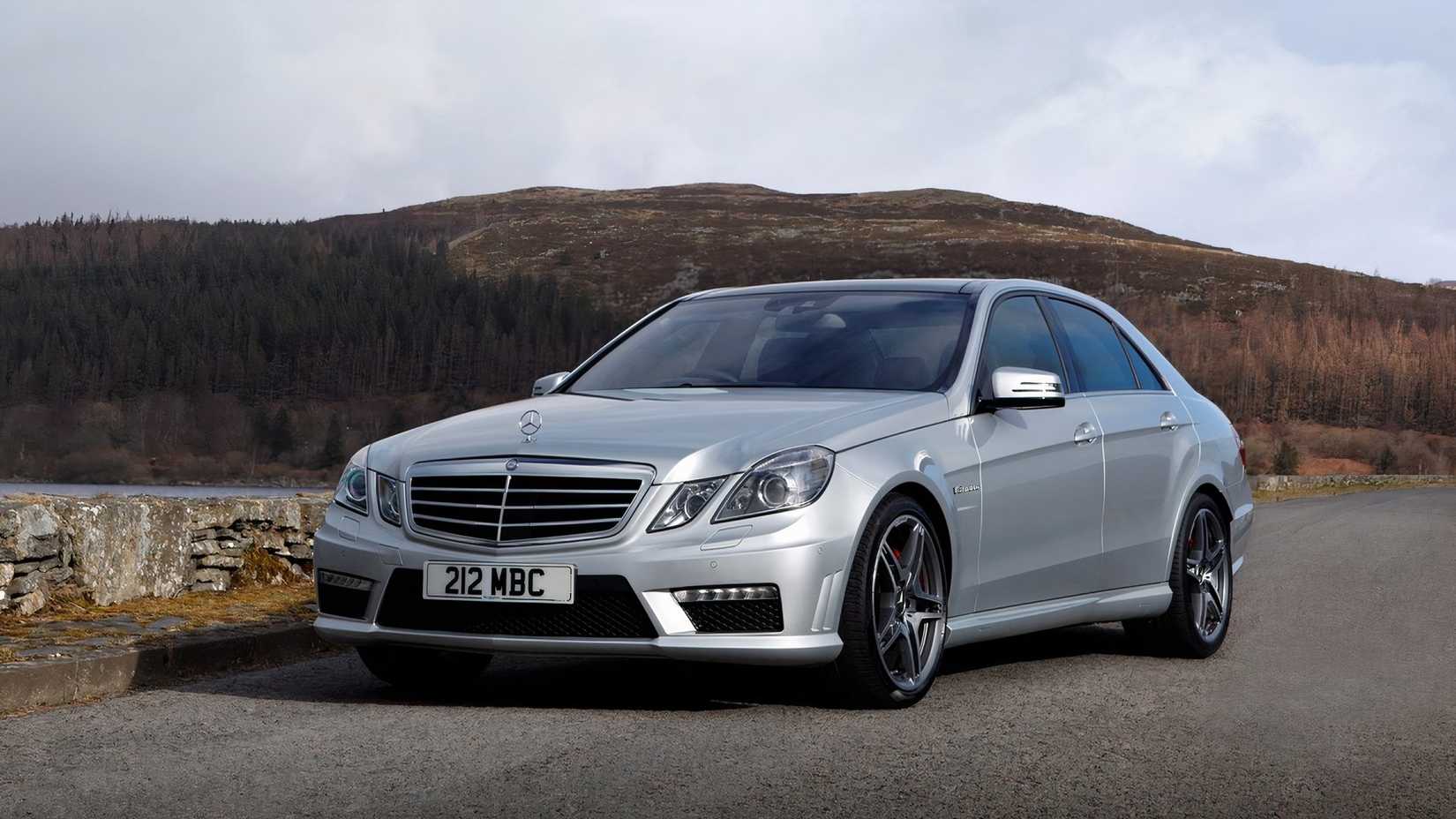
CarEdge says that the average five-year depreciation rate of Audi models is 48 percent; for BMW, it is 50 percent; and for Mercedes-Benz, it is 46 percent. However, it can be more model-dependent. This has resulted in a very impressive used luxury sedan market full of once unobtainable German cars at now low prices. When the 2018 AMG E63 was released, it had an MSRP of $105,325; today, the average used price is $49,300.
The same goes for a 2020 BMW M550i; the MSRP was just shy of $78,000, while 2026 used prices are an average of $34,200. Then there is the top trim of the 2023 Audi A6 (the 55 TFSI Prestige); its original price was $68,320, but just after three years, used prices are down to $37,400. While Japanese brands tend to hold their value a little better (brand and model dependent, of course), depreciation in the luxury market has also created some bargain sedans from the likes of Lexus and Acura.
The 2020 Acura RLX Makes A Compelling Alternative
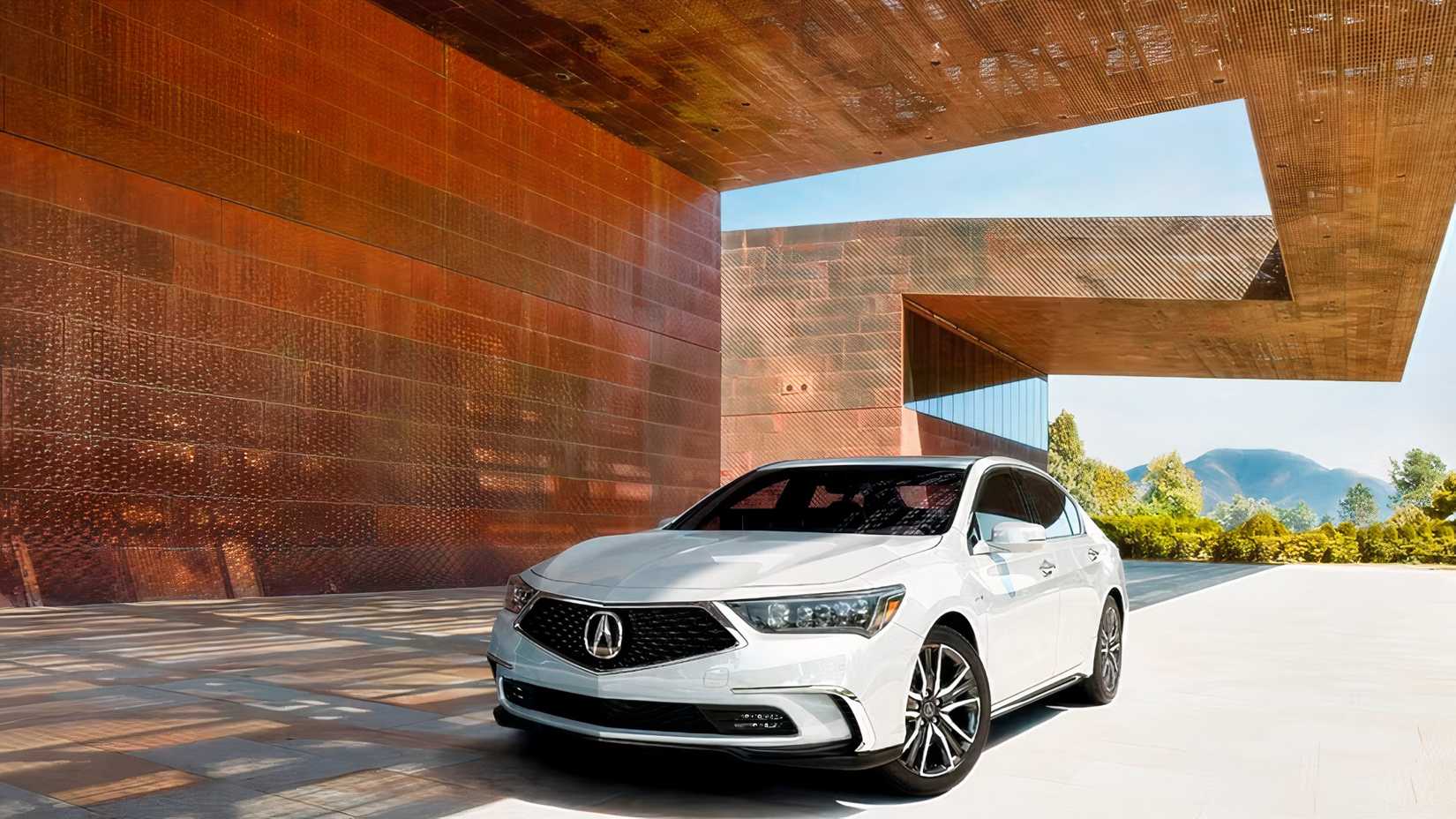
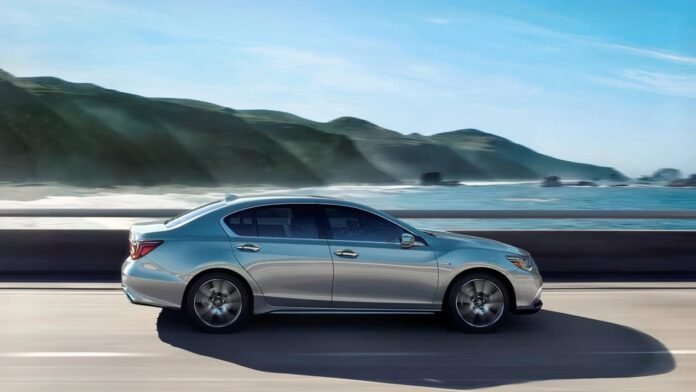
It is this depreciation in the luxury market, alongside its plush ride, executive feel, and oodles of space, that makes the 2020 Acura RLX lineup such a good alternative to the likes of used Audi and BMW sedans. The 2020 Acura RLX was the final model year of Acura’s flagship sedan, originally available in just two grades: the gas-engine RLX and the RLX Sport Hybrid.
Original prices were $54,900 for the RLX and $61,900 for the Sport Hybrid. Today, the average used price for the gas-engine trim is $24,700, while the hybrid RLX average used price is $29,200. To put this into perspective, the 2020 E-Class has an average price range of between $23,900 and $38,700.
E-Class Levels Of Space Without The German Running Costs
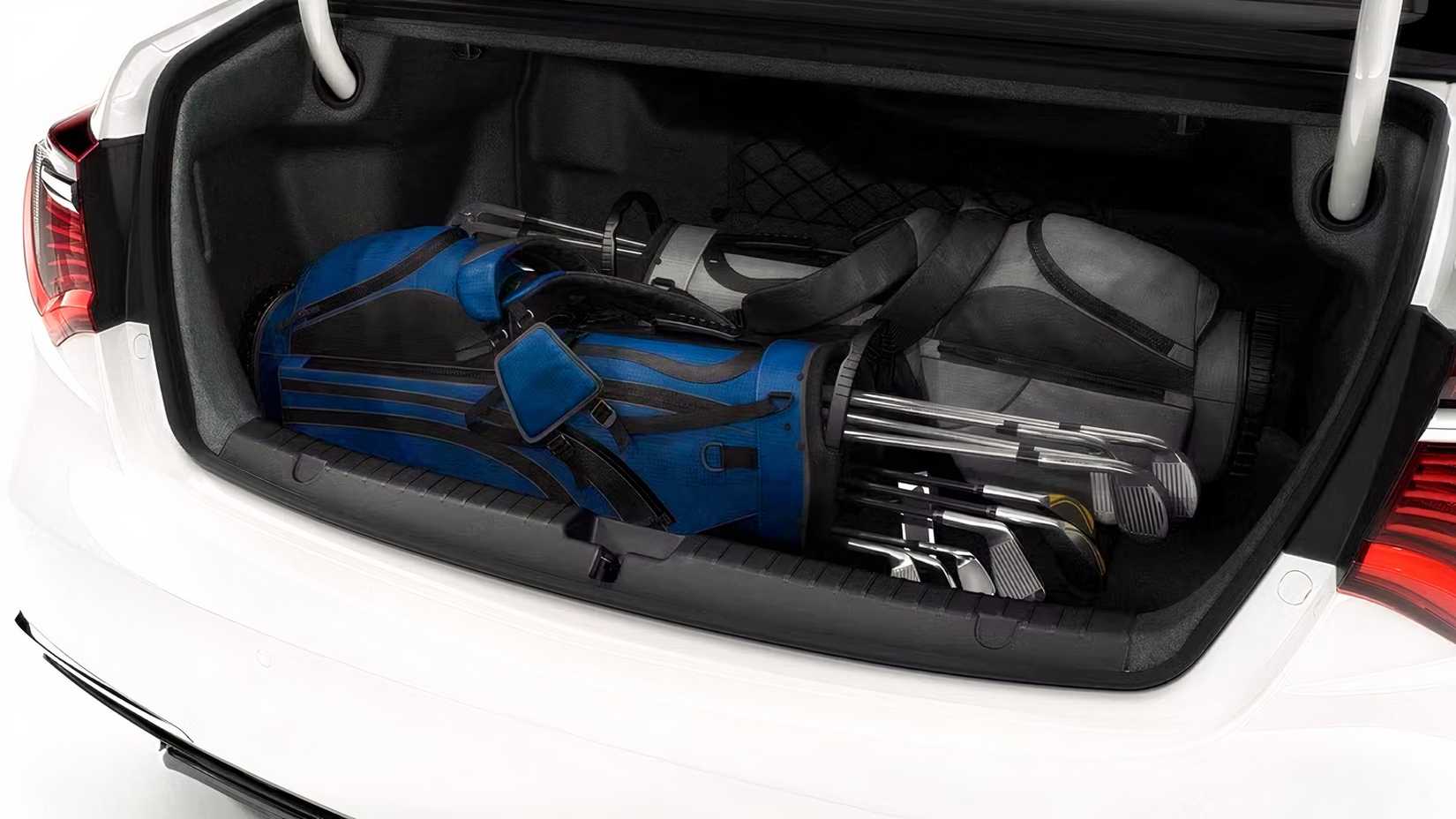
Don’t let the high rates of depreciation put you off, though; the final model year of the RLX offers a huge amount for its price and takes on the E-Class in an area where it generally comes out ahead: space. The 2020 E-Class has a maximum cargo capacity of 13.1 cubic feet, 41.7 inches of front legroom, and 36.2 inches of rear legroom.
The 2020 RLX gas-engine sedan gets 14.9 cubic feet of storage space, and the RLX Sport Hybrid gets 12 cubic feet. The RLX also gets 42.3 inches of front legroom and a massive 38.8 inches of rear legroom, far exceeding what the E-Class can offer.
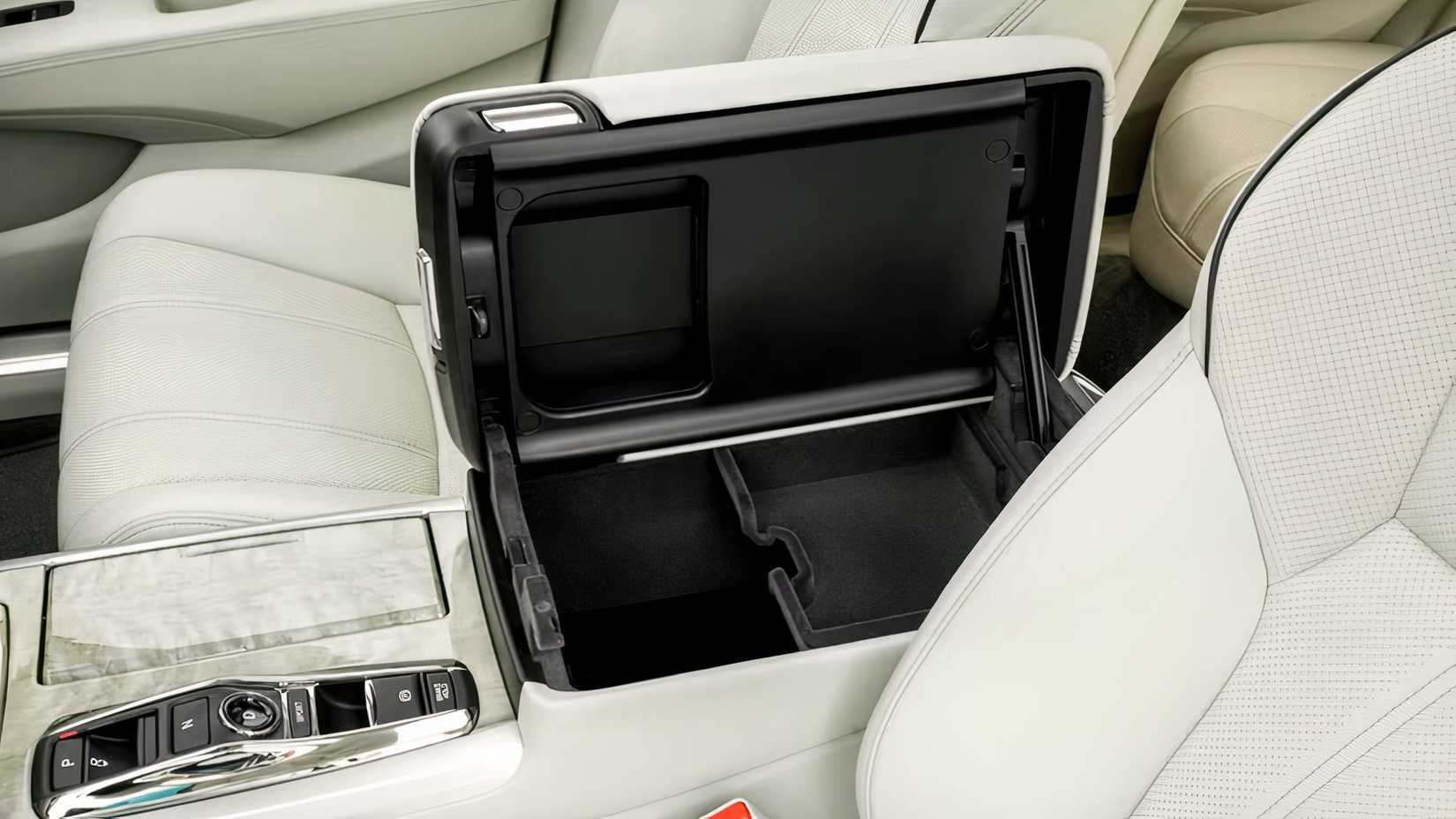
While base-trim 2020 E-Class average used prices and RLX average used prices are not dissimilar, running costs are. According to Edmunds, the five-year true cost to own a 2020 Acura RLX is $56,119, with the Sport Hybrid costing a little more, at $57,816. The 2020 E-Class (E 350 base trim) is estimated to cost $60,680, while the top-end AMG E63 will cost you $101,307 over the same time.
Then there is fuel consumption and gas costs. According to FuelEconomy.gov, the gas-engine ’20 RLX can achieve 23 combined mpg, and will cost you $3,350 a year for gas, while the Sport Hybrid can achieve 28 combined mpg, costing you $2,750 a year for gas.
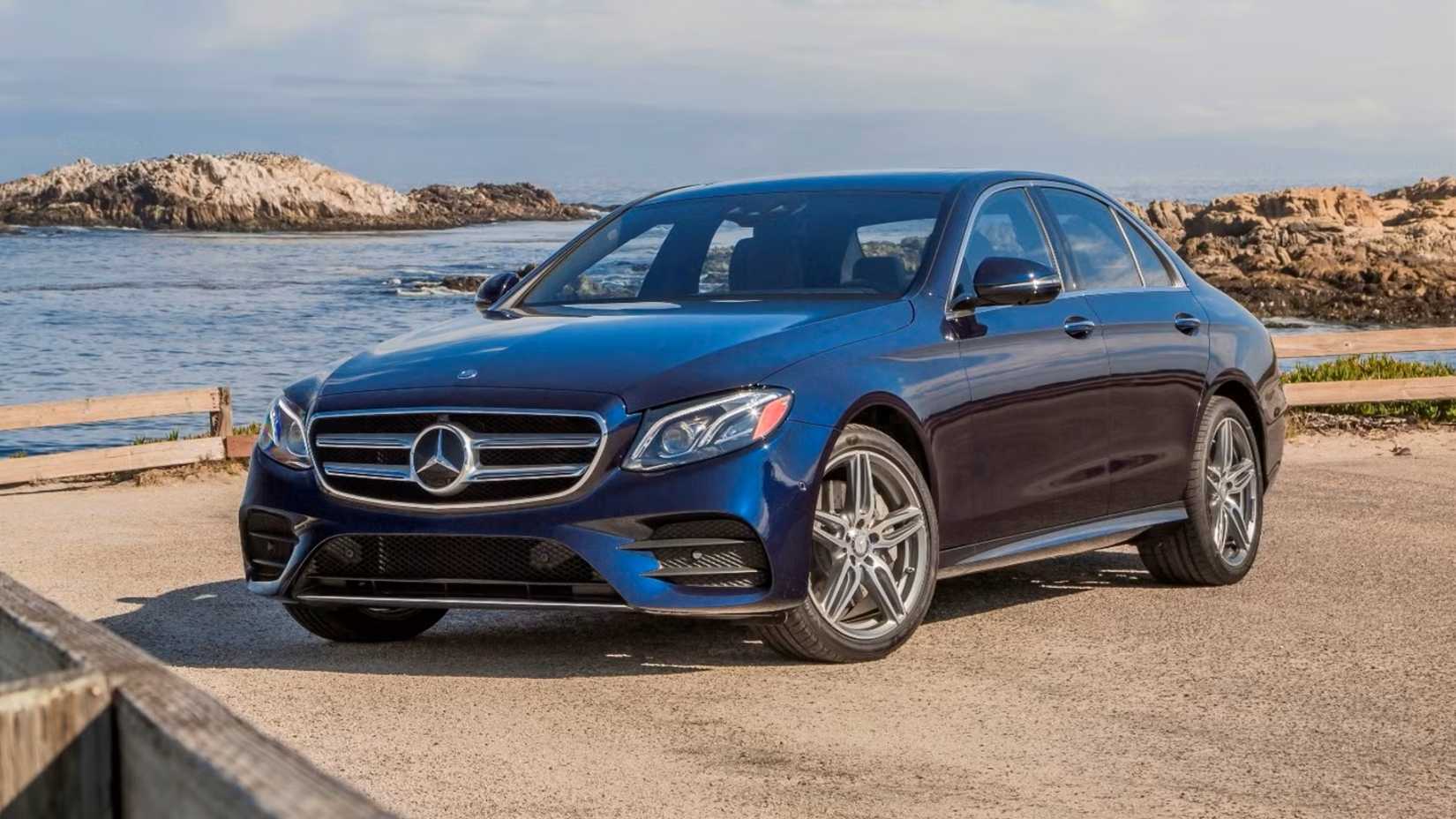
Maybe surprisingly, the 2020 E-Class isn’t too dissimilar in fuel expenditure; FuelEconomy.gov says the AMG E63 can achieve 18 combined mpg and costs $4,300 a year for gas, but the E 350 can achieve 26 combined mpg and will cost $2,950 a year for gas. Where the price difference comes in is in terms of maintenance and problems.
Honda Reliability Gives The RLX A Clear Advantage
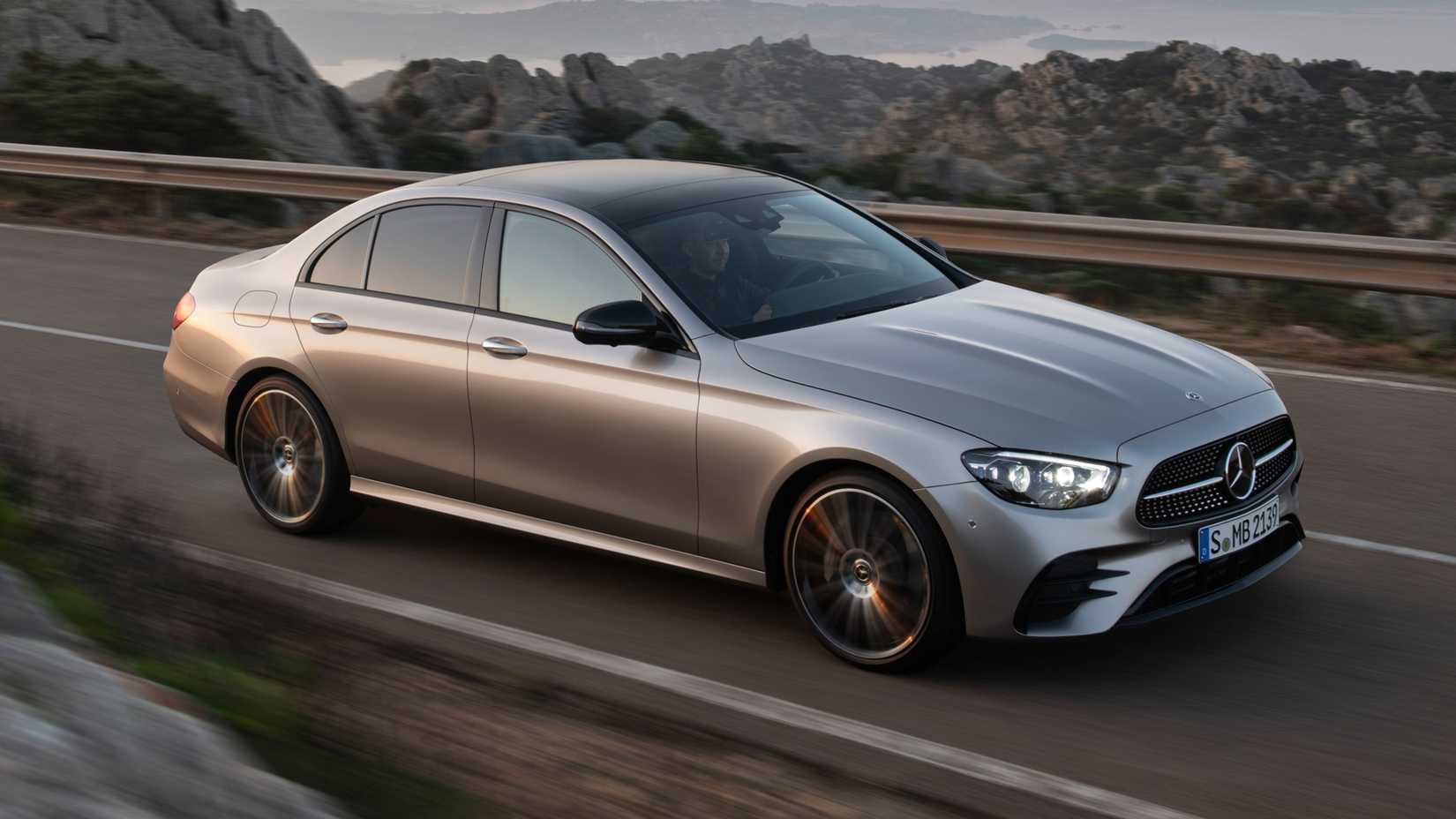
Common problems with the 2020 E-Class lineup are generally centered around infotainment glitches and electrical problems stemming from the keyless entry system, wiring harness, and the battery. Edmunds estimates that it will cost you $10,788 in maintenance and $7,754 in repairs over five years for the base-trim E 350.
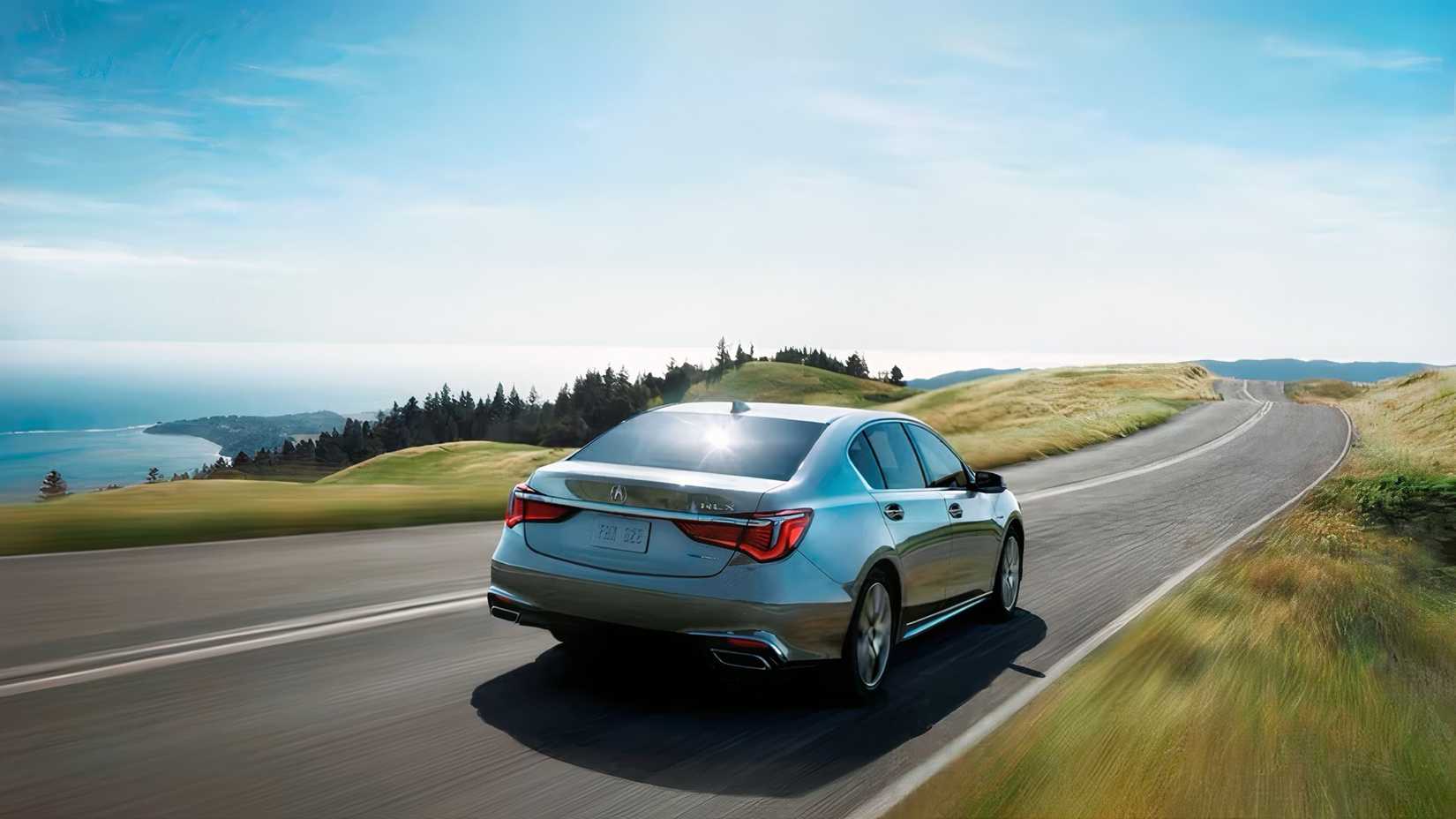
On the other hand, Acura is the luxury arm of the generally bulletproof and simple-to-maintain Honda. There are some common problems with the RLX, which also include battery drain problems in the hybrid models and a glitchy infotainment system, but it won’t cost you nearly as much to maintain or repair.
Edmunds estimates that it will cost you $7,553 to maintain the gas-engine model over five years, $7,576 to maintain the hybrid model, $2,722 in repairs for the gas-engine model, and $3,051 to repair the hybrid model.
In terms of repairs, you could own both the gas and hybrid RLX models, and it would still be cheaper to repair them than one E 350. That is to say nothing of the E 63, which will cost you $13,201 in maintenance and $8,206 for repairs over the same period.
This is also reflected in how owners have rated both the RLX and E-Class for reliability; on Kelley Blue Book, the 2020 RLX gets a 4.5 out of 5 consumer rating and an 83 percent recommendation rating, while the 2020 E-Class gets 4.2 out of 5 and a 77 percent recommendation rating.
The 2020 Acura RLX Gets More Right Than You’d Expect
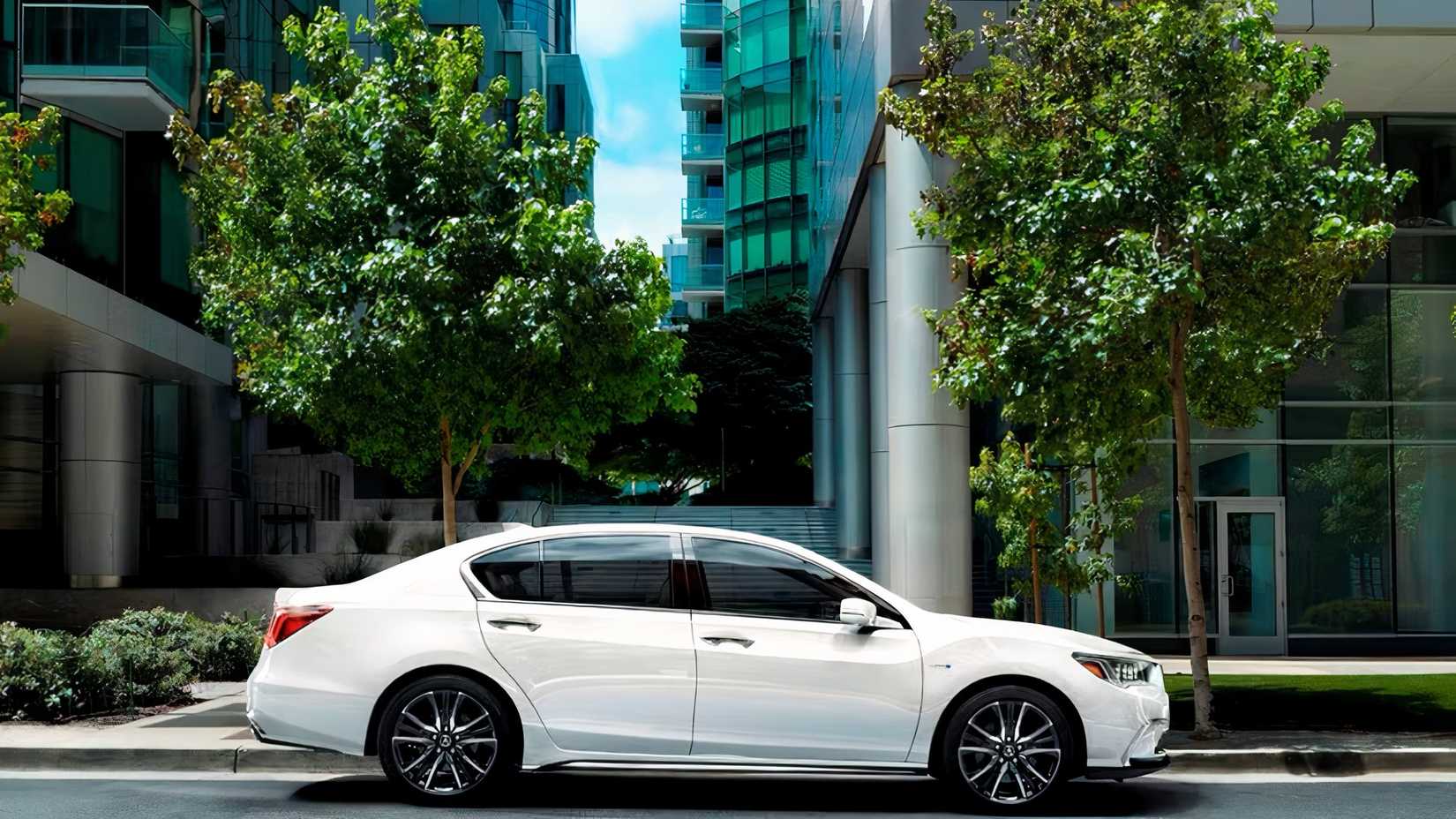
It may not have the badge appeal of a Mercedes, nor does it have the speed and lightning-quick reactions of a newer M5, but you still get a decent amount of power from the two powertrain options, and respectable speed.
Under the hood of the non-hybrid RLX is a 3.5-liter V6 good for 310 horsepower and 272 pound-feet of torque. Power is routed through a ten-speed automatic, and 60 mph arrives in as little as 5.8 seconds. Then there is the RLX Sport Hybrid; it is equipped with a 3.5-liter V6, a hybrid rig, and three electric motors.
 Acura
Acura Acura
AcuraHorsepower output is 377 and torque output is 341 pound-feet. RLX Sport Hybrid 0–60 mph times have been clocked at a very impressive 4.5 to 4.9 seconds. To put that into perspective, the base 2020 E 350 takes 6.1 to 6.5 seconds to reach 60 mph.
Standard Luxury And Safety Equipment Still Hold Up Today
 Acura
Acura Acura
AcuraOne thing Acura has always done well is knowing where to spend money on the interior. Instead of filling the RLX with flashy gimmicks that looked impressive but then aged badly, it added things that are actually going to be noticed.
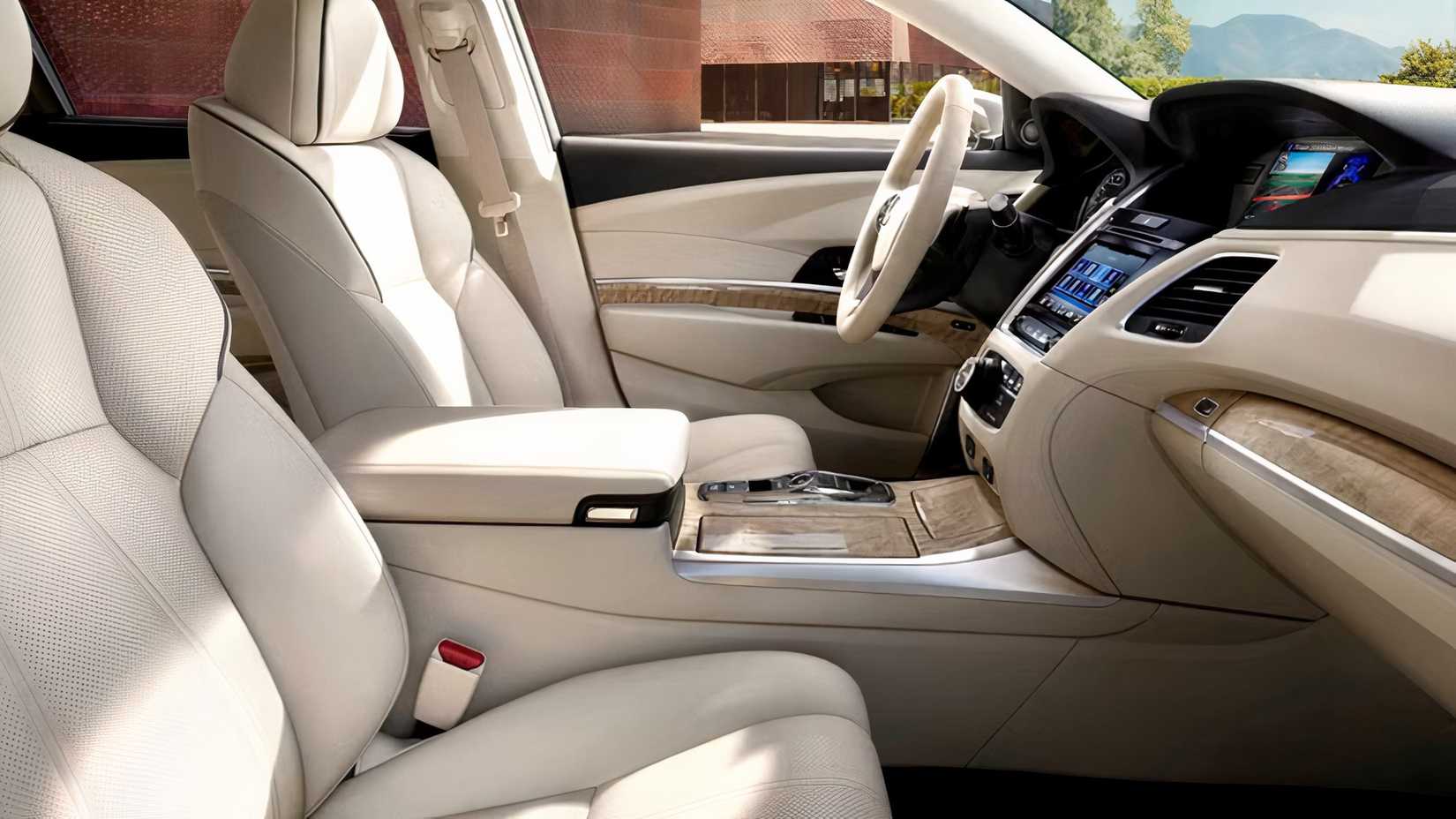
Soft Milano leather seats, genuine wood trim, brushed aluminum accents, and a dashboard that feels solidly screwed in take center stage. It doesn’t have the drama or German-esque feel of Mercedes and BMW models, but there is an understated, quiet quality to the cabin that has aged nicely.
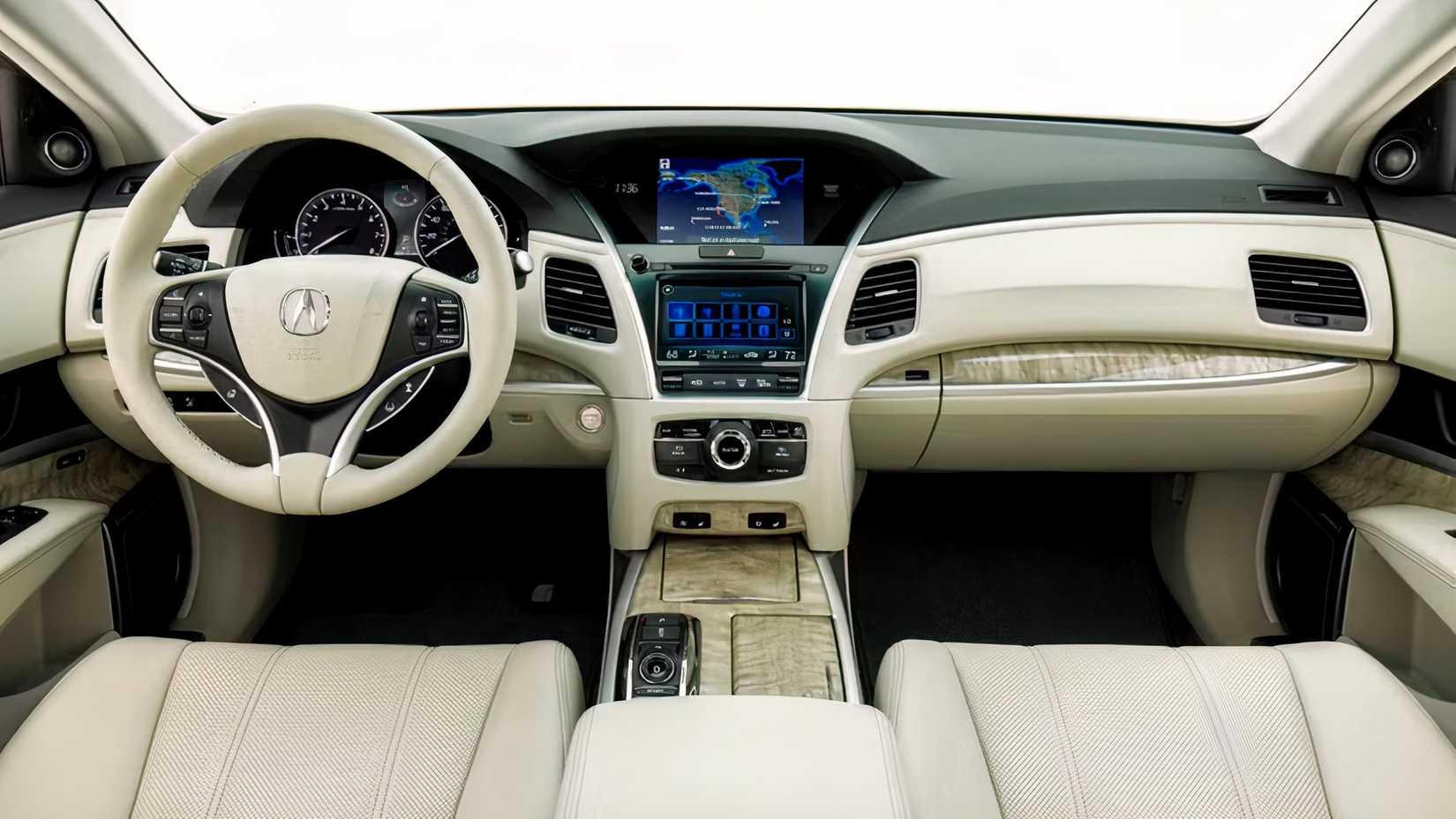
Every 2020 RLX sedan is also generously equipped with a 14-speaker Krell premium audio system, navigation, heated front seats, wireless phone charging, GPS-linked climate control, and the AcuraWatch safety suite. That means you get adaptive cruise control, lane-keep assist, blind-spot monitoring, and collision mitigation as standard.
Yes, the dual-screen infotainment system looks dated compared to today’s curved displays, but that is about the only obvious reminder that things have moved on in the executive sedan market. The materials still feel expensive, the seats are comfortable, you get oodles of room, and perhaps most importantly, there are fewer electronic headaches that have become a common gripe in German machines.
The NSX-Inspired Sport Hybrid Is The Hidden Gem
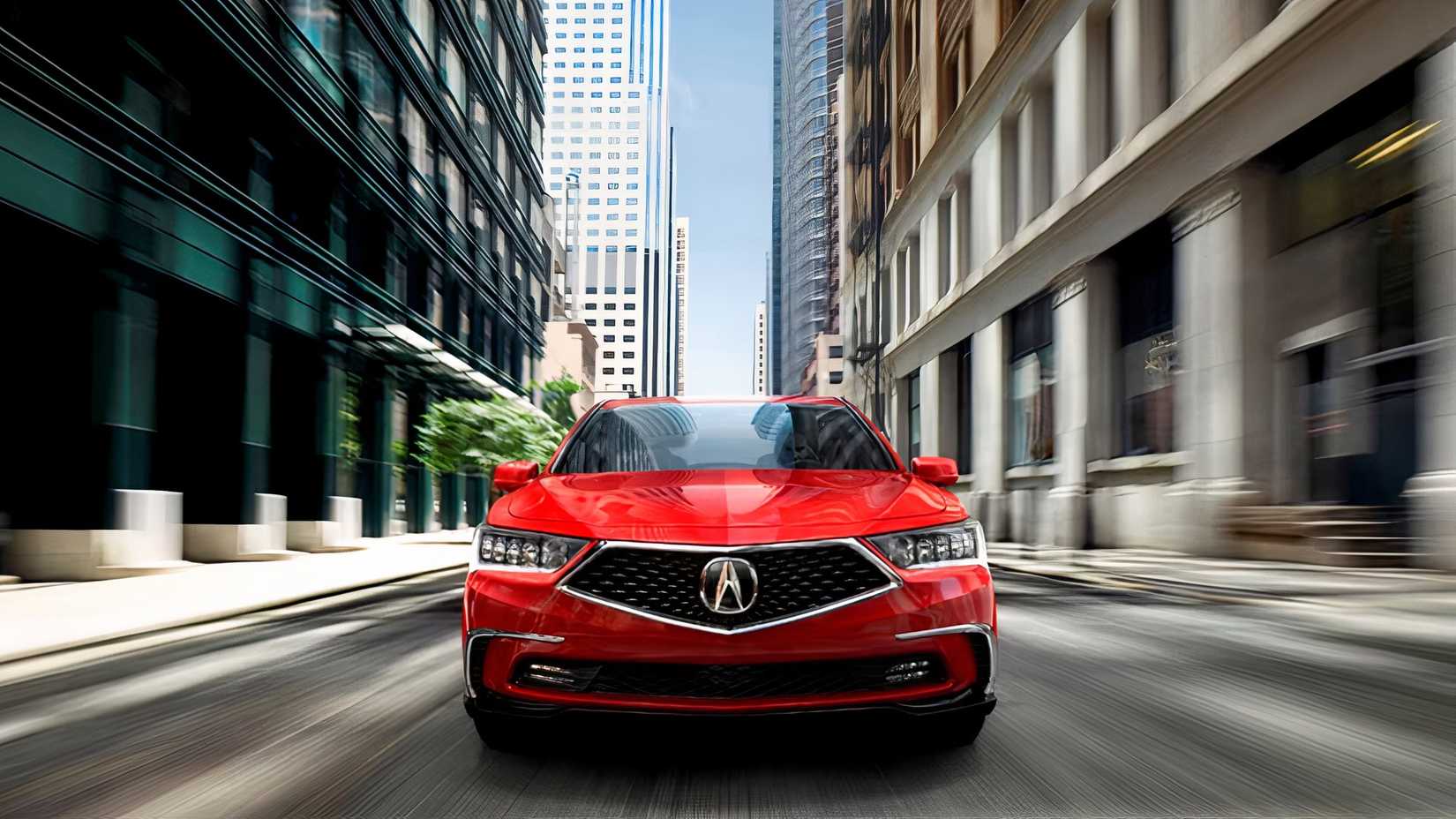
The standard RLX is a great luxury sedan, but the RLX Sport Hybrid is where Acura engineers really added some goodies. Rather than treating electrification as a way of squeezing out a few more miles from the tank (which it does anyway), the main reason was to change how a large luxury sedan behaves.
Much of the tech used was developed alongside the second-generation NSX, making the RLX Sport Hybrid one of the few luxury sedans of the time with genuine supercar DNA woven into its build. At the heart of it is Acura’s Sport Hybrid SH-AWD drivetrain.
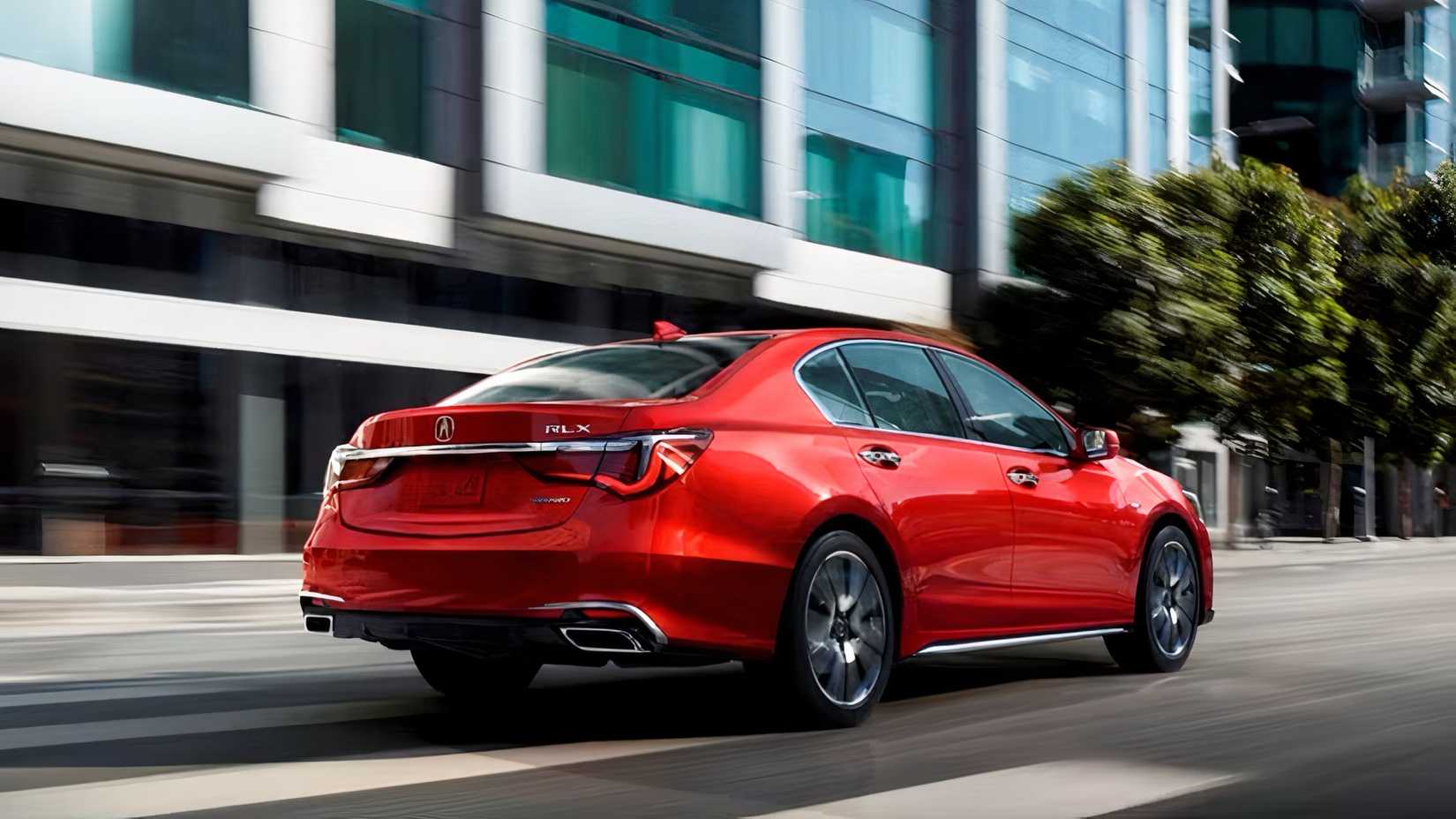
It pairs the naturally aspirated V6 with three electric motors: one integrated into the seven-speed dual-clutch transmission and two mounted at the rear in Acura’s Twin Motor Unit. Instead of using a conventional rear differential, each rear wheel is driven by its own axle, which the system can distribute torque independently across.
The system can even overdrive the outside rear wheel while applying regenerative braking to the inside one, helping the RLX rotate through the corners in a way that feels surprisingly natural rather than artificial.
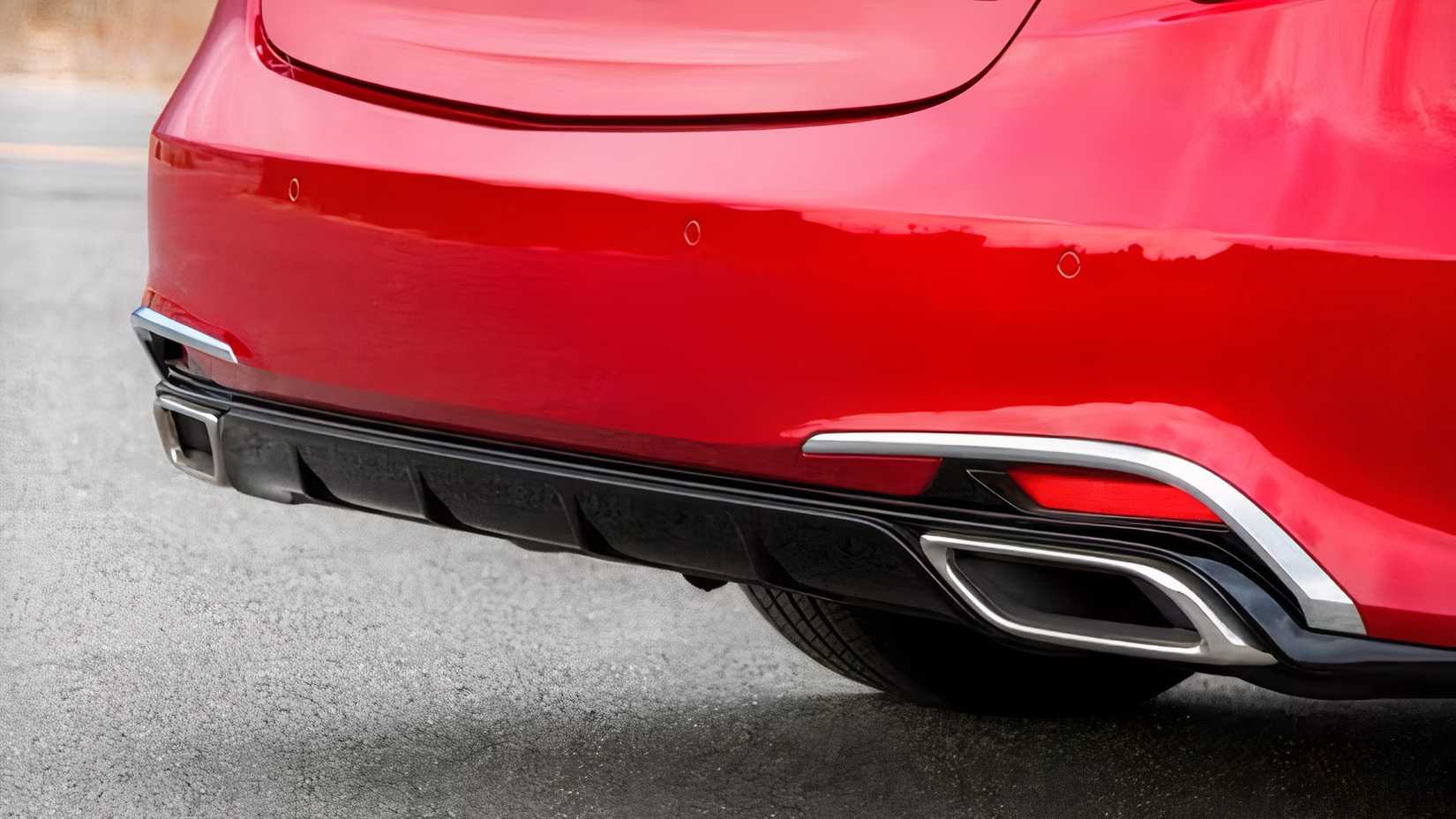
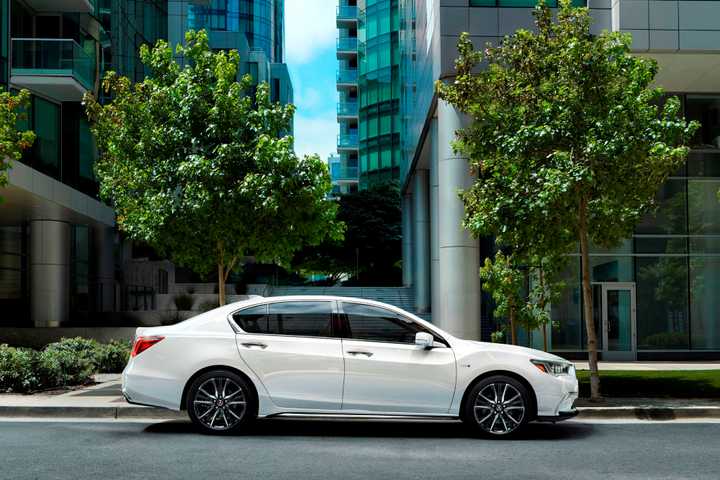
The RLX Sport Hybrid is equipped with double-wishbone front suspension and a multi-link rear setup; it also features ZF Sachs amplitude-reactive dampers and numerous aluminum suspension components to reduce weight. While the RLX Sport Hybrid may not look the sportiest, all of this results in a sedan that is composed on broken tarmac and can change direction more quickly than anything weighing 4,380 pounds has any right to.
It isn’t fast for the sake of grabbing headlines, and you’d be hard-pressed to keep up with small sedans in the corners, but underneath the Sport Hybrid is a lot of performance-grade tech that makes it one of the best affordable, luxurious Japanese sleeper sedans on the used market.
What You Need To Know Before Buying An Acura RLX
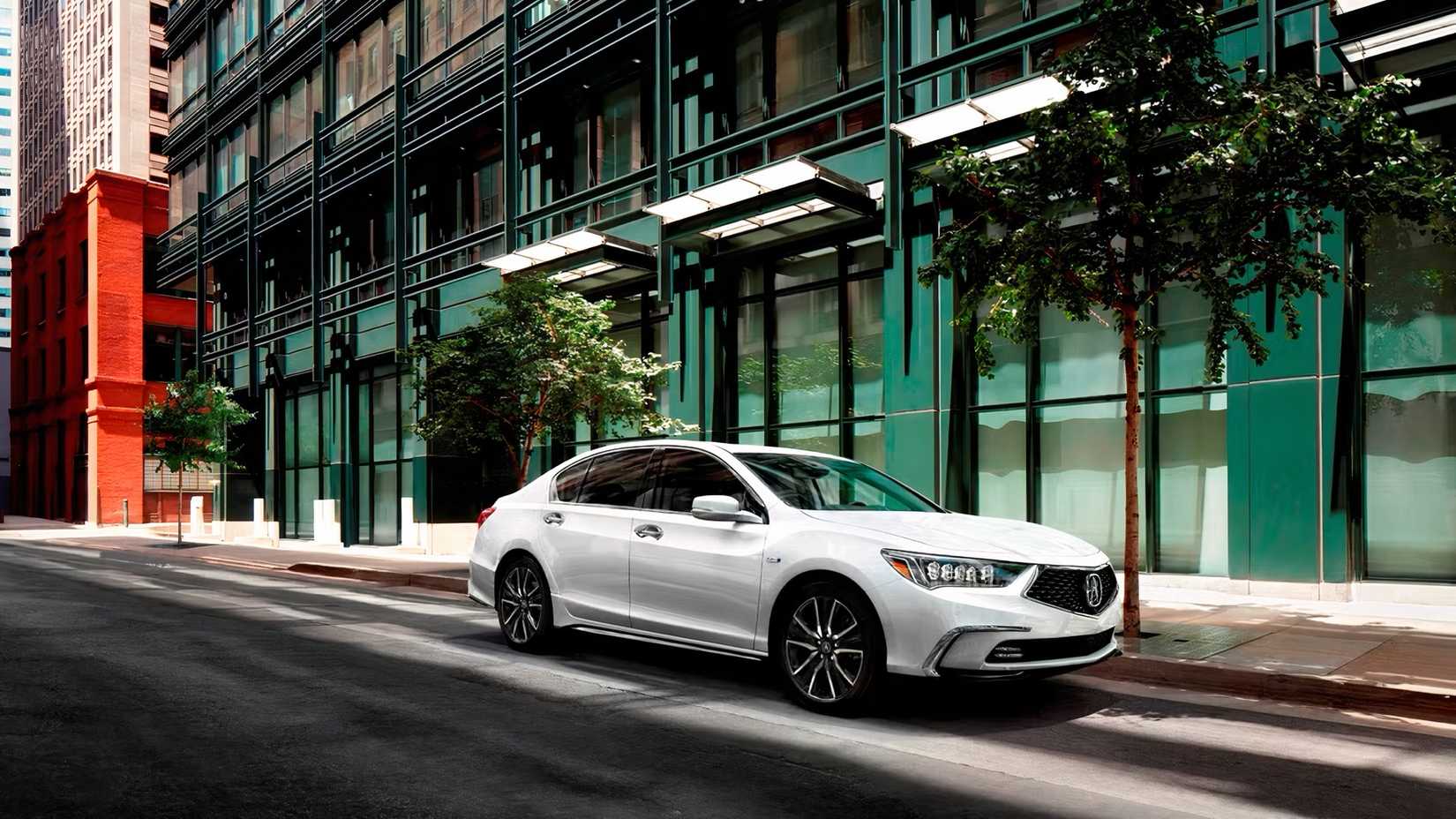
Measured against executive sedans that prioritize space, like the E-Class, the non-hybrid RLX model comfortably surpasses them in terms of legroom and cargo capacity. The RLX Sport Hybrid comes in slightly lower than the same year’s E-Class in cargo space, but you do get a lot of supercar-influenced performance hardware for comparable prices, so either way, you are getting luxury space or sleeper sedan performance, and not just in a straight line.
If there is one downside to owning an Acura RLX, it is that you are not going to get the same kind of on-road prestige as you might in a German car. It will also cost you between $2,000 and $4,000 to replace the hybrid battery in the RLX Sport Hybrid once it goes. Despite this, and the occasional electrical gremlin reported by some owners, that level of prestige reserved by some for German cars won’t matter when you are driving a historically more reliable and more financially stable model while still getting all the luxury appointments.
The Acura RLX is a much-forgotten luxury flagship model for Honda’s premium arm, but it should not be overlooked. The lack of sales was what helped its downfall originally, but now that prices have dropped, it is a different story.
The word is rightly getting out about how quick the hybrid version is, how good the interior still looks, its comfort features, how relatively affordable it is to run, the room you get inside, and how much understated performance is available, making the 2020 RLX sedan look like a smarter used buy than an aged E-Class.

- Base Trim Engine
-
3.5L V6 Gas
- Base Trim Transmission
-
10-Speed Automatic
- Base Trim Drivetrain
-
Front-Wheel Drive
- Base Trim Horsepower
-
310 hp
- Base Trim Torque
-
272 lb-ft @ 4500 rpm
- Fuel Economy
-
20/29 MPG
- Make
-
Acura
- Model
-
RLX
- Segment
-
Midsize Luxury Sedan
Sources: Honda, J.D. Power, Kelley Blue Book, iSeeCars, FuelEconomy.gov, and CarEdge