
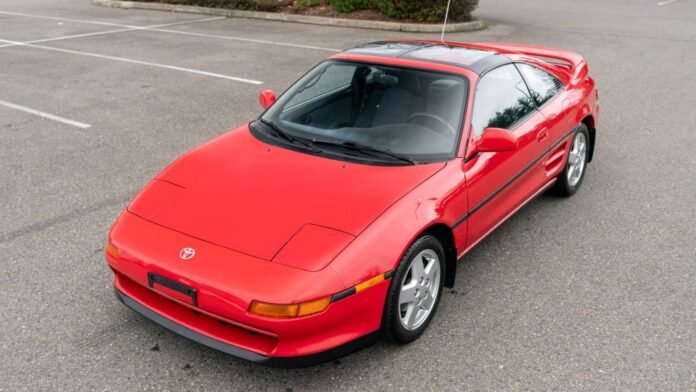
Lightweight construction, sharp steering, balanced handling, and compact dimensions made it rewarding to drive, while its mid-engine layout gave it a personality few affordable sports cars could replicate. And perhaps most importantly, it proved that exotic engineering did not necessarily need to remain exclusive to wealthy buyers.
Why Mid-Engine Cars Were Once Reserved For Exotic Brands
Ferrari Layouts And High-Cost Engineering
Before the Toyota MR2 arrived in 1984, mid-engine sports cars were still considered relatively exclusive machines. The layout itself involved placing the engine behind the driver but ahead of the rear axle, creating improved balance and weight distribution. That setup had long been associated with motorsport and high-performance driving because it helped improve cornering stability, traction, and responsiveness.
But there was a reason ordinary manufacturers rarely used it. Mid-engine cars were often more expensive and more difficult to engineer. Packaging became complex, cabin space suffered, cooling systems required additional attention, and maintenance access could become frustratingly tight. As a result, the layout was usually reserved for expensive performance cars where manufacturers could justify the extra engineering costs.
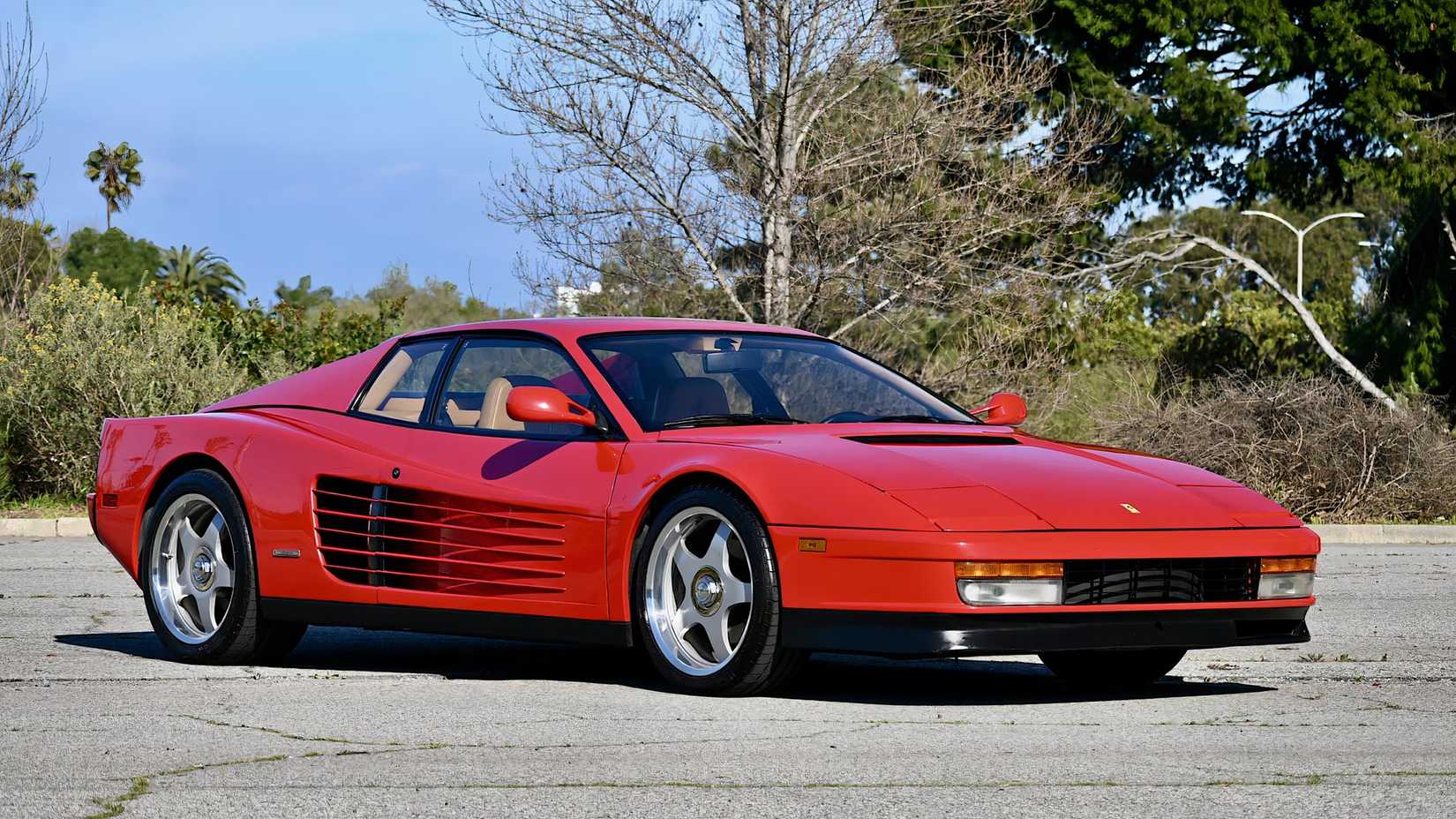
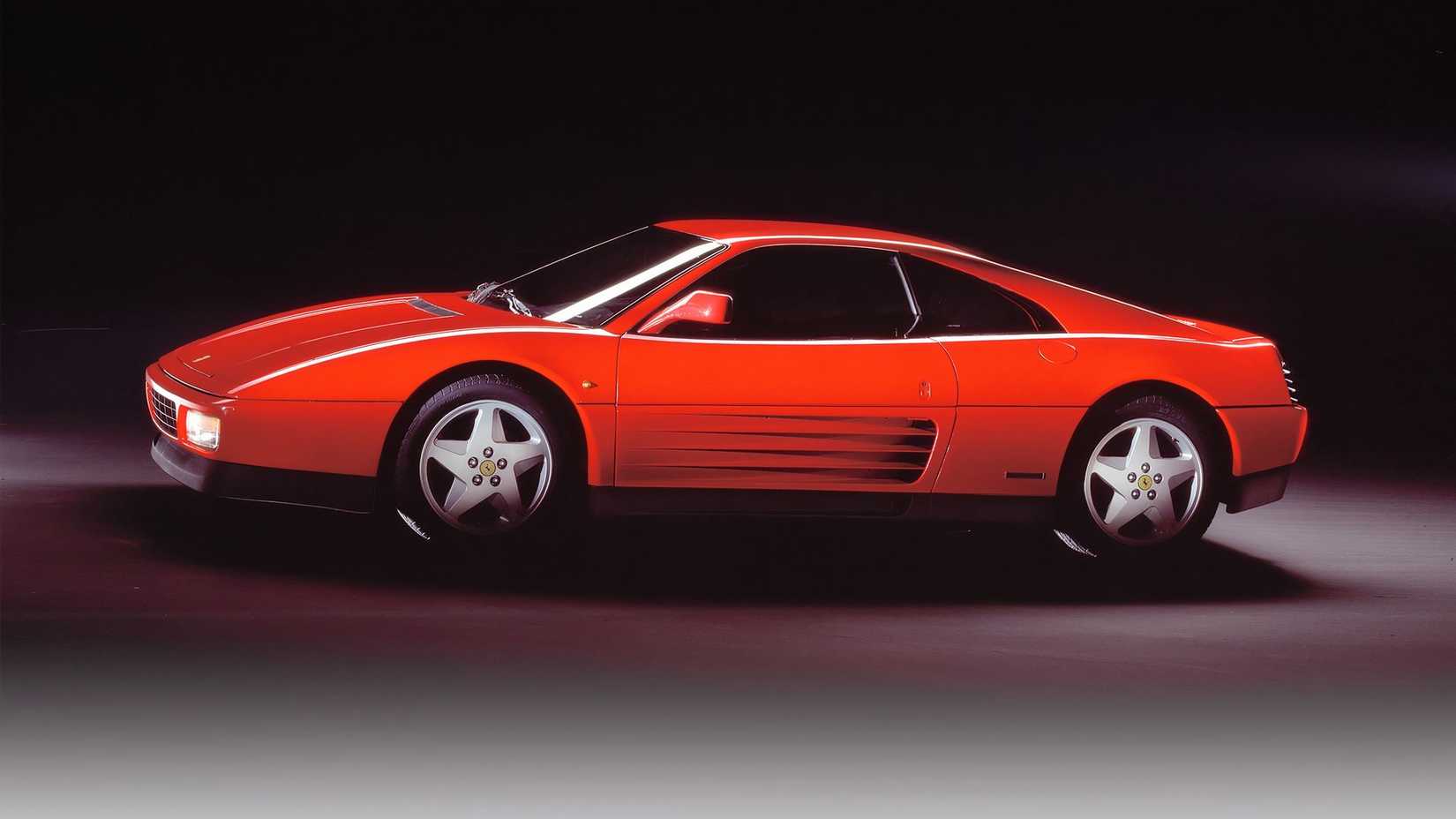
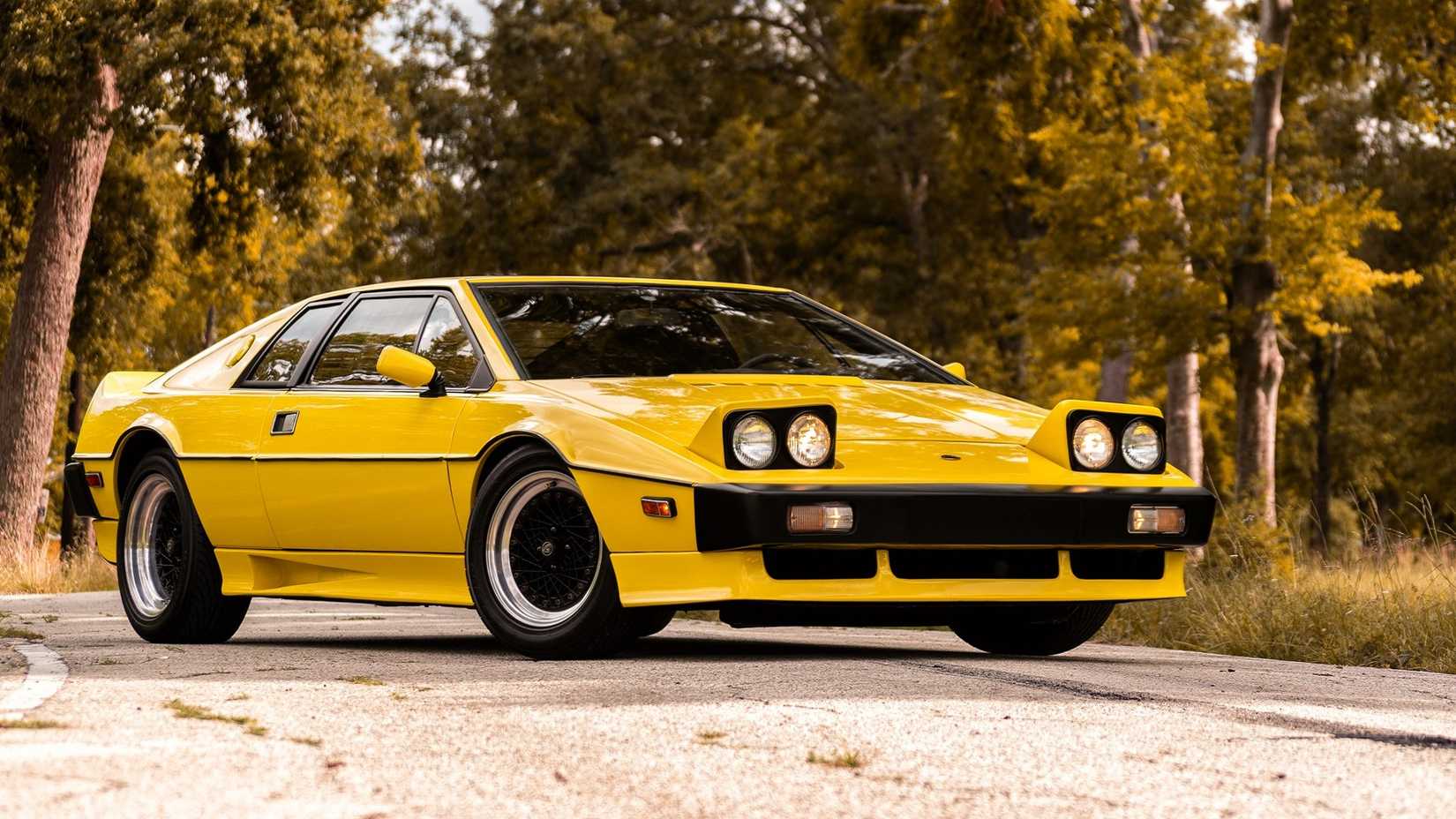
That is why mid-engine cars were commonly associated with vehicles like the Ferrari 348, Ferrari Testarossa, and Lotus Esprit during the 1980s and early 1990s. As Hagerty noted while referencing the period, many mid-engine sports cars on the road were still “temperamental Italians,” reinforcing how intimidating exotic ownership could feel for ordinary buyers at the time.
Reliability concerns, high servicing costs, and demanding handling characteristics meant mid-engine cars still felt like specialist machines rather than realistic daily drivers. Even the groundbreaking Honda NSX, which introduced Japanese reliability to the supercar segment, remained financially out of reach for most enthusiasts with pricing starting at well over $60,000 in the early 1990s.
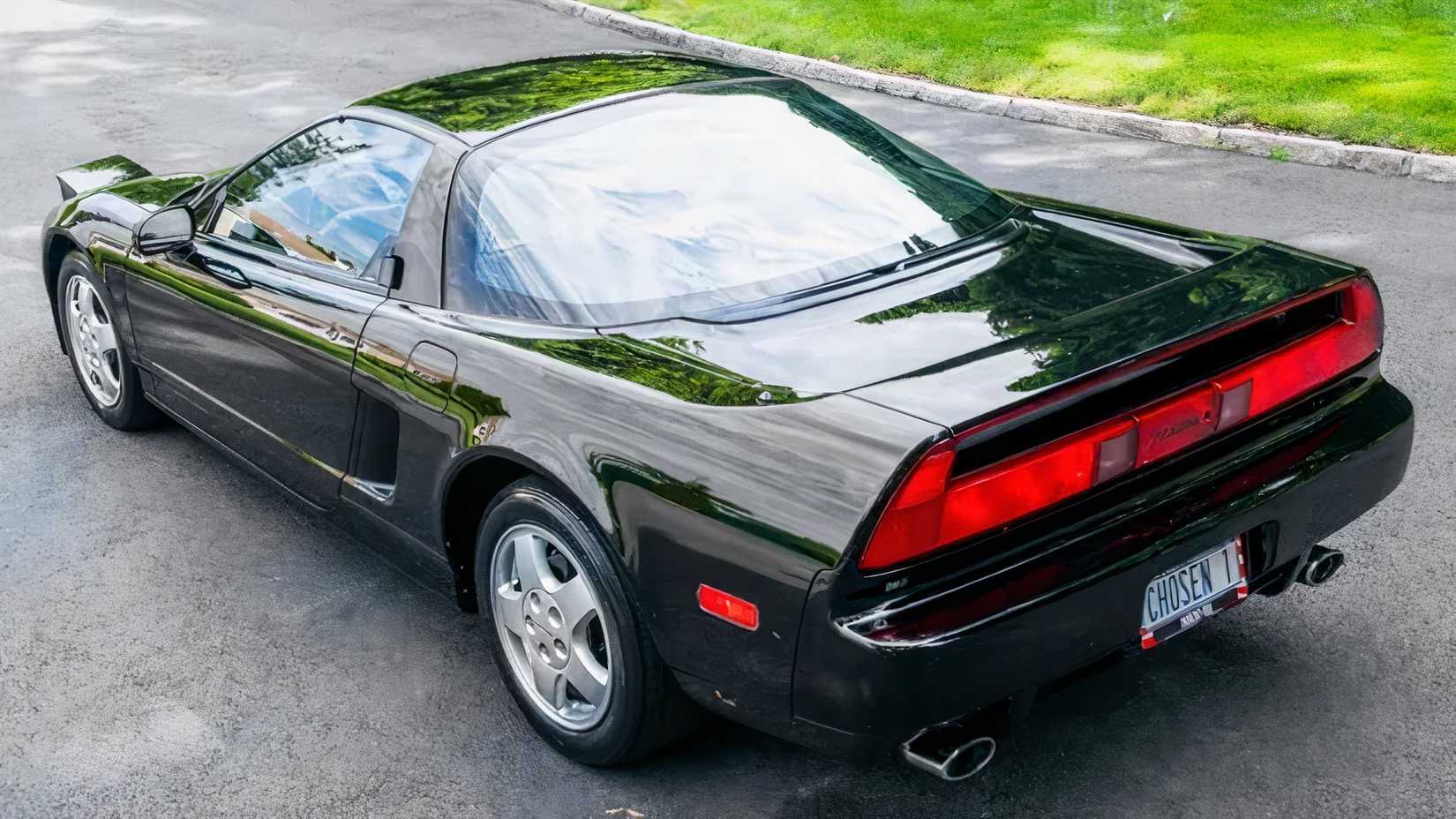
Meanwhile, contemporary European mid-engine machines from Ferrari pushed even deeper into six-figure territory depending on specification and market. That was precisely what made the Toyota MR2 so unusual.
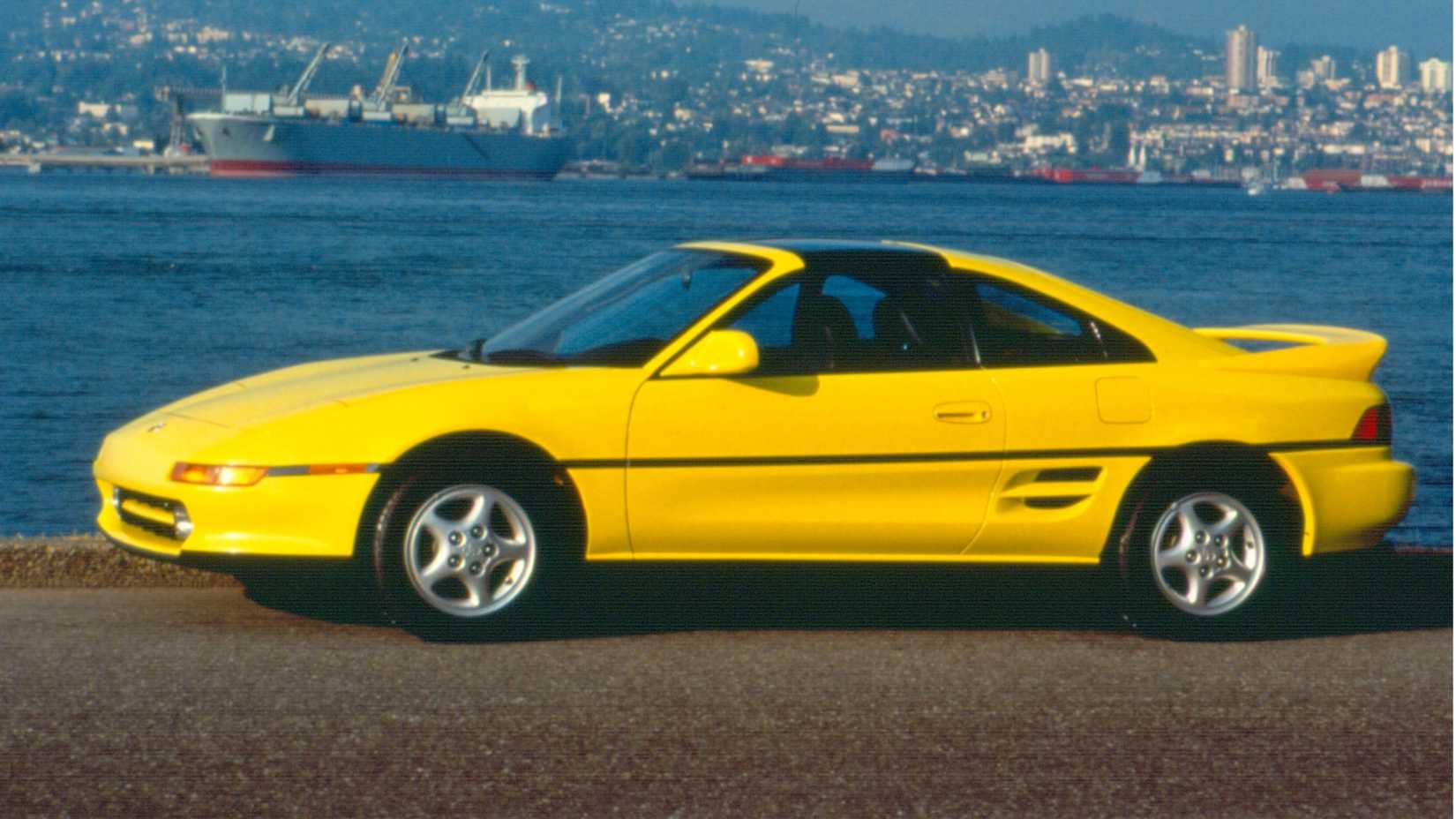
Toyota essentially took an engineering concept traditionally associated with expensive exotic sports cars and packaged it into something ordinary enthusiasts could realistically afford and maintain, with the Turbo model starting at roughly $20,000 during the early 1990s.
How A Forgotten Toyota Sports Car Became A Tuner’s Dream
This mid-engine turbo platform is still a boost addict’s dream decades later.
The Toyota MR2 Changed Everything
Affordable Mid-Engine Performance For The Masses
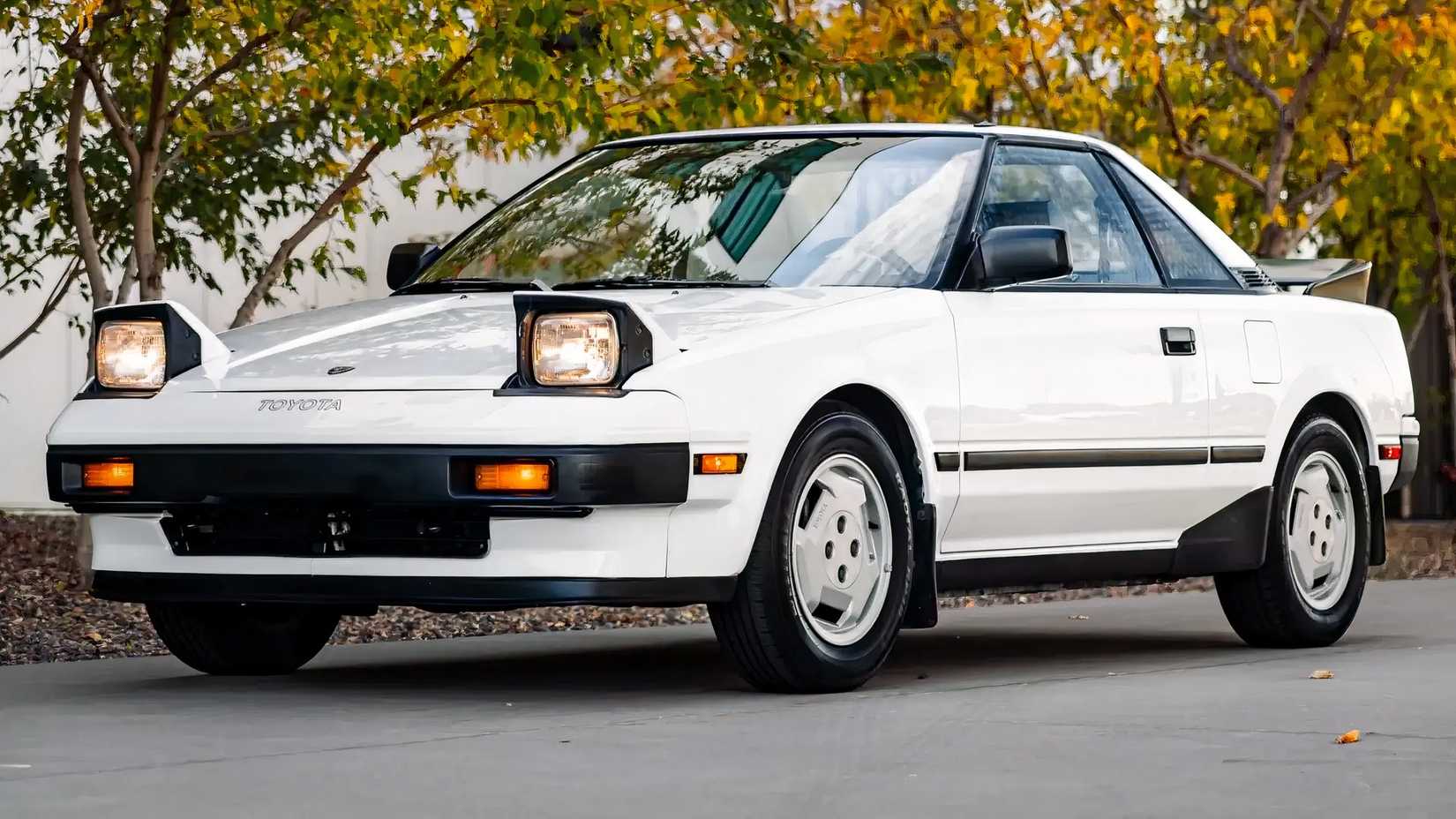
The original MR2 debuted for the 1984 model year, and its name stood for “Midship Runabout Two-Seater.” Right from the beginning, Toyota made the car’s engineering philosophy clear. The first-generation MR2 was compact, lightweight, and relatively affordable, yet it still featured a proper mid-engine layout. At a time when most affordable sports cars relied on front-engine platforms, the MR2 immediately stood apart from rivals. What made the car even more impressive was the fact that Toyota built it with typical Japanese dependability.
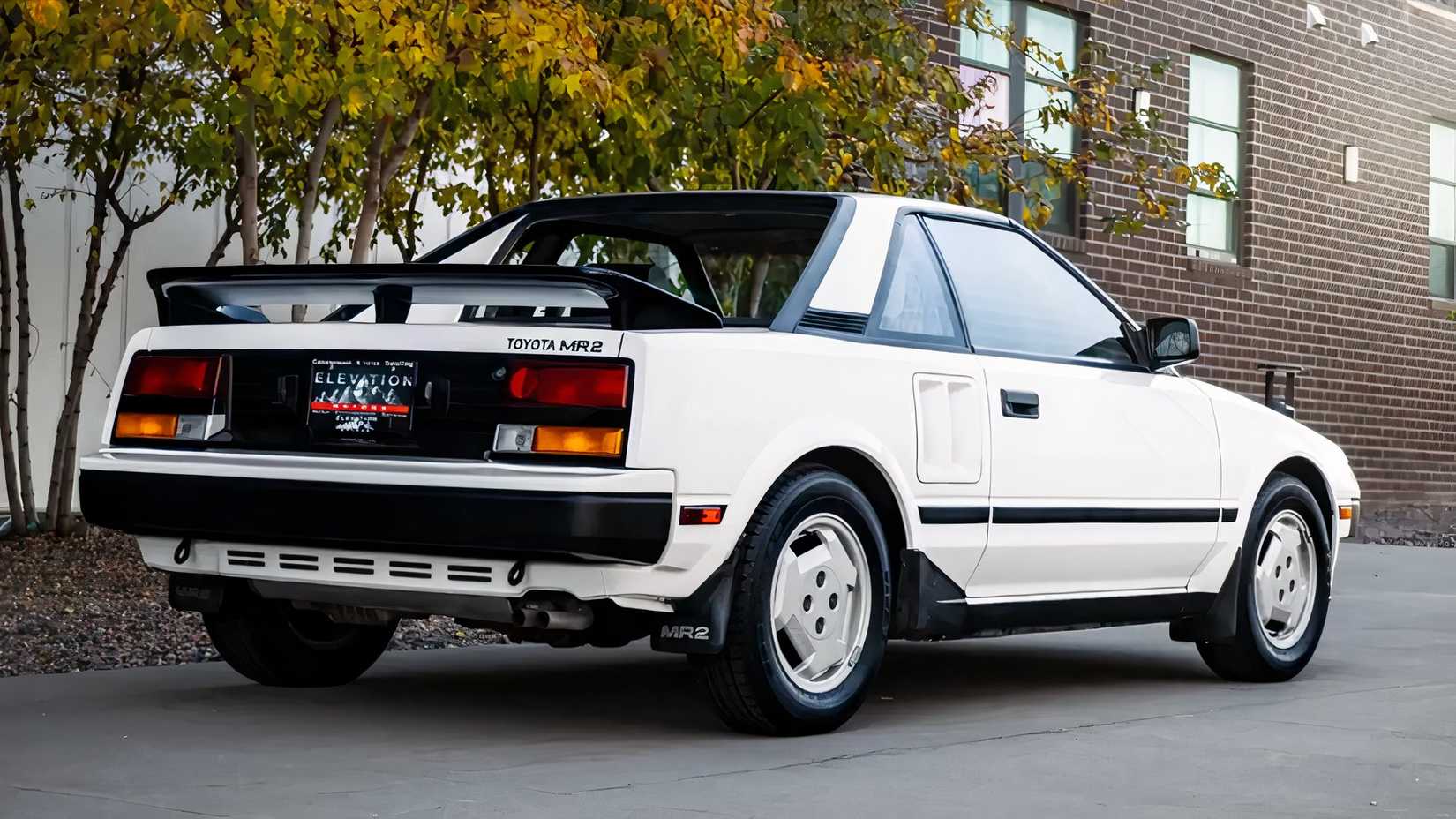
During the late 1980s and 1990s, Toyota had already established a strong reputation for reliability and long-term durability, with Consumer Reports frequently highlighting models like the Camry for dependability and owner satisfaction. Buyers suddenly had access to a mid-engine sports car that did not demand Ferrari-level maintenance budgets or unpredictable ownership experiences. That combination resonated strongly with enthusiasts.
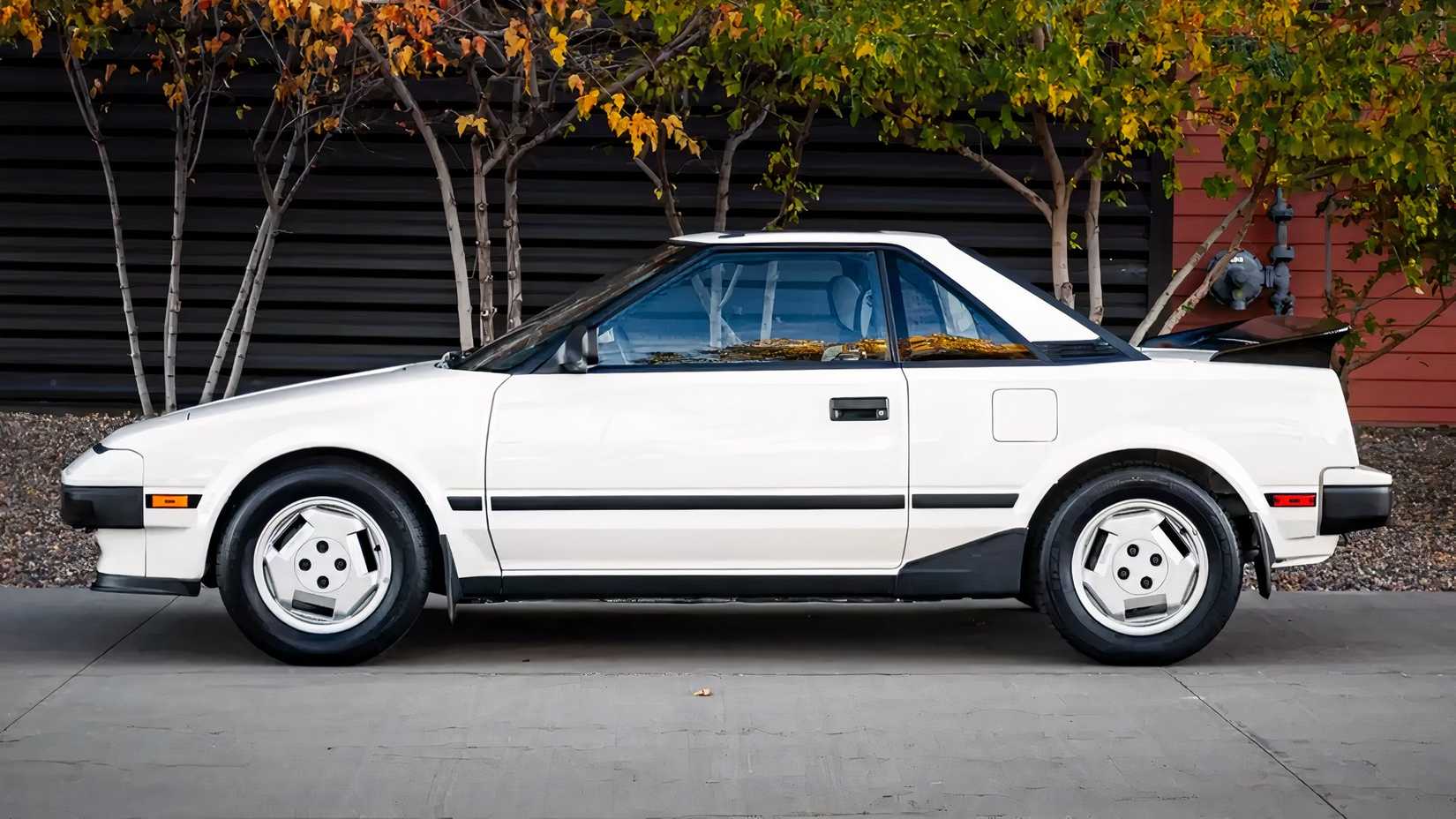
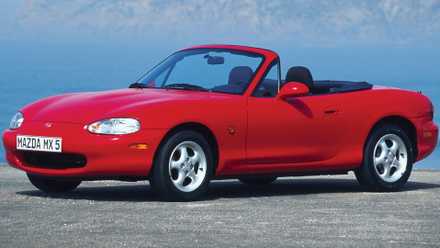
While the MR2 never reached the mainstream popularity of the Mazda MX-5 Miata, it carved out a loyal following thanks to its unique layout and playful driving character. Toyota quickly expanded the range with features like T-tops, supercharged variants, and visual upgrades, helping the little sports car develop a stronger identity. But it was the second-generation SW20 model that truly elevated the MR2 into mini-exotic territory.
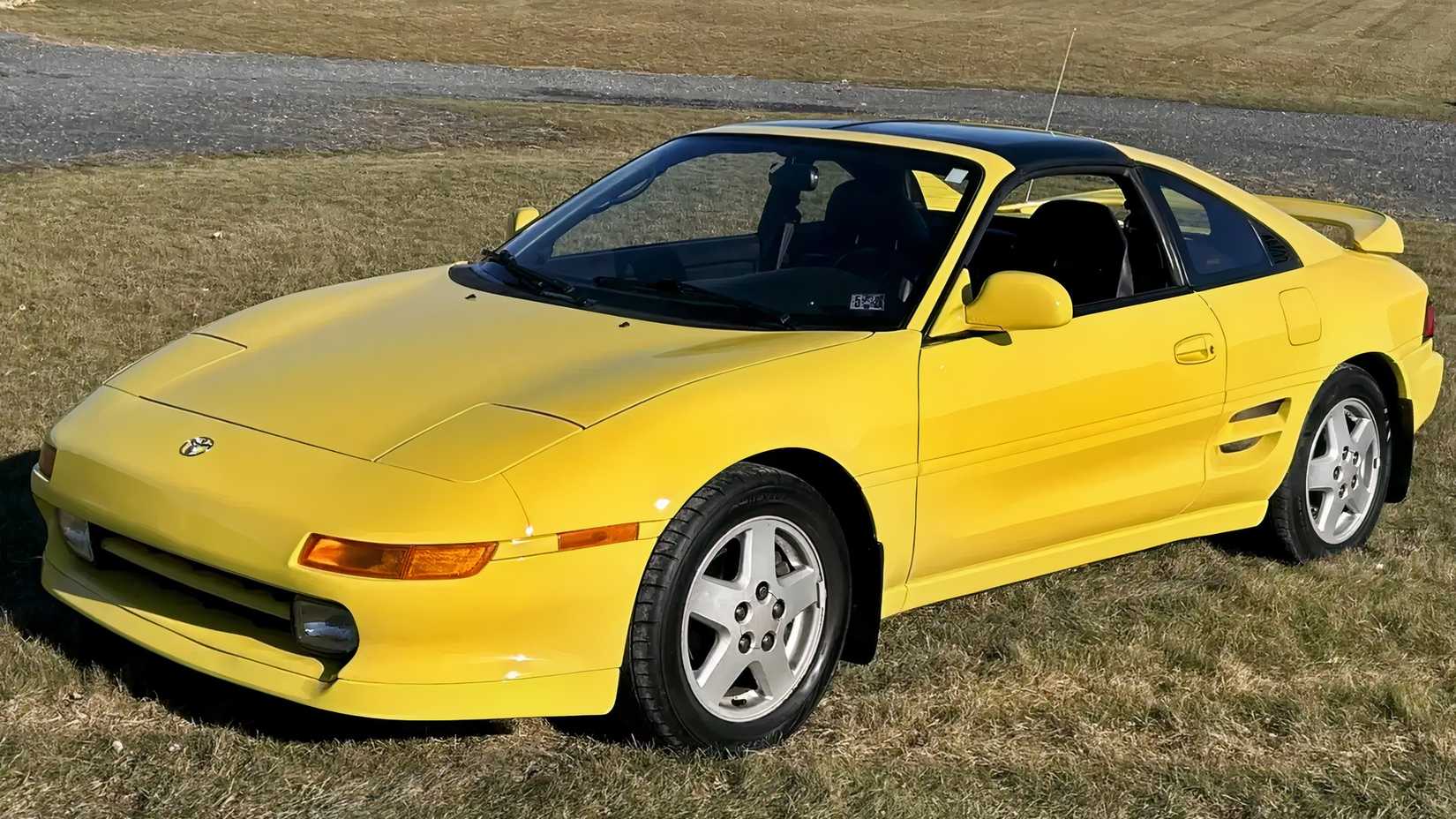
Introduced in 1989 and arriving in North America for the 1991 model year, the SW20 was larger, wider, more aggressive, and noticeably more ambitious than its predecessor. Styled by Toyota designer Kunihiro Uchida, the second-generation MR2 traded sharp ’80s edges for smoother, more dramatic curves that immediately drew comparisons to contemporary Ferraris. And honestly, it does not take much imagination to spot hints of the Ferrari 348 in the SW20’s proportions and silhouette.
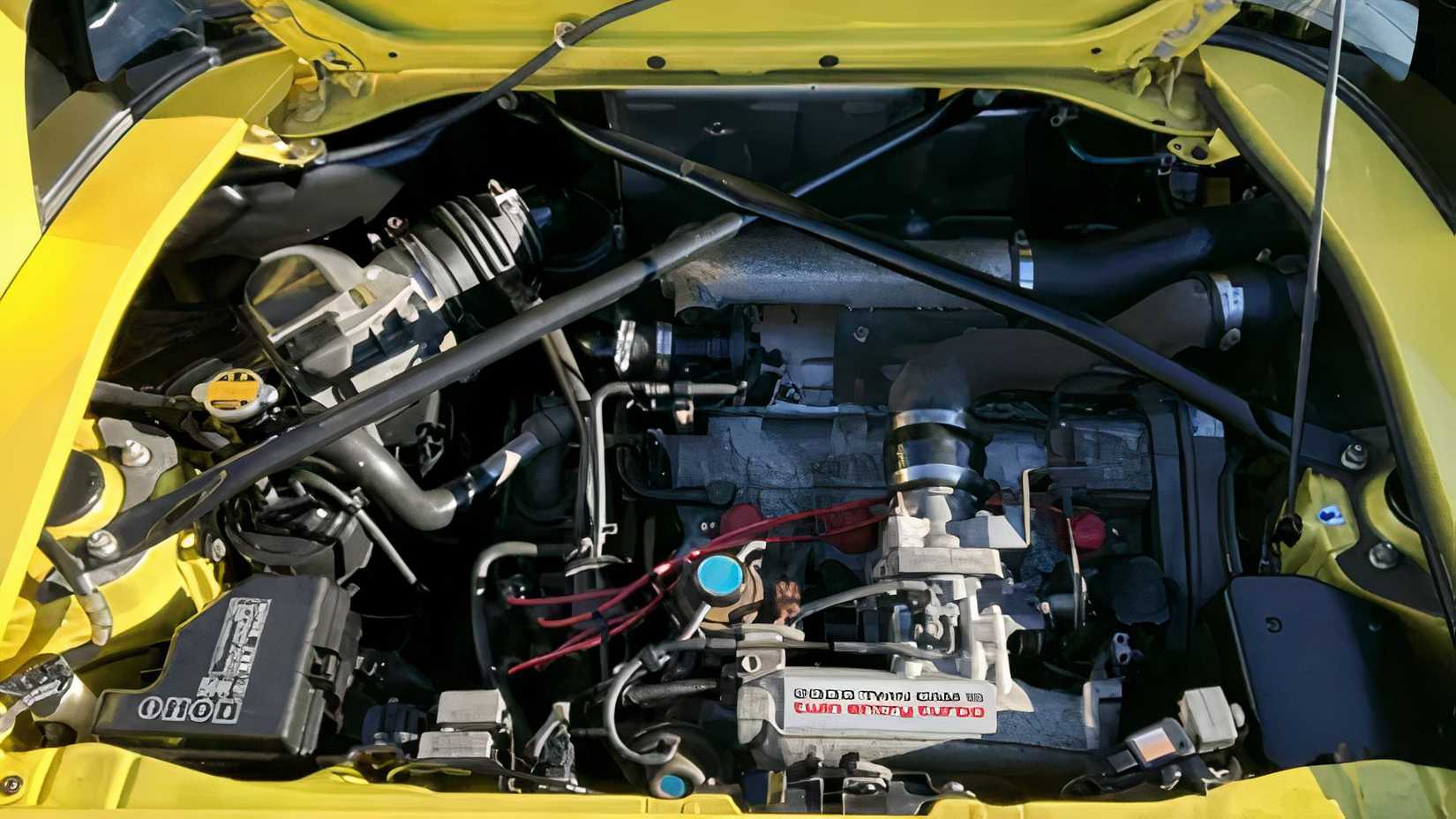
Underneath the bodywork, Toyota also gave the MR2 more serious performance credentials. According to Hagerty, the naturally aspirated version used a 2.2-liter 5S-FE four-cylinder engine producing around 130 horsepower and 145 lb-ft of torque, while the flagship Turbo model featured a turbocharged and intercooled 2.0-liter 3S-GTE engine borrowed from the rally-inspired Toyota Celica GT-Four.
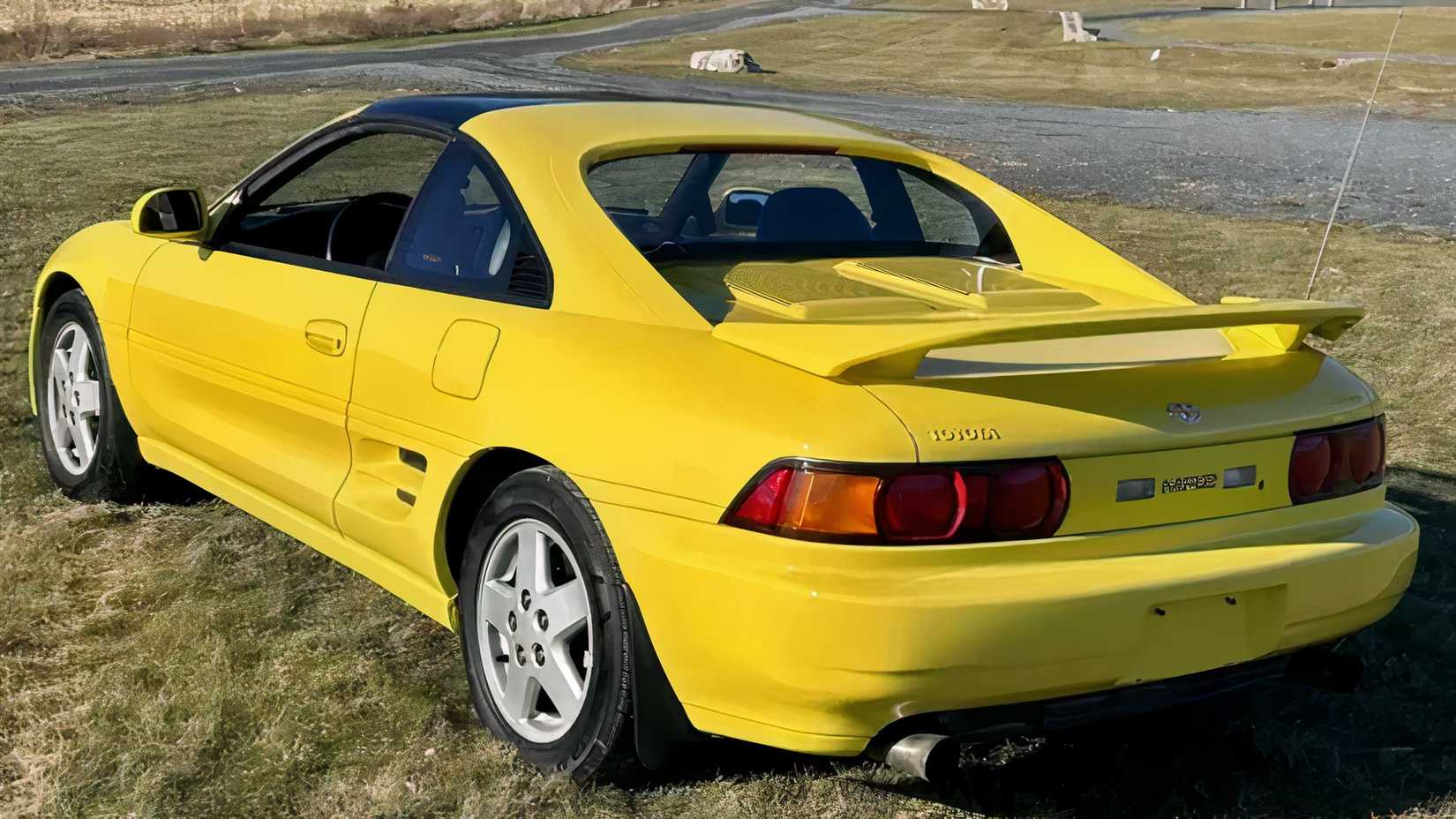
Hagerty also noted that the turbocharged setup produced 200 horsepower at 6,000 rpm and 200 lb-ft of torque at 3,200 rpm, helping the MR2 Turbo sprint from 0–60 mph in roughly six seconds — seriously quick performance for the early 1990s.
Toyota MR2 SW20 Specifications (US Market)
|
Model |
Years |
Engine |
Horsepower |
Torque |
Driveline |
Transmission |
Key Highlights |
|
Toyota MR2 |
1991–1995 |
2.2L NA inline-4 (5S-FE) |
130 hp |
145 lb-ft |
RWD, mid-engine |
5-speed manual / 4-speed auto |
Affordable mid-engine sports car with balanced handling and everyday usability |
|
Toyota MR2 |
1991–1995 |
2.0L turbocharged inline-4 (3S-GTE) |
200 hp |
200 lb-ft |
RWD, mid-engine |
5-speed manual |
Turbocharged flagship with strong performance and exotic-inspired styling |
|
Toyota MR2 |
1991–1992 |
2.0L turbo / 2.2L NA options |
Up to 200 hp |
Up to 200 lb-ft |
RWD, mid-engine |
Manual / auto |
Early cars known for sharper handling and lift-off oversteer reputation |
|
Toyota MR2 |
1993–1995 |
Revised 3S-GTE turbo |
200 hp |
200 lb-ft |
RWD, mid-engine |
5-speed manual |
Suspension revisions improved stability, traction, and drivability |
|
Toyota MR2 |
1994–1995 |
Revised turbocharged 3S-GTE |
200 hp |
200 lb-ft |
RWD, mid-engine |
5-speed manual |
Updated styling, improved chassis tuning, and refined turbo response |
What Made The Toyota MR2 So Special To Drive
Lightweight Design And Pure Driver Engagement
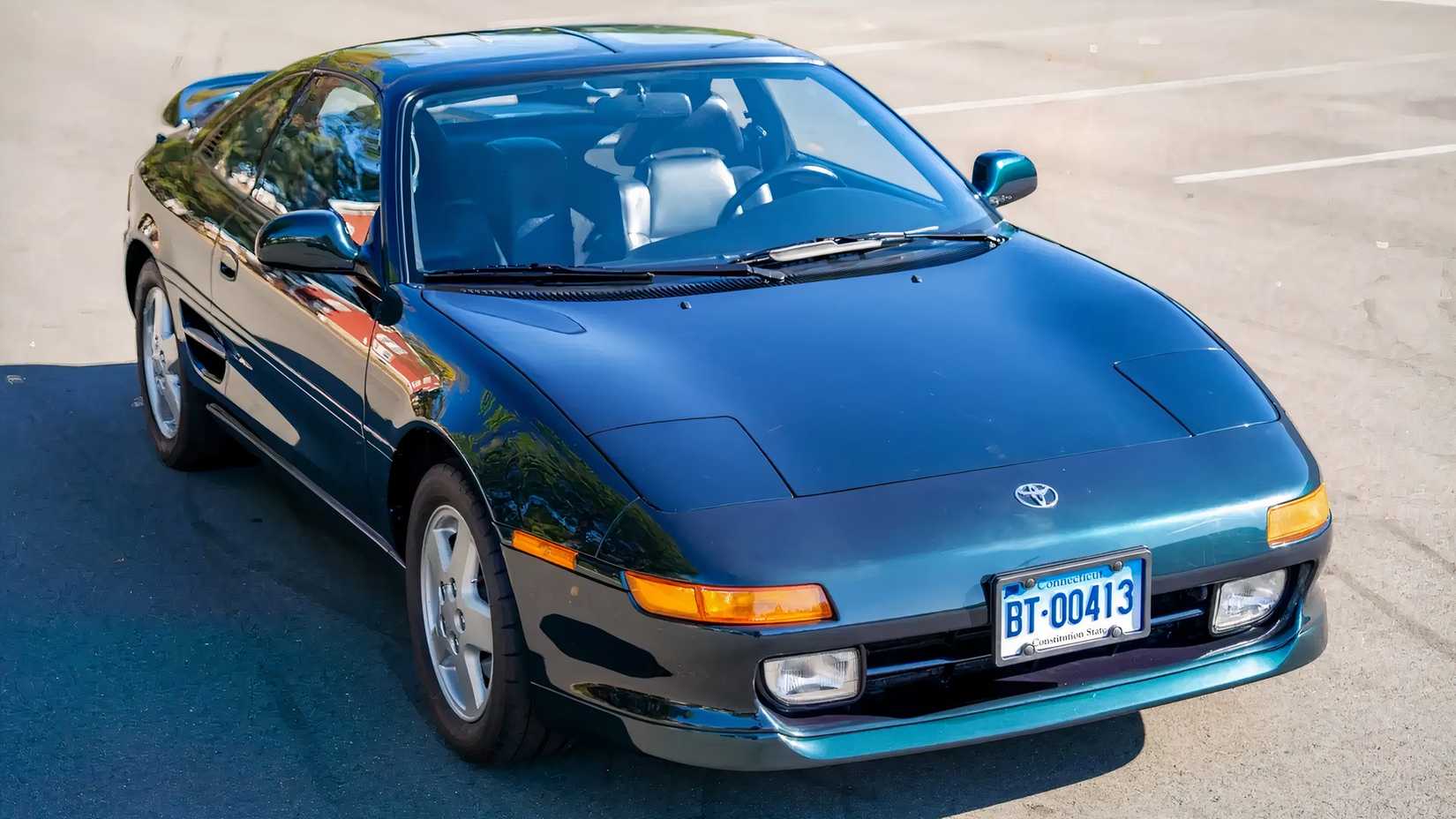
The MR2’s greatest strength was its balance, responsiveness, and driver involvement. And that was because the engine sat behind the driver and closer to the rear axle, the Toyota MR2 behaved very differently from most front-engine sports cars of its era. The layout helped improve weight distribution and rear traction, giving the car a unique feel through corners.
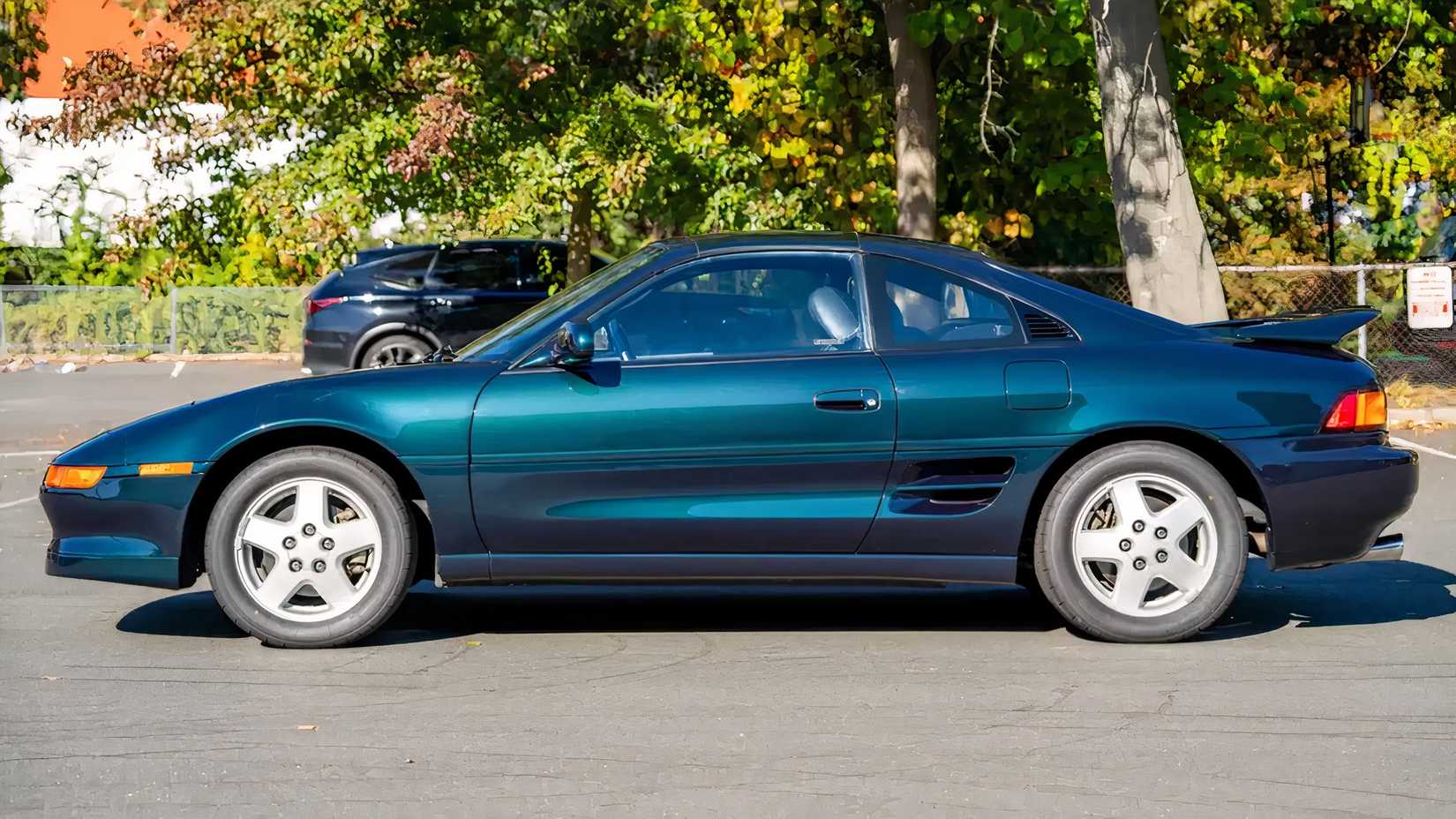
Period reviewers frequently praised the MR2’s composure and balance under hard driving. In its road test of the SW20 Turbo, Car and Driver noted how the car could “power hard out of a fast bend, with the weight squarely planted on the drive wheels.” Hagerty also highlighted how the Turbo model blended strong corner-exit traction with responsive turbocharged performance, reinforcing why the MR2 developed such a loyal enthusiast following.
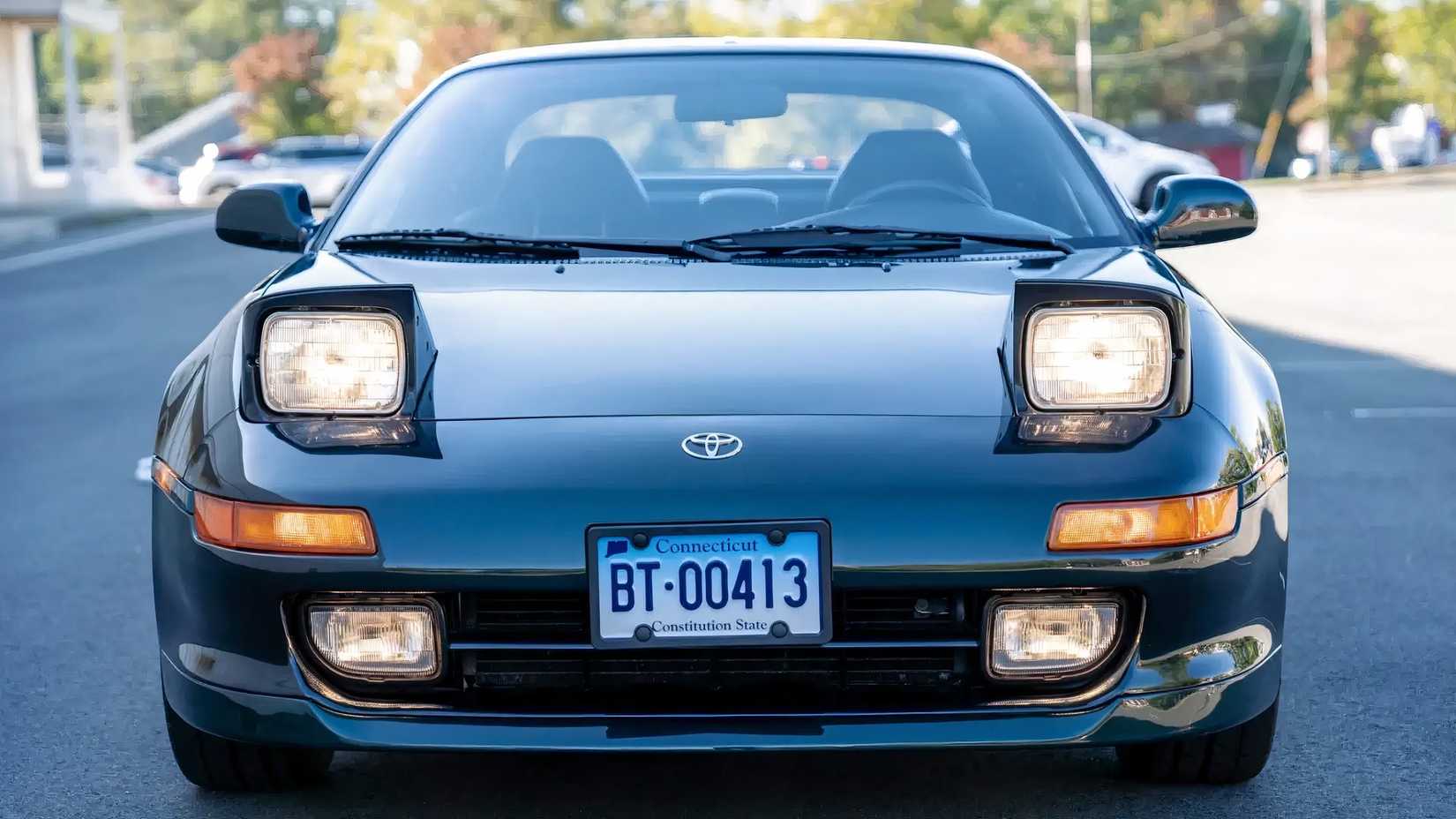
The turbocharged SW20 in particular became known for blending sharp handling with performance. Period reviews noted that turbo lag remained surprisingly manageable, while the turbocharged four-cylinder still delivered enough punch to make the car feel properly exciting. The driving experience also remained refreshingly analog. But like many analog sports cars of its era, the MR2 was far from perfect.
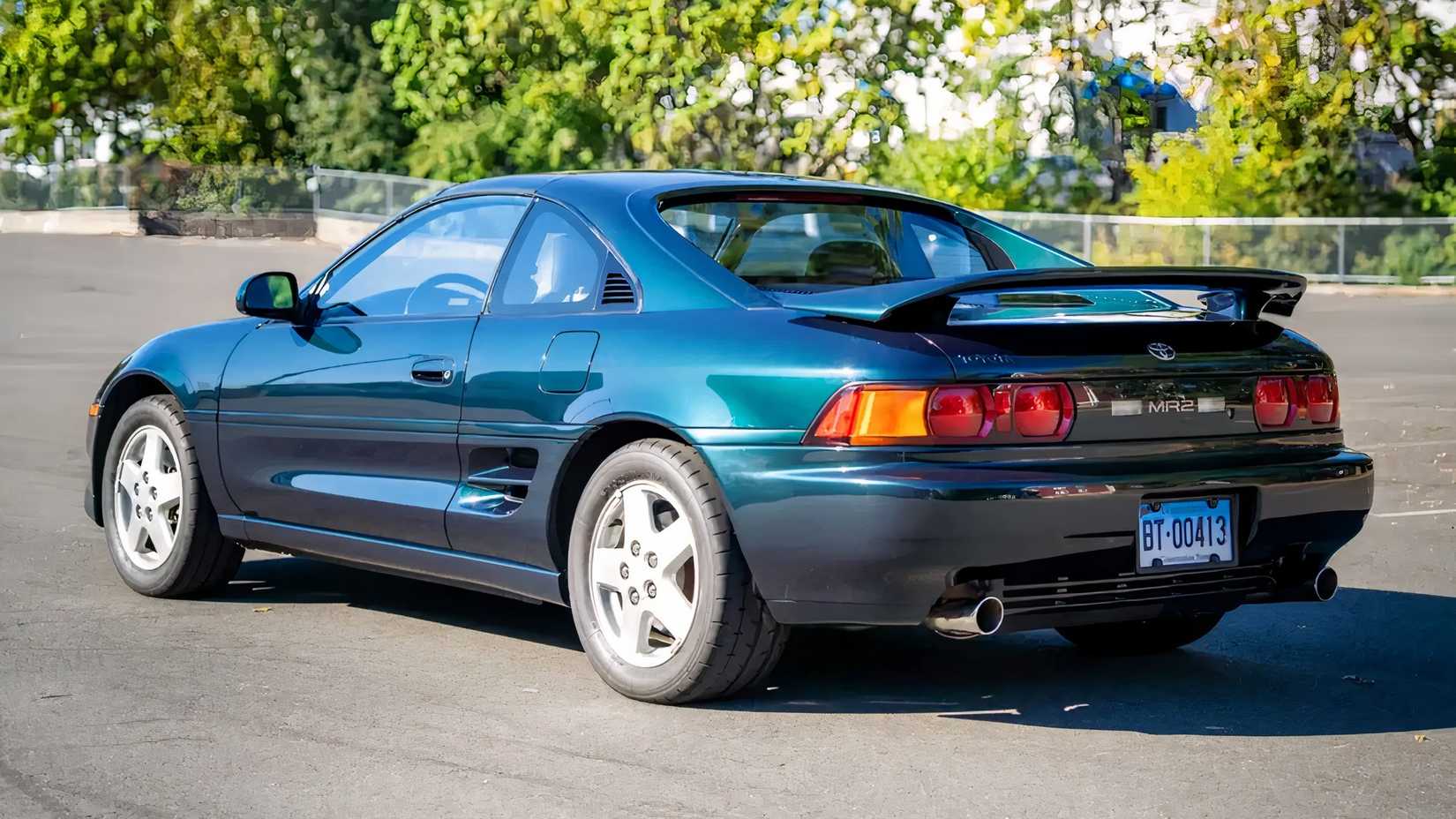
The car’s mid-engine layout gave it a reputation for being unforgiving in inexperienced hands, particularly in early SW20 form. These models became somewhat infamous for lift-throttle oversteer, where abruptly lifting off the throttle mid-corner could unsettle the rear of the car dramatically. Drivers unfamiliar with mid-engine dynamics occasionally found themselves caught out by the car’s sharp reactions and snappy handling characteristics. There were also some practical drawbacks.
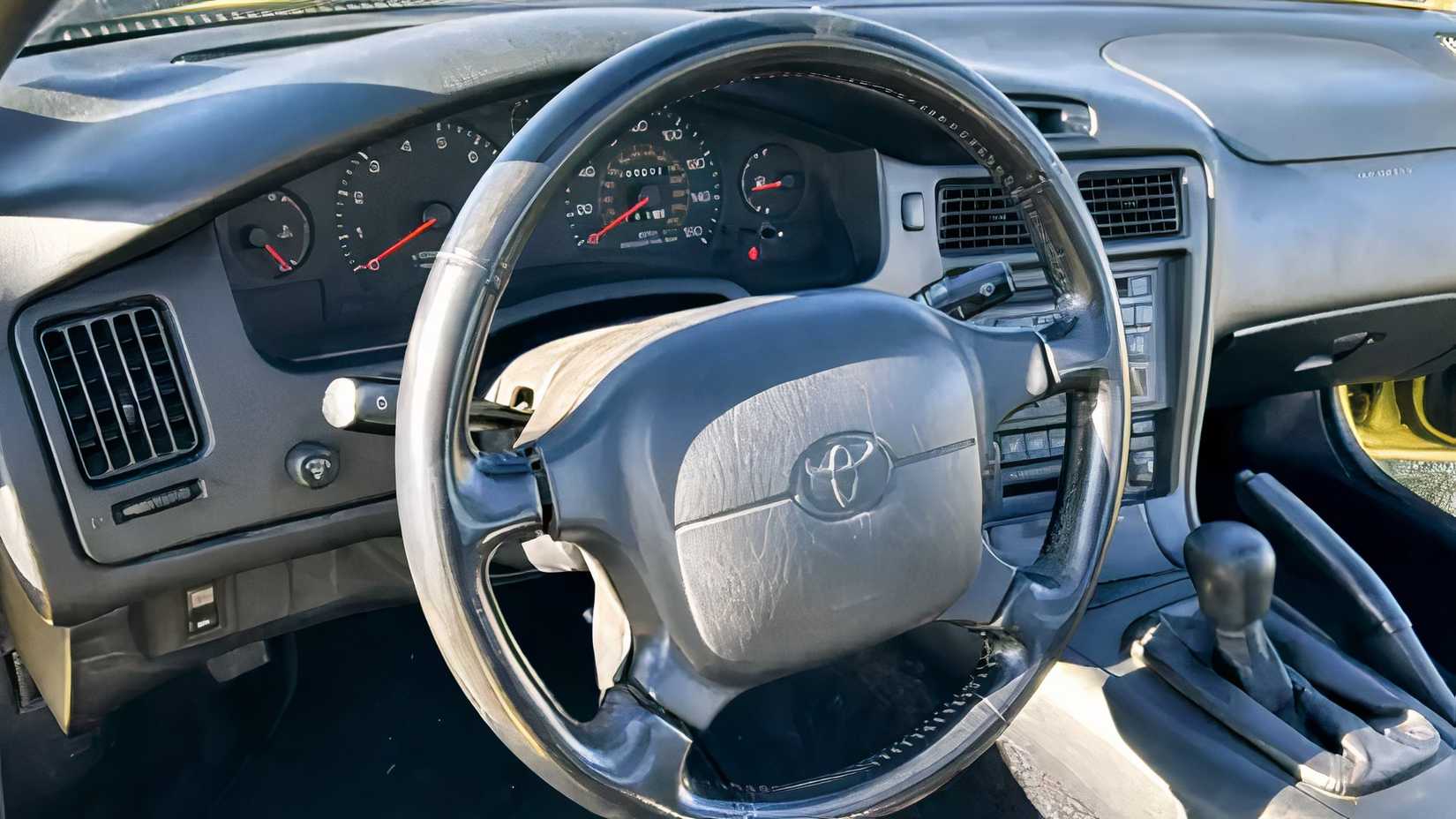
Cabin storage space was limited, visibility was slightly compromised compared to front-engine rivals, and working on the tightly packaged mid-engine layout was not always straightforward for mechanics or owners. Hagerty also noted that replacing coolant hoses could become a frustrating job, while older T-top-equipped cars developed a reputation for leaks and worn seals over time.
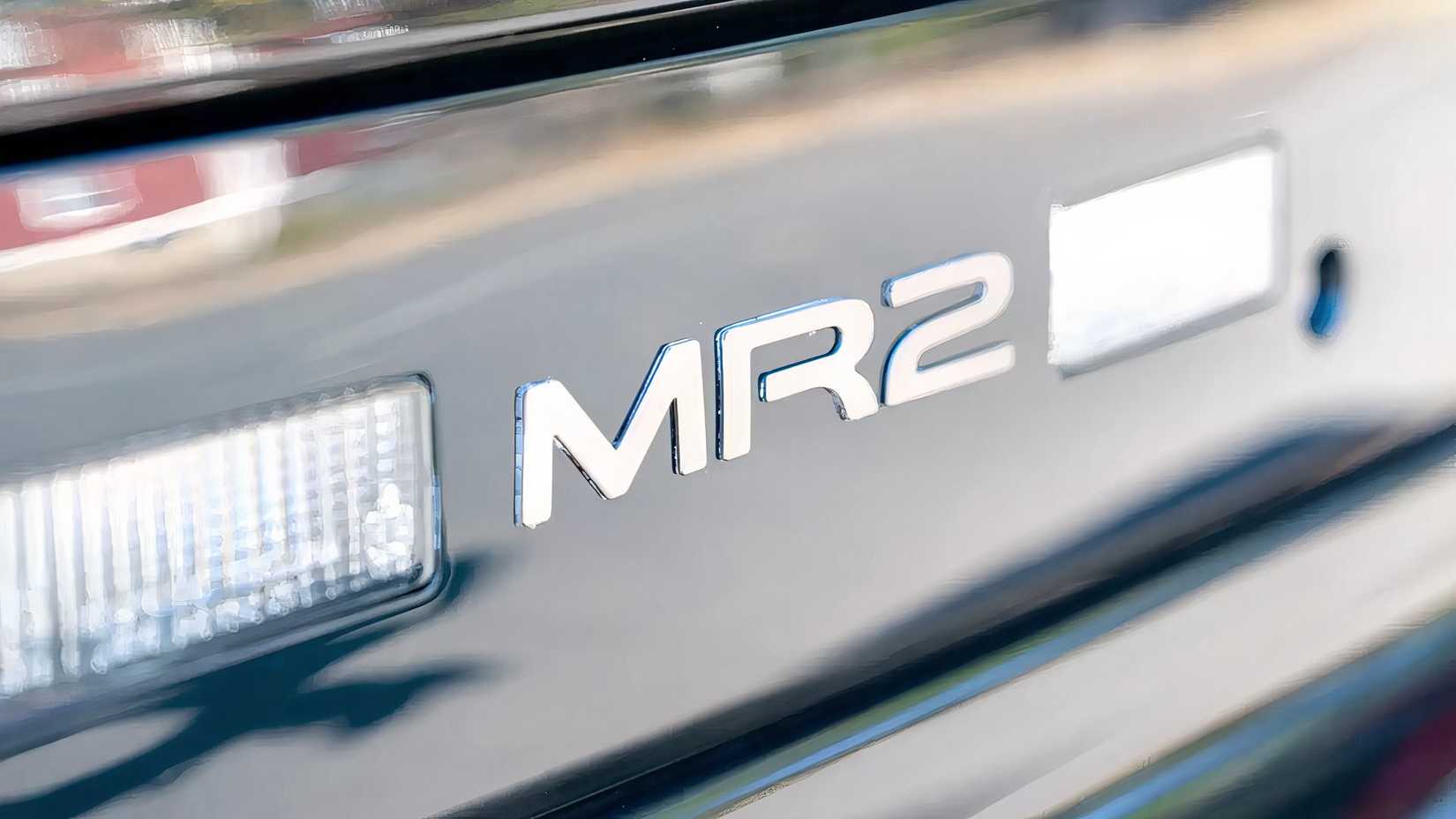
Toyota later addressed many of the handling concerns through suspension revisions, wider tires, larger brakes, and gearbox improvements introduced during the 1993 model update. A limited-slip differential also became available for the Turbo model, helping improve traction and stability further. Rather than dulling the car’s personality, though, these quirks arguably became part of the MR2’s appeal. It demanded respect from the driver in a way many modern performance cars simply no longer do.
10 Classic Japanese Sports Cars That Can Be Daily Driven
Boasting a mix of sporty credentials and everyday usability, these JDM classics are awesome daily drivers.
Why The MR2 Still Holds Value Today
Growing Demand And Enthusiast Appeal
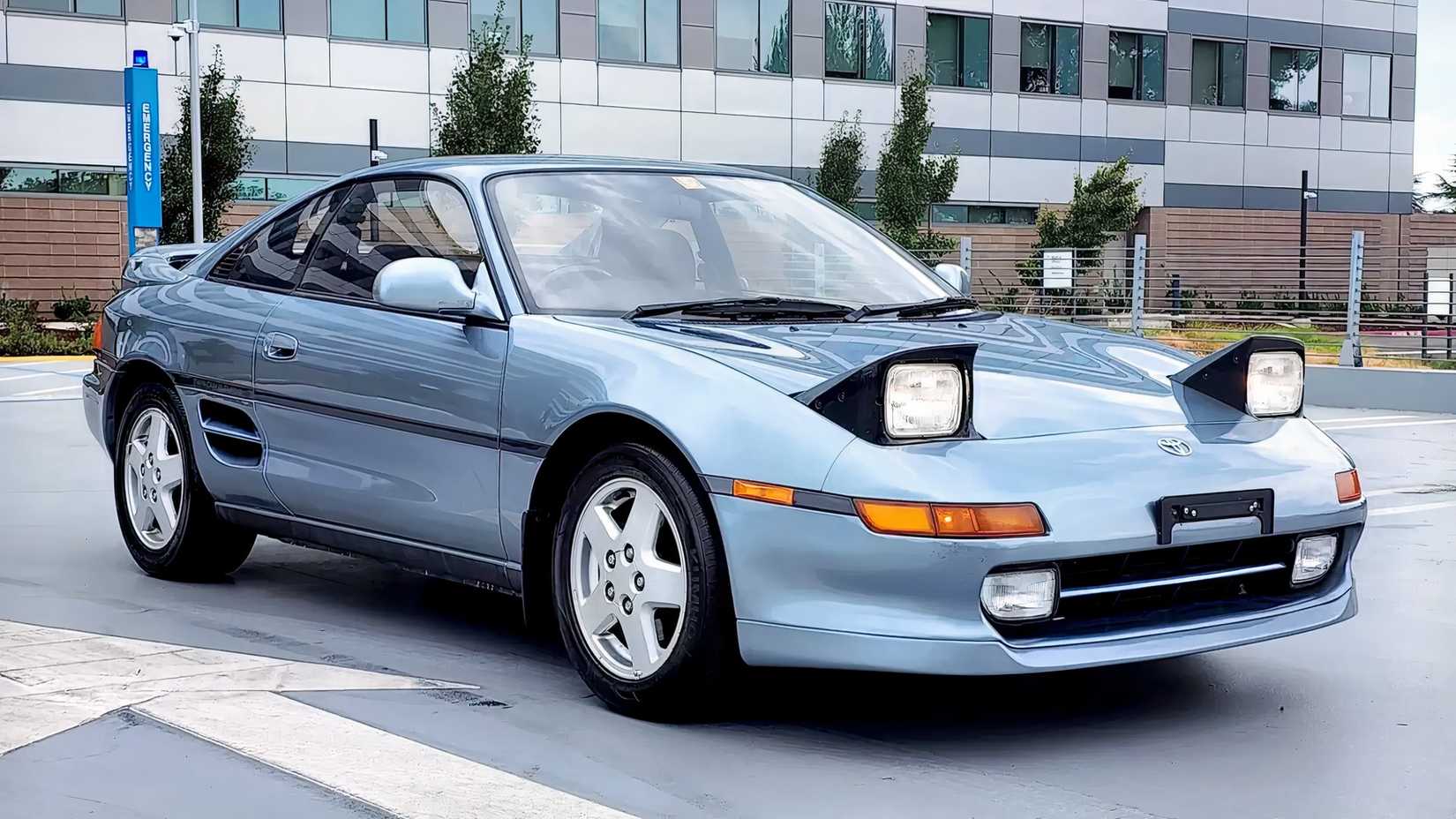
Like many iconic Japanese performance cars from the 1990s, the MR2 has become increasingly desirable among collectors and enthusiasts. The second-generation SW20 is now widely considered the most sought-after version thanks to its combination of turbocharged performance, dramatic styling, and genuine mid-engine character. Clean, unmodified examples have become increasingly difficult to find, particularly because many cars were heavily modified or abused during earlier stages of their lives. Values have risen steadily in recent years as a result.
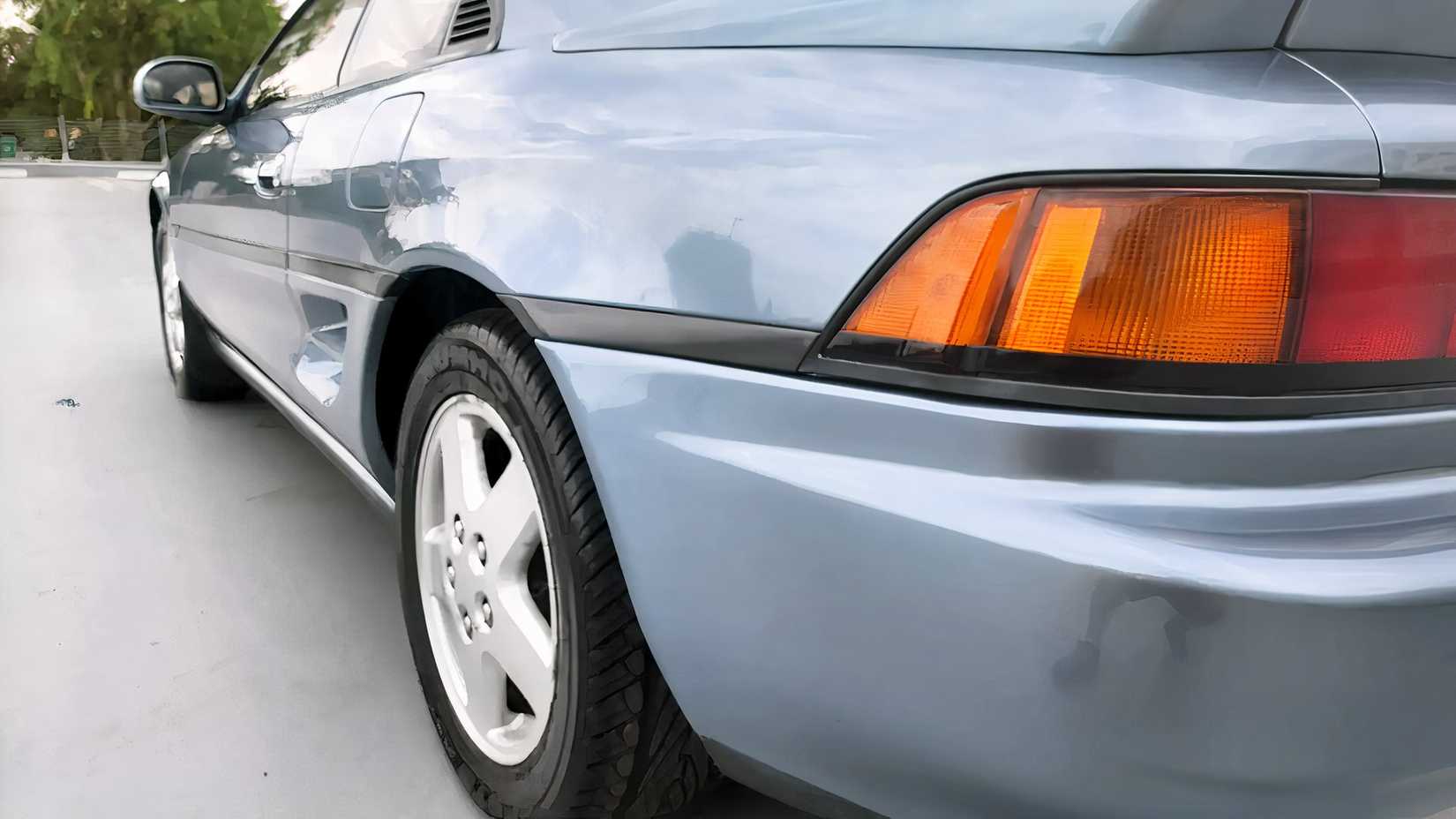
According to Hagerty valuation data, excellent-condition Toyota MR2 Turbo models can exceed $50,000 depending on specification and rarity. However, recent auction results on Bring A Trailer show the broader market remains more varied. In 2026 alone, a clean 1991 MR2 Turbo sold for $26,250, another example achieved $25,500, while higher-mileage or less-original cars traded closer to $10,000–$18,000. Exceptionally preserved low-mileage examples remain the outliers, with one 8,000-mile 1995 MR2 Turbo reportedly fetching around $71,000.
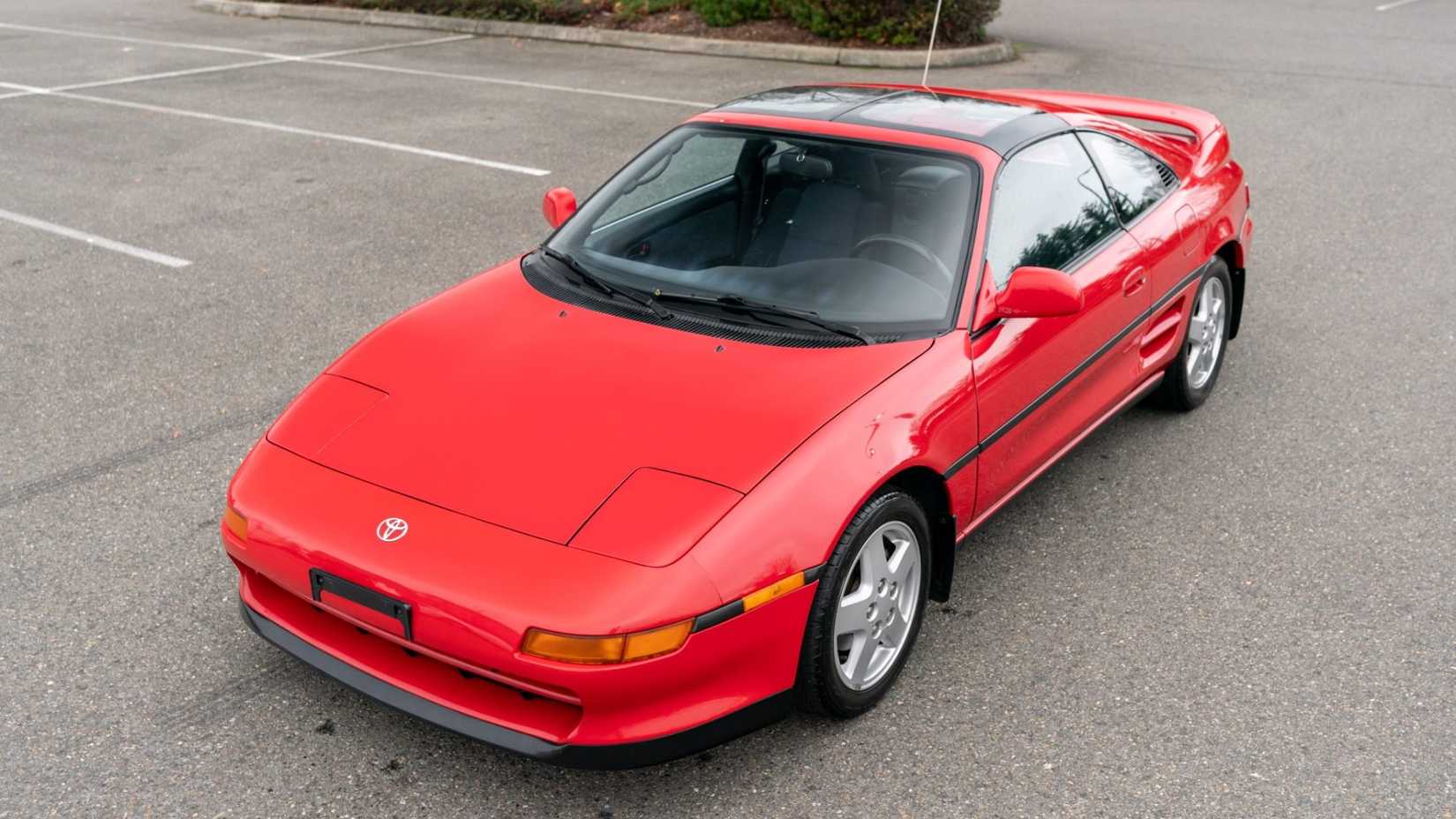
Part of that growing interest comes from younger buyers rediscovering analog Japanese sports cars. Millennials and Gen Z enthusiasts have increasingly gravitated toward cars like the MR2 because they represent a very different driving era — one focused more heavily on lightweight engineering, mechanical simplicity, and pure driver engagement rather than excessive technology.
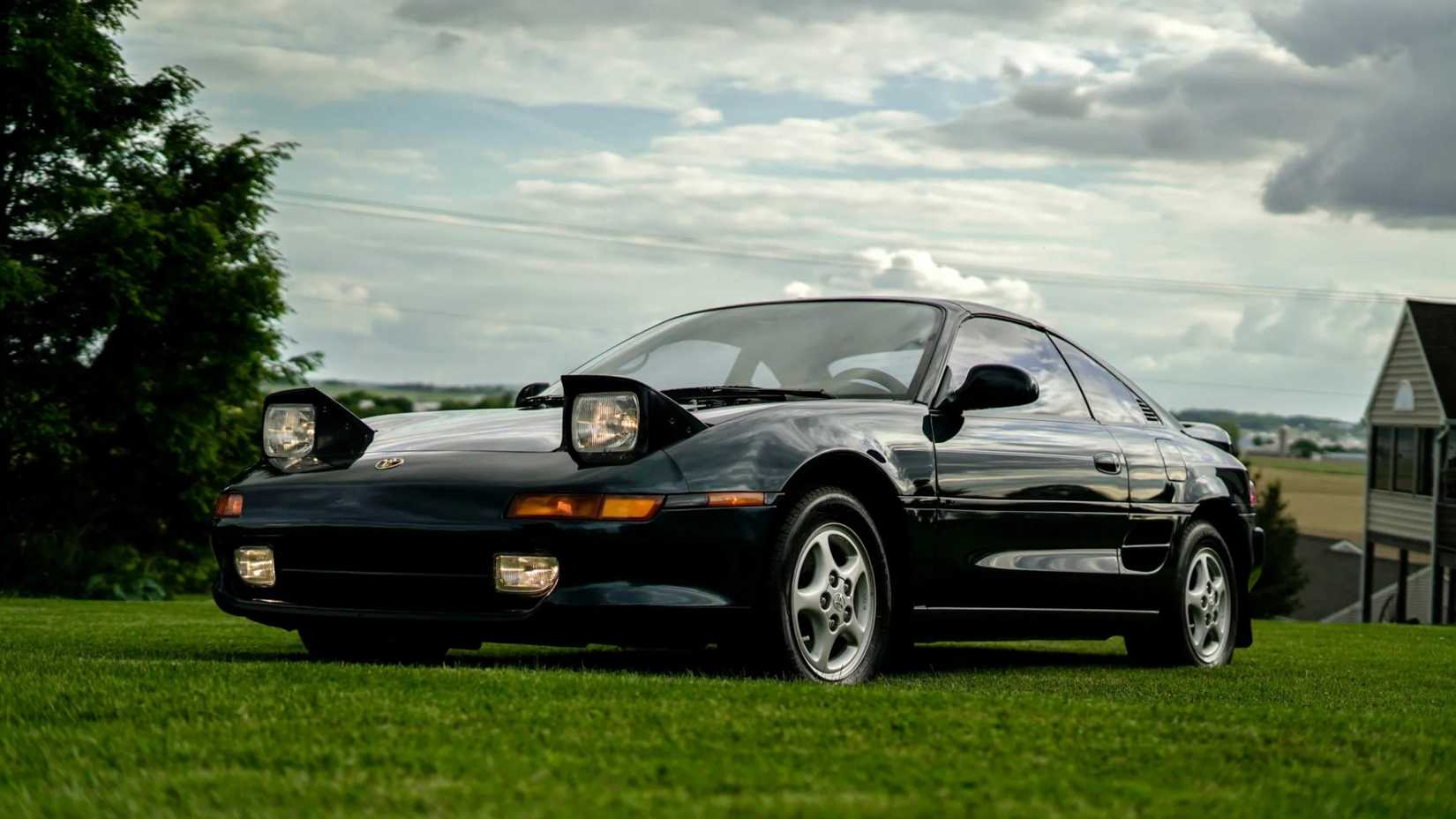
The MR2 also occupies a particularly interesting position within the collector world because it’s still attainable compared to some of its Japanese contemporaries. Cars like the Toyota Supra, Mazda RX-7, and first-generation Honda NSX have already climbed dramatically in value. That affordability, combined with its exotic layout and growing rarity, continues strengthening the MR2’s reputation among enthusiasts.
Why The 1990s Was A Golden Era For Affordable Sports Cars
The ’90s brought us some of the best cheap sports cars that still live on today, here are the reasons that the decade produced so many greats.
Why Cars Like The MR2 No Longer Exist
Cost, Regulations, And Changing Market Trends
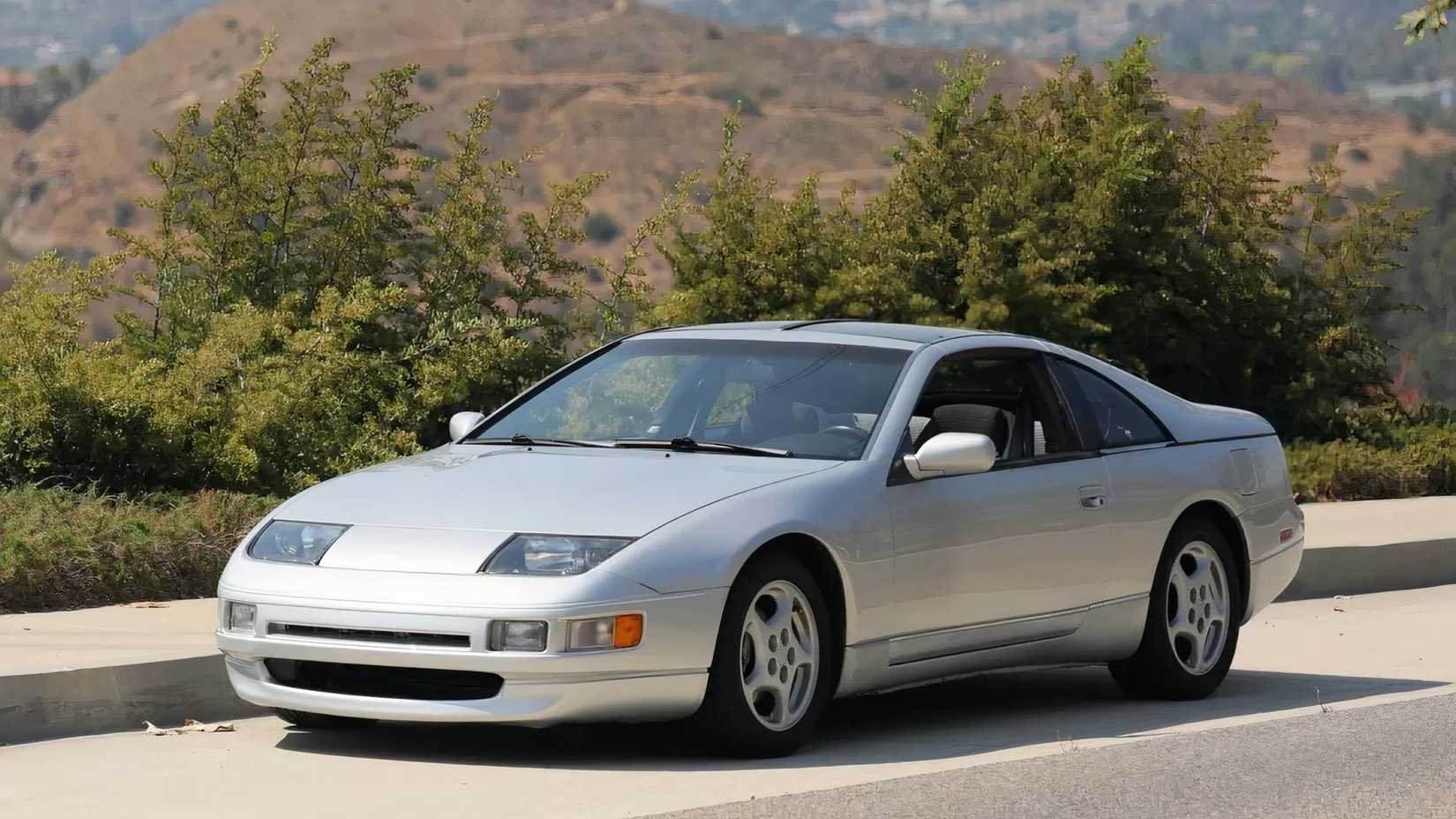
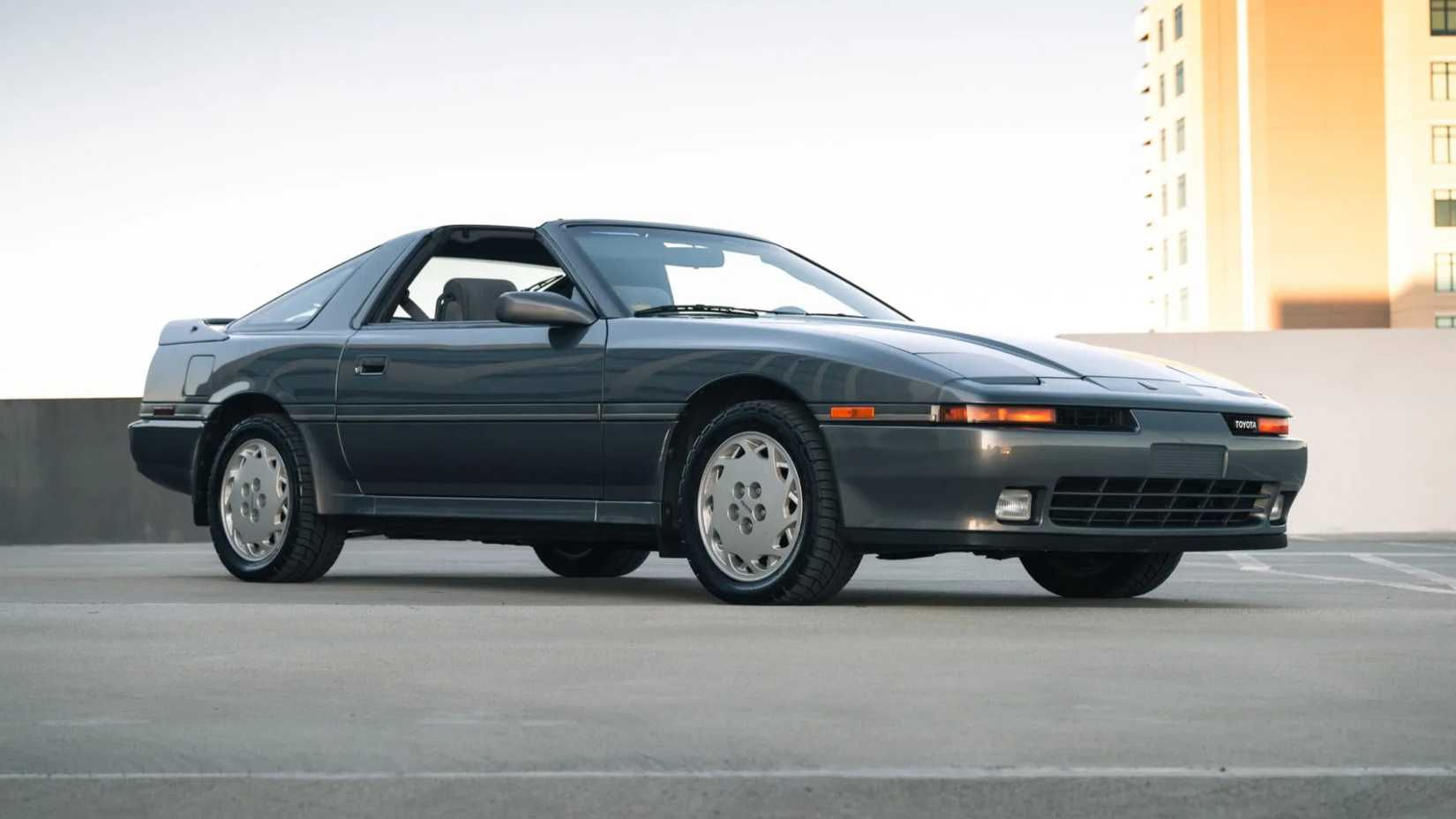
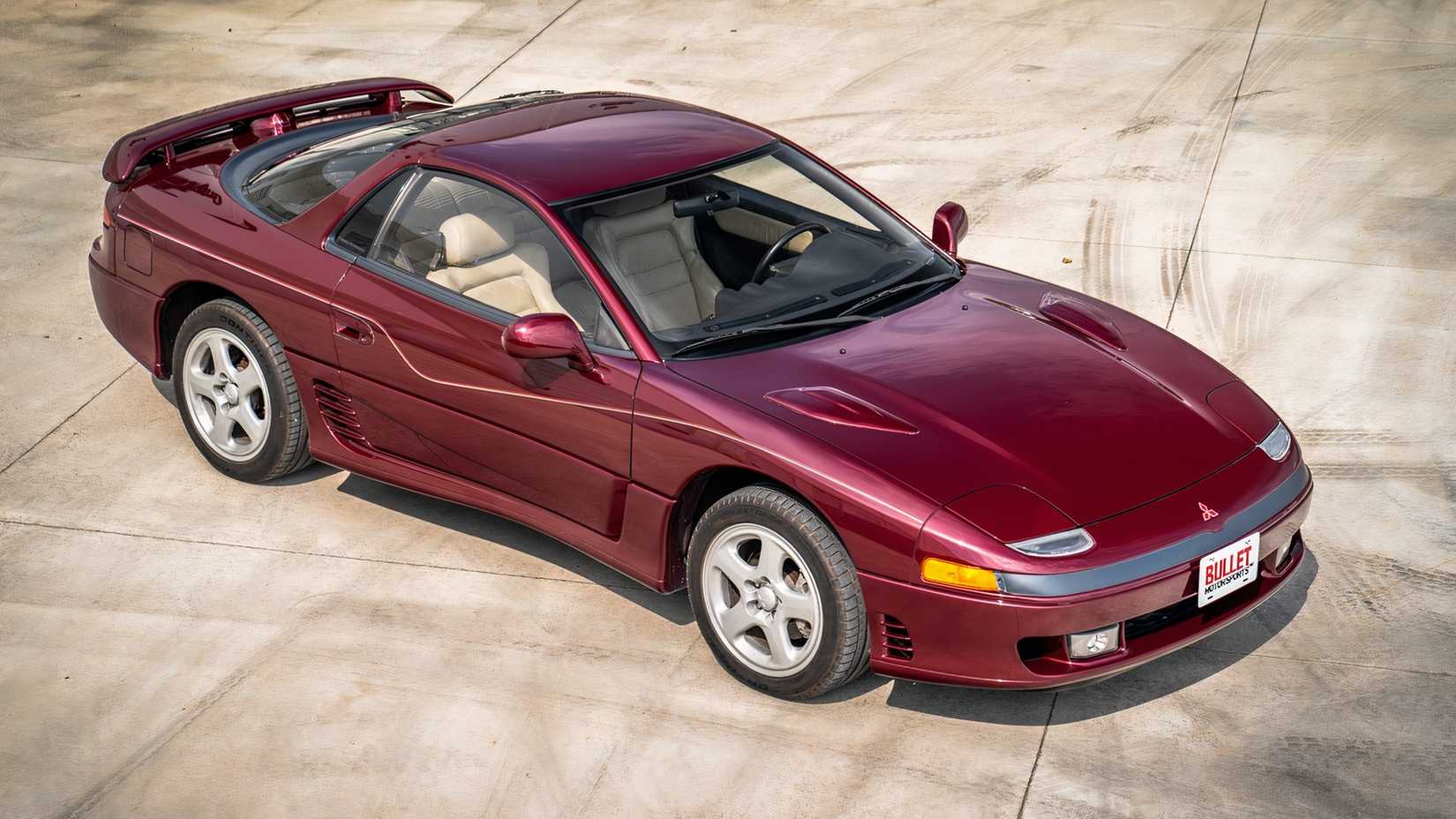
By the late 1990s, many Japanese performance cars were already disappearing from major markets due to rising development costs, changing exchange rates, and shrinking demand for specialist sports cars. Models like the Nissan 300ZX, Toyota Supra, RX-7, and Mitsubishi 3000GT gradually disappeared from American showrooms as manufacturers shifted focus elsewhere. Modern regulations have only made the situation more difficult.
Crash standards, emissions requirements, electrification, and rising production costs make lightweight, affordable sports cars significantly harder to develop profitably today. Meanwhile, global consumer demand has shifted heavily toward SUVs and crossovers, leaving enthusiast-focused sports cars occupying a much smaller portion of the market.
Bring a Trailer
And realistically, a compact, affordable mid-engine sports car would be incredibly difficult to justify financially in the modern era. That is partly why the MR2 feels so important in hindsight. It emerged during a brief moment when manufacturers were willing to experiment, take risks, and prioritize enthusiast engagement over mass-market trends. Toyota managed to create a sports car that delivered exotic-car flavor without becoming inaccessible to ordinary buyers.
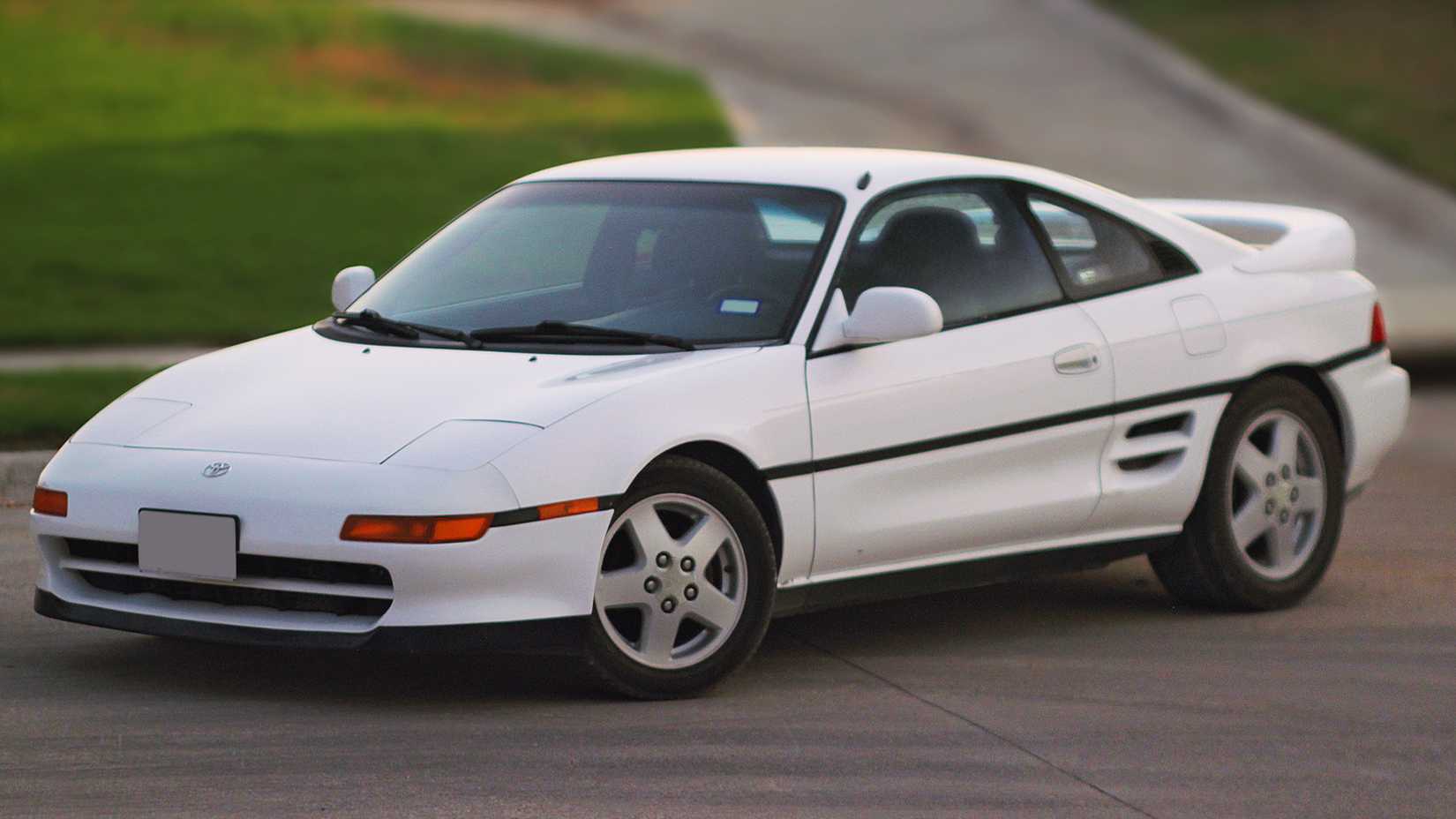
And even decades later, that formula still feels incredibly special. The MR2 may never have carried the prestige of a Ferrari badge, but for many enthusiasts, it delivered something arguably more important: the opportunity to experience exotic engineering in a way that felt attainable, usable, and genuinely rewarding every single day.
Sources: Carbuzz, Toyota USA, Consumer Reports